Stay informed and up-to-date with the latest news from around the world. Our comprehensive news coverage brings you the most relevant and impactful stories in politics, business, technology, entertainment, and more.
Demonstrators mark the second anniversary of a 2024 protest where 60 people were killed by security forces.
Published On 25 Jun 202625 Jun 2026
Kenyan police have dispersed protesters in the capital and detained others who took to the streets in memory of the demonstrators who were killed in anti-government rallies against tax rises two years ago.
Interior Minister Kipchumba Murkomen said on Thursday that a total of 355 people were arrested in various parts of the country. He called those detained “criminals” and apologised for the use of barricades and other security measures aimed at containing the protests.
Recommended Stories
list of 3 itemsend of list
“We regret the inconveniences occasioned by these measures, and at the same time appreciate their effectiveness in securing the city and other parts of the country,” Murkomen told reporters.
A correspondent for the Reuters news agency also saw police fire tear gas to disperse people who were gathering peacefully outside of Nairobi’s police station after forces detained six people outside parliament, where they had laid flowers.
According to the Kenya National Commission on Human Rights, organisers had planned to mark the second anniversary of the demonstrations that had left at least 60 people dead after protesters had breached parliament grounds in 2024.
But in Nairobi, shops and restaurants in the central business district remained closed as police set up roadblocks with water-cannon trucks.
Reporting from Nairobi, Al Jazeera’s Malcom Webb explained that the heavy police response to the protest was due to the government’s desire to avoid a repeat of the events two years ago.
“This comes following a series of different protests in recent weeks, some led by [President William] Ruto’s political opponents, others by transport unions over increases in fuel prices and a state of simmering discontent that hasn’t really recovered since that day two years ago when dozens of people were killed,” he said.
Opposition leaders joined the victims of alleged police brutality and families of protesters who were killed in the crackdown before they headed to parliament.
“As parents, we sought permission just to come here … to mourn and lay flowers for our children. But when we arrived, we were shocked because the police blocked us,” said Edith Wanjiku, whose 19-year-old son Ibrahim Kamau was killed in 2024.
“That is very shameful,” she continued.
“And one thing I would ask of President Ruto: those police officers who killed the children – because they are known – I am only asking for justice for those children and also compensation,” she added.
Protest organisers have said that they want a credible investigation into past police conduct and guarantees against the use of excessive force.
While Ruto has acknowledged what he called “instances of excessive and extrajudicial actions by members of the security services” and said last week that two billion Kenyan shillings ($15.5 million) had been set aside for victims of protest-related abuses, some activists have said it was not enough.
FIFA’s inaugural U-15 World Cup in October has been opened to all of its member associates, paving way for Russia’s return.
Published On 25 Jun 202625 Jun 2026
A Russian team may be allowed to participate in a FIFA event for the first time since Moscow’s 2022 invasion of Ukraine after football’s global authority said its inaugural U-15 World Cup and Festival, set to be held in Azerbaijan in October, is open to all FIFA member associations.
FIFA banned Russia from international competition in February 2022 after it invaded Ukraine, but it lifted the suspension from the country’s U-17 boys’ and girls’ teams the next year.
Recommended Stories
list of 4 itemsend of list
However, Russian teams have remained absent from U-17 tournaments organised by FIFA and UEFA as several European countries, including Ukraine and England, continue to boycott Russia over its ongoing invasion of its neighbour.
“The first edition will be open to boys’ teams from all FIFA member associations, the second instalment in 2027 will feature girls’ teams only,” FIFA said on Wednesday about the U-15 World Cup and Festival.
“From 2028 onwards, all member associations will be invited to participate with both their boys’ and girls’ U-15 teams in two separate competitions.”
The U-15 event will kick off on October 22 and conclude nine days later.
The United States Supreme Court has sided with the maker of Roundup weedkiller in a ruling expected to block thousands of lawsuits alleging it failed to warn people the product could cause cancer.
The ruling on Thursday was tied to a case that came before the justices after a tidal wave of litigation that included some multibillion-dollar verdicts against the global agrochemical manufacturer Bayer, a Germany-based company that acquired Roundup when it bought its original producer Monsanto in 2018.
Recommended Stories
list of 4 itemsend of list
The decision is a victory for US President Donald Trump’s administration, but one that could be tricky politically since allies in the “Make America Healthy Again” movement want to rein in pesticide use.
The high court, in a 7-2 ruling, found that the company cannot face failure-to-warn lawsuits in state courts because federal regulations have found a cancer link unlikely and do not require a warning label.
The justices overturned a jury verdict in Missouri awarding $1.25m to a man named John Durnell who said he was diagnosed with non-Hodgkin lymphoma after years of exposure to glyphosate in Roundup. The Supreme Court agreed with Bayer that a US law that governs pesticides precludes failure-to-warn claims that are brought under state law from moving forward in court.
Bayer shares jumped nearly 18 percent following the ruling.
Trump’s administration had backed Bayer in the case.
Conservative Justice Brett Kavanaugh, who authored the ruling, said the US Environmental Protection Agency, or EPA, has concluded glyphosate does not cause cancer and has not required a cancer warning on Roundup.
The law preempts Durnell’s claim because it “would require Monsanto to add a cancer warning to Roundup’s label even though federal law requires Monsanto to use the EPA-approved label without a cancer warning”, Kavanaugh wrote.
Liberal Justice Ketanji Brown Jackson, in a dissent joined by conservative Justice Neil Gorsuch, said that Durnell’s claim would impose equivalent labelling requirements on Monsanto that the federal law requires and so should not be preempted.
Jackson called the ruling “remarkable and regrettable, for it unjustifiably closes the courthouse doors to state tort plaintiffs like Durnell”.
Bayer acquired Roundup as part of its $63bn purchase of agrochemical company Monsanto in 2018. More than 100,000 plaintiffs have filed cases in US state and federal courts alleging a cancer link, and the German drugmaking and crop science company had said that the lawsuits could threaten its ability to supply the herbicide to farmers.
The torrent of litigation already prompted Bayer to remove glyphosate from its consumer version of Roundup. Bayer said before the Supreme Court ruled that a decision in its favour could largely end the Roundup litigation.
“The US Supreme Court decision is good for science, farmers, and industries that depend on regulatory clarity for innovation. It should help significantly contain the Roundup litigation after nearly a decade of legal battles. The ruling should result in the dismissal of current warning-based claims and bar future failure-to-warn claims,” Bayer spokesperson Tino Andresen said in a statement.
The company emphasised throughout the litigation that the EPA repeatedly found that glyphosate does not cause cancer and approved its product labels without a warning.
Facing billions of dollars in potential liability, Bayer announced in February a proposed $7.25bn settlement to resolve tens of thousands of current and future lawsuits. The settlement would not affect claims that stem from pending appeals or that fall outside the deal, according to the company. Those amount to nearly $1bn, it said.
‘Disaster for public health’
Environmental activists and others criticised the court’s ruling on Thursday.
“Once again, the Supreme Court has sided with big business over people and the environment. Today’s ruling is a disaster for public health,” said Tarah Heinzen, legal director at the advocacy group Food and Water Watch.
“The harm from this decision will perpetuate our cancer, infertility and general chronic disease epidemic for generations to come,” said Kelly Ryerson, co-executive director of advocacy group American Regeneration and a Make America Healthy Again activist who posts on social media under the moniker “The Glyphosate Girl”.
The sprawling dispute centres on a US law called the Federal Insecticide, Fungicide and Rodenticide Act, or FIFRA, that governs the sale and labelling of pesticides and bars states from imposing differing or additional requirements.
The measure prohibits pesticides that are “misbranded” with labels that lack an adequate warning to protect health and the environment.
Bayer has argued that Durnell’s claims are preempted by this law. The EPA has repeatedly approved labels without such a cancer warning, demonstrating that these products are not misbranded, the company said, adding that labels cannot be substantially changed without the agency’s approval.
Durnell’s lawyers said that despite the EPA’s registration of Roundup, the label may still be challenged as misbranded. They also said Durnell’s claims are not preempted because Missouri state law that requires products to adequately warn of dangers imposes the same requirements as FIFRA’s prohibition on misbranding.
‘A new era’
Union Investment fund manager Markus Manns called Thursday’s ruling a significant milestone for Bayer, adding that a decade after the Monsanto acquisition, the company is “entering a new era”.
“While future lawsuits are not entirely off the table, they will become considerably more difficult. A final breakthrough would come if the settlement is accepted by the plaintiffs and approved by the competent court in July. This would bring Bayer’s glyphosate litigation chapter to a definitive close, allowing management to fully refocus on operational and strategic matters,” Manns said.
Durnell sued Monsanto in Missouri state court in 2019, claiming it failed to warn users of the dangers associated with Roundup and glyphosate.
He was diagnosed with a rare and often aggressive form of non-Hodgkin lymphoma, a cancer that starts in the white blood cells, and attributed the disease to his exposure to Roundup starting in 1996. For about 20 years, he was the “spray guy” for a neighborhood association in St Louis, killing weeds at local parks without protective equipment, according to court papers.
A jury sided with Durnell in 2023, and in 2025, a state appeals court upheld that verdict.
Reporting from Caracas for Al Jazeera, Noris Soto says authorities appear to lack a clear response plan in the aftermath of two powerful earthquakes. The recovery is being hampered by severe damage to communication systems, as displaced residents are housed in hotels.
Weekly insights and analysis on the latest developments in military technology, strategy, and foreign policy.
The U.S. Navy continues to make use of MQ-1 Predators as test and training assets, eight years after the U.S. Air Force retired the iconic drones. TWZ was first to report that the Air Force was looking at transferring some of its remaining Predators to the Navy back in 2019, but it was unclear what came of those discussions in the end. Now we know.
The Air Force officially retired the MQ-1 in 2018. At that time, the service still had dozens of these drones in its inventory. More than 50 Predators were heavily cannibalized for parts they shared with their newer cousin, the MQ-9 Reaper. A number of demilitarized examples were also put on display. Today, 15 MQ-1s remain in storage at the boneyard at Davis-Monthan Air Force Base in Arizona, and are technically the property of the National Museum of the U.S. Air Force. Then there’s the matter of the MQ-1s that went to the Navy.
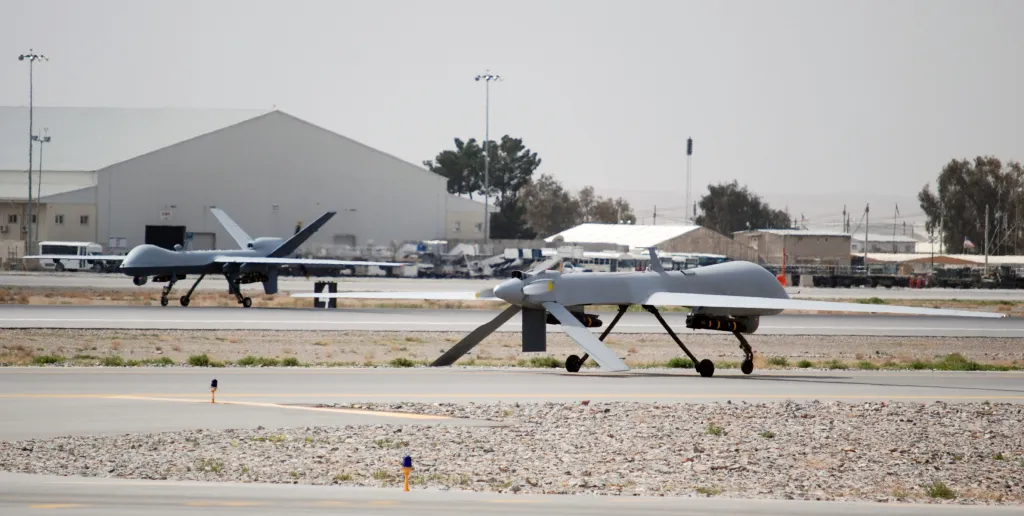
A US Air Force MQ-1 Predator, at right, and an MQ-9 Reaper, at left, seen taxiing at Kandahar Airfield in Afghanistan in 2014. USAF
“In 2019, Naval Air Warfare Center Weapons Division (NAWCWD) received 20 MQ-1 aircraft from the U.S. Air Force,” a spokesperson for NAWCWD, part of the Navy’s Naval Air Systems Command (NAVAIR), confirmed to TWZ. “These aircraft were redesignated as NMQ-1Bs to support our mission.”
The new nomenclature here is notable. In the U.S. military’s joint service designation system for aircraft and missiles, the prefix “N” refers to platforms that have been modified in some way, typically for testing purposes, that are not readily reversible. One of the better-known examples of this is the Air Force’s secretive NT-43A radar cross-section measurement platform, a heavily modified Boeing 737-200 with a completely new and enlarged nose, as well as a huge radome extending from the tail. Other “N” aircraft that various branches of the U.S. military have operated over the years have had far less dramatic modifications. How exactly the NMQ-1B configuration differs from a typical MQ-1B is unclear.
A stock picture of an MQ-1 Predator in US Air Force service. USAF
“NAWCWD is an RDT&E [research, development, test and evaluation] command and the platforms were acquired to support our targets department,” they added when asked for more information. “The NMQ-1B platform is being used for test and training. We have nothing further to provide at this time.”
TWZ had reached out to the Navy for more details after the Air Force had also confirmed the transfer of the MQ-1s. We had asked the Air Force about the status of any Predators still in its inventory after U.S. Central Command (CENTCOM) confirmed the loss of an “MQ-1” to Iranian fire at the end of May. By all indications, what Iran shot down was actually a U.S. Army MQ-1C Gray Eagle, a design that evolved from the Predator, but that is distinctly different.
When the Air Force retired the MQ-1, the service still had dozens of airworthy examples. TWZ pointed out at the time that at least a portion of them could end up as targets for air-to-air and surface-to-air weapons, as well as sensor testing and other weapons testing. The fact that NAWCWD says it is still using the drones today would seem to point more to the latter than the former, though anti-air missile testing does not necessarily have to entail the destruction of the target.
For instance, certain kinds of testing of some missile seekers can be done without it ever leaving a rail on an aircraft or a launcher on the ground. The Navy and Air Force test communities also use specialized podded systems to support the development and evaluation of new and improved seekers for anti-air missiles, something we have explored in detail in the past. Even live fire tests do not always result in the target being destroyed if that is not the intended outcome. Just by removing the warhead, missiles will still pass within lethal distance with their proximity fuzes being triggered to confirm a simulated kill. The missile will fly on, and the target will survive to live another day.
As noted, at least based on the NMQ-1B designation, the Navy’s Predators have been altered in some significant way. One possibility is that they have been modified to be able to mimic an array of different radar, infrared, and/or other signatures. In this way, a Predator could offer a lower-cost and long-endurance flying asset capable of replicating a variety of aerial threats to support testing and training requirements. The U.S. military already uses smaller crewed aircraft as surrogates for cruise missiles and long-range kamikaze drones, as can be seen in the TWZ video below. This is in addition to target drones specifically built for this purpose.
These aircraft masquerade as enemy Shahed-136 drones during U.S. military war games
The NMQ-1Bs could also be modified in a variety of other ways to support more specific NAWCWD requirements, or to make them more adaptable to meet changing demands. The standard MQ-1B variant also features two underwing hardpoints that could be used to carry various stores, such as countermeasures and small munitions. This would further expand the Predator’s flexibility as a test and training asset from one sortie to the next. Being able to more readily modify or swap out the drone’s internal systems, as well as the software running them, would also be a boon for its current role.
Despite being housed within NAWCWD’s targets department, depending on their current configuration, the NMQ-1Bs could also help monitor missile and other test activities, or even act as signal relays. Before armed MQ-1 versions arrived, RQ-1 Predators were already flying surveillance and reconnaissance missions using infrared and electro-optical full-motion video cameras in turrets under their noses. The drones could also be fitted with small radars with synthetic aperture modes capable of capturing still imagery, even through cloud cover, smoke, and dust, and at night.
An early variant of the Predator drone flies near the U.S. Navy’s Nimitz class aircraft carrier USS Carl Vinson during a test in 1995. U.S. military
Around their retirement, there were rumors that the remaining MQ-1 fleet could be used to test cooperative swarming capabilities, including hardware, software, and communications networks. There is no hard proof that this occurred, but it seems quite plausible considering the timing and how well-known and adaptable the Predator was at the time.
Using surrogate drones in the development of autonomy agents, teaming architectures, and swarming capabilities is now a very well-established practice. The big question is that if these Predators are still flying, or at least have been since their retirement, how is it that we have not caught a glimpse of them? One answer would be that this work was done at clandestine test facilities like Area 51 or even less secretive but still somewhat remote locales. If this is the case, these aircraft likely have historic significance, paving the way to the autonomous air combat revolution currently underway.
Overall, how much longer the Navy might continue to make use of the NMQ-1Bs remains to be seen. The service’s test community has already given the iconic Predator nearly a decade of extra life.
The jury heard he had been expelled from school for disruptive behaviour and truancy hours before Aria’s death, and that his mother had taken away his phone as a punishment.
He said that without his phone, he was unable to call 999.
Aria was found face down on the floor of her home shortly after 18:00 GMT by Ollie Sheppard, who was temporarily lodging at the house.
Sheppard described the house as being “silent” and “very eerie” when he arrived. ”At first I thought she was messing around” he told the court, before he realised Aria’s school shirt was covered in blood.
Emergency services stopped trying to resuscitate the nine-year-old at 18:58.
Aria’s mother, Victoria Hull, said the last time she had seen her daughter alive she had been eating mini-pizzas in front of the TV in the living room.
“Aria seemed bubbly and happy because she had a good dance class,” Hull said.
The girl’s mother then headed out to work, where she was doing evening shifts to earn extra money for Christmas.
Hull said the last words which passed between them were “see you after work mummy”, to which she replied: “See you after work, love you.”
Coastal La Guaira state showed widespread infrastructure damage. (Reuters)
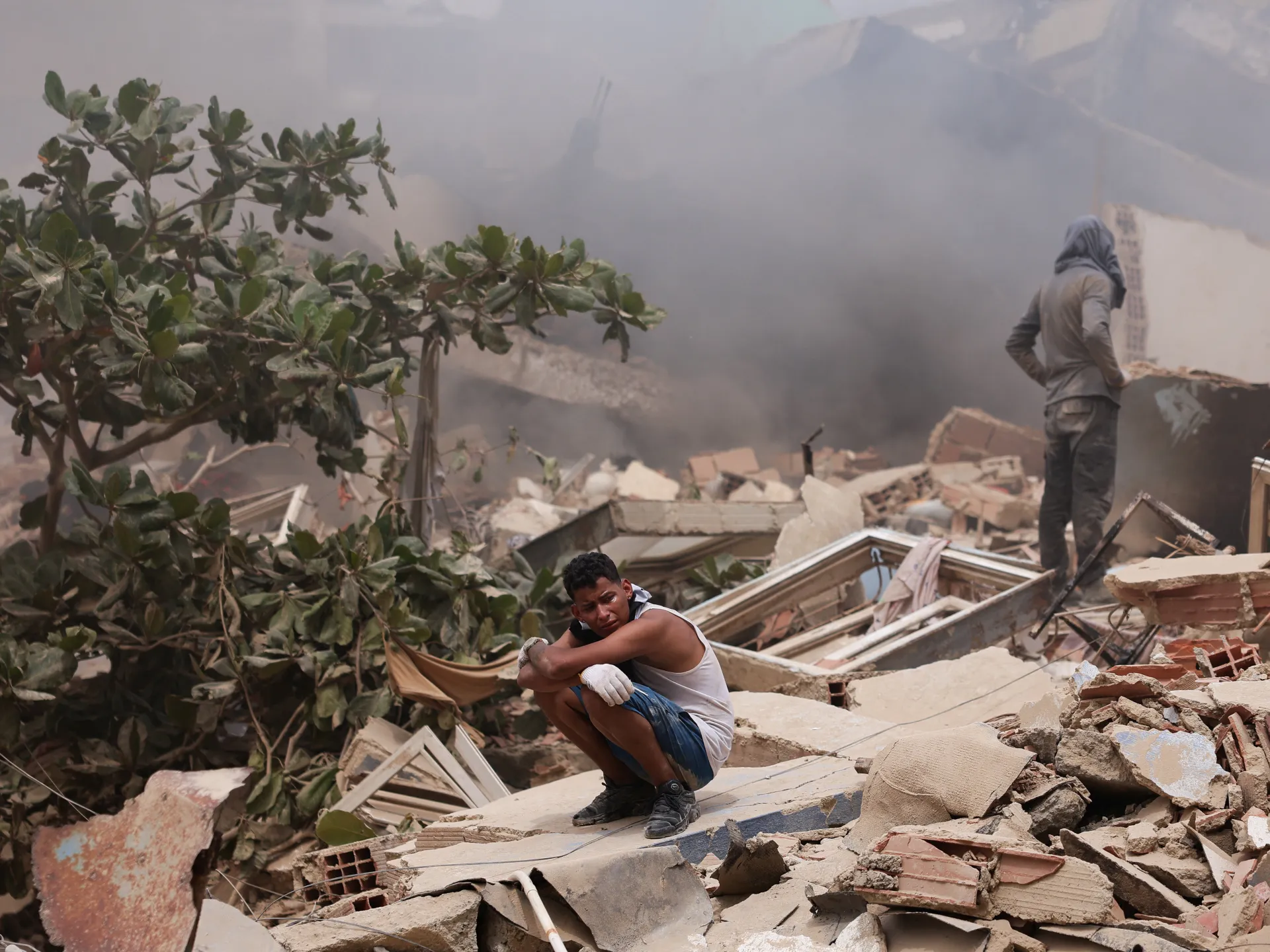
Caracas, June 25, 2026 (venezuelanalysis.com) – Venezuela suffered two successive major earthquakes on Thursday afternoon that caused devastating damage.
Authorities reported that 7.2 and 7.5 magnitude earthquakes struck 39 seconds apart just after 6 pm. The epicenters were close to San Felipe, Yaracuy State, some 120 kilometers west of Caracas.
The tremors strongly shook central and northern Venezuela and were felt as far as Brazil and Colombia. Geological services registered 20 aftershocks in the following hours.
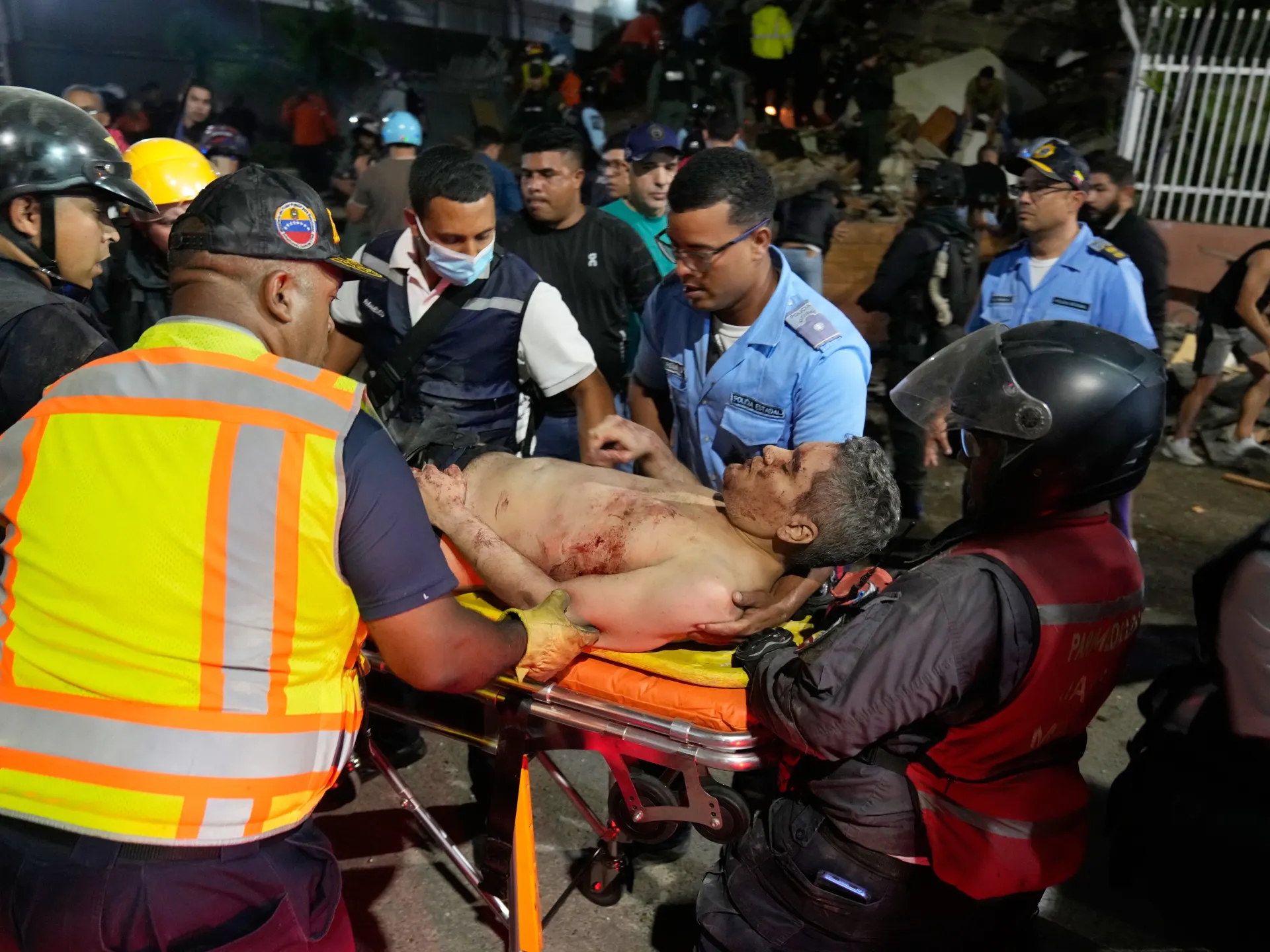
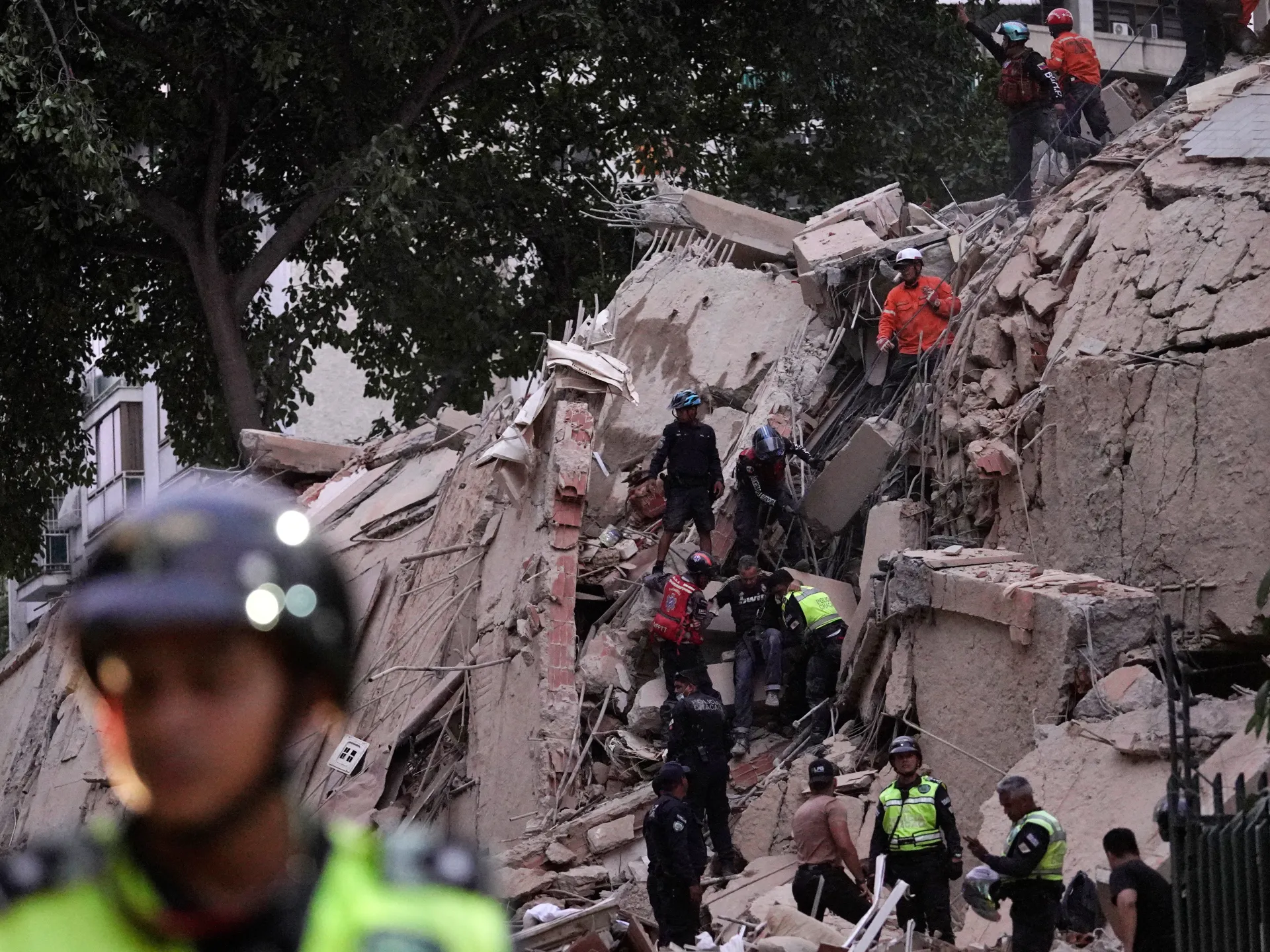
Emergency services, firefighters, and civil protection brigades were immediately deployed. Videos circulated on social media showed collapsed infrastructure in parts of the capital and nearby towns and rescue teams removing rubble to reach survivors.
Reports from the coastal of La Guaira showed completely devastated areas with rows of destroyed buildings.
Acting President Delcy Rodríguez addressed the nation on Thursday night and again in the early hours of Friday, calling for calm and unity in the wake of the natural disaster and declaring a state of emergency.
Rodríguez decreed a suspension of educational and “non-essential” activities, as well as the Caracas metro and suburban trains. The Simón Bolívar airport in nearby Maiquetía was likewise temporarily shut down.
“The priority right now is to save lives,” the acting president told press. “Later we will address the material reconstruction.” Rodríguez gave a preliminary figure of 32 dead and over 700 injured.
The acting president called the situation in La Guaira “a real tragedy” and a “disaster zone” with dozens of collapsed buildings. She expressed condolences to relatives of victims and urged Venezuelans to report missing people or damaged infrastructure via a dedicated phone app.
Rodríguez went on to call on people to evacuate buildings with visible structural damage and urged medical personnel to report to their stations as soon as possible.
During her press conference, Rodríguez thanked multiple countries for expressing solidarity and offering support, and announced the imminent arrival of rescue teams from the US, the Dominican Republic, El Salvador, and Qatar.
US Secretary of State Marco Rubio stated on social media that Washington is “immediately deploying search and rescue teams, medical resources, and humanitarian assistance to Venezuela.”
Caracas additionally received support from Bolivia, Brazil, Cuba, and a host of other nations. Mexican President Claudia Sheinbaum reported that specialized rescue teams are being prepared and that her government is in contact with Venezuelan counterparts.
Some areas of the capital and nearby states remained without electricity hours after the earthquakes. Authorities temporarily disconnected the direct supply of cooking gas to avoid secondary fires.
When the first three people fell sick on Thursday, June 11, residents of Doron Baga were unsure what was happening. The symptoms – vomiting, diarrhoea, and weakness – were familiar enough in a rural community where access to healthcare is limited, and illnesses are often treated at home or by local patent medicine vendors. However, as more people began showing the same signs, and deaths followed within days, concern spread across the community.
Ahmadu Haruna watched the disease move rapidly through his household. He is the community leader of Randa, an area within Doron Baga, a fishing and farming community on the shores of Lake Chad, less than three kilometres from Baga town in Kukawa Local Government Area (LGA) of Borno State, northeastern Nigeria.
He lives in a large compound that houses nearly 150 people, including his four brothers, their wives, children, and grandchildren. Within seven days, he said, at least 20 people living in his compound became ill. Seven died. “It started with three people,” Ahmadu recalled. “One of my brother’s children and another brother’s wife were the first to be infected.”
As cases multiplied, residents began drawing connections to reports they had been hearing from Maiduguri, the state capital, where a cholera outbreak had already overwhelmed health facilities and infected thousands. “We knew it was cholera because the symptoms matched what we heard on [the radio] about the outbreak in Maiduguri,” said Bashir Suleiman, a resident. “The people there were vomiting and having diarrhoea, and that was exactly what we were seeing here.”
The outbreak has unsettled Doron Baga, a community that has spent the last six years rebuilding after it was displaced by the Boko Haram insurgency. Residents were officially resettled in September 2020 by the state government. Many residents say that returning home symbolised the beginning of recovery. Families rebuilt their houses, fishermen returned to the lake, and farmers reclaimed their fields. Gradually, life appeared to be returning to normal. The cholera outbreak, however, has revealed how incomplete that recovery remains.
Cholera, according to the World Health Organisation (WHO), is “an acute diarrhoeal infection caused by consuming food or water contaminated with the bacterium Vibrio cholerae”.WHO), is “an acute diarrhoeal infection caused by consuming food or water contaminated with the bacterium Vibrio cholerae”.
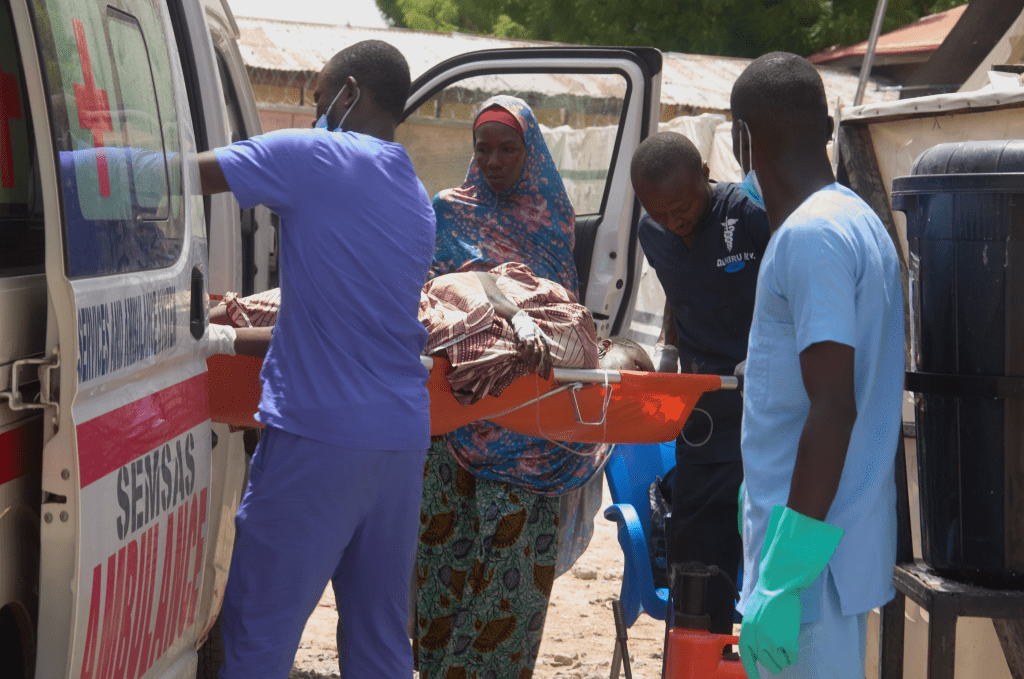
A cholera patient is being carried into a waiting ambulance at an MSF facility by health workers in Maiduguri on Monday, June 8. Photo: Jude Mike/AP.
The disease is not new to communities along the Lake Chad shoreline. In 2018, the Borno State Ministry of Health recorded 502 cases and one death across Baga, Doro, and Kukawa wards. Doro accounted for the highest burden, with 254 reported cases. Response efforts at the time involved the Ministry of Health, WHO, and the Alliance for International Medical Action (ALIMA). Six years later, residents of Doron Baga say many of the conditions that enable cholera transmission remain unresolved.
Access to healthcare remains limited, many households depend on self-built water sources, and sanitation challenges persist in parts of the community.
Unlike many urban households, Ahmadu’s home is a large family compound that functions almost like a small settlement. At its centre is a manually operated hand pump, and near the entrance sits an open well. Built by the family years ago, the two sources continue to supply most of the household’s water needs. “Our main source of drinking water is the hand pump and the open well,” Ahmadu told HumAngle.
The compound also relies on pit latrines. Each household maintains its own facility, while another serves as a communal latrine for residents and visitors.
The source of the infection has not been established. But in a compound where dozens of people share water sources and common spaces, many residents may have been exposed to the same source of contamination. The outbreak also comes during the rainy season, a period when cholera cases often increase as flooding and runoff can contaminate drinking-water sources.
From Maiduguri to Lake Chad
The outbreak that has now reached Doron Baga began hundreds of kilometres away in Maiduguri, where it was first detected in early May. Health authorities had reported more than 2,700 suspected cases and 39 deaths across eight LGAs by mid-May, with Maiduguri Metropolitan Council recording the highest burden.
The spread, according to the international medical humanitarian organisation Médecins Sans Frontières (MSF), overwhelmed treatment facilities, prompting an emergency response from the state government and humanitarian organisations.
As the days went by, the numbers continued to climb. By June 7, Borno had recorded 7,850 suspected cases and 74 deaths across 14 local government areas, according to figures cited by MSF and state health authorities. MSF alone said it had treated 7,439 patients between May 1 and June 7.
To contain the outbreak, the Borno State Ministry of Health and Human Services said it is implementing emergency health measures, improving sanitation, and increasing public awareness. In addition, humanitarian organisations such as MSF and Save the Children have activated emergency responses that include cholera treatment centres, oral rehydration points, surveillance, hygiene promotion campaigns, and water, sanitation, and hygiene interventions. MSF expanded treatment capacity in Maiduguri and opened additional cholera treatment units as admissions surged.
At the height of the outbreak, between June 5 and 7, MSF reported treating as many as 500 patients in a single day. Another organisation, Save the Children, said it was responding to more than 7,000 suspected cases reported across the state. The Nigerian Red Cross also supported awareness campaigns, case management, community sensitisation, and emergency response activities.
For weeks, the outbreak appeared largely concentrated in and around Maiduguri and other major population centres. Then it reached Doron Baga.
An MSF nurse carrying a patient with suspected cholera out of a facility in Maiduguri. Photo: Merel van de Geyn/MSF.
The unfinished work of recovery
As cases spread through Doron Baga, residents and health workers say longstanding challenges in healthcare, water access, sanitation, and public infrastructure have complicated efforts to contain it.
Many residents did not consider the local health facility a realistic option. When HumAngle asked why his family did not immediately seek treatment at the hospital, Ahmadu laughed. “Hospital?” he asked. “Do you expect us to take our sick relatives to a hospital without doctors and drugs?”
Residents say the Doron Baga Primary Healthcare Centre suffers from chronic shortages of personnel and medicines. “There are no staff, too,” Bashir said. “Those coming from Baga don’t spend more than an hour.” As a result, many families depend on patent medicine stores as their first source of treatment.
Get our in-depth, creative coverage of conflict and development delivered to you every weekend.
Subscribe now to our newsletter!
The nearest alternative is Baga town, but the cost of transportation, combined with the expense of purchasing prescribed medicines, often places formal healthcare beyond the reach of many households. “We usually take sick relatives to Baga,” Ahmadu said. “However, we did not take these ones there because it is expensive.”
Residents’ complaints come despite years of government investments aimed at improving healthcare services in the area. During a visit to Baga in July 2023, Borno State Governor Babagana Zulum ordered the rehabilitation of the Baga General Hospital and Doro Primary Healthcare Centre. Residents confirmed that the rehabilitation was carried out.
More recently, in May, Kukawa Local Government Chairperson, Mustapha Kukawa, distributed drugs to healthcare facilities across the LGA and warned against the diversion or mismanagement of medical supplies. At the state level, the Executive Secretary of the Borno State Contributory Healthcare Management Agency (BOSCHMA), Saleh Abba, said on June 4 that the agency had disbursed more than ₦400 million to 171 primary healthcare centres and nine secondary health facilities providing free treatment to vulnerable persons across Borno.
Yet residents of Doron Baga say shortages of staff and medicines persist, raising questions about the extent to which investments in infrastructure, medical supplies, and healthcare financing are translating into accessible services in some resettled communities.
Their concerns reflect a broader pattern documented across conflict-affected communities in Borno. In 2023, HumAngle reported that residents of Kirawa, a resettled border town in Gwoza LGA, frequently crossed into neighbouring Cameroon to access healthcare services. In 2024, residents of Baga and Dalori, another resettled community in the Konduga LGA, similarly complained about inadequate drug supplies and limited healthcare services. That same year, a Premium Times investigation found that despite significant investments in rehabilitating primary healthcare facilities across rural Borno, many communities continued to struggle with staffing shortages and inadequate medicines.
Together, these accounts suggest that while reconstruction has improved physical infrastructure in many communities, ensuring consistent access to healthcare workers, medicines, and essential services remains a challenge in parts of the state.
The primary healthcare centre in Doro was reconstructed two years ago, but the residents say the facility lacks adequate medicine and staff. Photo: Umar Ahmad.
Faced with these realities, many residents turn to informal healthcare providers. One of them is Kasim Muhammad Auwal, a patent medicine vendor and community health worker who has operated in Doron Baga since the community was resettled.
“I have recorded 40 cases so far,” Kasim said. “Most have recovered. Four have died.”
Kasim holds a diploma in community health from the College of Health Technology in Maiduguri and believes that sanitation may also be contributing to the outbreak. “One major thing I have observed is increasing open defecation in the community,” he said. “This, I suspect, is the leading cause.”
According to him, the practice is particularly common among children, residents living on the outskirts of the settlement, and visiting fishermen from neighbouring communities.
Public health research supports concerns about the relationship between water, sanitation, and cholera transmission. The WHO identifies contaminated drinking water and inadequate sanitation as major drivers of cholera outbreaks, while studies have linked unprotected wells and poor sanitation practices to increased infection risks.
Like Ahmadu’s household, many residents rely on self-built infrastructure, including open wells and manually operated pumps, to meet their daily water needs. Although these sources may serve communities for years, they can become significant public health risks during disease outbreaks. Studies consistently show that communities dependent on untreated water and limited sanitation infrastructure face a higher risk of waterborne diseases.
Children fetch water at a manually operated pump in the Randa area of Doron Baga. Photo: Umar Ahmad.
As cases spread through the community, humanitarian organisations also began carrying out preventive measures. Residents said volunteers from the Nigerian Red Cross and other organisations had conducted sensitisation campaigns, educating households about cholera symptoms, hygiene practices, and ways to reduce transmission.
A Red Cross volunteer in Kukawa confirmed that awareness activities were ongoing in the community but declined to comment officially, saying he was not authorised to speak on behalf of the organisation.
As of June 23, residents said new suspected cases were still being recorded in the community and that additional deaths had occurred in recent days, indicating that the outbreak had not yet been fully contained. They also said at least 11 patients were receiving treatment at the Doro Primary Healthcare Centre. HumAngle could not independently verify a community-wide death toll.
Residents say most of the staff at Doro Primary Healthcare Centre come from Baga, a town three kilometres away. They leave by 3 p.m. and the burden of catering for the sick falls on volunteers and patent medicine vendors. Photo: Umar Ahmad.
For many residents, the persistence of new cases points to challenges that extend beyond emergency response efforts. Community leaders like Ahmadu say the conditions facing Doron Baga are rooted in a longer history of conflict, displacement, and uneven recovery.
The community was among several settlements around Lake Chad that were emptied by years of insurgency before residents gradually returned under the state’s resettlement programme. Yet rebuilding communities after conflict involves more than restoring security. Across Borno State, reconstruction projects have frequently been disrupted by insecurity, while healthcare, water, and sanitation infrastructure have not recovered at the same pace as population returns.
Studies of recurrent cholera outbreaks in northeastern Nigeria have identified weak water infrastructure, sanitation gaps, poverty, displacement, and fragile health systems as recurring risk factors. Researchers argue that outbreaks often reveal deficiencies that remain hidden until disease transmission occurs.
In Doron Baga, the current outbreak has done exactly that.
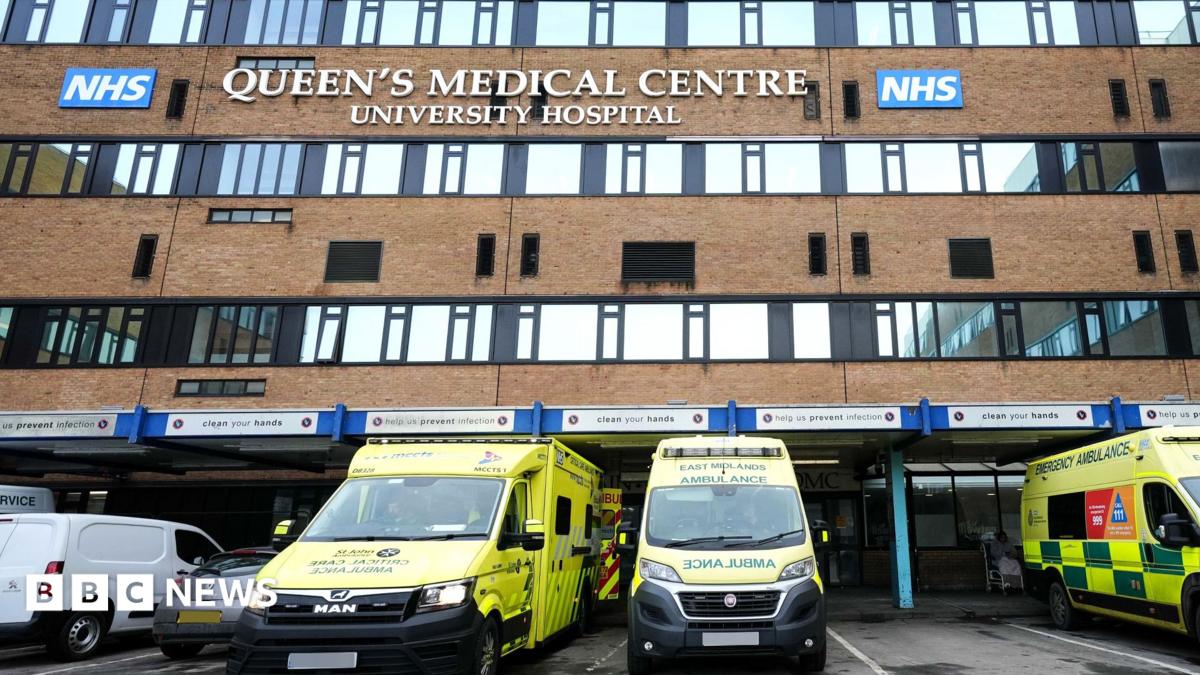
Problems with after-death care came to light after the parents of Harriet Hawkins, who was stillborn at NUH in 2016, discovered her body had been allowed to decompose so badly that it had to be triple-bagged for her funeral.
A subsequent investigation found 17 areas of concern and prompted an examination by the independent maternity review into the after-death care provided to 16 other babies and one mother.
They found that one early gestation baby had been disposed of as clinical waste, the wrong baby had been passed to funeral directors and a mother who died had deteriorated so badly that her family were advised not to see her prior to her funeral.
“The Review found evidence of recurring examples of failure to protect the dignity of the deceased… including inadequate arrangements for undertaking paediatric post-mortems,” Ockenden said in her report.
The problems prompted the Human Tissue Authority (HTA), which regulates mortuary care in England, Wales and Northern Ireland, to examine the trust’s services.
In an unannounced inspection, external, which was carried out in March 2026 but only published this week, it found three critical, six major and one minor shortfalls against its standards at the two hospitals run by the trust, the QMC and City Hospital.
The HTA found lack of freezer space at both Nottingham hospitals meant some bodies had been put in a refrigerated area instead.
Eight of the bodies were showing “advanced deterioration” because they had not been transferred to a freezer in time.
Instead of being conducted in a post-mortem suite, some baby post-mortem examinations were carried out in a lab that was inadequately ventilated, with support staff who had not been trained in mortuary care, the HTA found.
An accompanying audit found just more than half of the 145 recorded incidents that should have been escalated to the regulator were not.
Weekly insights and analysis on the latest developments in military technology, strategy, and foreign policy.
Oman and the U.N. International Maritime Organization (IMO) are sharpening up their plan to evacuate hundreds of ships still stuck in the Persian Gulf since Iran closed the Strait of Hormuz after being attacked by the U.S. and Israel on Feb. 28. The move comes as shipping traffic in this strategic chokepoint is increasing amid tense ongoing peace negotiations between the U.S. and Iran. However, there is still a very long way to go and many challenges, including the possible presence of mines, to overcome before transits reach pre-war levels.
“The Sultanate of Oman based on its responsibilities toward the Strait of Hormuz, and its importance to the global economy, and in accordance to its continued commitment to the international law and the law of the sea to ensure freedom of navigation in the strait without imposing any tolls, in line with the outcomes and efforts reached by the United States and Islamic Republic of Iran…has worked in coordination with the International Maritime Organization (IMO) to provide vessels with the option of a temporary maritime corridor defined by the coordinates announced by IMO and Omani authorities. Ships willing to transit must coordinate with IMO,” Oman’s Maritime Security Center stated Wednesday on X.
“This large-scale operation will be carried out in close cooperation with Iran, Oman, all other coastal States in the region, the United States and the maritime industry,” according to the IMO.
The Sultanate of Oman, in coordination with IMO is providing a shipping transit corridor in the Strait of Hormuz. pic.twitter.com/6MVVLmVjRN
— مركز الأمن البحري| MARITIME SECURITY CENTRE (@OMAN_MSC) June 24, 2026
IMO on Wednesday issued additional guidance to what it is calling an “evacuation” plan and noted that there are two routes for ships transiting the Strait. The northern route, close to the Iranian shoreline, is controlled by the Islamic Republic of Iran while the southern route, along the Oman coastline, is coordinated with U.S. authorities.
Regardless of which route ships prefer, IMO is cautioning them to “remain in their current position and await further instructions.”
Vessels have to wait to “allow safe sequencing, avoid congestion, and mitigate risks related to mines and degraded navigation conditions,” IMO added. “Movements will only begin once vessels are contacted through the coordinated mechanism involving IMO, UKMTO, and MICA Center, followed by coastal State coordination.”
As for current mine clearance operations, CENTCOM would not offer details about how they are being carried out.
“I won’t go into specifics for operational security reasons,” Navy Capt. Tim Hawkins, CENTCOM’s spokesman, told us Wednesday morning. “We’ve been at this for a number of weeks and we’re making progress, as demonstrated by the safe passage currently available to commercial vessels and enabling traffic flow to pick up.”
All this comes after tensions surrounding the Strait erupted again last week, with the Islamic Revolutionary Guard Corps saying it was being closed again after Israeli attacks on Lebanon and CENTCOM maintaining it was open.
Trump on Wednesday took to Truth Social to dispel what he claims are inaccurate media accounts about the Strait.
“Iran has informed the U.S. that, despite troublemaking Fake News reporting to the contrary, there are ‘NO TOLLS, NO INSURANCE COSTS, & NO OTHER CHARGES OF ANY KIND BEING SOUGHT OR RECEIVED BY IRAN ON SHIPS TRAVELING THE STRAIT OF HORMUZ,’” Trump proclaimed. “If this is false information, negotiations would end, immediately!”
Trump: Iran has informed the U.S. that, despite troublemaking Fake News reporting to the contrary, there are “NO TOLLS, NO INSURANCE COSTS, & NO OTHER CHARGES OF ANY KIND BEING SOUGHT OR RECEIVED BY IRAN ON SHIPS TRAVELING THE STRAIT OF HORMUZ.” If this is false information,… pic.twitter.com/3bYur1t71o
TWZ cannot independently confirm any of these statements; however, ship tracking organizations on Wednesday say commercial vessels have been transiting the Strait at increasing rates, though far from what they were before the war.
“Vessel activity through the Strait of Hormuz has rebounded sharply across two consecutive weekends, pointing to a clear shift in traffic patterns through one of the world’s most critical maritime chokepoints,” the MarineTraffic website stated on X Wednesday. “According to #MarineTraffic data and Kpler data, confirmed crossings rose from 32 vessels between 12–14 June to 93 vessels between 19–21 June, an increase of 61 crossings week-on-week.”
The biggest change came on Saturday, MarineTraffic noted, “when crossings jumped from 3 to 42 compared with the previous weekend. The recovery has been supported by recent diplomatic developments and a temporary OFAC general license, which has helped ease immediate compliance uncertainty around approved Hormuz transits until 21 August.”
When it comes to oil, at least 20 tankers carrying 35 million barrels have exited the Persian Gulf through the Strait of Hormuz since the U.S. and Iran agreed to open the sea lane, according to data provided by Kpler.
Strait of Hormuz traffic remains active, but recovery stays cautious
Confirmed vessel activity through the Strait of Hormuz remained steady on 23 June, with 31 verified crossings recorded across commercial and energy-linked vessels. According to #MarineTraffic data, west-to-east… pic.twitter.com/dz3o9OWRJx
Still, two major shipping companies we spoke with remain cautious about transiting the Strait.
Maersk referred us to a statement they gave TWZ last week saying that the announcement about the U.S.-Iran Memorandum of Understanding “is a welcome and positive development, but publicly available details are still limited, and it is too early to assess how it will impact logistics and maritime operations in the Middle East. At this stage, there are no changes to our operations in the region.”
On Wednesday, a company spokesman told us Maersk still has five ships stuck in the Persian Gulf.
Hapag-Lloyd is also taking a wait-and-see attitude.
“Our vessels are ready for a transit, but we will only sail through the Strait of Hormuz when it is safe to do so,” a company spokesperson told us, declining to say how many ships it still has in the Gulf.
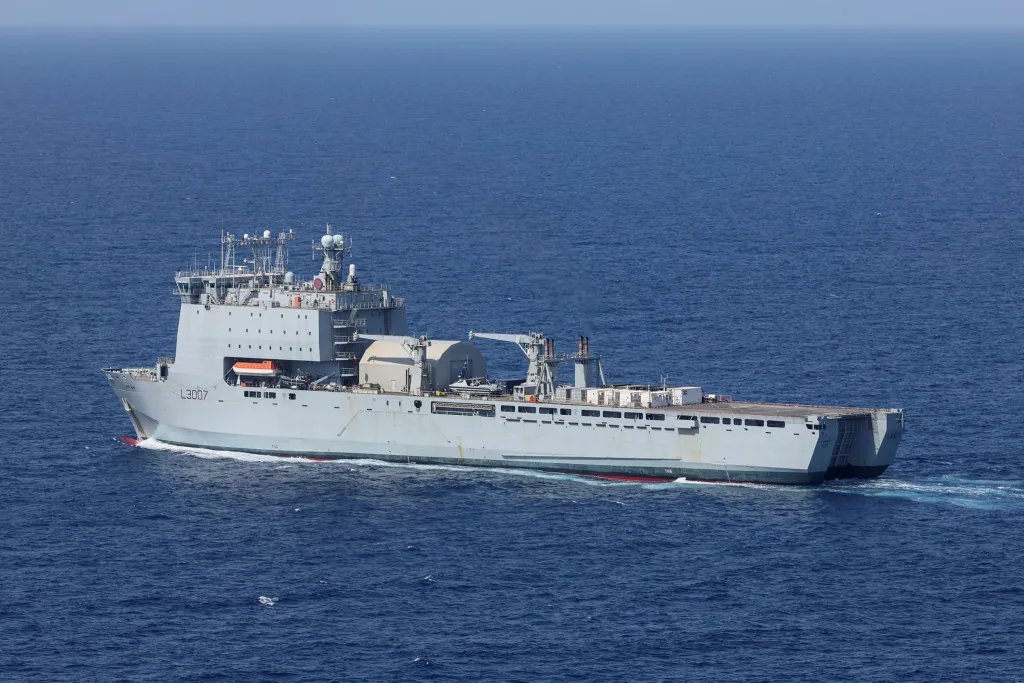
Meanwhile, the Royal Navy’s RFA Lyme Bay and two German warships have transited the Red Sea in case they are needed to help remove mines from the Strait of Hormuz. The Lyme Bay, “now configured as an Afloat Forward Support Base for mine countermeasures, transited the Suez Canal on 19th June and then passed south through the Red Sea,” the Royal Navy (RN) noted.
Royal Navy
The ship carries uncrewed surface vessels (USVs) with towed sonar arrays and AI automatic target recognition that can “filter and refine vast amounts of data allowing operators to speed up the process of classifying and neutralizing mines,” according to the RN.
Lyme Bay also has “Video Ray Defender-Viper portable mine disposal submersibles, capable of locating, identifying and destroying mines.”
There are also mine warfare, diving and explosive ordnance disposal specialists on board to assist the mine clearance mission.
Royal Navy Ariadne uncrewed surface vessels (USV). (Royal Navy)
Lyme Bay was accompanied by the German command and support ship FGS Mosel and minehunter FGS Fulda.
However, those vessels “detached from the task group on 23 June to head for Djibouti for resupply and further preparation,” according to Navy Lookout, an independent publication focusing on the Royal Navy. “They currently operate under the European Union mission Operation Aspides, which has the sole aim of defending merchant shipping against Houthi attacks in the Red Sea.”
We have reached out to the German Bundeswehr and Aspides for additional insights.
Amid the renewed flow of traffic through the Strait, oil prices have plummeted in recent days. As of Wednesday morning, Brent Crude was trading at just under $74 a barrel, according to OilPrice.com. That’s down from a high of more than $114 per barrel at the height of U.S.-Iran tensions in early May.
U.S. crude oil inventories fell by 6.1 million barrels last week, pushing stockpiles to 412.1 million barrels—7% below the five-year average. Despite the bullish draw, oil prices fell sharply as traders focused on easing Middle East supply risks. #Oil#CrudeOil#EIA…
How long oil prices continue to fall is an open question as the U.S. and Iran continue to express disagreements over the terms of a final Iran-U.S. peace deal following the MoU signed last week.
In addition to the aforementioned confusion over the status of the Strait, there is ongoing discord over whether Iran has agreed to allow inspection of its nuclear facilities. Trump and the International Atomic Energy Agency (IAEA) both say Iran has agreed to let inspectors in while the Iranians say that isn’t the case.
President Trump said Iran agreed that it will “never have a nuclear weapon” during his visit to a Pennsylvania’s Mack Truck facility on Tuesday. He also said “19 million barrels of oil flowed out of the Strait of Hormuz” on Monday, which he said is “the most oil in the history of… pic.twitter.com/ycsILtZRpq
Meanwhile, both sides have issued bellicose threats against the other as the often acrimonious negotiations for what is essentially an extension of the ceasefire continue.
As we have noted in the past, there is tremendous global and domestic pressure on Trump not to resume the war. The world economy is only beginning to recover from rising oil prices while Trump’s Republican party faces a midterm election in November made challenging by the unpopularity of this conflict. In addition, forces have now been deployed for many months and will have to be rotated out in the coming weeks.
Regardless, while getting vessels finally out of the Persian Gulf is still a priority, when robust two-way transits will return is still unclear, which will be critical to stabilizing the situation economically and geopolitically.
Two powerful earthquakes have struck northern Venezuela, killing dozens of people, injuring hundreds and destroying homes and infrastructure. These images show the damage, rescue efforts and grief in the affected communities.
South Africa’s team has celebrated reaching the World Cup knockout stage for the first time after defeating South Korea 1-0 at Monterrey Stadium in Mexico. A video showed players dancing and chanting in the dressing room.
Two years after deadly Gen Z protests forced Kenya’s government to withdraw a tax bill, lawmakers have approved another controversial package of financial measures. President William Ruto’s administration says it is needed to raise $770 million ahead of the 2027 elections.
Al Jazeera’s Reem Takieddine has more.
BBC Sport will continue to broadcast Wimbledon until 2033 after signing a new deal with the All England Club.
The agreement means the Grand Slam tournament will remain free to air for audiences in the UK across BBC television, radio and digital platforms.
Next year’s tournament will mark 100 years since the BBC first broadcast Wimbledon in 1927.
Under the new deal, audiences will continue to enjoy comprehensive live coverage of the Championships across BBC TV, BBC iPlayer, BBC Radio 5 Live, BBC Sounds, and the BBC Sport website and app, as well as across BBC Sport’s extensive social channels.
The 2026 tournament gets under way on Monday with champions Jannik Sinner and Iga Swiatek defending their singles titles.
This year’s Wimbledon coverage will usher in a fresh new editorial and creative approach from BBC Sport, featuring new voices and personalities, deeper storytelling, enhanced analysis, and technology across TV, radio, online and social platforms – all designed to bring audiences closer to the Championships than ever before.
The announcement follows record-breaking digital audiences for Wimbledon on BBC platforms last summer.
In 2025, the tournament generated 69.3 million online requests across BBC iPlayer, the BBC Sport website and app – the highest digital engagement for the Championships ever recorded.
That figure surpassed the previous record of 54.3 million set in 2023 and marked a significant increase on the 50.1 million online requests recorded in 2024.
Three Brazilians with a combined age of 316 have been recognised as the world’s longest-living trio of sisters. Researchers are studying their DNA to better understand the genetic factors behind healthy aging and exceptional genetic longevity.
Thousands gathered in Tehran on the eve of Ashura, the first since the killing of Iranian supreme leader Ali Khamenei. Mourners carried flags, banners and images of Khamenei as Iran prepared to commemorate one of the most significant events in the Shia calendar.
NATO chief Mark Rutte visited the White House to ease tensions with US President Trump ahead of next month’s NATO summit. Trump has said NATO isn’t doing enough, ordering a review of US forces in Europe after saying allies did not support the US war on Iran.
The UK has experienced its hottest June day on record after temperatures soared to 36.1C (97F) in Gosport, Hampshire, on Wednesday afternoon.
Hundreds of schools shut across England and Wales and transport has also been disrupted, with train passengers advised to avoid all non-essential travel.
The heatwave is forecast to continue into Friday, with a further high of about 38C possible, the Met Office said.
A red extreme heat warning issued by the Met Office across parts of south and central England and south Wales remains in place until 23:59 BST on Thursday.
Wednesday’s high came between 15:00 and 16:00, breaking the previous June record of 35.6C recorded in Southampton in 1976 and Camden in 1957.
This new record is described as “provisional” by the Met Office, which now has to conduct checks to ensure the measurement is reliable.
The next highest temperatures of the day were all recorded in southern England, including Wisley, Surrey, on 36C, Wiggonholt, West Sussex, on 35.9C, and Charlwood, Surrey, on 35.7C. And Wales had its hottest day of the year so far, with a high of 33.3C at Cardiff Bute Park.
Stephanie says she has also started sprinkling her seven-year-old daughter’s bed sheet with water and putting it in the freezer for about half an hour before bedtime – long enough for it to be cool for falling asleep on, but not long enough for it to actually freeze.
Gordon Cooper, 73, from High Wycombe, told BBC Your Voice that he hangs a wet bath towel in his bedroom and places his fan nearby to help cool down the room.
Others have been changing where they sleep to escape the stifling heat.
During the last heatwave, Anabelle Holschuh, 30, found it so hard to sleep in her attic bedroom that she picked up a blanket and cushion and slept on the floor in the hallway.
This time round, Anabelle, who lives in London, is sleeping on her living room sofa, which is north-facing and in a room with tall ceilings and an electric fan. “Last night I slept fairly well on the sofa, so no need to wander further downstairs to the hallway,” she says.
Weekly insights and analysis on the latest developments in military technology, strategy, and foreign policy.
The California Science Center (CSC) in Los Angeles gave a sneak peek today of its long-awaited, much anticipated attraction — the towering Space Shuttle Endeavour in its ‘full stack’ configuration. The spacecraft was the last of five orbiters ever built and the most advanced. After a long wait, the public will soon be able to view it in all its glory inside its purpose-built permanent display building.
Endeavour is the centerpiece of The Samuel Oschin Air and Space Center. It is a 200,000-square-foot expansion of the museum and will be “the only place in the world to see a complete, authentic space shuttle system, displayed in a 20-story launch position,” CSC said in a media release on Wednesday.
The exhibit is set to open on Nov. 13, 2026.
California Science Center California Science Center California Science Center Mike Kelley Mike Kelley
Endeavor was born out of the tragic loss of Challenger on January 28, 1986. NASA had to figure out how to replace the doomed orbiter. It looked at several options.
Feb. 1, 2003: Space shuttle Columbia disaster
The first shuttle, Enterprise, was built as a developmental test vehicle and made its first independent flight from the back of the converted 747 Shuttle Carrier Aircraft (SCA) on Aug. 12, 1977. Enterprise was also used for fit checks on the launch pad and many other engineering and testing activities, but it was not built to fly into space. Although it was available for modification and could feasibly be altered for full duty, NASA decided converting it for orbital work was not the best move. Instead, the all new orbiter that would be named Endeavor was authorized for construction in 1987.
Endeavour lifted off on its maiden voyage on May 7, 1992, and flew 25 times, with its final flight coming in May 2011. As the last of its breed, it incorporated new features and upgrades, including being the first shuttle to carry a Station-Shuttle Power Transfer System (SSPTS), according to Space.com. Endeavour also had “the first fully activated Advanced Health Management System to watch over the shuttle’s three main engines during launch, as well as a three-string global positioning system (GPS) for pinpoint navigation during landings,” the publication added. In addition, the last of the orbiters was built with the most advanced avionics, with glass displays, when it entered service.
Space Shuttle Enterprise – Free flight Test – ABC News – 8/12/1977
During its time in space, Endeavour performed a variety of tasks, including helping to construct and sustain the International Space Station. Throughout its career, it spent 299 days in space, orbiting the Earth nearly 4,700 times and logging close to 123 million miles, according to NASA.
“Among Endeavour’s missions was the first to include four spacewalks, and then the first to include five,” the space agency added. “Its STS-67 mission set a length record almost two full days longer than any shuttle mission before it. Its airlock is the only one to have seen three spacewalkers exit through it for a single spacewalk. And in its cargo bay, the first two pieces of the International Space Station were joined together.”
The Space Shuttle Endeavour, docked to the Pressurized Mating Adapter (PMA-2) on the International Space Station, is featured in this photograph taken by a crewmember during the mission’s first planned session of extravehicular activity (EVA) August 15, 2007 in Space. (Photo by NASA via Getty Images) NASA
During an 11-day mission in 2000, the astronauts “used the radar instruments in Endeavour’s payload bay to obtain elevation data on a near global scale,” NASA noted about the mission with a military connection. “The data produced the most complete, high-resolution digital elevation model of the Earth. The SRTM comprised a cooperative effort among NASA with the Jet Propulsion Laboratory (JPL) in Pasadena, California, managing the project, the Department of Defense’s National Imagery and Mapping Agency [now the National Geospatial Intelligence Agency], the German space agency, and the Italian space agency. Prior to SRTM, scientists had a more detailed topographic map of Venus than of the Earth, thanks to the Magellan radar mapping mission.”
Endeavour, like the rest of the orbiters, always captured the public’s imagination. In December 2008 the spacecraft made its voyage back to Kennedy Space Center in Florida after landing at Edwards AFB. A photo of that trip, taken from an F/A-18B Hornet flying overhead, was once described by TWZ as “Arguably The Most Spectacular Photo Of NASA’s Shuttle Carrier Aircraft Ever.” You can read more about that picture and the flight in our story from the time here.
While plans had been in the works for a while to house Endeavour in a purpose-built exhibit, a major issue developed.
“An earthquake-resistant building large enough to house a 184-foot-tall Shuttle stack had a staggering cost estimate of $400 million,” AmericaSpace.com explained. “The California Science Center was unable to raise enough money to build the facility prior to Endeavour’s arrival. The museum still needed to protect the orbiter from the elements, so it built a metal hangar to temporarily house the spacecraft. The more aspirational exhibit would be conducted at a later date.”
That later date will be in November, as we noted earlier.
Space shuttle Endeavour’s trek across LA: Timelapse
The CSC is one of four locations where the surviving shuttle fleet is being displayed.
How has US imperialism targeted Venezuela and Iran? How have years of hybrid warfare shaped resistance? What role does China play in the emerging multipolar world?
In Episode 46 of the VA Podcast, Venezuelanalysis editor Ricardo Vaz is joined by VA co-editor Lucas Koerner and scholar Matteo Capasso to discuss sanctions, sovereignty, deterrence, and international anti-imperialist solidarity.