HOLIDAYS

Get the latest updates on public holidays and national celebrations to cultural festivals, our reliable public holiday news keeps you in the know

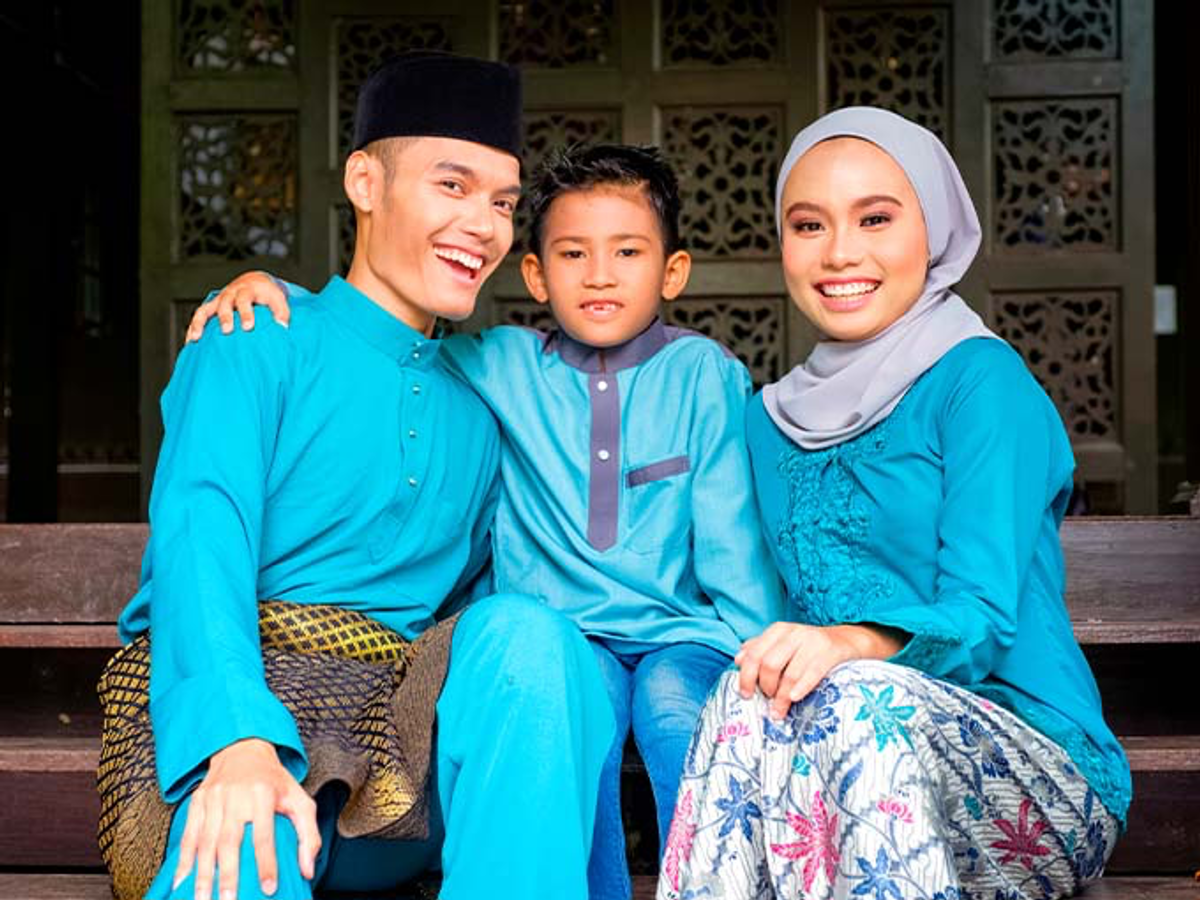
Wednesday 27 May Hari Raya Haji around the world

This festival is celebrated throughout the Muslim world as a commemoration of Prophet Abraham’s willingness to sacrifice everything for God, including the life of his own son Ishmael.

Korban is the most important part of Hari Raya Haji and all Muslims who can afford to participate are encouraged to carry it out. Korban is when Muslims purchase an animal to be sacrificed in the direction of the Kaaba. The animal will then be cleaned and cut up. 

This act reminds worshippers of the willingness of Prophet Ibrahim to offer up even his own flesh and blood to God.

The meat will typically be shared with the needy or with people in the community as it is an act of sacrifice and giving.

As a result of this special occasion, many poor Muslims are able to enjoy the unusual luxury of eating meat during the four days of this festival.

In keeping with the tradition of ‘Eid, local Muslims will dress up in new or special clothes, visit friends and relatives, hold ‘Eid gatherings and parties as well as give gifts to their children.
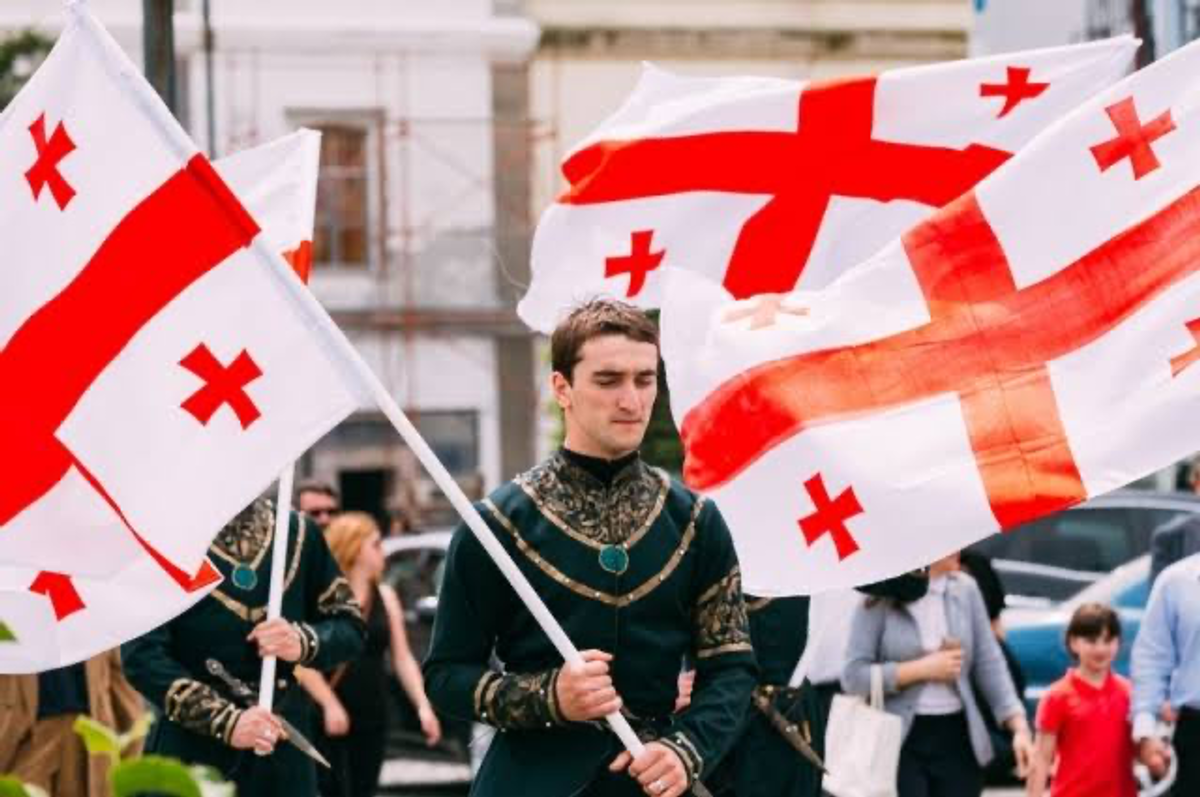

Tuesday 26 May Independence Day in Georgia

Georgia had been part of the Russian Empire since 1800. Following the Russian revolution and the defeats in the First World War, movements within Georgia pushed for independence from Russia and on May 26th 1918, Georgia declared itself an independent democratic republic.

Joseph Stalin, the leader of the Soviet Union, was Georgian. 

May 26th had been celebrated as a public holiday until Georgia became part of the Soviet Union in 1922. Celebrations of regional public holidays were suppressed across the Soviet Union and it wasn’t until 1991, with the collapse of the Soviet regime that this day regained its public holiday status.

Georgia seceded from the Soviet Union on April 9th 1991 and April 9th is now celebrated as a national public holiday, the Day of National Unity.

Monday 25 May May Day Revolution in Argentina

In 1810, the weeklong revolutionary events ending on May 25th accelerated national sentiment that would eventually lead to the birth of the Argentine nation after four centuries of Spanish colonial rule.

The May Revolution wasn’t a so much of a revolution but more the evolution of a sequence of political and social events in Buenos Aires during the early part of the nineteenth century which led to the first local government not designated by the Spanish Crown in the region known as the Viceroyalty of the Río de la Plata, which at the time contained the present-day nations of Argentina, Bolivia, Paraguay and Uruguay.

Although the Revolution took place in Buenos Aires, one of the consequences was that the head of the Viceroyalty was ousted from office.

There was no great violence involved; the term “revolution” has been loosely applied by Argentine tradition to highlight the changing of their governmental system and distinguish the undisputed fact that after the May Revolution, Buenos Aires itself was no longer subservient to decisions taken by Spain in their name.