The provided text is an excerpt from a digital publication called Occasional Digest, specifically focusing on the historical origins and evolution of the holiday known as Russia Day. Although many citizens mistakenly refer to the date as Independence Day, the source clarifies that this title has never been utilized in an official capacity. The holiday was established by Boris Yeltsin in 1994 under a lengthy name commemorating the country’s sovereignty and new national symbols. It was eventually simplified to its current name in 2002 to provide a more concise identity for the celebration. Additionally, the text includes several news headlines from June 2026, ranging from international poli …
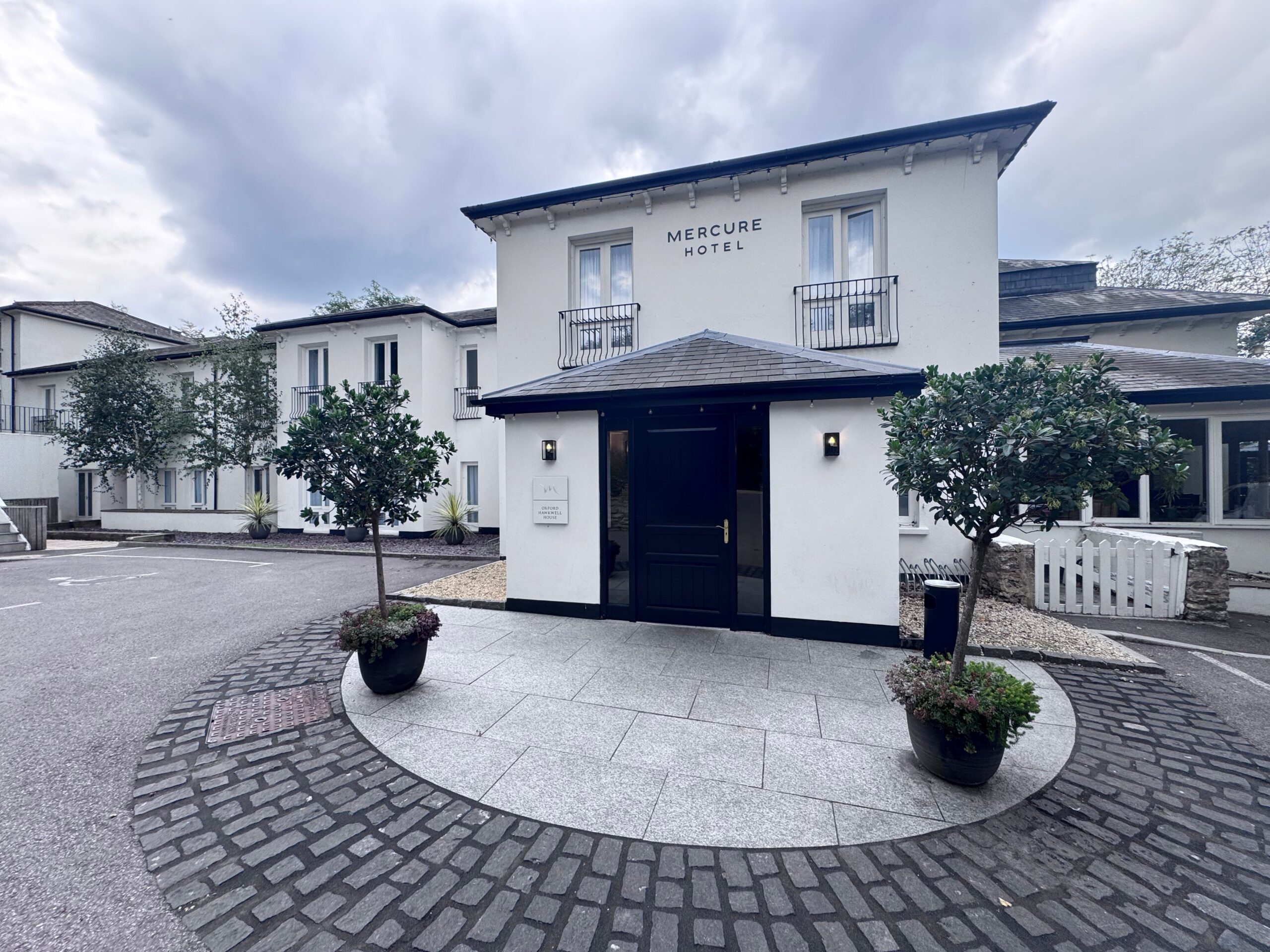
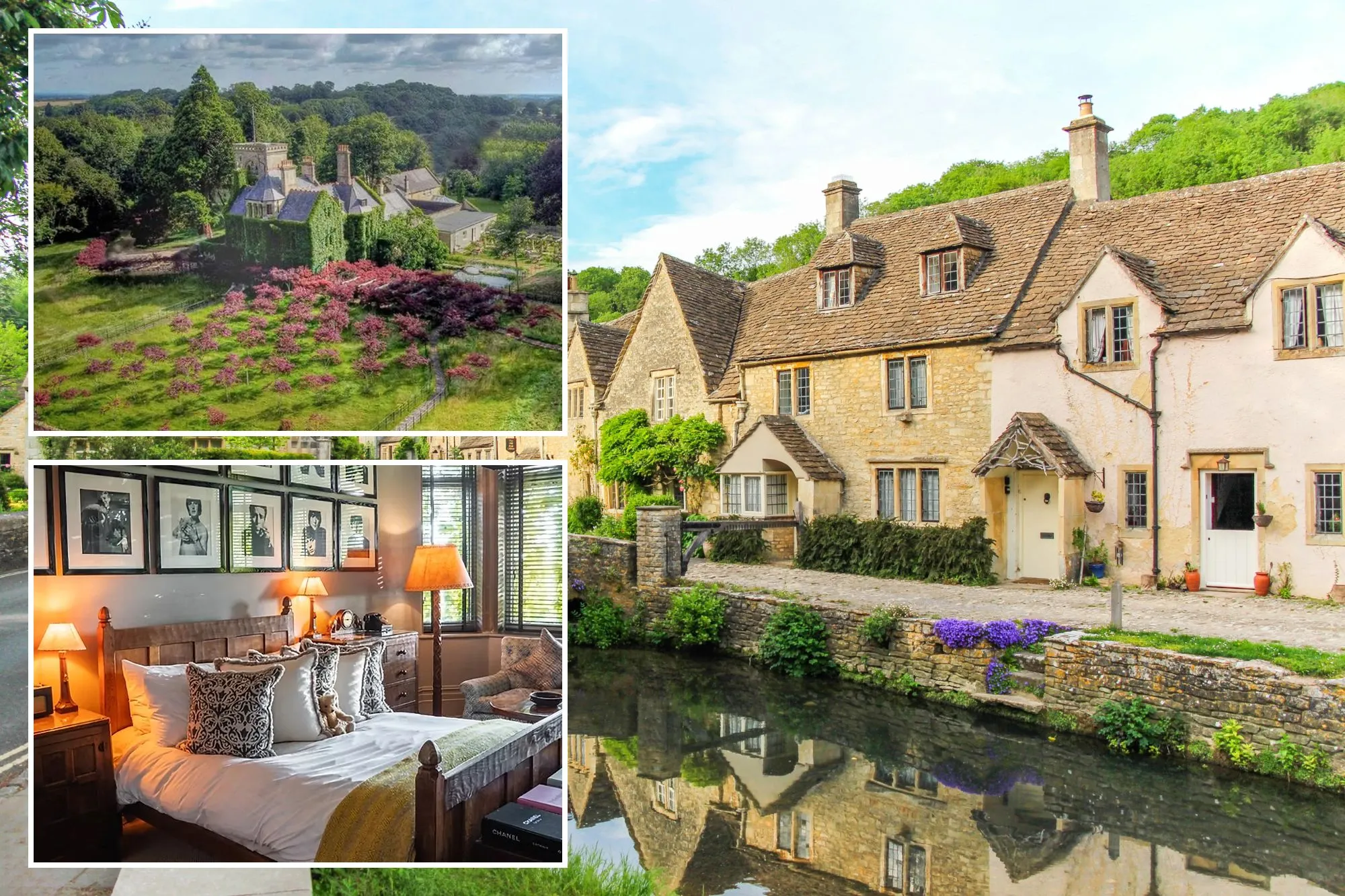
We immediately felt at home in our Privilege double, with decor nodding to Oxford-style vintage fashion.
Our upgrade from a Classic came with complimentary soft drinks, a Nespresso machine, robes and slippers.
All rooms have free fast wifi, bottled water, a mini fridge, hairdryer, tea/coffee facilities and a rainfall shower.
Classic rooms start from £116 a night. See all.accor.com.
The hotel is a great base for being near OxfordCredit: Supplied
What is there to eat and drink?
The breakfast in Frank’s was excellent, with both continental and full English options and a great juice station.
However, we found Frank’s a bit disappointing for for dinner, with an unimaginative menu offering British fare such as fish and chips and pie of the day. I had the sirloin steak (£35).
The Terrace bar is nice for light bites or afternoon tea (£25pp) with an outdoor area for warmer days.
Hawkwell House was refurbished in 2021 and its vintage fashion design includes quirky details such as the story of the Oxford brogue, which I found fascinating.
What else is there to do there?
The pet-friendly hotel – popular for weddings – has three acres of gardens for walkies, with or without your mutt (£20pn).
Is it family friendly?
The hotel has family rooms that sleep up to four people.
There is also the Family Fun Package from £149 which lets kids eat free as well as includes cuddle toys for kids.
Is it accessible?
There are accessible rooms on the ground floor as well as step free access across the hotel.
A GORGEOUS lido with sweeping city views is returning to the UK – and it’s completely free to visit.
The open-water lido will be open for a three-week period this summer.
Sign up for the Travel newsletter
Thank you!
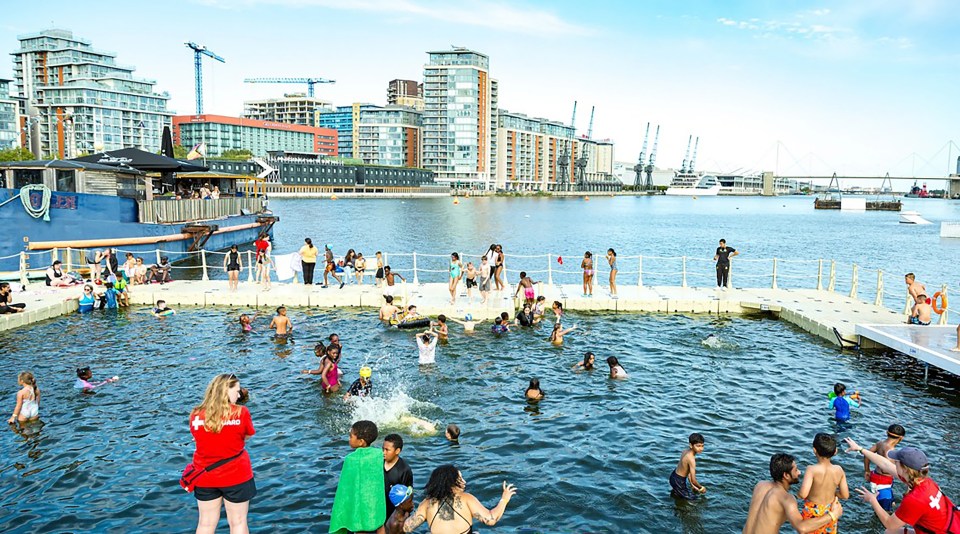
A gorgeous new lido with sweeping city views is returning this JulyCredit: royaldocks.londonLocated in East London, the water space is completely free for visitorsCredit: Royal docks/Instagram
Lidos are the ideal spot to cool off this summer, but for most Londoners finding a free swimming spot in the capital can be difficult to come by.
For city dwellers looking to escape the scorching temperatures without breaking the bank, the return of a popular water space has got you covered.
Found in the heart of East London, the Summer Splash event is returning for a brief time this summer – and it doesn’t cost a penny.
Located at the Royal Victoria Dock, the free open water lido will be open to visitors this July.
A travel and food content creator called George Kimm has shared his experience of taking an overnight sleeper train from London to Cornwall – but the price left people shocked
15:46, 12 Jun 2026Updated 15:46, 12 Jun 2026
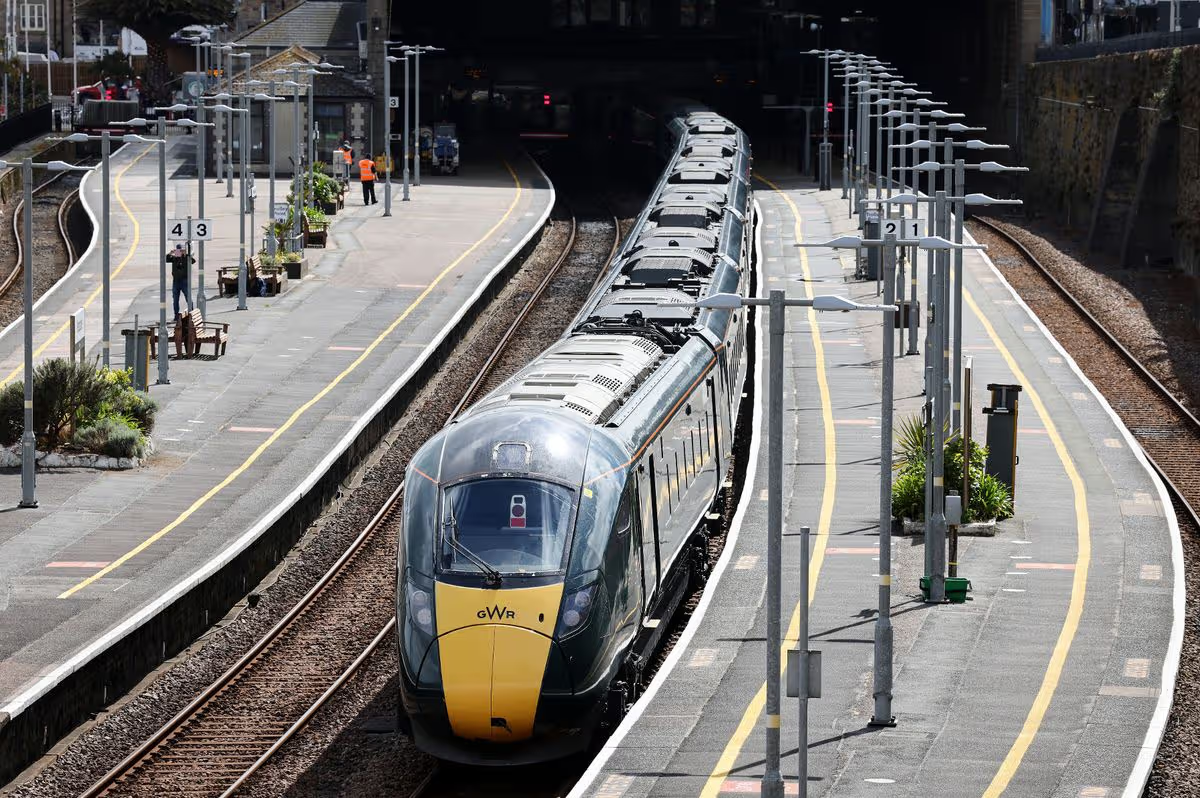
A man shared his experience travelling on an overnight sleeper train from London to Cornwall (stock photo)(Image: Greg Martin / Cornwall Live)
Cornwall is widely regarded as one of the most breathtaking counties in the UK, boasting golden sandy beaches, a spectacular sweeping coastline, world-class surfing spots and jaw-dropping clifftop scenery. And it’s not just locals who are smitten with this South West gem — visitors from across the country regularly make the journey down.
One such traveller is George Kimm, a UK-based travel and food content creator. George made the trip from London to Cornwall aboard an overnight sleeper train, documenting his experience on Instagram. He hopped on the Great Western Railway (GWR) Night Riviera, which departs from London Paddington and pulls into Penzance the following morning, with the entire journey clocking in at just over eight hours.
The travel enthusiast gave his candid verdict on the experience, though one particular detail caught his Instagram followers off guard — the price. George booked a “very cosy” solo cabin, which came equipped with a single bed, a table that doubled up as a sink, a wardrobe and handy storage space beneath the bed, which he described as “very useful”. GWR also provided a selection of amenities, including soap.
George did point out that the toilets are located outside the cabins. However, aside from that, the train operator “really had thought of everything else”.
The London-based creator went on to say: “Before we left London Paddington I had a look in the onboard bar where you can sit down, relax. They also provide free tea and coffee with biscuits and when it comes to going to sleep, I actually had a really good experience.”
After getting settled and having a look around, George watched the train depart the station before heading off to bed. He revealed that he relished the sounds and motion of the train, as they lulled him off to sleep.
When George stirred the following morning, he tucked into breakfast, which came as part of his cabin fare. He opted for a cup of tea and a sausage bap, noting that it was “very delicious”.
The travel enthusiast added: “And it was so lovely to have my breakfast whilst watching the countryside whizz by.”
He wrapped up his Instagram reel by revealing what his trip and cabin had set him back, saying: “My ticket cost £119 and an additional £149 for the cabin.” George reckoned it was “such a cool experience” nodding off in London and coming round in Cornwall. He believed it was “honestly so worth it” and something he’d gladly repeat.
One commenter observed: “£75 return to Paris, just saying.” George responded: “Totally get it. This was a bucket list trip.” Another remarked: “Looks fun but the price is insane.”
Content cannot be displayed without consent
A third astonished viewer queried: “Omg… how much?” Someone else went as far as branding the price “criminal.”
Despite the hefty price tag, some viewers still managed to see the bright side, with one commenting: “This looks like a great experience but it’s very costly for a return journey. I guess the benefit is both journeys are during the night so you aren’t losing out on any holiday time.”
A second chimed in: “Would love to do this!! Honestly would see the cost as part of the holiday, so special.”
For those travelling with Great Western Railway’s Night Riviera service, an airline-style seat is available at no additional cost when booking a ticket, with prices for a private cabin starting from £49 per person.
A new beach rule for a European hotspot has been introduced for anyone aged between 10 and 65, but one traveller has dubbed it the ‘most unusual beach rule of 2026’
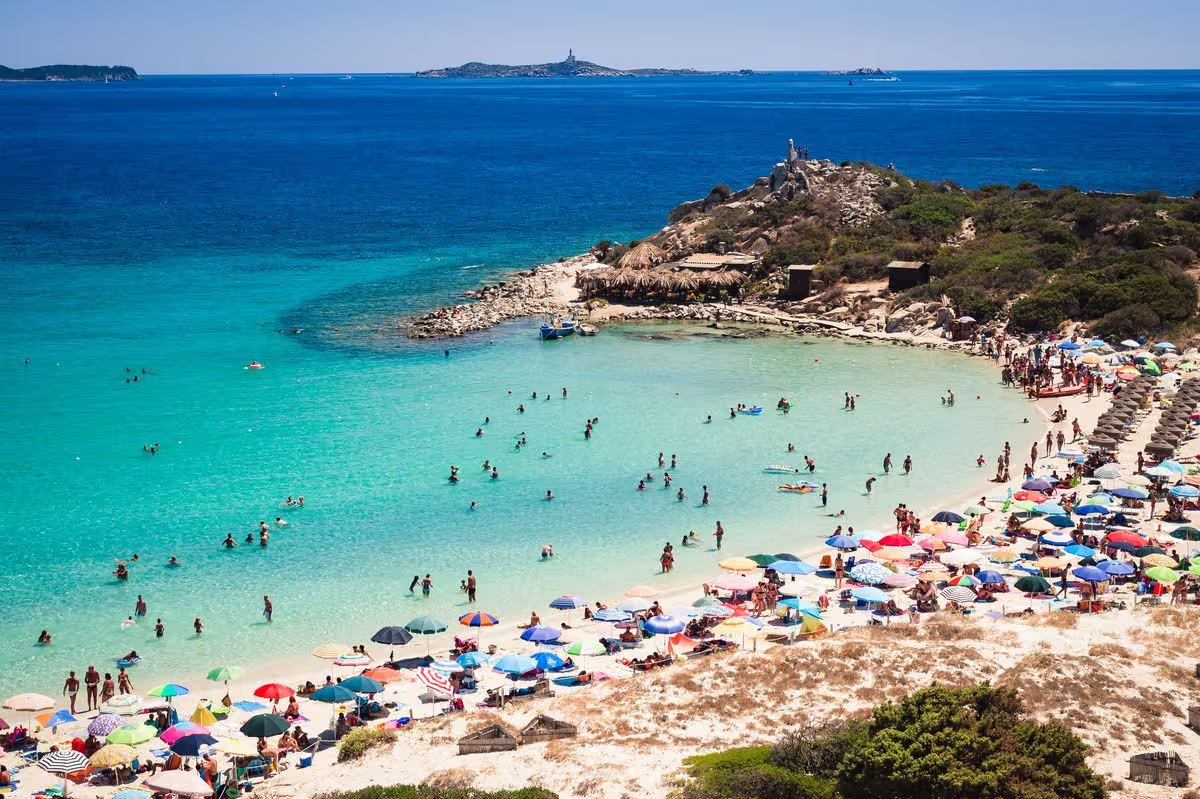
An ‘unusual’ beach rule has been introduced at a popular holiday hotspot (Image: Getty Images)
A popular European destination that welcomes thousands of Brits each year is introducing a new beach rule for everyone aged 10 to 65.
A day out at the beach, be it in the UK during the summer months or in Europe, is often accompanied by an umbrella to help provide shade from the balmy sun. However, holidaymakers of a certain age have been banned from using a parasol on a beach in Sardinia, Italy.
Under the new rule introduced earlier this month, Punta Molentis Beach, near the popular resort town of Villasimius in Sardinia, only allows families with children under 10 years old or people over 65 to put up an umbrella. It comes as the Italian beach limits the number of visitors to 150 at a time and puts in strict restrictions following wildfires in July last year.
In addition, visitors arriving at Punta Molentis Beach on foot will need to pay a fee of €10 (£8.60), while those arriving by boat will pay €5 (£4.31). Meanwhile, only 70 cars will be able to access the beach per day until 31 October, and reservations will be compulsory to visit, the Villasimius council website reported.
The town council also said in a message: “It’s therefore necessary to limit human impact and ensure protection of this heritage for future generations.”
The rules are in place throughout the summer season and aim to protect the beloved beach following last summer’s wildfires. Holidaymakers were forced to flee the wildfires by boat after they erupted in late July 2025, with around 100 hectares of Punta Molentis said to have been destroyed by the blaze, including cars in the beach car park.
However, not everyone is happy with the new rules. One person commented on X, formerly Twitter: “Banning shade in the Mediterranean summer heat sounds incredibly dangerous.”
A second said: “Guess I’m just gonna roast under the sun then, sounds like a fun time for my skin.” While a third added: “This might be the most unusual beach rule of 2026.”
One more wrote: “Banning basic sun protection for specific age groups under the guise of ‘saving space’ is a massive skin cancer risk waiting to happen.”
However, the council noted on its website that: “The ecosystem of Punta Molentis is one of the most valuable in our territory but also one of the most fragile.”
Meanwhile, in the Italian hotspot of Sorrento, people are banned from wearing swimwear away from beaches and pools. Anyone caught out could face fines of up to €500 (around 431), while Portofino, Positano and Capri have also enforced similar rules.
The rule is to avoid tourists walking around town or going to lunch in swimsuits or bikinis. But it doesn’t just apply to swimwear, as those caught walking around topless could also face a fine.
Do you have a travel story to share? Email webtravel@reachplc.com
THE UK is home to many amazing galleries and museums but one gallery in one of the UK’s coolest neighbourhoods is closing for the entire summer.
The William Morris Gallery in Walthamstow, East London, will be partially closed from June 22 and then fully closed between July 20 and September 20 as part of a huge upgrade.
Sign up for the Travel newsletter
Thank you!
The William Morris Gallery in London will undergo a massive upgradeCredit: Alamy
However, the onsite cafe will be closed for less time, remaining open until July 26 and then reopen from August 8.
The closure comes as the free-to-visit gallery will undergo a massive overhaul with both building and visitor experience improvements, as well as the gallery’s items being moved around.
All the items currently inside the gallery, which include tiles, rugs and even the artist’s coffee cup, will be rehung and a number of new objects will be added to the collection.
The new items will be based around women’s history, South Asian and Islamic art and art themed on design, politics and the environment.
Inside, visitors can currently see some of the largest collection of Morris’ work in the worldCredit: Alamy
The renovation of the gallery – which sits in the 18th-century manor house which was home to the artist and his family between 1848 and 1856 – will take place over several stages.
During the first stage, which will take place from June 22 to July 19, the first-floor galleries will be closed but the ground floor galleries, cafe and shop will remain open.
The second stage will take place from July 20 to 26, during which all galleries and the shop will be closed but the cafe will remain open.
Between July 27 and August 7 the entire building will be closed, with just the cafe reopening on August 8.
It won’t be until September 21 when the gallery will gradually start to reopen.
Though, the gallery will be hosting a number of events in the surrounding park over the summer including a family trail inspired by the gardens Morris loved and artist-led workshops.
Walthamstow is often noted as “underrated” and nearby you can head to the neon sign attraction, God’s Own JunkyardCredit: Alamy
Home to the world’s largest collection of Morris’s work, the gallery is also in one of London’s “most underrated” suburbs – Walthamstow – according to a number of visitors.
The destination has even previously been named the ‘coolest’ neighbourhood in the UK by The Telegraph.
Near to the gallery, you can head to God’s Own Junkyard, which is home to the largest collection of vintage and new neon signs in Europe and is free to visit.
The attraction is even home to some signs that have featured in big blockbuster movies such as Charlie and the Chocolate Factory and Batman.
Make sure to head to Big Penny Social as well, which is home to a bar, restaurant, beer garden and events space.
The venue often hosts fun events too, from football viewings and flea markets.
There is also a wetlands nearby ideal for walks and spotting wildlifeCredit: Alamy
Or for a nice walk, wander through Walthamstow Wetlands, where you can explore a number of paths and spot local wildlife.
There’s also many independent shops and cafes to dive into in Walthamstow Village, as well as cosy pubs for a tipple or Sunday roast.
If you want to try something more local, grab a bite to eat at the historic Walthamstow Market – Europe’s longest outdoor street market – such as Caribbean food and pie and mash.
The market is on each day except for Sundays and Mondays.
Spain is one of the most popular holiday destinations for Brits, but if you want to avoid the crowds, one holidaymaker has shared a ‘hidden gem’ with stunning views and rich history
14:42, 12 Jun 2026Updated 14:42, 12 Jun 2026
A holidaymaker claims to have found a ‘hidden gem’ in historic city near Malaga (stock image)(Image: Getty Images)
When it comes to summer getaways, Spain consistently ranks as one of the most beloved destinations for British holidaymakers, and it’s not hard to see why. Nestled in Southern Europe, it enjoys pleasant weather all year round, with summer temperatures frequently soaring to 30 degrees on a daily basis.
Even during quieter months, visitors can expect comfortable temperatures of around 20 to 25 degrees. With the mainland just a short two-hour flight from the UK – although the Canary Islands can take up to four hours to reach – many Brits consider it the ideal distance for a break.
That said, Spanish authorities have previously voiced frustration with the sheer volume of tourists flocking to the country, leaving hotspots such as Mallorca and Palma absolutely packed to the rafters during the summer months.
Now, however, one traveller named Andrew McDonnell claims to have uncovered one of Spain’s best-kept secrets – a destination that delivers scorching summers and stunning scenery, without the overwhelming crowds. He took to TikTok, where he has amassed more than 12,100 followers, to share highlights from his trip to the historic southern Spanish city.
“One of Spain’s hidden gems left me truly speechless,” read the caption accompanying his post.
Content cannot be displayed without consent
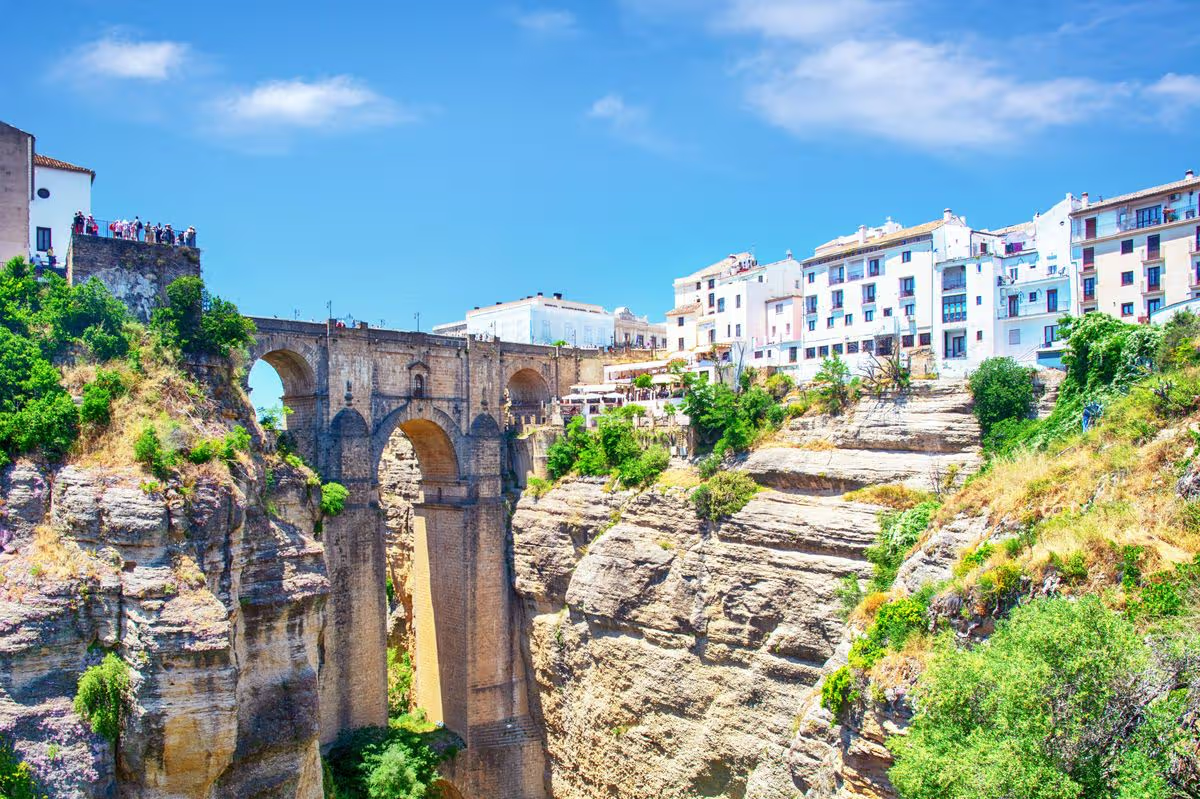
Ronda is a stunning mountaintop city situated in the Málaga province of Andalusia in Southern Spain. It is renowned for its dramatic position perched atop the sweeping El Tajo gorge, which divides the city’s 15th-century new town from its ancient old town, which dates back to the era of Moorish rule.
The iconic Puente Nuevo, a striking stone bridge that spans the dramatic gorge, features a viewpoint offering breathtaking views. The new town’s Plaza de Toros, a legendary 18th-century bullring, remains one of the city’s most instantly recognisable landmarks.
Ronda is also widely regarded as the birthplace of modern bullfighting, with a bullring dating back to 1784. Although the bullring remains open to visitors, actual bullfights are an increasingly rare sight, with just one symbolic event staged there annually during the Corrida Goyesca, as part of the Feria de Pedro Romero, which traditionally takes place in the last week of August.
Beyond its rich and fascinating history, the city also possesses a romantic charm that has captivated poets and writers for centuries, bolstered further by its spectacular mountaintop setting, widely considered one of the most stunning locations in the entire country.
Being a compact town, everything is easily reachable on foot. And while it stands as one of the most celebrated of Andalusia’s ‘pueblos blancos’ (white villages), it has managed to avoid the mass tourism that has overwhelmed its coastal neighbours, such as Malaga.
Andrew went on to say: “Ronda is one of those places that simply doesn’t need any words to be described, because being there and seeing it for yourself is enough. The content really doesn’t do this place any justice for how spectacular it is.”
And situated in Southern Spain, you can anticipate the typical Mediterranean climate, featuring hot, dry summers and cool, wet winters.
Thanks to its elevated position (roughly 739 metres), it does see chillier winters and occasionally hotter summers than neighbouring coastal resorts.
As it’s just 100km from Malaga, roughly an hour and a half’s drive away, Ronda serves as an ideal day trip during your holiday, or a peaceful and relaxing base for your next Spanish getaway.
FAMILIES have just six weeks until the school summer holidays begin – and it’s not too late to book a bargain all-inclusive family holiday.
While the summer holidays usually signal a massive jump in holiday prices, we’ve found all inclusive holiday deals that will actually SAVE you money.
Sign up for the Travel newsletter
Thank you!
Stay on Turkey’s ‘Turquoise Coast’ at these affordable family resorts in Bodrum and AntalyaCredit: GettyThese all inclusive package holidays include flights, accommodation plus a free kids spotCredit: Alamy
Plus, by packing flights, hotel, meals, drinks and snacks into a single all-inclusive deal, you won’t need to worry about extra costs once you’re abroad.
To make holiday budgets stretch even further, brands like Loveholidays and On the Beach are offering free child places across a range of hotels.
We’ve rounded up a selection of week-long, all inclusive holidays in July and August with FREE child places.
This means you can secure a week in the sunshine with unlimited ice lollies, drinks, kids’ clubs, and pool access while one of the little ones travels for nothing.
Here’s our pick of bargain all-inclusive family holidays from £368pp.
Costa Brava, Spain
Stay on Spain’s brilliant Costa Brava from £368pp at the Santa Susanna Resort Affiliated by FergusCredit: Getty
With an on-site disco bar, kids splash pool and a free shuttle to the nearest sandy beach, you can’t really go wrong with a break at this Costa Brava resort.
There’s a pool with a splash zone and water features, an action-packed kids club and evening discos that children will love – plus unlimited ice lollies.
And for the grown-ups, there’s two bars where you can grab an ice-cold beer or cocktail – one of which is by the pool.
Loveholidays offer a 7 night stay from August 18 including flights for £368pp with one child staying for free – and is currently £198 off.
Book a 7 night all inclusive stay at Santa Susanna Resort Affiliated by Fergus for £368pp.
Antalya, Turkey
Sun Star Beach in Antalya has a private beach just steps away from the hotelCredit: Love Holidays
The all inclusive Sun Star Beach has a massive outdoor pool with a waterslide, four lively bars, and its very own private beach.
When parents need a breather from baking in the Mediterranean sun, you can slip away to the on-site spa.
Here you’ll find a sauna, a traditional Turkish bath and soothing massage treatments – plus a gym if you want to squeeze in a workout.
There’s also a kids club and activities program, as well as sports on the beach like beach volleyball. water skiing and jet skiing.
Out and about, the vibrant bars, restaurants, and shops of Mahmutlar are right on your doorstep.
Loveholidays offer a 7 night stay from August 31 including flights for £469pp with one child staying for free. This break is currently £40 off, too.
Book a 7 night all inclusive stay at Sun Star Beach for £469pp
Agadir, Morocco
El Pueblo Tamelt in Agadir is 10 minutes from the centre where you’ll find vibrant souksCredit: Love Holidays
El Pueblo Tamlelt is a tropical-feel Moroccan resort with 11 acres of lush gardens, just steps away from the beach.
Plus it’s only 15 minutes from the airport, so you’ll be landed and on a lounger in no time.
Every modern room comes with a private balcony or terrace, and the all-inclusive deal keeps kids happy with an all-you-can-eat buffet and poolside snacks like pizza and burgers.
When you’re ready to explore, Agadir’s bustling centre is just a 10-minute taxi or bus ride away.
Wander the palm-lined promenade or head to the Agadir Oufella Ruins for spectacular mountaintop views over the city.
On the Beach offer a 7 night stay from August 19 including flights for £433pp with children 2 and under staying for free. This holiday is currently £166 off full price.
Book a 7 night all inclusive stay at El Pueblo Tamelt for £433pp
Crete, Greece
Stay at the Club Lyda hotel in Gouves, Crete during the school summer holidays from £489ppCredit: Love Holidays
The Club Lyda Hotel in Gouves is a great value option for families looking for an affordable Greek island holiday.
This large, village-style resort sits within walking distance of local soft sand beaches and offers a budget-friendly all-inclusive package.
The hotel has a large outdoor swimming pool plus a kids pool, as well as plenty of loungers out on the terrace for sunbathing.
This resort caters to families with little ones, with a kids club, children’s swimming pool and activity program that runs all day long.
Meals are served buffet-style in the main restaurant, which cooks up a rotating mix of traditional Greek dishes and familiar favourites.
If you want to explore beyond the resort, The Dinosauria Park is just a 10-minutes away by car or taxi, plus there are three waterpark options within 20 minutes’ drive.
Loveholidays offer a 7 night stay from August 18 including flights for £489pp with one child staying free. This deal saves £97 off full-price, too.
Book a 7 night all inclusive stay at Club Lyda Hotel for £489pp
Bodrum, Turkey
Stay at a family-friendly resort in luxurious Bodrum this August for £518ppCredit: Getty
The Tiana Beach Resort is a budget-friendly base in the glamorous resort of Bodrum, offering a luxurious-feeling family holiday for less.
Here there’s pretty garden paths that will lead you straight down to the sea, with a stretch of private beach with a range of water sports.
Back at the hotel, there’s a pool surrounded by plenty of sun loungers and parasols, plus sports like tennis and volleyball.
Plus the spa and sauna with treatments like massages is the cherry on top.
It’s about half an hour’s drive to the centre of Bodrum, where you can visit its massive castle or stroll along the glitzy marina and dip into bars and seafood restaurants.
On the Beach offer a 7 night stay from August 17 including flights for £518pp. This saves you £172 off full-price.
Book a 7 night all inclusive stay at Tiana Beach Resort for £518pp
IF YOU are looking for activities to do this summer holiday, look no further as you can get free theatre tickets for kids.
London Theatre‘s Kids Week will return between July 20 and August 31 where kids can go for free – ideal for school summerholiday fun.
Sign up for the Travel newsletter
Thank you!
Kids Week allows families to get free tickets to some of London’s biggest shows, including The Lion KingCredit: Getty
Any child aged 17 or under will go free to the theatre when accompanied by an adult who pays for a full price ticket.
Two additional children can then also attend for half price.
Shows include the new Beetlejuice from £40 for an adult and a child or the new Hunger Games production from £36.88 for an adult and child.
If you are more of a Disney family, you can head to The Lion King from £45 for an adult and child or experience Hercules from £50.16 for an adult and child.
THE birthplace of the British seaside resort is celebrating 400 years this summer – and it’s not where you might expect.
Scarborough is England‘s oldest coastal resort and it’s starting a summer of celebrations marking four centuries since its spa waters were found – so it was only right that I took a trip up to the North Yorkshire Coast.
Sign up for the Travel newsletter
Thank you!
I visited the seaside town of Scarborough which celebrates a big anniversary this yearCredit: Catherine LofthouseScarborough or ‘Scarbados’ is the oldest seaside resort in the UKCredit: Alamy
It’s easy to see why tourists have been flocking to Scarborough for centuries and why it’s been nicknamed Scarbados, in a nod to the Caribbean island known for its lovely beaches and chilled-out vibe.
While the weather might not be quite as tropical as Barbados, there are two beaches to choose from, a historic castle on the headland between, popular parks offering lots of attractions and even one Britain’s best waterparks, all within walking distance.
There’s something for everyone here, no matter what you enjoy about a day at the seaside, and it feels like you can have about five different days out rolled into one.
I took on a spa-to-spa walk of about an hour, setting off near the site of the original spring and spa in South Bay.
This is where it all started for the town as a coastal resort, when Thomasin Farrer spotted a natural spring in 1626 and discovered the waters were packed with minerals.
Soon, people were travelling from across the country to take the waters and enjoy the sea air.
The spa building is now an entertainment venue where you can enjoy comedy, music and kids’ shows throughout the year.
It’s here that you’ll find the historic cliff lift, which celebrated its 150th anniversary last year.
And there’s also a striking glazed veranda with a black and white floor overlooking the North Sea.
Walking along the front, South Bay is home to many of the chippies that won Scarborough the title of the fish and chip capital last year, with almost 100 takeaways to choose from.
It has two beaches and a historic cliff lift and great chippiesCredit: Alamy
With wide golden sands, a big wheel, arcades aplenty and rides at Luna Park, you’ll want to head here if you love a bit of seaside hustle and bustle.
My favourite find was heading up to Scarborough Castle, which is looked after by English Heritage and offers lovely views out over both beaches and beyond.
It’s got a very special vibe, somehow managing to be at the heart of the town and feeling like a secluded secret spot at the same time.
Walking down to North Bay, which has a quieter vibe than its sister sands to the south, and then around to Peasholm Park, this part of Scarborough feels more like the beaches of my childhood.
If you love an aquarium, Scarborough North Bay Railway runs up to the pyramids that house the town’s Sea Life centre.
Check out the Scarborough North Railway and its Sea Life CentreCredit: Alamy
There’s lots to do in this green space, with the wooden pagodas at its entrance mirroring the oriental-inspired grounds within.
During the summer months, you can catch model boats recreating a naval battle on the lake at 3pm on Mondays, Thursdays and Saturdays.
Or take a ride on the park’s historic water chute that’s coming up to its centenary and catch a show at the open air theatre, with the likes of Alanis Morissette and Michael Buble performing this year.
I finished my scuttle around Scarbados with a trip to the spa at Alpamare, the town’s waterpark that opened a decade ago and has recently gone up for sale after being run by Yorkshire theme park Flamingo Land for a couple of years.
I loved the sea view from the upstairs sauna and the warm outdoor pool was a treat in the sunshine.
But a firm favourite was definitely chilling out in the hay bath, a unique stable-inspired sensory room lined with troughs of freshly cut hay and swinging beds hanging from the ceiling.
I loved the sauna and outdoor pool at Scarborough AlpamareCredit: Catherine Lofthouse
It’s the perfect place to while away a few hours – kids can take on the flumes, wave pool and splash pad downstairs, while adults can head up to the spa to enjoy steam rooms, relaxation spaces and a terrace with open air showers and sunbeds.
This year is a great time to visit Scarborough as there’s free festivals, a trail of 10 huge deckchairs at tourist spots across the town and even some fabulous illuminations when the nights draw in to mark the end of the year of celebrations.
So scoot over to Scarborough if you’re after a seaside treat of a town that started the traditional trip to the coast beloved of Brits all those years ago.
IF you’re looking to travel on the cheap this summer, we’ve got some of the best lesser-known destinations that offer the same (or better) holidays, with fewer crowds and much less money.
I’m a travel expert, mum of two and influencer with 335,000 followers on Instagram, where I share tips on my page @thetravelmum on how to travel the world without spending a fortune.
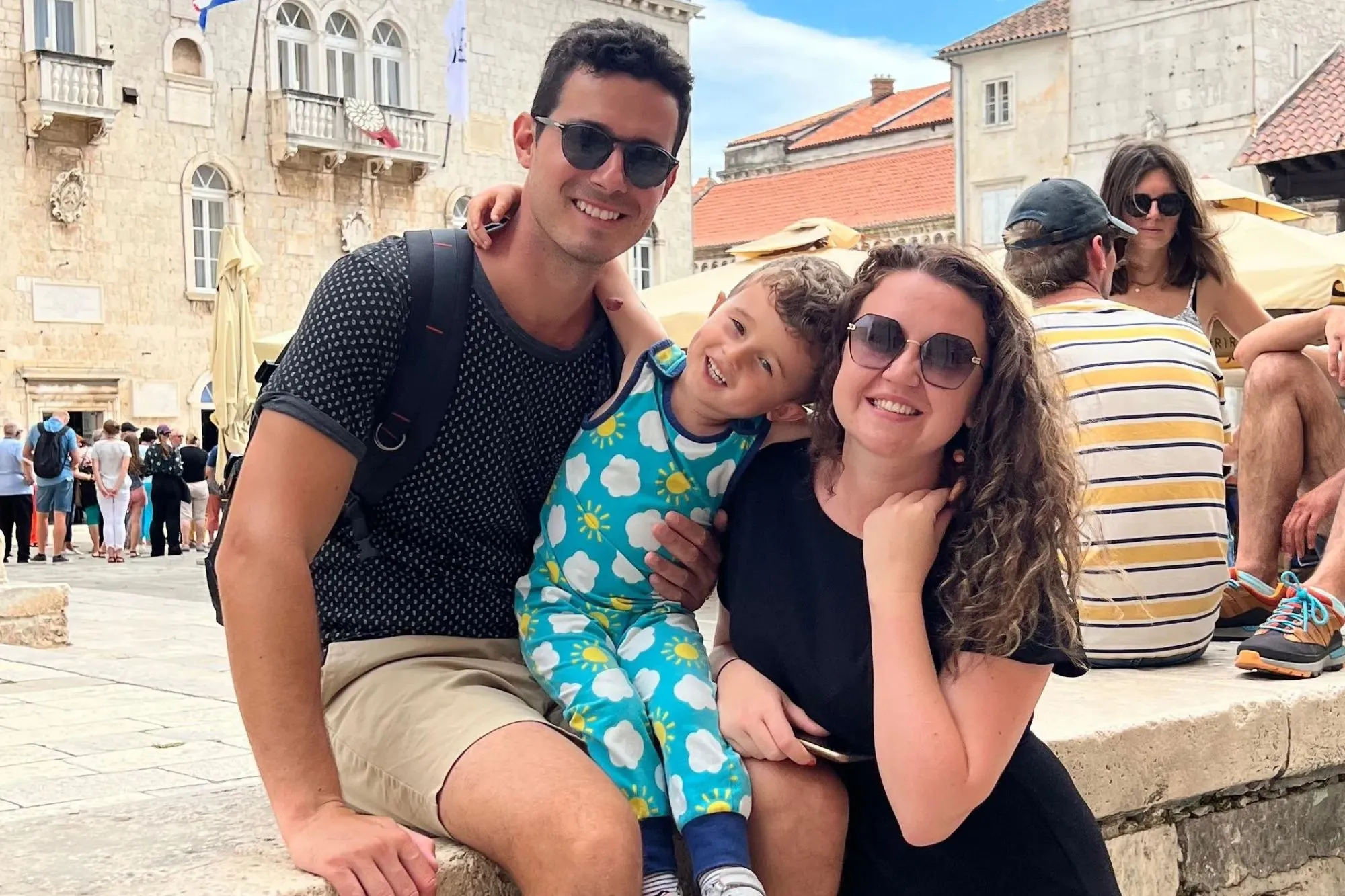
Jen aka Travel Mum finds cheap holiday deals for familiesCredit: Jen CarrI ditched Croatia’s well-known Split for TrogirCredit: Jenna Carr
It’s totally possible to discover a more authentic experience, friendlier prices, and a slower pace that actually suits families far better in destination dupes.
And you don’t have to forgo the convenience and reassurance of things like budget-friendly flights, easy airport transfers, family-friendly dining options, and good quality healthcare.
I am on a mission to help families travel more and not spend too much doing it.
So I’ve rounded up some great options from across Europe, some of which are not many miles away from the very well-known resorts…
Instead of Santorini… try Naxos
Naxos is a pretty Greek alternative to SantoriniCredit: Alamy
Santorini is known for its picture postcard views, but it comes with high prices and crowds.
Hop on one of the regular ferries from Santorini (one hour 15 minutes) or Mykonos (35 minutes), and find yourself in Naxos.
Naxos still has all the charm and style of the better-known Cycladic islands – think white-washed hilltop villages, clear blue waters and traditional tavernas, but with lower cost accommodation, food and activities.
The other huge plus for families is that Naxos has stretches of sandy beaches gently sloping into the sea, which you won’t find in Santorini.
Staying here, I’d recommend checking into the Golden Sun Hotel.
I’ve stayed at this hotel myself, and it’s in a great setting right on the beach.
The rooms have large balconies, which are perfect for sitting out in the evening once the kids are in bed.
BOOK IT
*If you click on a link in this article, we will earn affiliate revenue.
A seven-night break for a family of four from August 11 in a Family Suite with a Sea View starts from £2,268 – or £81pppn.
Ohai Nazare Outdoor Resort in Portugal has a huge waterparkCredit: Expedia
The Algarve region in Southern Portugal, with its popular resorts such as Albufeira and Vilamoura, attracts 5 million tourists annually.
Of course, most of which is concentrated in the peak summer months – sending prices skyrocketing during school holidays.
Instead, take a flight into the capital city of Lisbon or Porto, and within as little as an hour’s drive, base yourself on the Silver Coast – or Costa de Prata in Portuguese.
The region stretches along the country’s Western coastline, offering a varied mix of beautiful beaches, fresh seafood, picturesque fishing villages and medieval towns.
Places like Nazare, Obidos and Peniche offer a more local feel than some of the Algarve’s heavily developed resort areas, and it is a great choice for families wanting a more traditional Portuguese experience, without giving up beach days or reliable sunshine.
Perhaps check into the Ohai Nazare Outdoor Resort, which has a free waterpark and activities like basketball and volleyball for the kids.
There’s even a food shop service, as well as an on-site supermarket for essentials.
BOOK IT
*If you click on a link in this article, we will earn affiliate revenue.
A seven-night stay for a family of four from August 12 in one of the Bungalows which comes with a double bed and two single beds starts from £2,483 – or £88pppn.
Make the switch from Split to pretty TrogirCredit: Alamy
Croatia has firmly cemented itself as a great destination for families – it’s one of our favourite European countries to visit.
With its rise in popularity, flights are now widely available from many UK airports, but the downside is that tourist hotspots quickly become crowded.
Split, Croatia’s second-largest city, draws crowds wanting to experience its mix of beautiful beaches, historic streets and easy connections to other parts of the country.
But, just a 30-minute drive from Split, you can find Trogir – a UNESCO World Heritage town.
Trogir offers many of the same benefits as Split – beautiful Adriatic scenery, historic streets, waterfront restaurants and easy access to island boat trips, but in a much more manageable setting for families.
While Split can feel crowded, busy and expensive during the summer months, Trogir has a calmer atmosphere that makes travelling with children far less stressful.
Its compact old town is easy to explore on foot, the promenade feels more relaxed, and there’s less traffic and noise.
I’d recommend a stay at Amadria Park Camping Trogir, which has sea views, a huge swimming pool and three on-site restaurants.
This is another one I’ve stayed in, and I’d say don’t discount a lodge holiday, this site has fab facilities and is in a really pretty setting.
It has great transport links too.
BOOK IT
*If you click on a link in this article, we will earn affiliate revenue.
A seven-night stay in a Standard Mobile Home from August 27 for a family of four starts from £2,924 – or £104pppn.
This includes return flights from Birmingham Airport, luggage and transfers.
La Palma makes a great alternative to TenerifeCredit: Alamy
The Canary Islands are a family go-to for year-round sun without the long-haul flight. When other European options can’t guarantee the weather, the Canaries are usually a safe bet.
This means there isn’t really a low season, and while demand is high, so are the prices.
So, admittedly, this one might take a little more effort to get to, but we think it could be worth it.
La Palma – nicknamed ‘La Isla Bonita’, is reachable directly from a few UK airports, and actually, as of 2026, you can now book a package holiday there through Jet2Holidays, or the alternative is a short 30-minute flight or a 2-and-a-half-hour ferry from Tenerife.
While Tenerife has huge resorts known for lively nightlife and giant waterparks, La Palma is quieter, greener and better suited to families looking for a more peaceful escape.
Check into La Palma Princess, which has all-inclusive packages with TUI.
The hotel itself has spacious rooms as well as six swimming pools for kids to splash about in, and there’s a kids’ club for little ones too.
BOOK IT
*If you click on a link in this article, we will earn affiliate revenue.
A seven-night stay at La Palma Princess for a family of four in August starts from £869pp or £124pppn.
This is for a Twin Room with balcony or terrace and includes return flights to Manchester Airport.
Puglia has a beautiful coastline, just like the Amalfi CoastCredit: Alamy
The Amalfi Coast is a bucket list destination for many, synonymous with luxury and romance, not necessarily things that go hand in hand with family travel.
That said, there are plenty of places along the Amalfi Coast that are great for families – but they’ll come at a premium price.
If you’re dreaming of la dolce vita but have children in tow and a more conservative budget, take a look at Puglia – along the southeastern coast. Puglia tends to be better value across the board, from accommodation to restaurants.
The region is easy to reach too, with flights from the UK into Bari or Brindisi, both offering straightforward transfers to coastal towns such as Otranto, Vieste, and Monopoli.
Instead of tight cliffside roads, families get open countryside, historic sites, and some of Italy’s best sandy beaches.
It’s not the same as the Amalfi Coast, but it still delivers on Italian beauty and culture, and you’ll have more space to enjoy it.
If you’re looking at where to stay, can you really go wrong with Eurocamp?
Eurocamp Centro Turistico San Nicola has its own private beachCredit: Refer to source
Instead of the Swiss Alps… try the Julian Alps
For families looking for an Alpine experience – be it for winter sports or an alternative summer break, instead of the high-cost, premier resorts across the Swiss Alps, we’d recommend considering Slovenia’s answer – the Julian Alps.
Still delivering on dramatic mountain scenery, crystal clear lakes and fresh Alpine air, you can take your pick of adventures – hikes, cycle trails, watersports and snow sports – depending on when you visit.
Take a flight from the UK to Ljubljana, Slovenia’s capital; from there, the towns of Bohinj or Bled both make great bases to explore.
Bled is known for Lake Bled, with its striking church and castle sitting on a tiny island. It’s also doable on public transport if you don’t fancy hiring a car.
Along with mountain views, Apartments Vitranc has family rooms with a separate sleeping and dining area as well as a kitchenette.
One major plus here is that children stay free – and don’t forget to check out the hotel pool.
We’ve got a Slovenia trip on our agenda for this year, and this place looks like it’s well placed to be a great base to explore this beautiful area, and it has a pool for the kids to enjoy too.
BOOK IT
*If you click on a link in this article, we will earn affiliate revenue.
A four-night stay from August 17 for a family of four at these apartments starts from £784 – or £49pppn.
This is for a one-bedroom apartment that has a balcony and a mountain view.
Check out Verona rather than Rome if you fancy a trip to ItalyCredit: Alamy
Italy’s capital, Rome, home to some of the world’s most famous sites and ancient ruins, is a tourist hotspot all year round.
The crowded attractions, their sprawling size and long queues, can make it tricky to navigate with younger travellers in tow.
Whereas in Verona you can still experience Roman history, meander across beautiful piazzas, take in the riverside views and enjoy the incredible Italian cuisine, without the intensity of the capital city.
Another great selling point of Verona is its accessibility, served by its own airport, or easily reachable from Milan or Venice, it opens up more options to snap up cheap flights, and even incorporate a couple of cities into one trip.
If staying in Verona, check Dimora Giardino di Giulietta, a family-run hotel with a pretty patio area and spacious family rooms.
BOOK IT
*If you click on a link in this article, we will earn affiliate revenue.
A four-night break for a family of four from August 18 in a Family Room at Dimora Giardino di Giulietta starts from £372 – or £23.25ppn.
Lille is a quick option on the Eurostar, taking just one hour and 20 minutesCredit: Alamy
Fancy some French city culture without the crowds of Paris – then why not give Lille a go?
Not only is it reachable in just one hour and 20 minutes on the Eurostar from London, but its compact layout and fab public transport system make navigating, especially with a pushchair, much more manageable.
Known for its art and food scenes, there are plenty of fun, family-friendly attractions to fill a few days of slower-paced exploring, too.
Such as Cita-Parc, an amusement park with rides, or Lille Zoo, within walking distance from the city centre, which is home to over 400 animals, and entry is a very budget-friendly €6 (£5.19) for adults, €3 (£2.60) for children aged 5-17.
Wear kids out running around the huge Grand-Place square, before enjoying a stroll through the Vieux-Lille (old town) and stopping for a chocolat chaud and pastries.
Another added bonus is that dining and accommodation are much more affordable than in the capital, too.
This place is basic, yet a practical choice for visiting the city as it’s next to the station – and within walking distance of all the main sights.
Make sure to book a Prestige Room for a family of four.
BOOK IT
*If you click on a link in this article, we will earn affiliate revenue.
A four-night stay in a Prestige Room at the Rosa Hotel right in the city centre from August 11 starts from £369 – or £23pppn.
IF you’re into amazing food, glam hotels and total peace and quiet in the countryside, you’re in luck.
Wowcher have a deal offering a luxurious overnight stay for two at Marco Pierre White’s Country House Hotel, The Rudloe Arms, for only £139.
Sign up for the Travel newsletter
Thank you!
The Wowcher deal is for a stay for two at the Rudloe Arms with dinner and breakfast for £139Credit: CollectRooms at the Rudloe Arms each have a unique design and a cosy countryside feelCredit: therudloearms.com
The offer saves you a massive 42% off a full-price stay and includes an overnight break for two, as well as a three-course dinner and a cooked breakfast in the morning.
Whether you’ve got an occasion coming up, want to treat someone special or just want to switch off in the countryside – this bargain break is the ultimate excuse to pack your bags.
The four-star Wiltshire hotel sits in the pretty village of Corsham near the Cotswolds, surrounded by rolling hills and forest with plenty of scenic woodland walks.
The Rudloe Arms is an adults-only property built for relaxation, with its own orchards, gardens and a pond for scenic strolls.
Inside you can sit down for a cocktail in the snazzy Mousehole Bar, plus the Garden Room Restaurant in which dinner is served is full of warm lighting and vibrant greenery.
When it comes to rooms, each is individually designed with a charming countryside feel.
Large beds are topped with plush bedding, plus an ensuite bathroom stocked with luxurious toiletries.
Plus you can dine like royalty with a three-course dinner menu curated by celebrity chef, Marco Pierre White.
The dinner menu is seasonal and uses many local, high-quality ingredients with tasty meat, fish and vegetarian options.
If you fancy extending your trip to a two-night stay, the deal gets even better because dinner is included on both evenings.
After a restful night’s sleep guests can head back down to the Garden Room for a hearty cooked breakfast to fuel your next day.
The scenic villages of the Cotswolds are on your doorstep, just under 20 minutes’ drive awayCredit: GettyThe Rudloe Arms is owned by celebrity chef Marco Pierre WhiteCredit: Alamy
Breakfast comes as your pick of a hot dish served with toast, marmalade and tea or French-pressed coffee.
While it might be tempting to hide away in your luxury room all day, there is plenty to see right on your doorstep.
The hotel is perfectly positioned for exploring top sights in the West Country. You can easily wander into the market town of Corsham for its pretty stone buildings and traditional pubs.
If you want to venture a little further, you’re on the edge of the Cotswolds here, plus the famous architecture of Bath is within easy driving distance.
Deals this good rarely stick around for long. This offer is available until June 30, so make sure to get in early to bag your early summer break.
To redeem the deal simply select the dates you’d like to visit on Wowcher’s website. Once you’ve booked and paid you’ll receive a code by email.
Then simply redeem the code, pack your bags and enjoy your break!
The Wowcher offer is available until June 30, 2026Credit: therudloearms.com
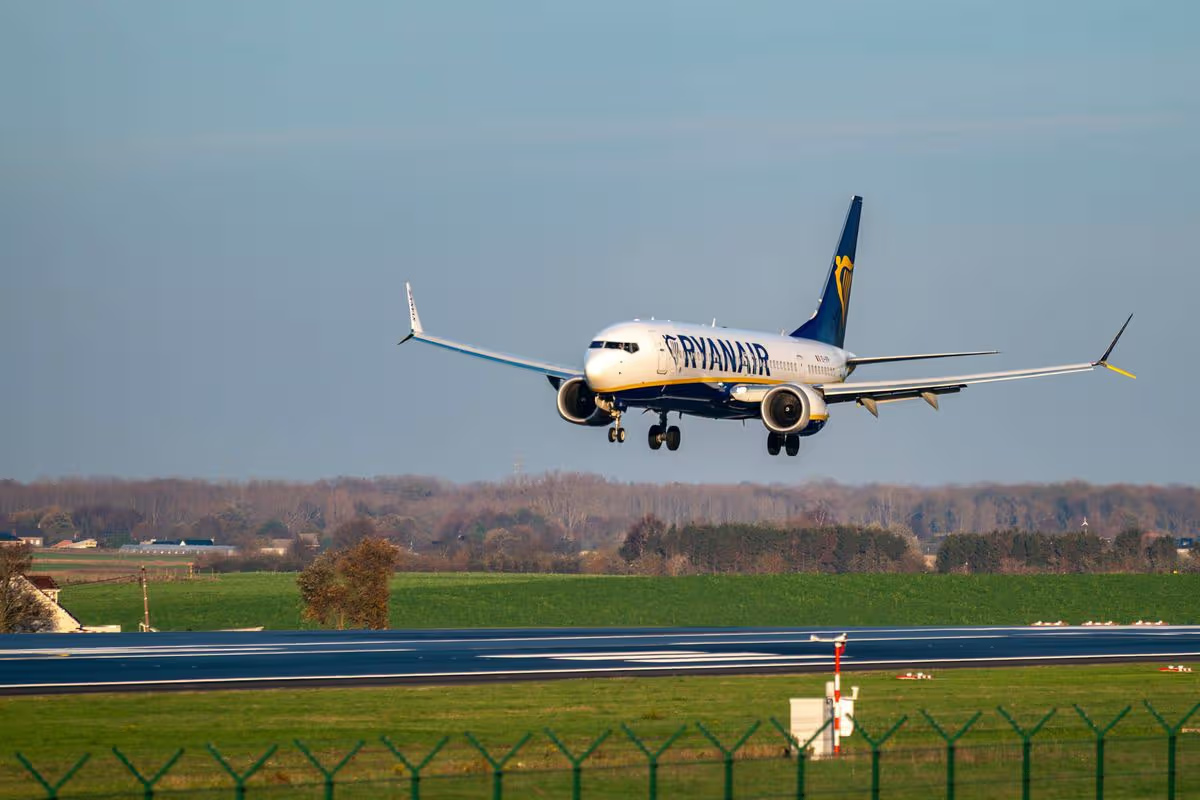
Ryanair is threatening to withdraw five aircraft and cancel 20 routes
The move could happen as early as this winter(Image: Michael Mulkens via Getty Images)
A major Ryanair move could impact millions of passengers, with 20 routes axed and around 150 jobs lost.
The budget airline could withdraw planes from its Charleroi base as soon as this winter if Belgium goes ahead with plans to double its tax on airline tickets. “But we are not going to completely close the Charleroi base,” said Ryanair CEO Michael O’Leary during a press visit to the company’s headquarters in Dublin. The federal government is looking to double the airfare tax on flights exceeding 500 kilometres from next year, pushing it up from 5 to 10 euros.
This would bring the levy in line with that applied to short-haul flights, although the tax on these is also set to rise to 11 euros. Finance Minister Jan Jambon made clear this week that he has no plans to reverse the decision.
As a result, Ryanair would remove five of its 19 aircraft currently operating out of Charleroi from this winter. Twenty routes would be scrapped, 15 at Charleroi and five at Zaventem representing a loss of two million passengers per year, Mr O’Leary confirmed.
Ryanair warns that scaling back its Charleroi operations would also put approximately 150 jobs at risk, though affected pilots and cabin crew, many of whom are foreign nationals, would be offered positions at alternative bases. However, “we want to grow in Belgium,” Mr O’Leary said.
“Ryanair aims to increase passenger numbers from 208 million in 2025 to 300 million in the coming years. We want to achieve some of this growth at Charleroi and Zaventem, but for that to happen, the tax on airline tickets must be eliminated, and airport fees must be reduced.”
According to Ryanair’s chief executive, if the tax on airline tickets is not raised, no aircraft will be withdrawn from Charleroi Airport and the situation will remain unchanged. Should the tax be scrapped entirely, it would open the door to further expansion across Belgium.
Ryanair has put forward a growth strategy projecting almost 50% more passengers in Belgium by 2030, pushing the total to 16 million. The Irish carrier would then reopen its base at Brussels Airport, a hub it continues to operate from but where it no longer stations any aircraft, and would even weigh up flights to and from Liège.
This ambitious expansion plan will only come to fruition, however, if all of Ryanair’s demands are met, most notably a loosening of restrictions on night flights in Brussels. On the flip side, any hike in the airline ticket tax would result in a scaling back of operations.
The closure of the Charleroi base isn’t under consideration, though. “Normally, we would never close Charleroi,” said O’Leary. “We’re not going to threaten to close Charleroi. It’s one of our largest bases, and we’ve invested a lot of time and effort in developing this airport over the last thirty years. But in the long term, we could reduce the base to, say, 10 aircraft.”
O’Leary also touched on the soaring cost of aviation fuel, a result of the conflict in the Middle East. The airline has locked in 80% of its fuel requirements until next March at an average cost of $67 per barrel, while the current rate stands at $100 or above.
“We aren’t hedging for the following period yet, as we anticipate prices falling in the coming months. But we could be wrong. If prices haven’t fallen by September, we’ll start to worry.”
With consumer uncertainty prevailing, O’Leary doesn’t expect any fare rises this summer. “Fares should remain stable. We need to incentivise people to travel by offering slightly lower prices” than the 3% to 5% increase that had been forecast.
One code can mean it takes longer to get through security. Here’s the code many travellers dread seeing on their boarding pass and what it means for their flight if they get it
11:40, 12 Jun 2026Updated 11:42, 12 Jun 2026
Getting through security may take longer(Image: Getty)
Navigating the airport can be an exhausting ordeal. In an ideal world, we’d sail through the security queue to give ourselves time to browse the perfumed duty free outlets or enjoy a relaxed coffee, but there are many bottlenecks where you can find yourself delayed.
One indication that your journey through the airport might not run as smoothly as you’d hope can be identified once your boarding pass has been printed. Check-in personnel will often add codes to your ticket alerting airport staff to watch for particular things, and there’s one code travellers really won’t want to encounter if they’re jetting off to the World Cup.
Those flying to or from the United States may notice SSSS on their boarding pass, which stands for Secondary Security Screening Selection or Secondary Security Screening Selectee. Essentially, this code indicates you’ve been chosen for extra inspection, and this can be for a wide range of reasons.
Certain airlines won’t print SSSS, but may have their own method of flagging that a passenger requires additional screening. For instance, Southwest Airlines reportedly uses a chequerboard pattern which appears on boarding passes.
Citizens of particular countries, such as those with sanctions or political tensions with the USA, may be more likely to encounter SSSS on their boarding pass. But the Transportation Security Administration (TSA) remains tight-lipped about the precise criteria that could see your name flagged in this manner, reports the Express.
The ACLU (American Civil Liberties Union) has previously claimed that “TSA maintains a “Selectee List” (sometimes called the “Automatic Selectee List”) of people who are automatically and intentionally selected for enhanced screening every time they fly.”
However, there are other factors that could see passengers flagged for additional screening, including making one-way bookings and purchasing tickets with cash. Travellers who have previously passed through high-risk countries, regularly visit ‘unusual’ destinations, or display other flight patterns deemed suspicious may also find themselves subjected to extra screening.
Having a name similar to someone on a Department of Homeland Security watch list could be yet another reason you end up with additional security checks, and could even result in you being denied boarding. Passengers who are repeatedly flagged for extra screening can apply for the DHS Traveler Redress Inquiry Program (DHS TRIP), and if approved they’ll receive a Redress Control Number to use when booking flights, which should make their travels considerably smoother.
If you do spot SSSS or a similar code on your boarding pass, there’s no need to panic. More often than not, it simply means you’ll require some additional time to clear security.
Typically this involves an enhanced pat-down, a manual inspection of carry-on bags, and possibly the use of a handheld metal detector as you pass through the security lane. Travellers should make sure they adhere to their airline’s advice on when to arrive at the airport, as this will guarantee they have sufficient time to clear any additional security checks.
In the USA, the TSA advises arriving a minimum of two hours before domestic flights and three hours ahead of international departures.
Have a story you want to share? Email us at webtravel@reachplc.com
YOU’D expect delays at an airport this summer because of EES checks or bad weather, but what about turtles?
On the island of Zante in Greece, the conservation of its loggerhead turtles has seen passengers ‘stranded’ due to a night-time flight ban .
Sign up for the Travel newsletter
Thank you!
If you’re heading on holiday this summer – it could be disruptedCredit: AlamyThere’s a night-time flight ban to protect local loggerhead turtlesCredit: Alamy
The summer months in Zante are the most important for the island’s loggerhead turtles which are also called ‘Caretta caretta’.
The turtles nest on the beaches between May and August during the night.
But this can be easily disrupted if there are loud noises and lights from aircraft nearby.
So to safeguard the turtles, a night-time flight ban is in place between 10PM and 5AM.
While this is great for nature, it can mean some passengers can find their travel plans disrupted.
The woman found that when her flight was suddenly cancelled late at night, she had to wait until the following morning for it to be rescheduled.
She previously said on TikTok: “Basically, my flight home was meant to be at 10pm, and at five to 10 I knew we’d be delayed as we weren’t boarding the flight.
“But at literally five to 10 they announced on the speaker ‘sorry everyone, flight has been delayed until tomorrow.”
She added: “Basically, pretty much everything at Zante Airport shuts at 10pm. So if you have booked a really late flight and it gets delayed for whatever reason, past 10pm, they will just delay you to the next day.”
Her journey home was delayed all-in-all for 24 hours.
One woman found her flight home from Zante was delayed until the following dayCredit: Alamy
It’s well known by airlines and Skyscanner even has a warning on its website about the restriction.
It says: “Do take note that during the summer, flight operations are purposefully paused between 10 PM and 5 AM to safeguard the sea turtles nesting near Kalamaki beach, ensuring minimal disruption to nature while maintaining an efficient travel experience for you.”
The restriction isn’t new and was first brought in during the early 1990s to safeguard loggerhead sea turtles.
The turtles are strictly protected under EU law and the species is considered ‘vulnerable’ across the world.
Zante is an important place for the animals as 80 per cent of loggerhead sea turtles in the Mediterranean nest on the island.
For visitors who head to Zante, they’ll find that aside from its famous Shipwreck Beach, one of the other most popular attractions is seeing the loggerhead turtles.
Your best chance of seeing them is by heading to the Marine Park and going on a diving excursion.
Laganas Bay is a prime spot for turtle-spotting as many of them nest on its shores.
They’re easily seen in the waters too because it’s so shallow.
Passengers wanting to fly with easyJet could get some pretty cheap deals
11:24, 12 Jun 2026Updated 11:27, 12 Jun 2026
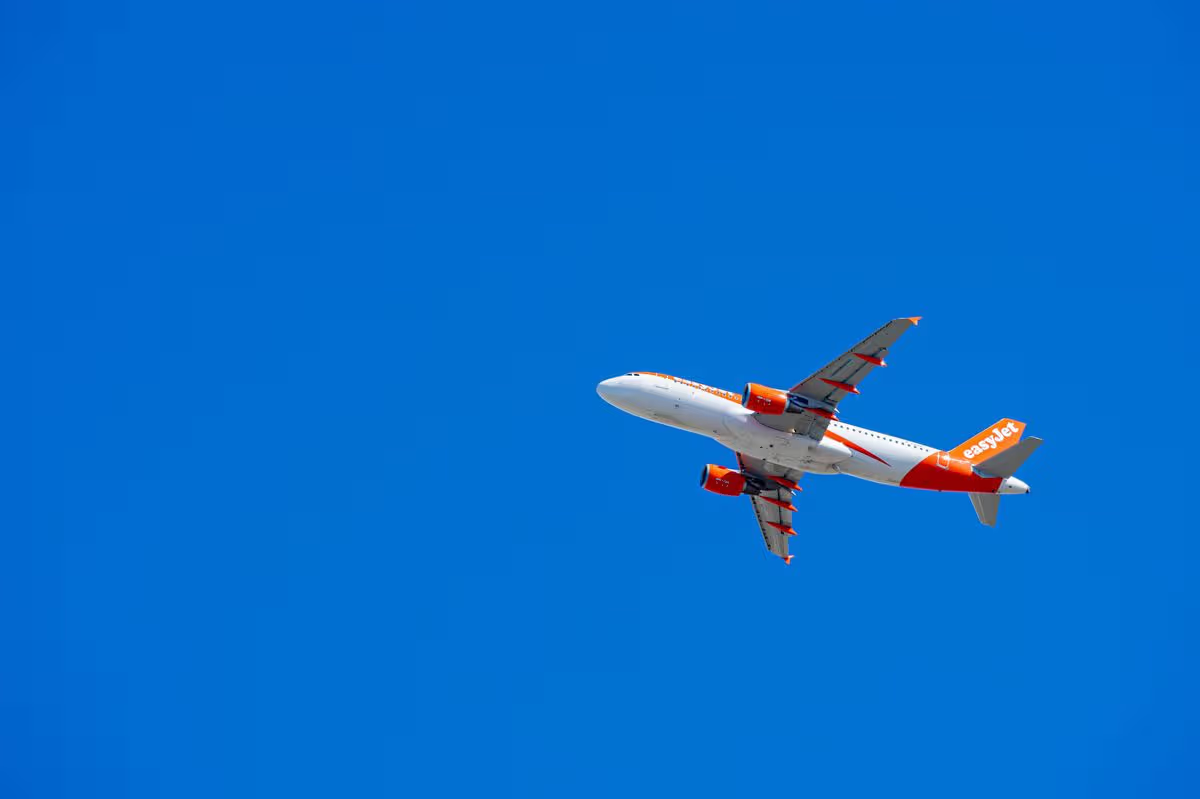
Passengers flying with easyJet can use their helpful tool to secure the best deals(Image: Getty)
Booking flights can be expensive, with many people clicking on random days of the week to find the best deal. But did you know two days of the week are likely to be better than the rest?
Travel experts at easyJet say that while the ‘cheapest day to fly’ often depends on factors like destination and flight availability, there are two days of the week you really want to look out for. The airline says: “The cheapest day of the week to fly can vary depending on the destination, flights available, and time of year.
“However, we’d recommend being flexible with your dates and considering flying outside of peak weekend flight times. By booking to fly on Wednesday or Thursday rather than Friday, you can find bargain flights (and get more time at your destination!).”
What is the cheapest month to fly in?
The low-cost airline also noted that the start and end of the year are key periods to look for if you want a trip that won’t break the bank. It adds: “The cheapest month to fly often depends on the destination and the type of trip you’re planning.
“For traditional warm-weather destinations in Spain or Italy, you can often find the cheapest plane tickets in the winter months of January and February. If you’re booking a trip to the mountains or traditional winter destinations like Finland, you’ll often find cheaper flights in November or March.”
As one of the world’s largest airlines, it operates a fleet of 355 aircraft, connecting 164 airports in 38 countries through 1,207 routes. While booking flights during these specific days and months is not a guarantee of the best deal, it urges people to use its Low Fare Finder when searching for the cheapest flight dates to secure the best deals.
Mum blocked from easyJet flight and left £700 out of pocket
In other easyJet news, a mother was prevented from boarding an easyJet flight with her family and lost £700 after being caught out by a crucial passport rule.
Bolaji Omisade was looking forward to a family trip to Greece and arrived at London Gatwick Airport with her husband and three sons. However, after checking in at the airport, easyJet staff informed her that she was not permitted to board the flight.
Confused by the situation, she was informed at check-in that, although her passport had not yet expired, it was no longer valid for travel due to passport regulations. You can read the full story here to make sure that you don’t fall foul of the same rule.
IF you’re looking for five-star stays on the cheap, check out Zaragoza in northeastern Spain.
The city has rooms in luxury hotels for as little as £79 per night for two people, as well as a thriving tapas scene – and it’s going to be very hot next week.
Sign up for the Travel newsletter
Thank you!
Zaragoza has rooms at five-star hotels for under £80 per nightCredit: AlamyHotel Palafox has a rooftop pool and rooms from £80Credit: booking.com
After a restful night, there’s plenty to do in Zaragoza which sits on the banks of the Ebro River.
And if you fancy a visit soon, the city is set to reach highs of 37C next week.
For tapas, head to El Tubo which has maze-like and narrow streets filled with restaurants.
The small dishes are generally served from 1-4pm and 8pm-midnight.
Hotel Palafox has rooms from singles to grand suitesCredit: Expedia
Some tapas specialities here include Ternasco de Aragón (lamb), migas (fried breadcrumbs), and borraja which is local wild greens.
It’s also a prime bar-hopping spot during the evenings.
If anyone is heading there as a family, there’s lots to keep children entertained like the aquarium and the Emoz origami museum is filled with tiny paper treasures.
The city has some impressive buildings, some of which are Basilica de Nuestra Senora del Pilar and Palacio de la Aljaferia.
Further afield, visitors can take a day trip to the Monasterio de Piedra which is a national park that has lots of pretty waterfalls.
Travel operator has spoken out on its family rules as Ryanair is facing an investigation over allegations it charges parents to sit alongside their children on flights
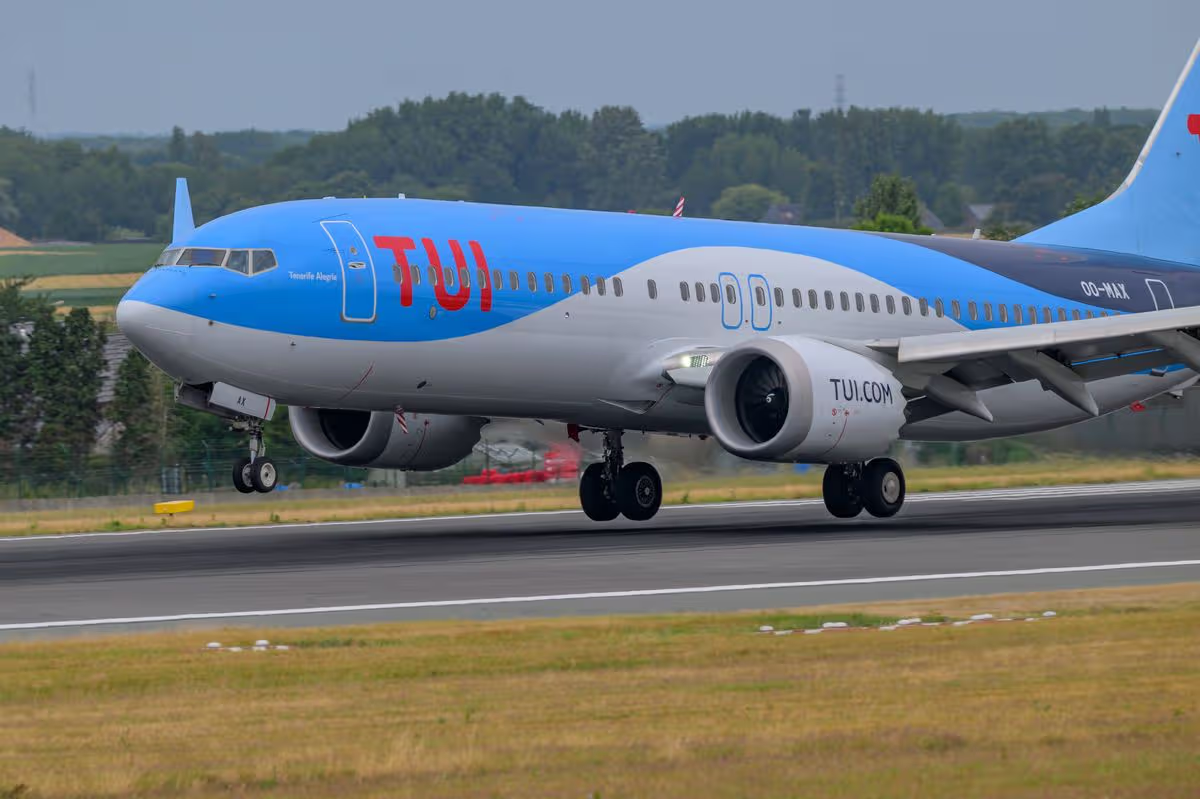
TUI said children will be seated directly next to the parent, across the aisle, or in front / behind(Image: Getty Images)
Holiday firm and airline TUI has outlined a crucial rule surrounding seat bookings – as the Competition and Markets Authority (CMA) opened an investigation into competitor Ryanair. Ryanair is facing scrutiny over its practice of charging parents to sit alongside their children on flights.
The competition watchdog, the Competition and Markets Authority (CMA), confirmed it will assess whether the approach is “in line with consumer law”. The airline branded the investigation as “bogus” and a “failed effort by the Starmer Government to pretend it cares about consumers”.
Ryanair mandates that parents flying with children aged between two and 11 must pay to reserve what it calls a mandatory family seat. Their children are subsequently assigned seats next to or close to them at no additional cost.
The charge for a mandatory family seat typically stands at around £8 each way, according to the CMA. As the story emerged, one TUI customer turned to X to question how it was possible that his wife was being charged to reserve a particular seat – and that their son might end up seated separately from her.
TUI replied: “If your wife needs any assistance with her booking, please ask her to send us a direct message with the booking details so we can take a look for her.”
The individual then stated: “Don’t need assistance as it is booked, just frustrating she felt pressured to pay that when it isn’t the case that a five year old will be sat on his own.”
The TUI operative then clarified that they cannot guarantee the child will be seated directly beside the parent, explaining: “Please be reassured that children under 12 will always be seated with at least one adult from your booking, this may be directly next to them, across the aisle, or directly in front / behind, depending on the aircraft configuration and availability at check-in. Katy”.
The father responded: “So you would leave a 3 year old sat behind their parent?”.
According to TUI’s terms and conditions: “If you’re flying with TUI Airways and there’s a child under the age of 12 on your booking, we’ll make sure they’re seated with at least one adult in your party. If you’d like to make sure everyone sits together, we recommend reserving seats when you book, or adding them later in Manage My Booking.
“If you don’t use our Select Your Seat service, your seats will be automatically allocated when you check in online.”
Booking a TUI seat costs anywhere from £12 to over £90 per passenger, each way, depending on the destination, flight duration, and seat category. Standard seats are priced between £12 and £45, while upgrades such as Extra Legroom or Premium Seating carry higher charges.
Without paying, seats are assigned automatically at no cost during check-in. Following the previous query, TUI clarified: “Hi there, its lovely to hear from you. As katy explained a child can be seated row directly in front, behind, or across the aisle if under 12 years old and hasn’t purchased select your seats but the team on the flight will be on flight to assist fully. Laura.”
Ryanair is facing an investigation over allegations it charges parents to sit alongside their children on flights.
Children under two are required to sit on their parent’s lap on Ryanair flights. For other passengers, paying to reserve a seat remains optional.
The CMA confirmed it is examining whether Ryanair’s policy means “parents are being charged for the airline to meet its child safety and disability-related obligations as set out under aviation rules”.
Ryanair is “the only major airline flying out of the UK to impose this charge”, the watchdog stated.
Other airlines allow children to be seated next to a parent without requiring a paid adult reservation, or automatically assign seats together during the booking process, the CMA noted.
The probe will also look at whether Ryanair’s compulsory family seat charge is dripped during the booking process — when a company fails to show customers all unavoidable costs upfront.
The CMA stressed it is at the early stages of its investigation and has “reached no conclusions about whether Ryanair has broken the law”. Hayley Fletcher, senior director of consumer protection at the CMA, said: “Lots of families save up to afford a summer holiday and we know that extra charges can quickly bump up the price.
“Our investigation will consider Ryanair’s approach to family seat reservations and how the cost is presented to consumers, to determine whether they comply with consumer law.
“For the past year, we’ve told businesses to ensure their customers are shown the total price upfront – those who don’t face the very real possibility of action from the CMA.”
Rory Boland, editor of consumer magazine Which? Travel, said: “Ryanair doesn’t have to wait for the outcome of the CMA’s investigation. It could stop charging these unreasonable fees today and we would encourage them to do that.”
Ryanair issued a statement saying: “Ryanair’s family seating policy fully complies with all relevant laws and regulations, and saves families money when travelling on the UK’s lowest fare airline.”
The airline insisted it “does not charge any fee for children to sit beside their parent”, and “parents travelling with children pay for only one (adult) reserved seat”.
It went on to say: “This bogus CMA investigation is a failed effort by the Starmer Government to pretend it cares about consumers when it has failed to abolish APD (air passenger duty) which would immediately deliver lower fares for all consumers and growth for the UK aviation, tourism and wider economy.
“Ryanair looks forward to disproving these false CMA claims.”
The CMA is an independent non-ministerial Government department, funded by the Treasury.
BUDGET airline Wizz Air has warned that it could be forced to cut UK routes due to rising costs.
It comes after air passenger duty (APD) was raised in April – a tax on airlines that is usually then passed onto passengers by increasing flight fares.
Sign up for the Travel newsletter
Thank you!
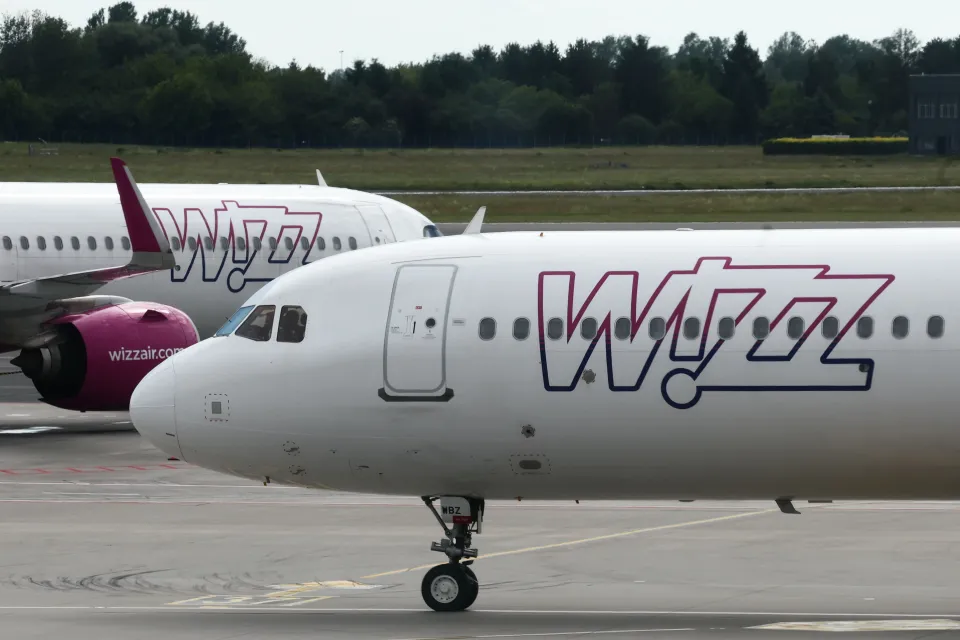
Wizz Air is threatening to axe some of its flights from the UKCredit: Shutterstock Editorial
Wizz Air boss József Váradi said that the airline will now look at whether the rise in APD will impact demand for its flights and depending on the results, whether any of the airlines routes should be cancelled.
The APD rise in April hit a record high and further increases are expected in the future.
On economy flight fares, APD rose from £13 to £15 in April, to most destinations across Europe.
For Brits travelling on holiday, this means that a family of four could be spending an extra £60 (£8 more than previously) before even adding luggage to their flight booking.
While Wizz Air has not confirmed which flights are at risk, the airline currently flies to 77 destinations from the UK including holiday hotspots such as Alicante, Tenerife and Majorca in Spain.
The airline boss added that while Wizz Air is mostly happy with its services from the UK, “issues affecting the UK airline industry like APD charge increases” cannot be ignored.
He said: “We have to evaluate how exactly that plays out on our network, our customer base and our financial performance and make decisions accordingly.”
“If the cost of business is going up, that will result in capacity rationalisation if you are unable to pass it on to customers.”
The APD rise comes at a time when many airlines are already feeling the financial pressure of rising air fuel costs.
Váradi added: “I do not think the UK should be overcharging airline customers to raise funds for other activities and commitments, because this is going to undermine airlines and the UK is going to lose out on tourism at the end of the day.”
“It’s my favorite city in the world,” says the comedian, musician and actor best known for the beloved sketch comedy series “Portlandia” and for “Saturday Night Live.” “It has a really strong sense of community for such a giant city,” he adds, noting the recent celebration surrounding the new Los Angeles County Museum of Art and Metro’s D Line extension.
In Sunday Funday, L.A. people give us a play-by-play of their ideal Sunday around town. Find ideas and inspiration on where to go, what to eat and how to enjoy life on the weekends.
Armisen enjoys being behind the wheel, which is how he first noticed Hulu’s “Deli Boys,” where he plays casino boss Max Sugar in the show’s second season.
“Strangely, I was a fan before I was a fan of the show,” he says. “I was a fan of the billboards. I saw ads for it, and I was immediately curious. Like, ‘What is that? Why is it called ‘Deli Boys’? Who are these people?’ There was something about the three leads, a sort of chemistry or charisma, that I wanted to be a part of.”
For him, the perfect Sunday involves traversing the city, checking out record stores and visiting museums like the Museum of Jurassic Technology in Culver City. “I fell in love with it as its own art piece,” he says. He also enjoys going to live shows, sometimes performing and spending time at home with his family. For him, the ideal day in L.A. “is a mix of all of those things.”
The one place you won’t find the sun-averse actor is the beach. “Los Angeles is a great place for people who hate the sun,” he says. “There’s a goth quality to it. So many of the best punk bands came out of Los Angeles.” He appreciates that you can avoid the sun by staying in your car. “It feels like I get to confront my hatred for the sun without being in it,” he says.
This interview has been lightly edited and condensed for length and clarity.
5 a.m.: Early rising
I love Los Angeles so much that sometimes, when I wake up, it’s still dark outside. So it’ll be, like, 5 or 6 o’clock in the morning, and it’s dark, but the palm trees are silhouetted in the sky. Right away, I’ll have granola or Grape Nuts with almond milk and blueberries. And then I just like to sit in silence while it’s still dark out, while sipping two mugs of coffee. If I do go out, the Village Bakery and Cafe on Los Feliz Boulevard is really nice for breakfast or if you have to meet someone. There is a scramble there that I really like. But lately, I’ve also been getting granola with yogurt.
8 a.m.: Make it a work day in Elysian Valley, a.k.a. Frogtown
I like to make every day a work day. So even if I have a day off, I still try to do one work-related task. I have a music-and-writing space in Frogtown where I’ve had an office for a while. I had one there when we wrote “Portlandia.” I’ve got my drums set up, and I usually like to get things ready for touring. I have all these flight cases and drums there and I get all my equipment together. I’ll just clean them up a little bit. Sometimes I practice — not practicing to get my rudiments up for drumming — but just because I enjoy drumming so much.
11 a.m:. Lunch in Frogtown
There are a few places in Frogtown where I like to have lunch. There’s a vegan cafe near me called Just What I Kneaded, which is great, or the Spoke Bicycle Cafe, which is a little down the river. I like the chickpea farro bowl with Brussels sprouts and tempeh. Sometimes I’ll go to Wax Paper and order the Kai Ryssdal sandwich. Their sandwiches are really good and are named for National Public Radio hosts. We have to embrace being pretentious. I think in these cafes, we should talk about the Velvet Underground. It’s almost like cosplaying. Like, let’s really be Silver Lake. Well, you know, with bicycles.
1 p.m.: Run errands at the Americana at Brand
I can’t just stay in Frogtown, so I’d next go to the Americana at Brand outdoor mall because sometimes, when a place is devoid of all those pretensions, it’s actually very relaxing. You can walk around and get a lot of errands done. I love the sushi place the Bar — Hand Rolls by Seabutter.
2 p.m.: Take a drive through Griffith Park
I love driving. That’s one thing that I love about Los Angeles. Everywhere I go, I get to be in my car. I like listening to the radio. It’s just a peaceful place to be. There’s something special about it, especially as day turns into dusk. I like going down Sunset Boulevard or Beverly Boulevard. I also love driving Crystal Springs Drive through Griffith Park. It is the prettiest drive. The speed limit is nice and slow. In the summer, there’s a free Shakespeare festival in that same park. I haven’t made it yet because I’m usually traveling, but I’ve always wanted to go.
3 p.m.: Hit the record stores
I know it’s a cliché for me to say I go to record stores, but I do. I like going to Amoeba Music in Hollywood. I’ll get any reissue, like a new box set. And there’s always something that’s just come out. Sometimes I’ll go to a musical instrument store called Caveman Vintage Music in Lincoln Heights just to pick up a few things that I’ll need, you know, drumsticks or whatever. Or sometimes I’ll get a weird little amp or keyboard.
6 p.m.: Sushi dinner in Glendale
If I go out to dinner, I like going to Sasabune in Glendale. It’s on the third floor of a building near the Americana. In my opinion, Los Angeles has the best sushi in the world. Ventura Boulevard in the Valley is amazing, but this place is my favorite restaurant in the world. Wow. I love it.
8 p.m.: See live music
Once a month, although not usually on Sundays, I play covers at a bar and record store called Permanent Records Roadhouse in Cypress Park. Sometimes I do stand-up at Largo at the Coronet. But I love to see live bands. The Bellwether and the Teragram Ballroom are great venues to see bands. Those two, I’d say, are my two favorites to go to because I like a little bit of space, because I can’t be up at the front. You know, I’m so famous that bands stop playing [laughs] when they see me. No, I’m just a patron. I’m a fan. TheGreek Theatre is a fantastic place to see live music. And the Ford amphitheater! The last time I went, I thought, ‘Why don’t I come to every show here?‘ because it’s the perfect size. It’s outdoors. It’s not gigantic. Every seat is good. It’s really, really great. I saw Neil Young there. I saw Paul McCartney at the Fonda Theatre in March, and he was unbelievable. I love that he played there. I like the Hollywood Bowl, obviously, but everybody knows that.
A hotel that’s set to open next week will join the list of the largest properties in Europe with a whopping 1,240 rooms, and it’s the perfect base to explore a lesser-visited coastline
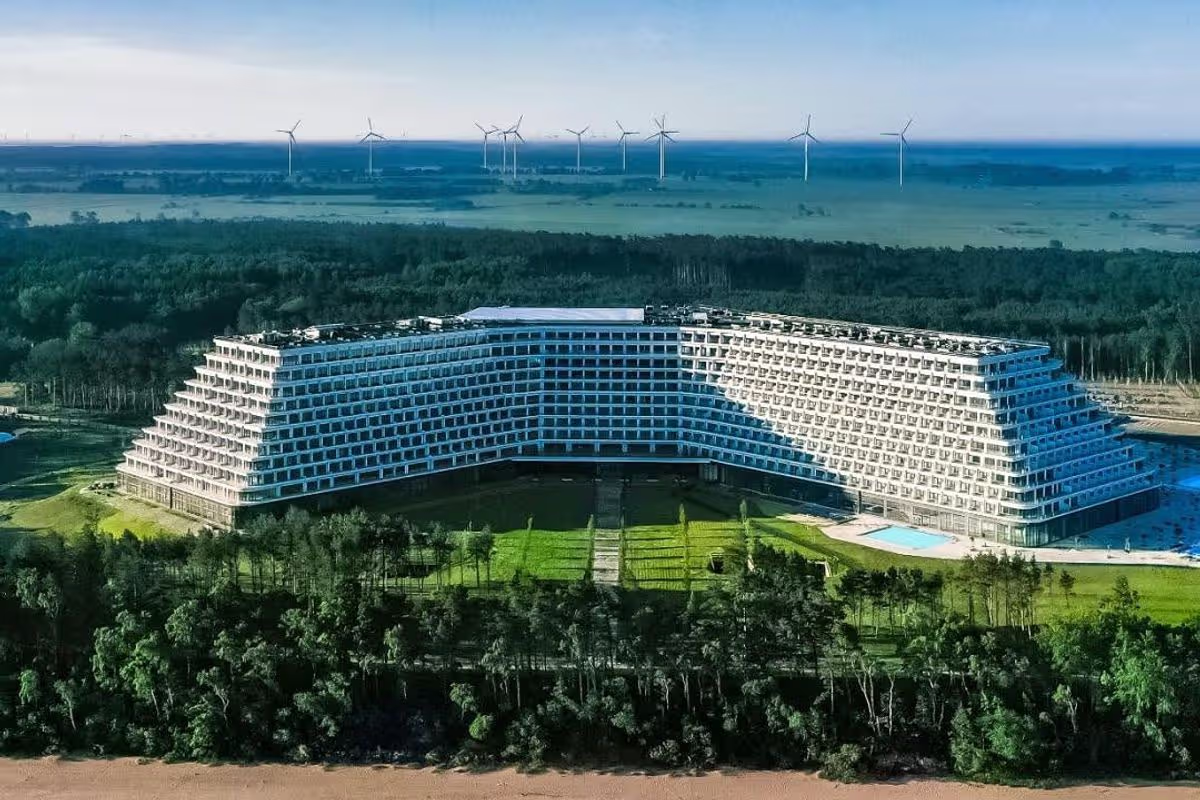
The hotel will soon be one of the largest in Europe(Image: Hotel Gołębiewski Facebook)
This month will see the opening of a vast hotel just a couple of hours from the UK, and it’s already making records due to the sheer size of the brand new property.
On Wednesday, June 17, Gołębiewski Pobierowo will open its doors to the public, with 1,240 guest rooms set over 13 floors to choose from. While it won’t be the largest in Europe: narrowly beaten by the Royal National Hotel in London which has 1,630 rooms and the Rin Grand Hotel in Bucharest with 1,459 rooms, the new hotel will come in at third place.
Gołębiewski Pobierowo will be set on the banks of Plaża w Pobierowie, a two-and-a-half mile long beach that offers soft white sands and the clear blue of the Baltic Sea. The shallow waters are ideal for swimming, and it’s a popular spot for families during the summer season.
The beach isn’t the only place to go for water-based fun. The hotel will feature a waterpark with indoor and outdoor pools and slides, as well as plenty of wellness activities including a salt cave. It also promise a range of fun activities and entertainment for kids, and will have an outdoor terrace with live pianist performing on those long summer evenings. Other facilities include four themed restaurants, each serving different types of international cuisine.
A half-hour walk, or short drive away, is the seaside town of Pobierowo. In the summer, it has an outdoor inflatable park and treetop climbing experience, and it’s a popular destination for active breaks.
Down the road you’ll find the charming Park Miniatur i Kolejek, a cute model village, and Bałtycki Park Dinozaurów i Rozrywki, which features lifesize models of dinosaurs alongside rides and animal experiences.
Follow the pretty coastal roads to explore traditional Polish villages such as Trzęsacz, famous for its 15th-century church and its interactive museum, which gives you the chance to feel like you’re stepping back into the past. Trzęsacz also has incredible white sand beaches and steep cliffs offering broad views across the sea.
Niechorze is another popular seaside town near the hotel, offering family-friendly attractions such as the Oceanarium Niechorze aquarium, and the Victorian-era Lighthouse Niechorze where you can see views across the dense forest on one side and the sparkling sea on the other.
It also has the charming, quaint Museum of Sea Fishery which tells the history of the area’s once thriving fishing industry, and gives you the chance to climb onboard some of the small boats.
Pobierowo is about an hour from Solidarity Szczecin–Goleniów Airport, which offers Ryanair services from Liverpool and London-Stansted. With flight times of under two hours from London, this Polish seaside gem could become popular with Brits looking for a short break.
Have a story you want to share? Email us at webtravel@reachplc.com
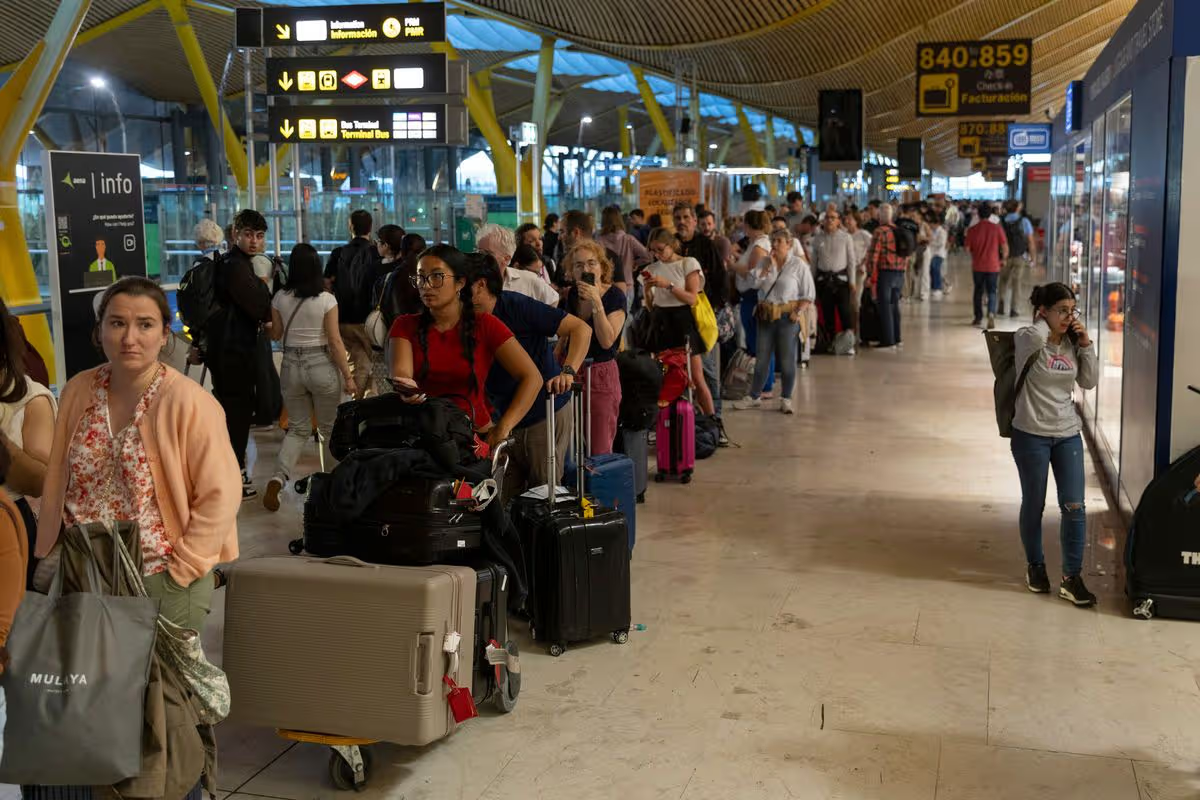
The new EU Entry/Exit System (ESS) was fully implemented on Friday 10, April, with significant travel disruptions happening as a result. Holidaymakers have found themselves in long queues lasting hours as they try to pass through the digital border system.
It has even left some missing their flights and having their holidays in tatters. The EES has replaced manual passport stamping and requires all Brits travelling to the Schengen area to “create a digital record” and register their biometric details, including fingerprints and a photograph.
As delays continue at European airports, there have been mounting worries about how it will affect travel during the summer holidays, which is famously one of the busiest periods to fly.
Travel expert Simon Calder says there has been “a litany” of people stuck in queues at Dover for hours or even missing their flights home due to delays.
He described the system as a “Euro shambles” before being pressed on where in Europe is the worst impacted by the new process. Simon named Milan Malpensa, Lisbon, Paris Charles de Gaulle, Frankfurt and Copenhagen as the airports with the “worst” delays.
Simon said on The Travel Expert podcast: “From what I have experienced, and certainly one of them is Milan Malpensa. The fingerprint stuff took an hour, and I was the first one off the EasyJet plane from Gatwick.
“Then, I went through the other terminal to check out and it took 45 minutes that time but they wanted those fingerprints again, which is absolutely not in the rules.”
He added: “I have heard terrible stories from Lisbon, other places frequently mentioned, Paris Charles de Gaulle and Frankfurt. Both of them are huge hubs where you have got a lot of people flying from various regional airports across the UK into Paris and Frankfurt to connect.
“That’s okay if you are going intercontinental but if you are trying to connect to somewhere in Europe it is awful.”
Simon explained he had a friend travel to Frankfurt last weekend, who experienced 90 minute queues.
A friend was there last weekend and it took 90 mins, connection could be toast. Simon went on to name Copenhagen as also experiencing bad delays.
Co-host Greg Dickinson said: “This was a rare instance where the Foreign Office said you may encounter long queues in or out of the airport.”
Despite the issues, Simon was optimistic about the future of travel this summer. When asked if he thinks there will be more delays this summer, he said: “I would hope we might see a bit less.”
‘Worst’ European airports for ESS delays
Milan Malpensa
Lisbon Airport, also known as Humberto Delgado Airport