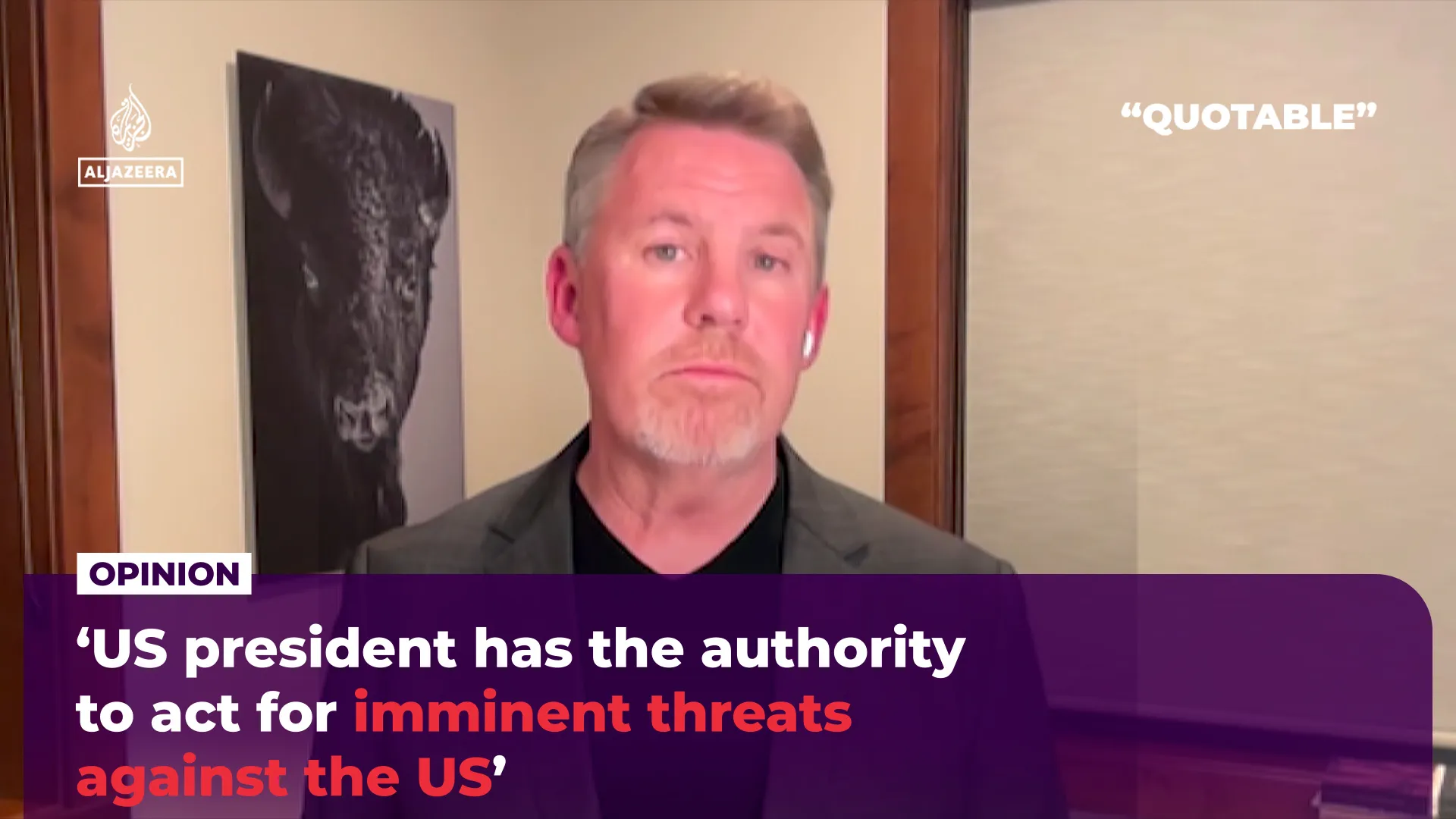
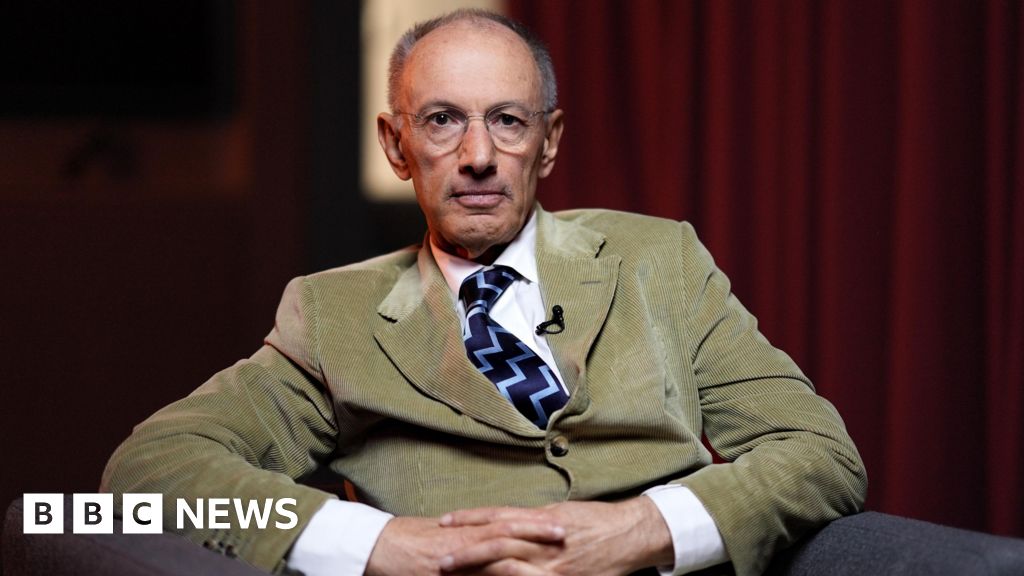
Former US defense official Michael Mulroy breaks down the US justification for striking Iran, while some US officials say there were no immediate threats.
She was raised in the favela of Pedreira Prado Lopes in Belo Horizonte, taking part in Afro dance and theatre workshops in the community.
Adriana launched her solo career in 2020 during the Covid-19 pandemic.
She performed concerts for the local community from her rooftop and livestreamed them to her growing online audience.
Her lockdown shows helped to raise funds for poor families in the Primeiro de Maio and São Marcos neighbourhoods.
In 2021, the samba star released her album Minha Verdade (My Truth), bringing together her own compositions and collaborations.
The album addressed themes such as Black pride, ancestry, love, and motherhood.
Ariana was rushed to hospital on Saturday nightCredit: Jam PressShe was considered one of the leading stars of Brazil’s samba sceneCredit: Jam Press
Following her death, the singer’s team said in a statement: “Today we say goodbye to our beloved Adriana Araújo.
“Adriana was much more than a great voice of samba, she had a warm embrace, an easy smile, a generous heart, and a joy for life that illuminated everyone around her.
“Samba will deeply feel her absence.”
She leaves behind her husband Evaldo and son Daniel.
Her lockdown shows helped to raise funds for poor families in the Primeiro de Maio and Sao Marcos neighbourhoodsCredit: Jam Press
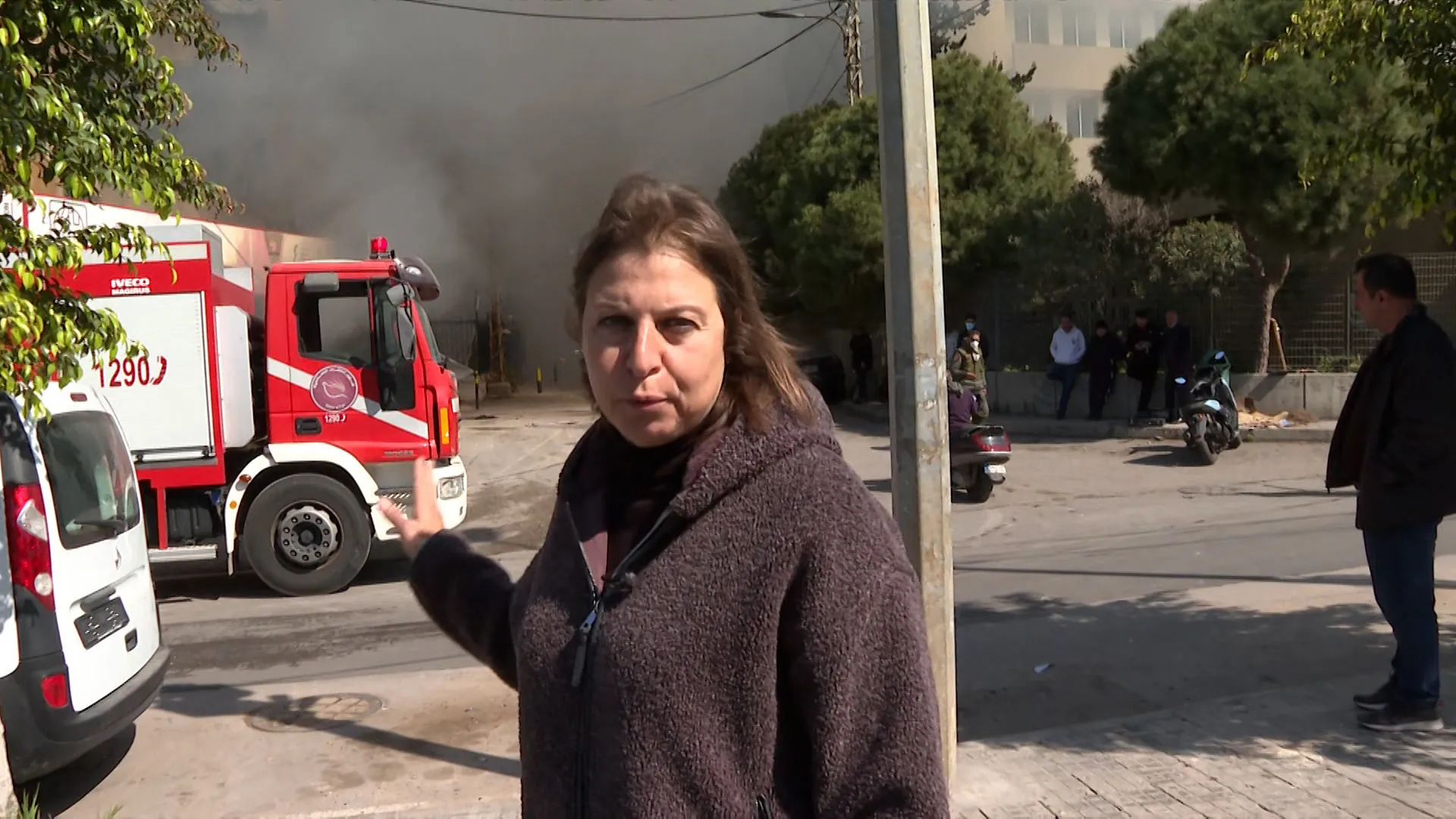
Al Jazeera’s Zeina Khodr reports from the site of an Israeli attack in Beirut’s southern suburbs, which Israel says targeted a ‘Hezbollah area’. Israeli forces have taken more land inside Lebanon, expanding a de facto buffer zone that has already displaced tens of thousands of people.
With 100 days to go until the tournament kicks off, appetite for tickets to the 2026 World Cup in the United States, Mexico and Canada is reaching fever pitch despite eye-watering prices that have fans crying foul amid global unrest after the US-Israeli attacks on Iran.
In addition to the war against Iran – a country scheduled to play its World Cup group stage games in the US – the heavy-handed immigration crackdowns in the US and the violence that erupted near host city Guadalajara after the death of Mexico’s most-wanted drug cartel leader are causing concern for fans.
Recommended Stories
list of 4 itemsend of list
“I’m afraid I might not be allowed into the country. I’ve decided to fly to Canada at most but not to the USA,” German football fan Tom Roeder told the Reuters news agency
“I hope that at least the issue of war with Iran does not reach North America, at least not in a way that affects us personally.”
FIFA, which did not immediately respond to a request from Reuters for comment, has said nearly 2 million tickets were sold in the first two sales phases and demand was so intense that World Cup tickets were oversubscribed more than 30 times.
The most expensive tickets for the opening game are going for almost $900 and more than $8,000 for the final while tickets in general cost at least $200 for matches involving leading nations. The cheapest tickets for the final cost $2,000 and the best seats $8,680 – that is before taking into account FIFA’s official resale site, where one category three seat for the game in New Jersey on July 19 was being advertised for an eye-watering $143,750, more than 41 times its original face value of $3,450.
Political and social tensions surrounding host nations are nothing new for the World Cup.
Mexican President Claudia Sheinbaum said there was “no risk” for fans coming to the country, and Adrian Nunez Corte, leader of Unipes, a fan association in Spain, said the situation has not affected willingness to buy tickets.
“Obviously, it is causing concern, but some Spanish fans living in the area have helped to calm things down after the initial hours of alarm,” Corte said.
“There is no alarm regarding US immigration policy, but people are taking preparation of the necessary visas seriously to avoid problems, especially since some fans will be travelling between the US and Mexico due to the match schedule.”
The buzz around the tournament in North America is unprecedented.
“The demand for the 2026 World Cup in the USA, Canada and Mexico is the strongest I’ve ever experienced,” said Michael Edgley, director at Australia’s Green and Gold Army Travel.
“I think FIFA will make record amounts of money. There’s no question.
“This World Cup will be a massive financial success, and the beneficiaries will be the member federations.”
But such popularity comes with a price.
Geography adds another layer of complexity as the tournament spans 16 host cities across three countries, making it more challenging and expensive for fans wanting to follow their teams.
“The price of tickets has been a major drawback, particularly affecting the number of matches each fan will attend, as well as the distances between venues and the costs involved,” Corte said.
Secondary ticket market soars
The sticker shock is even more pronounced this year, especially with a huge resale market in which tickets are sold at above face value, which is legal in the US and Canada.
FIFA defended the ticketing model.
“Unlike the entities behind profit-driven third-party ticket marketplaces, FIFA is a not-for-profit organisation,” a spokesperson said.
“Revenue generated from the FIFA World Cup 2026 ticket sales model is reinvested into the global development of football. … FIFA expects to reinvest more than 90 percent of its budgeted investment for the 2023-2026 cycle back into the game.”
Mehdi Salem, vice president of the French football fans association Les Baroudeurs du Sport, said its members are seeing more than a 200 percent increase on what they were told would be the prices in 2018 by the French federation and FIFA.
The pricing pain is so acute that Salem’s association, which boasts about 400 members, will have only 100 attend the tournament – a dramatic drop that he attributed to ticket prices and the political landscape in the US.
“We feel like this World Cup will not really be a people’s World Cup but rather an elitist World Cup,” Salem added.
JADE Thirlwall has dropped a major clue that a Little Mix reunion if off the table after Jesy Nelson’s recent interview.
The Sweet Melody hitmaker, 33, said there were lots of sweet symbolisms behind the number three when it came to her career.
Sign up for the Showbiz newsletter
Thank you!
Jade Thirlwall dropped a huge hint that full Little Mix reunion is OFF the tableCredit: Capitalbuzz/InstagramJade said there were lots of sweet symbolisms behind the number threeCredit: GettyJesy Nelson made some bombshell claims about the ‘real reason’ behind her Little Mix exitCredit: Instagram
Referring to Leigh-Anne’s album going top three in the charts, Jade said: “And I feel like it’s some weird cosmic energy that we’re all number three and that we’re a three, three, three.
“I feel like it’s quite special, very happy for her.”
Little Mix currently consists of three members – Jade, Leigh-Anne and their fellow bandmate Perrie Edwards.
The group was previously a four-piece before Jesy quit in December 2020.
Jesy, 34, revealed the truth behind her sudden departure.
The singer shocked fans when she revealed hersecret suicide attempt days before quitting the group – suggesting her cry for help was ignored by her bandmates.
The revelation came after Jesy thrilled fans with news their six-year feud was over after thegirls had privately reached out.
While Jesy gave fresh hope about the possibility of reconciling with her bandmates on stage, the girls’ reactions following her comments suggested an entirely different story.
A source told The Sun: “Jesy’s confession has obviously opened up a can of worms for the girls.
“The documentary itself and the backlash that has followed, has brought up a lot of bad feeling from the past.
Jesy (second left) revealed the truth behind her sudden departure in a recent documentaryCredit: Getty
“It’s been upsetting for the girls, but they are focused on their solo careers and the future now.”
While on her tour of That’s Showbiz Baby! in the US, Jade broke down in tears on stage as she sung Natural at Disaster.
The track is said to have been written about her struggling friendship with Jesy, with lyrics including: “It’s hard to love you when you hate yourself. Can’t be there for you without negatively impacting my mental health.”
And seemingly in another swipe at Jesy after Jesy Nelson: Life After Little Mix was released, Jade chose to play Natural At Disaster over her latest Instagram post.
Sharing video footage from behind the scenes at her show in Chicago, JADE wrote: “And all that jazz.”
One fan commented: “The song choice… I hope you’re not shading Jesy. I love you all.”
Jesy’s revelations sent Little Mix’s fanbase into a spin – with some rival supporters clashing online.
Recalling the painful breakdown of Little Mix’s friendship days before her overdose, Jesy said: “I sat everyone down to explain how I was feeling and I remember one of the responses being, ‘Are you done now? Is that it?’
“She [one of the girls] was like, ‘Can I go now?’”
Fighting back tears, Jesy added: “That made me feel really alone. I felt like there was no point. That no one cared.”
Her comments apparently sparked social media rows, with some fans “picking a side”.
However, others insisted: “Jesy sharing her side of the story of what happened shouldn’t be viewed as her trying to villainise them. Me nor you truly don’t know what happened between those girls so trying to sit there and call someone a liar as if you know better than her is very weird.”
Another said: “Both sides have faults and both sides have valid feelings. It’s really not that hard to understand.”
Someone else added: “I’m proud Jade, Leigh-Anne and Perrie reached out to her when Jesy was pregnant because they are good people all three of them. I just hope they can all move forward now and heal.”
Jesy revealed her secret suicide attempt days before quitting the groupCredit: Getty
How to get help
EVERY 90 minutes in the UK a life is lost to suicide
It doesn’t discriminate, touching the lives of people in every corner of society – from the homeless and unemployed to builders and doctors, reality stars and footballers.
It’s the biggest killer of people under the age of 35, more deadly than cancer and car crashes.
And men are three times more likely to take their own life than women.
Yet it’s rarely spoken of, a taboo that threatens to continue its deadly rampage unless we all stop and take notice, now.
If you, or anyone you know, needs help dealing with mental health problems, the following organisations provide support:
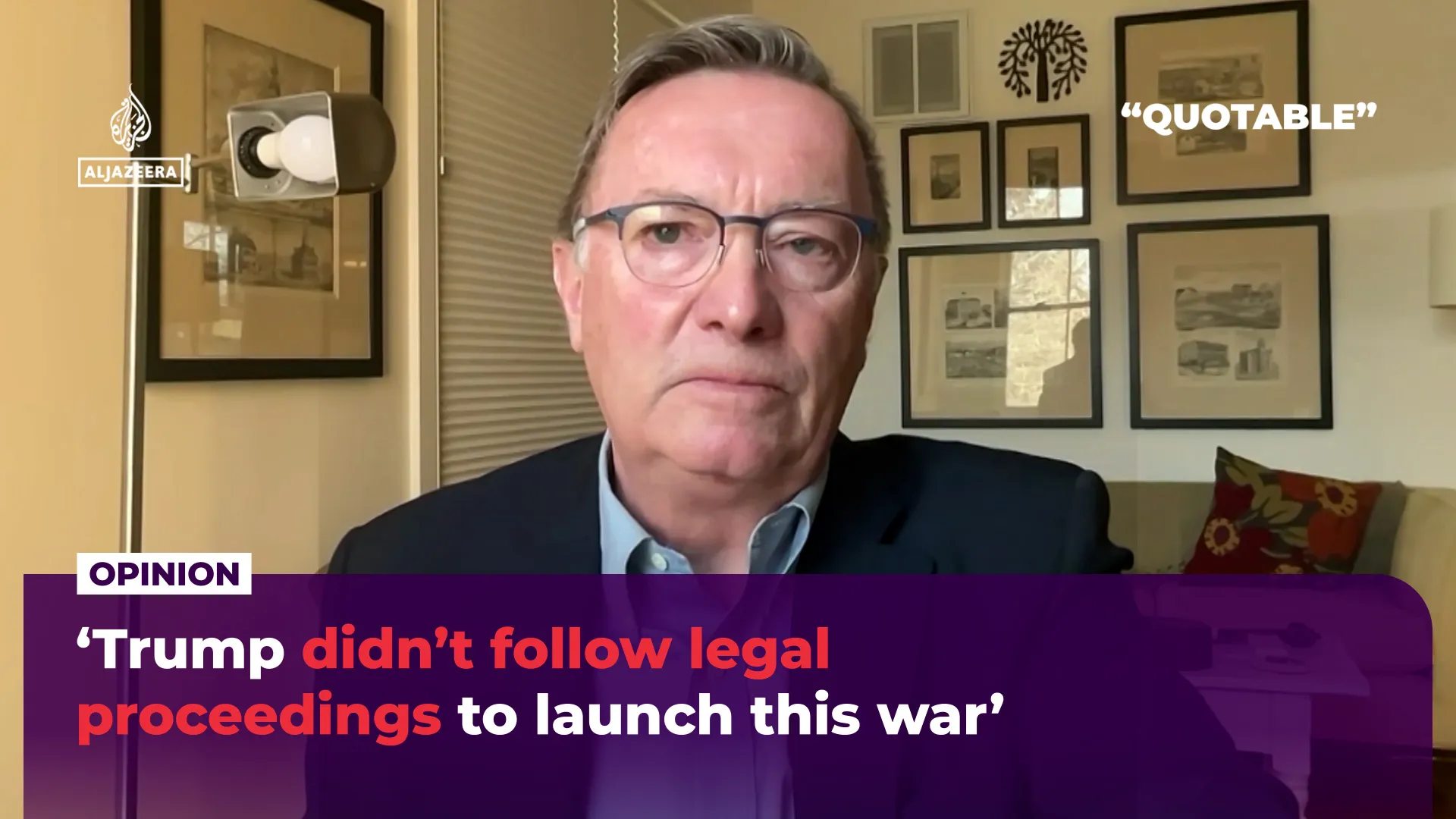
Jeffrey Feltman, former US Assistant Secretary of State for Near Eastern Affairs, questions the legal basis and endgame of the US-Israel war on Iran, saying he does not believe Iran posed an imminent threat to the United States that would justify war.
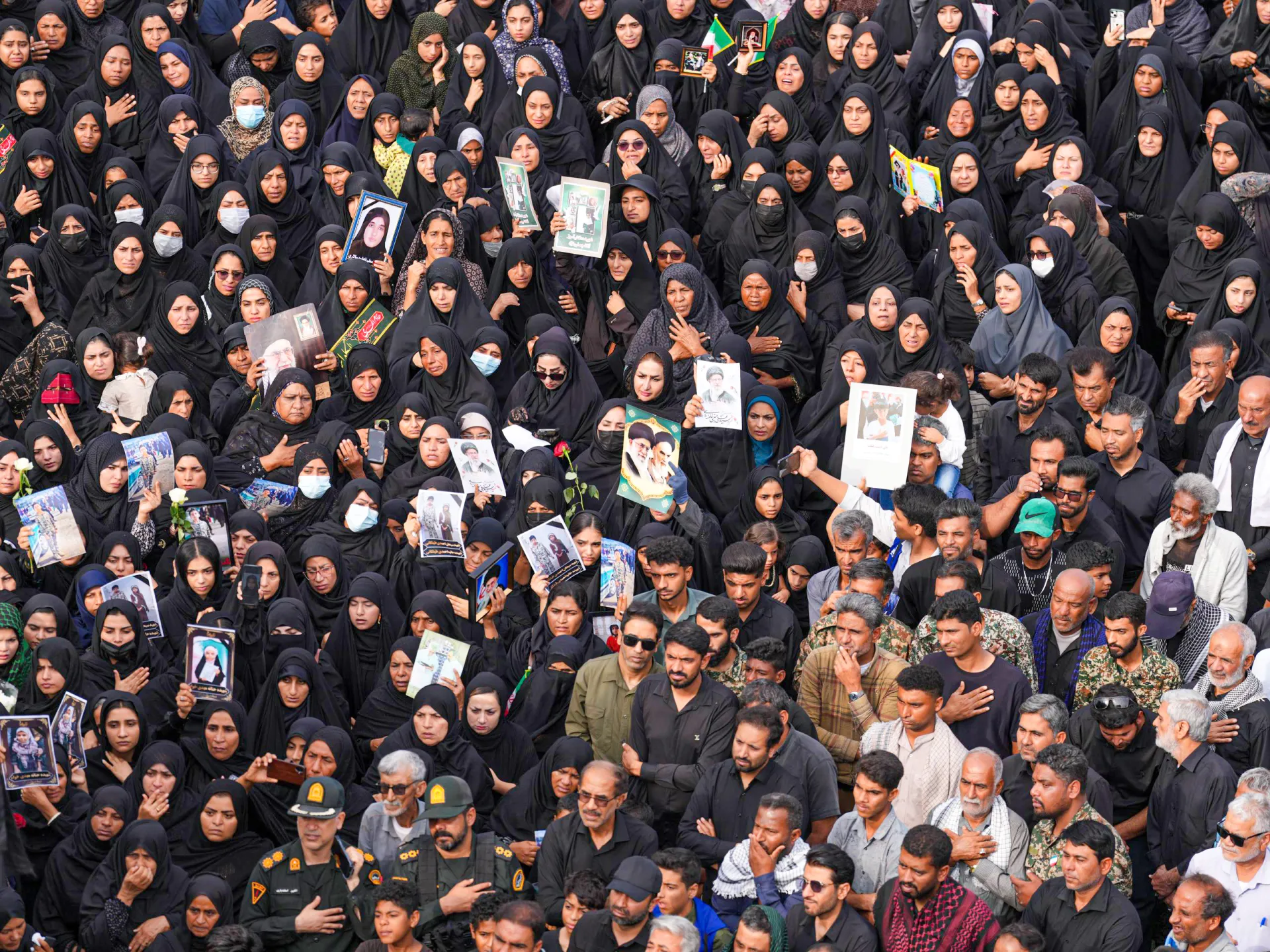
Iran has held a mass funeral for 165 schoolgirls and staff killed in what it has described as a United States-Israeli attack on a girls school in the southern city of Minab.
Saturday’s strike came on the first day of the joint US and Israeli attacks on Iran. It was the deadliest incident in the campaign against Tehran so far.
The Israeli military said it was not aware of any Israeli or US attacks in that area. Throughout its genocidal war on Gaza, however, Israel has repeatedly denied responsibility for deadly attacks on Palestinian civilians, only to later backtrack when evidence emerged, often describing such incidents as “accidental”.
The attack in Minab has been condemned by UNESCO and Nobel Peace Prize-winning education activist Malala Yousafzai.
Deliberately attacking an educational institution, hospital or any other civilian structure is a war crime under international humanitarian law.
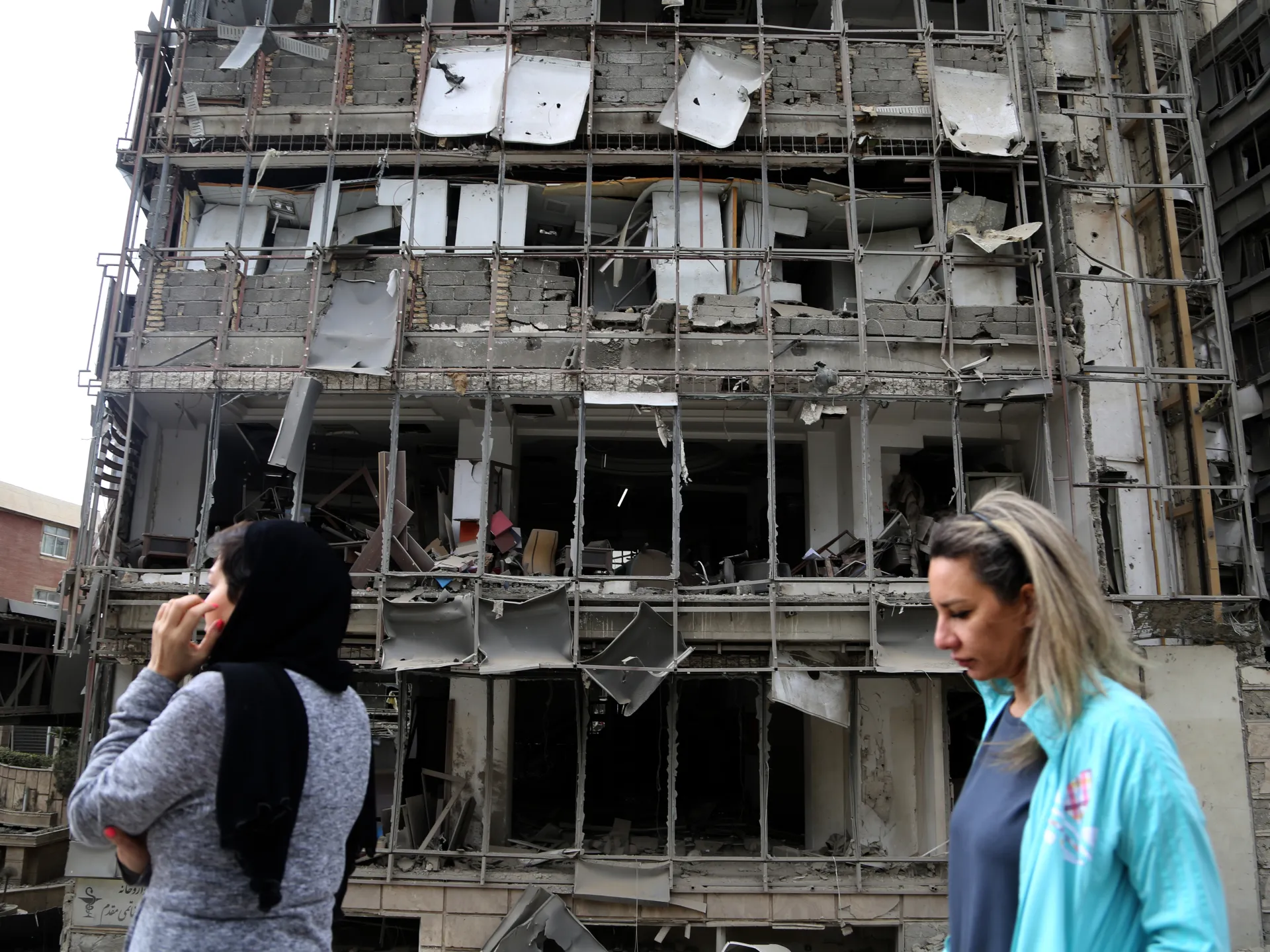
On Monday, Iranian Ministry of Foreign Affairs spokesman Esmaeil Baghaei said the two countries “continue to indiscriminately strike residential areas, sparing neither hospitals, schools, Red Crescent facilities, nor cultural monuments”.
If you buy books linked on our site, The Times may earn a commission from Bookshop.org, whose fees support independent bookstores.
Gina Gershon considers herself a storyteller, first and foremost. When we connect via video call, Gershon admits this is the first interview she’s done since submitting the manuscript for her latest book, “AlphaPussy: How I Survived the Valley and Learned to Love My Boobs.”
“I don’t have my spiel yet!” she warns, inquiring for the first of a few times what I thought of it and whether I enjoyed it. Despite the many decades Gershon has been treading the boards, starring in indie films and Hollywood star vehicles, and stalking the stage as a singer-guitarist, she still really cares about what you think, even if it won’t change her own mind. Perhaps that’s the key to her professional longevity.
“AlphaPussy” is neither a memoir nor a guide to self-betterment, but elements of both feed into Gershon’s stories. Each wittily titled chapter plunges readers into Gershon’s freewheeling 1970s childhood, defiant adolescence, burgeoning performance career and collaborations with some of the biggest names in film (including Sharon Stone, Paul Verhoeven and Tom Cruise). Most of the stories take place in the San Fernando Valley, where young Gershon was discovering weed, mushrooms and rock ‘n’ roll. This is not a titillating tell-all, and all the better for it.
“AlphaPussy” by Gina Gershon
(Akashic Books)
“This book realistically started during COVID,” Gershon explains from her New York home. “I’d told my book agent, a friend, some stories one day when we were drunk, and he kept prodding me to write a book. I was hesitant, though. I’m not a tell-all gal, that’s not my MO.”
She adds, “It was during lockdowns, and I think his mother was sick and he was having a hard time, so when he said, ‘Just write me stories to keep me cheered up,’ I started to write stories in no particular order, whatever bubbled up, because otherwise I figured I’d forget them one day.”
At the same time, Gershon had observed that young women weren’t feeling empowered to advocate for themselves in their personal relationships and workplaces.
“I noticed that especially with younger women friends of mine, they’d tell me about things they were going through on set or with their bosses, and I don’t know if it’s a millennial thing, but I said, ‘Why don’t you just look him in the eye and tell him to stop?’ and there was this sense [for me] of ‘Why can’t you do that? Because if you don’t, you’ll always be prey to these guys.’ ”
She clarifies that she means “annoying” men rather than abusive men.
“I’m not that tough,” admits Gershon. “But I’d learned how to maneuver a lot just from growing up in the Valley, and it was a crazy time to be living there. So I thought about the stories that led me to be able to steer myself through toxicity.”
In her new book, Gina Gershon recalls the industry vitriol toward her 1995 erotic film “Showgirls.”
(Evelyn Freja / For The Times)
And also to steer herself through well-intended advice, both personal and professional, to follow her instincts.
“Listen, it’s not like I’ve had the most normal career. I’ve done most of my projects despite warnings from other people and from my agents saying, ‘You can’t do this, you’ll ruin your career.’ I’m like, ‘Why? I like this project!’ ”
One of those projects, most infamously, was “Showgirls,” which gets plenty of mentions in the book.
As Gershon recalled, it was 1994, and an astrologer had predicted her major breakout role would arrive in October that year, testing the young actor and her ability to cope with notoriety. Great, thought Gershon, bring it on.
Months later, Gershon was hanging from the ceiling, dressed in bondage gear, reflecting upon her early acting goals to perform Chekhov, portray Medea and stun audiences into silence.
She was on the set of “Showgirls” (or “Survival of the Titties,” as she nicknames it), dressed in one of the many glittering, spangled, flimsy outfits that her character Cristal Connors parades about wearing as a veteran of Vegas striptease. That role, and the vitriol from within the industry toward the movie (a flop turned cult favorite), still stings.
“I was super excited going into ‘Showgirls.’ As I talk about in one of the chapters, it was just very different when I got there. It was a completely different show than I thought I was going to be doing. … I thought it was gonna be one of [director Paul Verhoeven’s] dark Dutch films.”
Realizing that it was something else, to say the least, Gershon pivoted.
“I learned how to deal with an insane environment while keeping focused on what it is that I was trying to achieve with the part, without getting swallowed up by the insanity, which is a valuable lesson, you know? I mean, it’s a good lesson to learn no matter what you’re doing.”
Last year, Gershon watched the movie for the first time in decades.
“I hadn’t seen it in a zillion years, and when I saw it, I understood it a little bit more. It made me feel tense, but I also thought, ‘Oh, interesting.’ Some scenes that I thought shouldn’t have been there and others that absolutely have to be there. I saw it with a different lens.”
She says, “Weirdly, I feel like I’m not supposed to be talking about ‘Showgirls,’ although I think I have five chapters about ‘Showgirls’ [in the book]. I did the ones that I thought were kind of funny and fun and had some sort of growth in it for me.”
Having recently wrapped filming on “an independent film, a trans love story” in Palm Springs, penned a script and midway through writing another, Gershon doesn’t intend on writing another book anytime soon. Still, “there’s so many stories I left out,” she concedes.
“I could write three more books with things, but I really wanted to stay on point with the themes of manipulation, survival, and moving around and being able to stand on your own two feet and know who you are and to have agency over your life, especially as a woman, especially as an actress, especially in this world.”
“I’m not that tough,” says Gina Gershon. “But I’d learned how to maneuver a lot just from growing up in the Valley, and it was a crazy time to be living there. So I thought about the stories that led me to be able to steer myself through toxicity.”
This photo taken on Tuesday shows the trading room of Hana Bank in central Seoul, with the benchmark Korea Composite Stock Price Index down 7 percent to close below the 5,800-point mark. Photo by Yonhap
South Korean stocks plunged more than 7 percent Tuesday to close below the 5,800-point mark as investor sentiment was dampened by escalating geopolitical concerns triggered by the ongoing Middle East conflict. The Korean won lost sharply against the U.S. dollar.
The benchmark Korea Composite Stock Price Index (KOSPI) tumbled 452.22 points, or 7.24 percent, to close at 5,791.91, marking the lowest closing price since Feb. 20, when the index finished at 5,808.53.
It marked the largest-ever daily drop.
The country’s main bourse operator, the Korea Exchange (KRX), issued a sell-side sidecar for 5 minutes around noon, suspending the selling of KOSPI futures.
Trade volume was heavy at 1.2 billion shares worth 52.5 trillion won (US$35.8 billion). Losers sharply outnumbered winners 840 to 73.
Foreign and institutional investors led the daily sell-off, dumping a net 5.1 trillion won and 891.1 billion won, respectively. Retail investors, on the other hand, went bargain hunting and snapped up a net 5.8 trillion won.
Coordinated U.S. and Israeli air strikes on Iran over the weekend roiled global markets from the start of this week, but the Korean market closed on Monday in observation of the March 1 Independence Movement Day holiday.
“The main index experienced expanded volatility as the Middle East risk was realized after a long weekend,” Roh Dong-gil, an analyst at Shinhan Securities, said. “The stock market is expected to be affected by oil prices and interest rates as the situation develops.”
Most shares closed bearish.
Market bellwether Samsung Electronics tumbled 9.88 percent to 195,100 won, and its chipmaking rival SK hynix plummeted 11.5 percent to 939,000 won.
Top automaker Hyundai Motor dived 11.72 percent to 595,000 won, and leading battery maker LG Energy Solution sank 7.96 percent to 393,000 won.
Travel shares were among the biggest losers as flag air carrier Korean Air nosedived 10.32 percent to 25,200 won and major travel agency Hana Tour Service lost 6.65 percent to 44,900 won.
KB Financial Group, a leading banking group, fell 3.46 percent to 153,500 won, and Celltrion, a major pharmaceutical firm, dropped 5.66 percent to 225,000 won.
However, oil refinery and defense shares were bullish.
Leading refinery firm SK Innovation rose 2.51 percent to 130,900 won, and S-Oil, whose largest shareholder is Saudi Aramco, shot up 28.45 percent to 141,300 won.
Defense giant Hanwha Aerospace soared 19.83 percent to 1.43 million won, and LIG Nex1 surged 29.86 percent to 661,000 won.
The Korean won was quoted at 1,466.1 won against the U.S. dollar at 3:30 p.m., down 26.4 won from the previous session’s close. It marked the lowest since Feb. 6, when the won-dollar rate was 1,469.5 won.
Bond prices, which move inversely to yields, closed sharply lower. The yield on three-year Treasurys increased 13.9 basis points to 3.180 percent, and the return on the benchmark five-year government bonds declined 14.6 basis points to 3.424 percent.
Copyright (c) Yonhap News Agency prohibits its content from being redistributed or reprinted without consent, and forbids the content from being learned and used by artificial intelligence systems.
Bala Abubakar rises before dawn, fetching water and checking his irrigation canals. He grew up in Gurin, a community in Adamawa State, northeastern Nigeria, where rice cultivation has fed generations. To operate a thriving rice farm, Bala says he needs good seedlings, fertilisers, and perhaps a loan to tide him over.
In 2024, members of the Rice Farmers Association of Nigeria (RIFAN) in the state got subsidy inputs through the Nigeria Incentive-based Risk Sharing System for Agricultural Lending (NIRSAL), a programme designed to de-risk agricultural lending for low-income farmers. Bala went to the nearest cybercafé to register, hoping to benefit from the initiative.
The registration required him to enter his National Identity Number (NIN) before he could access the loan. At the café, he entered his name and the NIN, but the system failed to verify him. The café attendant told him that his record was not found and advised him to try his bank’s verification number (BVN). He tried, but the system still failed him. Disappointed after visiting the cybercafé, Bala trudged back home.
Like Bala, other farmers faced a similar problem. One farmer, Sani Bukar, tried to access the Growth Enhancement Support under the Government Enterprise and Empowerment Programme (GEEP), an initiative designed to improve smallholder farmers’ access to agricultural inputs through an electronic, voucher-based system. He only received a “verification failed” message, despite having a phone number linked to his NIN.
“They have our pictures and fingerprints now,” Bala says, referring to the recent biometric enrollment drive. “But those pictures are in Abuja. Here in my village, what do I have?”
His story reflects a deeper tension in Nigeria’s emerging Digital Public Infrastructure (DPI) ecosystem. Although Nigeria has made progress in several areas of DPI, alignment across them is uneven. The NIN, for instance, is managed by the National Identity Management Commission (NIMC), while the Central Bank of Nigeria (CBN) manages the BVN system to expand financial inclusion. In addition, SIM registration—conducted by mobile network operators—links phone numbers to individuals’ identities.
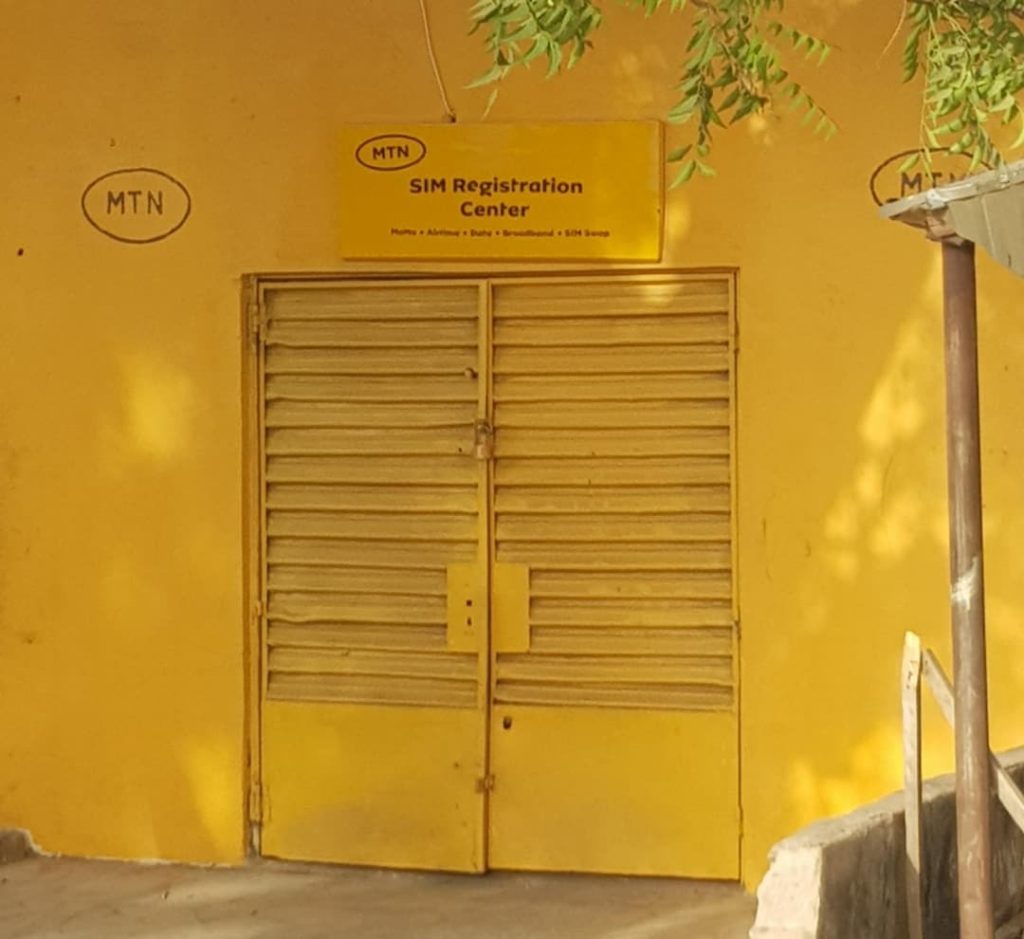
An MTN SIM registration centre in rural Adamawa. Photo: Obidah Habila Albert/HumAngle
On paper, these systems should make agricultural targeting seamless, but in practice, they often operate in silos.
Bala’s dilemma is built on concrete technical barriers. To access most federal or sub-national agricultural interventions today, a farmer must have a valid NIN, a phone number linked to that NIN, a bank account linked to a BVN, and a registration in a state or federal farmer database. If any link in that chain fails, the entire process most often collapses.
A 2025 overview of Nigeria’s connectivity landscape notes that only about 38 per cent of Nigerians were online in 2024, with rural communities significantly lagging behind.
“Without stable internet, many agricultural tools are rendered ineffective,” said Tajudeen Yahaya, an agricultural extension expert. “Even simple SMS or app-based registration frequently fails in rural communities.”
Beyond connectivity, issues with identity and data persist. The NIN registry has enrolled over 120 million people, but reports indicate that many more Nigerians have yet to enrol, particularly those in rural areas. Bala’s village falls within that gap.
The problem spans across multiple government programmes. Different states in Nigeria maintain their own farmer databases that conflict with federal government records. For instance, Agricultural Development Programme (ADP) offices may possess one list, while federal systems could have a different one.
“We tell farmers to get on the portal, but many are not in our state ADP database,” says Victor Anthony, who spoke on behalf of the Chairperson of the ADP programme in Adamawa State. “And even if they are, the federal system says we’re not synced.”
In 2025, the Federal Ministry of Agriculture officially launched a National Digital Farmers Registry. The minister, Abubakar Kyari, announced that it would be anchored and accessed through the NIN. According to Abubakar, the registry would eliminate ghost beneficiaries and ensure targeted delivery of inputs, extension services, credit, and insurance. The goal is a single unified platform that links NINs to farmlands, so that when a farmer applies, the system already “knows” him and his fields.
However, a recent statement from the agriculture ministry noted duplications and inconsistencies in farmers’ records, making it difficult to support them.
Interventions
Many government parastatals and private institutions are working to improve digitalisation for farmers and rural communities. NIMC has expanded the number of enrolment centres under the World Bank–supported programme, aiming to register up to 150 million Nigerians. Mobile NIN vans now travel to rural markets and religious gatherings, reducing distance barriers.
In October 2025, the World Bank approved a $500 million Building Resilient Digital Infrastructure for Growth (BRIDGE) project to lay fibre optics across Nigeria. Over the next five years, 90,000 km of fibre will be added, expanding the national backbone from 35,000 km to 125,000 km. When completed, this network will connect every local government, thousands of schools and clinics, and even remote agricultural research stations.
In local communities, farming cooperatives and technology companies are also contributing. The Extension Africa network has provided training to many local extension agents in digital tools, enabling them to act as “digital ambassadors” in rural areas. Some platforms are testing offline kiosks that permit farmers to download guidance and transaction records whenever they visit town.
The federal government’s renewed Agric Infrastructure Fund and various projects with agencies aim to equip these hubs with basic internet as part of a broader “Digital Village” initiative. However, these fixes are works in progress.
An African challenge?
Nigeria’s struggles are shared across the Global South, and other countries’ experiences offer cautionary lessons. In India, billions of dollars in farmer subsidies are paid directly to bank accounts via Aadhaar ID. The country is now rolling out Agri Stack, a digital initiative that gives each farmer a unique digital ID linked to land records.
Get our in-depth, creative coverage of conflict and development delivered to you every weekend.
Subscribe now to our newsletter!
When the government mandated e-KYC for OTPs in 2023, nearly 5 per cent of beneficiaries were flagged as “ineligible” when verification failed. Many older farmers lacked a working linked phone, had worn fingerprints, or ran into a buggy face-scan app.
With 70 per cent of the population in rural areas, agriculture accounts for 33 per cent of GDP in Kenya, but the country has struggled with piecemeal data. A recent study notes that millions of Kenyan smallholders remain “invisible to formal agricultural programmes”. In 2023, Kenya launched a national digital registry for farmers, but poor connectivity and low smartphone ownership are barriers, as in Nigeria.
On the positive side, Kenya has explored linking its digital ID (Huduma card) to farm cooperatives and training agents in the field. Rwanda goes even further by running the Smart Nkunganire e-voucher system, in which registered farmers receive digital coupons for seeds and fertilisers based on precise plots. These programmes suggest that pairing farmer IDs with geotagged land data can dramatically improve targeting, but only if the data are entered correctly, experts said.
Ethiopia has introduced a National ID requirement for various services. The newly established National Agricultural Finance Implementation Roadmap (NAFIR) incorporates a Fayda ID, which is a 12-digit unique identification number provided by the National ID Programme (NIDP) to residents who meet the necessary criteria set by NIDP. This system is designed for farmers associated with a land registry containing 18 million plots. The World Bank highlights that digital identity could unlock rural finance at scale in Ethiopia, but warns that without addressing its infrastructure gaps, digital solutions risk remaining pilots.
What needs to change
Experts argue that Nigeria must double down on making its digital agriculture ecosystem inclusive and resilient. Frank Akabueze, a Nigerian-based digital identity expert, noted that IDs should be flexible to ensure seamless registration. He said the NIN may be central, but alternative pathways should exist. For instance, cooperative leaders should be allowed to register farmers offline (paper intake by trusted agents) and synchronise later, rather than requiring each individual’s smartphone.”
“Voter card numbers should be made acceptable as interim IDs,” Frank said, noting the importance of equipping extension workers with portable biometric devices so they can register farmers on the spot, as some countries do. In India, the option of offline Aadhaar verification was eventually introduced to help offline farmers.
The digital expert noted that all of Nigeria’s data siloes – NIMC, BVN, SIM records and databases should be harmonised. He stressed that legal frameworks like the new digital ID policy can mandate data sharing between agencies (with privacy safeguards).
“Spelling mismatches and duplicates should be proactively cleaned: one approach is to use biometric deduplication, as India did at scale for Aadhaar,” he added.
He also said the proposed National Digital Farmers Registry should connect to the NIN and verify existing records, such as the national farmers’ census, to minimise errors, such as listing the same farmer in multiple states or with different ages.
This report is produced under the DPI Africa Journalism Fellowship Programme of the Media Foundation for West Africa and Co-Develop.
A FITNESS influencer has confessed to lying about getting caught in an explosion.
Influencer Malibu Fit Maxx has admitted that he lied about the ordeal while serving in the army.
Sign up for the Showbiz newsletter
Thank you!
Malibu Fit Maxx has apologised about telling his followers a lieCredit: InstagramThe influencer, whose real name is Lee Markham, took to social media in the candid videoCredit: malibufitmaxx/Instagram
The fitness influencer, whose real name is Lee Markham, shared a video this week where he revealed that he lied about sustaining an injury from an improvised explosive device while on active duty.
Speaking in his candid video, the influencer said: “I wanted to talk to you directly about the claim that I made, taking an IED blast to the face.”
He then said how he was “deeply proud” to have served in the military between 2005 and 2010.
The internet star explained how he received negative comments online about his appearance, which in turn let to him making a false claim about his time serving in the army.
“I’ve always got comments about my face and appearance.
“Some of them were harsh. And to be honest, I didn’t handle it well,” he began.
“I was new to being in the public eye and I didn’t know how to handle the criticism.”
He went on: “Instead of facing that right away, I made a bad decision and put ‘IED Survivor’ in my bio. That was not true and it was wrong.
“But truly I’m sorry from the bottom of my heart,” he said.
He added: “I have always tried to promote positivity and support for others, especially veterans.
“But I understand that my actions here contradict that. I take full responsibility for it,” he said later in the video.
Keen to regain the trust of his followers and fans, he added: “I know words alone will not fix this.
“Trust is earned. It’s not owed.
“All I can do is be honest with you guys going forward and let my actions speak over time.”
The Influencer Insider – Get all the gossip on all your favourite online stars
Want to know more about the influencer who faked cancer? Read all about Brittany Miller and her sham career here.
We have all the inside gossip about Ladbaby mum’s incredible weight loss here.
And talking of weight loss, we know all about what is going on with B&M queen Becki Jones, which you can read up on here.
If health influencers are your thing, then read this on the man behind Tonic Health and his dubious claims here.
His followers were divided in the comments section.
One person penned: “hanks for keeping it real bro. You’re one of the only accounts on here that brings true happiness to so many people.
“Don’t ever forget that and don’t ever stop going, bro.”
While another said: “This is a great example of taking accountability. You turned that from a disaster into a humble moment that other men can learn from. Respect!”
“Apologised like a man and didnt make excuses or keep lying – still a legend in my eyes,” added a third.
Meanwhile, someone else penned: “Bro only making this video because he got called out publicly. This is not accountability, this is damage control.”
And another slammed: “You ain’t sorry you’re only sorry because you got caught.”
Some fans were divided by his apology videoCredit: malibufitmaxx/Instagram
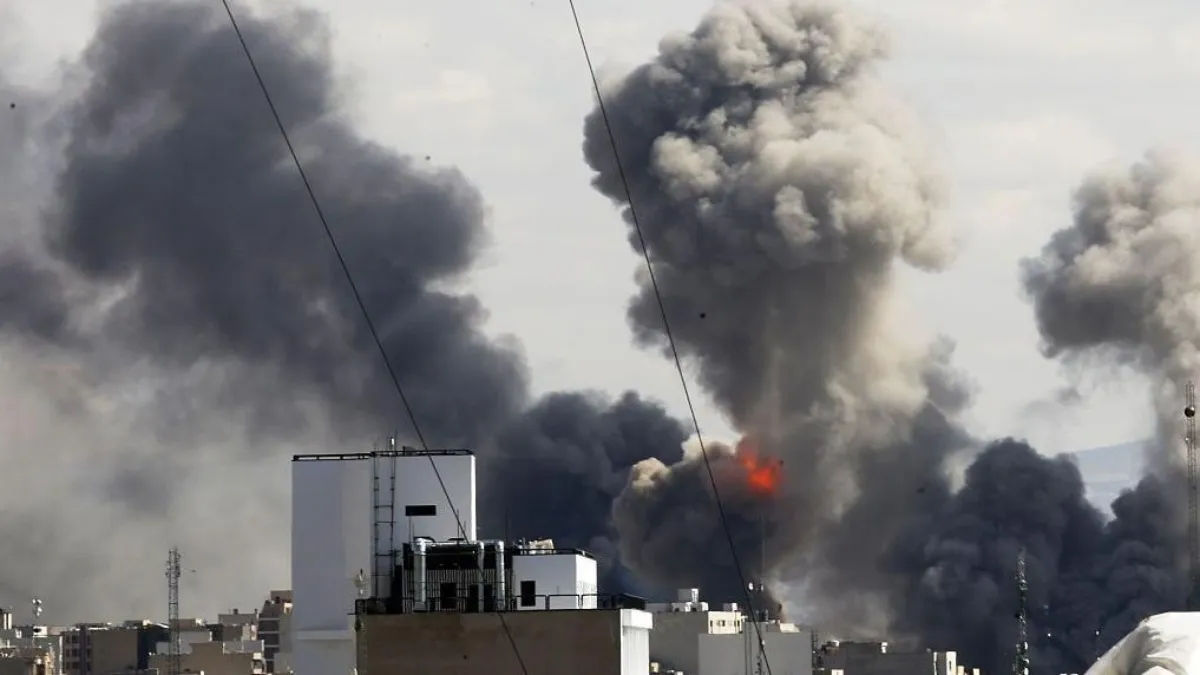
Explosions have rung out across Tehran as the war entered its fourth day with the United States and Israel continuing to pound Iran’s capital and numerous other cities and locations after the assassination of Supreme Leader Ali Khamenei.
Iran continued on Tuesday to retaliate against Israel and throughout the Gulf where nations host US assets.
At least 787 people have been killed in US-Israeli strikes on a minimum of 131 cities across Iran, the Iranian Red Crescent Society said on Tuesday.
Israel’s military said it had “struck and dismantled” the headquarters of Iran’s state radio and television broadcaster, the Islamic Republic of Iran Broadcasting (IRIB), accusing it of “calling for the destruction of the State of Israel and for the use of nuclear weapons”.
In a post on Telegram, IRIB reported explosions near its headquarters in Tehran but said there had been no disruption to its operations.
Tehran’s streets have been largely deserted as people take shelter during the air strikes.
Iranian media also reported explosions in the city of Karaj, just outside Tehran, as well as in the central city of Isfahan.
Iran held a mass funeral on Tuesday for 165 schoolgirls and staff killed on Saturday in what Iran said was a US-Israeli attack on a school in the southern city of Minab.
The Dunblane Tapes takes viewers back to 1996 to a tragic mass shooting that saw over a dozen primary school children killed. The heartbreaking documentary spans across 73 minutes as it tells the devastating impact of those still dealing with the loss, as well as the successful campaign launched to ban weapons in the UK.
With previously unseen footage, a Channel 4 synopsis states: “After the 1996 mass shooting at Dunblane, a campaign was launched to ban private handguns in the UK. This remarkable story is now told through unseen footage filmed by a bereaved parent.”
The documentary, released to mark the event’s anniversary, was previously aired on Channel 4 last month, but is now available to stream online for those who missed it.
It has been dubbed an “emotional roller coaster” and viewers have been left in tears following the harrowing instalment. Taking to social media, one viewer previously wrote: “Just finished watching The Dunblane Tapes on Channel 4. Extremely upsetting watch, but the families who were devastated by what happened changed the law of the land and definitely stopped it happening again.
“Also extremely pleased the perpetrator’s name was not mentioned, I won’t mention it either as he doesn’t deserve to be mentioned. Please watch it, it’s humbling and devastating and I remember it like it was yesterday, it was 13th March 1996.”
One TikTok viewer, who was wiping away tears while discussing the film, said in a video: “Well I went into this documentary knowing it was going to be sad but oh my God… It is heartbreaking.”
They added: “It’s awful it’s so sad but definitely give this a watch. It’s really well made, just heartbreaking.”
In another video, one person said: “It’s meant to be an absolute emotional rollercoaster. I’m not sure if I can handle this one I’ll be honest.”
Another replied: “I just blubbed the whole way through the Dunblane Tapes”, as one person commented: “Cried all the way through the Dunblane one so so sad.” A third commented: “The Dunblane Tapes was so moving. I cried my eyes out.”
Over on X, one Channel 4 viewer said: “Watching #TheDunblaneTapes.. 7 mins in and I’m already in tears. Gonna be a difficult watch. So close to home.”
Another wrote: “Cried lots watching deeply moving #TheDunblaneTapes.” A third added: “@Channel4 has just done it again with #TheDunblaneTapes. Both harrowing & moving in equal measure.”
The Dunblane Tapes can be streamed now on Channel 4 online. For the latest showbiz, TV, movie and streaming news, go to the new **Everything Gossip** website.
Ensure our latest headlines always appear at the top of your Google Search by making us a Preferred Source.Click here to activateor add us as your Preferred Source in your Google search settings.
March 3 (UPI) — Suspected Iranian drones have struck the U.S. Embassy in Riyadh, Saudi Arabia’s Ministry of Defense said early Tuesday, as the United States orders all non-emergency personnel to evacuate Bahrain and Kuwait amid Tehran’s continued retaliation strikes targeting U.S. assets and Israel.
Two drones struck the embassy, igniting “a limited fire” and causing “minor material damage” to the building, the ministry said in a statement.
The embassy confirmed in a statement that it had been attacked, urging people to avoid the facility. It said the mission was closed on Tuesday, and urged U.S. citizens throughout Saudi Arabia, but especially in the cities of Jeddah, Riyadh and Dhahran, to shelter in place.
The Saudi Defense Ministry later said it had intercepted and destroyed eight drones near Riyadh and Al-Kharj.
Asked what the U.S. response to the attack would be, President Donald Trump told NewsNation, “You’ll find out soon.”
Saudi Arabia is a U.S. ally and home to several American assets, including the U.S. Embassy and Prince Sultan Air Base, as well as other U.S. military facilities.
Since the United States and Israel began attacking Iran early Saturday, the Islamic regime has launched a barrage of missiles and drones targeting Israel as well as U.S. assets throughout the region.
Along with Saudi Arabia, Iran has attacked Kuwait, Jordan, Bahrain, Oman and the United Arab Emirates. At least six U.S. service members have been killed so far, all in Kuwait, where three U.S. fighter planes were also downed by Kuwait’s aerial defense weapons system in what is being called friendly fire.
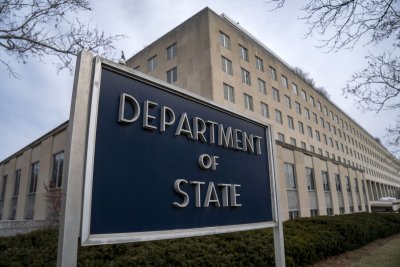
The State Department on Tuesday ordered non-emergency U.S. government personnel and their families to leave Bahrain and Kuwait, according to statements published by their respective embassies.
On Tuesday, the State Department urged Americans throughout the Middle East to leave.
In a 4 p.m. EST statement from Assistant Secretary Mora Namdar, Americans in 14 Middle Eastern countries were told to “DEPART NOW.”
Venezuelan authorities have offered no explanation on the withdrawn statement. (Anadolu Agency)
Mérida, March 2, 2026 (venezuelanalysis.com) – Venezuelan popular movements condemned the recent US and Israeli attacks against Iran and expressed support and solidarity with the West Asian nation.
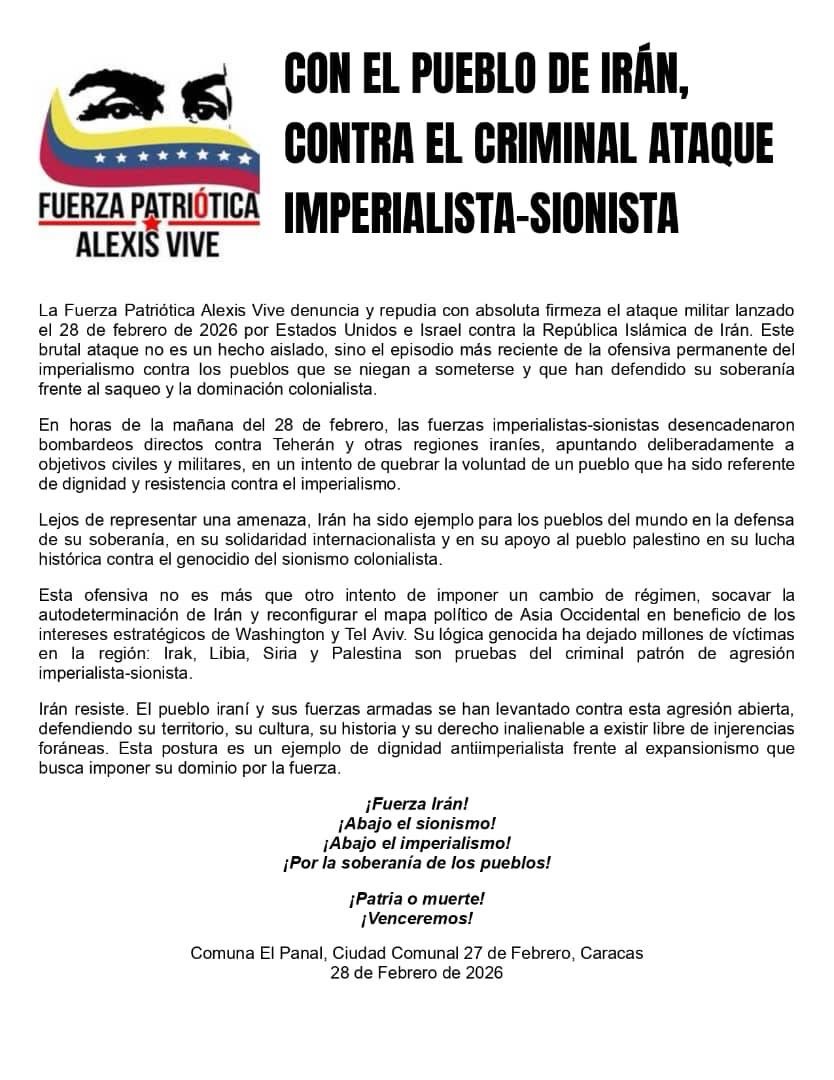
On Saturday, February 28, the International Platform for Solidarity with the Palestinian Cause and the Alexis Vive Patriotic Force were among the organizations issuing statements rejecting Washington and Tel Aviv’s military actions.
The organizations decried the bombings of Iranian territory, including against civilian targets, and described the operations as serious violations of international law. The International Platform for Solidarity with the Palestinian Cause expressed “deep outrage” over the bombing of a girls’ school in Minab that killed over 175 people.
“This infamous act will not crush the heroic resistance of the Iranian people, in their example of dignity in the face of imperialist and zionist aggression,” the platform’s communiqué read.
For its part, the Alexis Vive Patriotic Force emphasized that the latest attacks are not an isolated incident, but rather “another attempt to impose regime change and undermine Iran’s self-determination.”
“These actions seek to reconfigure the political map of Western Asia in favor of the strategic interests of Washington and Tel Aviv,” the organization, a driving force in El Panal Commune in Caracas, added in its statement.
The Venezuelan chapter of Alba Movimientos, a continental alliance of social movements, likewise issued a statement declaring “unrestricted solidarity” with Iran and calling on multilateral organizations to deter the US and Israel’s “warmongering.”
Venezuelan grassroots organizations scheduled a rally on Tuesday in front of the Iranian embassy in Caracas to reiterate their support and condemnation of the foreign aggression against the country.
West Asia has been thrown into open conflict after the US and Israel launched operations “Epic Fury” and “Lion’s Roar,” respectively, on Saturday, with widespread bombings against Iran and targeted assassinations against the country’s leadership. Ayatollah Ali Khamenei, Iran’s supreme leader, was killed along with several relatives by an Israeli strike.
Washington and Tel Aviv justified the systematic bombing of Tehran and other cities as a “preemptive strike,” with officials from both countries claiming without evidence that Iran was working toward nuclear weapons.
In response, Iranian forces launched defensive maneuvers and retaliatory attacks against US military assets in the region, striking bases and other targets in countries including Bahrain, the United Arab Emirates, Qatar, Iraq, and Jordan. Iran has also launched multiple waves of missiles against Israel and vowed to implement a strategic blockade in the Strait of Hormuz.
Caracas withdraws statement, expresses solidarity with Qatar
The Venezuelan government issued a statement on Saturday expressing its “condemnation and deep regret” that the “military option was chosen” with attacks against Iran while diplomatic talks were ongoing. However, Caracas did not name the US and Israel as the perpetrators.
The communiqué went on to condemn Iran’s retaliatory actions as “inappropriate and reprehensible military reprisals against targets in various countries in the region.” The document ended with a call for a return to negotiations between all parties.
The government’s position drew widespread criticism on social media and was removed from the Foreign Ministry’s official accounts, as well as from Foreign Minister Yván Gil’s Telegram and X platforms, on Saturday evening.
Venezuelan leaders, including Acting President Delcy Rodríguez, have offered no explanation for the statement’s publication and deletion. On Monday, Rodríguez reported a phone conversation with Qatari Emir Tamim bin Hamad Al Thani in which she expressed “solidarity” amidst the “violence and instability” in the region.
“I expressed my condolences and deep concern over the loss of civilian lives due to the ongoing conflict, reiterating our call to respect international law and preserve peace,” the acting president wrote.
Caracas’ latest stance contrasts with its previous fierce condemnations of US and Israeli actions in West Asia, including the genocide in Gaza, attacks against Lebanon, and the assassination of Hezbollah leader Hassan Nasrallah.
Venezuela had likewise firmly backed Iran, one of its strongest allies in the past quarter century, against foreign attacks, including during the June 2026 war against Israel.
During Hugo Chávez’s presidency (1999-2013), Caracas and Tehran consolidated a multidimensional strategic alliance based on opposition to US expansion and a commitment to building a multipolar world. During this period, more than 270 bilateral agreements were signed in sectors such as energy, housing, agriculture, and technology.
The close ties, described by both governments as a “revolutionary brotherhood,” also provided key lifelines as both countries faced US-led economic sanctions. Venezuela benefited from Iranian technology transfers in areas such as drone manufacturing, cement, and vehicle assembly.
Iran provided key fuel shipments in 2020, defying US threats, as the Venezuelan economy reeled under US coercive measures.
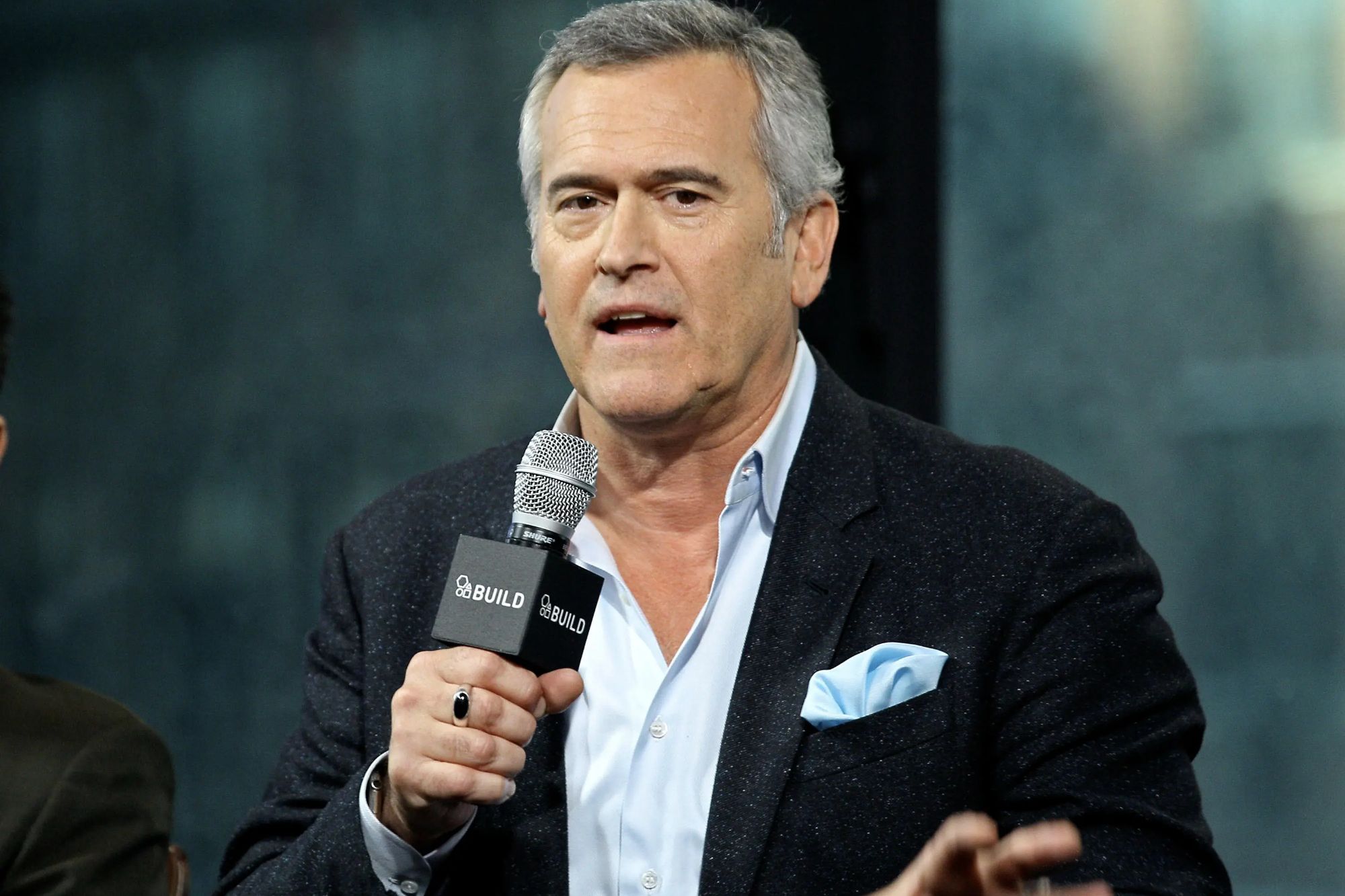
EVIL Dead actor Bruce Campbell has revealed he has cancer in an emotional Instagram statement.
The 67-year-old screen star told fans in the message “sorry if it’s a shock – it was to me too”.
Sign up for the Showbiz newsletter
Thank you!
American actor Bruce Campbell has revealed he has cancer in an emotional Instagram statementCredit: AlamyThe Evil Dead star reassured them he is a ‘tough old son of a b***h’Credit: AlamyThe 67-year-old has told how his cancer is ‘treatable not curable’Credit: Alamy
Yet the Michigan-born horror actor was then quick to reassure them “fear not, I am a tough old son of a b***h”.
Bruce has revealed he has a “treatable but not curable” form of the disease and will need to take time away from work to recover.
The Hysteria! star wrote in a text post uploaded to his Instagram grid: “Hi folks these days when someone is having a health issue its referred to as an ‘opportunity’ so let’s go with that – I’m having one of those.
“It’s also called a type of cancer that’s ‘treatable not curable’.
“I apologize if that’s a shock, it was to me too.”
Bruce who was in cult flicks Crimewave and Maniac Cop added: “The good news is, I’m not going to go into any more detail.
“I’m posting this, because professionally, a few things will have to change – appearances and cons and work in general need to take [a] back seat to treatment.
“There are several cons this year summer [sic] that I have to cancel. Big regrets on my part.
Most read in Entertainment
“Treatment needs and professional obligations don’t always go hand-in-hand.
“That’s about it. I’m not trying to enlist sympathy – or advice – I just want to get ahead of this information in case false information gets out (which it will).
“Fear not, I am a tough old son-of-a-b***h and I have great support, so I expect to be around a while.
“As always, you’re the greatest fans in the world and I hope to see you soon!”
Fans were also quick to offer words of support for the science fiction TV star.
One insisted: “Cancer doesn’t stand a chance. Hail to the king, baby. We love you Bruce.”
A second put: “Sending you all the best, Bruce!”
A third posted: “You are loved and must feel the terrific support flooding your direction! You definitely have this!”
One then added: “Hail to the King, baby.”
Bruce is best-known for his role in the Evil Dead franchise, playing Ash Williams.
He is the only character to appear in each instalment of the series and battles a series of possessed creatures called Deadites, who have been taken over by the Kandarian Demon.
His stints in the Evil Dead movies saw him voted as the greatest horror movie character ever back in 2013.
His personal profile has rocketed thanks to his movie status, with many hailing Bruce a cultural icon.
In 2007, he featured in a parody of his movie career in My Name Is Bruce.
He previously told dvdtalk.com of filming the gory Evil Dead instalment and said: “In retrospect, it’s funny as hell.
“The last three days of shooting Evil Dead we never fell asleep. At the time we were just zombies.
“Various people would fall asleep in the middle of the woods and we’d find each other randomly.”
He added: “We didn’t even think we’d finish the movie, so there was none of this, ‘Wow, I hope we make a hit!’
“We were just hoping we’d get the hell out of Tennessee in one piece. We were wrecking rental cars, rental trucks, cameras, wrecking actresses and ourselves. Everything.
“We were getting poked, bitten, scrapped, and my brother fell off a cliff.
“It was a comedy of terror. That was the most terrifying part: making the movie.”
Bruce has been hailed a horror movie icon by fans – who have been quick to issue messages of support in his health battleCredit: AlamyHe told how his plan is ‘to get as well as I possibly can’Credit: AlamyHe has opened on the real-life horrors while filming Evil DeadCredit: AlamyHe has also had a cameo in SpidermanCredit: YouTube
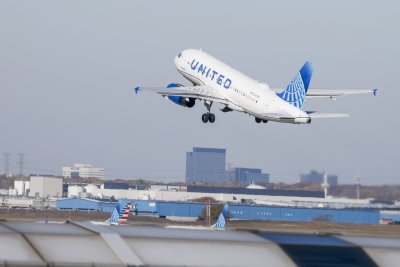
March 2 (UPI) — A United Airlines flight made an emergency landing at Los Angeles International Airport on Monday after a possible engine fire was reported, authorities and the airline said.
United flight 2127 from Los Angeles to Newark, N.J., departed LAX at 10:43 a.m. PST, but was diverted back to the airport about 40 minutes into the flight, according to flight traffic tracker FlightRadar24.
After the Boeing 787-9 Dreamliner landed, slides deployed from its fuselage, which some passengers used to deplane. Uncorroborated video posted online shows passengers going down the slide, where firefighters met them on the tarmac before they ran from the plane.
United Airlines confirmed to UPI in a statement that the flight “safely returned to Los Angeles” and that the issue was “a possible engine fire.”
“Customers deplaned via slides and airstairs and were bused to the terminal,” the company said.
No serious injuries were reported among the 265 passengers and 12 crew, United Airlines said, adding that a second aircraft was arranged to take them to Newark.
According to a statement from the Los Angeles Fire Department, no passengers required transport to the hospital.
Weekly insights and analysis on the latest developments in military technology, strategy, and foreign policy.
The loss of three U.S. Air Force F-15E Strike Eagles to apparent friendly fire over Kuwait earlier today underscores an enduring reality of conflict: despite advances in technology, high levels of training, and the most carefully prepared plans, casualties inflicted by the same side are always a hazard. Indeed, these are not the first blue-on-blue incidents involving U.S. and allied combat aircraft in the various campaigns since the end of the Cold War. Two of those, in particular, both dating from the invasion of Iraq in 2003, appear eerily similar to the incident over Kuwait today.
While we are still awaiting detailed information as to what happened over Kuwait today, U.S. Central Command has confirmed that the six crew members involved are all safe. You can meanwhile get up to date with what we know about the incident in our report here.
At 11:03 p.m. ET, March 1, three U.S. F-15E Strike Eagles flying in support of Operation Epic Fury went down over Kuwait due to an apparent friendly fire incident.
In light of that, we now look back at the previous, high-profile friendly-fire incidents in which the U.S. military has been involved in recent decades.
U.S. Army UH-60 Black Hawks, 1994
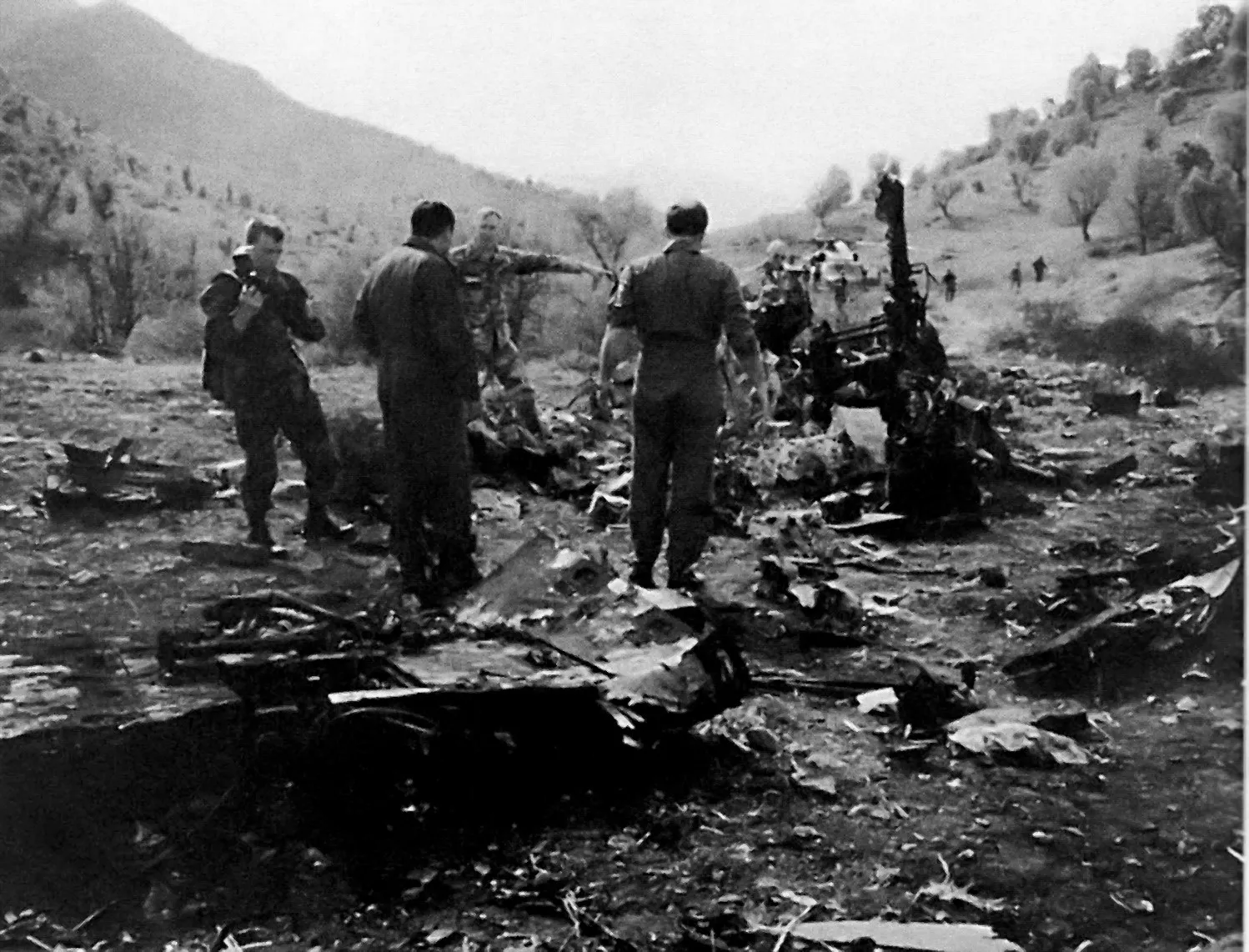
In terms of overall loss of life, the costliest fratricide incident involving U.S. military aircraft since the end of the Cold War was the April 14, 1994, shootdown by U.S. Air Force F-15 Eagle fighters of two U.S. Army UH-60 Black Hawk helicopters over Iraq, in which 26 individuals died.
On that date, the two Black Hawks and their crews were assigned to Operation Provide Comfort, a multinational relief effort to aid Kurdish refugees in southern Turkey following the 1991 Gulf War. The helicopters were transporting U.S., British, French, and Turkish military officers; Kurdish representatives; and a U.S. political advisor in northern Iraq. Operating over Turkey was a U.S. Air Force E-3 Sentry Airborne Warning and Control Systems (AWACS) aircraft, to offer airborne threat warning and control for the Provide Comfort aircraft, including the Black Hawks. Despite this, the pilots of two U.S. Air Force F-15 fighters patrolling the area misidentified the Black Hawks as Iraqi Mi-25 Hind helicopters (export versions of the Mi-24) and shot them down.
U.S. military personnel inspect the wreckage of a Black Hawk helicopter in the Northern Iraq No-Fly Zone during Operation Provide Comfort, on April 15 or 16, 1994. U.S. Air Force
A subsequent investigation into the incident revealed that, despite the AWACS crew being aware that the Black Hawks were in the area, the two F-15 pilots were not. The Eagle pilots received two radar contacts (indicating helicopters) and stated that they attempted unsuccessfully to identify them by electronic means. They twice reported their unsuccessful attempts to the AWACS, but were still not informed of the presence of the friendly Black Hawks. The F-15 pilots attempted a visual identification, making a single pass each of the helicopters, but this was later deemed insufficient for a positive ID. Instead, the lead pilot misidentified the helicopters as hostile Hinds. The pilot’s confusion was compounded by the fact that the UH-60s were carrying fuel tanks on their external pylons, making them look more like Hinds, with their characteristic stub-wing weapons stations.
The F-15C flight lead fired a single missile and shot down the trailing Black Hawk helicopter. At the lead pilot’s direction, the F-15 wingman also fired a single missile and shot down the lead helicopter. All 26 individuals aboard the two Black Hawks were killed.
A U.S. Air Force F-15C pulls into position beneath a KC-135 Stratotanker to refuel while flying near the Iraqi border during a routine patrol mission after the 1991 Gulf War. Photo by Vincent Parker/U.S. Air Force USAF
After the investigation, which described a catalog of failures, both human and technical, the two F-15 pilots were disqualified from aviation service for three years. Similar punishments were faced by three members of the AWACS crew.
U.K. Royal Air Force Tornado GR4A, 2003
The pilot and navigator of this Tornado reconnaissance jet were both killed when they were targeted by a U.S. Army Patriot air defense missile during the U.S.-led invasion of Iraq in 2003.
Flying as part of a package of Coalition aircraft, the Tornado was returning to Ali Al Salem Air Base in Kuwait on March 22, 2003, when the Patriot battery wrongly identified it as an Iraqi anti-radiation missile. The suspected hostile track was interrogated by the identification friend or foe (IFF) system, but there was no response. The Patriot crew launched the missile, and the Tornado began self-defense actions.
Both Tornado crew members were killed instantly when the missile hit their aircraft.
RAF pilots walk to their Tornado GR4 at Ali Al Salem Air Base in Kuwait after a sortie over Southern Iraq, on February 26, 2003. Photo by Richard Pohle-Pool/Getty Images Pool
The U.K. Ministry of Defense’s investigation into the incident concluded that a number of issues had contributed. Some of these related to the Patriot system and included the threat classification criteria, rules of engagement, firing doctrine, crew training, IFF procedures, and the nature of autonomous battery operation. The Tornado’s IFF serviceability was a contributing factor, and investigators also found issues with aircraft routing and airspace control measures, as well as overall orders and instructions.
U.S. Navy F/A-18C Hornet, 2003
The F/A-18C flown by Lt. Nathan Dennis White of Strike Fighter Squadron 195 was another victim of a Patriot missile during the war in Iraq in 2003.
According to U.S. Central Command, on April 2, 2003, Lt. White was flying one of two Navy F/A-18s near Karbala in central Iraq, which were heading back to their aircraft carrier, the USS Kitty Hawk. As in the Tornado incident the previous month, a Patriot missile battery mistakenly identified the Hornet as an Iraqi missile. The notification was passed on to the Information Coordination Center, responsible for coordinating air defense. The center mistakenly designated the flight path of the Navy jet as a missile track.
A U.S. Navy F/A-18C Hornet from Fighter Attack Squadron 195 refuels over the Persian Gulf, in support of Operation Southern Watch, in 1998. U.S. Navy A1C GREG L. DAVIS, USAF
Seconds later, a second Patriot battery located closer to the front line also detected the F/A-18C and also mistook it for an Iraqi missile. The second battery concluded that it was being targeted by the missile. The air defense batteries were reportedly both assigned to defend the U.S. Army’s 3rd Infantry Division, which was driving north near Karbala and about 50 miles from the Iraqi capital.
Since the erroneous reports aligned, the operators at the two Patriot batteries and at the command center became “increasingly confident that they were all detecting the same hostile missile, that their detection was accurate, and that this missile was a direct threat to U.S. forces,” according to a summary of the report into the incident.
The command center ordered that two Patriot missiles be launched, shooting down the F/A-18C and killing Lt. White.
The personnel involved did not face punishment. “It was determined … that no disciplinary action was warranted,” said Marine Capt. Kelly Frushour, a spokeswoman for Central Command.
U.S. Navy F/A-18F Super Hornet, 2024
Most recently, a U.S. Navy F/A-18F belonging to Strike Fighter Squadron 11 was involved in a friendly-fire incident with a U.S. Navy Ticonderoga class cruiser in the Red Sea on December 22, 2024.
As we detailed in our previous coverage of the incident, the F/A-18F was returning to the aircraft carrier USS Harry S. Truman, after conducting a refueling mission. The Carrier Strike Group had been busy fending off a sustained Houthi drone and missile attack in the run-up to the incident. Indeed, a series of errors and misjudgements meant that the Super Hornet had been identified by the warship as a Houthi anti-ship cruise missile, like others fired at the strike group.
“After successfully returning from its initial mission, an F/A-18F launched again to provide air defense support from OWAs and ASCMs [one-way attack drones and anti-ship cruise missiles] that were inbound to the force,” a U.S. official told TWZ at the time. “They were shot down while recovery of remaining aircraft was underway.”
Two F/A-18F Super Hornets assigned to Strike Fighter Squadron 11 fly in formation. The jet farthest from the camera is configured as an aerial refueling tanker. U.S. Navy photo by Lt. Cmdr. Josh Hammond Lt. Cmdr. Josh Hammond
The F/A-18F was downed by a Standard Missile-2 (SM-2) from the cruiser USS Gettysburg. Both crew members ejected from their jet and were recovered. Initial reports indicated that one of the crew members had minor injuries.
A myriad of issues, some systemic, contributed to the shootdown and the near miss, as we discussed once the report into the incident was published. How all these factors combined to cause the friendly-fire incident is something we previously examined in a study about the stresses the Red Sea deployments were putting on Navy surface combatants’ Combat Information Center (CIC), the nerve center and tactical brain of those vessels.
The Ticonderoga class guided-missile cruiser USS Gettysburg. U.S. Navy photo by Cmdr. Scott Miller
During the same operation in the Red Sea, Gettysburg also almost shot down another Super Hornet, too.
What all these incidents have in common is the fact that the complexities of aerial warfare make this an unpredictable and hazardous business, especially when split-second decisions have to be made. The proliferation of varied threats, as well as the fact that U.S. forces may have to fight alongside allies using different weapons, doctrines, and operating procedures, only adds to the challenge.
In all of these cases, the incidents occurred in high-threat environments with multiple layers of hazards, some of which can be very hard to detect and categorize, and which increasingly arrive simultaneously. As well as more traditional threats, like cruise and ballistic missiles, and aircraft, these increasingly include (and are enhanced by) electronic warfare and other emerging threats.
It is a sometimes-cruel irony that, while U.S. and allied forces are optimized to suppress and destroy hostile threats, this sometimes makes the positive identification of non-threat assets harder. Moreover, while technology, such as enhanced IFF and datalink systems, aims to decrease the chances of a blue-on-blue incident, these systems don’t always work as advertised, especially in a coalition environment.
Even the close-to-reality nature of combat exercises provides a risk of friendly fire. A case in point that we have looked at in the past involved the shootdown of a U.S. Navy A-6E Intruder on June 4, 1996, during the Rim of the Pacific maneuvers, or RIMPAC. The strike jet was flying off the Forrestal class aircraft carrier USS Independence when it was accidentally shot down by a Mark 15 Phalanx close-in weapons system, or CIWS, aboard the Japan Maritime Self-Defense Force (JMSDF) Asagiri class destroyer Yugiri.
JMSDF destroyer Yugiri underway. The two Phalanx mountings are visible left and right above and behind the bridge. Japanese Ministry of Defense
A much more confused situation exists over the battlefields in the Ukraine war. Here, a much more diverse collection of air defense assets is at work, of both Soviet and Western origin. An even greater potential for blue-on-blue exists since many of the same (or very similar) air defense systems and combat aircraft are facing off against each other. Aircraft missions are also regularly flown much closer to the ground, and in proximity to ground forces, meaning the reaction times are even more limited. Both Russia and Ukraine have experienced friendly-fire incidents, bringing down fixed-wing aircraft, helicopters, and drones. In one of the most prominent such incidents, it was claimed that one of the first F-16s delivered to Ukraine was shot down by a Patriot missile due to a lack of coordination between the units.
While we wait to hear more about what exactly led to the loss of three F-15Es in the skies over Kuwait today, we should be thankful that, on this occasion, all of the crew members involved managed to escape with their lives.
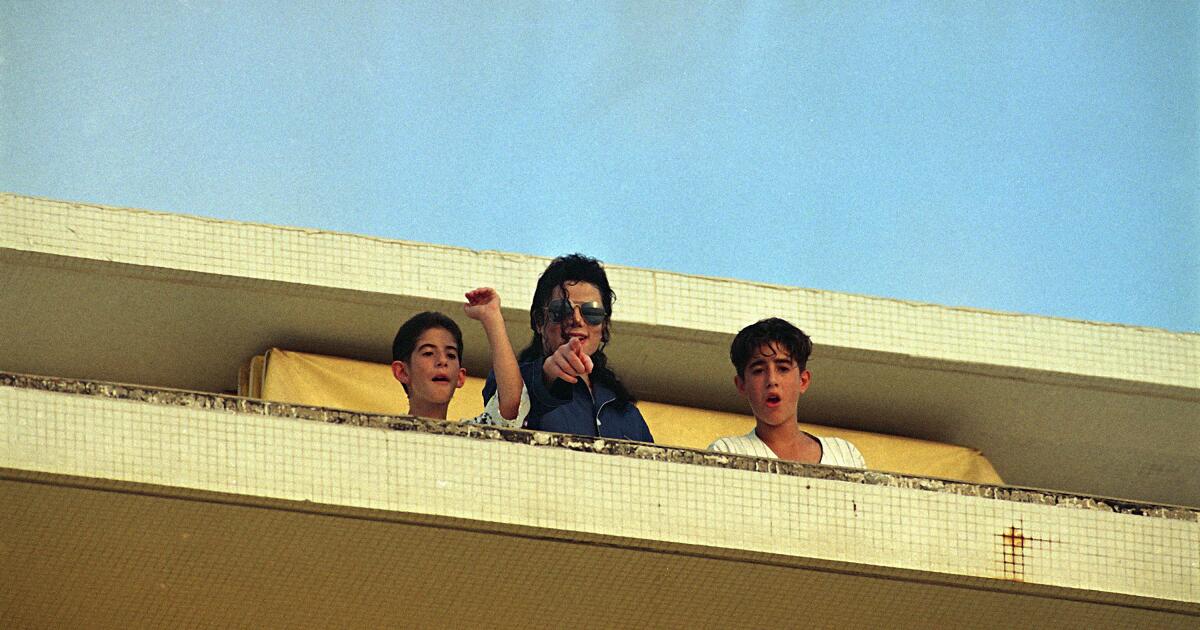
Four siblings who were part of Michael Jackson’s secret “second family” have filed a lawsuit revealing the depths of the alleged sexual abuse they suffered as children, including claims that the singer molested one of the boys at the homes of Elton John and Elizabeth Taylor.
The lawsuit, filed against Jackson’s estate in California’s Central District Court on Friday, accuses the late singer of grooming, drugging, raping and sexually assaulting four of the Cascio children — Edward, Dominic, Marie-Nicole and Aldo — over the course of more than a decade, beginning when some of them were as young as 7. A fifth sibling, Frank Cascio, is not a plaintiff in the lawsuit.
The pop icon used code phrases such as “Can I have a meeting,” “Yogi Tea,” “Neverland,” and “Go to Disneyland” to encourage the children to engage in “extreme sex acts” with him, the suit alleges. He plied them with wine — “Jesus Juice” — and hard liquor — “Disney Juice “ — and used drugs to make them more compliant, according to the lawsuit.
The “Thriller” singer’s connection to the Cascio family began in the 1980s when he met their father, Dominic Cascio Sr., at a luxury hotel in New York where the father worked.
The lawsuit accuses Jackson of “insinuating himself” into the Cascio family by using “obsessive attention, lavish gifts, access to his celebrity lifestyle, and declarations that he loved and needed each of them.” He invited them to travel around the world with him and celebrated Thanksgiving, Christmas and his own birthday with them. He often spent long periods of time at their New Jersey home, where he also brought his own children, according to the complaint.
The chart-topping artist is accused of raping and molesting Edward “Eddie” Cascio at Elizabeth Taylor’s house in Switzerland as well as at Elton John’s home in the United Kingdom. Representatives for Jackson’s estate, Taylor’s estate and John did not immediately respond to a request for comment.
The complaint alleges that the late singer abused the four siblings at international and national tour stops as well as at his Santa Barbara County estate, Neverland Ranch. That property became a central focus of the 2019 documentary “Leaving Neverland,” in which two of Jackson’s accusers, Wade Robson and James Safechuck, detail the abuse they suffered as children.
The complaint states that Jackson’s staff would help conceal and normalize his abuse of the Cascios; employees would deliberately book the parents hotel rooms away from their children, the suit says, so they could not tell how much time Jackson was spending with them.
The entertainer showed the siblings pornography and photos of naked children to desensitize them, the complaint alleges. He told them that his life, their lives and that of their family members would be destroyed if people knew what was going on.
“He told them to stay away from therapists and to avoid women, who he told them were ‘evil,’ ‘sneaky,’ ‘liars,’ and could ‘smell’ if something sexual had happened,” the complaint states.
For decades after the initial 1993 sexual assault claim against Jackson surfaced, the Cascio family did not speak up against the singer.
The performer convinced the parents to withdraw Aldo Cascio and Marie-Nicole Cascio from school on two occasions to “prevent disclosure of the abuse and gain more access to them,” the complaint alleges. The second time was shortly after authorities raided Neverland Ranch in 2003.
The Cascios’ longtime relationship with the superstar became known to the public when they appeared on Oprah in 2010.
During the appearance, they were billed as Jackson’s secret “second family” and said that they were reluctant to come forward but wanted to “show the world who Michael really was.” At the time, the family said that the siblings were never abused and that they didn’t believe the accusations against Jackson.
As the four siblings aged and exposés such as “Leaving Neverland” came out, their statements about their childhood relationship with the pop star shifted. In 2019, several members of the Cascio family entered a confidential settlement agreement with Jackson’s estate agreeing to remain silent about their relationship to the singer.
That agreement provided for Jackson’s estate to pay each sibling five annual payments of about $690,000 as compensation “for the many years that Jackson abused each of them and that the Jackson Organization enabled and covered up the abuse,” according to the complaint. The Cascios say that this amount is “wholly inadequate,” noting that the singer reportedly paid $25 million in 1994 to settle the abuse allegations made against him in 1993.
Now, the four siblings are challenging the agreement as part of their recently filed lawsuit, alleging that they were coerced into signing it without understanding their rights.
“Buried within the Document’s legalese was a purported release of the Estate from liability for Jackson’s crimes, and language that prohibited Plaintiffs from reporting Jackson’s crimes to law enforcement or anyone saying anything negative about Jackson, or holding the Estate accountable in court for its and Jackson’s wrongdoing,” the complaint alleges.
Marty Singer, an attorney for Jackson’s estate, decried the lawsuit as “a desperate money grab” in a statement to People. A representative for Singer did not immediately respond to The Times’ request for comment.
“The family staunchly defended Michael Jackson for more than 25 years, attesting to his innocence of inappropriate conduct,” Singer told People. “This new court filing is a transparent forum-shopping tactic in their scheme to obtain hundreds of millions of dollars from Michael’s estate and companies.”
The four Cascio siblings are asking a jury to award them financial damages — including some potentially tripled damages because they were abused as children — over their allegations of sexual abuse and cover-up. They are also asking the court to throw out the 2019 agreement they say was used to silence them and are also seeking a ruling that the estate cannot force their claims into private arbitration.
Kinshasa welcomed the sanctions while Kigali said the US move ‘unjustly’ targets Rwanda.
Published On 3 Mar 20263 Mar 2026
Share
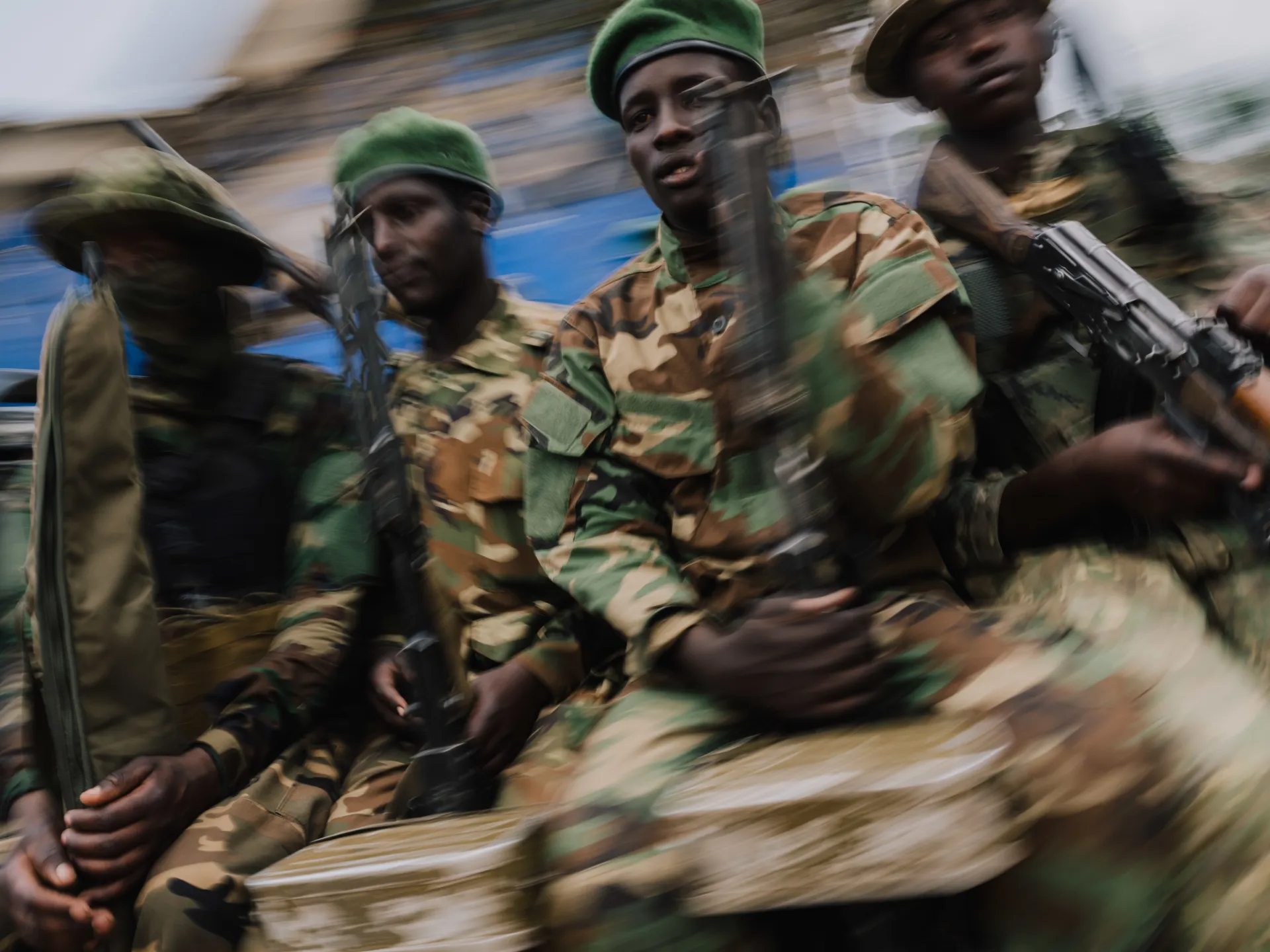
The United States has imposed sanctions on Rwanda’s military and four of its top officials for “direct operational support” of the M23 rebel group that has seized large swaths of territory in the eastern Democratic Republic of the Congo (DRC).
Rwanda has long rejected allegations from DRC, the United Nations and Western powers that it backs M23 and its affiliated Congo River Alliance (AFC), which captured key cities in the mineral-rich east, including the capitals of North and South Kivu provinces last year.
Recommended Stories
list of 3 itemsend of list
The US Department of the Treasury said on Monday that the rebels’ gains would not have been possible without Rwandan backing.
The US State Department separately added that M23 continued to capture territory even late last year “in clear violation” of a US-mediated agreement.
US President Donald Trump in December brought together the leaders of Rwanda and the DRC to sign a peace deal, predicting a “great miracle”.
But just days afterwards, the State Department noted, the M23 captured the key Congolese city of Uvira.
The Treasury Department said those included in Monday’s sanctions are Vincent Nyakarundi, the Rwandan Defence Force (RDF) army chief of staff; Ruki Karusisi, a major-general; Mubarakh Muganga, chief of defence staff; and Stanislas Gashugi, special operations force commander.
The US said they were critical to M23’s gains.
“M23, a US- and UN-sanctioned entity, is responsible for horrific human rights abuses, including summary executions and violence against civilians, including women and children,” State Department spokesman Tommy Pigott said in a statement.
“The continued backing from the RDF and its senior leadership has enabled M23 to capture DRC sovereign territory and continue these grave abuses,” he added.
‘A strong signal’
Rwandan government spokesperson Yolande Makolo said in a statement that the sanctions “unjustly” target Rwanda and “misrepresent the reality and distort the facts of the conflict” in eastern DRC.
She accused DRC of violating the peace agreement by allegedly conducting “indiscriminate” drone attacks and ground offensives.
Rwanda’s government also told the Reuters news agency that Kigali was “fully committed to disengagement of its forces in tandem with the DRC implementing their obligations” under US-led mediation, but accused DRC of failing to keep promises such as ending support for militias.
The Congolese government, however, said it welcomed the sanctions, describing them as “a strong signal in support of respect” for its territorial integrity and sovereignty.
US Treasury Secretary Scott Bessent said in a statement that the department “will use all tools at its disposal to ensure that the parties to the Washington Accords uphold their obligations”.
“We expect the immediate withdrawal of Rwanda Defence Force troops, weapons and equipment,” Bessent said.
Fighting continues in eastern DRC on several fronts, despite the accord signed between Kigali and Kinshasa in Washington, and a separate peace deal signed between M23 and the Congolese government in Qatar last year.
Though M23 later pulled out of Uvira under US pressure, the rebels still hold other key Congolese cities, including Goma and Bukavu. The US Treasury Department said on Monday that M23’s continued presence near Burundi’s border “carries the risk of escalating the conflict into a broader regional war”.
M23 is the most prominent of about 100 armed factions vying for control in eastern DRC, near the border with Rwanda. The conflict has created one of the world’s most significant humanitarian crises, with more than seven million people displaced, according to the UN agency for refugees.