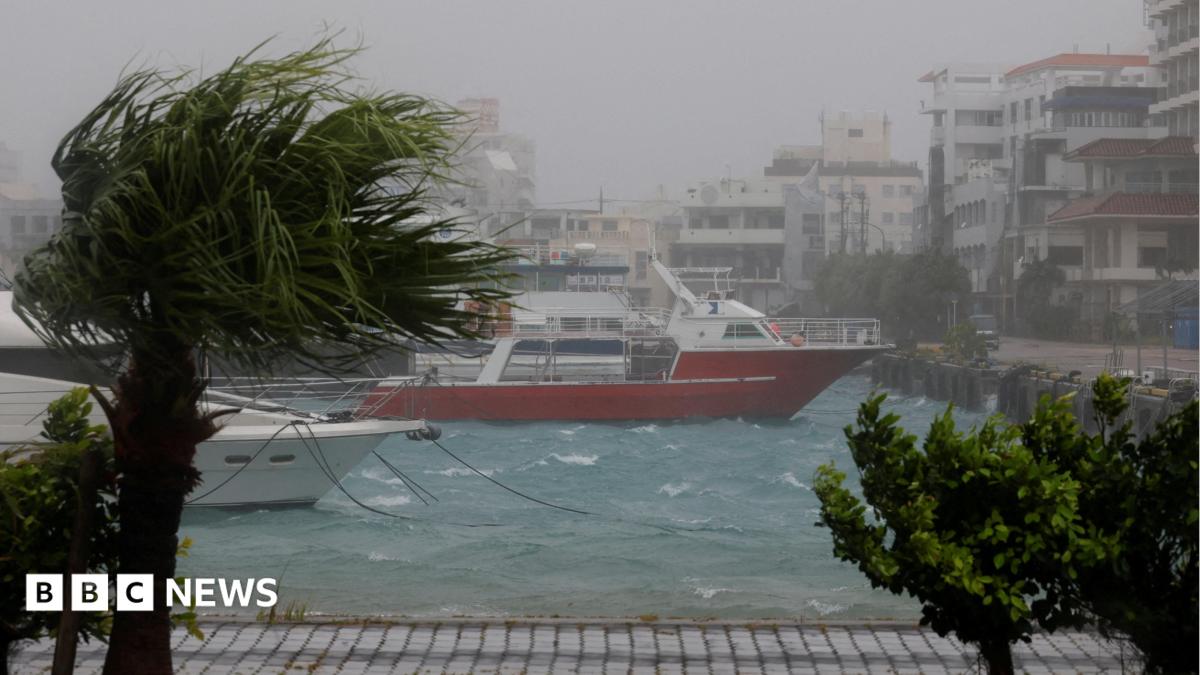
Though it has weakened to a severe tropical storm, it still presents a risk because of the huge volume of moisture within its rain bands.
The storm is expected to gradually diminish in its intensity as it moves north-west.
On Sunday morning, the centre of the typhoon reached Hangzhou City in Zhejiang province, Chinese state media reported.
Forecasters said the typhoon would move to eastern Anhui on Monday, and to the northern Yellow Sea from the Shandong Peninsula on Tuesday.
More than 1.7 million people were evacuated in Zhejiang and thousands more in neighbouring provinces, state media said. Schools, work and outdoor activities have been suspended in Zhejiang, while 400 flights and dozens of train services have been cancelled.
The city of Wenzhou, home to around 10 million people, is close to the path of the storm, with authorities evacuating hundreds of thousands of residents.
“We could hear roof tiles and tree branches falling,” Li Liangxing, a resident of the city told Reuters, adding “of course we were scared.”
Beijing had ordered the evacuation of 100,000 people to “avoid risk”, officials said.
Bavi began as a super typhoon, battering Guam and the Northern Mariana Islands last Monday with wind speeds of 290km/h (180mph).
As it made its way through the Pacific, weakening to 144 km/h winds, it struck the Sakishima islands, part of Japan’s Ryukyu island chain between the country’s main islands and Taiwan. At least five people were injured and thousands were without power.
Taiwan itself did not receive a direct hit but thousands of people were forced to leave their homes and there was a danger of landslides after heavy rain. Neither country has reported any deaths.
Taiwanese authorities had warned that Bavi could bring up to 1m (39 inches) of rainfall.
Dozens of flights have been cancelled while schools have suspended classes across the region. Supermarket shelves have been wiped clean as residents stock up on supplies.
Parts of southern China are still reeling from the devastation brought by Typhoon Maysak earlier this week.
Maysak left at least 39 people dead and killed large numbers of livestock, resulting in massive agriculture loss. It also spurred two rare tornadoes in the central Hubei province.
When the cast members and creators of the 1990s “X-Men: The Animated Series” reunited at the 2019 Hill Country Comicon in New Braunfels, Texas, they went out for dinner and collectively yearned to one day work together again.
“We said, ‘Let’s put it to the universe: Universe, why don’t you manifest that somebody buys the rights to the show and decides to reboot it and bring us all back.’ We toasted the universe and here we are,” recalls Canadian actor Lenore Zann, the voice of the irresistibly tough Rogue, during a recent video call while visiting Los Angeles.
The result of that metaphysical request is Marvel’s “X-Men ’97,” which debuted in 2024 on Disney+, not as a reboot but as a continuation of the original 1992 classic animated show.
The first season of this new era for the X-Men received an Emmy nomination for animated program. Now, the long-awaited second season has arrived, with the fourth episode streaming this week. Even after the controversial firing of showrunner Beau DeMayo, “X-Men ’97” has already been renewed through Season 4 and the voice cast has started recording their lines for Season 3, Zann says.
The show’s success with both fans and critics is in large part due to its commitment to honor the original ‘90s show, about a group of mutants fighting for themselves and for humanity, not only by preserving its hand-drawn animation style and mature themes but also the voices and personalities of the characters.
“When I pitched the show to Kevin [Feige], he got it immediately and his first question was, ‘Are you going to get the original cast back?’ And I was like, ‘Yes, we are,’” says Brad Winderbaum, head of Marvel Television, Animation, Comics and Franchise at Marvel Studios.
Several voice actors from the original “X-Men” animated series returned for “X-Men ‘97,” which has returned for Season 2. From left, Beast (George Buza), Bishop (Isaac Robinson-Smith), Rogue (Lenore Zann), Professor X (Ross Marquand), Magneto (Matthew Waterson) and Nightcrawler (Adrian Hough).
(Marvel)
Not everyone was still around to return — Norm Spencer, voice of Cyclops, died in 2020 — but in addition to Zann, actors George Buza (Beast), Alison Sealy-Smith (Storm), and Cal Dodd, the voice of the lovable clawed grouch Wolverine, have reprised their roles in “X-Men ’97.” Their emblematic voice performances, Winderbaum says, are baked into his psyche.
“Any time Lenore says the word ‘sugah,’ it just makes me melt into a puddle on the floor,” Winderbaum says, laughing. “She is Rogue and, when she turns it on, she becomes an icon.”
Busy with her political career as part of Canada’s parliament, Zann stepped away from the entertainment business for over a decade. Zann was back home in Truro, Nova Scotia, figuring out her next chapter when she received an email from a friend who said producers at Disney were looking to have her audition for a show. She was skeptical.
Zann eventually got a call from casting director Meredith Layne and a screenplay with lines that were instantly familiar from her time voicing Rogue, the spunky heroine whose touch can be deadly, in the ‘90s.
”I thought, ‘I guess they’re looking for Rogue, so I’ll just give them Rogue,’” she recalls, laughing. “And I did my Rogue voice, which is basically just my own, but with a bit of a Southern accent thrown on,” she adds with a slight twang.
The producers then asked her if she would reprise her superhero for a new generation of kids.
Doing her Rogue voice, Zann recalls: “I said, ‘You had me at hello, sugah.’”
She revels in the similarities between her and Rogue. “We’re both social justice warriors. We really fight for people to be accepted as who they are.”
In 2024, Zann published “A Rogue’s Tale: A Memoir,” a tome recounting her storied life, titled after a memorable episode in the ‘90s series that revealed her beloved mutant’s backstory.
Wolverine in a scene from Season 2 of “X-Men ’97.”
(Marvel)
For Dodd, leaving behind Wolverine after five seasons of the original show felt like losing a part of himself. “X-Men ’97” offered him a chance to feel complete once again.
“I was so happy because when I first created the voice of Wolverine in ‘92, he became very quickly like my brother or my right arm,” Dodd says during a recent video call. “I got my arm back, and my brother.”
After all these years, Dodd was also pleased to see how the most important character of his career looked in the new series. “Out walks Wolverine and I just went, ‘Holy crap, you look great, bub,’” he recalls, laughing about his first time recording lines for “X-Men ‘97.”
When he first auditioned for the role in the ‘90s, Dodd had no idea who Wolverine or the X-Men were. At the time, he was making a living as a singer for commercials and jingles in Toronto.
Dodd remembers the lines he was asked to deliver were directed at the villainous mutant Sabretooth. He had never seen an image of Wolverine or any of the characters. “At one point, I said to them, ‘Is this an animal cartoon?’ They just thought I was a complete imbecile,” he recalls with a chuckle.
In that initial scene, where Sabretooth attacked Jubilee, a member of the X-Men who Wolverine sees as a daughter, his line was: “All right, you egg-sucking piece of gutter trash. You always like pushing around people shorter than you. Well, I’m shorter. Try pushing me.” Dodd recites it from memory in Wolverine’s voice with a growl.
“The lines I was reading, I’d heard them before in the small town that I grew up in Canada; it’s a fisherman’s town, a tough little town,” says Dodd about his reference for Wolverine’s voice. “I knew guys that were exactly like him, and I knew the way they sounded.”
Even without any notion of the X-Men, he nailed it.
“The next morning, they called me and said, ‘We would love to have you as our Wolverine for the very first X-Men animated series,’” Dodd recalls. “And I said, ‘I would love to be your Wolverine, whoever, and whatever he is.’”
1
2
1.Cal Dodd, voice actor for Wolverine in “X-Men ’97.”2.Lenore Zann, who voices Rogue.(Pauline Aguirre)
When Rogue came into Zann’s life, she already had a notable career as a screen and stage actor. Zann had starred as Marilyn Monroe in a rock opera about the actor’s life, for which she received much praise. “My agent called me and she said, ‘Lenore, they’re doing this animated series, and they’re looking for “a woman with a deep husky, sexy voice who can do a Southern accent,”’” Zann recalls, laughing. “And she said, ‘That’s you!’”
Back then, Zann wasn’t interested in doing voice work, so she missed the first auditions. But about a month later, she says, her agent called again. They still hadn’t found the right voice, so she pushed Zann to audition. She walked in and looked at a drawing of Rogue that Larry Houston, the storyboard artist and director of the show, had drawn.
“She had a very sassy attitude, and she had her hand on her hip and her head back with the hair flowing. I was like, ‘Yeah, I can do that.’ And then I went into the studio, put the headphones on, and opened up my mouth, did the first line: ‘I remember I had a boyfriend, when I kissed him, poor boy went into a coma for three days,’” she says in Rogue’s voice. That was enough for her to land the life-changing part.
At the end of the first season of “X-Men ’97,” both Rogue and Wolverine find themselves in difficult times. Wolverine’s clash with Magneto, the perennial antihero, left him severely injured, physically and mentally.
“He’s as tough as nails and he is more pissed off than anything that he was the only one that stood up to Magneto. He’s disappointed,” says Dodd. “And it’s a struggle for him in Season 2 for a lot of it. And then you see what happens. He’s in a funky place, but he’ll handle it.”
Part of that healing process will involve leaning into the humor tat Dodd imbues in his delivery. “What I think is surprising when you go back and watch that original animated series is how funny Cal is,” says Winderbaum. “Wolverine has amazing one-liners throughout that original series.”
As for Rogue, she is grieving the loss of Gambit, a.k.a. Remy LeBeau, who died in the first season. To voice Rogue’s sorrow, Zann leaned into her own grief over the passing of her 17-year-old niece from cancer. In Season 2, Rogue is trying to move forward.
“She’s still basically on a hero’s journey wanting to get justice for what happened to Remy and for the genocide that she witnessed and that she is a survivor of,” Zann says. “She still got survivor’s guilt, and she’s still trying to find her place within the X-Men now that the one that she loves is gone.”
At comic conventions, Zann and Dodd often meet fans of the original show, who are now adults, and their children, who have also come to love the characters. The emotions that people share with them are at times overwhelming.
“Many times, they tell us that this show saved their lives. They were either LGBTQ+ or they were bullied, or they just felt othered,” Zann explains. “A lot of folks who are Latino tell me that when they were little kids, their parents were agricultural workers, and they learned how to speak English from watching our show. We made them feel it’s OK to be different.”
“I see grown men in tears. They’re in their 40s and they’re crying,” Dodd says about meeting lifelong fans. “I can tell you that Wolverine can cry as well.”
Zann believes the X-Men are like modern-day mythological heroes. Through their fantastical ordeals, the X-Men illustrate qualities that inspire viewers, young and old.
“They are a group of misfits who band together to learn how to control the things that make them different and learn to accept and love themselves,” she says. “It’s an honor to be part of this incredible group of people and these characters that can really touch lives and help change them for the better.”
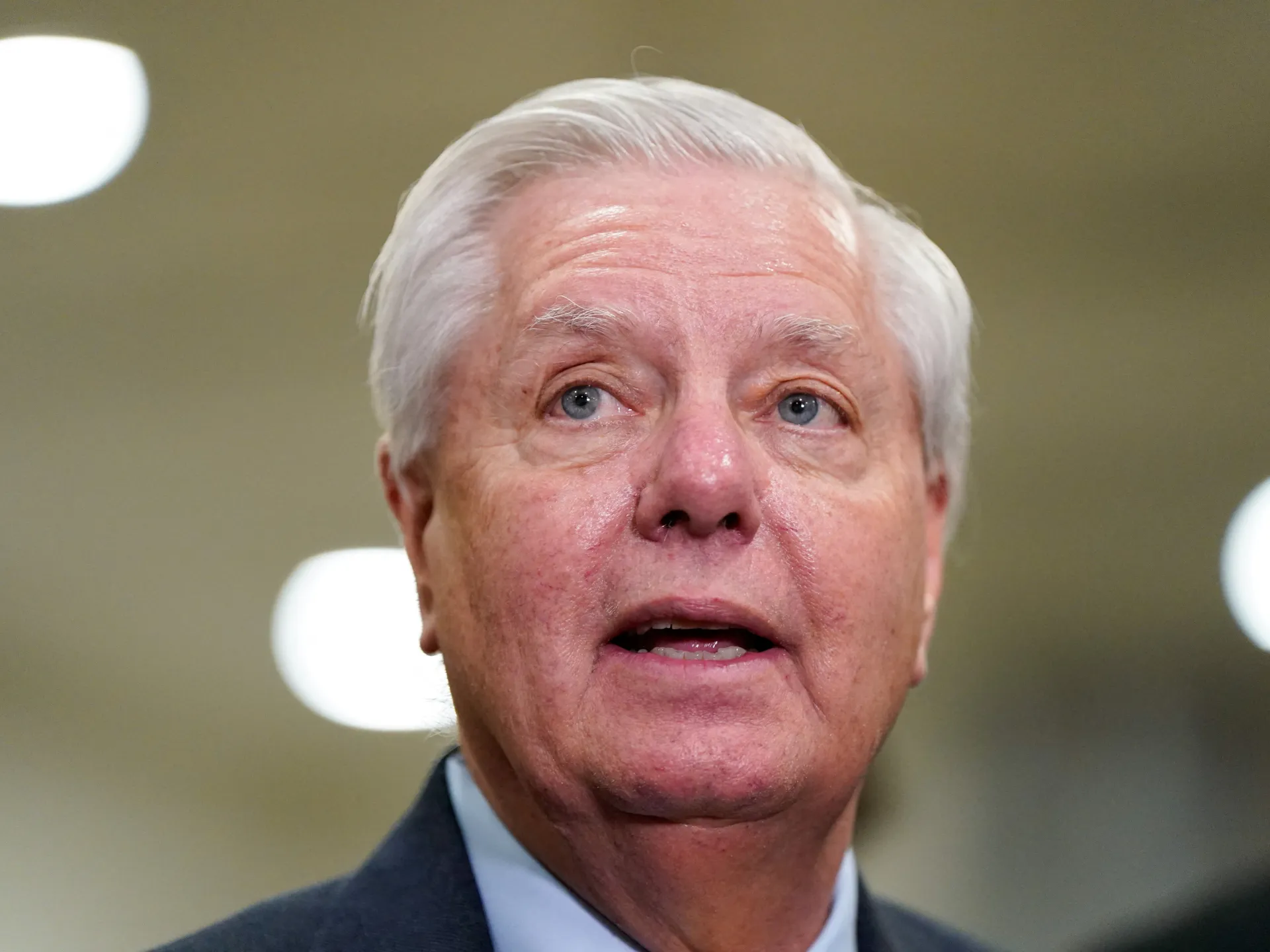
U.S. Sen. Lindsey Graham, a longtime Republican lawmaker from South Carolina and one of President Donald Trump’s closest allies on Capitol Hill, has died at the age of 71 following a brief and sudden illness, according to a statement from his office. No cause of death
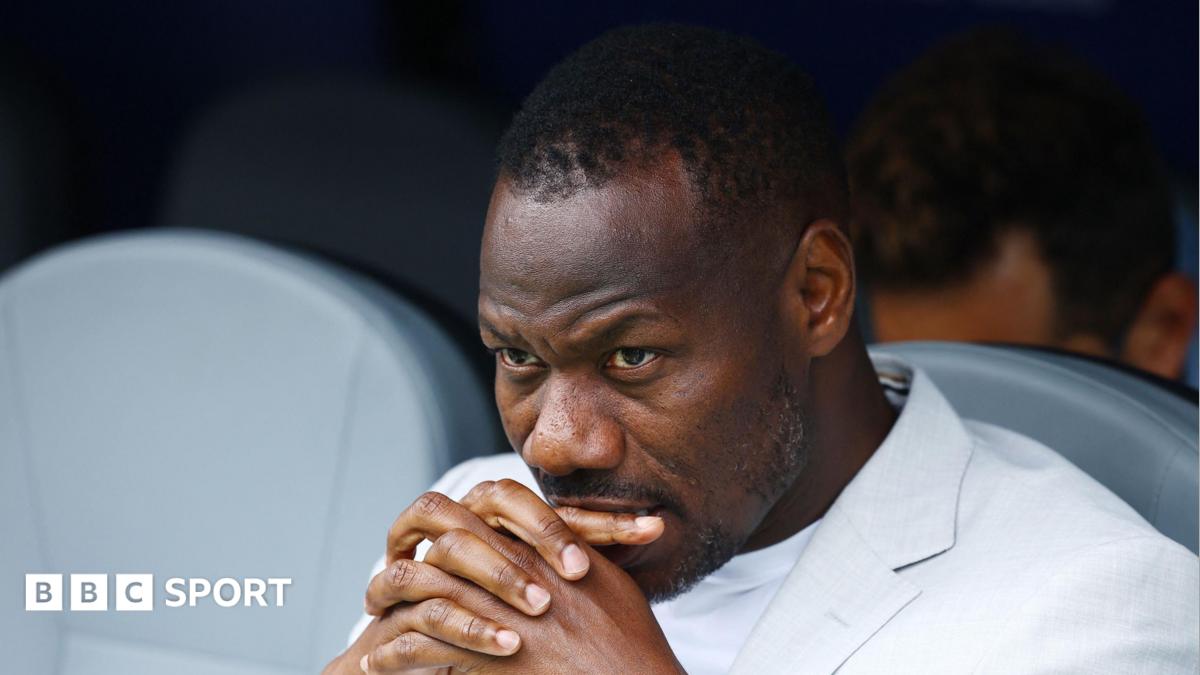
Following the exit, midfielder Pape Gueye said he would be “taking a break” from playing for Senegal while the current management remained in charge.
The Senegal Football Federation (FSF) said, external that “after a thorough evaluation of the sporting results and prospects of the national team” it had dismissed Thiaw “in the best interests of Senegalese football”.
The IRGC has promised a “crushing response” to any further US attacks on its territory. It follows a third round of US strikes on Iran in a week, which was met with retaliatory strikes from Iran on US military targets across the region.
Al Jazeera’s Tohid Asadi shares the latest details from Doha.
This tunnel is famous for its beautiful lighting and top air quality.
13:13, 07 Jul 2026Updated 08:05, 12 Jul 2026
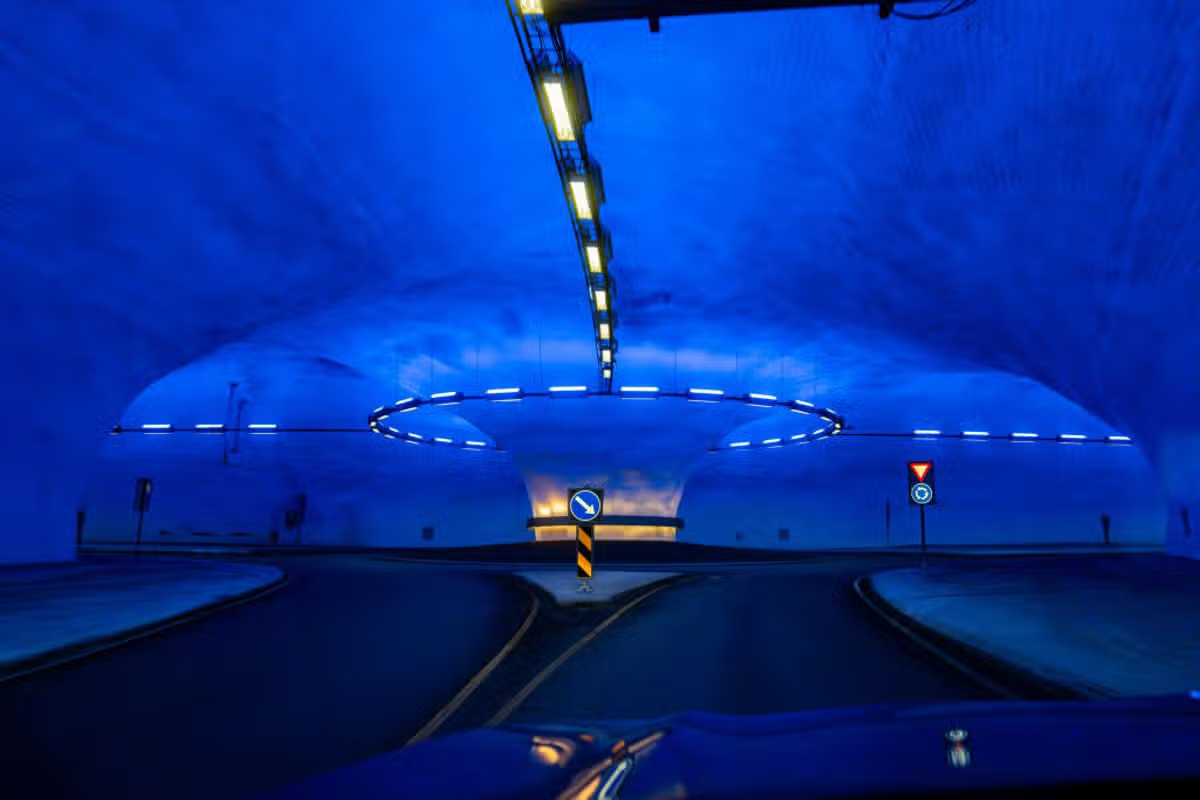
The blue-lit roundabout inside the 7.5 km Laerdal Tunnel(Image: Getty)
Norway has no shortage of beautiful roads. From snow capped mountains to glacial passes, a road trip through this gorgeous country means you will never be bored. It’s not just open road though – Norway is also home to one of the most beautiful tunnels in the world.
The Lærdal tunnel in West Norway is the longest road tunnel in the world, stretching 24.5 kilometres (15 miles) beneath a mountain range. It connects Aurland and Lærdal, in the heart of Sogn, and provides a ferry-free connection between Oslo and Bergen.
Construction of the tunnel began in 1995 and finished in 2000 and during construction an incredible 2,500,000 cubic meters of rock were extracted from the tunnel.
It cost a whopping £75million to construct. The tunnel is divided into four sections separated by three large caves.
The tunnel is known as one of the most beautiful in the world due to the way it has been designed to prevent driver fatigue and claustrophobia.
The main section of the tunnel is brightly lit with white lights, but each cave is lit with blue and yellow lighting around the edges to create the illusion of a sunrise.
These caves were lit with the idea of breaking up the monotony of the tunnel and allow drivers a short break.
The caves also work as turnaround points during the 20-minute journey.
There is also a rumble strip in each lane which stops drivers becoming inattentive and drifting.
At every kilometre, a sign lets you know how far you have travelled through the cave and how much further you have to go.
One of the other impressive things about the Lærdal Tunnel is that it is the first in the world to be equipped with an air treatment plant.
This plant can be found in a cavern 100 metres wide and it removes both dust and nitrogen dioxide from the tunnel air.
Several major airlines including Ryanair, TUI, easyJet, British Airways and Jet2 ban this item
Make sure you don’t pack this item(Image: Greggory DiSalvo via Getty Images)
Preparing for a summer getaway can seem like an endless to-do list, particularly if you’re jetting off for a birthday, wedding or other special event. However, one budget-friendly item many holidaymakers pop into their suitcase could wind up being seized before they even step onto the aircraft.
Multiple major airlines, including Ryanair, TUI, easyJet, British Airways and Jet2, ban passengers from bringing party poppers. Leaving them behind could spare you needless hassle and hold-ups at the airport.
The item in question is party poppers, and despite appearing innocent, they are forbidden on most commercial flights. They may only set you back a few pence at around £2 for a pack of 20, but they must never be packed in either hand luggage or checked baggage, and doing so could lead to your bags being inspected, with the items likely seized.
This ban exists because party poppers contain a small explosive charge used to create the popping effect. Although the quantity is minuscule, aviation safety regulations classify them as explosive articles and forbid them from being transported on aircraft.
The UK Civil Aviation Authority (CAA) includes party poppers among the dangerous goods that passengers must not carry in either cabin baggage or hold luggage. The regulations also extend to other novelty explosives, including sparklers, fireworks and flares.
If security personnel find banned items during checks, they may confiscate them from your baggage before departure. Depending on the situation, travellers could also experience hold-ups while bags are inspected or further security procedures are undertaken.
Airport security regulations can differ marginally between nations and carriers, but dangerous goods rules are extensively implemented throughout the aviation sector. Passengers are therefore urged to verify both their airline’s luggage policy and official government advice prior to flying.
Party poppers are frequently packed by mistake following birthdays, weddings or other celebrations, especially when families are travelling with youngsters. While they might appear like a harmless addition to your suitcase, they are handled in the same manner as other banned explosive items under aviation safety regulations.
The government also reminds travellers that security personnel have the ultimate say on whether an item is allowed through screening. Even where an object seems innocent, it can still be confiscated if it is deemed a safety hazard or violates airport security rules.
Inspecting your baggage before heading to the airport could help prevent needless delays, extra security checks and the frustration of having belongings seized before your relaxing holiday away even gets underway.
Lindsey Graham, a prominent Senate member in the United States, has passed away.
He passed away on Saturday evening after a brief and sudden illness, the communications director for his office said in a post on X early on Sunday.
PITBULL proved to the world what a smooth operator he is by getting together the biggest crowd of baldies.
He set a Guinness World Record at his Hyde Park gig when 22,141 fans put on bald caps — and then described the moment as “priceless”.
Pitbull proved to the world what a smooth operator he is by getting together the biggest crowd of baldiesCredit: The Mega AgencyThousands of revellers in bald caps and sunniesCredit: AFP
The London audience also turned out in white shirts and aviator sunglasses to emulate Mr Worldwide’s trademark look — and our Emily was one of them.
With the phenomenal demand for tickets, Pitbull also broke the record for the highest- recorded attendance for a BST Hyde Park show, with 69,999 fans.
Sign up for the Showbiz newsletter
Thank you!
Walking out on to the Great Oak Stage on Friday, he said: “It is hard for me to say I am speechless, but all I can think of right now is knowing what my family went through in order to be someone free.
“As an immigrant family out of Cuba, to be able to pursue my dream and be on a stage like this and represent with all the baldies around the world, this is priceless.
“There is no way I could say thank you, there are no words to say what I feel right now.”
Pitbull, real name Armando Christian Perez, was handed his certificate by Radio 1’s Greg James and presenter Jack Remmington backstage before the show.
He said: “To all the baldies — like I said before, without you all, there is no Pitbull, no movement, no revolution.”
Of setting the records, he said: “It is not a surprise because hard work pays off and the harder I work, the luckier I get. What a blessing it is to be here in Hyde Park.”
Pitbull with the world record certificateCredit: AFPBizarre’s Emily Webber with Greg and Jack in the caps given out by AldiCredit: Supplied
In true style, Pitbull swigged from a bottle of his $24 Voli 305 vodka made in his home city Miami, to get into the party mood.
He was joined on stage by Kesha who rose to fame after featuring on Pitbull’s 2013 track Timber.
She said: “This record changed both of our lives, Pit.”
He said: “I thought, ‘What was the best way to represent you all?’. A good friend of mine said, ‘I think you should do this record’.”
During a two- hour set, Pitbull was also joined on stage by rapper Lil Jon for tracks Gasolina and Damn I Love Miami.
He ended the show with Time Of Our Lives featuring Ne-Yo, in which he raps: “Every day above ground is a great day.”
For his legion of fans, Friday July 10 in Hyde Park will be a night to remember.
Top dog Pitbull joins fans by wearing his own bald capCredit: AFP
PITBULL’S TEN COMMANDMENTS
Ask for money, get advice. Ask for advice, get money twice
Every day above ground is a great day
Take the word impossible and add an apostrophe, it becomes I’m possible
Live life, don’t let life live you
If you’ve got someone hating on you, that means you’re doing something right
Humble don’t stumble
In the word impossible is possible
We are called the baldies because we soar like bald eagles
Why dream it when you can live it?
The biggest room in the world is room for improvement
JAMES’ RETURN TO UK
American great James Taylor is returning to the UK for the first time in four yearsCredit: Getty
AMERICAN great James Taylor is returning to the UK for the first time in four years.
The You’ve Got a Friend singer, who has sold more than 100million records worldwide, will play London’s O2 with his All-Star band on Thursday, July 23.
The former world boxing champ went out of his way to put Pete at ease before he performed at daughter Venezuala’s recent wedding.
The Mysterious Girl singer said: “I chatted to Tyson for about an hour and he made me feel very welcome. I wasn’t just the performer.”
However, Peter enjoyed the gig so much that he is open to singing at more weddings.
He added: “It was such a happy occasion, I love weddings.”
Meanwhile, Peter is needed back on stage as he performs at Mamma Mia! The Party at The O2 in London. He will be playing Nikos until later this month.
Pete said: “It’s been amazing to vibe off the audience every night, and the set is incredible. It really feels like I’m in Greece. My kids have come to see me. I’m hoping they are getting more into Abba.”
Hendrik added: “They kept it short and sweet saying, ‘Good luck boys, enjoy it’.”
Niall Horan also offered support to the boys, who released their debut EP On Your Side on Friday.
Sean said: “He said he still gets nervous. To know someone like Niall is also bricking it is a good thing.”
Victoria Beckham lives has now trademarked a range of cookware in the StatesCredit: Getty
IT is said Victoria Beckham lives off a diet of grilled fish and steamed vegetables, but the Spice Girl-turned-businesswoman has now trademarked a range of cookware in the States.
Could the fashionista be out to give Jamie Oliver a run for his money?
Posh has filed paperwork for a name against a range of food and drink items including shot glasses, cake tins, cookie jars and sandwich boxes.
I have heard she likes a tequila.
But don’t go binning your Le Creuset pans just yet, as a source close to her tells me: “Victoria is protecting her categories. Nothing imminent is in the works.”
The beauty of Zen
Zendaya is heading on an exciting journey of her own by going into the beauty businessCredit: Getty
ODYSSEY goddess Zendaya is heading on an exciting journey of her own by going into the beauty business.
The actress – who plays Athena in Christopher Nolan’s new epic fantasy film – might even rival Gwyneth Paltrow’s wellness brand Goop one day.
She has filed Zendaya trademarks in the UK and the States for beauty and hair products, as well as social media and website services. A source said:
“Zendaya is an incredible actress and now she is set to make waves in the beauty industry.”
The new venture comes as her husband, Spider-Man actor Tom Holland, has launched premium booze-free beer brand Bero.
Zendaya was ruffling feathers when she stepped out in this revealing Louis Vuitton frilly gown for the Odyssey movie premiere held in Paris this week.
And as power couples go, it certainly looks like Tom and Zendaya are the ones to watch.
Olivia Attwood has her perfectly manicured fingers in so many pies, I’m struggling to keep upCredit: Sofi Adams.
OLIVIA ATTWOOD has her perfectly manicured fingers in so many pies, I’m struggling to keep up.
As well as her TV shows, podcast and various brand deals, the former Love Islander is now launching her own cocktail in a tin.
She hinted at the project earlier this year when she had the name of the drink tattooed on to her arm. Savano comes in three mixes – Hot Honey Margarita, Caipirinha and Moscow Mule – and is distributed by drinks firm Babco.
Olivia said the tipple is “a really exciting new chapter”, adding: “I’ve been teasing it for a little while so I can’t wait for everyone to finally try it.”
The rules are simple. Each day there’s a new footballer and the challenge is to guess who they are in as few attempts as possible.
After each wrong guess you unlock a new clue. Guess the answer after as few clues as possible to score more points.
Three is a good score, four or five points is exceptional.
So take part and return for more tomorrow.
Today’s player and clues set by BBC Sport’s Huzaifah Khan.
After more quizzes? Go to our dedicated Football Quizzes and Sports Quizzes pages and sign up for notifications to get the latest quizzes sent straight to your device.
July 11 (UPI) — A housing bill passed by Congress became law at midnight Saturday when President Donald Trump refused to sign it, but didn’t veto it.
The 21st Century ROAD to Housing Act is a comprehensive law that was designed to make housing more affordable and increase housing supply. Trump refused to sign it because he wanted Congress to pass the SAVE America Act, an election reform bill that would require those registering to vote to provide proof that they are U.S. citizens.
But Congress doesn’t have the votes to pass the SAVE Act.
On Friday, Trump announced that he again would not sign the ROAD to Housing bill.
“I will not sign the Housing Bill, which has been fully approved by Congress and sent to the White House, in PROTEST over the fact that the United States Senate is not capable of passing THE SAVE AMERICA ACT,” he said on Truth Social.
The housing bill includes measures that modernize building standards, encourage renovating older homes, encourage communities to build more housing with funding and grant programs, local governments to reform restrictive zoning policies around building housing and effectively ban private equity from buying up single-family homes. Critics of the bill say it doesn’t go far enough, but they acknowledge it’s a good first step.
“This bill becoming law is a genuine milestone — and I don’t use that word lightly,” Dennis Shea of the Bipartisan Policy Center told the BBC. “Getting Congress to move on housing supply and affordability has been a long time coming, and the American people made clear they were ready for it.”
Earlier this year, a BPC survey found that 89% of voters wanted congressional action to make housing more affordable.
Congressional leaders had planned a bill signing ceremony last month, ready to show voters that they are trying to bring down costs, a key issue to Americans. But hours before it was scheduled to begin, Trump canceled it.
Sen. Elizabeth Warren, D-Mass., criticized Trump’s ongoing refusal to sign Friday.
“At the stroke of midnight, a huge bipartisan bill to lower housing costs became law without the President’s signature. Why did President Trump sit on the landmark housing bill for more than 2 weeks? Maybe because there was nothing in it for him personally – no gold-encrusted ballroom, no Qatari jet, no $2 billion crypto deal. Nothing in the 21st Century ROAD to Housing except ways to make housing more affordable,” she said in a statement. “Donald Trump couldn’t pick up the pen because he just isn’t interested in lowering costs for American families.”
At 4 a.m. Saturday, she posted on X: “BREAKING: the clock struck midnight and our bipartisan housing bill is now law. Trump refused to sign it, but he couldn’t stop it.”
“This law is GROUNDBREAKING. It will build more housing, bring down costs, and for the first time, stop private equity from buying up homes,” she said.
Trump had called the housing bill “so unimportant” and “a yawn.”
Speaker of the House Mike Johnson, R-La., defended the bill without criticizing Trump’s comments.
He said, “the president has a lot going on, and I think it’s safe to say he’s not read through every line of that piece of legislation.
“What he was saying is in comparison to ensuring election integrity, which is now represented by the SAVE America Act, nothing is as important,” Johnson said. “That’s not to say that there are not also incredibly important issues, and the cost of living and affordability is among them. It’s top of mind.”
“So I hope he does sign it. If he doesn’t, it’s still law; we’ll still celebrate it,” Johnson said. “But he’s trying to make a point and I think he’s making it very effectively.”
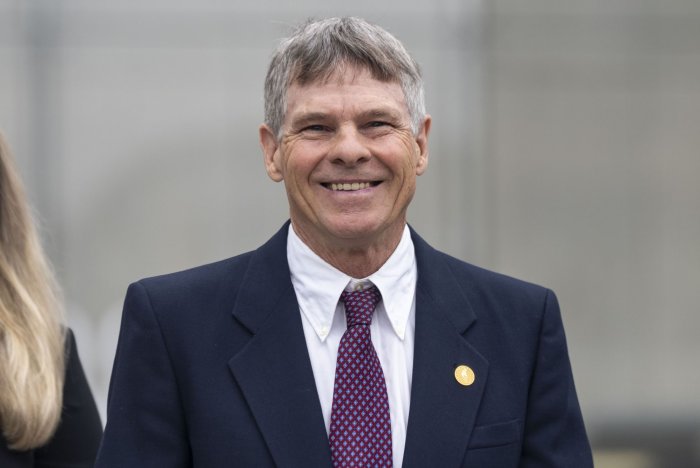
Olympic canoeist David Hearn departs the Moultrie Courthouse after pleading not guilty to damaging the Lincoln Memorial Reflecting Pool on Thursday. Hearn was indicted on July 2 on one count of destruction of property of more than $1,000 for allegedly damaging the Reflecting Pool, carrying a maximum penalty of 10 years in prison if convicted. Photo by Bonnie Cash/UPI | License Photo
The North Sea wind is buffeting my body and face, shaking me awake after a six-hour journey from Copenhagen on buses and trains to this rugged stretch of the Danish coast. From my high vantage point on the grassy dunes, overlooking what feels like an endless sea, there is hardly another soul to be seen, save for the specks of a few surfers who are trying their luck on the crashing waves.
Surfers, windsurfers and paddleboarders flock to this stretch of north-west Jutland, which is playfully known as “Cold Hawaii”. The phrase was coined in the 1990s by the international surfing community, and popularised by world champion windsurfer Josh Stone, to describe this laid-back shoreline and its 31 official surf spots running for around 30 miles (50km) from a little north of the industrial harbour of Hanstholm down to the sandy beaches of Agger.
Unlike tropical Hawaii, however, the European version is lined with the heathlands, dunes and forest of the Thy national park. The weather is also brisker – you’d be loath to spend long in the water here without a wetsuit to keep you warm.
The wild beauty of the coastline feels markedly different to the largely agricultural landscape I have come to know in the several years I’ve lived in Denmark. Cold Hawaii has been recommended to me countless times as somewhere a little more under the radar than the popular resorts on the north coast of Zealand, or Skagen on the northern tip of Jutland. It’s not easy to reach Thy by public transport and, once here, the patchy local bus service makes it far easier to explore by car. For that reason, Cold Hawaii has remained something of a local secret, and there’s a strong sense of community here even in winter, when all the summer houses sit empty.
The dunes of Thy national park. Photograph: Stephen J Taylor/Getty Images
On a sun-drenched afternoon in early spring, with the tourist season yet to begin, the surf schools and ice-cream shops are still quiet. Driving into Klitmøller – the unofficial centre of Cold Hawaii, which hosts an annual international surfing competition – there are hints of how the area has transformed into a surfers’ paradise over recent decades. As well as surf shops and schools, there’s a wine bar, a spa and a co-working space on the main street. Several artists are based in the area, too, including the internationally renowned Jeppe Hein.
It’s a similar story in the nearby seaside town of Vorupør, where I’m staying at the Vorupør Badehotel. It is an expansion of the original Vø Surfshop, opened by Peter Joseph Jensen and Sigrid Bruun Jakobsen in 2011; another couple joined them to open the hotel in 2023. My bubblegum-pink room is nestled in the eaves with huge windows looking out to sea and a freestanding tub (a luxury for a Copenhagener like me). In cosy Danish fashion, there’s a shoes-off-at-the-door policy.
Standing on Vorupør beach between anchored fishing boats, I’m joined by families enjoying strolls in the blustery wind and dappled sunshine – it’s that time of the year when Denmark emerges from the winter gloom and everyone rushes to be outside as much as possible. Not so long ago, Vorupør was a quiet fishing village, but in recent years it has become increasingly popular with Danish, German and Belgian tourists, giving rise to a flurry of new places to stay, restaurants and boutiques.
One notable addition, not far down the coast, is the restaurant Tri. The founder and head chef, Nicolas Min Jørgensen, earned a Michelin star just a year after opening in 2022, winning acclaim for a hyperlocal approach to produce and menu-planning. The flavours of the sea, Thy national park and the nearby Limfjord, which cuts through northern Denmark, are evident in the mussel broth and seaweed, smoked roe butter and magnolia flowers that feature on the menu.
Vorupør Badehotel, located on the waterfront
During dinner, Jørgensen waves to fisher René, who harvested the first shrimps of the season from the Limfjord that morning, and points out farmer Niels, who is eating in the restaurant and enjoying his own berries.
The next day, I venture to SMK Thy, the new, highly acclaimed outpost of the National Gallery of Denmark (Statens Museum for Kunst), which opened in the village of Doverodde last year. From Vorupør, it’s a 30-minute drive inland to the banks of the Limfjord, passing the dune plantations of Thy national park.
A 42-metre former grain silo from the 1960s towers over the collection of warehouses that now host exhibitions such as Living Landscapes (until 18 October) featuring artists from Claude Lorrain to Edvard Munch and rising Danish stars such as Rasmus Myrup. Inside, a winding steel staircase traverses three floors and rewards visitors with remarkable views over the Limfjord. There’s also a “Nature Village” with pavilions serving as bases for outdoor education, exploring nature and kayaking.
It’s hard to figure how the National Gallery ended up in this sleepy part of Jutland, but it is already proving popular with people who might otherwise feel disconnected from the collection in the Danish capital on the other side of the country.
The SMK Thy gallery, a new Jutland outpost of Denmark’s National Gallery. Photograph: Martin Hoffman
Across the Limfjord is another notable destination for culture lovers – Kunsthal Thy gallery was set up in 2023 by artist Rasmus Søndergaard Johannsen in a barn on the medieval manor house estate of Boddum Bisgaard. Its programme features a roster of international and Danish avant garde artists, working in sculpture, video and installations that feel unexpected in this quiet corner of Denmark, and quite different from SMK Thy’s efforts over the water to share its collection with a regional audience.
And it’s that sense of the unexpected that lies at the heart of the region’s growing appeal. It’s why outdoor adventurers may be willing to swap the classic Atlantic surf hubs of Biarritz in France or Ericeira in Portugal for a northern outpost dubbed Cold Hawaii. That and a certain understated sense of Scandinavian style, of course.
The trip was supported by Visit Denmark and Visit Nordvestkysten. Doubles at the Vorupør Badehotelstart at £178 B&B. Several trains depart in the morning from Copenhagen central station to Sjørring in the Thy district, which connects to local buses run by Nordjyllands Trafikselskab. A ticket from the train company DSB covers transport from Copenhagen to Vorupør, including two trains and a bus, from 516 krone (around £60)
Qatar’s former Emir Sheikh Hamad bin Khalifa Al Thani has died at the age of 74, the country’s Amiri Diwan said.
“With hearts steadfast in faith in God’s decree and destiny, the Amiri Diwan mourns the great loss to the nation of the late – may God have mercy on him – His Highness the Father Amir Sheikh Hamad bin Khalifa Al Thani, who passed away this morning,” the Amiri Diwan said in a statement on Sunday.
SOFIA Vergara stunned fans in a bikini snap on her birthday trip to Italy – and looks nowhere near 54.
The actress took to Instagram to post a stunning picture to mark her special day.
Sofia Vergara wowed in a red bikini on her 54th birthdayCredit: Instagram / sofiavergaraThe actress was all smiles as she celebrated her special dayCredit: Instagram / sofiavergara
Sofia stripped off to a plunging red bikini while on a boat in the sea.
The star enhanced her natural beauty with a smoky eye look and a nude lip.
Sign up for the Showbiz newsletter
Thank you!
She captioned the post: “So happy for all the love from u guys yesterday! It was the best bday ever!!! And thank u Italy for all my 300 cakes!
Sofia looked amazing in a red dress on her travelsCredit: Instagram / sofiavergaraShe’s been doing a lot of celebrating in Italy at the momentCredit: Instagram/sofiavergara
Many rushed to the comments section to post their birthday wishes and other shared how incredible she looks.
One said: “Still looking 25.”
Another added: “You look stunning! Red is your color.”
“You are truly breathtaking,” a third chimed in.
A fourth added: “You don’t look a day older than 30 wow.”
A fifth chimed in: “Look fabulous and so beautiful good you having a great time in Italy.”
Yesterday she shared a video of her living her best life getting gifted a huge cake with a fountain candle.
She’s been sharing some stunning selfies on InstagramCredit: Instagram/sofiavergaraThe star went braless while wearing her plunging dressCredit: Instagram/sofiavergara
She was all smiles as she danced along to the music in a figure hugging red dress.
“15 cakes later!![laughing emoji], she captioned the post.
Maiara Niehues scored for the fourth straight match and Ary Borges added a goal as Angel City defeated the league-leading San Diego Wave 2-0 at Snapdragon Stadium on Saturday.
After goalkeeper Luisa Agudelo failed to corral the ball, Niehues beat defender Perle Morroni to the ball and headed it home for the 1-0 lead in the 17th minute.
Sveindís Jonsdottir’s long throw into the box in the 26th minute was put away by Borges to make it 2-0 in the 26th minute.
Angel City attacker Jun Endo went down with a non-contact injury in the 33rd minute and was assisted off the pitch visibly shaken.
Borges took down midfielder Kimmi Ascanio in the box, resulting in a penalty kick for the Wave (9-5-1) in the 86th minute, but Lia Godfrey’s shot from the spot hit the post.
Angelina Anderson had six saves for her fourth clean sheet of the season for Angel City (6-1-6).
San Diego’s shutout streak came to an end at 242 minutes.
1 of 2 | A handout photo made available by the Iranian Supreme Leader Office shows crowds taking part in the burial of late Iranian Supreme Leader Ayatollah Ali Khamenei in the city of Mashhad, Iran, Thursday. Photo handout by Iranian Supreme Leader Office/EPA
July 11 (UPI) — President Donald Trump threatened to “decimate and destroy” Iran if they carried out an assasination attempt on him.
“1000 Missiles are Locked and Loaded and aimed at the Islamic Republic of Iran, with thousands of more to immediately follow, should the Iranian Government act on its threat, pronounced in many corners of the Globe, to assassinate, or attempt to assassinate, the sitting President of the United States of America, in this case, ME! Orders have already been given, and the U.S. Military is ready, willing, and able, for a one year period of time, subject to extension, to completely decimate and destroy all areas of Iran – PRAISE BE TO ALLAH!,” the president said on Truth Social Friday night.
The comments are likely in response to new intelligence from Israel that Iran has a plan to kill the president, reported by The Wall Street Journal on Thursday. Also, Iran has been holding funeral rites for its supreme leader Ayatollah Ali Khamenei, and photos have emerged of mourners carrying signs that say, “Kill Trump.” Khameinei was killed by an American and Israeli attack on Iran in February.
In a post on X Saturday, Khamenei’s son and successor Mojtaba Khamenei promised to avenge the deaths of those killed in U.S. strikes.
“This vengeance is what our nation is demanding, and this must definitely be done,” Mojtaba Khamenei said.
“I’ve been on their list for a long time. That’s what we’re dealing with,” he said. “The only thing is, I’ve left instructions — if anything happens, to just literally bomb them at levels that they’ve never seen before.”
He said there was no new intelligence on a plot.
“No, no. Israel came up with nothing. No, no,” he said. “I’ve been No. 1 [on Iran’s kill list] for a long time, and it’s the way life is, you know.”
Olympic canoeist David Hearn departs the Moultrie Courthouse after pleading not guilty to damaging the Lincoln Memorial Reflecting Pool on Thursday. Hearn was indicted on July 2 on one count of destruction of property of more than $1,000 for allegedly damaging the Reflecting Pool, carrying a maximum penalty of 10 years in prison if convicted. Photo by Bonnie Cash/UPI | License Photo
Facing Holloway at UFC 329, Irishman McGregor seemed to injure his right knee in the first round when jumping in with a kick.
Published On 12 Jul 202612 Jul 2026
Conor McGregor’s much-hyped return to the octagon lasted just over a minute on Saturday after the Irishman blew out his knee and retired injured in his UFC 329 fight with Max Holloway in Las Vegas.
Former two-weight world champion McGregor, who had not fought since breaking his leg against Dustin Poirier in July 2021, attempted a flying kick to start the opening round but landed awkwardly and immediately looked in trouble.
Recommended Stories
list of 4 itemsend of list
He tried to fight on for a few seconds but looked towards the referee to signal he could not continue.
Conor McGregor of Ireland falls after sustaining an injury on a kick in the first round against Max Holloway of the United States in their welterweight bout during UFC 329 at T-Mobile Arena [Ian Maule/Getty Images via AFP]
Former featherweight champ Holloway said he would discuss the possibility of staging another fight with McGregor when the Irishman recovers.
“It is what it is, I’m going to sit down with the UFC,” Holloway added. “(There was) so much hype for that right there. We’ve got to run it back one more time. One more time for the boys.”
Saturday’s bout was the second between the pair, with McGregor winning by unanimous decision in 2013.
Max Holloway lands a punch on Conor McGregor during the first round in their welterweight bout during UFC 329 [Ian Maule/Getty Images/AFP]
Injuries and issues away from the sport have derailed McGregor’s career.
After breaking his leg against Poirier five years ago, the 37-year-old was slated to meet Michael Chandler in June 2024, but that was cancelled after McGregor suffered a broken toe in training.
Later that year, a jury in an Irish civil court found him liable for the rape of Nikita Hand in 2018.
In October 2025, he accepted an 18-month ban for “whereabouts failures” after he missed three attempts by Combat Sports Anti-Doping to collect biological samples from him in 2024. The ban was backdated and expired in March.
In the co-main event at the T-Mobile Arena on Saturday, Britain’s Paddy Pimblett also needed less than a minute to secure victory, choking out Frenchman Benoit Saint-Denis in their lightweight bout.
It even has special features to ensure drivers don’t feel like they’re ‘floating’
05:40, 12 Jul 2026Updated 08:05, 12 Jul 2026
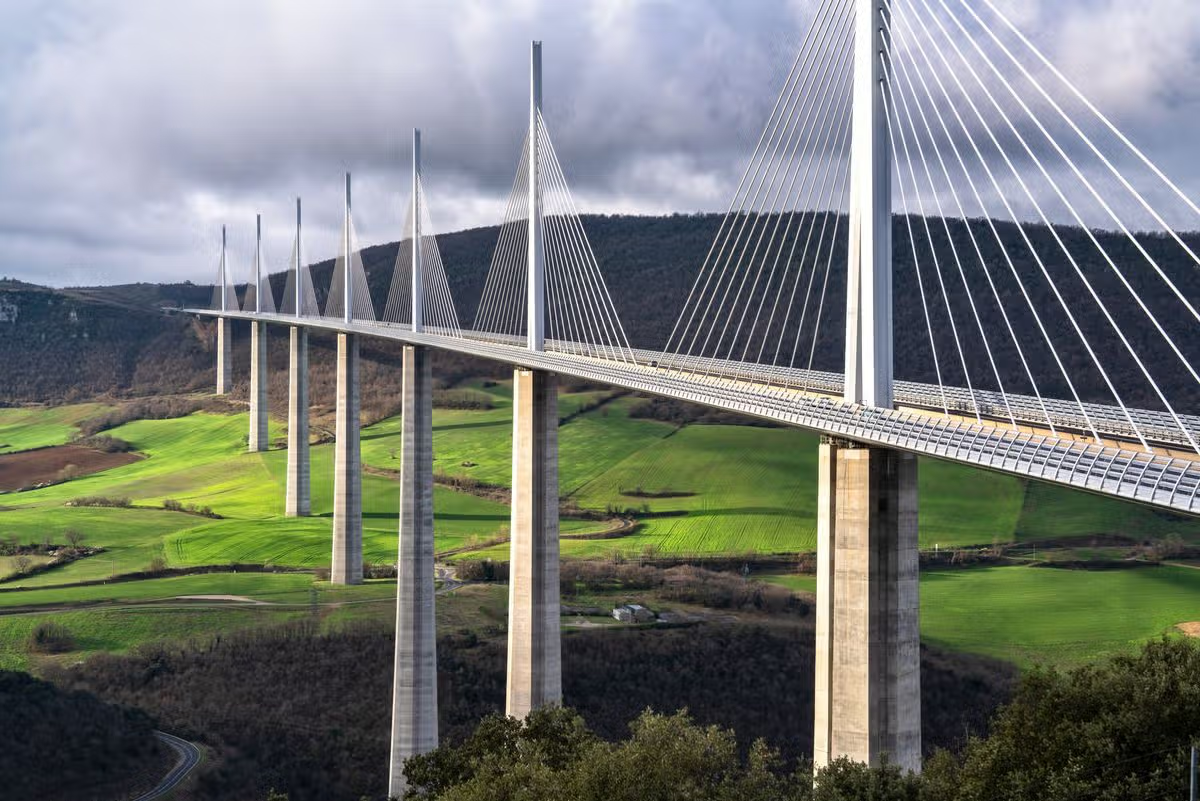
The bridge is the tallest in the world(Image: Achim Thomae/Getty)
The world’s tallest bridge is so high that an entire skyscraper could fit underneath it. While many would expect the highest bridge to be in the likes of China or the US, it is actually in France.
The Millau Viaduct is part of a motorway that connects Paris to the Mediterranean. It was designed by British architect Norman Foster and is in Southern France.
Work completed in 2004 and the cost of construction was approximately €394 million (£345 million). It has an impressive height of height of 343 metres (1,125 ft), which is higher than the iconic Eiffel Tower.
The Paris skyscraper stands at 330 metres (1,083 feet). Millau Viaduct is 2460 metres long and touches the bottom of the Tarn valley just nine times along its length.
Le Shuttle said: “Plans for a road crossing to alleviate the traffic through the town of Millau date from the 1980s.
“British architect Sir Norman Foster was among the team that designed the viaduct, which was considered the most viable solution to cross the valley and river, with the least ecological impact on the area. Construction of the viaduct began in 2001.”
There is no pedestrian access to the viaduct as it is a high-speed motorway. However, it does attract tourism and there are guided informational tours.
Tours include taking a designated nature path to a viewing platform below the bridge and even inside one of the tallest pylons. A marathon takes place every year over the viaduct, and the Tour de France has passed under the viaduct a number of times.
The viaduct features a slight curve that extends up to 20km on the road on either side. It helps drivers settle the feeling of “floating” when driving on a long, straight bridge.
Enjoy Travel explained: “It has two lanes in each direction and interestingly, the bridge is not straight as this could induce a sensation of floating for drivers.
“To remedy this, the architects designed the bridge to have a slight curve, which is 20km in range. Another design feature that improves safety, is the road’s slight incline of 3%, which improves visibility and reassures the driver.
“The bridge is exposed to strong gusts of up to 151km/h, so designers installed side screens that cut the wind’s impact by 50 per cent.”
Visitors have left positive reviews about their experience of the viaduct on TripAdvisor. One said: “Love bridges. This is one not to be missed. Be sure to take a look at it from below to get a real sense of it. Real engineering feat.”
Another added: “An absolutely superb place! The viaduct and the surrounding landscape are so beautiful that you feel like you are part of a painting or drawing! It is truly a work of engineering of the highest level.”
Someone else commented: “Visited today after it been on my bucket list. Great visitors centre, cafe and toilets. Parking is free and you can walk up a 470m path to an awesome view point. You can see the viaduct and surrounding areas. Drove over the bridge with stunning views.”
In 1975, 31-year-old Mick Jagger told People magazine that “I’d rather be dead than sing ‘Satisfaction’ at 45.” The Rolling Stones’ frontman is still very much alive, despite having performed that song in concert hundreds of times since then, most recently in 2024 during the band’s “Hackney Diamonds” tour. Jagger was 80 at the time.
“Time waits for no one,” as the Stones once sang, but apparently that doesn’t apply to the “World’s Greatest Rock and Roll Band.” To paraphrase the group’s first Top 10 U.S. hit in 1964, time is on their side. Yes, it is.
Consider the fates of the British Invasion superstars who emerged from England alongside the Stones in the 1960s. The Beatles broke up in 1970. The Kinks dissolved in 1996. The original Animals imploded in 1966. The Who called it quits in 1982 but has reunited repeatedly, including for its recent North American farewell tour.
And then there’s the indestructible, indefatigable Rolling Stones. With the partnership of Jagger and guitarist Keith Richards still front and center, the Stones will release their 27th studio album, “Foreign Tongues,” on Friday. Over the decades, they have produced classics such as “Exile on Main St.” and “Some Girls,” mediocrity like “Steel Wheels,” and abominations such as “Dirty Work.” We rank the group’s six-decade studio output from worst to first. All albums are the U.S. editions.
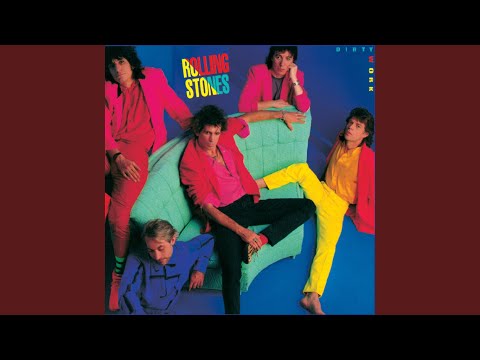
27. ‘Dirty Work’ (1986)
Never has an album cover so captured a band’s mood. “Dirty Work” features a photo of sullen, unsmiling Rolling Stones looking like they’d rather be anywhere else. The music reflects that disinterest. Apart from the cover of “Harlem Shuffle,” nothing here is memorable. It’s no surprise that the Stones nearly broke up during this period.
26. ‘Undercover’ (1983)
The follow-up to the brilliant “Tattoo You” landed with a thud. Although the song “Undercover of the Night” nicely melds a solid guitar riff with trenchant lyrics about political corruption and violence in South America, the rest of the album wilts.
25. ‘Bridges to Babylon’ (1997)
Another in a series of disappointing releases, “Bridges to Babylon” has one great song, “Saint of Me,” and lots of filler.
24. ‘Steel Wheels’ (1989)
Touted as a return to form, this album certainly outshines “Undercover” and “Dirty Work.” But that’s not saying much. With dated production and too many songs that make a good first impression but fail to stick, “Steel Wheels” has gathered moss over the years.
23. ‘Voodoo Lounge’ (1994)
Like its predecessor “Steel Wheels,” this is another attempt to recapture their classic sound. To an extent, the record succeeds. “You Got Me Rocking” sounds like a throwback to something on “Exile on Main St.,” while the ballad “Out of Tears” echoes “Angie.” With the exception of “Love Is Strong,” however, most of the songs here are little more than pleasant exercises in nostalgia.
22. ‘The Rolling Stones: England’s Newest Hitmakers’ (1964)
A solid debut, “England’s Newest Hitmakers” features covers of songs by Willie Dixon, Chuck Berry and Jimmy Reed, firmly grounding the group in its American blues and R&B influences. The sole Jagger/Richards original here, “Tell Me,” only hints at the duo’s future songwriting prowess.
21. ‘Black and Blue’ (1976)
After guitar virtuoso Mick Taylor’s departure from the Stones in late 1974, the band used “Black and Blue” to audition potential replacements. They settled on Ronnie Wood, a former member of the Faces who, ever since then, has engaged in the ancient art of guitar weaving with Keith Richards. Heavy on grooves and jams, this album sometimes feels unfocused and indulgent. The excellent ballads “Memory Motel” and “Fool to Cry” are essential.
20. ‘12X5’ (1964)
A step forward from their debut, “12X5” has the magnificent covers “Time Is on My Side” and “It’s All Over Now.” For those who like their Stones bluesy, early albums like this offer a cornucopia of treasures.
19. ‘Blue & Lonesome’ (2016)
Recorded in just three days, this album of blues covers sizzles. The Stones sound absolutely committed, with Jagger’s harmonica and vocals particularly strong.
18. ‘The Rolling Stones, Now!’ (1965)
On the band’s third U.S. album, the Stones rock harder and softer. Their version of Willie Dixon’s “Little Red Rooster” is a slow burn. The ballad “Heart of Stone,” one of their best early originals, made the Billboard Top 20.
17. ‘Foreign Tongues’ (2026)
The Stones have rarely sounded looser or more alive. Produced again by the classic-rocker whisperer Andrew Watt (Paul McCartney, Elton John, Pearl Jam), the band delivers a clutch of strong songs. In a just world, the single “In the Stars” would be a hit. “Back in Your Life,” fueled by some of Wood’s most sensitive and impassioned playing, is a stunner. At 14 songs and 62 minutes, the album would have benefited from trimming three or four of the more generic tunes. Still, it’s amazing that Jagger and Richards, both 82, and Wood, 79, have made such a fresh and vital record. Sometimes you can get what you want.
16. ‘A Bigger Bang’ (2005)
For the band’s first album of originals in eight years, the Stones remind you what makes them great. The first of their three late-career triumphs, “A Bigger Bang” brings attitude, funk, dirty rockers and dreamy ballads. The blazing “Rough Justice” and the slinky, sexy “Rain Fall Down” are topflight.
15. ‘Hackney Diamonds’ (2023)
Eighteen years passed between the release of “A Bigger Bang” and this album. It was worth the wait. “Hackney Diamonds” is another strong effort, with the banger “Angry” sounding urgent and, well, genuinely angry. The gospel-tinged “Sweet Sounds of Heaven,” featuring Lady Gaga, finds her and Jagger trading vocals and pushing each other to the stratosphere. It’s the best song the group has made since “Tattoo You’s” “Waiting on A Friend” and “Start Me Up” in 1981. The absence of late drummer Charlie Watts is felt, but Jagger and Richards prove that old geezers can still rock.
14. ‘Out of Our Heads’ (1965)
A very strong outing that includes originals “The Last Time,” “Play With Fire” and “Satisfaction,” one of the best rock songs ever written.
13. ‘It’s Only Rock ‘n Roll’ (1974)
Keith Richards’ deepening heroin problem meant Jagger had to carry more of the load himself. On this album, he acquits himself admirably. The anthemic title track positively swaggers. The poignant “Time Waits for No One” features one of Taylor’s most beautiful solos, a fitting coda to the end of his five-year career with the Stones. A fine album with several good songs and a couple great ones.
12. ‘December’s Children (And Everybody’s)’ (1965)
A hodgepodge of live cuts, outtakes, British LP tracks and singles, this album shows the Stones rapidly gaining confidence and playing with equal parts finesse and fire. Any album with “Get Off of My Cloud” and “As Tears Go By” is worth the price of admission.
11. ‘Their Satanic Majesties Request’ (1967)
Released months after “Sgt. Pepper’s Lonely Hearts Club Band,” this occasionally ill-advised foray into psychedelia pales in comparison to the Beatles’ masterpiece. That doesn’t mean it’s bad. In fact, the Stones never sounded as adventurous or experimental. When it works, as it does on “She’s a Rainbow” and “2000 Light Years From Home,” candy-colored bliss follows.
10. ‘Emotional Rescue’ (1980)
An underrated gem often overshadowed by its predecessor, “Some Girls,” and its successor, “Tattoo You,” “Emotional Rescue” finds the Stones in fine form at the dawn of a new decade. The rhythm section of bassist Bill Wyman and drummer Watts locks in, while Richards and Wood converse with their guitars as only they can. Jagger sounds energized on the rockers “Let Me Go” and “She’s So Cold” and sexy on the incredibly funky “Dance (Pt. 1).”
9. ‘Goats Head Soup’ (1973)
Considered a big letdown after the magisterial “Exile on Main St.,” this album has received a well-deserved critical reappraisal and aged like a fine wine. It’s not the Stones at their peak, but close enough. “Angie” is absolutely gorgeous, while “Star Star” captures the Stones at their most profane.
8. ‘Tattoo You’ (1981)
Needing new material for their 1981 tour, the Stones cobbled together “Tattoo You” from leftovers and half-finished songs dating back to “Goats Head Soup.” Jagger penned new lyrics, recorded new vocals, and presto — the band made its last classic. “Start Me Up,” the band’s best rocker since “Brown Sugar,” propelled the album to multiplatinum sales and shook stadiums around the world. It still does.
7. ‘Aftermath’ (1966)
The first Stones album composed entirely by Jagger and Richards, “Aftermath” represents a quantum leap forward or two. Brian Jones, before drugs and paranoia dimmed his creative spark, made some of his greatest contributions, elevating “Paint It Black” with his sitar and adding the indelible marimba riff to “Under My Thumb.” The Stones had finally lived up to all the hype.
6. ‘Between the Buttons’ (1967)
The American version kicks off with the one-two-three punch of “Let’s Spend the Night Together,” “Yesterday’s Papers” and “Ruby Tuesday” and doesn’t let up. Arguably the band’s poppiest album, it sounds like groovy Swinging London set to music.
5. ‘Some Girls’ (1978)
After the lackluster “Black and Blue” and the mixed critical reception of “It’s Only Rock ‘n Roll” and “Goats Head Soup,” some wondered if the Stones had lost their musical magic. They needn’t have worried. The band, hungry to prove the doubters wrong, made one of its strongest albums. With Wood now fully integrated into the group , punky, guitar-centric rockers like “Respectable,” “When the Whip Comes Down” and “Shattered” snarl. Jagger, entranced by the sounds coming out of New York’s discos at the time, contributed the No. 1 “Miss You.” Add “Beast of Burden” and the countryish “Far Away Eyes” to the mix and you have the ingredients for a stunning comeback.
4. ‘Beggars Banquet’ (1968)
The start of one of the strongest four-album runs in rock history, “Beggars Banquet” is a near-perfect listen from beginning to end. New producer Jimmy Miller helps strip the band down to its rawest, raunchiest essence on songs like “Sympathy for the Devil,” “Stray Cat Blues,” and “Street Fighting Man.” For the first time, the Stones had released an album on par with some of the Beatles’ best work. Indispensable.
3. ‘Sticky Fingers’ (1971)
Unbreakable love (“Wild Horses”); heartbreak (“I’ve Got the Blues”); slavery, interracial sex and heroin (“Brown Sugar”); addiction (“Sister Morphine”) — “Sticky Fingers” has it all, along with some of the most powerful music in the Stones’ catalog. If a Martian came to Earth and wanted to know what made the Stones special, a listen to “Sticky Fingers” would make it abundantly clear.
2. ‘Let It Bleed’ (1969)
By the end of the ’60s, the dream had faded. Vietnam, inner-city riots, and the assassinations of Robert F. Kennedy and Martin Luther King Jr. had cast a pall over the Day-Glo optimism of the Love Generation. The Rolling Stones were there to chronicle the impending hangover. “Gimme Shelter” reflected the growing dread of the times. It’s among the darkest, grittiest and most transcendent songs ever recorded, with Jagger singing about rape and murder over Richards’ shimmering guitar. In the powerhouse “Midnight Rambler,” Jagger takes on the persona of a killer, even name-checking the Boston Strangler. Dark stuff. Yet the superb “You Can’t Always Get What You Want,” replete with a gospel choir, the country stylings of “Let It Bleed” and “Love in Vain,” sung by Jagger with utter conviction, give the album incredible diversity and depth.
1. ‘Exile on Main St.’ (1972)
And then there was one. Recorded largely in the steamy, sweltering basement of Richards’ rented French villa, Nellecôte, “Exile” reeks of filth, decadence and decay. With Jagger’s vocals often buried deep in the muddy and murky mix, the album initially sounds like a druggy demo. But listen again. And again. Slowly, it reveals itself as quintessential Stones, a potent admixture of styles, sounds and soul. Richards tosses off one indelible riff after another, making “Rocks Off,” “Happy,” “Tumbling Dice” and “All Down the Line” rock and roll perfection. You like your Stones with a dash of Americana? “Sweet Virginia” might be the band’s best country rocker. Blues? Try “Ventilator Blues.” Gospel? “Shine a Light,” accented with Billy Preston’s piano and organ, transports listeners to a higher place. Other Stones records contain more classics and better production, but none holds together as well as a whole or comes as close to the sublime as this one.
Marc Ballon, a former Times, Forbes and Inc. Magazine reporter, teaches an advanced writing class at USC. He lives in Fullerton.
Tesla (TSLA) delivered a record 480,126 vehicles in Q2 2026, up 25% year-over-year, while producing about 452,000 vehicles during the quarter. Despite the strong delivery beat, shares slumped 8% following the report, with the stock now down more than 9% year
The Dodgers’ 9-2 loss to the Diamondbacks on Saturday wasn’t enough to prevent them from going into the All-Star break with the best record in the majors — that much is ensured. But the uninspired all-around performance sealed a series loss on the final weekend of the season’s first half.
The Dodgers (61-35) put little pressure on the Diamondbacks pitching staff. And Dodgers starting pitcher Yoshinobu Yamamoto wrapped up his first-half campaign with his highest-scoring start of the season; he surrendered six runs in six innings.
Over the All-Star break, Yamamoto (2.85 ERA) will get the week to rest. Before the game Saturday, manager Dave Roberts confirmed Yamamoto, an All-Star for the second consecutive year, will not pitch in the game.
The timing of his start Saturday, three days before the Midsummer Classic, suggested as much. Shohei Ohtani is scheduled to have his left knee drained coming out of the All-Star break and will not travel to Philadelphia. So Justin Wrobleski, who was added to the National League roster Saturday, is the only Dodger set to pitch in the All-Star Game.
Yamamoto held the Diamondbacks to one run through the first five innings. But his final inning quickly unraveled. It started with a leadoff walk and peaked with a three-run home run from James McCann.
The Dodgers finally rallied for two runs in the sixth and then fell quiet again. The Diamondbacks then scored three runs against Landon Knack in his three-inning season debut coming off the injured list.
Yamamoto’s uncharacteristic sixth inning ended his streak of quality starts at five, including two that lasted eight innings or more. He leads the team with 110⅔ innings pitched.
“His delivery is so consistent, repeatable,” Roberts said before the game. “He uses his body so efficiently. I just see how he takes care of himself, and the tax wasn’t going to be a problem for him.”
Yamamoto’s workload, along with Wrobleski’s emergence, have helped the Dodgers weather injuries to pitchers who were expected to be major contributors.
In a promising sign for closer Edwin Díaz’s recovery timeline, he started a rehab assignment with single-A Ontario on Saturday. Díaz made just seven appearances for the Dodgers before undergoing an operation to remove loose bodies from his right elbow in late April.
“He’s been throwing pretty effortlessly, free, maybe a week after he started throwing,” pitching coach Mark Prior said.
He estimated that Díaz would return in about three to four weeks if his progression goes smoothly.
Blake Snell — who also had loose bodies removed from his pitching elbow, undergoing a NanoNeedle Scope procedure on May 19 — threw two simulated innings to batters Saturday.
Snell is scheduled to begin a minor-league rehab assignment next weekend, Roberts said. Prior believes Snell will need at least four to five outings, likening it to a spring training buildup.
“The goal would be to get him fully built up to 90ish pitches before he comes back,” Prior said.
Tyler Glasnow, who had been sidelined for more than two months with a lingering back injury, threw a bullpen session Friday.
“It was like 95, 96 [mph] in his ‘pen, but he does that rolling out of bed when he’s healthy,” Prior said. “But it’s a good sign.”
Glasnow has had plenty of back and forth in his rehab, however. Twice he started playing catch only to be shut down when back spasms returned.
“The schedule is starting to move with a little bit more consistency than it had been,” Prior said. “So he’s in a good spot.”
Glasnow is scheduled for another bullpen session on Monday.
July 11 (UPI) — One person was found dead and hundreds evacuated in Missouri after an intense day of flash flooding across the state, authorities said Saturday.
More than 350 people were rescued in Iron, Reynolds and Crawford counties on Friday as floodwaters rapidly took over the area.
Officials said 250 of those were staff and children at Camp Taum Sauk, all of whom were safely evacuated. Another 100 were water rescues.
“It was very harrowing,” Jennifer Box, mother of of two you boys at the camp, told The New York Times. “We knew they were safe, but we didn’t know how to get to them, and that’s kind of your worst nightmare.”
One Crawford County woman, Faith Gregory, was found dead a mile downstream from her home in Huzzah Creek, officials said.
Authorities said Gregory was swept away after part of her home collapsed in the floodwaters.
“It’s definitely not the outcome we were hoping for, but it’s a tragic reminder of how strong Mother Nature can be and how forceful it can be,” Missouri State Highway Patrol Sergeant Eddie Young told FOX Weather.
The region was battered by more than 12 inches of rain, leaving many area residents remained strained throughout Saturday.
“But they’re OK,” spokeswoman Kate Moore, of Missouri Region C, told ABC News. “They’re just stranded because the roads are washed away. We have a lot of damage — the trees, buildings, a lot of things have gone and ripped the roads away.”
Olympic canoeist David Hearn departs the Moultrie Courthouse after pleading not guilty to damaging the Lincoln Memorial Reflecting Pool on Thursday. Hearn was indicted on July 2 on one count of destruction of property of more than $1,000 for allegedly damaging the Reflecting Pool, carrying a maximum penalty of 10 years in prison if convicted. Photo by Bonnie Cash/UPI | License Photo