With European markets reopening after the Easter holidays, investors are set to navigate a mix of geopolitical risks and crucial economic data that may shape sentiment over the coming week.
ADVERTISEMENT
ADVERTISEMENT
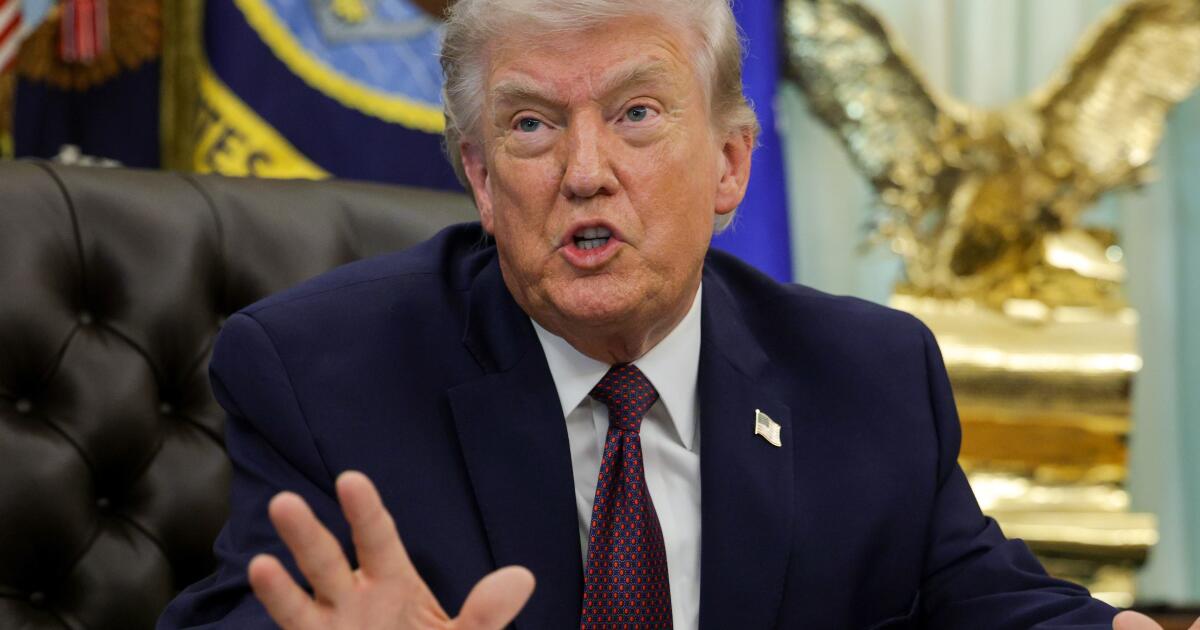
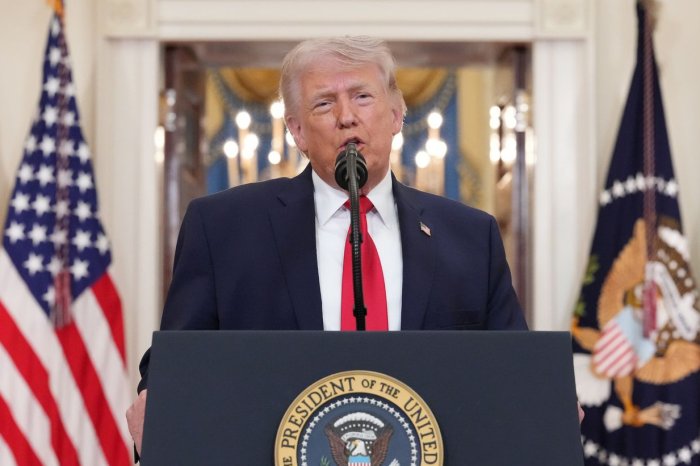
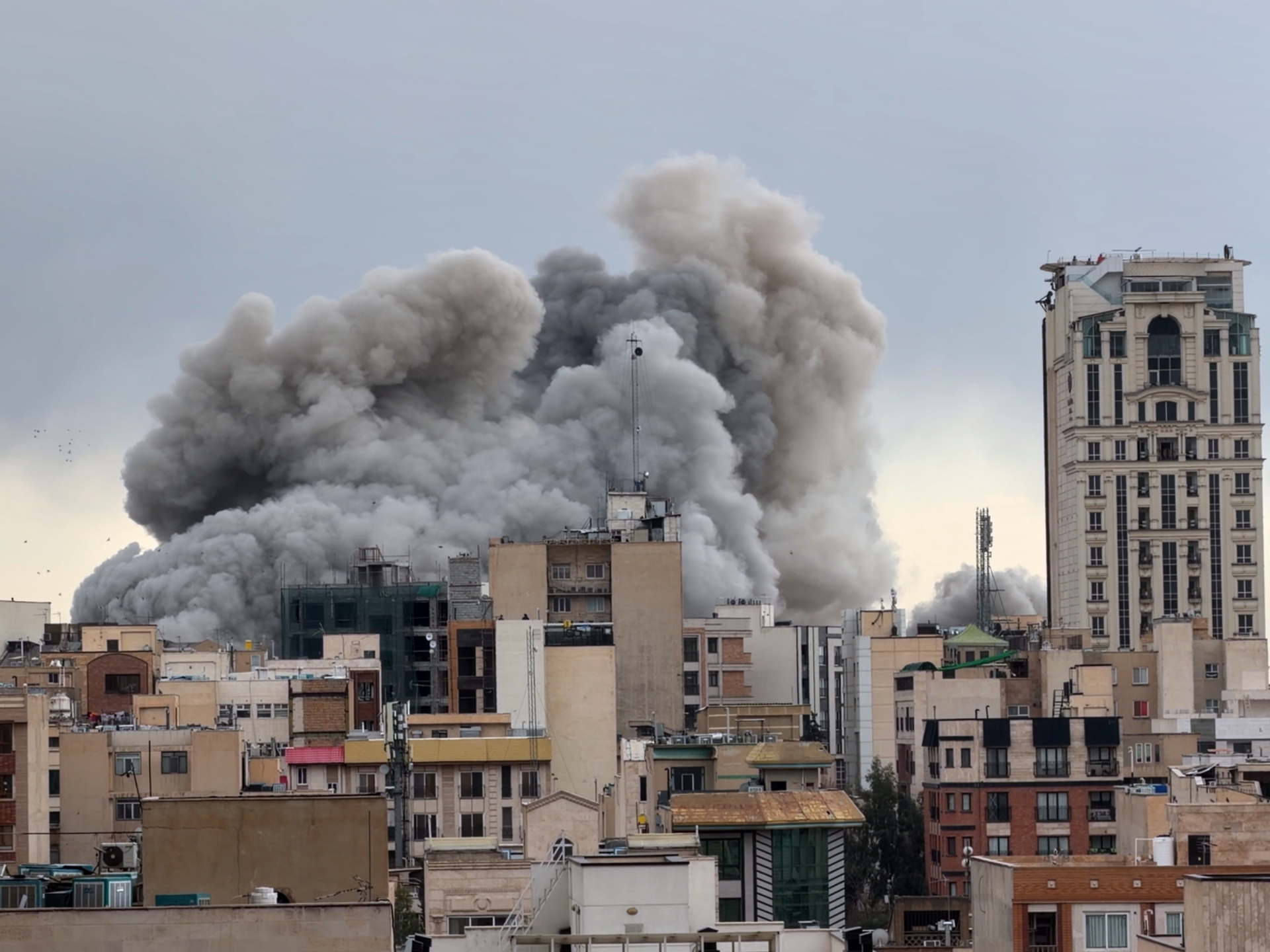
Attention will focus on Iran’s response to US President Donald Trump’s deadline to reopen the Strait of Hormuz, a critical chokepoint for global oil supplies. Any escalation or de-escalation could quickly affect energy markets, driving oil prices and inflation expectations.
Beyond geopolitics, inflation data, central bank signals and corporate updates will also draw attention as markets gauge the outlook for the second quarter.
Economic data in focus
The macroeconomic calendar kicks off on Tuesday with the release of eurozone PMI data, a key leading indicator of economic activity. Recent readings have pointed to slowing growth in the bloc, with the composite PMI signalling only marginal expansion amid softening demand and heightened uncertainty.
On Wednesday, investors will examine the latest eurozone retail sales and industrial producer price figures from Eurostat. These will shed light on consumer demand and upstream inflation pressures.
The European data schedule remains relatively light but still significant. Euro area financial accounts will provide additional detail on lending trends, while UK markets stay attuned to labour market and growth signals following recent signs of stagnation.
Focus then shifts to the US, with the release of the Federal Reserve’s latest meeting minutes on Wednesday. These will be scrutinised for hints on policymakers’ views regarding the timing of any potential rate cuts.
Thursday brings key US labour data, including weekly jobless claims, offering further insight into employment conditions.
The week ends with the US consumer price index for March, including the closely watched core CPI reading. A stronger-than-expected figure could dampen hopes for policy easing and spark volatility in global markets, including Europe.
On the corporate side in Europe, activity is limited, although Raiffeisen Bank International’s annual general meeting on Thursday will be watched for any signals on banking sector health and regional credit conditions.
Trump reiterated the fabrication last week when he signed an executive order seeking to place tight federal controls on increasingly popular mail-in voting.
“Mail-in voting means mail-in cheating,” Trump reiterated. “Cheating on mail-in voting is legendary. It’s horrible what’s going on.”
“See you in court,” California Gov. Gavin Newsom replied.
California and several states partnered in filing a lawsuit accusing the president of an illegal power grab. They pointed out that states have a constitutional right to administer elections pretty much as they see fit.
“You know what, because I’m president of the United States,” he told reporters when asked about the vote. “I had a lot of different things” to do. For him, voting by mail was convenient.
As for the rest of us, apparently in Trump’s mind we don’t do anything important enough to warrant handy mail voting.
The reality is that egotistical Trump still can’t admit to himself that he lost the 2020 presidential election to Joe Biden fair and square. Democrats must have cheated, he thinks — or says he does.
The main way Democrats cheat, Trump and his followers assert, is to round up noncitizens and register them to vote — especially immigrants from Latin America.
It’s nonsensical. As if some undocumented immigrant struggling to survive and dodge ICE agents really gives a rat who’s elected governor or senator. Voting fraudulently is a crime — a misdemeanor or a felony, punishable by a steep fine and/or jail time.
And a campaign pro is going to break the law by offering cash or groceries to a noncitizen for her vote? That would be felony stupid.
“We can’t get Latinos who have been here legally for three generations to vote. If you’re going to spend money getting votes, that’s where you’re going to spend it,” says Republican consultant Mike Madrid, who has written a book about Latino political influence.
“The notion that Democratic operatives are going after undocumented immigrants is absurd.”
People who migrated here illegally, Madrid adds, “don’t want to touch the government in any shape or form. They just want to put in a hard day’s work and retreat to the shadows. They couldn’t care less about politics and voting in the United States.”
No hard evidence of significant election fraud in America in recent years has been produced by Trump or anyone else.
The sheriff said he was investigating claims — unsubstantiated — of election fraud. But the project is now on hold. A good place for it.
It was a waste of the sheriff’s resources to collect the ballots and would be an even bigger misuse of personnel and money to sift through all of those documents in a fruitless search for fraud.
I called Assemblywoman Gail Pellerin, a Democrat who was Santa Cruz County’s chief elections official for 27 years. She chairs the Assembly Elections Committee.
In all of those years supervising elections, Pellerin told me, she encountered only one clear case of fraud. A landlord snatched a ballot that had been mailed to a tenant and illegally cast it.
But a voter must sign the envelope containing a mailed ballot and the landlord’s signature didn’t match the intended voter’s as given when she originally registered. Election officials contacted the intended voter, who said she hadn’t received her ballot yet. The landlord was prosecuted and convicted.
Signatures are checked with the use of technology in California. That’s the main method of verifying a mailed ballot’s legality.
Pellerin says her own signature didn’t match up once. “I got sloppy and my signature had changed since I registered 20 years earlier.” She was contacted by an elections official and her ballot ultimately was counted.
In every election, she says, there are cases of a mother signing the ballot for a daughter who’s away at college, or someone signing for an aging parent. The signatures invariably don’t match and the voters are contacted.
But that’s about the extent of so-called cheating, Pellerin says.
“Immigrants are here to make their lives better,” she says. “They’re not going to risk any path to citizenship by trying to participate in an election.”
When voters register, they must answer under penalty of perjury whether they’re a citizen.
Trump’s convoluted intervention in state-operated voting would, among other things, direct the United States Postal Service to design new envelopes with bar codes that verify voter legality. The feds would refuse to send ballots to people deemed ineligible to cast them.
Gosh, what could possibly go wrong under the Trump administration?
Californians have embraced mail-in voting. In the gubernatorial election 40 years ago, only 9% of ballots were cast by mail; 20 years ago, 42% were. In November, it was up to 89%.
But baseless claims by Trump and his grovelers of “cheating” will persist. It fires up the conservative base and raises political money.
It also maligns noncitizens and dedicated elections officials who keep voting fraud-free.
You’re reading the L.A. Times Politics newsletter
George Skelton and Michael Wilner cover the insights, legislation, players and politics you need to know. In your inbox Monday and Thursday mornings.
By continuing, you agree to our Terms of Service, which include arbitration and a class action waiver. You agree that we and our third-party vendors may collect and use your information, including through cookies, pixels and similar technologies, for the purposes set forth in our Privacy Policy such as personalizing your experience and ads.
Arsenal’s Declan Rice and Gabriel have trained before Tuesday’s Champions League quarter-final with Sporting.
Midfielder Rice, 27, left the England squad following a medical assessment during March’s international break and missed Saturday’s FA Cup quarter-final loss to Southampton.
Brazil defender Gabriel, meanwhile, was forced off with a knee issue after taking a knock during the defeat on the south coast.
Both players were involved in first-team training at the club’s London Colney base on Monday before Mikel Arteta’s side travel to Lisbon for the first leg.
Belgian winger Leandro Trossard also returned to training but Bukayo Saka was not involved after he also left the England camp early.
South Korean President Lee Jae Myung, seen here speaking at a Cabinet meeting on Monday, expressed regret over drone flights by individuals into North Korea. Pool Photo by Yonhap
President Lee Jae Myung on Monday expressed regret over drone flights by individuals into North Korea, saying that such behavior has caused unnecessary military tension with Pyongyang.
Lee made the remarks during a Cabinet meeting, after prosecutors last week indicted three individuals accused of flying drones into North Korea between September and January.
Those indicted include a graduate student in his 30s, an employee of the National Intelligence Service and a military officer.
“Although this was not an act by our government, I express regret to the North Korean side over the unnecessary military tension caused by such reckless behavior,” Lee said.
Lee has previously criticized the drone incursions on several occasions, but this marks the first time he has expressed regret directly to North Korea.
He said civilians are prohibited from engaging in unauthorized, private acts that could provoke North Korea, stressing that even when such actions are deemed necessary for national strategy, they must be handled with the utmost caution.
“It is deeply regrettable that individuals carried out such provocative acts toward North Korea on their own,” he said, calling such actions “unacceptable.”
Lee also addressed concerns among residents near border areas, noting that the incident had caused significant anxiety.
“We need to carefully consider who such actions are really meant to benefit,” he said, urging relevant ministries to revise regulations and take swift measures to prevent recurrences.
Amid a rapidly shifting global landscape, Lee emphasized the importance of Seoul’s responsible role in maintaining peace and stability on the Korean Peninsula.
“We should closely monitor the changes in the harsh international order, which requires more responsible action to ensure peace on the Korean Peninsula,” he said.
Lee has extended an olive branch to resume dialogue with Pyongyang since taking office in June 2025, but North Korea has rebuffed those overtures, formally describing South Korea as the “most hostile state” in a parliamentary speech last month.
Copyright (c) Yonhap News Agency prohibits its content from being redistributed or reprinted without consent, and forbids the content from being learned and used by artificial intelligence systems.
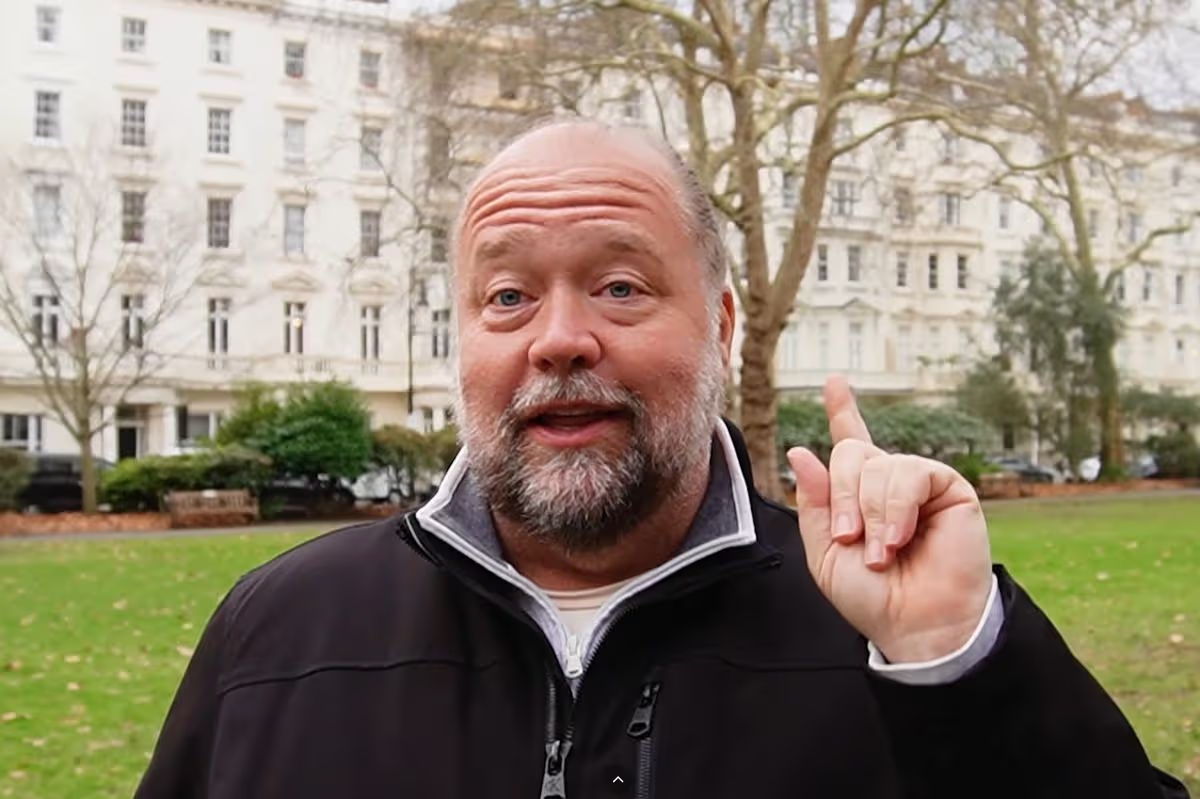
Mark Wolters shared some advice for tourists on how to approach British pubs, listing six unwritten rules that people should be aware of if they ever find themselves visiting the UK
Mark Wolters has more than 80 countries under his belt
(Image: Wolters World/YouTube
)
A world traveller has listed six unwritten rules that tourists should pay attention to if they ever visit a British pub. Proper pub etiquette may feel second nature to Brits, but the unspoken rules of the boozer aren’t universal — and the UK has its own quirks that could potentially catch out overseas visitors.
Mark Wolters is one such visitor who’s spotted this, but with trips to more than 80 countries under his belt, he’s clearly no stranger to navigating the cultural differences that come with travelling.
A familiar face on YouTube, Mark had some advice on how to approach British pubs for his 1.17m subscribers, specifically six tips that tourists should be aware of if they ever visit Blighty.
1. Order at the bar
For his first rule, Mark warned prospective punters watching his video on Wolters World that pub staff are “not coming” to their tables, stressing that they need to go up to the bar to order.
He said: “And whether you’re going to be ordering your pints or you’re going to order your food or you’re getting your snacks and your crisps, you order there. Also, when you go up and order, that’s when you pay.
“It is not one of the things like in the US where you do all your drinking, you do all your eating, then you pay at the end. You’re paying each time you go up there. “
2. Respect the queue
Mark noted that people should “respect the queue” when they come to the UK, but pointed out that there may not be a single discernible queue at the bar. As we all know, people tend to gather at different points.
But Mark said everyone “kind of knows” who was there before them and will ensure they go first.
3. Order in rounds
Mark said: “Now the third unwritten rule of going to the pub is that they order in rounds. So if we’re going with friends, we’re not all going up to the bar to order.
“We will go in rounds. It’s like I’ll go up first, ask everybody what they want, and then I’ll go and I’ll pay the first round. Then the next time up, my friend will go up and take the orders, and they’ll order and get a round for everybody. And everybody needs to pay for a round.”
He went on to warn people not to “skip your round” and “don’t leave early” to avoid getting one, as “people remember that”.
4. Not all pubs sell good pub food
Mark observed that not every pub that sells traditional food actually sells “good” British fare. He noted that you can sometimes get “phenomenal” food such as Scotch eggs and bangers and mash.
But if an establishment sells food and nobody is eating it when you walk in, this should be a “red flag”.
5. Watch out for stairs
Something that he says becomes “more precarious” as your night goes on, Mark claimed that pub toilets will “undoubtedly” be down a “very narrow and steep” set of stairs.
He advised people with accessibility issues to research the pub beforehand, as visitors may be be presented by what he described as “little stairwells”.
6. Don’t linger past closing time
Finally, Mark stressed the importance of not lingering past closing time and how, generally, bars don’t really stay open “super late”, adding that staff like to “wrap things up really quickly.”
He advised people to be “respectful” and do the same for those in the local community by being quiet when you leave.
United States President Donald Trump has announced that the US military has rescued a missing American fighter jet crew member in Iran.
The Air Force officer went missing in a remote part of Iran after the downing of his F-15 jet on Friday. Its two crew members ejected from the plane. The pilot was quickly rescued by US forces, but a search had to be launched for the F-15’s weapons systems officer.
In a Truth Social post on Sunday, Trump wrote that the US had rescued the second “seriously wounded, and really brave” airman from “deep inside the mountains of Iran”. It was reported that a firefight between US and Iranian forces took place in Kohgiluyeh and Boyer-Ahmad province before the rescue. Iran has not confirmed this, however.
Here is how the complicated rescue mission unfolded:
What has Trump said about the rescue?
While the identity of the rescued airman has not been made public, Trump referred to him as “a highly respected Colonel”.
He added that the type of rescue mission that recovered him “is seldom attempted because of the danger to ‘man and equipment’”.
Trump said two raids had taken place, and the pilot was rescued in “broad daylight” during the second raid. It is unclear when precisely the pilot was rescued. The US president wrote that the rescue was “unusual, spending seven hours over Iran”.
In his post, Trump said he would talk more about the rescue mission during a news conference with the US military in the Oval Office of the White House on Monday at 1pm (17:00 GMT).
Trump wrote on Truth Social: “This brave Warrior was behind enemy lines in the treacherous mountains of Iran, being hunted down by our enemies, who were getting closer and closer by the hour, but was never truly alone because his Commander in Chief, Secretary of War, Chairman of the Joint Chiefs of Staff, and fellow Warfighters were monitoring his location 24 hours a day, and diligently planning for his rescue.”
Trump added that he had ordered dozens of aircraft carrying “lethal weapons” to be sent to retrieve the airman, who had managed to evade Iranian forces for two days.
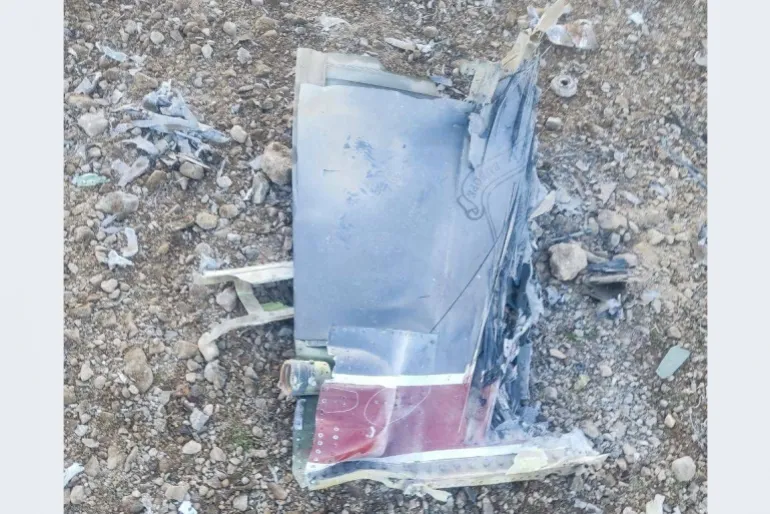
Iranian state media released on April 3, 2026, images of what they said were fragments of a downed US fighter jet found in central Iran [Handout/IRIB via Reuters]
How did the search unfold?
On Friday morning, the US confirmed that an F-15E Strike Eagle had been shot down over southern Iran. The F-15 is a tactical fighter jet used by the US Air Force that first flew in 1972. Modern variants of the jet cost more than $90m each.
State media outlets in Iran showed photos of what they said was wreckage from the F-15 and what appeared to be an ejection seat with an attached parachute.
Trump suggested that the US knew the location of the plane’s second airman and was tracking him as the rescue mission unfolded.
Iran was also racing to locate the airman. Tehran called on the public to hand over the soldier to the authorities in what appeared to be an effort to secure an American prisoner of war.
Iran’s Islamic Revolutionary Guard Corps claimed on Sunday that Iranian forces had also destroyed two C-130 aircraft and two Black Hawk helicopters during the operation to rescue the US airman in southern Isfahan province.
What do we know about the two C-130 planes that Iran says it destroyed?
The C-130 Hercules and the newer C-130J Super Hercules variant were developed by the US weapons manufacturer Lockheed Martin. They are military transport aircraft primarily used for tactical airlifts, troop transport and medical evacuations.
The Wall Street Journal reported that each C-130 costs more than $100m.
The newspaper said in a report on Sunday that the US blew up the C-130 jets on the ground during the rescue operation, quoting an unnamed person familiar with the matter. This unnamed official did not explain how the jets were downed during the rescue operation but told the outlet that it was necessary to destroy them to ensure they did not fall into enemy hands.
Has the US lost other military assets or personnel?
Yes. This conflict has killed 13 US service members and wounded more than 300, the US military’s Central Command said, but no US soldiers have been taken prisoner by Iran.
Since the start of the war on February 28, the US has lost three F-15 fighter jets in what it said was a friendly fire incident over Kuwait. A US military refuelling aircraft also went down over Iraq last month, killing all six crew members.
According to the US military, the last US fighter jet to be shot down by enemy fire before the F-15 on Friday was an A-10 Thunderbolt II during the 2003 US invasion of Iraq.
At least one Black Hawk helicopter was hit during the initial rescue operation, US officials said, but it managed to stay airborne.
An A-10 Warthog aircraft was also hit near the Strait of Hormuz a short time after the F-15E on Friday, but its pilot was able to eject before the plane crashed and was subsequently rescued. Iranian media reported this aircraft was hit by Iran’s defence systems.
Iran has not yet confirmed that a firefight took place before the F-15 airman’s rescue. Al Jazeera’s Tohid Asadi, reporting from Tehran, said a firefight appeared to have occurred in Kohgiluyeh and Boyer-Ahmad province and nine people were reported to have been killed in “strikes” there although it was unclear if this was related to the US rescue mission.
MY family’s favourite seaside holiday park has just been named best holiday park in AA’s Caravan And Camping Awards, and it’s about to open its very own Wetherspoons to boot.
We visit Great Yarmouth several times a year and Haven Hopton is always the first place I check when I’m booking us somewhere to stay.
Sign up for the Travel newsletter
Thank you!
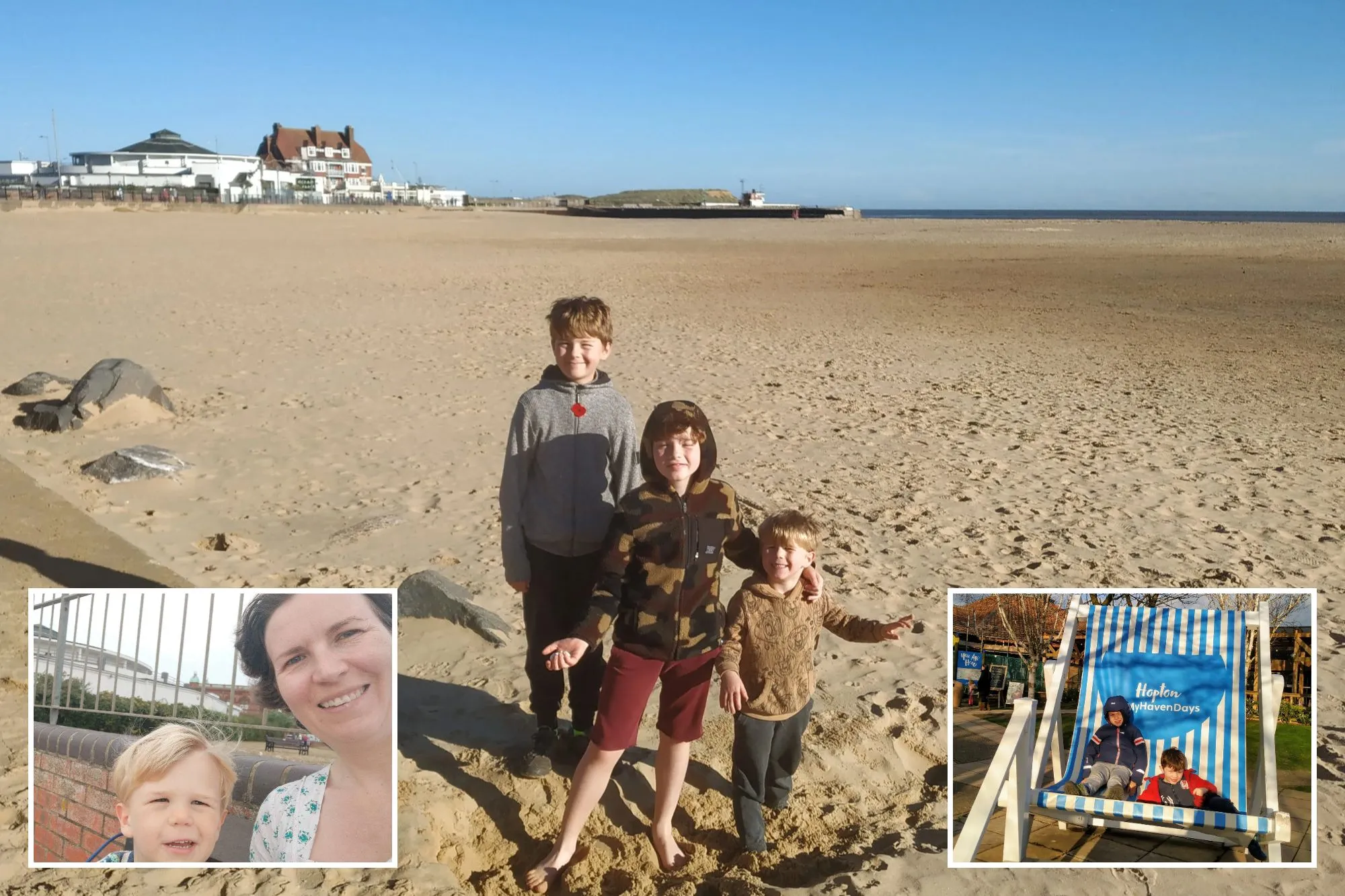
Travel writer Catherine Lofthouse loves visiting Haven Hopton with her familyCredit: Catherine LofthouseThe family love Hopton’s tucked-away village vibe, despite being in between Great Yarmouth and Lowestoft.Credit: Catherine Lofthouse
We love its location right by the beach and the family-friendly feel, and it turns out we’re not alone – AA inspectors were impressed by its immaculate grounds, top-tier amenities and welcoming atmosphere.
One of the best improvements in recent years has been the expansion of the indoor pool areas, by covering the old outdoor lido and linking it with the existing indoor area – to double the capacity for a year-round splashabout.
My boys loved the flume and the aqua inflatable course.
The soft play was also a winner and Hopton’s a great spot for a wander along the beach, as the caravans are set right by the sand.
It’s a half-hour bus ride to Great Yarmouth, where you have loads of great attractions, including the hippodrome with its seasonal shows, funfair rides and arcades.
It’s off the main road and once you’re there, there’s plenty to keep you occupied if you never venture off-site.
It’s even got its own nine-hole golf course set beside a lake, which is perfect for families introducing youngsters to the sport.
Just by the lane into the site, there’s a ruined church that’s been turned into a community garden, which is great for some peace and quiet away from the holiday park hustle and bustle.
You’ll be walking past a chip shop and an arcade to get there from your caravan, so it would be rude not to have a little go on the slot machines or grab something tasty to eat as you stroll past.
If we’re heading for a seaside resort nearby, it’ll always be Gorleston for us.
If they’re heading for a seaside resort nearby, it’ll always be Gorleston for the Lofthouse familyCredit: GettyThe Lofthouses love Hopton’s location right by the beach and the family-friendly feelCredit: Catherine Lofthouse
We love the wide golden sands, the splash pad and the clifftop playground, and we’ve had lovely food at the Pier Hotel and enjoyed open-air music at the bandstand overlooking the beach.
Our latest find is the beach huts at one end of the promenade, which are a perfect base for a day by the sea.
They are great all year round, a place to keep cosy by the coast in the winter and for a seat in the shade with a bit of sea breeze in the summer.
One place on our must-visit list this year is Pleasurewood Hills, which is about 15 minutes away from Hopton.
It’s come under new ownership and has four extra rides opening this season.
Locals could get into the theme park for a tenner over the Easter weekend, but if you’re quick, you can convert Tesco Clubcard points into vouchers for entry before the park leaves the Clubcard scheme later this month.
The vouchers will be valid until October 22, so you can use them over the summer if you’re heading to the coast.
I think we’ve stayed in all the big caravan parks around Great Yarmouth now and Hopton is one that we’ll return to time and again.
Although we’ve enjoyed Haven holidays at Caister, Wild Duck and Seashore and they all have their own highlights, Hopton is hands-down our favourite.
If you’re looking for somewhere for May halfterm, you can actually stay there for less than the other three sister sites at the moment, with a midweek caravan at Hopton starting at £339, compared to £355 at Caister and Wild Duck and £479 at Seashore.
My top tip would be to go at the end of the season – we stayed there for Bonfire Night one year and we got two different light displays.
Haven put on a laser show and then we could also see the excellent fireworks being set off at the renowned Potters resort next door. It felt really festive.
And if you make Hopton your holiday hotspot this year, you’ll be able to grab a bite to eat at the new Wetherspoons that’s opening this spring.
The White Clover will be the one of nine boozers from the pub chain now open on Haven sites.
Catherine’s sons also loved the flume and the aqua inflatable courseCredit: Catherine LofthouseCatherine’s family on a recent trip to Haven Hopton on the Norfolk coastCredit: Catherine Lofthouse
The Other Bennet Sister ending and who Mary ends up with explained – The Mirror
Need to know
The Other Bennet Sister is streaming on BBC iPlayer and fans are desperate to know who Mary Bennet ends up with in the Pride and Prejudice-inspired drama
Mary Bennet is the unlikely heroine of The Other Bennet Sister(Image: BBC)
Everything you need to know about who Mary ends up with in The Other Bennet Sister
The Other Bennet Sister has been enthralling viewers since it first aired in March. Now, with the second half of the series finally dropping on BBC iPlayer, audiences are eagerly racing through the new episodes, desperate to discover the fate of Mary Bennet (played by Ella Bruccoleri). WARNING: This article contains major spoilers from The Other Bennet Sister.
Mary ultimately finds love with unassuming lawyer Mr Tom Hayward (Dónal Finn), who travels back from Yorkshire to get down on one knee. His return was prompted by a letter from Miss Bingley (Tanya Reynolds), who disclosed that Mary harboured feelings for him. Mr Hayward had hurriedly left when the group was at the Lakes, after Mr Ryder (Laurie Davidson) discovered he was set to inherit Lady Catherine de Bourgh’s fortune and intended to propose to Mary.
Mr Hayward confessed to Mary that he “stepped aside” because he felt unable to provide her with the same standard of living she deserved when compared to Mr Ryder’s newly acquired wealth. Mary was, quite understandably, livid that both men had taken it upon themselves to decide what was best for her without so much as consulting her on such a momentous matter.
She confirmed to Mr Hayward that she’d always loved him and that Mr Ryder was simply her friend. She’d also rejected Mr Ryder’s marriage proposal, despite her mother Mrs Bennet (Ruth Jones) attempting to pressure her into reconsidering. Mary had encouraged Mr Ryder to travel to Italy in search of a life beyond society’s constraints, with Miss Bingley even following him to the continent hoping for a marriage proposal.
Mary and Mr Hayward wed on their own terms in an intimate ceremony with their dear friends the Gardiners. They intended to build a fresh life together. Mary had even penned a book entitled Advice for a Young Woman, drawing from her own experiences in London and discovering herself after departing the sheltered rural world of Longbourn.
But here come the discrepancies. As well as the Dundee derby, United will have one other home game after the split but all four of Aberdeen, Killie, Livi and St Mirren have been to Tannadice in the league twice already this season. One will have to make a third trip, though it is unlikely to be north-east rivals Aberdeen.
There is a similar dilemma with Kilmarnock. They are due to have two home games, with probably one of those against United.
However, Aberdeen, Dundee and St Mirren have all already been to Rugby Park twice this season. One of those three will need to make a third trip to East Ayrshire.
Bottom side Livi should travel to St Mirren, but they have already visited each of Aberdeen, Dundee, United and Killie twice and will face a third trip to one of those four clubs.
Livi are 11 points adrift and would be a maximum of 14 points adrift with five games to go if they lose their last game before the split – hence, while favourites for automatic relegation, it will not be arithmetically confirmed until after the post-split fixtures are announced and at least one round of them have been played.
No matter which way you cut it, the SPFL faces an unenviable task in scheduling the Premiership’s final five rounds of fixtures.
After this weekend’s games, the Premiership will take a two-week hiatus to accommodate the Scottish Cup semi-finals.
Then, from the weekend of 25 and 26 April, it is top-six and bottom-six fixtures through until mid-May, with the cup final and relegation play-off taking place thereafter.
April 6 (UPI) — Iran warned Monday of “much more devastating retaliation” if U.S. President Donald Trump follows through on his “power plants and bridges day” attacks unless Tehran complies with his Tuesday deadline to reopen the Strait of Hormuz.
In a statement carried by state-run broadcaster IRIB, Khatam al-Anbiya Central Headquarters, the Iranian military’s central command, said any repeat of recent strikes on civilian infrastructure would trigger the retaliatory response.
“In the event of a repetition of the attack on civilian targets, the next stages of our offensive and retaliatory operations will be much more devastating and widespread, and their losses and damages in insisting on this approach will be multiplied,” the statement reads.
The threat came after Trump issued an ultimatum full of expletives on Sunday on his Truth Social platform, threatening to obliterate Iran’s power stations and bridges.
“Tuesday, 8:00 P.M. Eastern Time!” he posted shortly afterward, seemingly adding 24 hours to a deadline imposed on March 26 of Monday night for when “all Hell will reign down” if Tehran did not allow safe passage of shipping through the strategically vital sea lane.
Iranian deputy foreign minister Kazem Gharibabadi accused Trump of preparing to carry out war crimes, citing the prohibition in international law on breaches of territorial integrity and destruction of power plants and bridges.
“The American president, as the highest official of his country, has publicly threatened to commit war crimes. The threat to attack power plants and bridges (civilian infrastructure) is a war crime under Article 8(2)(b) of the Rome Statute of the International Criminal Court,” Gharibabadi wrote on X.
There was a slender possibility of a deal before the deadline with Iran and mediators in the region working to put together a 45-day cease-fire, four U.S., Israeli and regional sources told Axios on Monday, while the United States was reported to be “in deep negotiations” with Iran.
“There is a good chance, but if they don’t make a deal, I am blowing up everything over there,” Trump said.
The threat of attacks on ships by Iranian forces has effectively shut the strait since the United States and Israel launched their airborne military offensive on Feb. 28 but Iran has said it could reopen provided reparations are paid for the damage the country has sustained and it receives guarantees it would not be attacked in the future.
It has been suggested that it will begin requiring vessels to pay a toll charge to transit, with the Iranian president’s office saying the Strait of Hormuz would reopen when “a portion of transit tolls is used to compensate for all the damage caused.”
President Donald Trump delivers a prime-time address to the nation from the Cross Hall in the White House on Wednesday. President Trump used the address to update the public on the month-long war in Iran. Pool photo by Alex Brandon/UPI | License Photo
Pakistan has proposed a two-stage plan to end the US-Israel war on Iran and reopen the Strait of Hormuz, with both sides now mulling the framework, a source has told the Reuters news agency.
Esmaeil Baghaei, spokesman for Iran’s Ministry of Foreign Affairs, on Monday acknowledged diplomatic efforts by Pakistan, which has shared a plan with Iran and the United States to end hostilities, according to Reuters.
Recommended Stories
list of 3 itemsend of list
Baghaei added that Iran is focused on its security amid the latest attacks from the US and Israel.
A top university in Tehran and the South Pars Petrochemical Plant in Asaluyeh were bombed on Monday, killing at least 34 people in Iran.
Axios first reported on Sunday that the US, Iran and regional mediators were discussing a potential 45-day ceasefire as part of a “two-phased deal” that could lead to a permanent end to the war, citing US, Israeli and regional sources.
The source told Reuters that Pakistan’s army chief, Field Marshal Asim Munir, has been in contact “all night long” with US Vice President JD Vance, Special Envoy Steve Witkoff, and Iranian Foreign Minister Abbas Araghchi.
“All elements need to be agreed today,” the source said, adding the initial understanding would be structured as a memorandum of understanding finalised electronically through Pakistan, the sole communication channel in the talks.
Under the proposal, a ceasefire would take effect immediately, reopening the Strait of Hormuz, with 15 to 20 days given to finalise a broader settlement.
The deal, tentatively dubbed the “Islamabad Accord”, would include a regional framework for the strait, with final in-person talks in the capital of Pakistan.
The final agreement is expected to include Iranian commitments not to pursue nuclear weapons in exchange for sanctions relief and the release of frozen assets, the source said.
‘No reopening of Hormuz’
Tehran has responded by stating that it will not reopen the strait as part of a temporary ceasefire, a senior Iranian official told Reuters on Monday, adding that it will not accept deadlines as it reviews the proposal. Washington also lacks the readiness for a permanent ceasefire, the official said.
The US has not yet responded to Pakistan’s plan.
“Pakistan officials tell me that Islamabad is involved in ‘frantic diplomacy’, as they put it,” said Al Jazeera’s Osama Bin Javaid.
“The problem they’re facing, as one official put it, is essentially that it’s a schoolboy brawl that they are dealing with. It is egos that they have to manage, and it is also a sea of distrust over which they have to build bridges.”
One source told Javaid that Pakistan is speaking to Iran’s clergy, diplomats, and military commanders, but the level of distrust is still high.
“You heard the Iranian Foreign Ministry spokesman mention that they have come under attack multiple times by the US and Israel. And then, if there is some sort of rapprochement, if there is some sort of agreement, what are the guarantees that their leaders are not going to be targeted?” said Javaid.
US’s 15-point plan ‘illogical’, says Tehran
Baghaei, the Foreign Ministry spokesman, said on Monday that Tehran would never accept a 15-point plan put forward by the US last month. He stated that Tehran had finalised its demands amid recent proposals to end the war, but would reveal them only when appropriate.
He stressed that Iran would not bow to pressure, the IRNA news agency reported.
“A few days ago, they put forward proposals through intermediaries, and the 15-point US plan was reflected through Pakistan and some other friendly countries,” Baghaei said. “Such proposals are both extremely ambitious, unusual, and illogical.”
Baghaei underlined that Iran has its own framework.
“Based on our own interests, based on our own considerations, we codified the set of demands that we had and have,” he said.
The Foreign Ministry spokesman also rejected the idea that engaging with mediators signals weakness.
The latest diplomatic push by Pakistan comes amid escalating hostilities that have raised concerns over disruption to shipping through the Strait of Hormuz, a critical artery for global fuel supplies. More than 20 percent of the world’s oil and gas passes through the waterway, which remains under a de facto Iranian blockade.
Trump, in an expletive-laden post on Sunday, threatened to rain “hell” on Tehran if it did not make a deal by the end of Tuesday that would reopen the strait.
More than 2,000 people have been killed in Iran since the war began on February 28, according to Iranian authorities.
Israel has also invaded southern Lebanon and struck Beirut, where Lebanese authorities say 1,461 people, including at least 124 children, have been killed. More than 1.2 million Lebanese have been displaced.
Before the Coachella Valley Music and Arts Festival became a world-famous event, it started as a much more modest music festival in Southern California’s desert in 1999.
As the festival kicks off its 25th year, we combed through The Times’ extensive archives to take a trip down Coachella’s memory lane. Scroll through and you’ll see those epic moments from Daft Punk, Beyoncé, Prince and Madonna, but also the iconic large art installations at the festival and just how much the event has grown and changed over the years.
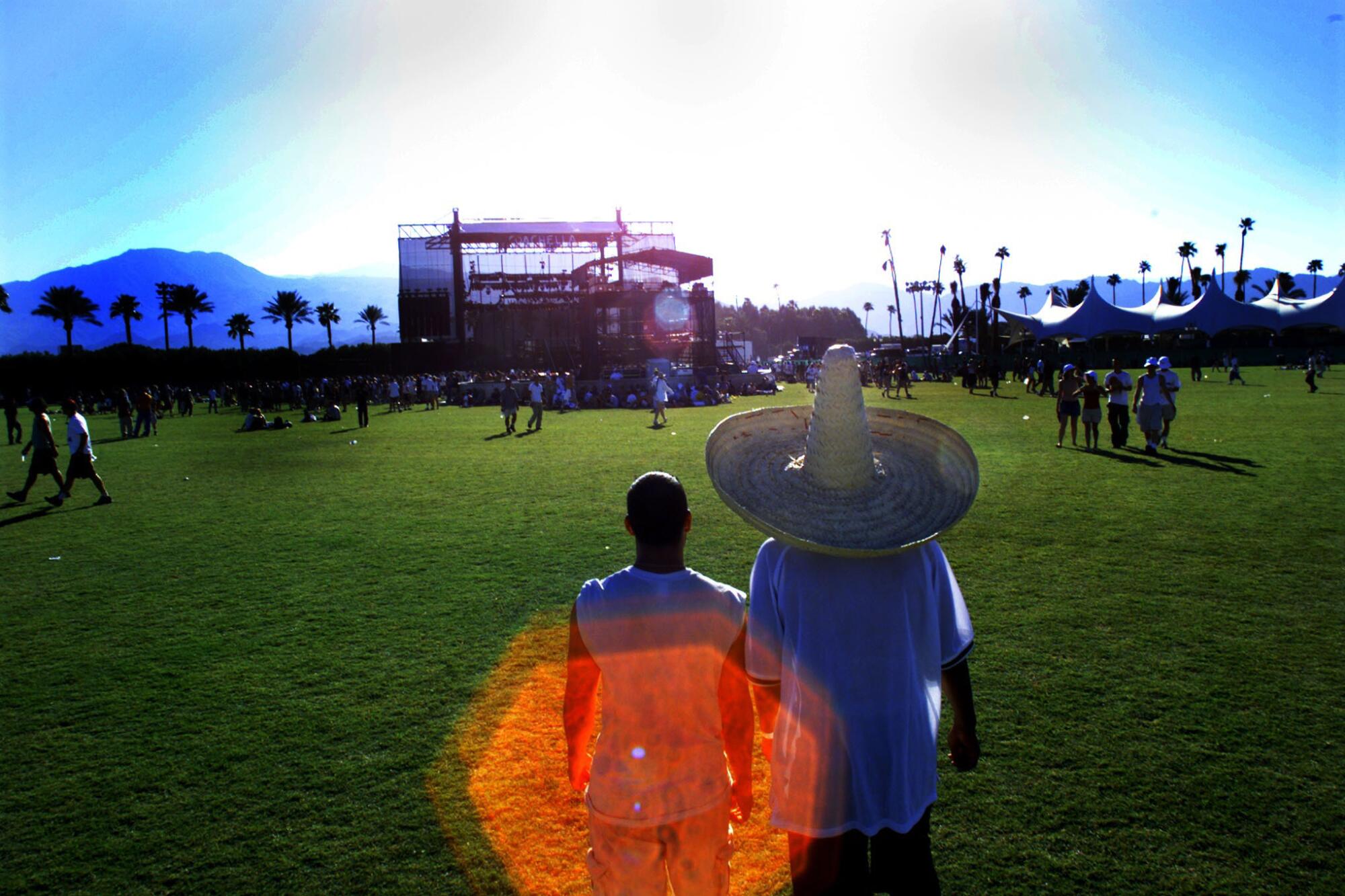
Dennis Carrillo wears a sombrero as a shield against the blistering sun as he and friend Dario Soto, both of Los Angeles, walk toward the stage at the inaugural Coachella Valley Music and Arts Festival in Indio in October 1999, where the temperature hit triple digits.
(Luis Sinco / Los Angeles Times)
Beck was one of the headliners of the original Coachella in October 1999.
(Luis Sinco / Los Angeles Times)
Thousands of music fans wait at the main stage area at the inaugural Coachella in 1999.
(Gina Ferazzi / Los Angeles Times)
Rage Against the Machine was one of the headliners of the inaugural Coachella Valley Music and Arts Festival in 1999.
(Gina Ferazzi / Los Angeles Times)
2001
Due to the financial losses, Coachella skipped a year and returned in April 2001 as a one-day event with a headlining set by Jane’s Addiction and a bill featuring artists such as Weezer and Paul Oakenfold. It drew more than 32,000 people to the desert.
When Coachella returned as a one-day event in 2001, Jane’s Addiction headlined the show.
(Lori Shepler / Los Angeles Times)
Even in its early years, Coachella made art part of the vibe. In 2001, people on stilts roamed the field in front of the main stage.
(Lori Shepler / Los Angeles Times)
Thousands of fans hang out on the main field at Coachella in 2001.
(Lori Shepler / Los Angeles Times)
Paul Oakenfold’s first time playing Coachella was in 2001.
(Lori Shepler / Los Angeles Times)
2002
Coachella went back to being a two-day event in 2002, headlined by Bjork and Oasis. One of the emerging acts on the bill that year was a rock combo out of New York called The Strokes.
Oasis, with guitarist Noel Gallagher, headlined the second day of Coachella 2002.
(Kevin P. Casey / Los Angeles Times)
When The Strokes first played Coachella in 2002, the New York band was just emerging in the rock scene. Singer Julian Casablancas and the group will perform again in 2026.
(Kevin P. Casey / Los Angeles Times)
The first time Bjork headlined Coachella was the 2002 edition of the festival.
(Kevin P. Casey / Los Angeles Times)
Fans watch arm in arm as Oasis closes out Coachella 2002.
(Kevin P. Casey / Los Angeles Times)
2003
The Beastie Boys and Red Hot Chili Peppers headlined Coachella 2003, but the lineup also included The White Stripes, Iggy and The Stooges, Underworld and the Blue Man Group.
Coachella attracted about 35,000 fans per day in 2003.
(Myung J. Chun / Los Angeles Times)
The White Stripes were one of the standout acts at Coachella 2003.
(Myung J. Chun / Los Angeles Times)
The Sahara Tent has always been the heartbeat of Coachella’s dance scene, but in 2003 it was much smaller than the airplane hangar-sized stage it is today.
(Myung J. Chun / Los Angeles Times)
The Blue Man Group performed at the 2003 Coachella Valley Music and Arts Festival.
(Myung J. Chun / Los Angeles Times)
2004
In 2004, the Flaming Lips created an iconic Coachella moment when singer Wayne Coyne traveled over the crowd in a giant inflatable ball. Headlined by Radiohead and The Cure, the festival also included a reunion of the Pixies. It also marked Coachella’s first sellout, with 60,000 attendees per day.
The Flaming Lips’ Wayne Coyne travels over the Coachella 2004 crowd in an inflated plastic bubble.
(Robert Gauthier / Los Angeles Times)
Syd Klinge’s “Cauac” Tesla coil was one of Coachella’s firstart pieces. It made its debut in 2004.
(Robert Gauthier / Los Angeles Times)
Coachella 2004 featured a highly-regarded reunion of the Pixies.
(Robert Gauthier / Los Angeles Times)
Fans brave sweltering heat as they wait for the Pixies to perform at Coachella 2004.
(Robert Gauthier / Los Angeles Times)
2005
Coldplay and Nine Inch Nails headlined Coachella in 2005. Weezer, The Chemical Brothers and Wilco were some of the other notable acts on the bill. Among the memorable moments was the reunion of Bauhaus and singer Peter Murphy performing “Bela Lugosi’s Dead” while hanging upside down like a bat.
Wilco performs before a crowd of tens of thousands at dusk at the 2005 Coachella Valley Music and Arts Festival.
(Myung J. Chun / Los Angeles Times)
Trent Reznor and Nine Inch Nails headlined Coachella in 2005. Reznor will return to the festival in 2026 with German music producer Boys Noize to perform as Nine Inch Noize.
(Myung J. Chun / Los Angeles Times)
Music fans break a sweat dancing in the Sahara Tent during the 2005 Coachella Valley Music and Arts Festival.
(Myung J. Chun / Los Angeles Times)
Allen Writhen, of Santa Maria, takes a spin on a bicycle at the Cyclecide arena at Coachella 2005. Cyclecide, a San Francisco–based bicycle rodeo group, brought bike-centric art installations to Coachella for multiple years.
Prince headlined Saturday night of Coachella 2008, performing a memorable cover of Radiohead’s “Creep.”
(Spencer Weiner / Los Angeles Times)
Kestrin Pantera dances while Marc Goldstein DJs aboard a special Amtrak charter, the Coachella Express, which traveled from Los Angeles to Indio in 2008. The free train service provided transportation to Coachella Valley Music and Arts Festival attendees.
(Spencer Weiner / Los Angeles Times)
Roger Waters performed Pink Floyd’s “Dark Side of the Moon” during the final day of Coachella 2008. His set also included a giant inflatable pig that was let loose into the Indio night.
(Spencer Weiner / Los Angeles Times)
A dance circle develops inside the Do Lab at the 2008 Coachella Valley Music and Arts Festival.
(Jay L. Clendenin / Los Angeles Times)
2009
Coachella 2009 marked the final year the general public could buy single-day tickets to the festival. Paul McCartney headlined opening night and played 50-plus minutes after curfew. When The Cure tried the same thing to close down Sunday, the sound was cut earlier. Sandwiched in between was a headlining set from The Killers. Other notable performers included M.I.A., who stepped in after Amy Winehouse dropped off the lineup, Morrissey, who complained about the smell of burning flesh, and Leonard Cohen.
Paul McCartney headlined the main stage at Coachella 2009 in a career-spanning set that went nearly an hour past the 1 a.m. curfew.
(Spencer Weiner / Los Angeles Times)
Festivalgoers find shade in the Do Lab at Coachella 2009.
(Jay L. Clendenin / Los Angeles Times)
M.I.A. stepped in to perform at Coachella 2009 after Amy Winehouse dropped off the lineup.
(Jay L. Clendenin / Los Angeles Times)
“Bamboo Starscraper” was a 90-foot-tall bamboo tower by Gerard Minakawa that was part of the art at the festival in 2009.
(Jay L. Clendenin / Los Angeles Times)
2010
This year was the first time the festival only offered three-day passes and Coachella drew a record 75,000 people per day, up nearly 15,000 from the previous year. It was also the year Coachella had its first rap headliner with Jay-Z, who brought out wife Beyoncé to perform “Young Forever.” The other headliners in 2010 were Muse and Gorillaz. The eruption of an Icelandic volcano kept some artists from getting to the festival, including The Cribs and Frightened Rabbit. Then there was Sly Stone’s oft-delayed set that ended with him ranting about his former manager and led to a slander lawsuit. The full festival was also livestreamed for the first time.
In 2010, Jay-Z became the first rapper to headline Coachella. He brought out wife Beyoncé as a surprise guest.
(Luis Sinco / Los Angeles Times)
Members of the Old Crow Medicine Show jam in the VIP area of the Coachella Valley Music and Arts Festival at the Empire Polo Club in Indio in 2010.
(Luis Sinco / Los Angeles Times)
DJ Lance Rock and the creatures of “Yo Gabba Gabba!” performed at Coachella in 2010.
(Luis Sinco / Los Angeles Times)
The crowd reacts during Benny Benassi’s DJ set in the Sahara Tent at Coachella 2010.
Snoop Dogg performs with a hologram of Tupac Shakur near the end of the Snoop Dogg and Dr. Dre’s headlining set at Coachella 2012.
(Jay L. Clendenin / Los Angeles Times)
Laura Newton, left, Lucy Holme and Louise Watkins from Britain attended their first Coachella in 2012 and protected themselves from the rain that swept in on opening day with garbage bags.
(Luis Sinco / Los Angeles Times)
David Guetta brought lots of lasers to his performance in the Sahara Tent at Coachella 2012.
(Jay L. Clendenin/Los Angeles Times)
An aerial view of the 2012 Coachella Valley Music and Arts Festival.
“Helix Poeticus,” created by Poetic Kinetics makes its way, slowly, across the polo field at Coachella 2013.
(Jay L. Clendenin / Los Angeles Times)
Flea of the Red Hot Chili Peppers headlined Sunday night at the 2013 Coachella Valley Music and Arts Festival.
(Brian van der Brug / Los Angeles Times)
The Yuma Tent made its debut at Coachella 2013 with air conditioning, a hardwood floor and comfy chairs.
(Luis Sinco / Los Angeles Times)
Tesla coils by artist Syd Klinge go off along with the “Coachella Power Station,” left, by artists Vanessa Bonet, Derek Doublin and Chris Waggoner at Coachella 2013.
(Jay L. Clendenin / Los Angeles Times)
2014
A reunited Outkast, Muse and Arcade Fire headlined Coachella 2014, but one of the most memorable performances was Pharrell Williams’ star-studded set on the Outdoor Theatre. We also saw the debut of Poetic Kinetics’ “Escape Velocity,” a.k.a. the Coachella astronaut, and the mirrored “Reflection Fields” by Phillip K. Smith among the festival’s major art installations.
A nearly 40-foot tall astronaut, “Escape Velocity” by L.A. art collective Poetic Kinetics, is reflected in “Reflection Fields” by Phillip K. Smith at the 2014 Coachella Valley Music and Arts Festival.
(Brian van der Brug / Los Angeles Times)
Andre 3000 of Outkast performs inside a screen box opening day of the 2014 festival. Andre 3000 and Big Boi reunited for the festival.
(Bethany Mollenkof / Los Angeles Times)
Fans pack the Sahara Tent for the performance of Showtek at Coachella 2014.
(Jay L. Clendenin / Los Angeles Times)
Pharell Williams performs at the second weekend of the 2014 Coachella Valley Music and Arts Festival.
Angus Young duck walked in his traditional schoolboy uniform during AC/DC’s Coachella 2015 headlining performance.
(Luis Sinco / Los Angeles Times)
Music fans flock to “Desiderium Eruca,” Poetic Kinetics’ large butterfly sculpture that replaced the “Papilio Merraculous” caterpillar sculpture at Coachella 2015.
(Marcus Yam / Los Angeles Times)
Florence + The Machine was one of the memorable performances at Coachella 2015. Singer Florence Welch broke her foot when she leaped from the stage during Weekend 1.
(Marcus Yam / Los Angeles Times)
Aerial performers spin above the crowd at the Do Lab at Coachella 2015.
After breaking his foot the week before Coachella 2016 during Guns N’ Roses’ Troubadour warm-up show, Axl Rose performed on stage at Coachella atop the motorized throne Dave Grohl previously used on tour after breaking his leg.
(Brian van der Brug / Los Angeles Times)
Alejandro Murcia and Wanda Quintero take a photo in front of R&R Studios’ “Besame Mucho” installation at Coachella 2016. The typographic sign was covered in silk flowers and is among the more memorable art pieces from the year. Today, the installation lives on at Miami International Airport.
(Jay L. Clendenin / Los Angeles Times)
Ice Cube’s performance at Coachella in 2016 led to an on-stage reunion with the surviving members of N.W.A, featuring MC Ren and DJ Yella Weekend 1 with Dr. Dre joining them on Weekend 2.
(Jay L. Clendenin / Los Angeles Times)
Brian Sneed and Claudia Jerez jump as a friend takes their photo in front of the “Katrina Chairs” art installation at Coachella 2016.
The first time Lady Gaga headlined Coachella was in 2017 and it was because she stepped in after Beyoncé had to postpone due to her pregnancy.
(Brian van der Brug / Los Angeles Times)
Crowds of people take photos of Gustavo Prado’s art piece “Lamp Beside the Golden Door”at Coachella 2017. The sculpture featured more than 2,100 mirrors.
(Luis Sinco / Los Angeles Times)
Kendrick Lamar released “Damn.” the Friday of Coachella 2017 Weekend 1, two days before his headlining performance that included ninjas.
(Brian van der Brug / Los Angeles Times)
Olalekan Jeyifous’ 50-foot-tall “Crown Ether” treehouse art installation provided a backdrop for photos at Coachella 2017.
(Brian van der Brug / Los Angeles Times)
2018
Coachella was already regarded globally as a music festival. Then Beyoncé turned Coachella into the pop culture moment of the year. Coachella became Beychella and her Homecoming performance was nothing short of epic, even becoming its own Netflix special. Beyond Beyoncé, Eminem and The Weeknd headlined, but one of the other standouts was Cardi B’s TLC-inspired performance on the main stage. On the grounds, 2018 was the year “Spectra,” the cylindrical rainbow tower, became part of the festival’s landscape.
Beyoncé’s stunning headlining performance at Coachella 2018 celebrated America’s historically Black colleges and universities. Her set also featured cameos from husband Jay-Z, sister Solange and a Destiny’s Child reunion.
(Luis Sinco / Los Angeles Times)
The rainbow-colored cylindrical tower “Spectra” made its debut at Coachella in 2018.
(Christina House / Los Angeles Times)
Cardi B performed a set inspired by TLC at Coachella in 2018.
(Kent Nishimura / Los Angeles Times)
Festival goers walk in front of Edoardo Tresoldi’s “Etherea” wire mesh cathedral structures and Randy Polumbo’s “Lodestar,” which was made with the fuselage of a military jet, at Coachella 2018.
(Maria Alejandra Cardona / Los Angeles Times)
2019
Ariana Grande, Childish Gambino and Tame Impala headlined Coachella in 2019, but the big memories from that year were the rise of artists like Bad Bunny and Billie Eilish as they were becoming bona fide superstars. Arguably the most memorable performance of the year wasn’t even during normal festival hours — it was when Kanye West held a Sunday Service in the campgrounds on Easter Sunday during Weekend 2. Meanwhile, to mark Coachella’s 20th year, Poetic Kinetics brought back the famous roving Coachella astronaut in a new form as “Overview Effect.”
Bad Bunny’s set at Coachella 2019 included a guest spot from J Balvin.
(Mariah Tauger / Los Angeles Times)
Kanye West’s Easter Sunday Service happened outside of the main festival grounds during Weekend 2 of the Coachella 2019.
(Kent Nishimura / Los Angeles Times)
“Overview Effect,” a roaming astronaut sculpture made by Poetic Kinetics, roams around the 2019 Coachella Valley Music and Arts Festival at the Empire Polo Club grounds in Indio.
(Brian van der Brug / Los Angeles Times)
Fans go wild as confetti drops during Tame Impala’s headlining performance at Coachella 2019.
Billie Eilish’s 2022 Coachella headlining turn included a guest spot from Damon Albarn to join her for “Getting Older” and “Feel Good Inc.”
(Dania Maxwell / Los Angeles Times)
Wearing the signature blue wigs of Karol G, music fans cheered the star as she arrived on the main stage at Coachella 2022.
(Gina Ferazzi / Los Angeles Times)
Swedish House Mafia x The Weeknd became a last-minute headliner replacement for Kanye West at Coachella 2022.
(Christina House / Los Angeles Times)
One of the largest art installations at Coachella 2022 was Cristopher Cichocki’s “Circular Dimensions x Microscape,” which was made with more than 25,000 feet of PVC tubes and was five stories tall. At night, images were projected on the piece.
Bad Bunny performs at Coachella Weekend 1 in 2023.
(Christina House / Los Angeles Times)
People walk by Güvenç Özel’s sculpture “Holoflux” at Coachella 2023.
(Christina House / Los Angeles Times)
Doechii performs at Coachella 2023.
(Dania Maxwell / Los Angeles Times)
A reunited Blink-182 joined the Coachella 2023 lineup days before the festival. The band played in the Sahara Tent during Weekend 1 before moving to the main stage Weekend 2 to help fill the gap left by headliner Frank Ocean dropping off the bill.
(Dania Maxwell / Los Angeles Times)
2024
Lana del Rey, Tyler, the Creator and Doja Cat headlined the festival in 2024, but one of the big draws was the reunion of No Doubt, who brought out Olivia Rodrigo. Sabrina Carpenter, who is headlining the 2026 festival, also performed on the main stage during the day. The big changes in 2024 were that the main festival grounds expanded with a larger Sahara Tent on the southern end of the site and the addition of the Quasar Stage.
Tyler, the Creator’s headlining set at Coachella 2024 featured the rapper dressed as a park ranger and an elaborate national park-like stage set.
(Dania Maxwell / Los Angeles Times)
Gwen Stefani of No Doubt performs at Coachella 2024. The band reunited for the festival and brought out Olivia Rodrigo as a guest.
(Christina House / Los Angeles Times)
Doja Cat was the Sunday night headliner at Coachella 2024 and her performance included dancers dressed like yetis.
(Dania Maxwell / Los Angeles Times)
Chappell Roan was one of the breakout stars at Coachella 2024.
Riley Gold (RLYG:CA) (OTCQB: RLYGF) on Monday said it has received about C$1.67 million in gross proceeds from the exercise of 6.68 million warrants tied to its April 2024 private placement.
The company said the exercised warrants represented about 86% of
Mayor Karen Bass has had a lengthy political career, spending six years in the state Legislature, 12 years in Congress and the last three in the top elected office at Los Angeles City Hall.
Now, facing the toughest reelection battle of her career, Bass is marketing herself in a way that might surprise some Angelenos: She’s running as a champion of change.
And she’s not alone.
City Councilmember Nithya Raman, who has represented a Hollywood Hills district since 2020, says her last-minute decision to enter the race was fueled by “a sense of urgency that things needed to change.”
Three other major candidates, all political newcomers, argue that an outsider is needed to shake up the status quo.
“We can no longer keep our city together with duct tape and slurry,” said Rae Huang, a leftist community organizer, at a recent candidate forum on housing and transportation.
The race to embrace the mantle of change in the June 2 primary election comes at a moment of political peril for Bass, a veteran Democrat who has racked up high disapproval numbers in several voter surveys.
In recent months, Bass has revamped her messaging, saying she’s been tackling problems that have “been around for multiple decades,” such as homelessness, sluggish police hiring and trash-strewn streets.
Last week, speaking to the Pacific Palisades Democratic Club, Bass said she wants another four years to finish that work. She also implied that, in her zeal to fix the city’s problems, she quietly pushed out a dozen high-level bureaucrats, including those who dealt with trash pickup and police recruitment.
“Let me just tell you that in three years and three months, it is difficult to change what has been a practice for over four decades,” Bass told the group. “I am very clear that there needs to be massive change, and I’ve done a lot of change.”
Raman has portrayed herself as someone who shook up the system while in office, securing a 4% cap on rent increases for more than 600,000 apartments and opposing initiatives she viewed as “disastrous” for the city’s budget. She said the city is falling short on an array of issues, including traffic deaths and housing affordability.
“So much of what’s happening in L.A., our inability to address our biggest crises — our housing crisis, our homelessness crisis, but also essential services like lights and potholes — so much of this has resulted from a lack of clear urgency in decision-making at City Hall,” said Raman, the first L.A. council member to win office with the backing of the Democratic Socialists of America.
Those types of arguments have elicited salty responses from Huang, tech entrepreneur Adam Miller and conservative reality TV personality Spencer Pratt.
Miller, who described himself as a lifelong Democrat, pointed out that Raman runs the powerful five-member council committee on housing and homelessness. He argued that both she and Bass have failed on those issues, as well as on public safety and much needed infrastructure repairs.
“These are the people who have been running the government,” said Miller, who made a fortune developing education software. “So I don’t understand how they could describe themselves as change-makers. They’re the ones who have been the problem.”
Pratt offered a similar take on social media, calling Raman and Bass “two peas in a pod,” while portraying himself as a change agent.
“I’m a wrecking ball to the status quo,” he said in one post.
Neither Pratt nor his representative responded to an interview request.
In one recent high-profile poll, about 56% of respondents said they had an unfavorable view of Bass. In another, about 40% of those surveyed said they had not yet made up their minds about who should lead the city.
“It’s clear that there are concerns among voters about the direction of the city — and the state, quite frankly,” said Pomona College politics professor Sara Sadhwani, referring to the race for governor. “In both instances, there are lackluster candidates, and so we see voters being very much undecided in both of these incredibly consequential races.”
The election season got underway a little more than a year after the Palisades fire, which destroyed thousands of homes and left 12 people dead.
Bass, who was out of the country when the fire broke out, was unsteady in her early public appearances and, since then, has faced sharp criticism over the pace of the rebuilding. She has defended her record on the recovery, saying she cut red tape and suspended city permit fees, while also pressing the Trump administration to crack down on insurance companies that fail to compensate wildfire survivors.
The back-and-forth over change and the status quo broke to the surface during last month’s housing forum in downtown L.A.
At one point, Raman voiced alarm over the city’s elevated “people mover” being built at Los Angeles International Airport, saying it is so far behind schedule that it won’t be ready before the World Cup, which starts in June.
Raman said that as mayor, she would ensure that such projects are finished on time — and replace airport leadership if it fails to happen.
“Nithya, you’ve been on City Council for six years, though,” Huang shot back. “Why have you not moved this forward?”
(At five years and four months, Raman’s tenure is slightly less than that.)
Raman countered that, as a council member, she only has control over certain issues.
“So much of what’s going wrong in Los Angeles requires the mayor to get involved,” she said.
Bass did not attend the forum, traveling instead to New Orleans for a reelection fundraiser. Pratt also skipped. In their absence, the three remaining candidates pounded on a wide array of municipal ills, including broken sidewalks, high rents and sluggish housing production.
Raman, at that event and elsewhere, has sought to differentiate herself from Bass, and City Hall more broadly, by highlighting her dissenting votes.
In 2023, Raman opposed a package of police pay increases negotiated by Bass, saying they were too expensive and would deprive other city departments of funding. Last year, she voted against a $2.6-billion upgrade of the Convention Center, citing similar long-term cost concerns.
Bass, for her part, said she’s been shifting the direction of the city in critical ways. Previous city leaders were too hesitant to build temporary housing for homeless people, she said, leaving them to languish on sidewalks while waiting for government-funded apartments to be built.
The mayor said she also pushed for changes in LAPD hiring, not just by making officers’ salaries more competitive, but by hacking away at a slow and bureaucratic recruitment process. Speaking to the Palisades Democrats, Bass said she got that done, in part, by changing the leadership and staff at the city’s personnel department.
Bass told the group she’s preparing to launch an initiative to clean up the city’s streets — and that she made a personnel move in that regard as well.
“In terms of cleanliness, I’ve had to change the leadership of the Department of Sanitation, because I couldn’t get the job done,” she said.
Sadhwani, the Pomona College professor, said she doubts that voters will view Bass as a reform candidate. Raman, she argued, is also part of the establishment.
“They cannot run from the fact that they have been in power,” she said.
L’Homme Presse, French Dynamite and Now Is The Hour were all taken out on Monday, while three others below the cut-off line were also scratched.
The field is again set to be dominated by Irish trainer Mullins, with the three-time winner currently having nine horses guaranteed to run.
Joining I Am Maximus and Nick Rockett are last year’s third-placed Grangeclare West, Spanish Harlem, Lecky Watson, Champ Kiely, High Class Hero, Captain Cody and Quai De Bourbon.
Gordon Elliott, who has also trained three National winners, has five entries with Gerri Colombe, Firefox and Favori De Champdou – the beaten favourite in the Cross Country Chase at the Cheltenham Festival – towards the top of the weights.
Another of Elliott’s stable, Pied Piper, is currently 35th on the list and will get a run if one more horse withdraws.
The Ben Pauling-trained Twig is the final guaranteed runner, although Spillane’s Tower has maintained his entry at this stage despite his owner telling RTE on Sunday he is an intended runner in Thursday’s Aintree Bowl instead.
Firefox is also entered in Friday’s Topham over the Grand National fences.
Henry de Bromhead, who won the race in 2021 with Rachael Blackmore and Minella Times, trains Monty’s Star and Gorgeous Tom.
Gavin Cromwell trains Perceval Legallois, who was a faller last year, and Cheltenham Festival winner Final Orders.
Dan Skelton will be represented by mare Panic Attack as he closes in on the UK trainers’ championship for the first time.
The Nigel and Willy Twiston-Davies-trained Beauport will carry the colours of Bryan and Philippa Burrough, whose Corbiere won in 1983 as Jenny Pitman became the first female trainer to triumph.
Nigel is a two-time winner of the race in 1998 and 2022 and the stable are also set to saddle Top of the Bill, who moved into the top 34 with Monday’s withdrawals.
Fourteen-time British champion trainer Paul Nicholls has no entries, while Nicky Henderson, who is yet to win the National, is also likely to have no runners with Hyland currently 41st on the list.
Travelling to these countries could put your safety at risk
The Foreign Office currently advises against travelling to a number of countries(Image: Getty)
Brits are reminded to check important information before jetting off on holiday, as the Foreign Office currently has travel warnings in place for 52 countries. The Government body advises people not to venture to these locations amid safety and security concerns.
And a further 24 countries have “all but essential travel” guidelines set by the Foreign, Commonwealth and Development Office (FCDO). Failing to adhere to these warnings can not only put your safety at risk but invalidate any travel insurance you have.
As reported by The Independent, political conflicts, natural disasters and safety concerns are some of the reasons the UK Foreign Office will advise people to avoid certain destinations.
Among these current restrictions are advice against “all travel” and “all but essential travel” to entire countries or parts of countries in Europe, Africa, Asia and South America.
Of a total of 226 countries or territories with foreign travel advice pages, 76 are currently flagged as having no-go zones due to security issues, health risks and legal differences with the UK.
Below is the full list of countries on the FCDO “do not travel” list.
FCDO advises against all travel
Afghanistan
Belarus
Burkina Faso
Haiti
Iran
Iraq
Israel
Mali
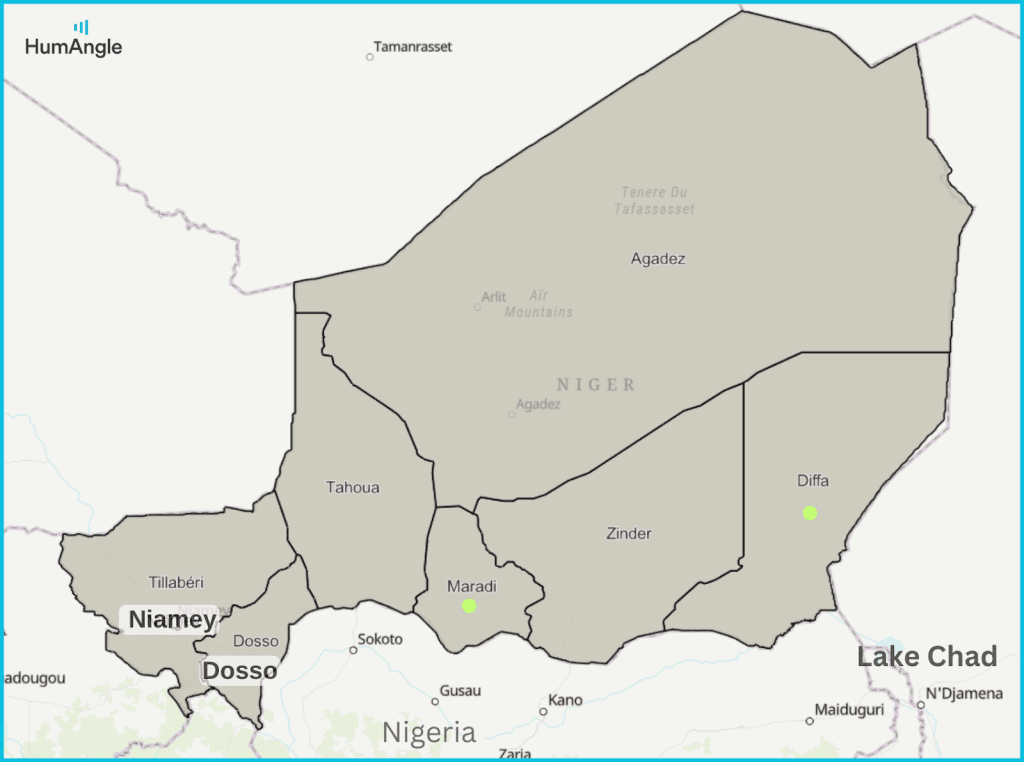
Niger
Palestine
Russia
South Sudan
Syria
Yemen
FCDO advises against all travel to parts
Algeria – all travel to within 30km of Algeria’s borders with Libya, Mauritania, Mali, Niger, Tunisia
Armenia – within 5km of the full eastern border between Armenia and Azerbaijan, the M16/H26 road between the towns of Ijevan and Noyemberyan
Azerbaijan – within 5km of the Azerbaijan-Armenia border
Benin – northern border regions
Burundi – FCDO advises against all travel to Mugina, Cibitoke, Bukinyayana, Bubanza and Mpanda communes, and parts of Ntahangwa commune, specifically the RN5 road north of Melchior Ndadaye International Airport
Cameroon – Bakassi Peninsula, parts of the Far-North Region, North-West Region and South-West Region and within 40km of the Central African Republic, Chad and Nigeria borders
Central African Republic – against all travel except to the capital, Bangui
Chad – Borkou, Ennedi Ouest, Ennedi Est and Tibesti provinces, Kanem Province, including Nokou, Lake Chad region and within 30km of all Chad’s other borders
Congo – within 50km of the Republic of Congo-Central African Republic border in Likouala Region
Côte d’Ivoire – FCDO advises against all travel within 40km of the borders with Burkina Faso and Mali, to the Northern Zanzan and Savanes provinces and to Comoé National Park
Democratic Republic of the Congo – within 50km of the border with the Central African Republic, the province of Kasaï Oriental, the Kwamouth territory of Mai-Ndombe Province and provinces in Eastern DRC
Djibouti – Djibouti-Eritrea border
Egypt – within 20km of the Egypt-Libya border and the North Sinai Governorate
Eritrea – within 25km of Eritrea’s land borders
Ethiopia – international border areas, the Tigray region, Amhara region, Afar region, Gambela region, Oromia region, Somali region, Central, Southern, Sidama and South West regions and Benishangul-Gumuz region
Georgia – South Ossetia and Abkhazia
India – within 10km of the India-Pakistan border and Jammu and Kashmir
Indonesia – Mount Lewotobi Laki-Laki, Mount Sinabung, Mount Marapi, Mount Semeru, Mount Ruang, Mount Ibu
Jordan – within 3km of the border with Syria and all but essential travel to all other areas
Kenya – Kenya-Somalia border and northern parts of the east coast
Lebanon – areas in Beirut and Mount Lebanon Governorate, the South and Nabatiyeh Governorates, the Beqaa Governorate, the Baalbek-Hermel Governorate, the Akkar Governorate, the city of Tripoli and Palestinian refugee camps
Libya – advises against all travel to Libya except for the cities of Benghazi and Misrata
Mauritania – Eastern Mauritania and within 25km of the Malian border
Moldova –Transnistria
Mozambique – Cabo Delgado province, parts of Nampula province and Niassa province
Myanmar (Burma) – Chin State, Kachin State, Kayah State, Kayin State, Mon State, Rakhine State, Sagaing and Magway regions, Tanintharyi Region, Shan State North, North Mandalay Region, and East of the Yangon-Mandalay Expressway in Bago region
Nigeria – Borno State, Yobe State, Adamawa State, Gombe State, Katsina State, Zamfara State and the riverine areas of Delta, Bayelsa, Rivers, Akwa Ibom and Cross River states
Pakistan – within 10 miles of the border with Afghanistan, areas in Khyber Pakhtunkhwa Province and the Balochistan Province
Philippines – western and central Mindanao and the Sulu archipelago
Saudi Arabia – within 10km of the border with Yemen
Somalia – advises against all travel except the western regions Awdal, Maroodijeh and Sahil, for which it advises against all but essential travel
Sudan – against all travel except to the Hala’ib Triangle and the Bir Tawil Trapezoid, for which it advises against all but essential travel
Togo – within 30km of the border with Burkina Faso except for the city of Dapaong and the N1 highway leading to it from the south
Tunisia – parts of Western Tunisia, including the Tunisia-Algeria border and Southern Tunisia, including the Tunisia-Libya border
Turkey – within 10km of the Turkey-Syria border
Ukraine – all regions of Ukraine with the exception of some western areas, for which it advises against all but essential travel
Venezuela – border areas, the Orinoco Mining Arc, south of the Orinoco river and the Zulia state. All but essential travel to all remaining areas of Venezuela
Western Sahara – within 30km of ‘the Berm’ boundary line and areas south and east of the Berm boundary line
FCDO advises against all but essential travel
The FCDO clarifies: “Whether travel is essential or not is your own decision. You may have urgent family or business commitments which you need to attend to. Only you can make an informed decision based on your own individual circumstances and the risks.”
FCDO advises against all but essential travel to parts
Angola – Cabinda Province, except Cabinda city and border areas in Lunda Norte Province
Bangladesh
Bolivia – Chapare region
Brazil – four river areas towards the west of Amazonas State – along the Amazon River and its tributaries west of the town of Codajás and east of the town of Belém do Solimões, the Itaquaí River, the Japurá River and along the Rio Negro and its tributaries north or west of the town of Barcelos
Cambodia – within 20km from the land border with Thailand
Colombia – within 5km of borders and parts of northern, central and southern Colombia and the Pacific Coast
Ecuador – seven coastal region provinces and within 20km of the Ecuador-Colombia border
Ghana – Bawku Municipality
Guatemala – within 5km of the Mexican border and the towns of Santa Ana Huista, San Antonio Huista and La Democracia
Kosovo – the municipalities of Zvečan, Zubin Potok and Leposavic, and areas of Mitrovica north of the river Ibar
Laos – Xaisomboun Province
Malaysia – Eastern Sabah coastal islands
Mexico – parts of Baja California, Chihuahua, Sinaloa, Tamaulipas, Zacatecas, Guanajuato, Michoacán, Jalisco, Colima, Guerrero and Chiapas
Papua New Guinea – Hela and Southern Highlands provinces, Enga Province in the Highlands, except Wabag District
Peru – within 20km south of the Peru-Colombia border and the Valley of the Apurímac, Ene, and Mantaro River
Rwanda – Rusizi district
Tanzania – within 20km of the Tanzanian border with Cabo Delgado Province in Mozambique
Thailand – parts of the south, near the Thailand-Malaysia border and within 20km of the land border with Cambodia
To check the travel advice for a country before you visit, see the Foreign Office’s complete guide here.
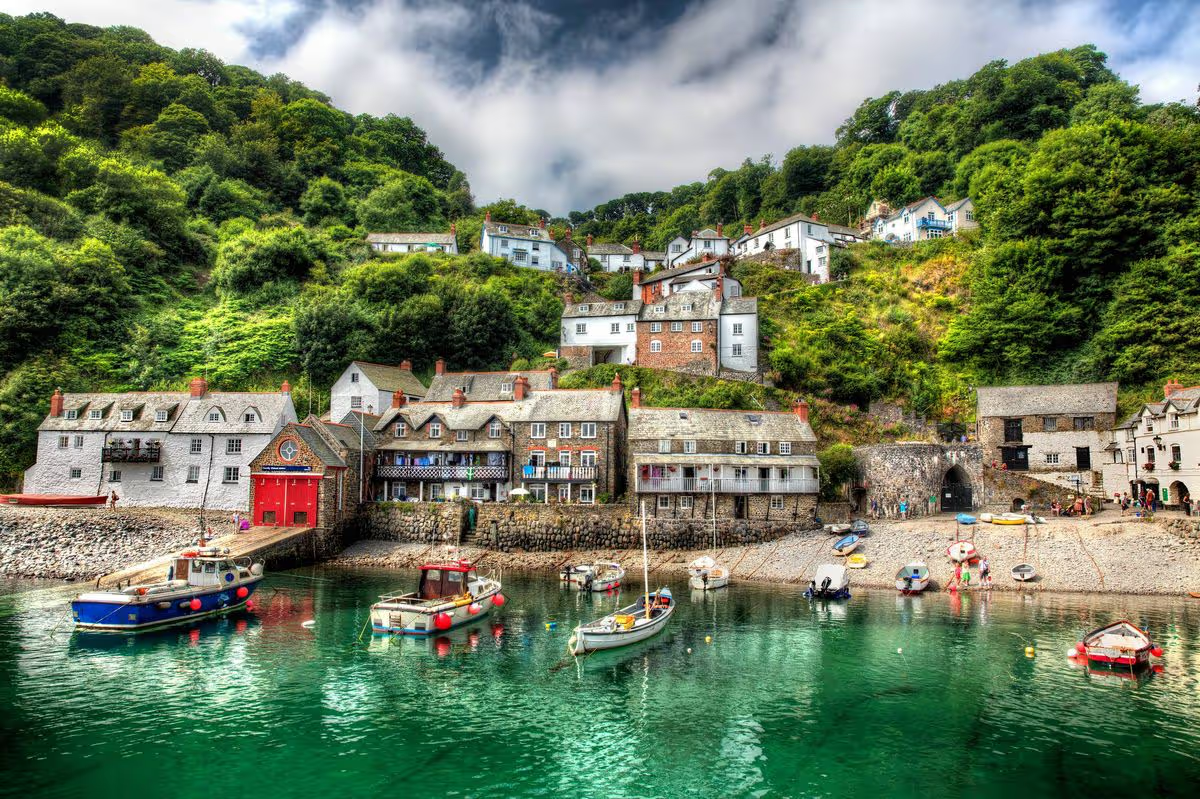
Van-life traveller Lana says this gorgeous UK village with cobbled streets and turquoise waters is so ‘quaint and dreamy’ it’s like stepping back into the past
Clovelly is located in north Devon and has stunning views making it feel like Greece(Image: RolfSt via Getty Images)
This pretty UK village has narrow cobbled lanes and cute shopfronts that will make you feel like it’s the good old days.
Lana, who explores Britain while living in her van, is encouraging people to make the journey to Clovelly in north Devon.
The content creator said: “I had a solo trip to this quaint and dreamy little place with the most picturesque scenery! It was like stepping back in time with no cars allowed and had a kind of a Greece feel to it with the cobbled streets, bright white houses, hanging flower baskets over looking a turquoise ocean.”
She adored spotting donkeys at the top of the village, as well as taking in the breathtaking vistas and indulging in a scrumptious afternoon tea.
Content cannot be displayed without consent
Clovelly boasts dramatic views over the Bristol Channel, a small working harbour, and a really distinctive layout that makes a visit feel like an experience rather than just a stop-off.
People come for the cobbled main street that drops steeply down to the water, the photogenic cottages and flower-filled walls, and the slower pace created by the fact cars don’t use the village streets.
Another reason if feels like stepping back to the past is that goods are traditionally moved by handcarts, and you’ll often see donkeys referenced as part of the village’s heritage.
If you’re planning on visiting, Lana said there’s an entrance fee for the village as it has remained privately owned since Elizabethan times. Visitor charges are roughly £8.75 per person.
Clovelly Court Gardens are an absolute must-see when exploring this famous village, boasting immaculately maintained grounds and beautifully restored Victorian greenhouses.
Be sure to pop into the Kingley Museum or head up to Mount Pleasant – widely regarded as the finest picnic spot in the village
There are also a handful of charming pubs, craft workshops to get stuck into, as well as shops stocking unique and handmade goods.
For ale fans, the Clovelly Brewery sits proudly at the top of this stunning village.
But Lana warned: “It’s on a steep cliff so be prepared for a bit of a walk and don’t be like me and wear flip flops – which also broke so that was interesting on steep cobbled paths.”
Lana recommends visiting on a weekday where possible to sidestep the crowds – and people agree that it’s well worth the journey.
Commenting on the viral video showcasing the village’s stunning beauty, one user said: “Beautiful Clovelly, worth the £9 per adult. Absolutely stunning the £9 ticket is valid for seven days so definitely worth it. Visited the garden too – bought a little plant.”
Another said: “I visited Clovelly some years ago, it’s lovely.” And a third added: “Clovelly, prettiest village ever, been few times.”
TAMWORTH may not be top of many tourists’ to-do lists, but it boasts the best boozer, a kids-go-free castle and even a chance to ski on real snow, all within staggering distance of each other.
I’m lucky that this Midlands marvel is only half an hour from me, so I headed over to check out all the things that make the town a perfect day trip destination this year.
Sign up for the Travel newsletter
Thank you!
Travel writer Catherine Lofthouse Tamwork, which features Britain’s best boozer, a kids-go-free castle and even a chance to ski on real snow, all within staggering distance of each otherCredit: Catherine LofthousePoppies and thistles on the River Anker riverbank in Tamworth, StaffordshireCredit: Getty
It’s been ages since I last visited Tamworth Castle, a landmark feature in the centre of town, still standing tall on its original motte.
It’s just announced that it’s the latest visitor attraction to join the Blue Peter scheme, which means that kids who’ve earned a badge from the beloved TV show can get in free.
We were absolutely amazed by all the different eras of history showcased at the castle, a fascinating snapshot of its own journey through time.
What I really loved though was the recreated Saxon mead hall with fount-of-knowledge volunteer guide Ralph on hand to bring history to life and chat to us about the Staffordshire Hoard, a huge stash of Saxon riches discovered by a metal detectorist on a farmer’s field in 2009.
The hoard was split between three Midlands museums and Tamworth makes the most of the sparkling specimens it received in its Battle and Tribute exhibition.
We love a castle and have visited many of the biggest and best, like Warwick and Windsor, but Tamworth gives them a run for their money in terms of immersive experiences for children and offering up history in easy-to-understand bite-size chunks.
One thing that Tamworth really has going for it is the greenery of the Castle Grounds right in its centre.
This open-to-all public space has a fab castle-themed playground, a skate park, tennis courts and a cafe.
It is bordered by indoor attractions like Namco Funscape, which includes bowling, softplay and adventure golf, and the SnowDome, where visitors can ski, skate, climb and swim.
My boys love taking to the slopes and a firm family favourite here is the snow fun park, where you can play in the white stuff all year round.
The pool offers flumes and floats sessions for families.
A summer view of Tamworth castle and gardensCredit: AlamyThe Tamworth Tap in Staffordshire, run by George Greenaway, which was voted one of the best pubs in BritainCredit: Paul Tonge
If you have a Blue Light Card, you can often get money off and it’s always worth checking out the deals section of the SnowDome website, as you can bag a bargain at quieter times of the year.
We rounded up our visit with a trip to the Tamworth Tap, which has just been named pub of the year by the Campaign for Real Ale (CAMRA) for the third time.
It’s the first pub to win this award three times, so it was no surprise to find it already bustling with barely a table to spare within half an hour of its opening on a Friday afternoon.
You won’t be able to bring the kids in here, as it’s over-18s only, but if you’re visiting with older kids who are happy to enjoy the skate park, which is only a two-minute walk away, you can sneak in for a cheeky pint and a portion of £4 frickles – pickles fried in breadcrumbs.
If you’re here in the warmer months, the pub’s beer garden certainly has one of the best views in the town, overlooked by its castle neighbour.
April is a great time to visit the town, with a dragon egg hunt around the castle over the school holidays and then a free medieval festival to mark St George’s Day in the park on April 18, with jousting, archery, games and fairground rides.
Just outside Tamworth, there’s plenty of family-friendly visitor attractions a short drive away where you can easily while away a day if you’re making a weekend of it.
As well as visiting the animals, Twycross also has the Gruffalo Discovery Land, which is great for little ones, while both Drayton Manor and Statfold are perfect for train fans and anyone who loves fairground and theme park rides.
Drayton, which hosts Thomas Land, has just celebrated its 75th anniversary by installing a lake lights show, while Statfold recently opened the National Fairground Museum, so visitors can now enjoy vintage fairground rides as well as steam and diesel trains.
With a hoard of hidden gems of its own, this Staffordshire treasure has a wealth of wonders just waiting to be discovered.
Catherine’s son at Tamworth SnowDome, where visitors can ski, skate, climb and swimCredit: Catherine LofthouseEThe G Force Rollercoaster within Drayton Manor Theme Park near TamworthCredit: Alamy
Standard adult passport costs are increasing from April 8, but there is one way to do it cheaper
12:11, 06 Apr 2026Updated 12:11, 06 Apr 2026
Applying for a new passport a certain way is £13.50 cheaper than another option(Image: Getty)
Brits in need of a new passport are being reminded that applying via a specific method will save them £13.50 as fees are set to increase this week. Using the Government website to obtain your essential travel document is less expensive than submitting a postal application.
A passport is necessary for travelling overseas. In the UK, they remain valid for 10 years for adults, or five years for those aged under 16. When your passport is approaching its expiry date, it is crucial to apply for a replacement well in advance, to avoid the risk of having to cancel a holiday. However, you may be unaware that the method by which you apply for a new passport can have an impact on the cost.
At present, applying for a standard adult passport online costs £94.50. However, obtaining the same passport via a postal application is priced at £107 – a difference of £12.50.
This gap is set to widen further with the introduction of revised fees from April 8. The update means that a standard adult passport will cost £102 to order online and £115.50 through the post – a difference of £13.50.
New passport fees
The full list of passport fee changes:
Adult: takes up to three weeks to arrive – online cost now – £94.50, online cost from April 8 – £102, postal cost now – £107, postal cost from April 8 – £115.50
Adult fast-track – arrives one week after appointment – online cost now – £178, online cost after April 8 – £178
Adult ‘Premium’ – given at the appointment – online cost now – £222, online cost after April 8 – £239.50
Child – takes up to three weeks to arrive – online cost now – £61.50, online cost after April 8 – £66.50, postal cost now – £74, postal cost after April 8 – £80
Child fast-track – arrives one week after appointment – online cost now – £145, online cost after April 8 – £145
To apply online, visit GOV.UK. You will need a digital photo, a credit or debit card for payment, and your old passport if renewing. You’ll also need to provide information about your identity and citizenship.
You can also get help with your online application at a Post Office. Staff can:
Take your digital photo
Help you fill in the application online
However, this service costs extra.
To apply via post
You can pick up a paper passport application form from your local Post Office and apply by post. It takes longer to apply by post than online.
You’ll need to send off a fully completed application form, supporting documents, two photos, and your fee. If you need help, Post Office staff can check you’ve filled in the form correctly.
However you will need to provide your own photos – and this service costs extra. You can pay by cash, or debit or credit card.
Fast-track applications
According to GOV.UK, it typically takes three weeks for a new passport to be processed and delivered. However, it can take longer if the passport office needs more information. If this is cutting it too close with your holiday, there are two ways to apply for an urgent passport.
GOV.UK says: “You can pay to get a passport urgently if you think the standard service will take too long.” For both of these options you will need to go to a passport office for an appointment:
One day premium
One week fast track
If your passport is lost, stolen or damaged
If your passport has been lost or stolen, you must cancel it before applying for a replacement. And if your passport is damaged, you must replace it.
GOV.UK says: “You may not be able to travel with it.” HM Passport Office will consider your passport damaged if:
You cannot read any of your details
Any of the pages are ripped, cut or missing
There are holes, cuts or rips in the cover
The cover is coming away
There are stains on the pages (for example, ink or water damage)
Before travelling, you should check the entry requirements for the country you are visiting. If you are visiting an EU country, for example, your passport should be valid for at least three months after the date you intend to leave the EU and it must have been issued within the last 10 years.
For full details and to renew online visit GOV.UK here.
From the jagged peaks of the Dolomites to the sun-baked beaches of Sicily, via Roman ruins, Renaissance art and rolling vineyards, Italy has something for everyone. We’d love to hear about your favourite Italian discovery, whether it’s a beautiful hilltop town, a favourite shoreline, a memorable hike or a less famous gallery, museum or cultural sight.
The best tip of the week, chosen by Tom Hall of Lonely Planet, wins a £200 voucher to stay at a Coolstays property – the company has more than 3,000 worldwide. The best tips will appear in the Guardian Travel section and website.
Keep your tip to about 100 words
If you have a relevant photo, do send it in – but it’s your words we will be judgingfor the competition.
We’re sorry, but for legal reasons you must be a UK resident to enter this competition.
The competition closes on Monday 13 April at 10am BST
Israeli air raids on Lebanon have killed more than 1,450 people, including 126 children, and displaced some 1.2 million residents since March 2, according to Lebanese authorities. The bombardment has wounded more than 4,400 individuals.
In southern Lebanon’s Kfar Hatta, an Israeli attack killed seven people, including a four-year-old girl and a Lebanese soldier, the Ministry of Public Health reported on Sunday. The Israeli military had ordered the forced evacuation of the town the previous evening, an area where many displaced Lebanese had sought refuge.
As invasion expands deeper into southern Lebanon, leaving devastated villages behind, Lebanese President Joseph Aoun has intensified calls for negotiation. “Why don’t we negotiate … until we can at least save the homes that have not yet been destroyed?” he pleaded in a televised address on Sunday, hoping to prevent destruction comparable to Israel’s Gaza operation.
In Toul village in the Nabatieh district, a couple were killed while their children, aged 15 and nine, were injured. Multiple bombardments have wiped out entire families in single attacks. Officials report that approximately 25 percent of all victims are women, children and medical workers.
On March 12, the Israeli military expanded its forced evacuation orders for southern Lebanon residents – from the Litani River to north of the Zahrani River, about 40km (25 miles) north of the Israeli border.
The massive displacement has overwhelmed the country’s shelter capacity. Many families are unable to find accommodation, spending nights in streets, vehicles, or public spaces as collective shelters reach maximum capacity. For many, this represents repeated trauma.
Between October 2023 and November 2024, amid cross-border fighting between Hezbollah and Israel, hundreds of thousands of residents of southern Lebanon’s border villages suffered the worst of the violence.
At its height, 899,725 people were forcibly displaced by Israeli forces back then. Most had returned by last October, only to be forced to flee again.
Israeli attacks during those 14 months inflicted extensive damage to homes and infrastructure. The World Bank estimated damage to residential buildings alone at approximately $2.8bn. About 99,000 homes were damaged or destroyed, preventing many families from returning even after the ceasefire.
Aichatou often heard of insecurity for most of her life, but never experienced it herself. She had relatives who had either been killed or displaced in places like Bosso, a village close to Lake Chad that was ravaged by Boko Haram insurgency in 2015. But the violence that festered along the Sokoto and Kebbi flanks was not common where she lived in Dosso, a region in southwestern Niger.
Then came the coup. And with it, a promise that what had happened elsewhere would never reach her.
It did.
In 2024, terrorists stormed her town. They killed her brother and neighbours. And like many other survivors, she fled carrying nothing except the experience of something she had only once heard about – violence. It had finally reached her.
After Niger’s military rulers seized power in July 2023, they promised to do what the elected government could not: make the country safe. Nearly three years later, an analysis of conflict data, geospatial information, and interviews with people in the country shows that the military administration has failed to deliver on its promise.
While the junta has partly succeeded in shielding the capital city, Niamey, from attacks, more people are being killed across the country, and more people are being displaced from regions that were previously stable. The evidence shows that the generals have not ended the violence; they have simply relocated it.
For this investigation, HumAngle analysed 62 months of conflict data, evenly divided between the period before and after the coup. We complemented this with interviews with Nigeriens in Maradi and Diffa, many of whom had fled from areas that had historically never been frontlines. They declined to speak on record, citing fear and arrest, and so their names have been changed to protect them.
Niger Republic map illustrated by Mansir Muhammed/HumAngle
Aichatou now lives in Maradi as a displaced person. She has not heard from her missing relatives and some of her neighbours. They were scattered when the attackers came. Everyone ran for safety, and it’s unclear who died and who survived. It’s a crisis of missing persons during a war.
“We don’t know where they are and don’t even have phone numbers to reach out,” she says.
The promise
When soldiers deposed President Mohamed Bazoum on the evening of July 26, 2023, the justification was that the civilian government had failed the people. Specifically, it had failed them on economy and security.
The coup leader, General Abdourahamane Tchiani, accused Bazoum of covering up the deteriorating security situation and cited what he described as both his predecessor’s “outstretched hand” policy toward armed groups and a fundamental failure to build a regionally coherent security architecture.
Two days after seizing power, Tchiani proclaimed himself head of state, saying he had deposed Bazoum to prevent what he described as “the gradual and inevitable demise of the country.” The new ruling body named itself the National Council for the Safeguard of the Homeland (CNSP) – a title that placed national security at the very centre of its identity and mandate.
The announcement landed on fertile ground. Niger had suffered genuine insecurity under the elected government. The Tillabéri region, squeezed between the borders of Mali and Burkina Faso in the volatile Liptako-Gourma tri-border zone, had been burning for years. Attacks by Islamic State affiliates and al-Qaeda-linked groups had claimed the lives of hundreds of soldiers and thousands of civilians. The insurgency had spread eastward into Tahoua, and southward into Dosso — regions that had once felt insulated.
Ordinary Nigeriens, particularly in rural and border areas, had every reason to want something different. The coup, for some, looked like that. What followed were celebrations.
Pro-junta crowds gathered in Niamey. Thousands marched. Russian and Nigerien flags flew alongside each other in the same streets where anti-French sentiment had been building for years. The generals had read the room correctly, at least in the capital.
Since assuming power, the junta in Niger has claimed some successes, especially in repelling some attacks, asserting sovereignty, and staging defences against the internal and perceived external threats. The military has, in 2025, also pursued general mobilisation decrees and created new partnerships, especially with Russian mercenaries. The mobilisation includes bolstering the military to 50,000 troops, increasing the retirement age for officers to 52, and mobilising youth to combat insecurity.
However, under the same military, in 2026 (data for 2025), Niger reached its worst-ever ranking on Global Terrorism Index (GTI) as the 3rd most terror-impacted country in the world. This was significantly higher than when it was under an elected government, in which it was ranked between 8th and 10th.
Screenshot showing the 2026 Global Terrorism Index (GTI).
The silence
As the violence spreads under the junta, public criticism becomes more dangerous.
State-owned newspapers in Niger do not often report comprehensively on the security crisis. Most of what appears tends to highlight that a security meeting was held, or that some terrorists were killed, or it focuses on accusing France of being responsible for the country’s security problems. This narrative has gone as far as Abdourahamane Tchiani alleging that Nigeria is collaborating with France to launch an attack on Niger through terrorists deployed at the Nigeria/Niger border. The Nigerian government and independent fact-checkers denied that.
But when activists or independent journalists speak about insecurity, they get arrested.
Get our in-depth, creative coverage of conflict and development delivered to you every weekend.
Subscribe now to our newsletter!
Gazali Abdou Tasawa, a correspondent of DW Hausa, was arrested and jailed in January 2026 for reporting on displaced persons in Niger. He was not the first.
Human Rights Watch (HRW) has documented that in October 2025 six journalists were arrested in Niamey – Moussa Kaka and Abdoul Aziz of Saraounia TV; Ibro Chaibou and Souleymane Brah from the online publication Voice of the People; Youssouf Seriba of Les Échos du Niger; and Oumarou Kané, founder of the magazine Le Hérisson – over their alleged role in circulating a government press briefing invitation on social media criticizing the introduction of the mandatory payment for “Solidarity Fund for the Safeguarding of the Homeland”, a form of security levy in Niger to combat terrorism.
Moussa Ngom, Committee to Protect Journalists (CPJ)’s Francophone Africa representative, explained that “arrest and detention have become tools-of-choice for Nigerien authorities to try to control information they find undesirable.” For this investigation, HumAngle reached out to journalists in Niger to speak on insecurity. Three of them declined to speak and one promised to speak but never replied to our questions.
However, recently, a few activists have begun to speak out. A prominent Nigerien activist, Maikoul Zodi, recently called on the military junta to account for two years of broken promises on security – the central justification offered for seizing power on July 26, 2023.
Writing on his Facebook page, Zodi was blunt about what he sees as the junta’s failure. “Niger is still bleeding… the same villages are burning… the same families are burying their dead.” He asked directly what tangible improvements had been made on the ground since the coup.
His statement reflects a shift in civil society’s posture from solidarity with the transition to demands for results. “Compassion alone is no longer enough. There must be accountability,” he wrote, as violence continues spreading into regions that had previously been spared.
“I think the CNSP should present a transparent report of the security situation, with concrete figures and data,” reacted Tahirou Halidou, a concerned Nigerien.
One day after that Facebook post, Zodi was interrogated by the police because of the publication.
What the numbers buried
The junta’s promise of improving security has not become a reality.
To understand what changed, HumAngle analyzed conflict data from the Armed Conflict Location and Event Data (ACLED) project which maps political violence worldwide in real time, covering equal 31-month periods before and after the coup – from January 2021 to February 2026.
ACLED data does not necessarily give us a complete picture of the dire situation in Niger, given that most of its information relies on open-source reporting from NGOs and journalists who have been repressed by the junta, and so may not be able to accurately capture what is really happening on the ground.
While the ACLED number of recorded incidents for the period under review rose only modestly, the outcomes of insecurity became dramatically deadlier in Niger Republic. Worse, the violence is spreading toward communities that were never hotspots.
“Although we are aware of insecurity in some villages a few kilometres away from ours, we had never experienced violence before the military coup,” said Ousmane*, an IDP who left his village Gadori in Diffa and moved to Maradi in early 2025.
According to ACLED data, total recorded conflict events rose modestly after July 26, 2023 – from 1,879 to 2,221, an increase of 18.2 percent. Taken alone, that figure might suggest a country holding steady. But fatalities tell a radically different story: deaths surged from 2,983 before the coup to 4,855 afterwards, a 62.8 percent increase. The same rough number of incidents, but significantly more people dying in them. The deaths per incident climbed by 37.7 percent, meaning that even setting aside the raw count, each individual attack became deadlier on average.
One of the deadliest attacks recorded under the junta was on Dec. 10, 2024, when Jihadists affiliated with the Islamic State attacked Nigerien soldiers at a market in Chetoumane, Tillabéri region, killing at least 90 soldiers and over 50 civilians. The junta suspended BBC for reporting the attack.
Before the coup, areas surrounding the Nigerien border with Nigeria were relatively safe, but not anymore. “In Dan Issa here, we had never experienced a situation when people were as afraid to go to villages as they are now,” one of the residents told HumAngle. “There is a silent displacement in the villages due to incessant cases of kidnappings.”
Dosso, Aichatou’s region, appeared in the ACLED displacement data for the first time, with six distinct locations recording forced civilian movement: Dogondoutchi, Banizoumbou Kobia, Boumba, Kassalama, Kontalangou, and Tounouga.
The entire Gaya corridor, the southern road connecting Niger to Nigeria and Benin, recorded zero displacement events in the 31 months before the coup. After it, the route became newly active, with JNIM and ISSP both documented operating along it. These are not places with histories of insurgent attack. They are places that were, until recently, buffers that absorbed refugees from further north without themselves being overrun. But that buffer has collapsed.
Tillabéri’s Abala district recorded nine distinct new displacement locations after the coup, compared to only two locations before the coup. A cluster triggered in a single week in October 2023 – Maimagare, Mandaba, Tamattey, Dangna, and Badak Toudou – marked the opening of that sub-region to what the data suggests was a systematic IS Sahel campaign of threats designed to clear villages.
By early 2026, even Niamey itself was no longer exempt: an Islamic State Sahel Province (ISSP) attack on Air Force Base 101 in January 2026 produced the capital’s first recorded displacement event.
Across the full dataset, 51 locations recorded displacement for the first time after the coup. Only four sites of chronic, pre-existing displacement persisted into the post-coup period. The coup expanded the footprint of violence into entirely new territory. Generally, according to the United Nations Refugee Council (UNHCR), as of 2026, Niger has recorded over one million displacements, more than half of whom are internally displaced (IDPs).
Displacement incidents before and after the coup in Niger. Source: ACLED. Illustrated by Mansir Muhammed/HumAngle
As the new wave of violence reached new places, more people fled their homes. Confirmed displacement events – i.e. ACLED incidents explicitly noting that people had fled or evacuated – rose by 83.3 percent, from 30 in the pre-coup period to 55 after. Abandoned settlement events declined, from 27 to 18, but that apparent drop carries a grim explanation: many of the communities that might have been abandoned had already been emptied. There were fewer inhabited places left to abandon.
The nature
The nature of the violence also transformed. Events recorded by ACLED explicitly as “violence against civilians” fell by nearly 31.7 percent. This decrease does not, however, reflect the full picture and reading it literally can be misleading.
ACLED records each conflict event under a single type based on its primary event: a gun battle is coded “Battles” even if the notes confirm civilians were killed; a roadside bomb is “Explosions/Remote violence” even when the target was a civilian vehicle. Only when deliberate civilian targeting is the defining characteristic, before they flag it as “Violence against civilians” and set the civilian targeting variable. However, three columns allow a closer accounting of civilian contributions to those increased overall fatality numbers: the “civilian_targeting” flag itself; the “interaction code”, which records the actor types involved; and the free-text “event notes”, which often documents civilian casualties in events coded under other categories.
Events that ACLED explicitly classifies as “Violence against civilians” did fall from 785 to 536 incidents. However, battles surged. The dominant interaction in battles by far was state forces against rebel groups, accounting for 182 clashes and 944 deaths before the coup and climbing to 382 clashes and 2,009 deaths afterwards. There have been clearly stated large combatant tolls in these events. But embedded in the ACLED event notes for those same battles are post-coup civilian-involved incidents, together contributing to 447 deaths when you count the fatality column of the rows’ note that explicitly records “civilian casualties”. This goes up from 23 battle events and 108 deaths before the coup to a more-than-threefold rise.
Most explosions and remote violence surges follow the same state-versus-rebel pattern: IED attacks on military convoys classified as “State forces-Rebel group” jumped from 46 to 155 events. Yet ACLED’s own civilian_targeting flag registers a 230 percent increase in civilian-linked explosion-related deaths (from 33 to 109).
Reviewing these columns in those months before and after the July 2026 coup gives a narrower picture than the overall event counts suggest.
The increase in the death toll aligns with the assessments of other security monitoring bodies. The Africa Center for Strategic Studies noted that fatalities linked to extremist groups were projected to reach more than 1,600 in 2024 alone — a 60 percent increase from 2023. The Safeguarding Security Sector Stockpiles (S4) Initiative found that attacks on Niger’s own security forces in the first nine months of 2024 were more frequent than in any previous year. The CNSP had promised to protect its soldiers, but the opposite happened.
The HumAngle ACLED analysis also tracked attacks on state forces specifically: incidents targeting the military nearly doubled, rising from 198 to 366 – an 84.8 percent jump. Fatalities in those incidents climbed from 623 to 1,555, a 149.6 percent jump. By the post-coup period, state-force targeted deaths accounted for 32 percent of all fatalities recorded – up from 21 percent before the coup. The lethality of each individual attack on security forces also rose: from 3.2 deaths per event before the coup to 4.3 after.
“Those numbers reflect a simple reality that the security vacuum created by the rupture with Western partners has been exploited ruthlessly by non-state armed groups,” said Ikemesit Effiong, an analyst and a managing partner at SBM Intelligence, an African security intel firm based in Lagos, Nigeria. “A massive increase in violence metrics is more than a failure of policy; it is a failure of legitimacy,” he told HumAngle.
Jihadist groups, freed from the surveillance, intelligence-sharing, and operational pressure that Western and regional partnerships had provided, adapted their tactics. They hit less often but harder, and with dramatically more lethal results. JNIM, the al-Qaeda affiliate that had previously operated mostly in southwestern Tillabéri, expanded into southern Dosso. Islamic State Sahel Province consolidated control over the Abala sub-region and extended pressure southward toward Niamey.
Tera, in Tillabéri, became the single deadliest location shift in the dataset: event counts rose by only a third, but fatalities exploded from 198 to 991 – a 401 percent increase. Gaya, on the Nigerian border, went from near-silence to an active conflict zone. Dioundiou appeared in the data for the first time, with 49 events and 144 fatalities recorded where none had existed before. The geography of the war had moved.
In January 2026, the Jihadists affiliated with the ISSP conducted an unprecedented daring attack on the Diori Hamani International Airport in Niamey. The attack included the first-time use of drones, which were reportedly engaged by the airport’s air defence systems. The attack sent a chilling message that the terrorists are getting bolder and ready to wage more sophisticated attacks on some of the state’s most protected infrastructure.
“The use of drones by ISSP shows a level of technical sophistication and intelligence gathering we haven’t seen this close to the capital before,” said Effiong, the security analyst. “For the military regime, if they cannot secure the perimeter of the country’s premier international gateway, they cannot claim to control the state.”
The protection bubble
What the full body of evidence suggests is that the junta in Niger built a bubble around Niamey and the corridors of power that connect it to key military installations. Inside that bubble, things are calmer. Attacks on urban centres remain relatively rare. The capital’s residents can move through their days with a reasonable sense that yesterday’s normal will resemble tomorrow’s.
“The distinction is now visible,” Effiong told HumAngle. “Regime security focuses on Niamey’s checkpoints and the presidential palace; peripheral areas are being sacrificed.”
Outside that bubble — in Dosso, in the new displacement clusters of Abala, in the villages whose names appear in ACLED event notes for the first time after July 2023 — the junta’s promise of peace has not arrived.
“This emboldens groups like ISSP and JNIM because it reveals a risk-reward calculation: the junta’s air power is limited, and their reaction times are slow,” Effiong said.
The Islamic State Sahel Province has moved closer to Niamey than at any point in the country’s history, with militants increasingly controlling key roads into the capital, effectively tightening a noose that the junta’s propaganda apparatus does not mention.
Aichatou knows this too well. She is in Maradi, far from everyone who once knew her, far from the brother whose body she could not bury, far from the relatives she could not trace, and far from the neighbours who once gave her a sense of community.
The promise of security reached Niamey.
It did not reach her.
This article was produced with support from the African Academy for Open Source Investigations (AAOSI) and the African Digital Democracy Observatory (ADDO) as part of an initiative by Code for Africa (CfA). Visit https://disinfo.africa/ for more information.