Long-haul flights can feel daunting for both passengers and cabin crew. But while travellers can sit and put their feet up, what happens to the flight attendants on a long shift?
Christine Younan Deputy Editor Social Newsdesk
12:55, 24 Dec 2025Updated 12:56, 24 Dec 2025
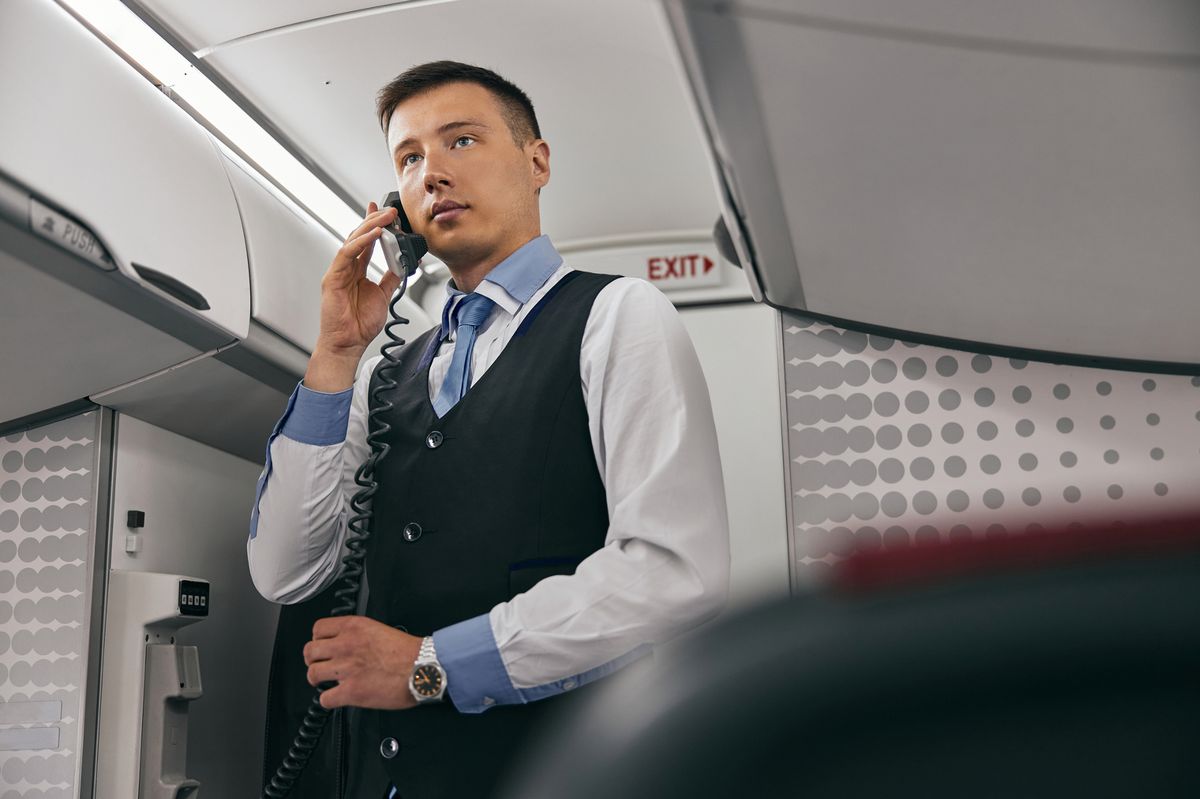
There’s a whole secret area for flight attendants(Image: Getty Images/iStockphoto)
Travelling is fun but when it’s a long flight, it can feel quite draining for everyone on board. Passengers, however, get to tuck into countless meals served by cabin crew, watch multiple movies back-to-back and relax.
So when travellers get some shut eye, especially if it’s a night flight, those working on the flight still have a job to do. Luckily there are moments of the trip where they can get their feet up for some rest. A long-haul flight shift for cabin crew can reach up to 18 hours, although it’s around 12-16 hours with in-flight rest. This can sometimes extend to longer if there’s any delays along the way.
Now have you ever wondered how they rest? One flight attendant shared a video which showed a secret area where “no passenger is allowed” and it’s only for cabin crew staff to put their feet up.
Content cannot be displayed without consent
In a video, Bryan, who boasts 5,000 Instagram followers, said: “People ask me: Where do flight attendants sleep when they have a 17-hour flight?”
Seconds later, he jumps into his pyjamas before taking his phone to show the secret area cabin crew can go to rest during their shift.
The title, which read: “A place where no passenger is allowed”, then shows the attendant walking up some stairs before showing a hidden cabin with beds and curtains.
It’s called CRC which stands for Crew Rest Compartment, and this is where they go when it’s time for their break. In the sleeping area, there is a seatbelt, which must be fastened in case of turbulence, some blankets and, of course, pillows.
There’s also overhead lights and even curtains for privacy, with a TV for “endless entertainment”.
His post garnered hundreds of likes since it was shared as one wrote: “Wow that’s awesome.” Another added: “I would sleep all the way through. No alcohol. No entertainment. Just rest. We need our bodies to perform on Earth. Thanks for sharing.”
A third posted: “Thanks for sharing! So cool to see ‘behind the scenes’ with the crew.”
How do cabin crew survive long-haul flights?
Flight attendants usually rotate their scheduled rest periods by using the hidden crew bunks. By doing this, it ensures there’s coverage during flights up to 16+ hours.
The crew members manage fatigue with routines, wellness, nutrition and use seniority to bid for better schedules, they also balance intense work with multi-day layovers to explore cities or rest before the next leg of their trip, often spanning several days.
Long-haul offers extensive travel for flight crew, while short-haul provides more home time. Often flight attendants choose this based on lifestyle preference.
Meanwhile extended periods away from home are common, with long blocks of days off after demanding trips to recover from the job.
A woman has issued a stark message to anyone travelling by plane this holiday season – as she reminds them to ‘be generous’ following her recent experience on a flight
11:40, 24 Dec 2025Updated 11:40, 24 Dec 2025
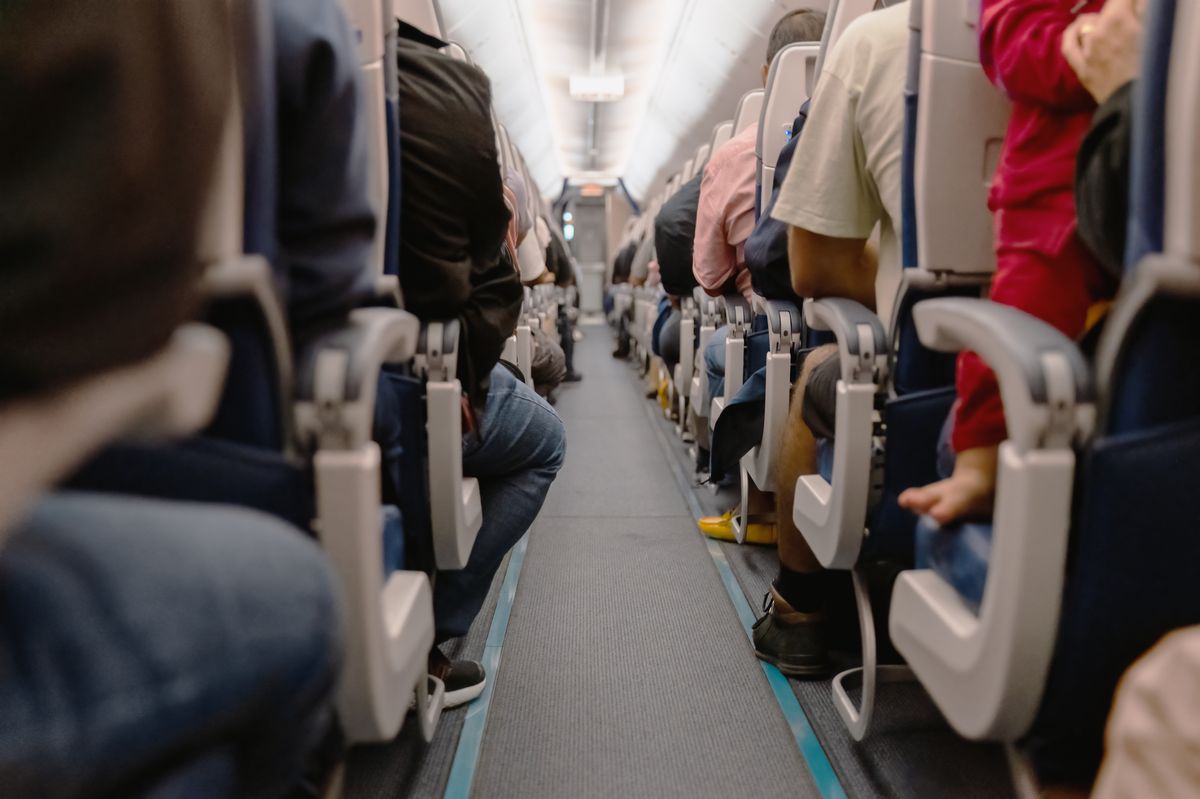
She was asked to move seats three times (stock)(Image: Getty Images)
She pre-booked a first-class window seat on the left side of the plane so she could see her grandma’s house from above before landing. But her peace was disrupted throughout the flight, as no fewer than three people stopped at her row to ask her the same question. Taking to Reddit, she said: “I was asked to switch seats three times by three separate people on one flight.
“When I arrived to my seat there was a very elderly woman in the aisle seat and another woman in the aisle seat across the way. The younger woman said, ‘this is my mother, she has dementia and she can’t even feed herself. Can we switch so I can care for her during the flight?'”
Feeling awkward, the woman regretfully switched seats with her – but her problems didn’t stop there. She said: “I know I made the choice to switch, this is about the frequency of asks.
“Then two other women come up and gave me another ‘we couldn’t book together but we want to sit together can you move to this other aisle seat please?’
“At that point I was seething, but seeing as I’d barely touched my butt to the new aisle seat, I just said ‘whatever’ to them and moved.
“When a third person came up to me to start the ‘hi um’ I immediately said ‘I have switched twice already, you can take it up with someone else’.
“I know I chose to move for these people, but I’m so upset that I paid for that specific window seat and my options were basically, help a woman with dementia but enjoy my view, or move and sit in an aisle seat by the bathrooms.
“I don’t know. It’s also not lost on me that I don’t look like the traditional first class passenger.”
Sharing a message to anyone who asks other to switch mid-flight, she added: “Listen, if you borked your booking and you want to switch with people, be generous.
“Send me a free drink or something, slip me a £20, tell the cabin crew so I get my preordered meal, be generous.”
Commenting on her post, one user said: “Don’t let other people’s problems become your problems. Sit in your assigned seat. If people need accommodations, they can take it up with the FAs (flight attendants).”
Another user added: “I never understand why they can’t bug the person next to them.”
A third user said: “I would happily move for the grandma but the others are on their own after that.”
It offers stunning coastal views, a thriving high street and a rich history – and it’s perfect even in the rain
Nicola Roy Spare Time writer
11:23, 24 Dec 2025
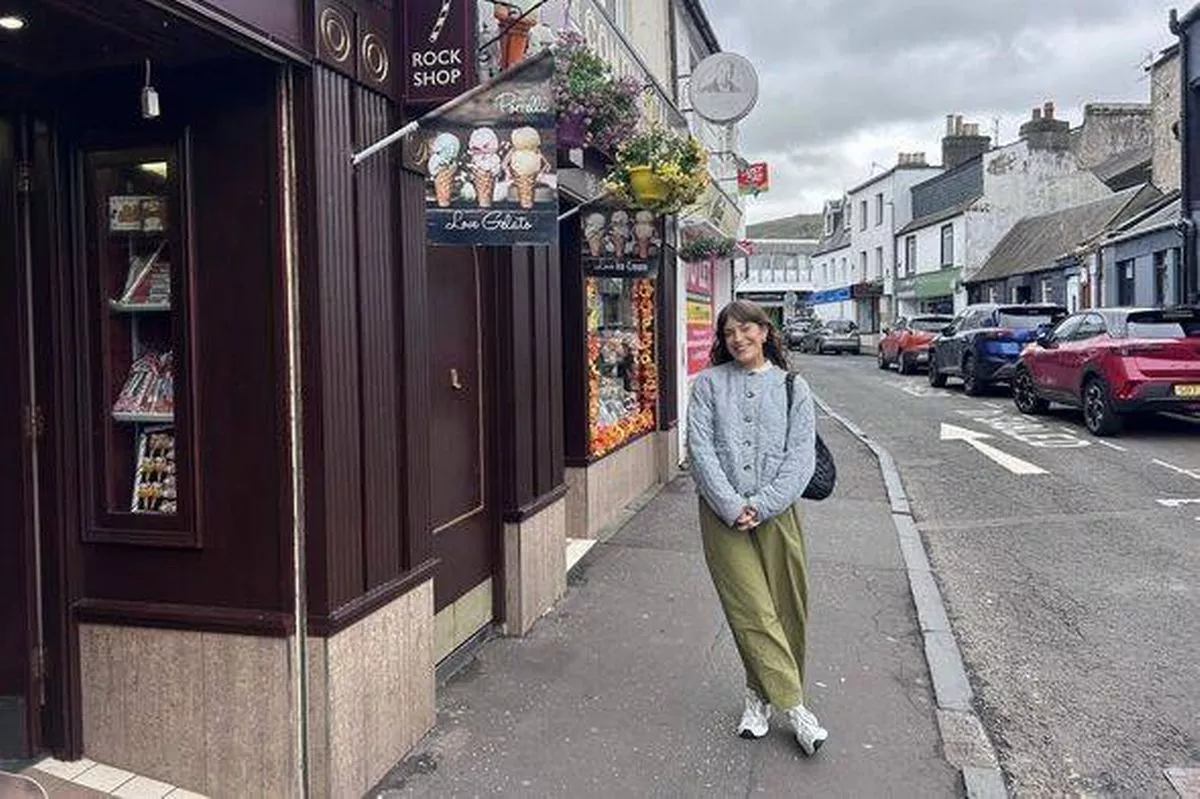
Largs on the west coast of Scotland is the perfect seaside town, in my opinion (Image: Nicola Roy)
Christmas is a really exciting time, but it’ll be January before we know it, and the thought of the long, dark months ahead is enough to ruin anyone’s festive cheer.
However, one easy way to combat the January blues is to get out and about, blowing off the cobwebs by the seaside. And there are definitely no shortage of amazing UK spots to choose from.
There’s one particular location I went to loads when I was younger, that draws crowds in the summer, but is less visited during winter. However, after spending a drizzly and cold weekend there for the first time in years, I’m surprised to say it’s just as charming – maybe even more so.
Largs, an amazing seaside town on Scotland’s west coast, about an hour from Glasgow, is the place in question. Renowned for its Viking museum, quaint amusement arcades and ferry trips to the Isle of Cumbrae, it’s a destination many Scots are likely to have enjoyed during the warm summer days, reports the Express.
It’s one of those places that I remembered so fondly that I was convinced it couldn’t possibly live up to my nostalgic recollections – especially under grey skies.
But on the contrary, our family trip was filled with lovely rainy beach walks, delicious food, and even a couple of unexpected Viking sightings – all without a hint of sunshine.
Nestled by the Firth of Clyde, this charming seaside town offers everything you could want, including an array of lovely hotels and accommodation options. We stayed at the Old Rectory, a stunning holiday home that comfortably sleeps up to 14 guests, complete with a hot tub and ample space for relaxation.
One of the best things about Largs is how close you always are to the waterfront, no matter where you’re staying. The Victorian-style promenade is brimming with activities, sights, and a fantastic selection of eateries serving everything from traditional fish and chips to mouth-watering Thai cuisine.
Largs holds historical significance as the site of a pivotal battle in 1263, marking the end of extensive Viking influence in Scotland. You can delve into this history at the Vikingar museum or immerse yourself in the annual Largs Viking Festival, which we were fortunate enough to experience during our visit, complete with battle re-enactments, live music, and intriguing costumes.
Beyond its Viking heritage, Largs is also renowned for its art deco-style ice cream parlour, a long-standing attraction for visitors over the years.
Nardini’s, hailed as Scotland’s most famous cafe, is a must-visit for its inviting atmosphere and irresistible ice cream. Nestled on the waterfront like Vikingar, it’s an idyllic spot to enjoy a scoop or two of your favourite ice cream flavour.
Beyond its famed frozen treats, Nardini’s also offers a vast selection of cakes and light bites, making it a perfect pit stop for lunch or a quick snack during your seaside strolls. Venture further into the town, and you’ll discover quaint winding streets brimming with independent gift shops, eateries, and even more ice cream parlours.
One morning, we found ourselves at Perk, a vibrant cafe full of plants and books, boasting an impressive menu. The vanilla matcha was divine, and I couldn’t resist ordering the sumptuous feta and avocado waffles.
And if you’re still peckish after your meal, there’s a cake cabinet bursting with pastries and other sweet treats available for takeaway.
While Largs may not be home to any high street giants, it does boast an array of independent vendors showcasing their unique products. A large market tent houses retailers offering everything from organic dog food to wooden lamps, jewellery, soaps, and even tarot readings – a real treasure trove that could keep you occupied all day.
For those looking for a bit of an adventure, a quick ferry ride from the port will whisk you away to the Isle of Cumbrae, home to the lively town of Millport. The island is compact enough to cycle around in just a few hours, with a rewarding pint waiting for you at the end before a swift 10-minute sail back to the mainland.
Nearby lies the stunning Kelburn Castle, a beautiful park and estate that even hosts its own music festival during the summer months. It’s a family-friendly spot, boasting numerous playparks, waterfalls and more to discover – all conveniently located less than 10 minutes from Largs.
But truth be told, Largs itself offers more than enough to keep you entertained for a day or even a weekend. Don’t let the typical Scottish drizzle deter you – it only adds to the charm of the seafront walks and makes the cosy ice-cream parlours even more inviting.
A LONDON tube station has reopened after a huge £35million renovation.
Colindale tube station on the Northern Line reopened fully to the public this week with a grand new station entrance.
Sign up for the Travel newsletter
Thank you!
Colindale tube station has opened with a new lookCredit: TFL
According to Ian Visits, it is London Underground’s first modern tube station built using a timber construction.
Replacing the former station building – which was much smaller – commuters will find the ticketing hall completely decked out with timber wood.
The wood is meant to reference the area’s aviation heritage as well, as the station sits where the London Aerodrome used to be and host air shows with early versions of planes which were made of wood.
The Aerodrome was then later turned into the RAF Hendon military base.
The roof has also been designed so that it has a flat section and an arched section, so that the former collects rain and the latter lets rain water run off.
It has been designed this way to stop drains from overflowing.
Part of the roof is also a ‘green’ roof, which means it has plants and vegetation on it.
Inside the ticket hall is the old station clock as well, which has been cleaned up.
There is a new lift for commuters too, as well as large windows letting light flood in and the public to see the trains on the platforms.
Outside the station, pavements have been widened too.
During the construction work, the old platforms were destroyed but two ‘dinner plates’ at either end of the platforms were salvaged.
They were used as warning signals to train drivers during World War II to not stop too long at the station as it was a prime bombing location.
The ‘dinner plates’ were then donated to the local RAF museum.
The final bits of work on the station are currently being completed as passengers use the station once again, with hopes of everything being done by June 2026.
This includes demolishing the old station building, letting out a small retail space – most likely to a café and adding an accessible toilet.
The project on the station has taken place gradually over the past couple of years and has been carried out due to the rising population in the area.
The former station would have been at capacity by the end of 2026, but the new station means that the station will be large enough to accommodate for the new housing projects in the area.
It now features a wood interior, which is the first of its kind in LondonCredit: TFL
London’s Deputy Mayor for Transport, Seb Dance, said: “The Mayor and I feel strongly that everyone should be able to enjoy everything our great capital has to offer, which means it’s vital we make our transport network as accessible as possible.
“I’m delighted that Colindale is now the 94th step-free Tube station and will benefit from a whole host of other improvements to not only improve accessibility but also support major housing developments in the local area, as well as boosting local businesses and inclusive economic growth.
“More than a third of Underground stations across the capital are step-free and we are determined to keep growing this number as we build a fairer, better London for everyone.”
The city was voted the ‘best place to live’ by Forbes in 2022. With affordable food and drink, stunning architecture and beautiful beaches, it is easy to see why
The Hungarian budget airline will run a new flight service offering daily direct flights(Image: Sergio Formoso via Getty Images)
Wizz Air has just announced a new route to a city named the best in the world to live in.
The Hungarian budget airline will run a new flight service offering daily direct flights from London Gatwick to Valencia in Spain. This route will launch on 29 March 2026 and fares will be available from £40 for a return journey.
Valencia will be one of the main European urban enclaves from which a total solar eclipse can be observed on 12 August 2026. The unique astronomical phenomenon that will not occur again in the Iberian Peninsula until 2090. Although it will still be daylight, at around 8:32 pm the city will be plunged into total darkness for just over a minute. Open spaces facing west are expected to be the best observation points, this is sure to be an unmissable event for astronomy lovers.
The stunning Spanish city was crowned the best place to live in 2022. It is the perfect getaway this March, when the Wizz Air route launches. At that time of the year it boasts balmy 20C temperatures and delivers £4 vino. The beauty of many Spanish cities, including this one, lies in their walkability. Within a small area, you can explore food markets, marvel at ancient architecture, and relax on the beach with a refreshing sangria
Considering an average meal costs €13.25 (£11.09), a bottle of wine is about €5 (£4.18), and your morning coffee comes in at just € 2.04 (£1.71), according to transfer platform Wise, it’s no wonder Valencia was named the top place to live by Forbes. A must-visit spot is the old town, where you can witness a significant piece of Christian history at the Valencia Cathedral – home to the Holy Grail – which archaeological studies suggest could be the chalice used by Jesus in the Last Supper.
The magnificent Cathedral is a blend of Gothic, Romanesque and Baroque styles, and if you’re feeling adventurous, ascend the Miguelete Tower for a breathtaking panoramic view of the city. Just a stone’s throw away, you’ll discover the UNESCO World Heritage Site of the Silk Exchange (La Lonja de la Seda), the epicentre of Valencia’s thriving silk trade in the 15th century.
This building is a true gem of Gothic architecture, featuring grand columns, detailed stonework and a spectacular ceiling that’s worth straining your neck to see. A true outdoor city, Valencia sees locals enjoying their coffee on sun-drenched plazas in authentic Mediterranean fashion. Don’t miss a stroll through the stunning Turia Gardens, once a riverbed and now one of Spain’s largest urban parks.
Valencia also proudly presents 20km of blue-flag beaches, home to some of the finest Paella restaurants. The only decision you’ll need to make is whether to amble over to nearby Cabanyal or Malvarrosa, or pedal further afield to beaches like El Saler.
If, surprisingly, paella isn’t your cup of tea, the Central Market offers a vast array of fresh produce, including tapas, the juiciest olives you’ll ever savour, and fresh seafood.
SCATTERED across the UK are a number of beautiful seaside towns and one has been described as looking like Cornwall – despite being over 400 miles away.
The village of Staithes was once the largest fishing port on the North East coast – it’s still used for fishing, but on a much smaller scale.
Sign up for the Travel newsletter
Thank you!
The fishing village of Staithes sits on the Yorkshire coastCredit: AlamyIt has boutique shops, a museum, pubs and cafesCredit: Alamy
It has pretty cobbled streets with a small sandy beach that sits inside its natural harbour and traditional seaside cottages.
Despite its position along the Yorkshire coastline, lots of people are saying looks like it belongs in the south.
She toldCountry Living: “The viewdown to the village is almost enough to remember it by, but the narrow streets, pretty houses and a sheltered, sandy beach that’s as popular withfossilhunters as it is with families, put Staithes firmly at the top of the places-to-go-back-to list.
“There are pubs, cafes and tearooms, but not so many that it feels impersonal.
“I met a couple who were so taken with the place, that they’d spontaneously decided to extend their holiday.”
Here’s where to find the ‘best seaside town’ in the UK with a castle on the beach…
Bamburgh in Northumberland is constantly topping the rankings when it comes to the UK’s best seaside town.
The annual Which? ranking of seaside towns is created every year, with thousands of people surveyed about their experiences of UK beach holidays over the last year.
Once again,Bamburghin Northumberland came top of the pile, making it four years in a row that the north east town has claimed the title.
Bamburgh is renowned for its stunning sandy shoreline, backed by the imposing ruins ofits ancient castle.
One Travel Writer who visited said: “Visitors can take a dip in the fresh North Sea if they’re feeling bold, however I decided to simply dig my toes into the soft sand and take in the sights of Bamburgh Castle, which stands imposingly atop a hill behind the beach, creating a real life work of art.
“Making the scene even more idyllic is the small snack van, Bait at Bamburgh, tucked away in a car park behind the dunes.
“Its phenomenal crab crumpets are its signature dish, while local smoked Craster kippers are also on offer, providing beach-goers with delicious gourmet seafood treats plucked straight from the sea in front of them.
“The same locally-sourced produce can be found in places like the Potted Lobster, a relaxed bistro-style restaurant, whose freshly-prepared meals have earned it a place in the Michelin guide on four separate occasions.
“TheCopper Kettle and Clock Tower tearoomsserve similarly well-regarded fare. The former of the two describes itself as being “widely recognised as one of the finest Tea Rooms in the country” while the latter is part of the castle that draws people to Bamburgh from far and wide.“
HEADING to Devon on your next £9.50 Holiday? Then take our experts’ advice on the best places to eat and drink while you’re there.
We’ve spoken to local residents and Sun readers who have holidayed in Devon to get their top tips on the best places to eat and drink – from local pubs to food trucks and everything in between.
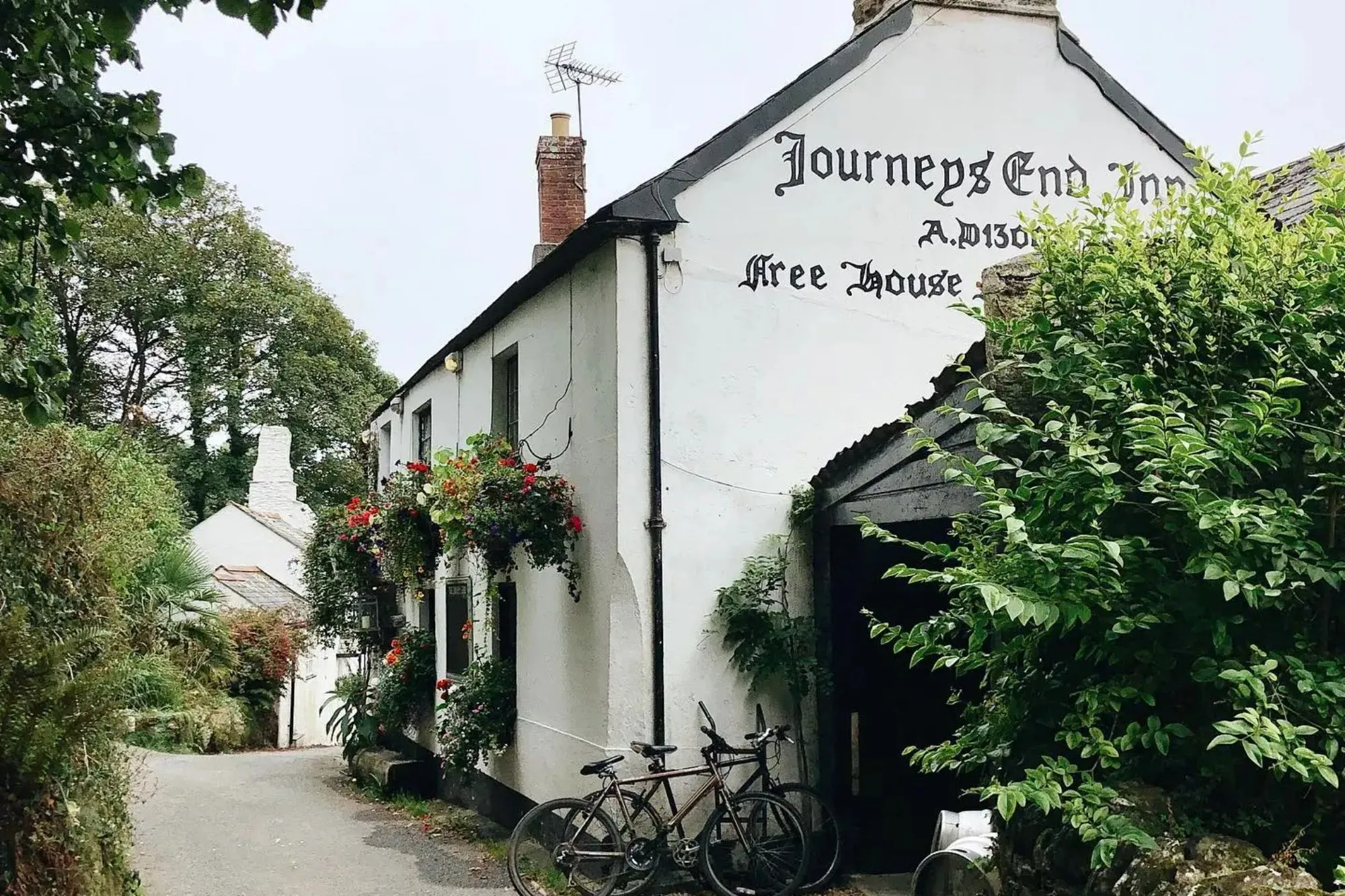
Sun readers and Devon locals have been recommending their favourite spots for food and drink in the county, including The Thatch pub in CroydeCredit: The ThatchIn South Devon, don’t miss The Journey’s End, a 13th-century pub in Ringmore, a ten-minute walk from Challaborough BayCredit: The Journey’s End
Here’s what they said…
Best local pub
If you’re staying in North Devon, Paul Braithwaite, General Manager at Ruda Holiday Park, recommends visiting his favourite pub, The Thatch in Croyde.
He said: “I like old and quirky things. The Thatch is very quaint, dog-friendly and there are always locals there so lots of people you can talk to.
The food is very good and reasonably-priced. I love lobster but they also do great burgers and pub classics.”
In South Devon, don’t miss The Journey’s End, a 13th-century pub in Ringmore, a ten-minute walk from Challaborough Bay.
Gem Krupa, Holiday Homes Sales Manager at Challaborough Bay Holiday Park, says: “The head chef has won awards for his food and the food is amazing.
“He is Irish but has travelled through Asia so some of his food has got an Asian twist. It’s pub grub, but really, really nice.”
Try wok fried noodles (from £16.50) for dinner or beef sandwiches for lunch (£8). Kids’ meals, like cheeseburgers or fish and chips, cost £8.
Favourite place for a cheap eat
Tessa Lomas, 31, from Braunton, owns Hippy Happy Hoppers, a summertime food truck in Croyde.
You can pick up a hopper (Sri Lankan pancake bowl) with chocolate and banana for £3, or a hearty curry one for £9.
Tessa also recommends Blue Groove in Croyde, a seasonal cafe with a relaxed, seaside vibe and large outdoor terrace.
It serves breakfast, lunch and dinner and you can eat there, or make it even more wallet-friendly by ordering takeaway.
Kids’ egg on toast costs £1.95, while an adult’s breakfast sandwich costs £5 (takeaway).
Family-friendly touches include an outdoor play area and crayons for kids.
This is also a great place to sample local seafood – splash out on West Country mussels (£12.55 for a starter, dining in).
If you want proximity to the beach, you can’t beat Beachside Grill, set on Saunton Sands in North DevonCredit: Beachside GrillBlue Groove in Croyde is a seasonal cafe with a relaxed, seaside vibe and large outdoor terraceCredit: Blue Groove
Best for a meal on the beach
If you want proximity to the beach, you can’t beat Beachside Grill, set on Saunton Sands in North Devon.
Sun reader Dawn Brannigan, 54, from Wakefield, said: “It has big windows and a terrace upstairs. You can sit inside or outside, which is really lovely if it’s a nice day.
I travel on my own, so this is a good place to sit and enjoy the view or have a read while I’m eating.”
Mains start at £9 and a kids’ menu is available.
Venus cafe at Bigbury-on-Sea has indoor and outdoor seating that looks out towards Burgh Island and BanthamCredit: Venus cafe
Favourite restaurant
Tessa Lomas recommends The Duck Dive in Braunton. She says: “It has a great menu that changes with the season, good cocktails and a fun atmosphere.
“It’s a restaurant but then switches to a bar so it’s good for dinner and a night out.”
Dawn Brannigan recommends the Tarko Lounge in Barnstaple. She said: “It has a 1920s Art Deco feel, which is really cool.
They have a large menu – I had a lovely all-day breakfast (£9.95) and fresh juice (£3.85 for a pink lemonade). It’s located in Green Lanes shopping centre so it’s good for retail therapy.”
Meanwhile in South Devon, Sun reader Richard Tilley also discovered one of these lounges, Visto Lounge in Torquay, not far from Parkdean Resorts Torquay.
Richard, 62, from Devizes in Wiltshire, said: “It’s nice and modern, and makes good burgers.”
If you’re located closer to Plymouth, try Seco Lounge, which is also modern, family-friendly and allows dogs.
Tip: Bag a bargain with a lunchtime deal – soup and half a panini for £6.25, available weekdays between 12-5pm.
Favourite brunch/breakfast spot
Located at Bigbury-on-Sea, Venus cafe has indoor and outdoor seating that looks out towards Burgh Island and Bantham.
For brunch with a sea view, try an egg bap (£4.99) or a breakfast burrito (Devon free range egg, cheese, bacon and hash brown with sriracha sauce, £9.99).
The cafe has good plant-based options, too, like dahl soup and vegan chilli (mains from £7.99).
Favourite place to get ice cream
On the water’s edge in Plymouth, Pilgrim’s sells arguably the best ice cream around.
Pilgrim’s in Plymouth has 22 flavours, ranging from classic clotted cream vanilla to “unicorn”Credit: Pilgrim’s ice cream shop
Its 22 flavours range from classic clotted cream vanilla to “unicorn” (strawberry, blueberry and marshmallow swirled together).
There are vegan and gluten-free options available, as well as milkshakes and smoothies.
The ‘new Canaries’ has been named the best winter sun destination in the world, and it’s just six hours from the UK – with 25C weather and £2.25 pints
The islands are becoming a popular alternative to the Canaries(Image: Getty)
A location that’s part of a 10-island archipelago has outshone all the Canary Islands to clinch the top spot in easyJet’sWinter Sun Index, and it’s just a six-hour flight from the UK.
This destination has even earned the monikers ‘the new Canaries’ and ‘the Caribbean without the jet lag’, thanks to its stunning white sandy beaches and convenient accessibility from the UK. With temperatures hitting 25C in January, it’s fast becoming a favourite winter sun retreat. Plus, being only an hour behind the UK means you can forget about jet lag.
easyJet’s ranking system took into account factors such as ease of access from the UK, winter temperatures, hours of sunshine, rainfall, time difference, and on-arrival costs, including the average price of a pint and a meal for two.
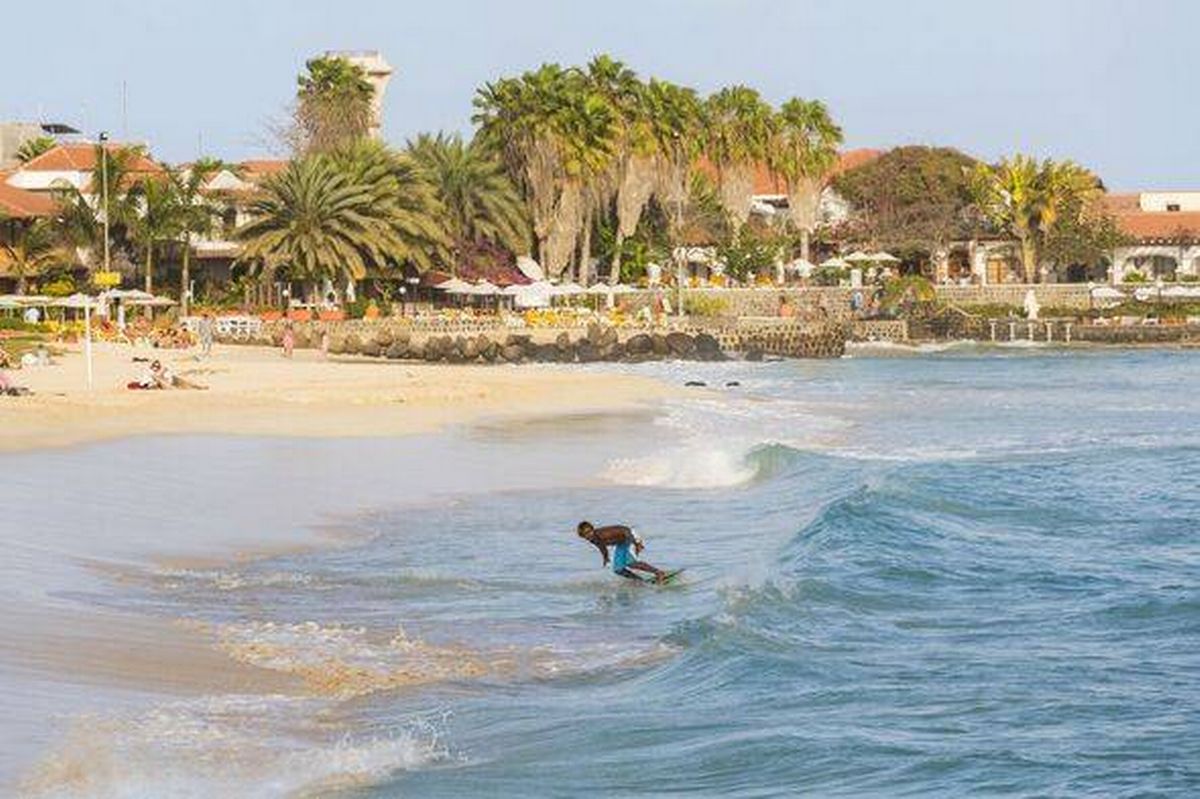
Topping the chart is Sal, a member of the Cape Verde islands, which easyJet services from London Gatwick, Manchester, and Bristol. Nestled in the central Atlantic, west of Africa, Sal boasts January temperatures of around 24-25C, a stark contrast to the UK’s meagre 8C, reports the Express.
The sea temperature remains at a comfortable 22-24C, slightly cooler than summer peaks but still warm enough for swimming and water sports. The cherry on top?
About 10 hours of daily sunshine, compared to Tenerife’s six or seven, ensuring you get your fill of vitamin D. Cape Verde boasts a mere 1-3mm of rainfall during the winter months, making it one of the driest winter sun destinations. In contrast, Gran Canaria averages 15-20mm and Agadir 28-40mm, indicating a higher likelihood of encountering brief showers.
One-way flights to Sal are available from £91.99, with a variety of package deals offered by easyJet Holidays. For instance, a week-long getaway departing Manchester on January 13 and staying at the four-star Sol Dunas Family Fun is priced at £737 per person. This all-inclusive deal covers meals and drinks, includes 23kg of checked luggage and transfers, and currently offers a £100 discount with the code BIGSALE.
For those preferring self-catering, numerous options abound, particularly around Santa Maria in southern Sal. A mix of international and traditional island eateries are available, with easyJet estimating an average meal for two at £30-31.
If you fancy a refreshing pint to beat the heat, the average cost is a wallet-friendly £2.25, significantly cheaper than a round back in the UK.
Southern Sal is a tourist hotspot in Cape Verde, renowned for its pristine white sand beaches and home to many major hotels. However, if you’re keen on exploring less trodden paths, vast areas of the islands remain undeveloped.
Murdeira, located on the island’s west, is a lesser-known gem boasting tranquil beaches with soft sands.
You can even hop on a ferry to explore the neighbouring islands, with Boa Vista just a three-hour journey away. This stunning island boasts a quaint town, Sal Rei, and a few hotels.
It’s encircled by pristine white beaches and crystal-clear waters, and if you’re lucky, you might even stumble upon turtle nesting sites during your beach strolls.
Have you got a holiday story you want to share? Drop us an email at webtravel@reachplc.com
A study by booking platform Omio has analysed temperature data across European cities to find which have the warmest weather in January 2026
This article contains affiliate links, we will receive a commission on any sales we generate from it. Learn more
The ‘Caribbean of Europe’ named warmest place to go on holiday in January 2026(Image: Getty)
A fresh analysis from travel booking site Omio has crunched temperature figures for European destinations to pinpoint which cities boast the warmest climate.
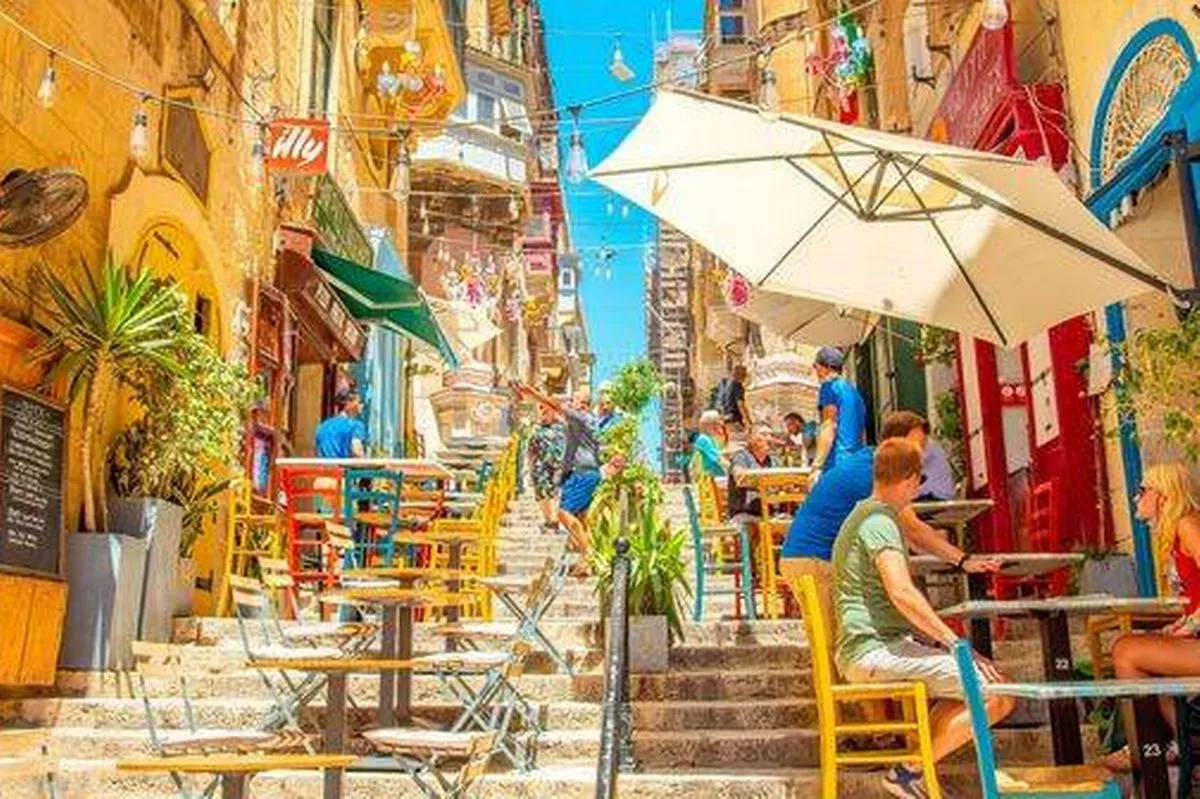
Malta’s stunning capital, Valletta, sees the mercury climb to 16C throughout January, offering “bright blue skies and Mediterranean sea views,” positioning it as an ideal warm getaway that’s only a short flight from British airports.
Travel specialists noted: “Whether wandering the historic harbour of the Port of Valletta, taking the ferry to neighbouring islands, or dining above the coastline at the famous Panorama Restaurant, Valletta’s winter days feel more like early spring.”
One recent visitor to Valletta gushed about the destination on Tripadvisor, dubbing it “the Caribbean in Europe“. He said: “We recently had the pleasure of visiting Valletta, Malta’s enchanting capital, and what an experience it was! I felt compelled to share the magic we encountered on this journey, especially for those planning their first visit to Valletta.
“As we wandered the streets of Valletta, we were surprised to find that the city had a Caribbean-esque vibe, an intriguing blend that made our exploration even more fascinating. The narrow streets, historical buildings, and the laid-back atmosphere added an unexpected but delightful twist to our trip.”
Nicosia in Cyprus also boasts average January highs of 16C. The travel gurus explained: “Cyprus’ capital is the continent’s strongest bet for warm afternoons, al fresco dining and long strolls, where travellers can walk through centuries of history, from the iconic Venetian walls to Büyük Han.
“With direct transport connections and smooth onward travel, Nicosia offers an effortless mid-winter reset for travellers craving daylight and mild weather.”
Top 10 European cities with the warmest temperature in January
Booking a trip abroad can come with a hefty price tag, but one traveller was left baffled by the cost of food while visiting a European supermarket, as he claimed, ‘food costs more than the flight’
08:33, 24 Dec 2025Updated 11:53, 24 Dec 2025
A traveller was left baffled by the food prices in an Iceland supermarket(Image: TikTok/@jesusansal)
Food in one European country is so expensive that some tourists are packing food in their suitcases.
Iceland is a prime spot to catch the awe-inspiring Northern Lights, offering a spectacular getaway with its stunning Nordic landscapes, mountainous backdrops, and hot springs.
Yet, the European destination is notoriously pricey, to the extent that holidaymakers have resorted to packing their suitcases with food just to avoid the extortionate prices.
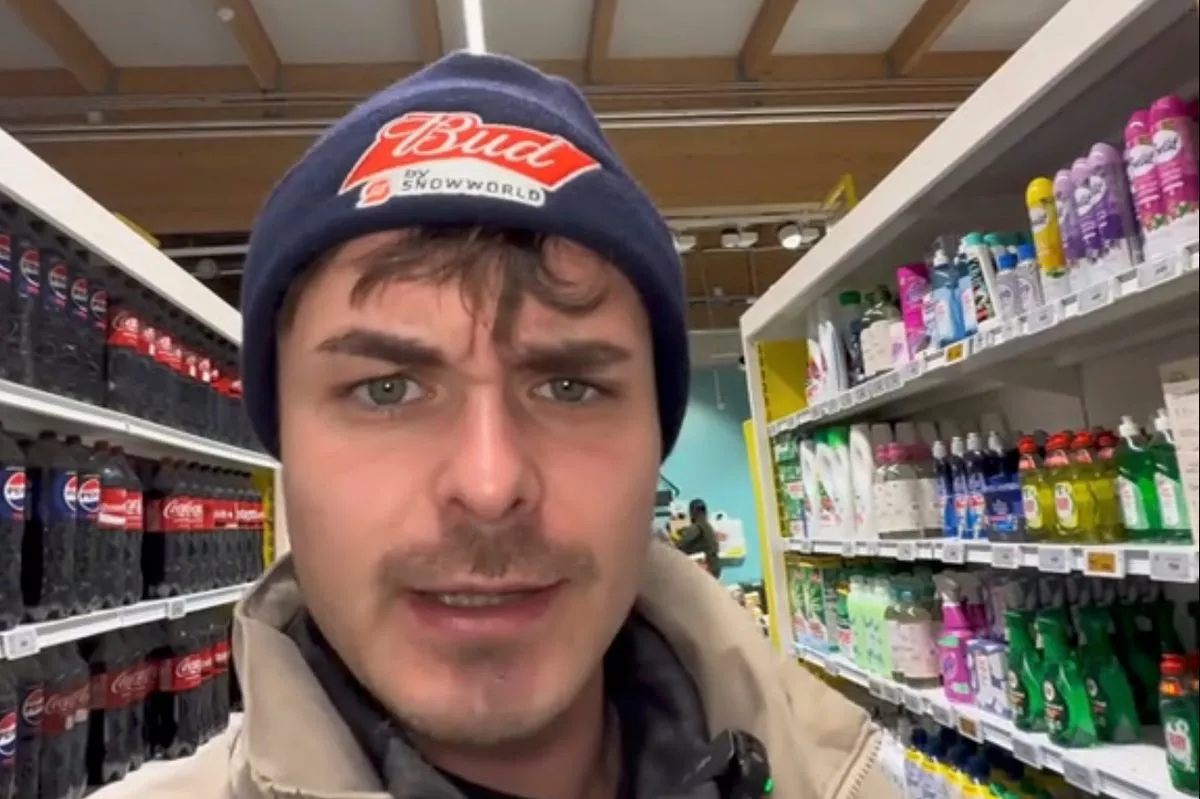
One traveller visited the Nordic island in the North Atlantic earlier this year and visited a local supermarket to see just how much the cost of food really was. In a video, @jesusansal explained that tourists often travel to Iceland with their own food stashed in their luggage because “food costs more than the flight.”
He videoed himself heading into a supermarket, and said: “Let’s see if it’s as expensive as people say”. And it didn’t take long before he found some costly everyday items that are almost double the price of what we’d find in an English supermarket.
Firstly, he found that a small pack of strawberries would set him back 800 Icelandic króna, which is around £4.75. For lunch, there was a baguette on offer for 1,065 króna, which is approximately £6.32, or a cheese sandwich for 750 króna (£4.45).
Elsewhere, a medium-sized bottle of olive oil costs 1,300 króna (£7.72), while instant noodles would set someone back 800 króna (£4.75) – a considerable hike compared to the 45p packs you can find in Tesco. “Mari, this is so expensive,” the TikToker said as he walked around the Iceland supermarket, but it didn’t end there.
He also found slices of Serrano ham for 500 króna (£2.97) and a small jar of the traditional Icelandic delicacy, hákarl, for 1,300 króna (£7.72). When it comes to making a basic breakfast during a stay in Iceland, the influencer found that it would cost someone around 2,000 króna (£11.87), which includes a couple of doughnuts, water, and juice.
Research from The Drinks Business found that Iceland is the most expensive place in Europe to purchase a bottle of wine, with the average cost of a mid-range wine setting someone back £18.30. This is compared to the European average of around £7.17 for the same quality of wine.
Having been left baffled by the prices of essential items, the Spanish traveller ended his video with: “Iceland may have spectacular views, but it’s quite expensive.” And he’s not the only one who feels this way.
Commenting on his TikTok video, one follower wrote: “What surprised me most was definitely the bread.” Another asked: “Can you get a mortgage at the supermarket?”
However, others noted the reason behind the higher prices could be due to their higher salaries. One commented: “In Iceland, the basic monthly salary is €6,000, so I even consider it cheap.”
One more added: “Well, the ham seems cheap to me, and the individual hams there will be five times more expensive than ours.” Another compared the prices to those in Europe and said: “The price of oil and ham is almost the same as in Spain.”
While you can find cheap flights to Iceland and affordable accommodation during your stay, the cost of food items can quickly add up. However, if you keep a budget for food each day and have this in mind before your trip, it’s still well worth a visit.
Do you have a travel story to share? Email webtravel@reachplc.com
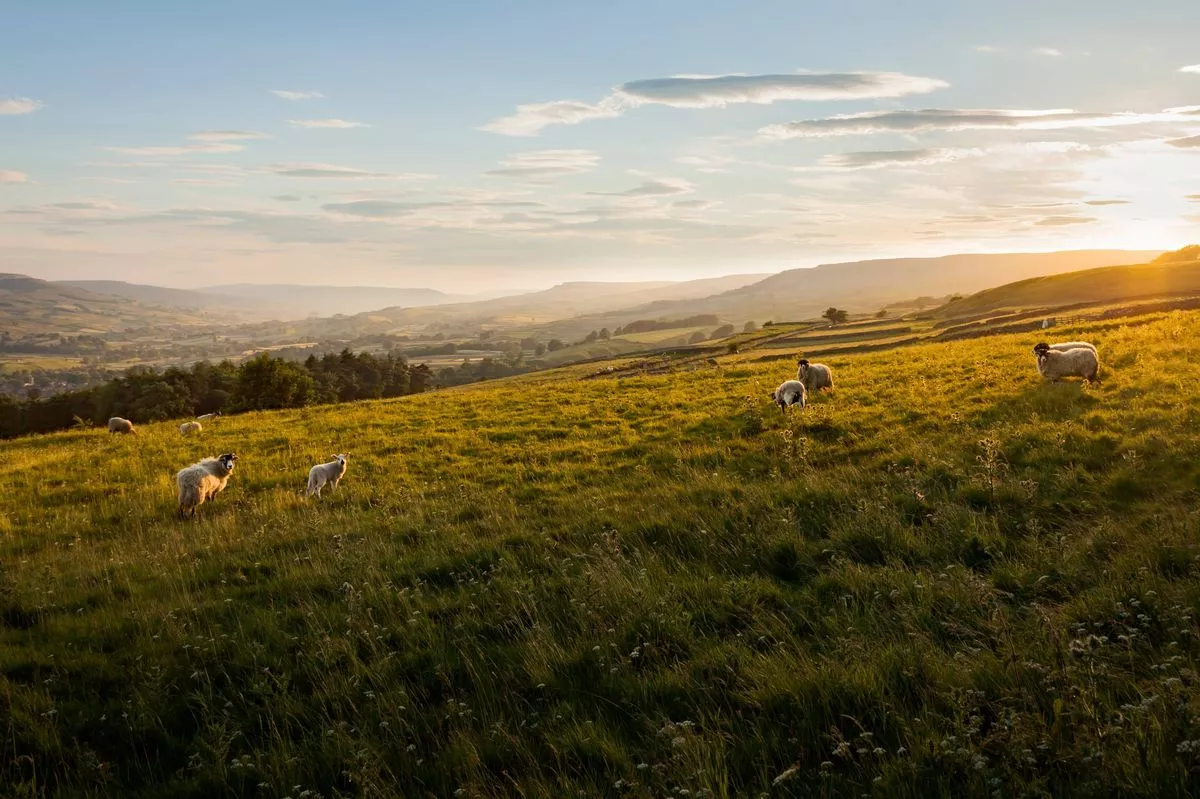
Picturesque Yorkshire Dales village is famous for its award-winning cheese from Wensleydale Creamery and unique attractions including The Forbidden Corner
08:00, 24 Dec 2025Updated 08:19, 24 Dec 2025
An aerial view the stunning dale(Image: undefined via Getty Images)
Nestled peacefully along the upper reaches of the River Ure, this idyllic village represents a haven for food enthusiasts.
Whilst Wensleydale is widely recognised for its delicious cheese, there’s far more to explore and experience in this delightful Yorkshire village. Interestingly, Wensleydale stands as one of the few dales not named after its river, deriving its name instead from the historic market town of Wensley. Located within the stunning Yorkshire Dales National Park, it’s home to the renowned Wensleydale Creamery, situated in the Hawes area. Guests can immerse themselves in the award-winning Flagship Cheese Experience and Visitor Centre, which honours a legacy spanning up to 1,000 years of regional artisan cheesemaking.
Employing recipes refined across generations using fresh locally-sourced milk, according to the company’s time-honoured tradition, the practice traces back to when Cistercian monks originally introduced cheesemaking to the locale. The region happens to be an ideally open, expansive valley, carved by glaciers, and its wide river provided the perfect environment for dairy cattle.
A recent visitor to the factory described their visit as a “cheese lover’s dream”. They said: “The cheese is delicious, and you can taste a huge variety both in the tasting room and in the cafe!. Especially enjoyed the traditional Wensleydale cheeses with added dried fruits, including apricots, blueberries and cranberries.
“Next time we’d definitely do the cheese experience and eat in the restaurant too!” The unique terrain of Wensleydale has shaped its most famous export – the cheese beloved by Britons nationwide – whilst its stunning scenery continues to benefit the area every single day.
Among its most breathtaking sights is Aysgarth Falls, a natural wonder that captivates numerous walkers who explore the region. A recent visitor to the location described it as “Beautiful. Unspoiled. Not commercialised.” They shared on TripAdvisor: “It had rained heavily overnight, and the falls were spectacular. Ignore what AI says about the distance from the visitor centre car park – it’s a gentle stroll through woodland to the middle falls.”
During your journey to Wensleydale, you’re also likely to discover “the strangest place” on Earth, better recognised as The Forbidden Corner. This attraction presents an extraordinary maze of tunnels, concealed pathways, sculptures, water installations and various curiosities nestled within its mysterious gardens.
The Yorkshire Dales location boasts peculiar features including a temple of the underworld, a glass pyramid, and sculptures depicting various historical periods. It’s an excellent family outing that keeps you connected with nature whilst offering a far more engaging experience.
With its fascinating heritage, exceptional culinary options and vast countryside, it provides an ideal combination of tradition and charm in the Yorkshire Dales. Who would have thought that so much could be tucked away in the valleys just a stone’s throw from your home, whether it’s for a day trip to one of its numerous attractions or a staycation to discover everything?
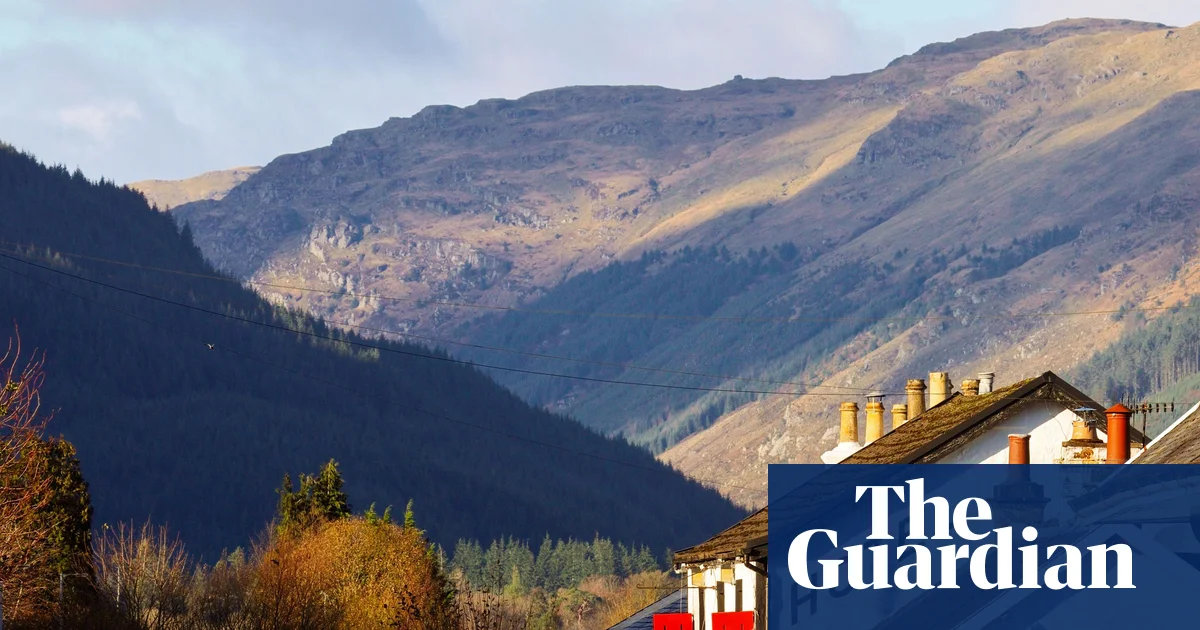
It’s opening night at Scotland’s newest community pub, Oakbank Inn, which sits on the Holy Loch in the village of Sandbank, Argyll. It’s a clear, cold night, and the inn couldn’t look more welcoming: a cosy glow from within the historic building, the Cowal hills beyond. The Christmas lights are twinkling, the glasses are charged and there’s a palpable sense of goodwill, cheer, and plenty of pride in the air. By 6pm, it’s buzzing. Locals are already propping up the bar as a stylish woman sweeps in and bags the last table. She is Debbie Rycroft, a local haberdasher. “A pint in my own local,” she smiles happily, relishing a toast with her husband and equally dapper 19-year-old son.
First-night hiccups are limited to a wonky nozzle and a brief worry about a small radiator leak. “How many people to fix a heater?” quips someone as a line of concerned faces survey the scene. Almost immediately, a punter walks in with a radiator key. All sorted. Someone orders a Guinness; the bartender pulls it off. A two-part pour, pitchblack perfection with a balanced, creamy top. Good things come to those who wait? Well, this one’s been three years in the making.
The Oakbank, a landmark building at the heart of Sandbank for the last 160 years, closed at the end of 2022, like so many businesses that struggled in the wake of the Covid pandemic. Next came the closure of the nearby Holy Loch inn. The village was left without a pub – a huge loss for a rural community.
A group of locals got together in early 2023, formed a committee, chaired by Sue McKillop, and began the long slog to buy the Oakbank. “It’s been an uphill struggle,” says Ian MacNaughton, another founding committee member. “I just didn’t think the hill would be so steep!” Now retired, MacNaughton remembers sneaking into the Oakbank for a pint, aged 16. These days he’s learning about compliance laws. “We must do everything right.”
The Oakbank’s opening night. Photograph: Sue McKillop
After an initial rejection, their persistence finally paid off last December with the award of a Scottish Land grant just shy of £150,000, covering most of the purchase price. In January, McKillop advertised shares, raising more than £23,000 and an “inspiring amount of enthusiasm” from locals. By April this year, they had the keys. It’s been nonstop ever since up until opening night last Saturday, she says.
While the shares didn’t reach the £90,000 target, people have contributed “thousands of volunteer hours” to get the place ready, Dawn Petherick tells me. They shifted and updated the bar, now an airy sky blue, while the old wood burner’s still there but “needing work”. Another one for the list. And Petherick’s list is long. She is Oakbank’s development officer, a fixed-term post funded by the initial grant, and, like everyone else involved, she’s been busy all year.
The view outside the Oakbank. Photograph: Nigel and Helen Marsh
The Oakbank has been running pop-ups, workshops and charity mornings during the refurbishment. More events are being added all the time. “Whatever the community wants – knitting groups, book clubs, exhibitions, ‘sober nights’ – it should be a hub more than a pub,” says Petherick. “Somewhere to alleviate social isolation.”
And that is needed more than ever. Yet another local pub, the Strone Inn across the bay, is set to close at the end of the year. Like many local business owners, Stephen Mitchell is supportive of the Oakbank project. “Fair play to them,” he says. “It’s taken them three years, so it’s a real result.” But, he warns, “the hard work starts now as things are really tough”.
McKillop agrees. “It’s exciting but a wee bit scary,” she says. “We are under no illusions as to the challenges that lie ahead. Like any pub venue, we will need to keep innovating in order to survive.” But she can take comfort from recent figures; community pubs are doing well. According to the charity Plunkett UK, community-owned businesses are “highly resilient”, with a five-year survival rate of 98%.
“We’re delighted that the Oakbank Community Inn is opening under community ownership,” says James Alcock, Plunkett UK’s chief executive. “We see time and again how saving local assets like village pubs protects vital services and social spaces, helping to reduce isolation and strengthen communities.”
The Oakbank at night. Photograph: Nigel and Helen Marsh
Future plans include refurbishing accommodation upstairs, a studio/gallery space in the adjoining cottage and renovating the commercial kitchen. In a nice piece of alchemy, the pub sits opposite Sandbank’s community-owned garden, so its polytunnels and raised beds will be nurturing hyper-local vegetables destined for that kitchen.
But the best thing about the Oakbank is the bit you see last. At the back of the bar, big glass doors offer views across the Holy Loch. It’s inaccessible now, but outside the doors, a grassy verge leads to the Holy Loch marina below. It has its own regulars hauling out on the slipway – giant Atlantic grey seals. With neighbours like that, you can see why McKillop has ambitious plans. “We’re going to rebuild the rotten deck and make a bridge to connect to the marina,” she says.
That should please boat-owners Tony, Rob and Alan, enjoying a pint beside the bar. “Sailors don’t like going places where you can’t go to a pub,” says Rob. “And Sandbank’s had absolutely nothing to offer.”
“Hang on,” offers Tony. “It’s got a lot of history.”
But Rob’s having none of it. “You can’t drink a pint of history.”
Zedwell’s Capsule Cocoons in Piccadilly Circus start from £35.82 per night, offering budget accommodation in central London – but it won’t be to everyone’s taste
People with claustrophobia might want to look away now.
A hotel in central London is offering beds from just £35.82 a night, but there’s a catch. Instead of a room, you’ll be sleeping in a capsule or ‘Cocoon’ as they’re named. But does the location and low price make up for the cramped accommodations?
Reporter Christopher Sharp went to stay at the Zedwell Piccadilly Circus, and his first impressions of the space were a little morbid. Writing for the Express, he said: “One thing I do know, is that at some point after dying, I may well find myself in a coffin of some sorts.
“This isn’t my last will and testament, but one of my first thoughts after entering one of Zedwell’s Capsule Cocoons at their Piccadilly Circus venue earlier this month. The ‘Cocoons’ are effectively small windowless boxes that can be yours for as little as £36 a night.
“Stacked in columns of two, they’re an option for someone looking to spend not very much money for a room in the heart of London.”
He was impressed by the location, saying: “The room is located in just a stone’s throw from the likes of Soho, Covent Garden, Regent’s Street, Leicester Square, and a short walk from Hyde Park, Green Park, and the Serpentine.”
He described the experience of checking in, which was straightforward: “Once you’ve found the entrance to the hotel, currently located underneath a lot of scaffolding, it’s easy to check in using your booking number and email address. With your key card, you receive a small lock and key to secure your belongings, along with some compostable slippers. The check-in is 24 hours a day, so whenever you show up, you’ll be fine. If you want to check out at 3am, you can do that as well.
“Once you’ve got your key, it’s off to find your cocoon, which you’ll discover in one of several dorms stretched across several floors. Each set of cocoons is behind a locked door that can only be accessed with your key.”
However, his impressions of the hotel could be summed up by the words: “unfinished and tired”. Christopher said: “I spoke to one regular user of the Zedwell venue, and he explained that building works were still continuing. The bathrooms were not in a very good state when I was there, and the fact that an open lift shaft was visible behind a small hole in the wall didn’t fill me with much confidence.”
He felt, even for the cheap price, it didn’t represent the best value for money: “You might very well argue that for the price one pays, one shouldn’t expect high quality, but ragged toilets, an unfinished building, and an open lift shaft? I expected more.”
Zedwell’s spokesperson said: “Our targeted completion timeline is Q2 2026. When we opened a few months ago, we did so as a soft launch, with a couple of floors still in preparation. These floors have now opened and we’re finalising certain construction elements to better serve guests and optimise the way the spaces are used. This approach allows us to adapt quickly to guest feedback and ensure the hotel meets evolving needs.”
But what was the pod itself like? Christopher described the unusual accommodation: “Looking past the human safe store coffin simulation aspects, the cocoon itself was very roomy, thanks to a light at the end of the room that bounced off a full-length and full-width mirror.
“This sat in front of a ledge on which sat a three-pin socket, a USB-A and USB-C plugs, as well as a dial for the light and a switch for the fan. That fan is quite important as it’s one way of circulating air through the box after the small grills at the entrance.
“Next to said entrance are a couple of hooks for your bag and coat, and all in it’s quite an accommodating place to be and an easy enough space to crawl into. You get a much better sense of the logistical mortality of it all once you pull the shutter door down and turn out the lights and fan. It’s dark enough that you can’t see your hand in front of your face, which, given the shape of the space, is quite unnerving.
“Sleeping was difficult, but not as bad as expected. I got a couple of two or three-hour stretches before my 6am alarm the next morning. The moment the alarm went off I was out of the venue quicker than you can say Lando Norris (Max Verstappen takes a little longer to say).”
Christopher said the cheap price was clearly bringing in the crowds, writing: “The venue is clearly popular. One member of staff told me that businesspeople use it as well as tourists, theatergoers, and members of the military. I still felt there must be better options out there, even if the price is incredibly low.
“The hotel itself doesn’t claim to be the cheapest in London, but you’d be hard-pressed to find anything for less. (If you do, please email webtravel@reachplc.com and let us know). It suits travellers and tourists on a budget, but unless you’re comfortable in such a small space or value your privacy more than dealing with a night of claustrophobia, I would avoid it.
“Was it an interesting experience? Definitely. But that doesn’t mean that I would go again or that I’d recommend it, unless you only want to be in that part of central London and have no more than £40 to spend.”
A spokeperson for the hotel told us: “Zedwell Capsule Hotel Piccadilly Circus is the first hotel of its kind on this scale, not only in the UK but globally. It’s been incredibly valuable to see how guests interact with the space and to understand what features and amenities enhance their experience. We actively encourage guest feedback, especially during these early stages, as it helps us refine the experience and ensure every stay is as comfortable and enjoyable as possible. We’re excited about the improvements we’re rolling out and have some exciting announcements planned in the new year.”
Prices vary by date, with the cheapest rooms currently showing at £35.82. Towel hire is an extra £5. There are also women’s dorms which cost slightly more but include a towel, and have hairdryers in the bathrooms and dedicated female housekeeping staff. Check prices and book a room on Zedwell’s official site.
Have a story you want to share? Email us at webtravel@reachplc.com
Mike Crosby, who was served the panini lunch on a Ryanair flight from Dublin to Luton Airport following a work trip, has shared his anger on social media to raise awareness
05:12, 24 Dec 2025Updated 06:33, 24 Dec 2025
Mike Crosby claims Ryanair served him ‘the worst plane food ever’(Image: Kennedy News & Media)
A Ryanair passenger has slammed what he has described as “the worst plane food ever” — an “inedible” £11 panini lunch.
Mike Crosby, aged 60, claims “even cabin crew agreed” the sandwich “was terrible” after he complained on the flight from Dublin to Luton Airport on December 10. Mike said the meal, which also included a coffee and a Snickers bar, cost £10.98 (Euro 12.50), looked “nothing like the photo”.
The father of two, who had spent three days working in Dublin, said: “I don’t like to complain and I’m the first to say how remarkable it is when you get a good meal served 35,000 feet in the air. But, I was disappointed with this one.
“It was supposed to be cheese and ham but that doesn’t look like ham of any sort I recognise and it doesn’t look like the picture showing more of it than was in there. The cheese wasn’t cheese but more of a paste. It was a cheesy spread.”
A photograph shows the opened panini with two thin slices of ham inside and “unrecognisable cheese paste” slathered on a small section of the bread. Mike, who is from St Albans, Hertfordshire, asked for a refund but staff allegedly told him they were unable to offer this “in the air”. The dad claimed Ryanair has also rejected his appeal since then too.
Mike is now speaking out about his Ryanair sandwich experience as a warning to others. He said before buying one next time he wants to inspect the contents of the bread first — and will continue doing so until he finds one he likes the look of.
Mike, from St Albans in Hertfordshire, said: “The coffee, Snickers and sandwich was part of a meal deal and I paid 12 euros and 50 cents – and for plane food [the price] wasn’t that bad.
“It was all very horrible. I had a couple of bites and thought I’m not eating this and threw it away. It’s the worst plane food I have ever received on a plane and it’s up there with the worst sandwich too.
“It looked nothing like the photo. I don’t actually know what that meat was. I didn’t even get to taste the cheese. I said to the people on the plane that [the panini] is terrible and the cabin crew agreed and gave me a miniature pot of Pringles instead.
“I think the most disappointing thing is not actually what they served, but the way they refused to take any responsibility for serving up rubbish.
“Next time, I’m going to say can you bring me one [a sandwich] before you cook it and before I pay. I’m then going to open the packet up and say that’s no good and keep doing that until I find one I like the look of. I don’t think it’ll ever look like the picture.”
Since returning home, Mike, who is a project manager, has contacted Ryanair twice on their live chat system but says he was still unsuccessful in getting his refund.
Mike said: “I’ve moved on now and I’m not wasting any more time. I’m not expecting anything from them. It’s a lesson learnt and I won’t be parting with my money until I see what I get next time and have inspected the sandwich.”
After sharing the photos of his panini online, most users agreed with Mike’s disappointment but some suggested he take his own snacks next time.
One user said: “Don’t fly with Ryanair. Do not buy food on Ryanair if you fly with them. You know what they are. Do not waste your valuable time complaining. They do not respect you as a customer.”
Another added: “Ryanair would always be my very last resort when flying. I’d rather pay more, than to increase the owner’s wealth. Not far short of a con man.”
A third said: “Take your own sandwiches.” A fourth commented: “Yes, book with Ryanair…you get Ryanair.”
Europe’s warmest capital city in January has been revealed, offering a blissful winter sunshine escape for those in need of a vitamin D boost – and it’s only a 4-hour flight from the UK
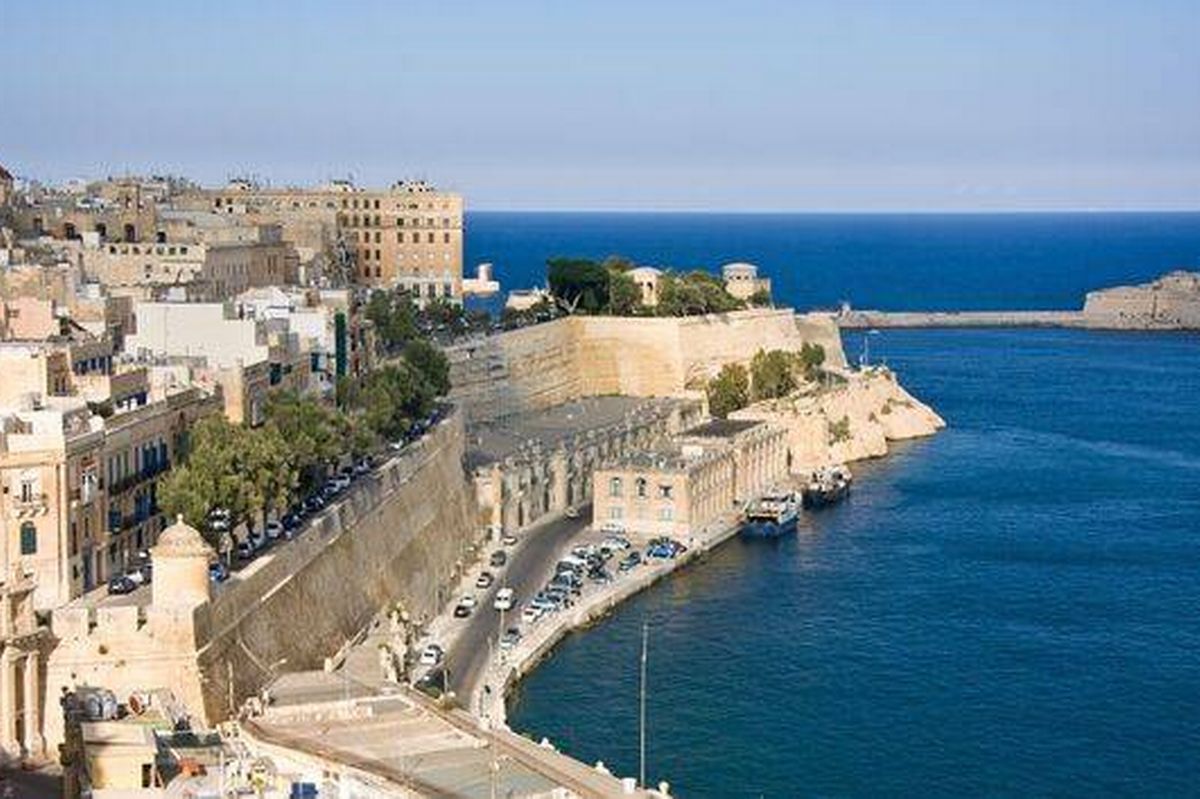
View to Grand Harbour of Valetta(Image: Getty Images)
As the British weather turns dreary and the Christmas frenzy sets in, the idea of escaping to a sunnier climate is undoubtedly enticing. There’s a European destination just four hours away from the UK that boasts a pleasant 16C in January.
Valletta, situated on the island of Malta between Sicily and the North African coast, has been unveiled as the warmest European capital to visit in January. The global booking platform, Omio, analysed temperature data across all of Europe’s capital cities to identify those predicted to offer a sizzling winter getaway, with Valletta taking the top spot.
With temperatures reaching 16C in January, Valletta provides an idyllic escape to start the year for those craving a dose of vitamin D, complete with clear blue skies and stunning views of the Mediterranean sea. The fortified city of Valletta, a UNESCO World Heritage Site, is home to just over 5,000 residents, offering a unique charm that’s hard to come by elsewhere.
Despite its small size, it draws in countless tourists each year with its golden Baroque architecture lining its quaint streets. Visitors can wander through the peaceful Upper Barrakka Gardens before marvelling at the breathtaking sea views from its military structures.
Popular attractions include the Valletta Waterfront, Grand Master’s Palace, and Barrakka Lift, each boasting its own unique appeal and considered a must-see for tourists. While Republic Street is a hub for shopping, dining, and culture, Strait Street is renowned for its narrow lanes and lively nightlife.
Valletta boasts numerous attractions, with St. John’s Co-Cathedral standing out as a spectacular edifice from the 16th century. The capital’s naval and military heritage forms a crucial part of both Valletta’s and Malta’s character, with captivating historical tales at every turn.
Those keen to explore further can visit the Lascaris War Rooms, Saluting Battery, and the National War Museum. Outside Valletta’s boundaries, the wider Maltese archipelago, covering just 122 square miles, presents additional gems waiting to be discovered.
While the capital doesn’t feature its own beaches, there’s a wealth of popular coastal spots within easy reach across Malta. These include the renowned Blue Lagoon, Mellieha Beach, St Peter’s Pool, Ramla Bay, Golden Bay, Golden Sands Beach and Armier Bay Beach.
Tourists have sung the praises of Malta’s capital, with one visitor writing on TripAdvisor: “Beautiful city. Wonderful monuments, beautiful weather. Good footwear for walking around aimlessly. Superb war museum worth visiting, very well done.”
Another traveller remarked: “Visiting it is even more beautiful than it appears from photos, videos and reviews. An incredible concentration of historical, artistic and cultural sites and riches makes it resemble a small Italy. Beautiful and very much alive, Valletta! Definitely worth a visit!” A third traveller shared: “Valletta, the smallest capital, but rich in history with its knights and its UNESCO heritage monuments. You enter from the square where the fountain of the newts stands out. Continue along the ancient walls on the right the parliament building designed by Renzo Piano and on the left a long staircase on top of which you can enjoy a spectacular view.
“City full of partly Arab styles, with narrow streets that go down and up! Characteristics are the closed balconies and their coloured doors, the terraces of the bars with small tables on the steps or on the small steps… a real treat! English phone booths and corners all to photograph! The Cathedral with the largest dome in Europe, but the real surprise is the co-cathedral. To visit in a day, at least.”
Have you got a travel story or question? Drop us an email at webtravel@reachplc.com
THE future of a historic pier and its record-holding railway remain in doubt as repairs and ownership questions drag out.
Hythe Pier in Hampshire is the UK’s seventh-longest of its kind but has been shut for more than a year, and has kept essential ferry services out of reach.
Sign up for the Travel newsletter
Thank you!
Hythe Pier is home to the world’s oldest pier railwayCredit: GettyThe Hythe Pier in Hampshire leads into Southampton WaterCredit: Getty
Located in Hampshire, the pier is a crucial stopping point for the Hythe Ferry, which ran regular services to Southampton before the closure.
Concerned residents have been searching for answers about when the pier would open and ferry services resume given that repair and electrical works seem to have concluded.
Services were suspended in August last year over health and safety concerns when damage was found underneath the landing pontoon.
But the ferry service never resumed, and the pier was once again closed in autumn this year to carry out electrical work.
“Essential works to support the pier and ferry operations are progressing,” a spokesperson for the ferry company told the BBC.
When contacted by The Sun, the ferry’s spokesperson said algae on the pier needed to be cleared out before services could resume. However, cleaning could only occur once the weather had dried up for a period of time, so the algae was likely to be removed in spring.
This is a blow for locals who have waited months for answers about when they could expect the ferry to be up and running again.
What has made the situation more complicated is a change in ownership of the Hythe and Southampton Ferry Company.
Investment firm Njord Partners has taken over Red Funnel, which owned the ferry company, but it has not been made clear how this would impact services.
“We simply don’t know anything about whether the Hythe Ferry was included in the takeover, and as the tenant of the pier, it’s their responsibility to determine when it can reopen again – we’ve asked them and had no answer,” vice-chair of the parish council, Mark Clark, told the BBC.
A PR firm representing Red Funnel issued a statement on the matter saying there was work being done to find solutions for a “sustainable future.”
“We’re pleased to confirm that the owners of Hythe Pier recently completed critical electrical repairs,” read the statement to the BBC.
“This is an important step forwards but there is still work to be done.
“The ferry is a historic and much-loved service, and we are working hard behind the scenes, together with local partners, to find the right solution and secure a sustainable future”.
The pier is owned by local councillor Ashleigh Mutimear-MacMillan who said it was closed by the tenant – Southampton and Hythe Ferry Company – and she was considering getting the pier registered as a charity.
“Decisions about access, operation and reopening sit with the Hythe Ferry,” she wrote in a Facebook post.
“As the pier owner, I continue to engage with the tenant and have been working to resolve electrical issues affecting the pier and associated community facilities.”
Mutimear-MacMillan said her idea of switching the pier business to a charity was because “the only income to the pier is rental income, and the full annual income has already been spent on essential electrical works.”
“There are no further funds available at this time through the private limited company, which is why longer-term funding options are being considered,” she wrote.
The pier and railway have been closed since August 2024Credit: Getty
EVERY family hopes for a stress-free holiday and this hotel gives you the best chance of that.
From kids clubs to complimentary baby equipment, a hotel in the Algarve has incredible children’s facilities not to mention beautiful nearby beaches.
Sign up for the Travel newsletter
Thank you!
The hotel has various kids clubs for different ages – including babiesCredit: UnknownThe beautiful Praia do Martinhal is right around the corner from the hotelCredit: Alamy
The Telegraph named the Martinhal Sagres as being the hotel that’s ‘Best for Families’ in its world’s 50 greatest hotels.
The publication said that one reason is thanks to the staff who “set up colouring stations to allow parents to finish their food peacefully to playing football with junior guests on the beach.”
The hotel states on its website that “everything about Martinhal Sagres is designed with families in mind. Stylish and design-oriented.
“Martinhal Sagres offers families a luxury beach holiday experience with high-class family-friendly accommodation, restaurants and bars, kids’ and leisure services to suit the needs of each family member.”
The hotel even offers family and baby concierges which give personal assistance for families and their little ones.
With them you can get expert advice on childcare and family-friendly activities.
You can also pre-book complimentary baby equipment – from small items like door protectors, potties, bottle sterilizers and warmers, to cots, baby baths and pushchairs.
The hotel has its own crèche for children between six and 23 months which has activities like hand and foot painting.
Raposinhos is a club for two to five-year-olds with story time, puppet shows as well as arts and crafts – and time outside in the playground and on tricycles.
The Fox Club is for six to eight-year-olds where they can play football and play games outside, as well as explore the small on-site forest.
The hotel also has swimming pools, a spa and on-site gymCredit: martinhal.comThe Martinhal Sagres has luxury villas as well as hotel roomsCredit: martinhal.com
Other leisure activities that children can join in with include horse riding, tennis or head to the watersport academy for fun on inflatables.
Other facilities include a spa, gym, heated indoor pool, games room with play corners, pool table, Xbox and PlayStation.
Outside of the hotel are plenty of the Algarve’s beaches, the nearest being Praia do Martinhal.
When it comes to food, there’s a family-friendly restaurant called Quinta do Lago which has a special children’s menu and fresh purees for babies.
Accommodation varies from a stay in one of the main hotel rooms, as well as houses with two or three bedrooms all the way up to its luxury villas.
It even has a ‘Baby’s First Holiday package’ which is four nights in a Beach Room or 1-bedroom apartment with breakfast included.
It includes a baby welcome pack upon arrival, a first water experience, one session in the crèche each day, a spa treatment for parents and a dinner where a hotel babysitter will take care of the little one.
This offer is €129 (£112.64) per adult per night for two adults and one baby (from 6 months up to 23 months).
This English hotel was named the best for families with ‘milk butlers’, film screenings and cookies at bedtime…
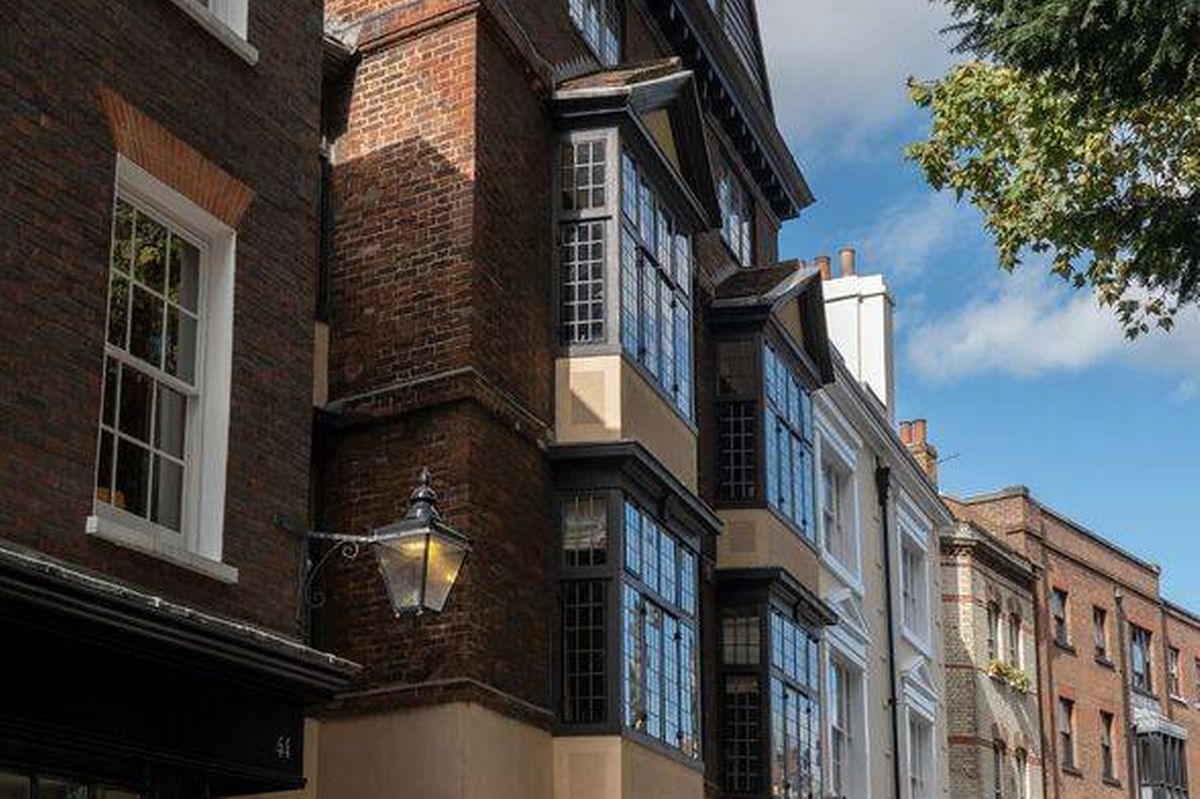
This remarkable house has stayed standing through many major events, even surviving the Great Fire of London, despite huge areas of the city being destroyed, and attempts to have it demolished
The house has remained standing through many historic events(Image: In Pictures via Getty Images)
London’s most intriguing landmarks often lie hidden in plain sight, tucked away down side streets. A prime example of this lies down the street of Cloth Fair.
This narrow road near Smithfield Market in the City of London, owes its name to its medieval past as a hub for merchants. Today, instead of bustling scenes of street trading, it’s mostly residential and offers a tranquil retreat from the city’s hustle and bustle.
Yet, one building stands out due to its historical significance. 41-42 Cloth Fair, built between 1597 and 1614, holds the distinction of being London’s oldest surviving house. But what truly sets this four-bedroom townhouse apart is its resilience through various tumultuous periods in history, including its survival of the Great Fire of London.
The Great Fire of London obliterated over 70,000 homes, leaving this townhouse amidst a sea of ruined properties. However, a tall brick wall encircling the property shielded it from the devastating flames, reports the Express.
But this wasn’t the first time the house had dodged disaster. During the Second English Civil War, when many city properties were razed, the house remained unscathed. Unfortunately, its builder, Henry Rich, wasn’t as fortunate. A Royalist, Rich was apprehended, tried, and ultimately beheaded within the grounds of the Palace of Westminster.
The property’s first occupant was William Chapman, who transformed the ground floor into an ale house. Over the centuries, the building has served various purposes, from a wool drapers to a tobacconist, and then a cutlery factory until the 1920s when it was sold.
Since then, it has functioned as a private dwelling and continues to be a home today. The 1920s nearly witnessed the demolition of 41-42 Cloth Fair. In 1929, there were proposals to raze the house along with numerous other historic buildings as part of a plan to improve sanitation in city housing.
Doubts were also raised about its structural integrity, and it was marked as dangerous. But remarkably, the house was spared from demolition and even survived the Blitz unscathed, while 1.7 million buildings across London were damaged and many historical landmarks were lost forever.
In 1995, new owners acquired the property, carried out extensive renovations, and won a City Heritage Award a few years later. One particularly noteworthy historical feature is a collection of signatures etched into the lead windows using a diamond pen.
These autographs belong to several high-profile individuals who have visited the house over the years, including Winston Churchill, the Queen Mother, John Betjeman, and J. B. Priestley.
The house’s age, coupled with its location near a medieval priory, has even sparked rumours of skeletons entombed deep within its foundations.
Whether there’s any truth to these rumours or not, it seems these souls can rest undisturbed under the watchful protection of this seemingly indestructible house.
Have a story you want to share? Email us at webtravel@reachplc.com
A city in the UK has seen a rise in demand for holidays – and it is surprisingly affordable.
Despite its nickname the ‘Granite City‘ Aberdeen is filled with pretty shopping streets as well as sandy beaches.
Sign up for the Travel newsletter
Thank you!
The Scottish city has huge grey buildings hence it’s nickname the ‘Granite City’Credit: AlamyYou might even be able to spot dolphins from Aberdeen BeachCredit: Alamy
Booking.comrevealed it to be the biggest hotspot for UK travellers in 2025 with an increased search of 36 per cent – and it will no doubt continue to be visited next year.
Union Street was once used to connect medieval streets to the Scottish countryside, but now it’s filled with shops and restaurants and is close to the train station.
And you must try a buttery for breakfast – which is a crispy, flat, flaky pastry, rich in salt, and one great spot to pick one up is Ross Bakery on Chapel Street.
Other impressive spots nearby include the Aberdeen Maritime Museum, art gallery, Duthie Park and St Machar’s Cathedral.
Despite it being a big city, Aberdeen actually has very impressive beaches too and they are just 20 minutes away from the city centre if you walk – and even quicker by car.
If you’re lucky enough, there’s a chance of spotting a Bottlenose dolphin which live off the coast in the north east of Scotland.
Aberdeen Beach could soon get a new attraction too with a ‘play factory’ for kids and an outdoor performance area.
Most read in Best of British
As part of a multi-million pound project called the ‘Beach Masterplan’, Aberdeen Beach is set to introduce a huge play area for kids called The Rope Factory, with images showing climbing structures, swings and slides.
There will be interactive displays as well as activities and events taking place at the park.
The Marcliffe Hotel and Spa was declared as the UK’s best value hotelCredit: Marcliffe
For places to stay, check out UK’s best value hotel which you’ll also find in Aberdeen.
Earlier this year, The Marcliffe Hotel and SpainScotland was crowned ‘the best ever we’ve ever stayed at’ by Which? thanks to its rock bottom prices.
The luxury Aberdeen hotel opened in 1993 and was given top praise, thanks to its value for money.
Which? sent in an undercover inspector to scope out the hotel, where they anonymously scouted out everything from cleanliness, to room quality, facilities, location, customer service and value for money.
The five-star hotel is found on the outskirts of Aberdeen and is a huge Victorian manor house.
Inside, the hotel has 40-rooms and suites, gym, an on-site spa and even a billiard room where guests can try their hand at snooker.
It has two restaurants, the Conservatory and the Drawing Room Bar and Lounge – both of which have over 300 wines and 100 whiskies.
Marcliffe impressed Which? with its “value”, “elegance” and “exceptional staff” as well as “locally caught” food from langoustines to steak – the start from £25.
A stay in one of Marcliffe’s ‘classic’ rooms costs £180 per night.
GETTING a budget hotel in the capital sometimes feels like trying to find a needle in a haystack, but now one of London’s most expensive areas has a cheap, yet underground, hotel.
Park Lane, sitting on the edge of Hyde Park, is known for being one of London‘s most exclusive areas.
Sign up for the Travel newsletter
Thank you!
Zedwell has opened a new hotel in London and it is completely undergroundCredit: ZedwellIt marks the second underground location for the brandCredit: Zedwell
In fact, a hotel in the area can often set you back hundreds per night.
For example, a night at the JW Marriott Grosvenor House London in January could set you back £390 or a night at 45 Park Lane would cost around £940.
But now, there is good news for those wanting a budget option as a brand new Zedwell hotel has opened up on the famous road.
And the twist is that the hotel is completely underground.
The new Zedwell Underground Park Lane has 133 ‘cocoons’, each of which doesn’t have a window.
The rooms are soundproofed and have “ambient lighting, purified air and body-cushioning mattresses”, according to the hotel.
Each ‘cocoon’ also comes with free Wi-Fi and an en-suite, with a rainfall shower.
Just five-minutes from Marble Arch tube station, when guests arrive at the hotel they can also use automated, self check-in desks.
And for those who are staying and working in the city, there is even a co-working space overlooking Hyde Park.
A ‘cocoon’ costs from £67.68 per night, for two people – so £33.84 per person.
The hotel marks Zedwell’s second underground hotel, with its other destination being the first underground hotel in England and is located on Tottenham Court Road.
Halima Aziz, head of hotels at Criterion, commented: “Zedwell is built around one simple idea: delivering great sleep in unbeatable locations at an affordable price point, democratising access to city centres and luxury neighbourhoods like Mayfair.
“Zedwell Underground Park Lane exemplifies our brand values and our ability to unlock complex urban sites to create value in the heart of the city.
“This opening reinforces our commitment to high-quality design, operational excellence and exceptional customer service, while continuing to scale the Zedwell brand in prime destinations.”
Inside the hotel, there are 133 ‘cocoons’ that sleep two peopleCredit: Zedwell
Zedwell is known for offering budget accommodation and over the summer opened the world’s biggest capsule hotel in Piccadilly Circus, costing around £30 per night.
Travel writer, Helen Wright, stayed at the hotel and said: “Inside, decked out with a modern concrete and timber design, there are nearly 1,000 individual sleep capsules over five floors.
“It’s a twist on the traditional ‘dorm style’ hostel set up as each guest gets privacy and security of being tucked up in your capsule, with the ability to lock it from the inside.
“On first glance, the dorm rooms, which are minimalist and dimly-lit looked a bit like a car park or a storage locker.
“It’s nothing like you’d expect a hotel room to look, so it takes some getting used to.
And each has an en-suite bathroomCredit: Zedwell
“However, inside, I was surprised to find a cute little space, with mood lighting and welcoming interiors.
“Surprisingly, it didn’t feel as claustrophobic as I thought it would – as a 5’5 woman, I was able to sit up and easily stretch my legs.
“Even more surprisingly, I had a great night sleep, with no rowdy drunken people or loud talkers disturbing the peace.”
Brussels has been named a top place to go in 2026Credit: AlamyIt has some amazing street artCredit: Alamy
However, spring and summer are just as good, if not better, thanks to its amazing restaurant and bar scene, as well as as art scene.
CN Traveller named it as one of their Best Places to Go in 2026, alongside places such as Hong Kong and Australia.
They explained: “This often-overlooked European capital is having a cultural moment, signalling a shift from a bureaucratic hub to a creative powerhouse.”
This includes a number of new openings in the city, including the new The Standard hotel this year, as well as the Kanal-Centre Pompudiu next year, a factory turned exhibition space.
I visited earlier this year, for a quick weekend trip to Europe.
It’s one of the easiest places to get to thanks to the Eurostar – taking under two hours, it is the second stop after Lille.
And it drops you right in the train station just south of the city, making it an easy walk or tram ride into town.
The first thing to do is grab a cup of coffee, and there are some fantastic spots in town.
My favourite was Wide Awake, a trendy stop with their own roasted beans and delicious snacks including kimchi croissants and walnut cookies.
Of course, tourist stops you need to make include Fritland – a chip shop serving up the best in town with a variety of dipping sauces – and Maison Dandoy, famous for their light and fluffy waffles.
A beautiful spot for photos is Galeries Royales Saint Hubert, one of the Europe‘s oldest shopping galleries.
Dating back to 1847, it was inspired by Italian palaces and Parisian gardens, and is now full of luxury shops and chocolatiers.
They said it was a street that “captures the spirit of Brussels” adding: “It’s got all the charm – cobbled streets, crooked façades and centuries-old houses – but without the clichés.”
There’s photobooths tucked into shops – I grabbed a vintage one from Photomatique for a few euros.
Urban Therapie is where you can get some great shopping done, all selling independent brands.
And for food, I recommend Knees to Chin, a small Brussels chain restaurant selling Asian fusion food.
You can even go on street art tours of the cityCredit: AlamyFritland is touristy but a mustCredit: Alamy
Or nearby is Nona Pizza and Nona Pasta, right next to each other and serving up Italian classics.
Make sure to have your cameras ready when wandering around town too, as the city is full of street art and murals.
There is even an official Street Art Trail, which you can find here to help you spot all 150.
Want to take some souvenirs home? One that is unique is the Jeanneke-pis boutique.
The ‘sister’ of the famous Mannekin Pis (the peeing boy), the boutique sells some unusual gifts including statues of the peeing girl herself.
But you can’t go wrong with some classic Belgium chocolates, and can barely walk without being tempted into a chocolatier by its smell.
My favourites include Neuhaus – also in the UK – as well as Mary and Elizabeth.
Some of my other recommendation include Wolf Food Market, an indoor food market with 17 restaurants and bars.
And for a glam stay, the Doubletree by Hilton Brussels City is beautiful (and don’t forget the free cookie at check in).
The Eurostar from London to Brussels takes just 1hr53, with tickets from £39 each way.
Trains from London take less than two hoursCredit: Alamy
Three flights a week will connect the airport to booth Turin and Lyon, with two a week to Corfu.
The cheapest fares will be for Faro, Turin, Lyon and Alicante, all starting from £17.99.
Flights to Corfu start from £45.99 while Yerevan is £36.99.
Wizz Air UK’s Managing Director Yvonne Moynihan said: “With the launch of our 15th based aircraft at London Luton Airport, we’re delighted to deliver a festive surprise by introducing six exciting new routes, including the first-ever direct connection from London to Armenia.”
“Our focus on growth continues, having delivered two new aircraft and nearly 20 new routes from the UK during 2025, reinforcing Wizz Air UK’s position as Luton’s local carrier. “
Yerevan is one of the one of the world’s oldest continuously inhabited cities, and called “up-and-coming” by Lonely Planet.
Alicante is also getting new flightsCredit: Alamy
Most of Armenia is deemed safe to travel, apart from its border with Azerbaijan.
It’s borders with Turkey and Georgia are also safe to visit, as well as the capital Yerevan.
As part of Asia, Armenia is often overlooked as a holiday destination for Brits.
This is despite having a number of beautiful churches, as well as pink-stoned buildings, leading to its nickname the Pink City.
It also has a lot of street art, and amazing food.
There are lots of new flight routes launching new year.