Top News

Top news of today about travel

U.S. seizes another oil tanker leaving Venezuela

Jan. 9 (UPI) — The United States on Friday seized another oil tanker in the Caribbean Sea as it works to control Venezuela’s oil, military officials said.

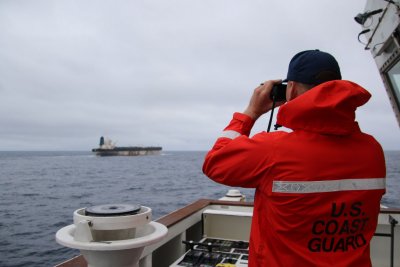
The U.S. Coast Guard and U.S. Marines captured the Olina overnight, officials said.

Homeland Security Secretary Kristi Noem posted on X that the ship was “suspected of carrying embargoed oil” and had tried “to evade U.S. forces” as it left Venezuela.

The U.S. Southern Command posted on X that it’s “unwavering in its mission to defend our homeland by ending illicit activity and restoring security in the Western Hemisphere.”

“In a pre-dawn action, Marines and Sailors from Joint Task Force Southern Spear, in coordination with the Department of Homeland Security, launched from the USS Gerald R. Ford and apprehended Motor/Tanker Olina in the Caribbean Sea without incident,” the post said.

The operation was part of Joint Task Force Southern Spear.

The Coast Guard is planning to boost its ability to inspect and repair seized foreign tankers, The Washington Post reported, signaling that it will continue to seize the tankers. Many of the tankers are in too poor condition to be accepted by U.S. ports.

The Coast Guard sent out an internal call for personnel to increase its teams of inspectors to visit seized tankers, assess them and fix safety concerns before they come to U.S. ports, The Post reported. The message does not say how many people it needs, but it does say that those eligible must be “capable of offshore boardings and long hours aboard the vessel.”

“These vessels are stateless and beyond substandard,” the Coast Guard said in its internal message.

Since President Donald Trump declared a “complete blockade” of Venezuelan oil exports in December, the Coast Guard has taken at least four ships.

In mid-December, the U.S. seized an oil tanker called The Skipper. It is held offshore near the Port of Galveston, Texas. On Wednesday, the U.S. seized the Bella-1 in the North Atlantic after pursuing the ship for weeks. It also seized the Sophia in the Caribbean.

On Friday, the Kremlin thanked Washington for agreeing to release two of the Bella-1’s Russian crew members.

“In response to our appeal, U.S. President Donald Trump has decided to release two Russian citizens from among the crew of the tanker Marinera, who had previously been detained by the American side during an operation in the North Atlantic,” Russian Foreign Ministry spokeswoman Maria Zakharova said in a statement on Telegram. “We welcome this decision and express our gratitude to the U.S. leadership.”

“Ghost fleets” like the Bella-1 operate with false paperwork or flags. They ship sanctioned oil to China and other destinations. The U.S. government has said the oil sales fund narco-terrorism.

Mark Cancian, senior adviser at the Center for Strategic and International Studies, told The Post there are hundreds of these ships and are often in bad shape. If they don’t meet safety standards or risk a spill, they are denied entry to a U.S. port.

“They tend to be at the end of their service life — old, in poor condition,” Cancian said.
Source link

South Korea-Japan summit set for Jan. 13 in Japanese PM’s hometown

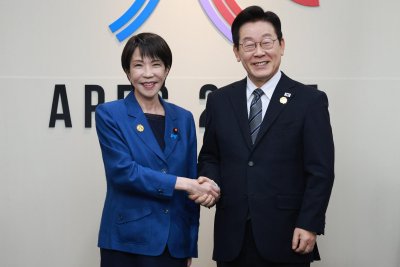
South Korean President Lee Jae Myung (R) shakes hands with Japanese Prime Minister Sanae Takaichi ahead of their talks in Gyeongju, North Gyeongsang Province, southeastern South Korea, 30 October 2025. Photo by YONHAP / EPA

Jan. 9 (Asia Today) — South Korean President Lee Jae-myung will visit Japan for a two-day, one-night trip starting Jan. 13, the presidential office said Thursday, with historical issues including the Chosei coal mine incident expected to be addressed alongside future-oriented cooperation.

The visit will mark the first round of Korea-Japan shuttle diplomacy this year and Lee’s second visit to Japan since taking office. It will also be his third meeting with Japanese Prime Minister Takaichi Sanae, following encounters at last year’s Asia-Pacific Economic Cooperation summit in Gyeongju and the Group of 20 summit.

According to the presidential office, Lee will arrive in Nara Prefecture, Takaichi’s hometown, on the afternoon of Jan. 13. The summit will include a closed-door meeting, an expanded session and a joint news conference, followed by a dinner between the two leaders.

The leaders are expected to discuss expanding cooperation in areas directly affecting people’s daily lives, including intellectual property protection, emerging technologies such as artificial intelligence, efforts to counter transnational crimes including fraud, social issues and people-to-people exchanges.

They also plan to explore humanitarian approaches to historical issues, including the Chosei coal mine incident, which involves the remains of Korean forced laborers from Japan’s colonial period.

Woo Sung-lak, head of the National Security Office, told reporters during a briefing at the presidential office that Seoul is seeking “new progress” on the issue, including the possibility of DNA testing on remains. He said discussions on historical matters could extend to other areas as well.

“Historical issues have always existed between South Korea and Japan,” Woo said. “Although they are rooted in the past, they remain current issues that must be managed carefully so they do not hinder future cooperation.”

Woo said the government aims to build goodwill and tangible outcomes in bilateral relations when conditions are favorable, and to use that momentum later when more difficult issues arise.

On regional security matters, Woo said summit meetings typically include discussions on surrounding regional developments and noted that similar exchanges of views took place during Lee’s recent summit with China.

On the morning of Jan. 14, Lee and Takaichi are scheduled to attend goodwill events, including a visit to Rurinsan Temple, before Lee meets with South Korean residents in Japan and returns home.

The summit has drawn attention because it will be held outside Tokyo, reflecting Lee’s stated interest in regional development. Last year, Lee met with former Japanese Prime Minister Shigeru Ishiba in Busan, focusing on revitalizing local economies and regional governments. Lee has since expressed interest in holding future summits in regional areas of Japan.

Woo said the idea of a regional summit grew out of discussions between Lee and Ishiba, adding that Nara Prefecture holds symbolic significance as both Takaichi’s hometown and a site of historical and cultural exchange between South Korea and Japan.

— Reported by Asia Today; translated by UPI

© Asia Today. Unauthorized reproduction or redistribution prohibited.

Source link

S. Korea, U.S. launch permanent combined ground forces command

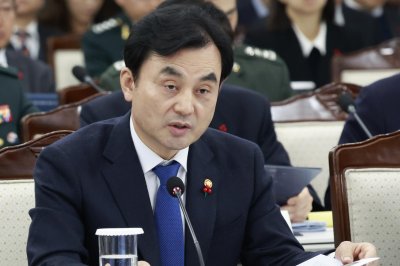
South Korea’s Defense Minister Ahn Gyu-back speaks during a work report to President Lee Jae Myung from the ministries of defense and patriots and veterans affairs at the defense ministry in Seoul, South Korea, 18 December 2025. File Photo by YONHAP / EPA

Jan. 9 (Asia Today) — The U.S. Eighth Army and South Korea’s Army Ground Forces Command have launched a permanent combined ground forces component command that will lead joint ground operations planning and begin training during the Freedom Shield combined exercise in March, South Korea’s Joint Chiefs of Staff said.

The new organization, described by the Joint Chiefs of Staff as a combined ground forces component command, will develop joint operational plans and conduct combined exercises and training with the commander of South Korea’s Army Ground Forces Command serving as the commander, the military said.

The South Korea-U.S. Permanent Military Committee approved the permanent establishment of the command on Oct. 24 last year, the Joint Chiefs of Staff said. The organization then completed operational readiness preparations and began duties last month, shifting from a structure activated only in wartime to a peacetime command under South Korean Army leadership.

With the combined ground command now operating on a permanent basis, some U.S. personnel will be assigned to a combined staff and are expected to participate in joint planning and training beginning with the Freedom Shield exercise in March, the military said.

The move is part of the Lee Jae-myung administration’s effort to advance a conditions-based transfer of wartime operational control. South Korea and the United States have been working to make permanent six combined component commands under a future combined command structure that would be led by the South Korean military after the transfer, the Joint Chiefs of Staff said.

Combined component commands for the Navy, Air Force and Marine Corps were made permanent in 2022, the military said. South Korea and the United States also plan to make permanent two additional combined component commands: one focused on special operations and another focused on military intelligence support operations, it added.

— Reported by Asia Today; translated by UPI

© Asia Today. Unauthorized reproduction or redistribution prohibited.

Source link

Aleppo’s residents caught between hope and fear amid Syria fighting | Syria’s War

Al Jazeera’s Resul Serdar Atas recounts scenes from Aleppo amid escalating clashes between the Syrian army and SDF forces.

I arrived in Aleppo early on Wednesday morning after receiving reports of serious clashes between the Syrian army and the Kurdish-led Syrian Democratic Forces (SDF). What I encountered was far worse than I expected.

Heavy artillery shelling was constant, extreme. My team came under attack four times; one bullet hit our equipment.

Recommended Stories

list of 3 itemsend of list

This round of clashes, we quickly understood, would not be easily contained like earlier bouts over the past year.

The root of the conflict is the government’s demand for the SDF, which has tens of thousands of troops, to integrate into state institutions, as per an agreement reached between the two sides last March. But there are numerous disputes over how that should happen, including the number of SDF troops that will join the army.

‘Overwhelming sense of despair’

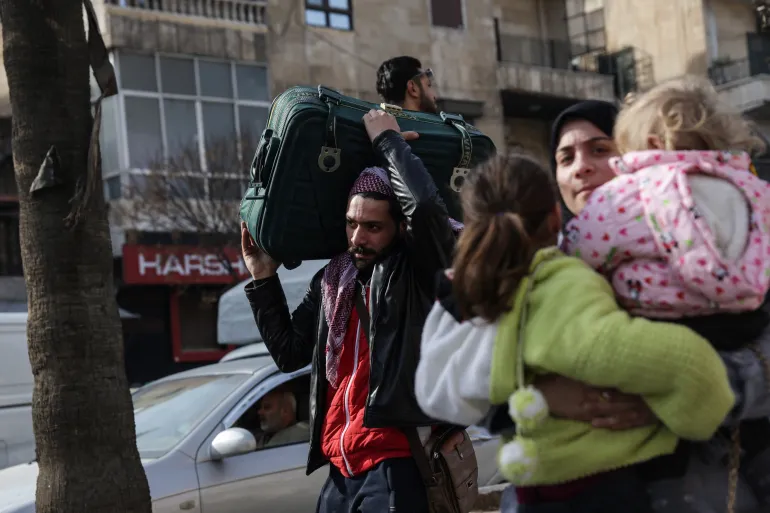
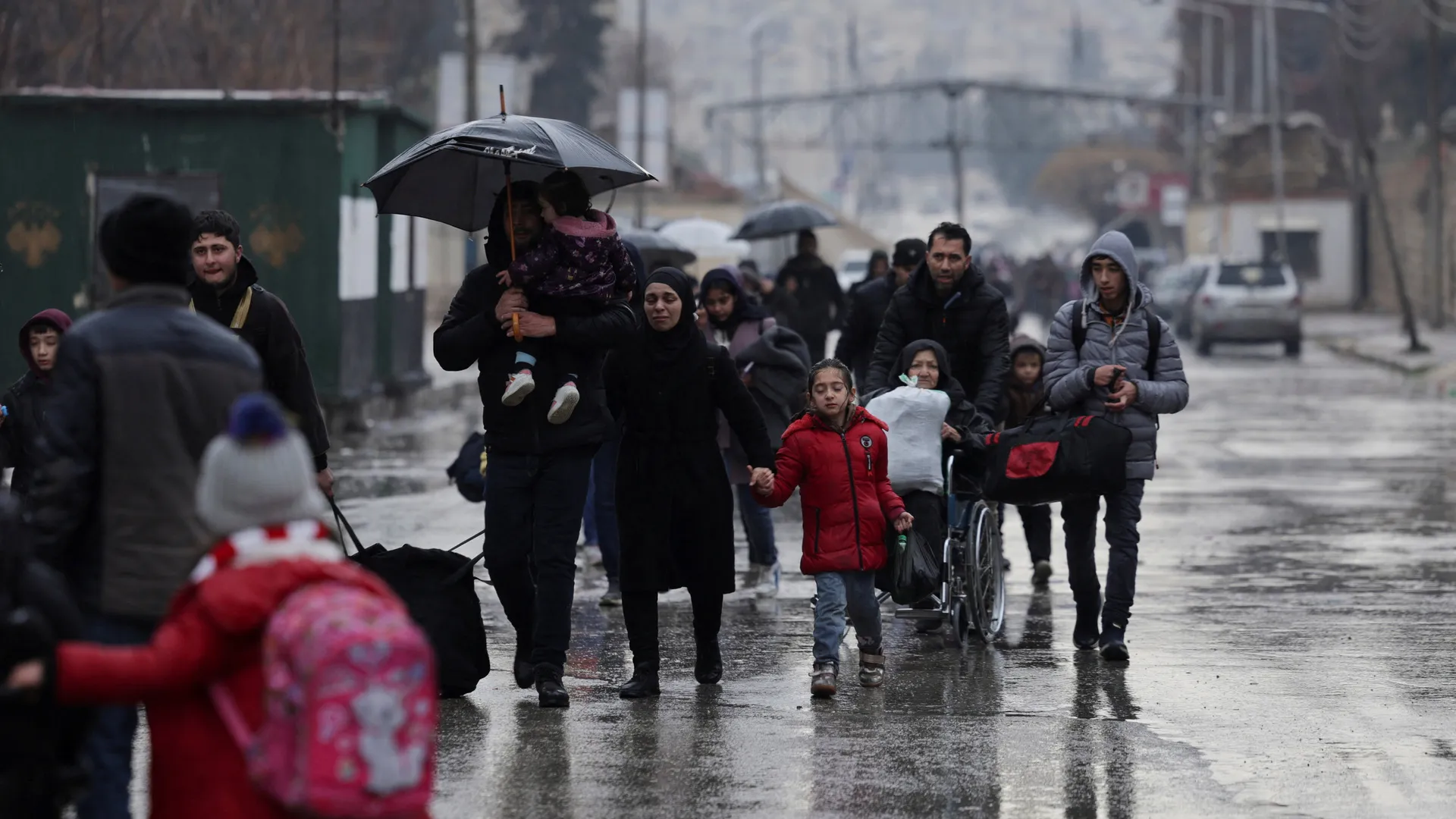
Fighting has centred in heavily populated parts of Aleppo, specifically the districts of Ashrafieh and Sheikh Maqsoud. In total, these areas have about 400,000 inhabitants. Within 24 hours of fighting erupting, 160,000 fled their homes. It was like an exodus.

On Thursday, when the fighting peaked, people struggled to make their way through the streets without being caught in the crossfire. Children screamed and cried in panic. Families held each other’s hands and clothes in order to not lose track of each other.

Residents carry their belongings as they flee Aleppo's Ashrafieh Kurdish neighbourhood on January 7, 2026. Civilians were fleeing Kurdish neighbourhoods of Aleppo on January 7 after the Syrian army declared them "closed military zones", amid ongoing fighting with Kurdish-led forces in the northern city. The deadly clashes, which started on January 6, are the worst between the two sides, who have so far failed to implement a March deal to merge the Kurds' semi-autonomous administration and military into Syria's new Islamist government. (Photo by Bakr ALkasem / AFP)
Residents carry their belongings as they flee Aleppo’s Ashrafieh neighbourhood, on January 7, 2026 [Bakr Alkasem/AFP]

One elderly man said he had seen enough after nearly 15 years of civil strife: “May God take my soul so I can rest,” he said.

An elderly woman, barely able to walk, fell to the ground amid the crowd and several people trampled over her. I saw her son break into tears as he tried to pull her from the ground.

The last time I saw scenes like this was in 2014, when ISIL (ISIS) attacked Syria’s Kurdish-majority town of Kobane. There was an overwhelming sense of despair, helplessness, and a feeling that everything was ending.

Short-lived ceasefire

On Friday, the warring parties agreed to a morning ceasefire and the SDF leadership agreed its fighters would lay down their heavy weapons and leave the area. However, when buses arrived to take them, more fighting broke out. When the buses came back later, the same thing happened. Our sources told us this was due to divisions within the SDF, with more radical factions resisting the calls to lay down their arms.

The back and forth ended with the Syrian government setting a deadline of 6pm (15:00 GMT) on Friday for remaining civilians to flee, after which it would restart military operations against SDF targets. Heavy fighting has since resumed in Sheikh Maqsoud.

The government, careful to avoid the perception of demographic engineering, has said that once it clears the area of SDF fighters, everyone will be able to come home. It has stressed that this is not a fight between Arabs and Kurds, but between government forces and a non-state force.

Meanwhile, people from Aleppo are sitting between hope and fear. On the one hand, they hope an agreement is finally reached between the SDF and Syrian army so they can return to their homes. But on the other hand, after 15 years of civil war, they fear that history could be repeating itself.

Source link

Lee warns ‘K-shaped growth’ leaves youth facing jobs crisis

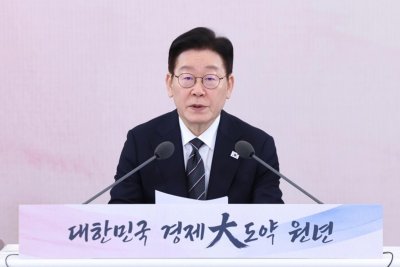
South Korean President Lee Jae-myung speaks during the Economic Growth Strategy National Briefing at the presidential office in Seoul on Thursday. Photo by Yonhap/ EPA

Jan. 9 (Asia Today) — South Korean President Lee Jae-myung said Thursday that “extraordinary measures” are needed to address what he called a national crisis for young people pushed to the brink of employment amid “K-shaped growth,” a term used to describe an uneven recovery that concentrates gains on one side of the economy.

Lee made the remarks at the “2026 Economic Growth Strategy National Briefing” at the presidential office, calling for steps that mobilize the country’s full capabilities to support young people.

Lee said South Korea is facing “K-shaped growth,” in which the benefits of recovery are not broadly shared, and said the structure must be improved because it places a heavier burden on younger generations.

He said the impact of polarized growth is being concentrated on young people, threatening not only youth employment but also the country’s long-term growth potential.

“If national growth and corporate profits do not translate into job opportunities for young people, it is difficult to call that society healthy,” Lee said.

Lee said more than 400,000 young people have been pushed out of the labor market and are still being asked by employers to have work experience, while no one takes responsibility for providing a starting point. He urged officials to develop effective measures that break from existing policy frameworks.

Lee said the government is committed to ensuring people share in the fruits of growth and described this year as the first in which his administration will fully take responsibility for economic management.

He pointed to policies aimed at “normalizing” the economy, including efforts to foster the semiconductor industry, as a path to strengthening growth momentum.

However, Lee cautioned that even if external indicators improve compared with last year, many people may not feel the change. He said growth polarization should be treated as a structural challenge rather than a temporary cycle and called for efforts to ensure the benefits of growth are broadly shared.

— Reported by Asia Today; translated by UPI

© Asia Today. Unauthorized reproduction or redistribution prohibited.

Source link

S. Korea launches interagency task force for U.S. nuclear talks

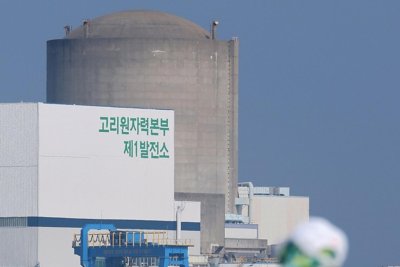
The now-retired Kori-1 nuclear reactor of Korea Hydro & Nuclear Power Co.’s nuclear power plant in the southeastern port city of Busan, South Korea, 26 June 2025. The Nuclear Safety and Security Commission approved the decommissioning of the country’s first commercial nuclear reactor the same day, which was permanently shut down in June 2017 after operating since April 1978.File Photo by YONHAP / EPA

Jan. 9 (Asia Today) — South Korea on Thursday formally launched an intergovernmental consultative body to coordinate nuclear cooperation talks with the United States, including discussions tied to uranium enrichment and spent fuel reprocessing for peaceful commercial purposes, the Foreign Ministry said.

The ministry said the first inter-ministerial meeting was held Thursday under Lim Gap-soo, the government’s representative for South Korea-U.S. nuclear cooperation. The new task force will serve as the government’s main platform for preparing consultations and related negotiations with Washington to secure capabilities related to enrichment and reprocessing, the ministry said.

Eight institutions are participating: the Foreign Ministry, the Ministry of Science and ICT, the Ministry of Climate, Energy and Environment, the Ministry of Trade, Industry and Energy, the Nuclear Safety and Security Commission, the Korea Atomic Energy Research Institute, the Korea Institute of Nuclear Safety and Control and Korea Hydro & Nuclear Power. The National Security Office at the presidential office will act as the control tower, the ministry said.

“At this meeting of relevant ministries, we reviewed the roles and cooperation systems of each ministry regarding key issues and tasks related to enrichment and reprocessing, and exchanged views on the direction and plan for responding to consultations with the U.S.,” the Foreign Ministry said in a statement.

The ministry said it plans to hold periodic director-level meetings and working-level consultations to review key plans step by step and to pursue a whole-of-government approach aimed at shaping domestic and international conditions for securing enrichment and reprocessing capabilities for peaceful and commercial purposes.

Separately, the Foreign Ministry said it formed its own internal task force Monday to support Lim’s work, with three working-level officials assigned.

A ministry official said there could be multiple routes for cooperation, including revising the existing bilateral nuclear cooperation agreement, making limited amendments or reaching another arrangement. The official said communication with the United States is ongoing and consultations will begin once both sides are ready.

South Korea and the United States previously discussed security cooperation measures on the sidelines of the Asia-Pacific Economic Cooperation summit in Gyeongju in October, including nuclear-powered submarines, enrichment and spent fuel reprocessing and defense spending, and released a joint fact sheet in November outlining the measures, the ministry said.

— Reported by Asia Today; translated by UPI

© Asia Today. Unauthorized reproduction or redistribution prohibited.

Source link

Minnesota woman loses arm, life in U.S. Virgin Islands shark attack

Jan. 9 (UPI) — A shark attacked and killed a Minnesota woman while she swam in waters along Dorsch Beach in St. Croix, U.S. Virgin Islands, on Thursday afternoon.

The Virgin Islands Police Department received an emergency call reporting the shark attack at 4:28 p.m. local time, and marine units and fire and emergency medical services personnel responded.

They found a woman who lost an arm in the attack and searched for a possible second victim, but found no one else.

The woman later was identified as Arlene Lillis, 56, of Minnesota, and she eventually died from her injuries.

“Our hearts are with the family and loved ones of the victim, and with everyone who witnessed this tragedy,” Virgin Islands Gov. Albert Bryan Jr. said in a statement.

“We have been briefed on the information known at this time,” Bryan said. “We are grateful to the bystanders who acted immediately to render aid and to the first responders who worked urgently and bravely in an effort to save her life.”
The type of shark was not identified, and the attack remains under investigation.

It is the second fatal shark attack that was confirmed in the United States and its territories in recent weeks.

Erica Fox, 55, died when a shark attacked her in California’s Monterey Bay in December.

She initially was reported missing, but her body eventually was found.

A coroner said Fox died from “sharp and blunt-force injuries and submersion in water due to a shark attack.”

Source link

Leverage piles into Samsung, SK Hynix as margin debt hits records

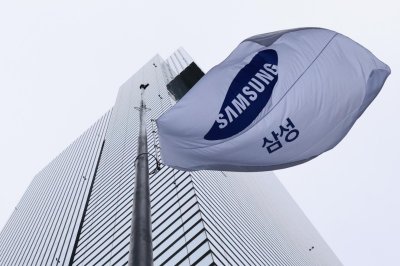
A flag of Samsung Electronics Co. flies outside its headquarters in Seoul, South Korea, 14 October 2025. Samsung announced a consolidated operating profit of approximately 12.1 trillion Korean Won (8.5 billion US Dollars) for the quarter ending in September 2025. File. Photo by YONHAP / EPA

Jan. 9 (Asia Today) — South Korea’s stock market rally is drawing a surge of debt-fueled trading into heavyweight shares such as Samsung Electronics and SK Hynix, both of which have set record highs, as regulators and brokerages warn about overheating risk tied to rising margin balances.

The Korea Financial Investment Association said the nation’s total margin loan balance stood at 28.1903 trillion won (about $19.4 billion) on Thursday, a level the industry often associates with late-stage bull market behavior as leverage expands alongside index gains.

Borrowed funds have been concentrating in top market-cap stocks. Samsung Electronics’ margin loan balance stood at 1.8013 trillion won (about $1.24 billion) on Wednesday, the highest since the data series began, according to the report. During a sharp rally in June 2021, the company’s margin balance was around 700 billion won (about $483 million), it said.

SK Hynix has also seen a steady rise in margin borrowing. Its margin loan balance was 1.1504 trillion won (about $793 million), up from 884.1 billion won (about $610 million) at the end of last year, the report said, adding that the balance has increased for four straight sessions amid the record-high move.

Market watchers said a faster pace of gains can raise the chances of market alert actions. Under Korea Exchange monitoring rules, a stock can be designated an investment warning issue when sharp price rises and unusual trading patterns occur over a defined period, the report said.

The report cited SK Hynix’s experience on Dec. 11 last year, when its shares saw volatility after being designated an investment warning issue. The stock closed at 565,000 won (about $390), down about 3.7% from the prior close of 586,000 won (about $404), it said.

Once a stock is designated an investment warning issue, new margin buying is restricted, the report said, adding that authorities can escalate measures if rapid gains persist, including a trading halt in more severe cases.

The Korea Exchange recently revised its rules to limit the impact of “extremely long-term upward trends” in large-cap stocks, but the report said big semiconductor shares can still face market alert measures if short-term surges or abnormal trading emerge.

Margin trading is drawing attention because it can amplify selling pressure during corrections as forced liquidation accelerates when prices fall, the report said, adding that elevated margin balances in large-cap stocks could heighten future volatility.

A market official cited in the report said improved semiconductor conditions and earnings expectations may support share prices for now, but the pace of leveraged inflows and any regulatory signals will be key variables going forward.

— Reported by Asia Today; translated by UPI

© Asia Today. Unauthorized reproduction or redistribution prohibited.

Source link

Dongduk Women’s University students oppose removing ‘women’ from rules

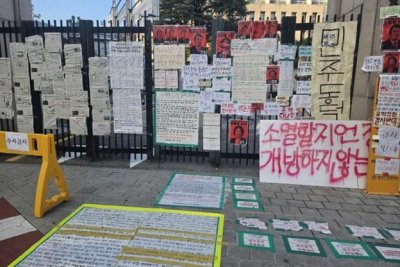
A protest sign opposing a shift toward engineering programs is displayed outside Dongduk Women’s University in Seoul. Photo by Asia Today

Jan. 9 (Asia Today) — A student survey found that most Dongduk Women’s University students oppose proposed revisions to school regulations that would remove references to “women” and the institution’s “founding spirit,” as the university prepares to deliberate broader restructuring plans, the student council said Thursday.

The Dongduk Women’s University Student Council held a news conference at the university’s Wolgok campus on Thursday and released results of a survey conducted ahead of a scheduled university council meeting.

The student council said the survey was conducted after the university council submitted a proposal to revise school regulations. The proposal would shorten a section titled “Founding Spirit and Educational Ideology” in the general provisions to simply “Educational Ideology,” and delete the word “women” from a phrase describing the school’s goal of nurturing “women professionals with intellect and virtue,” according to the student council.

The survey was conducted from Saturday through Wednesday, with 615 currently enrolled students and students on leave participating, the council said.

It said 87.5% of respondents opposed removing the phrases “women” and “founding spirit” from the general provisions. It also said 70.1% opposed an academic restructuring plan proposed by the university administration.

Students argued the changes would undermine the university’s identity and founding principles, the student council said. It also criticized the structure of the university council, saying a proposal could pass even if all student representatives oppose it, and urged the administration to halt deliberations it said are moving forward without sufficient student input.

The student council said the proposed revisions would erase the historical and social meaning of establishing a women’s university and said Dongduk’s founding spirit reflected the need for women’s education and the cultivation of women’s talent.

The council called on the university to stop deliberations on the regulations revision and development plan, guarantee student participation throughout the process and create what it described as a substantive forum for discussion.

“We will take action to the end so student voices are substantively reflected” at the university council meeting scheduled for Sunday, the student council said.

The university council is scheduled to deliberate agenda items including a transition to engineering-related programs, the university development plan and revisions to university regulations, the report said.

Caption:A protest sign opposing a shift toward engineering programs is displayed outside Dongduk Women’s University in Seoul. /Asia Today reporter Kim Tae-hoon

– Reported by Asia Today; translated by UPI© Asia Today. Unauthorized reproduction or redistribution prohibited.

Source link

Trump promises oil executives ‘total safety’ if they invest in Venezuela | Donald Trump News

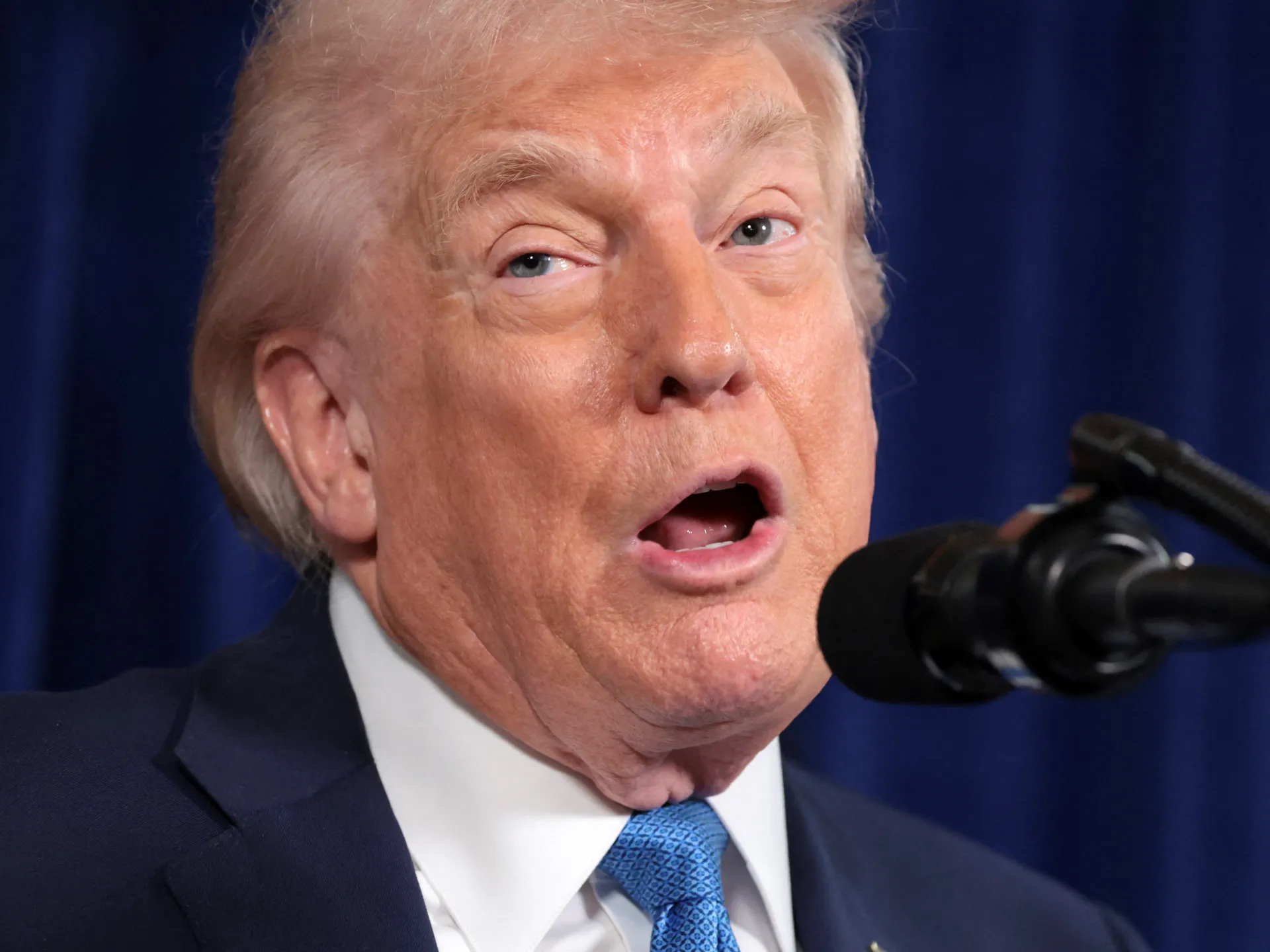
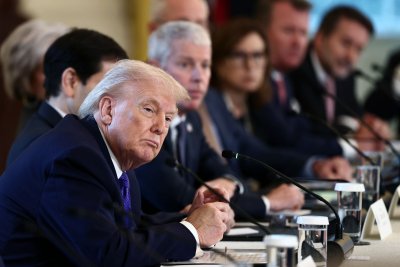
United States President Donald Trump has called on oil executives to rush back into Venezuela as the White House looks to quickly secure $100bn in investments to revive the country’s ability to fully tap into its expansive reserves of petroleum.

Trump, as he opened the meeting with oil industry executives on Friday, sought to assure them that they need not be sceptical of quickly investing in and, in some cases, returning to the South American country with a history of state asset seizures as well as ongoing US sanctions and the current political uncertainty.

Recommended Stories

list of 3 itemsend of list

“You have total safety,” Trump told the executives. “You’re dealing with us directly and not dealing with Venezuela at all. We don’t want you to deal with Venezuela.”

Trump added: “Our giant oil companies will be spending at least $100bn of their money, not the government’s money. They don’t need government money. But they need government protection.”

Trump welcomed the oil executives to the White House after US forces earlier on Friday seized their fifth tanker over the past month that has been linked to Venezuelan oil. The action reflected the determination of the US to fully control the exporting, refining and production of Venezuelan petroleum, a sign of the Trump administration’s plans for ongoing involvement in the sector as it seeks commitments from private companies.

“At least 100 Billion Dollars will be invested by BIG OIL, all of whom I will be meeting with today at The White House,” Trump said on Friday in a predawn social media post.

The White House said it invited oil executives from 17 companies, including Chevron, which still operates in Venezuela, as well as ExxonMobil and ConocoPhillips, which both had oil projects in the country that were lost as part of a 2007 nationalisation of private businesses under former President Nicolas Maduro’s predecessor, Hugo Chavez.

“If we look at the commercial constructs and frameworks in place today in Venezuela, today it’s un-investable,” said Darren Woods, ExxonMobil CEO. “And so significant changes have to be made to those commercial frameworks, the legal system, there has to be durable investment protections and there has to be change to the hydrocarbon laws in the country.”

Benjamin Radd, a senior fellow at the UCLA Burkle Center for International Relations, told Al Jazeera that he had “noted the hesitation and less-than-full-throated enthusiasm for re-entering the Venezuelan market”, citing Woods, who told the gathering that the company had its assets there seized twice already.

“The bottom line is that until Trump can outline and provide assurances of a plan towards political stability, it will continue to be a risky endeavour for these oil companies to re-engage Venezuela. And what is there is a regime change in Iran in the days or weeks or months to come, and all of a sudden that re-emerges as a place where Western oil companies can do business? Even though the reserves don’t equal what Venezuela has, the risk is far less, and the infrastructure is more sound,” Radd said.

Other companies invited included Halliburton, Valero, Marathon, Shell, Singapore-based Trafigura, Italy-based Eni and Spain-based Repsol, as well as a vast swath of domestic and international companies with interests ranging from construction to the commodity markets.

Wait and see

Large US oil companies have so far largely refrained from affirming investments in Venezuela, as contracts and guarantees need to be in place. Trump has suggested that the US would help to backstop any investments.

Venezuela’s oil production has slumped below one million barrels per day (bpd). Part of Trump’s challenge to turn that around will be to convince oil companies that his administration has a stable relationship with Venezuela’s interim President Delcy Rodriguez, as well as protections for companies entering the market.

While Rodriguez has publicly denounced Trump and the abduction and ouster of Maduro, the US president has said that to date, Venezuela’s interim leader has been cooperating behind the scenes with his administration.

Most companies are in a wait-and-see mode as they await terms from the Venezuelans, stability and wait to find out how much the US government will actually help, said Rachel Ziemba, an adjunct senior fellow at the Center for a New American Security.

Those like Chevron that are already in there are in a better position to increase investments as they “already have sunk costs”, Ziemba pointed out.

Ziemba said she expects a partial ramp-up in the first half of this year as the volumes that were going to China – Venezuelan oil’s largest buyer – are redirected and sold via the US. “But long-term investments will be slow,” she said as companies wait to find out about US commitments and Venezuelan terms.

Tyson Slocum, director of the consumer advocacy group Public Citizen’s energy programme, criticised the gathering and called the US military’s removal of Maduro “violent imperialism”. Slocum added that Trump’s goal appears to be to “hand billionaires control over Venezuela’s oil”.

So far, the US government has not said how the revenue from the sale of Venezuelan oil will be shared and what percentage of the sales would be given to Caracas.

Ziemba said she was worried that “if funds do not go to Venezuela for basic goods, among other local needs, there will be instability that will deepen the country’s economic crisis“.

In the news conference on Friday, Trump said the US had a formula for distributing payments. UCLA’s Radd said that “if the US can or will guarantee security and stability, it makes sense for it to expect a return on investment in that sense. But then this makes it sound more like a mafia-style ‘racket’ than a government-led operation”, he told Al Jazeera.

Meanwhile, the US and Venezuelan governments said on Friday they were exploring the possibility of restoring diplomatic relations between the two countries, and a delegation from the Trump administration arrived in the South American nation on Friday.


Source link

S. Korea industry minister urges U.S. firms to expand investment

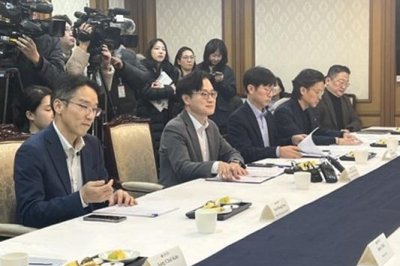
1 of 2 | South Korean Trade, Industry and Energy Minister Kim Jeong-kwan speaks during a meeting with the American Chamber of Commerce in Korea and U.S.-affiliated companies investing in South Korea at the Seoul Government Complex on Thursday. Photo by Asia Today

Jan. 9 (Asia Today) — South Korea’s industry minister Kim Jeong-kwan on Thursday urged U.S.-affiliated foreign-invested companies to continue expanding investment in South Korea, saying the government will work to reflect concerns raised by member companies of the American Chamber of Commerce in Korea in its policies.

Kim, the minister of Trade, Industry and Energy, made the remarks during a meeting with representatives of chamber member companies and U.S.-affiliated firms investing in South Korea at the Seoul Government Complex, the ministry said.

The meeting was held at the chamber’s request to review the domestic investment environment, discuss challenges faced by U.S.-affiliated firms and consider government support measures, the ministry said.

The session was the first formal communication event since the signing of what the ministry described as a South Korea-U.S. strategic investment memorandum of understanding in November and the proposal of a bill it called a special act on strategic investment management.

Kim thanked U.S. companies for what the ministry described as record-high investment in South Korea last year. The ministry cited figures showing U.S. investment fell from $8.7 billion in 2022 to $6.1 billion in 2023 and $5.2 billion in 2024, before rising 86.6% year-on-year to $9.77 billion in 2025.

Kim said the jump in U.S. investment came as South Korean corporate investment in the United States has been expanding following the conclusion of South Korea-U.S. tariff negotiations, calling it a symbolic outcome that reflects mutually beneficial investment cooperation.

“I consider all companies operating in Korea to be Korean companies, and especially value those investing in Korea,” Kim said, according to the ministry. He said the chamber and companies present were valuable partners.

Kim said he hopes to see continued investment in areas such as AI data centers, semiconductors and bio, adding that he wants this year to be one in which bilateral economic cooperation moves forward more dynamically.

AMCHAM Chairman James Kim said this year marks the 250th anniversary of the founding of the United States and the 144th anniversary of South Korea-U.S. diplomatic relations, calling it a meaningful year, according to the ministry.

He said rapid advances in AI and shifts in the geopolitical environment have heightened the importance of the bilateral partnership for economic security and sustainable growth.

He also referenced CES 2026 in Las Vegas, saying South Korea ranked third globally in the scale of national participation and that South Korean companies won about 60% of this year’s CES Innovation Awards, with many of the winners being small and medium-sized enterprises, the ministry said.

Companies at the meeting shared views on item-specific tariff talks and on the operation of foreign investment incentive systems, the ministry said, adding it will review suggestions raised and continue communication with major foreign-invested companies.

— Reported by Asia Today; translated by UPI

© Asia Today. Unauthorized reproduction or redistribution prohibited.

Source link

Accused D.C. pipe-bomber enters not guilty plea in federal court

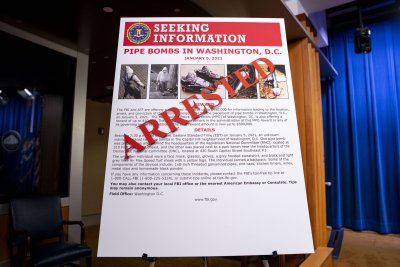
Accused Capitol riot pipe-bomber Brian Cole Jr. in federal court on Friday pleaded not guilty to charges accusing him of planting two pipe bombs outside of respective political party headquarters in Washington, D.C., on January 5, 2021. File Photo by Bonnie Cash/UPI | License Photo

Jan. 9 (UPI) — Brian Cole Jr. pleaded not guilty Friday to federal charges accusing him of placing pipe bombs outside political party headquarters ahead of the Jan. 6, 2021, Capitol protest.

Cole entered his plea during an arraignment hearing in the U.S. District Court for the District of Columbia. He faces charges of interstate transportation of explosives, malicious attempt to use explosives and related federal charges.

Cole, 30, allegedly placed a pipe bomb near the entrances of the Republican National Committee and Democratic National Committee headquarters in Washington, D.C., on the night of Jan. 5, 2021, but neither exploded.

Federal prosecutors said he admitted to placing the explosive devices and that he hoped they would explode and generate news coverage.

Cole said the 2020 election was stolen from voters and that he blamed both political parties because they are the ones in charge of the nation’s politics.

Prosecutors said Cole bought materials to make the bombs over several months ahead of the Capitol protest, and investigators used cellular tower data, credit card records and a license plate reader to identify him.

His attorney said Cole has been peaceful, was diagnosed with autism and the pipe bombs were incapable of exploding, CNN reported.

Cole is a resident of Woodbridge, Va., where he lives with other family members inside his mother’s house that is about 30 miles from the capital.

He was employed by a bail bond business and was arrested at his mother’s home on Dec. 4.

A federal grand jury indicted him on the charges for which he was arraigned on Friday.

He has another court hearing scheduled on Jan. 28 to determine if he should remain in detention or be allowed to post bail and be released from custody while the case is argued in court.

Source link

Why is the US quitting international organisations? | TV Shows

There are more signs that the United States is disengaging from the global order established after World War II.

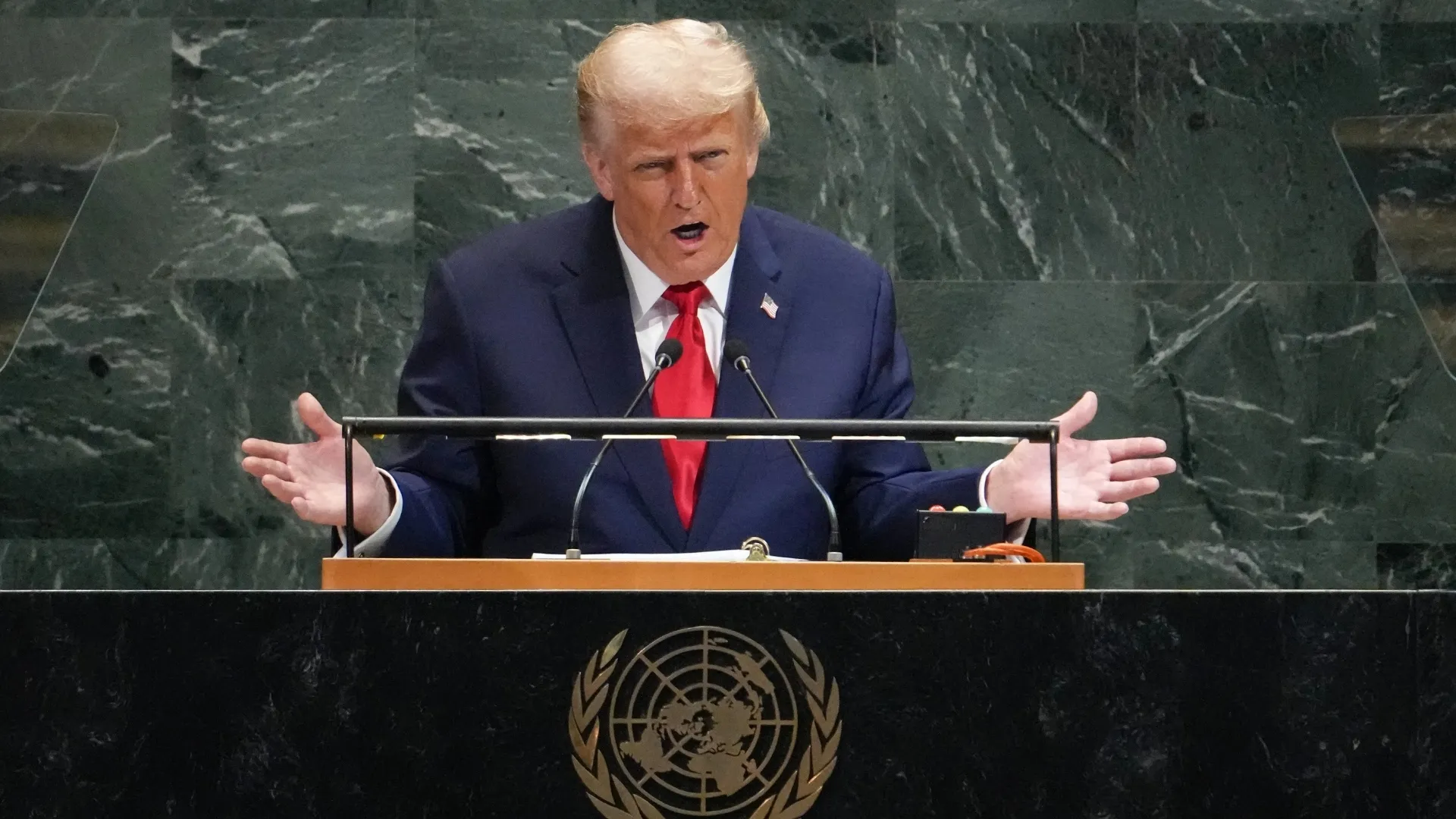
President Donald Trump has ordered his administration to pull out of more than 60 agencies, half of them part of the United Nations.

Trump argues that being a member of these organisations is contrary to his country’s interests.

The secretary of state went as far as saying they’re useless or wasteful.

This move has prompted global outrage, with the UN saying its ‘responsibility to deliver’ will not waver.

So, where does this all leave the multilateral global order?

Presenter: James Bays

Guests:

Adolfo Franco – Republican strategist and former adviser to US Senator John McCain

Andrew Gilmour – Former UN assistant secretary-general for human rights

Matthew Duss – Executive VP of the Center for International Policy and a former foreign policy adviser to Senator Bernie Sanders

Source link

Trump, oil and gas execs discuss $100B investment in Venezuela

Jan. 9 (UPI) — President Donald Trump and executives for several U.S. oil and gas companies discussed a potential $100 billion investment in Venezuela’s energy sector Friday after Venezuelan President Nicolas Maduro‘s capture.

Trump met with executives from Chevron, ConocoPhillips, ExxonMobil and other U.S. oil and gas firms and encouraged them to invest $100 billion to refine and sell seized Venezuelan oil, CBS News reported.

The president offered to guarantee the security of oil and gas companies if they returned to Venezuela, which decades ago seized infrastructure owned and built by U.S. firms when former President Hugo Chavez nationalized the country’s oil and gas industry.

With the backing of the United States and security assurances, Trump said the oil and gas companies would “get their money back and make a very nice return,” as reported by CNBC.

He offered to make a deal with the oil and gas companies as soon as Friday and said it would help to lower energy costs for U.S. consumers.

Venezuela has an estimated 303 billion barrels of proven reserves of crude oil, which equals about 17% of the world’s supply, according to the U.S. Energy Information Administration.

That amount is the most anywhere, but Venezuela’s nationalization of its oil and gas industry led to years of neglect and greatly reduced its daily output from 3.5 million barrels per day in the 1990s to about 800,000 per day now, according to the Kpler energy consulting firm.

For Venezuela to meet a 3 million barrels-per-day target, energy firms would have to invest more than $180 billion over the next 14 years, analysts with Rystad Energy said.

Such an investment level has U.S. oil and gas executives publicly expressing skepticism, although they do acknowledge the president’s proposal is an enticing offer.

Trump said a decision on the matter should be reached very soon, if not on Friday.

Source link

Yemeni STC leader says group dissolved; others dispute announcement

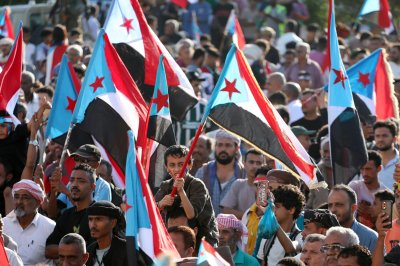
Some officials for Yemen’s separatist Southern Transitional Council on Friday said the council has been dissolved, but others deny the claim and say the STC is still active in southern Yemen. Photo by Najeeb Mohamed/EPA

Jan. 9 (UPI) — Some leaders of the Southern Transitional Council in Yemen announced the dissolution of the group that controlled southern Yemen territory, but others in the separatist group say it is still active amid peace talks Friday.

STC Secretary-General Abdulrahman Jalal al-Sebaihi announced the STC’s pending dissolution on Yemeni TV while attending peace talks in Riyadh, Saudi Arabia. His counterparts in Yemen said his declaration was made under duress and was not true.

“The decisions relating to the Southern Transitional Council cannot be taken except by the Council in its entirety, with all its institutions, and under the chairmanship of the president,” STC spokesman Anwar al-Tamimi said in a social media post.

“This will happen as soon as the STC delegation present in Riyadh is released,” he said.

“The STC will continue positive and constructive engagement with all political initiatives, which give the southern people the opportunity to determine their future.”

A coalition backed by Saudi Arabia has taken control of the territory in southern Yemen that formerly was held by the STC, which is supported by the United Arab Emirates.

The conflicting statements regarding the STC were made after STC leader Aidarous al-Zubaidi secretly left Yemen on Tuesday night with the help of the UAE instead of traveling to Riyadh to negotiate matters in Yemen.

Instead, he was taken to Abu Dhabi on Wednesday, which raised tensions between Saudi and UAE officials.

In addition to leading the STC, al-Zubaidi was a member of Yemen’s Presidential Leadership Council, which expelled him on Wednesday when he did not show up in Riyadh to discuss matters in Yemen.

The UAE and Saudi Arabia recently worked together to oppose Iran-backed Houthis in Yemen, and the STC wants to have an independent state recognized in South Yemen.

The STC’s dissolution could imperil efforts to re-establish a former north-south divide in Yemen, which existed prior to the nation’s unification in 1990.

Saudi Arabia supports the PLC, which is the internationally recognized government in Yemen, while the UAE backs the STC.

Source link

Senegal beat Mali to book first AFCON 2025 semifinal spot | Africa Cup of Nations News

Senegal beat Mali 1-0 to reach AFCON 2025 semifinal where defending champions Ivory Coast or record winners Egypt await.

Recalled striker Iliman Ndiaye scored in the first half to give Senegal a 1-0 victory over 10-man Mali in Tangiers on Friday in the first 2025 Africa Cup of Nations quarterfinal.

Mali hopes were dealt a severe blow in first-half added time when Yves Bissouma was sent off after being shown a second yellow card.

Recommended Stories

list of 4 itemsend of list

The only goal followed a blunder by Mali goalkeeper Djigui Diarra, who then made a string of superb saves to prevent Senegal increasing their lead.

Senegal now face defending champions Ivory Coast or record seven-time winners Egypt, who meet on Saturday, in the semifinals.

Malian Lassine Sinayoko appealed for a penalty just three minutes into the first half, alleging he was fouled by Senegal captain Kalidou Koulibaly, who was back after a one-match suspension.

However, the South African referee waved play on, and VAR confirmed his decision was correct. Big-screen replays showed Sinayoko was guilty of simulation.

Mali captain Bissouma was yellow-carded midway through the half for fouling veteran Senegal striker and twice African player of the year Sadio Mane.

Sinayoko then broke clear only to be foiled by a superb sliding tackle from fellow French Ligue 1 player Krepin Diatta.

The deadlock was broken after 27 minutes on a cold, cloudy evening in the Mediterranean city thanks to Ndiaye.

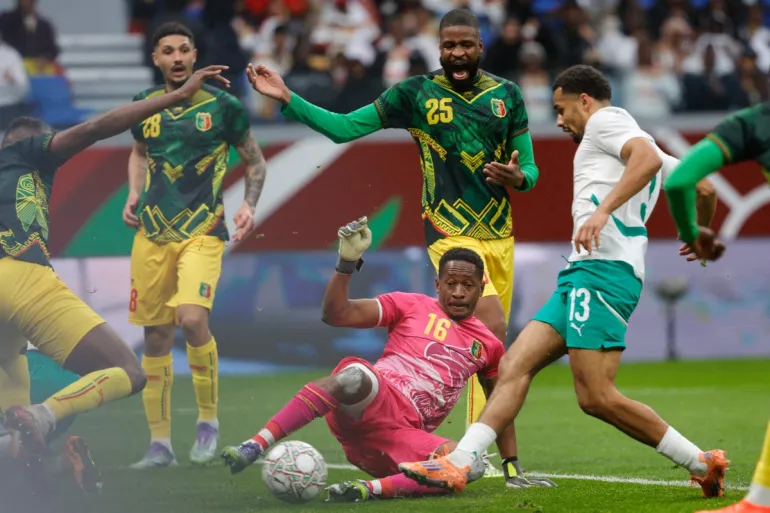
He was involved three times in a move which ended with goalkeeper Djigui Diarra allowing a Krepin Diarra cross to slip under his body, and Ndiaye struck the loose ball into the net.

Senegal's forward #13 Iliman Ndiaye celebrates scoring his team's first goal in the nets of Mali's goalkeeper #16 Djigui Diarra
Senegal’s forward Iliman Ndiaye celebrates scoring his team’s first goal in the nets of Mali’s goalkeeper Djigui Diarra during the Africa Cup of Nations [Abdel Majid Bziouat/AFP]

While the goal was a gift, it gave Senegal a deserved lead as they had dominated possession in only the second AFCON clash between the countries. The first was drawn at the group stage in 2004.

Pape Gueye, who scored twice for Senegal in the last-16 victory over Sudan, was just off target with a shot from outside the box.

Then, for the second successive knockout match, Mali were reduced to 10 men before half-time with Bissouma shown a second yellow card, followed by a red.

The Tottenham Hotspur midfielder fouled Idrissa Gueye in midfield, and Malian pleas for the incident to be reviewed by VAR were rejected.

Mali displayed tremendous spirit when reduced to 10 men against Tunisia in the round of 16, and it was evident again against the Senegalese as the second half progressed.

They came close to levelling on 55 minutes when defender Abdoulaye Diaby advanced for a free-kick. His close-range shot brought a reflex save from former Chelsea goalkeeper Edouard Mendy.

Diarra atoned for his first-half blunder by making several superb saves to keep alive Malian dreams of winning a maiden AFCON title.

With 15 minutes of regular time remaining, scorer Ndiaye was substituted. In his place came 17-year-old Paris Saint-Germain forward Ibrahim Mbaye, whose goal sealed victory over Sudan.

Diarra rescued Mali again as time ticked away, blocking a shot from substitute Pathe Ciss, who had broken clear.

The Malian goalkeeper made another outstanding save during seven minutes of added time by pushing away a Lamine Camara volley.

Source link

6 whales die; 15 more stranded on New Zealand beach

Jan. 9 (UPI) — Six pilot whales are dead and 15 others are stranded on New Zealand’s South Island, and volunteers are furiously working to save them.

About 55 whales washed up on Farewell Spit Thursday. The spit is a long peninsula of sand that juts out of the north end of the island. It’s been labeled a whale trap because they easily get stranded there. Most of the whales were able to get free, but about 15 of them were re-stranded and are lying along about 0.6 miles of beach.

Volunteers have been pouring buckets of water over the whales to keep them cool until the tide comes in, when they hopefully will be able to swim away.

“When the tide comes in, we’re going to have to move really quickly to bring these whales together, then move them out to deeper waters,” said Louisa Hawkes of Project Jonah, a nonprofit that helps marine mammals.

Pilot whales are very social animals, and rescuers believe their strong group bonds can help their chances of survival. Conditions must be just right for re-floating success.

On Friday, Project Jonah said the whales were in the tidal zone and were showing signs of encouraging behaviour, according to New Zealand’s RNZ news.

The organization appealed for extra volunteers to help with the operation. The New Zealand Department of Conservation sent rangers, a boat and a drone to look for more strandings.

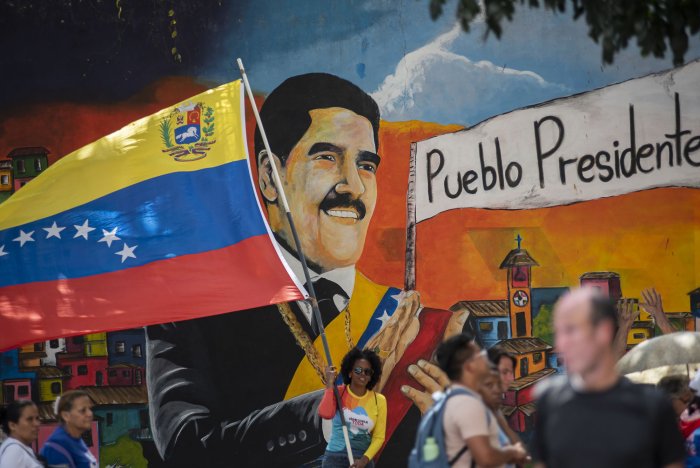
Supporters of ousted Venezuela’s President Nicolas Maduro carry his portrait during a rally outside the National Assembly in Caracas, Venezuela on Monday. Photo by Jonathan Lanza/UPI | License Photo

Source link

Elon Musk’s AI bot Grok limits image generation amid deepfakes backlash | Social Media News

UK PM Keir Starmer’s office says move to limit access to paying subscribers ‘insulting’ to victims and ‘not a solution’.

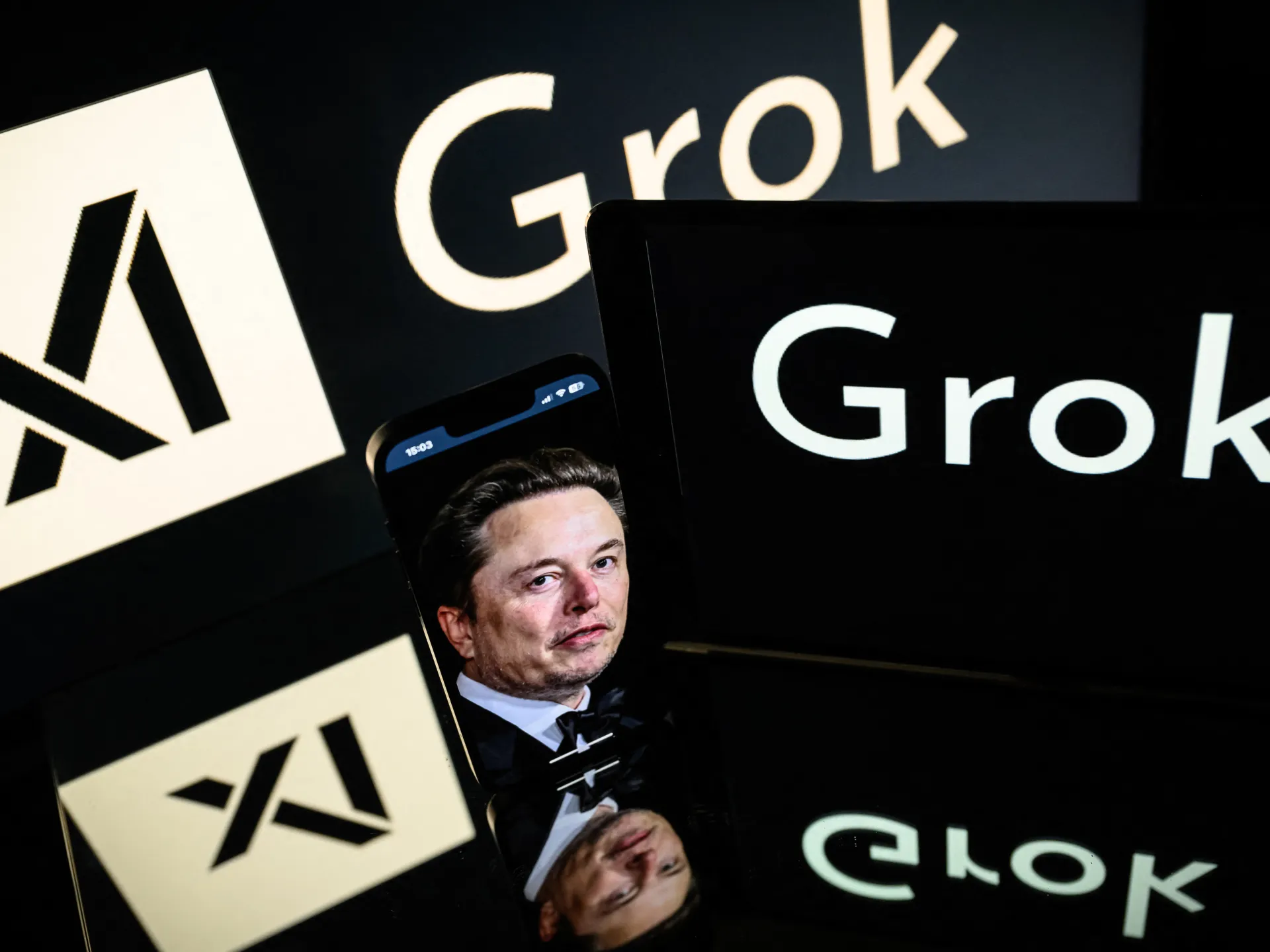
Elon Musk’s AI chatbot Grok has limited image generation on the social media platform X amid growing backlash over its use to create sexualised deepfakes of women and children.

Grok told X users on Friday that image generation and editing features were now available only to paying subscribers.

Recommended Stories

list of 3 itemsend of list

The standalone Grok app, which operates separately from X, still allows users to generate images without a subscription.

The move comes after Musk was threatened with fines and several countries pushed back publicly against the tool that allowed users to alter online images to remove the subjects’ clothes.

The European Commission said on Monday that such images circulating on X were unlawful and appalling.

The United Kingdom’s data regulator also said it had asked the platform to explain how it was complying with data protection laws following concerns that Grok was generating sexually abusive images of women.

On Friday, British Prime Minister Keir Starmer’s office called the move to limit access to paying subscribers “insulting” to victims and “not a solution”.

“That simply turns an AI feature that allows the creation of unlawful images into a premium service,” a Downing Street spokesperson said. “It’s insulting the victims of misogyny and sexual violence.”

The EU executive, for its part, said it had “taken note of the recent changes”.

But EU digital affairs spokesperson Thomas Regnier told reporters, “This doesn’t change our fundamental issue, paid subscription or non-paid subscription.”

“We don’t want to see such images. It’s as simple as that,” he said, adding, “What we’re asking platforms to do is to make sure that their design, that their systems do not allow the generation of such illegal content.”

The European Commission has ordered X to retain all internal documents and data related to Grok until the end of 2026 in response to the uproar about the sexualised images.

France, Malaysia and India have also criticised Musk’s platform over the issue.

Musk said last week that anyone using Grok to create illegal content would face the same consequences as uploading such material directly.

This is not the first time that Grok has been criticised, after the chatbot last year was slammed for providing anti-Semitic responses to questions from X users.

In July, Musk’s artificial intelligence firm xAI disabled Grok’s text replies and deleted posts after the chatbot praised Adolf Hitler and made anti-Semitic remarks.

Source link