Middle East

Syrian army closes Aleppo’s Kurdish areas as clashes persist | Syria’s War News

Violence, designation of ‘closed military zones’ and evacuations of civilians follow collapse of talks aimed at ending standoff over absorption of semiautonomous Kurdish forces by state institutions.

The Syrian army has declared Aleppo’s Kurdish areas “closed military zones” and ordered civilians to leave as clashes with the Syrian Democratic Forces (SDF) extended into a second day.

The Syrian Army Operations Command told Al Jazeera that all SDF military positions in Aleppo neighbourhoods are legitimate targets as sporadic fighting between the government forces and Kurdish-led SDF continued on Wednesday after violence flared the previous day.

Recommended Stories

list of 3 itemsend of list

The clashes, which killed nine people on Tuesday, according to officials, are the fiercest fighting since the two sides failed to implement a March deal to merge the United States-backed semiautonomous Kurdish administration and military force with Syria’s new government.

The Syrian army announced that two neighbourhoods in Aleppo would become “closed military zones” from 3pm (12:00 GMT). In the meantime, it said, it would operate “humanitarian corridors” to allow civilians to leave.

All “military sites of the SDF organisation within the Sheikh Maqsoud and Ashrafieh neighbourhoods of Aleppo are a legitimate military target for the Syrian Arab Army, following the organisation’s major escalation towards the neighbourhoods of Aleppo city and its perpetration of numerous massacres against civilians,” the Army Operations Authority said in a statement.

The SDF noted a large deployment of Syrian army vehicles near the Sheikh Maqsoud and Ashrafiyah neighborhoods, labelling it a “dangerous indicator that warns of escalation and the possibility of a major war”.

The army, meanwhile, said it “urges our civilian population in the Sheikh Maqsoud and Ashrafieh neighbourhoods of Aleppo to immediately stay away from the SDF positions”.

The state news agency SANA reported that the Syrian Civil Defence Forces and Syrian Arab Red Crescent are providing aid to people evacuating.

The Civil Defence said it had evacuated 850 civilians from Aleppo by about midday, citing deteriorating humanitarian conditions and shelling by the SDF.

A Syrian security source reported to Al Jazeera that prisoners have escaped from al-Shafiq prison, which is run by the SDF, to safe areas in Aleppo. He did not specify the number of prisoners that absconded.

Sectarian tensions

Both sides have blamed the other for sparking the violence, which broke out after talks this week between government officials and the main SDF commander stalled with “no tangible results” achieved, according to state media.

The incorporation of the SDF, which controls large chunks of Syria’s north and northeast, into state institutions has remained a subject of consternation since President Ahmed al-Sharaa took office a year ago.

The deal reached in March, in which the SDF agreed “all civil and military institutions in northeastern Syria” would be merged into “the Syrian state, including border crossings, the airport, and oil and gas fields”, has yet to be carried out.

Al-Sharaa’s efforts to amalgamate power and quell sectarian tensions among the numerous groups across Syria after the fall of longtime leader Bashar al-Assad have not been helped by Israel.

Prime Minister Benjamin Netanyahu’s government has carried out persistent raids and bombardments in a bid to demilitarise southern Syrian regions bordering Israel.

Over the past year, Israel has launched more than 600 air, drone and artillery attacks across Syria, averaging nearly two a day, according to a tally by the Armed Conflict Location and Event Data Project.

Marie Forestier, a nonresident senior fellow for the Atlantic Council’s Syria Project, told Al Jazeera that the distance between Syrian, Israeli and US goals is “very difficult”, especially given that “Israel is doing everything to destabilise Syria.”

Source link

Everything you need to know about the Syria – Israel deal in Paris | Syria’s War News

Syria and Israel have agreed to set up a joint mechanism after US-mediated talks in Paris on Tuesday, in what they are calling a “dedicated communication cell” aimed at sharing intelligence and coordinating military de-escalation.

The two countries have had a US-backed security agreement in place since 1974. However, when the Assad regime fell on December 8, 2024, Israel began attacking Syrian military infrastructure and pushed their troops into the demilitarised zone that is Syrian territory.

Syria and Israel have been engaging in intermittent negotiations over the last year to find a security agreement that would stop Israel’s repeat aggression against Syrians and Syrian territory.

Here’s everything you need to know about these talks.

What is the mechanism?

“The mechanism will serve as a platform to address any disputes promptly and work to prevent misunderstandings,” a joint statement released by the two countries said after the agreement on Tuesday.

The idea is to have a body that will deal with grievances and resolve disputes between Israel and Syria, ideally in a way that brings Israeli attacks on Syrian land and people to an end. Both sides may also hope it can pave the way to a renewed security agreement.

What does Syria want?

A government source told state media SANA, that the focus for Syria is to reactivate “the 1974 Disengagement Agreement, with the aim of ensuring the withdrawal of Israeli forces to the lines in place prior to Dec. 8, 2024 within a reciprocal security agreement that prioritizes full Syrian sovereignty and guarantees the prevention of any form of interference in Syria’s internal affairs.”

The Syrian government, led by President Ahmed al-Sharaa, will want Israel to respect Syrian sovereignty by pulling back its forces and stopping attacks but also to stop meddling in domestic affairs.

The Washington Post reported that Israel has supported figures opposed to Syria’s new government, including Suwayda’s Hikmat al Hijri. Israel has previously said they want to protect Syria’s minority Druze community.

What does Israel want?

Three things mainly, according to Al Jazeera’s senior correspondent Resul Serdar.

“For Israel, it’s about more land, patronage of minorities, and long term leverage,” he said.

Israel has tried to paint the new government in Syria as extremist and a threat to its security. It has called for the area south of Damascus to be demilitarised, while also trying to build relations with Syrian minorities, particularly the Druze in Suwayda.

Analysts believe this could be part of a strategy by Israel to keep its neighbours weak.

Israel has come to the table at least partially due to US leverage and influence. US President Donald Trump and his Special Envoy Tom Barrack have both built warm relations with al-Sharaa.

But Israel may also want to counter Turkish influence in Syria. Israel has previously accused Turkiye of turning Syria into its protectorate.

What does the US want?

“For Washington the priority is containment,” Serdar said.

The US also sees Damascus as a crucial partner in the fight against ISIL. Stability in Syria, particularly under a central government in Damascus, could mean pulling US troops out of eastern Syria.

But the US also wants a strong Syria to avoid the return of Iranian influence in the country and to avoid any wider regional violence.

For his part, Trump is eager to expand the Abraham Accords that sees Arab and Muslim countries sign normalisation agreements with Israel and has said he hopes Syria will do so. Syria, however, has said they do not intend to sign the Abraham Accords.

Will the mechanism work?

There are doubts.

A Syrian official told Reuters news agency that his country isn’t willing to move forward on “strategic files” without an enforced timeline over Israel’s withdrawal from Syrian territory taken after December 2024.

In addition to moving into Syrian territory, Israel has conducted numerous attacks on Damascus, including on the Syrian Ministry of Defense building.

A similar mechanism between Israel and Lebanon was created after the November 2024 ceasefire there, with France and the United States involved to enforce the deal. However, the mechanism has not stopped near-daily attacks by Israel on Lebanese territory, nor has it led to the withdrawal of Israeli troops from five occupied points in Lebanon.

For the mechanism to work, the United States will have to do something it has rarely done in recent years: hold Israel accountable.

What about the Golan Heights?

Israel has illegally occupied areas of the Syrian Golan Heights since 1967.

Israeli officials have indicated they are not willing to return the Golan Heights to the new Syrian government.

After the fall of the Assad regime, Israel expanded into Syrian territory and seized the strategic outlook of Jabal al-Sheikh, a mountain that lies between Syria, Lebanon and Israel.

For now, Syria appears to be focused on getting Israel out of the areas it occupied since December 2024.

Source link

Who is Aidarous al-Zubaidi? Yemen’s ‘traitor’ chief | Features

For years, Aidarous al-Zubaidi has been the undisputed strongman of southern Yemen, a former air force officer who transitioned from a rebel leader to a statesman courted by Western diplomats.

But on Wednesday, his political trajectory took a drastic turn.

In a decree that has shaken the country’s fragile power-sharing arrangement, the chairman of the Presidential Leadership Council (PLC), Rashad al-Alimi, removed al-Zubaidi from his post as council member, stripping him of his immunity and referring him to the public prosecutor on charges of “high treason”.

The decree accuses al-Zubaidi of “forming armed gangs”, “harming the Republic’s political and military standing”, and leading a military rebellion.

Simultaneously, the Saudi-led coalition announced that al-Zubaidi had “fled to an unknown destination” after failing to answer a summons to Riyadh—a claim the Southern Transitional Council (STC) vehemently denies, insisting their leader remains in Aden.

So, who is the man at the centre of these rapid developments in Yemen?

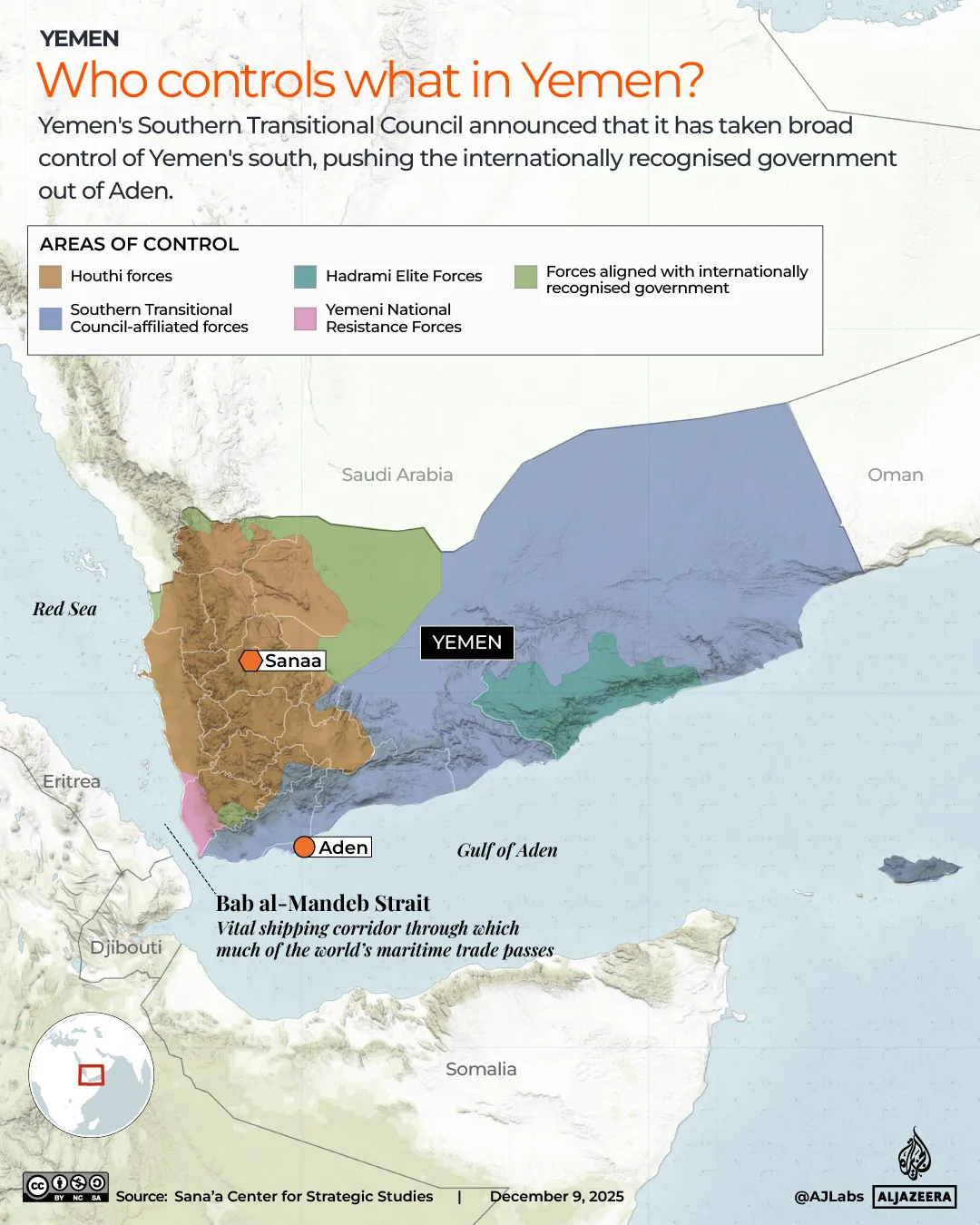
INTERACTIVE_YEMEN_CONTROL_MAP_DECEMBER 9_2025-1765288083
(Al Jazeera)

The ‘rebel’ officer

Born in 1967 in the Zubayd village of the mountainous Al-Dale governorate, al-Zubaidi’s life has mirrored the turbulent history of southern Yemen.

He graduated from the air force academy in Aden as a second lieutenant in 1988. However, his military career was upended by the 1994 civil war, in which northern forces under then-President Ali Abdullah Saleh crushed the southern separatist movement.

Al-Zubaidi fought on the losing side and was forced into exile in Djibouti.

He returned to Yemen in 1996 to found Haq Taqreer al-Maseer (HTM), which means the Movement of Right to Self-Determination, an armed group that carried out assassinations against northern military officials. A military court sentenced him to death in absentia, a ruling that stood until Saleh pardoned him in 2000.

After years of a low-level rebellion, al-Zubaidi re-emerged during the Arab Spring in 2011, when his movement claimed responsibility for attacks on Yemeni army vehicles in Al-Dale.

From governor to secessionist chief

The Houthi takeover of Sanaa in 2014 and their subsequent push south in 2015 provided al-Zubaidi with his biggest opening.

Leading southern resistance fighters, he played a pivotal role in repelling Houthi forces from Al-Dale and Aden. In recognition of his influence on the ground, President Abd-Rabbu Mansour Hadi appointed him governor of Aden in December 2015.

However, the alliance was short-lived. Tensions between Hadi’s government and southern separatists boiled over, leading to al-Zubaidi’s dismissal in April 2017.

Less than a month later, al-Zubaidi formed the Southern Transitional Council (STC), declaring it the legitimate representative of the southern people. Backed by the United Arab Emirates, the STC built a formidable paramilitary force that frequently clashed with government troops, eventually seizing control of Aden.

In April 2022, in a bid to unify the anti-Houthi front, al-Zubaidi was appointed to the eight-member Presidential Leadership Council (PLC).

A vision of ‘South Arabia’

Despite joining the unity government, al-Zubaidi never abandoned his ultimate goal: the restoration of the pre-1990 southern state.

In interviews with international media, including United Arab Emirates state-run newspaper The National and Al Hurra, al-Zubaidi outlined a vision for a federal “State of South Arabia”. He argued that the “peace process is frozen” and that a two-state solution was the only viable path forward.

He also courted controversy by expressing openness to the Abraham Accords.

“If Palestine regains its rights … when we have our southern state, we will make our own decisions and I believe we will be part of these accords,” he told The National in September 2025.

Most recently, on January 2, 2026, al-Zubaidi issued a “constitutional declaration” announcing a two-year transition period leading to a referendum on independence – a move that appears to have triggered his dismissal.

The final rupture

The events of January 7 mark the collapse of the fragile alliance between the internationally recognised government and the STC.

Brigadier General Turki al-Maliki, spokesperson for the coalition, stated that al-Zubaidi had been distributing weapons in Aden to “cause chaos” and had fled the country after being given a 48-hour ultimatum to report to Riyadh.

Al-Maliki also confirmed “limited preemptive strikes” against STC forces mobilising near the Zind camp in Al-Dale.

The STC has rejected these accounts. In a statement issued on Wednesday morning, the council claimed al-Zubaidi is “continuing his duties from the capital, Aden”.

Instead, the STC raised the alarm about its own delegation in Riyadh, led by Secretary-General Abdulrahman Shaher al-Subaihi, claiming they have lost all contact with them.

“We demand the Saudi authorities … guarantee the safety of our delegation,” the statement read, condemning the air strikes on Al-Dale as “unjustified escalation”.

With “high treason” charges on the table and air strikes reported in the south, al-Zubaidi’s long game for independence appears to have pushed Yemen into a dangerous new phase of conflict.

Source link

Protests grow as Iran’s government makes meager offer amid tanking economy | Protests News

Tehran, Iran – Bolder protests are being recorded across Iran amid an increasing deployment of armed security officers as the government’s efforts to contain an unravelling economic situation fall flat.

Footage circulating online showed huge protests on Tuesday night in the city of Abdanan, in the central province of Ilam, where several major demonstrations have taken place over the past week.

Recommended Stories

list of 4 itemsend of list

Thousands of people, from children accompanied by parents to the elderly, were filmed walking and chanting in the streets of the small city while helicopters flew overhead. The protesters appeared to have vastly outnumbered the security personnel deployed to contain them.

In the city of Ilam, the province’s capital, videos showed security forces storming the Imam Khomeini Hospital to root out and arrest protesters, something rights group Amnesty International said violates international law and again shows “how far the Iranian authorities are willing to go to crush dissent”.

The hospital became a target after protests in the county of Malekshahi earlier this week, where multiple demonstrators were shot dead while gathering at the entrance of a military base. Some wounded protesters were taken to the hospital.

Several graphic videos from the scene of the shooting circulating online showed people being sprayed with live fire and falling to the ground as they fled from the gate. The local governor said the shooting is under investigation.

State-linked media confirmed that at least three people were killed. They also announced on Tuesday that a police officer was shot dead after armed clashes took place in the aftermath of funeral processions for the dead protesters.

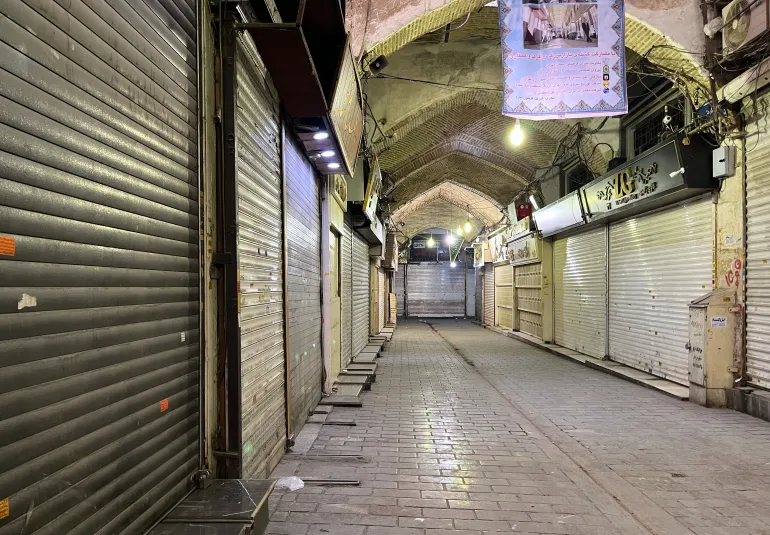
In Tehran, numerous videos showed traders and business owners at the Grand Bazaar, who closed down their shops, clashing with security forces in riot gear with batons and using tear gas.

People could be heard chanting “freedom” in the bazaar and shouting “dishonourable” at police officers. “Execute me if you want, I’m not a rioter,” one man shouted when pressured by security forces, to cheers and clapping from the crowd.

‘Show no mercy’

Supreme Leader Ayatollah Ali Khamenei said, in his first reaction to the protests this week, that rioters must be “put in their place”.

Meanwhile, Chief Justice Gholamhossein Mohseni-Ejei said, “We will show no mercy to rioters this time.”

The situation was similarly tense in adjacent streets and neighbourhoods, where the protests were originally started by shopkeepers on December 28. Multiple other major shopping areas in Tehran saw huge strikes and protests on Tuesday, including Yaftabad, where police were met with shouted slogans, “Neither Gaza nor Lebanon; my life for Iran”.

Iran’s government has been accused of providing support for armed groups in Gaza and Lebanon.

More clashes were recorded around the Sina Hospital in downtown Tehran, but the Tehran University of Medical Science said in a statement that the tear gas canisters filmed inside the hospital compound were not thrown by security forces.

Demonstrations also occurred in Lorestan and Kermanshah in the west; Mashhad in the northeast; Qazvin, south of the capital; the city of Shahrekord in Chaharmahal and Bakhtiari to the southwest; and the city of Hamedan, where a woman was filmed braving a police water cannon in the winter cold.

A foreign-based human rights monitor opposed to the theocratic establishment in Iran claimed at least 35 people have been killed in the protests so far. The Iranian state has not announced casualty figures, and Al Jazeera could not independently verify any.

Shops are closed during protests in Tehran's centuries-old main bazaar, Iran, Tuesday, Jan. 6, 2026. (AP Photo/Vahid Salemi)
Shops are closed during protests in Tehran’s centuries-old main bazaar on Tuesday [Vahid Salemi/AP]

Cooking oil triples in price

The country continues to have one of the highest inflation rates in the world, especially when it comes to the rampant increases in prices of essential food items.

The government of moderate President Masoud Pezeshkian says it is implementing plans to make sure the economic situation is contained, but a rapid decline continues to unfold.

The country’s embattled currency, the rial, was priced at more than 1.47 million to the US dollar in the open market in Tehran on Tuesday, marking yet another new all-time low that showed a lack of public and investor trust.

The price of cooking oil has experienced by far the sharpest price surge this week, more than tripling and falling further out of reach of the decimated Iranian middle class, which has seen its purchasing power dwindle since 2018, when the US unilaterally abandoned a 2015 nuclear deal and reimposed harsh sanctions.

The development comes after Pezeshkian presented a budget for the upcoming Iranian calendar year, starting in late March, that eliminated a subsidised currency rate used for certain imports, including foodstuffs.

Some economists have welcomed the rationale behind the move, which is to eliminate the rent-distributing subsidised currency rate in an attempt to combat corruption, particularly since the cheaper currency has only been abused and has failed to curb food prices.

The move was expected to lead to increased prices in the short term and face pushback from interest groups within the establishment that have benefitted from the cheap currency for years. But the oil price jump was very sudden, prompting the government to announce official prices of its own, though it remains to be seen whether the market will listen.

Using the resources to be freed from eliminating the cheaper subsidised currency, the government has offered to allocate online credits, each amounting to 10 million rials ($7 at the current exchange rate), to help people buy food.

Two renowned singers, Homayoun Shajarian and Alireza Ghorbani, joined the ranks of many people and celebrities online who said they would stop their professional activities, including scheduled concerts, in solemn observance and support for the protests.

“How can our officials lay down their heads and sleep?” asked Ali Daei, a legend of Iranian football and a respected national figure among the people, in a video interview released on Tuesday that is going viral.

“Perhaps many of them are not even Iranians, since they don’t feel sympathy for the Iranian nation.”

Source link

Yemeni separatists to attend Saudi talks after losing key southern sites | Conflict News

The forum, which comes after government forces retook two governorates, could help end the conflict with separatists.

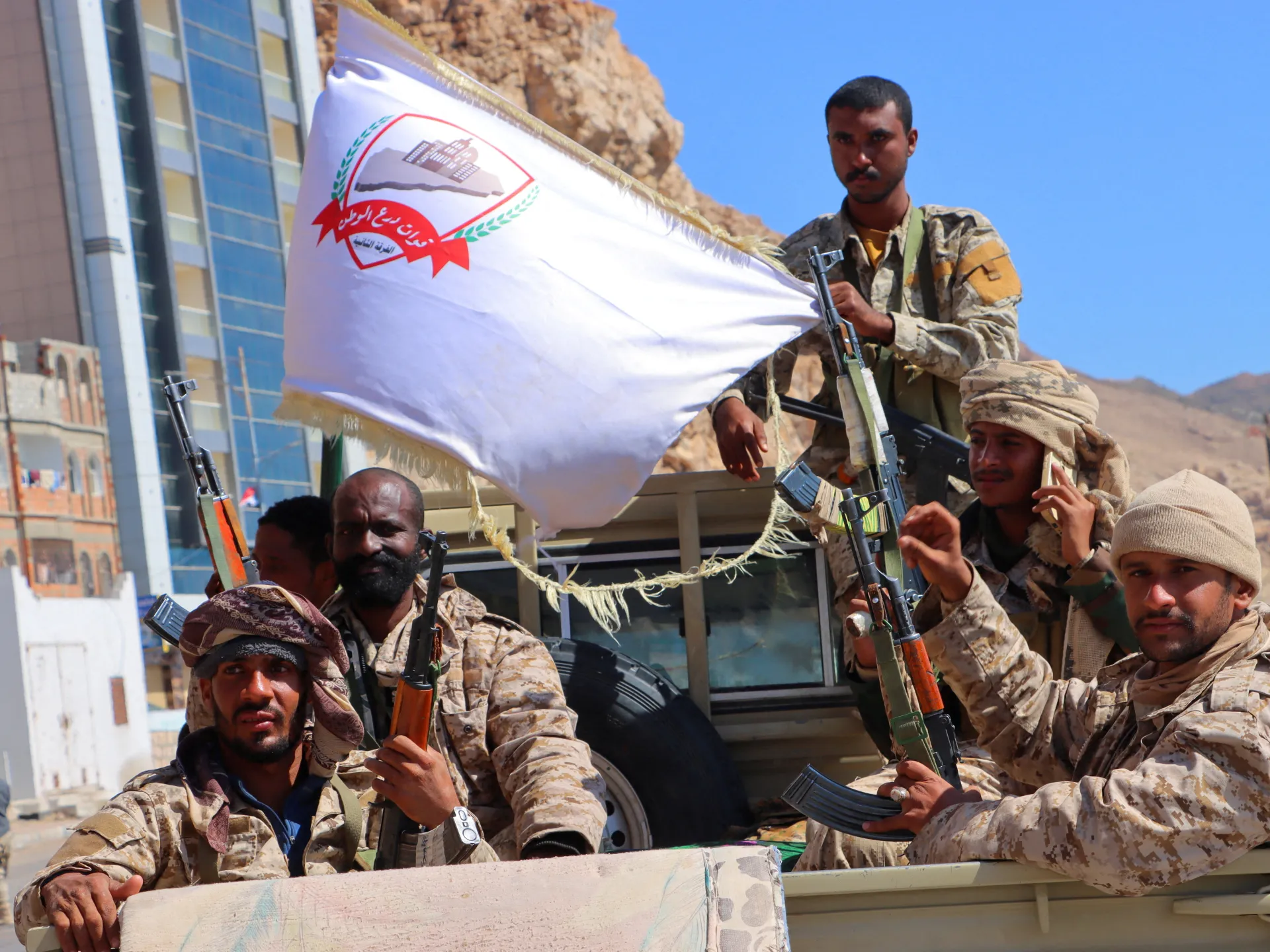
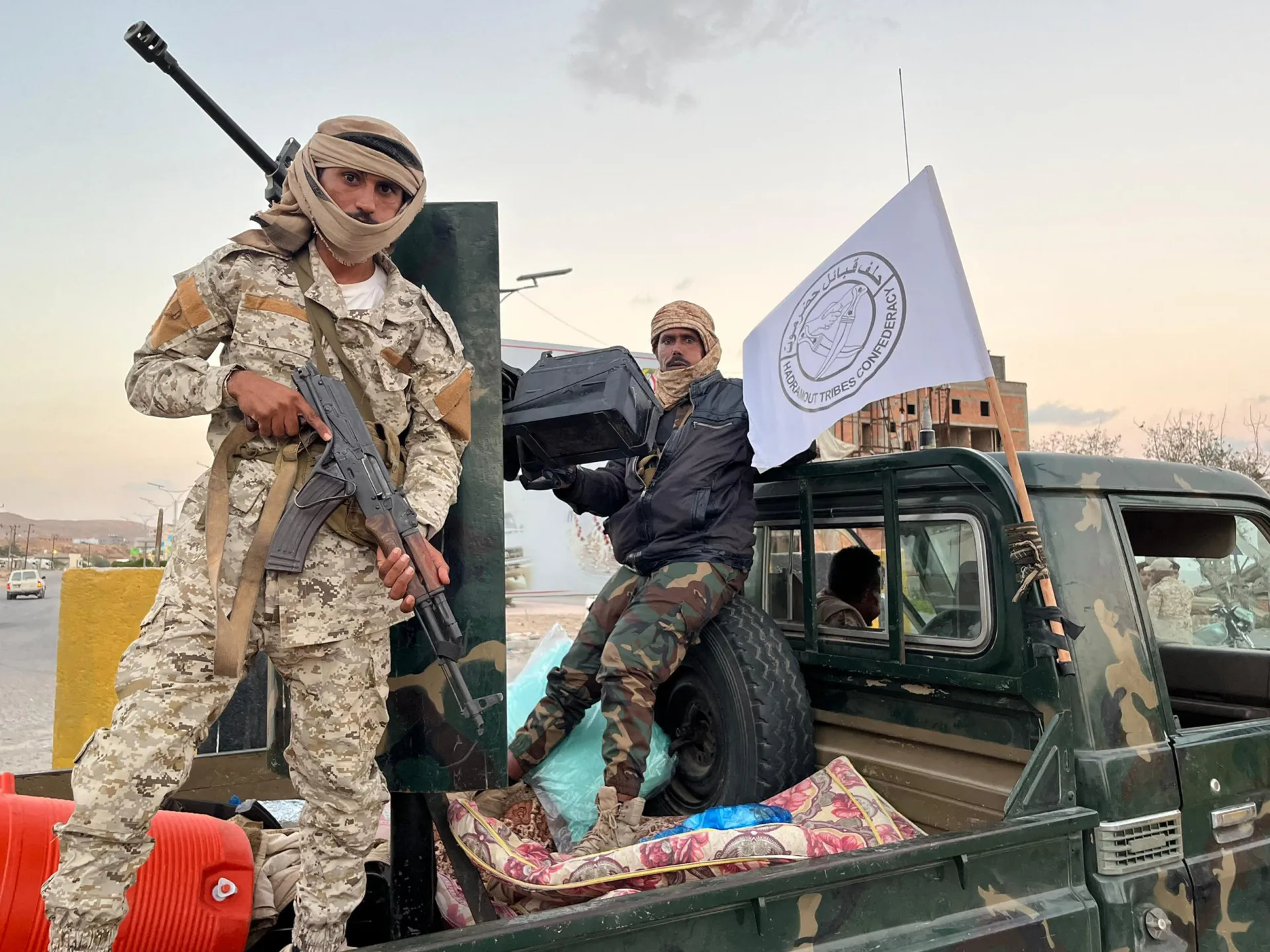
Yemeni government troops backed by Saudi Arabia have completed the handover of all military sites in Hadramout and al-Mahra governorates, which they successfully reclaimed from the United Arab Emirates-backed secessionist Southern Transitional Council (STC) in recent days, according to Yemeni media.

A delegation led by STC leader, Aidarous al-Zubaidi, was meanwhile expected to travel to Saudi Arabia for a peace forum, the Reuters news agency reported – a potential sign of progress towards ending the conflict that has rocked war-torn Yemen and spiked tensions between Riyadh and Abu Dhabi.

Recommended Stories

list of 4 itemsend of list

Over the last two days, STC troops have withdrawn from the city of Mukalla, the key eastern port and capital of Hadramout, which Saudi Arabia bombed last week in a limited coalition operation targeting cargo and weapons.

Civilian life has started to return to normal, local sources told Al Jazeera Arabic. Shops have opened their doors, while traffic has gradually picked up again in city streets.

The fractured country has seen soaring tensions since early December, when STC forces took over Hadramout and al-Mahra. The two provinces make up nearly half of Yemen’s territory and share a border with Saudi Arabia.

Last week’s new round of fighting saw Yemen’s Saudi-backed Homeland Shield forces achieve “record success” in clawing back “all military and security positions”, said Rashad al-Alimi, head of the internationally recognised government’s Presidential Leadership Council (PLC).

By Friday, the Yemeni government said it had asked Saudi Arabia to host talks with separatists. The STC welcomed the offer, though the timing and details of the talks remain unclear.

Renewed tensions

At least 80 STC fighters had been killed as of Sunday, according to an STC official, while another 152 were wounded and 130 were taken captive.

Skirmishes broke out two days earlier in Hadramout after the STC accused Saudi Arabia of bombing its forces near the border, killing seven people and wounding 20.

An STC military official separately told the AFP news agency that Saudi warplanes had carried out “intense” air raids on one of the group’s camps at Barshid, west of Mukalla.

As fighting was under way, the STC announced the start of a two-year transitional period towards declaring an independent state, warning it would declare independence “immediately” if there was no dialogue or if southern Yemen again came under attack.

The Yemeni government defended the military actions, with Hadramout Governor Salem al-Khanbashi saying efforts to take back bases from the STC were “not a declaration of war” but meant to “peacefully and systematically” reclaim the sites.

The government also accused the separatists of preventing civilian travellers from entering Aden and called the STC’s restrictions on movement “a grave violation of the constitution and a breach of the Riyadh Agreement”, which was intended as a peace deal between separatists and the government.

Outside Yemen, the crisis has continued to upset relations between the UAE and Saudi Arabia.

Riyadh, Abu Dhabi and the STC are part of a decade-old military coalition that Riyadh convened to confront the Houthis, who continue to control parts of northern Yemen and Sanaa, the capital.

But the STC’s increasingly separatist approach – along with tit-for-tat accusations of Riyadh and Abu Dhabi-backed escalations – have stoked tensions among the trio.

Late on Friday, Abu Dhabi said all Emirati forces would withdraw from Yemen. Riyadh officially called for a peace forum early Saturday.

Source link

Gaza children risk snipers to attend tent schools | Israel-Palestine conflict News

In a small tent overshadowed by the sound of nearby gunfire, seven-year-old Tulin prepares for her first day of school in two years.

For most children, this would be a moment of excitement. For Tulin and her mother, it is a chapter of terror.

The relentless Israeli war has destroyed the vast majority of Gaza’s educational infrastructure, forcing families to create makeshift “tent schools” in dangerous proximity to Israeli forces — an area demarcated by Israel as the “yellow zone” west of the separation line, often just a few metres away from danger.

“Until my daughter gets to school, I honestly walk with my heart in my hand,” Tulin’s mother told Al Jazeera correspondent Shady Shamieh.

“Many times, I find myself involuntarily following her until she reaches the school. I feel there is something [dangerous], but I want her to learn,” she added. “If not for this situation, she would be in second grade now. But we are determined.”

Interactive_TwoYearofGaza_EDUCATION_DESTROYED

‘Take the sleeping position’

The journey to the classroom is perilous. Walking through the rubble of Beit Lahiya, Tulin admits she is terrified of the open spaces.

“When I go to school, I am afraid of the shooting,” Tulin said. “I can’t find a wall to hide behind so the shelling or stray bullets don’t hit us.”

Inside the tents, protection is nonexistent. The canvas walls cannot stop bullets, yet the students sit on the ground, determined to learn.

Their teacher describes a harrowing daily routine where education is frequently interrupted by the crack of sniper fire.

“The location is difficult, close to the occupation [forces],” the teacher explained. “When the shooting starts, we tell the children: ‘Take the sleeping position.’ I get goosebumps, praying to God that no injuries occur. We make them lie on the ground until the shooting stops.”

“We have been exposed to gunfire more than once,” she added. “Despite this, we remain. The occupation’s policy is ignorance, and our policy is knowledge.”

Among the students is Ahmed, who lost his father in the war. “We come with difficulty and leave with difficulty because of the shooting,” he told Al Jazeera. “But I want to fulfil the dream of my martyred father, who wanted to see me become a doctor.”

‘One of the biggest catastrophes’

The desperate scenes in Beit Lahiya reflect a wider collapse of the education system in the enclave.

Speaking to Al Jazeera Arabic on Monday, Kazem Abu Khalaf, the spokesperson for UNICEF in Palestine, described the situation as “one of the biggest catastrophes”.

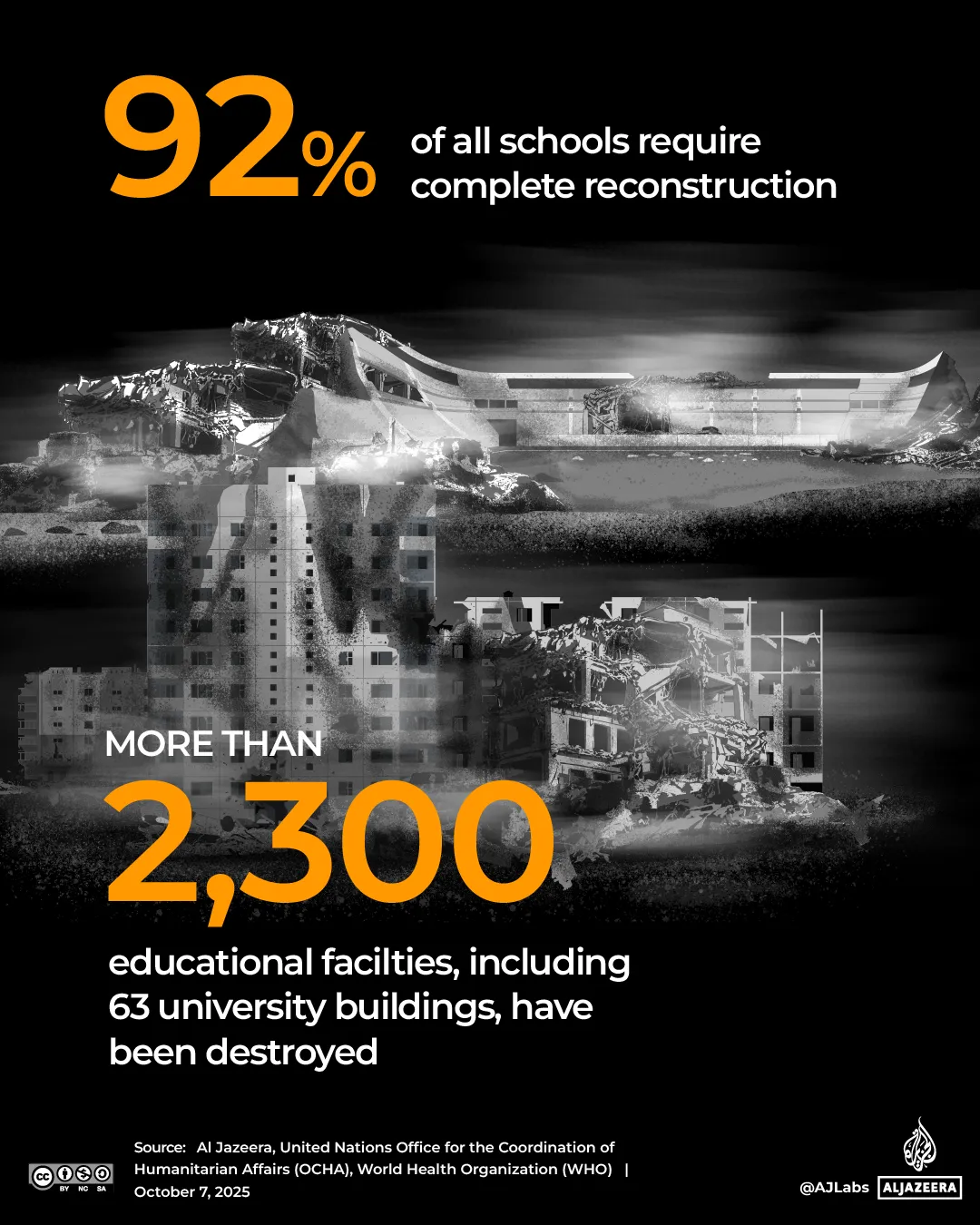
“Our figures indicate that 98 percent of all schools in the Gaza Strip have suffered varying degrees of damage, ranging up to total destruction,” Abu Khalaf said.

He noted that 88 percent of these schools require either comprehensive rehabilitation or complete reconstruction.

The human toll is staggering: approximately 638,000 school-aged children and 70,000 kindergarten-aged children have lost two full academic years and are entering a third year of deprivation.

Trauma and speech impediments

While UNICEF and its partners have established 109 temporary learning centres serving 135,000 students, the psychological scars of the war are surfacing in alarming ways.

Abu Khalaf revealed that field teams have observed severe developmental regression among students.

“In one area, [colleagues] monitored that approximately 25 percent of the children we are trying to target have developed speech difficulties,” Abu Khalaf said. “This requires redoubled efforts from educational specialists.”

The ban on books

Beyond the structural destruction and trauma, the education sector faces a logistical blockade. Abu Khalaf confirmed that since the war began in October 2023, virtually no educational materials have been allowed into the Strip.

“The biggest challenge, in truth, is that … almost no learning materials have entered Gaza at all,” he said.

UNICEF is currently preparing to launch a “Back to Learning” campaign targeting 200,000 children, focusing on Arabic, English, maths and science, alongside recreational activities to “repair the children’s psyche before anything else”.

However, Abu Khalaf emphasised that the success of any campaign depends on Israel lifting restrictions.

“We are communicating with all parties, including the Israeli side, to allow the entry of learning materials,” he said. “It is not in anyone’s interest for a child in Gaza not to go to school.”

Source link

Israel kills two in Gaza as Palestinians call for Rafah crossing to open | Israel-Palestine conflict News

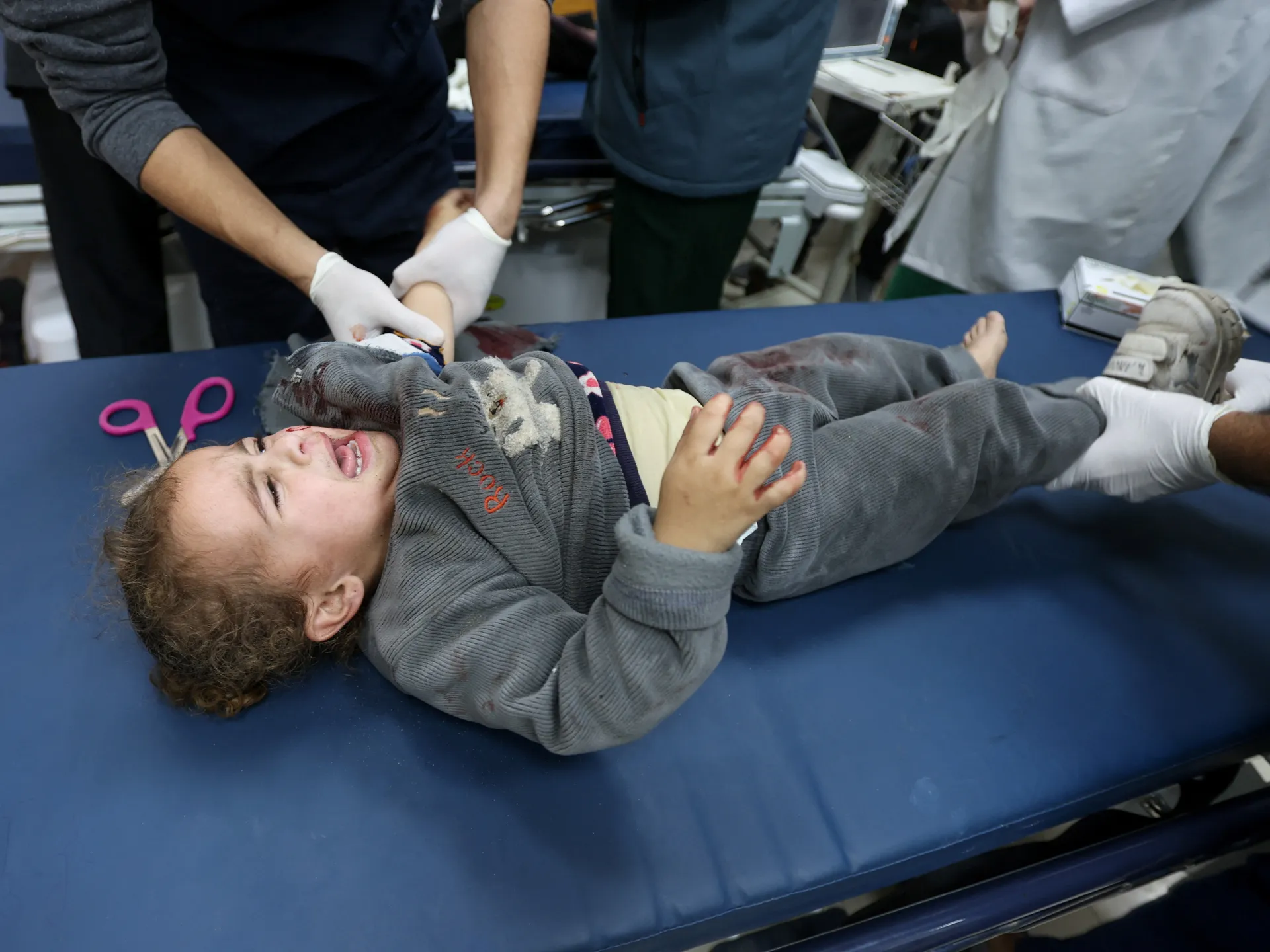
Israel has launched intense artillery and helicopter attacks on southern Gaza despite a United States-brokered ceasefire, bombing a tent housing displaced Palestinians and killing a five-year-old girl and her uncle, according to officials.

The killings on Monday brought the number of Palestinians killed by Israeli forces since the truce came into effect in October to at least 422, according to Gaza health authorities.

Recommended Stories

list of 4 itemsend of list

The Nasser Medical Complex in southern Khan Younis said the deadly Israeli strike hit a tent in the coastal al-Mawasi area, and that four others, including children, were also wounded.

Israel’s military said it struck a Hamas fighter who was planning to attack Israeli forces “in the immediate timeframe”. But the military did not provide evidence for the claim, and it was not clear if its statement referred to the tent attack.

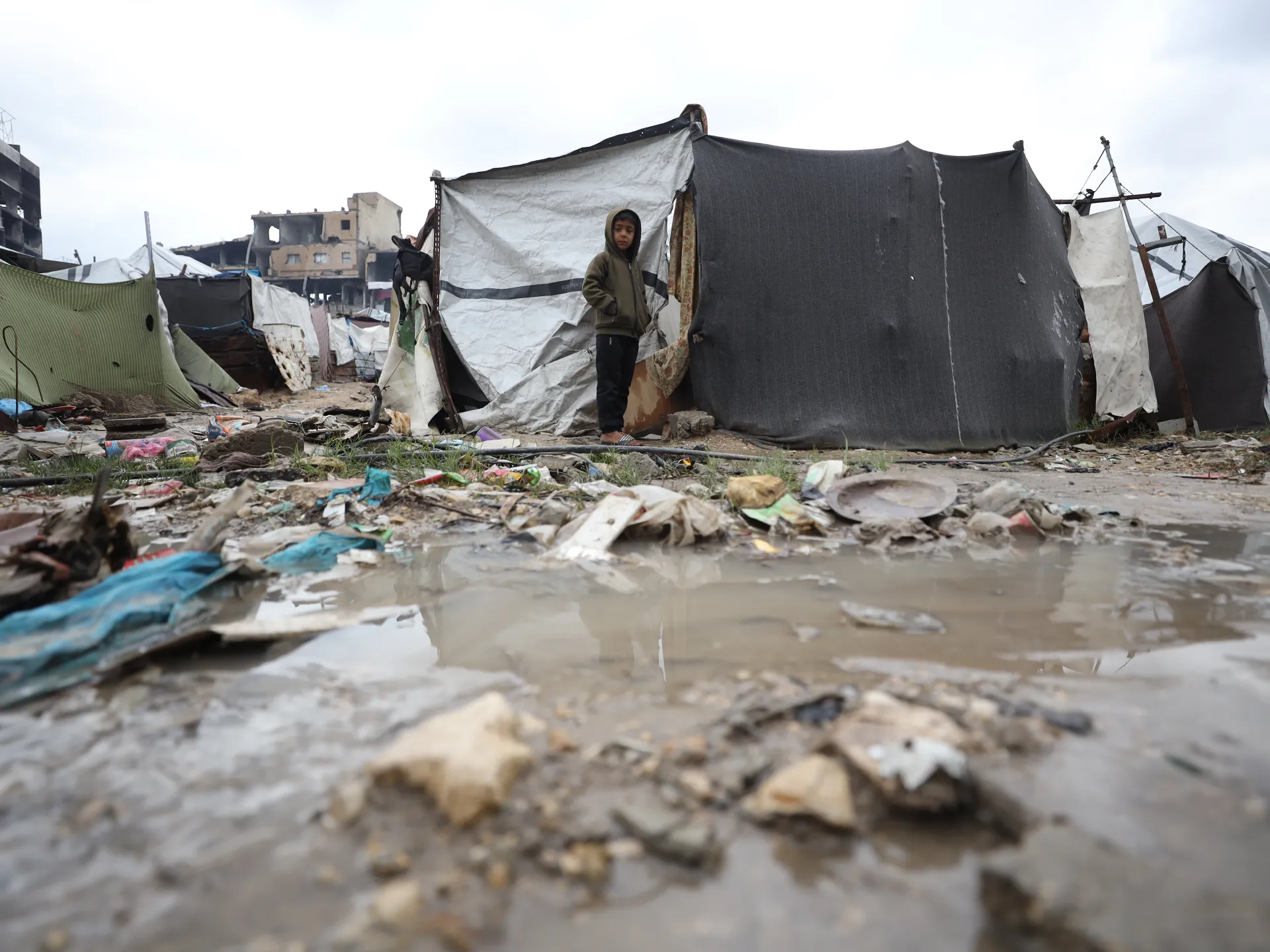
Despite the ceasefire, Israeli forces have continued near-daily attacks on Gaza and have maintained restrictions on the entry of humanitarian aid. Much of the enclave has been devastated by Israel’s genocidal war, with roughly 88 percent of buildings damaged or destroyed, Palestinian officials say.

Most of Gaza’s two million people are now living in tents, makeshift shelters or damaged buildings in areas vacated by Israeli troops.

The Palestinian Civil Defence said on Monday that another Palestinian home damaged in earlier Israeli strikes collapsed in the central Maghazi camp, killing a 29-year-old father and his eight-year-old son.

But the rescue service said in a subsequent statement that it was unable to respond to requests to remove hazards caused by damaged buildings because of a lack of equipment and continuing fuel shortages.

The Gaza ceasefire, agreed upon after more than two years of Israeli attacks that killed more than 71,000 people, is being implemented in phases. The first stage includes exchanges of captives and prisoners, increased humanitarian aid and the reopening of Gaza’s Rafah border crossing with Egypt.

Hamas has freed all remaining living captives and returned dozens of bodies, except for one, while Israel has released nearly 2,000 Palestinian detainees and prisoners, including some serving life sentences.

Hopes for Rafah crossing

However, humanitarian groups say that Israeli restrictions continue to hamper aid deliveries, while Gaza’s Rafah crossing with Egypt remains closed. The crossing had long been Gaza’s only connection to the outside world until the Israeli military occupied the Palestinian side in May 2024.

Israel’s Kan broadcaster reported on January 1 that Israeli authorities are preparing to reopen the crossing in “both directions” following pressure from US President Donald Trump.

If confirmed, it would mark a shift from an earlier Israeli policy that stated the crossing would only open “exclusively for the exit of residents from the Gaza Strip to Egypt”. The policy drew condemnation from regional governments, including Egypt and Qatar, with officials warning against the ethnic cleansing of Gaza.

The latest Israeli report has left many Palestinians hopeful.

Tasnim Jaras, a student in Gaza City, told Al Jazeera that it was her “dream that the crossing opens so we can continue our education”.

Moaeen al-Jarousha, who was wounded in the war, said he needed to leave Gaza to receive medical treatment abroad. “I need immediate medical intervention. I live in very difficult conditions,” he said.

Al Jazeera’s Hani Mahmoud, reporting from Gaza City, said Palestinians in Gaza have been waiting for the crossing to open for a long time.

“For many, this isn’t about travel, it’s about survival. Parents are asking about medical access they haven’t been able to obtain over the past two years. Students think of this as an opportunity to continue their education,” he said.

“And for many families, this is an opportunity to reunite with family members who have been separated for too long. But hope here is never simple. People here have heard about these announcements numerous times, and many recall how quickly it shut again,” he added.

Israel, meanwhile, continues to retain control of 53 percent of Gaza, and witnesses on Monday reported continued demolitions of residential homes in the eastern Zeitoun neighbourhood of Gaza City.

The Israeli military also said it attacked a Palestinian who had crossed the so-called “yellow line” – an unmarked boundary where the Israeli military repositioned itself when the truce came into effect – in southern Gaza on Monday with the aim of “removing the threat”. It did not provide evidence for the claim.

Israel also said it had carried out strikes against Hezbollah and Hamas targets in southern and eastern Lebanon.

Source link

Hundreds of tourists stuck on Yemeni island as tensions simmer on mainland | Conflict News

Hadramout governor says ports and airports will soon be operational after Saudi-backed government forces ousted secessionists from the south.

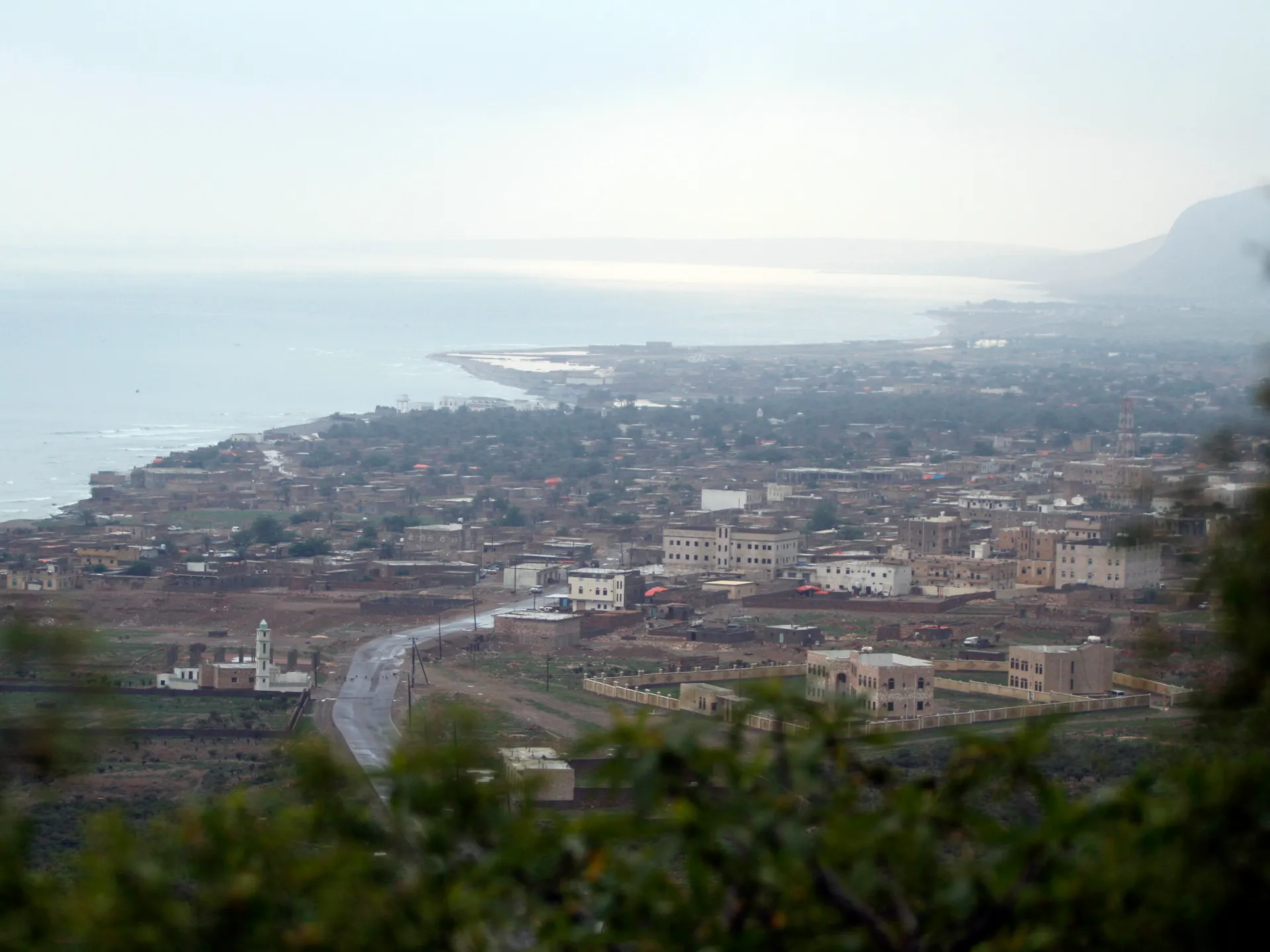
About 400 tourists are stuck on the Yemeni island of Socotra after flights were grounded because of clashes on the mainland between government troops backed by Saudi Arabia and secessionists with links to the United Arab Emirates.

Over the past few days, flights in and out of Yemen have been largely restricted during heavy fighting between rival armed factions loosely grouped under the Yemen’s fractious government, which is based in the southern port city of Aden.

Recommended Stories

list of 3 itemsend of list

The Socotra islands, 380km (236 miles) south of the mainland, are under the control of the United Arab Emirates-backed Southern Transitional Council, which has clashed with Yemen’s Saudi-backed government in the provinces of Hadramout and al-Mahra.

Yahya bin Afrar, the deputy governor for culture and tourism on Socotra, the largest island in the Socotra archipelago, said that “more than 400 foreign tourists” are stranded after their flights were “suspended”.

A local official, who spoke to the AFP news agency on condition of anonymity, said that 416 people of different nationalities were stranded on Socotra, including “more than 60 Russians”.

An unnamed Western diplomat said that “British, French and American” nationals were also among the stranded tourists.

Highly unstable region

In a post on X on Sunday, Poland’s Ministry of Foreign Affairs spokesperson, Maciej Wewior, said Polish tourists were stuck too, adding that flights to Socotra by an Emirati airline had been suspended until Tuesday.

“Socotra is located in a highly unstable region, where an armed conflict has been ongoing for years. Currently, the security situation has further deteriorated. Due to the intensification of military operations, airspace has been closed,” the post said.

A travel agent in Socotra said at least two Chinese nationals were also there.

Tourists stuck on the island, many of whom went there to for New Year’s celebrations, are now reaching out to their embassies for help to be evacuated, according to another Western diplomat.

“Their relevant embassies have reached out to the Saudi and Yemeni governments to seek their evacuation,” said the diplomat.

The airport in Aden has been functional since Sunday, after disruptions that lasted for several days.

Pledge to restore order

Yemen’s civil war entered a new phase last month when secessionists with the UAE-backed STC extended its presence in southeastern Yemen with the aim of establishing an independent state.

But this week, the Saudi-backed “Homeland Shield” forces took back the oil-rich southern governorates of Hadramout and al-Mahra, which make up nearly half of Yemen’s territory, from the STC rebels.

In the past, the opposing forces were allied under the umbrella of the Aden-based  Presidential Leadership Council (PLC) – the governing organ of the internationally recognised government – against the Houthis, who control most of northwestern Yemen, including the capital, Sanaa.

On Friday, Salem al-Khanbashi, the governor of Hadramout, was chosen by the government to command the Saudi-led forces in the governorate.

In an interview with Al Jazeera Arabic on Monday, al-Khanbashi said that ports and airports in the governorate would soon be operational, stressing the need to restore service at the Seiyun airport in northern Hadramout.

He pledged to re-establish security and stability, saying meetings will be held with all political and tribal groups to form a united front to protect the governorate against future attacks.

Compensation will be extended for damage to public and private property caused during the STC’s advance. The authorities are focused on getting electricity, water and health services up and running again, al-Khanbashi said.

Source link

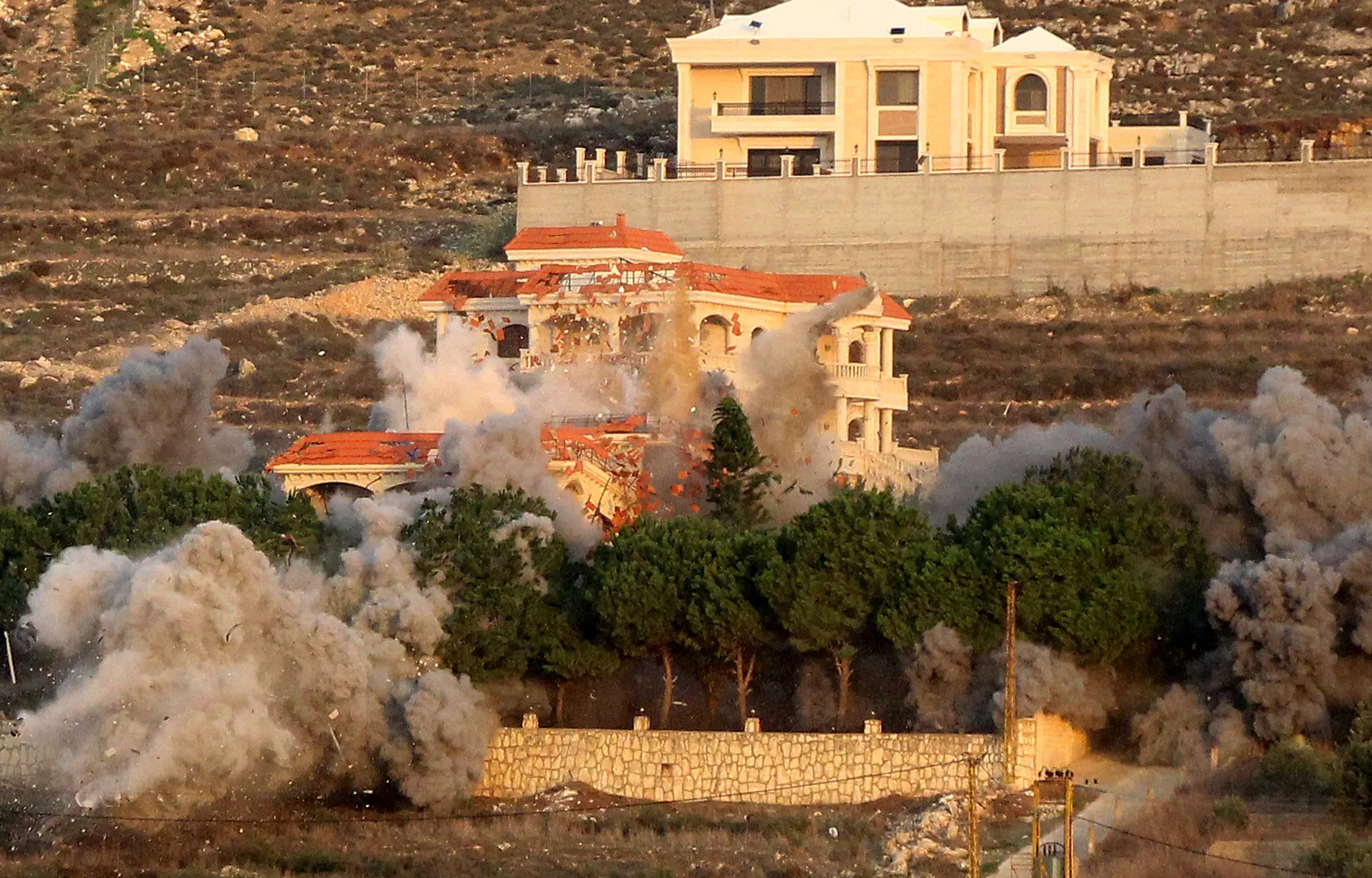
Israel bombs Lebanon saying it targeted Hezbollah and Hamas | Hezbollah News

DEVELOPING STORY,

Israel’s military launched attacks on what it described as Hezbollah and Hamas “targets” in Lebanon after issuing ⁠evacuation orders for four villages in the ​country’s east and south.

An ‍Israeli army spokesperson said earlier it was planning air strikes on Hezbollah and ‍Hamas “military infrastructure” ⁠in the villages of Hammara and Ain el-Tineh in eastern Lebanon’s Bekaa Valley and Kfar Hatta and Aanan in the south.

Recommended Stories

list of 4 itemsend of list

An AFP news agency photographer in Kfar Hatta saw dozens of families flee the village after an Israeli warning was issued with drone activity in the area. Ambulances and fire trucks are on standby.

Israel and Lebanon agreed to a US-brokered ceasefire in 2024 ending ​more than a year ‌of heavy fighting between Israeli forces and Hezbollah. Israel has repeatedly violated the truce with bombardment and continues to occupy five areas in the country.

‌Lebanon ‌has faced growing pressure ⁠from the United States and Israel to disarm Hezbollah, and its leaders fear Israel could escalate strikes.

Lebanon’s army was expected to complete the disarmament south of the Litani River – 30km (12 miles) from the border with Israel – by the end of 2025. Israel’s Foreign Minister Gideon Saar on Sunday called the disarmament efforts “far from sufficient”.

Source link

Gaza PhD scholar is now baker to feed family, others amid Israel’s war | Israel-Palestine conflict News

‘It is my mission to teach Palestinian students, even if I must build a classroom, brick by brick,’ Bader Slaih says.

Bader Slaih is one of many Palestinian scholars from Gaza who had to put down his books amid Israel’s genocidal war on the enclave.

Slaih, who was displaced multiple times from Bureij in central Gaza with his family, started baking bread to feed them during the war, but he still has dreams to enrich the minds of students in Gaza, who have suffered deaths in their families, a loss of their homes and the decimation of their schools and education.

Recommended Stories

list of 4 itemsend of list

“The war was hard on everyone. We were tormented and humiliated,” he said.

“Out of a dire need, we built a brick oven to make bread for our children,” Slaih told Al Jazeera.

“We had to bake to feed our children and others,” he added.

Palestinian academic turns baker
Bader Slaih is pictured baking bread [Screengrab/Al Jazeera]

Palestinians have always been deeply committed to learning.

Before Israel’s war, the education sector in Gaza was thriving, and literacy rates were reported to be among the highest in the world.

According to the Palestinian Central Bureau of Statistics, the illiteracy rate stood at 2.1 percent among Palestinians aged 15 and older in 2023.

Slaih said he was always committed to his studies since early childhood into adolescence before he got his master’s and doctorate degrees in Egypt, and returned to Gaza to serve his homeland.

“[After I came back] I filed all my certificates with universities, hoping to start my teaching career,” he told Al Jazeera.

“But then disaster struck – the war began.”

Slaih’s wife and son left Gaza for medical reasons as he was left behind during the war.

“It was difficult for me. My son’s medical needs were more important, so I stayed behind with my other family members,” he said.

Educational system devastated

According to a UNICEF report released in November, Gaza’s education system “stands on the brink of collapse”, with more than 97 percent of schools damaged or destroyed.

The report said 91.8 percent of all education facilities require either full reconstruction or significant rehabilitation to become functional again.

All of Gaza’s 12 universities have been totally or partly destroyed and are in unusable condition, according to local reports.

Slaih said he was determined to pursue his career as there was a ceasefire in place in Gaza, adding: “Patience and resolve are part of our DNA.”

“I will serve as a teacher, even in a tent. It is my mission to teach Palestinian students, even if I must build a classroom, brick by brick,” he said.

“With my hopes still high, I am certain I will make my dream come true very soon.”

Palestinian academic turns baker
Slaih says he is determined to pursue his career [Screengrab/Al Jazeera]

Source link

Israel extends Gaza occupation beyond ‘yellow line’ in north, bombs south | Israel-Palestine conflict News

The Israeli military has spent the past 24 hours expanding the so-called “yellow line” in eastern Gaza, particularly in eastern Gaza City’s Tuffah, Shujayea, and Zeitoun neighbourhoods, according to Al Jazeera teams on the ground, squeezing Palestinians into ever smaller clusters of the enclave.

The Israeli army’s actions on Monday are also pushing it closer to the key artery of Salah al-Din Street, forcing displaced families sheltering near the area to flee as more of them come under intensive threat, as Israel’s genocidal war on Gaza shows no signs of abating.

Recommended Stories

list of 3 itemsend of list

Israel now physically occupies more than 50 percent of the Gaza Strip.

Since the ceasefire took effect, Israeli attacks have killed at least 414 Palestinians and injured 1,145 in daily truce violations despite the ceasefire deal mediated by the United States on October 10.

Al Jazeera’s Hani Mahmoud, reporting from Gaza City, said, “The ongoing Israeli attacks on the ground, the expansion of the ‘yellow line’ are meant to eat up more of the territory across the eastern part, really shrinking the total area where people are sheltering.”

“Everyone is cramped here. The population here not just doubled but tripled in many of the neighbourhoods, given the fact that none of these people is able to go back to their neighbourhoods. We’re talking about Zeitoun, Shujayea, as well as Tuffah,” he added.

“It was not until the past few minutes that the sounds of hums, the drones buzzing, faded away, but it had been going on for the past night and all of yesterday. Ongoing explosions that could be heard clearly from here,” Mahmoud said.

Intense artillery bombardment and helicopter fire also resumed on Monday in the areas south of the besieged enclave, north and east of the cities of Rafah and Khan Younis.

On Sunday, Israel launched more attacks into parts of Gaza outside its direct military control. At least three Palestinians were killed in separate Israeli attacks in Khan Younis, medical sources told Al Jazeera.

A five-storey building belonging to the al-Shana family in the Maghazi camp in central Gaza collapsed. It had been subjected to Israeli bombing at the end of 2023.

Civil Defence teams are searching for missing people under the rubble. The Wafa news agency reported that at least five people were injured.

Israeli push to make Rafah crossing ‘one-way exit’

Expectations have heightened around the possible reopening of the Rafah crossing, fuelling both desperate hope and deep fear.

For many in Gaza, there is some hope it could offer a lifeline, allowing the sick and wounded to access medical care, reuniting separated families, and giving some people a rare chance to move in or out of the Strip. Some also see it as a potential sign of easing restrictions.

But fears remain strong. Many worry the opening will be limited and temporary, benefitting only a few. Others fear it could become a one-way exit, raising concerns about permanent expulsion, effectively Israeli ethnic cleansing, and whether those who leave will be allowed to return.

“Until this moment, there’s nothing on the ground other than the headlines we’ve been reading over the past couple of days, the expectation now that within days the Rafah crossing is going to open and allow for movement in and out of Gaza. So far, we know the Israeli military is pushing for Rafah to be just a one-way exit,” Al Jazeera’s Mahmoud reported.

After months of uncertainty, people in Gaza who have suffered unimaginable loss and destruction are cautious. Even the possibility of relief comes with questions and little trust in what will happen next.

At least 71,386 Palestinians have been killed and 171,264 injured since the start of the war in October 2023, according to the latest figures from Gaza’s Ministry of Health. At least 420 people have been killed since the ceasefire was agreed upon three months ago.

The Israeli military continues to block a large amount of international humanitarian aid amassing at the Gaza crossings, while maintaining that there is no shortage of aid despite testimonies by the United Nations and others working on the ground.

Source link

The Yemeni crisis: More complexity and many repercussions | Military

Events in Yemen are escalating quickly and dramatically, reaching the point of armed clashes erupting between the Arab coalition supporting the internationally recognised government in Yemen, led by Saudi Arabia, and the so‑called “Southern Transitional Council” (STC), backed by the United Arab Emirates.

Many view these developments as a natural outcome of a long, cumulative trajectory of complexities the country has experienced since the civil war erupted in late 2014, and the humanitarian and economic repercussions that followed.

External interventions had a profound impact in creating political and administrative chaos that intensified internal divisions and exposed what remained of the legitimate state to further weakness, culminating in the loss of its most important sovereign tools: unity of territory and decision-making. These developments and events add further complexity to an already complex picture, and Yemen will not be safe from their future repercussions.

On the other hand, others view the situation from another, less bleak angle. The strong reaction to the STC’s moves — on the part of the Yemeni president (chairman of the Presidential Leadership Council, or PLC) and, behind him, the Saudi‑led Arab coalition — is a new and important variable, completely different from the usual approach to many similar events. So, there is hope that these events and changes will mark a new phase that works to correct the imbalances and deviations that accompanied the Arab coalition’s intervention over more than a decade.

Watching carefully are the Houthi rebels in northern Yemen, who have remained silent, apparently waiting to see what these events will produce as they continue to strike at the unity of the components of the Arab coalition’s leadership and undermine the legitimate government. In any case, they realise that the eventual outcome will ultimately be in their favour. Therefore, the Houthis, according to multiple reports, are currently intensifying their military preparations, redeploying and dispersing their forces along the theatre of operations adjacent to contact points on the fronts: the northeast (Marib), and the southwest in Taiz and Bab al-Mandeb, preparing for zero hour.

So, what is the nature and background of this bilateral conflict between allies? Where have these events and developments led Yemen, and where will they lead it? And what are their implications for the future of the country and the region?

There is broad agreement that what is happening today is merely an initial result of a deep internal conflict of interests between the two main coalition states — Saudi Arabia and the UAE. Although most of this conflict remained hidden, its accumulations continued to roll and grow like a snowball.

To understand how matters reached this point of an explosion of conflict between allies, we must first understand the background of this rivalry and conflict.

In late March 2015, Saudi Arabia led a coalition of 10 Arab and Muslim countries to intervene militarily in Yemen — later it was called the Coalition to Support Legitimacy in Yemen, with the aim of restoring the authority of Yemen’s former legitimate president, Abd-Rabbu Mansour Hadi, from the grip of the Houthi coup forces.

At the outset, the coalition achieved major, tangible successes on the ground before differences began to emerge between the two main allies, Saudi Arabia and the UAE.

There is a widespread and well‑grounded belief that the UAE entered this war with a plan to achieve purely geopolitical and strategic interests. Some argue, however, that this was not necessarily the case at the beginning, but that it may later have turned to exploiting weakness, vacuum, and internal divisions in order to redraw its strategy anew in light of that.

On the ground, the UAE formed, trained, and financed local forces loyal to it, using them to achieve its own objectives, away from the coalition and the legitimate government. Within just two years of its intervention, it managed — through its own local forces — to impose control over all strategic maritime outlets along southern and eastern Yemen, reaching the western coast of Taiz governorate in the country’s southwest, where the strategic Bab al-Mandeb Strait lies.

Over 10 years of the coalition’s intervention, the UAE established and built a hard-hitting army of its own militias, becoming the strongest force on the ground and the greatest threat to the interests of its ally (Saudi Arabia) in Yemen, including the system and the legitimate government that it had supported and sponsored from the outset. It can be affirmed that Riyadh committed fatal strategic mistakes in dealing with these deviations, remaining silent and failing to take decisive action on the ground to curb its ally’s overreach — perhaps settling for minor protective measures, and often acting merely as a “mediator” to resolve disputes that flared up from time to time — until the axe finally struck the head.

Military escalation

In early December, the STC, which was founded and backed by the UAE, triggered a military escalation by seizing control of the governorates of Hadramout and al-Mahra in eastern Yemen. This angered Saudi Arabia and pushed it out of its usual diplomacy and calm. Many may interpret this major shift in its policy as stemming from the fact that it views these two eastern governorates bordering it as a geographic extension of its national security, and that any compromise to their security constitutes a direct threat to its national security, something Riyadh stated explicitly in its recent statements issued in the wake of the crisis.

Accordingly, the head of the PLC dealt with these developments with great seriousness, describing them as unacceptable “unilateral measures”. Under the authority granted by the Power Transfer Declaration (April 2022), he called on the Saudi-led Arab coalition to intervene militarily.

The next day, coalition aircraft struck military equipment that had arrived on two ships from the UAE’s Fujairah port to the port of Mukalla in Hadramout. In response, Yemeni President Rashad al-Alimi declared a state of emergency and called on the UAE to end its presence in Yemen. Later that day, the UAE Ministry of Defence announced the withdrawal of what remained of its forces in Yemen (the UAE had previously announced in October 2019 that it was withdrawing its forces from Yemen).

The military escalation led to major, rapidly unfolding military and political repercussions, particularly after the STC continued to refuse to heed calls and threats by the coalition leadership and the Yemeni president to withdraw its forces from the two governorates.

Someone could ask: Why does the STC refuse to withdraw its forces despite the threats and successive strikes? The answer is that doing so would deal a powerful blow to its secessionist project. Clearly, the council’s takeover of these two governorates — both of which reject its project — raised broad hopes among southern separatists of declaring their state, but Saudi Arabia’s decisive intervention (in the name of the Arab coalition) dealt a crushing blow to that project.

Escalation and repercussions

With the start of the new year, government ground forces — formed by the Yemeni president through a presidential decision on January 27, 2023 under the name Homeland Shield, with Saudi support — began moving towards Hadramout and al-Mahra (east) to liberate them from STC forces, under air cover and support from coalition aircraft, and liberation and control operations began. In response, forces from the UAE-backed Giants Brigades, coming from Taiz’s western coast, moved towards Hadramout governorate to reinforce and support STC forces.

Amid the accelerating escalation and its repercussions, the head of the STC, Aidarous al-Zubaidi — also a member of the PLC — moved quickly to issue what he called a “constitutional declaration” (January 2, 2026), in which he announced what he termed the independent “State of the Arab South”, during a two-year transitional period.

While the country’s official institutions at the national, regional, and global levels have so far ignored this declaration, many Yemenis dealt with it ambivalently, each according to their affiliations and loyalties.

For the Southern separatists, they expressed overwhelming joy at the announcement of their state, while their opponents mocked the move as a leap over reality, an attempt to escape forward over facts and local and international laws and regulations. Some considered it merely a desperate attempt to rid the council of the pressure of promises it had made to those dreaming of secession, at a time when it became evident that secession was no longer easy after the recent events and developments.

Regardless of interpretations, even if this declaration has no legal effect, its political, economic, and administrative impacts will not be easy, whether in terms of deepening divisions among Yemen’s elite and the public (North-South), preserving the legal standing of the Yemeni state, or even the continuity of managing the fragile state.

Finally, and perhaps most importantly, its dangerous repercussions for the main battle to restore the state and relieve Yemenis from the consequences of a decade of war and state collapse.

Clearly, the Yemeni scene is becoming more complex, with events accelerating, positions erupting, and reactions escalating. No one knows precisely where developments in Yemen are headed.

The views expressed in this article are the author’s own and do not necessarily reflect Al Jazeera’s editorial stance.
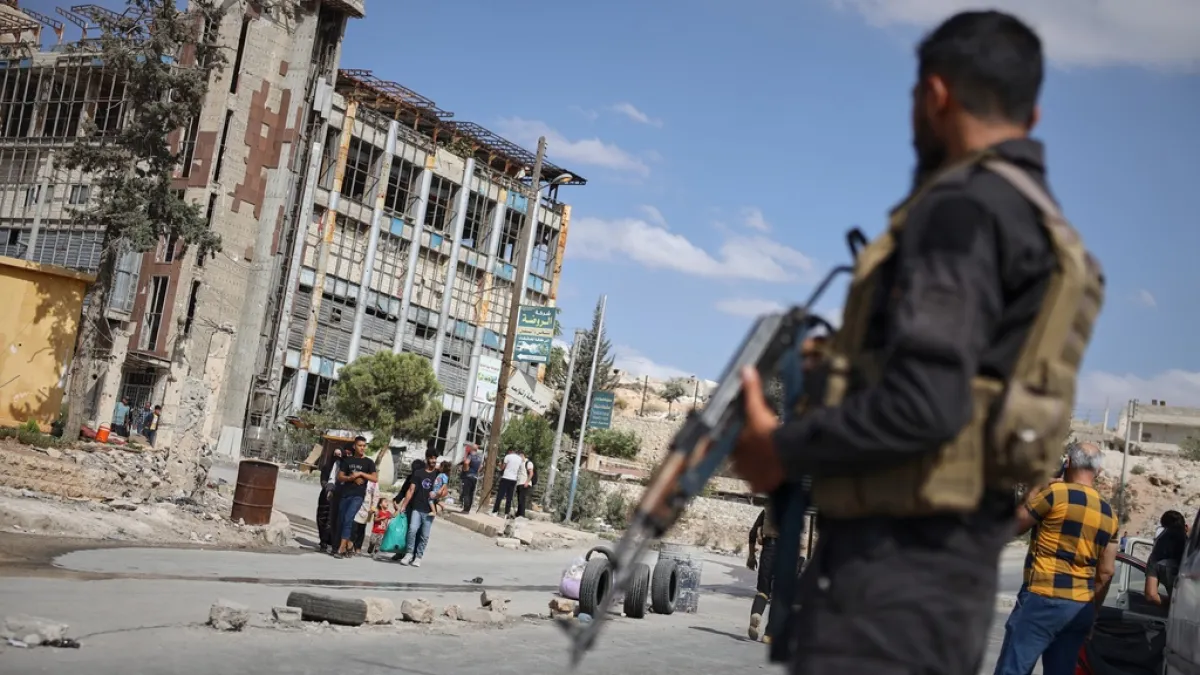
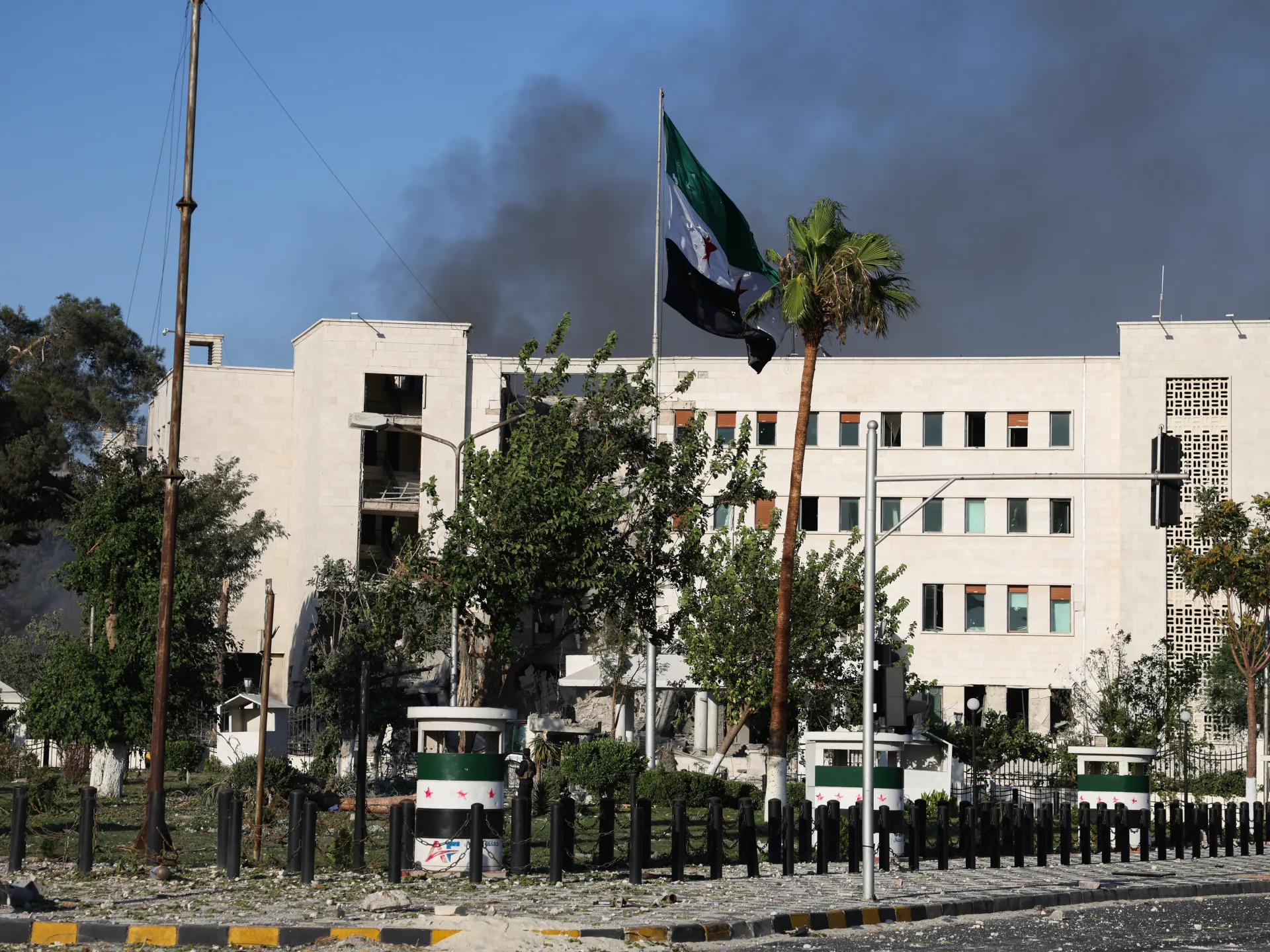
Source link

Israel kills two people in new attack on southern Lebanon | Israel attacks Lebanon News

Israel claims the drone attack on a car targeted a Hezbollah member.

An Israeli drone attack on a car has killed two people in southern Lebanon, the Lebanese Ministry of Health has said.

Al Jazeera’s Ihab al-Aqdi, reporting from Lebanon, said the attack took place on Sunday in the Ayn al-Mizrab area north of the town of Bint Jbeil. He added that the targeted car was destroyed and that nearby buildings were damaged.

Recommended Stories

list of 3 itemsend of list

The Israeli military said the attack targeted a Hezbollah member, accusing the Lebanese group of not adhering to a ceasefire that began in November 2024.

Israel has repeatedly struck Lebanon since the ceasefire, despite the agreement, which ended a yearlong conflict that devastated Lebanon as well as Hezbollah’s leadership. Israel also continues to occupy five sites on the Lebanese side of the border.

Israeli attacks have killed more than 300 people in Lebanon since the ceasefire, including at least 127 civilians.

Israel, backed by the United States, expects Hezbollah to disarm. The Lebanese group has refused, however, leaving the Lebanese government and army in the difficult position of attempting to placate Israel and the US, while also avoiding a military confrontation with Hezbollah, which remains powerful despite the losses it has sustained at the hands of Israel.

The losses include the killing of its longtime leader, Hassan Nasrallah, in September 2024, in an Israeli attack on Beirut.

The Lebanese government is expected to meet on Tuesday to discuss the army’s progress in disarming Hezbollah, beginning in southern Lebanon. It had previously set a deadline for the end of 2025 to do so, before continuing the disarmament process in the rest of the country. However, the plan has been dismissed by Hezbollah.

A ceasefire monitoring committee, including peacekeepers from Lebanon, Israel, France, the United States and the United Nations, is also set to meet in the upcoming week.

Highlighting Israel’s uncompromising position, the country’s foreign minister, Gideon Saar, said that the Lebanese government’s efforts to disarm Hezbollah were “far from sufficient”, and that the group was aiming to rearm “with Iranian support”.

Source link

Israel launches deadly strikes in Gaza in new ceasefire violations | Israel-Palestine conflict News

The Israeli military continues to demolish structures in northern Gaza while also blocking the entry of aid.

The Israeli army has launched more attacks into parts of Gaza outside its direct military control, despite the ceasefire deal mediated by the United States in October.

At least three Palestinians were killed on Sunday in separate Israeli attacks in Khan Younis, medical sources told Al Jazeera.

Recommended Stories

list of 3 itemsend of list

They included a 15-year-old boy, a fisherman, and a third man shot dead east of Khan Younis.

In the central part of the besieged enclave, Israeli fire injured several people east of the Bureij refugee camp.

In Gaza City to the north, Israeli forces continued to demolish homes and civilian infrastructure within the mostly destroyed Tuffah neighbourhood.

The Israeli army confirmed it was destroying more infrastructure in northern Gaza, but claimed that the target was “terrorist infrastructure above and below ground”, including tunnels in Beit Lahiya.

Israeli drones also dropped explosives on several homes in eastern Gaza City. The Shujayea and Zeitoun neighbourhoods of Gaza City, which have also been extensively attacked during more than two years of Israel’s genocidal war, were hit with artillery shelling.

At least 71,386 Palestinians have been killed and 171,264 others injured since the start of the war in October 2023, according to the latest figures from Gaza’s Ministry of Health. At least 420 people have been killed since the ceasefire was signed less than three months ago.

The Israeli military continues to block a large amount of the international humanitarian aid amassing at the border with Gaza, while maintaining that there is no shortage of aid despite testimonies by the United Nations and others working on the ground.

It has also moved to ban several prominent international aid groups from operating in Gaza, including Doctors Without Borders (MSF) and the Norwegian Refugee Council.

Source link

Cameroon edge South Africa 2-1 to book AFCON quarterfinal with Morocco | Football News

Goals either side of half-time by Junior Tchamadeu and Christian Kofane took Cameroon through to the Africa Cup of Nations quarterfinals at South Africa’s expense, as the Indomitable Lions edged their last-16 clash 2-1.

Tchamadeu opened the scoring in the 34th minute at Al Medina Stadium in Rabat on Sunday, and teenage Bayer Leverkusen forward Kofane headed in the crucial second goal two minutes after half-time.

Recommended Stories

list of 4 itemsend of list

A late rally from South Africa saw Evidence Makgopa pull one back, but it is Cameroon who go through. The five-time champions now play the hosts, Morocco, in a heavyweight quarterfinal on Friday.

They can go into that match in a relaxed mood, knowing all the pressure is on Morocco as they look to win a first AFCON title in 50 years in front of their home support.

For Cameroon, reaching the last eight means their AFCON is already a success after a chaotic buildup in which Samuel Eto’o, the football federation president and Indomitable Lions legend, sacked the coach, Marc Brys, replacing him with David Pagou.

The new coach got the better of South Africa’s Hugo Broos, who had promised to show no mercy to Cameroon, nine years after leading them to their last continental crown at the Cup of Nations in Gabon.

Bafana Bafana, who finished third at the last AFCON two years ago in Ivory Coast, will be hugely disappointed, but they can console themselves by turning their attentions towards the upcoming World Cup.

Yet, South Africa had chances to take an early lead, with Relebohile Mofokeng squandering a golden opportunity inside seven minutes.

Cameroon defender Che Malone failed to deal with a simple ball forward, to leave Mofokeng in on goal, but the Orlando Pirates forward blazed over.

Lyle Foster then had the ball in the net only to be denied by the offside flag, and instead, Cameroon went in front just after the half-hour mark.

When the South African defence could only partially clear a corner, the ball fell to Carlos Baleba on the edge of the area.

He took a touch and tried a shot which was deflected into the path of Tchamadeu, and the London-born full-back with Stoke City rolled home from close range.

That goal – confirmed after a long VAR check – was celebrated by the Cameroonian fans, who made up the majority of the 14,127 crowd, with two-time AFCON winner as a player Eto’o among those in attendance.

South Africa would have hoped for a strong start to the second half, but instead, Cameroon scored again within two minutes of the restart.

Substitute Mahamadou Nagida crossed from the left, and Kofane headed in his second goal of the tournament so far.

Cameroon goalkeeper Devis Epassy then made good saves from Samukele Kabini and from a Teboho Mokoena free-kick, before Makgopa turned in a low cross by fellow substitute Aubrey Modiba on 88 minutes.

That set up a grandstand finish, but Cameroon nervously held on.

Morocco see off Tanzania

Earlier on Sunday, Brahim Diaz scored his fourth goal for Morocco at the 2025 Africa Cup of Nations to put the hosts into the quarterfinals with a nervous 1-0 Round-of-16 victory over Tanzania in Rabat.

Morocco dominated possession, but ⁠Tanzania had opportunities too, and it took a fine strike from Diaz to book a ​place in the last eight.

Captain Achraf Hakimi fed Diaz on the right side of the box on 64 minutes, and the Real Madrid playmaker worked his way to the byline before firing into ‍the goal from ⁠a tight angle when most expected a cross.

Soccer Football - CAF Africa Cup of Nations - Morocco 2025 - Round of 16 - Morocco v Tanzania - Prince Moulay Abdellah Stadium, Rabat, Morocco - January 4, 2026 Morocco's Brahim Diaz celebrates scoring their first goal REUTERS/Amr Abdallah Dalsh
Morocco’s Brahim Diaz celebrates scoring against Tanzania [Amr Abdallah Dalsh/Reuters]

Morocco wasted several other chances, but were also fortunate that Tanzania were wasteful too, with Simon Msuva and Feisal Salum missing gilt-edged opportunities for the East Africans, with the score at 0-0.

It was far from a vintage performance from the home side, who have yet to click into top gear at the tournament, but they did enough to keep their campaign on track.

“The ​competition is hotting up, and we faced our toughest opponent in ‌this Tanzania team,” Diaz said.

“Not everything worked, we know that, but fortunately, we managed to secure our qualification [to the next round]. Now, we are going back to work to be fully ready for the quarterfinals.”

Source link

Syrian government and Kurdish-led SDF fail to progress on military merger | News

A deal penned in March stipulated that the Syrian Democratic Forces (SDF) would integrate with state institutions by the end of the year, but its implementation has since stalled.

Syrian government officials have held talks with the commander of the main Kurdish-led force in the country over plans to merge it with the national army, state media reported, adding that no “tangible results” had been achieved.

The Kurdish-led and US-backed Syrian Democratic Forces (SDF) said in a statement on Sunday that a delegation led by top commander Mazloum Abdi (also known as Mazloum Kobani) held talks with government officials in Damascus related to the military integration process.

Recommended Stories

list of 3 itemsend of list

A major sticking point has been whether the SDF would remain a cohesive unit in the new army or whether it would be dissolved and its members individually absorbed. The group has tens of thousands of fighters and is the main force yet to be absorbed into Syria’s military.

State TV said the meeting did not produce “tangible results” and that the sides agreed to hold further meetings at a later date.

The leadership in Damascus under President Ahmed al-Sharaa inked a deal in March with the SDF, which controls large swathes of Syria’s oil-rich north and northeast. The Kurdish-led force was to merge with the Syrian army by the end of 2025, but there have been disagreements on how it would happen.

The deal also would bring all border crossings with Iraq and Turkiye, as well as airports and oil fields in the northeast, under the central government’s control. Prisons holding about 9,000 suspected members of the ISIL (ISIS) group are also expected to come under government control.

Turkiye considers the SDF a “terrorist” organisation because of its association with the Kurdistan Workers’ Party, or PKK, which has waged a decades-long armed conflict on its soil, although a peace process is now under way.

Ankara sees the presence of Kurdish forces on its border as a security threat and has publicly called for them to be integrated into the state, but not as a single unit.

The SDF insists on a decentralised system of governance that would allow it to maintain its influence in the areas it controls. Tensions between the SDF and the government – which opposes calls for decentralisation – have occasionally led to violence.

In late December, clashes broke out between security forces and SDF fighters in the northern city of Aleppo during a visit to Syria by Turkiye’s Foreign Minister Hakan Fidan.

Last month, Fidan urged the SDF to not be an obstacle to Syria’s stability and warned that patience with the group was running out.

Source link

UN General Assembly president on war, vetoes and UN reform | Gaza

As global crises multiply and trust in international institutions erodes, the United Nations faces growing questions about its relevance and authority. Thirty years after pledges to end hunger and reduce inequality, progress is stalling, wars are spreading, and UN Security Council vetoes are paralysing action.

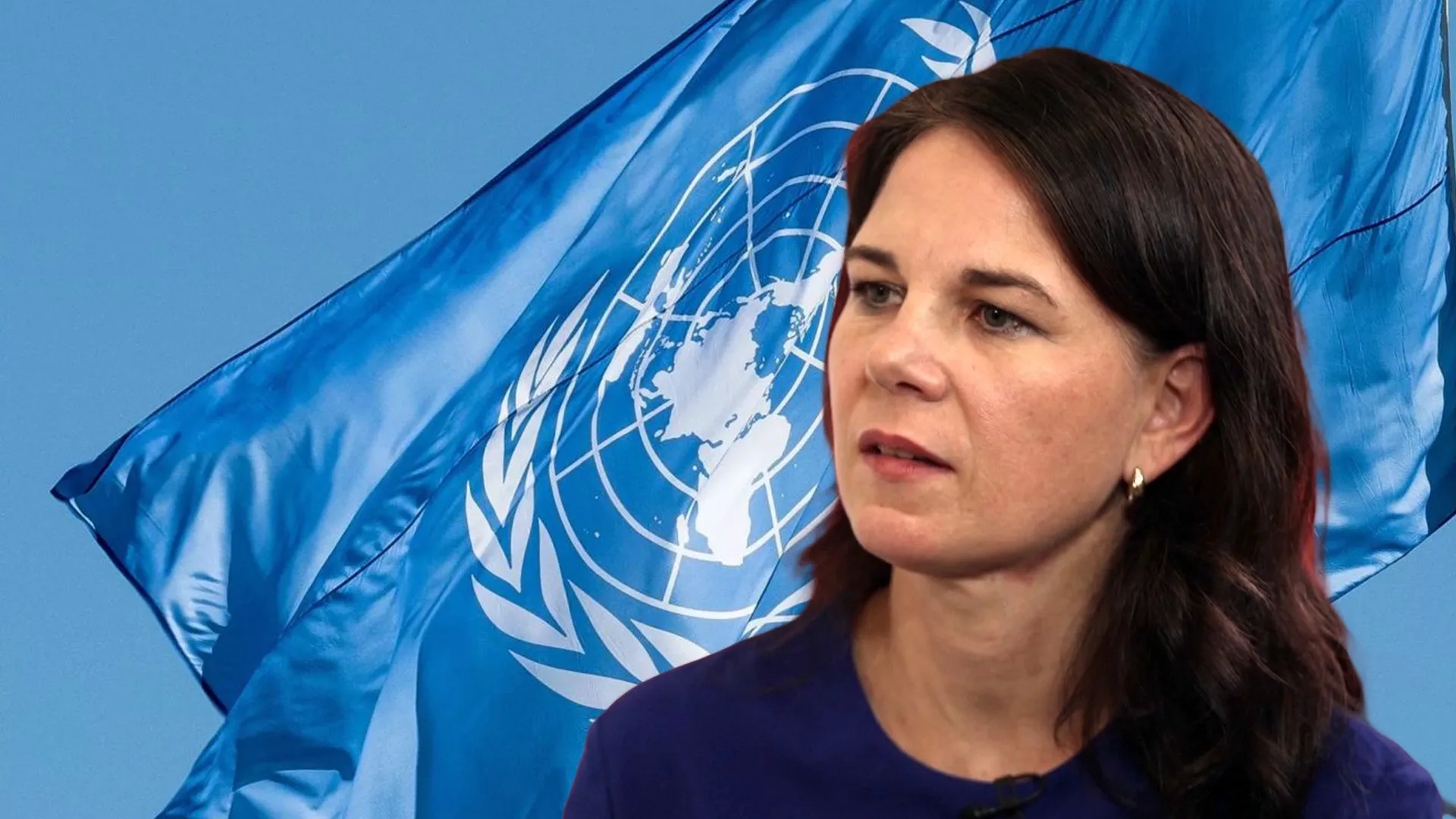
In this episode of Talk to Al Jazeera, UN General Assembly President Annalena Baerbock reflects on the UN’s credibility, the limits of the UNSC, and whether a more assertive UNGA can drive reform before the 2030 Sustainable Development Goals deadline.

Source link

Longtime Al Jazeera anchor and journalist Jamil Azar passes away | Al Jazeera News

Jamil Azar, 89, was the author of Al Jazeera’s motto, ‘The opinion and the other opinion’.

Longtime Al Jazeera Arabic anchor and journalist Jamil Azar, a pioneer of the network since its establishment three decades ago, has passed away.

Director-General Sheikh Nasser bin Faisal Al Thani lauded Azar, 89, in a statement on Sunday as a “distinguished linguist” and the author of the network’s motto, “The opinion and the other opinion”.

Recommended Stories

list of 3 itemsend of list

“Jamil Azar leaves behind a remarkable and lasting media legacy, a reputation defined by integrity and excellence, and a deep influence on generations of journalists who learned from him at Al Jazeera and other institutions where he served and helped shape professional standards,” Sheikh Nasser said.

“He was, in every sense, a living school of journalism and a trusted reference in editorial practice, the Arabic language, television presentation, and newsroom leadership. Always generous with his guidance and advice, he was known for his humility and openness, and remained steadfastly loyal to Al Jazeera, deeply committed to its values, standing and reputation.”

With Azar’s passing, Sheikh Nasser emphasised, Arab media “loses one of its most respected figures and Al Jazeera bids farewell to one of its brightest and most influential stars”.

Born in the town of al-Husn in Irbid, Jordan, in 1937, Azar began his career in journalism at the BBC’s Arabic Service, where he worked between 1965 and 1996 as a news translator and presenter.

During his time at the BBC, Azar held different positions, including producing programmes such as Politics Between the Questioner and the Respondent and Arab Affairs in the British Press.

In 1996, Azar joined Al Jazeera at its launch on July 30, playing a key role in the network’s early years as a news anchor and presenter, hosting the programme The Week in the News.

The Jordanian journalist stepped down from the network in 2011.

Source link

UK, France carry out joint strike on ISIL target near Syria’s Palmyra | ISIL/ISIS News

The UK’s Ministry of Defence says an underground facility likely storing ISIL weapons was the target of the attack, but the area was ‘devoid of any civilian habitation’.

The United Kingdom’s Ministry of Defence has said its aircraft joined France in striking an underground facility in Syria that had likely been used by the ISIL (ISIS) group to store weapons, as the group appears to be resurgent after a period of relative dormancy in the region.

“Royal Air Force aircraft have completed successful strikes against Daesh in a joint operation with France,” the ministry said of the Saturday night attack in a statement, using the Arabic acronym for ISIL.

Recommended Stories

list of 3 itemsend of list

The statement said the area, north of the ancient site of Palmyra, was “devoid of any civilian habitation”.

The United States military in late December said it had killed or captured about 25 ISIL fighters in a wave of attacks over nine days in Syria.

The Central Command (CENTCOM), which oversees the US military’s Middle East operations, issued a statement on Tuesday marking the conclusion of the operations last month.

The campaign followed the killing of two US soldiers and a civilian interpreter by an ISIL attacker in Syria on December 13, and widespread US strikes against the group six days later.

In the meantime, Turkiye’s government said on Wednesday it had detained more than 100 ISIL suspects in nationwide raids, as the group shows signs of intensified regional activity after a period of relative dormancy.

Interior Minister Ali Yerlikaya announced the arrests, saying Turkish authorities rounded up 125 suspects across 25 provinces, including Ankara.

The operation was the third of its kind in less than a week during the holiday season, and follows a deadly shootout on Tuesday between Turkish police and suspected ISIL members in the northwestern city of Yalova.

That clash killed three Turkish police and six suspected ISIL members, all Turkish nationals. A day later, Turkish security forces arrested 357 suspected ISIL members in a coordinated crackdown.

In 2017, when the group still held large swaths of neighbouring Syria and Iraq before being vanquished on the battlefield, ISIL attacked an Istanbul nightclub during New Year’s celebrations, killing 39 people. Istanbul prosecutor’s office said Turkish police had received intelligence that operatives were “planning attacks in Turkiye against non-Muslims in particular” this holiday season.

On top of maintaining sleeper cells in Turkiye, ISIL is still active in Syria, with which Turkiye shares a 900km (560-mile) border, and has carried out a spate of attacks there since the ouster of former President Bashar al-Assad last year.

Syria has faced mounting security challenges after more than 13 years of ruinous civil war that ended late in 2024 with the fall of former President Bashar al-Assad’s government.

Source link