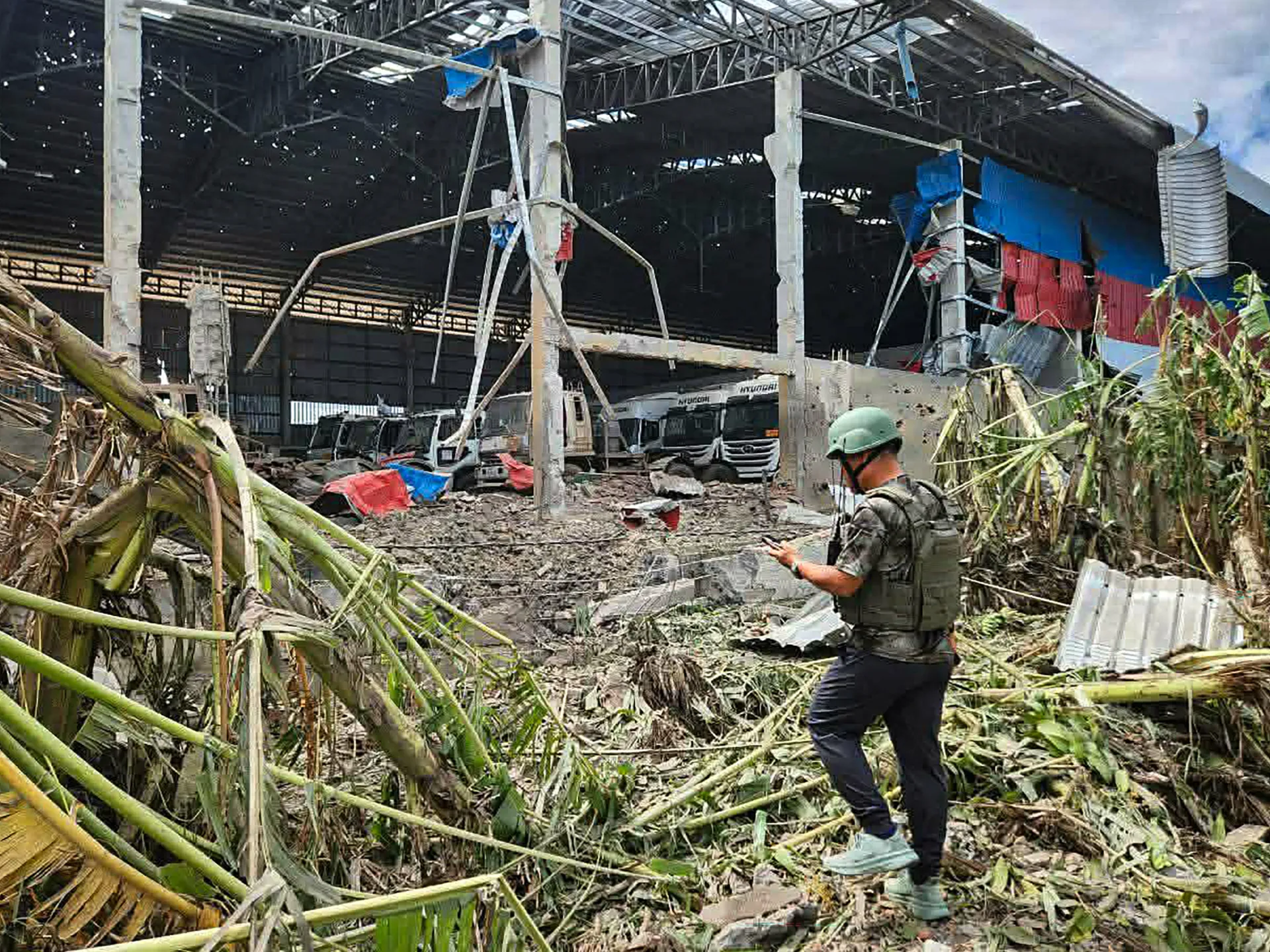
LIVE: Thailand, Cambodia resume border clashes before talks | Border Disputes News
Fighting has resumed hours before the countries’ foreign ministers meet in Malaysia to discuss steps to de-escalate hostilities.
Published On 22 Dec 2025
Discover the latest happenings and stay in the know with our up-to-date today news coverage. From breaking stories and current events to trending topics and insightful analysis, we bring you the most relevant and captivating news of the day.
Fighting has resumed hours before the countries’ foreign ministers meet in Malaysia to discuss steps to de-escalate hostilities.
Published On 22 Dec 202522 Dec 2025
Share

London, United Kingdom – Two Palestine Action-affiliated remand prisoners on hunger strike have been taken to hospital, according to a family member and a friend, adding to fears that the young Britons refusing food in protest could die at any moment.
Twenty-eight-year-old Kamran Ahmed, who is being held at Pentonville prison in London, was hospitalised on Saturday, his sister, Shahmina Alam, told Al Jazeera.
list of 4 itemsend of list
Amu Gib, 30, who has not eaten food for 50 days at HMP Bronzefield in Surrey, was taken to hospital on Friday, said the Prisoners for Palestine group and friend Nida Jafri, who is in regular contact with them. Gib uses the pronoun they.
Ahmed and Gib are among six detainees protesting across five prisons over their alleged involvement in break-ins at the United Kingdom’s subsidiary of the Israeli defence firm Elbit Systems in Bristol and a Royal Air Force base in Oxfordshire.
They deny the charges against them, such as burglary and violent disorder.
“It’s day 42 [of Ahmed’s hunger strike], and at this point, there’s significant risk of organ damage,” said his sister, Alam. “We know that he’s rapidly been losing weight in the last few days, losing up to half a kilogram [1.1lbs] a day.”
Ahmed’s last recorded weight was 60kg (132lbs).
When Al Jazeera first interviewed Alam on December 12, Ahmed, who is 180cm (5′ 11”), weighed 64kg (141lbs), having entered prison at a healthy 74kg (163lbs). On Thursday, Alam told journalists at a news conference in London that he weighed 61.5kg (136lbs).
Ahmed’s speech was slurred in a call with the family on Friday, said Alam. He is said to be suffering from high ketone levels and chest pains.
“Honestly, I don’t know how he’s going to come out of this one,” said Alam.
It is the third time Ahmed has been hospitalised since he joined the hunger strike.
![Shahmina Alam with Kamran Ahmed - Palestine Action linked hunger striker [Courtesy of Alam family]](https://i0.wp.com/www.aljazeera.com/wp-content/uploads/2025/12/WhatsApp-Image-2025-12-15-at-15.26.19-1-1765801678.jpg?w=640&ssl=1)
The hunger strikers’ demands include immediate bail, the right to a fair trial and the de-proscription of Palestine Action, which accuses the UK government of complicity in Israel’s war crimes in Gaza. The UK government banned Palestine Action in July, branding it a “terror” group, a label that applies to groups such as ISIL (ISIS).
The protesters have called for an end to their alleged censorship in prison, accusing authorities of withholding mail, calls and books. They are also urging that all Elbit sites be closed.
The six are expected to be held for more than a year until their trial dates, well beyond the UK’s six-month pre-trial detention limit.
Qesser Zuhrah, a 20-year-old who has refused food for 50 days, is also in hospital, having lost 13 percent of her body weight, according to her lawyers. The other protesters are Heba Muraisi, Teuta Hoxha and Lewie Chiaramello, who is diabetic and refuses food every other day.
There was no immediate comment from either Pentonville or HMP Bronzefield.
Gib called their friend, Jafri, on Thursday from prison, telling her they needed a wheelchair to attend a doctor’s appointment where their vital signs would be checked.
Prison staff at first “refused” to provide a wheelchair, and later, after offering one, “refused to push” it, Jafri said. “So they laid there with … no check of their vitals on day 47 of their hunger strike,” Jafri said.
When they are hospitalised, the prisoners are unable to call their loved ones, as they can from jail.
Jafri told Al Jazeera, “I’m scared they’re there alone with no phones and no calls allowed.”
Gib, who has lost more than 10kg (22lbs), is below the normal range for most health indicators, which is “highly concerning” for their immune system, their lawyers have said.
Prison officials have “failed to provide [Gib] with thiamine [a vitamin] consistently, and Amu is feeling the effects on their cognitive function”, the lawyers said.
Gib’s eyes are also “sore with the bright [prison] lights”, Jafri said.

The lawyers have demanded a meeting with Secretary of State for Justice David Lammy, hoping his intervention could be life-saving. Thousands of everyday Britons, hundreds of doctors and dozens of MPs have urged Lammy to heed their call. But so far, he has refused, leading critics to accuse the UK government of wilfully ignoring the issue.
The UK media have also been accused of downplaying the protest and its dangers.
The protest is said to be the largest coordinated hunger strike in UK prisons since 1981, when Irish Republican inmates led by Bobby Sands refused food.
“In contrast to the robust media coverage of the Irish hunger strikes in the 1980s, the Palestine Action hunger strikes have been largely met with media silence,” wrote Bart Cammaerts, a professor of politics and communication at the London School of Economics.
“What will it take for the British media to pay attention to the plight of jailed pro-Palestinian activists? The death of an activist? Or the awakening of a moral conscience?”
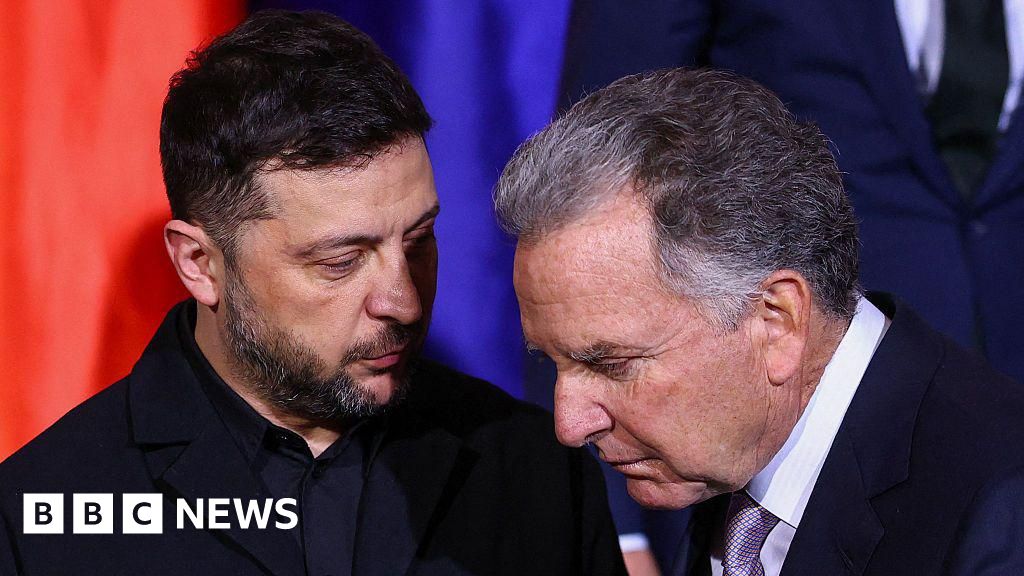
US and Ukrainian envoys say “productive and constructive” talks have taken place in Miami, but there still appears to be no major breakthrough in efforts to end Ukraine’s war with Russia.
Donald Trump’s special envoy, Steve Witkoff, issued a joint statement with the top Ukrainian negotiator, Rustem Umerov, after three days of meetings with European allies.
The pair said the meeting focused on aligning positions on a 20-point plan, a “multilateral security guarantee framework”, a “US Security guarantee framework for Ukraine” and an “economic & prosperity plan”.
Separate talks have been taking place in Miami between the US and the Russian envoy, Kirill Dmitriev.
“Our shared priority is to stop the killing, ensure guaranteed security, and create conditions for Ukraine’s recovery, stability, and long-term prosperity,” Witkoff and Umerov said in a statement.
The meetings are the latest step in weeks of diplomatic activity, sparked by the leaking of a 28-point US peace plan which shocked Ukraine and its European allies for appearing to favour Russia, which launched a full-scale invasion of Ukraine nearly four years ago.
Witkoff said representatives from Russia had met himself and other US officials in southern Florida, including Trump’s son-in-law Jared Kushner.
Witkoff said the meetings with Russian envoy Dmitriev were also “productive and constructive” and that “Russia remains fully committed to achieving peace in Ukraine”.
Trump has been pushing Ukraine and Russia to come to an agreement on ending the war, but so far the two countries have been unable to agree on major issues, including Moscow’s demand to keep land it has already seized.
US intelligence reports continue to warn that Russian President Vladimir Putin still wants to capture all of Ukraine and reclaim parts of Europe that belonged to the former Soviet empire, six sources familiar with US intelligence told the Reuters news agency.
This comes says after Putin told the BBC’s Steve Rosenberg that there will be no more wars after Ukraine, if Russia is treated with respect.
“There won’t be any operations if you treat us with respect, if you respect our interests just as we’ve always tried to respect yours,” he said.
Meanwhile, a Ukrainian drone attack damaged two vessels and two piers in Russia’s southern Krasnodar region, Russian officials said on Monday.
The damage led to a big fire, but Russian authorities say all crew were safely evacuated. Some reports say oil infrastructure was targeted.
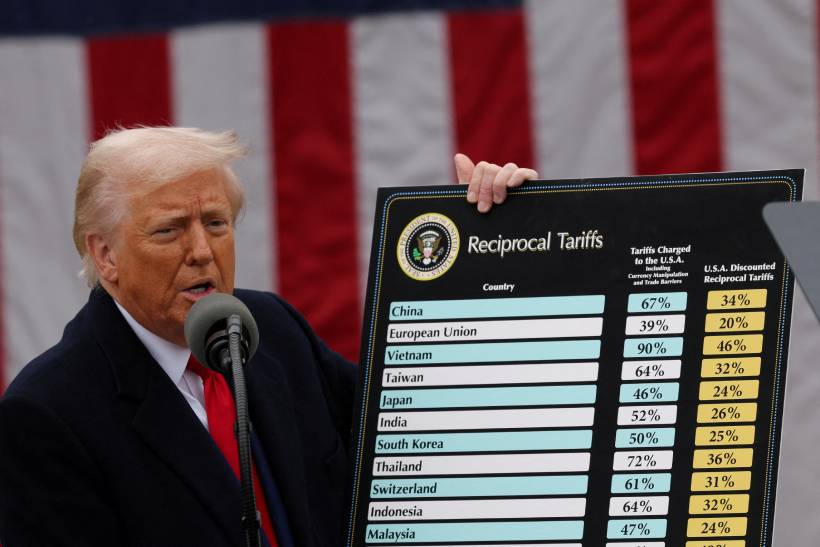
NEWS BRIEF President Donald Trump launched his midterm election campaign push in North Carolina on Friday, seeking to reframe the economy as a winning issue despite sagging consumer confidence and low approval ratings. In a sprawling speech, he touted stock market gains, cooling inflation, and a recent pharmaceutical pricing deal while deflecting blame for persistent […]
The post Trump Bets on the Economy in Pivotal Midterm Campaign Push appeared first on Modern Diplomacy.
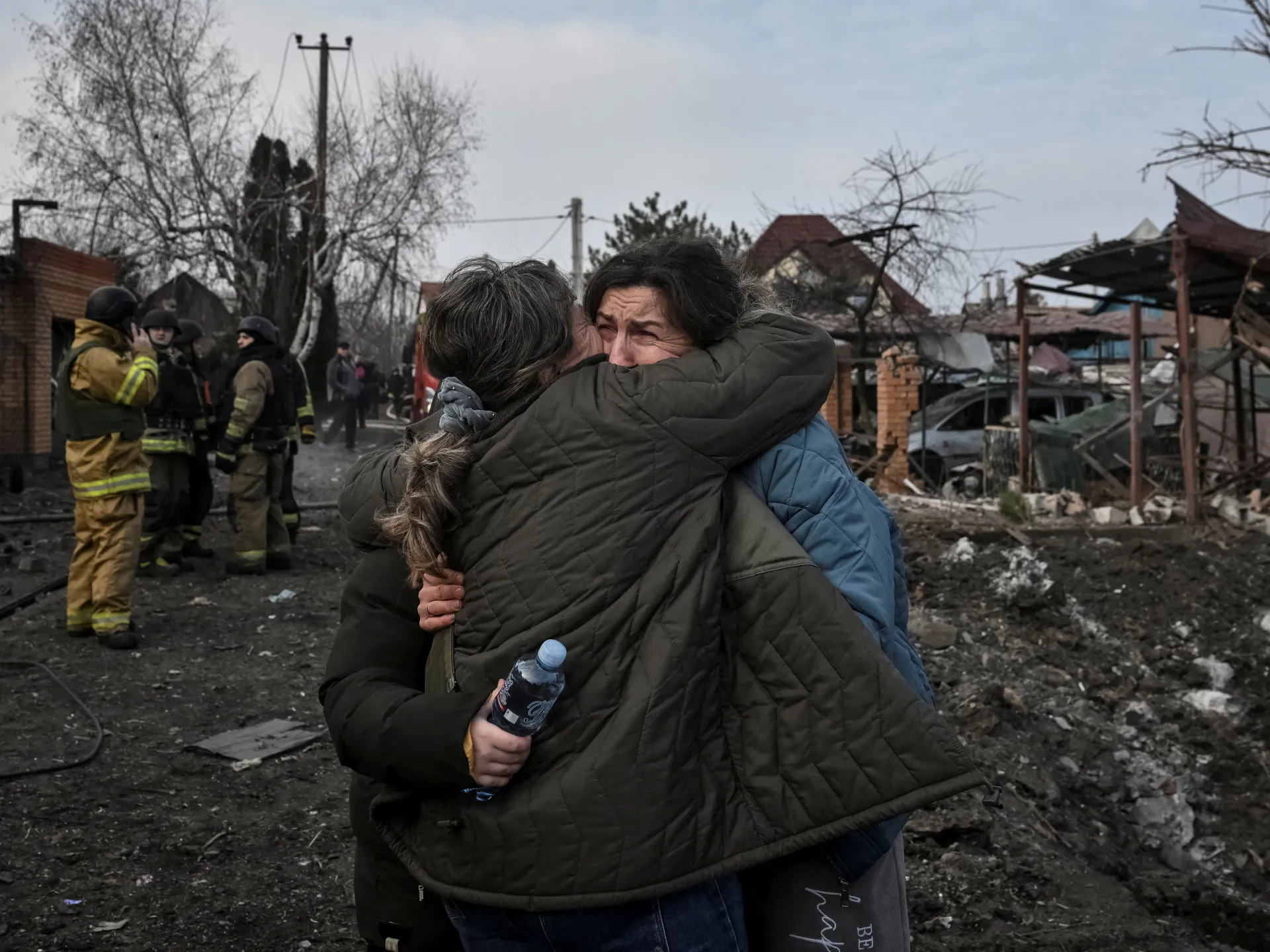
These are the key developments from day 1,397 of Russia’s war on Ukraine.
Published On 22 Dec 202522 Dec 2025
Share
Here is where things stand on Monday, December 22:
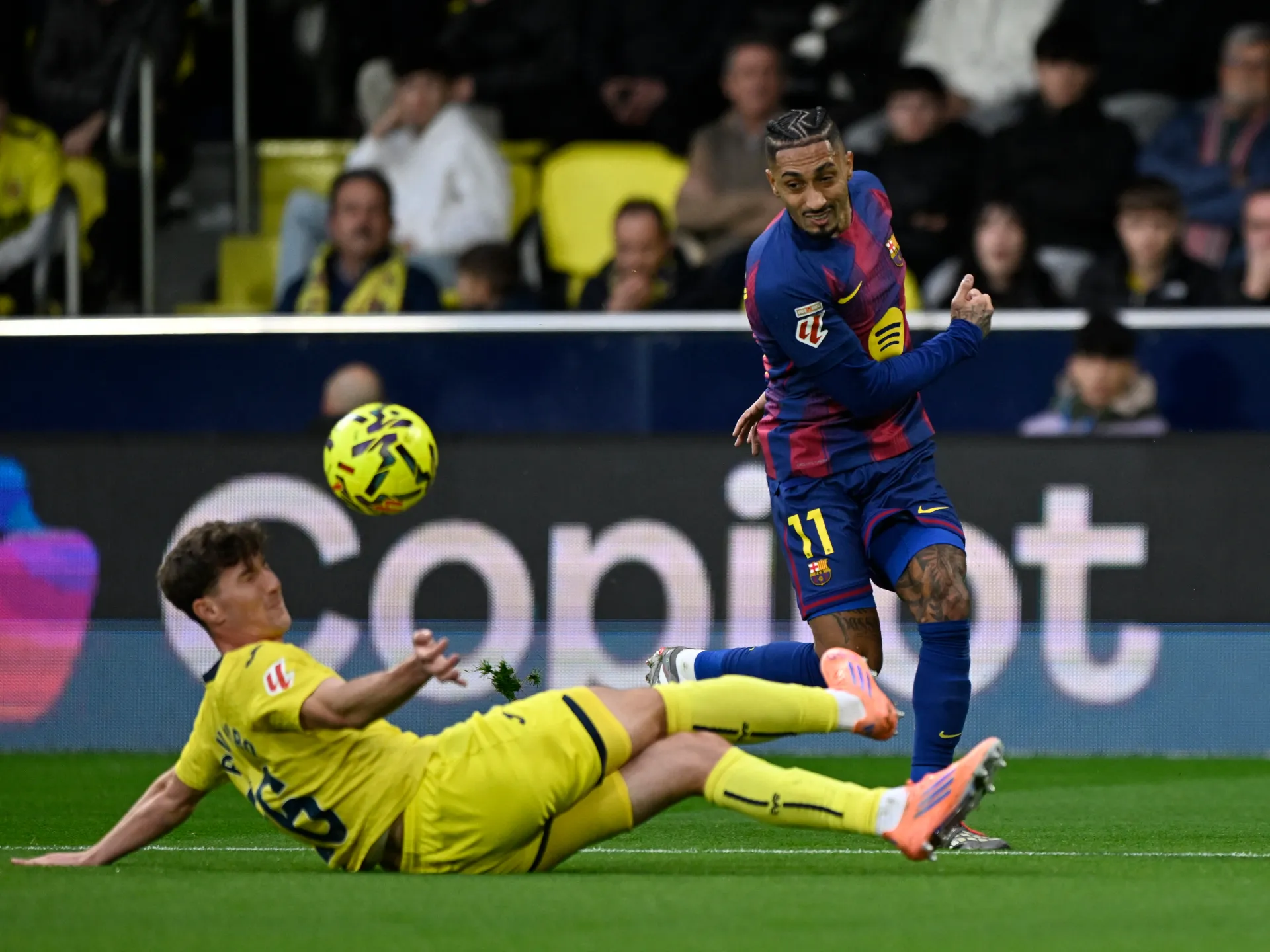
Barca punish 10-man hosts Villarreal to win eighth consecutive La Liga game and move four points clear at the summit.
Barcelona wingers Raphinha and Lamine Yamal guided the Catalan giants four points clear at the top of La Liga with a 2-0 win at 10-man Villarreal.
Brazil international Raphinha won and converted an early penalty on Sunday before Villarreal’s Renato Veiga was sent off before half-time for a late lunge on teenager Yamal.
list of 4 itemsend of list
The 18-year-old slotted home Barca’s second midway through the second half, as Hansi Flick’s side restored their advantage on Real Madrid, who are second, and won an eighth consecutive league game.
Villarreal are fourth after Atletico Madrid moved ahead of them with a 3-0 win at Girona earlier on.
Flick launched into an impassioned defence of Raphinha on Saturday after he was not included in FIFA’s ‘The Best’ team of the year earlier in the week, and the winger quickly repaid his coach.
Raphinha produced an all-action display at Villarreal’s Estadio de la Ceramica, where the match was played instead of in Miami, after La Liga’s plans to take this game to the United States were scrapped in October.
Barca were poor defensively and struggled in their build-up play, but the quality of wingers Raphinha and Yamal and their goalkeeper Joan Garcia’s outstanding performance decided an entertaining encounter.
Jules Kounde blocked Villarreal striker Ayoze Perez’s shot before Raphinha drew a foul from Santi Comesana to win a penalty at the other end.
The winger dispatched it confidently and nearly added the second with a superb effort from distance, which crashed back off the bar.
Kounde deflected a cross into his own net as Villarreal fought back, but the goal was disallowed for offside in the build-up.
Barca stopper Joan Garcia saved from Tajon Buchanan after an Alejandro Balde mistake as Villarreal almost levelled.
The visitors’ job was made easier by Veiga’s needless red card for an ugly, late lunge on Yamal before the interval.
The champions got their second goal after a scramble in the box, with Frenkie de Jong teeing up Yamal to fire home after 63 minutes.
Joan Garcia made stunning saves to deny Rafa Marin and Georges Mikautadze to help Barca end 2026 with three points and a third clean sheet in their last three games across all competitions.
Kounde went off hurt before the end, potentially adding to Flick’s problems at the back following Andreas Christensen’s diagnosis with a partially torn knee ligament.
Barca finish the year in better shape than rivals Real Madrid, who beat Sevilla 2-0 on Saturday, but still have plenty of their own concerns to worry about.
Barcelona captain de Jong said his side had achieved their objective of finishing the year on top of the league and will rest before the league resumes in early January.
“Villarreal are very quick on the counter; they’ve got talented players up front. We could’ve managed to be a bit better… We have to organise ourselves a bit better,” he said.
“But I felt out there on the pitch that we were superior. Not necessarily comfortable, but I think we deserved to win.”
Villarreal captain Dani Parejo said he was pleased with how his team performed, apart from conceding the penalty.
“We had loads of really good chances; we could have been more than one goal up at halftime,” he said.
“It feels like everything is going against us at the moment; teams are scoring against us with not much, but we are pleased with the image we have shown, how we played with 10 men against a great team. We showed great attitude.”
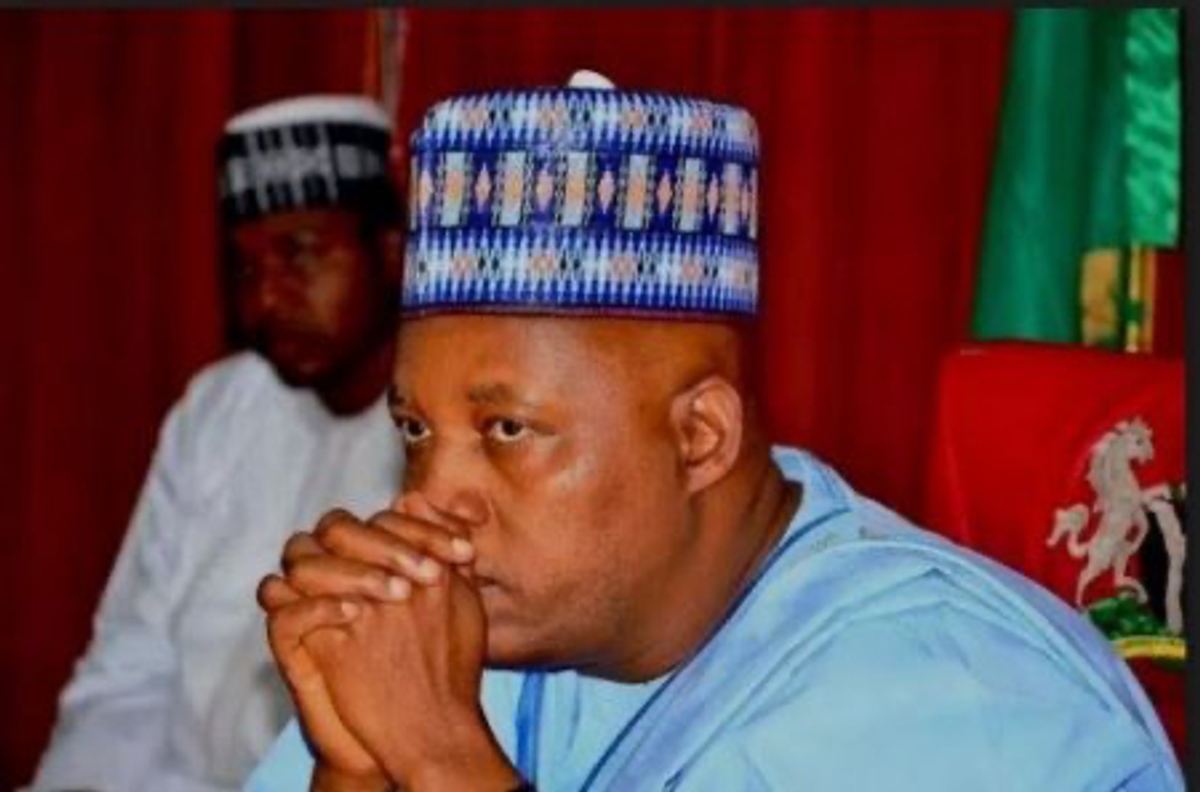
The purpose of the day is mourning victims of Boko Haram insurgents, the victory recorded by the Nigerian Military and the remembrance of fallen soldiers and volunteers who have sacrificed their lives fighting Boko Haram since 2009 in different parts of Borno State.
Boko Haram, an ISIS-aligned jihadist group, has killed over 30,000 people and displaced 2.3 million from their homes. At one time it was the world’s deadliest terror group according to the Global Terrorism Index.
In mid-2014, the militants gained control of swathes of territory in their home state of Borno.
In December 2016, Nigeria’s President Muhammadu Buhari announced that the army had seized one of Boko Haram’s last bases in northeastern Borno state, marking a key stage in the offensive against the armed group.
A long campaign in the 1,300sq km forest in Borno led to the “final crushing of Boko Haram terrorists in their last enclave in Sambisa Forest” on Friday, Buhari said in a statement at the time.
Governor of Borno, Kashim Shettima, said: “Based on Buhari’s announcement, the Sambisa forest became deceased or dead at about 1.35 pm on December 22nd 2016.”
As a result, Shettima announced that: “This day will be marked as Public Holiday in Borno for the purpose of celebrating the strength and the victory of our Armed Forces”.
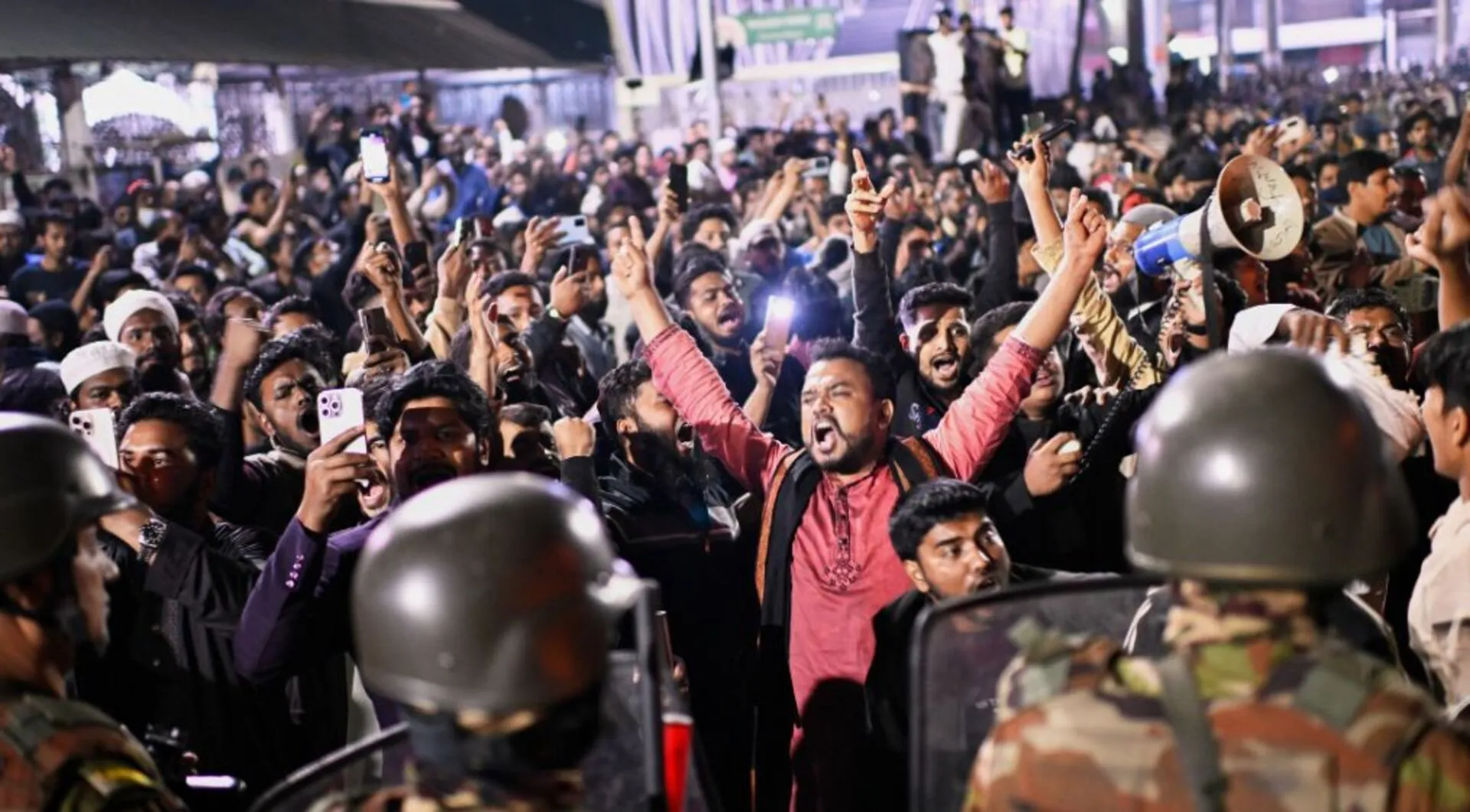
Tensions are growing after the killing of a student leader in last year’s revolt, which toppled Sheikh Hasina.
Tensions are growing in Bangladesh after the killing of a student leader of last year’s uprising that ousted Prime Minister Sheikh Hasina.
Elections for a new government are due in February.
So, how volatile is the political situation?
Presenter: Dareen Abughaida
Guests:
Taqbir Huda – human rights lawyer and Clarendon Scholar at Oxford University
Asif Shahan – professor of development studies at the University of Dhaka
Fahmida Khatun – executive director at the Centre for Policy Dialogue in Bangladesh
Published On 21 Dec 202521 Dec 2025
Share
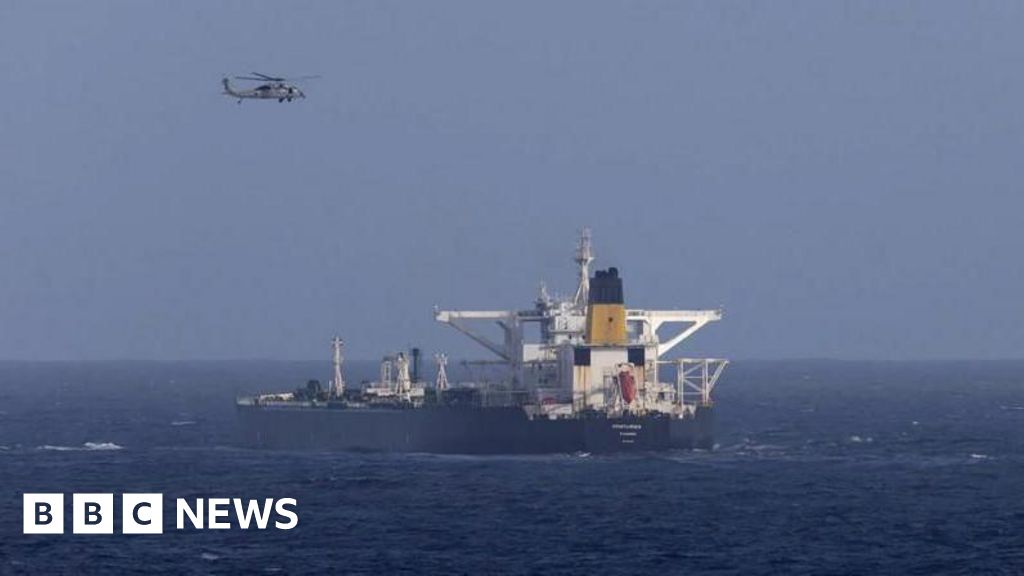
The US Coast Guard is in “active pursuit” of another vessel in international waters near Venezuela as tensions in the region continue to escalate.
US authorities have already seized two oil tankers this month – one of them on Saturday.
Sunday’s pursuit related to a “sanctioned dark fleet vessel that is part of Venezuela’s illegal sanctions evasion”, a US official said. “It is flying a false flag and under a judicial seizure order.”
Washington has accused Venezuela of using oil money to fund drug-related crime, while Venezuela has described the tanker seizures as “theft and kidnapping”.
US President Donald Trump last week ordered a “blockade” of sanctioned oil tankers entering and leaving the country.
Venezuela – home to the world largest proven oil reserves – has accused the Trump administration of trying to steal its resources.
US authorities have not yet officially confirmed Sunday’s pursuit, and the exact location and name of the tanker involved is not yet known.
As of last week, more than 30 of the 80 ships in Venezuelan waters or approaching the country were under US sanctions, according to data compiled by TankerTrackers.com.
Saturday’s seizure saw a Panamanian-flagged tanker boarded by a specialised tactical team in international waters.
That ship is not on the US Treasury’s list of sanctioned vessels, but the US has said it was carrying “sanctioned PDVSA oil”. In the past five years the ship also sailed under the flags of Greece and Liberia, according to records seen by BBC Verify.
“These acts will not go unpunished,” the Venezuelan government said in response to Saturday’s incident. It added that it intended to file a complaint with the United Nations Security Council and “other multilateral agencies and the governments of the world”.
Venezuela is highly dependent on revenues from its oil exports to finance its government spending.
In recent weeks, the US has built up its military presence in the Caribbean Sea and has carried out deadly strikes on alleged Venezuelan drug-smuggling boats, killing around 100 people.
Sanctions also were placed on some of President Maduro’s relatives and on businesses associated with what the US calls his illegitimate regime.
Secretary of State Marco Rubio told reporters on Friday: “It is clear that the current status quo with the Venezuelan regime is intolerable for the United States.”
He added that the goal of the Trump administration is to change that dynamic.
His comments were criticised by Venezuela’s foreign minister who accused Rubio dragging the US down the path of “regime changes”.
It has provided no public evidence that these vessels were carrying drugs, and the military has come under increasing scrutiny from Congress over the strikes.
The Trump administration has accused Venezuelan President Nicolás Maduro of leading a designated-terrorist organisation called Cartel de los Soles, which he denies.
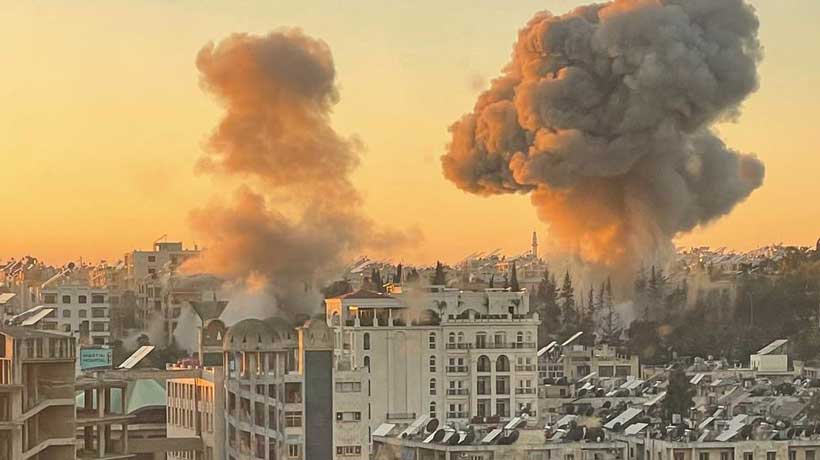
NEWS BRIEF The United States launched large-scale retaliatory airstrikes against more than 70 Islamic State targets across central Syria on Friday, responding to a deadly attack on American personnel earlier in the week. The operation, supported by Jordanian fighter jets and involving U.S. F-15s, A-10s, Apache helicopters, and HIMARS rockets, was described by Defense Secretary […]
The post Operation Hawkeye Strike: A U.S. Response to ISIS Attack appeared first on Modern Diplomacy.
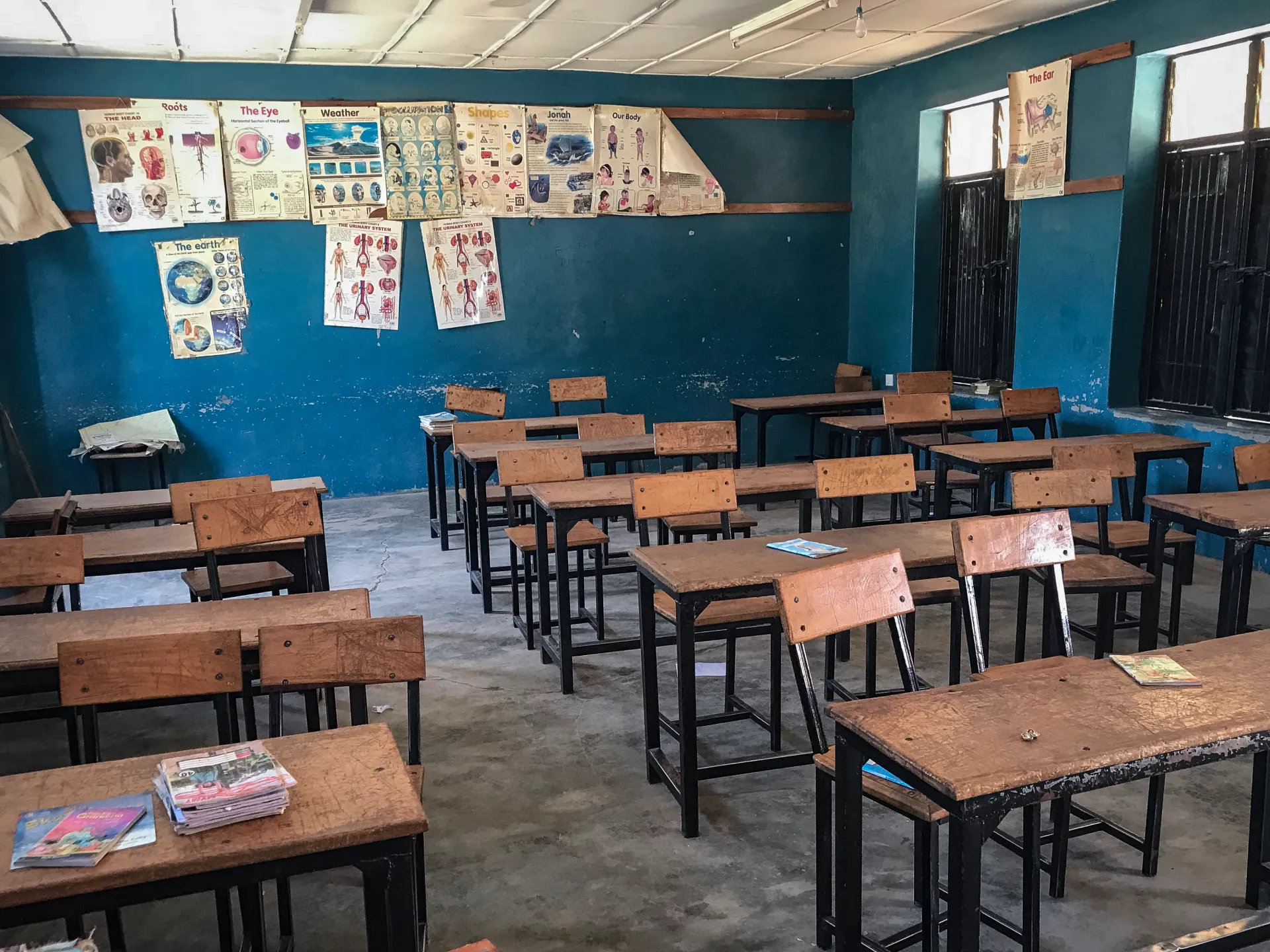
The country has seen a wave of recent mass abductions, as it suffers from multiple interlinked security concerns.
Nigerian authorities have secured the release of 130 kidnapped schoolchildren taken by gunmen from a Catholic school in November, according to a presidential spokesman, after 100 were freed earlier this month.
“Another 130 Abducted Niger State Pupils Released, None Left In Captivity,” Sunday Dare said in a post on X on Sunday.
list of 4 itemsend of list
In late November, hundreds of students and staff were kidnapped from St Mary’s co-educational boarding school in north-central Niger State.
The attack came amid a wave of mass abductions reminiscent of the 2014 Boko Haram kidnapping of schoolgirls in the town of Chibok.
The West African country suffers from multiple interlinked security concerns, from armed groups in the northeast to armed “bandit” gangs in the northwest.
The exact number of children taken from St Mary’s has been unclear throughout the ordeal.
Initially, the Christian Association of Nigeria (CAN) said that 315 students and staff were unaccounted for after the attack in the rural hamlet of Papiri.
About 50 of them escaped immediately afterwards, and on December 7, the government secured the release of about 100 people.
That would leave about 165 thought to be still in captivity before Sunday’s announcement that 130 were rescued.
However, a UN source told the AFP news agency that all those taken appeared to have been released, as dozens thought to have been kidnapped had managed to run off during the attack and make their way home.
The accounting has been complicated because the children’s homes are scattered across swaths of rural Nigeria, sometimes requiring three or four hours of travel by motorbike to reach their remote villages, the source said.
The source told the AFP that “the remaining set of girls/secondary school students will be taken to Minna”, the capital of Niger State, on Monday.
“We’ll have to still do final verification,” Daniel Atori, a spokesman for CAN in Niger State, told the AFP.
It has not been made public who seized the children from their boarding school, or how the government secured their release.
Kidnappings for ransom are a common way for criminals and armed groups to make quick cash in Nigeria.
But a spate of mass abductions in November put an uncomfortable spotlight on the country’s already grim security situation.
Assailants kidnapped two dozen Muslim schoolgirls, 38 church worshippers, and a bride and her bridesmaids, with farmers, women and children also taken hostage.
The kidnappings also come as Nigeria faces a diplomatic offensive from the United States, where President Donald Trump has alleged that there have been mass killings of Christians in Nigeria that amounted to a “genocide”, and he threatened military intervention.
Nigeria’s government and independent analysts reject that framing, which has long been used by the Christian right in the US and Europe.
One of the first mass kidnappings that drew international attention was in 2014, when nearly 300 girls were seized from their boarding school in the northeastern town of Chibok by the Boko Haram armed group.
A decade later, Nigeria’s kidnap-for-ransom crisis has “consolidated into a structured, profit-seeking industry” that raised some $1.66m between July 2024 and June 2025, according to a recent report by SBM Intelligence, a Lagos-based consultancy.
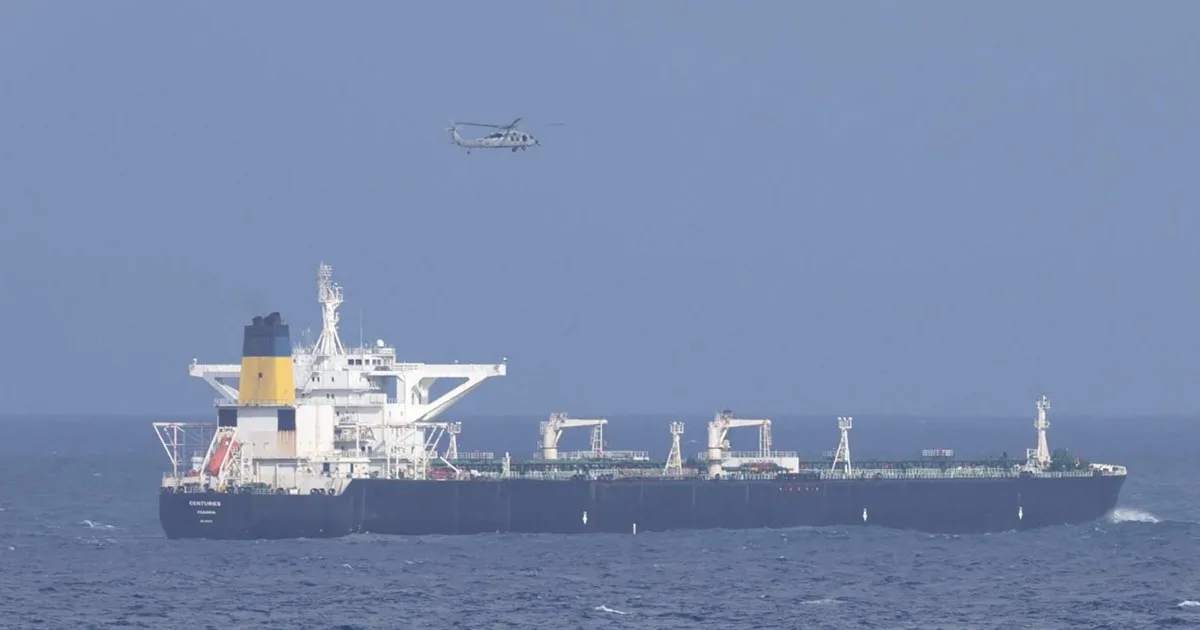
The vessel was flying a false flag and under a judicial seizure order, according to US officials cited by US media.
Published On 21 Dec 202521 Dec 2025
Share
The United States is pursuing an oil tanker in international waters near Venezuela, US media reported, in what would be the second such operation in two days and the third in less than two weeks.
“The United States Guard is in active pursuit of a sanctioned dark fleet vessel that is part of Venezuela’s illegal sanctions evasion,” a US official told the Reuters news agency on Sunday.
list of 4 itemsend of list
“It is flying a false flag and under a judicial seizure order.”
Another official told the agency that the tanker was under sanctions, but added that it had not been boarded so far and that interceptions can take different forms – including sailing or flying close to vessels of concern.
The officials, who were speaking on condition of anonymity, did not give a specific location for the operation or name the vessel being pursued.
The pursuit of the tanker was also reported by The Associated Press news agency, which cited an official briefed on the operation separately.
The official, who also spoke on condition of anonymity, said Sunday’s pursuit involved “a sanctioned dark fleet vessel that is part of Venezuela’s illegal sanctions evasion.”
The official also said that the vessel was flying a false flag and under a judicial seizure order.
The pursuit comes after the US seized an oil tanker off Venezuela on Saturday as part of a “blockade” ordered by US President Donald Trump.
US Homeland Security Secretary Kristi Noem said on Saturday that the coastguard apprehended the vessel with support from the Pentagon.
“The United States will continue to pursue the illicit movement of sanctioned oil that is used to fund narco terrorism in the region,” she wrote.
“We will find you, and we will stop you,” she added.
The operation marked the second time in recent weeks that the US has seized a tanker near Venezuela, and it comes amid a large US military build-up in the region.
Trump, whose administration has continued to ramp up pressure on Venezuelan President Nicolas Maduro, ordered on Tuesday a “total and complete blockade” of all sanctioned oil tankers entering and leaving the South American country.
Trump’s pressure campaign on Maduro has also included a ramped-up military presence in the region and more than two dozen military strikes on alleged drug trafficking vessels in the Pacific Ocean and Caribbean Sea near the South American nation. At least 100 people have been killed in the attacks.
The two oil tankers that were seized were operating on the black market and providing oil to countries under sanctions, Kevin Hassett, director of the White House’s National Economic Council, said in a TV interview on Sunday.
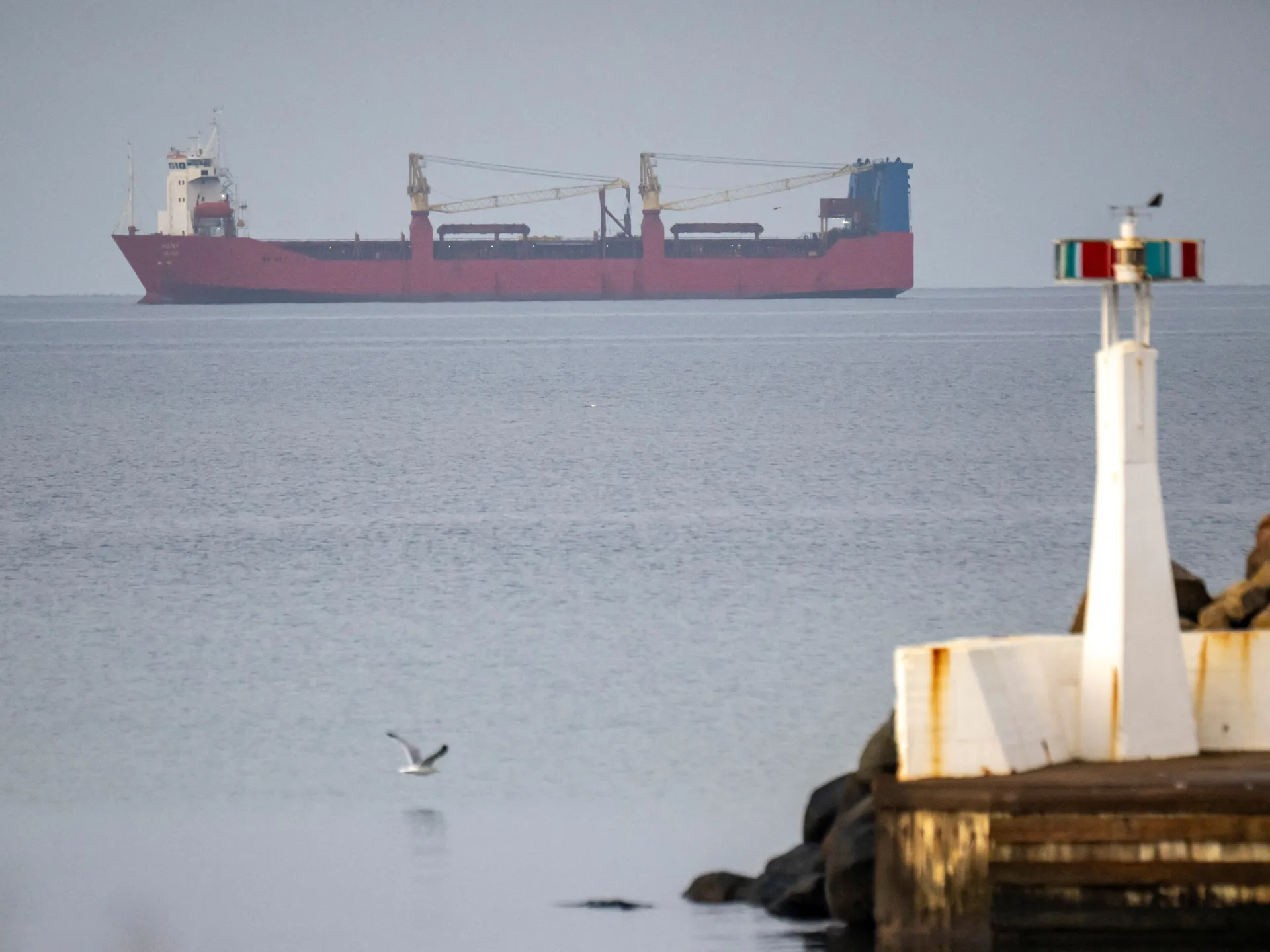
Authorities board vessel off Swedish coast after it suffered an engine failure.
Published On 21 Dec 202521 Dec 2025
Share
Sweden’s customs service has said that authorities boarded a Russian freighter that anchored in Swedish waters on Friday after developing engine problems, and were conducting an inspection of the cargo.
The owners of the vessel, the Adler, are on the European Union’s sanctions list, Martin Hoglund, spokesman at the customs authority, said on Sunday.
list of 4 itemsend of list
“Shortly after 0100 (00:00 GMT) last night we boarded the ship with support from the Swedish Coast Guard and the police service in order to make a customs inspection,” Hoglund said. “The inspection is still ongoing.”
Hoglund declined to say what the customs service had found on board the ship.
According to ship-tracking service Marine Traffic, the Adler is a 126-metre-long, roll-on, roll-off container carrier. It is anchored off Hoganas in southwest Sweden.
In addition to the Adler being on an EU sanctions list, the vessel and its owners, M Leasing LLC, are also both subject to US sanctions, suspected of involvement in weapons transport, according to OpenSanctions, a database of sanctioned companies and individuals, persons of interest and government watchlists.
Hoglund said the ship had left the Russian port of St Petersburg on December 15, but he said customs did not have any information about its destination.
The night-time operation was led by the Swedish Customs Administration along with the coastguard, National Task Force, Swedish Security Service and prosecutors.
In a previous incident, the Adler was boarded by Greek forces in the Mediterranean in January 2021. The operation was carried out under the auspices of the EU’s Operation Irini, which monitors the United Nations arms embargo on Libya.
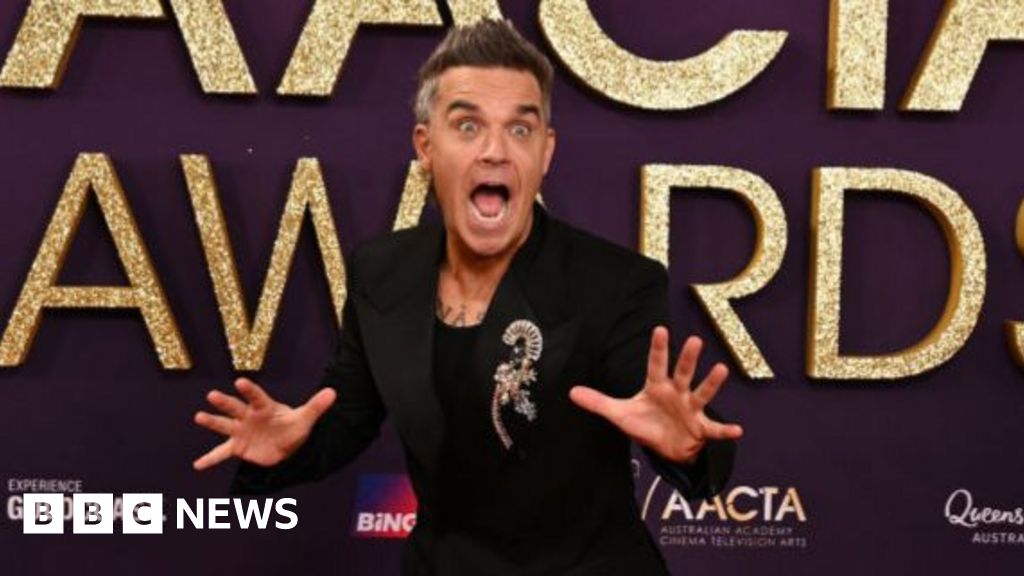
This is the moment Robbie Williams made a 94-year-old fan’s wish come true.
Norma, a resident of Humberston Care Home in North East Lincolnshire, told staff she had followed the singer from when he was in Take That and had always wanted to see him.
The home organised for her to see a Robbie Williams tribute act and then went one step further by organising for her to speak to the singer, who admitted he was urged to call her by his daughter, who had seen Norma’s story online.
Norma said: “I was absolutely amazed. I really was surprised.
“Nothing like this has happened to me before.
“He was in America, laid out on the bed. I nearly said to him you could have got done up for me!”
The moment was organised by Bailey Greetham, who holds fitness and wellbeing sessions with residents, and films videos on behalf of the home.
He added: “She said I was off to a Robbie Williams tribute but I am a little bit upset because it’s not the real Robbie.
“I had the camera with me so I said let’s film something and we put it on the internet and it got a million views and Robbie was tagged 5,000 times.”
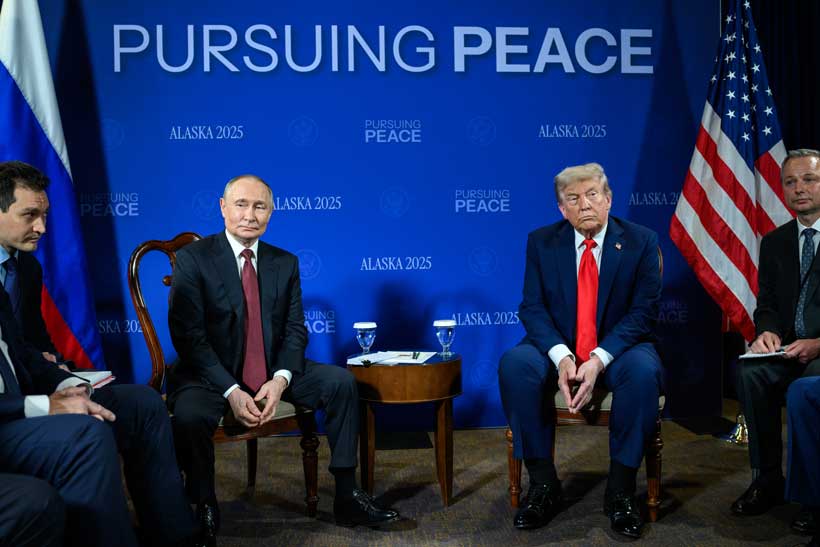
NEWS BRIEF U.S. and Russian officials are set to meet in Florida for high-level talks aimed at ending the war in Ukraine, following separate discussions with Ukrainian and European negotiators. The talks, led by property magnate-turned-diplomat Steve Witkoff and Jared Kushner for the U.S., and Kirill Dmitriev for Russia, seek to narrow gaps in a […]
The post As Putin Refuses to Bend, U.S. and Russia Meet for Ukraine Peace Talks appeared first on Modern Diplomacy.
Published On 21 Dec 202521 Dec 2025
Share
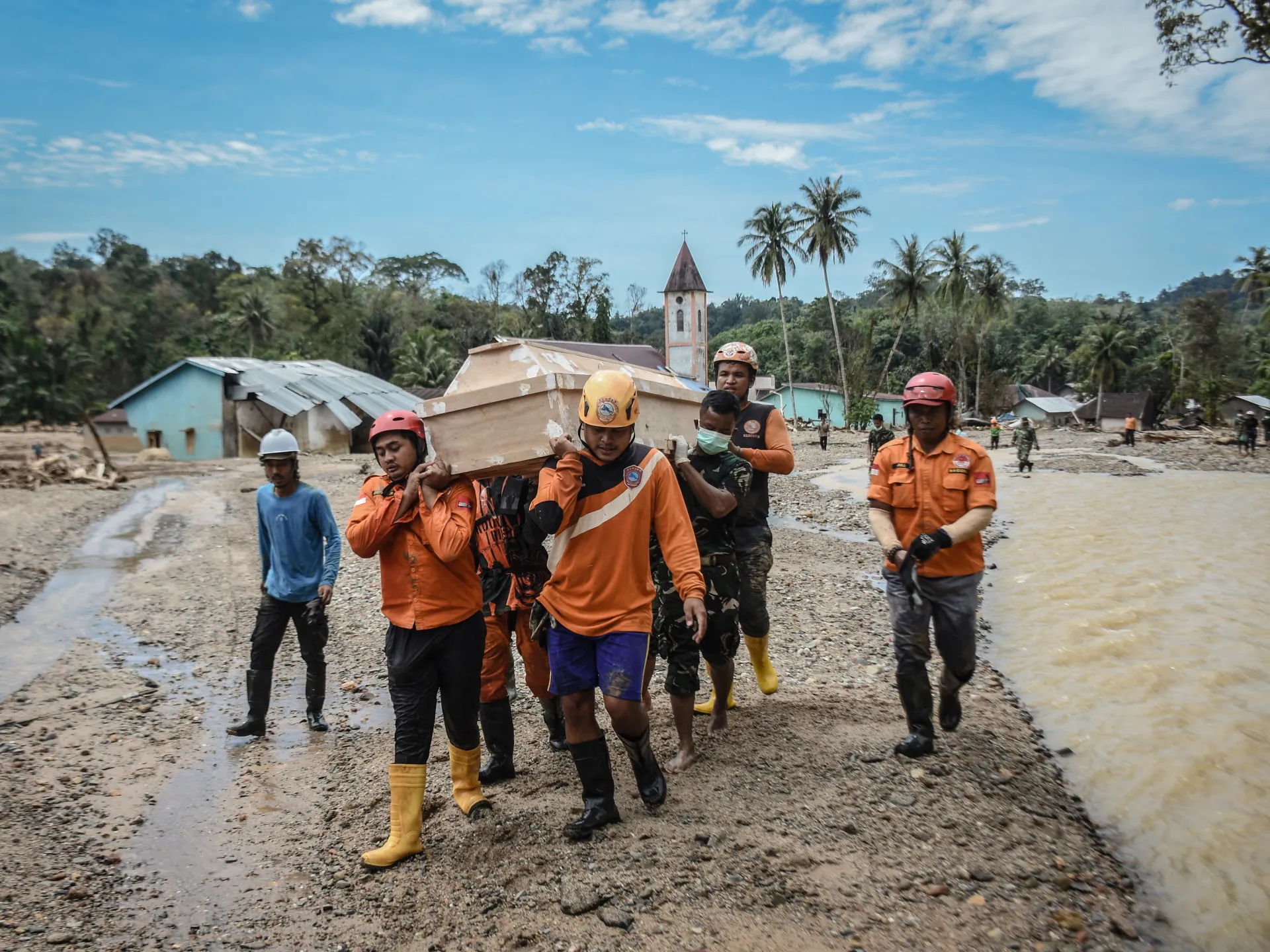
From a Russian air strike in Zaporizhzhia in Ukraine to demonstrations calling for the removal of US Immigration and Customs Enforcement from Minnesota, here is a look at the week in photos.

Liverpool and Egypt star forward Mohamed Salah is centred on winning his first Africa Cup of Nations title.
Published On 21 Dec 202521 Dec 2025
Share
Egypt captain Mohamed Salah has put aside his travails at Liverpool and is focused on Africa Cup of Nations (AFCON) success with his national team, coach Hossam Hassan said on Sunday.
Egypt’s talisman is at the tournament in Morocco on the back of a fiery outburst after being dropped by the Premier League champions, but his comments and subsequent apology to teammates have had no impact on his form, Hassan said ahead of Egypt’s opening Group B match against Zimbabwe in Agadir on Monday.
list of 4 itemsend of list
“Salah’s morale in training is very high, as if he were just starting out with the national team, and I believe he will have a great tournament with his country,” said the coach.
At 33, it is arguably Salah’s last chance to win an elusive trophy with Egypt and add international honours to an impressive collection of medals at club level.
“I believe Salah will be among the best players at the tournament, and he will remain an icon and one of the best players in the world.
“I support him technically and morally, because we cannot forget that Salah needs to win the Africa Cup of Nations,” Hassan added.

Salah goes into Monday’s match having last started for Liverpool in their 4-1 home loss to PSV Eindhoven in the Champions League at the end of November.
He was dropped for the next game against West Ham United, and after a draw with Leeds United on December 6, lashed out at the club and Liverpool coach Arne Slot, telling journalists he felt he had been made a scapegoat for their poor start to the season and suggested that he may not have long left at Anfield.
Hassan said he had kept in touch with his captain throughout the controversy.
“There was constant communication with Mohamed Salah during what I don’t want to call a crisis because any player can have a difference of opinion with his coach at his club.”
Salah has not scored since Liverpool’s 2-0 win over Aston Villa at the start of November, including an outing with Egypt in a friendly against Uzbekistan last month.
“The same situation happened with Salah when he went through a period of not scoring goals with Liverpool,” Hassan told reporters.
“Then he returned to the right path through the national team, and as a result, he came back at a level even better than before. I believe he will deliver a strong tournament alongside his teammates.”
Salah has twice been a Cup of Nations runner-up, in 2017 and 2021. Egypt have won a record seven AFCON titles, but their last success was in 2010.
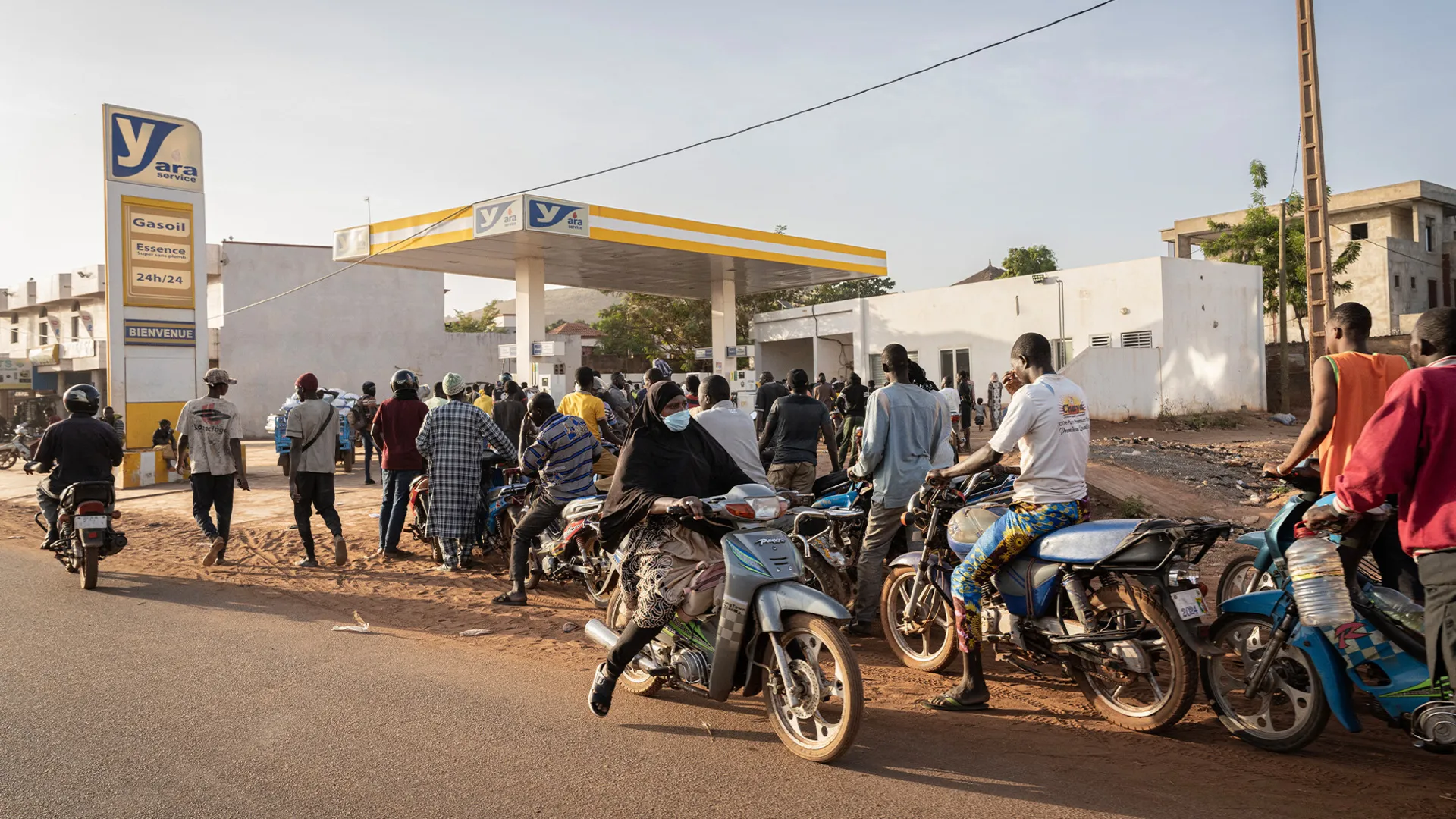
Leaders from Mali, Niger and Burkina Faso are hoping to find a way to repel advancing fighters linked to al-Qaeda. Al Jazeera’s Laura Khan explains what’s at stake at an Alliance of Sahel States summit in Bamako.
Published On 21 Dec 202521 Dec 2025
Share

Caroline HawleyDiplomatic correspondent

 ESOHR
ESOHRSaudi Arabia has surpassed its record for the number of executions carried out annually for a second year in a row.
At least 347 people have now been put to death this year, up from a total of 345 in 2024, according to the UK-based campaign group Reprieve, which tracks executions in Saudi Arabia and has clients on death row.
It said this was the “bloodiest year of executions in the kingdom since monitoring began”.
The latest prisoners to be executed were two Pakistani nationals convicted of drug-related offences.
Others put death this year include a journalist and two young men who were children at the time of their alleged protest-related crimes. Five were women.
But, according to Reprieve, most – around two thirds – were convicted of non-lethal drug-related offences, which the UN says is “incompatible with international norms and standards”.
More than half of them were foreign nationals who appear to have been put to death as part of a “war on drugs” in the kingdom.
The Saudi authorities have not responded to the BBC’s request for comment on the rise in executions.
“Saudi Arabia is operating with complete impunity now,” said Jeed Basyouni, Reprieve’s head of death penalty for the Middle East and North Africa. “It’s almost making a mockery of the human rights system.”
She described torture and forced confessions as “endemic” within the Saudi criminal justice system.
Ms Basyouni called it a “brutal and arbitrary crackdown” in which innocent people and those on the margins of society have been caught up.
Tuesday saw the execution of a young Egyptian fisherman, Issam al-Shazly, who was arrested in 2021 in Saudi territorial waters and said he had been coerced into smuggling drugs.
Reprieve says that 96 of the executions were solely linked to hashish.
“It almost seems that it doesn’t matter to them who they execute, as long as they send a message to society that there’s a zero-tolerance policy on whatever issue they’re talking about – whether it’s protests, freedom of expression, or drugs,” said Ms Basyouni.
There has been a surge of drug-related executions since the Saudi authorities ended an unofficial moratorium in late 2022 – a step described as “deeply regrettable” by the UN human rights office.
Speaking anonymously to the BBC, relatives of men on death row on drugs charges have spoken of the “terror” they’re now living in.
One told the BBC: “The only time of the week that I sleep is on Friday and Saturday because there are no executions on those days.”
Cellmates witness people they have shared prison life with for years being dragged kicking and screaming to their death, according to Reprieve.
 Reuters
The de facto ruler of Saudi Arabia, Mohammed bin Salman – who became crown prince in 2017 – has changed the country profoundly over the past few years, loosening social restrictions while simultaneously silencing criticism.
In a bid to diversify its economy away from oil, he has opened Saudi Arabia up to the outside world, taken the religious police off the streets, and allowed women to drive.
But the kingdom’s human rights record remains “abysmal”, according to the US-based campaign group Human Rights Watch, with the high level of executions a major concern. In recent years, only China and Iran have put more people to death, according to human rights activists.
“There’s been no cost for Mohammed bin Salman and his authorities for going ahead with these executions,” said Joey Shea, who researches Saudi Arabia for Human Rights Watch. “The entertainment events, the sporting events, all of it is continuing to happen with no repercussions, really.”
According to Reprieve, the families of those executed are usually not informed in advance, or given the body, or informed where they have been buried.
The Saudi authorities do not reveal the method of execution, although it is believed to be either beheading or firing squad.
In a statement sent to the BBC, the UN’s special rapporteur on extrajudicial, summary or arbitrary executions, Dr Morris Tidball-Binz, called for an immediate moratorium on executions in Saudi Arabia with a view to abolition, as well as “full compliance with international safeguards (including effective legal assistance and consular access for foreign nationals), prompt notification of families, the return of remains without delay and the publication of comprehensive execution data to enable independent scrutiny”.
 Amnesty International
Among the Saudi nationals executed this year were Abdullah al-Derazi and Jalal al-Labbad, who were both minors at the time of their arrest.
They had protested against the government’s treatment of the Shia Muslim minority in 2011 and 2012, and participated in the funerals of people killed by security forces. They were convicted of terrorism-related charges and sentenced to death after what Amnesty International said were grossly unfair trials that relied on torture-tainted “confessions”. UN human rights experts had called for their release.
The UN also condemned the execution in June of the journalist, Turki al-Jasser, who had been arrested in 2018 and sentenced to death on charges of terrorism and high treason based on writings he was accused of authoring.
“Capital punishment against journalists is a chilling attack on freedom of expression and press freedom,” said Unesco’s Director-General, Audrey Azoulay.
Reporters Without Borders said he was the first journalist to be executed in Saudi Arabia since Mohammed bin Salman came to power, although another journalist, Jamal Khashoggi, was murdered by Saudi agents at the Saudi consulate in Istanbul in 2018.
 Human Rights Watch
Last December, UN experts wrote to the Saudi authorities to express concern over a group of 32 Egyptians and one Jordanian national who had been sentenced to death on drugs charges, and their “alleged absence of legal representation”. Since then, most of the group have been executed.
A relative of one man put to death earlier this year said that he had told her that people were being “taken like goats” to be killed.
The BBC has approached the Saudi authorities for a response to the allegations but has not received one.
But in a letter dated January 2025 – in reply to concerns raised by UN special rapporteurs – they said that Saudi Arabia “protects and upholds” human rights and that its laws “prohibit and punish torture”.
“The death penalty is imposed only for the most serious crimes and in extremely limited circumstances,” the letter stated. “It is not handed down or carried out until judicial proceedings in courts of all levels have been completed.”

A WOMAN is confident that every failure or shortcoming in her existence is ultimately the fault of men.
After careful evaluation, Hannah, not her real name, has decided that her unfulfilling job, inability to get on the property ladder and her toast burning this morning are all, when it comes down to it, because of the patriarchy.
She said: “Everyone knows the gender pay gap’s all down to selfish, sexist men. But I’m daring to think bigger.
“The traffic that made me late for work this morning? Guess who was driving the not one, not two, but three cars in front. The fillings I need? Because I’m grinding my teeth over men’s bullshit all the time.
“Phone battery low? Because they’re designed by men selfishly designed them with their gruff, masculine one-text-and-away power usage in mind, not women who know the necessity of scrolling Instagram. See? All it takes is lateral thinking.
“As for why I’m single, that’s obviously on men. For not being handsome, not earning for shit and boring on about the crap they’re interested in. They need to sort it out. I’m excellent to date.”
Colleague Martin, not his real name, said: “As a man, I fear nodding along to Lucy’s rant is yet another poor male decision which women will end up paying heavily for. Specifically her mates.”
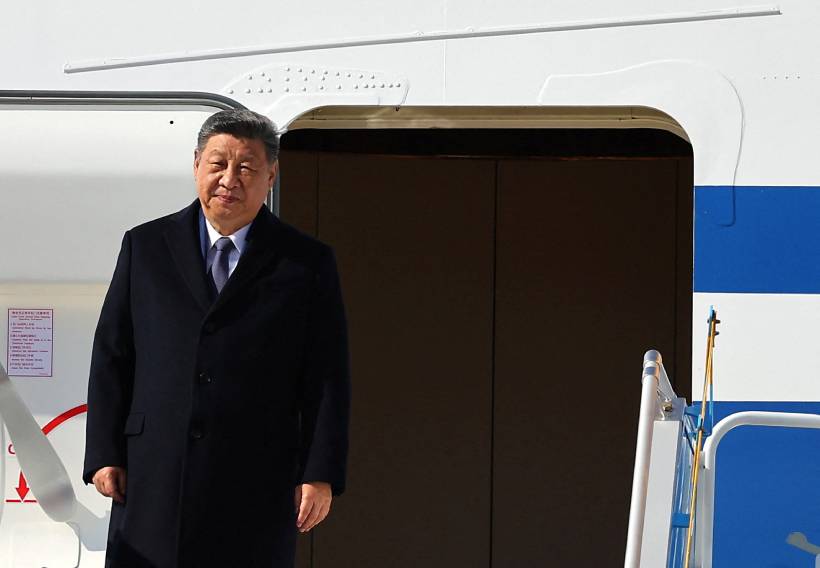
This year, in the US-China trade war and the grand military parade, China demonstrated economic and military strength that forced the United States to back down. However, Beijing merely displayed its power; various parties discovered that this giant does not know how to wield it.
The US paused its economic attacks on China, but the Dutch government directly “took control of” a Chinese-owned company in the Netherlands—Nexperia—through public authority. The EU expanded anti-dumping measures against China, with France as the main driver behind anti-China economic policies.
The US publicly acknowledged that China’s rising military power in the Western Pacific can no longer be suppressed and adjusted its global strategy to focus on the Western Hemisphere. Yet Japan shifted the Taiwan issue from strategic ambiguity to strategic clarity, adopting a more confrontational posture and challenging China’s bottom line. Regional countries, in various ways, have called for “peace” in the Taiwan Strait—support that amounts to nothing less than opposing China’s unification and indirectly endorsing Japan’s position. Meanwhile, the Philippines, mired in internal chaos, continued to provoke China in the South China Sea.
Since China has the capability to confront the US, it should have the ability to punish Europe, Japan, and the Philippines for their unfriendliness toward China. But Beijing did not do so. When facing challenges from these parties, it only issued symbolic verbal protests or took measures that failed to eradicate the problems—putting on a full defensive posture but lacking concrete and effective actions. As a result, events often started with thunderous noise but ended with little rain, fizzling out in the end.
From Beijing’s appeasement toward Europe, Japan, and the Philippines, all parties have reason to believe that China is a giant that doesn’t know how to use its own power. This presents a strategic opportunity for the weak to overcome the strong—especially now, as the US contracts its global strategy and distances itself from its allies. Maximizing benefits from China’s side is the rational choice.
For example, with Japan: Beijing responded to Tokyo’s intervention in the Taiwan issue with high-intensity verbal criticism, but its actions were inconsistent with its words. Although it revisited the “enemy state clauses” at the UN, raised the postwar Ryukyu sovereignty issue, and even conducted joint military exercises with Russia 600 kilometers from Tokyo, these actions were far less intense than the rhetoric. Even the verbal criticism cooled down after a month.
The US maintained a low profile on the China-Japan dispute, adopted a cool attitude toward Tokyo, and even indirectly expressed condemnation—likely the main reason Beijing de-escalated. This shows that China’s original intent in handling the incident was to force the US to “decouple” from Japan on the Taiwan issue and isolate Tokyo, which maintains close ties with Taipei.
Influenced by official attitudes, the Chinese people once again mistook official rhetoric for commitments, believing Beijing would go to war if necessary to eradicate Japan’s interference in internal affairs. After all, unresolved deep-seated hatred—akin to a sea of blood—remains between China and Japan. Moreover, this year marks the 80th anniversary of China’s victory in the War of Resistance Against Japanese Aggression, with various events held throughout the year to engrave in memory the national humiliation of Japan’s invasion of China.
But after Trump indirectly criticized Japan for provoking unnecessary disputes, Beijing seemed satisfied and stepped down gracefully. Although the dispute has not ended and continues to develop, like its handling of Philippine provocations, China has placed disputes with neighbors into long-term games, effectively shelving the issues—and causing the Chinese people renewed frustration.
After this three-way interaction, the asymmetry between Beijing’s words and actions has likely become deeply ingrained. In the future, it will be much harder for Beijing to mobilize the 1.4 billion people’s shared enmity.
The key point: In this dispute, who—China, Japan, or the US—gained the greatest substantive strategic benefits? So far, it’s hard to say who won the first round. China appeared to come out looking the best, preserving the most face, yet Japan also gained, and the US obtained leverage for future talks with China.
In the first round of this dispute, China strategically established the legitimacy of denying Japan’s intervention in the Taiwan issue, narrowing Tokyo’s diplomatic space for anti-China actions via Taiwan. Japan’s right wing advanced toward national normalization, hollowing out its peace constitution to cope with US strategic contraction; additionally, the Liberal Democratic Party regained public support. The US demonstrated its influence in East Asia—even after “withdrawing” its military to the second island chain—and raised its bargaining chips at the US-China negotiation table.
However, from a medium- to long-term perspective, Japan gains nothing worth the loss: the Ryukyu Islands will become a burden rather than an outer defense wall. The two major powers, China and the US, will orderly redraw their spheres of influence in East Asia; the US will gain a dignified pretext for abandoning Taiwan, while China will recover Taiwan at a lower cost.
Conversely, beyond the asymmetry between words and actions, there is also asymmetry between actions and strength. Beijing’s greatest loss is that the international community—especially its neighbors and Europe—has seen through China’s essence of appearing fierce but being timid inwardly. They have once again discovered that antagonizing China brings no adverse consequences; on the contrary, it can yield unexpected benefits—provided they give China the face it needs to achieve strategic gains.
For example, Vietnam: After the China-Japan dispute cooled, a Vietnamese warship transited the Taiwan Strait under the pretext of freedom of navigation without prior notification to China, signaling it is not a vassal of Beijing and aligning with Washington’s position.
Vietnam is a major beneficiary of the US-China confrontation, with massive Chinese goods rerouted through Vietnam to the US; transit trade has skyrocketed its economic growth. Thus, it firmly believes maximizing benefits lies in a neutral stance between China and the US. However, from a supply chain perspective, China is the supplier and the US the customer—the latter slightly more important. Factoring in China-Vietnam South China Sea disputes and China’s habitual concessions versus the lethal US carrot-and-stick approach, Vietnam naturally leans more pro-US.
Additionally, during the China-Japan dispute, Singapore’s prime minister publicly sympathized with Japan, while Thailand and Vietnam jointly called for peace in the Taiwan Strait—showing Southeast Asian nations, like Japan, hope to maintain the peaceful status quo in the Taiwan Strait and oppose military conflict in the region, which is equivalent to opposing China’s recovery of Taiwan. Of course, Northeast Asia’s South Korea holds the same view; some countries publicly state it due to internal and US factors, while others choose silence.
China’s neighboring countries all see the fact that the Philippines’ intense anti-China stance has gone unpunished. Despite deep internal political turmoil, Manila can still spare efforts to provoke China in the South China Sea—clearly a profitable path. Neighbors conclude: If China can concede on core interests, what can’t it concede?
On the other side of the globe, Europe has noticed this phenomenon too. The Dutch government rashly took over a Chinese enterprise, severely damaging China’s interests and prestige; Beijing’s response started strong but ended weakly—mainly to avoid impacting China-EU trade, even amid decoupling risks everywhere. No wonder Britain subsequently sanctioned two Chinese companies on suspicion of cyberattacks, unafraid of angering Beijing just before Prime Minister Starmer’s planned January visit to China.
In short, whether on the regional Taiwan issue or extraterritorial China-EU economic issues, China faces a broken windows effect. Although from a grand strategic view, all related events remain controllable for Beijing, appeasement only invites more trouble. It’s not impossible that China will eventually be unable to suppress public indignation and be forced to suddenly take tough measures—like at the end of the pandemic, when people took to the streets and Beijing immediately lifted lockdowns, rendering all prior lockdown justifications untenable overnight.
Indeed, China currently appears as a giant that doesn’t know how to use its power. But when a rabbit is cornered, it bites. When Beijing is forced to align actions with strength, the intensity will be astonishing; then, China will want more than just face.
There’s a saying: Attack is the best defense. But with its long history, this nation views offense and defense more comprehensively. The Chinese believe that when weak, attack is the best defense; when holding an advantage, defense is the best attack. As long as the opponent’s offense can be controlled within acceptable limits, persistent defense inflicts less damage than the opponent’s self-exhaustion in stamina. Conversely, when at a disadvantage, a full assault is needed to reverse it.
In other words, China doesn’t fail to know how to use power; it deems using power uneconomical. This explains why the West walks a path of decline while China continues rising—the latter accumulates power, and the former overdraws it.
President Trump is shrewd and pragmatic; he knows cornering China awakens the giant, so he eased US-China relations. But simultaneously, the US doesn’t mind—and even quietly encourages—its allies to provoke China, while positioning itself as a mediator to benefit. This is a reasonable tactic and the most effective offensive against China.
Xi Jinping once said China has great patience—implying that if patience is exhausted, the world will see a completely different China, one that uses power without regard for cost.
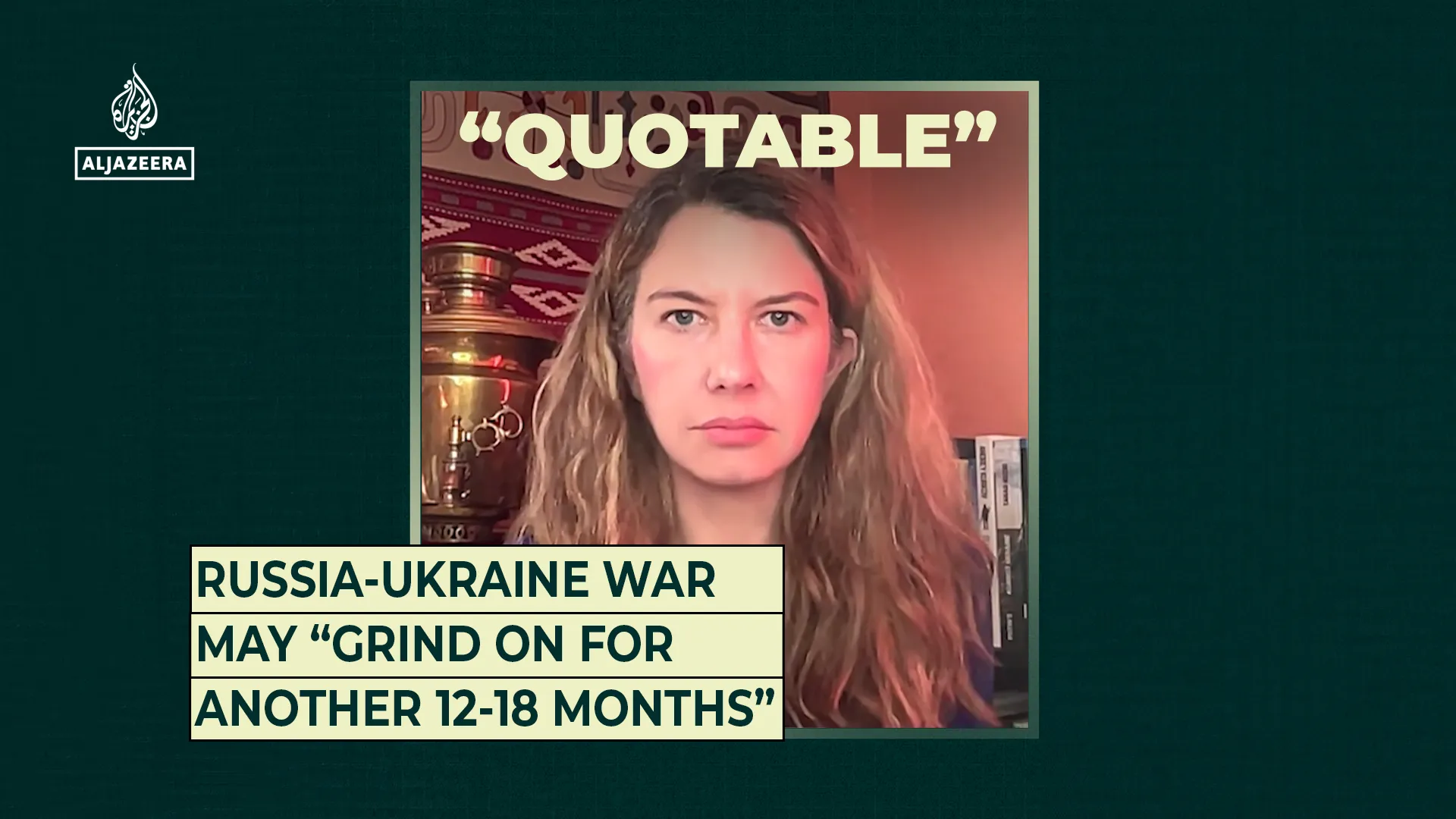
“These peace negotiations are a farce.”
Source link