worsen

France and Spain brace for heatwave that could worsen raging wildfires | Climate Crisis News

Both countries expect to see temperatures soar into Wednesday, which could cause the blazes to spread.

The spread of wildfires in France and Spain that had come dangerously close to the cities of Bordeaux and Madrid appears to be slowing, authorities say, but they are bracing for yet another stifling heatwave this week, which could fan the flames of current blazes and ignite new ones.

Nearly 4,000 people were evacuated from tourist sites in the Lacanau area of the Gironde region in southwestern France on Tuesday, bringing the total number who have fled Gironde to well over a quarter of a million. The wine-growing region, which includes the historic city of Bordeaux is the worst affected in France by the wildfires

Recommended Stories

list of 3 itemsend of list

“We are at a point of fragility,” Eric Brocardi, spokesperson for France’s national firefighters federation, told BFMTV on Tuesday. “We will continue attacking this fire despite the forecast rise in temperatures.”

Images posted by the French newspaper Le Figaro showed ash on a beach in Lacanau. Sophie Brocas, Gironde’s prefect, has banned all sporting and cultural events until August 8.

France’s fourth heatwave of 2026 is expected to begin on Tuesday as temperatures are forecast to reach as high as 40 degrees Celsius (104 degrees Fahrenheit) in the coming days. When the heatwave reaches Spain on Wednesday, temperatures are expected to be even hotter there.

In Spain, 116,000 people have had to leave their homes since the wildfires began, but some have since been able to return. In the central province of Toledo, people from nine of 11 evacuated towns were allowed to go back to their homes on Tuesday.

Interior Minister Fernando Grande-Marlaska said people “can be a little more at ease” after progress overnight in tackling the many blazes in the country, which are mostly concentrated in central Spain.

Firefighters are also dealing with blazes in the neighbouring provinces of Avila and Toledo. About 800sq km (310sq miles) of land have burned.

One Spanish evacuee from the east of the country told the Reuters news agency he had witnessed “total chaos”.

“It was like in the movies where hell cracked the ground open, and you see the red hell.”

The scorching heat has renewed concerns about climate change with Spanish Prime Minister Pedro Sanchez describing the fires as “the most painful expression of a climate emergency”.

Sanchez said authorities are beginning “to see the light at the end of the tunnel in the fight against wildfires” but cautioned that the upcoming heatwave still has to be dealt with.
Source link

‘The crisis is deep’: The view from Russia as fuel shortages worsen | Russia-Ukraine war News

Moscow, Russia – Russia faces a severe fuel deficit as Ukrainian drone strikes knock out a significant portion of its refining capacity.

With continuing war in Ukraine and agricultural harvesting under way, the government is scrambling to re-route supplies, maintain price caps and enforce export bans to prevent further domestic shortages.

Recommended Stories

list of 4 itemsend of list

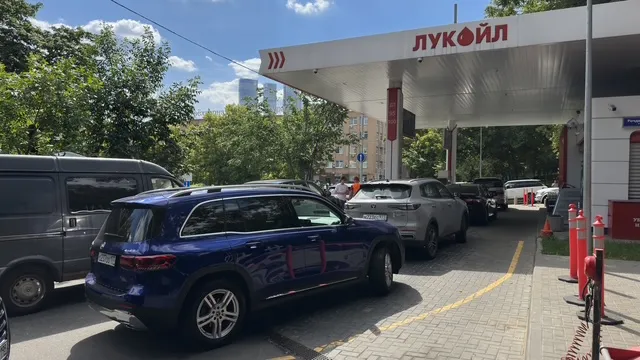
Long lines at petrol stations are now a common sight throughout the country, including in the prosperous capital Moscow.

People wait for hours to fill up their cars. In some places, the pumps are completely dry.

There is a sense of patience but also mounting anxiety in the air.

“I’m deeply frightened by the uncertainty and the lack of understanding where the situation is heading,” a woman named Irina, waiting to fill up her car in Moscow, told Al Jazeera.

Igor, another Moscow resident, said: “I think things can get out of control if the crisis causes major industries to shut down.”

Both interviewees requested to withhold their surnames.

Russia
President Putin has dismissed concerns about the fuel shortages, saying the situation is not ‘critical’ [Al Jazeera]

Analysts predict that increased fuel prices will mean higher transportation costs followed by significant price hikes for goods and services.

Stanislav Mitrakhovich, an expert at the National Energy Security Fund at the Russian Financial University, said the crisis is “deep, yet for a long time, Russian authorities were unwilling to acknowledge it”.

He added that the Russian response has led to “greater public distrust” of authorities and, consequently, triggered panic buying.

“Indirect evidence indicates that Ukrainian drone attacks have disabled about a quarter of Russia’s oil refining capacity,” he told Al Jazeera. “Seasonal demand has also contributed to the problem. The crisis has led to rising fuel prices and local shortages, as some regions simply lack oil refineries.”

The situation is “even worse” in regions close to the combat zone, he said. “Measures to restrict and ration fuel sales have long been in place there.”

To tackle the problem, Russia has imposed fuel rationing. Sales are often limited to about 20-30 litres (about 5-8 US gallons) per vehicle, and drivers must pump fuel strictly into vehicle tanks. Filling jerry cans is largely prohibited.

Earlier, the government banned petrol and jet fuel exports. Officials are now weighing a ban on diesel exports, too.

Authorities have loosened fuel-quality regulations, temporarily allowing lower-grade fuel for the domestic market.

In Russia-controlled Crimea, a state of emergency has been declared.

As the approaching agricultural harvesting season relies on a steady stream of diesel, authorities are prioritising farming allocations to prevent a hit to food security.

To offset the domestic shortfall, Moscow has sought fuel imports from neighbouring countries, such as Belarus, as well as Asian markets. Moscow has shipped in 60,000 to 80,000 tonnes of petrol from India, according to industry sources cited by the Reuters news agency. Russia reportedly plans to import 400,000 tonnes of petrol monthly from various countries.

‘I would say it is not critical’: Putin

While Russian President Vladimir Putin acknowledges the crisis, he appears reluctant to end the war in Ukraine and insists the situation is under control.

“These attacks on our facilities certainly create problems, that is obvious. We are currently seeing a certain shortage, though I would say it is not critical,” he said.

“First and foremost, we have to rapidly and significantly increase production of air defence systems that are most in demand. We must also continue to improve them … Repairs at refineries must be completed more quickly.”

Ukraine is seizing its opportunity. President Volodymyr Zelenskyy has authorised a 40-day military and intelligence campaign, aimed at pressuring Russia into ending the war.

Mitrakhovich said the way the crisis unfolds from here depends on what’s more effective: Ukraine’s drone strikes or Russia’s air defences.

Source link