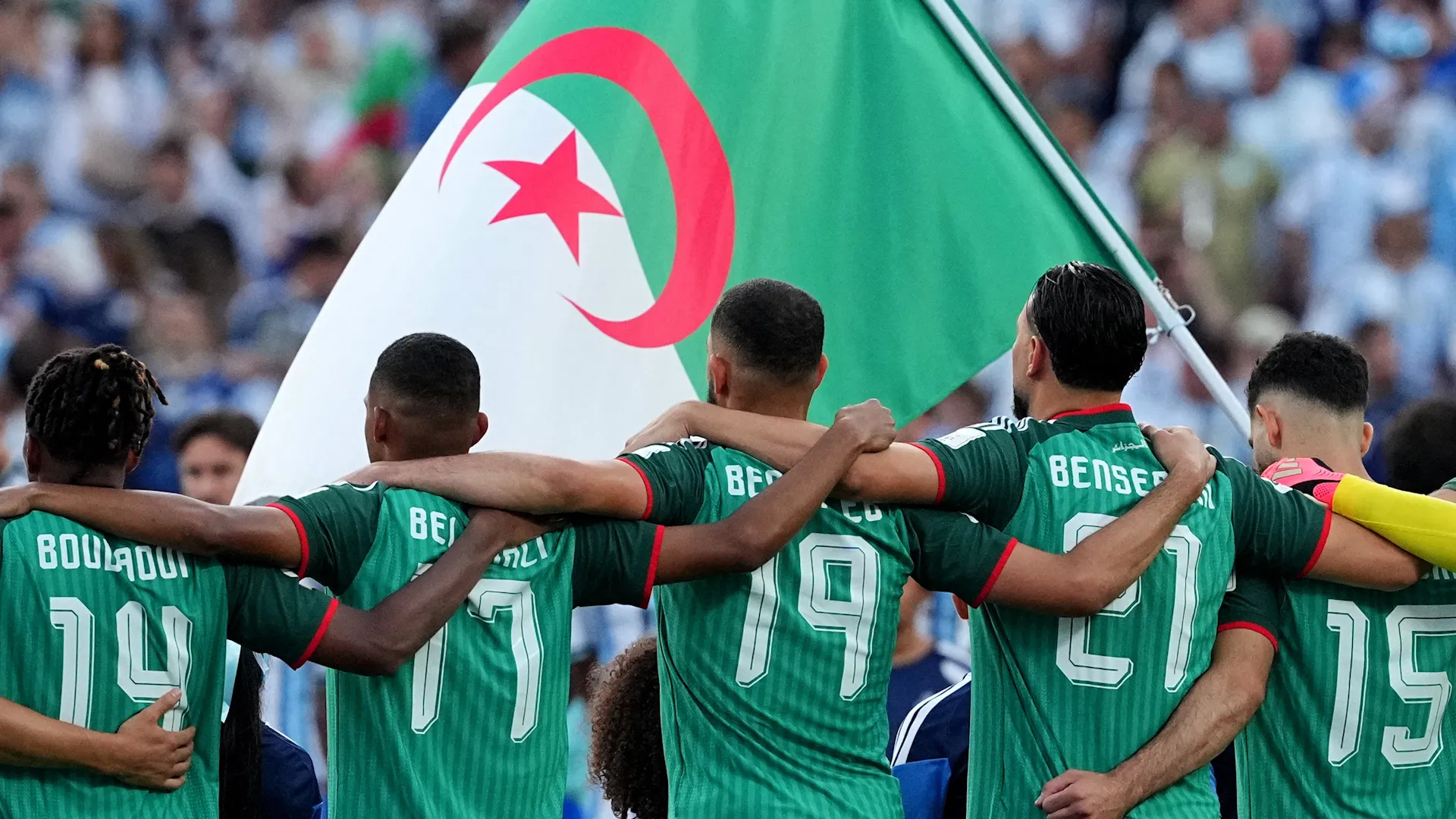
Palestinian activist Mahmoud Zaiter consoled Algerian fans after their team’s World Cup defeat to Argentina, praising Algeria’s support for Gaza’s orphans. He said the sponsorship of more than one thousand orphans represented a greater victory.
Brooklyn Beckham opened up about the ‘ups and downs’ of his business just weeks before his controversial World Cup adCredit: GettyThe aspiring chef raised eyebrows this week when a big-money advert appeared to see him poke fun at his ongoing family feudCredit: Instagram
Swipe or not, the payday could have come at a good time for Brooklyn, who revealed just weeks before its release that he was ‘figuring out’ things in his business.
The eldest child of David and Victoria launched hot sauce brand Cloud23 in October 2024, and has admitted he has faced ‘ups and downs’ with the brand since.
Speaking at the Tribeca Festival in New York last week, Brooklyn explained of his company: ‘I didn’t really know what I was getting into when I was creating this.
Speaking during the Tribeca Festival last week in New York, Brooklyn explained that he is still ‘figuring out’ things when it comes to his businessCredit: GettyBrooklyn launched his hot sauce brand, Cloud 23, back in October 2024Credit: GettyHis famous family are currently in the US taking in the World CupCredit: AlamyWhile Brooklyn and his wife Nicola have been steering clear of the sporting eventCredit: Instagram
“There have been a lot of ups and a lot of downs. There are things we’ve had to figure out.
“I’m still learning every single day. I’m going to continue to learn forever.”
Brooklyn also detailed how he wanted the brand to be much more than his famous name, which was built by his footballer dad and popstar mum.
“When I was creating this, I didn’t want to create another celebrity brand. I wanted to create the cleanest hot sauce there is with the most beautiful bottle,” explained the 27-year-old.
Brooklyn’s DoorDash ad has been widely seen as a nod to his estrangement from famous parents David, 51, and Victoria, 52, as well as his brothers and sister and wider family for over a year.
In the ad, he says to the camera: “You’re probably wondering why I’m watching the FIFA World Cup 2026 from home…”
Smirking Brooklyn then laughs: “It’s a long story.”
He goes on to throw down his tickets onto the coffee table.
The advert then says: “It’s complicated. More soon.”
Beloved England player Becks famously played in three FIFA World Cups in 1998, 2002 and 2006.
He’s out in America promoting the World Cup – watching the opening match with Tom Cruise.
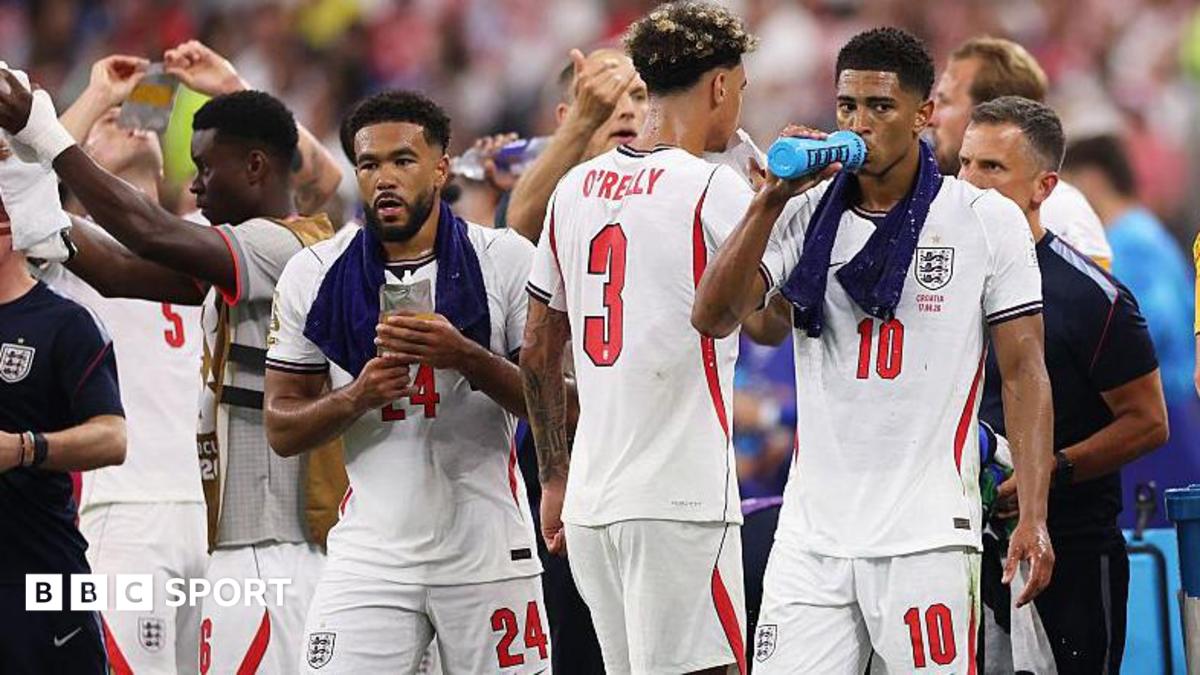
This was not the first game where boos have been at the hydration break, and the wave of dislike for them among fans appears to be gathering momentum.
On Tuesday, during Norway’s match against Iraq in Boston, the pause in play was greeted by boos from the crowd, with the temperature a more than manageable 23C at the time.
It was goalless just before the break but Iraq conceded four minutes after play resumed, and went on to lose 4-1.
There were loud boos for the pause during Sweden’s 5-1 thrashing of Tunisia on Monday and Spain’s goalless draw with Cape Verde on the same day, with that game played in the air-conditioned Atlanta Stadium.
And after England’s win against Croatia, the first hydration break during the match between Ghana and Panama was also greeted by jeers.
The hydration breaks have effectively turned games into four quarters rather than two halves, a concern for some of those England supporters who booed the break.
“It is like the Americanisation of football here,” said one.
“It is turning the game into quarters and I don’t love it. I get why people were booing and I was one of them.”
But some supporters do think there are benefits to them.
“I think they are badly marketed,” said another fan.
“If they were not called a hydration break, and were called a relief break then everyone doesn’t miss a goal.
“I think we have to think about it in a new way, corporate [bodies] get what they want, we get what we want and everyone is happy.”
Supporters of Hezbollah hang a banner depicting portraits of late Hezbollah leaders Hassan Nasrallah (R) and Hashem Safieddine in a partially damaged building targeted by an Israeli strike, during the first day of Ashura in the southern suburbs of Beirut, Lebanon, Wednesday. Israel and Lebanon have been trading strikes for several days. Photo by Wael Hamzeh/EPA
June 17 (UPI) — Israel carried out strikes on Lebanon on Wednesday as leaders prepared to sign the Iran-United States cease-fire Friday.
Israel and Hezbollah have attacked each other since their own cease-fire agreement was signed Sunday.
Israeli President Benjamin Netanyahu said Monday that the Israeli military would stay in Lebanon “for as long as necessary,” the BBC reported.
On Tuesday, Lebanese media reported that four people were killed in Israeli attacks, and Iran warned Israel that it would deliver a “harsh response” if it didn’t end its “malice” in Lebanon.
Naim Qasem, leader of Hezbollah, said in a televised statement on Wednesday that the memorandum of understanding between the United States and Iran was a “great victory.” He urged Lebanon to focus on restoring sovereignty with the withdrawal of Israeli troops from the country.
Lebanese President Joseph Aoun said he would work for an “independent path” when negotiating with Israel, but said he is “in favor of a cease-fire and welcome the support of any country that helps us, including Iran,” the BBC reported.
There has been a dip in violence since the MOU was announced, but attacks have not stopped, Al Jazeera reported.
Reporters on the ground reported that Israeli forces carried out an airstrike near Kfar Tebnit in the Nabatieh district. They also launched raids on the town of Nabatieh al-Fawqa and shelled the Ali al-Taher heights and the outskirts of the town.
Hezbollah launched at least 10 rockets toward Israeli forces near Kfar Tebnit. The Israeli army said an explosive Hezbollah drone detonated near its troops in southern Lebanon, wounding four of them, Al Jazeera said.
The Israeli army said that minutes later, another drone exploded and injured one more soldier.
On Tuesday, Israeli attacks killed at least four in Nabatieh, including in drone strikes on several vehicles, Al Jazeera said.
Trump’s remarks in France show his frustration with Netanyahu’s unwillingness to stop fighting.
“I think they could do better with respect to Hezbollah. I am not saying they should not protect themselves. I am saying when two drones are shot into the desert and dropped harmlessly, you do not have to knock down buildings in Beirut,” Trump said. “They could behave better and, frankly, they could do a better job.”
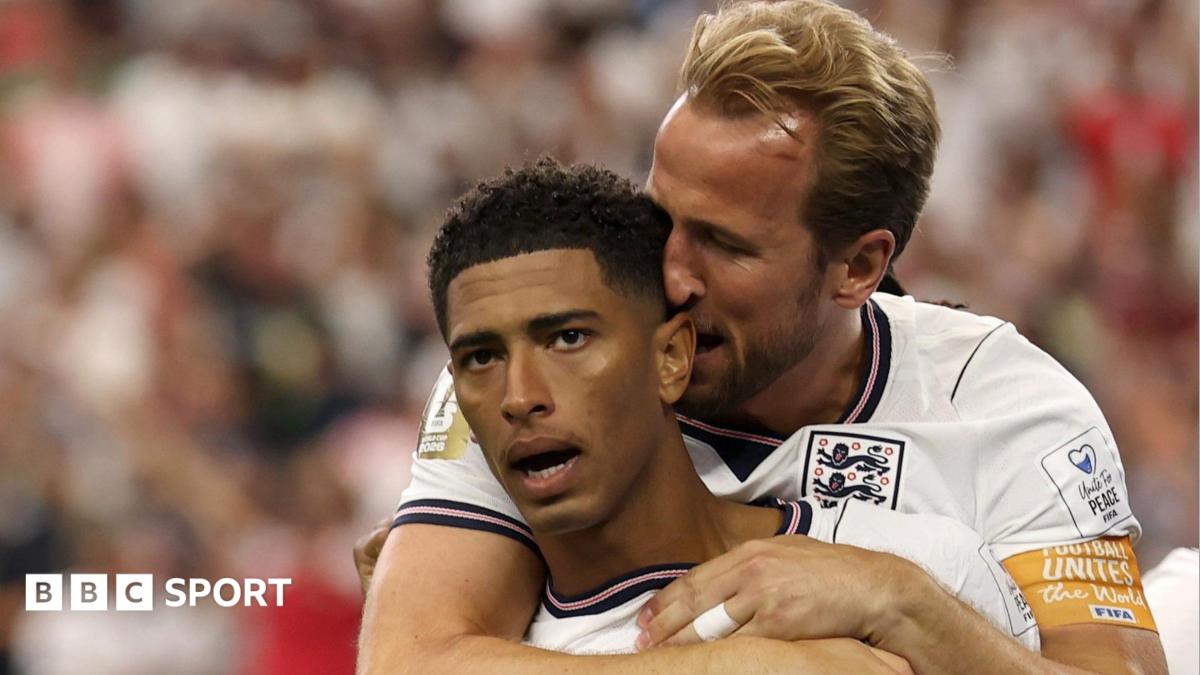
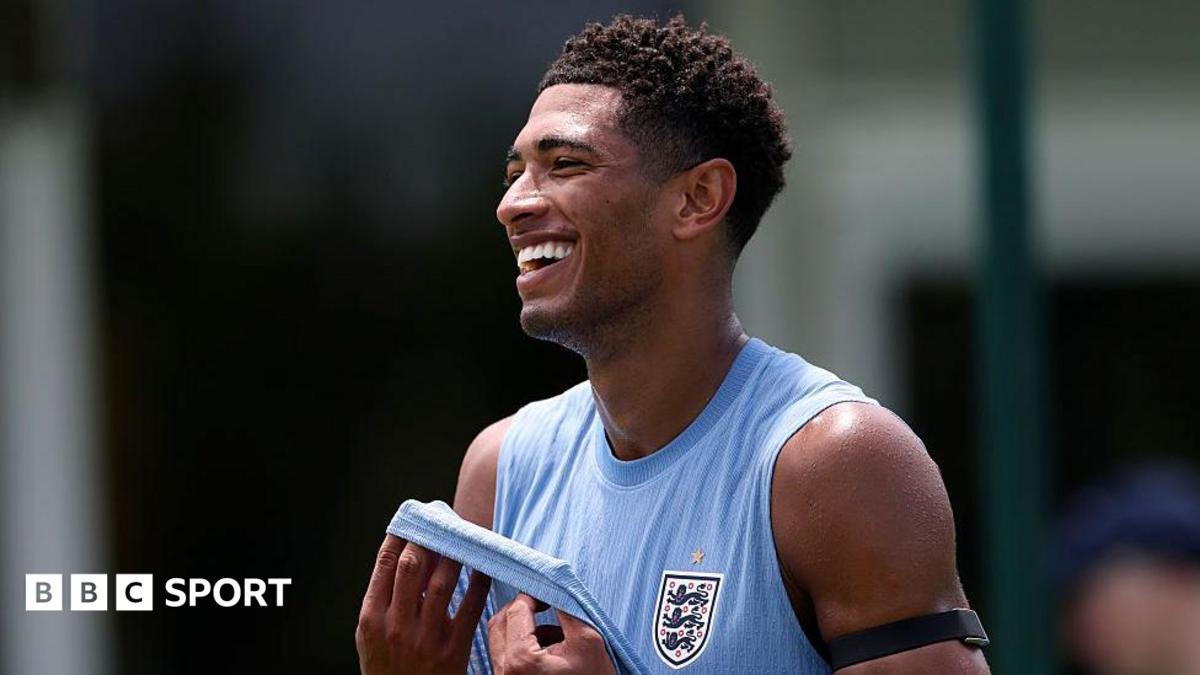
Jude Bellingham has said the external “noise” around his place in the England team may help him find his best form during the World Cup.
One of the main talking points around selection before England’s first group game against Croatia was whether boss Thomas Tuchel would select Real Madrid’s Bellingham or Aston Villa’s Morgan Rogers in the number 10 role behind captain Harry Kane.
Bellingham was chosen to start in Dallas and scored England’s crucial third goal just after half-time, with Marcus Rashford adding a fourth late on to complete a 4-2 win.
“For me personally, it was nice to put some of the noise aside and just show my country and my team-mates how committed I am to help us try to win football matches,” the 22-year-old, who is appearing in a fourth consecutive major tournament for England, told BBC Sport.
“To contribute, to help my team and help my country is one of the biggest honours and regardless of the noise outside, that honour doesn’t change for me at all.”
Bellingham conceded that it has been a “bit of a tougher season for me”, with the start of his 2025-26 campaign disrupted by injury, his club side in Spain ending up eight points behind eventual champions Barcelona and his place in the national team under scrutiny.
But Bellingham said he feels “fresh and sharp” heading into the tournament and it was “nice to hear” comments from colleagues such as Jordan Henderson, who said the former Birmingham City and Borussia Dortmund player gives England an “X-factor”.
Asked if he has entered the World Cup with added impetus, Bellingham said: “A little bit – I think I’ve got a little bit of a chip on my shoulder, haven’t I?”
Canadian Prime Minister Mark Carney (C), accompanied by South Korean Prime Minister Kim Min-seok (R) and Hanwha Group Vice Chairman Kim Dong-kwan during their visit to Hanwha Ocean Co.’s shipyard on Geoje Island in South Gyeongsang Province, southeastern South Korea. Photo by YONHAP / EPA
June 17 (Asia Today) — Canada is expected to select a preferred bidder within 30 days for a major submarine procurement program, narrowing the competition to South Korea’s Hanwha Ocean and Germany’s Thyssenkrupp Marine Systems.
The Canadian Patrol Submarine Project calls for the acquisition of up to 12 conventionally powered submarines to replace the Royal Canadian Navy’s four aging Victoria-class vessels.
The acquisition, infrastructure and long-term maintenance program has been estimated by South Korean industry officials at at least 60 trillion won, or about $39.7 billion. Some estimates place its potential value over several decades as high as 120 trillion won, or about $79.4 billion.
Stephen Fuhr, Canada’s secretary of state for defence procurement, said Ottawa expected to choose a preferred bidder within 30 days, according to Politico.
The selection would grant one bidder the right to enter detailed negotiations with the Canadian government, although it would not constitute a final contract award.
Canada previously identified Hanwha Ocean and Germany’s Thyssenkrupp Marine Systems as the two qualified suppliers for the program.
The contest has entered its final stage as South Korea promotes a package combining submarine construction, government-backed financing and broader industrial cooperation.
Canadian procurement chief visits South Korea
Fuhr visited Hanwha Ocean’s shipyard in Geoje, about 205 miles southeast of Seoul, on Feb. 2 with Canadian government and business representatives.
He toured the shipyard’s assembly facilities and automated production equipment and boarded the ROKS Jang Yeong-sil, the first 3,000-ton submarine in South Korea’s Dosan Ahn Changho Batch-II class, while it was undergoing sea trials.
Fuhr was accompanied by Hanwha Ocean Chief Executive Kim Hee-cheul and senior South Korean officials.
He later visited the South Korean Navy’s Submarine Force Command in Jinhae to examine its training, logistics and maintenance systems.
Hanwha Ocean said the visit allowed the Canadian delegation to assess South Korea’s submarine manufacturing capacity and its ability to provide long-term maintenance and operational support.
Canada seeks submarines for three oceans
Canada wants its future fleet to operate across the Atlantic, Pacific and Arctic oceans while maintaining interoperability with the United States and other allies.
Its requirements include long range, extended endurance, under-ice capability and reliable maintenance support.
Hanwha Ocean is offering a version of South Korea’s Dosan Ahn Changho-class submarine, also known as the KSS-III.
The company has emphasized that the platform is already in production and can be delivered more quickly than a newly developed design. It has also proposed cooperation with Canadian universities, shipyards and defense companies.
Thyssenkrupp Marine Systems is offering the Type 212CD submarine, a new design being developed for Germany and Norway.
The German bidder has highlighted its long-standing relationships within NATO, European defense supply chains and proposed investment in Canadian industry.
Germany and Norway have also reportedly examined changes to their own production schedules to make earlier delivery slots available to Canada.
Industrial benefits could determine outcome
Canada has made domestic jobs, industrial investment and long-term economic benefits central elements of the procurement.
The government has said work associated with the submarines should strengthen Canada’s marine and defense industries throughout the fleet’s operational life.
South Korea has therefore sought to expand its proposal beyond the construction of submarines.
Canadian officials have discussed potential South Korean investment in Canada’s automotive and transportation industries, according to people familiar with the negotiations.
South Korean companies have responded by exploring a hydrogen-powered commercial vehicle and fueling network rather than committing immediately to a conventional automobile assembly plant.
Hyundai Translead, Hyundai Motor Group’s North American trailer manufacturing subsidiary, has signed a dealership agreement with Canadian commercial vehicle dealer Breadner Trailers for Hyundai’s XCIENT hydrogen fuel-cell trucks.
The trucks have accumulated more than 1 million miles, or 1.6 million kilometers, of commercial driving in North America, according to Hyundai.
Glenn Copeland, president of Hanwha Ocean’s Canadian subsidiary, previously said Hyundai Motor Group had presented an initial proposal to Canadian officials for a hydrogen freight transportation corridor.
The plan could support Canada’s transportation decarbonization policies while adding a civilian industrial component to South Korea’s submarine offer.
Seoul prepares financial support
The South Korean government and state financial institutions are also preparing export financing to support the bid.
The Korea Trade Insurance Corp. and the Export-Import Bank of Korea have expanded financing programs for major overseas projects in defense, nuclear power and other strategic industries.
South Korean officials have said as much as 100 trillion won, or about $66.1 billion, from a broader export financing initiative could be made available for defense and nuclear energy projects. The amount does not represent financing committed exclusively to the Canadian submarine program.
Hanwha Ocean has also sought to demonstrate the strength of its domestic supply chain.
At the World Defense Show in Riyadh in February, the shipbuilder signed cooperation agreements with 11 South Korean defense and submarine equipment companies, including LIG Nex1, Hanwha Aerospace, Kolon Spaceworks, KTE and Firstec.
Hanwha Ocean says more than 80% of the components used in its proposed submarine can be supplied domestically.
A South Korean defense industry official said the final decision would depend not only on submarine performance but also on financing, delivery schedules, maintenance support and benefits for Canadian industry.
“Canada’s submarine project is more than a weapons sale,” the official said. “The remaining competition will be decided by which bidder can offer the most credible combination of capability, delivery and long-term industrial cooperation.”
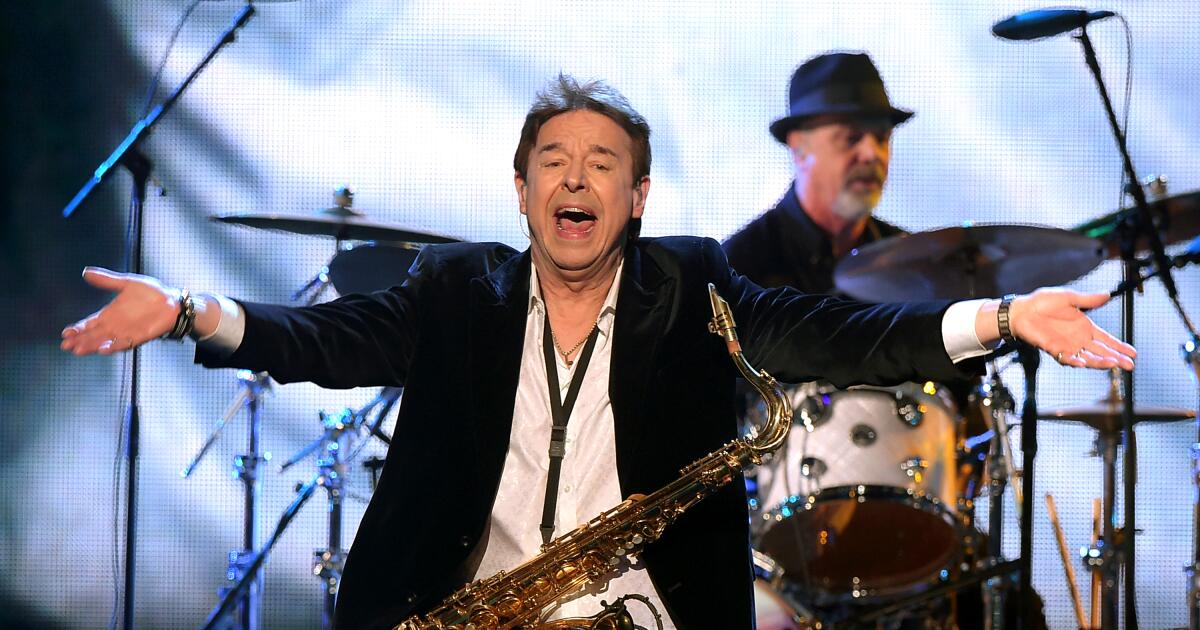
Walter Parazaider, the saxophonist and co-founder of the rock group Chicago, has died. He was 81.
Parazaider died June 17 of complications from Alzheimers disease. In a statement posted to social media on Wednesday, the band said that “Chicago is heartbroken at the sad news of Walter Parazaider’s passing this morning. We extend our deepest condolences to his family, friends and countless Chicago fans who are all grieving his loss today.”
His daughter, Felicia Helen Parazaider, also posted on Facebook that “I love you poppy, my Pal…You coloured our world.”
Born in Maywood, Ill., Parazaider began his music career as a clarinetist, before founding Chicago with childhood friends in the group’s namesake city. The band’s pop hits like “25 or 6 to 4” and “Saturday in the Park” were staples of the ‘70s and remain beloved fixtures of classic rock. His diverse woodwind skills helped give the band its regal sound, adding saxophone riffs to hits like “Just You ‘n’ Me” and a poignant flute solo on “Colour My World.”
While Chicago’s lineup changed often, Parazaider remained with the group until retiring in 2018. In April of 2021, Parazaider wrote in a statement on Chicago’s website that “I was diagnosed with Alzheimers disease. Needless to say, my wife, daughters and myself were shocked and devastated. It has taken awhile to process this news and the fact is, we still are. The good news is we have a wonderful medical facility here and I have a very good doctor. I am working hard and not going to give up.”
Chicago gave credit to Parazaider for conceiving of the band’s distinct instrumentation, and the work ethic that made them stars. “A Rock & Roll band with horns was Walt’s idea,” Chicago’s statement continued. “He put the band together and they rehearsed in the basement of his mother’s home. He is also the one who did the hard work to book shows for the young, unknown band, performing top 40 covers at local bars in and around Chicago.
“We are forever grateful for his contribution,” they continued. “Perhaps his greatest gift was bringing people together. This amazing music may have never been heard had it not been for Walt’s vision.”
Parazaider is survived by wife JacLynn and daughters Laura and Felicia.
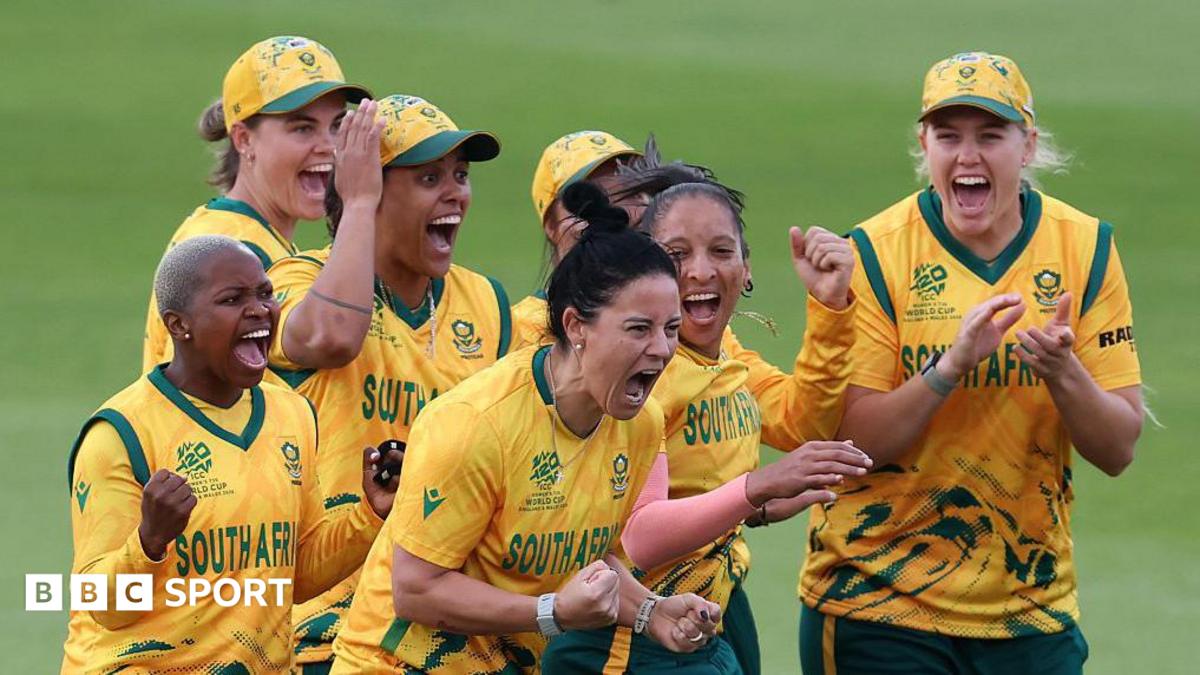
South Africa earned their first victory at the Women’s T20 World Cup as they beat Pakistan by two wickets at Edgbaston.
The Proteas were hammered by favourites Australia in their opener, setting them back in a difficult group which also includes 50-over world champions India.
Their win came from a combination of brilliant bowling from veteran all-rounder Marizanne Kapp and shambolic batting from Pakistan’s top order, who collapsed to 29-5 and then 50-8.
Kapp, 36, made an immediate impact with two wickets in the opening over, before some diabolical running between the wickets gifted South Africa three more.
But an inspired half-century from captain Fatima Sana dragged Pakistan up to 126-9 after a stand of 71 for the ninth wicket with Tuba Hassan.
Fatima finished unbeaten on 55 from 38 balls including two sixes in the final over bowled by Nadine de Klerk which conceded 19.
The skipper then kept her side in the game with the ball – finishing with figures of 3-23 – as South Africa made hard work of the chase by throwing away regular wickets.
Their batting needs to improve considerably if they are to challenge India and Australia in the group’s top two, but all-rounder Annerie Dercksen’s 52 and De Klerk’s 37 were enough to get them over the line with just over three overs to spare.
The Proteas have reached the past two T20 World Cup finals but lost both, to Australia in 2023 and New Zealand in 2024. Pakistan have suffered two defeats, having lost to India on Sunday.
Joao Neves opens the scoring for Portugal with early goal, but Yoane Wissa equalises in first-half injury time.
Published On 17 Jun 202617 Jun 2026
Cristiano Ronaldo’s record-equalling sixth World Cup got off to a disappointing start as the Democratic Republic of the Congo (DR Congo) secured their first-ever point at the football finals, drawing 1-1 with Portugal in their Group K match.
Yoane Wissa’s header cancelled out Joao Neves’s early goal on Wednesday, and the African side – appearing in their first World Cup since 1974, when their country was known as Zaire – more than held their own.
Recommended Stories
list of 4 itemsend of list
Portugal’s Ronaldo, 41, was largely a peripheral figure throughout the match, failing to make the impact his great rival Lionel Messi had achieved on Tuesday in scoring a hat-trick against Algeria.
The DRC’s achievement was even greater, given that their preparations had been disrupted by the Ebola outbreak back in their country.
Some Portugal players were wearing wrist bands, given to them by their Prime Minister Luis Montenegro, in tribute to late teammate Diogo Jota, who was killed in a car crash last year.
Portugal got off to the perfect start, with Neves powering home a header from Pedro Neto’s cross in the sixth minute.
However, despite dominating possession, they lacked a cutting edge, and well into time added on in the first half, their opponents made them pay.
Wissa rose unmarked to head past Diogo Costa in the Portuguese goal, sparking wild celebrations on the pitch, the bench and among the Congolese fans in the stadium as the Newcastle forward registered his country’s first-ever goal at a World Cup.
Former Portuguese defensive bulwark Pepe, watching from the VIP seats, did not look impressed.
Bernardo Silva had started the day by joining Real Madrid on a free transfer, but he ended it by watching from the bench after coach Roberto Martinez took him off at half-time.
He was briefly off his feet celebrating when Joao Cancelo’s overhead kick hit the back of the net – only for it to be ruled out for offside.
The Congolese were matching the Portuguese, though, and 35-year-old veteran striker Cedric Bakambu shrugged aside Bruno Fernandes, but his shot came back off the near post.
Ronaldo finally had a chance to shine when presented with a chance by Francisco Conceicao’s pass. But he fluffed his lines, sending it wide of the post.
The same combination linked up again minutes later, with Conceicao – a far livelier presence than Silva had been – teeing up Ronaldo. But once again the result was the same, and the ball went wide.
Portugal thought they had at least got a corner, but when it was not given, Conceicao slammed the ball into the ground in frustration as his side failed to pick up three points in their opener.
The first six days of the 2026 FIFA World Cup are over, with the U.S. and Mexico each winning their group stage openers. However, several teams in the World Cup field are still looking to hit the competitive pitch for the first time.
Here’s everything you need to know about matches being played on Wednesday and Thursday in the 48-team tournament across the U.S., Mexico and Canada (all times Pacific).
Wednesday’s Group K games:
Portugal vs. DR Congo
Portugal’s Cristiano Ronaldo celebrates after scoring during a World Cup qualifying match on Oct. 14.
The buzz: The Democratic Republic of the Congo is back in the World Cup for the first time since 1974 — when the country was known as Zaire — and in its first game it faces fifth-ranked Portugal and Cristiano Ronaldo, the greatest goal scorer in soccer history. Ronaldo, 41, is playing in the tournament for a sixth time, and this likely is his last chance to win the one prize that has eluded him — a World Cup title.
As for the Congo, it qualified by beating Jamaica in extra time of an inter-confederation playoff in March. But its final pretournament tuneup, with Chile this month, was canceled in Spain because of health concerns linked to the Ebola outbreak in Congo, then relocated to France, where Les Leopards lost 2-1. Before that, the team’s only two losses in the last year had been to World Cup qualifiers Senegal and Algeria.
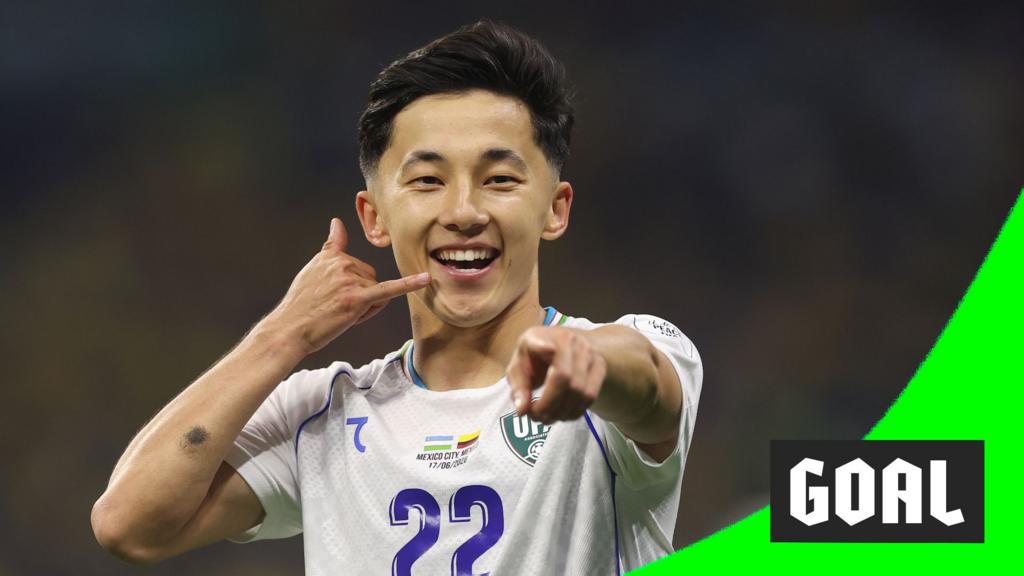
Uzbekistan vs. Colombia
Uzbekistan’s Eldor Shomurodov controls the ball during an international friendly against the U.S. in September 2023.
The buzz: Uzbekistan, a former Soviet republic, is another first-time World Cup qualifier, having punched its ticket for the tournament by finishing second to Iran in its Asian Confederation qualifying group. Its best player is forward Eldor Shomurodov, the team’s all-time leader in goals and the active leader in appearances who shared the lead in Turkey’s Super Lig with 22 scores this season.
Colombia is returning to the World Cup after missing the 2022 tournament. That led to the hiring of Argentine manager Néstor Lorenzo, who guided Colombia to a 28-game unbeaten streak between 2022 and 2024.
Wednesday’s Group L games:
England vs. Croatia
England’s Harry Kane takes part in a team training session on Saturday.
The buzz: The last time these teams met in the World Cup was in the 2018 semifinals, where Croatia won in extra time. Since making its first World Cup as an independent country in 1998, Croatia has finished third or better three times, making the final in 2018 and the semifinals in 1998 and 2022. Only France has fared better in the last two tournaments. England, a quarterfinalist in Qatar, made the final of the last two European Championships and, like Croatia, comes into this tournament with an aging core led by captain Harry Kane, England’s all-time leader in goals.
Ghana vs. Panama
Panama’s Ismael Diaz, center, controls the ball during an international friendly against Brazil in May.
(Silvia Izquierdo / Associated Press)
Where: BMO Field, Toronto Time: 4 p.m. TV: FS1, Telemundo
The buzz: Panama made its first World Cup appearance in 2018, and seven players from that team are back looking for their first win in the tournament. Prolific goalscorer Ismael Diaz is one of those holdovers as is San Diego FC midfielder Anibal Godoy, the team captain. Ghana, meanwhile, has qualified for five of the last six World Cups but hasn’t gone beyond the group stage since 2010. Its best player is Leicester City forward Jordan Ayew, Ghana’s all-time leader in caps and its active leader in goals.
Thursday’s Group A games:
Czechia vs. South Africa
Czechia’s Ladislav Krejci, center, celebrates with teammates after scoring against South Korea on June 11.
(Matias Delacroix / Associated Press)
Where: Mercedes Benz Stadium, Atlanta Time: 9 a.m. TV: Fox, Telemundo
The buzz: Both teams lost their openers, meaning neither can afford another setback. But South Africa will be without two key players in midfielders Yaya Sithole and Themba Zwane, who both drew red cards in the team’s loss to Mexico. Ladislav Krejci’s second-half goal gave Czechia the lead briefly in its loss to South Korea. It was the country’s first World Cup lead since a 3-0 win over the U.S. in group play in 2006.
Mexico vs. South Korea
Mexico’s Raúl Jiménez celebrates after scoring against South Africa at the World Cup on June 11.
The buzz: After both teams opened their World Cup with wins, a victory here likely will mean advancing to the knockout rounds as the group champion. Mexico has a one-goal lead in goal differential but will be facing South Korea without defender César Montes, who drew a silly red card in stoppage time of El Tri’s win over South Africa.
Thursday’s Group B games:
Switzerland vs. Bosnia and Herzegovina
Switzerland’s Breel Embolo scores on a penalty shot against Qatar at the World Cup on June 13.
The buzz: Switzerland dominated its first game, outshooting Qatar 26-6 and putting seven tries on target. But it dropped two important points on an own goal deep in stoppage time, turning a potential 1-0 win into a 1-1 draw. Despite all that offense, Switzerland’s only goal came on Breel Embolo’s penalty shot. Bosnia also let a lead — built on Jovo Lukic’s header in the 21st minute — get away late in its draw with Canada.
Canada vs. Qatar
Canada’s Cyle Larin (9) celebrates with teammates after scoring against Bosnia-Herzegovina at the World Cup on June 12.
The buzz: Cyle Larin scored two minutes after coming off the bench late in the second half of Canada’s opener, giving the country its first point in a World Cup match. A win against Qatar almost certainly would be enough to see Canada through to the second round, but the team once again will be without its best player, injured winger Alphonso Davies. Qatar also earned its first World Cup point against Switzerland, with keeper Mahmud Abunada making five saves, enabling the team to draw on an own goal in stoppage time.
However, it is understood England manager Thomas Tuchel is likely to select Bellingham, 22, for Wednesday’s Group L encounter in Dallas (21:00 BST).
The Real Madrid star is expected to have Arsenal’s Declan Rice and Elliot Anderson of Nottingham Forest alongside him in midfield.
Elsewhere, Ezri Konsa is likely to get the nod at centre-half alongside John Stones – with Marc Guehi in line to start on the bench.
Reece James and Nico O’Reilly are set to start at full-back.
Harry Kane will captain the side and lead the attack. Anthony Gordon is expected to play on the left wing with Noni Madueke in line to play on the right in place of Bukayo Saka, who is working his way back to full fitness from Achilles tendinitis.
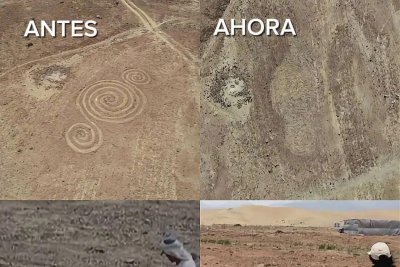
June 17 (UPI) — Peru’s Ministry of Culture denounced the total destruction of the Triple Spiral pre-Hispanic geoglyph, a figure more than 1,000 years old linked to water worship, located within a protected archaeological zone in the north of the country.
The agency said specialists and National Police officers confirmed the intentional removal of the geoglyph through manual alteration of the terrain in the Quebrada Santo Domingo Archaeological Zone, in the district of Laredo, La Libertad region, about 350 miles north of Lima.
1,000 AÑOS DE HISTORIA BORRADOS EN UN INSTANTE
El geoglifo prehispánico conocido como “Triple Espiral”, un patrimonio cultural con más de 1,000 años de antigüedad, fue destruido de manera intencional en la región de La Libertad, Perú.
“The sequence of events suggests that this attack may constitute retaliation against the recovery and protection actions carried out by the state in defense of cultural heritage,” the ministry said in a statement.
The destruction occurred just days after an operation conducted by cultural, municipal and police authorities to evict illegal occupants who had installed makeshift structures within the Quebrada Santo Domingo Archaeological Zone.
During the operation, authorities removed improvised shacks and fences and detected suspected illegal agricultural activities inside the protected area. They are also investigating the possible clandestine installation of pipelines to extract water from the Chavimochic canal, one of Peru’s most important irrigation and hydraulic infrastructure megaprojects.
Authorities also identified five individuals who claimed to be guarding the land on behalf of an alleged possessor. The Decentralized Directorate of Culture said those individuals are part of the investigation being conducted by prosecutors.
The Triple Spiral was considered one of the principal archaeological symbols of Quebrada Santo Domingo.
The figure measured more than 65 feet meters in length and 19 feet in width and had been associated by researchers with ceremonial practices related to the management and worship of water among pre-Hispanic societies on Peru’s northern coast.
Sandra Barrantes, deputy director of the Decentralized Directorate of Culture of La Libertad, described the incident as an “irreparable loss” for Peru and for the world’s cultural heritage, according to Noticias RPP.
Prosecutors have opened an investigation to identify those responsible and determine possible administrative, civil and criminal penalties.
Quebrada Santo Domingo covers more than 1,500 hectares protected by the state and preserves evidence of human occupation from approximately 11,000 years ago through the 15th century.
#COMUNICADO | El Ministerio de Cultura, a través de la Dirección Desconcentrada de Cultura de La Libertad, expresa su más enérgico rechazo y condena la destrucción total del geoglifo prehispánico Triple Espiral. pic.twitter.com/cEXEeoSFH8— Ministerio de Cultura (@MinCulturaPe) June 15, 2026
The complex contains petroglyphs, ceremonial roads and remains associated with the Cupisnique, Moche and Chimu cultures.
According to the Ministry of Culture, the Triple Spiral was one of the site’s most representative features, and its cultural significance had been compared to that of the famous Nazca geoglyphs in southern Peru. Its destruction completely erased archaeological evidence linked to the worship and management of water in ancient societies on Peru’s northern coast.
Australia and India continued their dominance at the Women’s T20 World Cup as they thrashed Bangladesh and the Netherlands respectively.
Australia, who hammered 2024 runners-up South Africa in their opening match, overpowered Bangladesh with bat and ball at Headingley, racing to their target of 78 with 10.3 overs to spare.
Fast bowler Kim Garth set the early tone, removing both openers as Bangladesh slumped to 27-5.
They barely recovered from that, eventually limping to 77-8 with Sophie Molineux and Ellyse Perry also taking two wickets each.
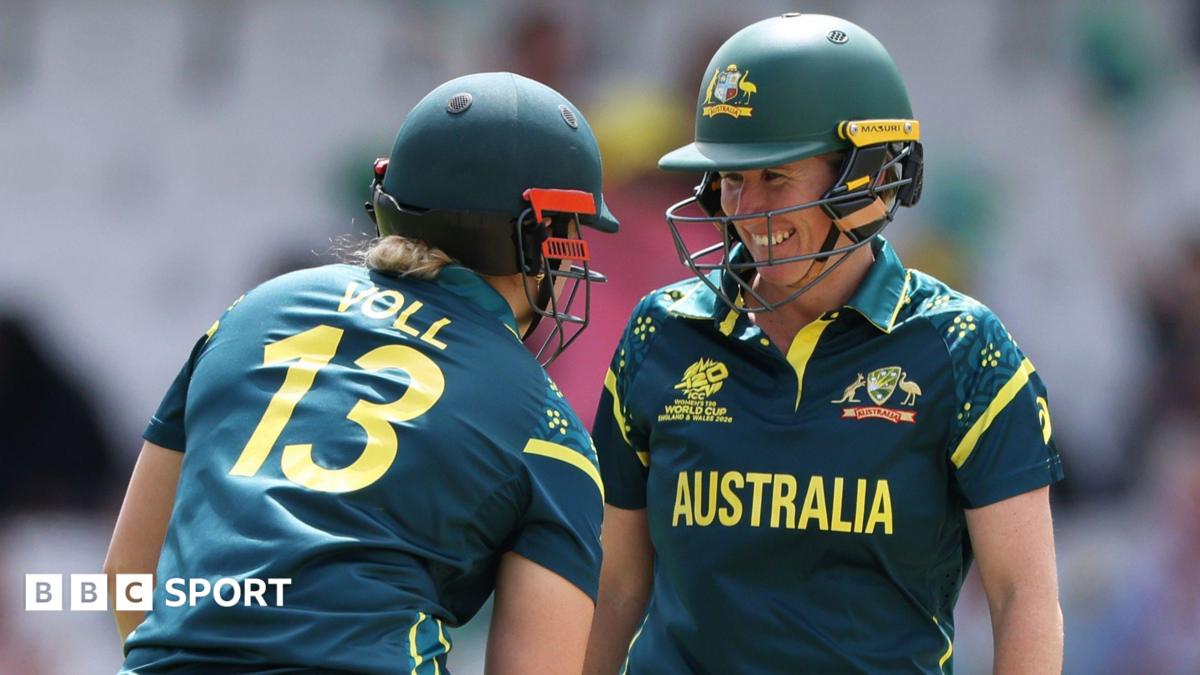
Australia, who were missing injured opening batter Phoebe Litchfield and all-rounder Ashleigh Gardner, raced to their target in style as Georgia Voll hammered 45 not out off 32 balls, including one glorious straight six.
The six-time winners face the Netherlands at Southampton on Saturday and Pakistan at Headingley on Tuesday.
Litchfield is expected to miss both matches, but Australia hope she will be fit for their final group game against India on 28 June.
Gardner missed the Bangladesh game with an ankle sprain and no timeline has been set for her return.
Unprecedented sports feats and historical firsts are usually joyous affairs. Something to celebrate, fun trivia to tuck away for later.
On Monday in Inglewood, the history was much more fraught, and not at all trivial.
Iran’s national soccer team played on American soil — this time on SoFi Stadium’s natural turf — for the first time in 26 years. And for the first time, a country hosted a World Cup participant with which it is mired in an on-again, off-again war.
There was, in the days and hours leading up to the match, protest and pushback from portions of the large, local Iranian diaspora who didn’t think it was possible to support the country’s football team without supporting the oppressive regime.
But inside SoFi Stadium, thousands of L.A.’s Iranian supporters gave the team its full-throated support. So did many new Mexican fans who’ve adopted Team Melli, which has been staying and training in Tijuana between matches as it was barred from the United States except for game days.
Most of the near-sellout crowd of 70,108 were there cheering Iran, helping propel this team under so much pressure to an entertaining 2-2 tie with New Zealand.
And there, among the thousands of enthusiastic Iran supporters swept up in the match, was my son’s favorite soccer coach, Narbé Mansourian, with his son, 13-year-old Daniel.
Narbé’s brother got his hands on a pair of nosebleed tickets and immediately handed them over to his soccer-loving relatives.
And Narbé — a fifth- and sixth-grade social studies teacher in Hollywood — had no qualms about backing these Iranian men. There were no second thoughts about separating the players from the politics in the country with the complicated geopolitical — and personal — history.
Now, know this: Mansourian is no fan of Iran’s Islamic regime. He was 7 in 1983 when his father, a political dissident, was executed in Evin Prison, nine months after he’d been apprehended.
Narbé remembers visiting his dad, Vazgen, at the notorious prison. He remembers the long drive to get there, the long wait to see him and the game he and his mom used to play: “Today you are 4 years old.”
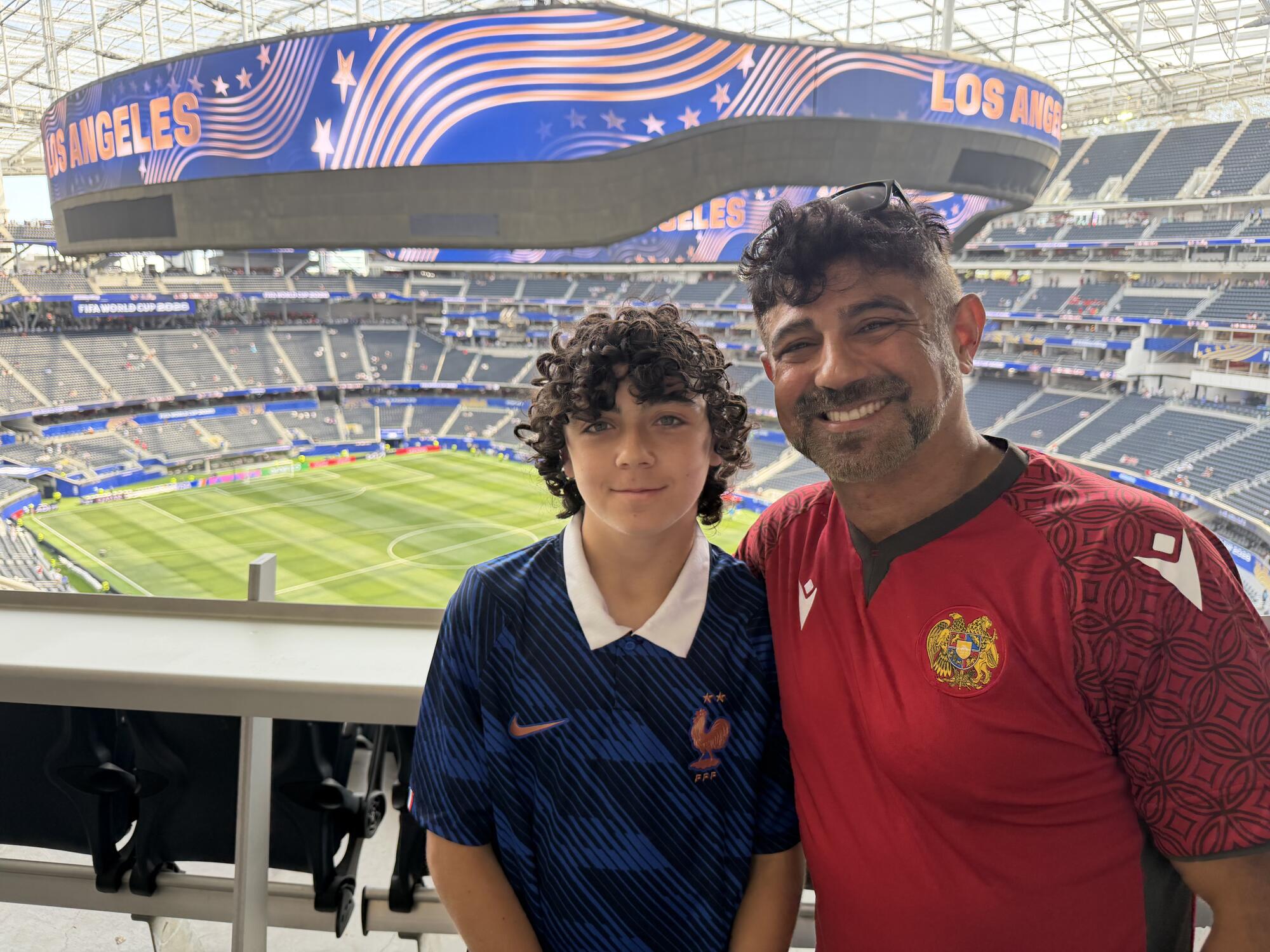
Narbé Mansourian, right, and his son Daniel before Monday’s World Cup match between Iran and New Zealand at SoFi Stadium.
(Mirjam Swanson / Los Angeles Times)
What started as a way to avoid paying bus fares for 6-year-old Narbé became the way to fool guards at prison, where only the small children were allowed to physically touch their imprisoned loved ones.
He remembers being allowed behind the glass, where he’d wait for his dad to emerge, blind-folded.
When his dad was killed at 37, Narbé said his mother didn’t immediately find out. And when she did, she initially told Narbé that he’d been sick. There was no funeral and when they went to visit his father’s grave, they found a dirt field. There were no markers, Narbé recalls.
He has kept Vazgen’s Coke-bottle glasses, his watch and the still-intact little LEGO house they built together before his dad was taken to prison.
Narbé has held onto so many difficult memories, including the nighttime terrors associated with bombings during the Iran-Iraq war. But there are also happier recollections. Like the stories he would make up about good guys going against the greedy. And, yes, memories of going to soccer games with his dad.
So, “absolutely, I’m going to root for the Iranian national team,” Narbé said before Monday’s match, saying that, to him, equating the Iranian national team with the country’s regime is like rooting against the Knicks because you don’t like President Donald Trump, a native New Yorker.
“It’s not like a cartoon good guy, bad guy,” Narbé said. “There’s so much gray. Because they live there. My heart goes out to them. It can’t be easy, to kind of teeter-totter like that.”
A pre-revolutionary Iranian flag is displayed before the World Cup group stage match between Iran and New Zealand at SoFi Stadium.
(Allen J. Schaben / Los Angeles Times)
I should’ve expected this outstanding youth soccer coach would be most concerned with the players on the pitch.
Some fans got into SoFi on Monday with the Iranian Lion and Sun flag, a historic Iranian national and opposition flag that was banned from the stadium because FIFA desires to steer free of politics (unless it’s steering straight into them). It was a strange sight in Los Angeles, seeing stadium workers asking attendees to discard flags in an effort to censor the expression of people here.
Some of those fans turned their backs during the national anthem, which many in the stands jeered at its start. But then, once the game took hold, so did the support.
“There were many Iranians here,” Iran coach Amir Ghalenoei said through an interpreter. “They believe in different political affiliations, different beliefs, but they all wholeheartedly encouraged us, and I think that’s a victory for all of us.”
Islamabad, Pakistan – The scoreline read 4-1 to Norway. Iraq had been heavily beaten in their first World Cup match in 40 years. Manchester City striker Erling Haaland scored twice in his World Cup debut as Norway cruised to victory in Group I.
But for Pakistan, the result barely mattered.
Recommended Stories
list of 4 itemsend of list
When Zidane Iqbal crossed the touchline for Iraq at Boston Stadium in Foxborough, Massachusetts, in the 59th minute on Tuesday, history was made. He became the first player of Pakistani heritage to appear in a FIFA World Cup.
Pakistan’s national team has never qualified for the tournament. It sits 198th in FIFA’s rankings. For decades, more than 250 million Pakistanis have watched football’s biggest event from the outside.
That changed, in its own complicated way, through a 23-year-old born in Manchester, England.
Between three nations
Zidane Ammar Iqbal was born on April 27, 2003, to a Pakistani father and an Iraqi mother. His father, Aamar, is from the city of Sahiwal in Punjab while his mother, Ayat, was born in southern Iraq.
Growing up in Manchester, Iqbal was eligible to represent England, Pakistan or Iraq. The decision he eventually made was not a calculated one.
Iraq found him the way many things happen now: through social media.
A large Instagram page tracking Iraqis around the world contacted him to ask whether rumours about his heritage were true.
Word eventually reached the Iraq Football Association, which pursued him through a series of video calls with Iqbal and his parents.
Asked by the sports news outlet The Athletic why he chose Iraq, Iqbal said: “All the love and support from the fans in Iraq and across the world and how hard the FA tried to bring me. When someone shows so much love, it’s only right that you feel it.”
He had never visited Iraq before receiving an under-23 call-up in 2021.
The culture shock, he admitted, was real. But he kept returning. Gradually, a country that had once been only part of his heritage began to feel like home.
The road not taken
Iqbal joined Manchester United’s academy at the age of eight and spent 12 years at the club. In December 2021 at 18, he became the first British South Asian player in nearly two decades to appear for United in the UEFA Champions League.
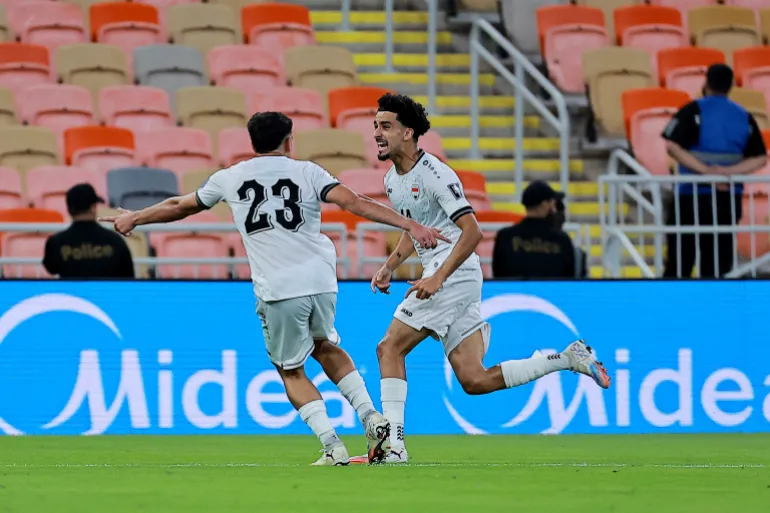
Iraq’s Zidane Iqbal celebrates scoring in a World Cup qualifying match against Indonesia in October 2025 [File: Reuters]
But regular first-team football never followed. He eventually moved to FC Utrecht in the Dutch Eredivisie for about 1 million euros ($1.1m).
His performances during Iraq’s gruelling 21-match qualification campaign, including a winning goal against Indonesia, kept him central to the team’s plans throughout.
The Pakistan Football Federation (PFF) had monitored his progress. But it was never truly a contest.
Ali Ahsan, editor of FootballPakistan.com, said the structural gap between the two football systems was simply too wide.
“We are struggling to attract players from bigger clubs, our ranking, the lack of a professional set-up. The PFF still has no technical director or dedicated national team recruitment staff,” Ahsan told Al Jazeera.
“For Zidane, he picked Iraq to be able to play major tournaments, which he probably wouldn’t have gotten with Pakistan,” Ahsan said.
“Had he chosen Pakistan, he could have had a big impact on raising Pakistani football’s profile internationally. He was still at United at the time. He could have started a serious conversation about how football needs to be improved, inspired kids to take it more seriously. Iraq is already a well-established team with a dedicated history, structure and fanbase.”
For Iqbal, the path led elsewhere. But for Pakistan, the moment still mattered.
“I hope there are children – whether Asian, Arab, whatever you are – who watch that and think they can do it,” Iqbal told The Athletic. “It’s definitely possible. And if I’ve done it, why can’t they?”
Iraq next face France on Monday before taking on Senegal in their final group match on June 26. Few expect them to advance. But few expected them to be there at all.
Against Norway, Iraq lost. For Pakistan, history was made anyway.
But on the streets of L.A. over the last week, something very different has happened.
Fans from a kaleidoscope of cultural backgrounds have come together to act out the kind of world — and city — they want to live in.
On the shuttle bus from downtown to Inglewood on Monday, there were scores of people with Farsi-emblazoned shirts and crowds of grinning Kiwis as one would expect for the Iran-versus-New Zealand showdown that evening. However, there were also clusters of striped blue Argentina T-shirts, plenty of Team USA jerseys, and a loud group of fans chanting “Viva Mexico” from the back of the bus.
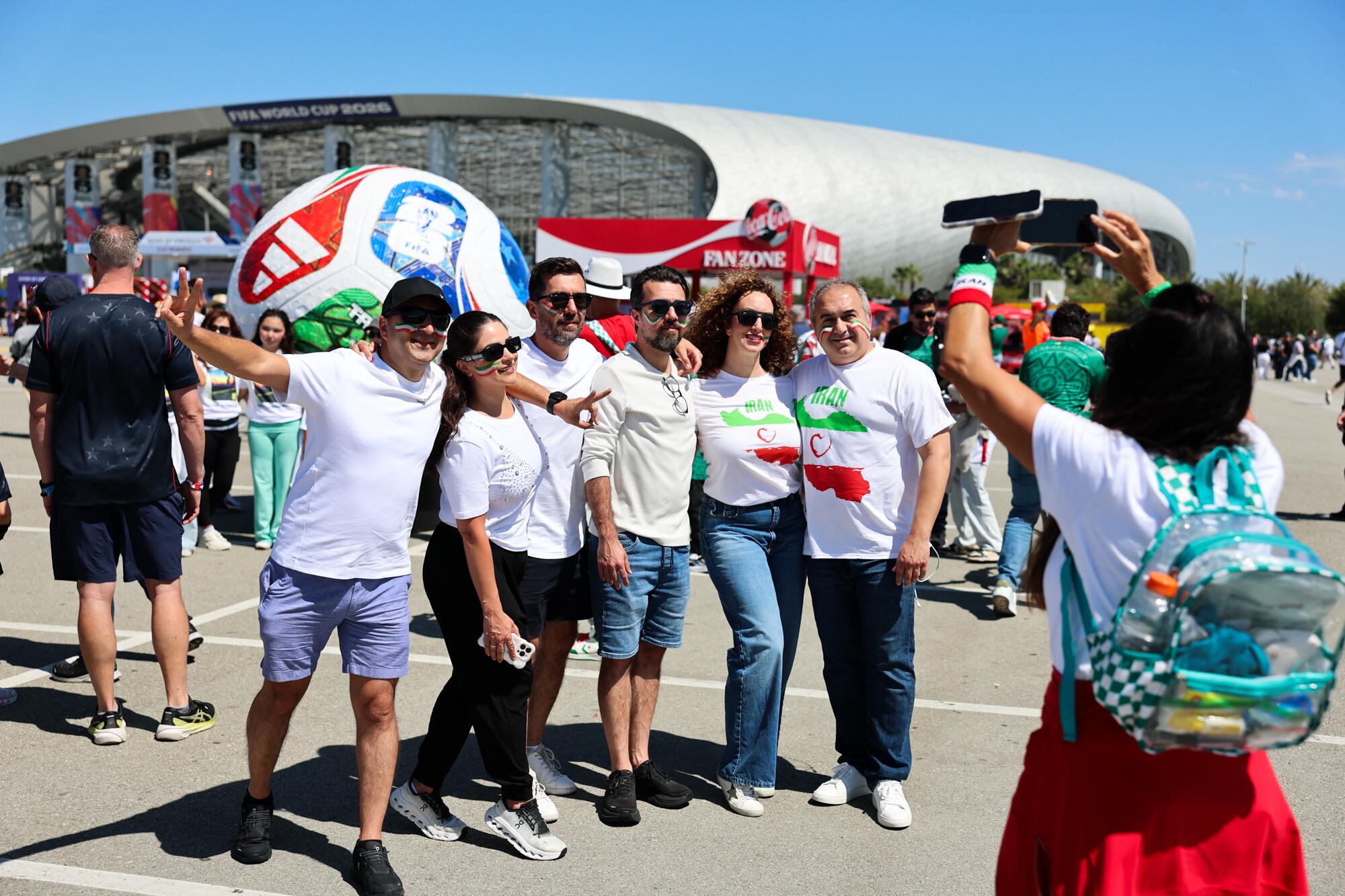
The mood was joyful before Monday’s match among fans of Iran’s national team. The players, because of restrictions by the Trump administration, have had to commute to the games from Tijuana.
(Allen J. Schaben / Los Angeles Times)
Similar scenes played out on the Metro K Line as World Cup-goers from all over traded stories of how they scored tickets, tips for navigating L.A.’s transit system, and wistful memories of tournaments past.
“This festival is about unity and bringing the whole world together; there are 48 nations and everybody is having a good time,” said Ardy Salem, an Iranian American dentist who traveled from the Bay Area to attend the game, as he surveyed the crowd outside SoFi Stadium on Monday with unabashed glee.
“Just for a moment,” he said, “we get to leave all the politics behind.”
David Leon, 32, of Watts was grinning from ear to ear as he stood outside the stadium entrance in his forest-green Mexico jersey, despite the fact that he initially didn’t support having the World Cup in Los Angeles.
“I thought it was going to be a big issue for a bunch of different people to come here,” Leon said.
Fans of New Zealand show their support as they perform the haka, a traditional Maori dance and chant, at Monday’s match.
(Allen J. Schaben / Los Angeles Times)
Leon worried that people from other countries would be turned off by American politics and fearful about traveling to the U.S.
“It really does bring people together from all these different ethnicities,” Leon said, looking at the lines of people waiting to get into the stadium. “I’ve seen Colombians, I’ve seen Mexicans, people from New Zealand, people from Iran, Germans, Spaniards.”
And for his own community of Mexican Americans, he said the matches had brought a much-needed infusion of joy. This time last year, Immigration and Customs Enforcement raids were roiling Los Angeles, instilling fear throughout immigrant households.
Fans of Mexico are on hand at Monday’s match at SoFi Stadium. Before the World Cup, there were widespread fears of ICE presence at the games.
(Kelvin Kuo/Los Angeles Times)
Just last month, about 2,000 SoFi Stadium workers threatened to strike if they didn’t receive assurance that immigration agents would be kept out of the venue during the World Cup.
Leon said he was definitely worried that ICE would take advantage of crowds gathering for the matches to perform further immigration enforcement.
But, so far, that has not been the case. Instead, many people in his hometown of Watts have been consumed with “World Cup fever,” calling out of work to attend watch parties at local bars and walking down the streets with eyes glued to a livestream of a game on a phone, he said.
While joy was the overriding mood among soccer fans gathered in Inglewood on Monday, the day was not entirely free of tension or pangs of grief for the people who were missing out on the fun.
James Carling, 63, of Ventura said it pains him to know that many fans from countries such as Iran, Haiti and Senegal are unable to attend the matches because of the Trump administration’s travel restrictions.
“Let’s face it, our government hasn’t made it easy for people to visit us, which is a shame,” he said outside the stadium. “There were people from countries whose teams made it [to the World Cup] who were not allowed to come and, sorry, that’s wrong.”
The shadow of the U.S. war with Iran and the anger many Iranian Americans feel over Iran’s current government were also present in Inglewood on Monday. Outside the stadium, some Iranian soccer fans had heated encounters with protesters who felt that supporting the Iranian national team was synonymous with supporting an oppressive regime.
Yet the atmosphere among the Iranians attending Monday night’s game was one of cathartic celebration, where for a few hours they could set aside geopolitical tensions and unite over the simple love of soccer.
In the stadium parking lot, David Arias, a Mexican American resident of Inglewood, gave a fist bump to Kam Pirouz, an Iranian fan who had traveled from Washington, D.C., to see the game.
Mexico and Iran are “homies right now,” Arias said, referencing the fact that the Iranian players are commuting to the Los Angeles games from Tijuana because of restrictions placed on them by the Trump administration.
Fans watch the World Cup group stage match between Iran and New Zealand at SoFi Stadium on Monday.
(Ronaldo Bolanos/Los Angeles Times)
Although Arias did not have tickets to the match, he said he could not resist the chance to meet people from all over the world. So he decided to take his local barbershop to the parking lot outside the stadium and offer free haircuts to fans.
With an hour to go before Monday night’s game, all three seats at his pop-up shop were occupied; Pirouz, the Iranian fan, was getting a fresh fade while seated next to a Mormon missionary from Utah and an Egyptian fan.
“It’s the World Cup, man, the entire world comes together, and it’s beautiful,” Pirouz said mid-haircut. “Best sport in the world.”
Times staff writer Seamus Bozeman contributed to this report.
The programme has received 508 complaints about the show that aired on June 9, the watchdog reported.
In a statement sent to The Daily Mirror, Ofcom confirmed the “complaints related to comments made during a discussion about the Scottish World Cup Bank Holiday”.
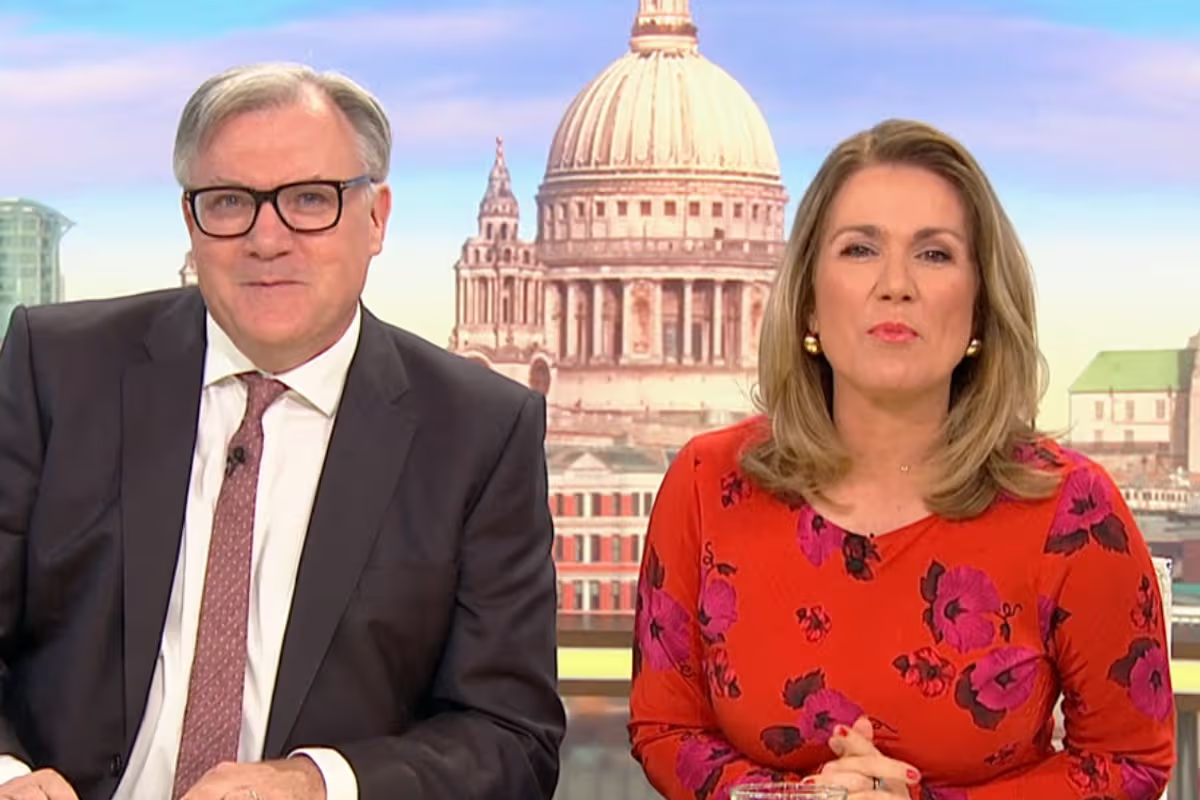
Good Morning Britain that day had seen Ed Balls and co-host Susanna discuss the news that Scotland would receive a Bank Holiday for qualifying for the World Cup.
Ed had said on the ITV daytime show: “This morning, in our five o’clock meeting, Susanna said, ‘I can’t believe this, the game’s on the Sunday morning, and they get bank holiday [more than] 24 hours later.’
“I said, ‘What?’ I couldn’t believe it. It never occurred to me that that was going on.”
Responding to viewers’ reactions, Susanna said, “It’s really outrageous. I mean, how long does it take Scots to get over the fact that they’ve played their first match?”
Viewers had been left fuming after hearing, with Susanna later issuing an apology.
One had seethed: “So many anti-Scottish comments from your presenters and guests this morning. Do you realise your show is shown on Scottish television? Unfortunately.”
Another blasted: “Extremely anti-Scottish. Not everyone is getting it, and not everyone wants it. I don’t even like football, but thought your comments were uncalled for!!!”
Yet another seething viewer said, “Not everyone is getting it. Jumping on the anti-Scotland bandwagon, I see.”
ITV also released a statement following the backlash, which read, as per The National Scot: “The editorial team feel discussion of the fact that some football fans would be drinking alcohol while watching the match is something that would be referenced in the discussion of any home nation’s participation in an international tournament.
“No sleight was intended toward Scottish fans in particular – it was more a reflection of football watching culture in the UK.”
It went on: “We’re aware this coverage has been distorted on social media by brief edited clips that do not represent the full four-minute discussion. Having reviewed the full segments, our feeling is that the issue of drinking and football would have been raised in a discussion of any home nation having an extra day off work following a game. We do note, however, that such discussions can play into national stereotypes. This was not the intention, and in no way was the focus of the discussion.”
The publication noted that ITV also said that the Good Morning Britain editorial team had taken on board “concerns about Ofcom’s rules relating to generally accepted standards, due accuracy and due impartiality, but taking into account the light-hearted nature of the news review discussion and the discussion that followed later in the programme, consider that the programme was in line with Ofcom’s standards”.
Susanna later issued an apology, admitting she had left fans “irate” and being accused of “jealousy”.
After welcoming two Scottish broadcasters on the programme earlier this week, who questioned Susanna on her comments, the former BBC Breakfast star said: “My Scottish ancestors would be turning in their graves, I can only apologise.
“Let me say, it’s outrageous that not everyone in Scotland has got today off as a bank holiday.”
Good Morning Britain airs weekdays from 6am on ITV1 and ITVX.
The 2026 World Cup will have 13 different kickoff times. You can use the Al Jazeera Sport widget to find out exactly when your team is playing in your local time.
Who: England vs Croatia What: FIFA World Cup 2026 Group L match Where: AT&T Stadium, Dallas, Texas When: Wednesday, 3pm local time (20:00 GMT) How to follow: We’ll have all the build-up on Al Jazeera Sport from 17:00 GMT in advance of our live text commentary stream.
Recommended Stories
list of 4 itemsend of list
Chants of “It’s Coming Home” will ring around parts of England on Wednesday as the European heavyweights begin their 2026 World Cup title bid with a test against familiar foes, Croatia.
It has been 60 years since England were last crowned world champions, but they are genuine contenders for the title this year.
While coach Thomas Tuchel’s squad selection divided fan opinion in the run-up to their journey to North America, bookmakers still believe this crop of English talent, headlined by Harry Kane, can achieve a deep run in the tournament.
Their first hurdle, though, is a challenging one.
Once labelled underdogs, Croatia have grown into one of international football’s most consistent tournament performers, finishing as World Cup runners-up in 2018 and earning third place at the last edition, in 2022, as well as 1998.
Their 40-year-old captain Luka Modric may well be heading into his last tournament, but he remains the heartbeat of the team, and as has been the case for years, Croatia pose a threat under his leadership.
Al Jazeera tells you everything you need to know about England vs Croatia:
Kane: 2026 World Cup ‘one of the best opportunities’ for England triumph
After a string of near-misses at recent European Championships and World Cups, England head into the 2026 tournament chasing their first world title since 1966.
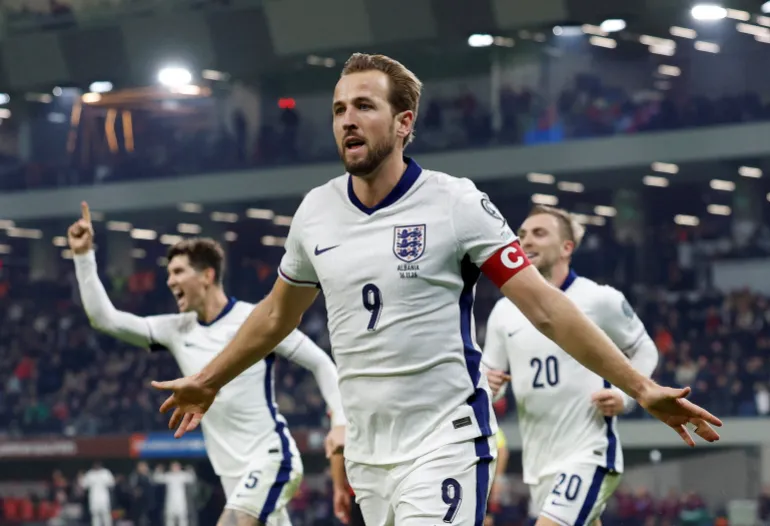
They are led by captain Kane, who has arrived in North America in some of the best form of his career, and fresh off the high of lifting his second Bundesliga title with Bayern Munich.
“For sure, it’s one of the best opportunities we will have as a team to win it,” Kane told reporters, talking about England’s odds of winning the tournament.
“I think everyone is eager to just start well and prove that we have the capabilities of going far in this tournament.”
England fans can expect Harry Kane to fire goals, as the striker heads to the tournament in some of the best form of his career [File: Peter Cziborra/Reuters]
The 32-year-old has urged his team, who had a 100 percent record in the qualifiers, to “go for it” and be “free in the mind” when they launch their World Cup title charge in Texas.
Tuchel, too, knows the expectations from fans are high, with England among the top contenders in the 48-team tournament.
Their best run in recent times has been reaching the semifinals in 2018, while their last campaign ended in the quarterfinals in 2022 – both under former manager Gareth Southgate.
“We have a right to dream, but we don’t want to be delusional,” Tuchel has said.
Croatia coach Dalic warns about goal-machine Kane, calls Modric his ‘right hand’
Croatia’s head coach Zlatko Dalic has warned his team to be wary of goal-scoring machine Kane, who netted a whopping 61 times in 51 matches in all competitions for Bayern Munich last season.
“They have the best striker in the world, they have Kane, and Kane can do a hell of a lot,” said Dalic. “We will do a lot, we will do our best not only to defend ourselves but to attack, to go forward.
“There will be set pieces, which will be quite difficult, but we are prepared for that. I expect a great game, and it will be great preparation for the next two games in the group.”
Just as Kane is central to England’s hopes of a deep run, veteran Modric is crucial to Croatia’s World Cup dreams. After playing a key role in Croatia’s previous World Cup campaigns, Modric is set for his fifth and possibly final appearance.
Luka Modric will be making his 199th appearance for Croatia on Wednesday [File: Antonio Bronic/Reuters]
The ageing midfielder, also the Balkan nation’s captain, still enjoys a hero’s status among a side that has often defied expectations on the global stage. And by Dalic’s own admission, the team still relies heavily on him, not least for his playmaking prowess.
“He means a lot, both as a captain of our team and as a person,” Dalic said of Modric, ahead of his 199th appearance for the team.
“He is my right hand on the pitch.
“It means a lot to the team that we have a couple of older players alongside Luka who are leading the younger players, and they can do very good things,” Dalic added.
“They are very lucky to have him, Luka, as a role model in how to fight for the national team jersey, and we’re lucky to still have him with us.”
England vs Croatia prediction
Stats provider Opta’s supercomputer has handed England a 55.9 percent probability of winning against Croatia, who have a 20.8 percent chance of winning. There is a 23.3 percent probability of a draw.
Overall, England are fourth in the list of title favourites – with a 10.02 percent probability – behind Spain, France and Argentina.
England vs Croatia: Kickoff time, TV listing
In the United Kingdom, England vs Croatia kicks off at 9pm BST and will be shown on STV, STV Player, ITV1 and ITVX.
For fans in Croatia, the match is scheduled for 10pm and will be shown on HRT.
In the United States, viewers can tune into FOX One, Telemundo App, Telemundo Network, FOX and Peacock.
To check the TV listings for your country, head to FIFA’s TV listing schedule here.
(Al Jazeera)
How does the World Cup group stage work?
England, Croatia, Ghana and Panama are in Group L.
The top two teams from each of the 12 groups – along with the eight best third-placed teams – proceed to the next phase, the round of 32, which has been introduced at the World Cup for the first time.
Form guide:
(Last five games, latest first)
England: W-W-L-D-W
Croatia: W-L-L-W-W
England have a slightly better record than Croatia in their last five matches. Both teams have won three games each, but England lost and drew the other two, while Croatia suffered defeats in both games.
England won against Costa Rica and New Zealand in pre-World Cup friendlies earlier this month, but lost to Japan in an unexpected result in late March. Before that, they drew with Uruguay in a friendly and beat Albania in a World Cup qualifier.
Croatia won against Slovakia but fell to Belgium in their World Cup warm-up matches, while also losing to Brazil in a friendly in late March. But before that, they beat Colombia in a friendly and won against Montenegro in a World Cup qualifier.
England vs Croatia: Head-to-head
Wednesday will be the 12th meeting between the two sides, with England holding a big advantage over Croatia in their head-to-head record.
England have won six times against Croatia, who have won three times. Two matches ended in a draw.
They have met at the World Cup three times before, with England losing their last tournament encounter 2-1 at the 2018 World Cup semifinal in Moscow.
Mario Mandzukic scored a goal in extra time to complete Croatia’s come-from-behind victory in the semifinals of the 2018 World Cup against England [File: Franck Fife/AFP]
England vs Croatia: Team news
On Tuesday, England defender Tino Livramento was ruled out of the tournament after suffering a calf injury and was replaced by Trevoh Chalobah. The Newcastle United right-back sustained the injury during a training session at the team’s Kansas City base on Sunday.
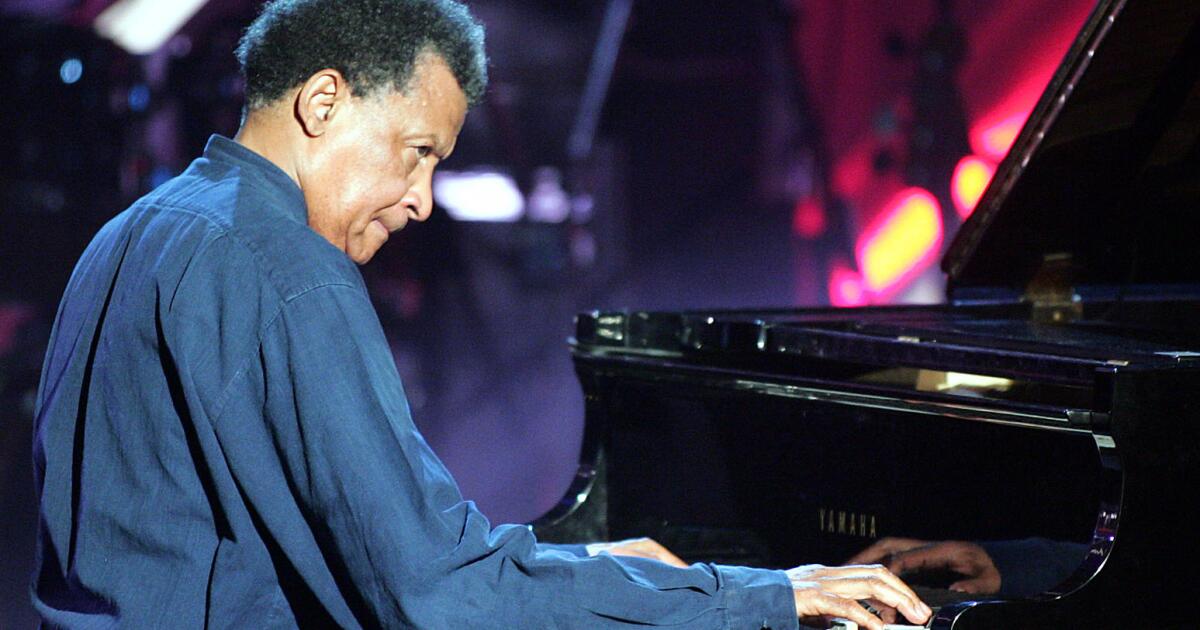
JOHANNESBURG — Globally celebrated South African jazz icon Abdullah Ibrahim has died at age 91, his family announced in a statement Monday.
Ibrahim, formerly known as Dollar Brand, passed away peacefully in Germany following a short illness, surrounded by loved ones, the statement issued on behalf of his family said.
As one of South Africa’s most respected jazz figures, he famously played at Nelson Mandela’s 1994 presidential inauguration. Mandela referred to Ibrahim as “our Mozart.”
His final public concert in South Africa took place at the Cape Town International Jazz Festival in March, when he once again captivated audiences with the musical skill that defined his career.
Paying tribute to her partner, Dr. Marina Umari said he “passed away peacefully with South Africa and its people in his heart.”
“His love for his country never wavered, no matter where in the world he found himself,” she said.
His family said that even though his life is over, his influence and voice would continue to resonate around the world.
South African President Cyril Ramaphosa paid tribute to the musician, praising his contribution to the anti-apartheid struggle and acknowledging his lasting impact through music.
“Today our nation mourns the passing of an international icon and global citizen whose profound creations honored the South Africa that shaped his political commitment and musical brilliance,” said Ramaphosa.
Born Adolph Johannes Brand in Cape Town on Oct. 9, 1934, Ibrahim rose to international prominence as a pianist, composer and bandleader. With a career spanning more than seven decades, he forged a unique blend of jazz and South African musical traditions, making him a cultural ambassador whose music struck a chord with listeners worldwide.
Ibrahim’s mother Rachel Brand was mixed-race and under the apartheid system he was classified as “colored,” which afforded him certain social privileges that were denied Black South Africans. He was raised by grandparents and was told Rachel was his sister, only learning the truth in adulthood. Influenced by his grandmother and mother playing piano at the AME Church in Kensington, a Cape Town suburb, Irbrahim began piano lessons at age 7 and made his professional debut at 15.
In 1959 and 1960, he played with saxophonists Kippie Moeketsi and Mackay Davashe, trumpeter Hugh Masekela, trombonist Jonas Gwangwa, bassist Johnny Gertze and drummer Makaya Ntshoko in the Jazz Epistles. The group recorded the first full-length jazz LP by Black South African musicians, “Jazz Epistle — Verse 1.” The South African government began targeting jazz groups as part of increasing state repression, and following the Sharpeville massacre in March 1960, the Jazz Epistles broke up.
During this time, Ibrahim met jazz singer Sathima Bea Benjamin and the pair moved to Europe. The following year, in Zurich, Switzerland, Benjamin convinced Duke Ellington to come see Ibrahim perform with the Dollar Brand Trio. Impressed, Ellington helped arrange a recording session with Reprise Records, later released as “Duke Ellington presents The Dollar Brand Trio.”
In 1965, Ibrahim and Benjamin married and moved to New York. He played at the Newport Jazz Festival and toured throughout the U.S. In addition to playing with, and, on occasion, leading the Duke Ellington Orchestra, Ibrahim interacted with such musicians as Don Cherry, Ornette Coleman, John Coltrane and Pharoah Sanders, and was influenced by the Black Power movement, incorporating African elements into his jazz. His compositions also reflected the influence of Ellington and Thelonious Monk.
The musician returned briefly to Cape Town in 1968 and converted to Islam, changing his name from Dollar Brand to Abdullah Ibrahim. As an expatriate, he toured the world for decades, appearing at major venues and working with classical orchestras in Europe. His composition “Mannenberg” became noteworthy as an anthem of South Africa’s anti-apartheid movement.
In 2009, Ibrahim received an honorary doctorate in music from Wits University and the Order of Ikhamanga, a prestigious civilian award, from former President Jacob Zuma in the same year.
Ibrahim was named a Jazz Master by the National Endowment for the Arts in 2019.
Alan Winde, the mayor of the Western Cape, where Ibrahim’s hometown is located, honored the performer and commended him for capturing South Africa’s cultural richness and history in his music.
“South Africa has lost a legend,” Winde said. “Abdullah Ibrahim represented everything that makes South Africa and the Western Cape so remarkable. His music told the story of our unique cultural diversity and past.”
Ibrahim is survived by Umari; his son, Tsakwe, a musician; and his daughter, Tsidi, a rapper who goes by Jean Grae.
According to his family, Ibrahim will be laid to rest in the German state of Bavaria, where he lived.
The Manchester City striker scored his first goals at a major international tournament as Norway powered past Iraq.
Published On 17 Jun 202617 Jun 2026
Erling Haaland scored twice in his World Cup debut as Norway powered past Iraq to win 4-1 in their Group I opener in Boston.
The Manchester City striker scored his first goals at a major international tournament on Tuesday as Norway returned to the World Cup for the first time in 28 years.
Recommended Stories
list of 4 itemsend of list
Haaland turned in from close range to give Norway the lead on 29 minutes, but Aymen Hussein’s header brought Iraq level.
Haaland then pounced on an error at the back to put Norway ahead again before half-time and take his goal tally at international level to 57 in just 51 matches.
Leo Ostigard headed in a third for Norway moments after coming off the bench to effectively wrap up the victory. Norway then got a fourth deep into stoppage time through a Hussein own goal.
The win left Norway on top of Group I on goal difference, level with France on three points after Les Bleus overcame Senegal 3-1 earlier in the day. The Norwegians face the African powerhouses in their next game in New Jersey on June 22 .
No team has endured a longer or more perilous road to the World Cup than Iraq, who secured their place as the 48th and final qualifiers in March after a 21-match campaign that stretched across 867 days.
Hussein, the scorer of the decisive goal in the play-off win over Bolivia, was held and questioned for hours by US immigration officials after arriving with the squad ahead of Iraq’s first World Cup since 1986.
Norway’s impressive return
Norway last played at the tournament in 1998, when coach Stale Solbakken was a member of the squad that famously beat Brazil in the group stage before exiting in the last 16. He also featured at Euro 2000.
After breezing impressively through qualifying, twice thrashing Italy, they are hoping a golden generation of players – led by Haaland and Arsenal midfielder Martin Odegaard – can break new ground in North America.
Solbakken predicted that Haaland would make a “very big impact” at his first major finals, and the Manchester City star was quick to deliver on that promise.
Antonio Nusa’s trickery was a problem for Iraq, and his incisive pass released the overlapping David Moller Wolfe clear before Haaland stretched to steer in the low cross from the left.
Iraq, who lost all of their group games in their only previous appearance, did not let that get to them as they equalised 10 minutes later.
Amir Alammari found space just inside the area and clipped in a cross, with Hussein rising brilliantly to power a header past Orjan Nyland.
But Iraq only had themselves to blame as they gift-wrapped Haaland’s second of the contest.
Goalkeeper Jalal Hassan was slow to react to a softly hit back pass, his attempted clearance smacking off Haaland’s shin and ricocheting into the net.
Iraq again responded well with Ibrahim Bayesh denied by a desperation block, Ali Alhamadi dribbling an effort wide, and centre-back Akam Hashim lashing a spectacular volley just over the bar.
Ostigard nodded in Odegaard’s corner on 76 minutes to seal the points for Norway, before Haaland was thwarted by Hassan when another loose pass sent him clean through and seeking his hat-trick.
Haaland, nonetheless, had a hand in Norway’s late fourth, his looping header back across goal deflecting off Hussein before trickling over the line.