World Cup: Not the best hosts ever
From Mirjam Swanson: How it started: A dream. A French machine-gun officer in the trenches during the First World War. A man named Jules Rimet, who believed an international soccer tournament would bring the nations together with the goal of peace.
How it’s going: The world’s biggest party. A 48-nation celebration of the world’s most beloved sport. Expected to generate about $8.9 billion, it’s become such a big deal that it’s being hosted by three countries — one of which, yes, launched a war on a competing nation in the months before the tournament.
The United States’ war with Iran, costly in all the profound ways that war is, also laid the groundwork for an uneven — and possibly precedent-setting — playing field.
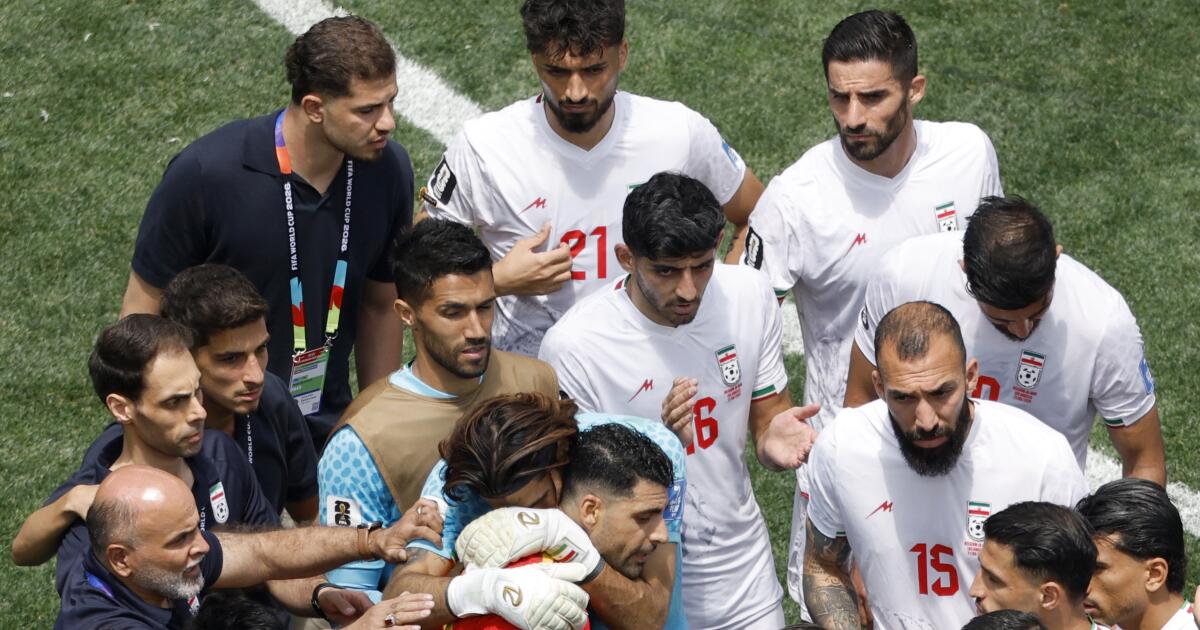
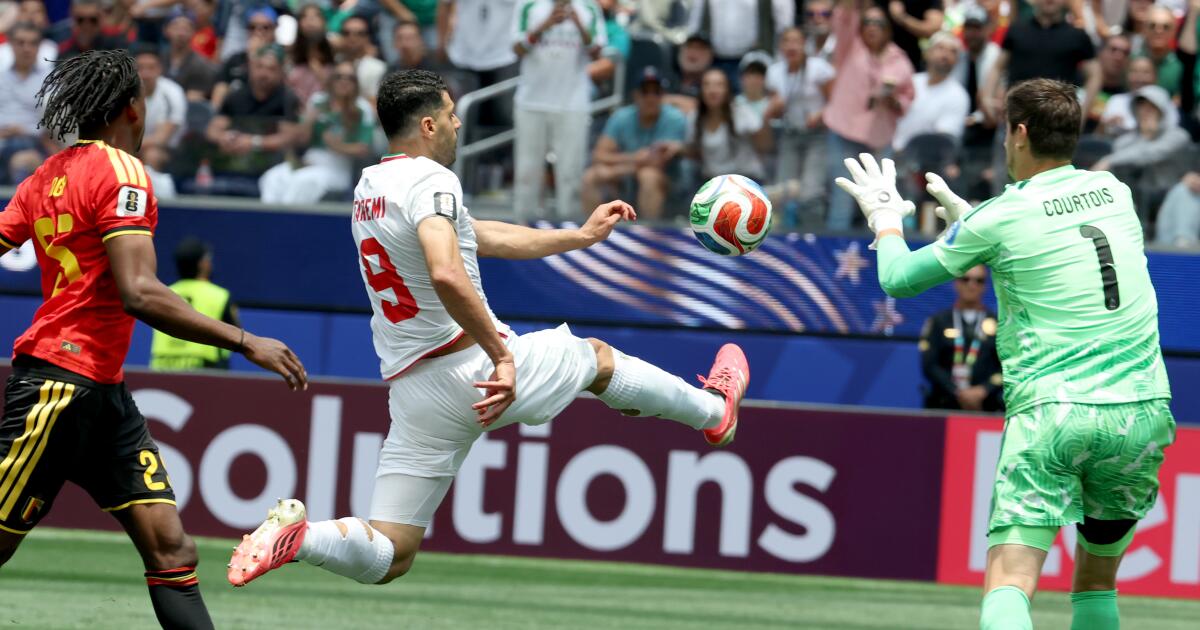
At this World Cup, Team Melli has been subjected to shifting travel restrictions and uncertainty unlike the other 47 teams, spending the tournament commuting between Southern California and its base in Tijuana.
And still, after Sunday’s 0-0 draw against Belgium, the world’s No. 10-ranked team, Team Melli is in position to not only get out of its group at the World Cup for the first time, but to win Group G.
Iran’s treatment only makes its performance more impressive — while bringing into question the future of a tournament that purports to be apolitical. And conjuring up concerns about how the Olympics will operate when L.A. is supposed to open its arms to the world two years from now.
Continue reading here
Iran’s beleaguered World Cup team finds hope with draw against Belgium
Guadalajara protesters accuse Hyundai of using World Cup to hide ‘dirty supply chain’
Click here for complete TV schedule, groups and players to watch
Full World Cup coverage
Get the latest on L.A.’s teams in the daily Sports Report newsletter.
By continuing, you agree to our Terms of Service, which include arbitration and a class action waiver. You agree that we and our third-party vendors may collect and use your information, including through cookies, pixels and similar technologies, for the purposes set forth in our Privacy Policy such as personalizing your experience and ads.
Sunday’s World Cup results
Group G
Belgium 0, Iran 0
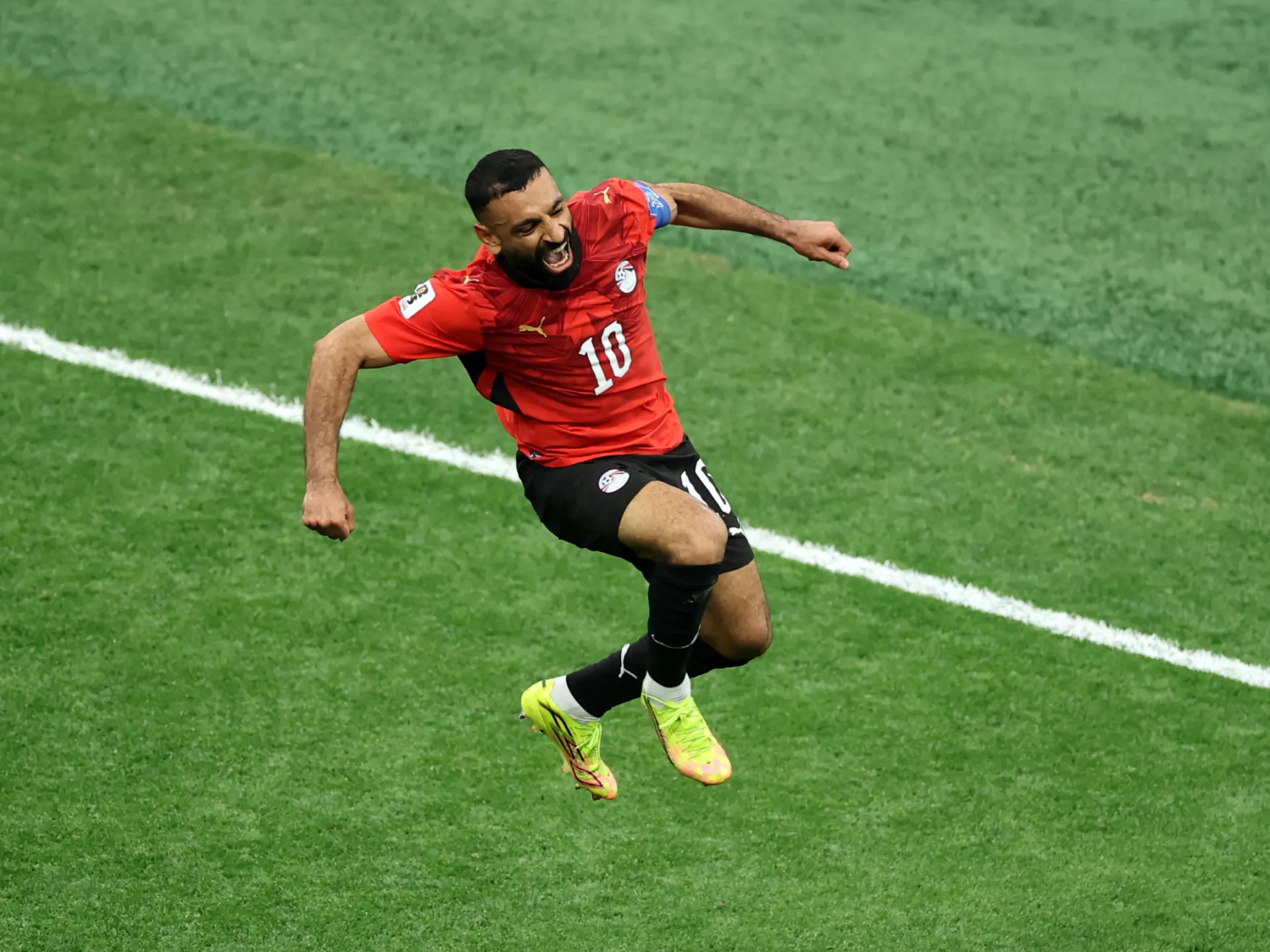
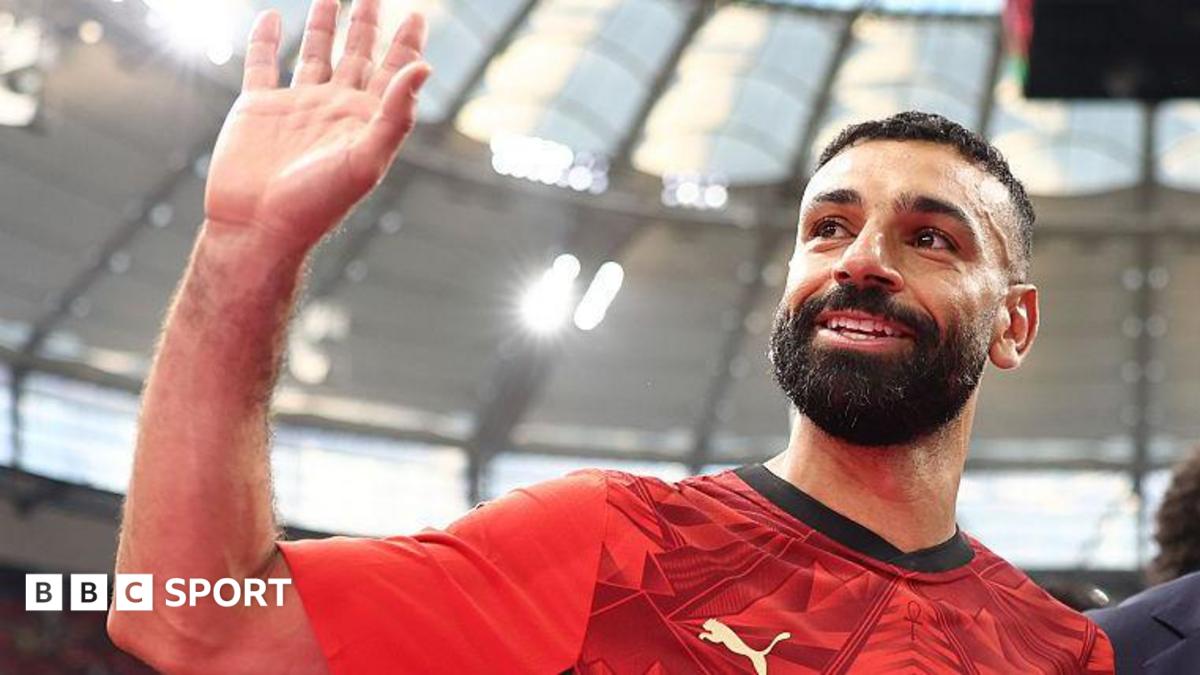
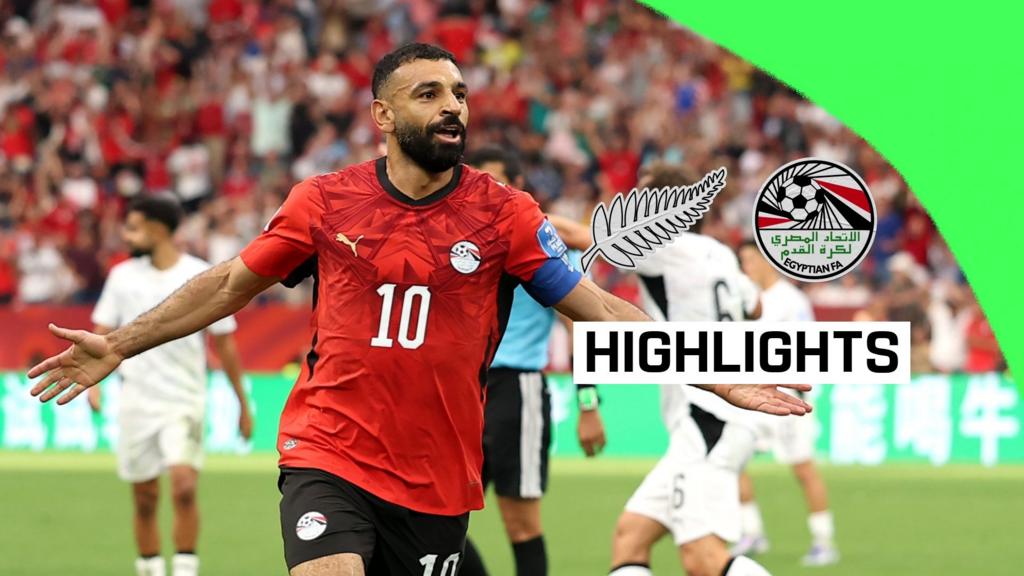
Egypt 3, New Zealand 1
Group H
Spain 4, Saudi Arabia 0
Cape Verde 2, Uruguay 2
Today’s World Cup TV schedule
All times Pacific
10 a.m., Argentina vs. Austria, Fox, Telemundo
2 p.m., France vs. Iraq, Fox, Telemundo
5 p.m., Norway vs. Senegal, Fox, Telemundo
8 p.m., Jordan vs. Algeria, FS1, Telemundo
World Cup Group standings
Group A
Country, W-D-L, Goal Differential, Points
x-Mexico, 2-0-0, +3, 6
South Korea, 1-0-1, 0, 3
Czechia, 0-1-1, -1, 1
South Africa, 0-1-1, -2, 1
Group B
Canada, 1-1-0, +6, 4
Switzerland, 1-1-0, +3, 4
Bosnia-Herzegovina, 0-1-1, -3, 1
Qatar, 0-1-1, -6, 1
Group C
Brazil, 1-1-0, +3, 4
Morocco, 1-1-0, +1, 4
Scotland, 1-0-1, 0, 3
Haiti, 0-0-2, -4, 0
Group D
x-United States, 2-0-0, +5, 6
Australia, 1-0-1, 0, 3
Paraguay, 1-0-1, -2, 3
Turkiye, 0-0-2, -3, 0
Group E
x-Germany, 2-0-0, +7, 6
Ivory Coast, 1-0-1, 0, 3
Ecuador, 0-1-1, -1, 1
Curacao, 0-1-1, -6, 1
Group F
Netherlands, 1-1-0, +4, 4
Japan, 1-1-0, +4, 4
Sweden, 1-0-1, 0, 3
Tunisia, 0-0-2, -8, 0
Group G
Egypt, 1-1-0, +2, 4
Iran, 0-2-0, 0, 2
Belgium, 0-2-0, 0, 2
New Zealand, 0-1-1, -2, 1
Group H
Spain, 1-1-0, +4, 4
Uruguay, 0-2-0, 0, 2
Cape Verde, 0-2-0, 0, 2
Saudi Arabia, 0-1-1, -4, 1
Group I
Norway, 1-0-0, +3, 3
France, 1-0-0, +2, 3
Senegal, 0-0-1, -2, 0
Iraq, 0-0-1, -3, 0
Group J
Argentina, 1-0-0, +3, 3
Austria, 1-0-0, +2, 3
Jordan, 0-0-1, -2, 0
Algeria, 0-0-1, -3, 0
Group K
Colombia, 1-0-0, +2, 3
Portugal, 0-1-0, 0, 1
Congo DR, 0-1-0, 0, 1
Uzbekistan, 0-0-1, -2, 0
Group L
England, 1-0-0, +2, 3
Ghana, 1-0-0, +1, 3
Panama, 0-0-1, -1, 0
Croatia, 0-0-1, -2, 0
x-clinched round of 32
The top two teams in each group plus the next eight best third-place teams advance to the next round.
Dodgers lose in the haze
From Liana Handler: An eye-watering, cough-inducing thick stench of burning plastic permeated Dodger Stadium on Sunday morning. The smoke from a Boyle Heights warehouse fire had spread into every crevice and corner of the facility, inescapable despite the masks handed out to staff.
“It’s a little dark out there, little Gotham City when I was driving up,” Dodgers manager Dave Roberts said.
Major League Baseball approved the Father’s Day game to be played, according to Roberts. Still, the ominous atmosphere was hard to miss. When rolling up Vin Scully Avenue, a white smoke hung like a curtain behind the small hills on the other side of outfield walls, obscuring the normally scenic view of the San Gabriel Mountains.
Perhaps that should’ve been the first sign things wouldn’t go as planned for the Dodgers, who lost 12-1 to the Orioles. The loss marked the first time the Dodgers (49-29) have lost consecutive games since May 12.
“It just wasn’t a great start for our team, and offensively we weren’t very good,” Roberts said. “Feel fortunate we won a game this series.”
Continue reading here
Dodgers box score
MLB standings
Angels power past the Athletics
Zach Neto hit a two-run homer in the ninth inning that gave them their first lead, Denzer Guzman tied the score with a three-run home run in the eighth, and the Angels beat the Athletics 9-7 on Sunday.
Donovan Walton also homered and had three RBIs, while Nolan Schanuel and Jose Siri each added two hits to help the Angels (32-47) split the series after losing the first two games, including blowing an 11-4 lead Friday night.
Nick Kurtz hit his 19th home run, and Zac Gelof had a single and a double to extend his hit streak to 24 games for the A’s (38-40). Kurtz has 55 career homers, tied with Bob Johnson (1933-34) for the most in franchise history through the first two seasons of a career.
Continue reading here
Angels box score
MLB standings
Lawrence Tanter was a key man in Lakers history
From Bill Plaschke: For more than four decades his voice was embraced by millions, a calming baritone in a sea of Lakers bedlam.
Yet in the most unfair of twists, on the night his career ended he was silent and alone.
Three months ago, Lawrence Tanter was walking through his bedroom when he suddenly collapsed while losing all strength in his arms and legs.
He fell and couldn’t get up. He lives alone, so he couldn’t cry out for help. He was able to secure his phone, but he says he was too stubborn to call 911.
“I wanted to get up by myself,” he said. “I knew I would eventually get up by myself.”
But this 6-foot-7 bear of a man was too weak to get up by himself. Listening to a Lakers road game on a bedside radio, he remained on the floor and eventually fell asleep until finally summoning his oldest friend the next morning.
Continue reading here
Who will the Lakers pick in the NBA draft?
From Broderick Turner: The Lakers will seek to use their 25th pick in Tuesday’s first round of the NBA draft on a player who fills a need on a roster that could have up to nine free agents this summer. Yet the Lakers also are aware that picking that late in the round could leave them selecting the best player available.
They probably will be in search of a center who can be a lob threat or an athletic wing who can play defense and knock down three-pointers, two positions the Lakers crave as they try to build a team around star Luka Doncic that fits best with his style of play.
Names that NBA executives and mock drafts attached to the Lakers are Kentucky center Jayden Quaintance, Texas forward Dailyn Swain and Duke wing Isaiah Evans.
Continue reading here
Clippers’ pick could be key to the draft
From Thuc Nhi Nguyen: Even during an early start to their offseason, the Clippers got one major win in May.
The Clippers were the quiet winners of the NBA draft lottery, where, with coin-flip odds, they swiped the Indiana Pacers’ first-round pick in a loaded draft class. The No. 5 pick can add an immediate rotation player for the Clippers while also being a potential fulcrum for what experts consider one of the deepest draft classes ever.
The top four prospects are locked. The only question is in what order Brigham Young forward AJ Dybantsa, Kansas guard Darryn Peterson, Duke forward Cameron Boozer and North Carolina forward Caleb Wilson will hear their names called Tuesday night at Brooklyn’s Barclays Center. Washington, which picks first, Utah, Memphis and Chicago have the first shots at those potential franchise-defining players.
The first round then could turn with the Clippers’ pick.
“It puts the Clippers in an interesting spot at five,” ESPN draft analyst Jeremy Woo said on a conference call with reporters. “They’ve got options, including trades.”
Continue reading here
Sparks win on buzzer-beater
From Joaquin Ruiz: Nneka Ogwumike called game.
The 10-time WNBA All-Star and Sparks forward hit a buzzer-beating three-point shot to give the Sparks an electric 98-97 come-from-behind win over the New York Liberty on Sunday at Crypto.com Arena.
In a rematch of the WNBA’s first-ever game from June 21, 1997, the Sparks overcame a 17-point Liberty lead, all while celebrating the inaugural matchup — and iconic alumni — that changed women’s sports forever.
Ogwumike led the way with a game-high 24 points on 11 of 18 shooting while the rest of the starting lineup — Dearica Hamby, Erica Wheeler, Kelsey Plum and Ariel Atkins — all finished in double figures. Guard Rae Burrell also scored 19 off the bench.
Continue reading here
Sparks box score
WNBA standings
Wyndham Clark wins the U.S. Open
On the edge of the greatest collapse in U.S. Open history, Wyndham Clark held his nerve against a charge by Sam Burns and a Shinnecock Hills gallery that never gave him much love Sunday until he captured his second Open title in four years.
Six shots ahead at the start of the final round, Clark’s final act was two putts from just outside 50 feet for par that gave him a three-over 73 and a one-shot victory over Burns.
Clark, who won the 2023 U.S. Open at Los Angeles Country Club, became the first wire-to-wire winner of the U.S. Open since Martin Kaymer at Pinehurst No. 2 in 2014.
This sure didn’t feel like that. His lead was down to a single shot after just five holes, and the stress followed him the rest of the way.
Continue reading here
U.S. Open leaderboard
This day in sports history
1918 — Molla Bjurstedt wins the women’s U.S. Lawn Tennis Assn. title for the fourth straight year, beating Eleanor Goss 6-4, 6-3.
1937 — Joe Louis knocks out Jim Braddock in the eighth round at Chicago’s Comiskey Park to win the world heavyweight title, which he would hold for 11 years.
1938 — In a rematch portrayed in both countries as good vs. evil, Joe Louis of the U.S. knocks out Germany’s Max Schmeling at 2:04 of the first round at Yankee Stadium to retain the world heavyweight title.
1949 — Ezzard Charles scores a 15-round unanimous decision over Jersey Joe Walcott at Comiskey Park in Chicago to win the vacant world heavyweight title.
1977 — John Ziegler is named the fourth president in NHL history, succeeding Clarence Campbell.
1979 — Larry Holmes stops Mike Weaver in the 12th round to retain the WBC heavyweight title at Madison Square Garden in New York.
1980 — UEFA European Championship Final, Stadio Olimpico, Rome, Italy: Horst Hrubesch scores a double as Germany beats Belgium, 2-1.
1981 — John McEnroe throws a tantrum in his 7-6 (5), 7-5, 6-3 first-round win over Tom Gullikson on the opening day at Wimbledon. McEnroe’s return of Gullikson’s serve is ruled out by chair umpire Edward James. McEnroe shouts his famous line, “You cannot be serious.” He then calls James the “the pits of the world” and an “incompetent fool.” Tournament referee Fred Hoyles is called to the court after James hits McEnroe with a point penalty. After McEnroe’s arguments with Hoyle go unsatisfied, Gullikson holds serve and McEnroe curses Hoyle on the changeover, prompting another point penalty. He is later fined $1,500.
1991 — NHL Draft: Oshawa Generals center Eric Lindros first pick by Quebec Nordiques.
1994 — The Houston Rockets, led by Hakeem Olajuwon, win their first NBA title, beating New York 90-84 in Game 7 of the finals. Olajuwon gets 25 points, 10 rebounds, seven assists and three blocks.
1994 — FIFA World Cup: USA beats Colombia 2-1 in round match at the Rose Bowl. First WC win since 1950.
1996 — Michael Moorer beats Axel Shultz in 11 for IBF heavyweight boxing title.
1999 — In one of the greatest upsets in Wimbledon’s 113-year history, top-ranked Martina Hingis loses 6-2, 6-0 in the opening round to Jelena Dokic, a 16-year-old qualifier ranked 129th.
2001 — Karrie Webb sets two scoring records in the LPGA Championship in shooting a 7-under 64 for a three-stroke lead. Webb, at 11-under 131, breaks the 36-hole scoring record by two strokes. Webb shoots a 29 on the front nine for the lowest nine-hole score in the 47-year history of the championship.
2006 — The U.S. soccer team is eliminated from World Cup play with a 2-1 loss to Ghana.
2007 — For the first time, Americans are taken with the top two picks in the NHL draft. Chicago selects Patrick Kane with the first pick. Philadelphia then selects left wing James vanRiemsdyk with the second pick.
2012 — NHL Draft: Sarnia Sting (OHL) right wing Nail Yakupov first pick by Edmonton Oilers.
2014 — Michelle Wie wins the U.S. Women’s Open for her first major championship. She beats top-ranked Stacy Lewis by two shots.
2017 — Washington point guard Markelle Fultz is the first pick of the NBA Draft by the Philadelphia 76ers.
2018 — NHL Draft: Frolunda HC (SHL) defenceman Rasmus Dahlin first pick by Buffalo Sabres.
Compiled by the Associated Press
This day in baseball history
1925 — The Pittsburgh Pirates beat the St. Louis Cardinals 24-6 with Kiki Cuyler and Pie Traynor each hitting a grand slam and Max Carey getting two hits in the first and eighth innings.
1930 — Lou Gehrig hit three home runs to lead the New York Yankees to a 20-13 victory over the Philadelphia Athletics in the second game of a doubleheader. Babe Ruth, who hit three homers in the nightcap the previous day, hit two homers in the opener and one in the nightcap for the Yankees. Ruth tied major league records for five homers in two games and six homers in three games.
1944 — Jim Tobin of the Boston Braves threw a five-inning 7-0 no-hitter in the second game of a doubleheader against the Philadelphia Phillies.
1947 — Cincinnati’s Ewell Blackwell almost duplicated Johnny Vander Meer’s double no-hit record by following up his June 18 gem over Boston. Brooklyn’s Eddie Stanky singled with one out in the ninth to end Blackwell’s bid. Blackwell ended up with a 4-0 two-hitter.
1962 — Baltimore Orioles first baseman Boog Powell became the first batter to hit a home run over the center-field hedge at Memorial Stadium. The 469-foot clout came off Don Schwall of the Boston Red Sox.
1982 — Philadelphia’s Pete Rose doubled off St. Louis pitcher John Stuper in the third inning to move into second place on the career hit list. Rose moved ahead of Hank Aaron with hit No. 3,772.
1994 — Ken Griffey Jr. hit his 31st home run of the season in Seattle’s 12-3 victory at the Angels, breaking Babe Ruth’s record for most homers before the end of June. Ruth needed 63 games to reach 30 homers in 1928 and 68 games in 1930. Griffey did it in the Mariners’ 70th game.
1997 — The Atlanta Braves, behind a four-homer, nine-run third, beat the Philadelphia Phillies 12-5. Chipper Jones, Fred McGriff, Michael Tucker and Jeff Blauser homered in the inning.
2002 — The Detroit Tigers ended Luis Castillo’s 35-game hitting streak. Castillo went 0-for-4 and was left on deck when the Florida Marlins finished off a four-run, ninth-inning rally to beat the Tigers 5-4.
2007 — Miguel Tejada goes on the disabled list with a wrist injury, ending a run of 1,152 consecutive games played, the fifth-longest run in major league history.
2010 — Jamie Moyer serves up the 505th home run of his major league career, to Russell Branyan, in a 2-1 win over the Indians. Moyer ties Robin Roberts for the most homers surrendered in the majors.
2013 — Francisco Rodriguez earned his 300th career save, finishing off Milwaukee’s second straight 2-0 victory over slumping Atlanta.
2015 — ESPN reveals it has obtained a copy of a notebook belonging to Pete Rose which contains evidence of regular betting on baseball games during the 1986 season. The notebook was seized during a police raid on one of Rose’s associates in 1989, after Rose was banned from baseball by Commissioner Bart Giamatti, and had been under court-ordered seal since. Its content corroborate the contents of the Dowd Report, which led to Rose’s suspension, and make it even less likely that current Commissioner Rob Manfred will reverse it, as Rose has pleaded for him to do.
2020 — MLB owners agree unanimously on a plan for a 60-game season beginning around July 24th, if everyone signs off on health and safety protocols.
2021 — The Arizona Diamondbacks snap their franchise record 17-game losing streak with a 5-1 win over the Milwaukee Brewers.
2022 — One day after setting a personal best as a hitter with eight RBIs, Shohei Ohtani of the Angels sets another one on the mound as he racks up 13 strikeouts in eight scoreless innings in a 5-0 win over Kansas City.
Compiled by the Associated Press
Until next time…
That concludes today’s newsletter. If you have any feedback, ideas for improvement or things you’d like to see, email me at houston.mitchell@latimes.com. To get this newsletter in your inbox, click here.