World Health Organization

WHO declares Ebola outbreak in DRC a global health emergency | World Health Organization News

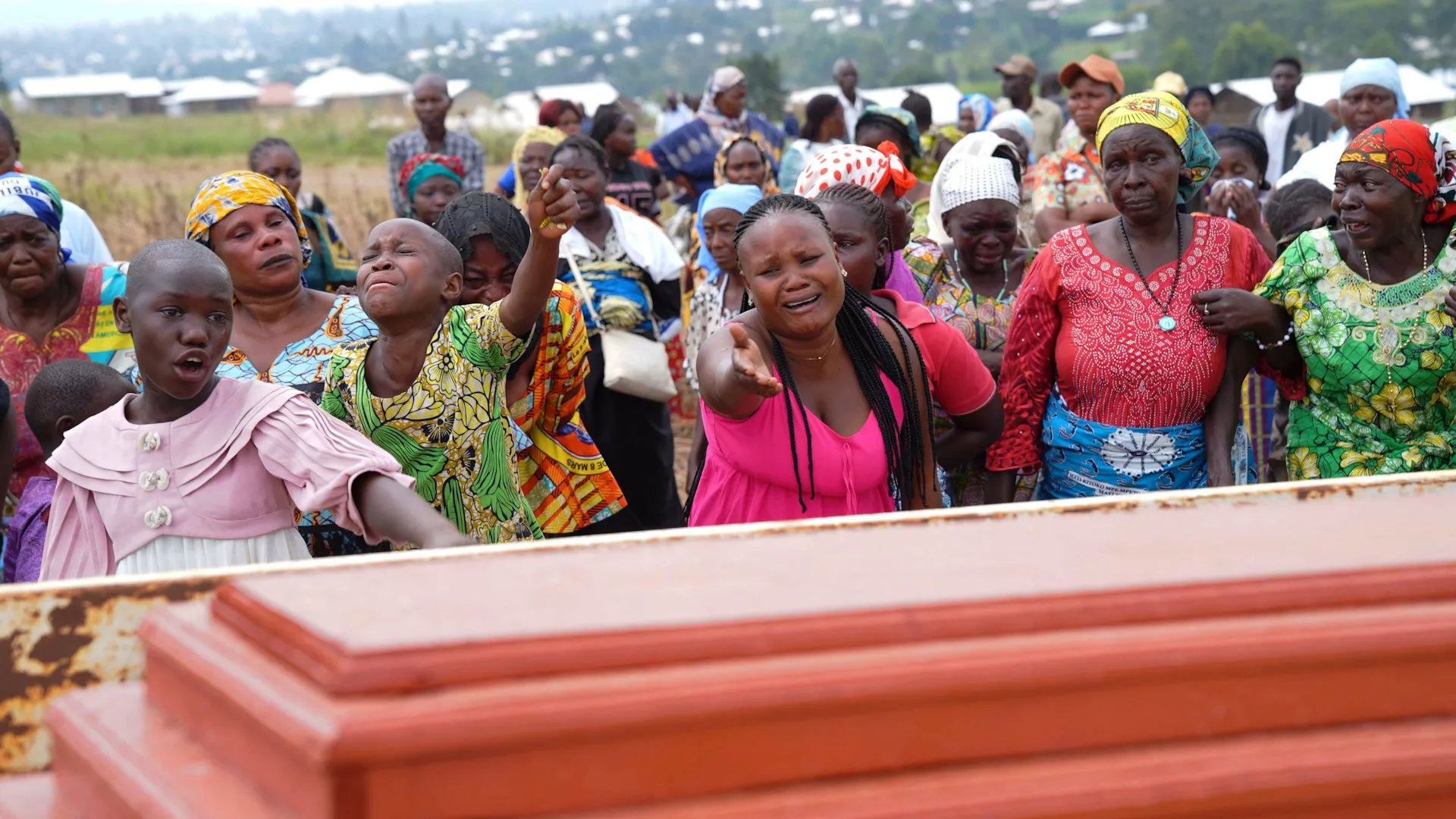
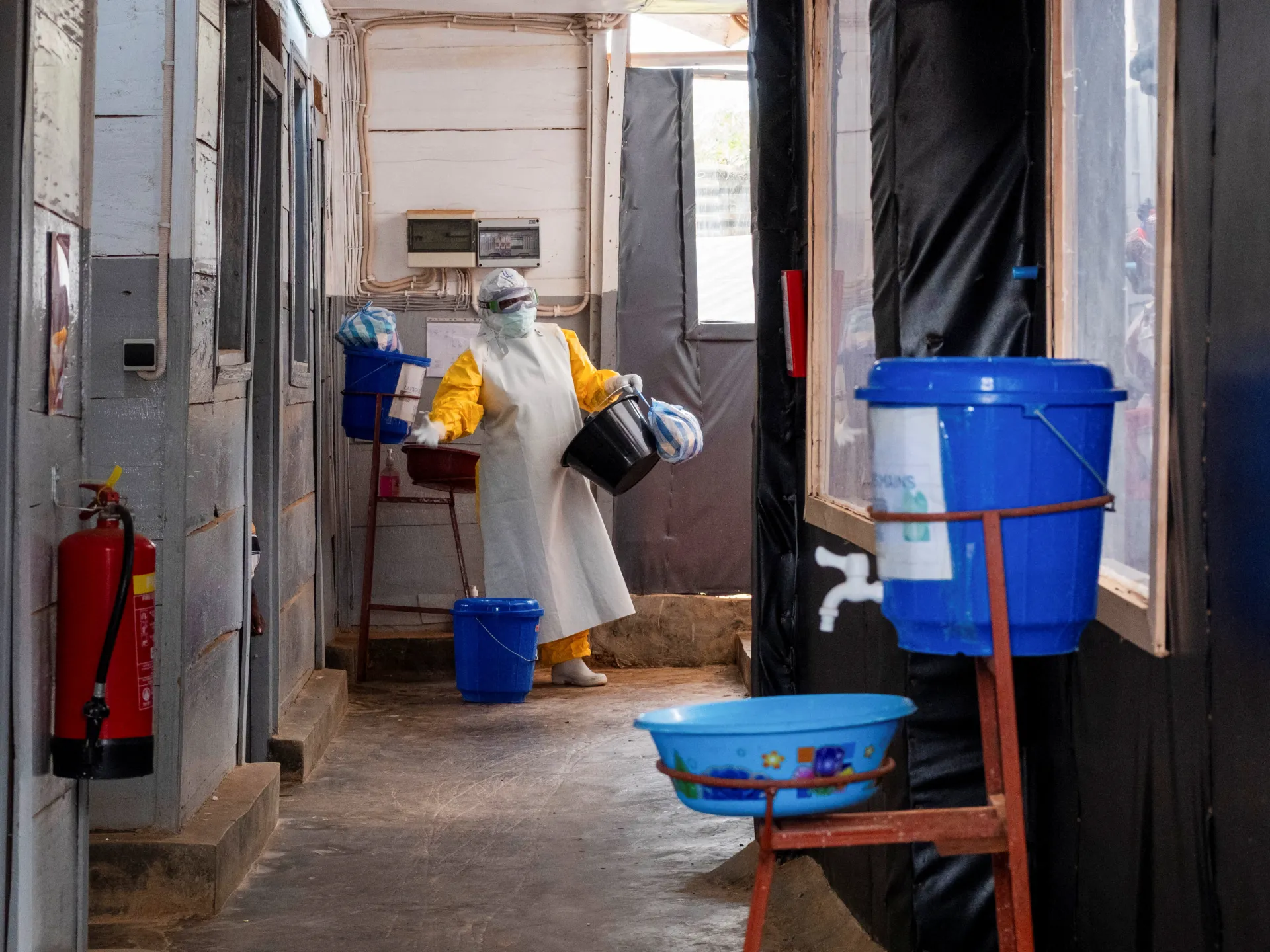
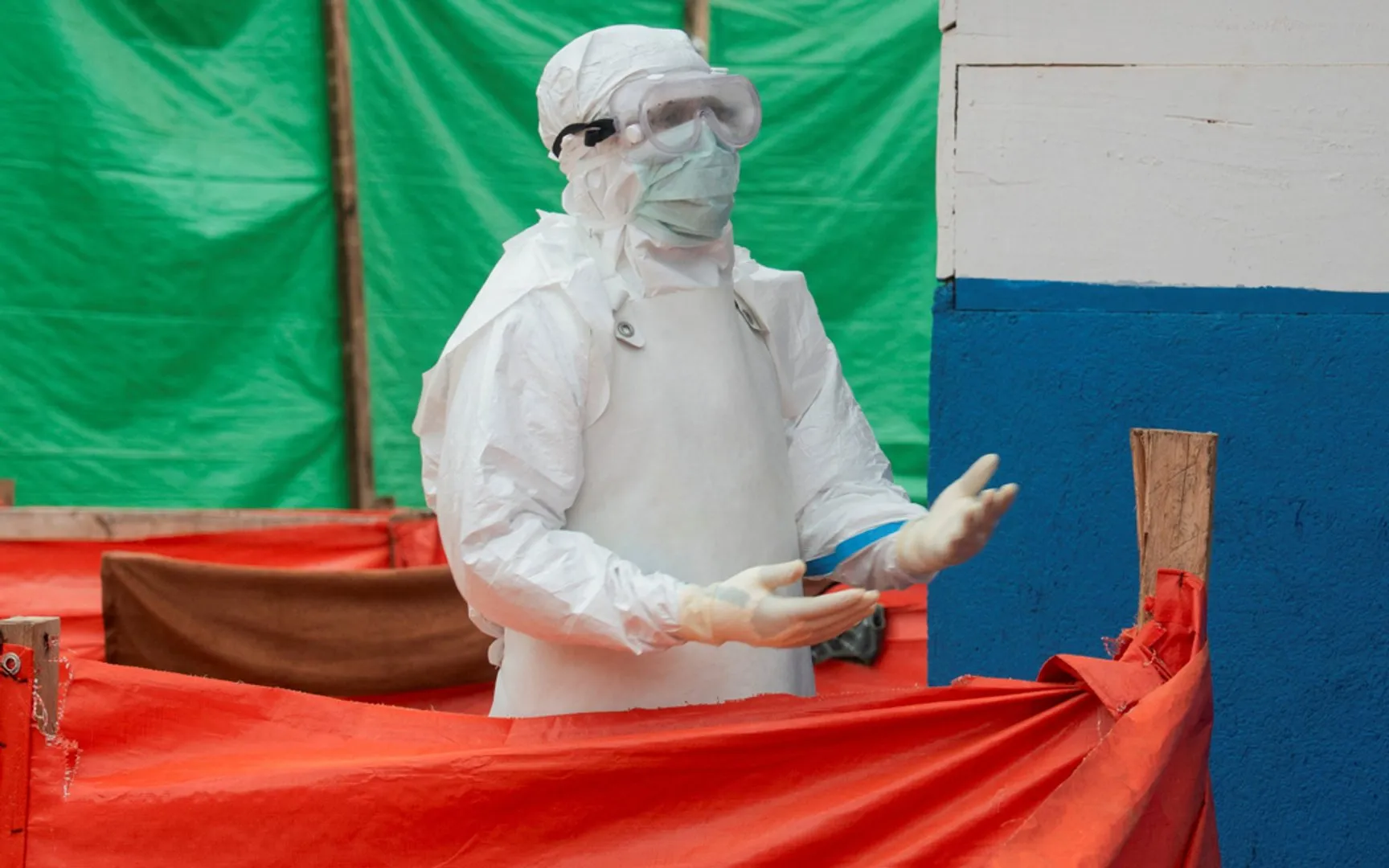
An Ebola outbreak caused by the rare Bundibugyo strain has killed dozens in Democratic Republic of the Congo and is spreading into Uganda, raising fears of regional transmission. Health officials say instability and shared borders are complicating containment efforts as the World Health Organization declares a global health emergency.

Source link

Two more cruise ship passengers test positive for hantavirus | Health News

One French passenger and one from the US test positive after being evacuated from the vessel in the Canary Islands.

A French woman and an American man have tested positive for hantavirus infections as countries around the world repatriate passengers from a cruise ship hit by a deadly outbreak.

French Health Minister Stephanie Rist said on Monday that a French passenger who was on the MV Hondius cruise ship tested positive for the virus and her condition was deteriorating, the Reuters news agency reported.

Recommended Stories

list of 3 itemsend of list

“What is key is to act at ⁠the start and break ⁠the virus transmission chains,” Rist told France Inter radio, pointing to the “decree ⁠that came out today that will allow us to ⁠strengthen isolation measures for ⁠contact cases and to protect the population”.

Another four French passengers have so far tested negative, and authorities have identified 22 contact cases.

The US Department of Health and Human Services said on Sunday that an American on a repatriation flight had tested “mildly positive” for the virus and another had mild symptoms. Both were travelling “in the plane’s biocontainment units out of an abundance of caution” and all 17 MV Hondius passengers on board would undergo clinical assessment upon arrival in the US.

The Dutch flagged hantavirus-stricken cruise ship MV Hondius arrives to the industrial port of Granadilla de Abona on the island of Tenerife in Spain's Canary Islands
The Dutch-flagged, hantavirus-stricken cruise ship MV Hondius arrives at the port of Granadilla de Abona on the island of Tenerife in Spain’s Canary Islands [File: Jorge Guerrero/AFP]

The two new cases bring the total number of confirmed cases to 10. The World Health Organization (WHO) has so far confirmed two deaths and one probable death, and as of Friday, four people were hospitalised with one in intensive care in South Africa.

The MV Hondius was anchored near the Canary Island of Tenerife after being stranded for weeks following an outbreak of the hantavirus on the luxury cruise ship. Health authorities have been locating and monitoring passengers who disembarked from the ship before the outbreak was identified.

Investigations into the source of the outbreak are ongoing.

The evacuation ⁠of passengers from the cruise ship will be completed on Monday with flights to Australia and the Netherlands, Spain’s health minister said.

One flight to Australia will evacuate six passengers ⁠from Tenerife and another to the Netherlands will take 18 passengers. Both flights are to also carry passengers from other countries that did not send their own repatriation flights, officials said.

Hantaviruses can cause severe respiratory illness and are usually spread by rodents but can also, in more rare cases, be transmitted between people. Symptoms can begin between one and eight weeks after exposure and include headaches, fever, chills, gastrointestinal issues and respiratory distress.

The fatality rate of the Andes strain of the hantavirus, identified in the ship’s outbreak, can reach 40 to 50 percent, particularly among elderly people.

The WHO has recommended a quarantine of 42 days for the cruise passengers. Experts are stressing the need for calm, noting that the virus is far less contagious than COVID-19.

Robin May, chief scientific officer at the United Kingdom Health Security Agency, said the risk to the public was “extremely low”, the Press Association news agency reported.

Source link

Should we be worried about the hantavirus outbreak? | Health News

The incident has drawn comparisons to the COVID-19 pandemic.

The World Health Organization says the hantavirus poses a low risk to public health.

Arrangements are underway to repatriate passengers from a cruise ship after three people on board died.

So, how are officials applying the lessons learned during the COVID-19 pandemic to respond to the hantavirus?

Presenter: James Bays

Guests:

Dr Mukesh Kapila – Professor Emeritus of Global Health and Humanitarian Affairs at the University of Manchester

Dr Margaret Harris – Lecturer at the United Nations Institute for Training and Research, former W.H.O. spokeswoman

Nicholas Locker – Professor of Virology at the Pirbright Institute, near Guildford, UK

Source link

Spain agrees to let hantavirus-hit cruise ship dock in Canary Islands | Health News

Spain has granted permission for a luxury cruise ship hit by a deadly hantavirus outbreak and anchored off the coast of Cape Verde to sail to the Canary Islands.

Spain’s Ministry of Health said in a statement late on Tuesday that the World Health Organization (WHO) had explained that Cape Verde in West Africa was unable to receive the 147 crew and passengers of the MV Hondius.

Recommended Stories

list of 3 itemsend of list

“The Canary Islands are the closest location with the necessary capabilities,” it said. “Spain has a moral and legal obligation to assist these people, among whom are also several Spanish citizens.”

The ministry said it would receive a medical flight carrying the ship’s doctor, a Dutch national, who it said was gravely ill, following a formal request from the Dutch government.

A Dutch couple and a German national have died of the rare disease, which is usually spread from infected rodents through urine, droppings and saliva, on board the ship in early April. A British national, who was evacuated from the ship, is in intensive care in South Africa, officials said.

Two crew members require urgent medical care, ⁠according to the Dutch-flagged ship’s operator, Oceanwide Expeditions. Another person on board with a suspected case has only reported a mild fever.

Medical evacuations

The Spanish Health Ministry said the MV Hondius will journey on to the Canary Islands once those who need evacuation are taken off the ship.

The Dutch government said earlier on Tuesday that it was preparing to receive the evacuated passengers. Oceanwide Expeditions said the journey to the Canary Islands will take three days of sailing and that the MV Hondius will dock in either Gran Canaria or Tenerife.

When the rest of the crew and passengers arrive in the Canary Islands, they will be examined, treated and repatriated to their respective countries, Spain’s Health Ministry said, in coordination with the European Centre for Disease Prevention and Control and the WHO.

All necessary safety measures would be taken, the ministry said, with medical care and transportation provided in special facilities and vehicles to avoid contact with the local population and protect health workers.

According to the WHO, the cruise ship, which set sail from Ushuaia, Argentina, on April 1 for Cape Verde, had 88 passengers and 59 crew members from 23 countries on board.

A WHO official said on Tuesday that she suspected some rare human-to-human transmission had occurred between close contacts on board the ship.

“We do believe that there may ⁠be some human-to-human transmission that’s happening among the really close contacts, the husband and wife, people who have shared cabins,” Maria Van Kerkhove, the director of epidemic and pandemic preparedness and prevention at the WHO, told reporters in Geneva.

Van Kerkhove also sent a direct message to the people on board.

“We just want you to know we are working with the ship’s operators,” she said. “We are working with the countries where you are from. We hear you. We know that you are scared.”

Andes strain

Human-to-human transmission is not common, and the WHO reiterated that ⁠the risk to the wider public was low, adding that it had been told that “there are no rats on board” the ship.

A limited spread among close contacts has been observed in some previous outbreaks of the Andes strain of the virus, which spreads in South America, including Argentina.

Van Kerkhove said the typical incubation period for hantavirus was between one and six weeks, leading the WHO to believe that the Dutch couple, who had been travelling in Argentina before boarding the cruise, “were infected off the ship”.

Other cases may also have been infected while on bird-watching trips to islands where birds and rodents live, the WHO said.

Such trips are part of the cruise.

The Hondius is carrying mostly British, American and Spanish passengers on the luxury cruise, which set off from the southern tip of Argentina in late March.

The cruise visited the Antarctic Peninsula, South Georgia and Tristan da Cunha, some of the remotest islands ‌on the planet.

The voyage was marketed as an Antarctic nature expedition, with berth prices ranging from 14,000 to 22,000 euros ($16,000 to $25,000).

The first stricken passenger, the Dutch man, died on April 11. His body remained on board until April 24, when it “was disembarked on St Helena, with his wife accompanying the repatriation”, Oceanwide Expeditions said.

His wife had gastrointestinal symptoms when she was disembarked, and deteriorated during a flight to Johannesburg. She died upon arrival at the emergency department on ‌April ‌26, the WHO said, adding that contact tracing was under way for passengers on the flight.

South African authorities have confirmed that the British patient, who is being treated in a Johannesburg hospital, tested positive for the hantavirus.

Source link

Three dead in suspected hantavirus outbreak on Atlantic cruise ship | Health News

Three of six passengers who fell ill from suspected rodent-transmitted virus have died, and one is in intensive care, the WHO says.

Three people have died on a cruise ship in the Atlantic, with at least one confirmed to have suffered from hantavirus, a rare disease transmitted to humans from rodents.

Health authorities are now investigating a suspected outbreak of the virus on the MV Hondius, which is sailing from Ushuaia in Argentina to Cape Verde.

Recommended Stories

list of 3 itemsend of list

In a statement on Sunday, the World Health Organization said that one case had been confirmed and at least five other passengers were suspected of being infected.

“Of the six affected individuals, three have died, and one is currently in intensive care in South Africa,” WHO said in a statement.

“Detailed investigations are ongoing, including further laboratory testing and epidemiological investigations. Medical care and support are being provided to passengers and crew. Sequencing of the virus is also ongoing.”

WHO added that it was “facilitating coordination” between countries to evacuate the two other passengers showing symptoms of the infection.

Hantavirus, a rare disease transmitted to humans through the droppings or urine of infected rodents, can be fatal in severe cases and cause hemorrhagic fever.

Infected couple among casualties

South Africa’s National Department of Health said earlier on Sunday that there had been an outbreak of a “severe acute respiratory illness”, which had killed at least two people, and that a third person was in intensive care in Johannesburg, according to the AFP news agency.

The ministry’s spokesperson, Foster Mohale, confirmed that the patient being treated in Johannesburg tested positive for hantavirus.

A 70-year-old was the first to develop symptoms. He died on the ship, with his body now being held on the island of Saint Helena, a British territory in the South Atlantic, the spokesman said.

The patient’s 69-year-old wife also fell sick and was evacuated to South Africa, where she died in a Johannesburg hospital, he added.

Mohale told AFP that authorities have not confirmed the nationalities of the deceased. But the person in intensive care was reported by AFP to be a 69-year-old Briton.

Source link

New Foreign Office alert over ‘fatal’ virus soaring in 42 countries – full list

A high number of cases were reported in the last 12 months – with a 5-fold increase in some areas – and 143 deaths

Travellers have been warned about the resurgence of a disease spread by mosquitos with ‘high risk’ in 42 countries. The Foreign Office-backed Travel Health Pro website this week issued an alert over the virus spreading in parts of Africa, Central and South America, and in Trinidad in the Caribbean.

Yellow Fever can cause a serious haemorrhagic illness that can be fatal for humans. Yellow fever vaccination and mosquito bite avoidance are important preventive measures against the disease, officials said. Yellow fevefr virus can cause an illness that results in jaundice , yellowing of the skin and eyes, and bleeding with severe damage to the major organs such as liver, kidneys and heart. The mortality rate is high in those who develop severe disease.

Travel Health Pro said yellow fever is a risk in areas of 13 countries and territories in South and Central America. A high number of cases were reported from this region in 2025, with 346 confirmed human cases (including 143 deaths) from seven countries.

This represents a 5.6-fold increase in cases compared to 2024. Since the beginning of 2026, a total of 41 confirmed cases (including 18 deaths) have been reported from four countries: Bolivia, Colombia, Peru and Venezuela.

In 2024, most yellow fever cases were reported from the Amazon region. Officials said: “While YF cases continue to be reported in this area, cases have since been reported in a wider geographic area, outside the Amazon region. This includes in Sao Paulo State in Brazil and Tolima Department in Colombia. In addition, reports suggest recent human YF cases in Venezuela have occurred in an area that had not previously been considered a risk for YF disease.

READ MORE: Foreign Office 135 countries ‘high risk’ list as vaccination supplies for lethal virus low in UKREAD MORE: UK holidaymaker hotspot hit with 180 infections as authorities ban restaurant food type

“Risk of YF outbreaks in South America remains high. An outbreak in Colombia has been ongoing since mid-2024, with 153 confirmed cases (including 62 deaths) reported. The confirmed reporting of YF cases in a wider geographic area, including cases related to jungle transmission near to urban centres, increases the risk of urban outbreaks [1]. While YF vaccination is one of the most successful public health interventions to prevent YF disease, the COVID-19 pandemic, among other factors, has led to a reduction of YF vaccine cover in the local population.”

It added that yell;ow fever risk countries in Africa continue to report probable and confirmed cases. During 2024, confirmed cases of YF were reported in countries with no recent history of transmission and suboptimal vaccination coverage.

WHO also advise that in some African countries, there may be under-reporting of YF due to surveillance and data collection issues. The risk of YF transmission remains high in endemic areas of Africa. The mosquitoes (Aedes spp.) that transmit YF are common in many urban areas in Africa. This significantly increases the risk of YF spreading, especially in heavily populated areas, which could lead to the rapid onset of YF outbreaks.

Countries with a risk of yellow fever transmission as defined by the World Health Organization

Africa

  • Angola
  • Benin
  • Burkina Faso
  • Burundi
  • Cameroon
  • Central African Republic
  • Chad*
  • Congo
  • Côte d’Ivoire (Ivory Coast)
  • Democratic Republic of the Congo
  • Equatorial Guinea
  • Ethiopia*
  • Gabon
  • The Gambia
  • Ghana
  • Guinea
  • Guinea-Bissau
  • Kenya*
  • Liberia
  • Mali*
  • Mauritania*
  • Niger*
  • Nigeria
  • Senegal
  • Sierra Leone
  • South Sudan
  • Sudan*
  • Togo
  • Uganda

Central and South America

  • Argentina*
  • Bolivia*
  • Brazil*
  • Colombia*
  • Ecuador*
  • French Guiana
  • Guyana
  • Panama*
  • Paraguay*
  • Peru*
  • Suriname
  • Trinidad and Tobago*
  • Venezuela*

*Only some parts of this country have a risk of yellow fever disease. Remaining areas either have low potential for yellow fever transmission or no risk.

Signs and symptoms

YF varies in severity. The infection has an incubation period (time from infected mosquito feeding to symptoms developing) of three to six days. Initial symptoms include myalgia (muscle pain), pyrexia (high temperature), headache, anorexia (lack of appetite), nausea, and vomiting. In many patients there will be improvement in symptoms and gradual recovery three to four days after the onset of symptoms.

Within 24 hours of an apparent recovery, 15 to 25 percent of patients progress to a more serious illness. This takes the form of an acute haemorrhagic fever, in which there may be bleeding from the mouth, eyes, ears, and stomach, pronounced jaundice (yellowing of the skin, from which the disease gets its name), and renal (kidney) damage. The patient develops shock and there is deterioration of major organ function; 20 to 50 percent of patients who develop this form of the disease do not survive [22]. Infection results in lifelong immunity in those who recover.

Source link