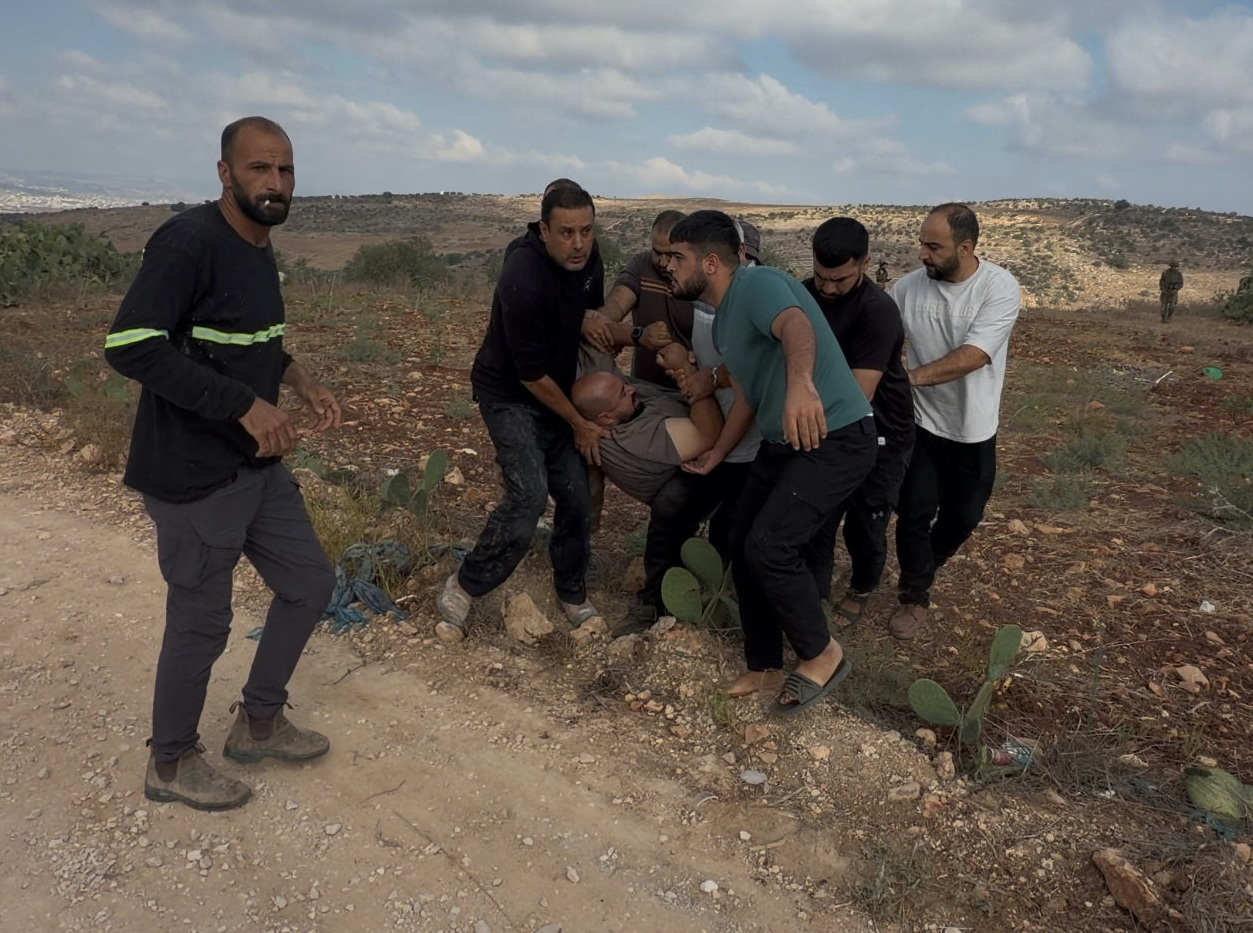
An armed Israeli settler blindfolded and detained a Palestinian man near the village of Beit Iksa in the occupied West Bank, dragging him onto a road as Israeli forces stood nearby. The Palestinian farmer was reportedly trying to reach his land before he was captured.
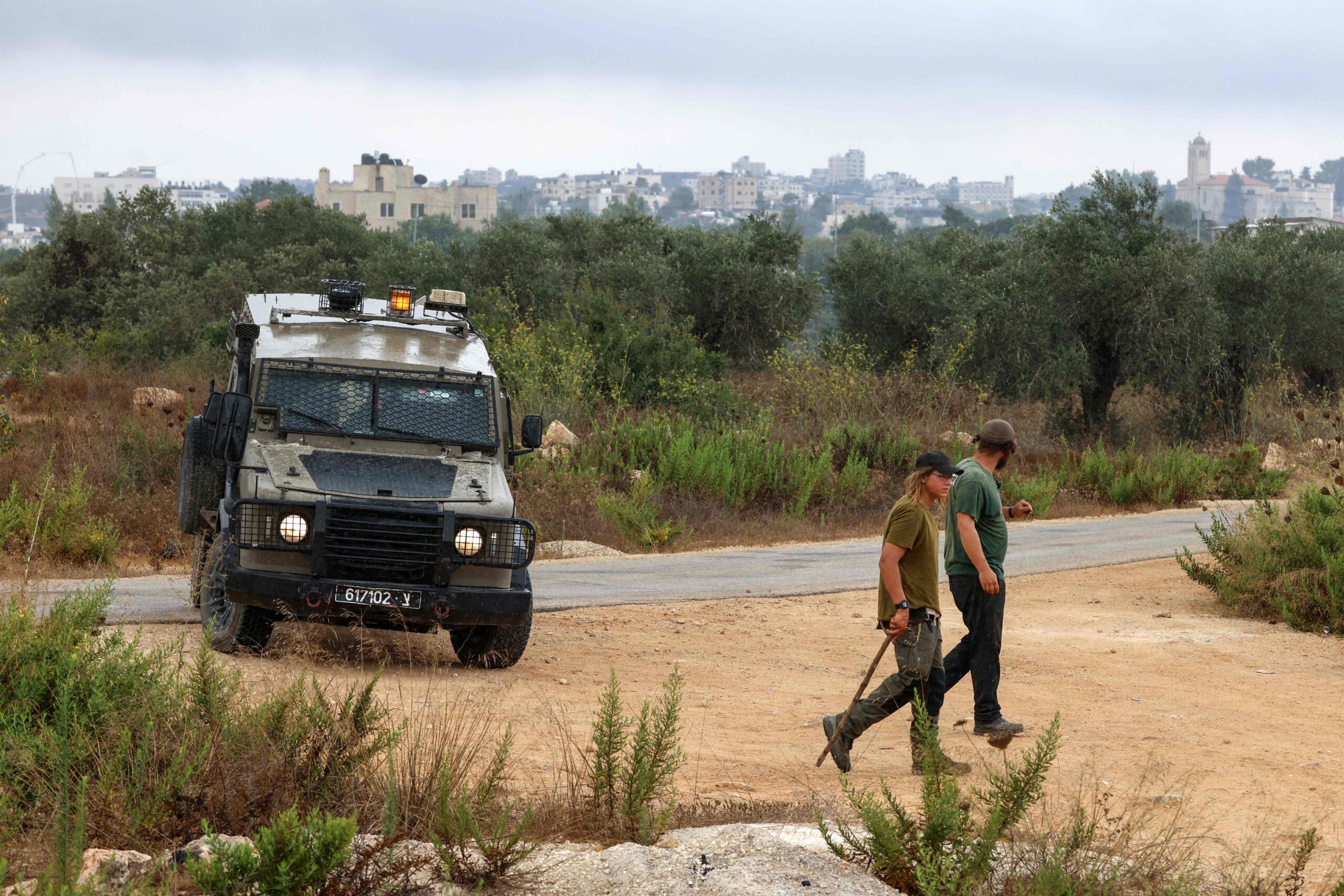
A group of Israeli settlers attacked Israeli rights activists as they were conducting a tour near illegal settlements in the occupied West Bank. Israeli security forces arrested the activists.
CHARLESTON, W.Va. — Presenting a utility bill as a valid form of identification at a voting precinct in West Virginia has gone the way of the tavern polling place and the punch-card ballot.
State lawmakers tightened an existing voter identification law by requiring photo ID at the polls, with some exceptions. The law was used for the first time in Tuesday’s primary election, and officials said they’ve seen very few glitches.
“The whole point of the law is just making sure you are who you say you are,” Secretary of State Kris Warner said Monday.
Voters will nominate candidates for U.S. Senate, U.S. House and state legislature. They also will elect two new state Supreme Court justices.
During the in-person early voting period that ended Saturday, Warner said his office hadn’t heard of anyone who demanded to vote without a photo ID. He said the state had asked residents to use photo IDs for the past few elections, so “it was not a big shock that it was now law.”
During his statewide travels over the past two weeks, Warner said he was told of some instances where people returned to their vehicle to retrieve a photo ID after entering a polling place. Another voter used an exception to the law by filling out a form that was verified by a poll worker who has known them for at least six months. There also were exceptions for first-time voters.
Most states either require or request some form of ID for in-person voting at the polls.
Proponents say the West Virginia law will cut down on voter fraud and that a photo ID is already required for everyday tasks such as getting on an airplane or buying alcohol.
The bill sailed through the Republican-supermajority legislature last year. All votes against it were cast by Democrats, some who argued it would suppress access to the polls. State Democratic Party Chair Mike Pushkin said no credible evidence was shown during legislative debate that West Virginia had a widespread problem with ineligible voting. Pushkin said the legislation was “designed more for political messaging than solving actual problems.”
But Warner said it allows senior citizens to use expired driver’s licenses, as long as it was valid on their 65th birthday
“I wanted to make sure it didn’t prevent anyone from voting,” Warner said.
Forms of identification that are no longer accepted at polling places include utility bills, bank statements, hunting and fishing licenses, bank or debit cards, and concealed carry gun permits. Acceptable forms of photo IDs include a driver’s license, U.S. passport, military ID, employee ID issued by a government agency and a student ID from a high school or college.
Monongalia County Clerk Carye Blaney said for several years her county has used an electronic system to scan bar codes on the back of driver’s licenses to check in voters at polling places.
“I think that it makes voters feel more secure, or it confirms for the voters the security of our elections when we are verifying a photo to a person,” Blaney said.
Former Premier League assistant referee Darren Cann on Match of the Day: “I don’t think anyone would want to trade places with Darren England. Nobody would want to be sitting in that chair. He stepped up to the plate, he made the right decision and it’s the biggest VAR call in Premier League history.”
Former Newcastle goalkeeper Shay Given on Match of the Day: “The thing that grates {on] me is we have seen on numerous occasions with Arsenal this season, goalkeepers and defenders getting blocked off and the goal stands. Everyone is frustrated about the consistency of the refereeing decision. Why are some goals allowed to stand and this was disallowed? There is so much at stake at the bottom of the league and the very top.
“The other thing is Gabriel is holding, Odegaard is holding, Trossard is holding before the foul even happens on Raya. When does the referee decide that’s the foul he wants to pick and not the previous foul?”
Former Liverpool midfielder Danny Murphy on Match of the Day: “The controversy and discontent around West Ham not being given the goal is because it’s Arsenal. They can’t be held accountable for decisions in the past.
“The VAR officials have got to say what they see and it’s a clear foul. Just because it’s Arsenal we shouldn’t get it distorted.”
Former West Ham goalkeeper Rob Green on BBC Radio 5 Live: “It is a foul. You are looking at two players fouling the goalkeeper. There have been so many of these this season, it has been such a talked-about topic, there has been such inconsistency with it so for it to come down to this is huge.
“It just feels like for VAR, for West Ham, for Arsenal in particular with their set-pieces, has been the topic of the season.
“In isolation – foul. There were five or six fouls going on at the same time in there but it’s where the ball landed. Then you think consistency – there hasn’t been any.”
Winger Leandro Trossard scores the only goal of the match as Arsenal survives VAR controversy to win at West Ham.
Published On 10 May 202610 May 2026
Arsenal cleared arguably the most dangerous remaining obstacle in their path to the Premier League title by the skin of their teeth as Leandro Trossard’s late goal secured a dramatic 1-0 win at West Ham United to restore their five-point lead on Sunday.
The visitors were living dangerously at the London Stadium, but Trossard guided home a low shot from Martin Odegaard’s pass in the 83rd minute to spark delirium amongst the Arsenal fans and despair in the home ranks.
Recommended Stories
list of 4 itemsend of list
Arsenal rode their luck and survived a huge scare deep in stoppage time as West Ham substitute Callum Wilson had an equaliser ruled out for a foul after a long video assistant referee (VAR) review.
Victory put Arsenal a step closer to a first Premier League title since 2004, and they will be crowned football champions if they win their last two games at home to Burnley and away to Crystal Palace on the final day.
Arsenal have 79 points from 36 games with Manchester City, who have a game in hand, on 74.
For West Ham, it was a bitter pill to swallow as defeat left them staring at relegation, and they could find themselves four points from the safety zone with two games left if Tottenham Hotspur beat Leeds United on Monday.
If Arsenal do go on to lift the title, the incident in stoppage time described by Sky Sports pundit Gary Neville as the “biggest VAR call in the history of the Premier League” will be just a detail in a season-long slog with Manchester City.
But it could have serious implications for West Ham, who would have deserved a point for a gritty display.
With time almost up and even West Ham keeper Mads Hermansen up for a corner, the ball broke for Wilson, who slammed a shot through a forest of legs and over the line.
West Ham fans went wild, and Manchester City’s probably did, too. Arsenal manager Mikel Arteta looked aghast, but when the VAR instructed referee Chris Kavanagh to look at a possible foul by West Ham substitute Pablo on Arsenal keeper David Raya in the build-up, the stadium fell silent.
He returned to announce that the goal was disallowed and Arsenal could breathe a huge sigh of relief.
Leandro Trossard scores his goal for Arsenal seven minutes from full time [Adrian Dennis/AFP]
In the occupied West Bank, a marathon is a political statement. Palestinians ran alongside the separation wall today, a structure that cuts them off from their land, their families, and even the sea. Al Jazeera’s @leila.shw reports from Bethlehem.
Dozens of Israeli settlers stormed various areas of the West Bank, set cars on fire and attacked Palestinians.
Published On 9 May 20269 May 2026
Israeli settlers have launched another wave of raids in the occupied West Bank, with houses and cars set on fire and a Palestinian child attacked.
The Palestinian Wafa news agency reported that a man and his child were attacked with “sharp instruments” in the village of Khirbet Shuweika, south of Hebron, on Friday.
Recommended Stories
list of 4 itemsend of list
The father and child were taken to hospital due to head injuries.
Israeli settlers torched a home in the village of al-Lubban Asharqiya, south of Nablus, after which members of the Palestinian Civil Defence arrived to extinguish the blaze.
In Abu Falah, northeast of Ramallah, Wafa cited security sources that the settlers “stormed the outskirts of the village, burned a citizen’s vehicle, and wrote racist slogans on the walls of houses”.
In the village of al-Asa’asa in Jenin, Israeli forces forced residents to exhume a newly buried body and take it elsewhere. They claimed the first site was too close to an illegal Israeli settlement.
Israeli settlers also attacked a Palestinian man in the town of Beit Fajjar, south of Bethlehem, and stole his mobile phone.
A group of Palestinians were picnicking in the Burak Sulayman (Solomon’s Pools) area, south of Bethlehem, but were forced to leave after Israeli forces fired stun grenades at them.
The Palestinian Red Crescent Society treated two people for tear gas inhalation and evacuated five others from the scene after the attack.
‘Tear gas and sound bombs’
In the town of Tuqu, southeast of Bethlehem, the mayor, Taysir Abu Mufreh, told Wafa that Israeli forces fired “tear gas and sound bombs” at a group of worshippers who were leaving a local mosque and locked a number of them inside.
On Friday, Israeli forces arrested four Palestinian men in the town of Battir, west of Bethlehem, while they were hiking near a railway line. The following day, three more Palestinians were arrested during a raid on the city of Nablus.
Settlers attacked the town of Silwad, northeast of Ramallah, leading to clashes when residents confronted them.
Human rights groups say Israeli authorities have allowed the settlers to operate with total impunity in their attacks against Palestinians.
In February, Israel approved a plan to claim large areas of the occupied West Bank as “state property”.
More than 700,000 Israelis live in illegal settlements in the occupied West Bank.
A rider has died after an accident in Superbike qualifying for the North West 200 international road race on Thursday.
The incident happened at Station Corner and a red flag brought the session to a close.
The rider has not been named due to the wishes of his family.
“The session was immediately red flagged and emergency services attended the scene but unfortunately the rider succumbed to his injuries,” said North West 200 organisers in a statement.
“The family have given their approval for the event to continue but have requested that the rider not be named at this time.
“Coleraine and District Motor Club, the organisers of the races, offer our sincere condolences to the family and team.”
Superbike qualifying was the first session of the day and the remaining sessions in the afternoon did not take place.
The qualifying sessions have been moved to Thursday night to replace the planned opening three races, and it has not yet been confirmed by race organisers if Saturday’s schedule will contain any additional races on top of the planned six.
The fatality is the first at the North West 200 since Malachi Mitchell-Thomas was killed in a Supertwins race in 2016, and the 20th rider to lose their life in the 97-year history of the event.
The event is an international road race that takes place on 8.97 miles of closed public roads.
West Bengal’s Trinamool Congress chief Mamata Banerjee has firmly rejected stepping down after her party’s defeat in assembly elections. PM Narendra Modi’s Bharatiya Janata Party swept West Bengal in elections Banerjee claims were directly interfered with.
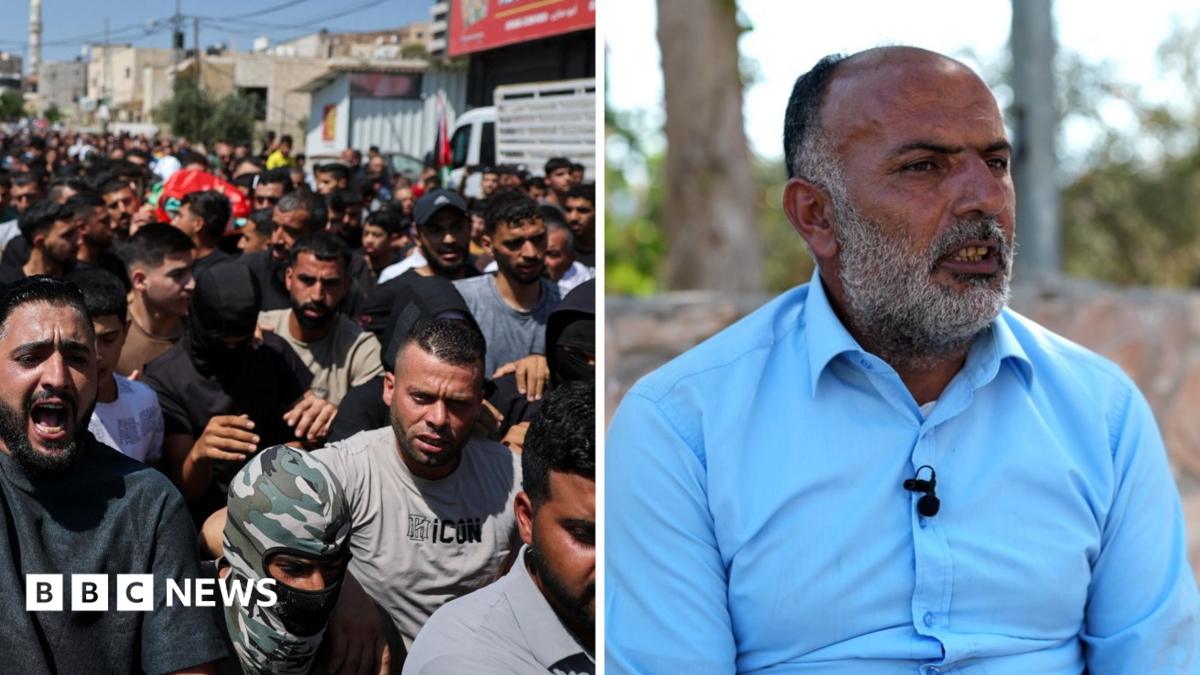
Israeli forces have raided the city of Nablus in the occupied West Bank, firing live ammunition that killed a 26-year-old Palestinian man and wounded four others, including children. Dozens of people have suffered tear gas inhalation.
Ukrainian President Volodymyr Zelenskyy’s artistic skills have earned him the reputation of a public relations genius acknowledged by both friends and foes. United States President Donald Trump, who has openly attacked him in public, famously called the Ukrainian leader “the greatest salesman on Earth”. A much more sympathetic voice, New York Times columnist David French, has recently portrayed Zelenskyy as “the new leader of free world”.
But Zelenskyy’s PR genius can do very little when it comes to changing the dynamics of the battlefield in the Russia-Ukraine war. In recent weeks, his administration and allies have tried hard to create the impression that the war might be approaching a turning point. But realities on the ground tell a different story.
For example, there were official claims that in February, Ukraine made more territorial gains than Russia did. Some pro-Ukrainian war monitoring platforms have supported these claims while others have not. It is important to note these calculations can be tricky given that along the frontline there is an extensive grey zone in which control is unclear. The advances themselves are measured in 150-200 square kilometres per month. In other words, methodology can be manipulated in order to produce the desired conclusion: that Ukraine is gaining ground.
In reality, there is nothing at all that suggests a significant change in the battlefield dynamics that have been in place for at least two years now.
More importantly, Russian troops are currently besieging a number of industrial cities in the north of the Donetsk region. Their advances all along the northern border, in particular, are extending the active front line by hundreds of kilometres, which is making Ukraine’s personnel shortages even more acute.
Four years into the war, the Ukrainian army has had to resort to brutal campaigns to enforce mandatory conscription, pulling young men off the streets of towns and villages. Meanwhile, Russia is still able to lure volunteers by offering lavish compensation.
Ukrainian officials have also claimed that Russia is losing more troops than it is able to recruit based on dubious casualty data. Zelenskyy, in particular, has stated the Russians suffered the highest number of monthly casualties in March this year – 35,000. But his statement contradicted his own Ministry of Defence, which claimed that the highest Russian monthly losses crossed 48,000 in January 2025, with an average monthly rate of roughly 35,000 throughout 2025.
Zelenskyy’s chief of staff, former military intelligence chief Kyrylo Budanov, also contradicted this narrative that Russia is having major difficulty with deploying personnel. He acknowledged in a recent interview that the collapse of the Russian mobilisation effort was not forthcoming.
It should be noted that Ukraine is waging a successful drone campaign to damage Russian oil facilities. But it is doubtful that it could change anything beyond providing dramatic footage of oil tanks on fire for TV networks to broadcast.
In April, Russian oil revenues surged to $9bn, thanks to the US-Israel war on Iran. The windfall Russia got in a month is equivalent to 10 percent of the loan Ukraine is to receive from the European Union over the next two years to help fund its war effort.
It cannot be denied that Russia has sustained major economic losses due to the war, and Russian President Vladimir Putin has acknowledged as much. But the Russian economy displays much the same downturn as other European economies, also affected by wars in Ukraine and Iran.
Russia’s gross domestic product (GDP) per capita adjusted for purchasing power parity (an indicator reflecting living standards) currently exceeds that of less affluent EU countries, such as Romania and Greece, according to the IMF charts. The same indicator for Ukraine is on par with Mongolia and Egypt, while the country’s critical infrastructure lies in ruins and millions of Ukrainians have fled the country, most of them for good.
With Ukraine’s prospects bleaker than ever, pro-Ukrainian audiences jump on every news from Russia, which they hope may signify “cracks in the regime”. Last month, an Instagram video by Russian influencer Victoria Bonya made Western headlines for its daring criticism of government policies. There may be frustration in Russia, but the regime is far from approaching a downfall.
This narrative, however, serves to distract Ukrainian and EU citizens from the painful truth that the war is heading towards a deadlock at best and Ukraine’s collapse at worst. Zelenskyy may have received a lifeline with the $90bn euro loan, but his and his allies’ lack of vision and winning strategy is staggering.
The reality has already begun to kick in. German Chancellor Friedrich Merz recently suggested that Ukraine would have to concede some of its territory to Russia to end the war but get a faster track to EU membership in exchange. The EU’s defence chief, Andrius Kubilius, has gone further by claiming that NATO membership for Ukraine was out of the question and EU membership was going to be a “complicated process”. Instead, he proposed a military union of Ukraine and other European countries – an idea that Moscow will reject, interpreting it as NATO through the back door.
What these contradictory statements manifest is that the main bargain over the contours of peace is currently going not so much between Zelenskyy and Putin, but between Zelenskyy and his Western, primarily European, allies.
As Budanov recently claimed, the positions of Kyiv and Moscow can be moved closer to what is realistically attainable in peace talks. But Zelenskyy needs to show at least some kind of gain for Ukraine when a very unpalatable version of a peace treaty is finally signed. Ideally, that gain would be EU membership or real security guarantees, but as Merz and Kubilius’s statements suggest, the chances of attaining either are slim.
The frustration among Ukrainians is already palpable. The head of the Ukrainian parliament’s fiscal committee, Danylo Hetmantsev, said European officials should stop seeing Ukrainians as “a tool for solving someone’s geopolitical tasks” or as a “human shield”. They have no right to define Ukraine’s destiny, he insisted.
But Zelenskyy, who is dogged by a large-scale investigation into corruption involving his immediate entourage, seems to hold no cards to play against Russia or his Western allies. The status quo in which he retains the position of a war leader serves him well, but it is increasingly becoming untenable.
The views expressed in this article are the author’s own and do not necessarily reflect Al Jazeera’s editorial stance.
LOUISVILLE, Ky. — It’s Kentucky Derby Day, also known as the day everyone waits around for eight hours to watch a two-minute horse race.
But that’s part of what makes the Derby what it is … not just a race, but an event. And maybe 8 a.m. PDT is a little early to begin your neighborhood party, but we’re not judging. Besides, if you’re reading this in the Eastern Time Zone, 11 a.m. is prime brunch time.
What you really want to know, though, is what time the horses actually will break from the gate at Churchill Downs. For the seventh straight year, the official post time is 6:57 p.m. EDT, though a timeline released Friday at the track said the horses would load into the gate at 7:01, with a start at 7:02.
To spare you the math, that’s 3:57 p.m. in Los Angeles and the rest of the Pacific Time Zone, with the race starting just after 4. (In the last six years, the race has gone off sometime between 3:59 and 4:05.)
But you don’t want to just tune into NBC at the top of the hour. There’s the walkover of the horses from the stable area to the paddock beginning at about 3:15 PDT, the call for “Riders Up” (from retired jockey Pat Day) at 3:44, the “Call to the Post” at 3:45 and the University of Louisville choir singing “My Old Kentucky Home” right after that.
If you’re interested in any of the 11 races at Churchill Downs before the Derby, and there are some good ones, they begin at 8 a.m. PDT. The first two races are available on FanDuel TV (yes, it’s still in business) before Peacock and NBCSN take over at 9 a.m. That’s where the next four races, including two graded stakes, will be televised.
Then, once NBC’s coverage of the Premier League soccer game between Arsenal and Fulham ends at 11:30, the network will show the rest of the card, which features five stakes races leading up to the Derby.
The Derby does not end NBC’s sports day, however. After the trophy presentation, the network hopes much of its audience sticks around for Game 7 of the NBA Eastern Conference playoff series between the Philadelphia 76ers and Boston Celtics. Tipoff is scheduled for shortly after 4:30 p.m. PDT.
Trevor Brown needs to beat his alma mater, Hart High, to win the Foothill League baseball title.
Brown, a first-year head coach at West Ranch, has his team at 8-3, which is tied for first place with Castaic going into Friday’s regular-season finale against Hart at West Ranch.
West Ranch defeated Hart 6-5 earlier this week.
Brown was a standout catcher for Hart, then went on to star at UCLA and played briefly with the San Francisco Giants.
They say catchers make the best managers, and Brown is another example of using his catcher’s experience to help with coaching.
This is a daily look at the positive happenings in high school sports. To submit any news, please email eric.sondheimer@latimes.com
An Israeli settler was filmed throwing rocks and trying to break into the home of Palestinian activist Issa Amro while an Israeli soldier watched. The settler was briefly arrested and then released.
Palestinians in central Gaza and the occupied West Bank have begun voting in municipal elections, the first local vote held since the start of Israel’s genocidal war on Gaza.
Polling stations opened at 7am (04:00 GMT) on Saturday for 70,000 eligible voters in Gaza’s Deir el-Balah area – the first electoral exercise in the besieged enclave in 20 years.
Recommended Stories
list of 4 itemsend of list
The vote in a single city in Gaza is largely symbolic, with officials calling it a “pilot”. Deir el-Balah was selected because it is one of the few areas in Gaza not destroyed by Israeli forces.
Nearly 1.5 million registered voters in the occupied West Bank are also voting to determine the makeup of the local councils overseeing water, roads and electricity.
The elections come amid a tightly restricted political landscape and deep public disillusionment, as the Palestinian Authority (PA) seeks to project reform and legitimacy amid growing public frustration over corruption, political stagnation and the absence of national elections since 2006.
A Palestinian woman casts her ballot at a polling station during municipal elections in the village of al-Badhan, north of Nablus, in the occupied West Bank [AFP]
Most electoral lists are backed by President Mahmoud Abbas’s Fatah movement or independent candidates, with no official participation from Hamas, which controls parts of Gaza.
Linking the occupied West Bank and Gaza
With much of Gaza decimated by more than two years of war, the Ramallah-based Central Elections Commission chose to hold its first vote in Deir el-Balah. It had to improvise because it was unable to conduct traditional voter registration.
“The main idea is to link the West Bank and Gaza politically as one system,” its spokesperson, Fareed Taamallah, said.
The commission has not coordinated directly with either Israel or Hamas ahead of the Deir el-Balah vote and has been unable to send materials like ballot papers, ballot boxes or ink into Gaza, he added.
Though Palestinian voter turnout has gradually decreased, it has been relatively high in past local elections by regional standards, according to commission figures, averaging between 50 and 60 percent.
Gaza’s first election in 20 years
Hamas won parliamentary elections in 2006 and seized control of Gaza from the Fatah-led PA a year later.
It did not put forth candidates for Saturday, but polling from the Palestinian Center for Policy and Survey Research indicates it remains the most popular Palestinian faction in both Gaza and the occupied West Bank.
Ramiz Alakbarov, the United Nations deputy special coordinator for the Middle East peace process, called the elections “an important opportunity for Palestinians to exercise their democratic rights during an exceptionally challenging period”.
Hamas controls half of Gaza, which Israeli forces partially withdrew from last year, including Deir el-Balah, but the coastal enclave is preparing to transition to a new governance structure under US President Donald Trump’s 20-point plan.
The plan established a Board of Peace composed of international envoys and a committee of unelected Palestinians, intended to operate under it.
Progress towards further phases, including disarming Hamas, reconstruction and a transfer of power, has stalled.
A polling official assists a Palestinian woman as she votes during the municipal council election, in Hebron, the occupied West Bank [Mussa Qawasma/Reuters]
Electoral reform
Palestinian President Mahmoud Abbas, 90, signed a decree last year to overhaul the electoral system in line with some demands from Western donors.
The reforms allow voting for individuals rather than party lists (slates), lowering the eligibility age to run and raising quotas for female candidates.
In January, another Abbas decree required candidates to accept the programme of the Palestine Liberation Organization, the group that leads the PA. The programme calls for the recognition of Israel and renouncing armed struggle, in effect, sidelining Hamas and other factions.
The slates in major West Bank cities are dominated by Fatah, the faction that leads the PA, and independents, some with ties to other factions. It marks the first time in six local elections that no other faction has officially put forward its own slates.
A Palestinian man shows his marked finger after casting his ballot at a polling station in the occupied West Bank city of el-Bireh [AFP]
In the occupied West Bank, the PA exercises limited autonomy, and local councils oversee services from rubbish collection to building permits.
Votes are being held in villages in Area C, which covers about 60 percent of the West Bank and remains under direct Israeli control. Full administrative control would have been handed to the PA according to the 1995 Oslo Accords.
Votes will also be held in municipalities that Israel’s military has occupied since it launched a ground invasion in the northern West Bank last year.
Campaign posters have been plastered across cities, though many – including Ramallah and Nablus – will not hold elections because too few candidates or slates registered.
The PA’s power has withered amid years without peace negotiations with Israel and the expansion of illegal Israeli settlements in the occupied West Bank.
Ramallah, occupied West Bank – Hani Odeh has spent four and a half difficult years as mayor of Qusra, southeast of Nablus.
Surrounded by illegal Israeli settlements and outposts, the small Palestinian town of approximately 6,000 in the northern West Bank faces relentless settler attacks that left two residents killed last month.
Recommended Stories
list of 4 itemsend of list
Many are unable to access their agricultural fields as settlers repeatedly damage the village’s water pipes. But when his Palestinian neighbours go to the polls for municipal elections on Saturday, he will not be on the ballot.
“The resources are limited, the demands are many, there’s the settlers, the army – the problems don’t stop,” he says. “You can’t do anything for them. I’m exhausted. I just want to rest, honestly.”
Only three months ago, the Palestinian Authority (PA) announced that there would be local elections on April 25 for municipalities and village councils, the first such elections in nearly five years. There have been no national elections since 2006, keeping the Fatah-ruled PA in power in the West Bank more than 17 years after its initial mandate expired.
Odeh, who will be stepping down, doesn’t believe there is much point to the vote. “It won’t change the reality,” he says, pointing out that the gate to enter Qusra has been shut by the Israeli military for two years.
Meanwhile, the PA civil servants that Odeh relies on to run Qusra receive salaries of just 2,000 shekels ($670), a fraction of what they are owed, as Israel continues to withhold tax revenues earmarked for the Palestinians.
According to the Palestine Elections Commission, 5,131 candidates are competing across 90 municipal councils and 93 village councils on April 25, with nearly a third of the electorate between the ages of 18 and 30.
Across the West Bank, many agree with Odeh, and express doubts that these elections can move the needle on anything that actually matters.
The gate to enter Qusra has been shut by the Israeli military for two years [Al Jazeera]
‘Sense of futility’
In the days leading up to the vote in Ramallah, there have been no campaign posters hanging along the streets. That is because Ramallah – the city where the PA is headquartered – is not holding competitive elections this Saturday. Neither is Nablus, another major city in the West Bank.
Instead, both cities are being decided through a process known as acclamation, in which a single list of candidates is elected without a formal vote. Across the West Bank, 42 municipal councils and 155 village councils will be filled this way – a majority of local administrative authorities.
Historically used in small villages where extended families agreed on candidates, the process is now being applied in major cities that are PA strongholds – such as Ramallah and Nablus – where Fatah mobilisation has discouraged challengers.
“There is definitely a sense of futility in certain places,” says Zayne Abudaka, cofounder of the Institute for Social and Economic Progress (ISEP), which regularly surveys Palestinian sentiments and views, “and I think that makes it easier for places to just not have an election.”
Fatima*, a businesswoman who runs an education centre in el-Bireh, says she hasn’t voted in an election since the last Palestinian national election 20 years ago – and she doesn’t plan to this time, either. “They will choose a new group of decisionmakers, and I believe they will do the same according to the old decisionmakers,” says Fatima. “We don’t see any difference between them. It is not fair.”
Sara Nasser, 26, a pharmacist who commutes to Ramallah for work from the village of Deir Qaddis, west of the city, says she has simply grown accustomed to elections not happening and will not vote. “It’s been since before I was aware that there were significant elections,” she says. “We’ve always lived like this.”
Muhammad Bassem, a restaurant owner in Ramallah [Al Jazeera]
Some hopeful, others less so
Not everyone is so pessimistic. Iyad Hani, 20, works at a children’s store and is enthusiastic to vote for the first time in his life in el-Bireh. “Hopefully, the one coming is better than the one who left,” he says. “There should be construction in the town and fixing the streets – that’s the most important thing.”
Muhammad Bassem, who is a restaurant manager in Ramallah, is also showing up to the polls, optimistic for what change may bring. “It is the new faces that bring about change for the better – always for the better,” he says. “We want our country to be beautiful, clean and to offer plenty of comfortable employment opportunities, tourism and development.”
Others are not so sure. Amani, who is from Tulkarem but works in Ramallah as a receptionist, watches the campaigns play out on her phone, though she does not plan to vote. “Right now, they keep saying, ‘we’re going to do this, we’re going to do that,’” she says. “But I don’t know if any of it will actually yield results.”
The Tulkarem issues she is thinking of, such as inadequate waste management, no parks for children and roads in disrepair, fall squarely into the kinds of changes that local elections might have an impact on, she suggests. “I just hope that something genuinely new and positive comes out of this.”
The Palestinian Authority is based in Ramallah [Al Jazeera]
‘There isn’t a credible setup’
Underlining the question of these specific elections is a broad disillusionment with the PA that colours nearly every conversation about Palestinian political life.
Fatima says she and her whole family are politically aligned with Fatah, the effective governing party of the PA. “We don’t hate Fatah,” she says. “We hate the decisions they are taking right now.” While she says her business has contracted 85 percent in recent years, the PA still charges her 16 percent VAT.
That same disillusionment extends even to the elections in small localities like Qusra, which Mayor Odeh calls “a family affair, not a political affair”.
“People have lost faith in the parties, lost faith in the [Palestinian] Authority, lost faith in the whole world,” he says, expecting low turnout on Saturday. While most candidates in Qusra are politically aligned with Fatah, Odeh says no candidates in Qusra’s election this Saturday are doing so officially. “If they run under political affiliations, no one will support them.”
According to the Palestine Elections Commission, 88 percent of those on the ballots this year are doing so as independent candidates.
While polling suggests roughly 70-80 percent of Palestinians distrust the PA as an institution, Obada Shtaya resists framing this simply as a PA problem, considering the PA’s hobbled finances and its shrinking autonomy in Areas A and B under Israeli occupation. Israel continues to expand settlements and military raids in the West Bank, and the PA has no power to respond, with the prospect of a Palestinian state increasingly distant.
“Pessimism, lack of hope, helplessness – it is beyond the classical distrust in the PA,” he says. “It is looking at the PA and potentially understanding that these people also don’t have much that they can do to help themselves.”
A new amendment to the local elections law, requiring all candidates to affirm their commitment to agreements signed by the PLO – widely understood as a measure to exclude Hamas and other opposition factions – now threatens to taint how people perceive these elections. “If you want to run, you need to pre-agree to things at the national level,” says Shtaya. “But this is about local service delivery. Why am I having to sign things that deal with agreements between the PA and Israel?”
Despite the many naysayers in this election, “Palestinians are thirsty for democracy,” says the pollster, including those in Gaza. What is missing is not the will, he says, but the proper architecture for it: elections announced years in advance, a functioning legislature, and accountability that extends beyond voting day.
“There isn’t a credible setup that shows people their vote makes a difference,” says Shtaya. Without that, sporadic elections take place at what he calls the surface level: real enough that some people show up, but shallow enough that not much changes underneath.
Soon to be relieved of his mayoral duties, Hani Odeh plans to open a toy shop and set up a house for himself. “Let people breathe,” he says. “We’re here. We’re not going anywhere.”
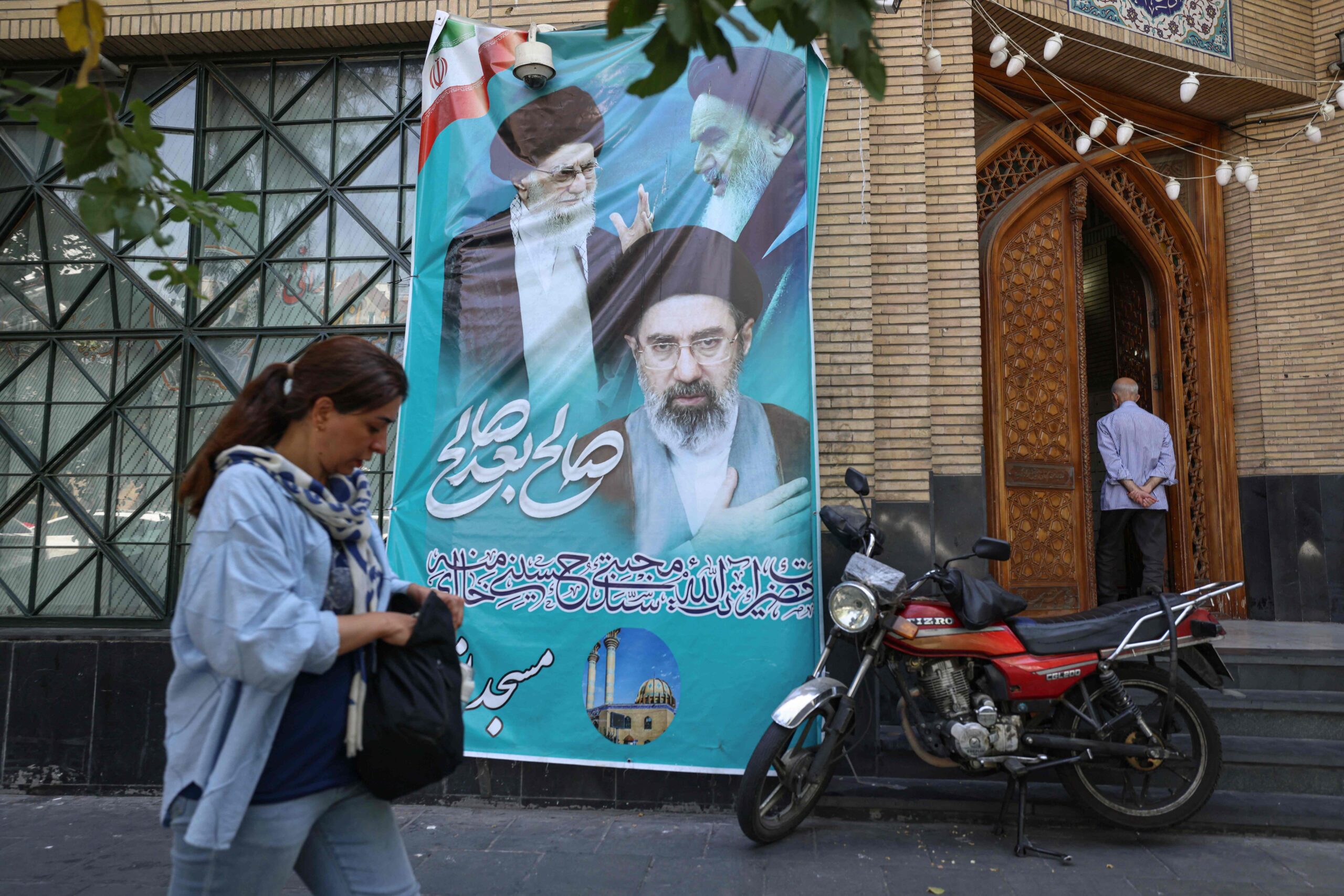
While Nottingham Forest struck the first blow of the weekend on Friday, Tottenham and West Ham – unusually – both play at the same time on Saturday.
The Hammers host Everton and former manager David Moyes, with Spurs visiting already relegated Wolves.
Tottenham boss De Zerbi, whose side conceded a last-minute equaliser to draw 2-2 with Brighton in their previous fixture, said “a win can change this part of the season”.
“We are suffering, they are suffering because it is not easy to play in Tottenham in this condition of the table, but I said they have to be stronger,” he added.
“We have to live every part of the day waiting for a win and preparing for a win.”
Tottenham and West Ham have to contend with similar run-ins, with Spurs arguably facing the slightly easier of the two. The average position of the teams they still have to play is 11th, while for the Hammers it is 10th.
What West Ham do have which Tottenham do not, however, is some semblance of form.
Nuno’s team have won two and lost just one of their past five matches. Spurs have not won since last year.
“The players are improving their levels and the standards,” said Nuno. “We have been solid in defence, good in attack… sometimes not so good. Finding that balance in the remaining matches is going to be crucial for us.”
Workers from two regional parties in India have been fighting on election day for West Bengal’s state assembly. Local media reported the fighting broke out as opposition party leaders accused the state ruling party of voter intimidation.
Waving a big Catla fish in his hands, Sharadwat Mukherjee went door to door canvassing for votes before Thursday’s election to the state legislature in the eastern Indian state of West Bengal.
Mukherjee is a candidate from Prime Minister Narendra Modi’s Bharatiya Janata Party (BJP), which rules nationally but has never come to power in the state, which has a greater population than Germany: more than 90 million people.
When he folds his hands to greet voters, the Catla just swings with a hook in its mouth. The big question: Can the fish also swing the election’s outcome?
Bengalis’ love for fish is legendary — on both sides of the border, in India and in Bangladesh. So much so that when a student-led uprising led to the ouster of then-Bangladesh Prime Minister Sheikh Hasina, some of the protesters who broke into her residence after she fled were seen raiding her refrigerator and walking away with fish.
But as West Bengal votes for its next government, fish has now leapt from kitchen slabs to the campaign trail, as leaders cosy up to voters in a variety of ways — and in some cases try to distance themselves from suspicions that their wins could hit the Bengali diet adversely.
Trinamool Congress (TMC) chairperson and chief minister of West Bengal state Mamata Banerjee, left, along with General-Secretary Abhishek Banerjee, gestures as they announce the party’s candidate list for the upcoming legislative assembly elections, in Kolkata on March 17, 2026 [Dibyangshu Sarkar/AFP]
What’s happening in the West Bengal election?
Nearly 68 million people in West Bengal are expected to vote for their candidate of choice on April 23 and 29, to elect 294 lawmakers to the state assembly.
The results will be declared on May 4 in the crucial state vote, which the Hindu majoritarian BJP has never governed.
A revision of the electoral list, which controversially swept away a total of 9.1 million names from the register before polling, and has been criticised for disenfranchising minorities, was among the major polling issues. Some 2.7 million people have challenged their expulsions.
Another is identity politics.
On the campaign trail, in rallies, and in interviews, the chief minister of Bengal, Mamata Banerjee, a firebrand, centrist regional leader — who has been sometimes touted as a contender for Modi’s job in New Delhi, if the opposition were to win — has doubled down on identity politics to corner the BJP, analysts say.
BJP-led governments in several states have imposed bans or restrictions on the sale of meat. Far-right mobs have carried out lynchings of Muslims in BJP-ruled states over accusations that they were transporting beef.
Banerjee, who is seeking a fourth consecutive term, has time and again warned that if the BJP were to come to power, they would “ban fish, meat, and even eggs” — effectively labelling them as outsiders, unaware of Bengali culture. The BJP has rejected these allegations.
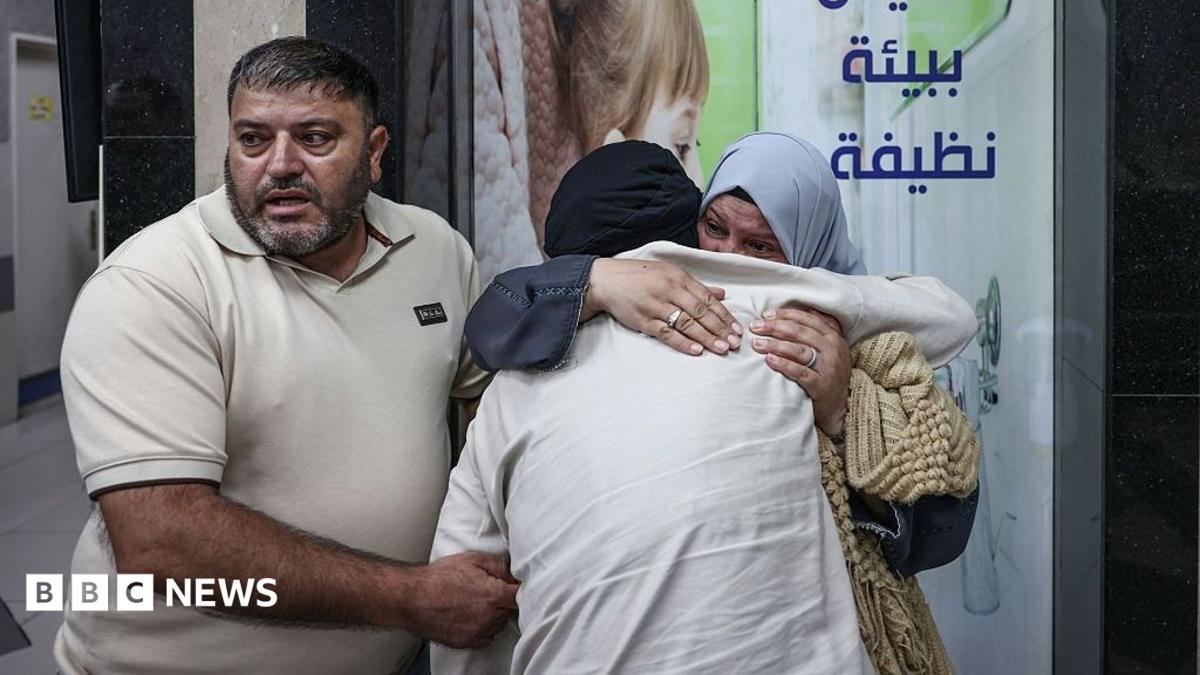
Biswanath Chakraborty, a psephologist and political analyst in West Bengal who has authored several books on voting behaviour, told Al Jazeera that the whole issue surrounding fish had been “constructed by Mamata Banerjee.”
“For long, she has peddled that fish is parallel to Bengali politics,” he said. “In election campaigning, every issue is constructed, and Mamata is the champion of that.”
Chakraborty argued that by fiercely pushing back against these allegations, the BJP had ended up helping the governing party in Bengal make sure the debate over fish remained a campaign highlight with voters.
“They [the BJP] are entering, or rather trapped, into the discourse set by Mamata,” the analyst said.
A fishing boat is anchored in the waters of the Bay of Bengal as fish are hung out to dry along the beach at Dublar Char in the Sundarbans, November 10, 2011 [Andrew Biraj/Reuters]
Why fish, though?
“Fish is very crucial in Bengal, very crucial,” said Utsa Ray, an assistant professor at Jadavpur University, in West Bengal’s capital Kolkata. She also authored a 2015 book on Bengal’s culinary evolution in colonial India, titled Culinary Culture in Colonial India: A Cosmopolitan Platter and the Middle-Class.
“First of all, due to Bengal’s geographical location itself – along the Bay of Bengal – [and as] a place situated near rivers and streams, fish have been the most available item,” she told Al Jazeera.
Fish has also been an integral part of many rituals in Bengal on auspicious days for both Hindus and Muslims, Ray said, adding, however, that there were sects of people in Bengal who refrain from eating fish.
A 2024 study found that nearly 65 percent of people in West Bengal consume fish weekly.
Against that backdrop, Ray told Al Jazeera that Banerjee’s party was looking to leverage “regional identity or the Bengali identity”.
Banojyotsna Lahiri, a social activist and voter in West Bengal, described the BJP’s response, with candidates like Mukherjee campaigning with fish, as a “gimmick”.
“In Bengal, [the BJP] have suddenly realised that they appear as aliens with their vegetarian posturing because both fish and meat are integral to the Bengal culinary choices, caste or religion notwithstanding,” she told Al Jazeera. ”
A labourer wears a plastic sheet as it rains, while he carries Hilsa fish in a bamboo basket at a wholesale market in Diamond Harbour, in the Indian state of West Bengal, September 10, 2024 [Dibyangshu Sarkar/AFP]
What’s up with the BJP and food choices?
In the run-up to the voting on Thursday, the BJP rushed to find a senior leader who could eat a fish in front of the cameras. They finally managed to get Anurag Thakur, a member of parliament from Himachal Pradesh, to do that on Tuesday.
“Questions of what food people will eat, especially non-vegetarian [food], have been associated with the BJP’s politics to impose restrictions and dictate food options,” said Neelanjan Sircar, a senior visiting fellow at the think tank Centre for Policy Research, in Delhi.
The BJP has been dictating food choices in northern India’s Hindi-speaking belt, with its “hyper masculine, Hindutva, and vegetarianism,” said Ray. “There have been cases of lynching for eating non-vegetarian food.”
However, that falls flat in Benga.
Still, both Sircar and Ray agreed that the display of fish on the campaign trail was a novelty — even in the often-bizarre world of Indian politics.
“Creating these new images for the BJP is important,” said Sircar. “So, to create another image in voters’ minds leads to these outlandish displays.”
April 23 (UPI) — A chemical leak at a decommissioning plant in West Virginia has killed two people and left a third in critical condition, according to officials.
More than 30 people required medical treatment because of the leak Wednesday at Catalyst Refiners, a silver recovery plant in Institute, an unincorporated community west of Charleston.
Kanawha County Commissioners President Ben Salango told reporters at a press conference that workers were cleaning and decontaminating the site ahead of its shutdown when at about 9:31 a.m. EDT Wednesday a chemical reaction occurred, creating hydrogen sulfide, a flammable, colorless gas that can be fatal to those who breathe it, according to the Environmental Protection Agency.
Twenty-one people at the site were initially reported by county officials to have either been transported to the hospital or sought medical attention, a number that West Virginia Gov. Patrick Morrisey told reporters during a second press conference held Wednesday night had increased to more than 30.
“To the families we lost today, our hearts are with you and our state grieves with you,” Morrisey said.
“We stand ready to support you in every possible way.”
Among the injured were seven emergency ambulance employees who had responded to the scene, Kanawha County Emergency Management Agency Director C.W. Sigman said.
“When I got there, firefighters and EMS were doing CPR on two of the patients, trying to revive them,” he said.
He said the hydrogen sulfide was the product of nitric acid and M2000A mixing while workers were decommissioning a tank on the site. Sigman explained he was told by the plant manager that it’s “not uncommon” for workers to mix the two together as part of the decommissioning work.
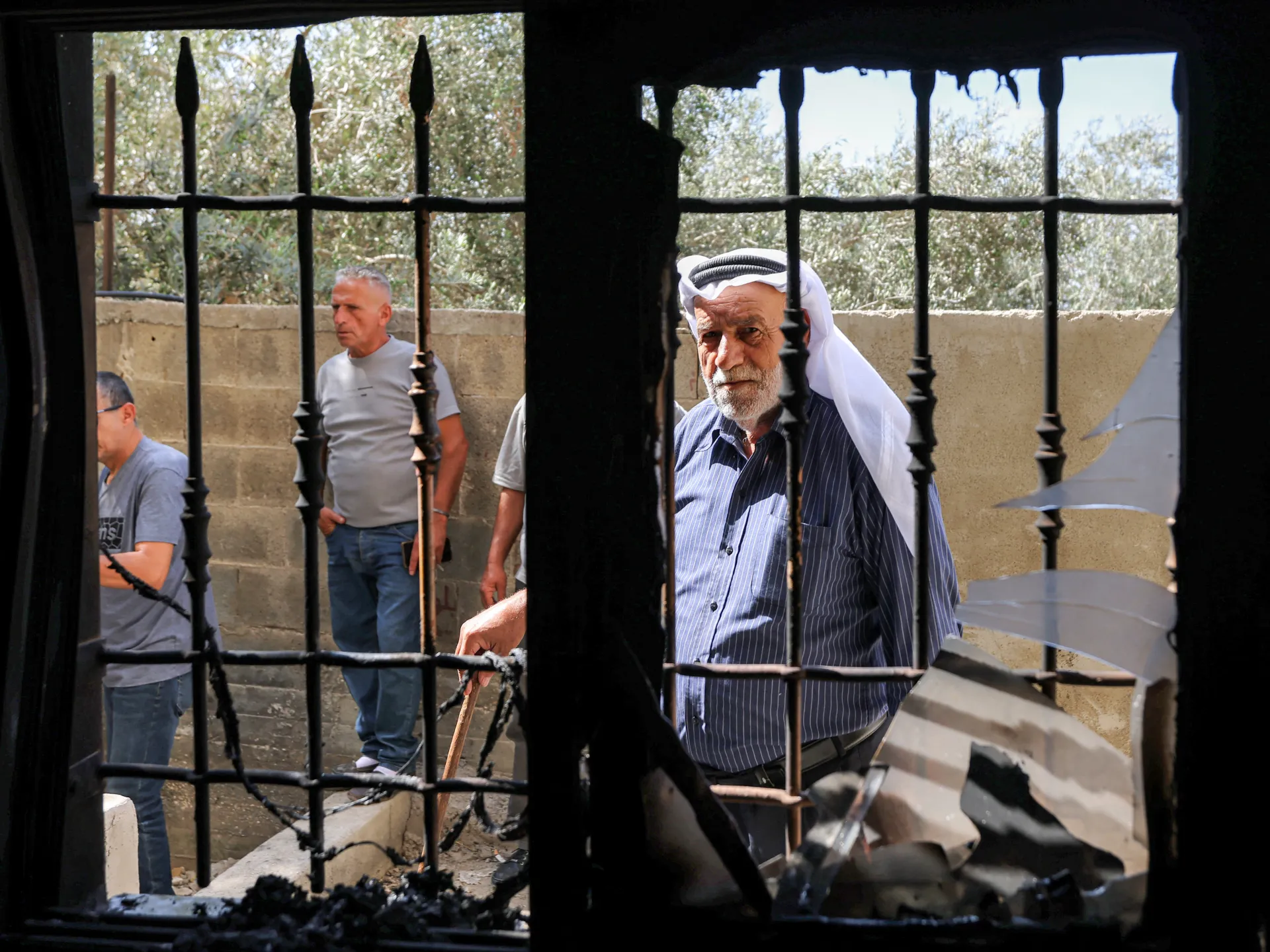
“But there was something going on that was different,” he said. “But that will be for the investigators to determine.”
Officials said an investigation is ongoing and will involve local, state and federal agencies.
A one-mile-radius shelter-in-place order around the plant that was issued has since been lifted and several roads that were closed have been reopened, officials said.
A group of Israeli settlers torched a Palestinian home overnight in the occupied West Bank and prevented the family from escaping. Eight people were injured in the attack, including a one-year-old.