Verstappen

F1 Q&A: What is going on with Ferrari? Will Max Verstappen quit?

Do you honestly think Max will quit F1 at the end of the season if the engine changes aren’t coming? – Paddy

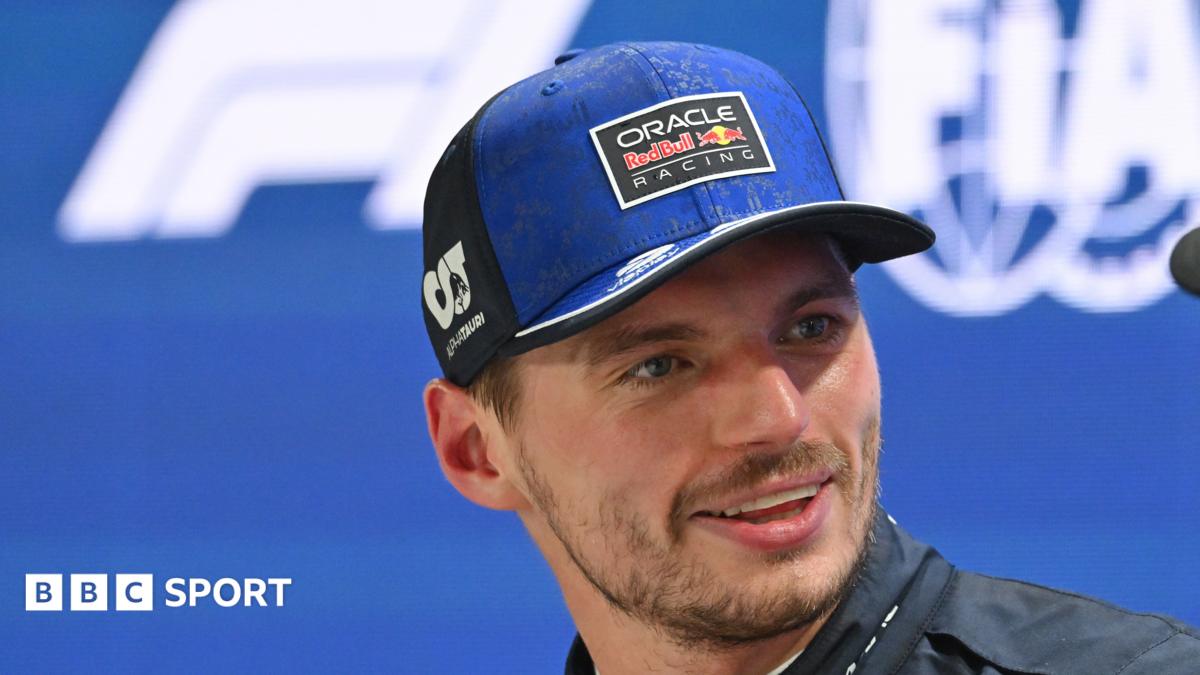
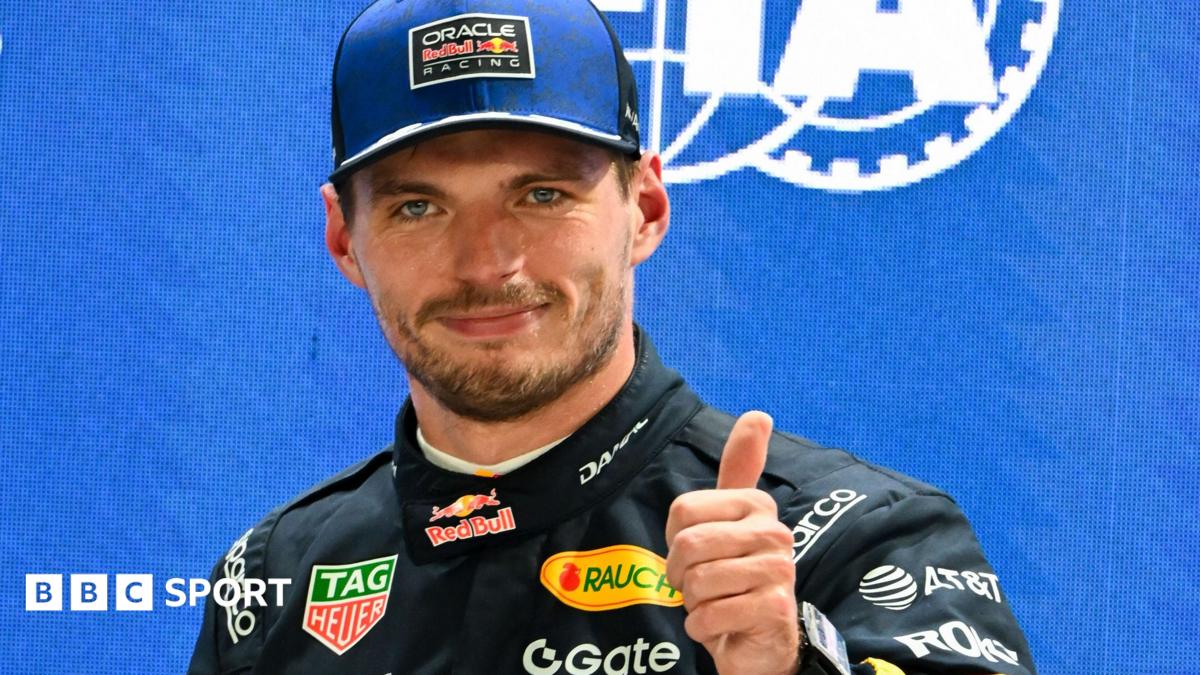
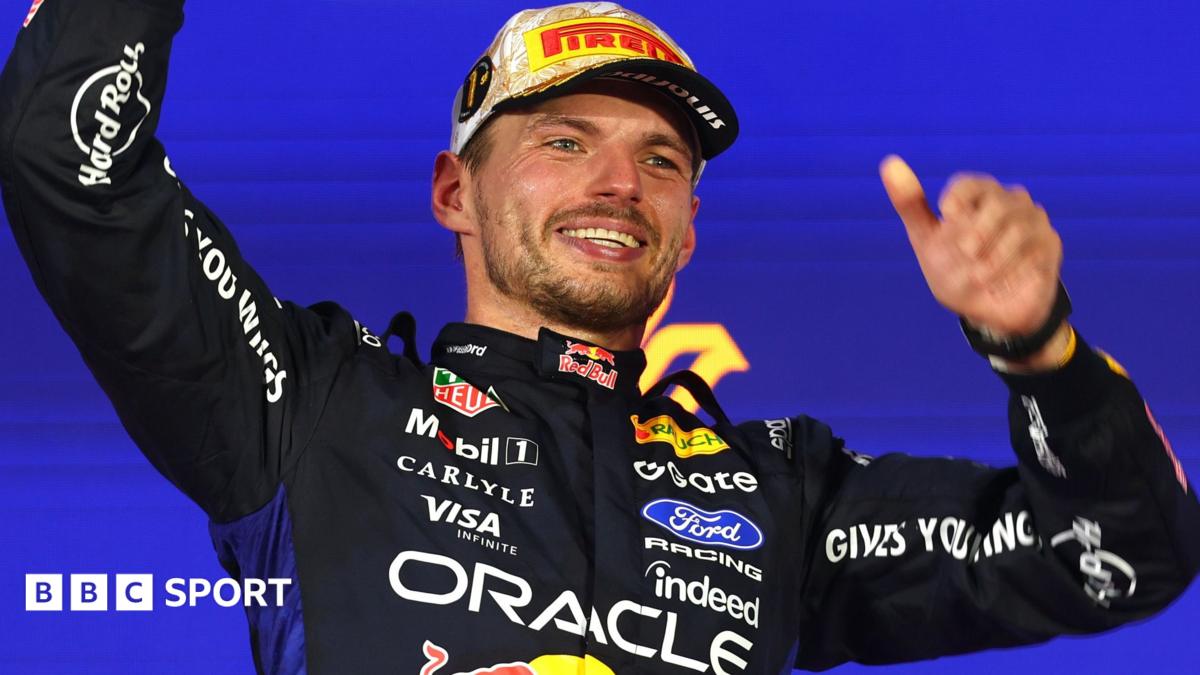
There is no questioning the fact that Max Verstappen is being genuine when he says he doesn’t think he can face another year driving the cars as they are.

In Montreal, he made it pretty clear that he does not fancy sticking around if the engine rules don’t change. “It’s just mentally not doable for me to stay like this,” he said. “It’s really not.”

After the race, he admitted he had “enjoyed a lot” his battle with Hamilton. But he also expanded on why he doesn’t like the new cars or, more precisely, the new engines, with their need for constant energy management.

Verstappen said that racing in the Nurburgring 24 Hours had reminded him “how pure motorsport can be”.

In F1, this year, he said: “For me, while driving, it’s all a bit confusing. It’s not what Formula 1 should be about. It’s way too complex.

“Most of the rules, the fans don’t even know what we are dealing with while driving, what is allowed when you’re behind or when you’re the car ahead, what we have to do on a formation lap or what we have to do in an out-lap, or how much battery that we’re allowed to charge.

“It’s just such a shame that we have to deal with all these things. F1 just needs to be more pure and I really hope that what they try to do [for] next year will go through because I think that is necessary, the minimum necessary, to make it a bit more natural and a bit more back to normal, or at least a bit more pure racing.

“As drivers, give us any kind of car, we’ll always race and give good entertainment or a good show. Doesn’t matter that people say, ‘Oh, but look now, the show is great, the cars were fighting.’ But it has nothing to do with the car. It just needs to be more pure.”

Verstappen is the most outspoken, but all the drivers basically feel the same way.

Antonelli said after the race that “still sometimes it triggers you a little bit how the system works”.

And Hamilton said: “It still continues to be a weird feeling”, adding: “You go on the power, you open up the [straight-line mode], and then the power dies halfway down the straight and the RPM starts dropping.

“It doesn’t feel what motorsport should be. The engine should be ringing its neck right to the end of the straight and just pulling and pulling.”

Verstappen is referring to the current attempt by F1 bosses to change the split between internal combustion and electrical power to 60:40 next year rather than the nominal 50:50 (in reality about 54:46) at the moment.

This is likely to be done by increasing the fuel-flow limit, and would reduce the need for energy management, especially in qualifying, and make the driving more “on the limit” again.

The regulators also have a chance to address some of the peculiarities of the new rules which are making the cars and engines extremely difficult to handle on warm-up laps because of the requirement not to go over a particular energy limit.

I won’t go into that here because it’s incredibly complex – but when you hear about what the drivers are having to do, the reaction is to scratch your head and wonder how on earth F1 ended up in this mess.

Although the FIA said more than two weeks ago that there was an “agreement in principle” on the 60:40 move, there has so far not been enough support from engine manufacturers for the changes to go through.

However, bosses are trying to lean on the companies opposed – Ferrari, Audi, Honda and Cadillac. And there is hope that an agreement, with suitable compromises addressing the concerns of, particularly, Ferrari and Audi, can be reached this week.

It’s worth mentioning that the rules have had some superficial positives, mainly to do with racing.

The new cars are lighter, smaller, and more nimble. And ‘overtake mode’ – which gives a car behind an extra 0.5MJ of electrical energy per lap if within a second of the car in front – has led to the multi-lap battles in which cars pass and repass a number of times that have become a feature of this year’s racing.

The hope is to be able to retain this while addressing the concerns about the way the new engines have negatively affected the purity of driving.

Source link

F1 Q&A: Max Verstappen and racing in other series, Antonelli at Mercedes, V8 engines and the effect of drivers’ height and weight

This question essentially centres on the push by FIA president Mohammed Ben Sulayem to return Formula 1 to a set of engine regulations that are pretty much the same as the era from 2010-13.

We delved into this topic extensively last week. There’s a link to that article below.

Now, as to the specific question, yes, 2013 was pretty boring, or at least the second half of it was.

The season started relatively competitively – Red Bull’s Sebastian Vettel won four of the first 10 grands prix, but Ferrari’s Fernando Alonso, Lotus’ Kimi Raikkonen and Mercedes drivers Nico Rosberg and Lewis Hamilton all won over that period.

But a change to the specification of tyres following a series of blow-outs at the British Grand Prix led to Red Bull dominating and Vettel won the last nine races in a row to clinch a fourth consecutive world title.

The last years of the V8 era, once refuelling was banned at the end of 2009, fluctuated between intensely competitive and, er, not.

The 2010 and 2012 seasons had gripping title fights. In 2010 there were five drivers in the running until the penultimate race, and four mathematically at the last one.

That was the year Ferrari dropped the ball on strategy in Abu Dhabi and threw away the title, letting Red Bull and Vettel in to win their first title.

In 2012, there were seven different winners in the first seven races, and the title fight between Vettel and Alonso went to the final race again.

In 2011, as in 2013, Vettel and Red Bull dominated.

But there were a lot more factors involved in those scenarios than just engines. Tyres, for one. The relative competitiveness of the cars for another.

However, the naturally aspirated era – and especially the years from 1994-2009 when there was refuelling – was notorious for the lack of overtaking on track.

That has certainly increased this year with the new style of “yo-yo racing” brought about by the new hybrid engines.

There are so many issues wrapped up in this engine debate. Some of it may well be people harking back to the past, one they felt was more attractive than what F1 serves up today.

But there is also a cost issue, whether the essence of F1 has been polluted, noise, the changing road-car market place and on and on.

Source link