Former GOP Rep. David Rivera sentenced to 10 years for secret Venezuela lobbying
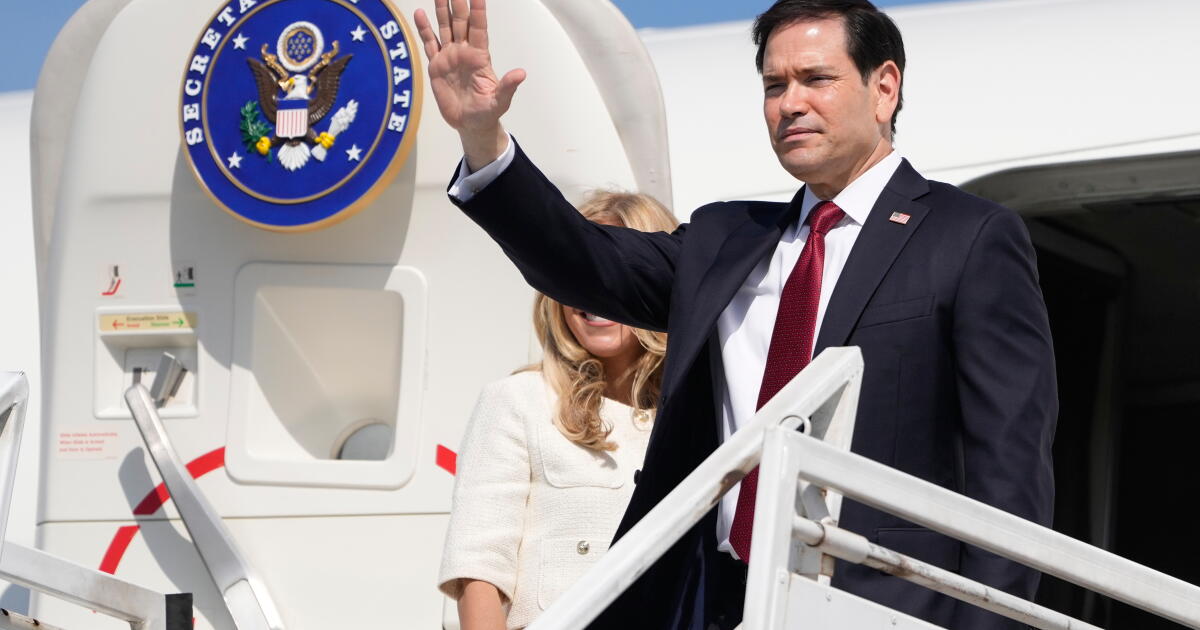
MIAMI — A former Miami congressman and longtime friend of U.S. Secretary of State Marco Rubio was sentenced Friday to 10 years in prison in connection with a secret $50 million lobbying campaign on Venezuela’s behalf during the first Trump administration.
Republican David Rivera has been jailed since jurors found him guilty in May on all counts, including failing to register as a foreign agent and conspiracy to commit money laundering as part of his work for former Venezuelan President Nicolás Maduro ’s government.
Rivera, 61, appeared stone-faced as Judge Melissa Damian denounced him for betraying his life’s mission, saying he would surely have been judged harshly his many friends had the millions of dollars come from the Cuban regime instead of its allies in Caracas.
“Nobody would accept that’s ok and I don’t think this is different,” the judge said. “There’s no dispute this money came from the Maduro regime.”
The seven-week trial offered a rare glimpse into Miami’s role as a crossroads for foreign influence campaigns aimed at shaping U.S. policy toward Latin America, highlighting the city’s reputation as a magnet for both anti-communist crusaders and corruption among its sizable exile population.
It included testimony from President Trump’s secretary of state, Rep. Pete Sessions of Texas and a top Washington lobbyist — all of whom testified they felt betrayed when learning of Rivera’s mammoth consulting contract with a U.S.-based affiliate of Venezuela’s state oil company, PDVSA.
Attorneys for Rivera plan to appeal and in June applied for a presidential pardon. Rivera faces additional federal charges in Washington, D.C., in a related foreign lobbying case.
Prosecutors said betrayal featured coded figures — ‘Sombrero’ and ‘Miss Clairol’
In an indictment unsealed in 2022, prosecutors alleged that Rivera was tapped by then Foreign Minister Delcy Rodríguez — now Venezuela’s acting president — to work Republican connections to get the first Trump administration to abandon its hard line and crippling sanctions on Venezuela.
As part of the charm offensive, Rivera and a co-defendant, political consultant Esther Nuhfer, sought to manipulate influential friends, including Rubio and Sessions. Their goal was to normalize relations with the new Trump administration even as the Maduro government faced sanctions over serious accusations of human rights violations.
But Rivera and Nuhfer didn’t disclose their lobbying work as required, for fear it would have ended Rivera’s political career as an anti-communist stalwart, prosecutors argued at trial.
“The United States and the public were the true victims of this fraud,” Assistant U.S. Atty. Roger Cruz said in urging a stiff sentence. “He used his position of trust — and betrayed it consistently and repeatedly.”
To hide his work, prosecutors allege, Rivera also set up an encrypted chat group called MIA — for Miami — with his main conduit to the Maduro government: Venezuelan media tycoon Raúl Gorrín, who was subsequently charged in the U.S. with bribing top Venezuelan officials.
Members of the group used playful code words to discuss their activities: Maduro was the “bus driver,” Sessions “Sombrero,” Rodríguez “The Lady in Red,” and their windfall payments “La Luz,” Spanish for “The Light,” according to copies of text messages presented to the jury. Rubio was known as “Miss Clairol,” because rubio means blond in Spanish.
Defense said only missing paperwork made the $50 million contract illegal
At Friday’s sentencing, attorneys for Rivera repeated their trial argument that the former congressman believed he was under no requirement to disclose the work. The three-month, $50 million contract with Rivera’s one-man consulting firm, they said, was focused on luring oil giant ExxonMobil back to Venezuela — commercial work that is generally exempt from the Foreign Agents Registration Act.
“David Rivera does not deserve to die in prison because he failed to file a FARA registration,” defense attorney Ed Shohat said at Friday’s hearing. “If he had filed that paper, that form, everything he did, including the $50 million contract, which totally distorted this case, is perfectly legal.”
Wholly distinct from that consulting work, they say, were Rivera’s meetings with Rubio and Sessions, which were focused on ushering in leadership in Venezuela that would be less hostile to the U.S. – not supporting Maduro in normalizing relations with the U.S.
“There’s not one word in any chat, not one document, not one thing he did to help Nicolás Maduro,” said Shohat.
Prosecutors said Rivera used the contract with the affiliate, New York-based PDV USA, as cover for illegal lobbying.
“This is a classic money laundering case,” the judge said Friday in rejecting Rivera’s motion to lower the federal guidelines range.
Where did the money go? A luxury yacht, among other things
The partners tried to hide the work — backdating documents and coming up with sham agreements, like one to justify a wire transfer of $3.75 million to a South Florida company that maintained Gorrín’s luxury yacht, prosecutors said.
The political activity included setting up meetings for Rodríguez in New York, Caracas, Washington and Dallas. As part of the effort, Rivera roped in Sessions, who later tried to broker a meeting for Rodríguez with the ExxonMobil executive who took over as CEO when Rex Tillerson became Trump’s first-term secretary of state. After a secret meeting in Caracas with Maduro, Sessions also agreed to deliver a letter from the Venezuelan president to Trump.
The outreach quickly unraveled, however. Within six months of taking office, Trump sanctioned Maduro and labeled him a “dictator,” launching a “maximum pressure” campaign to unseat the president.
And now, nearly a decade later, Rodríguez has emerged as the second Trump administration’s trusted partner after the U.S. military’s ousting of Maduro.
Rubio’s former housemate faced scandal before, but Cuban Americans support him
Before being elected to Congress in 2010, Rivera was a high-ranking Florida legislator and shared a Tallahassee home with Rubio, who eventually became the Florida House speaker.
Rivera faced earlier controversy, including allegations that he secretly funded a Democratic spoiler candidate in a 2012 congressional race. Last year, federal prosecutors dropped that case after an appeals court threw out a sizable fine imposed by a lower court. Rivera was also investigated — but never charged — for alleged campaign finance violations and a $1 million contract with a gambling company while serving in the Florida Legislature.
Despite all that, Rivera remains popular among Miami’s Cuban American establishment.
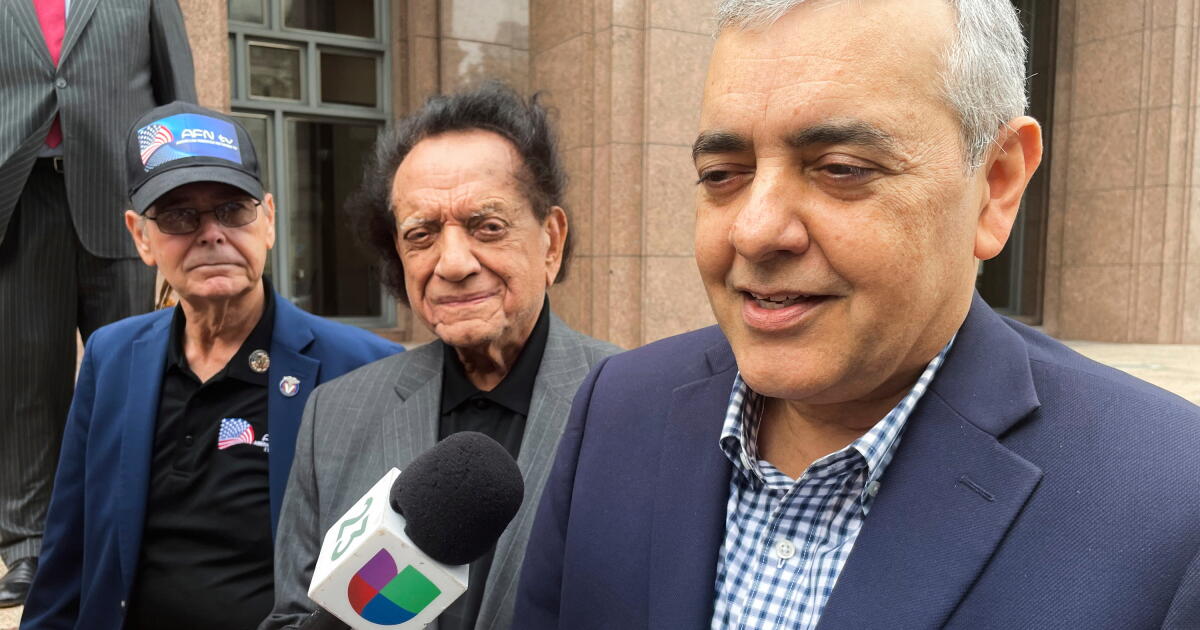
Friends of the former congressman, including the former president of Florida International University and Miami-Dade County’s supervisor of elections, packed the courtroom to show their support.
Sessions, in a letter seeking leniency that was read into the record by his chief of staff, said his former congressional colleague devoted decades to public service, much of it focused on defending liberty and democracy.
“I don’t think it’s productive for society by sending David away for a long, long time,” testified Liliana Ros, a longtime Miami GOP committee member.
Goodman writes for the Associated Press.