Hundreds took to the streets of Bogota to protest the ongoing genocide in Gaza.
Published On 8 Oct 20268 Oct 2026
Protesters have rallied in Colombia’s capital opposing the new far-right government’s policy towards Israel.
Hundreds took to the streets of Bogota on Wednesday to protest against the ongoing genocide in Gaza and the Colombian government’s decision to restore diplomatic and economic relations with Israel.
Recommended Stories
list of 3 itemsend of list
The protesters, who began their rally in front of the Israeli embassy in Bogota, criticised President Abelardo de la Espriella’s decision to open a new Colombian embassy in Jerusalem.
The rally marked three years since the Hamas-led attacks of October 7, 2023, which were followed by Israel launching a genocidal war on Gaza.
“When diplomatic relations with Israel were broken off, the message was that we would not be a nation complicit in their atrocities,” Nicolas Isaza, who took part in the protest, told Al Jazeera.
“Today our government is no longer drawing a line against the atrocities being committed in Palestine,” he added.
De la Espriella, who was sworn in as president in August, promised close relations with the US and Israel during his election campaign as a way to combat armed groups in his country.
Colombia’s government has since restored relations with Israel after former President Gustavo Petro, who criticised Israel’s genocidal war on Gaza, severed diplomatic relations and halted Israeli arms imports.
The Colombian government also recognised Israel’s claim of sovereignty over the occupied Syrian Golan Heights, just days after the new president took power.
Australian police and intelligence join the list of those probing the incident.
Published On 4 Oct 20264 Oct 2026
Authorities have said they are investigating the links of the co-pilot of the Israel-bound Flydubai flight with Australia.
A multi-agency Australian police and intelligence team – the Victorian Joint Counter Terrorism Team – is carrying out the probe, a spokesperson said on Sunday.
Recommended Stories
list of 3 itemsend of list
Mystery surrounds the co-pilot, who is accused of attacking the captain with an axe and attempting to seize control of Flight FZ1073 from Dubai as it approached Israel, and how he was able to acquire his seat in the plane’s cockpit.
He had been barred from flying in his own country because of concerns that he had adopted “extremist” views, The Associated Press news agency cited sources as saying.
While al-Hammami reportedly spent part of his life in the United Arab Emirates, the Reuters news agency, citing sources briefed on the Australian investigation, reported that he studied at a university in the Australian city of Melbourne.
A third unnamed source told the agency that he studied at RMIT University, a public research university in Melbourne, about a decade ago.
The Financial Times also reported al-Hammami’s links to Australia. Citing two sources familiar with the Australian investigation, the FT said al-Hammami had allegedly visited what it described as “radical mosques and extremist websites” while in the country.
Disaster was averted after passengers and crew subdued the co-pilot and a reserve pilot took over its controls and completed an emergency landing in Saudi Arabia.
However, the case has raised questions about security in Israel, which has some of the world’s strictest aviation security measures.
The prosecutor general of the UAE, Hamad Saif al-Shamsi, has labelled the attack an attempted “terrorist act”.
Israeli Prime Minister Benjamin Netanyahu has said that Israel has longstanding arrangements with foreign airlines aimed at preventing pilots who are nationals of countries without diplomatic relations with Israel from flying there.
Netanyahu said a “loophole” appears to have allowed the Omani pilot to take part in the Flydubai flight, and that Israel would now strengthen its checks.
The UAE has not yet publicly established a motive or announced whether investigators believe al-Hammami acted alone.
UAE presidential adviser Anwar Gargash said on Saturday that the latest “terrorist” attack is a new warning that the region’s fight against “extremism” is not over.
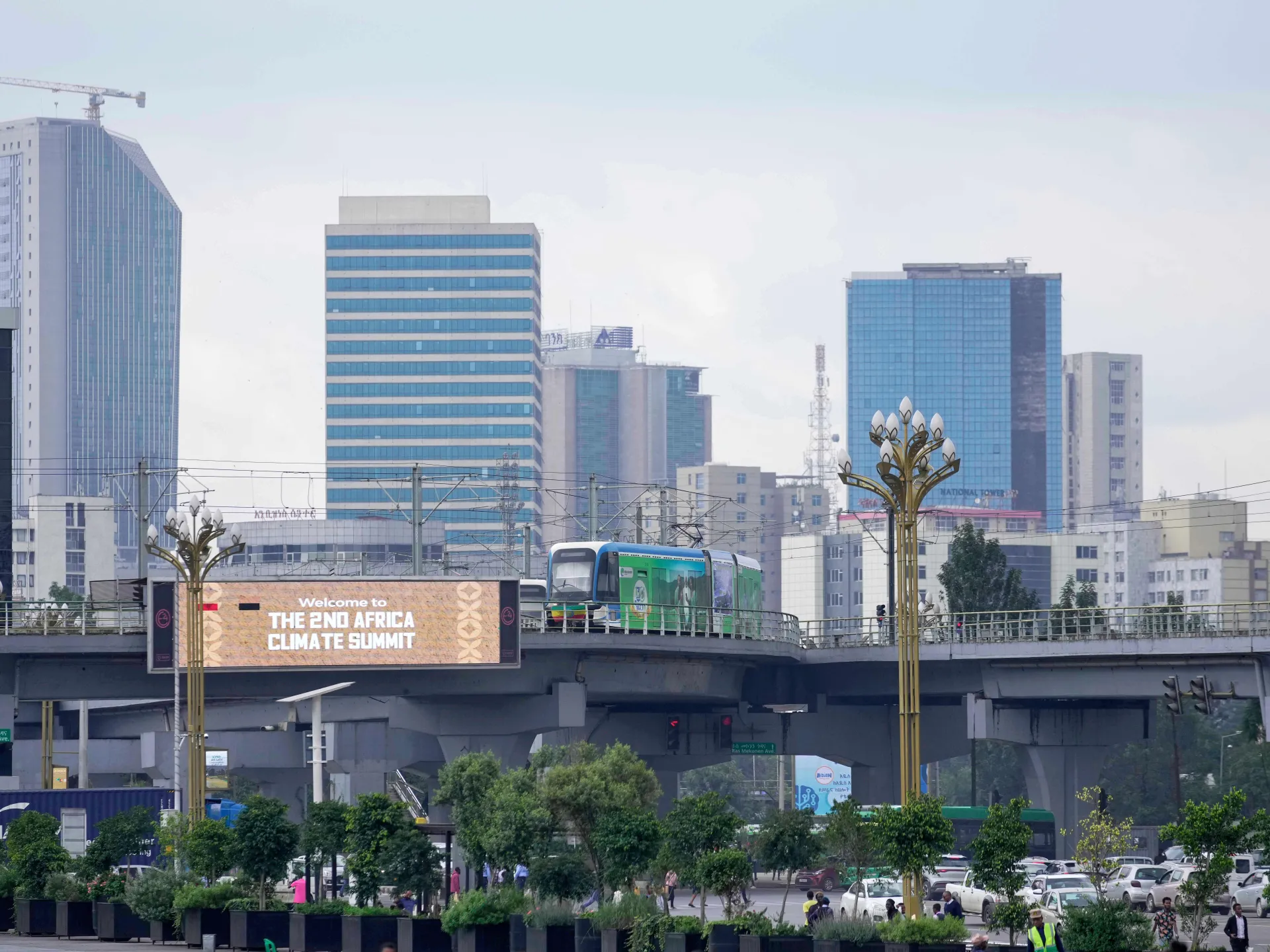
Eritrea has cut off diplomatic relations with neighbouring Ethiopia, escalating a long-simmering conflict between the two states rooted in territorial disputes and mutual accusations of interference.
The move comes as fighting flares in northern Ethiopia between Ethiopian federal troops and an opposition alliance that Addis Ababa accuses Eritrea of backing.
Recommended Stories
list of 3 itemsend of list
The clashes are the most severe in Ethiopia since its 2020-2022 civil war that killed hundreds of thousands of people.
But this time, the ripple effects could go further, potentially fuelling broader unrest in a region already plagued by numerous interrelated conflicts, analysts warn.
Here’s what we know about the Ethiopia-Eritrea conflict, the latest fighting in northern Ethiopia and what it could mean for the region at large:
Why did Eritrea break off ties with Ethiopia?
Eritrea announced it was severing ties with Ethiopia on Thursday, after Addis Ababa announced it would close its embassy in Asmara and expel 10 Eritrean diplomats.
In a statement, Eritrea’s Ministry of Foreign Affairs said Ethiopia’s actions had left it with “no option but to reciprocate in kind and sever all diplomatic ties with Ethiopia”.
The Eritrean ministry accused Ethiopia of pursuing a years-long “agenda of incessant hostility”, including by infringing on its coastal areas and arming fighters opposed to Ethiopia’s government.
Ethiopia has likewise accused Eritrea of backing armed groups opposed to its government. Both sides have rejected the other’s accusations.
The diplomatic breakdown follows months of worsening relations, driven largely by disputes over landlocked Ethiopia’s push for access to the Red Sea and allegations that Eritrea is backing the rebel Tigray People’s Liberation Front (TPLF), which leads the Ethiopian Peoples’ Forces Alliance for Survival, a rebel alliance fighting for control of parts of northern Ethiopia.
Have Ethiopia’s ties with Egypt and Sudan been hit, too?
Yes. Ethiopia accuses Egypt and Sudan of joining Eritrea in backing Tigrayan rebel forces, worsening already strained ties with both countries.
Ethiopia has long been at odds with Egypt over the status of Ethiopia’s Grand Ethiopian Renaissance Dam (GERD) project, which Cairo views as a risk to its water security and share of the Nile.
Ethiopia and Egypt have also expelled diplomats. Cairo ordered an Ethiopian diplomat to leave the country on Thursday, after Addis Ababa earlier kicked out an Egyptian diplomat, Egyptian state-linked media reported.
Egyptian state-linked broadcaster Al-Qahera News quoted an Egyptian official as calling Ethiopia’s move to expel the Egyptian diplomat as “regrettable and unjustified” and saying that Cairo responded in line with “the principle of reciprocity”.
The latest conflict also has implications for Sudan, whose military-backed government accuses Ethiopia of backing rebel forces it is fighting in its own civil conflict. Ethiopia rejects those allegations.
“The conflicts in Ethiopia and Sudan have become more interconnected, with the Ethiopian government and Sudanese Armed Forces accusing each other of harbouring and equipping respective opposition forces from inside their own borders,” Ahmed Soliman, senior research fellow at the Chatham House think tank’s Africa programme, told Al Jazeera. “Egypt has also been drawn into the escalation with its long-running enmity with Ethiopia over the Nile.”
What is happening in northern Ethiopia?
Tigrayan-led rebel forces have engaged in clashes with Ethiopian government-backed forces in the country’s north since last week. Fighting is concentrated in three regions: Tigray, Amhara and Afar.
Al Jazeera’s bureau chief in Ethiopia, Mohammed Taha Tawakel, reported that forces loyal to the federal government have made significant gains in the Tigray region, taking control of several towns and closing in on the regional capital, Mekelle.
Further east in Afar, a pro-government armed group claimed on Thursday to have recaptured the town of Erebti, which rebel forces had taken control of earlier in the week. The pro-government group thanked the Ethiopian military for its “magnificent air support” and said it would pursue further advances.
Despite the pro-government advances, Tawakel reported that rebel forces still maintain what he described as a “strong rear link with Eritrea” along the countries’ border.
He also reported growing fears that fighting could move into major urban centres of Tigray, such as Adwa, Axum, Shire and Mekelle. Some people have already begun fleeing to Amhara and Afar, he added.
Outside northern Ethiopia, the conflict appeared to spill into the capital, Addis Ababa, for the first time early on Thursday, as an explosion was reported at the Ministry of Defence.
AFP quoted a diplomatic source as saying small drones were the most probable cause of the blast.
While Ethiopia’s army has a much larger arsenal of drones, rebel forces have previously used them to target airbases and airports in various parts of the country, reported conflict monitor ACLED.
What are the roots of the Ethiopia-Eritrea dispute?
Ties between the neighbours have been historically fragile. In 1962, Ethiopia annexed Eritrea. An armed independence struggle, led by Eritrea’s current President Isaias Afwerki, secured independence in 1993. The countries fought another border war from 1998 to 2000.
When Ethiopian Prime Minister Abiy Ahmed came to power in 2018, he moved to end the tensions and normalise diplomatic relations with Eritrea. During Ethiopia’s last civil war in 2020-2022, Eritrea even backed Ethiopia’s government against the TPLF.
But Abiy’s ambitions to seek direct sea access for landlocked Ethiopia have contributed to recent tensions, say analysts. Abiy has repeated that Ethiopia has a right to sea access, words that officials in Asmara take as a declaration of territorial conflict with Eritrea.
Could the current conflict spread in the region?
Many analysts fear it could.
Laura Hammond, professor in development studies at SOAS University of London, told Al Jazeera this scenario is already under way.
“The risks that conflict will spread to other countries, or that neighbours in the region will be brought into the present conflict are already playing out in terms of Eritrea’s support for the TPLF and the Alliance for Survival,” said Hammond.
“There is a strong possibility that Eritrea will become more involved in the conflict on the ground inside Tigray if it continues much longer,” she continued. “There is also a risk that the conflict could inflame relations with and inside Sudan.”
Martin Plaut, an analyst specialising in the Horn of Africa, also said there was a “real danger” of the conflict spreading.
“The situation is extremely tense and it would only require a spark to ignite a conflagration that could engulf [Ethiopia and Eritrea], as well as neighbouring Sudan,” he told Al Jazeera.
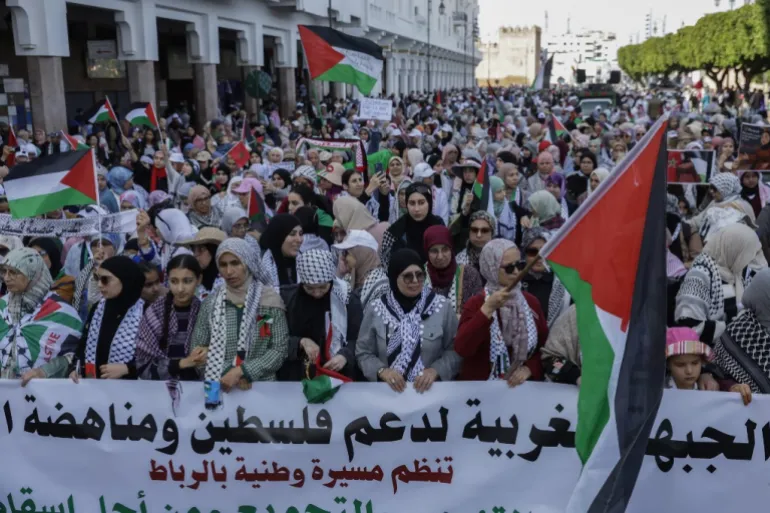
Pro-Palestine protests have spread across several Moroccan cities, with demonstrators demanding an end to diplomatic normalisation with Israel as Rabat deepens ties with Tel Aviv.
The latest mobilisation took place on September 27, at the end of three days of action called by the Moroccan Front for Supporting Palestine and Against Normalisation.
They followed a September 16 announcement that Morocco and Israel would elevate their diplomatic missions to full embassies and appoint ambassadors.
On September 25, the Moroccan Committee for Supporting the Nation’s Causes said it had organised 76 events in 45 cities under the slogan “Friday for Al-Aqsa and against normalisation”.
Moroccan media reported gatherings in cities including Rabat, Casablanca, Marrakesh, Tangier, Fez, Agadir, Oujda, Tetouan, Kenitra and Sale. The 76-event figure was the committee’s own count, with no independent national tally of participants.
In Rabat, protesters gathered outside Parliament, while a demonstration in Marrakesh developed into a march through several main streets, according to Lakome. Moroccan media also reported restrictions and arrests in some cities.
Restrictions and arrests
The mobilisation faced restrictions in some cities.
In Tangier, local authorities issued a decision banning a planned demonstration on September 27. Achkayen later reported that security forces dispersed hundreds of participants and that more than 12 people were detained, citing its own sources.
Lakome reported that authorities also prevented demonstrations in M’diq, while security forces surrounded a gathering in Agadir to prevent it from becoming a march.
Pro-Palestine protesters take part in a demonstration against Morocco’s diplomatic ties with Israel [Abdel Majid Bziouat/AFP]
The Moroccan Committee for Supporting the Nation’s Causes subsequently condemned what it described as bans, restrictions and arrests.
The response underscored another dimension of the dispute: Opposition to the relationship with Israel has remained visible on the streets, even as the government has continued to develop official ties.
A relationship under public pressure
Morocco restored diplomatic relations with Israel in December 2020 as part of the US-brokered Abraham Accords framework, alongside Washington’s recognition of Moroccan sovereignty over Western Sahara.
On September 16, Moroccan Foreign Minister Nasser Bourita and Israeli Foreign Minister Gideon Saar met in New York at a trilateral summit hosted by US Ambassador to the United Nations Mike Waltz.
The three countries confirmed plans to elevate the Moroccan and Israeli diplomatic missions to full embassies and exchange ambassadors.
Morocco and Israel also agreed to conclude agreements on investment protection and avoiding double taxation, expand direct flights and organise high-level reciprocal visits.
The move therefore goes beyond maintaining diplomatic relations established in 2020. It sets out a broader programme of institutional, economic and transport links between the two countries.
For opponents of the relationship, the embassy agreement represents another step in a policy they have rejected since 2020.
Public opinion and state policy
Morocco has maintained diplomatic relations with Israel while continuing to publicly support the Palestinian cause and the establishment of a Palestinian state.
For opponents of normalisation, however, the two positions are incompatible, particularly amid Israel’s genocidal war on Gaza.
“What has changed is the political context: Normalisation is being consolidated at a time when the war in Gaza has generated unprecedented public anger and intense images of Palestinian suffering,” Kathya K Berrada, senior programmes manager at the Arab Center for Research, told Al Jazeera.
“What we are seeing in Morocco is a growing disconnect between official diplomacy and public sentiment,” Moroccan activist Mouna Rahiani said, citing the latest Arab Opinion Index, which found that 89 percent of Moroccans surveyed opposed their country recognising Israel, while six percent supported it.
“While the state is moving towards deeper and more formal relations with Israel, Moroccans are still taking to the streets to say that Palestine cannot be treated as separate from our political and moral responsibilities,” she said.
The September agreement has brought an existing tension into sharper focus: public mobilisation against normalisation continues while the state pursues closer institutional ties with Israel.
Berrada said there was an important distinction between official policy and popular opinion, arguing that there is not enough reliable public data to establish how many Moroccans support or oppose normalisation.
Western Sahara adds another layer
The timing also matters for Morocco’s Western Sahara policy. The United Nations Security Council is due to consider the mandate of the UN Mission for the Referendum in Western Sahara (MINURSO) in October. Its current mandate runs until October 31, 2026.
The September 16 trilateral statement came against the backdrop of US recognition of Moroccan sovereignty over Western Sahara and Israel’s support for Morocco’s position on the territory.
For Rabat, the relationship with Israel sits within a wider foreign-policy framework in which ties with Washington and international support for its position on Western Sahara remain important.
For opponents of normalisation, however, that strategic calculation does not resolve their objection to closer ties with Israel, particularly while the Palestinian issue remains highly salient.
Ahmed, a Moroccan sociologist who asked to be identified by one name, said the September 16 move was “a continuation of the trilateral agreement of December 10, 2020”, but that Morocco should make the relationship “comprehensive, not selective or partial”.
The election changes the political backdrop
The protests came days after Morocco held parliamentary elections on September 23.
The final results gave the Authenticity and Modernity Party 97 of the 395 seats, followed by the National Rally of Independents with 66, the Istiqlal Party with 65 and the Party of Justice and Development (PJD) with 54.
The PJD had won 13 seats in 2021. Turnout was 38.08 percent, compared with 50.86 percent in 2021 and 42.27 percent in 2016, according to Morocco’s Ministry of Interior.
It was the PJD in power when Morocco restored relations with Israel in 2020. Then-Prime Minister Saadeddine el-Othmani signed the Morocco-US-Israel joint declaration that December.
The PJD has maintained that opposition to normalisation was a longstanding party position. The party subsequently reaffirmed its rejection of normalisation and relations with Israel, while el-Othmani defended the 2020 decision as a state-level decision.
On September 17, following the announcement of the planned diplomatic upgrade, the PJD’s general secretariat reiterated its opposition to normalisation and to relations and agreements with Israel.
After the election, the PJD’s national council unanimously decided to remain in parliamentary opposition and not participate in the next government.
Pro-Palestine protesters demonstrate against normalisation with Israel, as Morocco moves to deepen diplomatic ties with Tel Aviv [Mosa’ab Elshamy/AP]
The PJD’s position has illustrated the limits of using party politics to measure the effect of opposition to normalisation. The party opposed the policy while in government, yet its prime minister signed the 2020 declaration.
Its larger parliamentary presence in 2026 gives the issue a stronger political platform, but does not by itself alter Morocco’s foreign policy.
It has not been established that the Palestine issue or opposition to normalisation was a decisive factor in voting, and neither do the PJD’s gains demonstrate that its position on Israel directly drove its increased representation.
From the streets to politics?
The September demonstrations show that organisations opposed to normalisation retain the ability to mobilise across a wide geographic area. But their effect on government policy is less clear.
“There is an important distinction between state policy and popular opinion. Normalisation is an official state decision, but there is limited reliable public data allowing us to measure the level of popular support for it,” Berrada said.
Moroccan protesters display signs supporting Palestinians during a mobilisation against diplomatic ties with Israel [Abdel Majid Bziout/AFP]
“It would therefore be difficult to claim that either a majority or a minority of Moroccans endorse the policy.”
That distinction is important when assessing the significance of the protests. Demonstrations can show the strength and persistence of organised opposition, but they do not by themselves establish the views of the wider population or show that government policy will change.
The PJD now has a larger parliamentary presence than it did after the 2021 election, but it remains in opposition. It will be able to voice its opposition to normalisation in Parliament, but will not have a place in government.
At the same time, the September 16 agreement remains part of a broader Moroccan foreign-policy framework involving the United States, Israel and Western Sahara. The Security Council’s consideration of MINURSO in October will provide another diplomatic setting in which Morocco’s position on the territory is under discussion.
For now, the protests demonstrate that opposition to normalisation remains capable of sustained mobilisation, while the government continues to deepen the relationship. Whether that public opposition translates into sustained political pressure remains less clear.
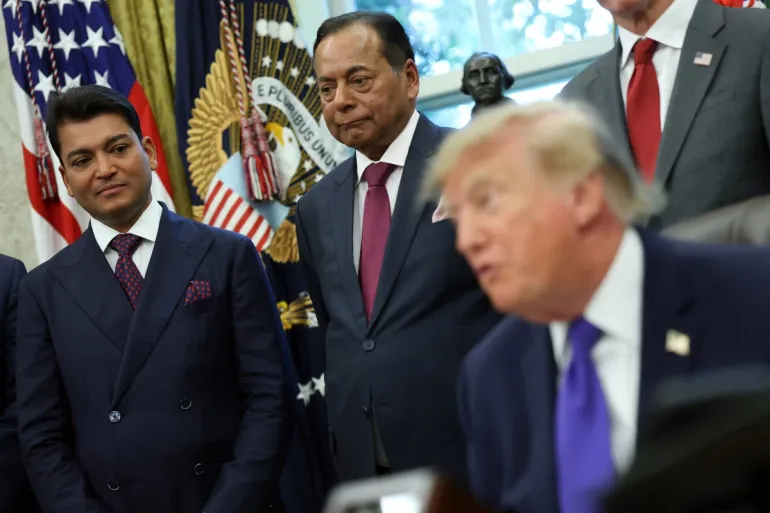
As US President Donald Trump announced a $15bn steel megaplant while seated at his Oval Office desk on Monday, he had a lineup of mostly US politicians standing behind him – from cabinet members to elected representatives from Iowa, where the mill is to be built. There was one exception: an Indian man with a receding hairline and a lilac pocket handkerchief, standing behind the US president’s right shoulder.
Ravi Ruia is a cofounder of the Essar Group, which owns Mesabi Metallics, the Minnesota-based firm that’s building the steel mill, which is expected to be the United States’s largest once it is complete. A decade earlier, in October 2016, his brother Shashi was in the photo frame with a different president during the signing of another major deal: Russian leader Vladimir Putin.
Steel and metallics aren’t Essar’s only association with minerals and natural resources. The conglomerate had been involved for years with oil, before it sold one of India’s largest private oil refineries to a Russian-led consortium in 2016 for nearly $13bn. Essar Oil was rebranded as Nayara Energy.
Today, Nayara Energy is half-owned by Russian gas major Rosneft, which is under heavy US and European sanctions over Moscow’s war on Ukraine. Nayara has also emerged as a supplier of petroleum products to Russia at a time when the country is facing a fuel crisis following multiple Ukrainian attacks on its oil and gas depots.
And as part of a 99-year deal, Nayara is continuing to use Essar’s branding in India, where the company runs thousands of petrol stations. Nayara is under European Union sanctions.
The White House is touting the Iowa steel project, unveiled just before the US midterm elections, as a major economic win for Americans, promising hundreds of jobs and billions of dollars in revenue. And there is no evidence that the steel project is in violation of any Russia-specific US sanctions.
But Trump’s announcement of a mega project with an Indian firm closely tied to Russian investments under Western sanctions underscores how the US has struggled to isolate Moscow economically despite an unprecedented economic pressure campaign.
And the timing of the steel mill announcement raises questions, because it comes days after Trump signed a law that empowers him to punish countries that buy Russian oil with up to 100 percent tariffs. India is Russia’s second-largest oil buyer. But the legacy Indian conglomerate that best epitomises the country’s links to Russian energy is now also behind the US’s biggest steel factory.
Rewant Ruia, left, chairman of Mesabi Metallics, and Ravi Ruia, centre, board member of Mesabi Metallics and director of Essar Capital, listen as US President Donald Trump delivers remarks in the Oval Office at the White House on September 28, 2026, in Washington, DC [Kevin Dietsch/Getty Images]
What’s the steel factory project about?
The new project would integrate its iron ore mining operations in Minnesota’s Mesabi Iron Range with the upcoming steel complex in Iowa.
The White House and the company’s announcements said that the Iowa steel plant is expected to create at least 1,750 permanent jobs – “while continuing to work with suppliers and businesses throughout Iowa and the Midwest” – and support up to 6,000 construction jobs.
Washington also noted that the mill will produce 7.5 million tonnes of steel per year in its first phase, expected to rise to 10 million tonnes. First steel production is expected in 2030.
The first phase of the project is expected to generate $95bn in total economic impact during construction and its first 10 years of operation, according to the White House.
Trump’s commerce secretary, Howard Lutnick, told the reporters that “these are your 232 tariffs, the steel tariffs at work.” He added: “Without those tariffs, this mine and steel plant doesn’t get built.”
Trump chipped in, too. “Soon after my inauguration, I imposed powerful 50 percent tariffs on all foreign steel, and now our steel industry is roaring back to life,” Trump said. “Everyone’s building their plant here because they don’t want to pay tariffs.”
But the steel project is also evidence of how countries and companies have skirted US economic pressure – and how it gives them leverage to continue to do so.
An Essar petrol station with pumps showing no fuel in Stanley, County Durham, UK, September 27, 2021 [Lee Smith/Reuters]
What are Essar’s ties to Russia?
Essar Oil, the group’s energy arm, began refining crude in 2008 at its refinery in Vadinar on the coast of the western Indian state of Gujarat.
But by 2016, the company was in deep debt, listed as a defaulter by the Reserve Bank of India, the country’s central bank, and desperately looking for a buyer who would take over its oil operations. The timing was opportune. President Putin in Russia was at the time trying to get Rosneft, his country’s energy giant, to offload some stakes in exchange for foreign capital.
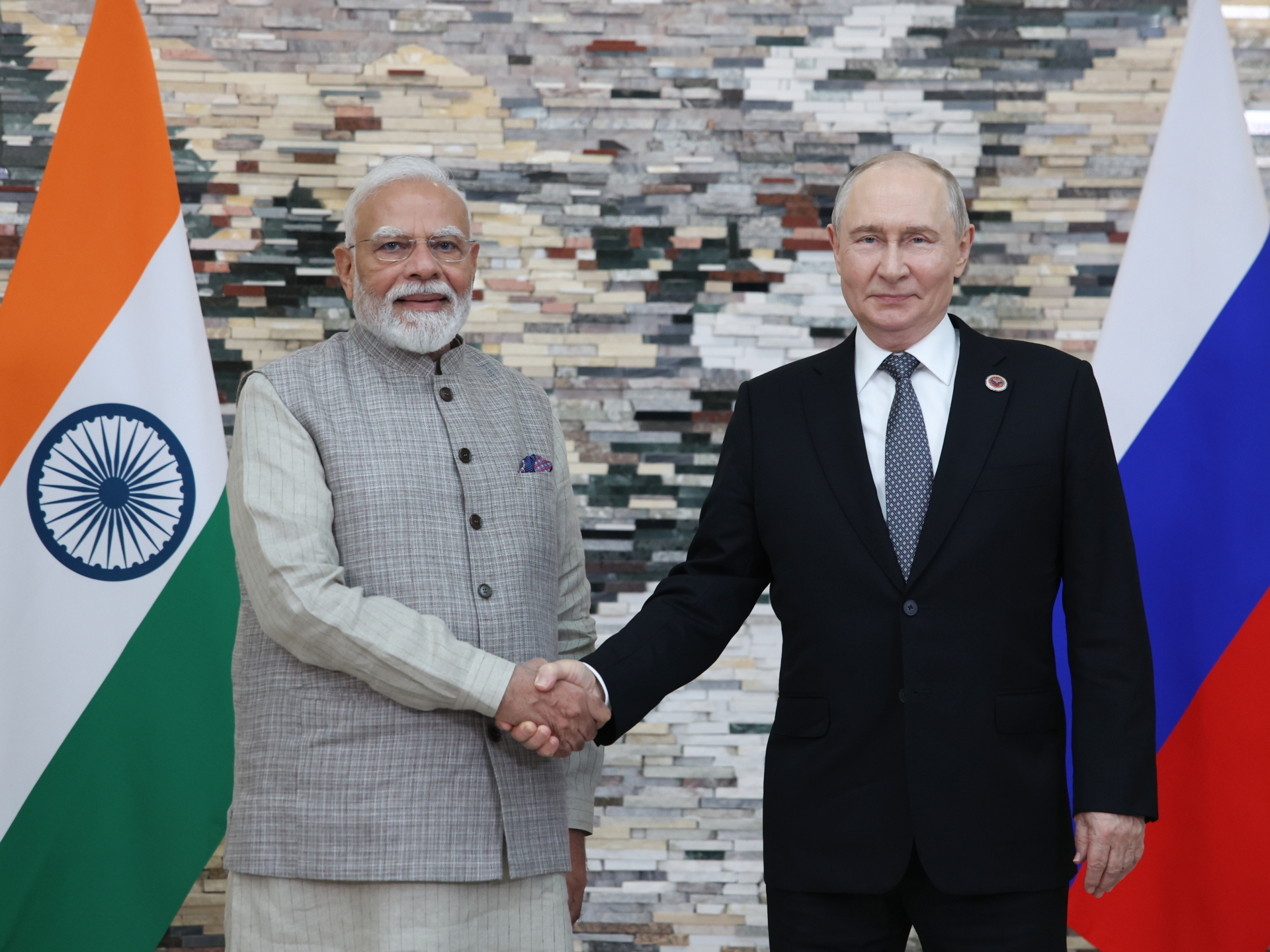
Indian Prime Minister Narendra Modi played matchmaker, helping stitch together a series of deals between 2014 and 2016 that helped Rosneft and Essar. First, Indian public sector oil majors bought stakes in Rosneft, giving it the cash it needed. Rosneft, in turn, joined hands with other investors to buy the Vadinar refinery, freeing Essar from its debts.
Essar Oil became Nayara Energy – a company in which Rosneft owns a 49 percent stake, and United Capital Partners, a Russian asset management company, owns another 49 percent. The buyers paid Essar $12.9bn for the deal. As part of the agreement, Nayara got to use Essar’s branding – including on thousands of petrol stations across India – for 99 years.
Logo of Nayara is seen at its fuel station on the outskirts of Ahmedabad, India, November 16, 2022 [Amit Dave/Reuters]
Is Nayara under Western sanctions?
Yes. The European Union imposed sanctions on Nayara in July last year as part of the broader 18th package of sanctions against Russian oil.
The sanctions banned the import of petroleum products processed using Russian crude oil and restricted the refinery’s access to EU shipping insurance, as well as financial and other services.
Nayara’s Vadinar refinery in western India has been processing only Russian oil since other suppliers backed out following the sanctions. Since then, Nayara has relied on international traders to import crude and export refined fuels.
In July this year, Nayara Energy sold petroleum to Russia as Ukrainian attacks targeted oil refineries across the country, triggering a fuel crisis.
In recent months, Ukrainian forces have targeted Russian oil facilities, setting them ablaze and causing long lines for fuel across the country, including in the capital, Moscow. The fuel crisis, unprecedented for Russia, a country that is one of the world’s biggest energy producers, has led to rationing in many regions.
These Russian links have brought Nayara Energy under wider scrutiny, prompting companies, including SAP, to suspend services to the refiner, citing sanctions and obligations under EU law.
Nayara challenged the move in the Delhi High Court, which ordered SAP India to restore its services earlier this month.
Are Essar or the steel plant violating any sanctions?
While Nayara is under EU sanctions, Essar does not face any US or EU sanctions.
In October 2016, after Essar struck its deal with Rosneft and United Capital Partners to sell the Vadinar refinery, the US – at the time under the Barack Obama administration – said that the agreement was not in violation of any sanctions.
“I don’t think we see any violation of any US-EU sanctions stemming from this deal,” State Department spokesperson Mark Toner said at the time. Essar also said that the deal was compliant with US sanctions.
There is no evidence of any sanctions breach in Essar’s investment in Mesabi, or in the planned investment to set up the steel factory in Iowa.
But Essar’s relations with Russia have nevertheless attracted scrutiny, including in the United Kingdom, where the Ruia brothers have long had major investments.
At the time of the sale of the Vadinar refinery to Russian buyers, the Russian bank VTB also gave Essar a $3.9bn loan for debt reconstruction.
The bank was hit by major US and EU sanctions in February 2022, right after Russia’s full-fledged invasion of Ukraine. Essar, reporting published in April 2026 by The Guardian and investigative journalism platform SourceMaterial, showed, moved the VTB loan to Mauritius, a tax haven, allegedly to avoid the sanctions. Essar owns the Stanlow oil refinery in the UK.
US President Donald Trump waves as he walks to board Marine One as he departs from the South Lawn of the White House in Washington, DC, on September 26, 2026 [AFP]
Why is the timing of the steel plant announcement significant?
Trump’s Republican Party is heading for crucial midterm congressional elections in November, while his approval rating has been plumbing all-time lows in the face of voter concerns about inflation, the cost of living, and the war on Iran.
In his second term, Trump has made tariffs and a revival of US manufacturing a cornerstone of his economic vision, claiming that higher barriers to imports will drive investment back to the US.
Moreover, Washington introduced legislation that would allow the president to impose tariffs of up to 100 percent on imports from countries that continue economic engagement with Russia or Iran, aiming to put pressure on countries that continue buying Russian energy.
New Delhi is particularly exposed since it became one of the largest buyers of discounted Russian crude after the invasion of Ukraine in 2022. Trump imposed an additional 25 percent tariff on Indian imports in 2025 over the issue, before removing it in February 2026 after India committed to stop buying Russian crude.
Russia has remained India’s largest source of crude, although purchases have declined as the threat of US penalties has grown. The news agency Reuters reported that India imported approximately 2.1 million barrels per day of Russian crude in August.
There is also a recent parallel to underscore the incentives for investment in Trump’s US. In May this year, Washington moved to dismiss the criminal fraud and bribery charges against Indian billionaire Gautam Adani, while his lawyers had told the Justice Department that Adani was prepared to invest $10bn in the United States. A federal judge subsequently dismissed the criminal case in August.
AMY Childs looked utterly stunning this weekend as she tied the knot with her beau Billy Delbosq for a second time in Mallorca.
The TOWIE star wore a breathtaking off-the-shoulder gown for the big day which was made almost entirely from white lace.
Amy Childs has officially tied the knot for a second time as she and Billy Delbosq wed in a stunning Mallorca ceremony this weekendCredit: SplashThe couple had a legal wedding in London back in April before flying out to Spain last week for the big celebrationCredit: Splash
Hugging her body in a mermaid style, Amy’s figure looked incredible while a romantic embroidered train cascaded out from behind her.
Amy’s flowing veil was simple but classic, consisting of sheer fabric that allowed the dress to remain the centre of attention.
Sign up for the Showbiz newsletter
Thank you!
She left her hair loosely flowing in brunette and honey waves, paired with a neutral but glamorous make up look.
Meanwhile, groom Billy opted to wear a dapper off-white suit jacket with a bow tie.
Amy looked stunning in a completely lace dress with a lengthy train and veilCredit: SplashBilly was dressed in white as he kissed his blushing bride at the altarCredit: / SplashNews.comAmy was sweetly joined at the aisle by flower girls, including her own daughter PollyCredit: Splash180 guests attended the lavish affair in the Spanish countrysideCredit: Splash
He finished the loop off with smart dark trousers and a pink posy of flowers pinned onto one of his lapels.
The couple wed surrounded by 180 guests in the stunning Mallorca location, including Towie co-stars such as Jordan Brook and Sophie Kasaei.
Standing at the altar, Amy and Billy appeared overjoyed as white and blush pink roses were styled into arches around them.
Amy was walked down the aisle by her dad, who is also named Billy, with guests all adhering to a black tie dresscode.
The day was all captured on camera for an ITV reality show, meaning fans will get to watch the nuptials soon.
The day – which saw Amy’s Towie co-stars in attendance – was all caught on camera for a reality showCredit: SplashAmy was walked down the aisle by her dad, who is also named BillyCredit: SplashTowie star Jordan Brook was seen talking to the guests over a microphone during the ceremonyCredit: SplashThe couple pulled out all the stops for their lavish nuptialsCredit: Splash
Amywas snapped arriving at the airport at 4:00am alongside her husband Billy and their twins Billy and Milly.
She kept her outfit relaxed, wearing a pair of white jogger shorts and a matching zip-up hoodie with her new surname embroidered at the side.
Amid what appeared to be quite the stressful trip, the reality star was spotted cuddling up to her husband at the check-in desk.
Amy and Billy had their first wedding back in April after what they’ve described as a “very rough few months”.
For the first wedding Amy stunned in a white lace corseted dress, while Billy was smart in a navy suit and pristine white trainers.
At the time Amy took to Instagram to share a glimpse of the white dress from Oh Polly.
But TOWIE legend Amy has insisted that they would tie the knot the next year.
Writing on Instagram, she said: “Today would have been our wedding day. Woke up feeling very sad and upset.
“After having a very tough few months we had to make the decision to cancel our dream wedding, we planned, we visited our dream venue, we was so excited.
“BUT i know that 2026 is our year and I can’t wait to Marry you Billy. I’m so excited to get planning.”
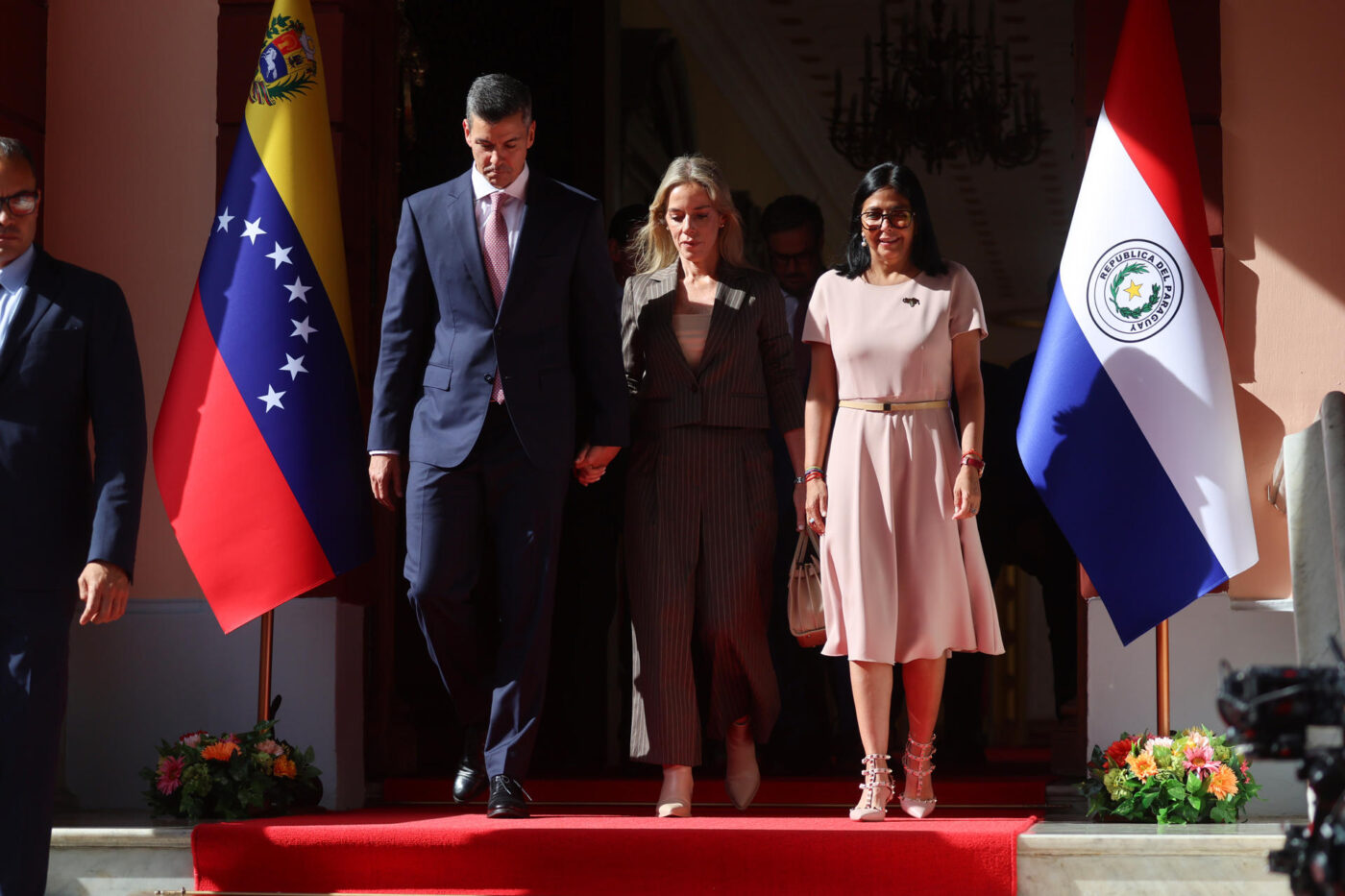
Caracas, September 21, 2026 (venezuelanalysis.com) – Venezuelan Acting President Delcy Rodríguez hosted Paraguayan counterpart Santiago Peña at the Miraflores Presidential Palace in Caracas on Saturday as the two South American nations relaunch bilateral diplomatic and consular relations.
The high-level working meeting reportedly focused on establishing a shared agenda centered on trade expansion, energy cooperation, consular assistance, and joint efforts to combat transnational organized crime.
The summit concluded with a joint statement announcing the renewed bilateral relations, signed by foreign ministers Félix Plasencia and Rubén Ramírez Lezcano for Venezuela and Paraguay, respectively.
Following the signing ceremony, Rodríguez and Peña expressed optimism regarding the reestablished cooperation.
“We are working together for a more integrated Paraguay,” Peña declared in a press conference, emphasizing that the dialogue was focused on “the well-being of citizens” from both countries.
For her part, Rodríguez claimed the accord did justice to principles of sovereignty, dialogue, and South American integration in Venezuela’s foreign policy.
“Venezuela continues to advance a sovereign diplomacy of peace, rooted in mutual respect, self-determination, and constructive dialogue among our nations,” she stated. “This meeting opens a new stage of cooperation aimed at addressing shared challenges and serving the concrete interests of both our peoples.”
The Caracas meeting reversed years of political friction and diplomatic tensions between the two nations. Bilateral ties were initially severed in January 2019 under former Paraguayan President Mario Abdo Benítez, who aligned Asunción with Washington’s regime-change strategy by recognizing opposition figure Juan Guaidó’s self-proclaimed “interim government.”
Relations experienced a brief thaw in late 2023 under Peña’s incoming administration before breaking down again in January 2025. The Venezuelan government formally severed diplomatic channels after Peña supported far-right opposition candidate Edmundo González’s victory claim in the July 2024 Venezuelan presidential elections. The Paraguayan president further backed Venezuelan anti-government forces by attending María Corina Machado’s Nobel Peace Prize ceremony in December 2025.
A central point on the reopened diplomatic agenda was the resolution of a long-standing debt owed by Paraguayan state oil company Petróleos Paraguayos (Petropar) to Venezuela’s state energy company, Petróleos de Venezuela S.A. (PDVSA).
The financial dispute stems from fuel shipments received by Petropar under the 2004 Caracas Energy Accord, an energy integration initiative launched under President Hugo Chávez to provide favorable financing conditions for oil imports across Latin America and the Caribbean. Paraguay currently maintains an outstanding principal debt estimated at approximately US $300 million.
Addressing the issue ahead of the summit, Paraguayan Foreign Minister Rubén Ramírez Lezcano acknowledged the core obligation but highlighted technical disagreements regarding accumulated interest calculations.
“The differential of that debt is linked to interest that applies outside the commercial agreement that exists with that country,” Ramírez explained during a press conference last week, noting that the specific arbitration over interest rates remains before the International Chamber of Commerce (ICC) in Paris.
The resolution of the debt has been paralyzed for years primarily due to the severing of diplomatic ties, compounded by unilateral sanctions imposed by the United States against PDVSA.
With diplomatic channels now reopened, both governments signaled their intention to structure a viable settlement mechanism outside of imperial financial restrictions.
Since the January 3 US military strikes and kidnapping of President Nicolás Maduro, the acting Rodríguez government has aligned its foreign policy with Washington, mending or expanding ties with US partners in Latin America and beyond while scaling back support for long-term allies such as Cuba and Iran.
Following Saturday’s summit in Caracas, Acting President Rodríguez departed Venezuela for New York City, where she will attend the 81st Session of the United Nations General Assembly (UNGA) this week.
According to Reuters, Rodríguez is slated to hold discussions on energy and mining agreements, as well as Venezuela’s ongoing debt restructuring process.
On Monday, the Venezuelan acting president met with IMF Managing Director Kristalina Georgieva, though no details of the talks were disclosed. Caracas has sought to unblock around $4.5 billion in IMF-issued Special Drawing Rights (SDR) for recovery efforts following the June 24 double earthquake.
Likewise on Monday, Rodríguez held talks with World Bank President Ajay Banga.
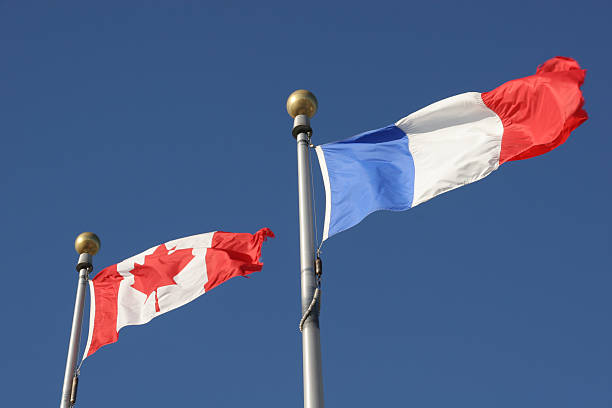
Canada and France plan to cooperate on space-launch systems and ground-based infrastructure as Ottawa seeks closer economic and security ties with Europe.
Prime Minister Mark Carney announced the initiative Sunday with French President Emmanuel Macron in Saint-Pierre and Miquelon, the French
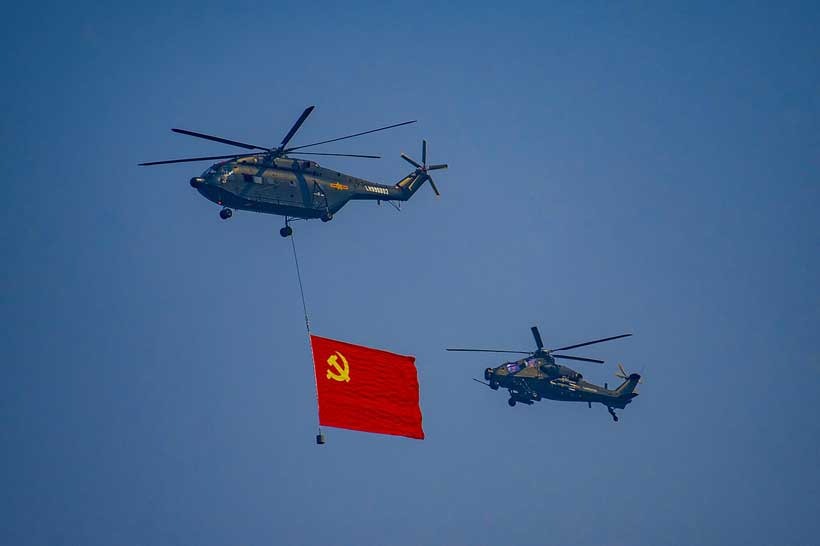
The fourth China-Africa Peace and Security Forum was held in Beijing, China, from September 15 to 17, 2026, coinciding with the 13th Xiangshan Forum and the 70th anniversary of the establishment of diplomatic relations between China and African countries. Military representatives and defense officials from the African Union and 41 African nations participated. This expansion of bilateral military relations between Beijing and African countries comes at a time when Beijing and Washington are vying for influence on the African continent, while African nations seek to diversify their partners and strengthen their security capabilities, particularly in regions facing escalating threats, such as the Horn of Africa. The fourth China-Africa Peace and Security Forum, held in Beijing, represents a pivotal milestone reflecting the growing military and defense cooperation between China and 41 African countries, along with the African Union, as Beijing seeks to solidify its security presence on the African continent. The most prominent theme of the forum and defense cooperation was the speech by Chinese Defense Minister Admiral Dong Jun, who called for deepening strategic coordination and developing mechanisms for defense exchange and maritime security based on equality and mutual benefit, without political dictates or conditions, between China and African countries. This reflects the growing African interest in partnership with China, driven by a desire to diversify military options and avoid the pressures and conditions associated with Western and American partnerships. The China-Africa Peace and Security Forum witnessed the signing of bilateral memoranda of understanding to enhance military capabilities, training, and the exchange of expertise between China and some participating countries, such as Mauritania.
The fourth session of the China-Africa Peace and Security Forum, held in Beijing, China, witnessed a significant deepening of bilateral military cooperation between China and Africa. On the sidelines of the forum, the Islamic Republic of Mauritania and the People’s Republic of China signed two memoranda of understanding to strengthen and develop military cooperation between the two countries. This signing took place during a meeting between Mauritanian Defense Minister Hanan Ould Sidi and his Chinese counterpart, Admiral Dong Jun. The most prominent areas of the memoranda of understanding included strengthening military and security capabilities to address challenges in the Sahel region and Africa, particularly combating terrorism and organized crime. They also focused on military education and training for African military personnel and the exchange of expertise, intelligence, and security experiences between the two sides. This move is part of a broader Chinese strategy to enhance defense partnerships with African countries (with representatives from 41 nations participating), emphasizing joint military training and coordination.
In this context, cooperation between the Chinese People’s Liberation Army and African armies is steadily increasing, encompassing training, counter-terrorism exercises, and peacekeeping operations. The most prominent forms and areas of military cooperation between China and Africa include joint military exercises, where the Chinese army conducts joint drills with African countries, such as the Peace Unit exercises with Tanzania and Mozambique to combat terrorism on land and at sea. This cooperation also encompasses peacekeeping and assistance efforts, with China participating in numerous UN peacekeeping missions in Africa and deploying warships to combat piracy off the coast of Somalia. Simultaneously, there is an increase in military education and training programs, with Chinese military academies hosting African leaders, defense ministers, and officers to enhance professional exchanges and build long-term strategic relationships. To this end, China regularly organizes the China-Africa Peace and Security Forum to strengthen defense coordination and consultation with various countries on the continent. The objectives of the Chinese military presence in Africa include modernizing African military expertise, providing the People’s Liberation Army with field operational experience in diverse and complex security environments, and protecting Chinese interests and securing massive Chinese investments and economic projects related to the Belt and Road Initiative. With increasing practical cooperation between China and Africa, Beijing is bolstering its diplomatic and strategic influence on the African continent in the face of international competition with Washington.
China’s military presence in Africa can be summarized as achieving three major strategic objectives, such as modernizing African military expertise, providing the Chinese People’s Liberation Army with field experience, and protecting the substantial investment interests of China’s Belt and Road Initiative. These three objectives and their shared benefits can be detailed as follows:
Stay ahead of the geopolitical week.
MD Briefing delivers expert analysis across five global fronts — the Indo-Pacific, energy, geoeconomics, European security, and the Middle East — every Monday morning. Free.
1) Modernizing African Military Expertise:
China seeks to present itself as a reliable and alternative security partner for African countries through various modernization mechanisms, including:
– Technology Transfer and Training: By providing advanced training programs for African officers at Chinese military academies and transferring modern tactical and operational knowledge.
– Defense Infrastructure Development: By contributing to the construction of bases, logistics centers, and training facilities for African armies.
– Arms and Equipment Sales: By supplying African countries with modern weapons systems at competitive prices, such as drones, armored vehicles, and communication systems, thereby enhancing the combat effectiveness of these armies.
– Counterterrorism and Counter-Piracy: By building joint capabilities between the Chinese People’s Liberation Army (PLA) and local African armies to counter unconventional security threats in conflict zones and maritime piracy areas, such as the Gulf of Aden.
2) Gaining Field Operational Experience for the PLA
The diverse and complex African security environment represents an important real-world testing ground for the Chinese military, which lacks modern field combat experience outside its borders. This benefit is achieved through:
– Testing Chinese weapons, military equipment, and armaments: By experiencing the effectiveness and quality of Chinese weapons and military equipment in harsh climatic and geographical environments (desert, tropical).
– Remote Operations Management: Developing the ability to command and control forces across vast geographical distances and testing the effectiveness of cross-border supply and logistics.
– Participation in peacekeeping forces: China’s extensive involvement in UN peacekeeping missions in Africa, such as in Mali, South Sudan, and the Central African Republic, provides Chinese officers with experience interacting with international militaries and managing complex security crises.
– Naval and operational presence: Utilizing the Chinese military base in Djibouti as a launchpad for evacuation operations, counter-piracy efforts, and protecting shipping lanes enhances the flexibility of the Chinese navy.
3) Protecting interests and securing investments under China’s Belt and Road Initiative
Africa is a key pillar of China’s Belt and Road Initiative, and the military role in protecting these massive Chinese investments is complemented by:
– Securing critical infrastructure: Protecting ports, railways, mines, and energy fields financed and operated by Chinese companies against any political instability or terrorist attacks.
– Securing Maritime Routes: Ensuring the safety of vital maritime trade routes for transporting raw materials from Africa to China and Chinese goods to global markets via the Red Sea and the Bab el-Mandeb Strait.
– Protecting Chinese Communities: Providing security and rapid intervention capabilities to evacuate thousands of Chinese workers and citizens from African conflict zones when necessary.
From the preceding presentation and analysis, we understand the importance of the China-Africa Peace and Security Forum in strengthening defense exchange mechanisms, defining and deepening regional cooperation in maritime security, combating terrorism and extremism, and building defense capabilities in emerging areas to address escalating security risks on the African continent, such as the Sahel region. The Forum provides an opportunity to enhance consultation and exchange views between China and African countries on various peace and security issues and to develop prospects for cooperation between China and African countries in related fields. China-Africa cooperation encompasses military training, naval exercises and patrols, counter-terrorism, mine clearance, and securing shipping lanes, as well as the transfer of expertise and technology and the marketing of Chinese weapons.
FT. MEADE, Md. — A man initially accused of being a high-profile Al Qaeda figure and who was tortured in CIA custody appeared Thursday at a hearing to review his detention at the U.S. military prison at Guantanamo Bay, Cuba, where he has been held for 20 years without charges.
A U.S. government official said Abu Zubaydah, who wore a neatly trimmed beard and glasses, had “probably” served as one of Osama bin Laden’s most trusted facilitators. The roughly 20-minute hearing offered rare visibility into the secretive military court proceedings of a suspect who had been tortured at CIA black sites during the U.S. war on terrorism and whose case still has not been resolved 25 years after the attacks of Sept. 11, 2001.
Zubaydah’s unidentified government-assigned representative and his private attorney, Annika Conrad, both acknowledged he had known Bin Laden, the 9/11 mastermind. But they said Zubaydah was never a member of the militant group that Bin Laden founded.
Conrad argued that Zubaydah poses no security threat to the United States and that it can no longer justify his detention. She said Zubaydah should be approved for transfer out of Guantanamo, which would kick off a multiyear process that includes finding a country to accept him.
Lawyer describes lasting injuries from torture and says Zubaydah could be monitored if released
Conrad said Zubaydah is prepared to accept a range of security measures, including continuous monitoring. Conrad said he has the financial and personal support of his family, has rejected any extremist views “and simply wants to live a life of peace.”
She also argued that a chief military prosecutor for U.S. military commissions, which oversees the 15 men still held at Guantanamo Bay, has said it is unlikely that Zubaydah will be charged. The Office of Military Commissions declined to comment.
Zubaydah’s attorney said the most the government can offer is a “probable association” to Bin Laden after more than two decades and noted that Zubaydah declined a direct request from Bin Laden to work for Al Qaeda.
Conrad also cited the torture that Zubaydah experienced, describing him as “a greatly injured man” who lost his left eye and his ability to write in English and “frequently struggles to recall words.”
Zubaydah’s detention is being reviewed by a U.S. government panel of senior defense, intelligence and homeland security officials. The Periodic Review Board was created under the Obama administration to evaluate prisoners and determine whether they could be released without posing a threat to national security.
The review panel did not immediately decide on the case
The review panel issued no immediate ruling Thursday. A live video feed of the unclassified portion of his hearing at Guantanamo was made available to reporters at Ft. Meade, an Army base in Maryland.
Detainees are not permitted to speak at their review hearings, and Zubaydah sat in silence next to his attorney and the government representative. Dressed in a gray suit jacket and patterned gray tie, he often pressed his left index finger to his left temple or fidgeted with something in his hands. A worn-looking book sat in front of him.
Zubaydah’s lawyers, Conrad and Ahmed Almudallal, said in a statement before the hearing that he may never face charges.
“For the first time in over two decades, the military’s chief prosecutor believes it is unlikely our client will ever be charged,” the attorneys said. “This is a major change in circumstances that warrants he be cleared for transfer.”
Almudallal and Conrad said Zubaydah has “no intent to engage in violence against the United States in the future.”
“Now, at 55 years old, he’s eager to reconnect with his family and live out the rest of his days as a free person,” they said. “Twenty-four years in prison plus being ‘patient zero’ in the U.S. government’s torture program has been punishment enough.”
He was first in the CIA’s ‘enhanced interrogation’ program after 9/11
Zubaydah was thought to be a high-ranking member of Al Qaeda when he was captured in Pakistan in 2002. A Palestinian born in Saudi Arabia, Zubaydah was tortured abroad before being transferred to Guantanamo in 2006.
The U.S. later dropped the claim that Zubaydah was one of the most senior figures in Al Qaeda, although it has continued to regard him as a security risk. Zubaydah’s lawyers have repeatedly said over the years that he was not an Al Qaeda member and point to waterboarding and other harsh treatment he experienced in the early 2000s.
Zubaydah was the first person in the CIA’s detention and interrogation program after 9/11 and subjected to what is now widely viewed as torture. He was held at CIA black sites in Poland and Lithuania, according to the European Court of Human Rights.
Zubaydah was waterboarded more than 80 times in a month at one point and confined over 11 days in a coffin-size box, among a raft of other mistreatment, a Senate report found.
In 2022, the Supreme Court dismissed a lawsuit by Zubaydah, who was seeking testimony from two former CIA contractors as part of an investigation into his treatment when he was held in Poland. The court rejected his case because the government said it would expose state secrets, despite much of the information having been widely reported.
In January, a lawyer for Zubaydah said the British government had agreed to pay a “substantial sum” to settle a lawsuit that said U.K. intelligence agencies were complicit in his torture. Attorney Helen Duffy said the confidential settlement was symbolically and practically significant for the “intolerable suffering” that Zubaydah endured.
A British parliamentary committee found in 2018 that U.K. security and intelligence services were aware Zubaydah was being tortured but continued to provide questions for the CIA to ask him without seeking assurances of his condition.
New Delhi says it has ‘made clear’ its determination to ‘protect its trade and economic interests’.
Published On 17 Sep 202617 Sep 2026
India has warned the United States that new measures to levy tariffs over the purchase of Russian oil could impact bilateral ties, hours after the US Congress approved a bill that would give President Donald Trump new abilities to punish buyers of Russian oil.
The US House of Representatives on Wednesday passed a sweeping sanctions and tariff bill intended to increase economic pressure on Russia over its invasion of Ukraine.
Recommended Stories
list of 3 itemsend of list
The bill targets Russia’s energy and defence sectors, President Vladimir Putin and other senior officials, as well as Moscow’s so-called shadow fleet of tankers used to circumvent Western sanctions.
It also authorises President Donald Trump to impose stiff tariffs of up to 100 percent on countries, including India, to reduce their dependence on Russian oil and gas, and extend sanctions on Iran.
The bill has been sent to Trump to sign into law.
India’s foreign ministry said on Thursday that it “remains firmly committed to ensuring energy security for its 1.4 billion people”.
The Indian foreign ministry said that it had noted the bill’s passage, adding that New Delhi had raised the issue with various US interlocutors in recent months, and had “very clearly articulated” the potential implications for the bilateral relationship and the international energy market.
“The Indian side has also made clear its determination to take all necessary measures to protect its trade and economic interests,” it said in a statement.
The government would work closely with trade and industry bodies to deal with the legislation’s implications, it added.
India, the world’s third-biggest oil importer, is among the biggest buyers of Russian oil, which is seen as helping Moscow replenish its budget since it launched its full-scale invasion of Ukraine in February 2022 and was hit with sweeping Western sanctions.
New Delhi has repeatedly sought to resist pressure to reduce its oil trade with Russia, saying its large population and economy need secure, affordable and reliable energy supplies.
They also agreed to expand air travel and reinstate direct flights between both countries.
Published On 16 Sep 202616 Sep 2026
Israel and Morocco have agreed to upgrade their diplomatic ties, including elevating their respective missions to embassies and appointing ambassadors to both countries.
A meeting between the two countries’ foreign ministers was hosted by the United States ambassador to the United Nations, Mike Waltz, in New York on Wednesday.
Recommended Stories
list of 3 itemsend of list
Israeli Foreign Minister Gideon Saar and Moroccan Foreign Minister Nasser Bourita also agreed to advance economic and trade relations, including completing two agreements by the end of this year on investment protection and preventing double taxation.
“[The] establishment of full diplomatic, peaceful and friendly relations between Morocco and Israel is in the common interest of both countries and will advance the cause of peace,” the US mission to the UN said in a joint statement on behalf of all three countries.
The two sides also agreed to expand air travel, including by reinstating direct flights operated by carriers from both nations, and confirmed plans for high-level bilateral visits in the coming months.
The announcement comes just a day after the sixth anniversary of the Abraham Accords, an initiative spearheaded by US President Donald Trump during his first term in office. The United Arab Emirates, Bahrain, Morocco, Sudan and Kazakhstan have all joined the accords, which are aimed at normalising ties between Arab and Muslim-majority countries and Israel.
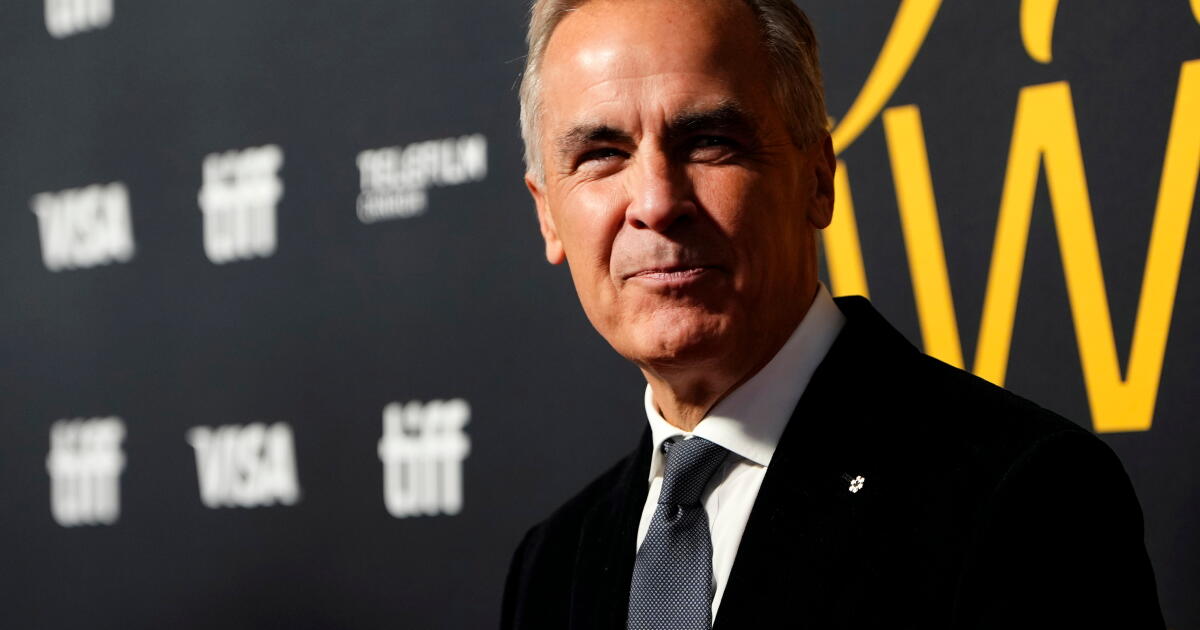
TORONTO — Canadian Prime Minister Mark Carney is heading to Europe in the middle of a trade war with President Trump, seeking a deeper relationship with the European Union that could give Canadians greater freedom to work and study there.
Canada will seek an arrangement that would allow Canadians to live and work in Europe without visas as part of a strategic partnership, according to a senior Canadian official familiar with the discussions.
The official said Ottawa is not seeking to replicate the arrangements Norway or Switzerland have with the EU and did not propose “associate membership,” a term used in a recent report. Canada instead wants a partnership tailored to its priorities, with investment at its core.
Roughly 70% of Canadian exports go to the United States. Europe is central to Carney’s effort to reduce that dependence.
Carney has ruled out EU membership, saying Canada instead wants “a unique security and economic alliance” with the bloc. He said formal discussions will begin next month.
Economics is only part of the push, Carney said Tuesday. “The core of this, yes, there is an economic component, but it is about greater sovereignty,” he said.
Canadian government officials have consulted provinces and labor groups but have not settled on what form the relationship should take. The official spoke on condition of anonymity because they were not authorized to discuss the talks publicly.
Carney’s Trump challenge returns to Europe
Carney will attend European Commission President Ursula von der Leyen’s State of the Union address Wednesday as a guest of honor before addressing the European Parliament on Thursday.
Carney cautioned against expecting a major announcement in Europe, saying the “real deepening discussions” will begin at the Canada-EU summit in Montreal in late October.
The trip puts him back on the European stage as relations with Washington reel from tariffs, threats and personal attacks since trade talks collapsed.
Carney said Tuesday that economic integration, once viewed largely as an asset, is increasingly “being used as a weapon by certain countries,” making it more important for Canada to deepen ties with trusted partners. He is also carrying to Europe a message that has won praise there but that European governments have been reluctant to follow in dealing with the United States: Middle powers should resist economic coercion and be willing to walk away from a bad deal.
Carney’s Davos speech on middle powers in January drew a personal rebuke from Trump, and another forceful defense could raise the temperature again.
Canada has retaliated against U.S. tariffs and rejected terms Carney says would weaken its sovereignty. Europe, by contrast, shelved retaliation and accepted a deal leaving most EU exports to the U.S. facing tariffs of up to 15%.
That choice is striking given the EU’s economic weight as the world’s largest trading bloc.
At Davos in January, Carney urged middle powers to band together rather than bow to great powers. When countries negotiate alone with a hegemon, he said, “we negotiate from weakness. We accept what is offered.”
“This is not sovereignty,” Carney said. “It is the performance of sovereignty while accepting subordination.”
In a European Parliament debate in March, French lawmaker Chloe Ridel said Carney had “said out loud what many Europeans think quietly,” while German lawmaker Tobias Cremer urged Europe to “show the same courage as the Canadians have done in this moment of rupture.”
Tobias Gehrke of the European Council on Foreign Relations said Europe accepted economic pain in hopes of preserving U.S. support for NATO and Ukraine, but gained neither firm security commitments nor stable ties with Washington.
“European governments will be watching closely to see whether retaliation creates leverage or simply produces more escalation and an increasing bill,” Gehrke said.
Building a hedge against Washington
Canadian Finance Minister Francois-Philippe Champagne rejected the idea that Canada’s push toward Europe is simply an effort to gain leverage over Washington, saying Ottawa intends to keep working with the United States even as it builds stronger partnerships elsewhere.
“It’s always about us,” Champagne told the Associated Press. “We will still do things with the United States.”
But Champagne also said the geopolitical landscape has fundamentally shifted. “The world has changed and America has changed,” he said. “And I think the world has taken notice.”
Carney’s trip follows his global investment summit in Toronto, part of a broader push to attract international capital and reduce dependence on the United States.
Canada and the EU already cooperate on trade, defense, energy, technology and critical minerals. Bilateral trade reached about $147 billion in 2025, making the EU Canada’s second-largest trading partner.
Europe moves closer to Canada too
Underscoring the push for closer ties, the European Parliament said Monday that it will open an office in Ottawa, its 10th outside the EU, with a regional mandate extending to the Arctic.
“At a time when the world is becoming more unpredictable, like-minded partners need to work even more closely together,” European Parliament President Roberta Metsola said.
Canada this year became the first non-European country to join the EU’s $173-billion SAFE defense program, giving Canadian companies access to joint procurement.
Ian Lesser of the German Marshall Fund in Brussels said Trump’s tariffs and policies toward the North Atlantic Treaty Organization and his stated intention to acquire Greenland for the U.S. have accelerated efforts by Canada and Europe to diversify their economic and security ties.
“The sheer unpredictability emanating from Washington has given history a shove,” Lesser said. He said many in Brussels still prefer to accommodate Washington or “wait and see” whether November’s midterm elections produce a Congress able to constrain Trump.
Carney will also travel to Britain to meet Prime Minister Andy Burnham for the first time. Both men are supporters of Everton soccer club and are expected to meet at the team’s League Cup match against Wolverhampton on Wednesday.
Gillies writes for the Associated Press. AP reporter Sam McNeil in Brussels contributed to this report.
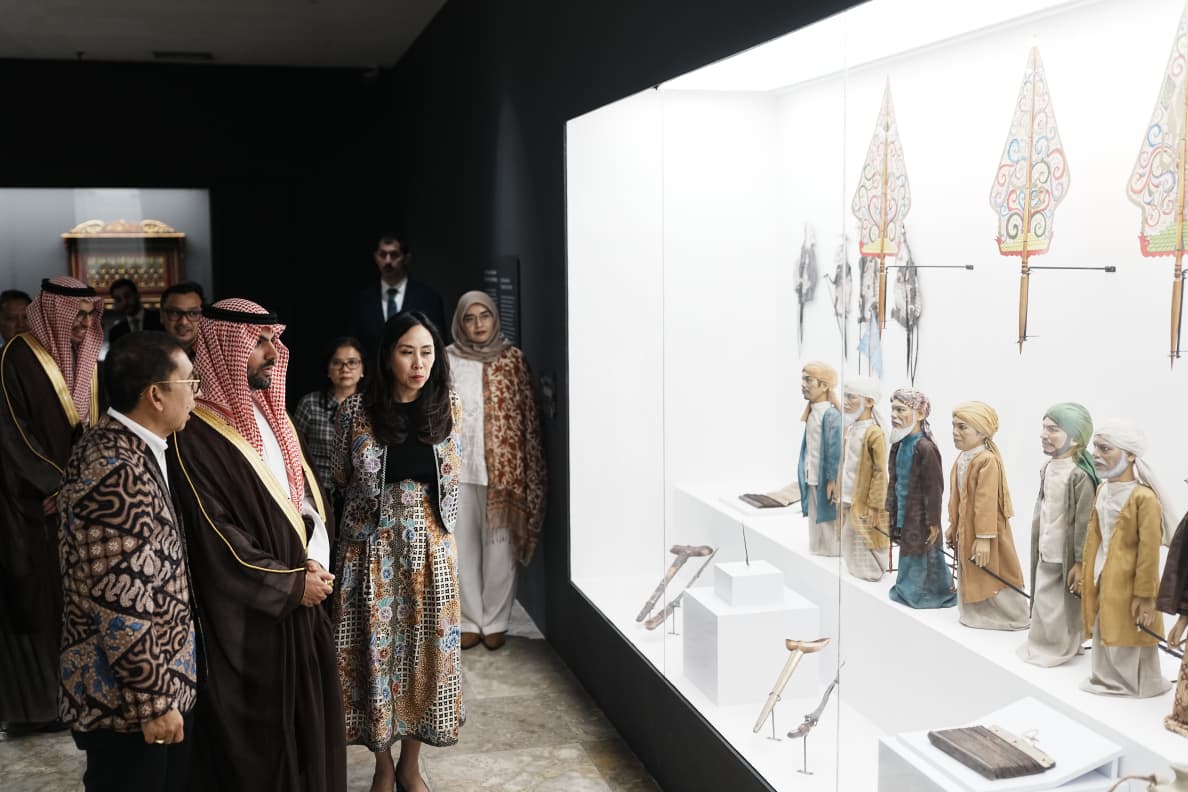
Indonesia is expanding cultural cooperation with Gulf states to preserve the diverse heritage of Muslim societies, the culture minister tells Arab News, as he seeks partnerships in new technologies and creative entrepreneurship to keep it relevant for younger generations.
Minister of Culture Fadli Zon has held talks with Gulf officials in recent months, as part of Indonesia’s effort to strengthen cultural diplomacy.
This includes meetings with Saudi Minister of Culture Bader bin Abdullah bin Farhan, the Kuwaiti Ambassador to Indonesia Khalid Jassim Al-Yassin, and the Qatari Ambassador to Indonesia Sultan bin Mubarak Saad Al-Dosari.
“Indonesia and the Gulf countries share an interest in safeguarding heritage while ensuring its relevance to younger generations,” Fadli said.
“Collaboration in digitization, museum development, heritage management, cultural education, and the use of new technologies can strengthen preservation while supporting tourism, research, and creative entrepreneurship.”
He envisions deeper cooperation with Gulf partners through more extensive cultural exchange, experience and knowledge sharing, as well as collaborations in the creative economy, ranging from modest fashion, culinary traditions to digital content creation.
While Indonesia and Gulf countries have “distinct cultural traditions and national experiences,” they are still connected by centuries-long ties, through which further cultural cooperation can serve as “an important platform for sharing the diverse expressions of Muslim societies,” Fadli added.
He highlighted “strategic, multi-layered initiatives” Jakarta currently has with Gulf nations, including how the visit of Saudi culture minister to Jakarta in April “opened new avenues in joint film co-production, artist residencies, museum innovation and digital cultural” programs and boosted the renewal of their cultural cooperation, following Jakarta and Riyadh’s first such agreement in 2017.
The two countries are also collaborating under the framework of intangible cultural heritage, including on preserving Arabic calligraphy and the extension of its recognition by UNESCO.
This year, the world’s largest Muslim-majority country will organize cultural programs with Qatar to celebrate their 50th anniversary of diplomatic relations, with plans to showcase their national stamps.
In 2025, the culture ministry’s Directorate General of Cultural Diplomacy, Promotion and Cooperation signed an agreement with the Abu Dhabi Arabic Language Center, as Jakarta aims to promote Indonesian literature and arts through major international events held in the UAE.
In his meetings with the Qatari and Kuwaiti envoys last month, Fadli also proposed talks on bilateral cultural agreements to broaden cooperation in the sector.
“Indonesia is committed to transforming its longstanding historical and spiritual ties with the Gulf into modern, dynamic, and sustainable partnerships … We believe that the relationship between Indonesia and the Gulf can become an important model of cooperation between diverse Muslim societies,” Fadli said.
“By working together, Indonesia and the Gulf can ensure that culture does more than preserve the memory of our past. It can guide our societies through the challenges of the present and help us shape a more peaceful, inclusive, and humane future.”
JEDDAH: Saudi-Chinese relations are currently in an excellent phase, according to China’s Consul General in Jeddah, Yang Yi.
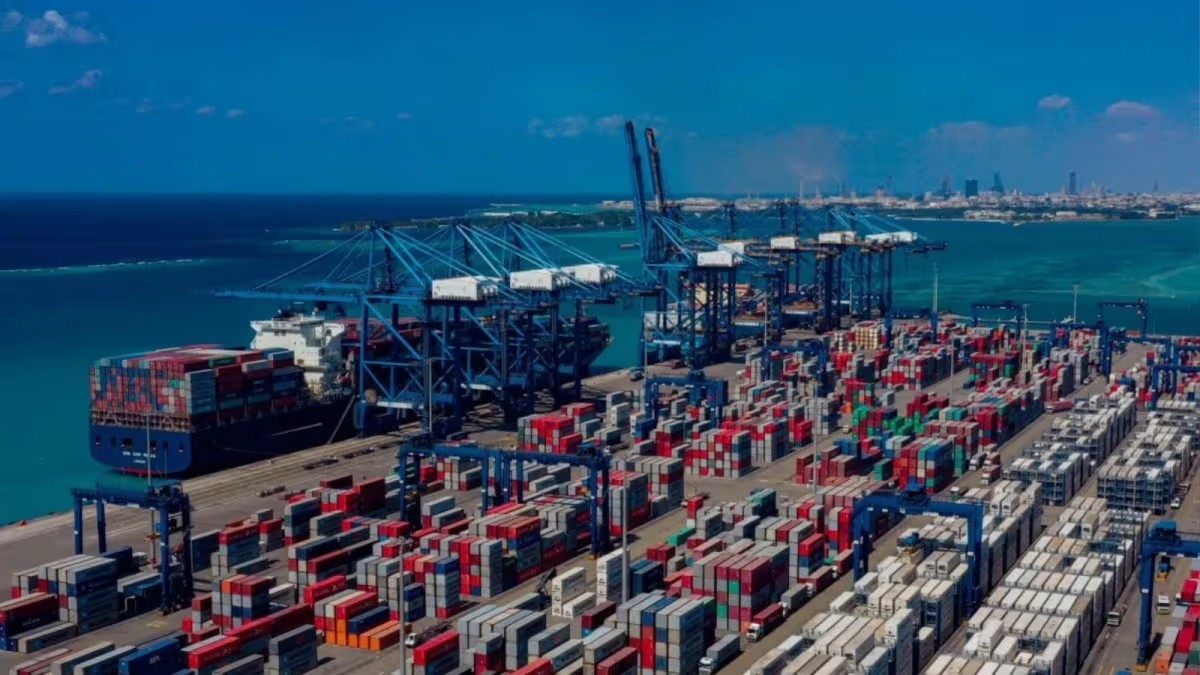
Speaking to Al-Eqtisadiah, Yi said this year marks the 10th anniversary of the establishment of the comprehensive strategic partnership between the two countries, adding that bilateral trade reached $100 billion in 2025.
$100 billion in bilateral trade
Yi said China is Saudi Arabia’s largest trading partner, while the Kingdom ranks as China’s largest trading partner in the Middle East.
Bilateral trade amounted to about $50 billion during the first half of this year, with China’s imports from Saudi Arabia exceeding $26 billion during the same period. In contrast, the Kingdom’s imports from China amounted to about $24 billion.
Yi said trade between the two countries is “very balanced,” adding that bilateral trade relations have remained strong despite regional tensions. He also highlighted the growing economic and trade ties between Saudi Arabia and China.
Chinese firms support targets of Saudi Vision 2030
Regarding mutual investments, he estimated that Chinese investment in Saudi Arabia has exceeded $4.26 billion, while Saudi investment in China is also growing, particularly in new energy, advanced technologies and biotechnology.
Saudi investments also include the culture and education sectors, with Yi confirming that the strength of relations and the depth of the partnership are encouraging more Chinese companies to invest in the Saudi market.
At the same time, Saudi companies are showing growing interest in the Chinese market, with the consul general expressing his aspiration for “more prosperous and fruitful” bilateral economic relations in the coming period.
New energy and artificial intelligence
The Chinese official highlighted new areas of Saudi-Chinese cooperation, including new energy, green energy and artificial intelligence, noting that the two countries have held discussions on these areas in recent years.
The leaders of the two countries have also reached important understandings to strengthen cooperation in several areas.
Government entities, companies, and research centers in the two countries are working intensively to develop cooperation.
This aims to consolidate the Saudi-Chinese partnership and enhance cooperation in artificial intelligence and new energy.
China calls for the Strait of Hormuz to remain open
Yi said developments in the Strait of Hormuz are of great importance to countries in the region and the international community, stressing that China attaches great importance to the issue.
He said China supports a political settlement on the issue and called for an immediate ceasefire, adding that keeping the Strait of Hormuz open and free serves the interests of all parties.
He also stressed China’s support for efforts to find a peaceful solution to the issue, saying this would help maintain stability and security in the region while ensuring the continued flow of trade and energy.
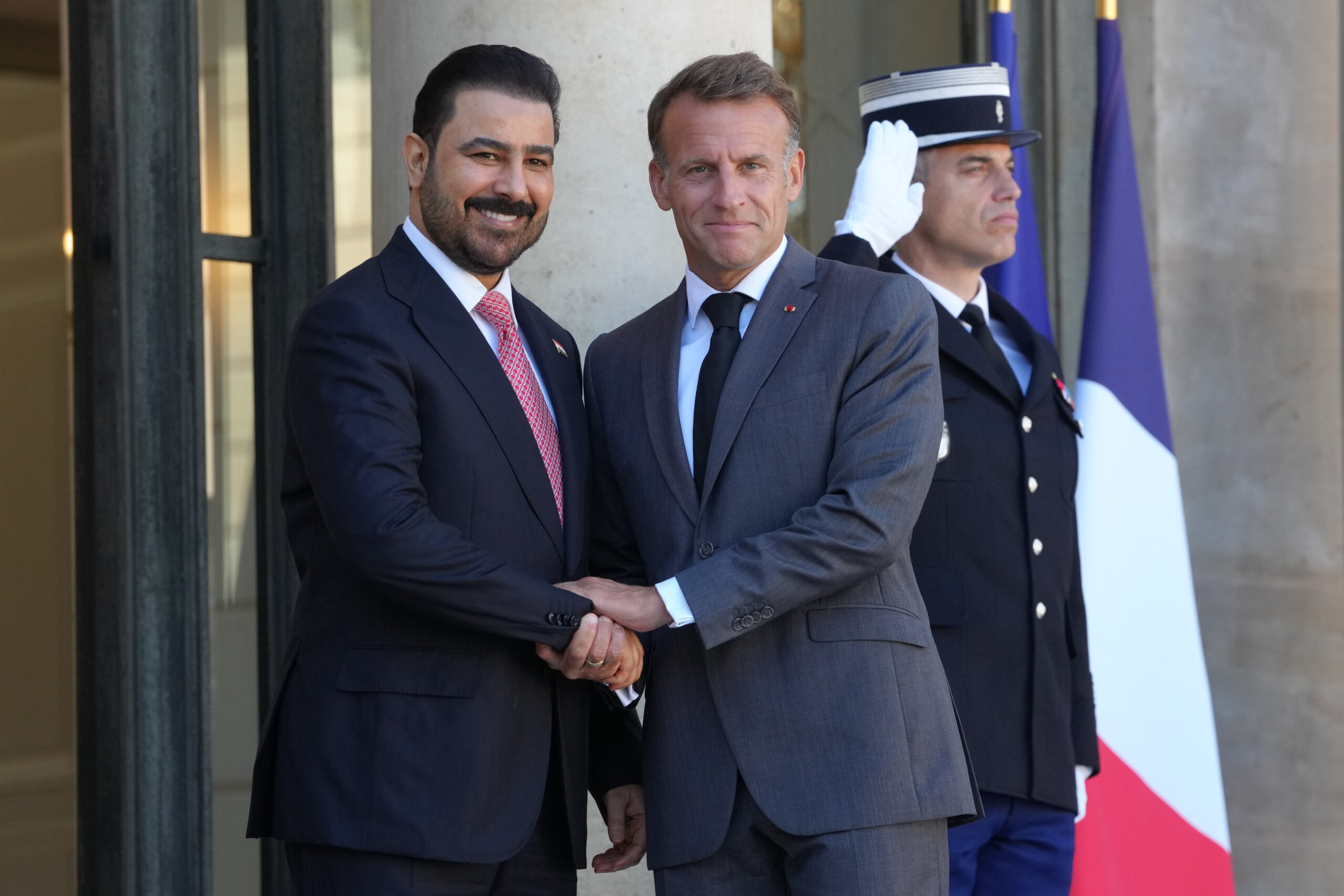
PARIS: France and Iraq on Monday called for a “diversification of export routes” for oil and gas in the Middle East in response to the instability generated by the conflict between the United States and Iran, following talks in Paris.
French President Emmanuel Macron and Iraq’s Prime Minister Ali Al-Zaidi stressed the importance of “regional interconnections” and export route diversification to “ensure regional energy security”, in a joint statement.
Zaidi visited the Elysee Paris on his first trip to Europe since taking office in May and is also expected in Berlin on Tuesday.
The visit comes as the situation in the Middle East continues to deteriorate, with the Iran-backed Houthi rebels cementing their hold on the Bab Al-Mandab strait on Friday, adding to the crisis of Iran’s effective closure of the Strait of Hormuz, and driving oil prices up.
On Monday, French energy giant TotalEnergies signed a memorandum of understanding with Iraq on liquefied natural gas supplies and agreed to discuss further energy projects.
TotalEnergies chief Patrick Pouyanne “affirmed the company’s readiness to cooperate with Iraq in the oil and energy sectors”, noting the company planned to increase its investments in Iraq to $16 billion from $12 billion, during a meeting with Zaidi.
The two countries, which in recent years have been involved in the fight against the Islamic State (IS) jihadist group, also agreed to deepen defence cooperation.
They signed a strategic roadmap on the acquisition of French military equipment as Iraq seeks to modernise its armed forces and strengthen its sovereignty capabilities.
French drone company Harmattan AI separately signed a letter of intent with Iraq’s defence ministry concerning autonomous air-defence systems.
Several other agreements were signed in areas including development assistance, education, civil aviation and electricity infrastructure.
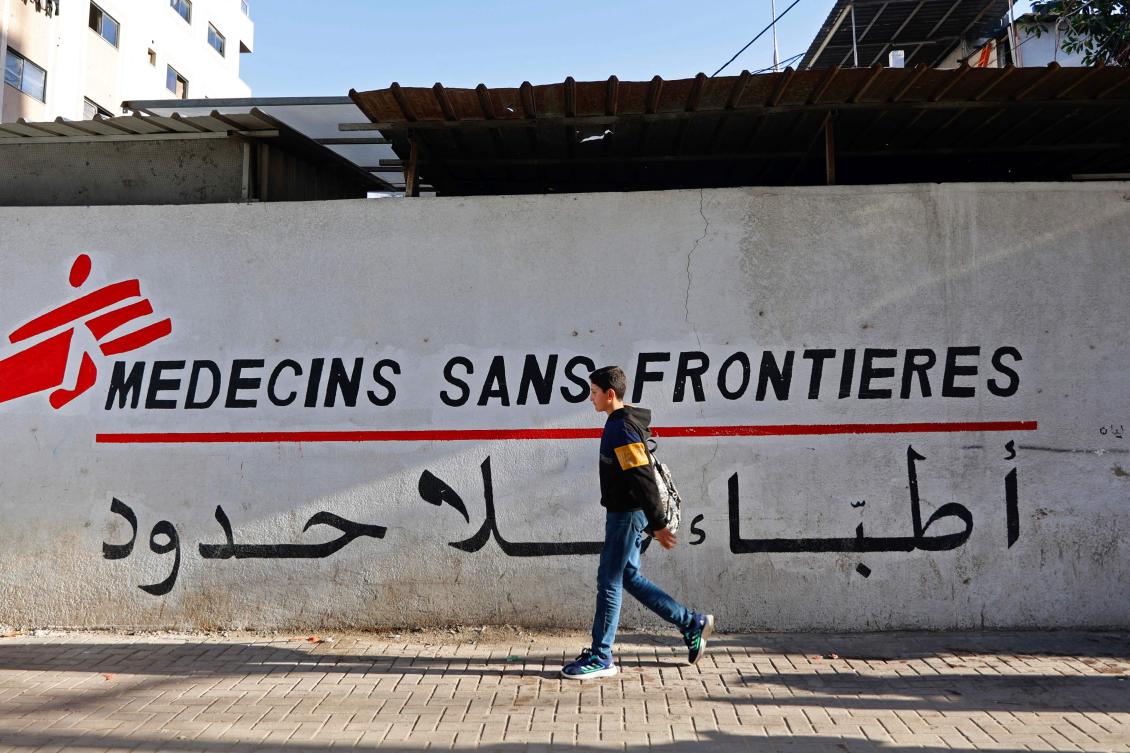
DUBAI: Medecins Sans Frontieres has rejected claims by Israeli authorities that it employed individuals with links to Hamas in Gaza, saying the allegations were only brought to the organization after the accused were killed.
“Medecins Sans Frontieres unequivocally refutes the allegations made by the Israeli authorities that we knowingly hired people with ‘ties to terrorism,’” MSF told Arab News in a statement.
“MSF would never knowingly employ anyone involved in military activities, which contradicts our core values and ethics. The MSF staff members whom Israel has alleged to have ‘ties to terrorism’ were only reported as such to our organization after they had been killed.”
On Friday, British newspaper The Telegraph revealed that Israeli lobby group UK Lawyers for Israel had written to British Home Secretary Shabana Mahmood, urging that the humanitarian organization be banned for its links to terrorism.
A report, produced by UKLFI, alleged links between MSF employees and militant groups, including Fadi Jihad Mohammed Al-Wadiya, an accused Palestinian Islamic Jihad member who was killed in Gaza City last year.
Al-Wadiya, a physiotherapist employed by MSF from 2018 to 2022 and again from Oct. 7, 2023, was killed in an Israeli airstrike in Gaza City on June 25, 2024. MSF condemned the strike at the time.
MSF initially rejected claims linking Al-Wadiya to the group. However, on Feb. 24 this year, Palestinian Islamic Jihad published a poster naming him as a “martyr commander” and identifying him as deputy head of its military manufacturing unit.
The charity later updated its post about Al-Wadiya, who remained listed as an employee on its website, to note that Palestinian Islamic Jihad had publicly stated on Feb. 24, 2026, that he had been a member of the group.
The report also accused Nasser Hamdi Abdelatif Al-Shalfouh, an MSF driver, of being a sniper for the Hamas Jabaliya battalion.
MSF questioned the reliability as well as the intention of Israeli authorities, who failed to consult with the organization prior to killing the supposed members.
“If Israeli authorities had reliable information about any MSF staff involvement in military activity, they never shared it with us before their deaths.”
The organization told Arab News that the latest allegations were part of a broader disinformation and smear campaign seeking to discredit it.
“For months, MSF has been the target of a disinformation campaign, and we strongly condemn the intentional spread of false allegations.”
Founded in 1971, MSF, also known as Doctors Without Borders, is an international medical humanitarian organization that provides emergency healthcare in conflict zones, disease outbreaks and other crises.
In Gaza, MSF’s teams provide surgical care, wound and burn treatment, maternal and pediatric services, physiotherapy, vaccinations, mental health support, water and sanitation assistance, and treatment for chronic diseases through hospitals, field hospitals and clinics.


![Pro-Palestine protesters demonstrate against normalisation with Israel, as Morocco moves to deepen diplomatic ties with Tel Aviv [Mosa'ab Elshamy/AP]](https://i0.wp.com/occasionaldigest.com/wp-content/uploads/2026/09/AP24280440675597-1728311115.jpg?w=640&ssl=1)
![Moroccan protesters display signs supporting Palestinians during a mobilisation against diplomatic ties with Israel [Abdel Majid BZIOUAT / AFP]](https://i0.wp.com/occasionaldigest.com/wp-content/uploads/2026/09/000_A8BU6GK-1776617989.jpg?w=640&ssl=1)


![US President Donald Trump waves as he walks to board Marine One as he departs from the South Lawn of the White House in Washington, DC, on September 26, 2026 [AFP]](https://i0.wp.com/occasionaldigest.com/wp-content/uploads/2026/09/1790693783_407_afp_6ab7d4f7ee67-1790432503.jpg?w=640&ssl=1)