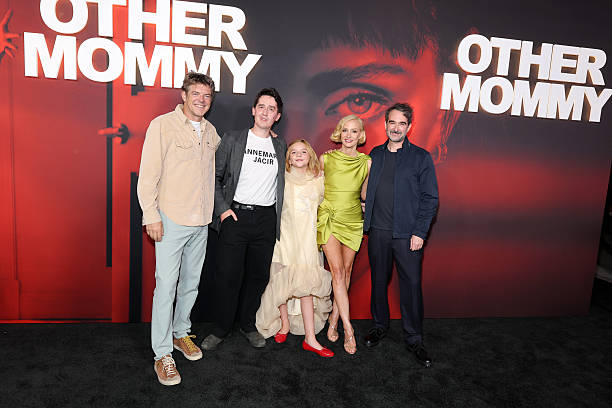
Universal Pictures’ (CMCSA) supernatural horror thriller “Other Mommy” scared up an estimated $27.5 million in domestic ticket sales over the weekend, leading the North American box office as moviegoing revenue for 2026 surpassed $8 billion.
It’s an annual fall tradition that Disneyland increase its prices — and stealthily in the night. Starting Tuesday, guests will pay more to experience the Happiest Place on Earth.
But the increases are relatively light. For the eighth year in a row, Disneyland did not raise the cost of the lowest-priced ticket, which is $104. And its highest-priced ticket, which is $224, also did not change. The increases were felt primarily on mid-level tiers for single-day, single-park tickets, and were limited to $5 apiece.
You’re reading Mr. Todd’s Wild Ride newsletter
Todd Martens’ newsletter delivers news and commentary on the past, present and future of theme parks, right from the theme park capital of the world — Southern California.
By continuing, you agree to our Terms of Service, which include arbitration and a class action waiver. You agree that we and our third-party vendors may collect and use your information, including through cookies, pixels and similar technologies, for the purposes set forth in our Privacy Policy such as personalizing your experience and ads.
Other prices also remain unchanged. The cost of Disneyland’s popular annual pass program, the Magic Key, did not increase. The top-tiered Magic Keys have been subject to hefty yearly spikes over the last decade. Parking remains fixed at $40, and multiday tickets have not been affected.
Collectively, this is one of the smallest overall increases made by the Disneyland Resort in recent history, as last year, its highest-priced single-day ticket jumped in cost $18. At a time when leisure costs are rising and forcing Americans to stay home, it comes as somewhat of a relief that Disneyland is not asking its fans to pony up substantially more cash to get through the gates.
While the Walt Disney Co. provided no official statement on the increases, Disneyland Resort officials noted in an email that it is aware guests are more closely watching their wallets in 2026. Thomas Mazloum, chairman of Disney Experiences, in a comment given to CNN, said, “Our goal is to put guests at the center of our decision making, and that starts by listening to them. That matters more now when families are watching every dollar, and we see it in the choices they make every day — in how they plan, in how far ahead.”
It’s also an indication that, at least for the time being, the Disneyland Resort has pushed its prices as far as they can go. Disneyland is blessed with an in-demand product, but every commodity has its limits.
In May, the Walt Disney Co. reported a 1% decline in attendance at its U.S.-based parks compared with the prior year, which the company attributed to “continued softness” in international visitors. In August, however, Disney bounced back, and noted, especially at Florida’s Walt Disney World, that attendance had perked up. Overall, visitation at its U.S.-based theme parks was 3% higher than in the previous year’s third quarter, the company said. This boost was largely attributed to a variety of summer deals.
As someone who is at Disneyland nearly every week, I can report that summer crowds were relatively manageable. There have been some asterisks, such as the World Cup and high heat, both likely keeping guests away, but anecdotally, Disneyland crowding hasn’t been nearly as extreme this year. I simply believe that people do not currently have the excess funds that they once had.
And Disney seems to be responding to the economic climate, especially in making it easier for its biggest fans to visit the resort. In conjunction with the price increases, Disneyland President Jill Estorino announced Tuesday that the company would be removing its no-show penalty on annual passholders. Additionally, passholders can now cancel their reservations up to 11:59 p.m. on the day of their reservations.
These are welcome changes, as previously guests were allowed three no-show penalties before their ability to make reservations was restricted, and had to cancel the night before. But plans change, and the reservation system restrictions, initially put in place to manage crowding during the COVID-19 pandemic, had increasingly felt like an impediment. While reservations are still required, which Disneyland has stated helps the resort plan its crowd-forecasting and staffing, the system is more lax and user-friendly than it has been.
Digging deeper into Disneyland’s pricing, there have been some small changes elsewhere. The cost of the line-skipping feature Lightning Lane, which can fluctuate based on crowding levels, now has a top price of $38, an increase of $1. And the park-hopper add-on for single-day tickets, which can also fluctuate, increased $5-$10, depending on the day. And earlier this year Disneyland did increase its prices on a number of food items.
The Disneyland Resort, to be sure, is not cheap. In the world of entertainment, it remains a luxury good on par with postseason Dodgers tickets (albeit with cheaper parking than Dodger Stadium). But I credit the Disneyland Resort for reading the cultural room. Pulling the plug on its recent steady and hefty price increases, especially on annual passes, shows the company can occasionally listen to its audience as much as it does Wall Street. Sure, a price decrease would be nice, but we don’t live in a fantasyland.
This week in SoCal theme parks
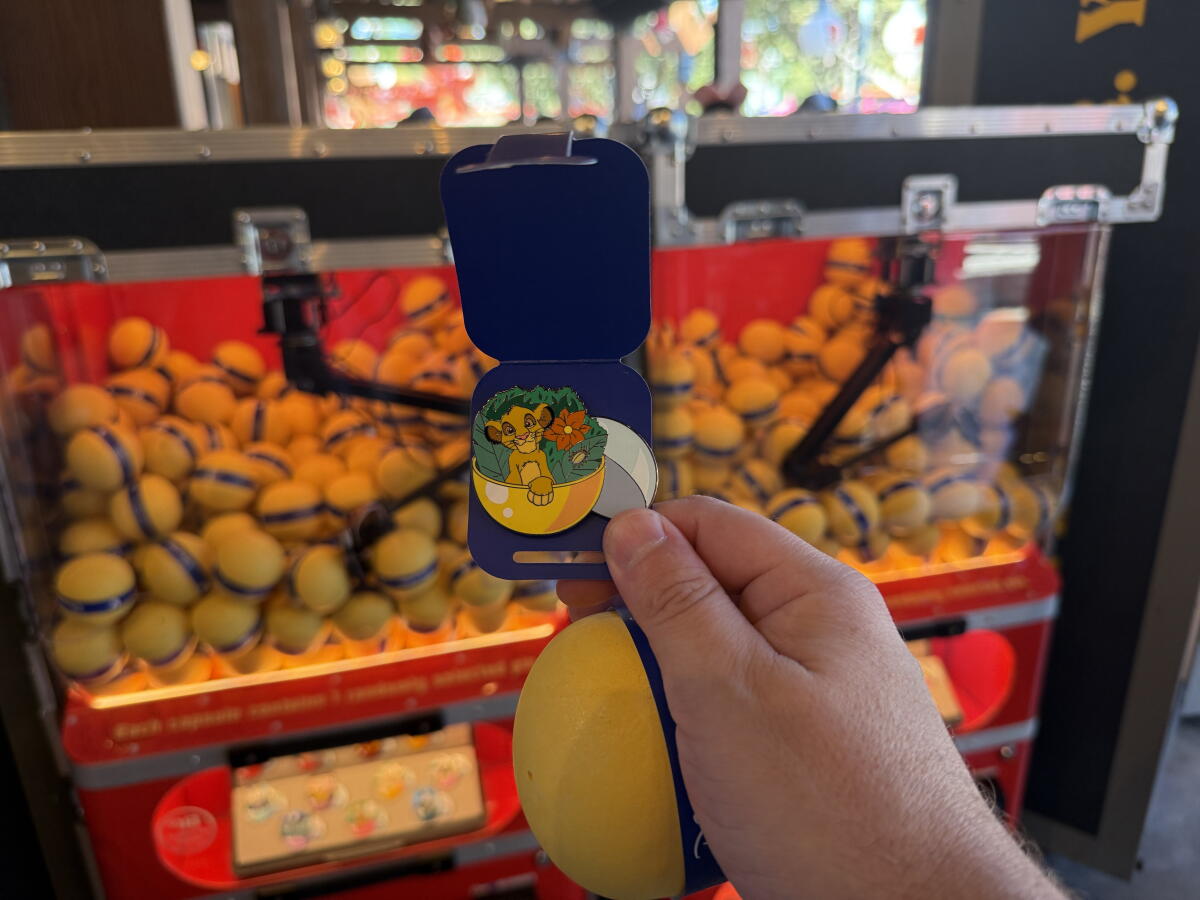
The Disneyland Resort has added new collectible pin trading vending machines.
(Todd Martens / Los Angeles Times)
Attention Disneyland pin traders! The Disneyland Resort has added a new pin line available in select vending machines throughout the property— look for them in San Fransokyo Square and Pixar Pier in Disney California Adventure and at the Star Wars Trading Post in Downtown Disney. Each pin is $18, and one buy gets you one egg-like orb with a mystery pin. There are 15 in the set — I got Simba, as seen above — and offerings include park staples such as the Hatbox Ghost as well as classic characters such as Princess Aurora and Dumbo. Some are marked limited edition — “chasers,” in Disney pin trading speak — so be on the lookout. Thanks to Mr. Daps for the heads-up.
A Disneyland ticket deal. With life constantly getting more expensive (see above), it’s a good time to hunt for a deal. If you’re a Costco member, reports are that there’s a pretty good one happening right now. Valid through Dec. 18, Costco is said to be selling a two-day Disneyland park hopper ticket with the line-skipping feature Lightning Lane already added in for $329.99. The offer includes a $60 dining card, and works out to a savings of a couple hundred. Disney Tourist Blog has more details on the limited deal.
An applaudable energy project. Six Flags Magic Mountain has announced the completion of its solar carport project, the largest solar carport in California. Covering 4,315 parking spaces, the project was designed to offset 100% of the energy consumption of Magic Mountain and Hurricane Harbor (while also providing some shade and sun protection for its parked cars). The project is interconnected with the Southern California Edison grid, meaning excess energy may be exported as well as allowing the parks to draw energy from the project when needed. The carport also offers 109 electric vehicle charging stations.
A pause at Castle Park. Riverside’s long-standing Castle Park is beginning the creation of what it says is a“reimagined experience.” As such, on Nov. 1 its Ride Park will halt operations for the foreseeable future. “We’re taking the time to plan the right rebuild and will share updates as plans take shape,” the company says in an FAQ on its site. Its mini golf and arcade areas will continue to welcome guests.
More on the noise issues around the ‘Fast & Furious’ coaster
Riders on Universal’s new Fast & Furious: Hollywood Drift.
(Ronaldo Bolanos / Los Angeles Times)
There will be no shortage of updates and news on Universal’s new Fast & Furious: Hollywood Drift coaster in the coming weeks, months and maybe even years, especially as the attraction continues todraw the ire of the park’s neighbors in Toluca Lake. Universal Studios Hollywood held a meeting with nearby residents on its studio lot last Wednesday. The session was closed to the media but was said to attract more than 350 neighbors. I spoke with a number of residents, as well as Universal, after the session, and indications are that the two sides still haven’t settled on a compromise. The issue, of course, stems from the sound of rider screams from the coaster drifting into the residential area.
Universal has promised, through the end of the year, to not begin operating the coaster before 9 a.m., and has also, in response to community feedback, installed a new sound barrier featuring an additional 1,900 square feet of sound absorbing material. The new barrier includes a sail that’s about 63 feet tall and 31 feet wide. But residents I spoke to feel it’s not yet enough. I’ve heard many stories from neighbors in recent weeks regarding the disruption caused to their lives. They range in extremes. A neighbor without air conditioning says they can no longer open their windows. A resident who offers meditation services from their home says their business is now potentially forever impacted. A teen was unable to complete a SAT prep test due to the incessant screaming. Many report insomnia from the rise in anxiety levels. There’s plenty more.
The meeting was said to grow contentious near its end. Residents provided data on how the effects of noise, specifically screams, can cause stress-related responses. Universal is said to have discussed the challenges in further mitigating the sound. County supervisor Kathryn Barger was in attendance and is calling for additional communication between the two sides. “The meeting’s dialogue made clear that the lives of surrounding residents are being impacted and disrupted,” Barger said via a statement. “I respect Universal’s decision to host this forum and listen to the concerns being raised. I encourage all stakeholders to maintain an ongoing honest dialogue.”
Tell us your stories. Ask us your questions.
Have a theme park tale to share? Whether it was a good day or less-than-perfect day, I would love to hear about it. Have a question? A tip? A fun photo from the parks to share? Email me at todd.martens@latimes.com. I may feature your note in an upcoming newsletter.
Ride on,
Todd Martens
—
This newsletter is free thanks to the support of L.A. Times subscribers. If you’re not yet a subscriber, explore subscription packages to unlock unlimited digital access and support award-winning local reporting.
Was this newsletter forwarded to you? Sign up here to get it in your inbox.
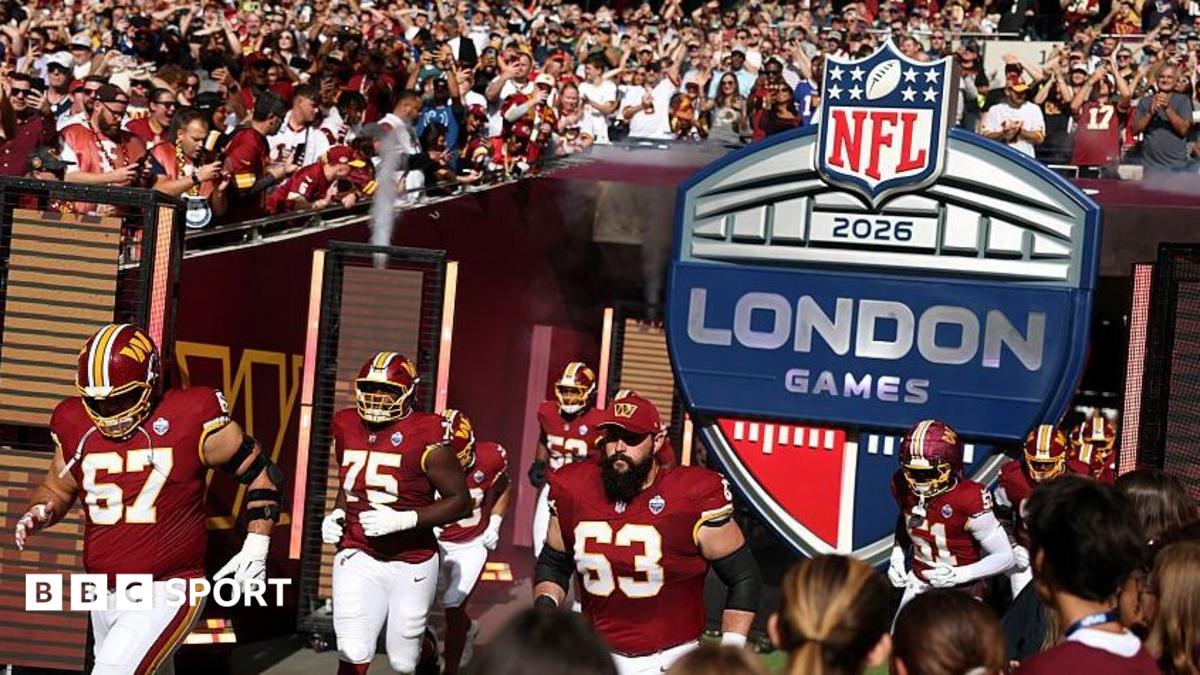
Tickets to see Indianapolis beat Washington 30-13 on Sunday went on sale in July at £79-£245.
But the NFL then dropped prices twice, in late August and again last week. That meant some fans who paid £185 were sat next to fans who paid £79 a few days ago.
Some tickets were also discounted or free via the Blue Light Card and Tickets For Good platforms.
Matt Cullen travelled from Cambridge to most of the London games and said there were two main reasons for the slow sales; a price hike and a season-ticket package being scrapped.
“I find the prices now mind-boggling,” he added. “It’s so far above the rate of inflation that it just feels like a money-grab. It’s priced out a lot of long-term fans.”
In 2019, tickets ranged from £55 to £125. According to Ticket-Compare, UK inflation has since risen by about 32.4% and the cheapest NFL London tickets have risen by 43.9%. The most expensive have seen a 96.5% hike.
Season-ticket packages had been available, guaranteeing seats for each London game with a discount, but they were scrapped after the 2024 season.
“It felt like a kick to the head for a lot of loyal fans who’d supported the games for a long time and spent a lot of money,” said Cullen, a former season-ticket holder. “But I do understand the NFL wants to bring new fans in.”
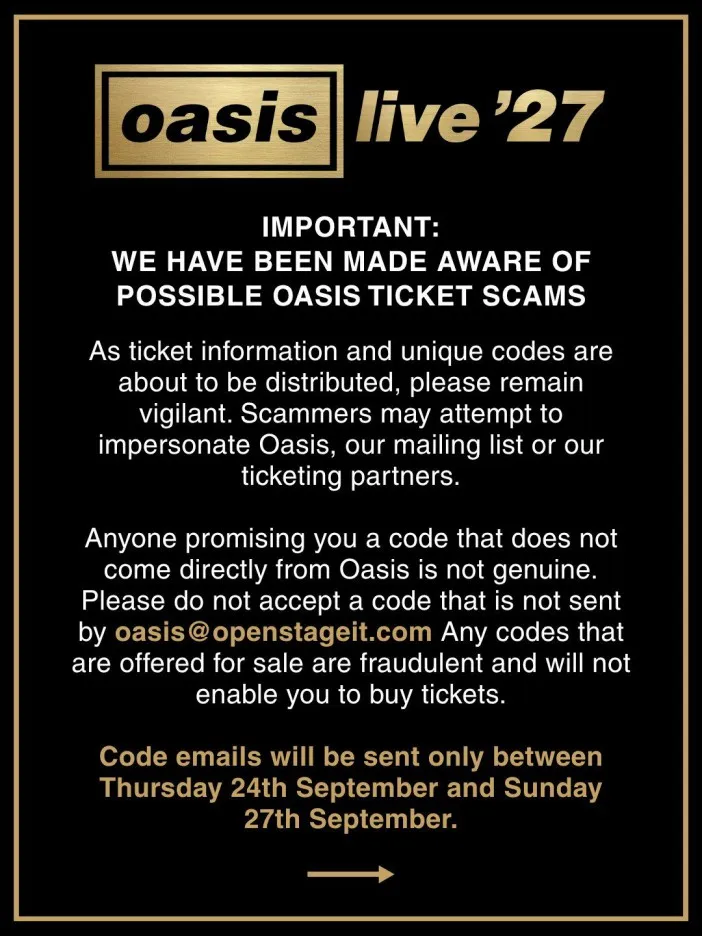
The band stressed that anyone promising a code which has not been sent directly by Oasis is “not genuine”, and said legitimate emails will come only from oasis@openstageit.com.
“Any codes that are offered for sale are fraudulent and will not enable you to buy tickets,” they added.
Oasis also clarified that code emails will only be sent to fans between today and Sunday, September 27.
Fans who have been randomly selected will receive an email using the same name and email address with which they registered.
It will contain a unique, personal and non-transferable code and will direct them exclusively to Ticketmaster.
The warning comes as the band add extra dates to the tour, including additional concerts in the UK, Munich, Rome and Paris.
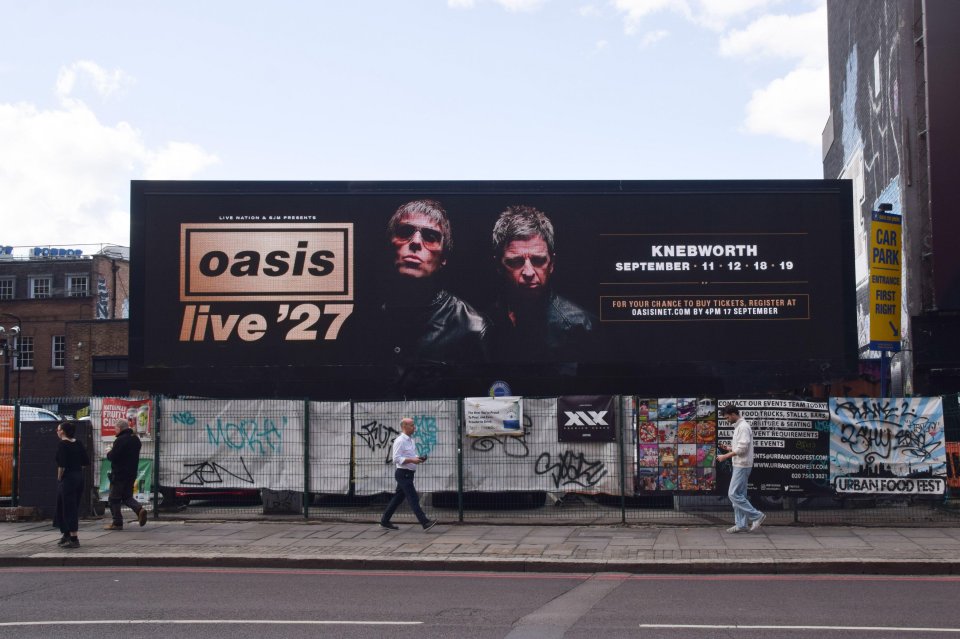
Two additional Knebworth shows have been confirmed for September 25 and 26. This takes the band’s run at the historic site to six nights.
OASIS fans who are eager to grab tickets for their 2027 tour must keep an eye on their emails over the next few days.
This is because those who have been selected from the ballot will be given a unique code in order to access the site to buy tickets. Here’s what you need to look out for.
Oasis start their latest tour in May 2027 at Celtic Park, GlasgowCredit: Alamy Live News.
When are Oasis codes released?
Codes for tickets will be released between Thursday 24th and Sunday 27th September 2026.
As published on oasisnet.com, if you have been selected to buy an Oasis Live ’27 ticket, a unique code and full details of how to buy tickets will be sent to the email address and name fans registered with.
Sign up for the Showbiz newsletter
Thank you!
There will be no general sale for the tour, but there is also no set time on when fans will receive their codes.
This means that fans who are invited to buy a ticket on Sunday 27th September may receive their code later.
Fans have been warned to check their junk folders over this period just in case the email with the code attached drops in there.
When do tickets go on sale?
General sale for tickets will be across three dates, but you’ll only be able to access the sale on your allocated day.
Registration closed on Thursday 17th September at 4pm, with fans now having to wait to see if they are lucky enough to have been selected.
The three days the general sale will be on are:
Friday September 25
Saturday September 26
Sunday September 27
Ticket prices are fixed and will range between £71.50 to £266.60. Ticket prices will vary depending on the location of the concert and where you are stood or sat.
What are the confirmed tour dates?
Oasis are returning to Knebworth house in 2027, for the first time since their iconic 1996 gigs which saw 250,000 people attend over two days.
They have 11 nights booked at the Etihad stadium, home of the Gallagher brothers beloved Manchester City, having last played there in 2005.
The icons will also return to France for the first time since their acrimonious split at Rock en Seine festival in Paris in 2009.
Oasis’ 2027 tour schedule revealed
OASIS will play 38 nights across 11 cities in 2027, they announced today at 4pm
May 2027 May 21 Glasgow, Celtic Park May 23 Glasgow, Celtic Park May 25 Glasgow, Celtic Park May 28 Glasgow, Celtic Park May 29 Glasgow, Celtic Park
June 2027 June 04 Manchester, Etihad Stadium June 06 Manchester, Etihad Stadium June 08 Manchester, Etihad Stadium June 11 Manchester, Etihad Stadium June 12 Manchester, Etihad Stadium June 15 Manchester, Etihad Stadium June 18 Manchester, Etihad Stadium June 19 Manchester, Etihad Stadium June 22 Manchester, Etihad Stadium June 25 Manchester, Etihad Stadium June 26 Manchester, Etihad Stadium
July 2027 July 02 Munich, Allianz Arena July 03 Munich, Allianz Arena July 10 Barcelona, Estadi Olímpic Lluís Companys July 11 Barcelona, Estadi Olímpic Lluís Companys July 16 Amsterdam, Johan Cruijff ArenA July 17 Amsterdam, Johan Cruijff ArenA July 23 Paris, Stade de France July 24 Paris, Stade de France July 29 Rome, Stadio Olimpico July 30 Rome, Stadio Olimpico
August 2027 August 10 Boston, Gillette Stadium August 13 Boston, Gillette Stadium August 14 Boston, Gillette Stadium August 20 Las Vegas, Allegiant Stadium August 21 Las Vegas, Allegiant Stadium August 24 Las Vegas, Allegiant Stadium
September 2027 September 04 Slane Castle, Ireland September 05 Slane Castle, Ireland September 11 Knebworth, UK September 12 Knebworth, UK September 18 Knebworth, UK September 19 Knebworth, UK
A NEW train ticket rule has officially rolled out to make life much easier for travellers.
Passengers on Britain’s biggest train operators will now spend much less money when their train is cancelled.
A new train rule has come into force making life much easier for passengersCredit: PA:Press Association
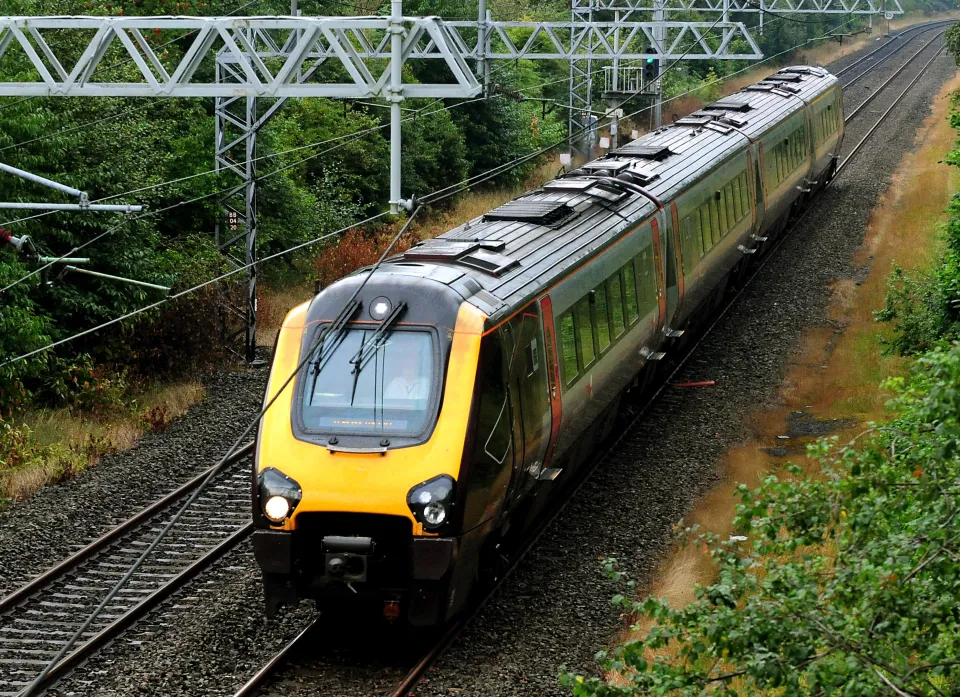
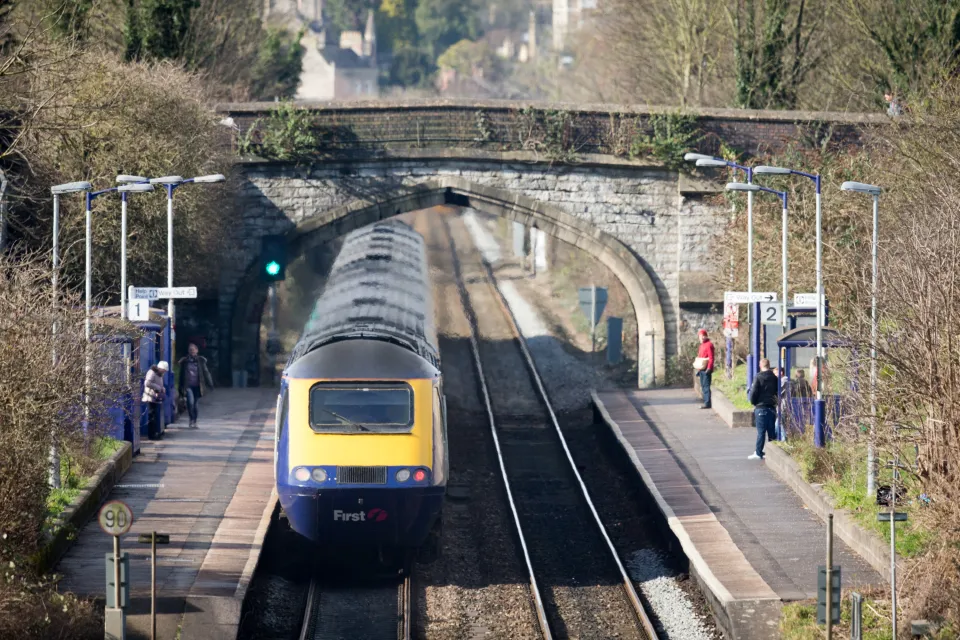
For the first time, passengers left stranded at stations can use an alternative operator’s service to complete their journey free of charge.
The new rule which came into force on Sunday, September 20 hopes to end limbo at stations following cancellations and end the need for costly re-bookings.
Sign up for the Travel newsletter
Thank you!
Many regular travellers will be aware that this scheme already operates across all 13 publicly-owned operators, such as LNER, Southern, South Western Railway and Greater Anglia.
However, from now, Avanti West Coast, Chiltern Railways, CrossCountry and Great Western Railway will also be involved, offering more stability on a host of key intercity routes across the UK.
East Midlands Railway will also be joining the scheme at a later date.
The new scheme comes ahead of the establishment of Great British Railways (GBR) – a programme to transfer all rail services to public ownership and to create a “one-stop shop” for train travel.
Valid ticket holders can travel with another train operator on a direct or reasonable alternative route, but the service must depart within two hours before or after the original cancelled train.
To claim the new ticket, passengers will need to show their original ticket to customer support staff as a proof of purchase, and will not be required to download the new one.
Full list of operators taking part in the new scheme:
East Midlands Railway is expected to join the scheme at a later date:
c2c
Gatwick Express
Greater Anglia
Great Northern
LNER
London Northwestern Railway
Northern
Southeastern
Southern
Thameslink
South Western Railway
Transpennine Express
West Midlands Railway
Avanti West Coast (new)
Chiltern Railways (new)
CrossCountry (new)
Great Western Railway (new)
When the new scheme was unveiled, Rail Minister, Lord Hendy, said: “This is a simple, common-sense change that puts passengers first.
“No one should be left stranded because of a fragmented railway when their journey is disrupted.
“From this weekend, if your train is cancelled, you can get on another operator’s service and carry on your journey without paying again.
“We’re fixing the railway from the ground up, making it simpler, fairer and easier to use, as we move towards Great British Railways and put public service back at the heart of our railways.”
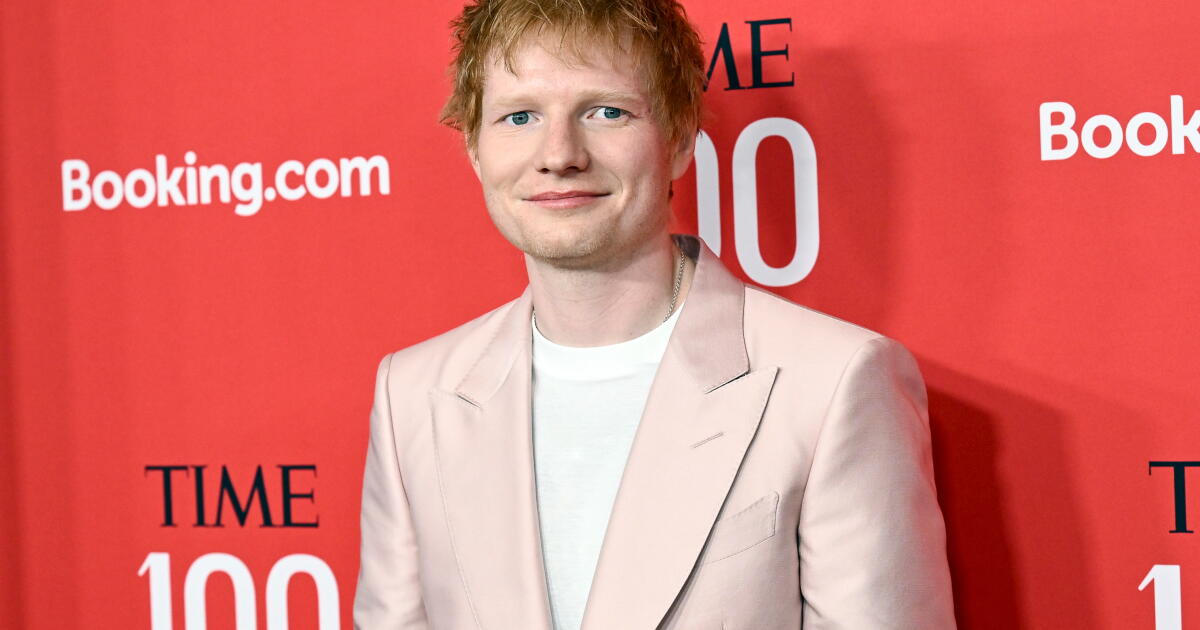
PHILADELPHIA — Ed Sheeran opened a solo concert in Philadelphia on Saturday with comments about Gaza, saying what’s happening is “catastrophic and unjustifiable.”
“My heart has been broken by the scale of devastation and loss of civilians’ lives, of children’s lives,” Sheeran said at his nighttime performance at Lincoln Financial Field.
Sheeran also said he wants his music and shows to be about unity and humanity, not politics.
He then addressed the controversy that unfolded since his supporting acts withdrew in solidarity with opener Macklemore, who was dropped from the tour after making pro-Palestinian comments onstage.
Sheeran has performed much of his Loop Tour concerts solo, but he had been joined for several songs at each stop by the Irish folk band Beoga. Macklemore, Sheeran’s original U.S. opener, had been replaced by Danish band Lukas Graham and Irish singer Aaron Rowe before they backed out.
Finneas, Billie Eilish’s brother and musical collaborator, was due to tour with Sheeran in South America later this year before he too dropped out earlier this week.
As of Saturday afternoon, tickets were still available for the show, and Sheeran’s website did not list any replacement acts.
Earlier a group of about 50 pro-Palestinian demonstrators congregated outside the stadium before the show. Hillary Steinberg, 34, of Philadelphia, said she got tickets a year ago but wound up getting a refund and attending the demonstration instead, disappointed that Sheeran had not taken a stand.
“I was, until this week, a big Ed Sheeran fan,” Steinberg said. “I think all art is political, and all music is political, and so this choice — even though he was saying that he wasn’t complicit — is a political choice.”
The show comes after a tumultuous week that opened with Macklemore being dropped in response to exclaiming “Free Palestine!” during a Sept. 5 show in New Jersey. Sheeran has said he was not responsible for the decision, which came at the urging of New England Patriots owner Robert Kraft. His company owns a stadium where Sheeran’s tour was scheduled to play Friday.
Within hours of Sheeran’s statement Tuesday, his supporting acts withdrew.
Diane Savitz, a 53-year-old concertgoer from Stroudsburg, Pa., got her tickets to the show months ago and is a big Sheeran fan. She said she does not think that he did anything wrong or that a concert is the place for politics.
“A concert should be for people enjoying the music. Music should bring people together,” Savitz said. “Everyone has their right to freedom of speech, but not every platform is the place for it.”
Macklemore said Wednesday he is donating $1 million to support Palestinian relief efforts and called on Kraft to match the gift; a spokesperson for Kraft has said the billionaire and Sheeran have each agreed to donate $2 million but have not specified where the money will be directed. Sheeran’s representatives have not responded to multiple requests for comment.
Sheeran’s Loop Tour was the highest-grossing in the world, with an average box office gross of over $7 million per city, Pollstar said in May. Through the end of 2025, Sheeran was the No. 3 top-earning concert act since 2021.
Sheeran has said the tour promoter was ultimately responsible for the decision to drop Macklemore.
The Grammy winner was adamant in his Tuesday statement that he wouldn’t be drawn into discussion of the war in Gaza, arguing that his fans don’t come to his shows to hear about these issues.
He also said he “spoke with the venues at length all week to try to build a bridge” before Macklemore was dropped. He insisted he would never willingly let down his fans or abandon the touring crew and others who rely on him to make a living.
While promoters and venues wield great power over concert tours, experts say an artist of Sheeran’s magnitude generally has the final say about what happens concerning the shows.
Sheeran told the crowd in Philadelphia that everyone is welcome at his concerts, and they can have opposing points of view while still singing his songs, which are about “love, hope, and unity.”
Vejpongsa writes for the Associated Press. AP journalist Jessica Hill in Las Vegas contributed to this report.
Mark Walter may be selling the Lakers, but the new owners plan to take a money-making page out of the Dodgers’ playbook nonetheless: Dump the ticket brokers and leverage control over the resale market to drive up the cost of a ticket.
As a result, the average price for a Lakers ticket could rise from $217 to $361 within the next two years, the Wall Street Journal reported Friday, citing documents prepared for potential investors.
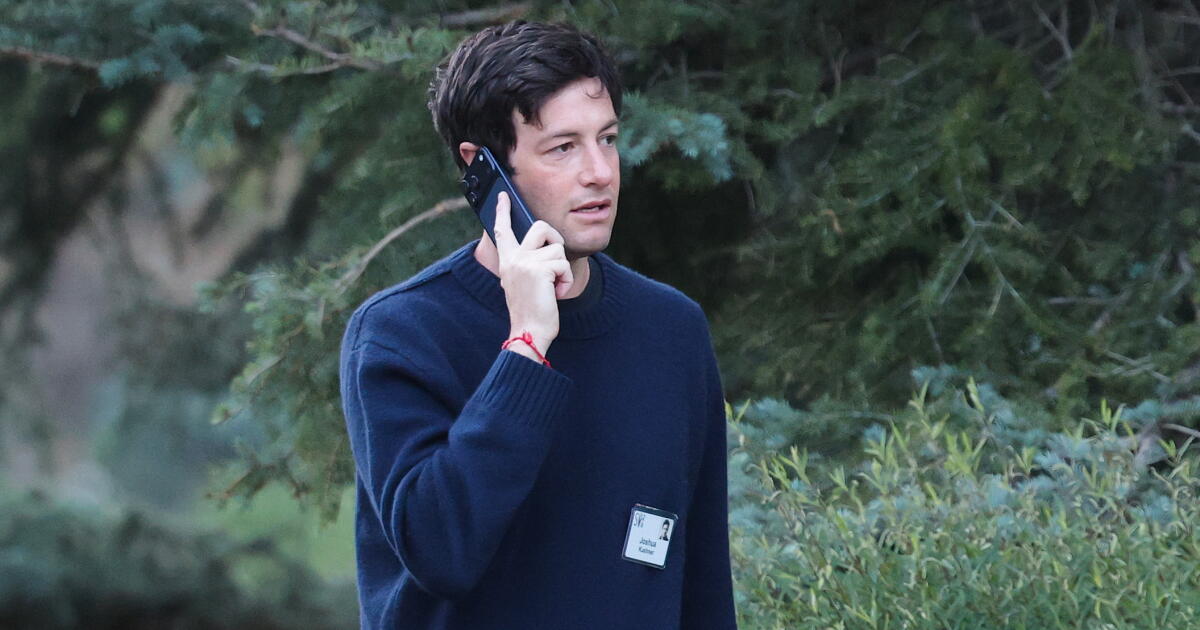
Thrive Eternal, the sports properties company run by incoming Lakers owner Joshua Kushner, declined to comment because the NBA has not yet approved the sale.
However, the $361 figure was intended to illustrate to potential investors how much incremental ticket revenue the Lakers could gain by booting the brokers, not to signal another immediate and steep price hike, according to a person familiar with the deal but not authorized to comment publicly about it.
In February, under Walter’s ownership, the Lakers announced significant increases in ticket prices for the 2026-27 season. No announcement has been made for seasons beyond then, but the investor presentation provides information on how prices have increased for NBA tickets across the league.
Sports teams often enjoyed long and beneficial relationships with brokers, who bought out blocks of season tickets. That guaranteed the teams with revenue, with brokers benefiting from a markup for popular games but taking the risk that tickets to less popular games would sell at a loss, or not at all.
Over the past decade, the Dodgers and other teams have kicked out the brokers and taken that risk themselves, with the aid of dynamic pricing: the constant raising or lowering of ticket prices based on real-time supply and demand. For the Dodgers, the worst tickets seldom fall to market rate, because the team would rather live with a few empty seats rather than condition fans to hold out for a lower price.
The Dodgers lead the major leagues in attendance, on pace to sell 4 million tickets for the second consecutive season. The Lakers played to 99.8% of capacity last season, according to ESPN. So the calculus is simple for both teams: Sell a $100 ticket to a broker, who would then sell it for $200; or cut out the broker, sell the ticket for $200, and pocket the $100 difference.
Kushner and former Disney Chief Executive Bob Iger agreed last month to buy controlling interest in the Lakers, at a $12.5-billion valuation. The world’s most valuable sports team, according to Sportico: the Dallas Cowboys, at $15.5 billion.
According to the Journal, the Thrive Eternal investor pitch projected that the Lakers could leverage increases in ticket prices, media rights, sponsorships and international growth to generate close to $600 million in annual profit by 2037, when the value of the franchise could reach $30 billion.
Times owner Dr. Patrick Soon-Shiong holds a 4% stake in the Lakers. He is not selling his stake in the Lakers, his attorney told The Times last month, in part because “we believe they are still undervalued.”
A NEW train ticket rule will be rolled out this weekend, allowing passengers to switch to rival operators for free.
The changes look to make disrupted journeys smoother for travellers and mean they won’t be forced to purchase last-minute pricey tickets.
Passengers who face cancellations will be able to travel on trains by different operators for no extra chargeCredit: Getty Images – Getty
Those left stranded after a train cancellation will be able to travel on services run by different operators at no additional charge, the government has announced.
The changes are set to be introduced on Sunday, September 20, and promise a smoother travel experience for those facing disrupted journeys.
Sign up for the Travel newsletter
Thank you!
Many travellers will be aware that cross-operator ticket acceptance is already available across all publicly owned operators.
However, as of Sunday, CrossCountry, Great Western Railway, Avanti West Coast and Chiltern Railways will all become part of the scheme too.
Passengers travelling on any of the services included in the scheme can hop onto the next train if their original route is cancelled, even if it is a different service run by a different operator, without needing to buy a new ticket.
It must be departing two hours before or after your original cancelled service, and the new journey must be a “direct or reasonable alternative route”.
All that is required to complete a journey is showing customer support staff your original ticket to serve as proof of purchase.
Full list of operators taking part in the new scheme:
East Midlands Railway is expected to join the scheme at a later date:
c2c
Gatwick Express
Greater Anglia
Great Northern
LNER
London Northwestern Railway
Northern
Southeastern
Southern
Thameslink
South Western Railway
Transpennine Express
West Midlands Railway
Avanti West Coast (new)
Chiltern Railways (new)
CrossCountry (new)
Great Western Railway (new)
Rail Minister, Lord Hendy, said: “This is a simple, common-sense change that puts passengers first.
“No one should be left stranded because of a fragmented railway when their journey is disrupted.
“We’re fixing the railway from the ground up, making it simpler, fairer and easier to use, as we move towards Great British Railways and put public service back at the heart of our railways.”
It is just one of the moves that comes as part of the government’s overhaul of the rail system.
Ahead of the establishment of Great British Railways, travellers can also expect to see pay-as-you-go services rolled out across Greater Manchester, the Midlands and the south-east thanks to a £156million investment by the Government into new ticketing scheme.
A new GBR website and app is also being designed to act as a “one-stop shop” for those heading out on a rail journey.