Iran war live: US, Tehran signal peace deal within reach but not signed yet
Four activists from Palestine Action jailed by a British court over protest raid on Israeli arms firm in UK.
Source link
Four activists from Palestine Action jailed by a British court over protest raid on Israeli arms firm in UK.
Source link

June 12 (UPI) — Iran said it had yet to make a final decision on an agreement with the United States to end the war, despite U.S. President Donald Trump saying it was a done deal that could be signed as early as this weekend.
Speaking on Thursday night, Iranian Foreign Ministry spokesman Esmaeil Baqaei said Tehran was reviewing a proposal brokered by Qatar and Pakistan but dismissed reports agreement had been reached as “speculation,” adding that “nothing has been finalized.”
“So far, Iran has not reached a final conclusion on the agreement. Whenever we reach a conclusion that the text of the [memorandum of] understanding is in the interest of the Iranian nation, we will announce it.
“The status of negotiations was clear to us from the beginning and a major part of the text had been finalized, but the Americans kept changing their positions,” said Baqaei who stressed Iran would never retreat from or compromise “on what it defines as its red lines.”
Baqaei’s comments came hours after Trump called off planned large-scale strikes against Iran, including Kharg Island, from which 90% of Iran’s crude oil exports are shipped, saying the Iranian leadership, and other regional powers, had approved “final points” of a deal to end the war.
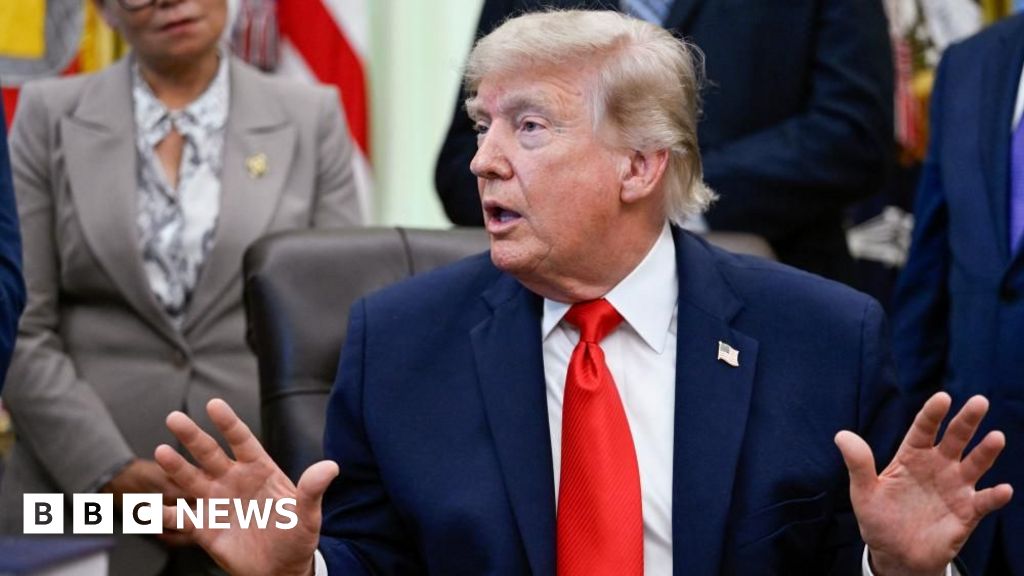
“Based on the fact that discussions with the Islamic Republic of Iran have been brought to the highest level of Iranian leadership and approved, I have, as President of the United States of America, cancelled the scheduled strikes and bombings against Iran this evening,” Trump said Thursday afternoon.
Trump later said the deal was “subject to finalization of documents, which should get done, over the next few days” and that there would “probably” be a signing ceremony, with Europe the most likely location.
The status of the Strait of Hormuz was also in contention with an announcement by U.S. Central Command that the key shipping route was not controlled by Iran and was “open for transit” to all vessels not in breach of the U.S. blockade of Iran, contradicted by Baqaei.
“The Strait of Hormuz remains closed due to illegal U.S. actions,” he said.
Trump has stated an agreement to end the fighting was imminent on multiple occasions since a cease-fire, originally for two weeks, came into force on April 28.
The deal being negotiated is a memorandum of understanding extending the cease-fire for 60 days to allow larger negotiations on the main issues, including Iran’s stockpile of enriched uranium and its nuclear program.
Oil prices reacted strongly to the developments overnight with both Brent crude, the international benchmark, and West Texas Intermediate, falling sharply in the global market. The Brent contract for August delivery was down $3.83 a barrel at $86.54 in mid-morning trade in London on Friday while American crude for July delivery was changing hands at $83.88 a barrel, down $3.83.
DUBAI, United Arab Emirates — President Trump threatened Thursday to launch major strikes on Iran and seize control of its oil industry as escalating attacks between the countries pushed the Middle East closer to the resumption of a full-scale war.
Trump said in a social media post that the U.S. would hit Iran “VERY HARD TONIGHT” and would “assume total control” of Iran’s oil and gas industries, including the vital Kharg Island oil terminal, in the “not too distant future.”
The American leader’s latest threats came as efforts to negotiate an end to the war appeared stuck. Trump has voiced his frustration with the stalled negotiations, warning earlier in the week that Tehran would “pay the price” for taking too long to reach a deal.
Iran’s monthslong stranglehold on the Strait of Hormuz has disrupted global energy supplies, driven up fuel prices and made food and other basics more expensive well beyond the region.
The U.S. and Iran traded strikes for a second straight day Thursday after reaching a tenuous ceasefire more than a month ago. While the strikes have increased tensions in the region, they have been more limited compared to the early weeks of the war and negotiations between the U.S. and Iran are ongoing.
Trump’s threats on Thursday, while stark, represented his latest verbal escalation in the Iran war. In April, he warned Iran that “a whole civilization will die tonight, never to be brought back again” if it didn’t agree to his terms, before extending a ceasefire.
Kharg Island — located on the other side of the Persian Gulf from U.S. bases in Kuwait and Saudi Arabia — is the beating heart of Iran’s oil industry, through which 90% of its exports pass. It is important because Iran’s coastline is mostly too shallow for tanker ships to dock.
It was unclear how serious Trump was about his threat to seize it.
“My preference has always been to take Kharg Island,” Trump said in an interview Thursday on Fox News. “I don’t know that America has the stomach for it to be honest.”
American troops would be vulnerable on Kharg Island because of its close proximity — about 21 miles — to the Iranian mainland, from which missiles, drones and artillery could be fired.
Trump indicated in the interview that he remains averse to sending U.S. forces into Iran. “We could walk in there tomorrow. We could take soldiers — I don’t want to have boots on the ground. But if I wanted to we could put a small group of soldiers and take over the place.”
Trump compared his threat to take over Iran’s oil industry to how the U.S. assumed control of Venezuela’s oil sector after capturing then-president Nicolás Maduro in January.
American strikes on Iran that lasted into Thursday morning appeared more intense and widespread than the day before.
Tehran released little information on the extent of the damage and said it fired back at Kuwait, Bahrain and Jordan, as it had the previous day.
It was the third time this week that back-and-forth strikes have rattled the Middle East. The first involved attacks between Iran and Israel, followed by the two rounds of fire between the U.S. and Iran, which hit countries in the region that host American bases.
Iran’s Foreign Ministry said in a statement Thursday that the U.S. attacks had “effectively rendered the ceasefire … meaningless,” without saying it was abandoning it.
U.S. Treasury Secretary Scott Bessent said in a social media post that the U.S. would extract funds from frozen Iranian accounts to offset the costs of damage to American allies as well as any tolls Iran imposes on ships seeking passage through the Strait of Hormuz.
Beyond the deadlock over the strait, the two sides also remain at odds over Iran’s nuclear program, which Tehran insists is peaceful but which the U.S. and Israel fear could be used to build an atomic weapon due to its stockpile of highly enriched uranium. The U.S. and Israel said a major reason they went to war on Feb. 28 was to ensure that Iran would never be able to do that.
Iran has insisted that any deal to end the war must also end fighting in Lebanon between its ally Hezbollah and Israel. But Israeli Prime Minister Benjamin Netanyahu appears intent on pursuing his goal of destroying the militant group.
Central Command said its latest round of airstrikes came “in response to Iran’s unwarranted and continued aggression” and targeted “Iranian military surveillance capabilities, communication systems and air defense sites.” It did not elaborate on the damage done by the strikes, which it said ended just before sunrise Thursday in Iran.
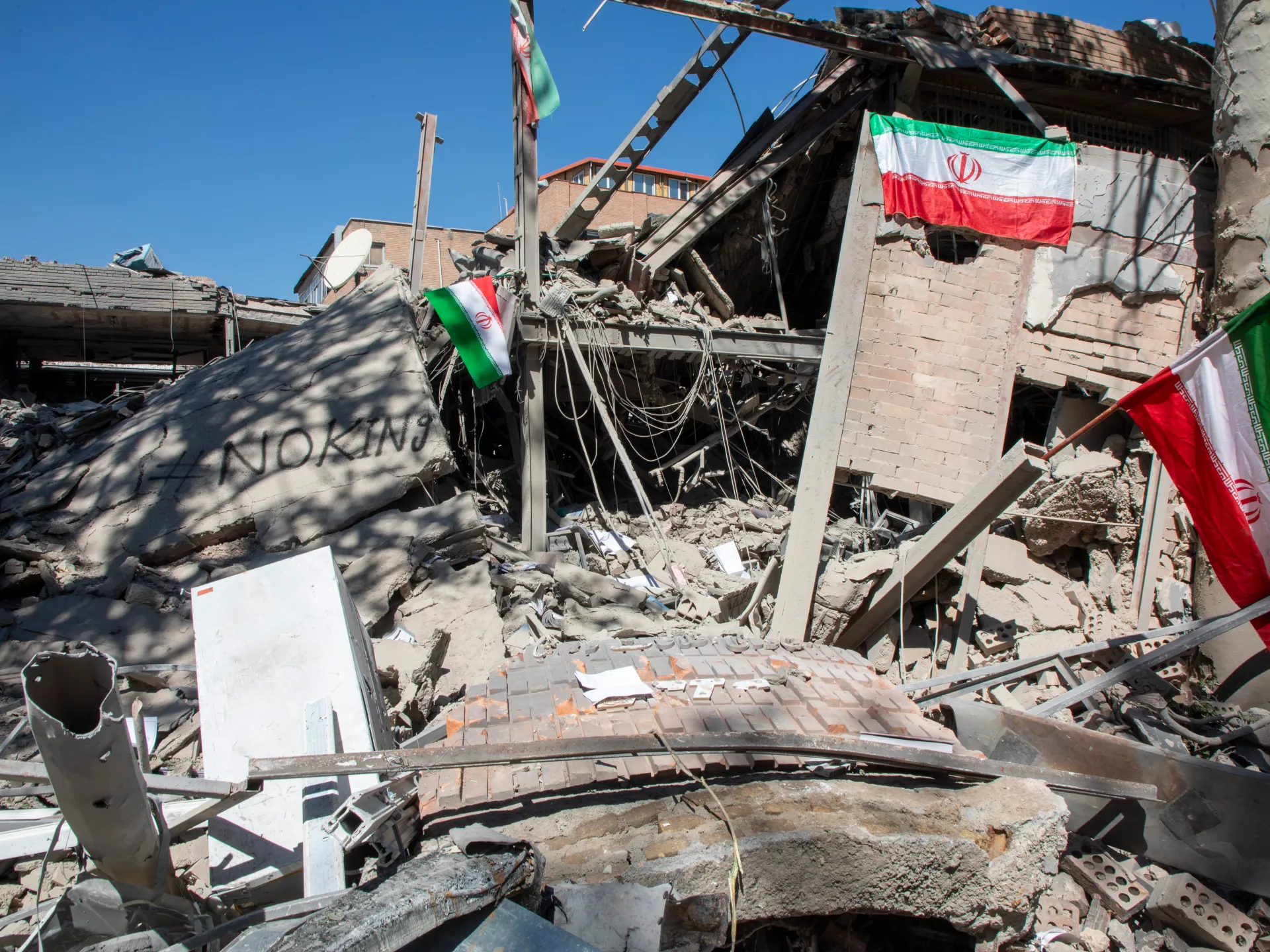
Explosions from the strikes echoed around Iran’s capital, as well as the port city of Bandar Abbas and other southern areas along the Strait of Hormuz. Iran’s paramilitary Revolutionary Guard later said sites hit included a manufacturing complex, a military barracks and a local Guard base outside of Tehran.
Kuwait closed its airspace for several hours because of the attack, but did not elaborate on any damage. Jordan said it intercepted 20 Iranian missiles fired toward an area that is home to a base hosting U.S. troops, though no one was hurt.
Bahrain’s Interior Ministry said an 11-year-old girl was hurt and cars and homes were damaged by debris from interceptions responding to the Iranian attack.
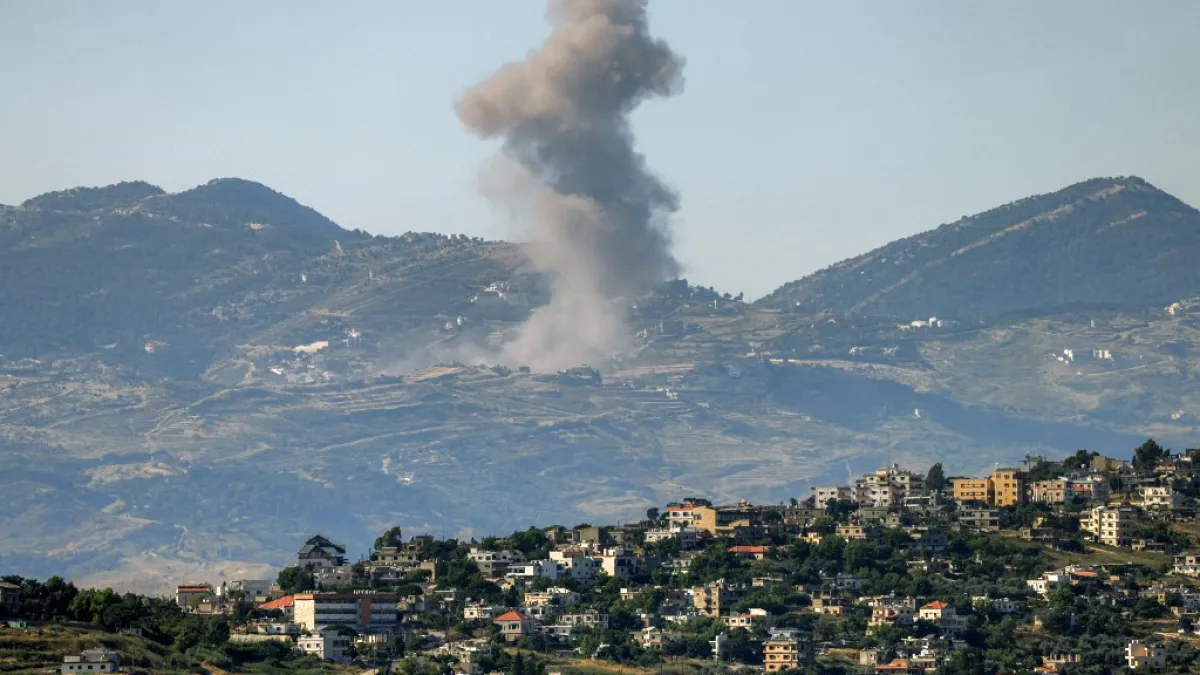
Meanwhile, Israel warned residents in the country’s north to seek shelter after the detection of suspected incoming fire from Lebanon, where Israel is fighting the Iran-allied Hezbollah militant group.
The U.S. military’s Central Command said Thursday that it struck a Guinea-Bissau-flagged tanker attempting to evade the American blockade on Iranian ports. It said the M/T Jalveer was transporting Iranian oil when it was disabled late Wednesday after its crew failed to obey U.S. orders.
It’s the ninth merchant vessel the U.S. military says it disabled to enforce the blockade.
Three Indian sailors were killed when American forces struck the Palau-flagged M/T Settebello on Tuesday, India’s minister overseeing ports and shipping said Thursday on X.
U.S. Central Command said American forces issued warnings before firing on the ship, which it accused of trying to evade the blockade.
The leader of the International Maritime Organization, a United Nations agency, condemned the attack.
Gambrell and Madhani write for the Associated Press. Madhani reported from Washington. AP writers Will Weissert, Collin Binkley, Michelle L. Price and Konstantin Toropin in Washington; Sheikh Saaliq in New Delhi; Munir Ahmed in Islamabad, Victoria Eastwood in Cairo and Russ Bynum in Savannah, Ga., contributed to this report.
DEVELOPING STORYDEVELOPING STORY,
Explosions hit Qeshm Island, ports along Strait of Hormuz after Trump threatens to hit Iran ‘very hard’.
The United States has launched fresh strikes against “multiple targets” in Iran at President Donald Trump’s direction, in a fresh escalation that prompted Tehran to declare the Strait of Hormuz closed to “all types of vessels”.
The US military said the strikes late on Wednesday were “in response to Iran’s unwarranted and continued aggression”, as Iranian state media reported explosions on Qeshm Island and in the cities of Bandar Abbas and Sirik along the Strait of Hormuz.
list of 4 itemsend of list
Blasts also hit the southern city of Kargan, wounding at least two people.
Iran’s Islamic Revolutionary Guard Corps accused the US of “repeated violations” of their April ceasefire, and said the Strait of Hormuz was “closed until further notice”.
It said all traffic in the vital waterway, including oil tankers and commercial vessels, would be affected, and firmly rejected the US’s previous claims that it had helped ships pass through the strait.
The IRGC subsequently added that “two oil tankers attempting to illegally pass through the strait were hit”.
The escalation comes a day after the US and Iran exchanged tit-for-tat strikes over the downing of a US Apache helicopter in the Strait of Hormuz.
Earlier, Trump said the US would hit Iran “very hard”.
“We’ll see what happens with the deal. We were really close to a deal. But they keep stringing us along. They keep playing us for suckers because you know what? They dealt with some very stupid presidents. I have to say that I’m embarrassed to say it,” he told reporters at the White House.
Iran’s President Masoud Pezeshkian slammed Trump’s threat in a post on X.
“Critical infrastructures are the lifeblood of the people. Threats to target them – from transportation networks to the electricity and water industries – are not a show of strength but a sign of desperation in the face of a nation’s will,” he wrote.
“Iran, relying on the knowledge and capabilities of its specialists, national unity, and solidarity, will stand firm against any pressure or threat,” he added.
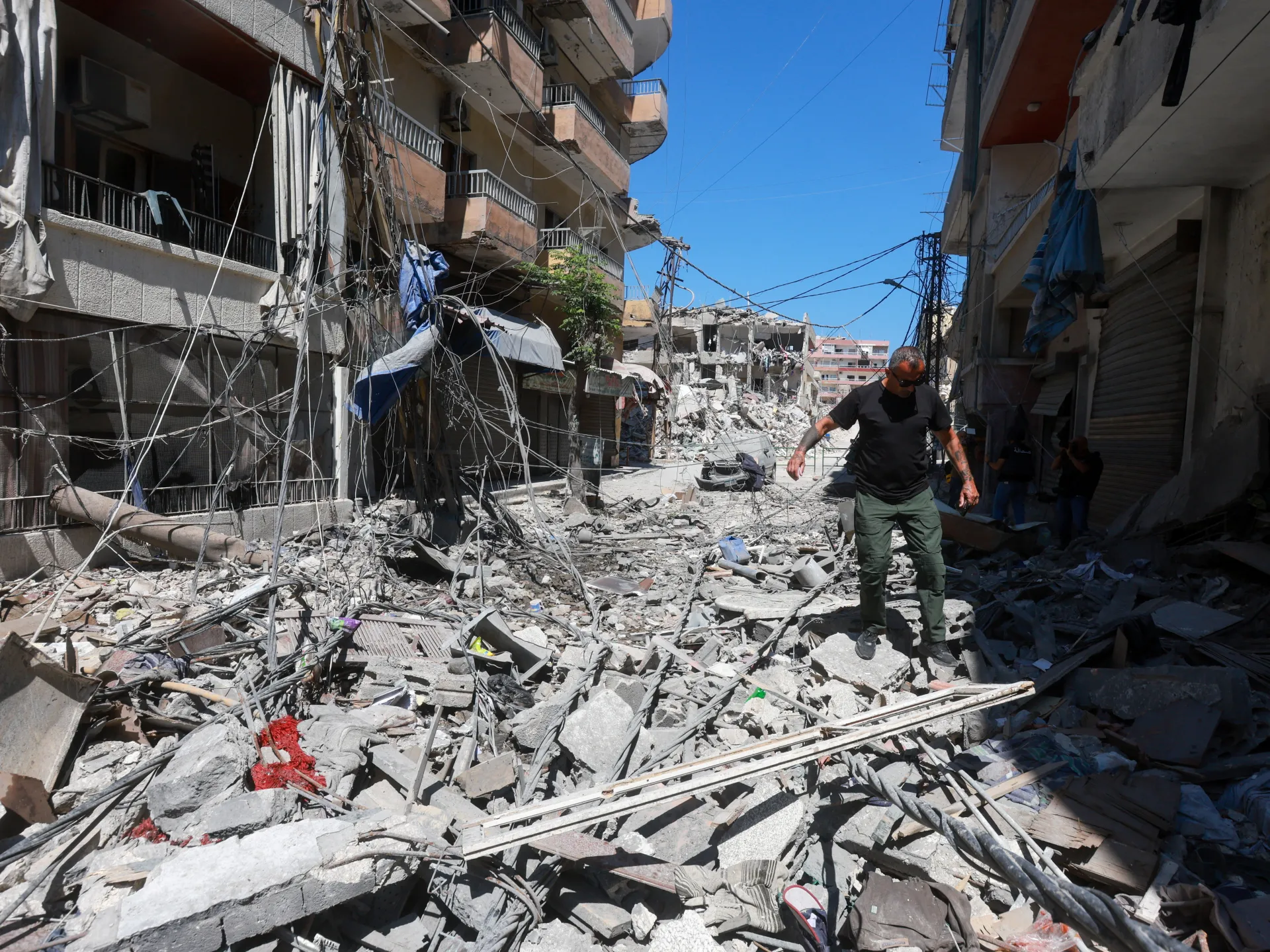
Lebanon's Health Ministry said the toll from Israeli attacks on the country since March 2 has reached 3,666 dead.
Source link
Escalation comes after Israel attacked Lebanon’s capital, Beirut, killing at least two people and wounding 20.
Iran and Israel exchanged threats after Tehran launched missiles towards Israel in response to Israeli strikes on Beirut’s southern suburbs. Israel vowed to deepen attacks on Lebanon, while Iran warned of further action if the strikes continue.
Published On 8 Jun 20268 Jun 2026
Share
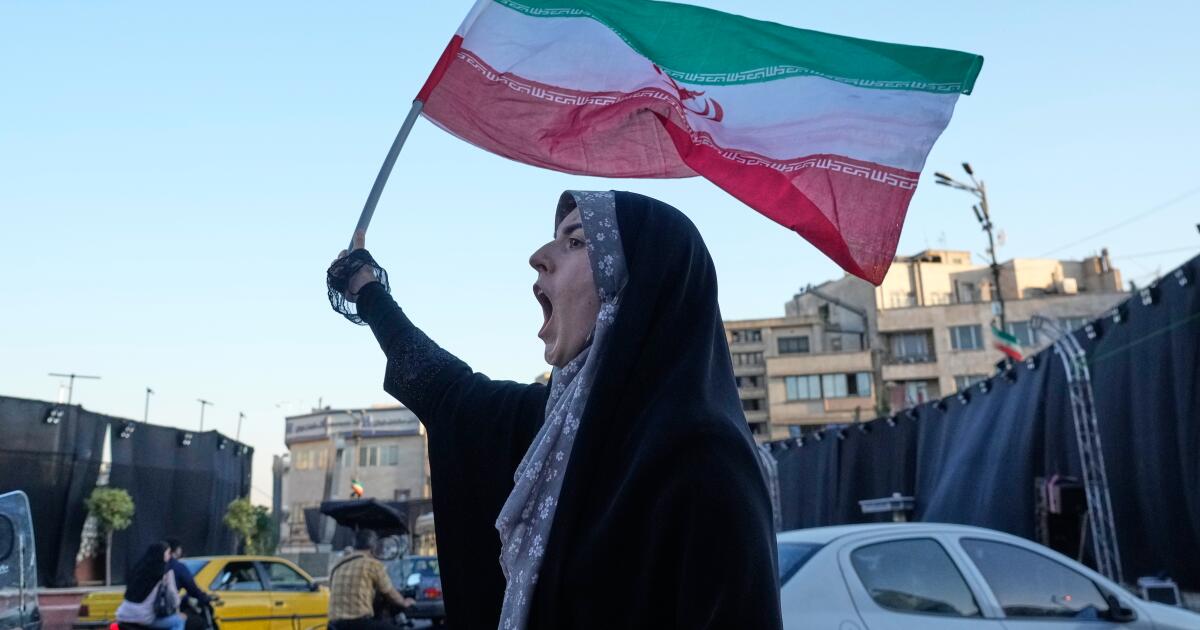
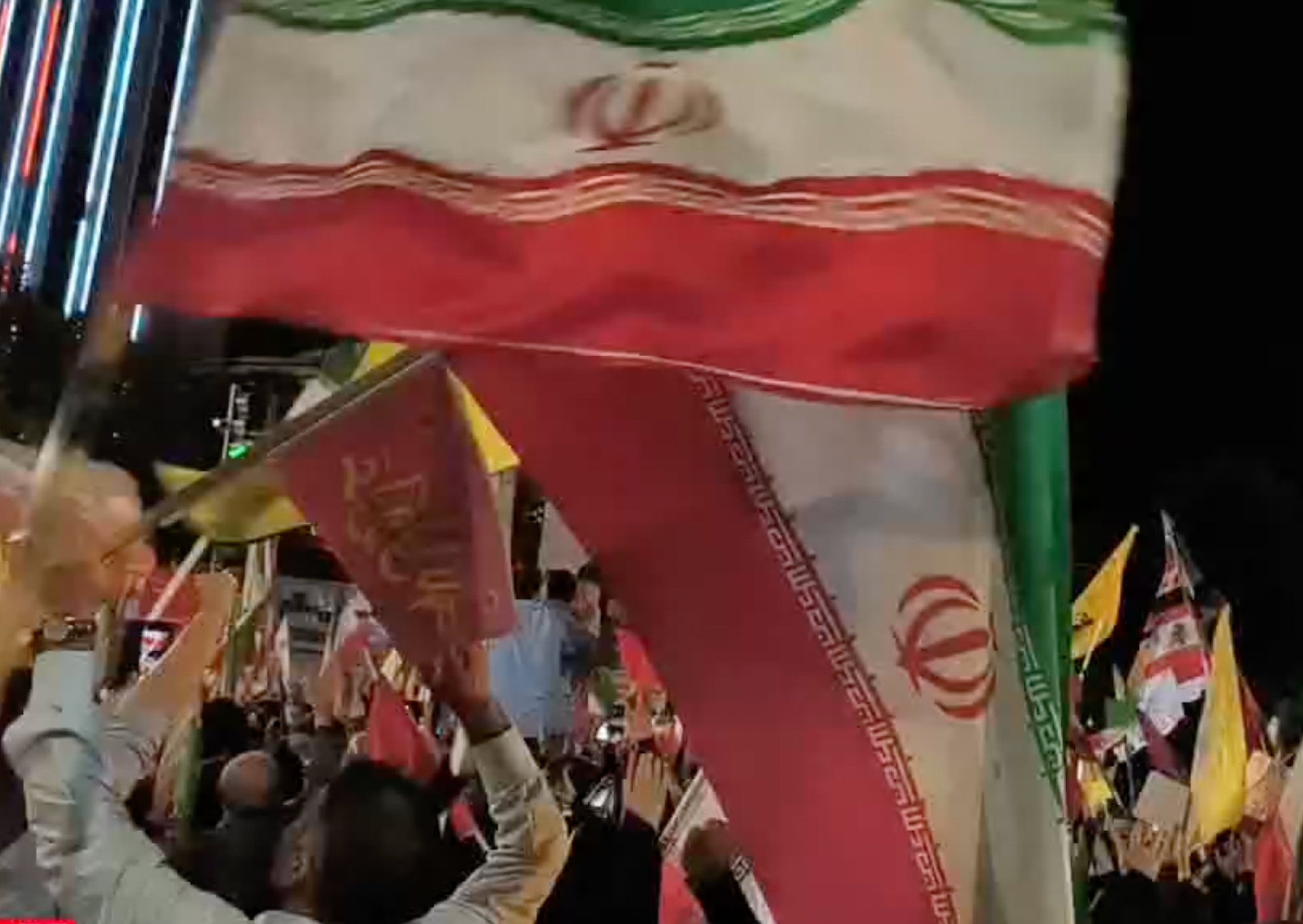
Iranian state TV broadcast scenes of celebration in Tehran as missiles flew overhead en route to Israel. Iran says the launch was retaliation for Israel’s earlier attack in Beirut, and other US-Israeli ceasefire breaches.
Published On 7 Jun 20267 Jun 2026
Share
EXPLAINER
Israel strikes Lebanon despite ceasefire, while Hezbollah rejects deal as death toll tops 3,500.
Israel has continued to carry out deadly strikes across Lebanon despite the announcement of a new US-brokered ceasefire agreement reached by Lebanese and Israeli officials in Washington, DC.
The violence has pushed the number of casualties higher, with Lebanon’s Ministry of Public Health reporting that at least 3,526 people have been killed and 10,733 wounded in Israeli attacks since March 2.
Meanwhile, Hezbollah leader Naim Qassem has dismissed the ceasefire as a “farce”, warning that northern Israel will remain a target as long as Israeli forces continue bombing Lebanon, raising more doubts about the prospects for a lasting truce.
Here is what we know:
PARIS — Acclaimed Iranian-French cartoonist and filmmaker Marjane Satrapi, a prominent advocate for women’s rights, has died at 56, the French presidency said Thursday.
“Her passing marks the loss of a leading figure of French culture and an artist devoted to freedom, whose work carried a universal message and earned her immense international acclaim,” the French presidency said in a statement.
President Emmanuel Macron and his wife “pay tribute to a remarkable artist who transformed an Iranian childhood into a universal fable,” the statement said.
News broadcaster BFM TV and other French media reported Satrapi has “died of sadness” a little over a year after the death of her husband, Swedish film producer and actor Mattias Ripa, according to a statement from people close to the artist.
The French Academy of Fine Arts, of which she was a member, expressed its deep sadness in a social media statement, paying tribute to “a passionate advocate for cinema and film education” who earlier this year created a foundation to help international students come to Paris to study film.
Satrapi is best-known for her monochrome autobiographical comic book and film “Persepolis,” a coming-of-age tale set against the Islamic Revolution in her native Iran.
“Persepolis” won the Film Critics Grand Prix at the Cannes Festival in 2007 and the César Award for adapted screenplay in 2008, in addition to being nominated for animated feature at the 2008 Oscars.
The film, which details her life in Tehran as the willful daughter of intellectual Marxists, is a reminder that Iranians are just like everyone else, Satrapi told The Associated Press in a 2007 interview in Cannes.
“What we wanted to say is, if these people scare you, look closer: They have parents, they have lovers, they have hope, they have stories,” she said.
Iranian authorities at the time protested the movie’s inclusion at Cannes, sending a letter to the French Embassy in Tehran.
Satrapi was born on Nov. 22, 1969, in Rasht, Iran, but her parents sent her to Vienna, Austria, in 1983 to finish her studies because of the extremism in their country following the 1979 Revolution that brought Ayatollah Khomeini to power.
But Satrapi, who found Austria hostile and who desperately missed her parents, returned to Iran in 1989 to attend Tehran University, where she earned a degree in visual communications.
By the time she graduated, Satrapi decided she finally was ready to leave Iran and accept the opportunities her parents had been so desperate to give her a decade before. In 1994 she moved to France. She studied in Strasbourg and later moved to Paris.
Her graphic novels also include “Broderies” (“Embroideries”) and “Poulet aux prunes” (“Chicken with plums”), which also was adapted into a film. As a filmmaker, she has directed several works including “La Bande des Jotas” (“The Gang of Jotas”) and “Radioactive” (“Madame Curie”), a biography about the Polish physicist Marie Curie.
Satrapi in 2023 coordinated the book “Femme, vie, liberté” (“Woman, Life, Freedom”) together with a group of artists and academics to illustrate the revolts that occurred in Iran after the death of Mahsa Amini in 2022 at the hands of the so-called “morality police.” The work denounces the repression and lack of human rights that Iranian society, especially women, suffers at the hands of the Iranian regime, the foundation said.
Satrapi was elected member of the French Academy of Fine Arts in 2024. She also was offered France’s highest award, the Legion of Honor, that same year but declined it, arguing France was not doing enough to support Iranian people fighting for democracy.
“Supporting the women’s revolution in Iran cannot be reduced to photos or speeches,” she wrote in a January 2025 letter to French authorities. “When people are fighting for democracy, we should support them.”
In 2024, Satrapi won the Princess of Asturias Foundation award in Spain for communication and humanities. The organization said she was “an essential voice in the defense of human rights and freedom.” The judges described her as “a symbol of civic engagement led by women.”
Satrapi’s husband, Ripa, died in April 2025 at 53. On her Instagram page, only one message was left in a series of posts: “Because I have lost the love of my life.”
The US military says it carried out ‘self-defence’ strikes on Iran’s Qeshm Island after Iran earlier launched missiles and drones at US bases in Kuwait and Bahrain. Despite the exchange, the US says the US-Iran ceasefire remains in effect.
Published On 3 Jun 20263 Jun 2026
Share
US President Donald Trump reportedly lashed out at Israeli PM Netanyahu during a phone call over Israel’s threat to strike Beirut’s suburbs.
The US and Iran have agreed in principle to a deal that would reopen the Strait of Hormuz, in exchange for Tehran’s commitment to dispose of its highly enriched uranium, a US official said, according to a report by The New York Times on Sunday.
The official said that the agreement has not yet been signed and remains subject to final approval by US President Donald Trump and Iran’s Supreme Leader Mojtaba Khamenei, a process that could take several days, noting that the method for disposing of Iran’s highly enriched uranium is still being negotiated.
The proposed deal does not address Iran’s missile stockpile nor include a moratorium on uranium enrichment, the official said, adding that these issues are expected to be handled in future rounds of talks.
According to a Fox News report on Sunday, the official suggested that the US could consider “significant accommodations” on sanctions relief if Iran agrees to make similar concessions regarding its enriched uranium stockpile.
READ: Iran ready to reassure world it is not pursuing nuclear weapons, president says
“Our plan is to deal with all of their stockpile of the enriched material,” the official said, adding that Washington sees Tehran making “serious accommodations” not previously seen in earlier negotiations, according to the report.
The official also rejected the idea of any “tolling” mechanism for the Strait of Hormuz, saying such an arrangement would not be acceptable and had not been proposed by either side, the report noted.
According to a separate CBS News report, the official said the administration views the emerging agreement as stronger than the 2015 nuclear deal reached under former US President Barack Obama, which allowed uranium enrichment up to certain levels.
As part of the agreement, the US would lift its blockade on vessels entering and leaving Iranian ports. The official said the US Central Command and Gulf partners would coordinate to ensure safe passage, stressing this should not be viewed as a toll system.
The official also said US Vice President JD Vance, Middle East Envoy Steve Witkoff, and Trump’s son-in-law Jared Kushner have been involved in the talks, adding that Washington is seeking to include all regional allies in the process, the report added.
READ: Trump says Iran talks ‘constructive’ but blockade will remain until final deal is reached
Israel pushes deeper into Lebanon just days after Israel's prime minister ordered 70 percent of Gaza to be occupied.
Source link
WASHINGTON — A framework agreement to end the U.S. war with Iran is all but settled, pending sign-off from the presidents of the two warring sides, President Trump said Friday, projecting optimism that a deal could finally be at hand.
Yet doubt cast a shadow over the diplomatic process entering the weekend as Trump faced a politically fraught decision to enter an agreement that would invariably require significant concessions to Tehran.
The negotiations have faced severe headwinds in recent days, with both sides accusing the other of violating a fragile ceasefire that has largely stopped the fighting since April.
On his Truth Social site, Trump said he had summoned his top aides to the White House Situation Room to decide on the deal.
The agreement would see an end to the U.S. naval blockade on Iranian ports and the removal of Iranian mines from the Strait of Hormuz, an international waterway through which 20% of the world’s energy supply passes each day. The strait, Trump wrote, will reopen with “no tolls” for “unrestricted shipping traffic, in both directions.”
And “Iran must agree that they will never have a Nuclear Weapon or Bomb,” Trump wrote, noting that Iran’s stockpile of highly enriched uranium, the key ingredient for nuclear weapons, “will be unearthed by the United States (which, it is agreed, is the only Country, along with China, with the mechanical capability of doing so!), in close coordination and conjunction with the Islamic Republic of Iran, plus the International Atomic Energy Agency, and DESTROYED.”
“No money will be exchanged, until further notice,” he added.
Treasury Secretary Scott Bessent also said the deal would require Iran to disavow the continuation of its domestic nuclear program — a diplomatic feat never before achieved throughout a quarter century of international negotiations over Iran’s nuclear work.
It is unclear whether Tehran would go that far. And Iran’s negotiators expressed defiance on Friday, stating that there was “no trust in guarantees or words” from the American side.
“No step will be taken before the other side acts first,” said Mohammad Bagher Ghalibaf, the speaker of Iran’s Parliament. “We do not gain concessions through dialogue, but through missiles.”
It remains unclear when the Trump administration would ease sanctions on Iran, how extensive that relief would be, or what form it would take — questions that fueled Republican criticism of the Obama-era nuclear deal more than a decade ago.
The working diplomatic document would formally extend the existing ceasefire for 60 days, allowing for a more detailed negotiation to take place over Iran’s nuclear program. But the truce as it currently stands is on perilous ground. Iran launched a ballistic missile on Thursday at Kuwait, a close U.S. ally, after American forces took “defensive” actions against Iranian missile launchers and mine laying boats it had launched in the strait.
The war has proven historically unpopular with the American public, and has seen oil prices soar since the U.S. military, in partnership with Israel, launched its first strikes against Iran in February.
Bessent said he is hopeful that oil prices would drop quickly once an agreement is signed. But industry analysts say the effects of the war on the oil market could last for months, if not years, with the stability of traffic through the Strait of Hormuz now in question for commercial shippers.
While oil has dropped to under $100 a barrel, markets appeared skittish on Friday over the prospects for a deal, with mixed messages appearing to emerge out of the region.
It is also unclear whether a U.S. agreement with Iran would in any way bind Israel’s hands in its military operations, either in Iran or in Lebanon, where an Iranian proxy militia, Hezbollah, has vowed to keep up the fight.
Israel has ramped up strikes against Hezbollah targets in recent days, jeopardizing a delicate ceasefire negotiated with the Lebanese government, a deal encouraged by the Trump administration in order to grease the wheels for its talks with Tehran.
Trump has been uncharacteristically silent on the prospects of an agreement in recent days, expressing cautious optimism in limited exchanges with reporters.
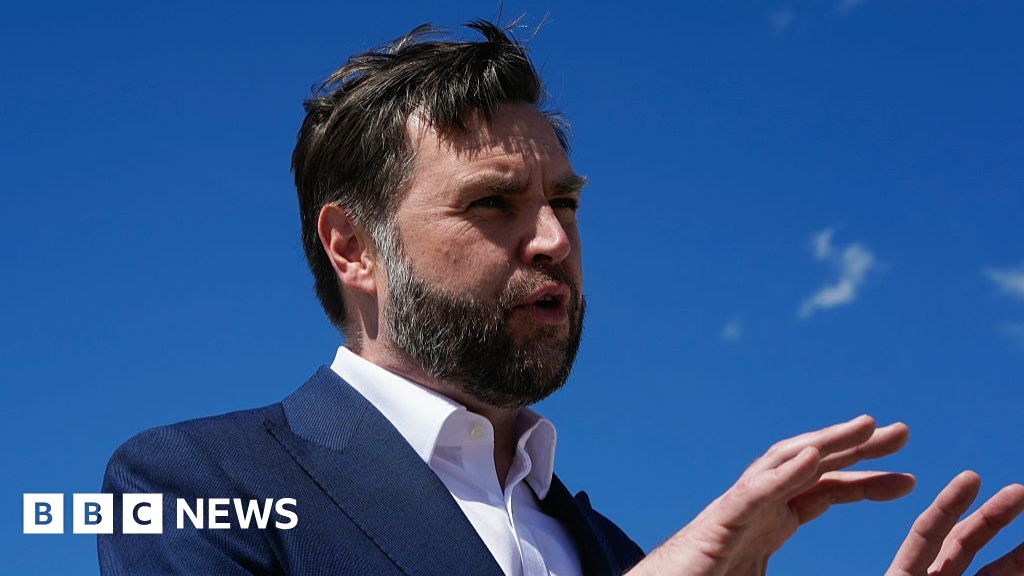
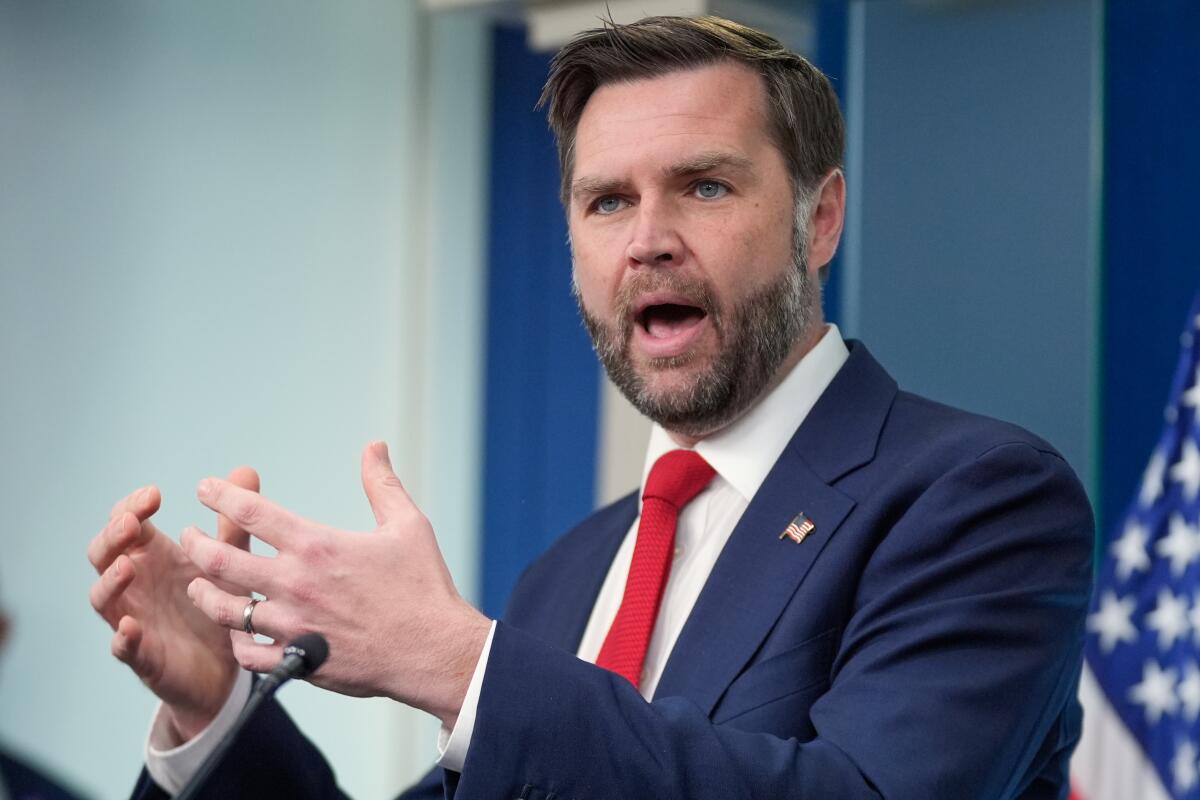
“It’s hard to say exactly when or if the president’s going to sign,” Vice President JD Vance, who has led the U.S. diplomatic team, told reporters, noting that “the nuclear stuff” is still subject to negotiation. “We’re going back and forth on a couple of language points.”
“I do think that we’ve made a lot of progress here,” Vance added. “Hopefully we’ll continue to make progress, and the president will be in a position where he can endorse the agreement. But obviously, that’s still TBD.”
WASHINGTON — Precarious talks to end the war with Iran appeared close to collapse on Tuesday as renewed fighting across the region threatened to derail fragile progress toward a comprehensive settlement.
U.S. strikes against targets in southern Iran — the first since a ceasefire was declared in the war seven weeks ago — coupled with escalating attacks by Israel in Lebanon have undermined optimism that an agreement was within reach.
The attacks occurred just hours after U.S. and Iranian diplomats arrived in Qatar for peace talks. Iran’s top negotiators left Doha on Tuesday without comment. News of the strikes, and threats of retaliation by Tehran, sent global oil prices soaring back to more than $100 a barrel.
U.S. Central Command described Monday’s actions as “self-defense strikes” that were restrained and modest in scope, targeting missile launch sites and Iranian boats “attempting to emplace mines” in the Strait of Hormuz.
But the attack came as President Trump and Secretary of State Marco Rubio had been projecting confidence that a framework agreement to end the war could be reached within days. Under the proposed deal, Iran would restore the strait to its prewar status as a free and open international waterway, while both sides entered 60 days of negotiations over the removal of Iran’s nuclear stockpile.
Laying mines in the strait in the 11th hour of the negotiations could signal to the Trump administration that Iran is not serious about reopening traffic there. But the Iranians said Tuesday that renewed U.S. strikes suggest it is Washington that is unprepared to commit to peace.
Iran’s Foreign Mministry condemned what it called “aggressive actions” by the United States, describing them in a statement as a violation of the ceasefire agreement.
“The commission of these aggressive acts — occurring concurrently with the ongoing diplomatic track mediated by Pakistan — has once again exposed the hostile nature and perfidy of the ruling establishment in the United States,” the statement said.
Iran “will not leave any hostile act unanswered,” the ministry added.
Mojtaba Khamenei, Iran’s elusive supreme leader, declared in a scheduled speech that U.S. allies throughout the Middle East “will no longer serve as a shield” for the American military, suggesting retaliatory strikes against U.S. assets in the region could be imminent.
Prospects for a diplomatic breakthrough were already dim. Over the last week, U.S. and Iranian officials projected optimism while outlining seemingly incompatible visions of a deal.
Trump has repeatedly said Iran would not receive any sanctions relief until its stockpile of fissile material is removed and destroyed. But Iranian officials reiterated Tuesday that unfreezing the country’s overseas assets remains a precondition for continued negotiations.
And it is unclear whether Iran would agree to a peace deal with the United States that does not also restrict the actions of Israel, whose leader, Prime Minister Benjamin Netanyahu, has expressed deep skepticism about the diplomatic process.
Netanyahu said in recent days that Israel would not be bound by any nuclear pact, and that his government would continue military action against targets throughout the region — including in Lebanon — as it views necessary.
Israel’s continued assault on Lebanon nearly jeopardized the ceasefire between Iran and the United States before Trump brokered a separate, temporary halt to the fighting there. Since then, however, Israeli strikes have resumed, and Netanyahu vowed to intensify his campaign against Hezbollah, the Lebanese Shiite militant group.
“We are not removing our foot from the pedal,” Netanyahu said in a video address Monday. “On the contrary, I said to step on the pedal even more.”
Israel’s military ramped up its operations Tuesday, attacking what it said were more than 100 Hezbollah sites across southern and eastern Lebanon, while extending ground incursions deeper into Lebanese territory.
The overnight strikes struck weapons storage facilities, command centers, observation posts and infrastructure sites, according to an Israeli military statement.
Israeli media also reported that Israeli troops were operating beyond a 6.2-mile zone they occupy in southern Lebanon, in what many fear may be a prelude to a wider invasion.
Those fears were further stoked Tuesday by fresh Israeli evacuation orders for the entirety of Nabatiyeh, southern Lebanon’s second-largest city.
Hezbollah upped its campaign as well, peppering Israeli troops in southern Lebanon and areas of northern Israel with drones and rocket attacks, according to statements from the group. Hezbollah-affiliated media reported the group’s fighters clashing with Israeli troops to prevent their advance.
In recent weeks, Hezbollah has increasingly relied on fiber-optic drones — which are both low-cost and impervious to jamming — to harass Israeli positions.
On Sunday, an Israeli soldier was killed and another wounded when a Hezbollah kamikaze drone hit their armored personnel carrier, according to the Israeli military; 23 Israeli soldiers and a civilian defense contractor have been killed in the current conflagration between Israel and Hezbollah, Israel’s military says.
The latest bout of hostilities between Hezbollah and Israel began March 2, when the Iran-backed group launched attacks on Israel to avenge the killing of Iran’s ayatollah, Ali Khamenei.
So far, Israeli strikes have killed 3,213 people, wounded more than triple that number, and left more than a million displaced, according to Lebanese health authorities.
A ceasefire signed April 17 sidelined the capital, Beirut, from strikes but has done little to stop the fighting otherwise, with Hezbollah and Israel continuing attacks despite unprecedented direct negotiations taking place between the Israeli and Lebanese governments.
It was unclear whether Netanyahu’s warning meant Beirut would be targeted once more. Israeli drones buzzed throughout the day over the capital and the Hezbollah-dominated southern suburbs Tuesday.
Hezbollah opposes direct negotiations and insists it will keep fighting until Israel withdraws from Lebanon and stops attacks. Israel has demanded the Lebanese government do more to disarm Hezbollah and to move toward a peace deal.
Bulos reported from Beirut.
Israeli attacks on Lebanon have killed at least 3,111 people since March 2, with 9,432 injured, according to Lebanese Health Ministry.
Published On 23 May 202623 May 2026
Share
Nearly three months after the United States and Israel launched their large-scale bombing campaign against Iran and about six weeks since the April 8 ceasefire took effect, President Trump faces an inflection point. Does he return to war? Maintain the ceasefire and U.S. blockade on Iranian ports in the hope of cutting a deal on American terms? Or drop his maximalist negotiating stance?
Sen. Lindsey Graham (R-S.C.), an informal foreign policy advisor for the White House, continues to press for more aggressive U.S. military action. Trump’s political advisors would prefer that the war end as soon as possible to minimize political repercussions against the Republican Party in a midterm election year.
Trump seems conflicted. Despite weeks of U.S. bombardment and an ongoing naval blockade, Tehran is as protective of its nuclear program today as it was before the war began. “For Iran, the Clock is Ticking, and they better get moving, FAST, or there won’t be anything left of them,” Trump wrote on Truth Social over the weekend. A day later, Trump took to the social media platform again to announce he suspended planned U.S. attacks on Iran to give talks more time.
Unfortunately for Trump, he’s proved to be his own worst enemy on this subject. Iran’s stockpile of highly enriched uranium and Tehran’s effective control of the Strait of Hormuz, the regime’s two biggest cards, are a byproduct of Trump’s own policy decisions.
The first is a clear indictment of Trump’s first-term order to withdraw the United States from the Obama-era Joint Comprehensive Plan of Action, a highly technical accord that put Iran’s nuclear work in a box by restricting the number and quality of centrifuges it could use, capped the amount of enriched uranium it could produce and compelled Tehran to ship 97% of its stockpile out of the country. When the Trump administration scrapped that hard-won deal, Iran responded by enriching more nuclear material at a faster pace and accumulating the very stockpile the Trump administration is now seeking to neutralize.
The Strait of Hormuz, Iran’s second card, would not even be an issue today if the Trump administration had refrained from going to war in the first place. On Feb. 27, the day before the conflict began, more than 150 tankers and vessels traveled through the strait. The international waterway was open for business.
Not so today. On Thursday, a grand total of three crossings were registered in the waterway. This collapse of commerce is a consequence of Iran’s ability to harass civilian tankers so much that shipping companies no longer view the journey as worth the cost. As Adm. Brad Cooper, the top U.S. commander in the Middle East, testified to the Senate Armed Services Committee on Thursday: “The Iranian capability to stop commerce has been dramatically depleted through the strait, but their voice is very loud. And those threats are clearly heard by the merchant industry and insurance industry.”
By virtue of his own actions, Trump is now left with a series of policy options that range from least bad to terrible. None of them are ideal, and all of them carry some risk.
For starters, Trump could resume the war. Any renewed U.S. bombing campaign would probably expand the U.S. military’s original set of targets to include a portion of Iran’s energy infrastructure, which Trump has threatened repeatedly to hit. A U.S. invasion of Kharg Island, where 90% of Iran’s oil processing takes place, might also be up for discussion. The aim would be to destroy Iran’s remaining military capabilities and further squeeze its oil revenue until Tehran’s strategic calculus on the war shifts to Washington’s liking.
Yet there are no guarantees that doubling down on military force will work. Trump’s entire strategy has relied on a baseline assumption: The more punitive the United States is, the more likely Tehran will be to cave. Yet that simply hasn’t occurred. If anything, Iran is more dug in now than it was in the opening days of the conflict. For the regime, capitulating to Trump is as dangerous as losing the war. Why would more bombing succeed where previous bombing failed?
The risks of additional U.S. military action are considerable as well. Before the ceasefire, Iran was launching ballistic missiles and attack drones across multiple gulf Arab states, hitting Qatar’s largest natural gas processing facility, Saudi Arabia’s east-west oil pipeline and Dubai’s luxurious high-rises. As the Iranians have stated, such attacks will not only resume if Trump orders a resumption of the war but will expand to new targets, including desalination facilities and nuclear power plants. Such strikes would raise global oil and gas prices to even more absurd levels, adding to the extra $40 billion the American people are already paying for fuel since the war began.
What about continuing the status quo? While this contingency would be less costly than another round of bombing or a U.S. ground invasion, it’s unclear whether it would help or hurt negotiations toward a settlement. There’s a possibility that extending the U.S. blockade of Iranian ports could merely reaffirm the regime’s earlier decision to preserve its own shutdown of the strait. Iran is now urging Washington to end its blockade before talks on the nuclear file can be held. And it’s a mystery whether Trump’s blockade is working anyway; the U.S. intelligence community assesses that Iran could withstand this pressure point for three to four more months, which may be too long for Trump to sustain given the oil disruptions that are bound to get worse.
Striking an agreement to end the war, return the strait to open traffic and restrict Iran’s nuclear program would be the most beneficial policy for the United States with the least amount of cost attached — not quite undoing the harm from Trump’s first-term decision to scrap the nuclear deal and his second-term decision to start a war. U.S. and Iranian negotiators are passing proposals back and forth as we speak. But as of now, Trump can’t stomach agreeing to a deal that covers some of Iran’s terms, including but not limited to a shorter suspension of enriched uranium and some kind of Iranian role in the management of the strait. Even if Trump did reassess his position, he would be forced to confront the hawks in his political coalition who would consider anything short of Iran’s total surrender a failure.
In short, Trump is in an unenviable position. He’s got nobody to blame but himself.
Daniel R. DePetris is a fellow at Defense Priorities and a syndicated foreign affairs columnist.
Warning comes after Trump threatened military action against Iran and gave it ‘two to three days’ to strike a deal.
EXPLAINER
The fear of renewed US strikes in Iran looms while Israeli attacks continue in Lebanon despite extended ‘ceasefire’.
Published On 18 May 202618 May 2026
United States President Donald Trump has warned Iran that the “clock is ticking” to clinch a deal to end the war as reports have emerged that Washington and Israel might be planning to carry out air strikes on Iranian energy infrastructure.
“For Iran, the Clock is Ticking, and they better get moving, FAST, or there won’t be anything left of them,” Trump wrote on his Truth Social platform. “TIME IS OF THE ESSENCE!”
Iranian Ministry of Defence spokesperson Reza Talaei-Nik said on Sunday that the military is “fully prepared” to confront any new aggression from the US and Israel.
Saudi Arabia on Monday said it intercepted three drones, a day after a drone strike hit the Barakah Nuclear Energy Plant in the United Arab Emirates.
Meanwhile, Israel has continued its bombardment of Lebanon despite another “ceasefire” extension.
As the US-Israeli war on Iran continues for its 80th day, here is what we know:![]()
Peace talks remain deadlocked as drones hit sites in Saudi Arabia and the UAE.
Source link
Pakistan Interior Minister Mohsin Naqvi met Iranian President Masoud Pezeshkian in Tehran to discuss regional security and bilateral ties.
The talks also focused on growing tensions between Iran and the United States following the collapse of Pakistan-mediated negotiations
Published On 17 May 202617 May 2026
Share