
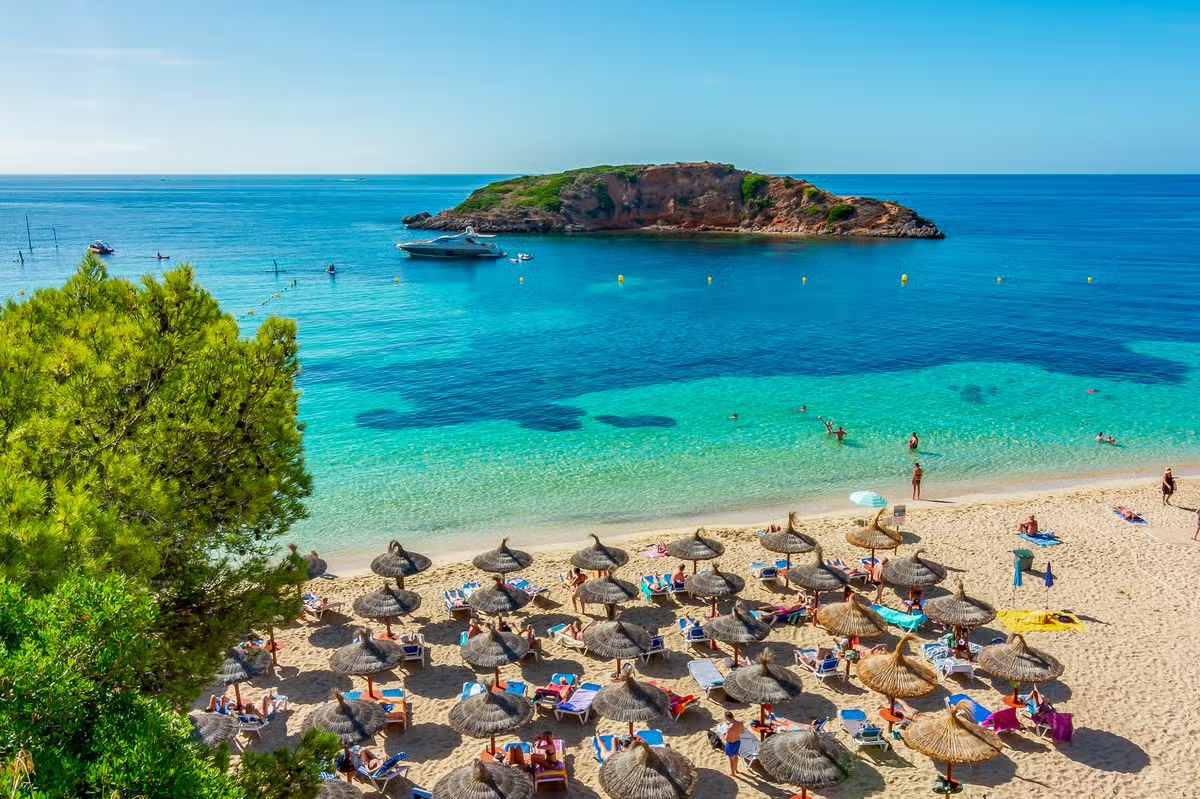
Holidaymakers jetting off abroad to the Spanish island of Majorca this summer are being warned about ‘biting fish’ in some popular beach hotspots following several reports

There have been reports of ‘biting fish’ off the shores of Majorca, Spain(Image: Getty Images)
Tourists heading on holiday to Majorca are being warned about ‘biting fish’ following a string of reported ‘attacks’.
More than 2 million Brits jet off abroad to Majorca, also known as Mallorca, every summer for a sun-soaked Mediterranean getaway on Spain’s largest Balearic island. But an unusual phenomenon is threatening to dampen days spent along some of its pristine sandy shores and clear turquoise waters.
Following the weekend, there have been several reports of people being bitten by small fish while swimming in the crystal-clear waters off Majorca. The incidents were recorded around the beaches of Illetes and Cala Comtessa, which are in the municipality and resort town of Calvià.
The Spanish news publication Majorca Daily Bulletin said that “several people” reported seeing “small fish, which seemed to have about two teeth, biting our legs, but in the end, they actually drew blood and everything” over the weekend. At first, they believed the fish were “removing dead skin” rather than taking a nibble of flesh.
One witness to the fish-biting events recalled to the publication following the weekend: “The attacking fish are back in Mallorca waters, and I saw it for myself on Saturday in Illetas, groups of people leaping up and down as they were nibbled and even bitten by small fish.
“Last year I was bitten three times, so far I’ve been lucky this year, but it appears others have not. One man even joked that perhaps they are part of the anti-tourism movement!”
But this isn’t the first time there have been reports of small biting fish in the shallow shores of Majorca. Just last summer, a woman suffered a serious fish bite while at Playa de Palma, and a German tourist also claimed to have been bitten by several fish on two different occasions within the same week.
“Today, however, the bite was rather serious, and I got out of the water straight away, as it was even bleeding,” he told the Majorca Daily Bulletin last summer. However, they weren’t the only ones to report fish bites, and there’s thought to have been a string of minor incidents along the shores of Majorca dating back to the summer of 2023.
It’s thought to have become more common over the years, and local news outlets report a spike in fish nibbling on swimmers during the summer months. Further incidents have been recorded in Majorca, including Palma, Sa Ràpita, S’Estanyol, Cala Pi, and Cala d’Or.
Experts say rising sea temperatures could contribute to the bizarre happenings. “There are no studies into this, but the reason behind what’s happening could be that the temperature of the water is higher,” Ron Farage, Assistant Curator at Palma Aquarium, previously told the local publication, Ultima Hora.
“And these fish are less scared, in this case of human beings, when they are more hungry, which is a consequence in summer of this increase in the temperature of their natural habitat.”
Meanwhile, the expert added that beachgoers shouldn’t be scared of the fish, because “they’re not poisonous and they don’t do any real damage”. Instead, they tend to be curious about dry skin or existing wounds on people, which they can mistake for food.
Marine Biologist Silvia García from Oceana also told the Majorca Daily Bulletin that the culprits are likely young fish. “They are usually juvenile fish, only a few days or weeks old, so small and transparent that they are barely visible in the water.”
Do you have a travel story to share? Email webtravel@reachplc.com