The Sun’s travel experts reveal the best holidays they’ve EVER taken

THE Sun Travel team have holidayed all over the world, from cheap trips to UK seaside towns to no-expense-spared jaunts to far-flung tropical islands.
But there are a few special, and surprisingly affordable, places that really stand out – including life-changing holidays right here in Britain, and even bucket list trips abroad where you can get PAID to go there.
From interrailing across Europe to backpacking down Australia’s East Coast, here are our top holiday destinations, and how you can recreate them…
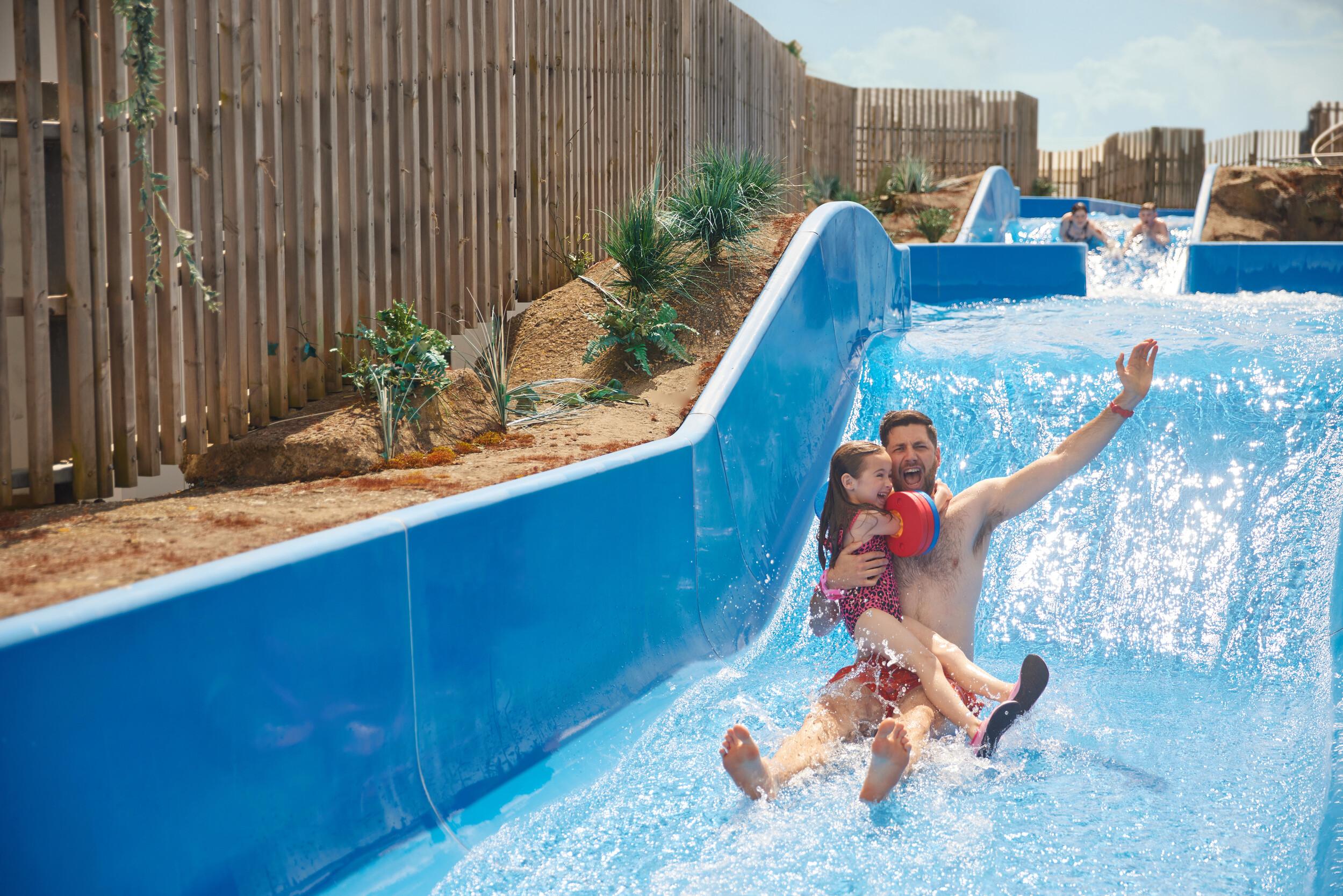
Disneyland Paris
Sophie Swietochowski, Assistant Travel Editor
I’ll always remember the giddy look of excitement on my mum’s face when she said: “We’re almost there” on our trip to France in 2002, when I was 10 years old.
“We can’t be”, I’d thought, rubbing my eyes. But there it was – Mickey Mouse’s face plastered on a sign at the edge of the road.
My childhood dream of visiting Disneyland Paris was about to come true and Cinderella’s Castle looked even more spectacular than it had in friends’ pictures.
As we approached the main park’s entrance, a stall selling character backpacks caught my attention – Mum bought me one shaped like Eeyore from Disney’s Winnie the Pooh series.
I soared high above visitors on the Dumbo ride, bounced on the rope bridge near the Pirates of the Caribbean ride and devoured ice cream while waiting for my brother and step dad to return from the “scary rides”.
I still feel that same sense of magic and nostalgia when I return to the park today, as an adult. It’s a magic that other theme parks can’t quite capture.
And it’s affordable. Disneyland Paris offer hotel and ticket packages for a three-night stay from £88pp, based on a family of two adults and two children.
Then Eurostar tickets from London direct to Marne-la-Vallée–Chessy (which is just a two minute walk to Disneyland Paris) start from around £62 each way.
Camp America: Santa Rosa, California
Jenna Stevens, Travel Reporter
My sister Emma-Rose and I are both massive fans of US pop culture – from its punk rock bands to its sitcoms… as well as its yellow school buses, fire hydrants, picket fences and mailboxes.
So it was only right that our first solo US adventure as young adults was the ultimate in Americana – 10 weeks at a summer camp and horse ranch in Santa Rosa, California.
Cloverleaf Ranch is a magical place. Think vast, green sports fields where we sprinted through sprinklers, breakfasts of pancakes with syrup, and bunk beds set up in colourful, old-fashioned trailers.
As Camp Counsellors, we taught groups of kids activities like archery, football and animal care. I soon bonded with my groups of four to five year-olds, herding them around camp like a mother duck, and collecting heartfelt drawings and letters which I still have today.
Evenings were spent singing songs and making s’mores by the campfire, taking sunset horse-riding trails, or playing camp-wide games like hide and seek.
My Camp America experience was the all-American adventure of a lifetime – and I’d recommend it to anyone looking to take a gap year or travel their twenties.
Simply set up an account at www.campamerica.co.uk, and once it’s approved, they’ll guide you through sponsorship, visas and camp placement.
Placements typically last between eight to 10 weeks, with camps looking to hire young people who have previously worked with kids or have specialist skills.
Signing up with Camp America costs £489. You also get paid for working at the summer camp, with rates varying between $1,000 – $2,150 (£745 – £1,600) based on your placement.
San Francisco, USA
Cyann Fielding, Travel Reporter
I’d dreamt of visiting San Francisco for many years but the cost always held me back, until I managed to find a way of doing it all for under £1,000.
I stayed at the Green Tortoise Hostel, which is centrally located in Downtown, as for four nights in a four-bed female dorm in June it costs just £138.88 per person – less than a hotel for one night.
And if you want privacy, hostels are a great compromise—a room with two bunk beds or a double bed costs £324.30 for four nights in June.
When it comes to things to see and do in the city, many activities are free—like visiting the Golden Gate Bridge and its visitor centre, walking down the winding Lombard Street, and wandering the vibrant Haight-Ashbury district with its vintage shops.
If you do spend money on a couple of things, make sure it is SFMOMA (£22.51) the modern art museum and heading to Alcatraz Island (£35.98).
The city often hosts free days too, so check these before heading there.
You can bag a cheap return flight to San Francisco from as little as on £437 on KAYAK.
Copenhagen, Denmark
Alice Penwill, Travel Reporter
Denmark’s Copenhagen is the world’s happiest city that embraces an al fresco lifestyle with outdoor dining – even in winter.
It has outdoor lamps with heated blankets on seats, and warm drinks aplenty from spiced Gløgg – a type of mulled wine – to hot chocolate and tasty baked goods. Honestly, I was surprised at how much I loved it.
The city is so easily walkable and easy to navigate, it also has great shops and even its own theme park – Tivoli Gardens.
I loved the Botanical Gardens too which are completely free and beautiful whichever season you visit.
Nyhavn is a must-see, the bright district with tall colourful houses sits right on the waterfront where boat bars bob on the water.
Flights to Copenhagen can be as little as £14.99 each way with Ryanair, or if you want it all sorted for you, book a city break to Copenhagen with TUI.
A three-night stay at the stylish four-star Scandic Sydhavnen (with return flights included) starts from just £234pp.
Tour of India
Kara Godfrey, Deputy Travel Editor
India has long been on my bucket list as a holiday destination, but was wary to explore it as a young woman by myself.
So one of the safest ways to do it is on a guided tour, and not only do Intrepid have a number of them, but they have a Women’s Expedition where you have a local female guide the entire way as well.
We ticked off all of the famous stops such as the Taj Mahal in Agra, as well a exploring the pink city of Jaipur.
But we also managed to explore local places you wouldn’t just stumble upon without knowing someone.
We stayed in Chandelao Garh, a tiny boutique hotel in a small village where we learned about the art of henna and rangoli, between dips in the pool.
We even managed to enjoy some delicious street food without getting sick, thanks to our amazing guide knowing all the safe spots.
Being able to see a country I had wanted to in years, with a mix of tourist attractions and little known areas, while staying safe? It’s one I’ll be talking about for years to come.
Intrepid’s 13-day Women’s Expedition of India starts from £904pp. You can also lock in a trip with just a £1 deposit!
The trip starts and ends in Delhi. Skyscanner offers return fares from just £270.
The Devon and Cornwall coast
Caroline McGuire, Head Of Travel (Digital)
I love Cornwall and try to visit every summer, and one of my favourite holidays of all time was when I toured the coastline from Ilfracombe to Salcombe in a VW campervan.
My guide for the week was travel writer Daniel Start, in the form of his West Country ‘Wild Guide’ book – which details all of the hidden beaches, rural gems and pubs that are worth visiting in that corner of Britain.
I visited more than 20 beaches in a week and was stunned at the beauty of the English coast, which can be just as exotic as Ibiza or the Maldives and just as rugged as northern Scotland.
Of course, Cornwall and Devon isn’t just about the coast. They also have fantastic local cuisine and we dined on Cornish pasties, local cider, clotted cream ice cream, huge portions of fish and chips, and crab sandwiches.
Both Cornwall and Devon are famous for their big-name beaches, but my favourites were dotted among the more remote areas, like Porthcurno beach near Lands’ End.
There are scores of campsites along their coast, and Pitch Up has some of the coolest ones. For example, you could camp at Trevella Holiday Park in Newquay from just £12pn.
To find out more about Daniel Start’s Wild Guide books, click here.
Kruger National Park, South Africa
Sophie Swietochowski, Assistant Travel Editor
An African safari holiday has been on my bucket list ever since I first watched The Lion King (disclaimer: the film was actually inspired by the landscapes of Kenya in East Africa).
This year, I was finally able to tick it off with an adventure through Kruger National Park.
I’d been heavily researching all the dos and don’ts and was fully prepared to see nothing more exciting than a few fascinating birds and maybe the odd elephant (they’re easy to spot in these parts).
We saw the Big Five in less than 24 hours, however – even the elusive leopard, skulking through the long grass.
This was mainly due to the expertise of our guides, which emphasises the importance of picking the right lodge or accommodation for your trip.
Skukuza is a wildlife rich area within the park, so staying in and around this region increases your chances.
Two guides are better than one on game drives, I quickly learned, so pick your lodge accordingly.
I wrote down all of my top safari tips here that are well worth a read before you head off.
British Airways flies from Heathrow to Johannesburg from £598pp return.
Two-person tents at Rhino Walking Safaris Plains Camp start from about £422pp per night, with a minimum stay of two nights, including all meals, walking safaris and game drives.
Orlando, Florida
Lisa Minot, Head of Travel
My kids have been lucky enough to visit Orlando’s theme parks as youngsters, falling in love with Disney characters and Universal’s thrill rides.
But it was the holiday we took to the Sunshine State when they’d all grown up that stands out as one of the best of my life.
With my youngest son Ben turning 21, we booked a mega villa in Kissimmee complete with outdoor pool, games room and cinema snug for a very different look at the family-friendly destination.
Of course, we couldn’t miss out on the theme park fun but with everyone older, it was the terrifying chills of Universal’s Halloween Horror Night that had them screaming.
Eldest Sophie is a horror movie fan and loved every one of the haunted houses.
But with the kids having very different priorities now, there were just as many amazing memories made as middle child and family shopaholic Abbi insisted we fit in some retail therapy at the many malls.
And as well as the park fun, we took time as a family to explore the other side of Orlando, heading to Winter Park, the historic heart of the area on the shores of Lake Osceola for a scenic boat tour followed by a slap up lunch with lashings of craft beers at The Ravenous Pig gastro pub.
We flew out with Virgin Atlantic, who fly daily from Heathrow and Manchester to Orlando. But a top tip for saving is to look at fares to Tampa, around an hour from the theme park capital and often cheaper, with return deals from £516.
Jeeves Florida Rentals has a huge range of villas in Kissimmee with prices from £112 per night.
Australia’s East Coast
Sophie Swietochowski, Assistant Travel Editor
In 2015, the year I graduated from university, I hatched a plan with my best friends Jade and Megan to backpack along Australia’s east coast.
We kicked things off in Melbourne with a festival on the beach before hiring a car to travel a patch of the Great Ocean Road, eyes peeled to spot koalas in the trees above.
We then travelled along the coast via the Greyhound bus, stopping at Sydney, Byron Bay and the city of Brisbane, where we drank in hostels, our hair windswept and salty from long days on the beach.
Then it was onto the Whitsundays, a stunning archipelago of 74 islands with the brightest white sands and bluest waters I’ve ever seen (they beat the Caribbean, hands down), then on to Magnetic Island to skydive over the Great Barrier Reef and driving around in Barbie-style cars.
Sydney was our hub and I returned here to do a stint of work as a receptionist (thanks to the Working Holiday visa) before our final adventure in Bali.
I returned home after six incredible months, but Jade fell so in love with the climate and lazy, wine-fuelled beach afternoons that she’s been there ever since, now married to an Aussie.
Qantas flies from Heathrow to Sydney from £1,130pp return. East coast passes for the Greyhound bus start from $319pp (£168pp) for seven days to $519pp (£276pp) for 60 days.
Those aged 18-35 can apply for a Working Holiday visa that allows them to travel and work for up to 12 months on the Australian Government website.
Road tripping through the Deep South
Caroline McGuire, Head of Travel – Digital
I’ve visited everywhere from Vegas to Texas and Florida to California… but my favourite US holiday has to be a family road trip I took with my mum and sister through the Deep South.
We started out in New Orleans, then headed to Memphis and ended up in Nashville.
In New Orleans, we dined on beignets, Po-boys (a traditional Louisiana sandwich) and the best Bloody Marys I’ve ever drunk, then soaked up the architecture and fascinating history during the day.
At night, we made our way between New Orleans best-know jazz clubs – from Fritzel’s to Preservation Hall.
From there, we drove to Memphis – home of the blues and the birthplace of rock n’roll.
We dined on famous Memphis barbeque food and then went out every evening to listen to live blue music.
Last stop on our journey was Nashville – home of country music.
We spent our daylight hours visiting some of the famous Nashville institutions, like the Country Music Hall Of Fame and the Ryman Auditorium.
After fuelling up on hot chicken, we then spent our nights watching live country – both at the famous Bluebird Cafe and then at a small venue on the outskirts of town, where we paid $8 to see a bluegrass band perform at their album launch.
Ten years and many, many work adventures later, the road trip remains in my top three holidays of all time.
If you’re looking to do similar, I highly recommend booking through Dial A Flight – they sorted out our flights, car hire and much of the accommodation, getting us a big discount on each.
On their website you can find offers like the Southern Belle Fly Drive for 12 nights from £1,825pp.
Eilean Shona, Scotland
Cyann Fielding, Travel Reporter
For a bucketlist trip without the ned for a passport, try Eilean Shona in the Inner Hebrides which inspired J.M. Barrie’s Neverland in Peter Pan.
You can make your journey to the island part of your experience and holiday as well, by hopping on the Caledonian Sleeper from London Euston costing from £50 for a seat or £190 for a room, one way.
Once you reach Fort William, your best bet is to hire a car, which costs about £30 a day.
Eilean Shona is then an hour and 20-minute drive away. You can park in a small car park there before catching the small passenger ferry across to the island.
Because the island is privately owned (by Sir Richard Branson‘s sister) you must stay on the island to visit.
A range of cottages and huts are available, costing from £53.58 per person, per night. There are plenty of cheap cottage options available on airbnb.