summit

Ex-President Moon urges N. Korean leader to return to dialogue on summit anniv.

Former President Moon Jae-in speaks during a ceremony at the National Assembly in Seoul on Monday to commemorate the eighth anniversary of the Panmunjom Declaration, signed by the leaders of the two Koreas. Pool Photo by Yonhap

Former President Moon Jae-in on Monday urged North Korean leader Kim Jong-un to resume inter-Korean talks, calling it the “fastest and safest” way to overcome the current deadlock.

Moon made the call during a ceremony held at the National Assembly to commemorate the eighth anniversary of the Panmunjom Declaration, a landmark agreement signed by Moon and Kim during their summit at the truce village of Panmunjom in April 2018.

“I ask you to return to the spirit of the April 27 Panmunjom summit and open the door to dialogue, and to work together with the Lee Jae Myung government to once again build a vision of ‘peace and prosperity on the Korean Peninsula’ and to live as a proud member of the international community,” Moon said. “Inter-Korean dialogue is the fastest and safest breakthrough to overcome the current deadlock.”

Moon also stressed that Pyongyang cannot be ensured “genuine security” by continuing to bolster its military capabilities and opting for isolation.

“Engaging in communication and expanding exchanges with the outside world, instead, is the most effective way to safeguard security,” he added.

On U.S.-North Korea relations, Moon expressed hope that Kim will take the “bold step of sitting down” with U.S. President Donald Trump as Trump earlier voiced his willingness to engage in talks with the North.

“I hope you use the improved inter-Korean ties as a bridge toward dialogue between North Korea and the U.S. as you did eight years ago,” he said.

Moon then urged Trump to demonstrate his decisiveness to help bring back the North to the negotiating table, saying the Korean Peninsula issue is a “key national interest” of the United States that must never be pushed down its list of priorities.

“There is no other way but to seek a diplomatic solution to resolve the North Korean nuclear issue and bring peace to the Korean Peninsula,” he added.

Lee has offered to resume stalled talks with the North since taking office in June last year, but Pyongyang has rebuffed his peace overtures.

Copyright (c) Yonhap News Agency prohibits its content from being redistributed or reprinted without consent, and forbids the content from being learned and used by artificial intelligence systems.

Source link

Man City topple Arsenal at Premier League summit with nervy win at Burnley | Football News

Manchester City relegate Burnley with 1-0 win to also take top spot from Arsenal in the Premier League title race.

Manchester City completed its ominous, late-season rise to the top of the Premier League by winning 1-0 at Burnley – who are relegated as a result – thanks to Erling Haaland’s early goal, ending Arsenal’s 200-day stay in first place.

Haaland’s clinical ⁠finish after five minutes on Wednesday could have paved the way for a boost to City’s goal difference, but they ‌lacked a cutting edge in a nervy affair as Burnley dug deep.

Recommended Stories

list of 4 itemsend of list

Haaland hit the post and had other chances as City tried to give themselves a safety margin, but Pep Guardiola’s side ⁠had to make do ⁠with a surprisingly narrow victory.

“The chances were there. We created a lot. It was a fantastic game and we did everything after a demanding game three days ago [against Arsenal],” Guardiola told Sky Sports.

“We won and are top of the league, why be frustrated? Of course we can do more, but we won.

“We made a better performance than on Sunday because we created chance after chance.

“It is five games to win the Premier League now – that is the reality.”

The goal came as Haaland ran onto Jeremy Doku’s pass to convert a deft finish, allowing City to back up its 2-1 victory over Arsenal on Sunday that, for many, turned Guardiola’s team into the title favourite.

Winning by a one-goal margin left City and Arsenal tied on both points (70) and goal difference (+37). City only leads courtesy of more goals scored (66 to Arsenal’s 63).

City were nine points adrift of Arsenal after drawing with West Ham on March 14. Three straight wins, combined with back-to-back losses for Arsenal, have seen the title race turn on its head.

The result condemned American-owned Burnley to relegation after one season back in the top flight.

For Scott Parker’s side, the inevitable became a ‌reality as they are stuck on 20 points, 13 points behind ‌the ‌safety zone with only four games remaining.

Arsenal can retake top spot in the league when they entertain Newcastle United on Saturday, while City play Southampton on the same day in the semifinal of the FA Cup, before returning to Premier League action on Monday, May 4, against Everton.

“It is a big opportunity to play four finals in a row,” Guardiola added about Saturday’s match against Southampton.

“We may have to rest players, but we are ready.”

Source link

Lee holds summit with Indian PM Modi on economic ties, supply chains

South Korean President Lee Jae Myung (R) and Indian Prime Minister Narendra Modi enter a room for their summit held at the Hyderabad House in New Delhi on Monday. Photo by Yonhap

President Lee Jae Myung held summit talks with Indian Prime Minister Narendra Modi on Monday, focusing on deepening economic ties and strengthening the countries’ strategic partnership amid the war in the Middle East.

The two leaders were earlier expected to discuss ways to bolster cooperation in artificial intelligence, defense, and the shipping and shipbuilding industries, while expanding the scope of bilateral manufacturing cooperation beyond electronics and vehicles.

They also likely discussed enhancing coordination on global supply chains and energy security as their countries, both heavily reliant on imported energy, grapple with the fallout from the war between the United States and Iran.

In an interview with The Times of India published earlier in the day, Lee stressed the need for South Korea and India to work together to ensure safe passage through the Strait of Hormuz, a critical route for oil and natural gas, and make joint efforts to stabilize global supply chains.

It marked their third in-person meeting since Lee took office in June 2025.

Ahead of the summit, Lee paid tribute at Raj Ghat, a memorial dedicated to Mahatma Gandhi, and planted a commemorative tree with Modi at Hyderabad House.

Copyright (c) Yonhap News Agency prohibits its content from being redistributed or reprinted without consent, and forbids the content from being learned and used by artificial intelligence systems.

Source link

Pakistan sets modest goal for US-Iran summit: A deal to keep talks going | US-Israel war on Iran News

Islamabad, Pakistan – With key differences in the Iranian and American positions seemingly intact, Pakistan is aiming for what officials describe as a realistic – if modest – outcome from the negotiations between the two warring nations set to commence in Islamabad on Saturday.

The aim: to get the United States and Iranian negotiators to find enough common ground to continue talks.

On Friday, US Vice President JD Vance left Washington for Islamabad, where he will lead the American team, which will also consist of President Donald Trump’s chief negotiator Steve Witkoff and son-in-law Jared Kushner. While Iran has not formally confirmed its representatives at the talks, Foreign Minister Abbas Araghchi and Parliament Speaker Mohammad Bagher Ghalibaf are expected to lead Tehran’s team.

These high-level talks follow days after the US and Iran agreed to a Pakistan-mediated two-week ceasefire, and will be held exactly six weeks after the US and Israel launched their war on Iran with the killing of Iranian Supreme Leader Ayatollah Ali Khamenei on February 28.

Experts and sources close to the mediation effort said there was little expectation that a major breakthrough would be reached on Saturday. But by setting a more realistic ceiling – an agreement in Islamabad to continue deeper negotiations aimed at finding a lasting peace deal – Pakistan is hopeful it can help build on a truce that led to a collective sigh of relief globally.

“Pakistan has succeeded in getting them together. We got them to sit at a table. Now it is for the parties to decide whether they are willing to make the sacrifices necessary to reach an eventual solution,” Zamir Akram, Pakistan’s former ambassador to the United Nations, told Al Jazeera.

Now, he added, it will aim to secure an agreement for the US and Iran to continue dialogue.

The ‘proximity format’

The US and Iranian delegations will land at the Nur Khan airbase outside Islamabad and then drive to the Serena Hotel, where they will stay, and where the talks will be held.

Though the two teams will be in the same hotel, they will not come face to face for the negotiations, officials said.

Instead, they will sit in two separate rooms, with Pakistani officials shuttling messages between them.

In diplomatic jargon, such negotiations are known as proximity talks.

Pakistan’s experience with such a dialogue is not new. In 1988, Islamabad itself participated in the Geneva Accords negotiations on the Soviet withdrawal from Afghanistan, where UN-mediated indirect talks between Pakistan and Afghanistan produced a landmark agreement.

Akram, who has represented Pakistan at the UN in Geneva from 2008 to 2015, said that history was relevant.

“Proximity talks have been used before. Pakistan itself participated in one in Geneva in 1988 on the Afghan issue,” he told Al Jazeera. “If the parties did not trust Pakistan, they would not be here. The metric of success should be an agreement to continue this process in search of a solution. It will not happen in a couple of days.”

Building diplomatic momentum

In the days between the ceasefire announcement on April 7 and the arrival of the delegations in Islamabad, world leaders moved quickly to register support.

UN Secretary-General Antonio Guterres welcomed the ceasefire and expressed appreciation for Pakistan’s role. Kazakhstan, Romania and the United Kingdom also issued statements endorsing Islamabad’s mediation.

French President Emmanuel Macron called Prime Minister Shehbaz Sharif to congratulate him, while Turkiye’s President Recep Tayyip Erdogan also spoke to the Pakistani leader.

Analysts say these calls were not only expressions of goodwill but signals of international backing, aimed at strengthening Pakistan’s hand in pushing both Washington and Tehran to deliver results.

Sharif spoke with eight world leaders, including the emir of Qatar, the presidents of France and Turkiye, the prime ministers of Italy and Lebanon, the king of Bahrain and the chancellors of Germany and Austria.

Foreign Minister Ishaq Dar, who is also deputy prime minister, engaged with more than a dozen counterparts over the past two days and held an in-person meeting with China’s ambassador in Islamabad.

In total, Pakistan’s leadership made or received more than 25 diplomatic contacts in roughly 48 hours.

Salma Malik, a professor of strategic studies at Quaid-i-Azam University, said the scale of engagement reflected confidence in Pakistan’s role.

“The two main parties showed confidence in Pakistan to act as a neutral agent, that is the first and most critical litmus test for any mediating country, and Pakistan passed it,” she told Al Jazeera.

The Lebanon problem

The most immediate threat to Saturday’s talks lies outside the negotiating room.

Iran has framed Israeli strikes on Lebanon as a direct challenge to the ceasefire. Iranian President Masoud Pezeshkian, who spoke to Sharif earlier this week, warned that continued attacks would render negotiations meaningless.

Hours after the ceasefire was announced, Israel launched its most widespread bombardment of Lebanon since the start of the conflict, killing more than 300 people across Beirut and southern Lebanon in a single day.

Rescuers stand at the site of an Israeli strike carried out on Wednesday, in Al-Mazraa in Beirut, Lebanon, April 9, 2026. REUTERS/Raghed Waked
Rescuers stand at the site of an Israeli strike carried out on Wednesday, in El-Mazraa in Beirut, Lebanon, on April 9, 2026 [Raghed Waked/Reuters]

Foreign Minister Abbas Araghchi said Tehran could abandon the ceasefire entirely if the strikes continued.

Sharif, in a call with Lebanese Prime Minister Nawaf Salam on April 9, strongly condemned Israel’s actions.

Whether Lebanon is covered by the ceasefire remains contested. Pakistan has maintained that the truce extends across the wider region, including Lebanon, as reflected in Sharif’s statement earlier this week.

Washington has taken a different view. US Vice President JD Vance, who will lead the American delegation, said in Budapest that Lebanon falls outside the ceasefire’s terms, a position echoed by President Donald Trump and the White House.

Seema Baloch, a former Pakistani envoy, said the issue ultimately rests with Washington.

“Lebanon is key and Israel will use it to play the spoiler role,” she told Al Jazeera. “It is now the US decision whether it will allow Israel, which is not seated at the negotiating table, to play that role.”

There are, however, signs of limited de-escalation.

Israeli Prime Minister Benjamin Netanyahu said on Thursday that Israel was ready to begin direct negotiations with Lebanon “as soon as possible”, focusing on disarming Hezbollah and reaching a peace agreement.

The announcement followed US pressure. Trump told NBC he had asked Netanyahu to “low-key it” on Lebanon.

However, Netanyahu made clear there was no ceasefire in Lebanon, saying Israel would continue striking Hezbollah even as talks proceed.

Salman Bashir, a former Pakistani foreign secretary, said Lebanon remains within the ceasefire’s scope.

“Lebanon is very much part of the ceasefire, as was mentioned in the prime minister’s statement,” he told Al Jazeera. “The Israelis may be inclined to keep the pressure on Lebanon, but not for long if the US is keen on a cessation of hostilities, as it seems.”

Stumbling blocks

Beyond Lebanon, several other obstacles remain.

Washington is expected to push for verifiable restrictions on Iran’s nuclear programme, including limits on enrichment and the removal of stockpiled material.

Tehran, in turn, is demanding full sanctions relief, formal recognition of its right to enrich uranium and compensation for wartime damage.

The Strait of Hormuz, through which roughly a fifth of the world’s oil and gas passes in peacetime, remains a key pressure point, with Iran retaining the ability to disrupt maritime traffic.

Bashir said there could be movement on some of these issues.

“There may be an opening on the Strait of Hormuz, under Iranian control. Iran will not give up on the right to enrichment. If nothing else, there should be an extension of the ceasefire deadline,” he told Al Jazeera.

Muhammad Shoaib, a professor of international relations in Islamabad, said progress would depend on movement on core issues.

“Both parties agreeing on the need to continue or even extend the ceasefire, while in principle agreeing on crucial points such as the Strait of Hormuz, Iran’s right to enrichment and respect for sovereignty, will suggest that the first round is meaningful and successful,” he told Al Jazeera.

The regional atmosphere has also been shaped by sharp rhetoric from some of Iran’s Gulf neighbours.

The United Arab Emirates, which faced hundreds of missile and drone attacks during the conflict, has been among the most vocal.

Its ambassador to Washington wrote in The Wall Street Journal that a ceasefire alone would not be sufficient and called for a comprehensive outcome addressing Iran’s “full range of threats”.

Bahrain, meanwhile, presented a United Nations Security Council resolution on April 7 calling for the reopening of the Strait of Hormuz. The measure received 11 votes in favour but was vetoed by Russia and China, with Pakistan and Colombia abstaining.

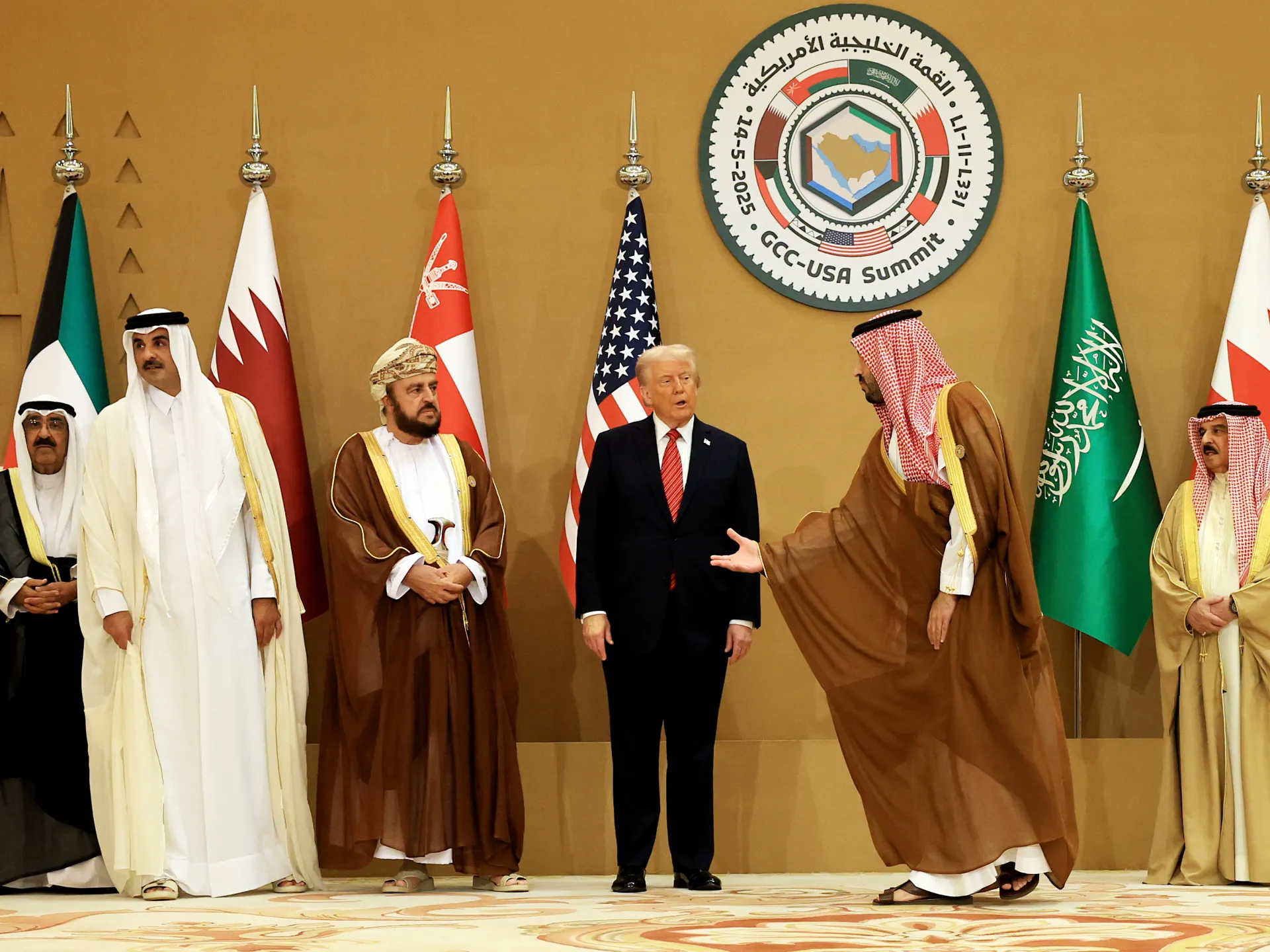
Saudi Arabia, Turkiye and Egypt are not expected to have a formal presence at the talks, despite being closely involved in pre-negotiation diplomacy. The four countries held meetings in Riyadh and later in Islamabad aimed at securing a pause in hostilities.

Israel, a party to the conflict, will also not be represented. Pakistan, like most Muslim-majority countries, does not recognise Israel and has no diplomatic relations with it.

A slight easing

There are, however, tentative signs of easing tensions ahead of Saturday’s talks.

On Friday, as he was departing from Washington, Vance said that the US team was “looking forward to the negotiations”.

“We think it’s going to be positive. We’ll, of course, see. As the president of the United States said, if the Iranians are willing to negotiate in good faith, we are certainly willing to extend an open hand,” the US vice president said. “If they try to play us, they’re going to find that the negotiating team is not that receptive. So we’ll try to have a positive negotiation.”

He also said that Trump had given the US team “some pretty clear guidelines”.

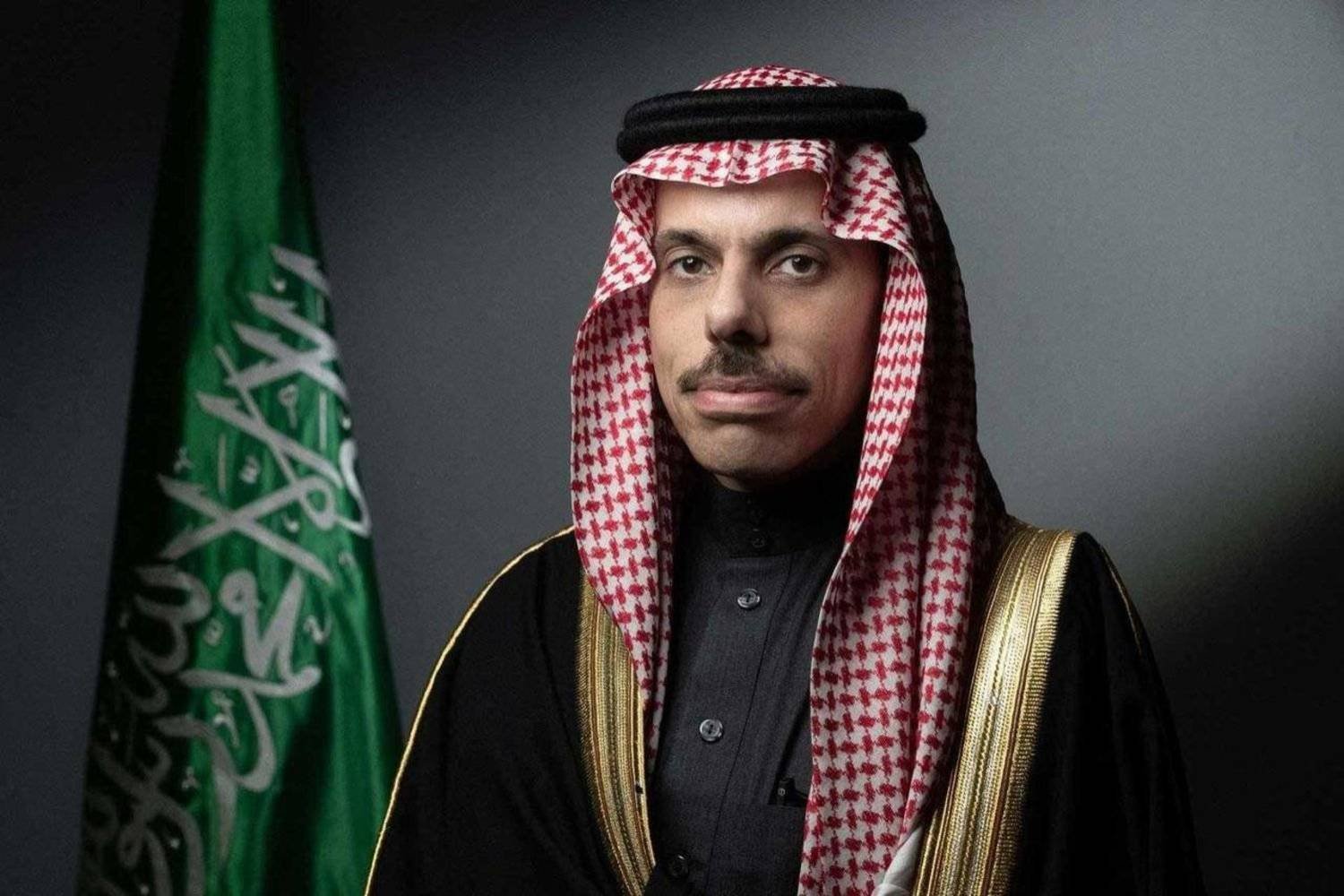
Earlier this week, Saudi Arabia’s foreign minister spoke with his Iranian counterpart for the first time since the war started.

And Iran’s Supreme National Security Council said on April 8 that discussions could continue for up to 15 days, suggesting readiness for a prolonged process.

Akram, the former envoy, said the benchmark for success was clear.

“What they need to agree is that they will find a solution, and that in itself would be a step in the right direction,” he told Al Jazeera. “Finding a long-term solution will take time. It will not happen in a couple of days.”

Malik, the academic in Islamabad, said Pakistan’s expectations remained modest.

“What Pakistan expects is breathing space, an opportunity for peace. It is not expecting anything big. It is a small wish, but realising it will be very difficult,” she told Al Jazeera.

Source link

Ex-Trump official predicts Trump-Kim summit could take place this fall

Fred Fleitz, former chief of staff of the NSC, predicted Wednesday that U.S. President Donald Trump could meet with North Korean leader Kim Jong-un for a summit sometime this fall. Fleitz made the comment at the Asan Plenum in Seoul. Photo courtesy of Asan Institute of Policy Studies

A former Trump administration official predicted Wednesday that U.S. President Donald Trump could meet with North Korean leader Kim Jong-un for a summit sometime this fall, citing Trump’s continued indications of interest in resuming dialogue with the reclusive leader.

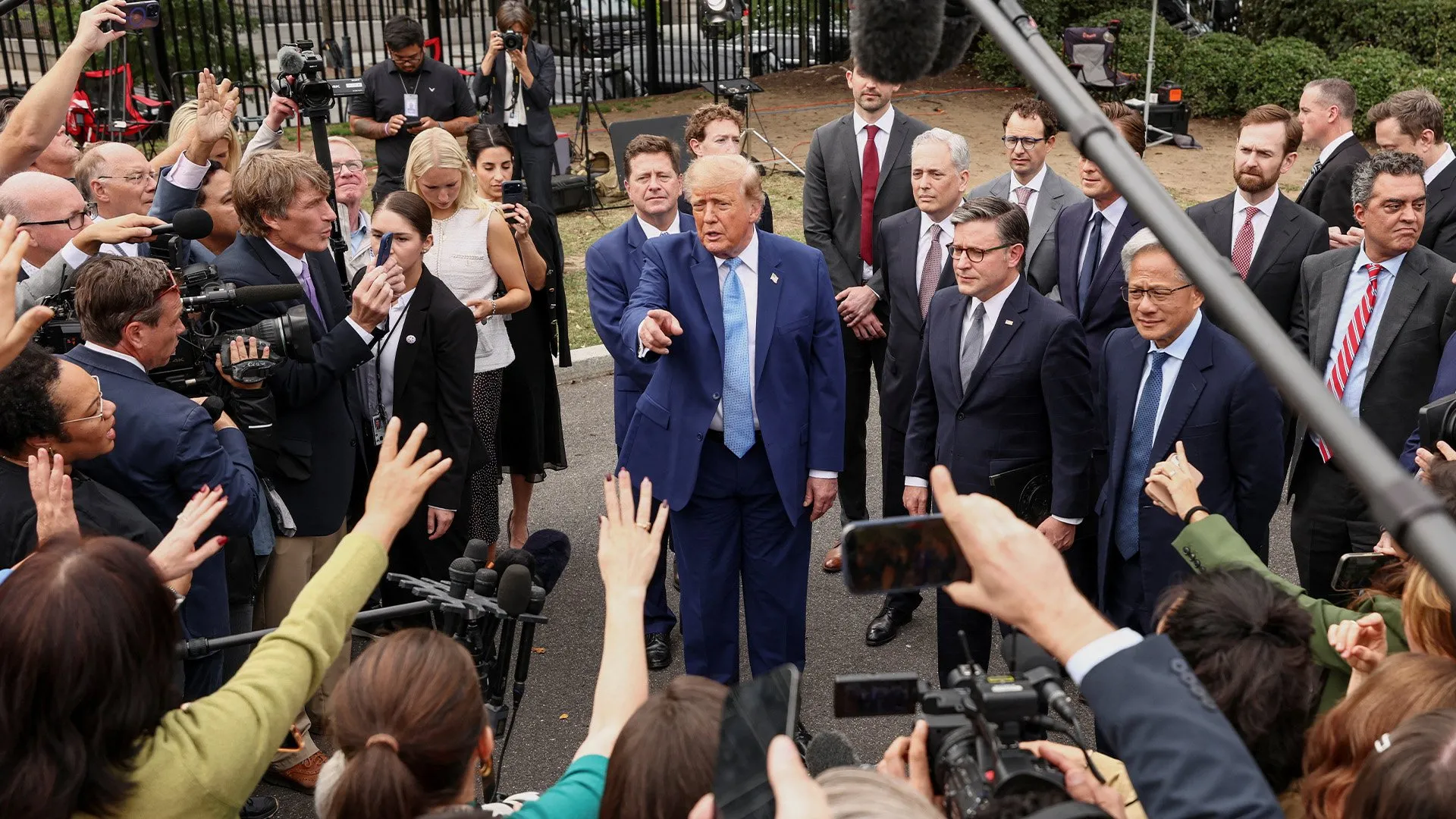
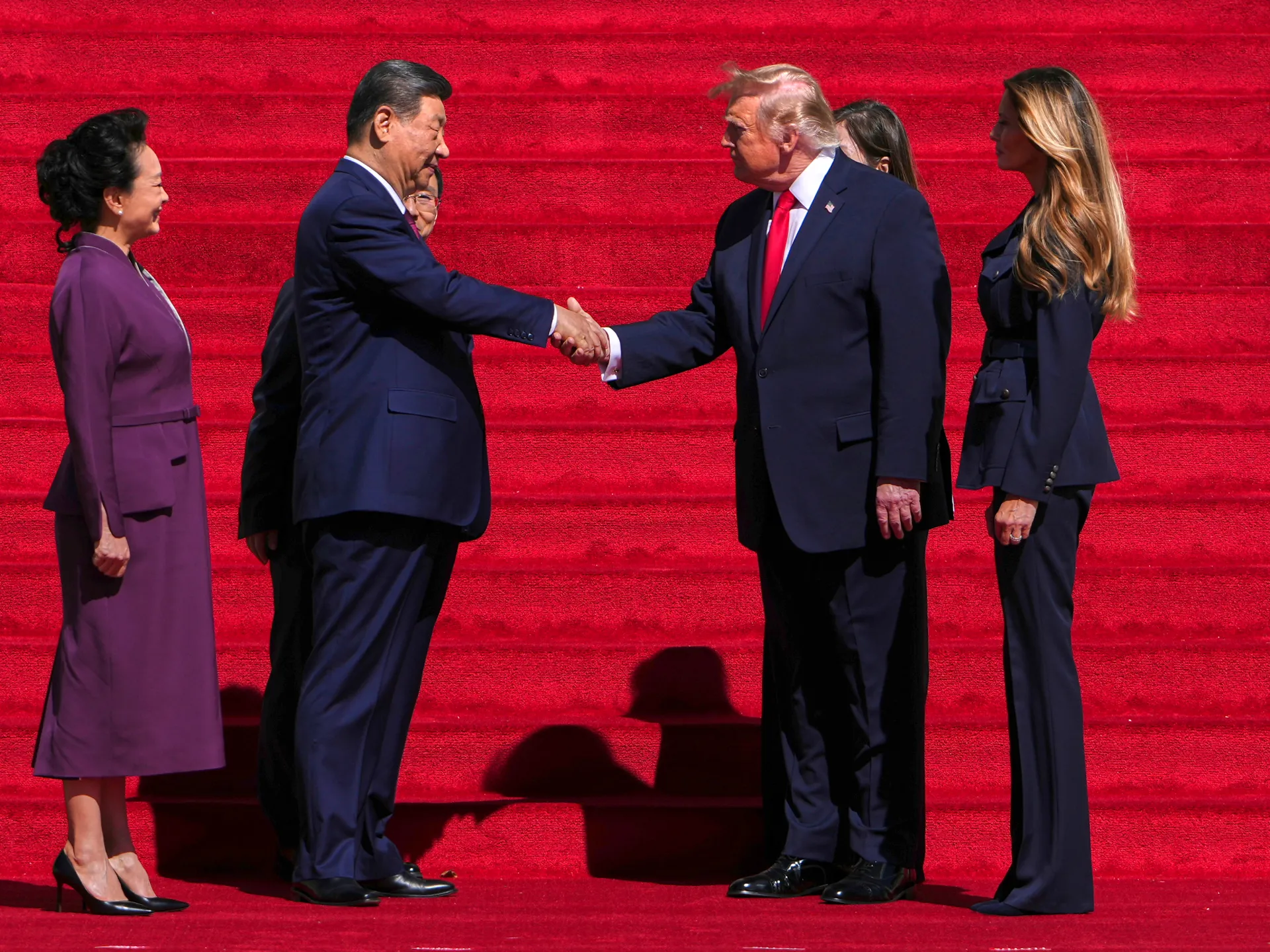
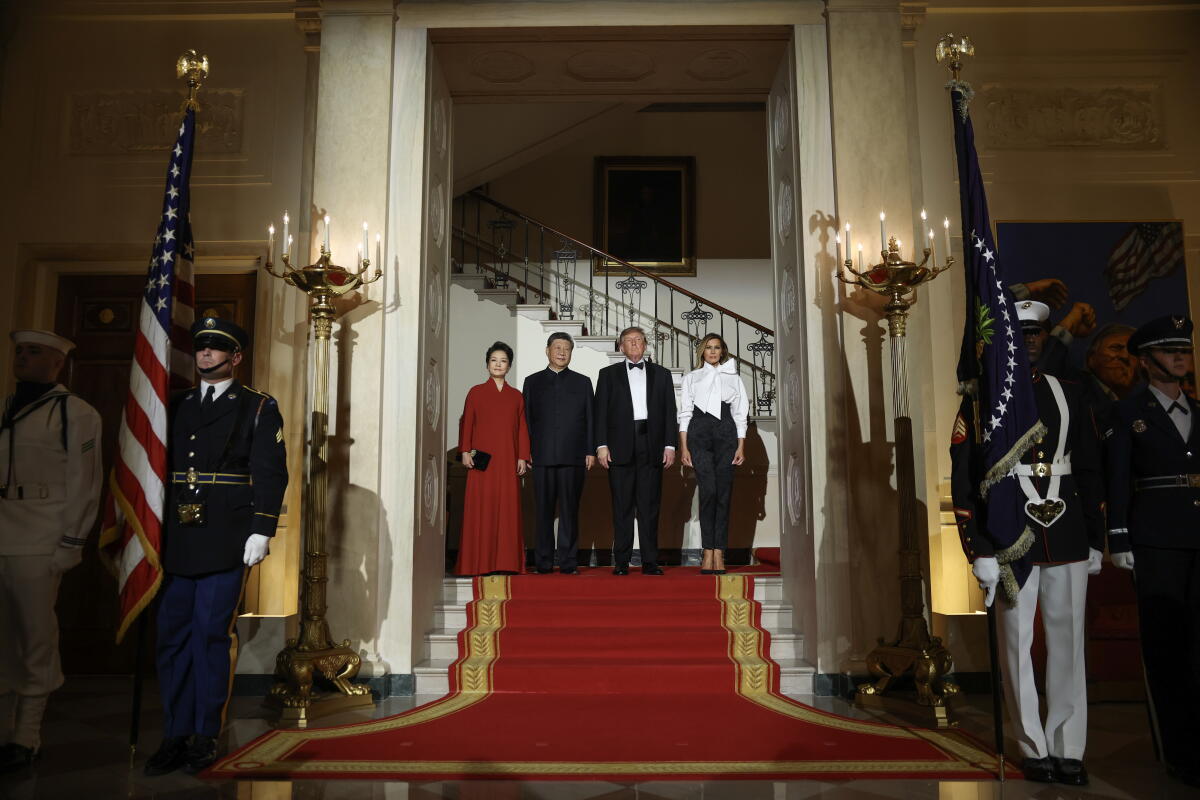
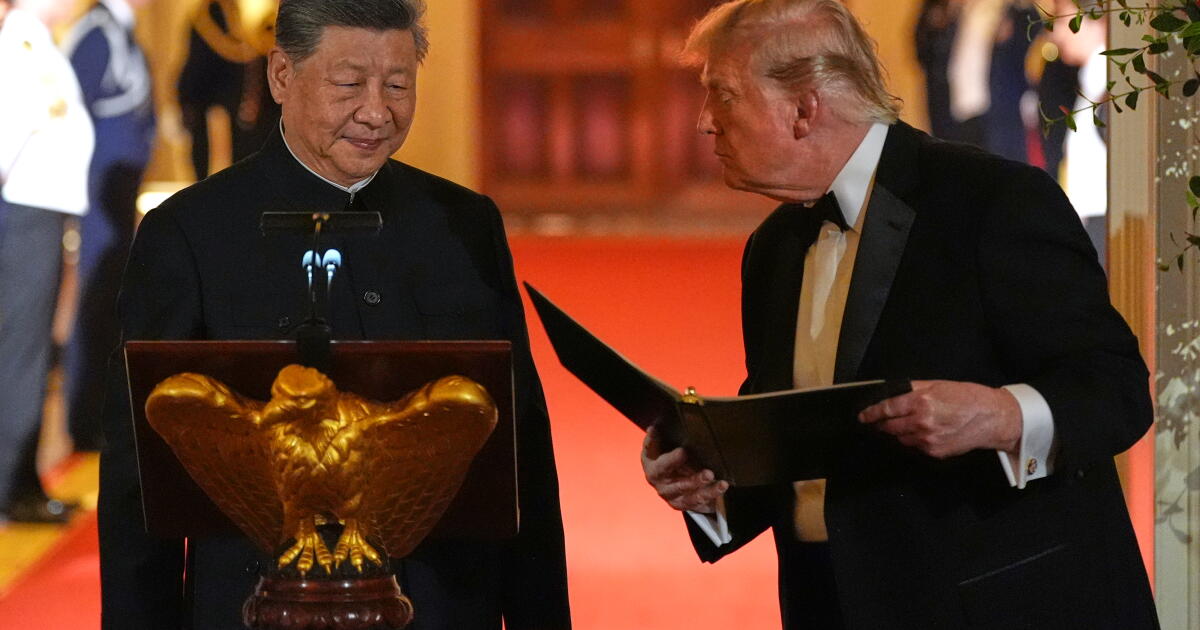
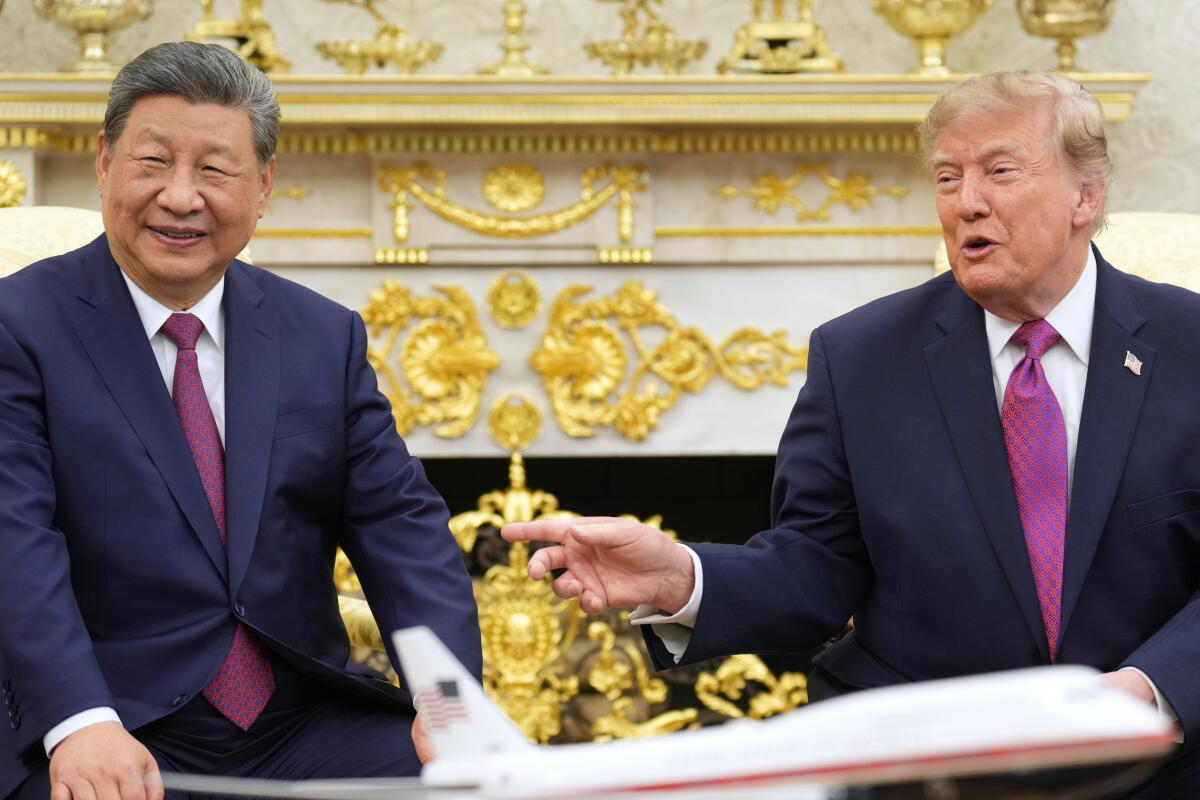
Fred Fleitz, a former chief of staff of the National Security Council under the previous Trump administration, made the remarks as speculation persists that Trump and Kim may resume dialogue around the time when Trump visits China for summit talks with Chinese President Xi Jinping, in May.

“I believe there is a good chance of a Trump-Kim summit this fall,” said the vice chair of the America First Policy Institute at a press event on the sidelines of a forum hosted by the Asan Institute of Policy Studies.

“President Trump has often indicated that he wanted to resume a successful personal diplomacy … It is something that Trump believes in that this was a big success that he has to build upon,” he said.

Fleitz pointed out that although Trump is open to meeting Kim again, he would not back away from the U.S. demand for denuclearization.

“The Trump administration might join talks with North Korea but will be pushing for denuclearization,” he said. “I would strongly advise the Trump administration that another progress should be that North Korea has to stop sending weapons (to Russia for its war) in Ukraine.”

“They are helping a disastrously bloody war and I don’t think it’s a lot to ask for Trump to say that to Kim Jong-un.”

On a similar note, Victor Cha, Korea chair at the Center for Strategic and International Studies, gave an outlook of a “more than 50 percent chance” that Trump will meet Kim, after he meets Xi in Beijing.

“I don’t think Xi Jinping will want a meeting (between Trump and Kim) before his summit with Trump,” he said. “There is a greater than 50 percent chance that they could meet after their (Trump-Xi) meeting in Beijing.”

Cha also noted that unlike the approach to China, Russia or Iran, Trump shows that he puts North Korea in a “different basket” in terms of his potential engagement with Kim.

“I think he clearly wants to engage with him, which is just fascinating,” he said.

Copyright (c) Yonhap News Agency prohibits its content from being redistributed or reprinted without consent, and forbids the content from being learned and used by artificial intelligence systems.

Source link

VAR: Uefa calls leagues to summit over ‘microscopic’ video assistant referees

Europe’s top leagues have been summoned to a meeting with Uefa in the summer to discuss how video assistant referee (VAR) technology is being used.

The summit of referee chiefs from the Premier League, La Liga, Serie A, the Bundesliga and Ligue 1 will discuss how to reset VAR to its intended interpretation of only intervening in the clearest of errors.

Roberto Rosetti – the head of Uefa’s referees – called the meeting after saying last month the game must not “go in this direction of microscopic VAR interventions”.

Uefa wants to discuss with leagues how they use VAR, and the thresholds applied.

“I believe that we forgot the reason why VAR was introduced,” Rosetti said.

“In objective decisions, it is fantastic. For interpretations, subjective evaluation is more difficult.

“That’s why we started to speak about clear and obvious mistakes – clear evidence.”

VAR is operated very differently across Europe.

The Premier League has the lowest VAR intervention rate this season – 0.275 per game – thought that has not meant less controversy over decisions.

Figures released last month showed the Bundesliga and La Liga come next at 0.38 interventions per game, with Serie A at 0.44 and Ligue 1 at 0.47.

In the Champions League, interventions are at a rate of 0.45 per game.

Rosetti also wants all leagues to speak “only one technical language” after controversy over the inconsistent application of laws such as handball.

It is hoped the meeting could lead to a more universal approach to the laws and with how VAR is used.

Source link