Sudan war

Saudi Arabia slams ‘foreign interference’ in Sudan after deadly RSF attacks | Sudan war News

Riyadh condemns RSF’s ‘criminal’ attacks in Kordofan, blames foreign fighters and weapons for fuelling Sudan’s three-year conflict.

Saudi Arabia has reaffirmed its support for Sudan’s territorial unity and integrity, denouncing “criminal attacks” by the paramilitary Rapid Support Forces (RSF) in North and South Kordofan states that have killed dozens of people, including women and children.

In a statement on Saturday, the Saudi Ministry of Foreign Affairs condemned “foreign interference” by “some parties” in Sudan, including the “continued influx of illegal weapons, mercenaries and foreign fighters” for the continuation of the nearly three-year-old war.

Recommended Stories

list of 4 itemsend of list

The statement did not specify the parties, though.

It came a day after the Sudan Doctors Network, a humanitarian group, said a drone attack by the RSF on a vehicle transporting displaced families in North Kordofan killed at least 24 people, including eight children.

The attack followed a series of drone raids on humanitarian aid convoys and fuel trucks across North Kordofan, including an assault on a World Food Programme convoy on Friday that killed at least one person.

Fighting between the RSF and Sudan’s army has intensified across Kordofan in recent months following the fall of el-Fasher to the paramilitary group in October. The nearly three-year-long conflict has killed an estimated 40,000 people and pushed more than 21 million — almost half of Sudan’s population — into acute food shortages.

The Saudi Ministry of Foreign Affairs said on Saturday the deadly RSF attacks “are completely unjustifiable and constitute flagrant violations of all humanitarian norms and relevant international agreements”.

The ministry demanded that “RSF immediately cease these violations and adhere to its moral and humanitarian obligation to ensure the delivery of relief aid to those in need in accordance with international humanitarian law” and a ceasefire deal agreed by the warring parties in Jeddah in 2023.

It added that “some parties” were fuelling the conflict by sending in weapons and fighters, despite “these parties’ claim of supporting a political solution” in Sudan.

The statement comes amid allegations by the Sudanese government that the United Arab Emirates has been arming and funding the RSF. Sudan filed a case against the UAE at the International Court of Justice last year, accusing it of “complicity in genocide” committed by the RSF against the Masalit community in West Darfur state.

The UAE has denied the allegations.

Separately, Saudi Arabia has also accused the UAE of backing the separatist Southern Transitional Council (STC) in Yemen. The STC, initially part of the Saudi-backed internationally recognised government of Yemen, launched a major offensive last December in the country’s Hadramout and al-Mahra provinces, seeking to establish a separate state.

The offensive resulted in a split in Yemen’s internationally-backed government, and prompted Saudi Arabia to launch deadly raids targeting the STC.

The UAE pulled out its troops from Yemen following the Saudi allegation, saying it supports Saudi Arabia’s security.

Saudi Arabia and the UAE were members of the Arab military coalition, formed to confront the Houthis, who took full control of the Yemeni capital, Sanaa, in 2015.

Source link

Famine conditions spread to more towns in Sudan’s Darfur, experts warn | Sudan war News

Food security experts say famine thresholds for acute malnutrition exceeded in Darfur’s Um Baru and Kernoi.

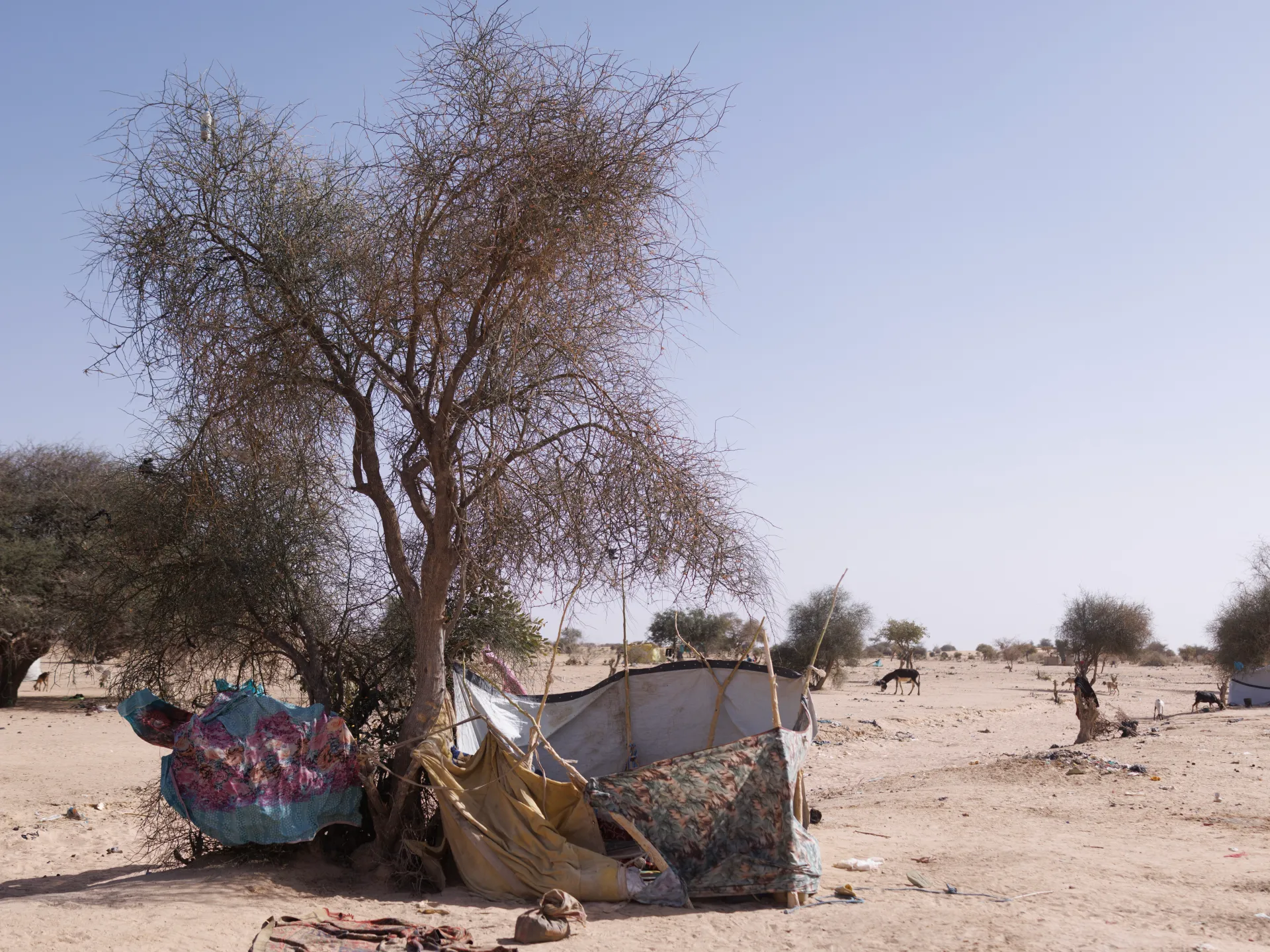
Acute malnutrition has reached famine levels in two more areas of western Sudan’s Darfur region, United Nations-backed experts warn, as a civil war between the paramilitary Rapid Support Forces (RSF) and the Sudanese army has caused widespread hunger.

In an alert issued on Thursday by the Integrated Food Security Phase Classification (IPC), global food security experts said famine thresholds for acute malnutrition had been surpassed in North Darfur State’s contested areas of Um Baru and Kernoi.

Recommended Stories

list of 4 itemsend of list

The IPC alert is not a ‍formal famine classification, but it highlights alarming levels of hunger based on the latest data.

In Um Baru, the rate of acutely malnourished children aged under five was ​nearly double the famine threshold with 53 percent affected, the report said.

Nearly a third of children in Kernoi suffered from acute malnutrition, it added.

“These alarming rates suggest an increased risk of excess mortality and raise concern that nearby areas may be experiencing similar catastrophic conditions,” the report said.

Thursday’s alert, based on data available up to February, comes nearly three months after the IPC confirmed famine conditions in el-Fasher, the capital of North Darfur, and Kadugli, the capital of South Kordofan, about 800km (500 miles) to the east.

El-Fasher, long the Sudanese army’s final stronghold in the Darfur region, fell to the RSF in October after 18 months of bombardment and starvation.

Um Baru and Kernoi are near the border with Chad and have received some of the tens of thousands of displaced people who fled el-Fasher when it fell to the RSF. Fighting subsequently has been reported in both locations.

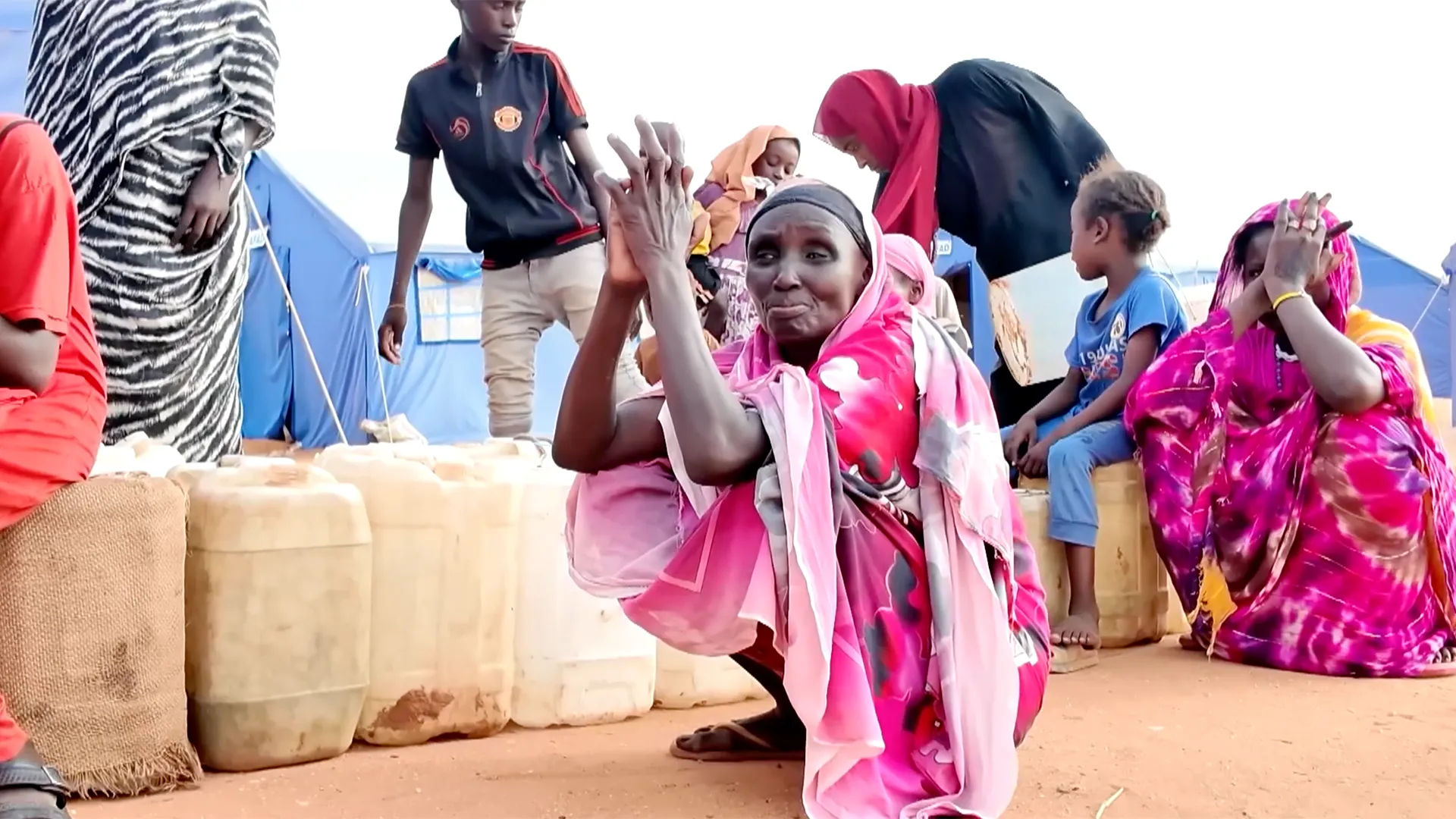
Since April 2023, Sudan has been engulfed in a devastating war between the army and the RSF, which has killed tens of thousands of people, displaced nearly 11 million and driven multiple regions into famine and hunger.

The IPC said 20 more areas in Darfur and neighbouring Kordofan were at risk of famine.

Source link

Khartoum airport receives first scheduled flight since start of Sudan war | Sudan war News

Celebrations as flight carries dozens of passengers from Port Sudan to Sudanese capital.

The international airport in Khartoum has received its first scheduled commercial flight in more than two years as the Sudanese government continues to assert its control over Sudan’s capital city after years of fighting.

The Sudan Airways flight travelled to Khartoum from the Red Sea city of Port Sudan on Sunday, carrying dozens of passengers.

Recommended Stories

list of 3 itemsend of list

Reporting from near the runway where the flight had landed, Al Jazeera’s Taher Almardi described scenes of jubilation following the arrival of the plane.

He said the reopening of the airport will help connect the capital to other regions in Sudan, with officials saying the facility is now ready to welcome as many as four flights daily.

Sudan Airways said in a statement that the flight, which was announced on Saturday with ticket prices starting at $50, “reflects the return of spirit and the continuation of the connection between the sons of the nation”.

The Sudanese military announced regaining full control of the capital from its rival, the Rapid Support Forces (RSF) paramilitary group, in March of last year.

Last month, Sudan’s army-aligned authorities moved the government’s headquarters back to Khartoum from their wartime capital of Port Sudan, which has also housed the country’s international airport since the early days of the war that began in April 2023.

Khartoum International Airport has come under repeated attacks, including an RSF drone assault in October that Sudanese officials said was intercepted.

On October 22, the airport said it had received a Badr Airlines flight, which was not pre-announced. But no further operations of commercial flights resumed until Sunday.

Flight lands at Khartoum airport
Sunday’s flight from Port Sudan to Khartoum carried dozens of passengers [Screengrab/Al Jazeera]

The war started as two top generals – Abdel Fattah al-Burhan, the leader of the military, and Mohamed Hamdan “Hemedti” Dagalo, the RSF chief – and their forces clashed for power and control over Sudan’s resources.

The fighting has ravaged towns and cities across Sudan, killing tens of thousands of people and forcing millions of others from their homes.

Violence continues to rage in central and western Sudan, particularly in Darfur, where the war has led to mass displacement and a humanitarian crisis.

“In Darfur today, reaching a single child can take days of negotiation, security clearances, and travel across sand roads under shifting frontlines,” Eva Hinds, spokesperson for the United Nations Children’s Fund (UNICEF), said in a statement on Friday.

“Nothing about this crisis is simple: every movement is hard-won, every delivery fragile.”

Source link

Sudan army says two-year RSF siege of key town broken | Sudan war News

Dilling, a key route for supply lines, had under the paramilitary group’s control for nearly two years.

Sudan’s military says it has broken a nearly two-year siege by the paramilitary Rapid Support Forces (RSF) on a key town in the Kordofan region, gaining control over major supply lines.

In a statement late on Monday, the military said it had opened a road leading to South Kordofan province’s Dilling town.

Recommended Stories

list of 4 itemsend of list

“Our forces inflicted heavy losses on the enemy, both personal and equipment,” the statement said.

There was no immediate comment from the RSF, which has been at war with the army for control of Sudan for nearly three years.

Dilling lies halfway between Kadugli – the besieged state capital – and el-Obeid, the capital of neighbouring North Kordofan province, which the RSF has sought to encircle.

Al Jazeera’s Hiba Morgan, reporting from the Sudanese capital Khartoum, described the army’s takeover of Dilling as a “very significant gain” that may lead to more advances in the province.

“The army is trying to make use of this momentum to take territory not just from the RSF, but also from its ally, the SPLM-N, led by Abdel Aziz al-Hilu, which controls territory and has forces in South Kordofan,” Morgan said.

Paramilitary troops were likely to fight back and attempt to retake the lost territory by relocating fighters from el-Obeid and Kadugli, according to Morgan.

Morgan added that the humanitarian situation in Dilling would likely improve as the army will now be able to bring in medical supplies, food and other commercial goods that had been prevented from entering during the RSF’s siege.

Photos: Global stories of 2025 in pictures
Displaced people ride an animal-drawn cart in the town of Tawila, North Darfur, Sudan [Reuters]

After being forced out of Khartoum in March, the RSF has focused on Kordofan and the city of el-Fasher, which was the military’s last stronghold in the sprawling Darfur region until the RSF seized it in October.

Reports of mass killings, rape, abductions and looting emerged after el-Fasher’s paramilitary takeover, and the International Criminal Court launched a formal investigation into “war crimes” by both sides.

Dilling has reportedly experienced severe hunger, but the world’s leading authority on food security, the Integrated Food Security Phase Classification, did not declare famine there in its November report because of a lack of data.

A United Nations-backed assessment last year already confirmed famine in Kadugli, which has been under RSF siege for more than a year and a half.

More than 65,000 people have fled the Kordofan region since October, according to the latest UN figures.

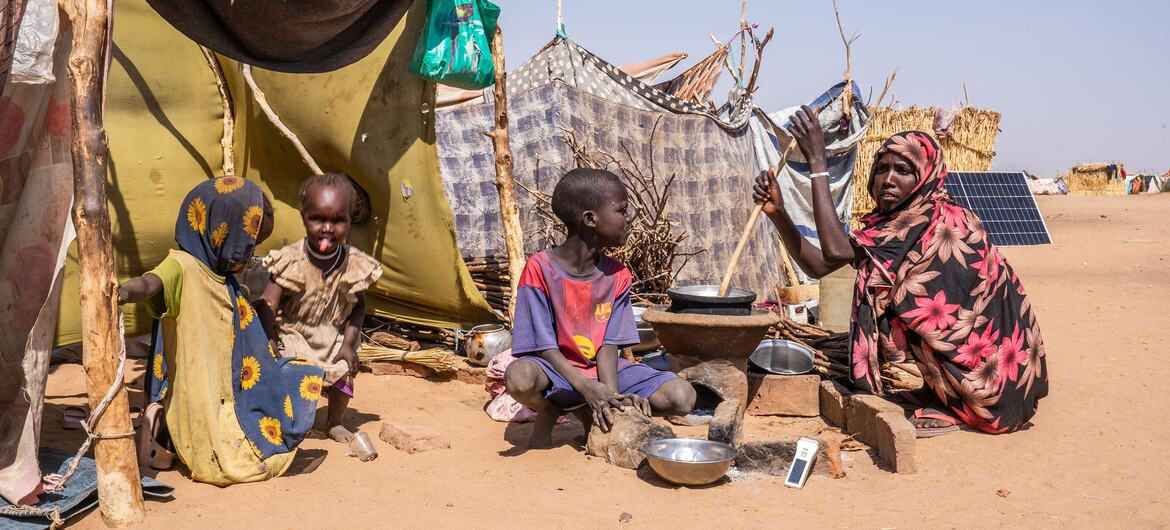
The conflict has killed tens of thousands of people and created what the UN describes as the world’s largest displacement and hunger crisis. At its peak, the war had displaced about 14 million people, both internally and across borders.

Source link