specie

U.S. cancels protections for imperiled animals as critics warn of extinctions

The U.S. Interior Department on Friday canceled a rule meant to protect plants and animals that are determined to be threatened with extinction, the latest step by the Trump administration to dismantle key provisions of the landmark Endangered Species Act at the behest of industry.

Instead of receiving automatic protections, imperiled species will need individualized protection plans once they are added to the threatened species list. That’s a potentially lengthy process in which companies could seek exemptions for oil and gas drilling, mining and other development where those species live.

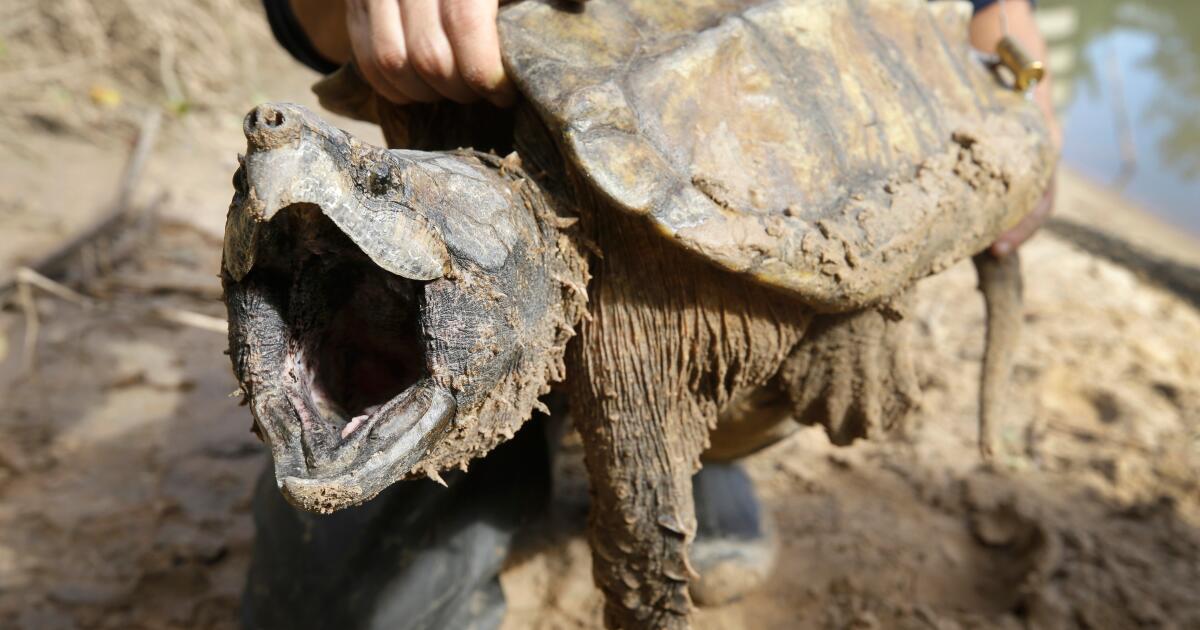
Opponents said it would make it harder to save wildlife awaiting federal protections and in danger of disappearing, such as monarch butterflies and alligator snapping turtles.

Interior Secretary Doug Burgum said in a statement that the Endangered Species Act had been used for too long “to stop almost any new project in America, driving up costs for families, weakening our competitiveness, and undermining our national security.”

“Success should be measured by species recovery and delisting, not by adding more species to the list,” Burgum added.

A second change finalized Friday requires officials to analyze economic effects when deciding whether habitat is critical to a species’ survival. Critics say it gives corporations an opportunity to put their thumb on the scale so officials will allow development in those areas.

“If you’re exempting certain industries that cause habitat destruction, in many instances you’ll be exempting the main threat to those species,” said Noah Greenwald with the environmental group Center for Biological Diversity.

Officials made similar changes during Trump’s first term, but they were reversed under the Biden administration.

The rules that gave what some consider “blanket protections” to threatened species were first adopted for wildlife in 1975 and for plants in 1977.

Two groups, the Rocky Mountain Elk Foundation and the Property and Environment Research Center, sued the Biden administration in 2024 after officials restored the blanket protections rule. They argued the rule unfairly imposed the same restrictions on landowners when a species’ status improves from endangered, which is more dire, to threatened.

That removed incentives for landowners to participate in species recovery, said Jonathan Wood, vice president at the Montana-based research center.

Wood said the Trump administration’s approach allows officials to “better reward progress and encourage proactive conservation.”

There have been no species added to the endangered or threatened lists in Trump’s second term. By comparison, more than 20 species were added in Trump’s first term, and about 60 under President Biden.

About 30 species are currently proposed to be listed as threatened. Besides monarchs and alligator snapping turtles, they include California spotted owls and various snakes, fish, clams and insects.

Changes to government policies for endangered plants and wildlife have come faster and extended further in Trump’s second term than in his first.

The administration in March exempted oil and gas drilling in the Gulf of Mexico from the Endangered Species Act after Defense Secretary Pete Hegseth said environmentalists’ lawsuits threatened to hobble domestic energy supplies as the U.S. wages war against Iran.

A week before the latest rule change, Interior officials sharply narrowed the definition of what constitutes “harm” to a species. The change would allow development in critical wildlife habitat so long as the animals themselves are not immediately killed or injured.

Officials this week sharply reduced the amount of critical habitat in the Rocky Mountains designated for Canada lynx, forest-dwelling wildcats that are threatened by climate change and other pressures.

Also this week, Burgum said in a visit to Montana that the U.S. Fish and Wildlife Service would turn over more management authority for grizzly bears to states where the bruins live. That’s been a long-standing priority for the Republican governors of Wyoming, Idaho and Montana.

The Endangered Species Act is credited with bringing back animals including the California condor, the bald eagle and the American alligator from the brink of extinction.

Burgum noted Friday that 97% of the species that have been given protections still have them. That’s a frustration for Republican lawmakers who say species should be taken off the endangered and threatened lists more quickly once they’ve recovered.

Brown writes for the Associated Press.

Source link

Trump’s Endangered Species Act rollback puts California wildlife at risk

The Trump administration finalized a rollback of the Endangered Species Act on Friday, paving the way for drilling, mining and other human development across protected wildlife habitats.

The move redefines “harm” under the Endangered Species Act, the landmark conservation law that protects threatened and endangered plants and animals. For years, “harm” meant actions that injure or kill wildlife, as well as actions that destroy protected habitats.

Under the new rule, destroying those habitats is no longer illegal.

The decision aligns with the Trump administration’s ongoing effort to slash regulations in the name of economic growth. Interior Secretary Doug Burgum, whose department finalized the move, said the prior definition of harm “interfered with private property rights” and “turned routine activity into a regulatory trap.”

Environmental groups called the decision a disaster, saying it puts protected species on a path to extinction.

The move seems especially poised to hit California, the most biodiverse state in the country, where more than 6,700 species are spread across mountains, forests, deserts and oceans. Of the roughly 2,300 species protected by the Endangered Species Act, nearly 300 are found in California.

These species include amphibians such as tiger salamanders and Yosemite toads; birds such as California condors and northern spotted owls; fish such as Little Kern golden trout and Santa Ana suckers; insects such as Franklin’s bumble bees and Mission blue butterflies; mammals such as gray wolves and Santa Catalina Island foxes; and reptiles such as desert tortoises and green sea turtles.

The Endangered Species Act is widely credited with saving the California condor, which almost went extinct in the 1980s due to several factors, including habitat destruction. Thanks to a recovery program under the act, the condor population has since soared to several hundred. But under the new law, the logging and human development that led to their near demise is now allowed.

A handful of California species recoveries have been championed as success stories under the Endangered Species Act, including southern sea otters, peregrine falcons, humpback whales, bald eagles and green sea turtles.

According to a report from the Center for Biological Diversity, the El Segundo blue butterfly lost 90% of its oceanside habitat due to the construction of LAX and beachfront housing developments. The population dwindled to about 1,000 butterflies in the 1970s, when it was named an endangered species. Now, the population has climbed above 120,000.

In California, the rollback could pave the way for more farming, mining, logging and drilling in areas that were once forbidden due to the potential for wildlife habitat destruction. A report from Earthjustice estimates that expanded oil drilling in California could threaten five marine species including humpback whales, sea otters, leatherback sea turtles, marbled murrelets and wild salmon.

Several environmental groups are planning legal challenges to the ruling.

“For the first time ever, a presidential administration now claims that species protected by the Endangered Species Act shouldn’t be safe from habitat modification that destroys where they live, raise their young, or search for food,” Kristen Boyles, attorney for the environmental nonprofit Earthjustice, said in a statement. “Let’s be clear: there is no support for the Trump administration’s rule — no scientific support, no legal support, no public support. We will see the Trump administration in court.”

Ben Greuel, wildlife campaign manager at the Sierra Club, called the decision “an unlawful attempt to open the door for corporate polluters to degrade vitally important habitats.”

“For more than four decades, the definition of ‘harm’ recognized a simple truth: if you destroy the places wildlife need to survive, you are putting species on a path to extinction,” Greuel said in a statement.

It’s not the first time Trump has taken aim at California environmental regulation.

Earlier this year, Gov. Gavin Newsom, along with the governors of Washington and Oregon, submitted a formal opposition to the Trump administration’s plans to expand drilling off the Pacific Coast, with Newsom saying it leads to “dead wildlife.” In June, the Trump administration ordered a review of the California Coastal Commission, claiming the state’s “environmental extremism” obstructs spaceport development and offshore oil production.

A day before the Endangered Species Act decision, the Trump administration signed off on a controversial plan to use an old oil pipeline to pump water from the Mojave Desert into cities. Environmental groups said the plan threatens springs and local wildlife, since six pumps would need to be built in desert tortoise habitats.

Source link