Madrid, Spain – Spain has pledged to keep opposing the war waged by the United States and Israel on Iran after President Donald Trump said Washington would cut off all commercial links with Madrid.
Trump’s rebuke on Tuesday came after Washington’s European ally refused to let the US military use its bases for missions linked to strikes on Iran.
Recommended Stories
list of 4 itemsend of list
“Spain has been terrible,” the president told reporters on Tuesday during a meeting with German Chancellor Friedrich Merz, adding, “We’re going to cut off all trade with Spain. We don’t want anything to do with Spain.”
Spanish Prime Minister Pedro Sanchez, one of the few left-wing leaders in Europe to condemn the US-Israel attack on Iran as “unjustifiable” and “dangerous”, said in a televised nationwide address on Wednesday that Spain’s position was “no to the war”.
“This is how humanity’s great disasters start … The world cannot solve its problems with conflicts and bombs.”
His position cements Spain’s status as an outlier in Europe; Madrid has been one of the few European nations to consistently condemn Israel’s genocidal war on Gaza.
At the Patron Bar in Malasana, Madrid, Gema Tamarit watched Sanchez’s address on the television in the restaurant, which turned up the volume.
“That Trump is mad. We are not afraid of him. Good for Sanchez for sticking up to him. Some more leaders in Europe should do the same,” said Tamarit, 53, a software engineer. “Of course, Iran is an awful regime, but is this the way to change things, by going to war like this?”
A series of opinion polls suggests that more than half of Spaniards oppose Trump’s foreign policy.
According to a poll published by Eurobazuka in February, 53 percent said they opposed the US president’s policies, the third highest group by nationality after the French and Belgians, with 57 percent and 62 percent, respectively.
In another poll published in January, nearly 60 percent of Spaniards said they disagreed with the US president’s operation to arrest the former Venezuelan President Nicolas Maduro, according to a survey published by GESOP for Prensa Iberica media group.
The Eurobazuka poll said 48 percent of Europeans considered Trump to be “an enemy of Europe”, compared with 10 percent who believed he was an ally.
Trump’s trade threat
Analysts said the US may not be able to inflict much commercial damage on Spain, as it is part of the European Union.
Last month, the US Supreme Court declared Trump’s threat to impose a range of tariffs worldwide as illegal.
Victor Burguete, an expert in trade and economics at the Barcelona Centre for International Affairs think tank, said the only way Trump could act against Spain would be to prove the US faced a situation of national emergency.
“It is not likely that he can prove acting against Spain is a national emergency,” he told Al Jazeera. “I think this is more a threat than a real possibility of ending trade with Spain.
The dispute erupted when the US relocated 15 aircraft, including refuelling tankers, from the Rota and Moron military bases in southern Spain on Monday after the country’s socialist government said it would not allow them to be used to attack Iran.
Trump has also referred to Spain’s refusal to raise spending on NATO from 2 to 5 percent of gross domestic product, saying “Spain has absolutely nothing that we need.”
Sanchez has provoked Trump’s anger with policies including refusing to let vessels transporting weapons to Israel dock in Spain and condemning Israel’s genocide in Gaza. Spain was among the first European nations to recognise a State of Palestine in 2024, along with Ireland, Slovenia and Norway.
“Trump is just angry because Spain has refused to raise NATO spending and condemned the technology companies connected with social media. And done this publicly,” said Burguete.
Spain last month announced it was considering banning children under 16 from accessing social media, and was studying legal action against Grok, Instagram and TikTok.
Bruguete said he believed Sanchez took this stance against the war because he opposed the “strongman politics” of Trump, but also because it played well domestically before the general elections next year.
“There is no doubt that the foreign policy of Trump is not popular in Spain,” he added.
Spain is the world’s top exporter of olive oil and sells auto parts, steel and chemicals to the US, but is less vulnerable to Trump’s threats of economic punishment than other European nations.
The US had a trade surplus with Spain for the fourth year in a row in 2025, at $4.8bn, according to US Census Bureau Data, with US exports of $26.1bn and imports of $21.3bn.
The EU said on Wednesday it expected the US to abide by a trade deal with the EU, was “ready to act” to safeguard its interests, and stood in “full solidarity” with member states, but did not name Spain.
Diego Simeone’s side reach Copa del Rey final for the first time since 2013 with 4-3 aggregate semifinal victory.
Published On 3 Mar 20263 Mar 2026
Share
Atletico Madrid struggled through a 3-0 Copa del Rey semifinal second leg defeat at Barcelona, but scraped into the final 4-3 on aggregate.
The Spanish champions almost produced a comeback for the ages on Tuesday after their 4-0 first-leg defeat in early February, but fell just short at Camp Nou.
Recommended Stories
list of 4 itemsend of list
Eighteen-year-old Marc Bernal netted twice for the record 32-time winners, and Raphinha scored a penalty, as Barcelona tried in vain to claw back the lead for Diego Simeone’s side.
Atletico, who clung on desperately in the final stages, returned to the final for the first time since 2013.
They will face Real Sociedad or Athletic Bilbao, who meet on Wednesday in the second semifinal leg.
Barcelona came out flying, and Fermin Lopez’s long-range effort just over the bar set the tone, as Hansi Flick’s side threw everything they had at a potential comeback.
They were dealt an early setback when Jules Kounde went off injured in the opening stages. Antoine Griezmann came close against his former side, as Atletico threatened on the counterattack.
Ferran Torres fired wide and had a shot saved low at the near post by Atletico goalkeeper Juan Musso before Barcelona took the lead.
Teenage player Lamine Yamal drilled across the face of the goal for Bernal to finish from close range, with one 18-year-old setting up another.
Ademola Lookman headed narrowly off-target for Atletico and came to rue the miss as Barca doubled their advantage before the interval.
Spain midfielder Pedri was tripped in the box by Marc Pubill, and Raphinha sent Musso the wrong way from the spot.
Joao Cancelo almost grabbed the third, but his shot was beaten away by Musso at full stretch, with Diego Simeone’s team on the ropes.
Bernal set up a frantic finale when he volleyed home Cancelo’s swirling cross to take Barca within one goal of the crumbling Rojiblancos.
Flick put centre-back Ronald Araujo up front for the final stages, in search of a fourth goal to “make the impossible possible”, as he called on his team to do before the game.
Gerard Martin hammered narrowly over the bar as Barca turned the screw, with fans roaring the team on through six minutes of stoppage time.
The Rojiblancos fended off Barca and booked their place in the Seville final on April 18.
Musso said getting through to the final was the most important thing.
“Barcelona are one of the best teams in the world, but we got through,” he said after the game.
“We are going to the final; we will give our everything, and get the Copa del Rey.”
Meanwhile, Raphinha said he was proud of his teammates, even if they just fell short.
“The fans could see we gave everything we had. You have to understand, we were up against a side who were defending [well] and doing what they needed to do… We did everything possible, but lacked a little bit,” he said.
“What happened today is in the past. We wanted to get in the final, but it happens … For now, we will go for the La Liga and Champions League [titles].”
“We’re going to cut off all trade with Spain.” Donald Trump targeted Spain in an Oval Office tirade, complaining about Madrid’s refusal to let its bases be used for attacks on Iran. He also joined the German chancellor in saying Spain doesn’t spend enough on its military.
THINKING of booking a holiday? Well, it’s perfect timing as TUI has just announced its most-loved hotels across the world.
Over 13,000 hotels have been assessed with only those achieving top Customer Satisfaction Scores being considered for the awards.
Sign up for the Travel newsletter
Thank you!
TUI Blue Barut Andiz has been named the best hotel by BritsCredit: Not known, clear with picture deskThe adults-only hotel is in Side, TürkiyeCredit: Cezare White Photography – http://www.c
And coming out on top for UK holidaymakers, is TUI Blue Barut Andiz in Türkiye.
Located in the town of Side, the adults-only hotel scored the highest guest ratings across the entire TUI portfolio.
UK travellers noted how the hotel has friendly staff, brilliant food and a chilled, child-free setting.
Inside the hotel, guests can dine at two à la carte restaurants on a first-floor terrace whilst looking out at the sea.
When booking via TUI, you’ll get one free visit to the hotel’s signature à la carte restaurant – the Culinarium – which specialises in seafood and hosts themed evenings.
As for bars, you can enjoy the orange glow of the evening at the Sunset Bar or enjoy a tipple by the water at the Meltem Pool Bar.
Need some caffeine? Well, you can head to Thea’s Coffee Shop for ice cream, desserts and of course, hot drinks.
The hotel also boasts a spa with a Turkish bath and a mix of solo and couples treatment rooms.
This year the hotel is celebrating 10 years since opening and as a result, throughout this summer will be hosting a number of celebratory fitness sessions, food experiences, live music events, silent discos and parties.
Fitness sessions include BLUEfit, which are outdoor instructor-led sessions including Aqua Board classes, Pilates and yoga.
Around the hotel, you can head to the beach, which is just a few minutes’ walk away.
And Side’s old town is also not too far, where you can explore Roman ruins with glass walkways that sit over dug-out ruins.
If you want to discover artefacts that have been found during the excavations in the old town, then head to Side Museum, which costs £4.36 per person to visit.
A seven-night all-inclusive stay for two people in a double room with a balcony this April costs from £1,389.32.
Other hotels that won an award include Hotel Fariones in LanzaroteCredit: BRUTO_ESTUDIOIt won the award in the best hotel in Spain and Portugal categoryCredit: BRUTO_ESTUDIOTUI Magic Life Sarigerme was named the best hotel for families
Perhaps you are wanting to go on holiday with the family though? Then look at TUI Magic Life Sarigerme, which has been named the best family-friendly hotel.
Also located in Türkiye, the hotel features five swimming pools, seven bars and four restaurants – all sat on the beachfront.
The hotel is just a 20-minute drive from Dalaman but also right by Sarigerme Beach, which is a large, sprawling beach loved by locals for kitesurfing.
There is even a watersports centre on the beach if you want to try out kitesurfing for yourself.
An all-inclusive seven-night stay for two adults this April in a double room costs from £1,383.68.
Fancy heading to Greece? Well, Lindos Blu Luxury Hotel and Suites has been named the best hotel in the Cyprus and Greece category.
The best TUI hotels – Regional and lifestyle categories
Best Hotel Northern & Central Europe: Hotel Caravel
Best Hotel Spain & Portugal: Hotel Fariones
Best Hotel Greece & Cyprus: Lindos Blu Luxury Hotel & Suites
Best Hotel Türkiye & Balkans: TUI BLUE Barut Andiz
Best Hotel Middle East & Africa: Steigenberger Resort Alaya
Best Hotel Asia & Indian Ocean: ROBINSON NOONU
Best Hotel Americas: Secrets Maroma Beach Riviera Cancún
Best Hotel Family Friendly: TUI MAGIC LIFE Sarigerme
Best Hotel Food & Gastronomy: Liberty Hotels Lykia Adults Only
Best Hotel Customer Service: Mike’s Hotel & Apartments
With its own private beach, there are two restaurants to pick from as well, serving traditional Mediterranean dishes.
There are two outdoor freshwater pools, an indoor pool and even a whirlpool.
Over the summer months, the hotel usually also puts on entertainment such as live music.
Two adults can stay for seven-nights on a bed and breakfast basis this May from £2,114.82 in a double room with a sea view.
And if you are thinking about heading to Spain, you might want to book in to Hotel Fariones in Lanzarote.
The hotel came out on top for the best in Spain and Portugal category and boasts two pools, three restaurants and direct access to the Playa Grande Beach.
Just a short walk away, you can discover Puerto Del Carmen’s Old Town where you will find a selection of restaurants and bars.
A seven-night break for two adults this May costs from £2,509.14, on a bed and breakfast basis in a double room with a sea view.
For more inspiration on hotels in Europe to book, here’s Europe’s number one beach hotel with a huge pool and sea-view suites.
A British man in Spain has shared one big difference between the UK and Spain, claiming it’s something you’ll only notice once you leave the UK – but not everyone agreed with him
Alice Sjoberg Social News Reporter
14:38, 03 Mar 2026
A British man spotted a big difference between the UK and Spain you’ll only notice when you leave the UK (stock image)(Image: Getty Images)
Spain has remained a firm favourite amongst Brits seeking a sun-soaked getaway for several years in a row. And It’s not just the brief flight time that appeals for holidaymakers, as the country also enjoys glorious weather throughout the entire year.
Data from the Office of National Statistics reveals that Brits clocked up more than 17.8 million trips to the Mediterranean nation in 2024, with figures projected to have climbed to 19.1 million in 2025. These holidays included trips to the Canary Islands and Costa Blanca, home to Benidorm. Further hotspots include the various Costas, the Balearic Islands, whilst the Northern regions are also seeing a surge in popularity.
Whilst the prospect of swapping Britain’s bleak and overcast winter months for brighter, warmer climes is undeniably attractive, there are certain contrasts many travellers might not have considered.
A British expat has now highlighted one major distinction between Spain and the UK, which may well explain why countless Brits are lured to the southern European nation.
Content cannot be displayed without consent
On TikTok, a man called Mark posted footage of himself strolling through British streets back in January, showcasing murky skies with the sun conspicuously absent.
“You don’t realise how depressing it is until you leave the UK,” he captioned the clip, which then switched to show him wandering through Spain’s bright streets, lined with palm trees along the pavements.
“Why does the UK have a grey filter?” he pondered in the post’s caption.
Is the UK weather more grey than Spain?
From March 2026, the UK is forecast to see average temperatures ranging between 9C and lows of 2C, though some regions might also benefit from sunny spells with temperatures reaching up to 17 degrees in Eastern England on 5 March, according to the Met Office’s long range forecast.
Northern parts of England and Scotland are anticipated to face rain and storms, and potentially even some snow on higher ground, with overnight frost still possible between 4-13 March.
In contrast, Spanish March days are typically sunny, offering 6-8 hours of sunshine daily, alongside average temperatures of between 12-18 degrees. However, occasional brief rain showers should be expected, according to Tui.
Southern regions like Andalusia and the Canary Islands are the warmest (up to 21°C), whilst central and northern areas are cooler, creating perfect conditions for exploring the spring-blooming countryside.
Despite Mark’s post, numerous people quickly flocked to the comment section of his video to argue the UK weather isn’t as ‘depressing’ as he suggested.
“will never understand why people think grey skies are depressing,” one viewer commented.
Multiple people also pointed out that the UK can be equally sunny and warm at times, and that it’s unfair to judge the weather based on cold and overcast winter days, as the sunny summer days we experience deserve recognition.
Spanish Prime Minister Pedro Sanchez has condemned US and Israeli strikes on Iran.
Published On 2 Mar 20262 Mar 2026
Share
Spain says the United States is not using – and will not be using – joint military bases on its territory for operations against Iran, a mission condemned by Madrid.
“Based on all the information I have, the bases are not being used for this military operation,” Foreign Minister Jose Manuel Albares told Spanish public television on Monday.
Recommended Stories
list of 4 itemsend of list
Prime Minister Pedro Sanchez has condemned US and Israeli strikes on Iran that began on Saturday as an “unjustified” and “dangerous military intervention” outside the realm of international law, in another break from US policy.
“The Spanish government will not authorise the use of the bases for anything beyond the agreement or inconsistent with the United Nations,” Albares said, referring to the Rota naval base and the Moron airbase.
The US operates at the bases under a joint-use arrangement, but they remain under Spanish sovereignty.
Defence Minister Margarita Robles said the bases “will not provide support, except if, in a given case, it were necessary from a humanitarian perspective”.
Spain also condemned the retaliatory attacks by Iran on Gulf countries.
According to maps by flight-tracking website FlightRadar24 on Monday, 15 US aircraft have left bases in southern Spain since the US and Israel launched attacks on Iran. At least seven of the aircraft were shown on FlightRadar24 as having landed at Ramstein airbase in Germany.
The Spanish position is an outlier among the major European countries.
Britain had also initially refused to allow the use of its bases for an attack on Iran, but on Sunday, Prime Minister Keir Starmer authorised their use for “collective self-defence”, amid Iranian counterattacks targeting US assets across the Middle East and energy infrastructure in the Gulf region.
France and Germany, meanwhile, are prepared to do the same.
The three countries’ leaders were “appalled by the indiscriminate and disproportionate missile attacks launched by Iran against countries in the region, including those who were not involved in initial US and Israeli military operations”, read a joint statement on Sunday.
“We have agreed to work together with the US and allies in the region on this matter,” they stated.
Health officials in Spain have reported 82 cases of mpox clade Ib
Travellers have been urged to “take extra precautions” due to cases of mpox(Image: Getty)
British holidaymakers travelling to a popular destination have been advised to take “extra precautions” following a surge in cases of an infectious disease. Spanish health authorities have confirmed 82 cases of a particular strain of mpox.
Travel Health Pro stated: “As of 17 February 2026, a total of 82 cases of mpox clade Ib have been reported in Spain. 62 of these cases have been reported in men who have sex with men (MSM).” The organisation added: “Take extra precautions.”
After contracting mpox, symptoms typically emerge between five and 21 days following infection. Initial signs may include a high temperature, intense headaches, muscle pains and backache, along with swollen glands, chills, extreme fatigue and joint discomfort.
A rash may appear anywhere on the body between one and five days after symptom onset. The World Health Organisation (WHO) warns that very young children, pregnant women, and individuals with weakened immune systems, particularly those with uncontrolled HIV, are at heightened risk of severe complications from mpox, which can be life-threatening.
Throughout 2024, several African nations have been grappling with an outbreak of clade Ib mpox cases. Concurrently, imported instances have surfaced in a range of countries, including Belgium, Canada, France, Germany, Sweden, and the United States.
The NHS recommends contacting 111 if you exhibit any symptoms of mpox and have travelled to central or eastern Africa within the past three weeks, especially if you’ve had close contact with an individual showing signs of mpox.
The health organisation emphasised that whilst the condition is “rare”, there are measures you can take to minimise your risk of contracting it and transmitting it to others. These include:
Get vaccinated if you’re offered the mpox vaccine
Wash your hands with soap and water regularly or use an alcohol-based hand sanitiser
Look out for any possible symptoms of mpox for three weeks after returning from central or east Africa
Talk to sexual partners about their sexual health and any symptoms they may have
Be aware of the symptoms of mpox if you’re sexually active, especially if you have new sexual partners
Take a break from sex and intimate contact if you have symptoms of mpox until you’re seen by a doctor and are told you cannot pass it on
Do not share bedding or towels with people who may have mpox
Do not have close contact (within one metre) with people who may have mpox
Do not go near wild or stray animals, including animals that appear unwell or are dead, while travelling in central or east Africa
Do not eat or touch meat from wild animals while travelling in central or east Africa
According to the UK Health Security Agency (UKHSA), the first case of mpox clade Ib infection was confirmed in the UK on 30 October 2024. Up to 31 January 2026, 25 cases of were reported.
It said: “To 31 January 2026, most of these cases have reported direct or indirect links to travel to countries where mpox clade Ib is circulating.”
Ensure our latest headlines always appear at the top of your Google Search by making us a Preferred Source. Click here to activate or add us as your Preferred Source in your Google search settings.
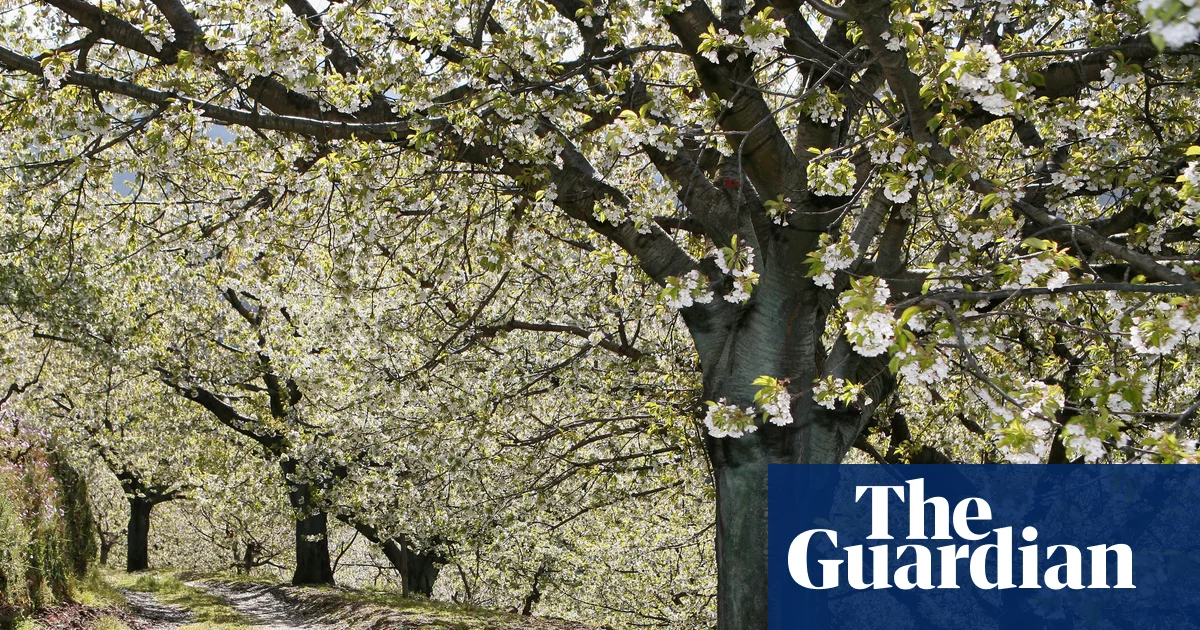
It’s late March and the villagers of the Jerte valley in Extremadura, Spain’s wild west, are twitchy – as if they’re hosting a party and wondering if all the guests will show up. The event they’re waiting for is the flowering of the valley’s cherry trees, which number about two million. So far, only a handful – a variety called Royal Tioga – have dared to don their frilly spring frocks. The rest are still clutching their drab grey winter garb.
Predicting the arrival of blossom is always tricky, but thanks to an unseasonably wet March the trees are three weeks late when I visit. With snow still cloaking the surrounding sierras, the tourist office in Cabezuela del Valle, halfway up the valley, is hastily finding alternative activities for the coachloads of blossom-seekers from Madrid. As with any nature-reliant activity, such as whale watching or aurora hunting, timing is challenging. But unlike hit-and-miss spectacles involving wild animals, at least I know the blossoming will happen eventually. (Sadly wildfires later affected parts of the Jerte valley last summer, but thankfully few cherry trees were affected.)
Cherry trees growing on terraces in the Jerte valley. Photograph: M Ramirez/Alamy
The nation most associated with cherry blossom is, of course, Japan. There, the sakura, or ornamental cherry blossom tree, has for centuries symbolised the transient nature of life, and for a few weeks in springtime, its delicate pink confetti blossom sprinkles streets and temple gardens. Millions join hanami, or flower viewings across the country.
Spain’s display is different. This is a rural spectacle rather than a mostly urban one – and has the big advantage, for me at least, of being a lot closer to the UK. I’ve travelled by train from my Devon village and I’m also hoping the journey might be as fun as the destination.
It is. There’s the sunrise over a milky River Teign as we glide through Teignmouth, and by teatime I’m in Paris, eating a glossy coffee religieuse – doubledecker eclairs that look like nuns in habits – on a sunlit boulevard. A dawn start the next day takes me, via TGV, along the French Riviera, past palm-fringed resorts, onwards to Barcelona and finally to Plasencia, in Extremadura. It’s 11pm, yet the Plaza Mayor in its historic walled heart still echoes to the chatter of animated locals digging into raciones of Iberian ham and paprika-flecked grilled octopus.
Next morning, I ascend the valley to the peaceful village of Jerte and its hospedería – one of Extremadura’s network of hotels which, like the national paradores network, are all housed in restored historic buildings. The squat white-washed building was once a leather-tanning factory, but later became an oil press. My room looks out on the vocal River Jerte, and beyond to hillsides crisscrossed with terraces planted with cherry trees. At least I have a ringside seat as their buds strain to unfurl.
A mural at one of the growers’ co‑operatives. Photograph: Clare Hargreaves
I join the collective waiting game, passing the hours by roaming Jerte’s cobbled streets beneath the geranium-draped balconies of its half-timbered houses. One afternoon I tackle the rugged mountain trail taken by Holy Roman emperor and King of Spain Carlos V to reach the monastery he chose for his retirement in 1556. The poor emperor was so riddled with gout he had to be carried on a sedan chair over the mountains and across a vigorous river at a point now marked by a stone bridge known as the Puente Nuevo. My circuit culminates in the high drama of Los Pilones, a jumble of granite boulders that have been eroded and bleached by the river to form crystalline bowl-shaped pools.
Back in Jerte there are cherry products to sample – from liqueurs to jams and bottled fruit. In the hospedería, a knockout cherry and pistachio dessert rounds off the regional tasting menu – remarkable value at €45. In summer, local people marry cherries with tomatoes to make a variation on gazpacho. Edible cherries, of course, are the big difference between the Jerte and Japan: Japan’s trees are ornamental, whereas the Jerte’s are fruiters, and the main source of income for the valley’s inhabitants. Had I time to linger another couple of months, I could witness the area’s second annual spectacle – trees laden with the lipstick-red fruit. That calls for more festivities so, from a tourism point of view, Jerte has two bites at the cherry.
At the processing factory down the valley towards Plasencia, I see white-coated workers cleaning the machinery, ready to wash, grade and pack Jerte’s cherries from late May to late July. “This is family agriculture,” says Mónica Tierno Díaz, who directs a collective of 15 local cherry farming cooperatives. “Cherries are our way of life. Picking them is how I learned to count as a kid. Most growers in the valley have just a few hectares and pick the cherries by hand into chestnut wooden baskets. But marketing and selling their fruit is difficult. So we do that for them, our key markets being Britain and Germany.”
Alongside commercial varieties, such as Lapins and Van, Jerte produces a small stalkless one called Picota, which is unique to the region and has protected designation of origin certification. Pop into your local supermarket in June and you may well spot these tiny, slightly crunchy jewels. “Many people got used to black gobstopper cherries, so getting them to buy these smaller, paler cherries was a challenge,” says Mónica. “But once people taste them and realise how sweet they are, they’re hooked.”
The River Jerte runs through Cabezuela del Valle. Photograph: Maria Galan/Alamy
Next morning, I drive down the valley to the hillside village of El Torno and witness a Jerte transformed; it’s as if snow has silently fallen during the night. The trees have finally put on their floral finery, the party has begun. I explore the orchards on foot – the best way to experience them – following one of the valley’s many well-marked footpaths, and settle beneath the blossom-laden trees for a hanami picnic, Spanish-style. I’m grateful for my early start, for I’m soon joined by a boisterous crowd of blossom-baggers who have followed one of the tourist office’s cherry-viewing driving routes and are now posing for the ultimate floral selfie. As well as El Torno, the 50km motoring circuit takes in neighbouring Rebollar and villages such as Valdastillas, Piornal and Cabrero on the other side of the valley, while the equally spectacular 30km linear route traces the main road down the valley.
With each passing day, the blossom edges up the valley like a frothy white wave, finally reaching the village of Tornavacas at the top. Donning my walking boots again, I head there from Jerte along the Ruta Cerezo en Flor (the cherry blossom trail), and from its mirador (viewpoint), I gaze at the sea of blossom below. (Incidentally, if you tire of blossom-gaping, the tourist office runs a two-week Cherry Blossom festival – part of a six-week spring festival – with an ambitious lineup of events across the valley’s villages, from folk dancing to concerts and exhibitions; 27 March-11 April.) Returning to my hotel in Jerte, I notice the streets and bars are buzzing. Time, I think, for a celebratory tot of the local cherry liqueur.
I’m sad to leave this magical valley. But as I journey home, I console myself that in a few months I’ll hopefully be savouring Jerte’s Picotas at home, a sweet, equally fleeting reminder of Spain’s very own sakura.
Known as ‘Día de Andalucía’, this holiday commemorates the Statute of Autonomy of Andalucia referendum held on February 28th 1980, in which the Andalusian people voted for the statute that made Andalusia an autonomous community of Spain.
Depending on what day of the week that February 28th falls on, the holiday may be extended to bridge the weekend or moved if it falls on a weekend. While these may not be official holidays, many businesses and shops may close on these days.
With over eight million inhabitants, Andalucia is the largest autonomous community in terms of population and the second-largest in area. The Andalucian autonomous community is officially recognised as a nationality within Spain.
The word Andalucia derives from Vandalucia, the ‘land of the Vandals’, referring to the German tribe that settled there in the 3rd and 4th centuries AD.
Christopher Columbus left for his famous 1492 journey, which led to the discovery of America, from the Andalusian harbour Huelva.
To mark the Day of Andalucia, many towns are decorated with the flag of Andalucia, and green and white bunting is a common sight. Cultural competitions are often held in conjunction with the day.
A hymn is also sung to mark the day. It is a composition by José del Castillo Díaz with lyrics by Blas Infante, inspired by ‘the Holy God’, a popular religious song that the peasants and day labourers of some Andalusian regions sang during the harvest.
One UK mum who is raising her kids in Spain has shared the ‘things no one warns you about’. She shared the three big differences she’s noticed since moving her family abroad
Samantha Bartlett Assistant Editor, Social News
15:57, 27 Feb 2026Updated 16:18, 27 Feb 2026
Many Brits decide to move their family abroad for a new life in Spain (stock image)(Image: pixdeluxe via Getty Images)
Many people are prepared for a few culture clashes when they move abroad. However, one UK mum who is raising her kids in Spain has shared the ‘things no one warns you about’. Jodie, known as @jodiemar1ow on Instagram, shared details about her new life in Spain with her 6,400 followers on the app. In one of her latest reels, she shared the three big differences she’s noticed when it comes to raising her kids abroad.
Diving into the first issue, Jodie said it was bedtime. She explained: “Bedtimes… they just aren’t a thing. We have been to parties until 10pm, in fact Jayden had a party that was going to end at 12am.
“I actually did pick him up at 11pm because I was like he’s 6-years-old. This is so late.”
She added: “Kids are playing on the street until 11pm is just normal. Bedtimes just don’t exist. What is bedtime?”
The second issue she raised was that kids in Spain finish school at 5pm. She said: “It makes no sense to us Brits that they finish at 5pm, and for their dinner breaks they have 2.5 hours to have their food and play.
Like they have a sit down three course lunch at lunch time. If I did that, I’d be done for the day. I can not do a three-course lunch.
“People in Spain find it mad I just have a sandwich, it’s crazy.”
Content cannot be displayed without consent
Jodie said that if ever kids then do after-school activities they finish even later.
The third thing the mum had noticed is that her kids are ‘definitely more Spanish’ than her.
“If you ask them they’ll say they’re Spanish-English,” she said.
“They correct me now if I say things in Spanish wrong and they’re basically fluent.
“I wasn’t prepared for all these correction and how they pronounce things [so well].”
Many people could relate to Jodie in the comments, as one person wrote: “I’m a Canadian living in Spain, so nice to meet you! The lunch is insane, haha I mean I love it for my son but I was blown away by it.”
While another added: “Taking Iyla to her friends soft play party at 5yrs I was in shock. I said, ‘I’m leaving now as Iyla has bedtime’. Everyone was looking at me weird haha.”
A third chimed in: “I’m in Alicante with a 6 month old baby and everything is baffling me already. Sensory classes for babies simply don’t exist, wild.”
However, one other person wrote: “Our school day has always finished at 2, both primary and secondary school. I think it depends on area.”
A rare weather phenomenon known as calima is set to sweep across parts of Europe, hitting major holiday hotspots with ‘blood rain’ possible, leaving dramatic orange-coated scenes
12:16, 27 Feb 2026Updated 12:17, 27 Feb 2026
Dust from the Sahara could cause ‘blood rain’ at popular Spanish hotspots(Image: Getty Images)
Brits could be battered by ‘blood rain’ during a rare weather phenomenon set to engulf parts of Europe.
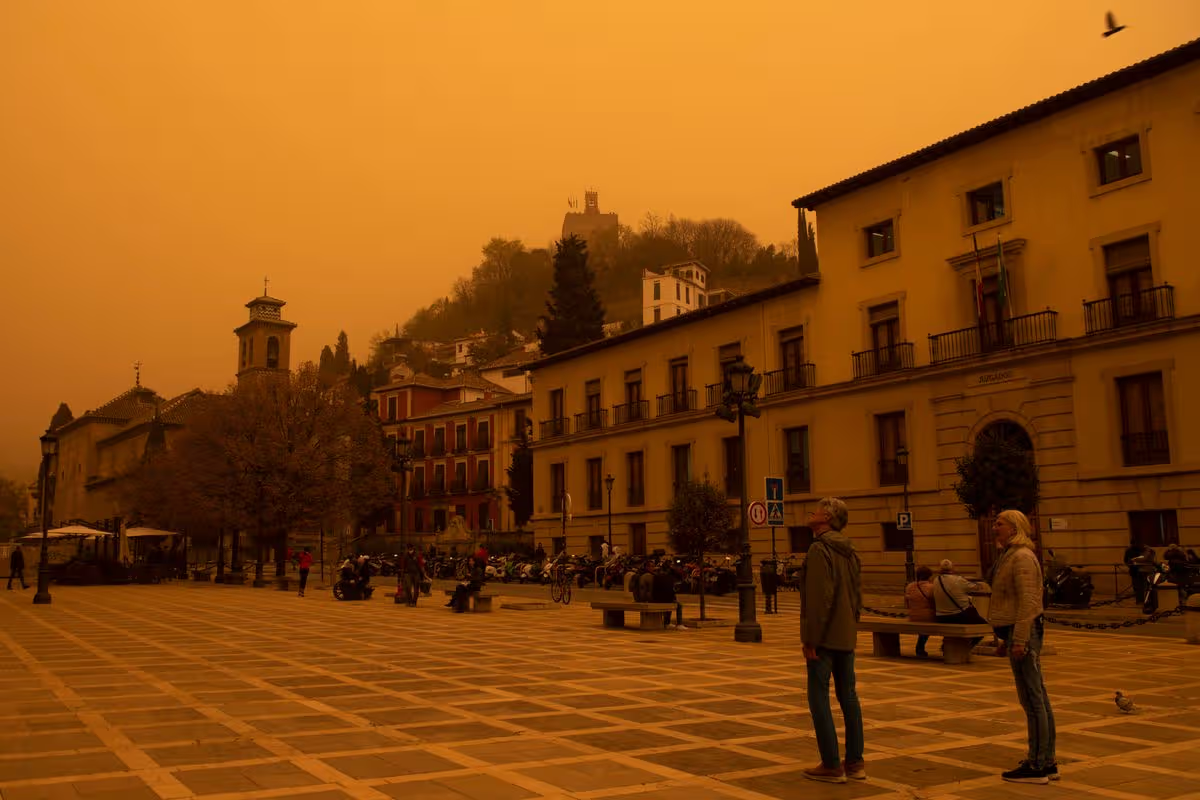
A Saharan dust cloud is set to sweep across parts of Spain and the Balearic Islands, hitting major holiday hotspots such as Tenerife, Lanzarote, Gran Canaria, Majorca, Menorca and Ibiza. The phenomenon, known as Calima, is being driven by a high-altitude, isolated depression (DANA) that is transporting large amounts of sand from Morocco and Mauritania into southern Europe.
Instead of basking in the Spanish heat, tourists face the prospect of orange-tinted dust, hazy skies and reduced visibility. The Spanish weather agency, AEMET, also warned that calima “worsens air quality due to microscopic particles, which can reach the respiratory tract”.
Holidaymakers and locals should also brace themselves for “blood rain,” which occurs when the orange dust is mixed with rain. Heavy rain has been predicted for parts of Spain, which could result in thick layers of dust engulfing the Spanish hotspots, dramatically changing the scene, leaving cars scattered with dust and murky swimming pools.
The weather is forecast to be worse in the southeast parts of Spain, along the Mediterranean coast and the Balearic Islands. The AEMET issued a weather warning on X, formerly Twitter, and said: “Very adverse weather in the Canary Islands: showers that could be very heavy, today accompanied by storms in the eastern islands; very strong wind gusts; rough seas.”
The agency noted on Sunday that the “weather is expected to improve.” The phenomenon has also brought an unusually warm air mass, with soaring temperatures up to 25C in southeastern regions and the Canary Islands, and Bilbao hitting a blistering 27C in February.
This isn’t the first time the Canary Islands have experienced a calima, including Lanzarote, which typically occurs during the winter months. The calima is a hot, oppressive wind that arises when high pressure builds over the Sahara, subsequently driving winds that carry Saharan temperatures and sand.
Explaining further, Lanzarote Information said: “During a calima, the air turns a white or even a yellow colour and you can literally smell the sand in the air from the Desert.
“Visibility is reduced, and there’s a kind of otherworldly quality to the light. Often strange insects accompany the winds – in recent years we have had locusts, ladybirds and dragonflies that arrive on the island.
“They rarely last for very long here, as there is so little for them to eat due to the desert nature of Lanzarote. Sometimes unusual birds are blown over on the wind as well, so look out for them.”
Ensure our latest lifestyle and travel stories always appear at the top of your Google Search by making us a Preferred Source. Click here to activate or add us as your Preferred Source in your Google search settings.
Do you have a travel story to share? Email webtravel@reachplc.com
Two Spanish islands have closed beaches due to the presence of ‘faecal contamination’ and both are in hotspots that are expecting large numbers of Brits for the Easter break
13:03, 25 Feb 2026Updated 13:04, 25 Feb 2026
Playa Blanca’s town beach – also known as the ‘small beach’ is shut(Image: Getty Images)
Two popular beaches on Spanish islands have been closed off due to an unpleasant, stomach-churning water issue.
Due to the presence of ‘faecal contamination’ just weeks ahead of the peak Easter season, two sandy stretches that’ll see huge numbers of visiting Brits in the coming weeks have been shut down.
The first beach to close to the public is in Playa Blanca, Lanzarote, a popular spot in the spring thanks to its warm weather. An area known locally as the ‘small beach’ closed yesterday (March 24), with reports from local news outlet Canarian Weekly showing barriers in place preventing people from entering the sea.
Officials have said in a statement that the closure will last for 48 hours while laboratory results are analysed. Tests showed an elevated level of intestinal enterococci, a type of bacteria found in human and animal gastrointestinal tracts.
However, public health officials have said that nearby beaches, including Playa Dorada and Playa Flamingo, are still open. Local government organisation Ayuntamiento de Yaiza is expected to give updates soon.
On another popular tourist island, Majorca, a beach in Cala Millor, has been closed after a broken pump led to a sewage spill. According to Majorca Daily News, locals reported seeing large amounts of wastewater running from the promenade and into the waters of Platja Petita.
The incident was reported yesterday, with the spillage continuing into the night. While the situation is now described as ‘under control’, the beach will remain closed for two to three days.
Cala Millor is found on the east coast of Majorca, and this tourist resort is particularly popular with Brits thanks to its long sandy Blue Flag beaches and large number of bars and nightclubs.
It’s not the first time the Balearic Islands’ beaches have faced closure due to contamination. Earlier this year it was revealed that incidents of ‘faecal contamination’ had doubled in 2025, with 92 cases recorded in 2025 alone.
Of the 92 incidents, 20 resulted in bans on swimming and bathing, while the other 72 led to advisories that warned visitors not to enter the water.
While a recent report by the Marilles Foundation showed that, overall, 70% of the Balearics’ beaches received an excellent rating for water quality, the figures varied between islands. In the little-visited island of Formentera, 100% of its beaches were rated as excellent, and in Menorca, the figure was 80%. In Ibiza, 63% were excellent, while 32% had a good rating and 5% were sufficient. According to the report, all the areas of insufficient water quality were in Majorca, highlighting Albercuix in Pollensa and Cala Egos in Santanyí as two particular areas of concern.
The foundation, who raise awareness of marine conservation, has recommended tighter monitoring of the number of beachgoers and boats. At the moment, only Menorca keeps track of numbers, although plans over the next three years are to implement a new project using sensors to monitor numbers at 150 beaches, which is set to cost the islands €4 million (about £3.5 million).
Have a story you want to share? Email us at webtravel@reachplc.com
Ensure our latest stories always appear at the top of your Google Search by making us a Preferred Source. Click here to activate or add us as your Preferred Source in your Google search settings.
Concern about a plague is growing in the Canary Islands, with officials on alert in the sunny Spanish holiday hotspots of Lanzarote, Tenerife, Gran Canaria and Fuerteventura
Lanzarote has been visited by locusts (Image: Getty Images)
The threat of a plague is growing in four Spanish holiday hotspots.
Lanzarote, Tenerife, Gran Canaria and Fuerteventura have seen clouds of locusts descend in recent days. While the short-horned grasshopper breed is not harmful to people, it could pose a threat to agriculture, including vineyards, if the situation escalates into a plague, as happened 20 years ago.
Videos have been posted on social networks showing hundreds of locusts flying around the countryside. The insects have arrived from the western Sahara due to recent wet but warm weather. The locusts have hit several parts of Lanzarote, including the popular tourist locations of Arrecife, Costa Teguise, Famara, Uga and Tahíche.
There have also been swarms on the other Canary Islands, including in the north of Tenerife. Twenty years ago, a plague of this insect affected Lanzarote, wreaking havoc on crops and people’s daily lives. At that time, the number of locusts was so large that teams of firefighters were called in to eliminate them.
The locust is an insect that, over the centuries, has arrived from the African continent with the winds from the east, along with the suspended dust of the Sahara Desert.
According to the Food and Agriculture Organisation of the United Nations (FAO), it is the most destructive migratory pest in the world and, in response to environmental stimuli, it can form dense and highly mobile swarms.
They have the capacity to destroy crops by ingesting their weight in food each day. A swarm of one square kilometre can contain up to 80 million adults and has the capacity to consume the same amount of food per day as 35,000 people.
Lanzarote’s government has already mobilised its environmental services, which will be vigilant for the next 48 hours. Leaders are confident the swarms will not escalate into a plague.
“The next two days are going to be key. If they are adult specimens that have arrived exhausted, they will die and nothing will happen. If we see copulations, that would mean that they are reproducing. We would have to see it between this afternoon and tomorrow,” said the head of the Environment of the Cabildo, Francisco Fabelo.
“We already experienced this in 2004, and at the end of the eighties, there was another similar episode. On both occasions, it was very striking, with specimens all over the roads, but they did not cause damage inside.”
The Canary Islands experienced one of the most serious episodes of desert locust in October 1958, when large swarms from Africa devastated crops on the islands and, especially, in the south of Tenerife, in municipalities such as Arico, Fasnia, Granadilla de Abona and the Güímar Valley.
Tomato and potato plantations suffered significant damage and the plague forced the mobilisation of planes from the Ministry of Agriculture to fumigate from the air, while residents and farmers tried to combat the insects from the ground with rudimentary methods such as bonfires, noise or poisoned baits.
A similar episode had already occurred in 1954, when another swarm devastated more than 10,000 hectares of crops on the islands. Agricultural leaders on the islands say they do not fear another repeat and have stressed the islands have the means to combat the problem.
Who: Real Madrid vs Benfica What: Champions League playoff, second leg Where: Santiago Bernabeu, Madrid, Spain When: Wednesday at 9pm (20:00 GMT) How to follow: We’ll have all the build-up on Al Jazeera Sport from 17:00 GMT in advance of our live text commentary stream.
Real Madrid carry a slender 1-0 lead over Benfica going into the second leg of a Champions League playoff tie that has been overshadowed by allegations of racism.
Recommended Stories
list of 4 itemsend of list
UEFA has suspended Benfica midfielder Gianluca Prestianni from the second leg on Wednesday after he was accused of racially abusing Real Madrid’s Vinicius Jr, who scored the only goal in the first game in Lisbon last week.
Meanwhile, Benfica coach Jose Mourinho, who is also suspended for the second leg, has come under fire for criticising Vinicius for his effusive goal celebration.
So the Portuguese side will be expecting an especially hostile welcome at the Bernabeu as they try to overturn their one-goal deficit and reach the last 16.
Vinicius Jr confronts Prestianni during the first leg at the Estadio Da Luz in Lisbon on February 17, 2026 [Eric Verhoeven/Soccrates/Getty Images]
Courtois ‘disappointed’ in Mourinho’s response
Vinicius wrote that “racists are above all cowards” on social media after the game while Madrid striker Kylian Mbappe backed his teammate and said he had heard Prestianni calling the winger a “monkey”.
The 20-year-old Benfica midfielder, who hid his mouth with his shirt during the confrontation with Vinicius, insisted he did not racially abuse the Brazilian forward after his stunning goal at the Estadio da Luz.
Prestianni could miss at least 10 games if European football’s governing body finds he racially abused Vinicius.
Mourinho waded into the controversy by saying Vinicius’s goal celebration was disrespectful and insisting Benfica was not a racist club because their biggest icon, Eusebio, was Black.
Madrid goalkeeper Thibaut Courtois said he disagreed with Mourinho’s words.
“At the end of the day, Mourinho is Mourinho. As a coach, you’re always, I think, going to defend your club and what your player has told you,” Courtois said.
“The only thing that disappoints me a bit is using Vini’s celebration. I don’t think Vini did anything wrong there,” he added.
“I don’t think we can justify alleged racism because of a celebration.”
Mourinho’s Bernabeu homecoming upended by suspension
Benfica’s boss has not set foot in the Santiago Bernabeu since leaving Real Madrid in 2013, and he cannot sit in the dugout for the playoff’s second leg after being sent off during his team’s 1-0 first-leg defeat in Lisbon last week for making vituperative complaints about the officials from the touchline.
Mourinho said referee Francois Letexier was avoiding booking Madrid players who were at risk of suspension for the second leg.
“I’ve had my butt on the bench for 1,400 games and [I could see that] he knew perfectly well who he could book and who he couldn’t,” Mourinho complained bitterly.
“I [won’t be] sitting on the bench. I can’t go to the dressing room. I can’t communicate with the team,” he added. “It’s hard for me, but my teammates and my assistants are there. They’ll do their job.”
Benfica also said Mourinho was not going to attend the pregame news conference on Tuesday and his assistant would take over.
Mourinho is shown a red card by Letexier during the first leg [Angel Martinez/Getty Images]
Arbeloa says UEFA have chance for ‘turning point’ against racism
Real Madrid coach Alvaro Arbeloa called on UEFA to make their fight against racism into more than just a slogan after the alleged abuse of Vinicius Jr.
“We have a great opportunity to mark a turning point in the fight against racism,” Arbeloa told reporters on Tuesday.
“UEFA, which has always been and has led this fight against racism, now has the chance not to leave it at just a slogan, at just a nice banner before matches, and I hope that they seize this opportunity.”
Arbeloa said he believed Vinicius will thrive on Wednesday at the Santiago Bernabeu as the record 15-time champions bid to reach the last 16.
“Vinicius Jr has always shown a lot of bravery and a lot of character,” Arbeloa said. “That is always his response. It always has been, and I think it always will be.
“He is a fighter, and I’m sure tomorrow he will go out to fight and have a great game and keep showing he’s one of the best players on the planet.”
Head-to-head
This is only the sixth meeting between two of the biggest clubs from Spain and Portugal. Benfica have won three of the games while Real Madrid have won two.
The two clubs also faced each other in a league stage match in January when Mourinho’s team stunned his former club in a 4-2 win that allowed Benfica to qualify and prevented Madrid from automatically reaching the round of 16.
How many times have Madrid and Benfica won the Champions League?
Madrid are the record winners of Europe’s premier club competition with 15 titles to their name, the last coming in 2024.
Benfica have lifted the trophy on two occasions, and both of those came in consecutive years.
In what was regarded as Benfica’s golden era, Portuguese legend Eusebio helped the team to wins against Barcelona in 1961 and Real Madrid in 1962.
A hat-trick from Hungary’s finest export, Ferenc Puskas, could not save Madrid as Benfica earned a 5-3 win that included a double from Eusebio.
Vinicius Jr scores a brilliant goal in the first leg against Benfica [Pedro Nunes/Reuters]
Real Madrid’s team news
Jude Bellingham, Dani Ceballos and Eder Militao have all been ruled out through injuries while centre back Dean Huijsen, who missed the 2-1 defeat at Osasuna over the weekend with a muscular problem, is a major doubt.
Winger Rodrygo will be unavailable due to a suspension but would anyway be a doubt as he struggles to recover from a hamstring issue.
Raul Asencio is available again after returning from suspension.
Vinicius Jr will be looking to score for the fifth game in a row as he is set to start up front alongside Mbappe.
UK holidaymakers travelling to popular destinations like Spain and Greece could be turned away at airports
12:43, 24 Feb 2026Updated 13:08, 24 Feb 2026
If you have a British passport you’ll need to follow this rule(Image: Andy Soloman via Getty Images)
British holidaymakers jetting off to Spain, Greece and many other countries must follow a post-Brexit rule – or be refused boarding at the airport. While the prospect of an overseas getaway is thrilling, it’s important for travellers to be aware of all requirements before setting off.
This has become especially vital following Brexit, which has introduced new regulations in recent years. Prior to Britain’s departure from the European Union (EU), UK passport holders could visit the Schengen Area without requiring passport stamps and weren’t subject to any time limits on their stays.
However, British visitors are now limited to a maximum of 90 days during any 180-day period. To assist with this, an application called Schengen Simple has been developed.
George Cremer, founder of Schengen Simple, said: “We built a travel app that handles the 90/180 calculation for exactly this reason. The tricky part most people miss is that it’s a rolling 180-day window, not a fixed calendar period.
“So someone who did a long summer trip to Spain might unknowingly be restricted on a winter break months later. The European Commission has its own calculator, but it only looks backwards.
“It tells you how many days you’ve used, not how many you have left for a future trip. That’s the gap we fill. Users enter past and upcoming travel and can see exactly how long they can stay without risking an overstay.”
The Foreign Office’s guidance for all Schengen nations warns: “If you overstay the 90-day visa-free limit, you may be banned from entering Schengen countries for up to 3 years.”
The Schengen area consists of: Austria, Belgium, Bulgaria, Czechia, Croatia, Denmark, Estonia, Finland, France, Germany, Greece, Hungary, Iceland, Italy, Latvia, Lithuania, Liechtenstein, Luxembourg, Malta, Norway, The Netherlands, Poland, Portugal, Romania, Slovakia, Slovenia, Spain, Sweden and Switzerland.
Currently, approximately 90,000 properties across the Balearic Islands are owned by foreign nationals
The move has been suggested amid anger about over-tourism(Image: Getty)
British purchasers could find themselves locked out of some of Spain’s most desirable locations under proposals to prohibit non-residents from buying properties.
Lawmakers in Mallorca, Menorca and Ibiza, the Balearic Islands, are set to consider legislation that would prevent property acquisitions by anyone who hasn’t resided on the islands for at least five years. The measure, put forward by Left-wing party Més per Mallorca, is directly targeting overseas purchasers – including thousands of Britons who acquire holiday homes in the Mediterranean sunshine.
Currently, approximately 90,000 properties across the Balearic Islands are owned by foreign nationals – representing 16% of all housing stock. Additionally, nearly 12,000 Spanish properties were purchased by British buyers in 2024, according to property portal Idealista.
Activists argue that the extent of foreign ownership is eroding local communities and making housing unaffordable for residents. The islands attracted 19 million tourists last year, intensifying frustration about excessive tourism and the transformation of residential properties into holiday rentals and second homes.
Lluís Apesteguia, MP for Més per Mallorca, said “extraordinary measures were necessary” to tackle the pressures. He said: “We have to prioritise the houses that are for living in – not for those who want to speculate and continue with this game of Monopoly.”
If given the green light, the measure could serve as a template for similar restrictions across other parts of Spain. Advocates highlight Denmark’s regulations, which require UK-born buyers to have resided in the country for at least five consecutive years before purchasing property.
Opposition parties remain doubtful the plan would withstand legal challenge. Sebastià Sagreras, spokesman for Centre-Right party People’s Party (PP), said EU regulations meant the plans “cannot be fulfilled” and confirmed his party would vote against them.
Marc Pons of Spanish Socialist Workers’ Party (PSOE) said that whilst the policy could ease price rises, the regional government could “not rely solely on this solution to the problems”.
The debate comes against a backdrop of soaring property values. The average price of a 90-square-metre home in the Balearics has climbed to €461,269 (£403,265) up from €283,825 (£248142) in 2020 – a rise of more than 62%. Foreign buyers accounted for 13.8% of all Spanish property sales last year, totalling almost 97,300 transactions – a record for non-Spanish nationals, according to Idealista.
Ferran Rosa, MP in the Balearic parliament, said: “Housing is certainly the largest problem for Mallorcans, as prices have been rising for years and more and more houses are devoted to non-residential uses.
“Our plan is to ensure that houses are used for living, rather than ‘tourist’ uses, considering second homes for non-residents a tourist use. In this respect, we base our bill in similar regulations existing across the EU that intend to guarantee the right to housing.”
Ensure our latest headlines always appear at the top of your Google Search by making us a Preferred Source.Click here to activate or add us as your Preferred Source in your Google search settings.
They offer stunning beaches, hiking trails and authentic Spanish culture away from the busier Canary Islands.
La Palma
For decades, the Canary Islands have remained a beloved getaway for British holidaymakers. However, activists are now mobilising to highlight the damaging effects of over-tourism plaguing the sun-drenched Spanish archipelago.
Campaigners point to a severe shortage of local housing and environmental degradation driven by the thriving tourism sector on the most frequented islands: Tenerife, Fuerteventura, Gran Canaria and Lanzarote.
Yet amongst the eight islands, there exist lesser-known gems where mass tourism hasn’t taken hold – destinations equally as stunning but refreshingly unspoilt.
Here the Express explores the islands of La Gomera, El Hierro and La Palma.
Three alternatives in the Canary Islands
La Gomera
La Gomera ranks as the third-smallest amongst the archipelago’s eight principal islands, home to 22,361 residents. San Sebastián de La Gomera serves as its capital.
Katie, a travel blogger behind The World on my Necklace, shares what attracted her to this diminutive island. She said: “I read about La Gomera, one of the smallest islands in the archipelago.
“While Tenerife, Gran Canaria and Lanzarote have areas that are awash with generic package hotels and Irish bars — although even Tenerife has a lot of beauty away from the touristy stuff if you know where to look — La Gomera sounded like a more relaxed and authentic experience and the more I read, the more excited I was to visit.
“I was sold on this idyllic island paradise still untouched by the commercial tourism that steered me away from the larger islands.”
The petite volcanic island offers an abundance of hiking and cycling trails for visitors seeking a more energetic getaway. Its 100-kilometre coastline is dotted with spectacular beaches featuring dramatic black sands.
El Hierro
Known as Isla del Meridiano, the Meridian Island, El Hierro ranks as the second-smallest and most southwesterly of the Canary Islands. Home to just 11,659 residents, it spans 103.67 square miles.
It’s particularly renowned amongst diving aficionados and is progressing towards complete energy self-sufficiency using clean, renewable power sources.
Travel blogger Silvia shared her thoughts about the island on her website. She said: “Let me start with a clear message: el Hierro is the best hidden gem you will find in the Canary Islands. Given that it is the smallest island of them all, I figured there wasn’t that much to see… boy, was I wrong!”.
Visitors who venture there can anticipate hiking, diving and a culinary journey featuring numerous celebrated eateries.
La Palma
La Palma goes by the nickname La Isla Bonita — The Beautiful Island. Covering 273.48 square miles, it’s the fifth-largest of the eight principal Canary Islands, with 84,338 inhabitants.
The compact island is eager for tourists to discover its attractions. Its tourism website reads: “Home to incredible landscapes, imposing volcanoes, dense forests, unique beaches, and star scattered skies, the island of La Palma is rightfully named ‘La Isla Bonita’ (the Pretty Island).”
A safe destination, whose main attribute is its environmental quality, an unmistakable sign of healthy surroundings.”
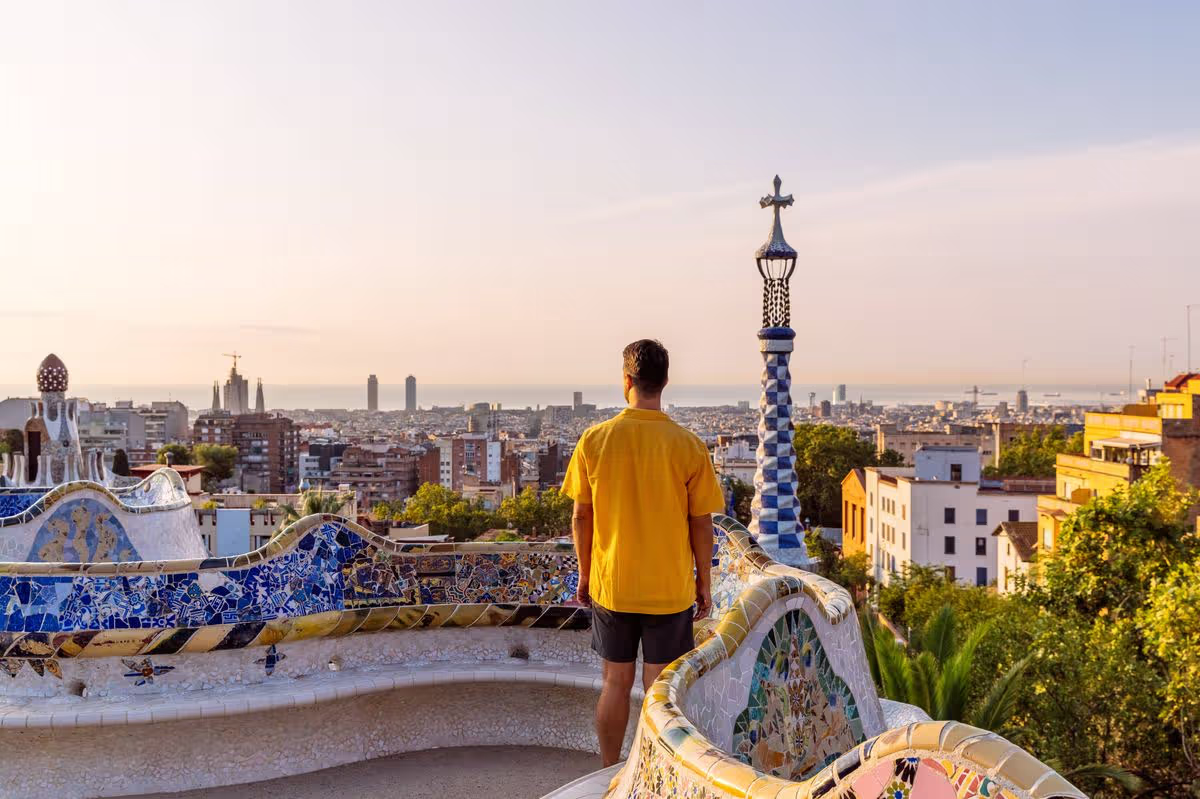
BARCELONA is a fun city to visit, but have you heard about its cool neighbour?
El Poblenou sits just outside Barcelona in Spain but has far fewer crowds.
Sign up for the Travel newsletter
Thank you!
The neighbourhood has its own Rambla, a pedestrian-friendly street modelled on the famous one in the Old CityCredit: AlamyPoblenoui is nicknamed the Catalan ManchesterCredit: AlamyThe former factories resemble those in the UK city (pictured)Credit: Alamy
And according to Meet Barcelona, the area is known as ‘Catalan Manchester‘ what with the industrial factories that remain.
The name emerged at the start of the 20th century, when textile factories and engineering plants filled the area and played a vital part in Barcelona‘s industrialisation.
During the 60s and 70s, the local government decided that having an industrial area so close to the city wasn’t the best and moved it further away.
Many of the factories became empty until a revamp plan called ’22@’ revitalised the area to what it is today.
When it comes to visiting today, the trendy neighbourhood has fewer of the factories it once used to – though chimneys still litter the skyline – and instead lots of cosy cafes and vibrant tapas bars.
The neighbourhood even has its own Rambla, a pedestrian-friendly street modelled on the famous one in the Old City.
Much quieter than the one in central Barcelona, it stretches from Diagonal Mar shopping centre to Avinguda Diagonal to the seaside.
This is where you will then find Platja de la Nova Mar Bella – a popular Mediterranean beach.
The beach stretches for 420 metres and boasts golden sand.
In fact, it was revitalised for the 1992 Olympic Games and is today known for its calm, shallow waters.
If you happen to be in the neighbourhood during the first weekend of the month, then head to Palo Alto Market where you will find an array of street food as well as fashion and homeware stalls.
Spread across three galleries, the market also has outdoor stages with live music throughout the day.
There’s also Can Framis Museum, which is home to an array of Catalan artworks from the 1960s to present day.
Though it might seem morbid, you can also explore Cementiri de Poblenou, which is a sprawling cemetery with artistic tombs including a winged skeleton that is known as the ‘Kiss of Death’.
Many people head to Cementiri de Poblenou, which is a sprawling cemetery with artistic tombs including a winged skeleton that is known as the ‘Kiss of Death’Credit: AlamyThe cemetery is known for having lots of sculptures and statuesCredit: AlamyIt still has an amazing beach you can go toCredit: Alamy
If you happen to be in the area during the first part of July, you will be able to visit La Fira del Poblenou – also known as Poblenou Craft Beer Festival – which is a three-day festival with 45 to 50 brewers, street food stalls and live music.
Ciutadella Park then sits just outside the neighbourhood, which is a park that opened back in the late 1800s and features a zoo, boating lake, museums and walking trails inside.
Flights to Barcelona cost as little as £13 each way in April.
To get from the airport to the neighbourhood, it’s a 20 minute drive or 50 minutes on public transport.
With the highest chance of clear blue skies and balmy temperature during the Easter holidays, this beautiful island is a haven with golden sand beaches and azure waters
This article contains affiliate links, we will receive a commission on any sales we generate from it. Learn more
This sunny island could be the ideal Easter escape you’ve been looking for(Image: Getty Images)
A sunny island offering balmy rays of 22C and golden sand beaches could be the ideal destination to jet off to this Easter.
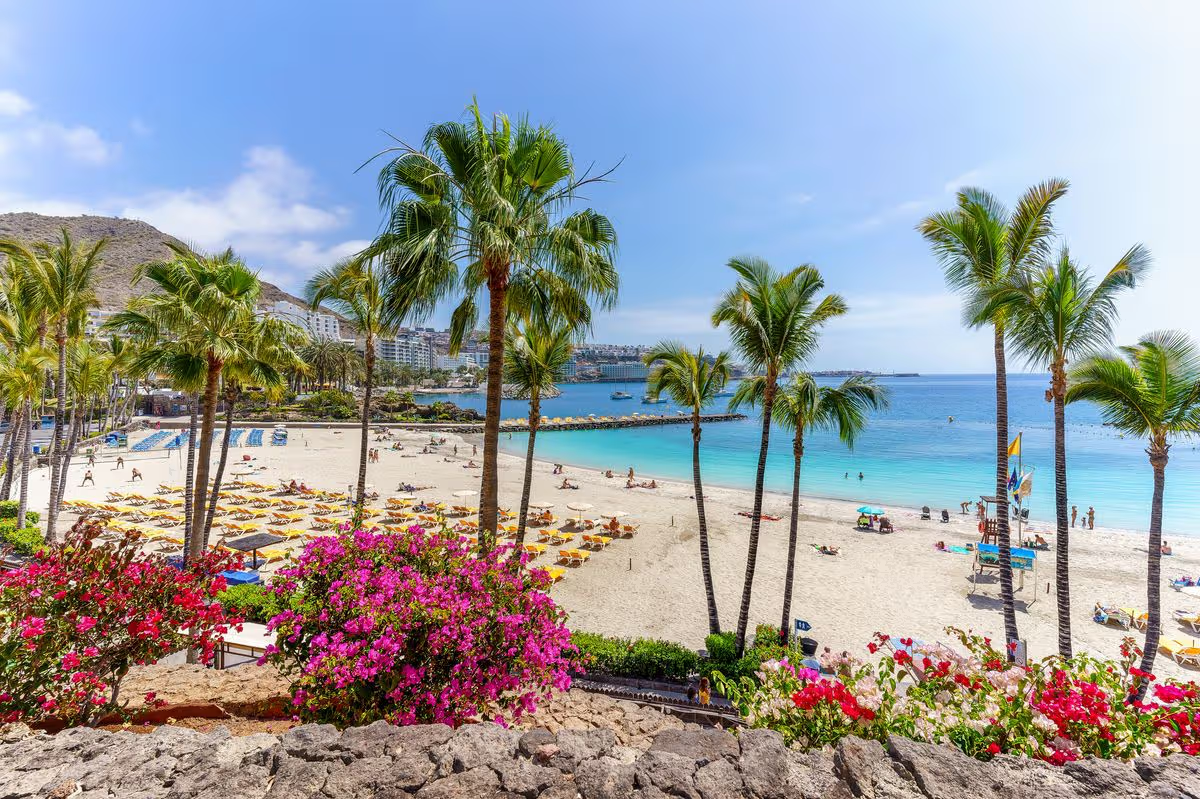
With February half term almost over, thoughts will start turning to the Easter holidays, particularly when a vitamin D fix is in order. One destination that offers ‘near guaranteed sunshine’, alongside its expansive sand beaches, dramatic volcanic landscapes and crystal-clear turquoise waters, is Gran Canaria in the Canary Islands.
In a bid to help travellers book their Easter escape, easyJet collected data to reveal the destinations with the highest chance of blistering rays and clear skies in April. From their research, they found that Gran Canaria would offer a balmy 22C in April and just a mere 5 to 15 per cent chance of rain per day, coming in third place behind Egypt and Cape Verde in the easyJet index.
The beautiful island, off northwestern Africa, is a haven for radiant weather with an average of nine hours of sunshine a day – perfect for days spent by the hotel pool or on the beach! What’s more, one-way direct flights to the sun-soaked island in April start from just £25.99 with easyJet, making an Easter escape even more appealing.
Among its fun-packed waterparks to keep the kids entertained, and desert-style sand dunes for days of exploring, easyJet revealed that the average price of a package holiday to Gran Canaria starts from around £429. There’s also a catalogue of sprawling resorts nestled along the picturesque shores, making it even easier to choose your preferred accommodation.
As the third-largest island of the Canary Islands, Gran Canaria has often been dubbed a ‘miniature continent’ due to its diverse landscapes, with around 60km of pristine sand beaches stretching along its 236km coastline. One of the most popular beaches is Playa de Maspalomas, with its heaps of golden sand dunes.
While it’s a scenic spot that’s certainly worth visiting to marvel at this phenomenon, you can also spend time on the beach with nearby bars and restaurants. One traveller shared on TripAdvisor: “Stunning, unique, and a magical natural place, and with a sea and climate all year round. Spectacular with pleasant places where you can bathe and be relaxed, its coasts, its dunes, beaches and its wonderful people and delicious food, all in general, a visit where I will return safely, always.”
Other notable beaches include Playa de Las Canteras, Playa de Amadores and Playa de Mogan, which has been hailed as a “total hidden gem off the beaten track”. The beautiful beach has often been dubbed a ‘Little Venice’, due to its charming canals connecting the marina to the town, with waterfront restaurants, cafés, and shops also in the area.
Aside from the sprawling beaches, there’s plenty more to explore in Gran Canaria. Including the huge waterpark, Aqualand Maspalomas and Lago Taurito, as well as the Palmitos Park, a garden and zoo, for the kids to enjoy when they’re not splashing around in the sea or building sand castles.
For those looking to delve into local culture, the historic old town of Vegueta (Las Palmas) is worth exploring, with its majestic Santa Ana Cathedral and Casa de Colón. Additionally, there is the traditional town of Teror and the municipality, Arucas, which is famed for its neo-Gothic Church and ancient rum distillery.
Stuart Wright, Customer Director at easyJet holidays, said: “After making it through the dark winter months, we know many of our customers are relying on April’s Easter break to catch up on some much-needed vitamin D.
“For those chasing warmer weather at this time of year, nearby destinations across Europe and North Africa can be brilliant options and are well worth considering. We know how important it is for customers to feel confident when booking a sunny Easter getaway. easyJet holidays offers great-value packages across a wide range of beach destinations, which is why we’ve launched our new sun-reliability index to give customers extra reassurance when choosing where to go, helping set them up for a brilliant holiday experience.”
Do you have a travel story to share? Email webtravel@reachplc.com
Ensure our latest lifestyle and travel stories always appear at the top of your Google Search by making us a Preferred Source. Click here to activate or add us as your Preferred Source in your Google search settings.
This town has been named among “Spain’s most secret destinations” by European Best Destinations, with colourful houses, fresh seafood and vibrant festivals
One of Spain’s ‘most secret destinations’ is a fishing village with colourful homes(Image: Getty)
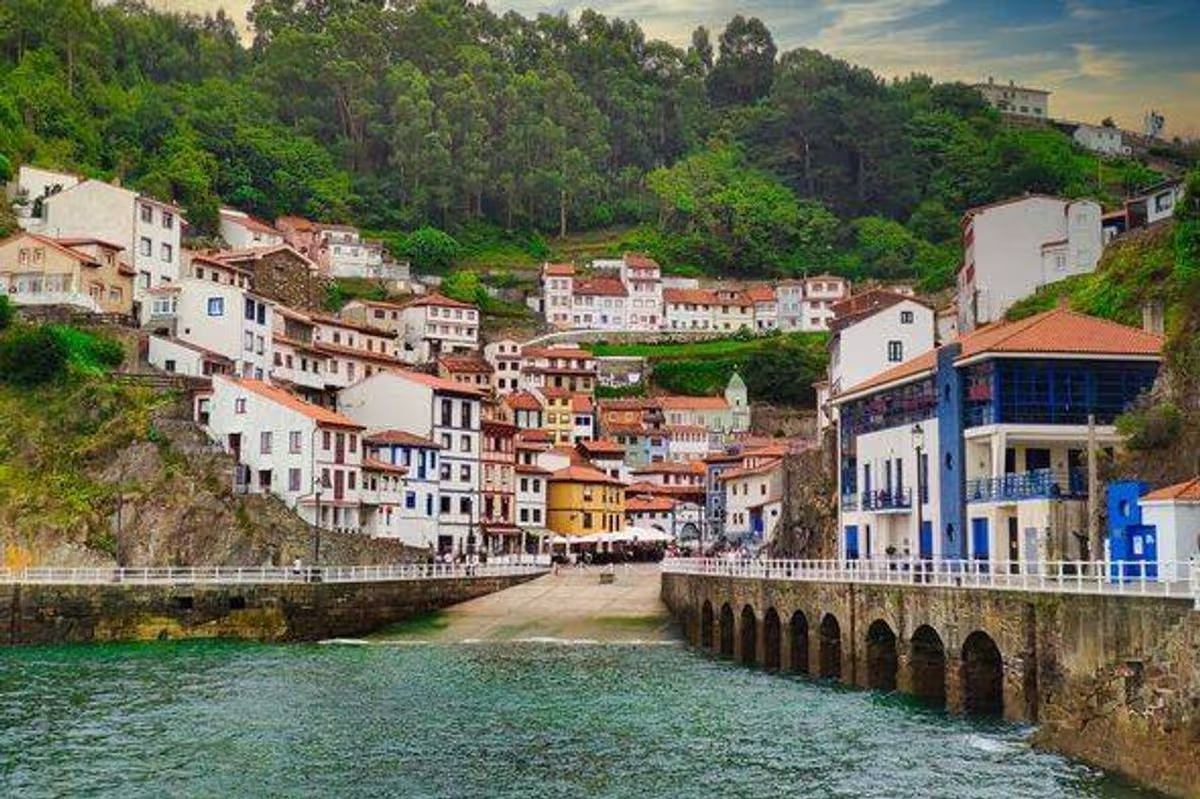
Tucked away between verdant rolling hills and the Cantabrian Sea lies a hidden gem of a village that European Best Destinations has crowned amongst “Spain’s most secret destinations”. Cudillero, situated in the Asturias region, is celebrated for its enchanting winding alleyways, vibrant houses down the slopes, and thriving fishing harbour.
Fishing has long been the lifeblood of the village’s economy, and today you can still observe fishermen carrying out their age-old routines along the waterside. Tourists can meander along the harbour, observe the fishing vessels gently rocking in the water, and savour fresh seafood and traditional northern specialities in the village’s eateries.
Asturian gastronomy, originating from the Asturias region in northern Spain, is celebrated for its robust and richly flavoured fare that frequently showcases fresh seafood, substantial stews, and locally procured produce, reports the Express.
Arguably its most iconic offering, the Fabada Asturiana, is a sumptuous and soul-warming bean casserole prepared with large white beans (fabes), chorizo, morcilla (blood sausage), and pork.
Another comforting treat worth sampling during the chillier seasons is the Caldereta de Pescado, an Asturian seafood casserole that highlights the region’s maritime treasures.
It comprises an assortment of fish and seafood including hake, monkfish, prawns, and clams, simmered in a richly flavoured stock with tomatoes, onions, and garlic.
The Empanada Asturiana, a savoury pastry filled with tuna, chorizo, or other ingredients is a beloved snack in Asturias and often taken on picnic trips and to family events by locals.
Visitors to this corner of Spain simply must sample the traditional Asturian Cider, known locally as Sidra Asturiana, which is customarily poured from a considerable height to oxygenate it and amplify its taste.
Cudillero is a village that invites discovery, boasting a historic quarter resembling a labyrinth of narrow, twisting lanes flanked by quintessential Asturian dwellings, many decorated with vibrant balconies with pots brimming with flowers.
Perched atop the village on a clifftop commanding views of the ocean sits the Church of Santa María, providing sweeping vistas across the vegetation-clad surrounding landscape.
Nature lovers will find Cudillero offers abundant opportunities for adventure, with neighbouring walking routes winding through dramatic coastal terrain and lush woodland.
Beyond its scenic splendour and seafaring character, Cudillero is also celebrated for its lively festivals held year-round, including L’Amuravela, which occurs every June 29th and commences with a local resident delivering, in rhyme and “pixueto” dialect, a sermon wittily recapping the year’s events whilst seeking divine protection for the 12 months ahead.
Ensure our latest headlines always appear at the top of your Google Search by making us a Preferred Source. Click here to activate or add us as your Preferred Source in your Google search settings.
The new UCLA football coaching staff has been in touch with one of their top recruits arriving in 2027.
Weston Port, the former San Juan Hills High standout linebacker, is finishing up his second year as a Mormon missionary on assignment in Spain.
New linebacker coach Vic So’oto has been in contact with Port and once tried to recruit him to Cal.
If you’re looking for a talented linebacker look no further than Weston Port 6’1″ 225 San Juan Hills HS, CA. His game film looks like a highlight tape. Seems to make every tackle. Great instincts and a great motor. Side to side quickness.@PortWeston 3.9 GPA. Big time. pic.twitter.com/2zZiw4K5Ed
Port exercises when he has time while visiting various cities. His mission ends in December and he’ll be ready to join UCLA for spring practice in 2027 while focusing on getting back into playing shape.
His father said in a message, “Weston remains committed to UCLA and is eager and excited to get back to football once his service is completed.”
This is a daily look at the positive happenings in high school sports. To submit any news, please email eric.sondheimer@latimes.com.
Real Madrid’s Brazilian forward Vinicius Jr alleges he was racially abused by Benfica’s Gianluca Prestianni.
Published On 19 Feb 202619 Feb 2026
Share
Real Madrid has sent UEFA, football’s governing body in Europe, “all available evidence” of an alleged racist insult against Vinicius Jr in a Champions League match against Benfica.
“Our club has actively collaborated with the investigation opened by UEFA following the unacceptable episodes of racism experienced during that match,” the Spanish club said on Thursday without elaborating on the evidence.
Recommended Stories
list of 4 itemsend of list
UEFA appointed a special investigator on Wednesday to gather evidence about what happened in Lisbon on Tuesday in Madrid’s 1-0 win at Benfica in the first leg of the knockout round of the Champions League.
Vinicius accused Benfica player Gianluca Prestianni of calling him “monkey” after the Brazilian scored the only goal. Prestianni was among the Benfica players upset with Vinícius after the forward celebrated by the Benfica corner flag.
Prestianni covered his mouth with his shirt when he allegedly spoke to the Brazilian player and denied racially abusing Vinicius, who is Black and has been subjected to repeated racist insults in Spain.
“Real Madrid appreciates the unanimous support, backing, and affection that our player Vinicius Jr. has received from all areas of the global football community,” the club said. “Real Madrid will continue working, in collaboration with all institutions, to eradicate racism, violence, and hate in sports and society.”
Benfica said Prestianni was the victim of a “defamation campaign” and welcomed the investigation opened by UEFA, saying it “fully supports and believes the version presented” by Prestianni.
FIFA President Gianni Infantino said on Wednesday he was “shocked and saddened to see the incident of alleged racism” and praised the referee for activating the antiracism protocol during the match, which was halted for nearly 10 minutes at the Stadium of Light.