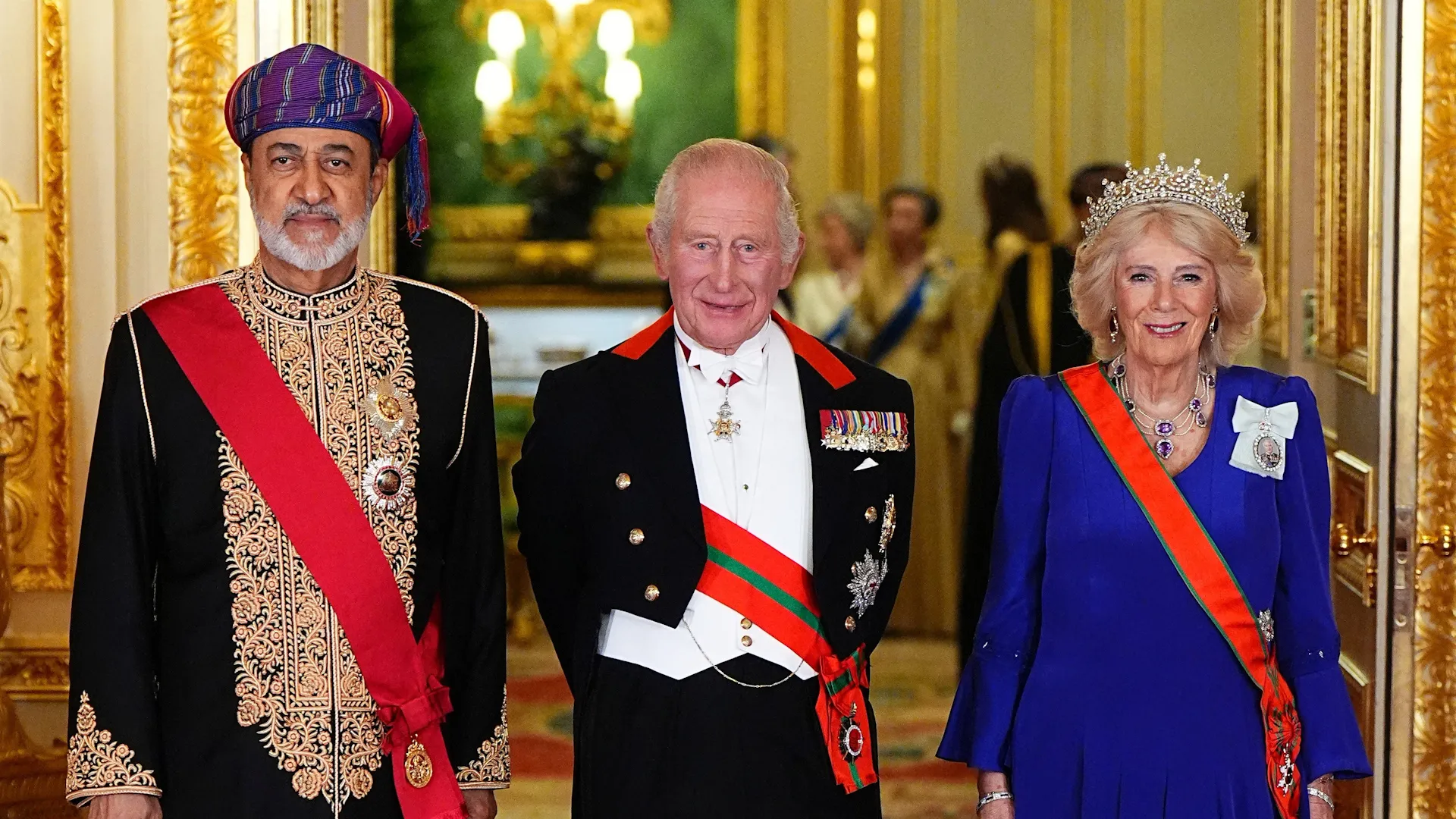
Britain’s King Charles III welcomed Oman’s Sultan Haitham bin Tariq on the first state visit in 44 years, praising Omani peacemaking efforts and quoting, in Arabic, a sacred text attributed to Islam’s Prophet Muhammad.
A cockroach effigy was burnt in New Delhi marking the Hindu festival of Dussehra, which celebrates the triumph of good over evil. The ruling BJP party event, attended by Prime Minister Modi, coincides with nationwide protests by the Cockroach Janta Party.
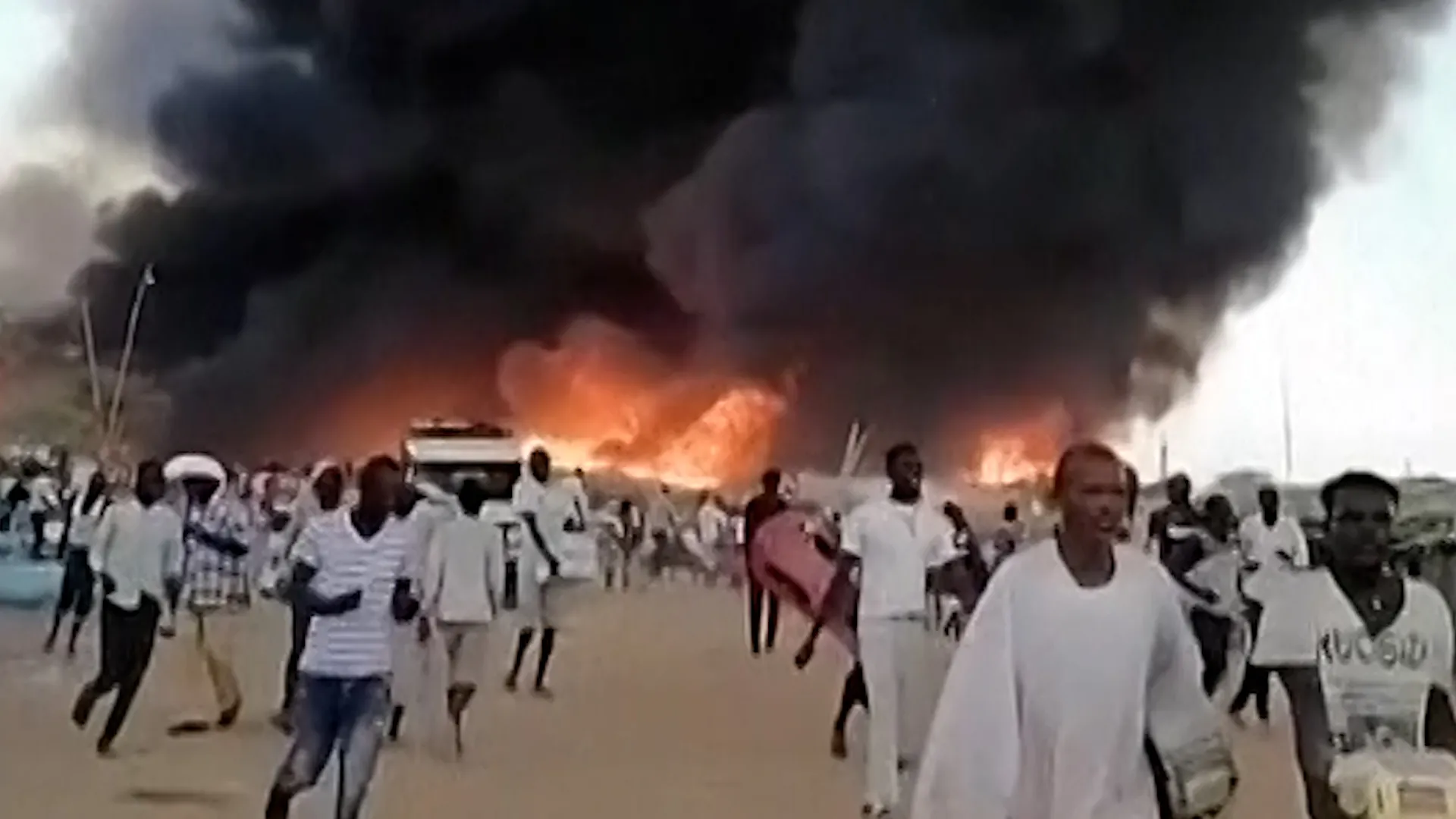
A drone strike near a market in Abyei has killed at least 150 people. Fighting between Sudan and the paramilitary Rapid Support Forces (RSF) has intensified in recent days, as Khartoum accuses the RSF of hiding in the disputed region near South Sudan.
Who pays for US elections and what do they get? Josh Rushing asks Lawrence Lessig and Bradley Smith.
The 2026 midterm elections are on track to be the most expensive in the history of the United States, with a record $11.6bn in political advertisements alone. Independent expenditure-only political action committees, or super PACs, dark money and billionaire donors now shape who runs and who wins, yet voters of both parties say money has too much power.
Josh Rushing asks two leading experts who is paying, what they are buying and whether the system can change.
Contributors: Lawrence Lessig – Professor of law and leadership, Harvard Law School Bradley Smith – Professor of law, Capital University
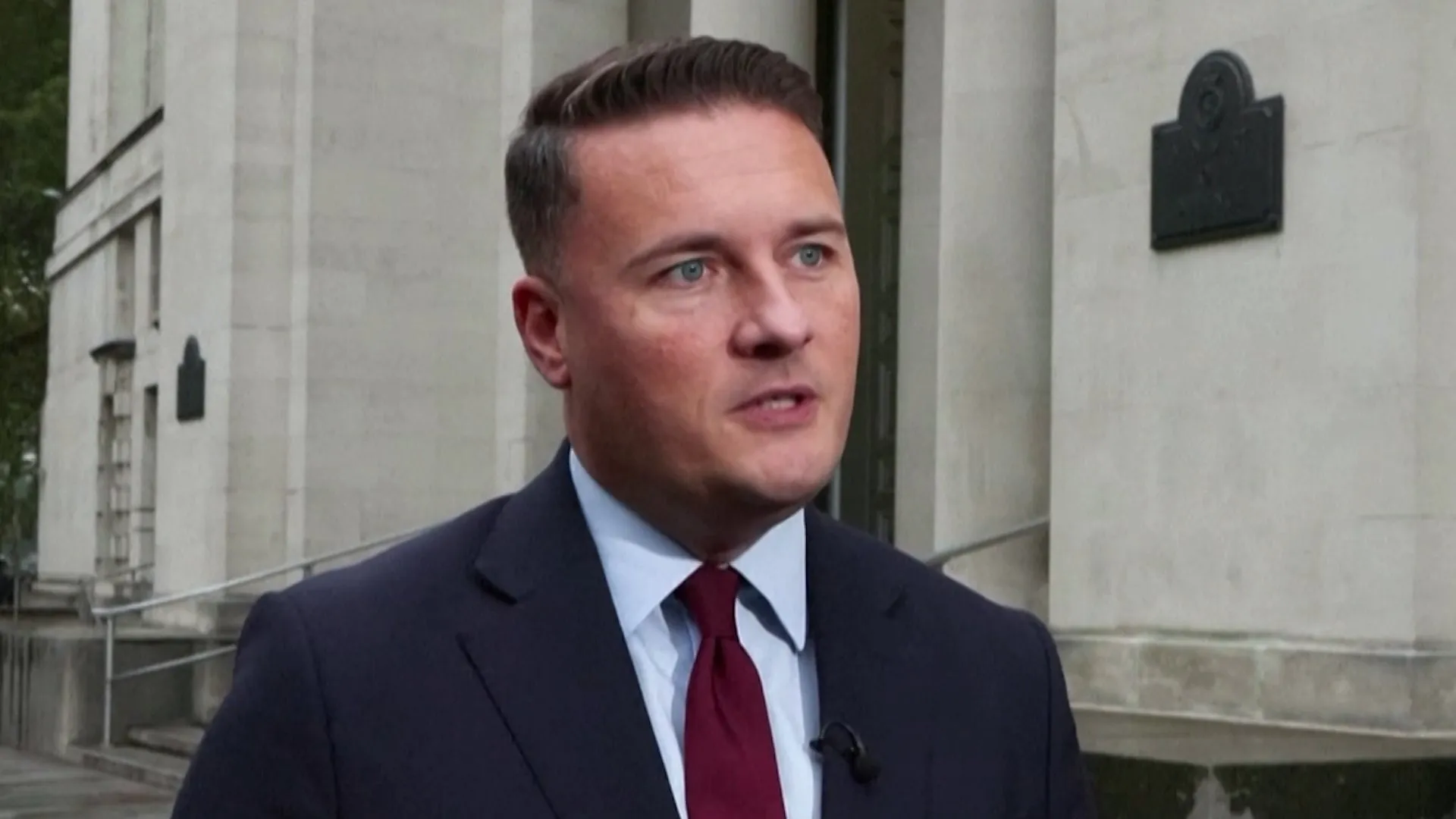
UK Defence Minister Wes Streeting says British Typhoon jets will carry out defensive missions to protect Saudi Arabia from escalating attacks by Yemen’s Houthi rebels, calling the escalation “outrageous” and “intolerable”.
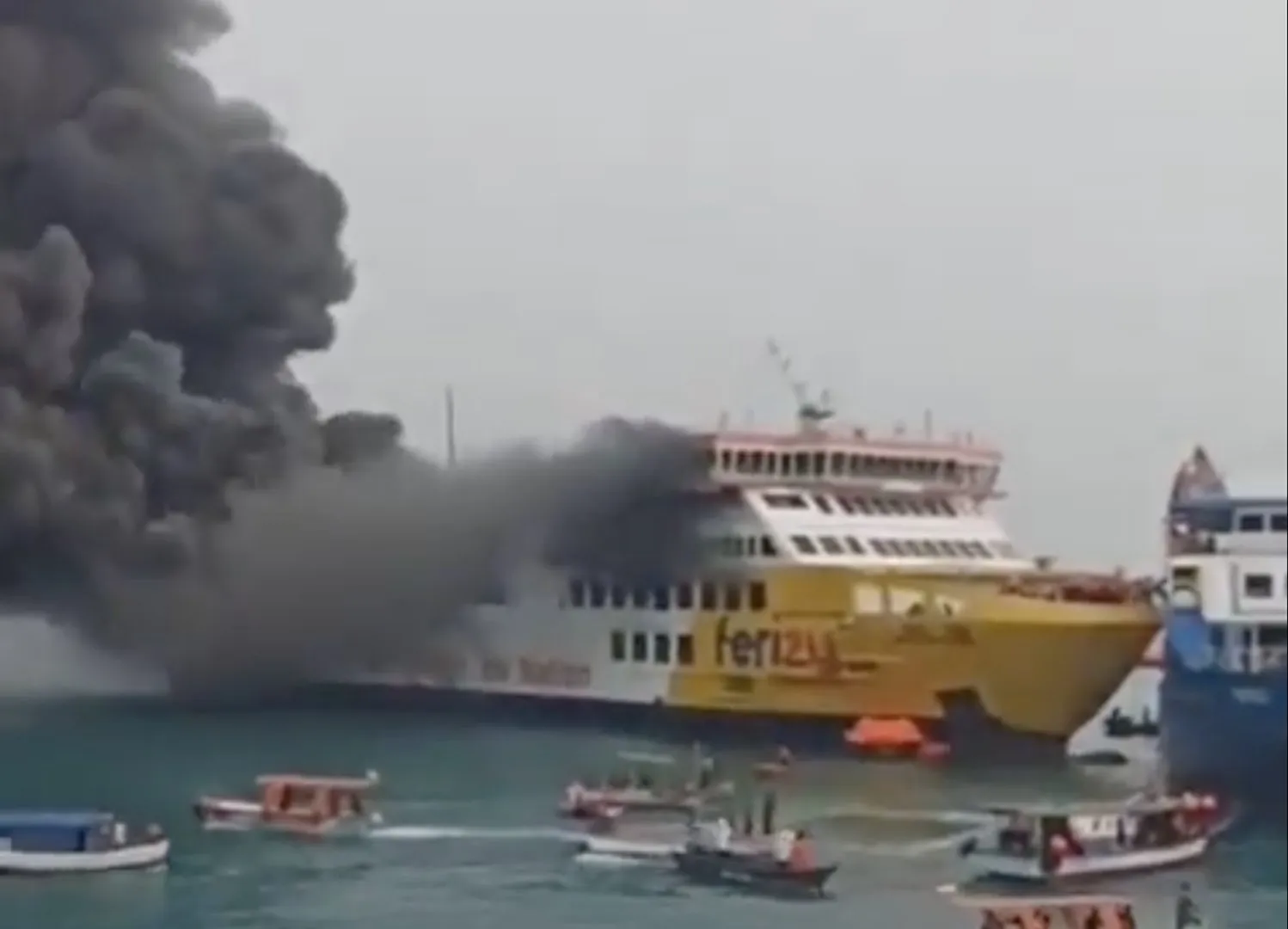
A fire broke out aboard the KMP Batumandi as the ferry approached Merak Port in western Indonesia on Tuesday, triggering an emergency evacuation. All passengers and crew were safely evacuated within an hour as rescue teams worked to contain the blaze.
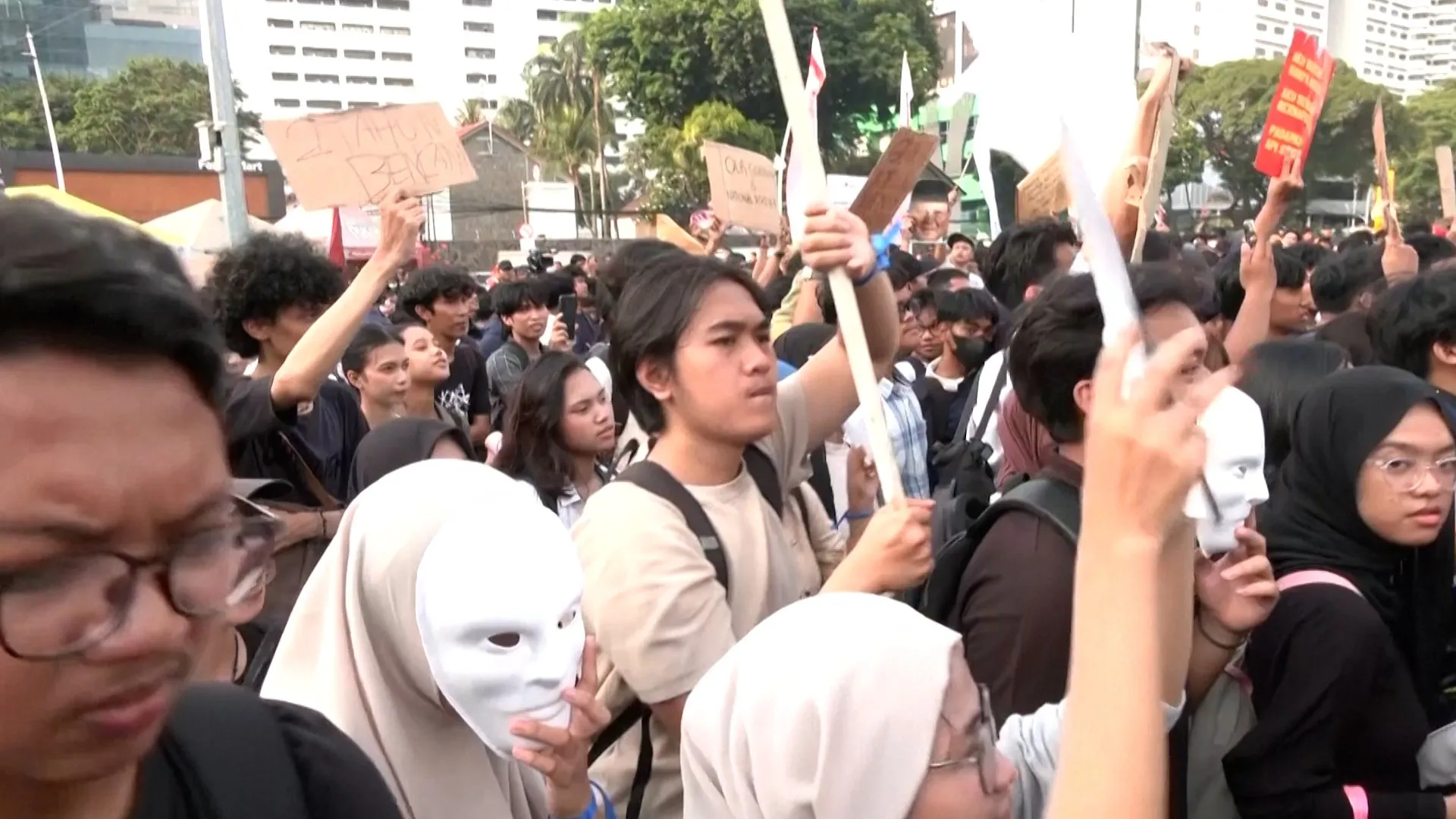
Students and activists protested across Indonesia over rising living costs, economic concerns and forest fires linked to land clearing for palm oil plantations.
Around 76 percent of voters in the Canadian province of Alberta have rejected a proposal to hold a referendum on independence, according to unofficial results. It’s a victory for Prime Minister Mark Carney but more than 300,000 backed the proposal, and separatists say their grievances remain.
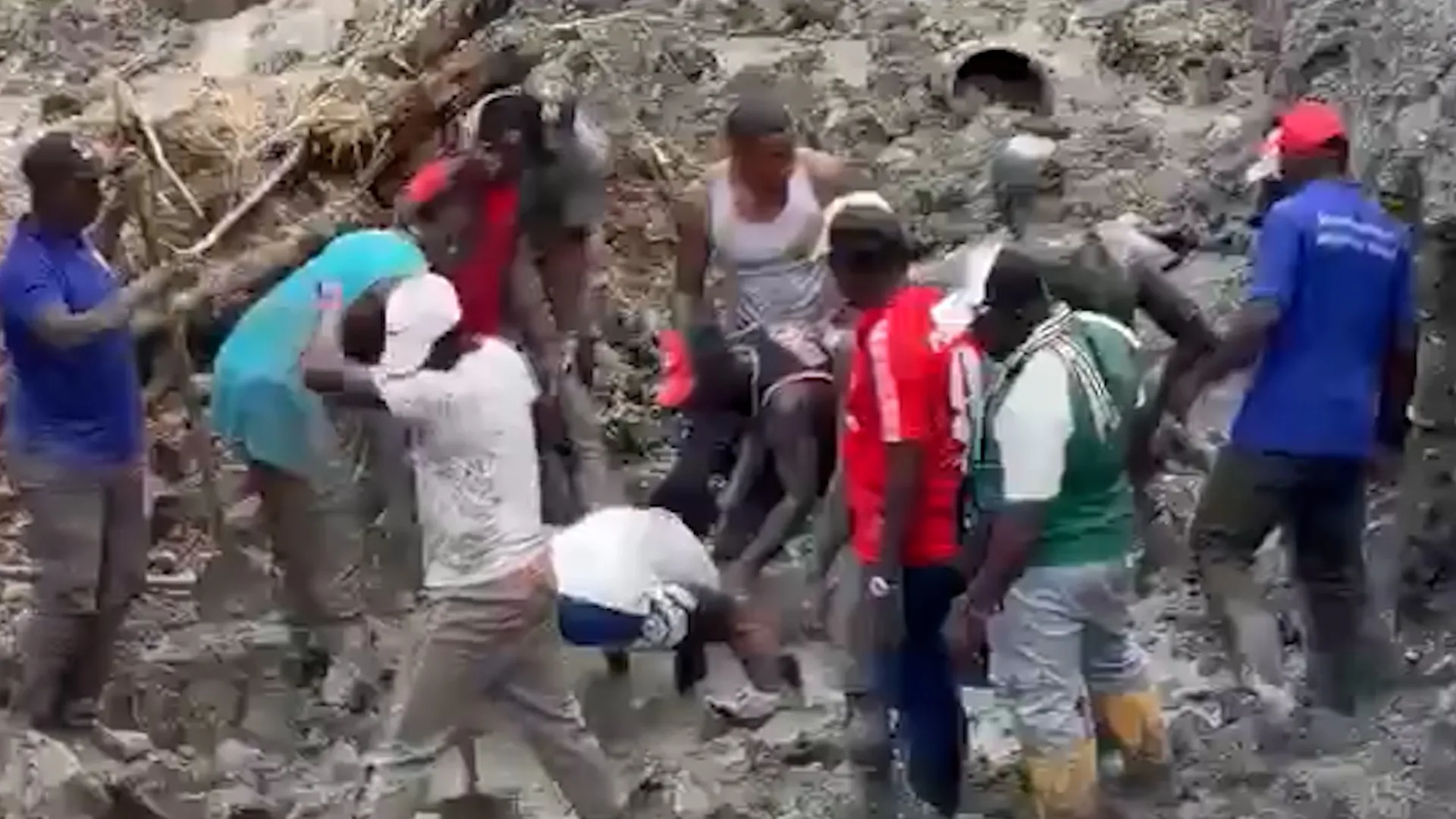
Search efforts have been halted in Colombia after an illegal gold mine collapsed in a remote part of the country. Fourteen people were killed and several others were injured. The mine is surrounded by dense rainforest and only reachable by boat or plane.
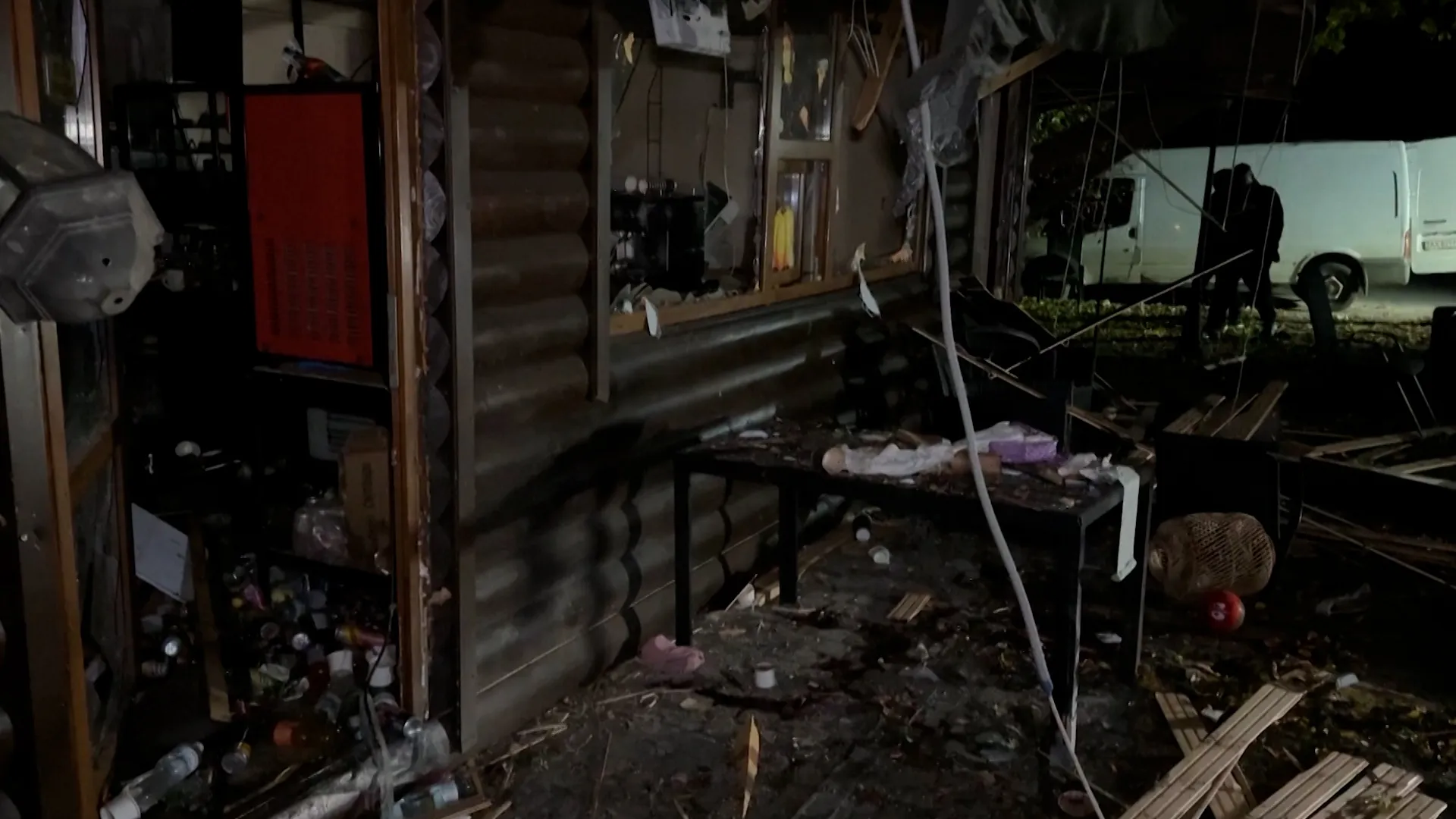
A Russian drone strike on a park in Ukraine’s north-eastern Kharkiv region has killed six people, including three children. The attack comes amid growing concerns over Ukraine’s air defences and Donald Trump’s moves to import Russian diesel.
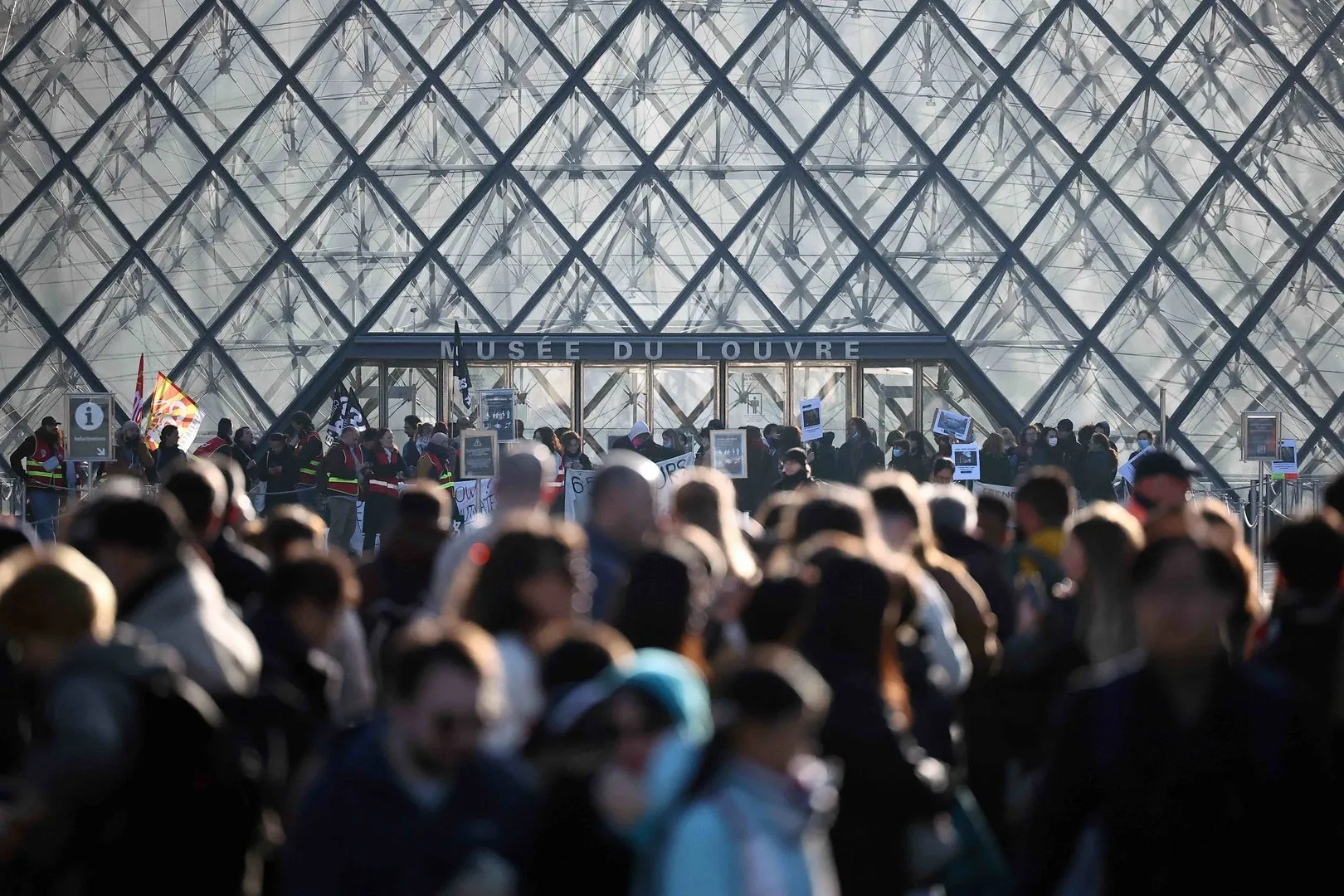
French students are now blockading the world’s busiest museum. A group of demonstrators stood outside Paris’ Louvre Museum on Monday, preventing it from opening up to the public.
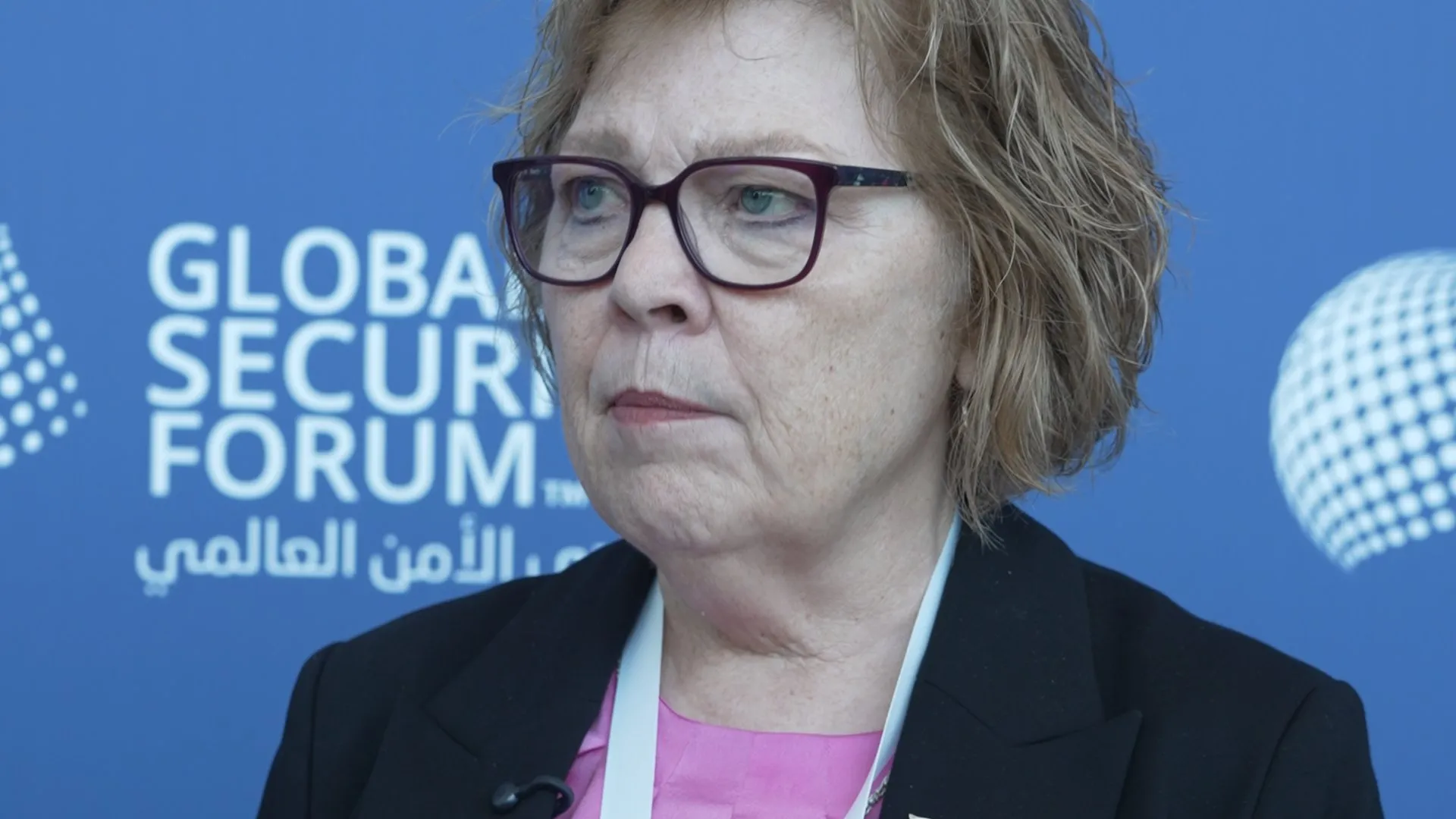
Barbara Leaf, former US Assistant Secretary of State for Near Eastern Affairs, tells Al Jazeera that public opposition to the war with Iran could threaten Republican control of Congress, as economic fallout fuels voter anger.
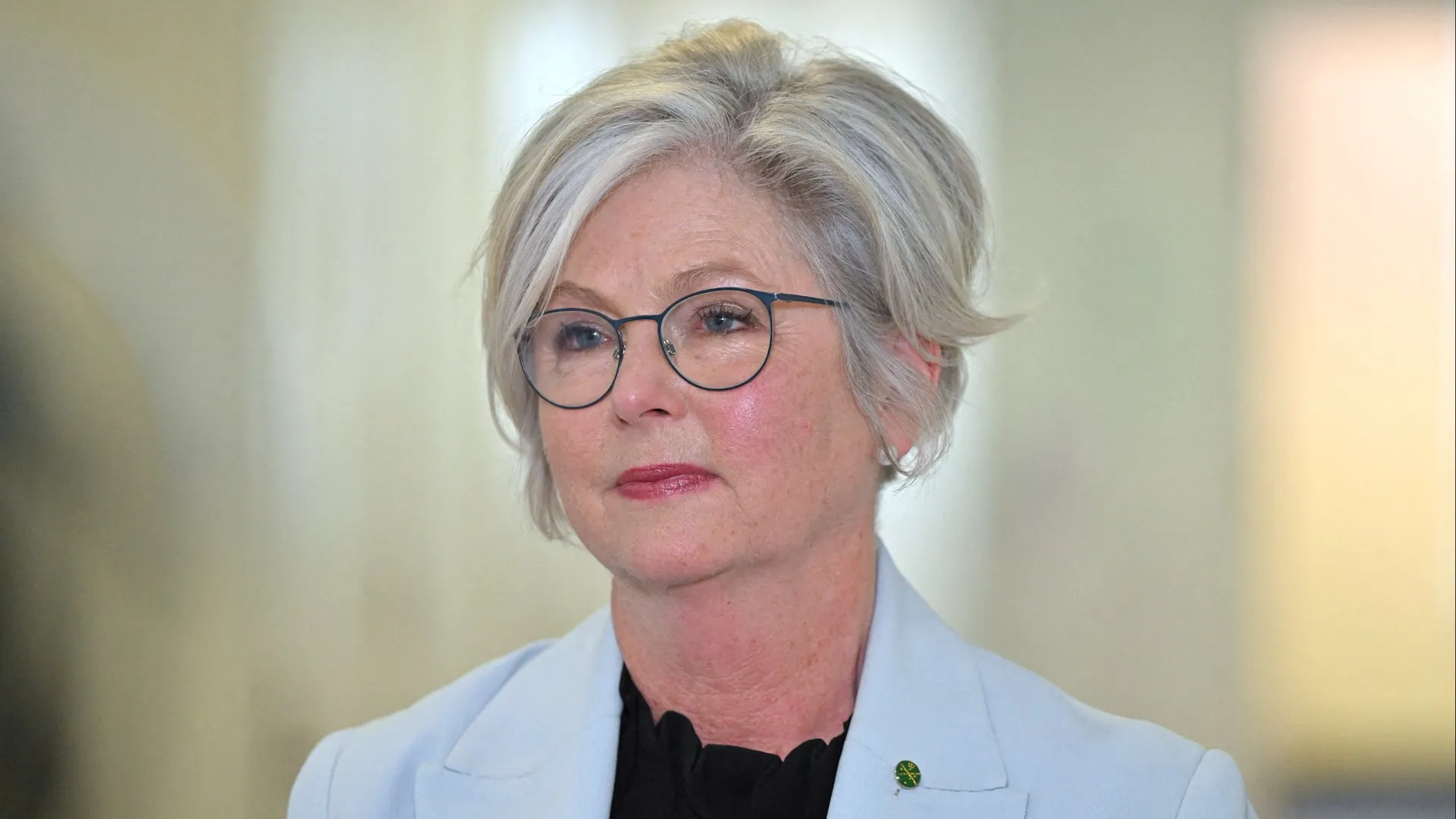
Australian MP Dr. Helen Haines is in critical condition after being struck by a car outside her office building in Victoria. Police have arrested a 43-year-old man accused of carrying out the attack and discovered a knife in his vehicle.
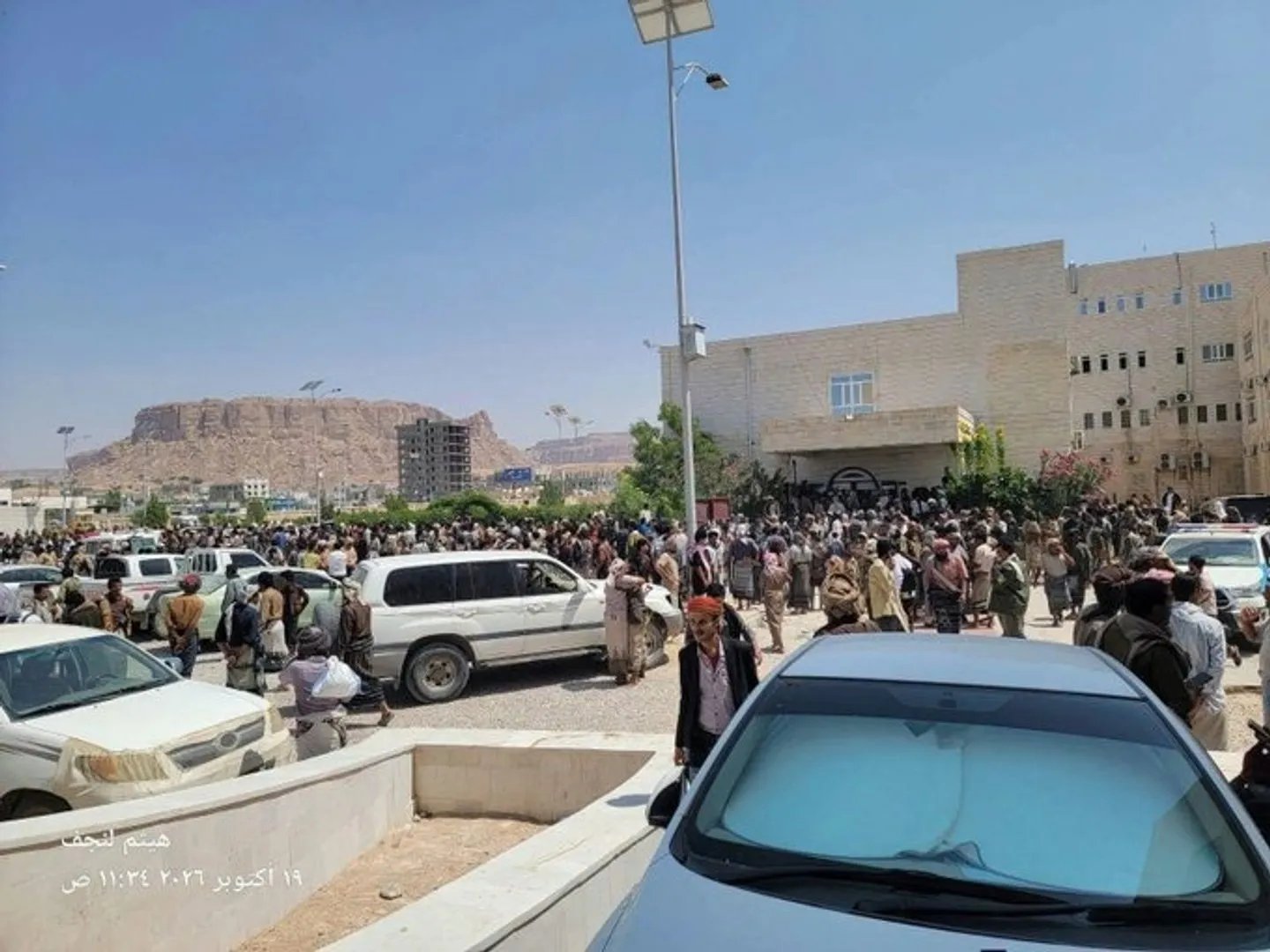
Dozens of Yemenis are feared dead after a Houthi strike targeted a military camp in Yemen’s Shabwa governorate.
The spokesman for the Yemeni army said the Houthis targeted Shabwa with 3 ballistic missiles.
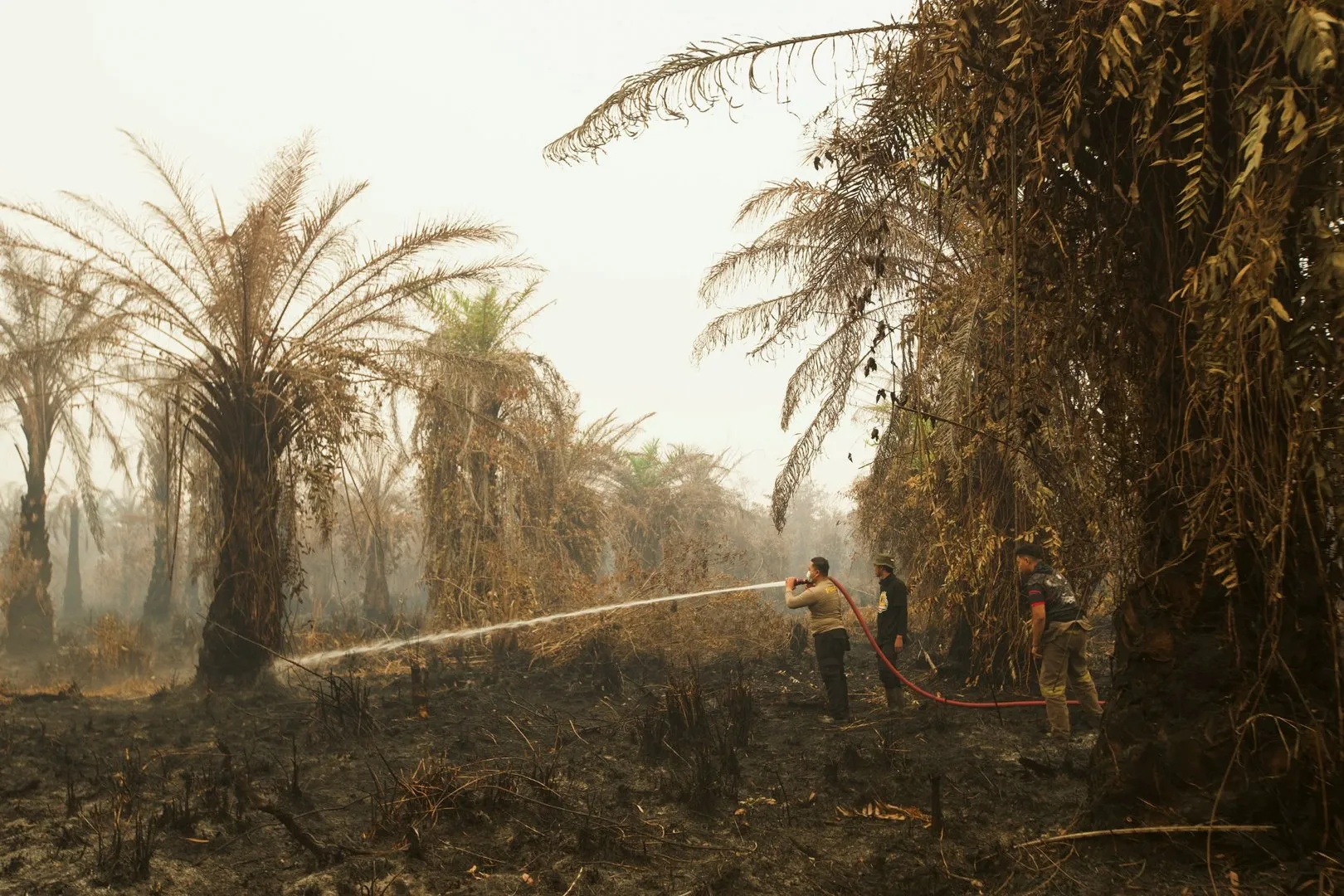
As forest fires and toxic haze in Indonesia’s Central Kalimantan continue to worsen, critics accuse authorities of failing to take adequate action to contain the crisis.
An elderly man was forcibly restrained by police during a protest against Israeli weapons manufacturer Elbit Systems in Ulm, Germany. The man was seen bleeding after officers forced him to the ground.
A grass fire, fanned by strong winds, is being blamed for the Canadian military base tragedy in Alberta. Four armed service members were killed during what was a training exercise with 19 reported in critical condition in hospital.
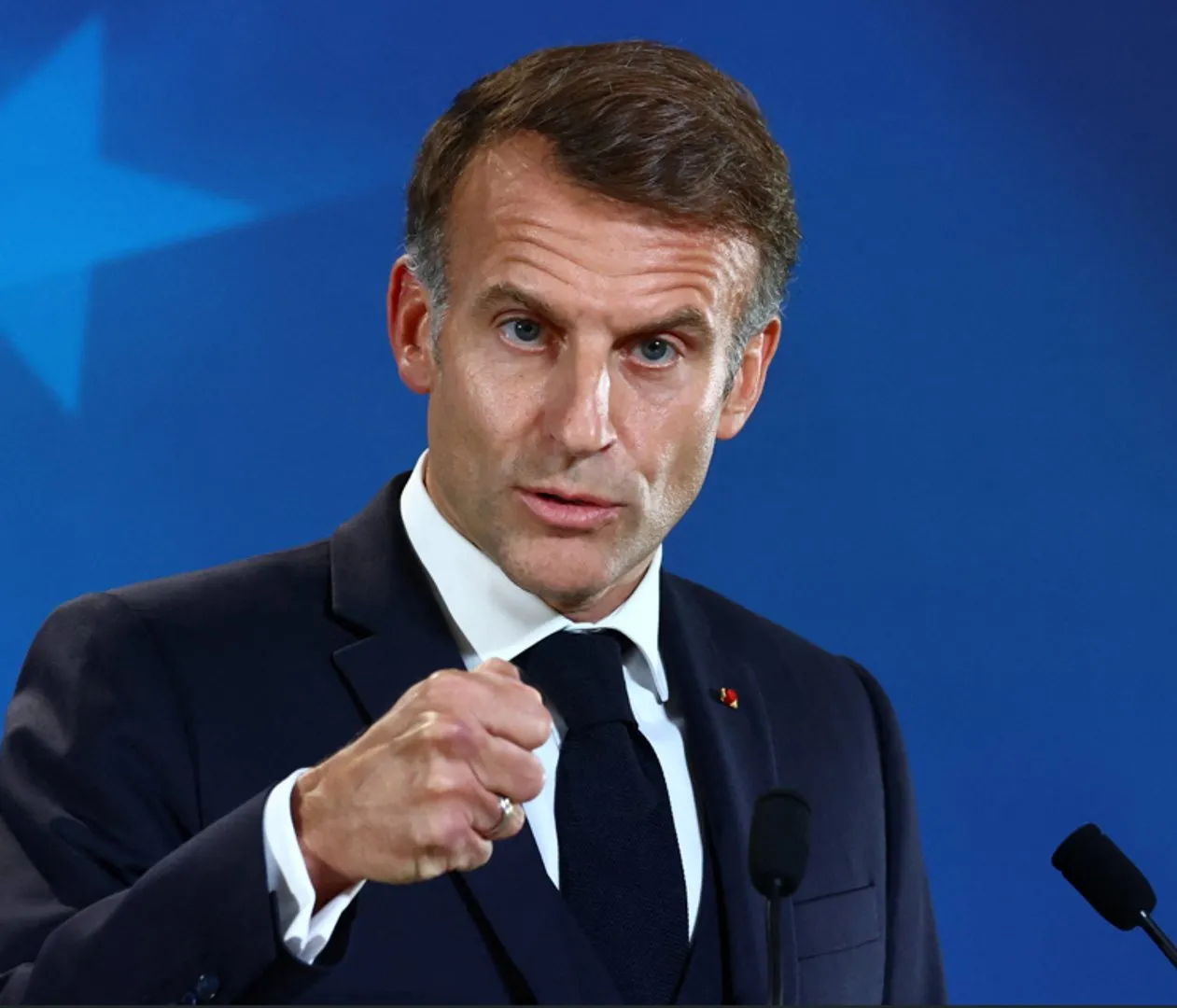
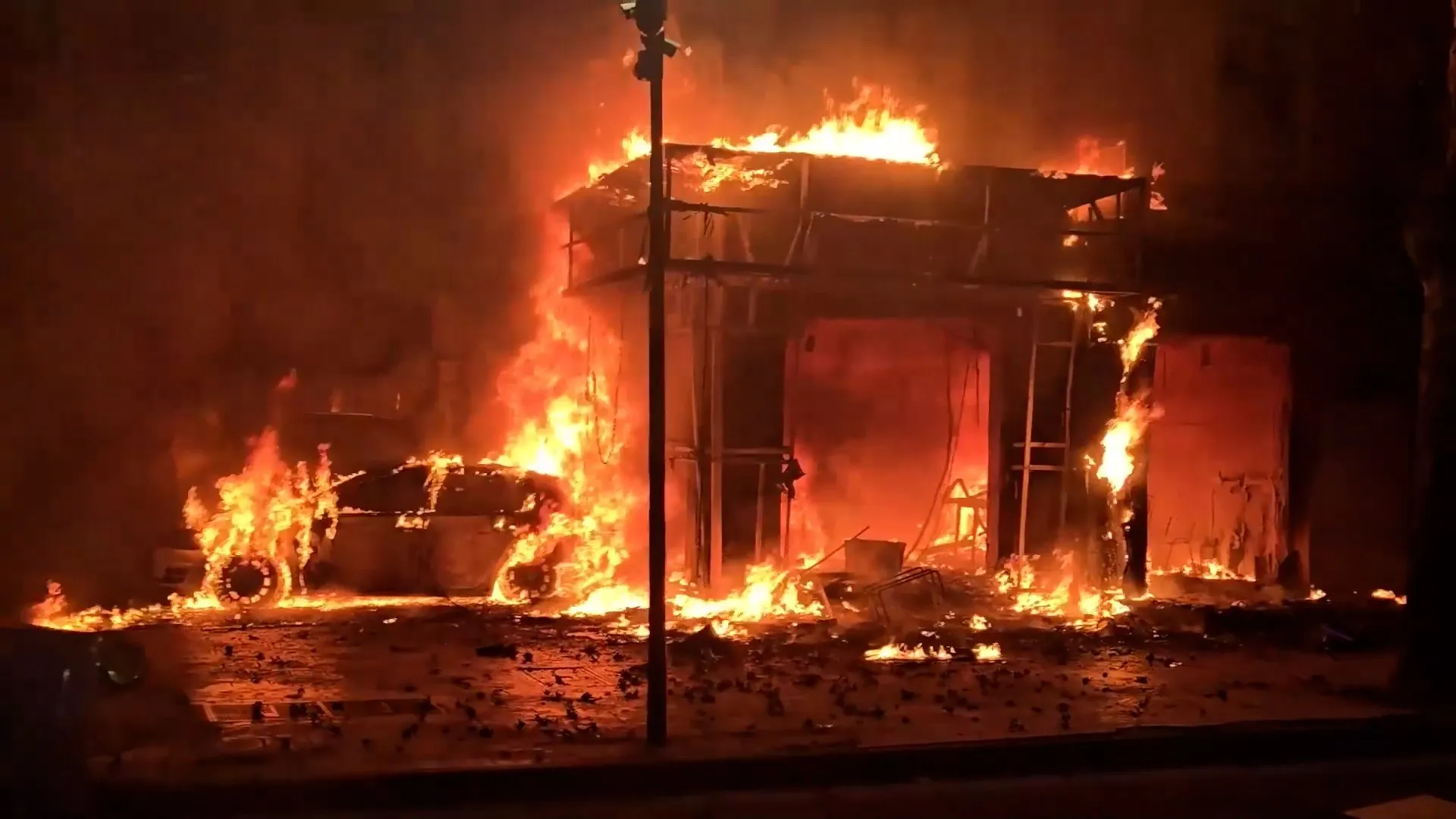
French President Emmanuel Macron says protesters who attacked government buildings need to pay for their crimes. His address comes after hundreds were arrested across France during violent protests against the rising cost of living and poor school conditions.
Offices at the Supreme Court in Tirana were set ablaze as anti-government protests over corruption, education, and unemployment entered their fifth day.
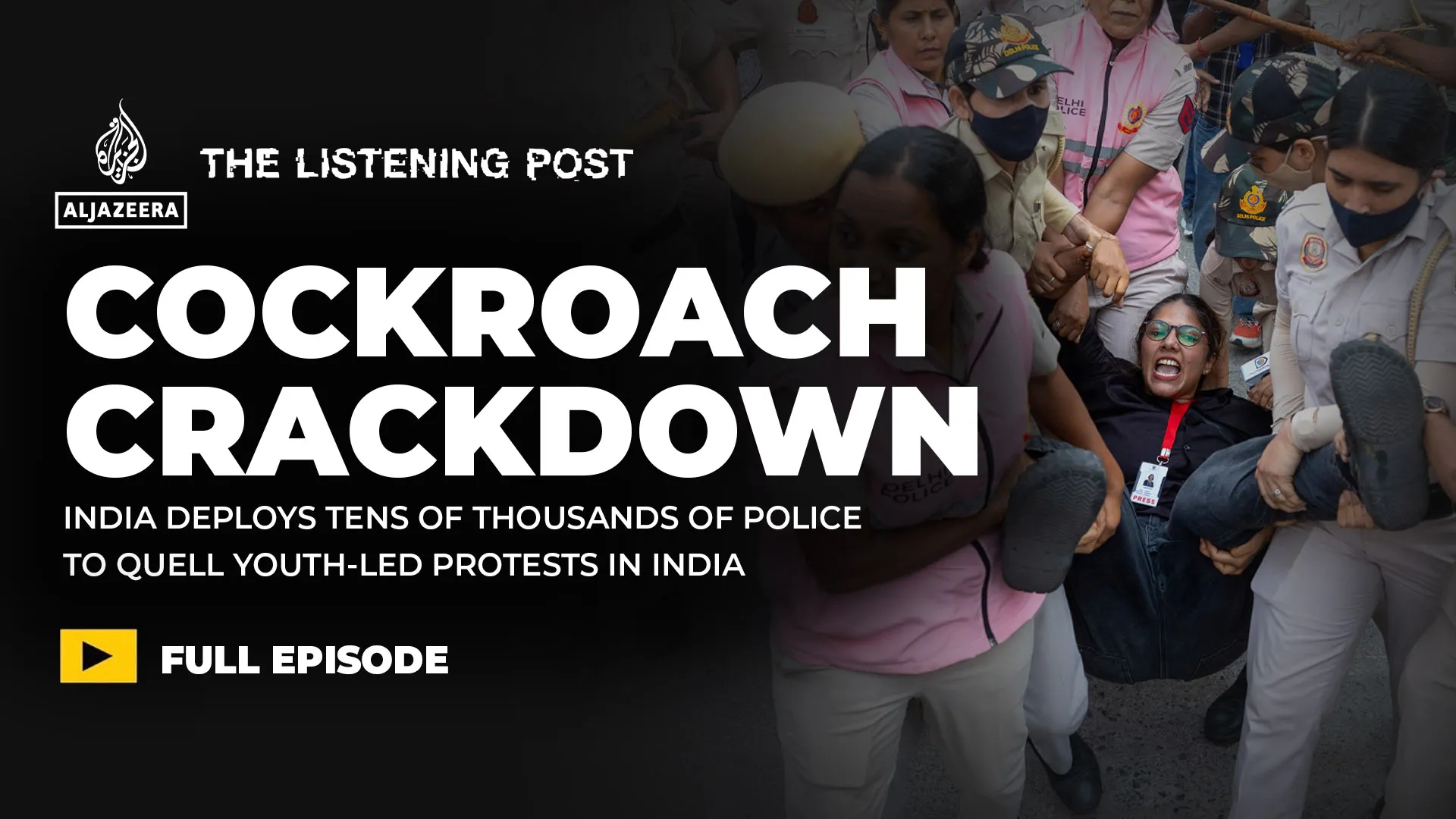
A government at war with its critics – from young protesters to the media.
A wave of youth-led protests has returned to the streets of India’s capital, Delhi, after media reports revealed that the Electoral Commission removed about 130 million names from voter lists.
These protests differ from the unrest that exploded in July, though, by the attacks on the media.
Dozens of journalists and content creators have been detained, assaulted or blocked from doing their jobs. But tightening the screws on critical reporting doesn’t appear to be working, as a new generation rises to challenge the government.
Contributors: Saba Naqvi – Author and journalist Smita Sharma – Multimedia journalist Shyam Meera Singh – Founder, Strike Originals Sushant Singh – Lecturer, Yale University
On our radar
Pakistan has declared a state of emergency in the northwestern province of Khyber Pakhtunkhwa, following protests calling for the release of jailed former Prime Minister Imran Khan.
The state’s response has followed a familiar pattern: A media blackout and internet shutdown, while casting protesters as rebels.
Reporter: Tariq Nafi
The rise of digital micro-Bolsonaros
It’s been more than three years since Jair Bolsonaro fell from power, yet the right-wing movement he started is still without a clear leader. Into that gap has stepped a new crop of young evangelical political influencers, who are tapping into a decades-old religious media machine to build their audience.
Their viral content ricochets across social feeds, mobilising followers and voters in ways old-school politicians just can’t match.
The Listening Post’s Nicholas Muirhead reports on Brazil’s evangelical influencers and the political space they are looking to take over.
Featuring: Anna Virginia Balloussier – Journalist, Folha De Sao Paulo Caro Evangelista – Executive director, Iser Magali Cunha – Editor-in-chief, Berreia Project
Bodybuilders in Gaza are finding solace in testing their strength during a “strongman championship” surrounded by rubble resulting from Israel’s destruction of the enclave.