By naming the product of two mergers Skydance, David Ellison relegates two of Hollywood’s founding studios to a sub-brand stew and attempts to erase a bunch of controversial hires.
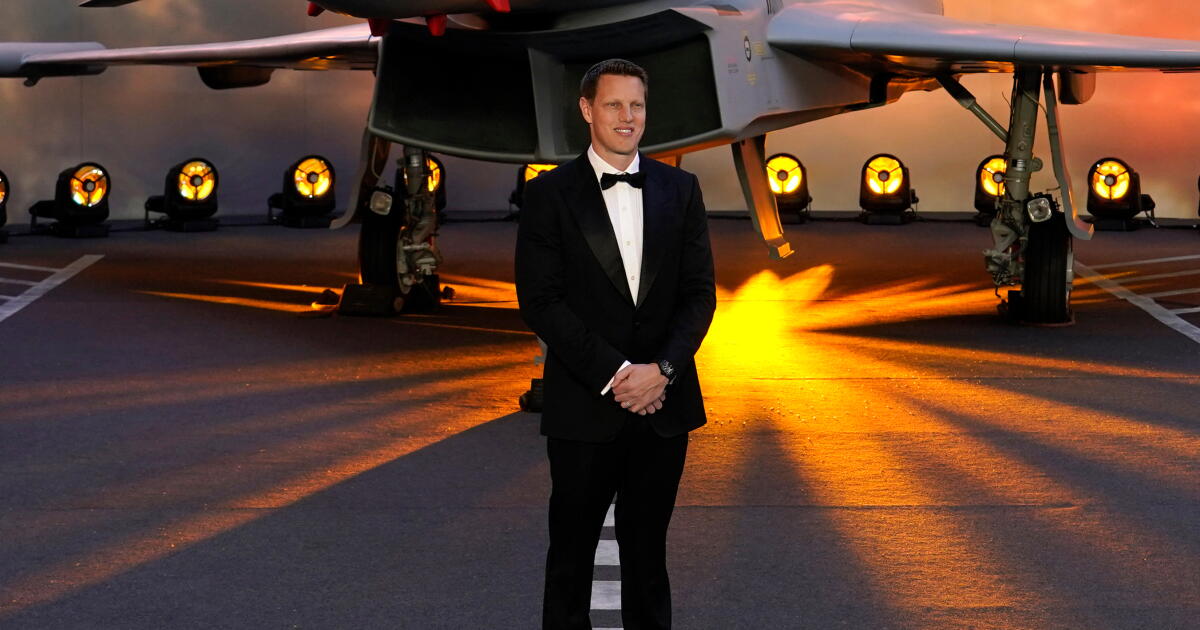
What a surprise. David Ellison has decided to name the Frankenstudio media company created by the merger of Paramount Skydance and Warner Bros. Discovery simply Skydance.
And why not? “Massive Debt Funding Media” doesn’t really roll off the tongue (though “Ultra Leveraged” has a nice ring); “Ellison and Dad” is a bit too on the nose; and “Skydance” is, after all, the name he chose for the one company out of those four that he built rather than bought.
Skydance is a poetic term with some definite “Star Wars” overtones and perhaps unintentional symbolism. Before the aviation-loving Ellison claimed it, “sky dance” referred to the aerial mating of certain birds, most famously the American woodcock, also known as the timberdoodle or (I’m not making this up) the bogsucker.
(“Timberdoodle Media,” now that’s a splendid name, and “Bogsucker Productions” could work as well.)
In his attempts to acquire Warner Bros. Discovery, Ellison has certainly engaged in some high-flying … well, courtship might not be the right term for the dizzying mix of cajoling and threats he has employed to get the deal done, and it certainly does not seem fair to the American woodcock. I’m no expert, but I don’t think their mating rituals involve using the New York Times to plead their case or, when that doesn’t work, threatening to move en masse to Tennessee.
For those inexplicably hoping for ParaBros, Skydance seems a bit of a letdown, especially considering all the trouble Ellison went to. It’s been quite a show, the various razzle-dazzle versus strong arm tactics (not to mention the Middle Eastern money) he mobilized to turn two of Hollywood’s preeminent founding studios into ingredients in sub-brand stew that also includes CNN, HBO Max, CBS, DC Comics, Nickelodeon, MTV and Food Network.
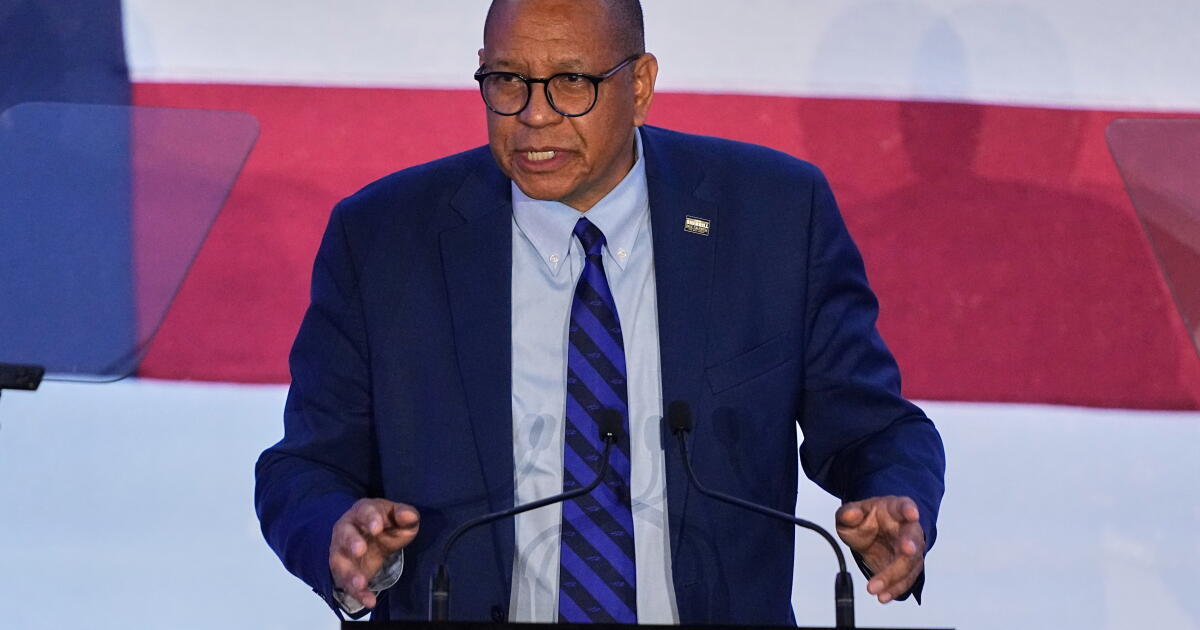
Overseeing such a diverse mix is obviously too big a job for one person so Ellison added yet another flavor by drafting Ynon Kreiz as co-chief executive. Kreiz was previously chairman and chief executive of Mattel, where he facilitated the toy company’s big Hollywood push with “Barbie,” “Masters of the Universe” and the upcoming Hot Wheels movie. (Polly Pocket, now in development at Reese Witherspoon’s Sunshine Productions, should be preparing for her close-up.)
By sticking with Skydance, Ellison is not just making a large swath of Hollywood indisputably his own, he’s showing remarkable confidence in a name that first came to many people’s attention in 2019 when he hired John Lasseter.
Six months after Walt Disney Co. ended its relationship with the then-chief creative officer of Pixar and Disney Animation Studios following an investigation into multiple accusations of sexual harassment and workplace misconduct, Ellison hired him to oversee Skydance Animation.
Unsurprisingly, this led to all manner of protest, within and outside the company. When Emma Thompson learned of Lasseter joining Skydance, she withdrew from its highly anticipated upcoming animated film “Luck.” In a stinging letter she sent to the company at the time (and allowed The Times to make public), she wrote: “It feels very odd to me that you and your company would consider hiring someone with Mr. Lasseter’s pattern of misconduct given the present climate in which people with the kind of power that you have can reasonably be expected to step up to the plate.”
Lasseter was not Skydance’s only controversial hire. After merging with Paramount, the company made deals with or hired multiple men, including Brett Ratner, Max Landis and Jeff Shell, who had been accused of sexual harassment and/or misconduct.
Shell was made president of Paramount less than three years after losing his job as NBCUniversal chief executive following the disclosure of an “inappropriate relationship” with an NBC employee. He stepped down from Paramount in April after a monthslong legal battle with a Las Vegas gambler and self-described “fixer” who claimed that Shell had reneged on a deal to develop a series in exchange for free crisis control.
Now, of course, all of that is ancient history. Now Paramount is merely a sub-brand and Hollywood is less concerned with who Skydance hired as it is with who, and how many, Skydance will fire.
Also how exactly the CNN/CBS oversight committee Ellison agreed to create as part of the settlement with 12 states is going to work. And what will happen if Skydance does not release 30 new films each year, which Ellison has promised to do as part of the settlement deal. And how expensive the new Skydance streaming bundles are going to be. And if, perhaps, in some language Skydance translates to “the end of the entertainment industry as we know it.”
Most important, is it too late for the American woodcock to sue?