City with ‘green wine’ & rooftop bars where you can get the cheapest five-star holiday is under 3 hours from the UK
CITY breaks are a perfect short-haul holiday option for Brits, and in some cases even top-tier ones won’t break the bank.
TravelSupermarket has found the cheapest five-star European city holidays and the Portuguese capital has topped the list at under £310pp.
TravelSupermarket found that the average price for a five-star break to Lisbon works out at £308pp.
On TravelSupermarket Sun Travel found some five-star accommodation deals for under £200.
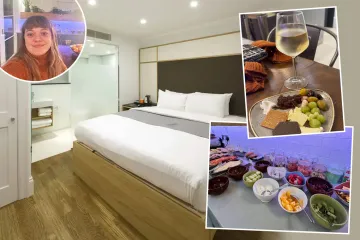
A two-night city break at the VIP Grand Lisboa Hotel & Spa in March starts from £180pp – including flights.
The hotel has a rooftop pool, bar, restaurant, room service, free Wi-Fi, a fitness centre and spa facilities.


Another is The Vintage Lisboa where you can book a two-night city break in March from £269pp.
The boutique hotel is in the heart of the city and has modern interiors as well as a restaurant and bar.
Each room has a flatscreen TV, air conditioning and private bathroom with rain head shower.
It has a spa with a full menu of massages, as well as a sauna, steam bath, hammam and a gym.
The city itself is known for its steep streets, trams and its position on the coastline.
British expat Lauren Clark, who left her life in London for Lisbon reveals it’s an affordable city once you’re there too.
She even said that you can catch up with a friend over a glass of wine for the price of a coffee in the UK.
Lauren explained: “You can pick up a fruity ‘vinho verde’ from a quiosque or restaurant terrace, enjoyed in the sunshine, might set you back just a few euros.
“One of the reasons why the top-notch wine is so affordable – with a bottle of my favourite white costing around three euros in the supermarket – is because Portugal is covered in swathes of vineyards.”
Vinho verde translates to ‘green wine‘, but it’s not actually anything to do with colour.
What is actually refers to is the young age of the grapes.
When it comes to choosing where to drink – you can get views of the city if you go up high onto a rooftop bar.
One trendy place is Park Bar which is at the very top of a parking garage.
Here you can pick up a selection of beers and wines, sangria and some bar snacks – and on Sundays it serves up all-day brunch.
Another is Topo Chiado which has view downtown that one visitor described as ‘breathtaking’, and it has a DJ during the evenings.
While Lisbon is easily walkable it also has lots of trams – it has six different routes and 58 trams.
Lisbon tram tickets usually cost between €3.10 (£2.70) and €3.30 (£2.87) if you buy it onboard.
You can save money in Lisbon by getting a Lisboa card too, which you can buy from £27 and it then gives you access to 51 museums and galleries across the city.
Lisbon doesn’t have many main beaches for sunbathing as such – but just a short-ride away are some lovely coastal spots.
Two popular beaches are Praia da Ursa and Praia do Ribeiro do Cavalo which are both less than an hour’s drive away from the city centre.
For Brits, Lisbon is easy to get to with direct flights taking just two hours and 50 minutes.
In April, flights from London Luton to Lisbon start from £21.
Eight airports across the UK offer direct flights including London Gatwick, Manchester and Birmingham.
When it comes to other city break destinations, cheap five-star holidays include destinations like Krakow and Prague.
Berlin rounds out the top three at £357 per person on average.
Chris Webber, Head of Holidays and Deals at TravelSupermarket said: “There’s a real appetite among British travellers for luxury city breaks, but many assume five-star automatically means five-star prices.
“What this data shows is that destinations like Lisbon, Krakow and Berlin are delivering genuinely premium experiences at remarkably competitive price points.
“As ever, Eastern Europe in particular offers exceptional value, and with so much history, culture and food on offer in cities like Prague and Budapest.”
These are the top 10 destinations for a cheap five-star break…

Here are the cheapest destinations and the average price for a five-star city break in Europe from TravelSupermarket…
- Lisbon – £308pp
- Krakow – £321pp
- Berlin – £357pp
- Prague – £375pp
- Budapest – £430pp
- Venice – £500pp
- Barcelona – £539pp
- Rome – £555pp
- Amsterdam – £633pp
- Paris – £967pp
For more on cheap city breaks, here are some in Europe that are CHEAPER than an English train ticket.
And here is Europe’s ‘top trending city break’ destination has been revealed with flights for £15 and beers for £2.17.