Trump holds fast to Tuesday deadline, threatening Iran’s bridges and power plants
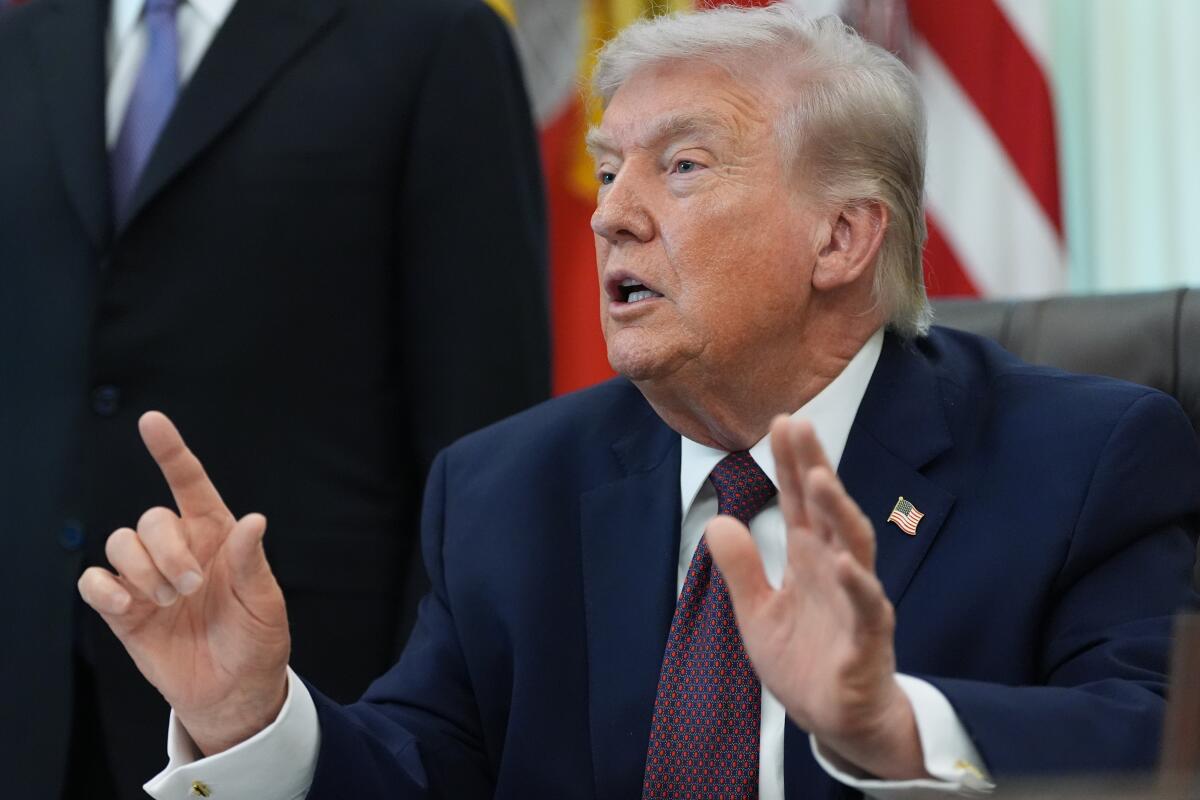
WASHINGTON — President Trump said Monday that the United States and Iran are at a “critical point” in negotiating a potential ceasefire agreement, but the chances of reaching a deal by a Trump-imposed deadline on Tuesday evening appeared uncertain.
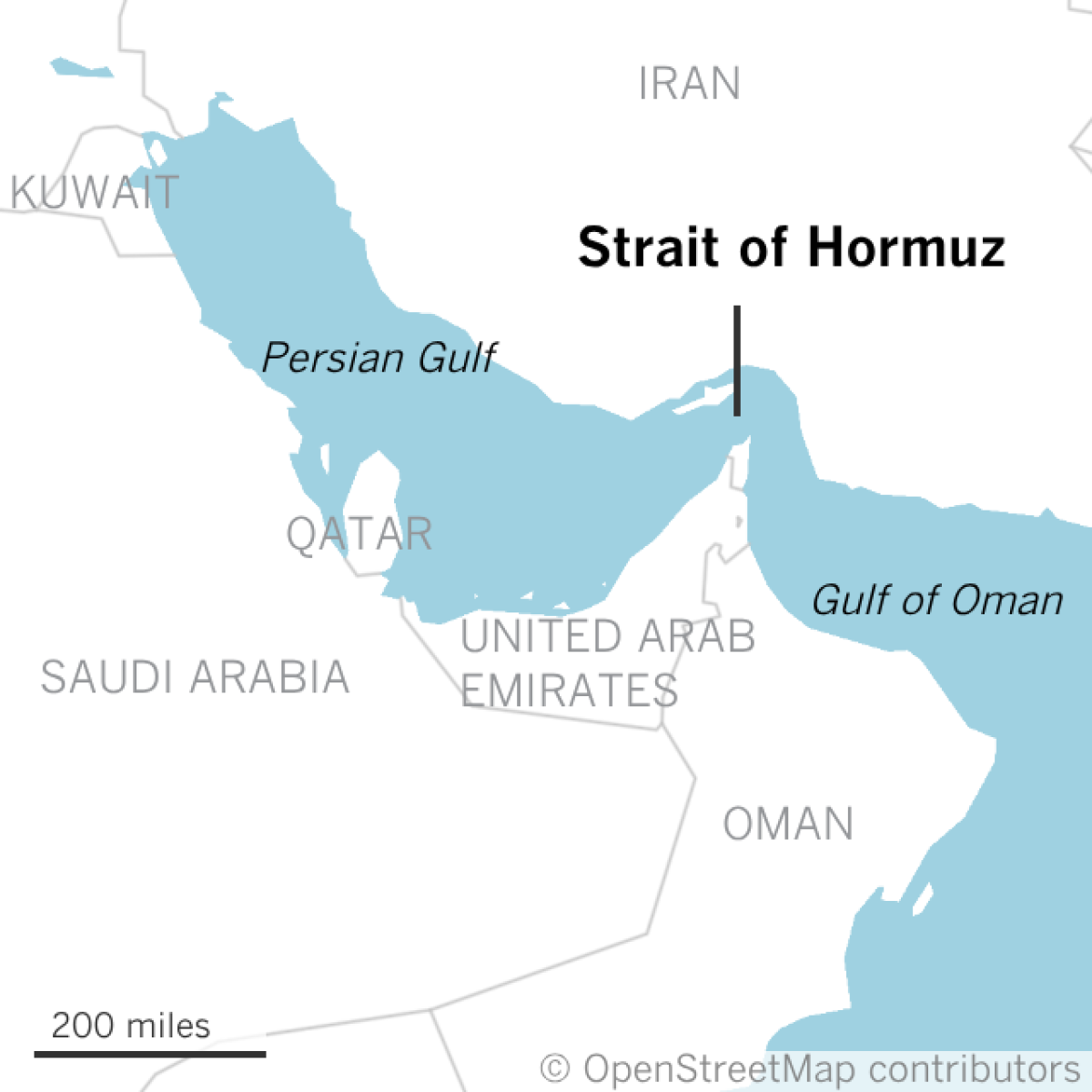
In a lengthy news briefing at the White House, the president echoed an expletive-laden Easter Sunday warning to strike Iran’s vital infrastructure if Tehran does not agree to open the Strait of Hormuz by 5 p.m. PDT on Tuesday.
“The entire country can be taken out in one night and that night might be tomorrow night,” Trump told reporters.
Mediators from Egypt, Pakistan and Turkey sent the United States and Iran a draft proposal of the 45-day ceasefire on Friday, the Associated Press reported. Its prospects seemed dim amid the president’s threats and a lukewarm response from Iranian leaders, who dismissed the president’s diplomatic overtures as “unrealistic” and denying direct talks with the United States.
Iranian Foreign Ministry spokesman Esmail Baghaei rejected the latest ceasefire proposal, saying Monday that the American demands were “both highly excessive and unusual, as well as illogical.”
Still, Trump continued to assert that Iranian leadership has been negotiating in good faith. He characterized newly installed leaders as an improvement over their predecessors.
“The people that we are negotiating with now on behalf of Iran are much more reasonable,” he said Monday.
Trump declined to comment further on the ceasefire proposal at the news conference, but told reporters that Iran is negotiating ahead of his Tuesday deadline.
“I can tell you they’re negotiating, we think in good faith,” Trump said. “We are going to find out.”
The president did not say whom the United States is negotiating with, but said the most difficult challenge so far has been establishing a reliable channel of communicating with Iranian officials who he said have “no method of communicating.”
Trump also declined to say whether he was prepared to offer Iran assurances to wind down the conflict, or whether he would escalate by following through with his threats to bomb critical Iranian infrastructure, leaving the door open to both diplomacy and military action.
“I can’t tell you — it depends on what they do. This is a critical period,” he said,
Central to the negotiations is Iran’s control of the Strait of Hormuz, a choke point that, if left blockaded, could continue driving oil prices higher and further destabilizing global energy markets.
Trump, in characteristically unorthodox fashion, floated the possibility of the United States seizing operational control of the waterway and charging tolls for passage, a proposal that he provided without much detail.
“Why shouldn’t we?” Trump said. “We have a concept where we’ll charge tolls.”
He also mused openly about seizing Iranian oil, as he has in recent social media posts in which he floated the idea of using the war to claim Iranian energy resources. He acknowledged public pressure was holding him back from that course.
“Unfortunately the American people would like to see us come home,” he said. “If it were up to me, I’d take the oil, keep the oil and make plenty of money.”
In addition to reopening the Strait of Hormuz, Washington is also demanding the permanent decommissioning of Iranian nuclear sites and an end to its uranium enrichment programs. The proposal also requires Iran to halt support for regional proxies and accept strict ballistic missile limits.
In exchange, the United States says it will provide sanctions relief and assistance with civilian energy production, according to media reports.
Speaking at the White House Easter Egg Roll earlier Monday, Trump showed no signs of softening his posture to bring “hell” to Iran if a deal doesn’t materialize.
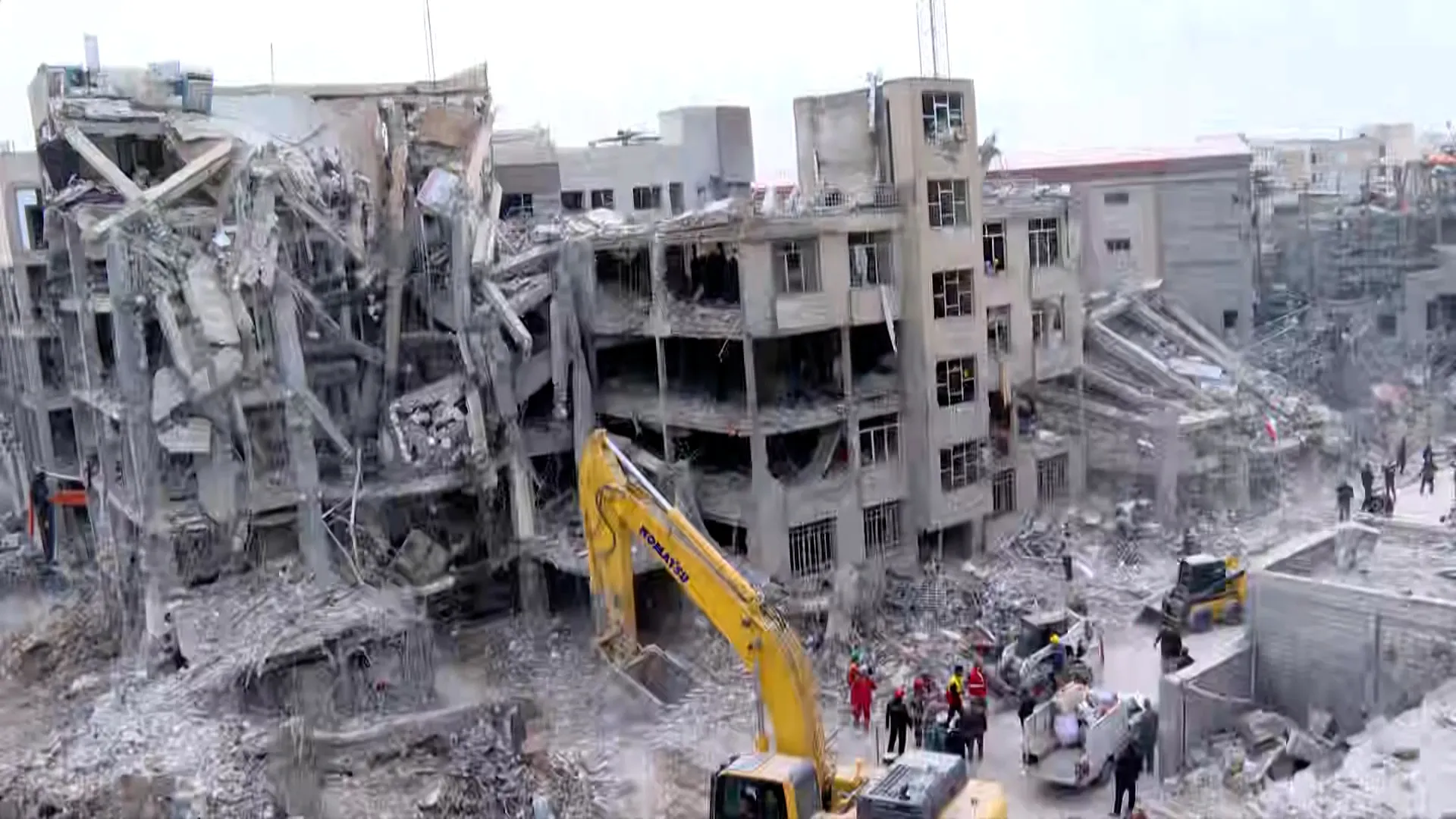
“We are obliterating their country. And I hate to do it, but we are obliterating. And they just don’t want to say uncle. … And if they don’t, then they’ll have no bridges, they’ll have no power plants, they’ll have nothing,” he said, adding ominously that “there are other things that are worse than those two.”
Iran has warned of “more severe and expansive” retaliations if Trump follows through on the threats.
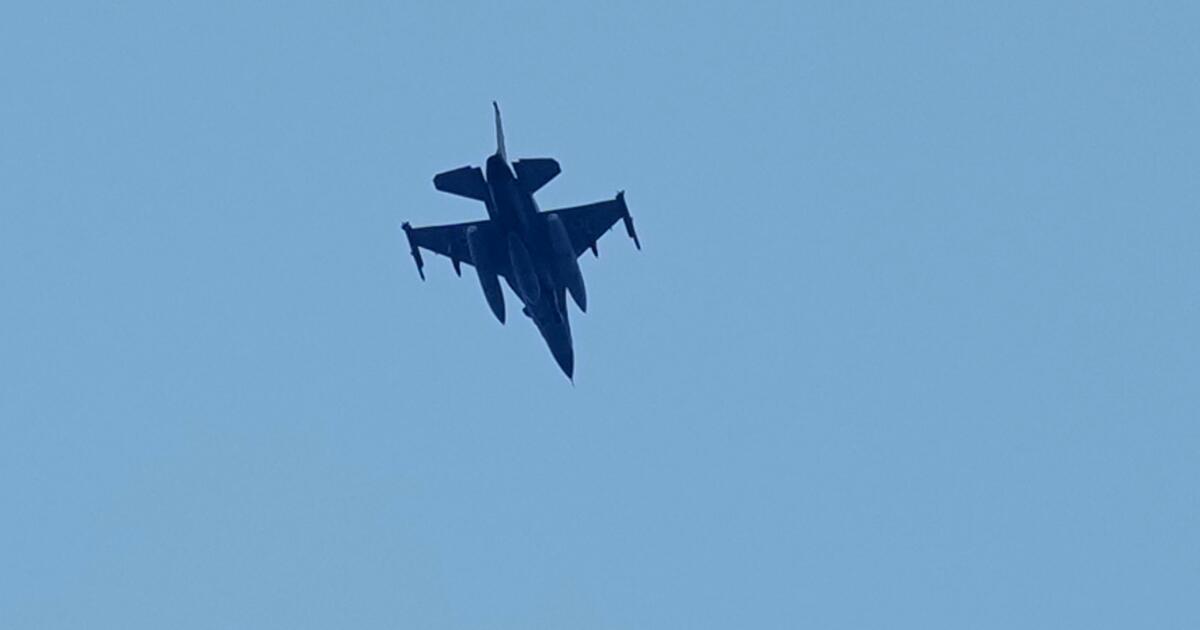
Also at Monday’s briefing, Trump celebrated the dramatic rescue of the American officer whose fighter jet was downed by Iran last week. He told reporters the operation to retrieve the wounded officer from “one of the toughest areas in Iran” was possible with a mix of “talent” and “luck.”
The president, however, was angered that a news outlet, which he did not name, reported that the weapons system officer had gone missing and was stranded behind enemy lines. Trump vowed to root out the source of that information, including by threatening to jail the journalist who broke the story.
“We have to find that leaker because that is a sick person,” Trump said. “We are going to find out, it is national security. The person who did the story will go to jail if he doesn’t say.”
Also Monday, Israel struck Iran’s largest petrochemical facility in Asaluyeh and killed Gen. Majid Khademi, the head of the Islamic Revolutionary Guard Corps’ intelligence organization.
The Israeli military also hit three Iranian airports, purportedly targeting dozens of helicopters and aircraft it said belonged to the Iranian air force.
Iran responded with missile strikes targeting Haifa, Israel, and energy infrastructure in Kuwait and Bahrain.