reimbursement

Medicaid funding is resuming for Planned Parenthood after being cut off for most of a year

Planned Parenthood and two smaller regional abortion providers are resuming billing Medicaid for services other than abortion after being cut off for most of a year.

The defunding, which was mandated in President Trump’s big tax and policy law last year, has been blamed in the closure of multiple clinics as well as a reduction in the number of Planned Parenthood patients being screened for breast cancer or tested for sexually transmitted infections.

The Medicaid billing was allowed to resume last weekend.

The restored funding does not mean the battle over federal abortion policy has ended, and not all services that were cut will return.

Here’s what to know about the situation.

Planned Parenthood closed clinics and saw fewer patients

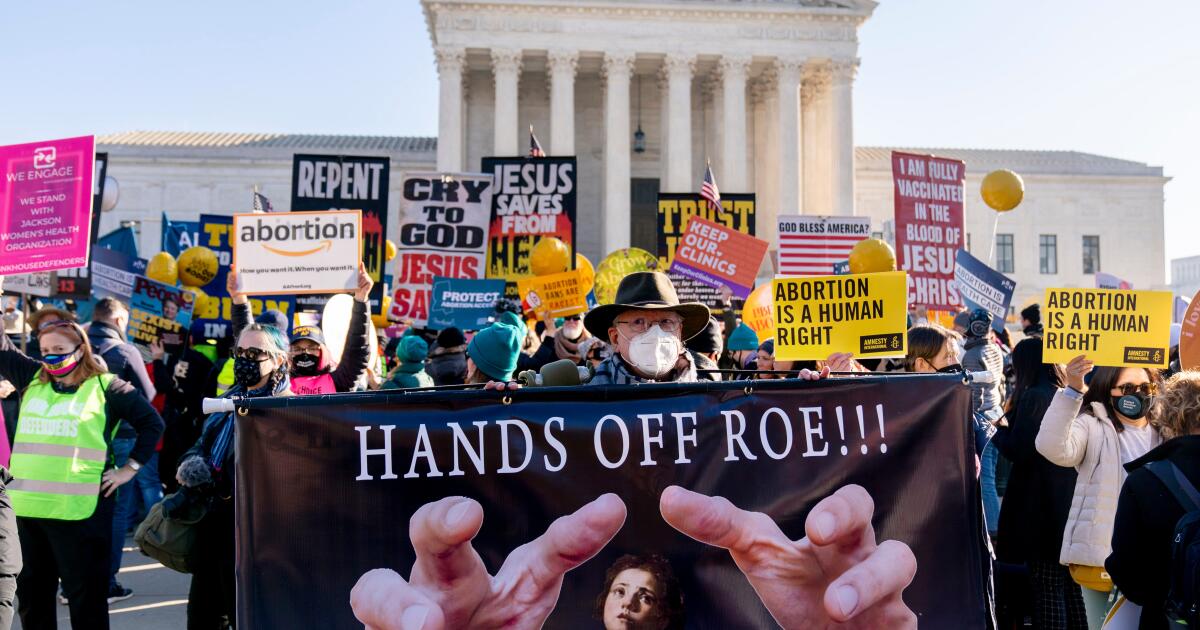
Many abortion providers, including Planned Parenthood affiliates, have struggled financially since the 2022 Supreme Court decision that overturned Roe v. Wade and allowed state abortion bans to be enforced. Clinics have closed in states with abortion bans and restrictions as well as those without.

Planned Parenthood says its affiliates have closed nearly 30 of its roughly 600 clinics over the past year, citing the funding change as a key reason.

Over that period, affiliates dispensed about 25% fewer packs of birth control pills and conducted about 20% fewer breast cancer exams than the previous year.

Many patients — especially in places where healthcare can be hard to access — may not have had care at all because of the defunding, the organization said.

Planned Parenthood Action Fund spokesperson Angela Vasquez-Giroux said the cuts have also led to limited abortion access in some places.

Planned Parenthood of Wisconsin halted abortions for about a month, then dropped its status as an “essential community provider” so it could resume seeking reimbursement. The Arizona affiliate paused offering many of its services to patients covered by Medicaid.

Two smaller providers were also impacted

The defunding provision also affected two other healthcare providers that met the criteria in the law because the were nonprofit family planning organizations that provided abortion and received more than $800,000 yearly in Medicaid reimbursements.

Their experiences were very different.

Maine Family Planning closed three primary care clinics that served about 1,000 patients in the largely rural state.

Evelyn Kieltyka, a senior vice president of program services, said that even with help, their former patients had to wait an average of four to six months to be established with new providers.

Meanwhile, the number of abortions the group provided held steady, she said. Maine is one of several states where state-funded Medicaid covers abortion.

Patients at Health Imperatives in Massachusetts may not have noticed the change, as no services were dropped.

The state government funded Medicaid reimbursements that the federal government stopped — something that Planned Parenthood says happened in some form in 14 states. On top of that, the clinic system received a grant from Melinda Gates’s foundation.

Some services are returning but others may not

Planned Parenthood’s Arizona affiliate has already announced expanded hours and more telehealth options linked to the ability to bill Medicaid again.

Some other services are not likely to be restored.

Kieltyka said Maine Family Planning isn’t planning to bring back its primary care practices again.

“When you close something down and you lose positions,” she said, “it’s very difficult to bring that back and build it back up again.”

And Michelle Quesada, vice president of communications, brand and marketing for the Planned Parenthood affiliate in Florida, said a closed clinic in Lakeland isn’t expected to reopen, partly out of concern that Congress or the Trump administration could cut Medicaid reimbursements for the organization again.

“There’s no telling with this uncertainty,” she said. “It’s like a yo-yo effect.”

Abortion opponents want to stop the Medicaid reimbursements again

The political battle isn’t over.

Abortion opponents are pushing Congress to adopt another defunding policy.

“They’ve defunded Big Abortion before,” Kelsey Pritchard, a spokesperson for Susan B. Anthony Pro-Life America, said Monday, “and they should do everything in their power to do it again.”

Planned Parenthood contends that most general election voters don’t want the organization to be defunded. Pritchard said that the Republican base does.

Mulvihill writes for the Associated Press.
Source link

L.A. finally reaches a deal for recovering its Olympic costs

Los Angeles officials have reached a tentative agreement with organizers of the 2028 Olympic Games laying out the process for reimbursing the city for potentially hundreds of millions of dollars in public services.

The agreement, which still needs approval from Mayor Karen Bass and the City Council, would require the privately run Olympic organizing committee LA28 to provide the city with funding in advance to cover services that are ineligible for reimbursement from the federal government, such as traffic control and trash pickup.

The two parties would take a somewhat different approach for police protection at high-security venues. Under the proposed arrangement, the city would seek reimbursement from the federal government for security costs at those locations, said City Administrative Officer Matt Szabo, the city’s top negotiator.

If the federal government does not provide full reimbursement for those security costs, the city would seek to tap LA28’s contingency funds to cover the difference, Szabo said.

“This deal ensures the 2028 Games will have the City services needed to be safe and successful, while protecting the taxpayers from footing the bill,” he said in a statement.

Paul Krekorian, executive director for Bass’ Office of Major Events, praised the agreement.

“Mayor Bass’ priority is that the 2028 Olympic and Paralympic Games be fiscally responsible, protect taxpayers, and benefit Angelenos for decades to come,” he said. “This agreement helps deliver that commitment.”

Negotiations between the city and LA28 have played out behind closed doors over the last year, even as critics have grown increasingly vocal about the potential for taxpayers to be saddled with huge payouts if the Games fail to generate a profit. If organizers experience significant losses, the city would be on the hook for the first $270 million and possibly more after that.

Szabo acknowledged that under that scenario, the city would be far less likely to recoup all of its security costs if the federal government failed to provide full reimbursement.

Under an agreement finalized in 2021, the organizing committee must reimburse the city for any services that go beyond what would be provided on a normal day at a variety of locations, including parts of downtown L.A., Exposition Park, Venice and elsewhere.

President Trump’s “One Big Beautiful Bill” included $1 billion for security, planning and other costs associated with the Olympics. Nevertheless, some elected officials have voiced fears that money might not materialize once the Games are over, or that the city’s security expenses could exceed that amount.

The tentative deal, known as an Enhanced City Resources Master Agreement, goes before the council’s ad hoc committee on the Olympic Games on Tuesday, then to the full council.

Even with the agreement, many of the details surrounding taxpayer services during the Olympics and Paralympics will remain unresolved for at least a year.

The two sides still have to finalize agreements spelling out the services that will be provided at each venue by July 2027. They also must agree on the cost of those services by Oct. 31 of the same year.

According to a summary of the agreement released by the city Friday, Los Angeles World Airports, the Port of Los Angeles and the Department of Water and Power would need to enter into their own service agreements with LA28.

LA28 and the city were supposed to have a tentative agreement in place last fall. The negotiations dragged out for an additional nine months, in large part because of the “inherent complexity of the 2028 Games,” Szabo said in a memo he co-wrote with Sharon Tso, the city’s chief legislative analyst.

Under the terms of the 2021 agreement, LA28 must create a $270-million contingency fund that can be distributed as a surplus if the Games make money, or be used to cover any losses in the event of a shortfall.

The proposal unveiled Friday calls for the five-year-old agreement to be amended to ensure that those contingency funds can be used to cover the city’s costs in the event that other revenue is not enough to pay for certain city services provided during the Games.

The money from that contingency fund would be distributed to the city only after LA28 covers its own costs, according to the city’s summary.

If LA28 does make money, it would not be allowed to distribute its surplus funds to any other organization until after it has covered its financial obligations to the city, according to the tentative agreement.

Jacie Prieto Lopez, LA28’s vice president of communications and public affairs, said in a statement that her organization is pleased to forward the agreement to the council for consideration.

“We proudly stand behind this agreement which delivers on our commitment to execute a safe, secure, and fiscally responsible Games that benefits Los Angeles for decades to come,” she said.

Source link