Regions

Is it safe to go to Turkey right now? Latest travel advice for holidays and flights as wildfires hit tourist regions

WILDFIRES are continuing to sweep across Europe and Turkey is one of the latest countries to battle the blazes.

Here’s everything you need to know right now about travelling to Turkey.

Wildfires have broken out in parts of Turkey including the Antalya Province Credit: AFP
Another wildfire is in Seydikemer in the district of Muğla Credit: AFP

Where are the wildfires in Turkey?

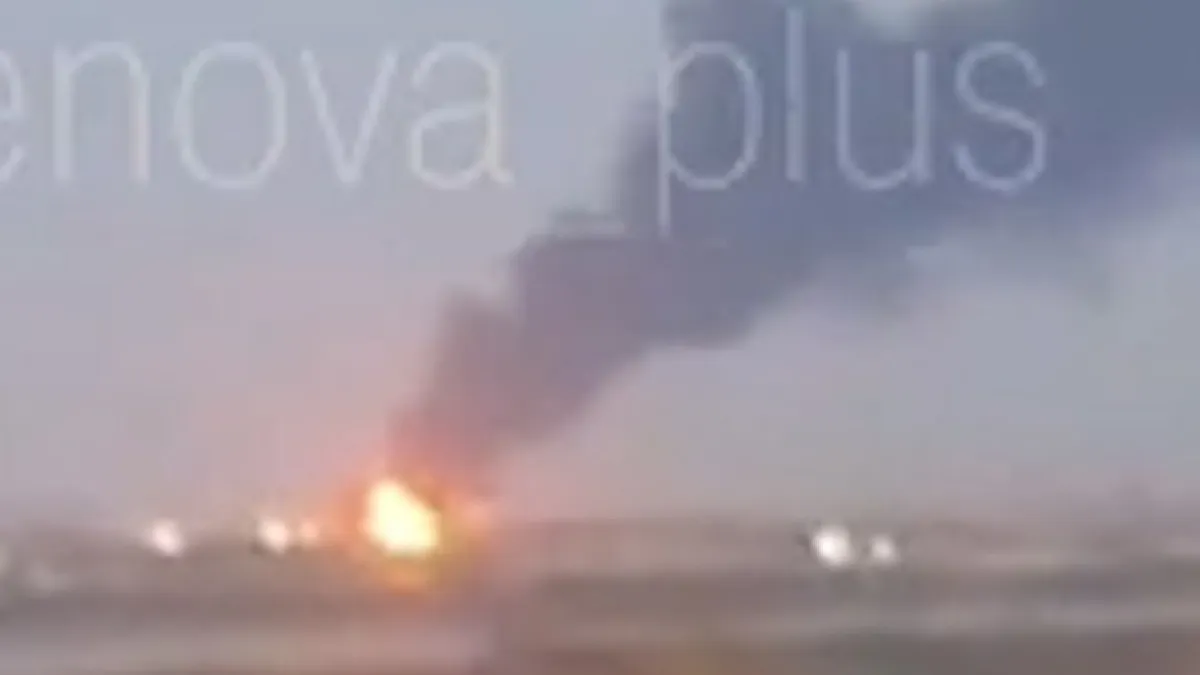
Fires have broken out in various parts of Turkey.

One location which is popular for holidays is Antalya, and within the province there are multiple wildfires.

Currently, these are further inland than the coastal resorts popular with tourists.

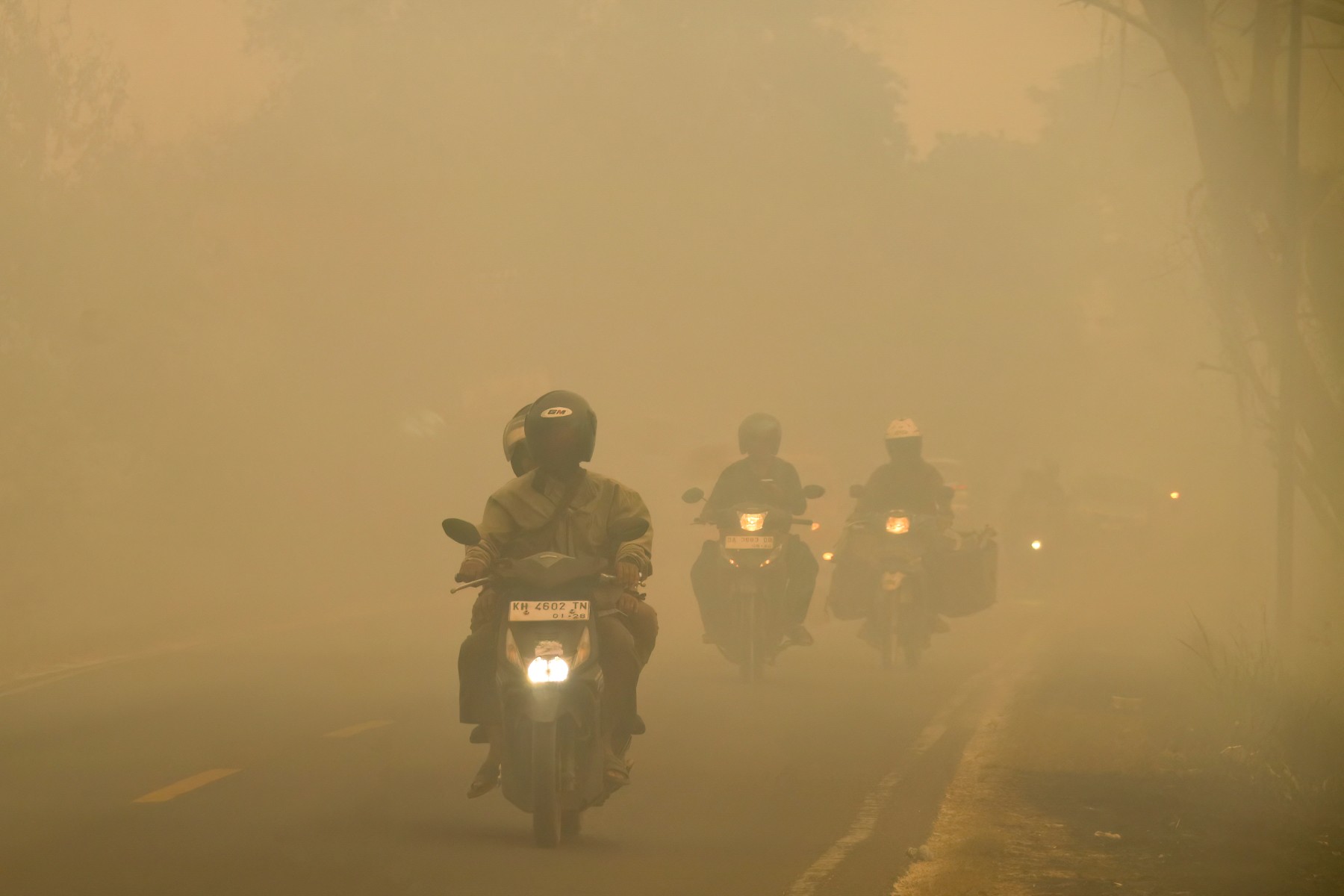
The Fethiye–Antalya highway was temporarily closed due to smoke but later reopened under controlled conditions.

PARK UP

Epic UK holiday parks with waterparks, theme parks & Spoons pubs from £3pp a night


HOL YES

Cheapest summer for holidays in YEARS – with August breaks still on sale for £188pp

Another serious and active fire is in Seydikemer, 20-minutes away from the city of Fethiye, where 600 people have been evacuated from their homes.

It’s in the hills between Fethiye and Marmaris – the fire started on Wednesday morning and spread into woodland.

On the northwestern Aegean coast, three neighborhoods in the Ayvalık district – Hacıveliler, Tıfıllar, and Bağyüzü – have been evacuated.

This is as a precaution due to a wildfire spreading across Turkey’s western Balıkesir province.

Agriculture Minister Ibrahim Yumakli said on X: “We are continuing to fight the wildfires day and night.

He said emergency responders had tackled 169 fires across the country since Wednesday, and 163 of those have “been completely brought under control.”

Antalya is one of the most popular regions for Brits Credit: Alamy

Is it safe to travel to Turkey right now?

Most of Turkey is still considered safe to travel to, excluding the areas of the Syrian-Turkey border.

But officials do heed warning about the natural disaster as there is a “high risk of wildfires during the summer season from April to October”.

It reads: “Wildfires happen frequently in Turkey during summer.

“You could get a fine or prison sentence for lighting a fire of any kind or discarding cigarettes in risk areas such as woodland. Look out for signs that tell you fires, barbeques, and smoking are prohibited.

“If there is a wildfire in your area, local authorities may tell you to leave your accommodation. Follow the directions of local authorities.

“If you see a wildfire, call emergency services on 112.”

GOV.UK adds that “extreme temperatures can affect many areas of Turkey over the summer months.”

Are flights still going to Turkey?

Flights to Turkey remain unaffected.

If you are due to fly in and have concerns, it may be worth contacting your airline to check if they are operating normally.

What if I have a holiday to Turkey booked?

As the Foreign Office has not warned against travel to Greece, there are no special circumstances in place for holidaymakers to cancel their trip and receive a full refund.

Depending on what travel insurance you have, your policy might include natural disaster cover.

If so, your insurance policy should cover you for when you are unable to reach your holiday destination due to natural disasters, like wildfires.

So it is worth checking your travel insurance policy.

Can I cancel my trip?

If you do choose to cancel your trip, it is best to contact your airline or holiday provider.

There is no obligation for companies to refund bookings unless government advice changes.


Source link

Rubio hails U.S.-gulf Arab unity despite that region’s persistent concerns about Iran agreement

U.S. Secretary of State Marco Rubio said Thursday that relations between the United States and its gulf Arab partners are rock solid, despite fears by some of them that they might be left out of discussions aimed at ending the war with Iran.

Rubio used a three-day, three-nation trip to the United Arab Emirates, Kuwait and Bahrain this week to try to convince all the members of the Gulf Cooperation Council that the Trump administration does indeed have their backs in negotiations to end the war President Trump and Israel launched on Feb. 28.

That conflict sharply curtailed the region’s oil exports and saw several gulf countries take direct retaliatory Iranian missile and drone hits.

“They’ve shared with us some very concrete concerns, ideas,” Rubio said in Bahrain, the last stop on the trip. “And when I say concern, the biggest concern is that they really just want to be informed every step along the way as we enter these negotiations at both the technical and political levels.

“We want them to be involved and we want the views of all these countries to be reflected,” he said. “We don’t want to and will not be making any decisions or commitments that in any way undermines the prosperity, stability or security of our gulf partners.”

Although the U.S. and the gulf council members — Bahrain, Kuwait, Oman, Qatar, Saudi Arabia and the United Arab Emirates — eventually released a joint statement after the meeting that extolled areas of agreement about the end goals of the Iran deal, there were small signs of potential discontent.

The joint statement said the two sides “stressed the need to maintain momentum and unity as negotiations proceed toward a more permanent end to hostilities and the shared objective of preventing Iran from ever developing or otherwise acquiring a nuclear weapon.”

They also expressed opposition to any attempt by Iran to impose tolls or fees, or assert control over the Strait of Hormuz. They welcomed an Omani initiative to create a safe lane to evacuate stranded sailors from the waterway and stressed that any economic benefit Iran might realize “is conditional and reversible, contingent on Iran’s compliance” with the temporary agreement and a final deal.

The joint statement painted a rosy picture, yet the council secretary, Gen. Jasem Mohamed Albudaiwi, suggested in a statement that doubts remain.

He said it was emphasized during the meeting that any future understandings or arrangements must incorporate the requirements of the gulf council countries to safeguard their interests and ensure “their security and stability.” His statement, released by the group, hinted that the gulf council members felt snubbed in the earlier talks.

“Such arrangements must be based on the principles of international law, respect for state sovereignty, good neighborliness, and non-interference in internal affairs, thereby contributing to the consolidation of regional security and stability,” he said.

Before Rubio spoke to the group, the meeting host, Bahraini Foreign Minister Abdullatif bin Rashid Al Zayani, said that although the memorandum of understanding is welcome, many questions remain outstanding.

“While this progress is encouraging, it is critically important that Iran fully adheres to its obligations,” including under the memorandum, he said.

He said that means preventing Iran from getting a nuclear weapon, preserving freedom of navigation, ending all missile and drone attacks, halting support for proxy groups and abandoning attempts to interfere with Iran’s neighbors.

Lee writes for the Associated Press.

Source link

Beyond the beach: Spain pushes offbeat regions as tourist numbers nudge 100m | Spain

Spain is redoubling its efforts to push its tourist appeal beyond the familiar “sun and sand and coast” model as it prepares for another record-breaking year in which the number of foreign visitors could reach 100 million for the first time, the country’s tourism minister has said.

Speaking to the Guardian, Jordi Hereu rejected suggestions that Spain was now saturated with tourists but said it had become clear that the “old formulas no longer work”, especially amid growing concerns about overtourism and the effects of the climate emergency.

Hereu, the minister of industry and tourism, said the steady growth in tourist numbers – which could be further boosted this summer by uncertainty over Middle Eastern destinations after the US and Israel’s war on Iran – could be managed sustainably and responsibly.

Last year, the number of foreign tourists rose by 3.2% to 96.8 million, while the value of their spending grew by 6.8% to hit €134bn (£116bn). Figures from the first quarter of this year show tourist numbers up by 3.4% and revenue up by 6.7%.

People visit the windmills in Mota del Cuervo, Cuenca province, Castilla-La Mancha, made famous by Miguel de Cervantes in Don Quixote. Photograph: Maria Galan/Alamy

“With that growth, we could reach 100 million,” Hereu said. “But I’d like to point out that that doesn’t worry us or obsess us … [We favour] what I call calm growth – in other words, growth that can be easily managed. And this year, despite what’s happening and the demand diversion effect, I think that in general, for the moment, our forecast is for moderate growth.”

While tourism has long been a pillar of the Spanish economy, making up more than 12% of its GDP, its rapid and unchecked growth in many parts of the country over recent years has triggered protests and a furious backlash. Overtourism, not least the proliferation of tourist flats, has changed the face of entire neighbourhoods and cities, priced locals out of the housing market and increased pressure on public services and natural resources.

Asked if the current rates of tourism were sustainable, Hereu said: “Yes, if we do our homework, and no if we don’t do anything.” The minister, a former mayor of Barcelona, praised his successor in that role, Jaume Collboni, a fellow socialist, for pushing ahead with a decision to ban tourist flats in the Catalan capital by 2028, but he said Spain’s highly decentralised nature made it hard for the central government to drive local change. He also contrasted the different approaches of leftwing and rightwing administrations.

People demonstrate against high rental rates in Barcelona in November 2024. Photograph: Bloomberg/Getty

“I think there are places in Spain that are now seeing the effects of not regulating anything,” he said. “But I also want to be very clear, because this is also influenced by political stripes. The left is more in favour of regulating tourism than the right, because the right holds the view that we should allow freedom because the market will self-regulate, which isn’t true, and in many places it’s clear that it isn’t self-regulating.”

Hereu said that while he believed anti-tourism feeling was “very much a minority thing” in Spain, it was becoming increasingly clear that a new approach was needed and that local and regional authorities needed to properly limit, regulate and tax their tourist offerings.

graphic for Spanish tourism rates

“What I do believe is that in some places there’s a demand for better tourism in the sense of a better model,” he said. “But the culture I see throughout Spain is a culture of a country that knows how to welcome people. Our key principle is that we’re in favour of transforming the model to keep ahead and that we’re working humbly to transform that model because the old formulas no longer work.”

Although he defended traditional beach tourism, which still makes up 37% of all visits, and said Spain had to be open to “all sectors” of the market, he noted that people were now seeking experiences beyond their sun loungers.

“It’s very interesting to see in the qualitative surveys that people who come basically because ‘hey, I’m here to relax, sun and beach, etc,’ also start asking for add-ons – like ‘beach plus’,” Hereu said. “I think this is also a good trend, because what we need is to add value.”

The minister said Spain’s socialist-led coalition government was committed to the socially, economically and environmentally sustainable principles set out in its 2030 tourism strategy.

“One is decentralising destinations over time and we’re also working towards deseasonalisation,” he said. “The third, very clear principle is the diversification of our offering away from all those decades of sun and sand and coast, which is where the [Spanish tourist industry] was born, and which is still the dominant offering.”

People eat outside in Plaza Mayor in Villanueva de los Infantes, Castilla-La Mancha. Photograph: Maria Galan/Alamy

Although Spain has been pushing the summery charms of its eastern and southern coasts for decades, Hereu argues that the key to sustainable tourism lies in making it less seasonal, less beach-fixated and more geographically and culturally diverse.

The country’s current advertising campaign, called Think You Know Spain? Think Again, swerves sun-kissed costas to focus instead on images of churches, paradores, orange groves, folk festivals, food, wine, lakes, green spaces, handicrafts and brown bears. It even features rain.

“You don’t see any coastal beaches; instead, it’s inland Spain and the green Spain of the north,” he said. “So, it’s about decentralising and discovering other realities. And what’s happening? Low and mid season are growing much more than high season, and the inland, green Spain is growing much more than the majority segment.”

Spain’s reliance on tourism was laid bare during the Covid pandemic. In 2020, international visitor numbers dropped by 77% to just 18.9 million. That led the government to invest €3.4bn of EU next generation funds in a plan to modernise and transform the sector.

A brown bear in Somiedo natural park in the Cantabrian mountains in Asturias. Photograph: Lucas Vallecillos/Alamy

According to Hereu, that investment has allowed less visited areas of Spain – such as Castilla-La Mancha, Castilla y León, Extremadura, Galicia, Asturias, Cantabria, the Basque Country and Navarre – to develop their tourist markets.

“There’s a lot of potential there, and that’s where we need growth to happen,” he said. “Because, for example, on the Mediterranean coast, especially now, in the high season, there are limits.”

Jordi Hereu, Spain’s industry and tourism minister. Photograph: David Lopez Villalta

The minister believes that diversifying and decentralising the tourist industry can help Spain tackle depopulation by ensuring that young people don’t have to leave their home towns in search of work elsewhere. Lengthening the season would also help to provide more stable employment, he added.

“Before it was June, July, August and, at most, September,” he said. “But now people open in April, May or June, and we have more stability. October is also very important now, and the truth is, in some cases chains tell me they’re open almost all year round. This also gives us more job stability, and it’s obvious that salaries also have to increase, right? You have to attract people to the sector and retain them. And that’s good news because it also brings social stability and a redistribution of profits.”

The spring festival of the Bando de la Huerta in Murcia, which is held annually on the first Tuesday after Easter. Photograph: Europa Press/Getty

Hereu said the government was also seeking to help the industry adapt to the effects of the climate emergency, which are becoming ever more evident in Spain in the form of droughts, heatwaves, forest fires, floods and rising sea levels. He said renewable energy, efficient water use and good waste management could all help mitigate the consequences of the crisis.

It was now abundantly clear, he added, that sticking to the old model would be a mistake. “We’d have the opposite of what we have now – we’d be growing the number of tourists rather than the spending value,” he said. “And 1781961576 we are growing more in value than in number.”

Source link