Rear

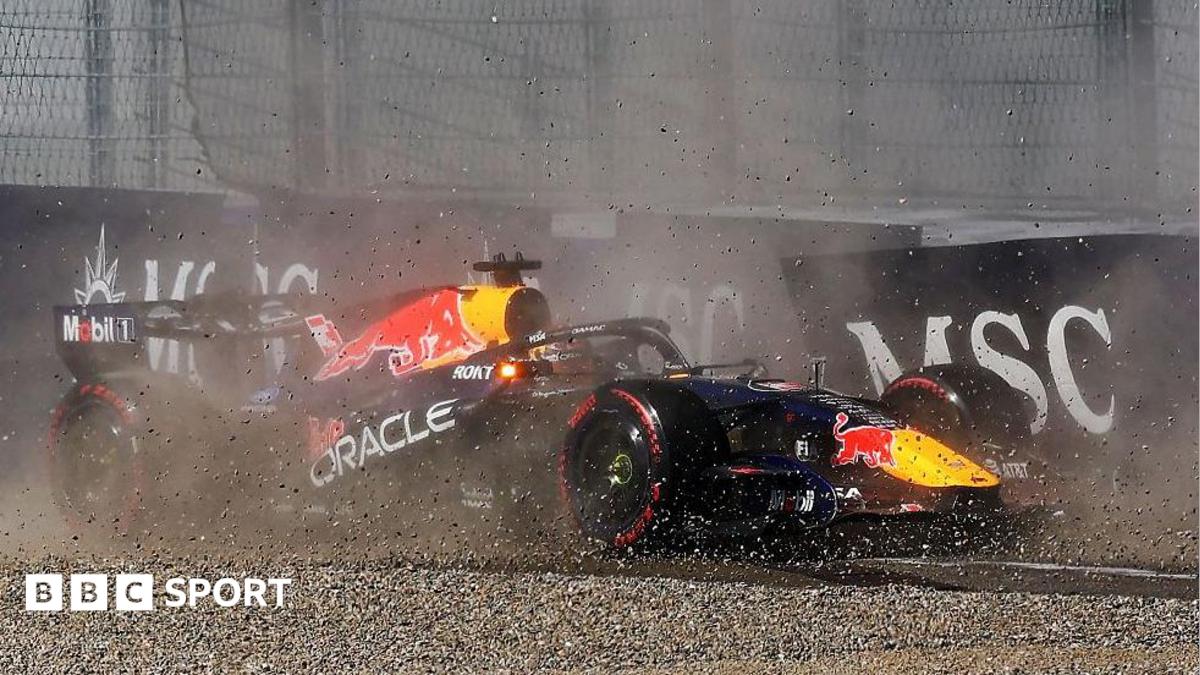
Belgian Grand Prix: Red Bull revert to conventional rear wing after Max Verstappen crashes

Red Bull are reverting to a conventional rear wing for this weekend’s Belgian Grand Prix following high-speed crashes for Max Verstappen in the previous two races.

The move has been confirmed to BBC Sport by Red Bull team principal Laurent Mekies, who said the team had discovered a problem with their previous wing in tests since the race at Silverstone.

Red Bull are reverting to a wing that opens for straight-line mode in standard fashion, Mekies said.

Verstappen said at Spa on Thursday: “It’s quite obvious why. We will go back on the old one and see whenever the new one is ready again to be used by us.”

Red Bull and Ferrari have this year pioneered a new design where the rear wing opens into straight-line mode by the top flap rotating more than 180 degrees.

This gives a bigger opening, greater drag reduction and therefore increased straight-line speed.

However, Verstappen’s crashes – one during the British Grand Prix and one in qualifying in Austria – were related to the way the wing closed on entry to two high-speed corners.
Source link

Inside Ukraine’s Drone Forces Targeting Russia’s Rear Battlefield Positions

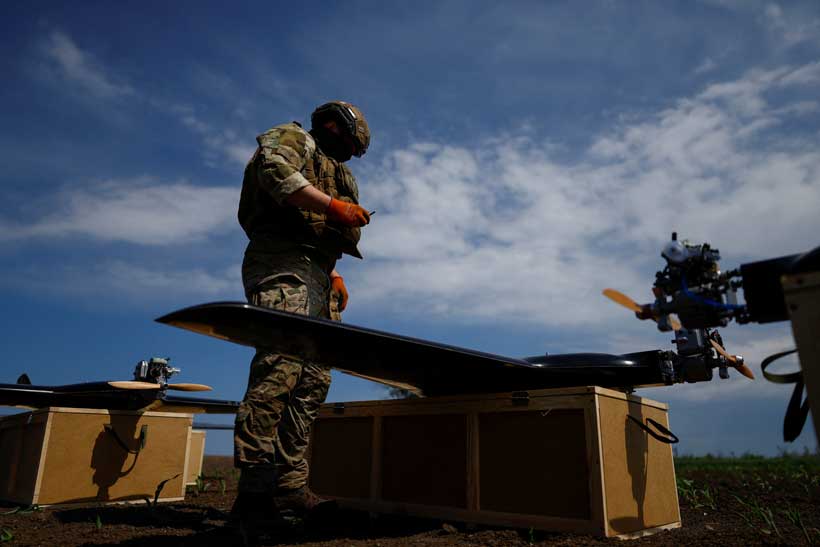
In eastern Ukraine, soldiers are using drones launched from slingshots to target military sites held by Russia. Their commander, known as “Kyt,” explained that they focus on enemy bases, ammunition depots, and air-defence systems. The soldiers prepare the drones, programming targets via a laptop before launching them.

Ukraine is increasing its efforts in these “middle strikes,” aimed at Russian defenses and logistical sites located 30 to 180 kilometers behind the frontline. President Volodymyr Zelenskiy stated that these drone strikes have increased fourfold since February, helping to slow Russian advances and shifting the battlefield momentum. According to reports, in the past month, Russia has only captured about 50 square kilometers of territory.

Defence Minister Mykhailo Fedorov announced an additional $113 million funding for effective strike units, emphasizing that the enemy’s rear area is no longer safe. The Ukrainian-made drones, called “Drakosha” or “little dragons,” can reach various targets, including parts of occupied Ukraine and even Russian territory. Analysts note that these strikes disrupt Russian logistics and have collateral effects on longer-range drone operations targeting Russian oil infrastructure.

The conflict has seen shifts in technological advantage, with both sides adapting in response to each other’s capabilities.

With information from Reuters

Source link