ranking

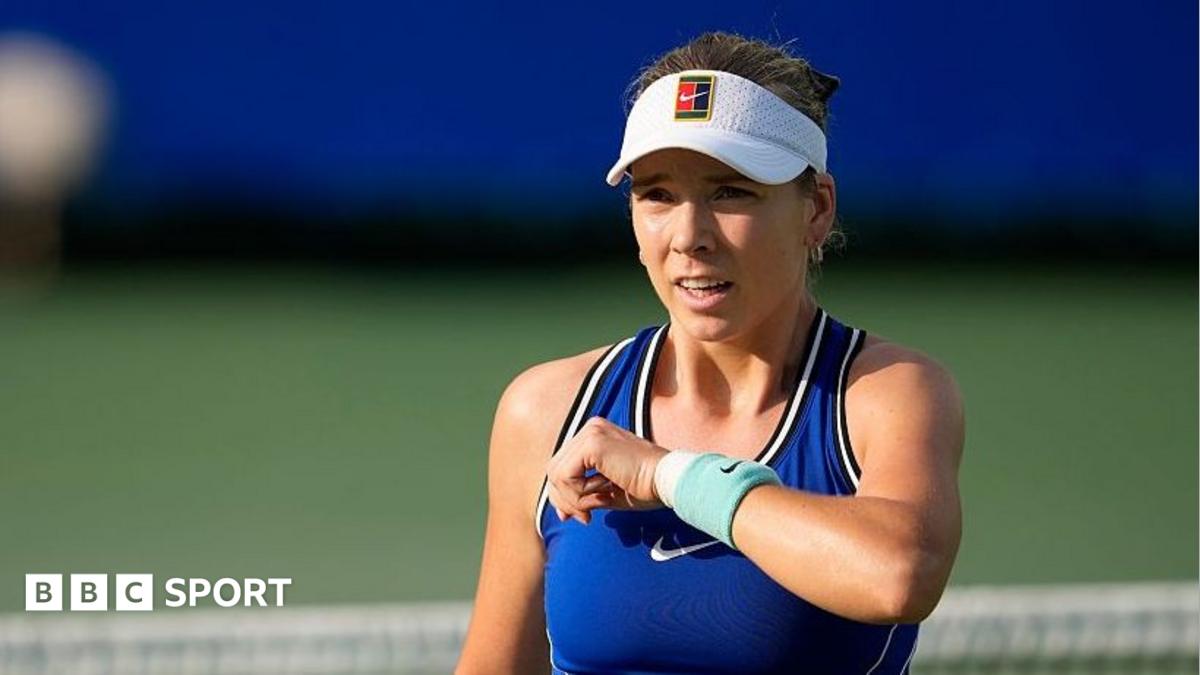
Katie Boulter reaches Japan Open semi-final to reclaim British number one ranking

The immense pride which Kartal felt about becoming the British number one came shining through, describing it as being “up there” in her career achievements.

While she will only initially hold the status for a week, Kartal’s impressive comeback and Boulter’s decent run creates a fascinating subplot for the leading British women in the final throes of the season – and the start of 2027.

Boulter will have the chance to further improve her ranking when she plays in Tokyo and Hong Kong in the coming weeks, with Kartal’s plans for the rest of the season still uncertain as she sensibly manages her workload.

And don’t forget about Emma Raducanu. It seems increasingly unlikely she will play again this season because of the shin injury which ruled her out of Wimbledon, but is clearly too good a player not to be pushing back into the top 50 when she does return.

When all three are back competing on the WTA Tour at the same time, it promises to be an interesting tussle between them in the rankings.

Boulter and Raducanu both insisted they were not transfixed by the British number one spot when they exchanged positions in 2025, instead preferring to focus on their own career paths and the bigger picture of the world rankings.

But there is no doubt that Boulter, in particular, could see the opportunity to cement her place as the nation’s best player as an extra incentive to continue finishing 2026 strongly.
Source link

Defoe, Solskjaer, Giroud: Ranking the Premier League’s greatest super subs

8. Daniel Sturridge

There’s a good case for Danny Welbeck, who as the only current player in the top three, with 19 goals, still has time to catch those above him.

Welbeck was a goalscoring sub at Manchester United and Arsenal but perfected the art on the south coast, with 12 of his tally coming during six years with Brighton.

The 35-year-old is now at Chelsea but – with apologies to Danny – there is another former Blue whose stats demand a place on this list.

Daniel Sturridge has two fewer substitute goals then Welbeck but has scored a slightly higher percentage of his overall Premier League tally as a sub – 22%.

The former England man, who played for Manchester City, Chelsea, Bolton, Liverpool and West Brom in the top flight, was good for an assist, too.

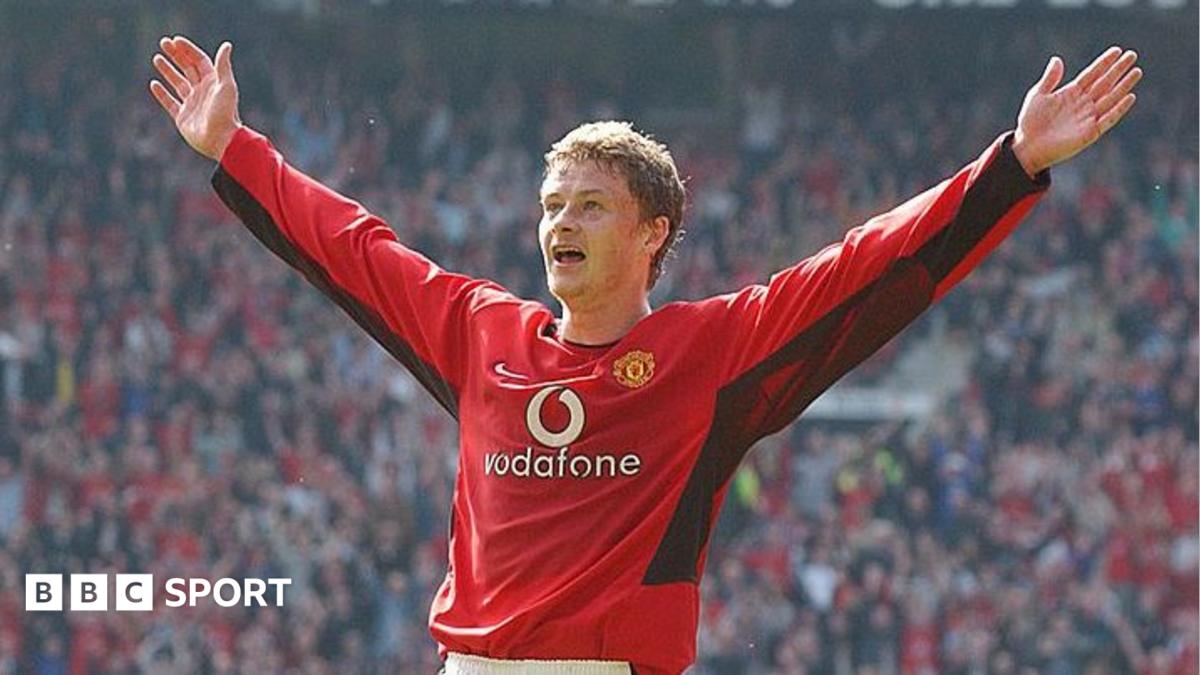
In fact, when you take his total goal contributions of 24, he provided at a more prolific rate than every substitute in Premier League history – bar Edin Dzeko and Ole Gunnar Solskjaer.

Richarlison matches Sturridge for minutes per goal contribution, but with eight fewer the Brazilian, perhaps harshly, misses out.

Source link

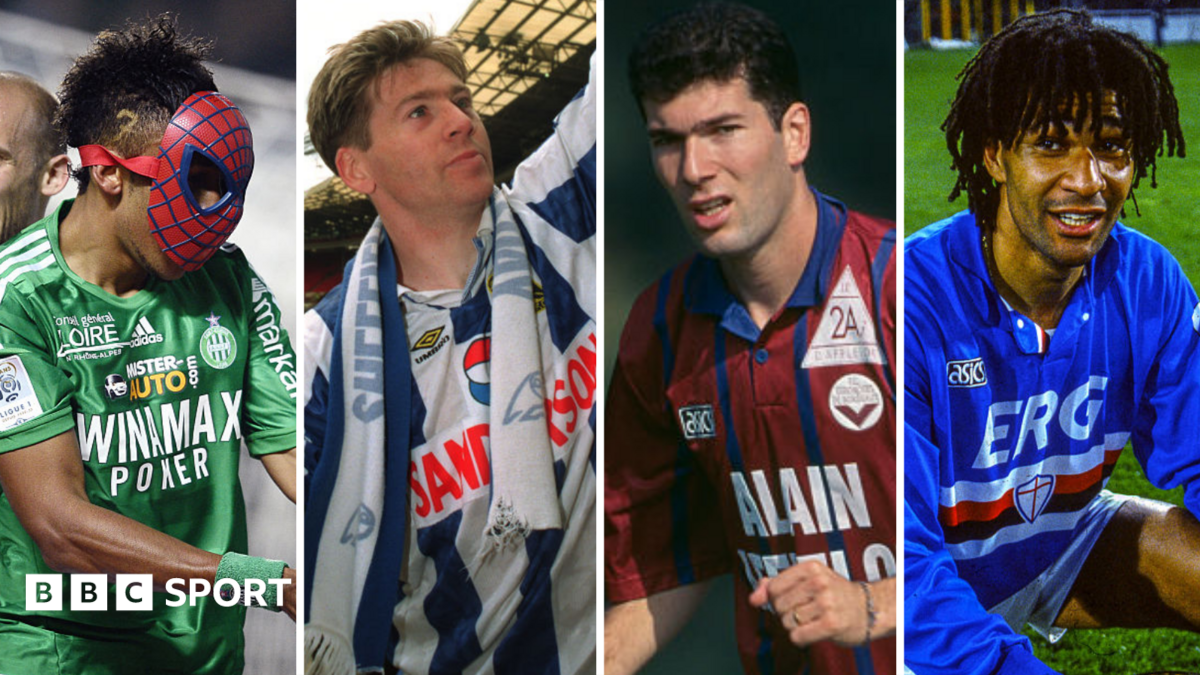
Sampdoria, Bordeaux, Real Zaragoza: Ranking European football’s biggest sleeping giants

Deportivo, Parma, Hamburg. Not just a football hipster’s holiday hit-list, but a sample of erstwhile headline acts who have returned to their respective top flights in recent years.

You can throw Leeds United, Nottingham Forest, Schalke and Malaga into the mix too.

But with such footballing royalty back in the big time, where can you find Europe’s current sleeping giants? Which one-mighty sides are still snoozing?

We first need to establish some criteria – history, heritage, fanbase, stadium. Clubs with huge potential who currently exist outside the top flight.

Calling a big city home helps, but it is not a deal-maker – sorry to fans of Bristol City and second-tier Russian outfit FC Ufa, where the local population tops one million.

Likewise, some clubs with good-sized stadiums have not made the cut. Bari, whose Stadio San Nicola is the third-largest in Italy and was built for Italia ’90, stands out, though some of their calcio colleagues outside Serie A also have grounds of more than 30,000 – Hellas Verona, Messina and Palermo among them.

There’s a plethora of ex-Premier League teams with top-flight worthy arenas and storied pasts, while Germany is stacked full of historic clubs with huge homes who arguably deserve a spot – Fortuna Dusseldorf, Wolfsburg, Hannover 96 – but we can’t include them all.

A sleeping giant must have experienced some element of former glory and Pro Vercelli are the obvious candidate there, winning seven Italian titles by 1922. But, despite being under new ownership, the third-tier side boast neither the ground nor local population to awaken that historic status any time soon.

The other nuance is, that success cannot have come too recently. West Ham, for example, won a European competition three years ago, Wolves are recent top-flight regulars; likewise Stade de Reims, twice European Cup runners-up, and eight-time French champions Nantes.

Leaving out Steaua Bucharest was another big call. European Cup winners 40 years ago and Romania’s most dominant club, they now play in Liga II. But, following a deeply divisive split, many of the traditional fanbase follow top-flight FCSB. So who really owns that legacy?

And there was a case for Boavista, title winners in 2001 but whose existence now hangs by a thread. Facing financial ruin, despite fans’ best efforts, they have been ejected from Portugal’s professional leagues.

Anyway, let’s get on with this. Piped through the matrix above, here are my top 10 European sleeping giants – you can have your say in the comments, too.

Source link