Rand Merchant Bank: Cautious Optimism
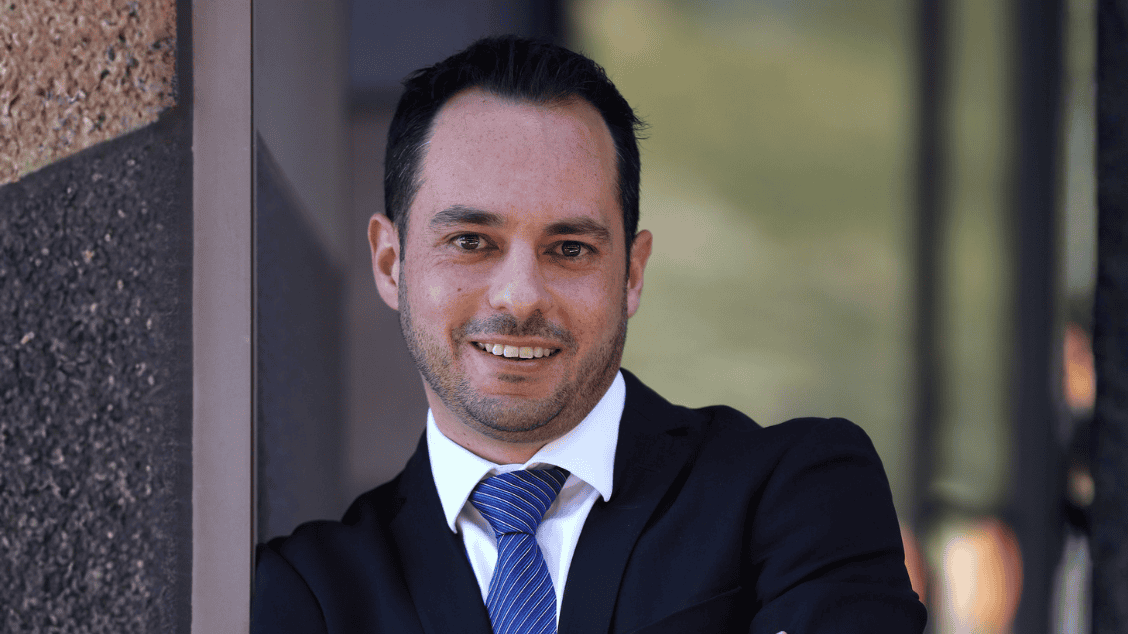
Rob Leon, Co-Head of Investment Banking at Rand Merchant Bank, which won Best Investment Bank in Africa, explains Africa’s opportunities to become a global investment hub.
Global Finance: What does the African deal-making landscape look like, and how do you see it evolving?
Rob Leon: Africa’s deal-making landscape is marked by cautious optimism. Despite geopolitical uncertainty and global economic headwinds, investment opportunities are expanding in key sectors, with infrastructure being central. Interest in natural resources—particularly critical minerals needed for clean energy—is also growing, and private equity and venture capitalists are becoming increasingly active. Notably, reforms in several countries are improving investor confidence. Egypt, Morocco, South Africa, Kenya, and Nigeria dominate due to their large consumer bases, diversified economies, and reform momentum.
Over the coming years, deal activity is expected to be deeply driven by regional integration, policy reforms, and the demographic dividend. The African Continental Free Trade Area (AfCFTA) will unlock cross-border opportunities, making pan-African mergers and acquisitions more viable.
In the short term, we expect moderate growth in deal volumes, led by the energy and digital sectors. In the medium term, AfCFTA will lower trade barriers and harmonize regulation, creating conditions for larger cross-border deals. Beyond 2030, Africa could emerge as a global investment hub if political stability and regulatory harmony are sustained.
GF: What has made RMB a top investment bank, and how critical are broader Africa markets?
Leon: Our diversified portfolio, together with a disciplined approach to balancing risk, return, and growth, have let RMB deliver consistent returns in a very competitive market. Besides that, we differentiate ourselves through a collaborative, client-centric, and entrepreneurial approach.
Broader Africa is central to our growth strategy. RMB has a deal footprint in 35 countries as well as an international presence. That network matters because many of our clients are regional or internationally connected businesses that need capital, risk management, and advisory solutions across jurisdictions.
GF: How can Africa deepen its underdeveloped corporate debt market?
Leon: Africa’s corporate debt markets have developed meaningfully over time, but their depth and breadth still vary considerably across countries, sectors, and currencies. In many markets, the issue is not a lack of demand for capital. It is that the available pools of capital, the range of issuers, and the array of funding instruments are not yet broad or deep enough to meet the demand. A key consideration is currency. Many corporates’ revenues are denominated in local currency, yet a meaningful share of available funding is hard currency-based.
On the positive side, domestic institutional capital is growing and should support deeper and more diversified debt markets over time. This is encouraging, with borrowers taking a strategic approach to funding, including engagement from a broader set of investors and growing demand for solutions that go beyond traditional bilateral lending.
GF: Equity-market activity remains subdued. What can Africa do to change this?
Leon: While 2025 was a stellar year for many African equity markets, we still see muted capital raising activity, with companies preferring debt financing or private equity. To change this, Africa needs a mix of structural reforms, market deepening, and investor confidence-building measures. Currently, many markets are underutilized. Exchanges remain small, with limited trading volumes; listing is burdensome; and volatility and perception often deter long-term investors. That said, a few stock exchanges are highly sophisticated, with deep liquidity, diverse listings, and advanced infrastructure.
To revitalize equity capital raising, Africa must strengthen market infrastructure by modernizing its trading platforms and settlement systems and encourage cross-listings and regional exchange integration. There is also a need for policy and regulatory reforms and strengthening of corporate governance standards. Africa should also leverage AfCFTA to create pan-African capital markets and pool liquidity across exchanges to attract larger listings.
GF: How large a role is sustainable finance assuming in Africa? Leon: Sustainable finance is a rapidly growing market that creates access to large reservoirs of capital and a diverse set of investors. RMB is at the forefront of advancing this market, having facilitated $12 billion in sustainable and transition finance. This includes blended finance structures to mobilize capital for early-stage projects and innovative technology. The bank has committed to facilitate $26.8 billion in sustainable and transition finance by 2030.