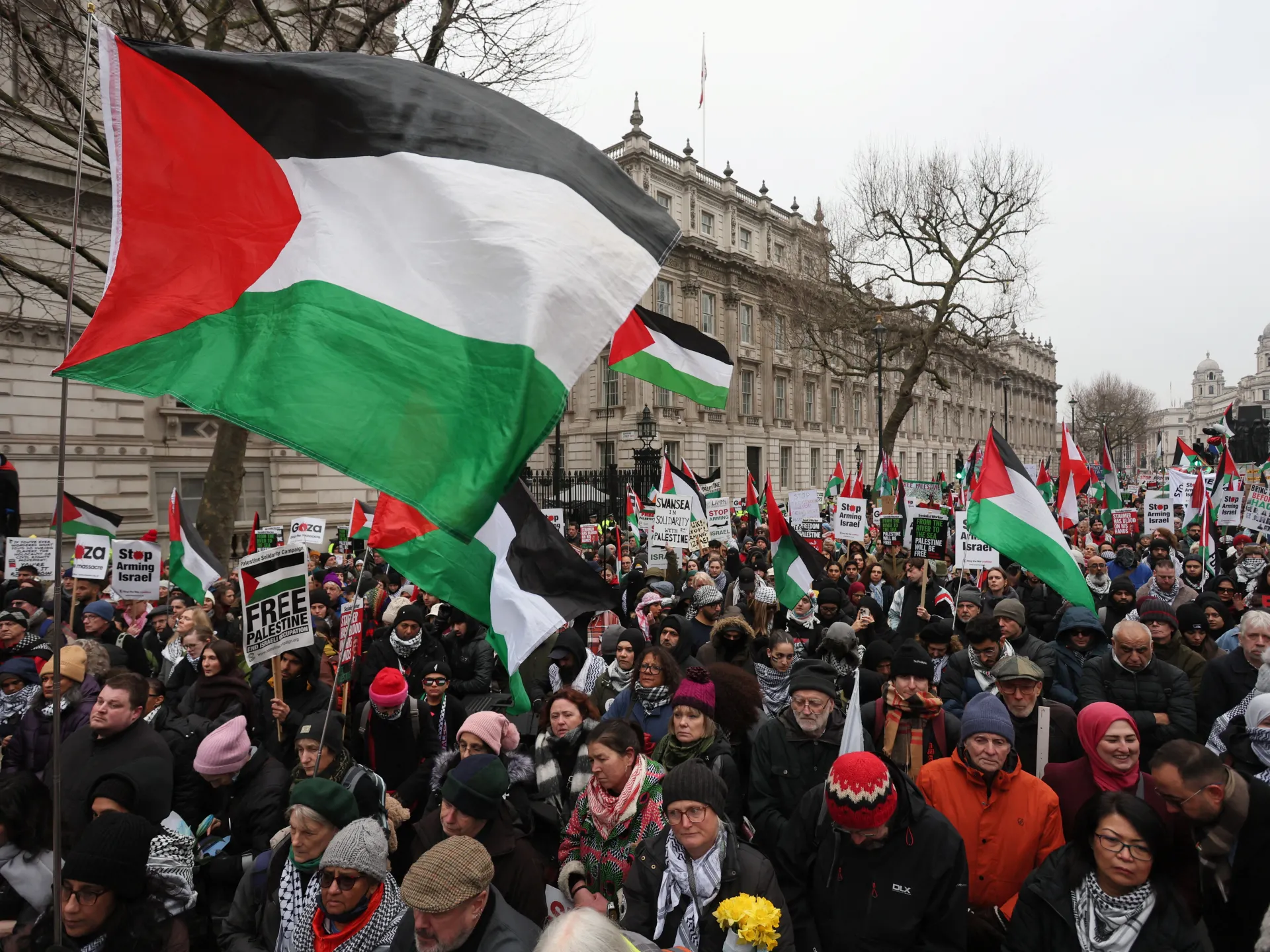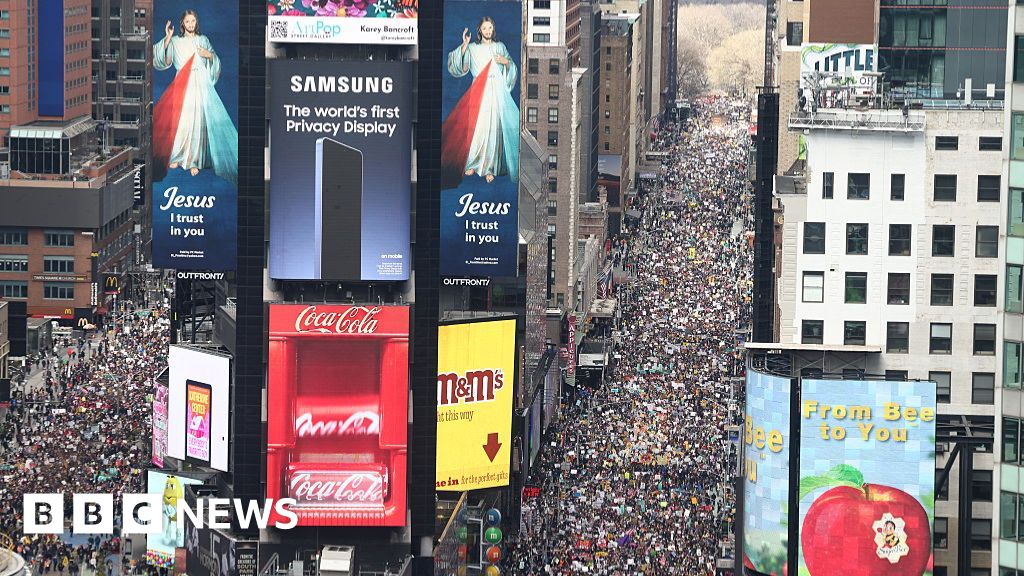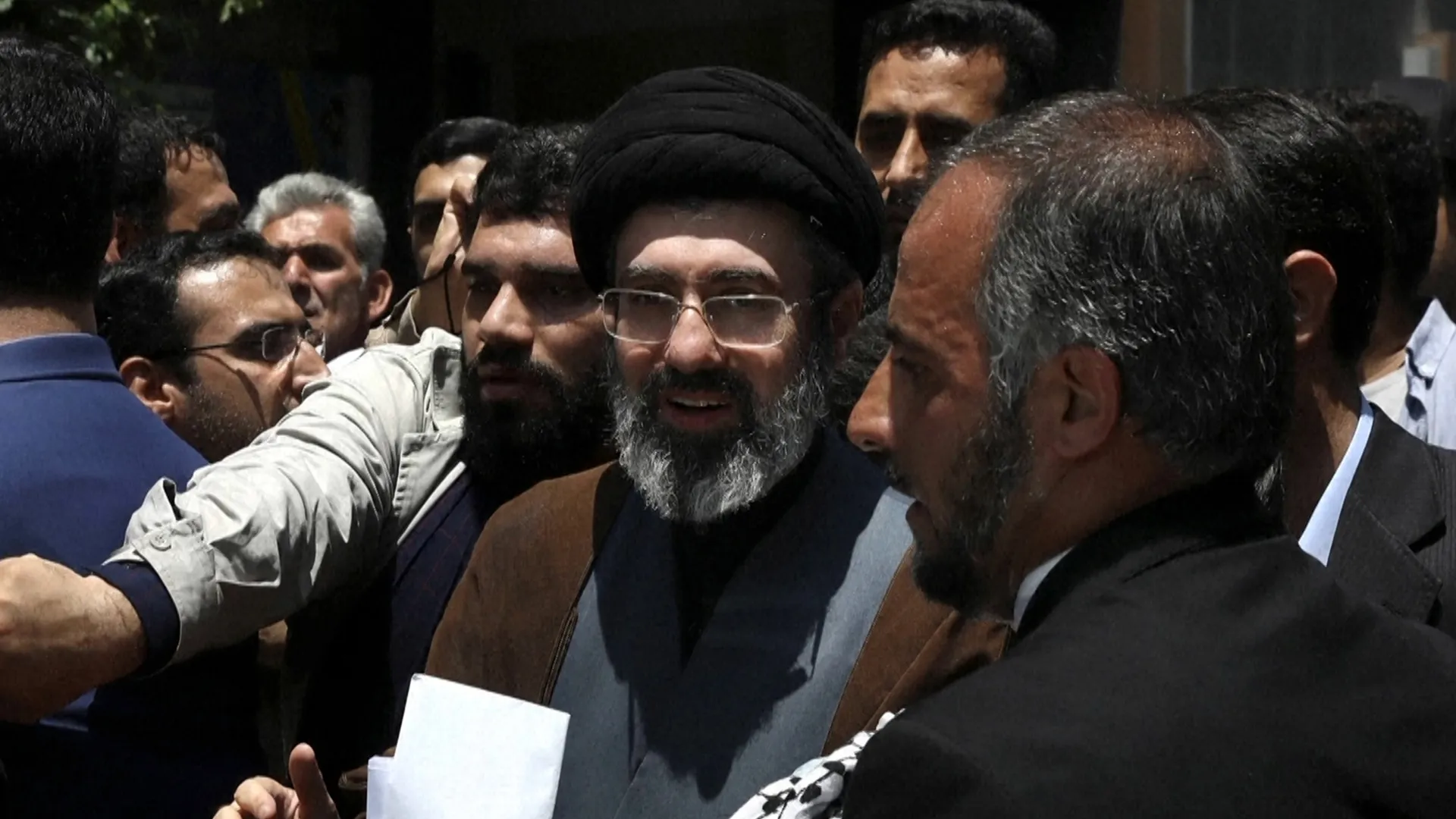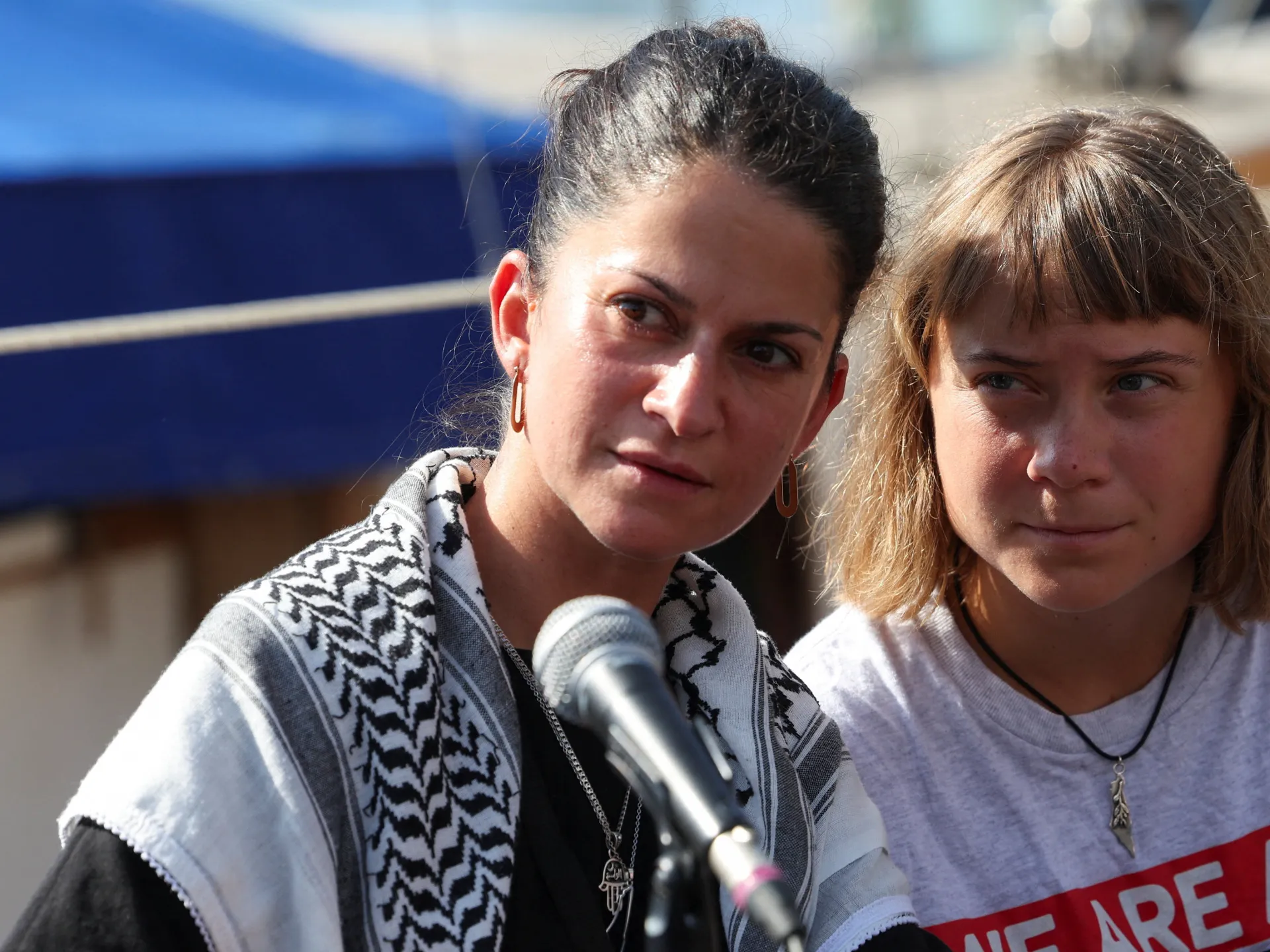
Minnesotans mourn woman killed by ICE
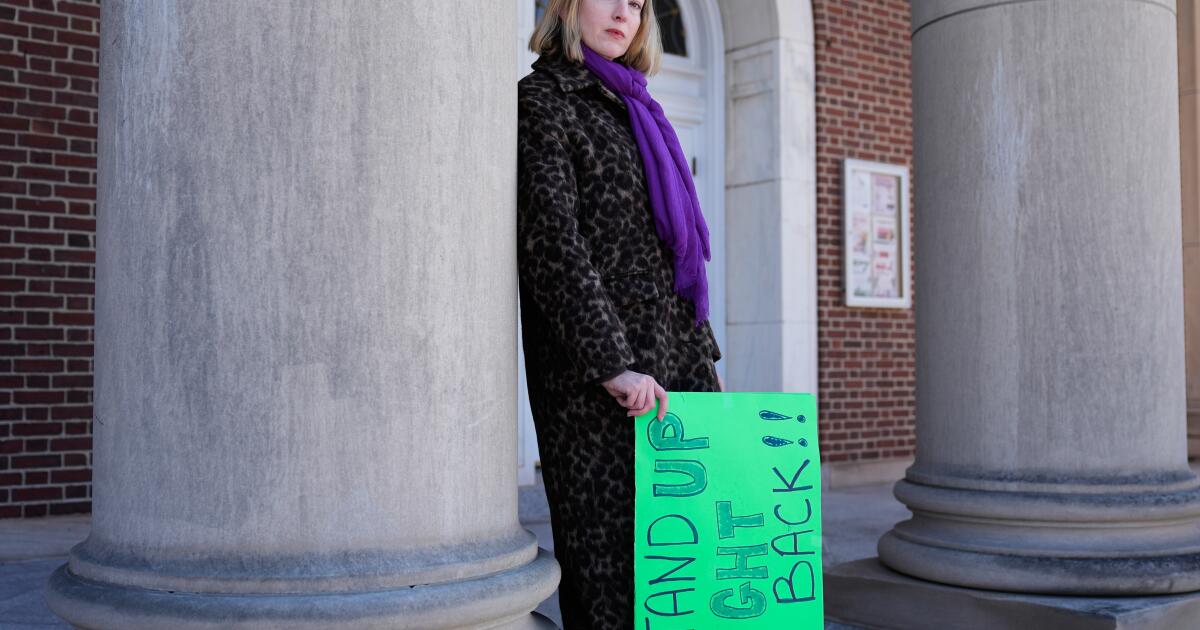
People paid tribute to 37-year-old Renee Nicole Good, who was killed in her car by ICE agents in Minneapolis, Minnesota.
Source link
People paid tribute to 37-year-old Renee Nicole Good, who was killed in her car by ICE agents in Minneapolis, Minnesota.
Source link
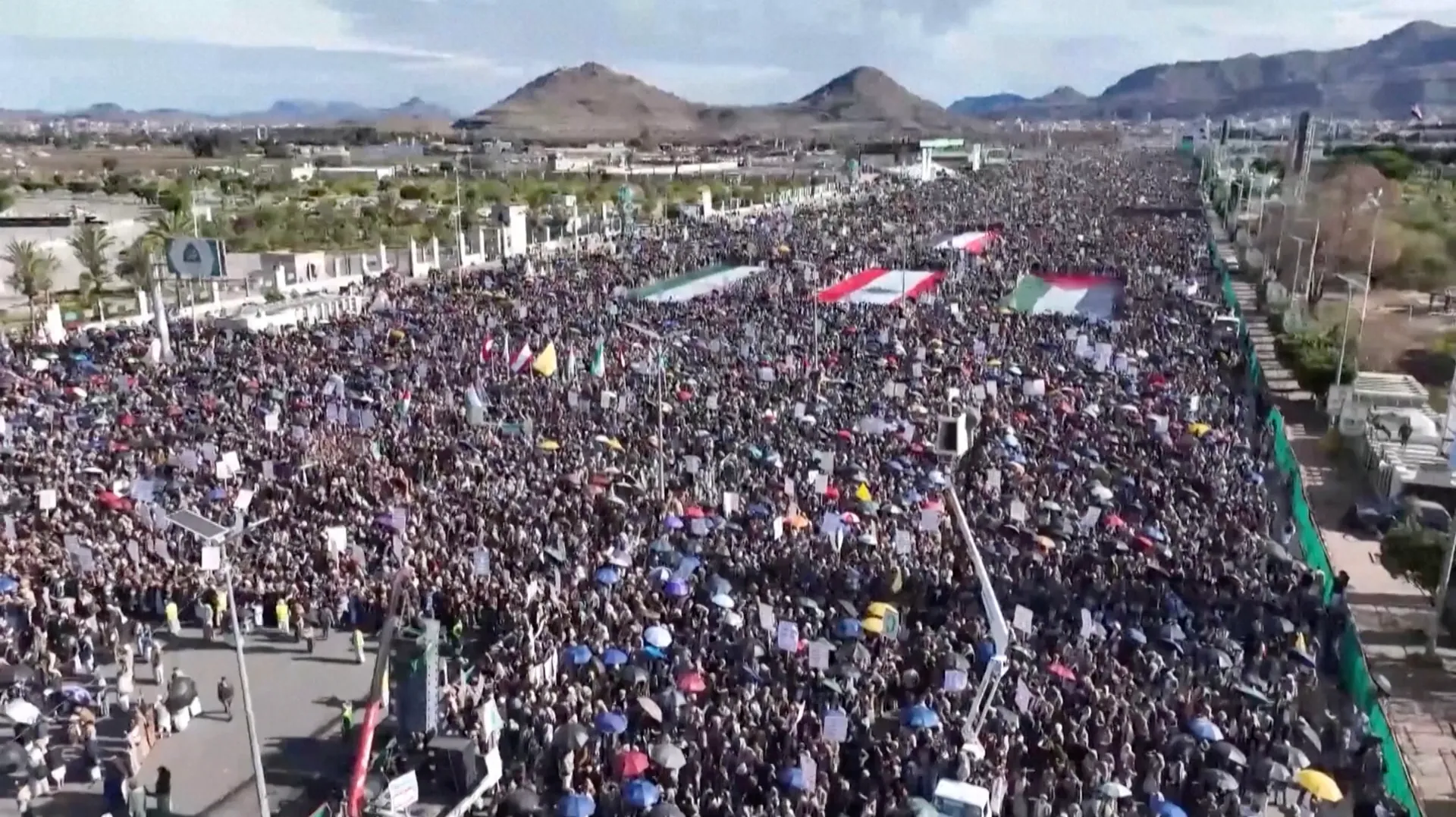
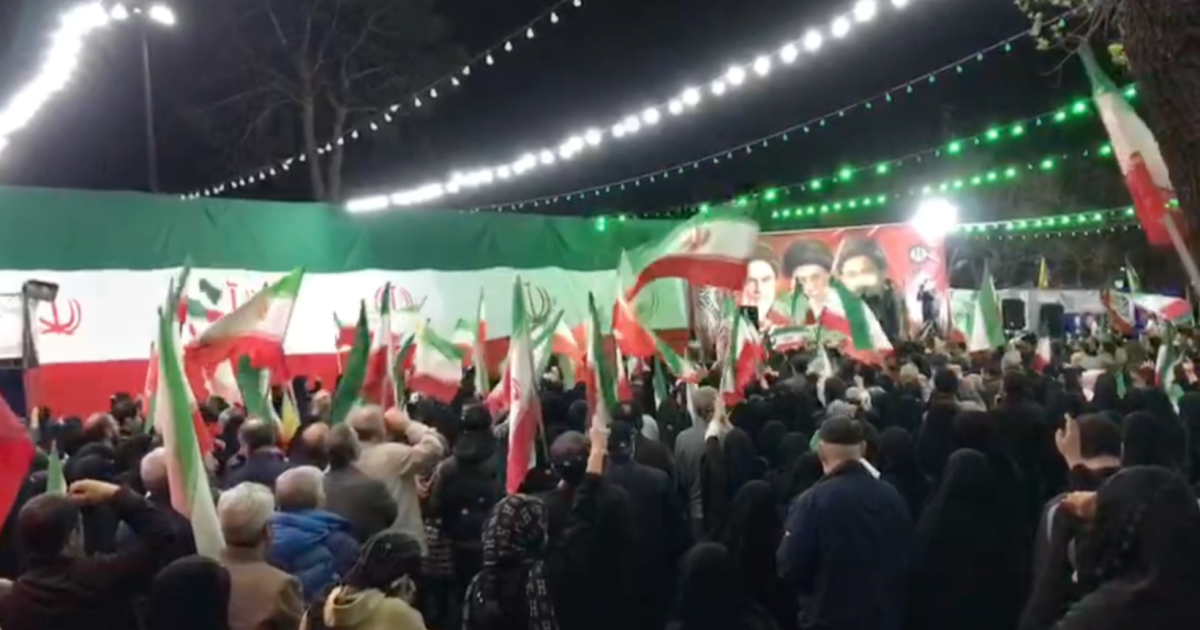
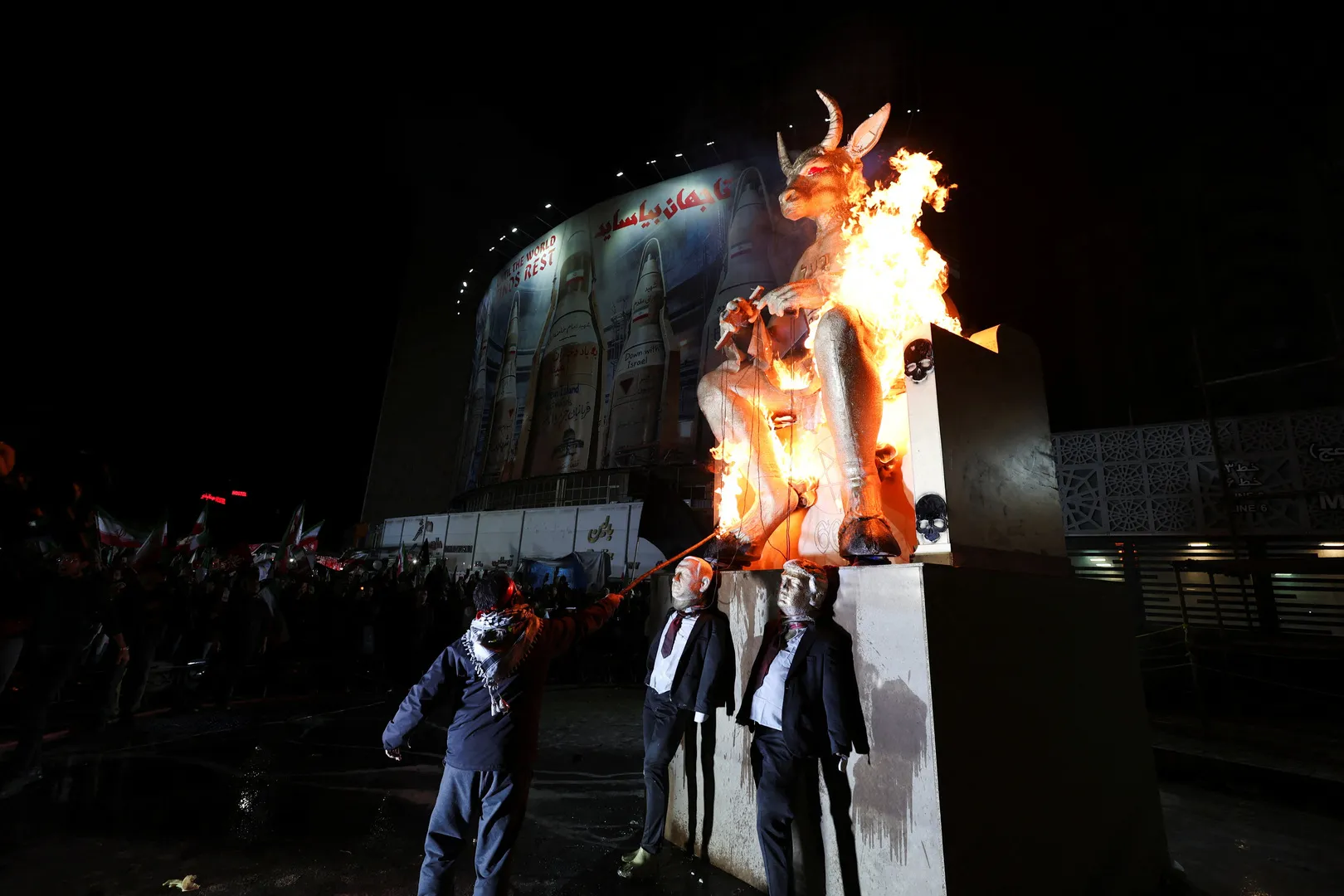
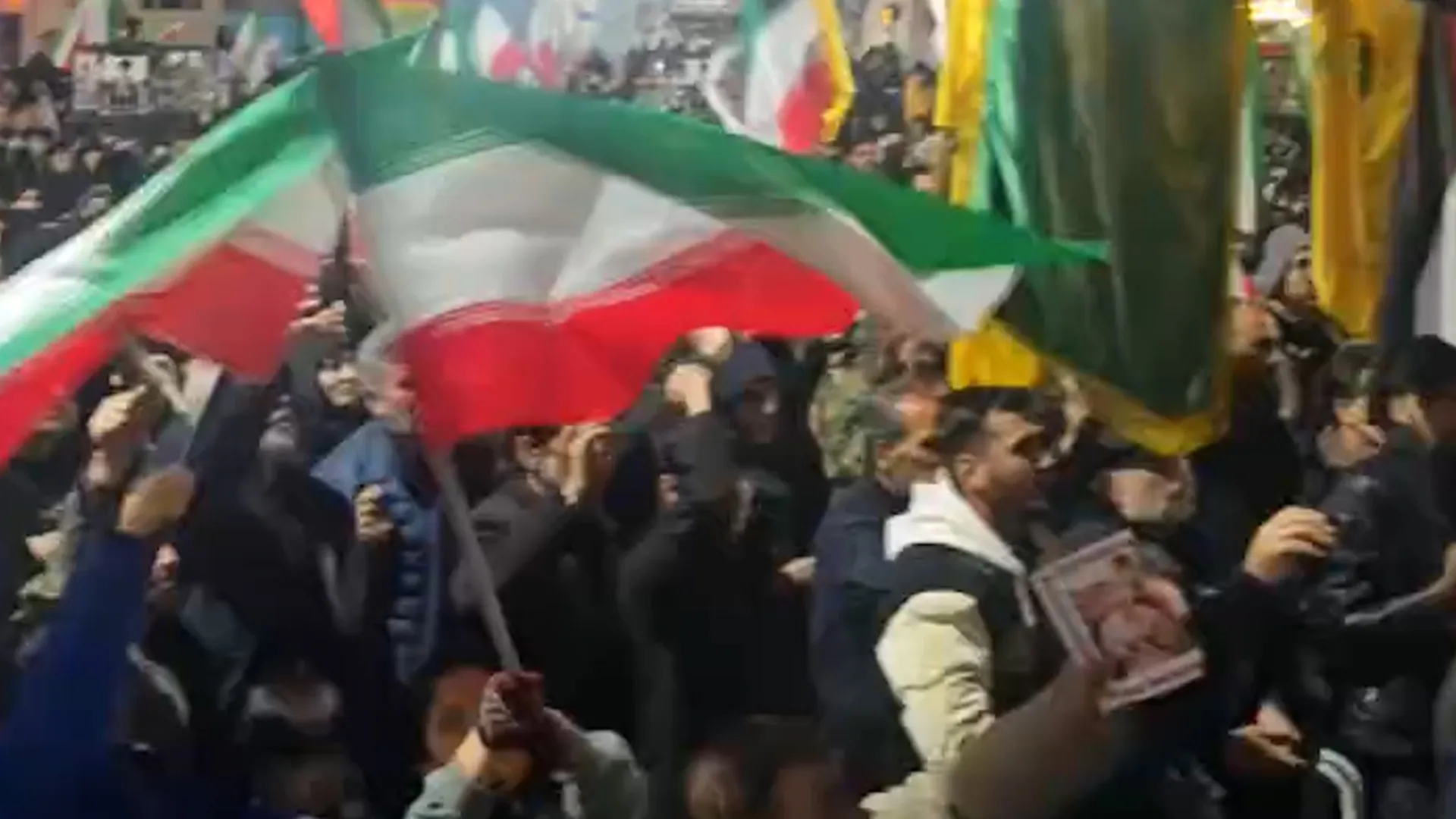
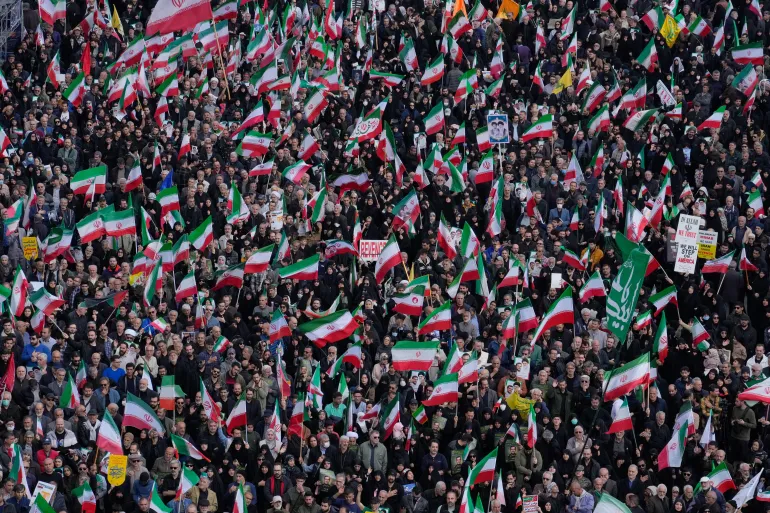
Iranian authorities are enforcing an internet blackout after protests escalated in Tehran. It’s been two weeks since demonstrations flared up in protest at harsh economic conditions. They’ve spread to more than 100 towns and cities and taken on a political tone.
Published On 9 Jan 20269 Jan 2026
Share

Jan. 9 (UPI) — Minnesota Gov. Tim Walz on Friday said he authorized the state’s National Guard to be “staged and ready” amid protests against the Trump administration after a federal immigration law enforcement officer fatally shot a woman in Minneapolis.
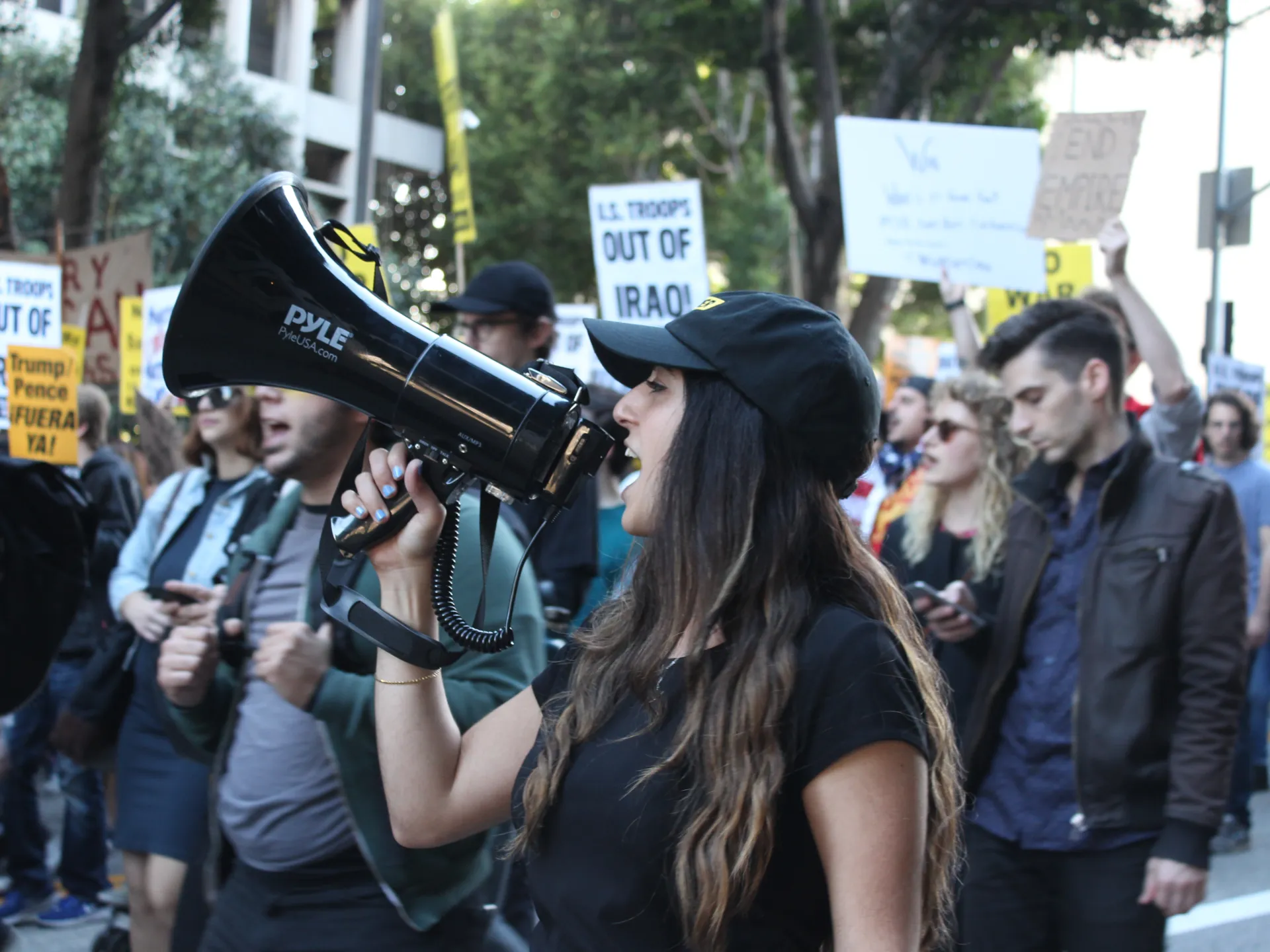
Protests have been reported in cities nationwide after a DHS officer shot and killed 37-year-old Renee Nicole Macklin Good on Wednesday in Minneapolis, with the city again being thrust into the national spotlight for protests against the federal government.
While the Trump administration is claiming the officer shot in self-defense, many activists and politicians say videos of the shooting contradict their explanation.
Amid the protests on Thursday, Walz, a Democratic and political opponent of President Donald Trump, ordered the Minnesota National Guard to be ready to assist local and state law enforcement in protecting critical infrastructure and maintain public safety.
“Minnesotans have met this moment. Thousands of people have peacefully made their voices heard. Minnesota: Thank you. We saw powerful peace,” Walz said in a Friday statement.
“Yesterday, I directed the National Guard to be ready should they be needed. They remain ready in the event they are needed to help keep the peace, ensure public safety and allow for peaceful demonstrations.”
Videos of the shooting show masked officers approaching Good in her car parked across a street. The Immigration and Customs Enforcement officer can be heard cursing and demanding Good to exit the vehicle before reaching into her driver-side window and trying to open the seemingly locked door.
The vehicle then backs a small amount before the wheels of the car are turned right and going forward. An ICE officer standing in front of the car then fires multiple shots, first into the front windshield and then through the opened driver-side window.
Trump and members of his administration have claimed the mother of three was a domestic terrorist trying to ram the ICE officer who fired on her in self-defense. Democrats and state and local officials have staunchly challenged the Trump administration’s claims.
“The Trump Administration is brazenly lying to justify murder, telling us to ignore what we’ve seen on video,” Rep. Don Beyer, D-Va., said in a statement.
US president signals he is not ready to back the Israel-aligned opposition figure to lead Iran in case of regime change.
United States President Donald Trump has ruled out meeting with Iran’s self-proclaimed Crown Prince Reza Pahlavi, suggesting that Washington is not ready to back a successor to the Iranian government, should it collapse.
On Thursday, Trump called Pahlavi, the son of Iran’s last shah who was toppled by the Islamic revolution of 1979, a “nice person”. But Trump added that, as president, it would not be appropriate to meet with him.
list of 3 itemsend of list
“I think that we should let everybody go out there and see who emerges,” Trump told The Hugh Hewitt Show podcast. “I’m not sure necessarily that it would be an appropriate thing to do.”
The US-based Pahlavi, who has close ties to Israel, leads the monarchist faction of the fragmented Iranian opposition.
Trump’s comments signal that the US has not backed Pahlavi’s offer to “lead [a] transition” in governance in Iran, should the current system collapse.
The Iranian government is grappling with protests across several parts of the country.
Iranian authorities cut off access to the internet on Thursday in an apparent move to suppress the protest movement as Pahlavi called for more demonstrations.
The US president had previously warned that he would intervene if the Iranian government targets protesters. He renewed that threat on Thursday.
“They’re doing very poorly. And I have let them know that if they start killing people – which they tend to do during their riots, they have lots of riots – if they do it, we’re going to hit them very hard,” Trump said.
Iranian protests started last month in response to a deepening economic crisis as the value of the local currency, the rial, plunged amid suffocating US sanctions.
The economy-focused demonstrations started sporadically across the country, but they quickly morphed into broader antigovernment protests and appear to be gaining momentum, leading to the internet blackout.
Pahlavi expressed gratitude to Trump and claimed that “millions of Iranians” protested on Thursday night.
“I want to thank the leader of the free world, President Trump, for reiterating his promise to hold the regime to account,” he wrote in a social media post.
“It is time for others, including European leaders, to follow his lead, break their silence, and act more decisively in support of the people of Iran.”
Last month, Trump also threatened to attack Iran again if it rebuilds its nuclear or missile programmes.
The US bombed Iran’s three main nuclear facilities in June as part of a war that Israel launched against the country without provocation.
On top of its economic and political crises, Iran has faced environmental hurdles, including severe water shortages, deepening its domestic unrest.
Iran has also been dealt major blows to its foreign policy as its network of allies has shrunk over the past two years.
Syrian President Bashar al-Assad was toppled by armed opposition forces in December 2024; Hezbollah was weakened by Israeli attacks; and Venezuelan President Nicolas Maduro has been abducted by the US.
But Iran’s leaders have continued to dismiss US threats. Iranian Supreme Leader Ali Khamenei doubled down on his defiant rhetoric after the US raid in Caracas on Saturday.
“We will not give in to the enemy,” Khamenei wrote in a social media post. “We will bring the enemy to its knees.”
Army chief hits out at foreign ‘rhetoric’ targeting Iran, threatens decisive action to ‘cut off hand of any aggressor’.
Iran’s top judge warned protesters who have taken to the streets during a spiralling economic crisis there will be “no leniency for those who help the enemy against the Islamic Republic”, accusing the US and Israel of sowing chaos.
“Following announcements by Israel and the US president, there is no excuse for those coming to the streets for riots and unrest,” said Chief Justice Gholamhossein Mohseni Ejei on Wednesday in comments on the deadly protests carried by Fars news agency.
list of 4 itemsend of list
Amid growing unrest, Iran is under international pressure after US President Donald Trump threatened last week that if Tehran “violently kills peaceful protesters, which is their custom, the United States of America will come to their rescue”.
His threat – accompanied by an assertion that the US is “locked and loaded and ready to go” – came seven months after Israeli and US forces bombed Iranian nuclear sites in a 12-day war.
Additionally, Israeli Prime Minister Benjamin Netanyahu backed the protesters on Sunday, telling ministers, “It is quite possible that we are at a moment when the Iranian people are taking their fate into their own hands.”
Following Ejei’s warning, Iran’s army chief threatened preemptive military action over the “rhetoric” targeting Iran.
Speaking to military academy students, Major-General Amir Hatami – who took over as commander-in-chief of Iran’s army after a slew of top military commanders were killed in Israel’s 12-day war – said the country would “cut off the hand of any aggressor”.
“I can say with confidence that today the readiness of Iran’s armed forces is far greater than before the war. If the enemy commits an error, it will face a more decisive response,” said Hatami.
The nationwide demonstrations, which have seen dozens of people killed so far, ignited at the end of last month when shopkeepers in Tehran’s Grand Bazaar shuttered their businesses in anger over the collapse of Iran’s rial currency, against a backdrop of deepening economic woes driven by mismanagement and punishing Western sanctions.
The Iranian state has not announced casualty figures. HRANA, a network of human rights activists, reported a death toll of at least 36 people as well as the arrest of at least 2,076 people. Al Jazeera has been unable to verify any figures.
Iranian Supreme Leader Ayatollah Ali Khamenei promised not to “yield to the enemy” following Trump’s comments, which acquired added significance after the US military raid that seized Venezuelan President Nicolas Maduro, a longtime ally of Tehran, over the weekend.
Seeking to halt the anger, Iran’s government began on Wednesday paying the equivalent of $7 a month to subsidise rising costs for dinner-table essentials such as rice, meat and pasta – a measure widely deemed to be a meagre response.
“More than a week of protests in Iran reflects not only worsening economic conditions, but longstanding anger at government repression and regime policies that have led to Iran’s global isolation,” the New York-based Soufan Center think tank said.
Tehran, Iran – Bolder protests are being recorded across Iran amid an increasing deployment of armed security officers as the government’s efforts to contain an unravelling economic situation fall flat.
Footage circulating online showed huge protests on Tuesday night in the city of Abdanan, in the central province of Ilam, where several major demonstrations have taken place over the past week.
list of 4 itemsend of list
Thousands of people, from children accompanied by parents to the elderly, were filmed walking and chanting in the streets of the small city while helicopters flew overhead. The protesters appeared to have vastly outnumbered the security personnel deployed to contain them.
In the city of Ilam, the province’s capital, videos showed security forces storming the Imam Khomeini Hospital to root out and arrest protesters, something rights group Amnesty International said violates international law and again shows “how far the Iranian authorities are willing to go to crush dissent”.
The hospital became a target after protests in the county of Malekshahi earlier this week, where multiple demonstrators were shot dead while gathering at the entrance of a military base. Some wounded protesters were taken to the hospital.
Several graphic videos from the scene of the shooting circulating online showed people being sprayed with live fire and falling to the ground as they fled from the gate. The local governor said the shooting is under investigation.
State-linked media confirmed that at least three people were killed. They also announced on Tuesday that a police officer was shot dead after armed clashes took place in the aftermath of funeral processions for the dead protesters.
In Tehran, numerous videos showed traders and business owners at the Grand Bazaar, who closed down their shops, clashing with security forces in riot gear with batons and using tear gas.
People could be heard chanting “freedom” in the bazaar and shouting “dishonourable” at police officers. “Execute me if you want, I’m not a rioter,” one man shouted when pressured by security forces, to cheers and clapping from the crowd.
Supreme Leader Ayatollah Ali Khamenei said, in his first reaction to the protests this week, that rioters must be “put in their place”.
Meanwhile, Chief Justice Gholamhossein Mohseni-Ejei said, “We will show no mercy to rioters this time.”
The situation was similarly tense in adjacent streets and neighbourhoods, where the protests were originally started by shopkeepers on December 28. Multiple other major shopping areas in Tehran saw huge strikes and protests on Tuesday, including Yaftabad, where police were met with shouted slogans, “Neither Gaza nor Lebanon; my life for Iran”.
Iran’s government has been accused of providing support for armed groups in Gaza and Lebanon.
More clashes were recorded around the Sina Hospital in downtown Tehran, but the Tehran University of Medical Science said in a statement that the tear gas canisters filmed inside the hospital compound were not thrown by security forces.
Demonstrations also occurred in Lorestan and Kermanshah in the west; Mashhad in the northeast; Qazvin, south of the capital; the city of Shahrekord in Chaharmahal and Bakhtiari to the southwest; and the city of Hamedan, where a woman was filmed braving a police water cannon in the winter cold.
A foreign-based human rights monitor opposed to the theocratic establishment in Iran claimed at least 35 people have been killed in the protests so far. The Iranian state has not announced casualty figures, and Al Jazeera could not independently verify any.

The country continues to have one of the highest inflation rates in the world, especially when it comes to the rampant increases in prices of essential food items.
The government of moderate President Masoud Pezeshkian says it is implementing plans to make sure the economic situation is contained, but a rapid decline continues to unfold.
The country’s embattled currency, the rial, was priced at more than 1.47 million to the US dollar in the open market in Tehran on Tuesday, marking yet another new all-time low that showed a lack of public and investor trust.
The price of cooking oil has experienced by far the sharpest price surge this week, more than tripling and falling further out of reach of the decimated Iranian middle class, which has seen its purchasing power dwindle since 2018, when the US unilaterally abandoned a 2015 nuclear deal and reimposed harsh sanctions.
The development comes after Pezeshkian presented a budget for the upcoming Iranian calendar year, starting in late March, that eliminated a subsidised currency rate used for certain imports, including foodstuffs.
Some economists have welcomed the rationale behind the move, which is to eliminate the rent-distributing subsidised currency rate in an attempt to combat corruption, particularly since the cheaper currency has only been abused and has failed to curb food prices.
The move was expected to lead to increased prices in the short term and face pushback from interest groups within the establishment that have benefitted from the cheap currency for years. But the oil price jump was very sudden, prompting the government to announce official prices of its own, though it remains to be seen whether the market will listen.
Using the resources to be freed from eliminating the cheaper subsidised currency, the government has offered to allocate online credits, each amounting to 10 million rials ($7 at the current exchange rate), to help people buy food.
Two renowned singers, Homayoun Shajarian and Alireza Ghorbani, joined the ranks of many people and celebrities online who said they would stop their professional activities, including scheduled concerts, in solemn observance and support for the protests.
“How can our officials lay down their heads and sleep?” asked Ali Daei, a legend of Iranian football and a respected national figure among the people, in a video interview released on Tuesday that is going viral.
“Perhaps many of them are not even Iranians, since they don’t feel sympathy for the Iranian nation.”
Venezuelan officials say US air strikes killed at least 40 people, destroyed parts of the capital and violated their national sovereignty with the abduction of President Nicolas Maduro. Venezuelans are divided between fear of ongoing US intervention and celebrating his removal.
Published On 4 Jan 20264 Jan 2026
Share
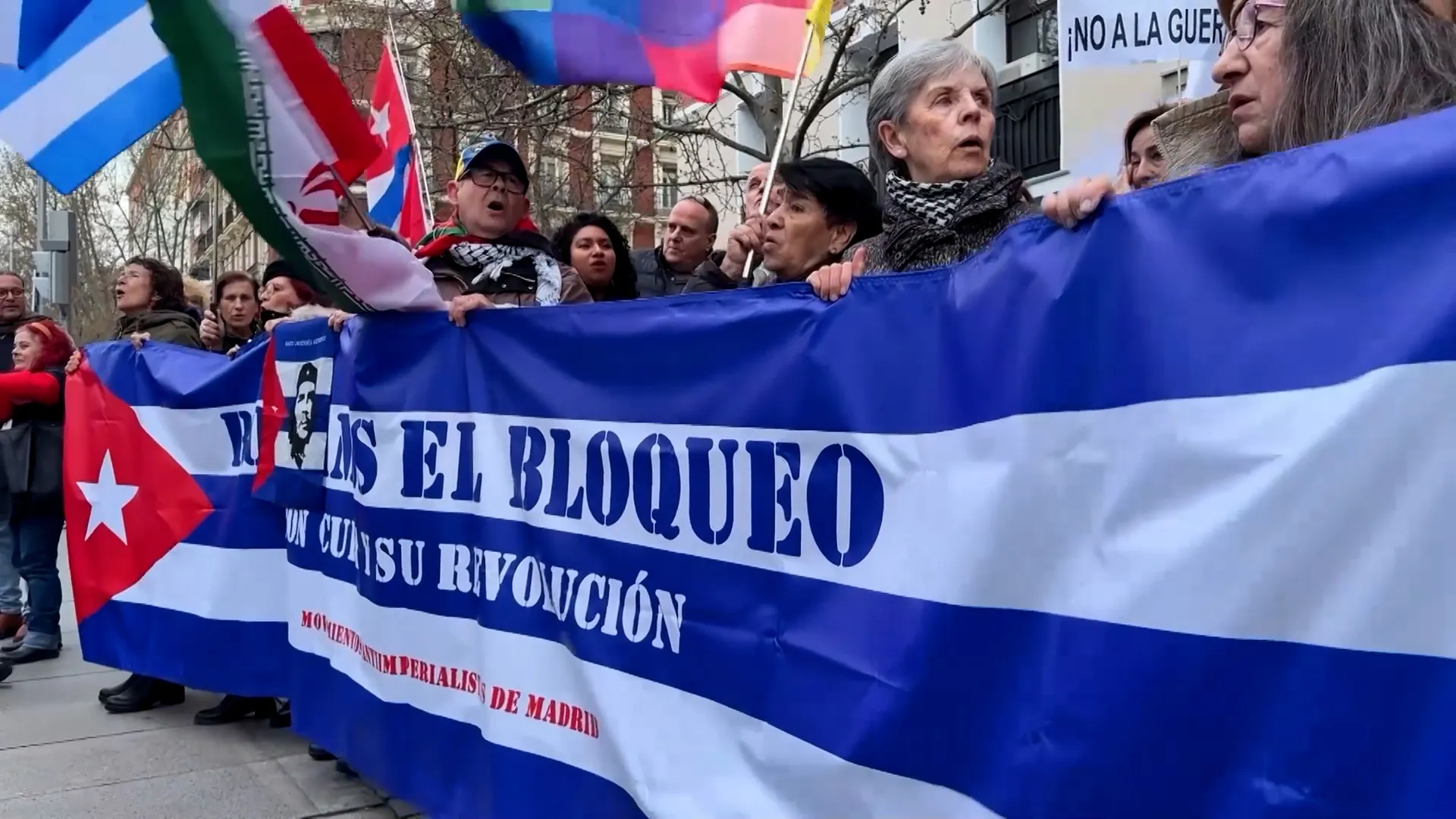
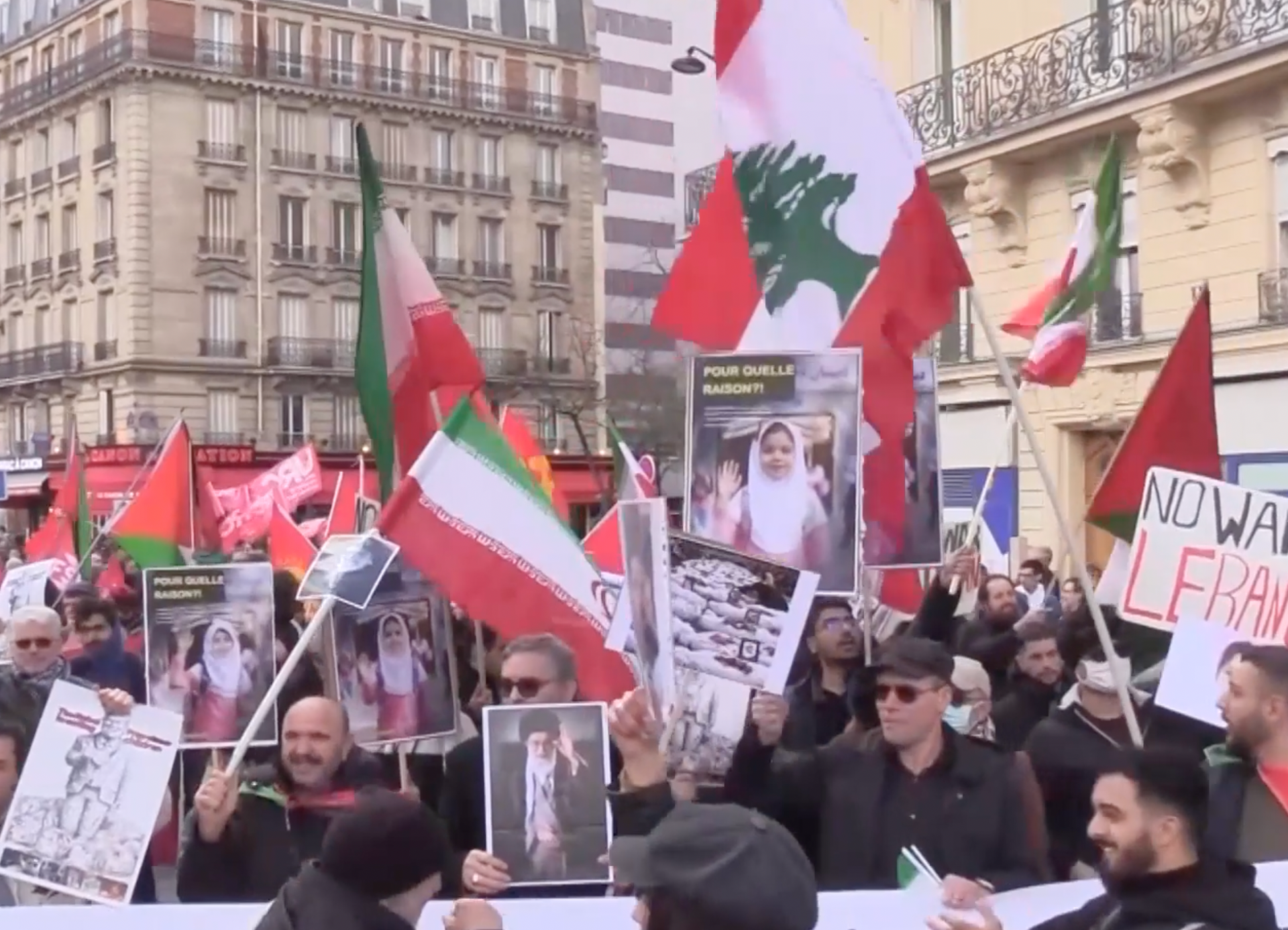
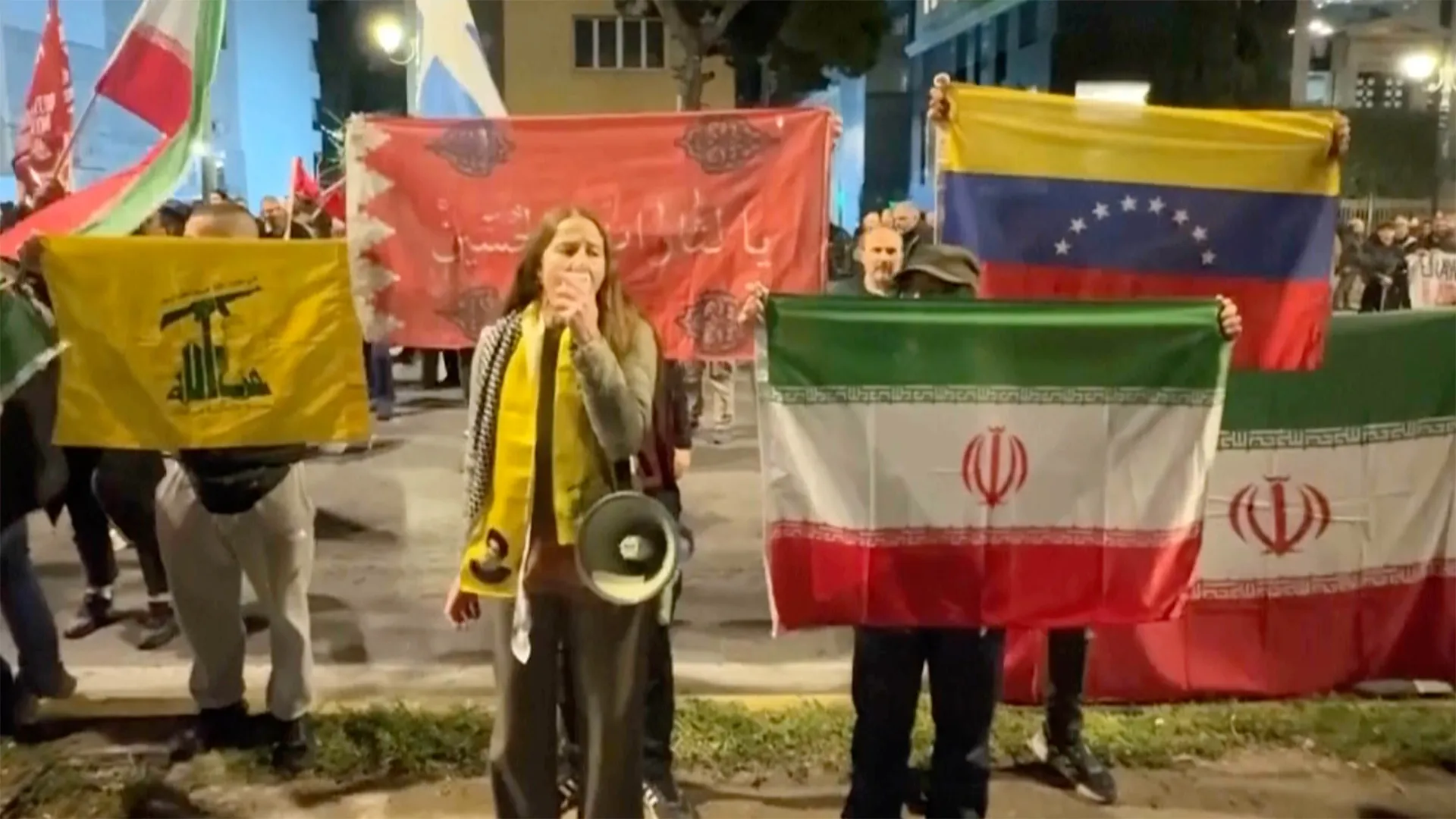
Protesters have rallied worldwide after Donald Trump announced the US would ‘run’ Venezuela following the abduction of President Nicolas Maduro and his wife. Demonstrators from Paris to Sao Paulo are denouncing what they call US aggression and imperialism.
Published On 4 Jan 20264 Jan 2026
Share
Letter to UN chief, UNSC comes after Trump says US will intervene if Tehran violently suppresses protests.
Iran’s United Nations ambassador Amir Saeed Iravani has written to the UN secretary-general and the president of the UN Security Council (UNSC), urging them to condemn “unlawful threats” towards Tehran from United States President Donald Trump amid ongoing protests in the country.
The letter sent on Friday came hours after Trump said the US was “locked and loaded and ready to go” if any more protesters were killed in the ongoing demonstrations in Iran over the cost of living.
list of 4 itemsend of list
Iravani called on UN chief Antonio Guterres and members of the UNSC to “unequivocally and firmly condemn” Trump’s “reckless and provocative statements”, describing them as a “serious violation” of the UN Charter and international law.
“Any attempt to incite, encourage or legitimise internal unrest as a pretext for external pressure or military intervention is a gross violation of the sovereignty, political independence and territorial integrity of the Islamic Republic of Iran,” Iravani said in the letter, which was published in full by the IRNA state news agency.
The letter added that Iran’s government “reiterates its inherent right to defend its sovereignty” and that it will “exercise its rights in a decisive and proportionate manner”.
“The United States of America bears full responsibility for any consequences arising from these illegal threats and any subsequent escalation of tensions,” Iravani added.
IRNA reported earlier that protests continued across Iran on Friday, with people gathering in Qom, Marvdasht, Yasuj, Mashhad, and Hamedan as well as in the Tehran neighbourhoods of Tehranpars and Khak Sefid.
The protests have swept across the country after shopkeepers in Iran’s capital Tehran went on strike on Sunday over high prices and economic stagnation.
At least nine people had been killed and 44 arrested in the unrest. The deputy governor of Qom province on Friday said that another person had died after a grenade exploded in his hand, in what the governor said was an attempt to incite unrest.
In his post on Truth Social, Trump said that if Iran “violently kills peaceful protesters, which is their custom, the United States of America will come to their rescue”.
Ali Larijani, secretary of the Supreme National Security Council, shot back that US interference “is equivalent to chaos across the entire region and the destruction of American interests”.
Iran’s economic woes, including a collapsing currency and high inflation rates, follow years of severe drought in Tehran, a city with a population of some 10 million people, compounding multiple ongoing crises.
Iranian leaders have struck a surprisingly conciliatory tone in response, with President Masoud Pezeshkian saying the government is at “fault” for the situation and promising to find solutions. Observers have noted the response is markedly different from the harsh reaction to past protests in the country.
The United States bombed three Iranian nuclear sites in June this year during a 12-day escalation between Israel and Iran. Trump described the operation as a “very successful attack”.
Last week, during a news conference with Israeli Prime Minister Benjamin Netanyahu, Trump said the US will “knock the hell out” of Iran if it advances its nuclear programme or ballistic weapons programme.
The statement came amid an Israeli push to resume attacks on Iran.
Pezeshkian has pledged a “severe” response to any aggression.
Protests are intensifying in Iran as a deepening economic crisis fuels public anger over soaring prices and falling living standards. Here’s a breakdown of what’s driving the unrest and how authorities are responding.
Published On 2 Jan 20262 Jan 2026
Share
Protests about the soaring cost of living in Iran have entered their sixth day after the rial plunged to a record low against the United States dollar in late December.
After a number of deaths as a result of clashes between protesters and security services, the government of President Masoud Pezeshkian appealed for unity and blamed economic pressure on what he said are Tehran’s “enemies”. Despite government promises to enact economic reforms and put more effort into tackling corruption, the protests have continued.
So far, at least seven people have been killed and 44 people have been arrested since shopkeepers in Tehran first shuttered their businesses on Sunday to protest against Iran’s economic crisis.
The tide of protest has continued to rise with economic demonstrations morphing into political protests as unrest has spread across the country.
How significant is the current round of protests, how real are the protesters’ grievances and where might this end? Here are five things you should know:
Iran is one of the most sanctioned countries in the world. A range of international restrictions means that Tehran is struggling to access international financial markets and frozen foreign assets. The country’s increasing reliance on imports is exacerbating the situation and fuelling inflation.
On Sunday, the Iranian rial dropped to 1.42 million against the US dollar – a 56 percent drop in value in just six months. The plummeting currency has driven inflation with food prices soaring by an average of 72 percent compared with last year.
“If only the government, instead of just focusing on fuel, could bring down the price of other goods,” taxi driver Majid Ebrahimi told Al Jazeera. “The prices of dairy products have gone up six times this year and other goods more than 10 times.”
What began as a single protest about the collapse of the Iranian economy by shopkeepers in Tehran’s Grand Bazaar on Sunday had spread to 17 of Iran’s 31 provinces by New Year’s Eve with students and demonstrators from across Iranian society joining the wave of demonstrations.
Thousands of people have mobilised across the country with security forces responding forcefully in some places.
On Thursday, Iran’s semiofficial Fars news agency reported that three people had died in confrontations between security forces and protesters in Lordegan in southwestern Iran. A further three deaths were reported in Azna and another in Kouhdasht, both in central Iran.
“Some protesters began throwing stones at the city’s administrative buildings, including the provincial governor’s office, the mosque, the Martyrs Foundation, the town hall and banks,” Fars reported of protests in Lordegan, adding that police had responded with tear gas.

Tehran’s previous hardline responses to public unrest have been marked by the deaths of protesters. However, so far, despite a number of isolated clashes between protesters and security forces, Pezeshkian’s government has held back from an outright crackdown and appears ready to listen to the “legitimate demands” of protesters.
In an effort to address protesters’ concerns, the government appointed a new governor of the central bank on Wednesday. Abdolnaser Hemmati has pledged to restore economic stability after the rial’s dramatic collapse.
On Tuesday, the Ministry of Higher Education removed campus security managers from the University of Tehran and two other major universities. Local media reported that their removal was due to “a record of misconduct and failure to properly handle recent student protests”.
Speaking at a ceremony in Tehran on Thursday to mark the assassination of senior Islamic Revolutionary Guard Corps commander Qassem Soleimani in a US drone attack five years ago, Pezeshkian also took the opportunity to emphasise his government’s commitment to economic reforms and addressing corruption.
“We are determined to eradicate all forms of rent-seeking, smuggling and bribery,” he told attendees. “Those who benefit from these rents will resist and try to create obstacles, but we will continue on this path.”
“We must all stand together to solve the people’s problems and defend the rights of the oppressed and the underprivileged,” he added.
Protecting people’s livelihoods is a “red line” for his government, he declared.
Mass protests erupted across Iran in 2022 after the death in custody of 22-year-old Mahsa Amini, who was arrested in September that year for not wearing her hijab correctly.
Demonstrations first broke out after Amini’s funeral in the western city of Saqqez when women ripped off their headscarves in solidarity with the dead woman before they spread across much of the country.
Iran’s brutal response to the unrest involved the arbitrary arrest of tens of thousands of people, the extensive use of tear gas, the firing of live ammunition and, according to human rights organisations, the unlawful deaths of hundreds of people.
A 2024 investigation by United Nations experts into the government’s response found that its actions amounted to “crimes against humanity”, a claim rejected by authorities in Tehran as “false” and “biased”.
The so-called morality police were briefly suspended in December 2022 after the protests before being reinstated the following year. However, their enforcement of dress codes has since become notably more relaxed although many women still fear a resurgence.
On Thursday, US President Donald Trump – who in 2018 unilaterally withdrew the US from a nuclear deal with Iran that limited Iran’s nuclear development in return for sanctions relief – commented on the unrest. He posted on his Truth Social platform: “If Iran shots [sic] and violently kills peaceful protesters, which is their custom, the United States of America will come to their rescue. We are locked and loaded and ready to go.”
On Thursday, the Israeli Ministry of Foreign Affairs posted on its Farsi social media account pre-revolutionary Iranian images of a lion and a sun with the lion’s paw resting on an hourglass featuring the country’s current flag. The post read: “The rise of Iranian lions and lionesses to fight against darkness”, continuing: “Light triumphs over darkness.”
In June, Israel and the US launched attacks on Iran during a 12-day war between Iran and Israel.
While that conflict ended with what the US claimed was a decisive strike on Iran’s nuclear facilities, speculation that Israel has been readying itself for further strikes has continued.
This week, the US news website Axios reported that Trump and Israeli Prime Minister Benjamin Netanyahu discussed further strikes on Iran as well as potentially targeting Tehran’s Lebanese ally Hezbollah.
Responding on social media, Pezeshkian wrote: “Answer of Islamic Republic of Iran to any cruel aggression will be harsh and discouraging.”
DUBAI, United Arab Emirates — President Trump and top Iranian officials exchanged dueling threats Friday as widening protests swept across parts of the Islamic Republic, further escalating tensions between the countries after America bombed Iranian nuclear sites in June.
At least seven people have been killed so far in violence surrounding the demonstrations, which were sparked in part by the collapse of Iran’s rial currency but have increasingly seen crowds chanting anti-government slogans.
The protests, now in their sixth day, have become the biggest in Iran since 2022, when the death of 22-year-old Mahsa Amini in police custody triggered nationwide demonstrations. However, the demonstrations have yet to be countrywide and have not been as intense as those surrounding the death of Amini, who was detained over not wearing her hijab, or headscarf, to the liking of authorities.
Trump initially wrote on his Truth Social platform, warning Iran that if it “violently kills peaceful protesters,” the United States “will come to their rescue.”
“We are locked and loaded and ready to go,” Trump wrote, without elaborating.
Shortly after, Ali Larijani, a former parliament speaker who serves as the secretary of Iran’s Supreme National Security Council, alleged on the social platform X that Israel and the U.S. were stoking the demonstrations. He offered no evidence to support the allegation, which Iranian officials have repeatedly made during years of protests sweeping the country.
“Trump should know that intervention by the U.S. in the domestic problem corresponds to chaos in the entire region and the destruction of the U.S. interests,” Larijani wrote on X, which the Iranian government blocks. “The people of the U.S. should know that Trump began the adventurism. They should take care of their own soldiers.”
Larijani’s remarks likely referenced America’s wide military footprint in the region. Iran in June attacked Al Udeid Air Base in Qatar after the U.S. strikes on three nuclear sites during Israel’s 12-day war on the Islamic Republic. No one was injured though a missile did hit a radome there.
Ali Shamkhani, an adviser to Supreme Leader Ayatollah Ali Khamenei who previously was the council’s secretary for years, separately warned that “any interventionist hand that gets too close to the security of Iran will be cut.”
“The people of Iran properly know the experience of ‘being rescued’ by Americans: from Iraq and Afghanistan to Gaza,” he added on X.
Iran’s hard-liner parliament speaker Mohammad Bagher Qalibaf also threatened that all American bases and forces would be “legitimate targets.”
Iran’s Foreign Ministry spokesperson Esmail Baghaei also responded, citing a list of Tehran’s longtime grievances against the U.S., including a CIA-backed coup in 1953, the downing of a passenger jet in 1988 and taking part in the June war.
The Iranian response came as the protests shake what has been a common refrain from officials in the theocracy — that the country broadly backed its government after the war.
Trump’s online message marked a direct sign of support for the demonstrators, something that other American presidents have avoided out of concern that activists would be accused of working with the West. During Iran’s 2009 Green Movement demonstrations, President Barack Obama held back from publicly backing the protests — something he said in 2022 “was a mistake.”
But such White House support still carries a risk.
“Though the grievances that fuel these and past protests are due to the Iranian government’s own policies, they are likely to use President Trump’s statement as proof that the unrest is driven by external actors,” said Naysan Rafati, an analyst at the International Crisis Group.
“But using that as a justification to crack down more violently risks inviting the very U.S. involvement Trump has hinted at,” he added.
Demonstrators took to the streets Friday in Zahedan in Iran’s restive Sistan and Baluchestan province on the border with Pakistan. The burials of several demonstrators killed in the protests also took place, sparking marches.
Online video purported to show mourners chasing off security force members who attended the funeral of 21-year-old Amirhessam Khodayari. He was killed Wednesday in Kouhdasht, over 250 miles southwest of Tehran in Iran’s Lorestan province.
Video also showed Khodayari’s father denying his son served in the all-volunteer Basij force of Iran’s paramilitary Revolutionary Guard, as authorities claimed. The semiofficial Fars news agency later reported that there were now questions about the government’s claims that he served.
Iran’s civilian government under reformist President Masoud Pezeshkian has been trying to signal it wants to negotiate with protesters. However, Pezeshkian has acknowledged there is not much he can do as Iran’s rial has rapidly depreciated, with $1 now costing some 1.4 million rials. That sparked the initial protests.
The protests, taking root in economic issues, have heard demonstrators chant against Iran’s theocracy as well. Tehran has had little luck in propping up its economy in the months since the June war.
Iran recently said it was no longer enriching uranium at any site in the country, trying to signal to the West that it remains open to potential negotiations over its atomic program to ease sanctions. However, those talks have yet to happen as Trump and Israeli Prime Minister Benjamin Netanyahu have warned Tehran against reconstituting its atomic program.
Gambrell writes for the Associated Press.
Court sentences journalists in absentia over alleged links to violent unrest after ex-PM Imran Khan’s May 2023 arrest.
Published On 2 Jan 20262 Jan 2026
Share
A court in Pakistan has sentenced several journalists and social media commentators to life imprisonment after convicting them of inciting violence during riots in 2023 linked to the arrest of former Prime Minister Imran Khan.
An anti-terrorism court judge, Tahir Abbas Sipra, announced the verdict on Friday in the capital, Islamabad, after completing trials held in absentia.
list of 3 itemsend of list
The convicted include former army officers-turned YouTubers Adil Raja and Syed Akbar Hussain; journalists Wajahat Saeed Khan, Sabir Shakir and Shaheen Sehbai, commentator Haider Raza Mehdi, and analyst Moeed Pirzada, according to the court’s decision.
None of the accused was present in court as they have been living abroad after leaving Pakistan in recent years to avoid arrest.
The convictions stem from cases registered after unrest in May 2023 saw some of Khan’s supporters attack military facilities and government property in response to his brief arrest in a corruption case.
Since then, the Pakistani government and military have launched a sweeping crackdown on Khan’s party and dissenting voices, using anti-terrorism laws and military trials to prosecute hundreds accused of incitement and attacks on state institutions.
The Committee to Protect Journalists said in 2023 that the investigations amounted to retaliation against critical reporting.
“Authorities must immediately drop these investigations and cease the relentless intimidation and censorship of the media,” CPJ Asia programme coordinator Beh Lih Yi said.
Journalist Sabir Shakir, who previously hosted a popular television programme on ARY TV before leaving Pakistan, told The Associated Press news agency on Friday that he was aware of his conviction.
He said that he wasn’t in the country when police accused him of encouraging mob violence.
“The ruling against me and others is nothing but a political victimisation,” Shakir told AP.
Under Friday’s court order, those convicted have the right to file appeals within seven days.
The court also directed police to arrest them and transfer them to prison should they return to Pakistan.
Belfast, Northern Ireland — On New Year’s Eve, as fireworks lit the Belfast sky, the city’s streets were abuzz — and not only in celebration.
Hundreds gathered in solidarity with activists from the Palestine Action group who are on hunger strikes in prison. Their chants echoed past murals that do not merely decorate the city, but testify to its troubled past.
Along the Falls Road, Irish republican murals sit beside Palestinian ones. The International Wall, once a rolling canvas of global struggles, has become known as the Palestinian wall. Poems by the late Palestinian writer Refaat Alareer, killed in an Israeli air strike in December 2023, run across its length. Images sent by Palestinian artists have been painted by local hands.
More recently, new words have appeared on Belfast’s famed walls. “Blessed are those who hunger for justice.” Painted alongside long-familiar images of Irish republican prisoners like Bobby Sands are new names now written into the city’s political conscience: the four pro-Palestinian activists currently on hunger strike in British prisons, their bodies weakening as the days stretch on.
“This is not a city that will ever accept any attempt to silence our voice or our right to protest or our right to stand up for human rights,” said Patricia McKeown, a trade union activist who spoke at the protest.
“These young people are being held unjustly and in ridiculous conditions – and they have taken the ultimate decision to express their views … and most particularly on what’s happening to people in Palestine – why would we not support that?” she asked.
The protest in Belfast is part of a growing international campaign urging the British government to intervene as the health of four detainees deteriorates behind prison walls. All are affiliated with Palestine Action and are being held on remand while awaiting trial, a process campaigners say could keep them imprisoned for more than a year before their cases are heard. With legal avenues exhausted, supporters say the hunger strike has become a last resort.
The Palestine Action members are being held over their alleged involvement in break-ins at the United Kingdom subsidiary of Elbit Systems in Filton near Bristol, where equipment was reportedly damaged, and at a Royal Air Force base in Oxfordshire, where two military aircraft were sprayed with red paint. The prisoners deny the charges against them, which include burglary and violent disorder.
The prisoners are demanding release on bail, an end to what they describe as interference with their mail and reading materials, access to a fair trial and the de-proscription of Palestine Action. In July, the British government of Prime Minister Keir Starmer banned Palestine Action under a controversial anti-terrorism law.
Heba Muraisi is on day 61 without food. Teuta Hoxha is on day 55. Kamran Ahmed on day 54. Lewie Chiaramello on day 41. Hoxha and Ahmed have already been hospitalised. Campaigners describe it as the largest hunger strike in Britain since 1981, one they say is explicitly inspired by the Irish hunger strikes.
In 1981, Irish Republican Army and other republican prisoners went on hunger strike in Northern Ireland, demanding the restoration of their political status. Ten men died, including their leader, Bobby Sands, who was elected to the British parliament during the strike. Margaret Thatcher took a hardline public stance, but behind the scenes, the government ultimately sought a way out as public opinion shifted.
One prisoner, 29-year-old Martin Hurson, died on the 46th day. Others, including Raymond McCreesh, Francis Hughes, Michael Devine and Joe McDonnell, died between days 59 and 61. Sands died after 66 days on a hunger strike.
Sue Pentel, a member of Jews for Palestine Ireland, remembers that period vividly.
“I was here during the hunger strike,” she said. “I went through the hunger strikes, marched, demonstrated, held meetings, protested, so I remember the callous brutality of the British government letting 10 hungers die.”
“The words of Bobby Sands, which are ‘Our revenge will be the laughter of our children’. And we raised our families here, and they’re the same people, this new generation who are standing in solidarity with Palestine.”
Standing beneath a mural of Bobby Sands, Pat Sheehan fears history is edging dangerously close to repeating itself. He spent 55 days on a hunger strike before it was called off on October 3, 1981.
“I was the longest on that hunger strike when it came to an end in 1981, so in theory I would have been the next person to die,” he said.
By that stage, he said, his liver was failing. His eyesight had gone. He vomited bile constantly.
“Once you pass 40 days, you’re entering the danger zone,” Sheehan said. “Physically, the hunger strikers must be very weak now for those who have been on hunger strike for over 50 days.”
“Mentally, if they have prepared properly to go on hunger strike, their psychological strength will increase the longer the hunger strike goes on.”
“I think if it continues, inevitably some of the hunger strikers are going to die.”
Sheehan, who now represents West Belfast as an MLA for Sinn Fein, believes that Palestine Action-linked hunger strikers are political prisoners, adding that people in Ireland understand Palestine in a way few Western countries do.
“Ireland is probably the one country in Western Europe where there’s almost absolute support for the Palestinian cause,” he said. “Because we have a similar history of colonisation; of genocide and detention.”
“So when Irish people see on their TV screens what’s happening in Gaza, there’s massive empathy.”
That empathy has increasingly translated into political action. Ireland formally recognised the state of Palestine in 2024 and has joined South Africa’s case at the International Court of Justice, alleging genocide in Gaza, a charge Israel denies.
The Irish government has also taken steps to restrict the sale of Israeli bonds, while Ireland has boycotted the Eurovision Song Contest over Israel’s participation and called for its national football team to be suspended from international competition.
But many campaigners say the government’s actions have not gone far enough. They argue that the Occupied Territories Bill, which seeks to ban trade with illegal Israeli settlements, has been stalled since 2018, and express anger that United States military aircraft transporting weapons to Israel are still permitted to pass through Ireland’s Shannon Airport.
Meanwhile, in the northern part of Ireland that remains part of Britain, the war in Gaza has dominated domestic politics.
The Stormont Assembly was thrown into crisis after Democratic Unionist Party education minister Paul Givan travelled to Jerusalem on a trip paid for by the Israeli government, prompting a no-confidence vote amid fierce criticism from Irish republican, nationalist, left-wing and unaligned political groups.
Belfast City Hall’s decision last month to fly a Palestinian flag was also fervently opposed by unionist councillors before it was eventually approved.
For some loyalist and unionist groups, support for Israel has become entwined with loyalty to Britain, with Israeli flags also flying in traditionally loyalist parts of Belfast.
With a legacy of identity rooted along sectarian lines, the genocide in Gaza has at times been recast along the old fault lines of division.
Yet on the streets of Belfast, protesters insist their solidarity is not rooted in national identity, but in humanity.
Damien Quinn, 33, a member of the Boycott, Divestment, Sanctions (BDS) movement, said hunger strikes had always carried a particular weight in Ireland.
“We are here today to support the hunger strikers in Britain. But we are also here for the Palestinian people for those being slaughtered every single day,” he said.
Palestine Action, he said, “made it very clear they have tried signing petitions, they have tried lobbying, they’ve tried everything”.
“So when I see the way they are being treated in prison, for standing up against genocide, that’s heartbreaking.”
For Rita Aburahma, 25, a Palestinian who has found a home in Belfast, the hunger strike carries a painful familiarity.
“My people don’t have the luxury of speaking out, being in Palestine – solidarity matters,” she said.
“I find the hunger strikers are really brave – it’s always been a form of resistance. It does concern me, and many other people, how long it has taken the government to pay attention to them, or take action in any form.
“Nothing will save those people if the government doesn’t do something about them. So it is shocking in a way, but not that surprising because the same government has been watching the genocide unfold and escalate without doing anything.
“Every form of solidarity reaches the people in Palestine.”
Thousands of people in Iran have been protesting as a dire economic crisis takes a heavy toll on their daily livelihood.
From a sharp fall in the currency’s value to a steep rise in inflation, Iran’s economy has reached what many describe as a breaking point.
This time, the government has adopted a different approach as protests continue, calling for a dialogue mechanism.
But as the country reels from longstanding sanctions, what does the leadership have to offer?
And what would the consequences be if the protests escalate?
Presenter: James Bays
Guests:
Ali Akbar Dareini – Researcher at the Center for Strategic Studies
Marzie Khalilian – Political analyst and academic researcher
Stephen Zunes – Professor of politics and founding chair of Middle Eastern studies at the University of San Francisco
Published On 1 Jan 20261 Jan 2026
Share
At least 6 protesters and a member of the security forces have been killed in demonstrations against rising living costs across Iran. The anger is driven by a cost-of-living crisis. The government has appealed for solidarity and says it will engage in dialogue.
Published On 1 Jan 20261 Jan 2026
Share
Iranian president seeks to calm tensions, acknowledging protesters’ ‘legitimate’ grievances over inflation.
At least five people have been killed as demonstrations over the soaring cost of living in Iran spread to more parts of the country.
At least three people were killed and 17 others were injured at protests in the city of Azna in Lorestan province, some 300km (185 miles) southwest of Tehran, Iran’s semiofficial Fars news agency reported on Thursday.
list of 3 itemsend of list
Videos shared online appeared to show objects in the street ablaze and gunfire echoing as people shouted: “Shameless! Shameless!”
Earlier, Fars said two people were killed during protests in the city of Lordegan, about 470km (290 miles) south of the capital Tehran in the Chaharmahal and Bakhtiari province.
“Some protesters began throwing stones at the city’s administrative buildings, including the provincial governor’s office, the mosque, the Martyrs’ Foundation, the town hall and banks,” Fars said, adding that police responded with tear gas.
Online videos showed demonstrators gathered on a street, with the sound of gunfire in the background.
Earlier on Thursday, Iranian state television also reported that a member of security forces was killed overnight during protests in the western city of Kouhdasht.
“A 21-year-old member of the Basij from the city of Kouhdasht was killed last night by rioters while defending public order,” the channel said, quoting Said Pourali, the deputy governor of Lorestan province.
The Basij are a volunteer force linked to the Islamic Revolutionary Guard Corps (IRGC).
The reports come days after shopkeepers began protesting on Sunday over the government’s handling of a currency slide and rapidly rising prices.
The unrest comes at a critical moment for Iran as Western sanctions hammer an economy hit by 40 percent inflation, and after air strikes by Israel and the United States in June targeted the country’s nuclear infrastructure and military leadership.
Reporting from Tehran, Al Jazeera’s Tohid Asadi explained that the government has taken a more cautious approach to this week’s protests than it did to previous demonstrations.
“The government says it’s working hard to find a solution, to deal with the economic hardships that people are feeling,” Asadi said.
Iran last saw mass demonstrations in 2022 and 2023 after the death of Mahsa Amini, a 22-year-old woman who died in police custody after being arrested for allegedly violating the country’s strict dress code for women.
The latest protests began peacefully in Tehran and spread after students from at least 10 universities joined in on Tuesday.
Iranian President Masoud Pezeshkian has sought to calm tensions, acknowledging protesters’ “legitimate demands” and calling on the government to take action to improve the economic situation.
“From an Islamic perspective … if we do not resolve the issue of people’s livelihoods, we will end up in hell,” Pezeshkian said at an event broadcast on state television.
Government spokesperson Fatemeh Mohajerani said on Thursday the authorities would hold a direct dialogue with representatives of trade unions and merchants, without providing details.
Still, the authorities have promised to take a “firm” stance and warned against exploiting the situation to sow chaos.
“Any attempt to turn economic protests into a tool of insecurity, destruction of public property, or implementation of externally designed scenarios will inevitably be met with a legal, proportionate and decisive response,” Iran’s prosecutor general said on Wednesday.
Meanwhile, the Tasnim news agency on Wednesday evening reported the arrests of seven people it described as being affiliated with “groups hostile to the Islamic Republic based in the United States and Europe”.
Iran is in the middle of an extended weekend, with the authorities declaring Wednesday a bank holiday at the last minute, citing the need to save energy due to cold weather.
Four members of the Palestine Action group, which has been proscribed as a terrorist organisation in the United Kingdom, are continuing with their hunger strikes in different prisons around the country.
Four other Palestine Action members have ended their hunger strikes – some after being hospitalised.
list of 4 itemsend of list
Here is what we know about the four remaining hunger strikers.
Imprisoned Palestine Action members have been on hunger strikes in prisons around the UK for more than 50 days.
The Palestine Action members are being held on remand in prisons over their alleged involvement in break-ins at the UK subsidiary of Elbit Systems in Filton near Bristol, where equipment was reportedly damaged, and at a Royal Air Force base in Oxfordshire, where two military aircraft were sprayed with red paint.
The prisoners deny the charges against them, which include burglary and violent disorder.
Of the four still on hunger strikes, three were imprisoned in November 2024 for their alleged involvement in break-ins at the UK subsidiary of Israeli weapons group Elbit Systems in Filton near Bristol, where equipment was reportedly damaged. One has been in prison since July 2025 for alleged involvement in damage at a Royal Air Force base in Oxfordshire, where two military aircraft were sprayed with red paint.
Palestine Action, a protest group launched in July 2020, describes itself as a movement “committed to ending global participation in Israel’s genocidal and apartheid regime”.
The UK parliament voted in favour of proscribing the group on July 2, 2025, classifying it as a “terrorist” organisation and bringing it into the same category as armed groups like al-Qaeda and ISIL (ISIS). Critics decried the move, arguing that while members of the group have caused damage to property, they have not committed acts of violence that amount to terrorism.
More than 1,600 arrests linked to support for Palestine Action were made in the three months following the ban’s introduction. The ban has been challenged in court.
The hunger strikers have five key demands: immediate bail, the right to a fair trial – which they say includes the release of documents related to “the ongoing witch-hunt of activists and campaigners” – ending censorship of their communications, “de-proscribing” Palestine Action and shutting down Elbit Systems, which operates several UK factories.
“The UK government has forced their bodies to a breaking point,” pro-Palestine activist Audrey Corno told Al Jazeera Mubasher.
“A promise to the government is that the prisoners’ resistance and the people’s resistance against the genocide [in Gaza], Israel’s occupation and apartheid of genocide will not stop until it ends.”
Heba Muraisi, Kamran Ahmed, Teuta Hoxha and Lewie Chiaramello are the four people, aged between 20 and 31, who are continuing their hunger strikes.
Muraisi, 31, was on day 60 of her hunger strike on Thursday. She is being held in HMP [His Majesty’s Prison] New Hall in Wakefield, a prison in West Yorkshire about 180 miles (290km) north of London.
Muraisi was arrested in November 2024 for her alleged role in an August 2024 raid on the Israel-based Elbit Systems in Bristol, which is believed to have cost the Israeli weapons manufacturer more than $1.34m.
According to social media posts, Muraisi is of Yemeni origin. However, Al Jazeera could not independently verify this.
She was transferred to the West Yorkshire prison in October 2025 from HMP Bronzefield in Surrey, about 18 miles from the UK capital.
“Heba is demanding to be transferred back to HMP Bronzefield. She was transferred very suddenly, very far away from her entire support network and family, which is based in London. She’s been experiencing consistent medical negligence. Her body is, as you’d imagine, increasingly weak,” Corno said.
In a statement shared with Al Jazeera on December 29, Muraisi said: “I’ve been force-fed repression and I’m stuffed with rage and that’s why I’m doing what I’m doing now. I am bringing acute awareness to the unjust application of UK laws by our Government and I’m glad that people can now see this after a year of imprisonment and human rights violations. Keep going, keep fighting.”
Muraisi’s trial is set for June 2026, according to the protest group Prisoners For Palestine.

Ahmed, 28, was also arrested in November 2024 and is being held in HMP Pentonville in north London. He was also arrested for his alleged involvement in the raid on Elbit Systems in Bristol. Ahmed has been on a hunger strike for more than 50 days.
According to a report by Middle East Eye, Ahmed is a mechanic.
Ahmed was hospitalised for a third time on December 20 after he refused food, his sister, Shahmina Alam, told Al Jazeera.
“We know that he’s rapidly been losing weight in the last few days, losing up to half a kilogramme [1.1lbs] a day,” Alam told Al Jazeera in late December.
Ahmed, who is 180cm (5′11′), entered prison at a healthy 74kg (163lbs), but his last recorded weight was 60kg (132lbs).
“Kamran has been hospitalised for the fourth time recently,” Corno said.

Hoxha, 29, was on day 54 of her hunger strike on Thursday. She is being held at HMP Peterborough. She was also arrested in November 2024 on allegations of involvement in the Elbit Systems raid.
According to Prisoners for Palestine, Hoxha was moved from HMP Bronzefield on the day UK parliamentarians voted to proscribe Palestine Action – July 2, 2025.
Corno told Al Jazeera that she is in regular contact with Hoxha and that she has been having heart palpitations. “She’s not been able to sleep through the night for weeks on end. I can see her memory start to deteriorate.”
In a statement published on the Prisoners for Palestine website, Hoxha said: “This is a witch hunt, not a fair fight, and that behind the arrests of dissenting voices under counterterrorism powers, holding us on remand without trial for nearly two years and targeting protesters who condemn Palestinian suffering, is the palpably desperate attempt to force us all under the imperial boot of submission.”

Chiaramello, 22, has type 1 diabetes and hence, he has been fasting every other day. He is on day 28 of his hunger strike.
He has been held in HMP Bristol since July 2025 in connection with an incident at RAF Brize Norton, according to Prisoners for Palestine, and faces charges of conspiring to enter a restricted area for purposes harmful to the UK’s safety and interests, as well as conspiracy to commit criminal damage. His trial is set for January 18, 2027.
On June 20, a group of Palestine Action activists broke into RAF Brize Norton, the largest Royal Air Force base in Oxfordshire, and sprayed two military planes with red paint, causing an estimated $9.4m worth of damage.
“He’s been having to manage his insulin intake on his own with no medical supervision,” Corno said.

Four other imprisoned Palestine Action activists have ended their hunger strikes, mostly after being hospitalised.
This includes Qesser Zuhrah, 20 and Amu Gib, 30, who are being held at Bronzefield prison in Surrey. The pair began their hunger strikes on November 2 to coincide with the Balfour declaration of 1917, when Britain pledged to establish a national home for the Jewish people in Palestine.
Umar Khalid, 22, who has muscular dystrophy, ended his hunger strike after 13 days. Jon Cink ended his hunger strike after 41 days when he was hospitalised. Qesser Zuhrah ended her hunger strike after 48 days and was hospitalised. Amy Gib was also hospitalised.
Move comes nearly two decades after the Balkan country entered the EU as hope for stability clashes with fear of rising prices.
Published On 1 Jan 20261 Jan 2026
Share
Bulgaria has officially adopted the euro, becoming the 21st country to join the single currency nearly two decades after entering the European Union, a move that has led to both celebration and anxiety.
At midnight on Wednesday (22:00 GMT), the Balkan country abandoned the lev, its national currency since the late 19th century.
list of 3 itemsend of list
Images of Bulgarian euro coins lit up the central bank’s headquarters in Sofia as crowds gathered in freezing temperatures to mark the new year.
“I warmly welcome Bulgaria to the euro family,” said Christine Lagarde, the president of the European Central Bank.
Some residents welcomed the change with optimism. “Great! It works!” said Dimitar, 43, speaking to The Associated Press after withdrawing 100 euros from a cash machine shortly after midnight.
Successive Bulgarian governments have backed euro adoption, arguing it would strengthen the country’s fragile economy, anchor it more firmly within Western institutions and shield it from what officials describe as Russian influence. Bulgaria, with a population of about 6.4 million, remains the poorest member of the EU.

Yet public opinion has long remained split. Many Bulgarians fear the euro will drive up prices while wages stagnate, worsening living standards in a country already struggling with political instability.
In a televised address before midnight, President Rumen Radev described the euro as the “final step” in Bulgaria’s integration into the EU.
However, he criticised the absence of a public referendum on the decision.
“This refusal was one of the dramatic symptoms of the deep divide between the political class and the people, confirmed by mass demonstrations across the country,” Radev said.
Bulgaria recently plunged into further uncertainty after anticorruption protests toppled a conservative-led government in December, pushing the country towards its eighth election in five years.
“People are afraid that prices will rise, while salaries will remain the same,” a woman in her 40s told the AFP news agency in Sofia.
At city markets, vendors listed prices in both levs and euros. Not everyone was worried.
“The whole of Europe has managed with the euro, we’ll manage too,” retiree Vlad said.
Demonstrators in Turkiye demand global pressure on Israel, calling the so-called ceasefire ‘a slow-motion genocide’ against Palestinians.
Hundreds of thousands of people are marching through Istanbul in a sweeping show of solidarity with Palestinians, condemning Israel’s genocide in Gaza and rejecting claims that a ceasefire has brought meaningful relief.
Protesters, many waving Palestinian and Turkish flags, converged on the city’s historic Galata Bridge on Thursday despite freezing temperatures.
The march, organised by civil society groups under the National Will Platform alongside Turkish football clubs, rallied under the slogan: “We won’t remain silent, we won’t forget Palestine.”
More than 400 civil society organisations joined the mobilisation, underscoring the scale of public anger at Israel’s ongoing assault on Gaza. Several major football clubs urged their supporters to attend, helping turn the rally into one of the largest pro-Palestine demonstrations Turkiye has seen since Israel’s war began.
Galatasaray football club chair Dursun Ozbek described Israel’s actions as a moral reckoning for the world.
“We will not get used to this silence,” Ozbek said in a video message shared on X. “Standing shoulder to shoulder against oppression, we come together on the same side for humanity.”

Sinem Koseoglu, Al Jazeera’s Turkiye correspondent, reported from the Galata Bridge that Palestine remains a point of national consensus. She said the issue cuts across political lines, uniting supporters of the governing AK Party with voters from major opposition parties.
“Today people are trying to show their support on the very first day of the new year,” Koseoglu said, as crowds packed the bridge and surrounding streets.
Police sources and the Anadolu state news agency said about 500,000 people took part in the march.
The rally included speeches and a performance by Lebanese-born singer Maher Zain, who sang “Free Palestine” to a sea of raised flags.
For many demonstrators, the protest was also a rejection of Israel’s ceasefire narrative.
“These people here do not believe in the ceasefire,” Koseoglu said. “They believe the current ceasefire is not a real ceasefire, but a slow motion of the genocide.”

Turkiye has cut trade with Israel and closed its airspace and ports, but Koseoglu said protesters want sustained international pressure rather than symbolic measures.
“The main idea here is to show their solidarity with the Palestinian people and let the world not forget about what’s going on in Gaza,” she said, warning that many see the ceasefire as “very fragile”.
Turkiye has positioned itself as one of Israel’s sharpest critics and played a role in brokering a ceasefire announced in October by United States President Donald Trump.
Yet the pause in fighting has failed to halt bloodshed, with more than 400 Palestinians killed by Israel since the ceasefire took effect, and aid still being withheld from entering the besieged Strip.
Dhaka, Bangladesh – On Tuesday, the premises of Evercare Hospital in Bangladesh’s capital turned into a sombre focal point for a nation’s grief as news filtered out of the medical facility: Khaleda Zia, three-time prime minister and longtime leader of the Bangladesh Nationalist Party (BNP), was dead.
Khaleda had been receiving treatment at the hospital since the night of November 23.
Supporters, party leaders and common citizens stood silently in front of the hospital gates, wiping away tears and offering prayers. “The news made it impossible for us to stay at home,” said BNP activist Riyadul Islam. “Since there is no opportunity to see her, everyone is waiting outside. There are tears in everyone’s eyes.”
Her funeral at Dhaka’s Manik Mia Avenue on Wednesday drew tens of thousands of BNP supporters from across the country, alongside leaders of other political parties, interim government head Muhammad Yunus and foreign diplomats – underscoring the imprint of Khaleda’s legacy, and how it extended well beyond Bangladesh’s borders.
But beyond the grief, Khaleda Zia’s death marks a decisive political rupture for the BNP at a critical moment, say political analysts.
With national elections scheduled for February 12, the party is entering the campaign without the leader who remained its ultimate symbol of unity, even during years of illness and political inactivity.
Her passing pushes BNP into a fully post-Khaleda phase, concentrating authority and accountability on her son and acting chairperson, Tarique Rahman, as the party seeks to consolidate its base and compete in a reshaped political landscape following the July 2024 upheaval and the subsequent banning of the Awami League’s political activities.

For decades, Khaleda Zia’s relevance extended beyond formal leadership.
Even when absent from front-line politics, she functioned as the party’s moral centre and final authority, helping to contain factionalism and defer leadership questions.
Mahdi Amin, adviser to Tarique Rahman, told Al Jazeera that Bangladesh had lost “a true guardian”, describing Khaleda Zia as a unifying symbol of sovereignty, independence and democracy.
He said the BNP would carry forward her legacy through its policies and governance priorities if elected.
“The hallmark of her politics was a strong parliamentary democracy – rule of law, human rights and freedom of expression,” Amin said, adding that the BNP aims to restore institutions and rights that, he claimed, were eroded during the Awami League’s 15-year rule, between 2009 and 2024, under then Prime Minister Sheikh Hasina, Khaleda’s longtime rival.
Amin insisted that Tarique has already emerged as a unifying figure, citing his role in coordinating the movement against Hasina and formulating a 31-point reform agenda aimed at restoring voting rights and institutional accountability.
Despite these assertions, however, analysts say Khaleda’s absence removes a critical layer of symbolic authority that long helped stabilise the BNP’s internal politics.
Writer and political analyst Mohiuddin Ahmed said Khaleda’s personal charisma played a key role in keeping the party energised and cohesive.
“That rhythm will be disrupted,” he said. “Tarique Rahman now has to prove his leadership through a process. His leadership remains untested.”
Ahmed noted that Khaleda herself was once an untested political figure, rising to national prominence during the mass pro-democracy movement of the 1980s that ultimately led to the fall of military ruler General Hussain Muhammad Ershad. Her husband, the then-President Ziaur Rahman, was assassinated in 1981 during a failed military coup.
Ahmed argued that the February election could play a similar defining role for Tarique Rahman: Success would validate his leadership, while failure would intensify scrutiny.

BNP’s challenge is compounded by a transformed opposition landscape.
For more than three decades, Bangladesh’s electoral politics were shaped by a near-binary rivalry between the Awami League and the BNP, a pattern that emerged after the fall of military rule in 1990 and hardened through successive elections in the 1990s and 2000s.
With the Awami League now absent – its political activities banned by the Yunus administration – that two-party dominance has fractured, forcing BNP to compete in a more crowded field that includes a strong alliance led by the Jamaat-e-Islami, Bangladesh’s biggest Islamist force. The Jamaat coalition includes the National Citizen Party, launched by many of the youth leaders who drove the July 2024 mass movement that forced Hasina out of power and into exile in India.
“This will not be easy for BNP,” Ahmed said. “Post-July [2024] politics has changed the equation. New polarisation is emerging, and the dominance of two parties no longer holds,” he added.
Analysts also point to key uncertainties that linger: whether the election will be held on time, whether it will be peaceful, and whether major parties can ensure public confidence in the process.
Dilara Choudhury, a political scientist who observed both Khaleda and her husband closely, said Khaleda Zia functioned as a “guardian figure” for not just her party, but also the country, and that her death represents the loss of a senior stabilising presence in Bangladesh politics.
Tarique, Khaleda’s son, was in exile in the United Kingdom from 2008 until December 25, 2025, when he returned after a series of cases against him that were initiated by a military-backed government in power between 2006 and 2009, or by the subsequent Hasina government, were closed.
She argued that Tarique’s return to the country has reduced fears of internal division within the party and that his recent speeches – reaffirming Bangladeshi nationalism, rejecting authoritarianism and honouring victims of the 2024 July uprising violence – have reassured party supporters about ideological continuity.
“BNP and Awami League have both been personality-centred parties,” she said. “After Khaleda Zia, it is natural that Tarique Rahman occupies that space within the BNP.”

Yet BNP leaders acknowledge that legacy alone will not determine the party’s future.
Allegations of extortion involving some party activists continue to surface – an issue that adviser Mahdi Amin described as mostly exaggerated, though he said the party plans to address it through stricter internal controls.
At the grassroots level, some party members say Tarique’s leadership transition will not be without challenges.
“It would be unrealistic to say there will be no difficulties,” said Kamal Uddin, senior joint secretary of the Chakaria upazila unit of Jubo Dal, the BNP’s youth wing, in Cox’s Bazar district. “In the past, there were disagreements with senior leaders who worked closely with Khaleda Zia – and even with Ziaur Rahman. That could be a challenge in decision-making. But I believe he will be able to manage.”
Kamal Uddin travelled with three other BNP activists from Cox’s Bazar, a coastal city on the Bay of Bengal about 350km (217 miles) south of Dhaka, to attend Khaleda Zia’s funeral on Wednesday.
Senior BNP leaders, however, dismiss doubts over Tarique’s authority.
Standing committee member Amir Khasru Mahmud Chowdhury, who served as commerce minister in Khaleda Zia’s cabinet from 2001 to 2004, said Tarique’s leadership credentials were already established.
“His leadership has been proven,” Chowdhury told Al Jazeera earlier this month. “He is capable of leading the party effectively.”
As BNP prepares for the polls, analysts say the party’s ability to ensure discipline, project reform and contribute to a peaceful election will itself be a test of Tarique’s leadership.
A separate discussion has emerged on social media and among political rivals.
On November 29, ahead of his eventual return, Tarique wrote on his verified Facebook page that the decision to come home was not “entirely within his control” and not “under his sole control”. Critics interpreted this as raising questions about possible external influence – particularly India – on whether and when he would return.
BNP leaders rejected these claims, insisting his return was a political and legal matter tied to domestic realities rather than foreign negotiation, and that national interest would guide the party’s policy if it comes to power.
For many supporters, however, politics remains deeply personal.
Fifty-seven-year-old Dulal Mia, who travelled from the northeastern district of Kishoreganj to attend Tarique’s reception rally in Dhaka on December 25, still recalls the moment that made him a lifelong BNP supporter.
When he was a sixth-grader in 1979, he said, then-President Ziaur Rahman visited the paddy field where he was working and shook his hand. Ziaur Rahman is remembered for addressing drought by digging canals across the country and visiting remote areas barefoot, often without formal protocol.
“Tarique Rahman will have to carry the legacy of his parents,” Mia said. “If he doesn’t, people will turn away. The BNP’s politics is people’s politics – it began with Ziaur Rahman and was carried by Khaleda Zia for so long. I believe Tarique Rahman will do the same. Otherwise, it is the people who will reject him.”
Footage shows a massive hole in the vault of Sparkasse Bank in Gelsenkirchen, Germany, where thieves made off with valuables estimated to be worth between 10 and 90 million euros ($11.7 to 105.7 million), police said. Angry customers assembled outside the bank on Tuesday demanding answers.
Published On 30 Dec 202530 Dec 2025
Share