Van-life traveller Lana says this gorgeous UK village with cobbled streets and turquoise waters is so ‘quaint and dreamy’ it’s like stepping back into the past
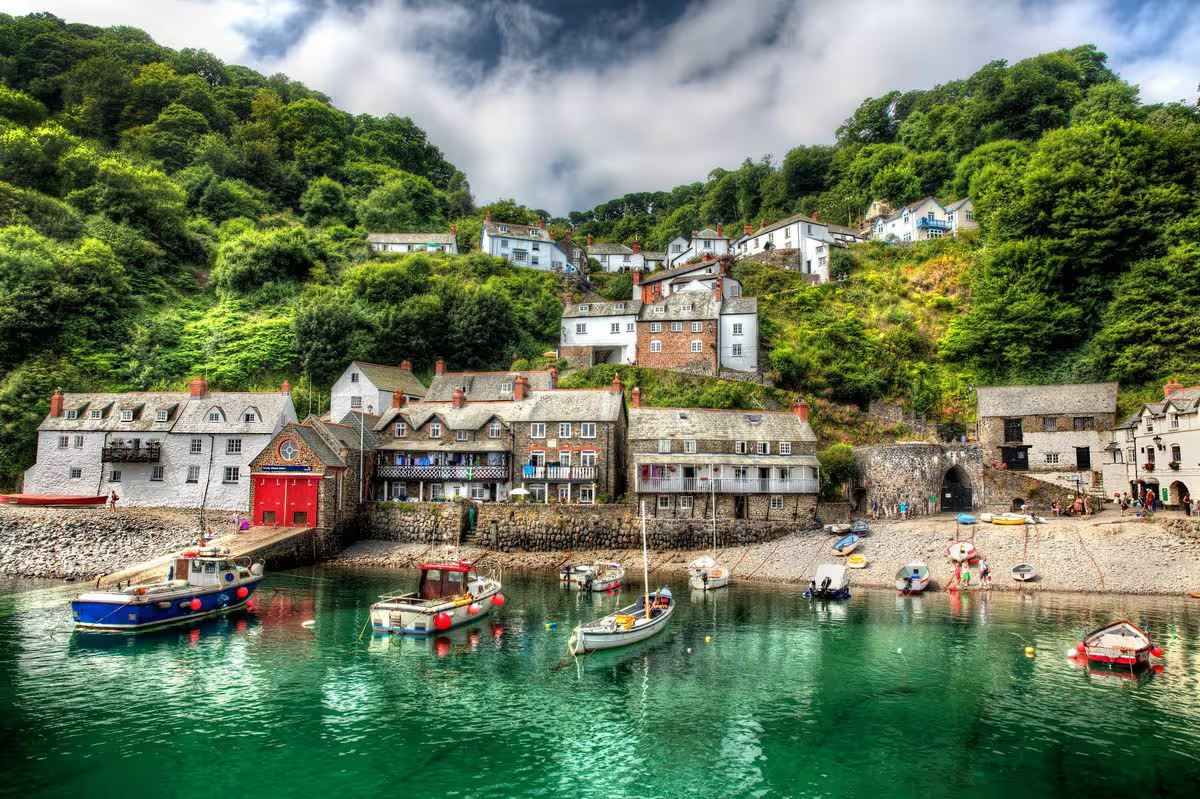
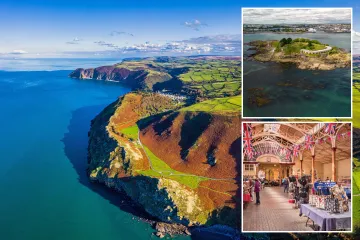
Clovelly is located in north Devon and has stunning views making it feel like Greece(Image: RolfSt via Getty Images)
This pretty UK village has narrow cobbled lanes and cute shopfronts that will make you feel like it’s the good old days.
Lana, who explores Britain while living in her van, is encouraging people to make the journey to Clovelly in north Devon.
The content creator said: “I had a solo trip to this quaint and dreamy little place with the most picturesque scenery! It was like stepping back in time with no cars allowed and had a kind of a Greece feel to it with the cobbled streets, bright white houses, hanging flower baskets over looking a turquoise ocean.”
She adored spotting donkeys at the top of the village, as well as taking in the breathtaking vistas and indulging in a scrumptious afternoon tea.
Content cannot be displayed without consent
Clovelly boasts dramatic views over the Bristol Channel, a small working harbour, and a really distinctive layout that makes a visit feel like an experience rather than just a stop-off.
People come for the cobbled main street that drops steeply down to the water, the photogenic cottages and flower-filled walls, and the slower pace created by the fact cars don’t use the village streets.
Another reason if feels like stepping back to the past is that goods are traditionally moved by handcarts, and you’ll often see donkeys referenced as part of the village’s heritage.
If you’re planning on visiting, Lana said there’s an entrance fee for the village as it has remained privately owned since Elizabethan times. Visitor charges are roughly £8.75 per person.
Clovelly Court Gardens are an absolute must-see when exploring this famous village, boasting immaculately maintained grounds and beautifully restored Victorian greenhouses.
Be sure to pop into the Kingley Museum or head up to Mount Pleasant – widely regarded as the finest picnic spot in the village
There are also a handful of charming pubs, craft workshops to get stuck into, as well as shops stocking unique and handmade goods.
For ale fans, the Clovelly Brewery sits proudly at the top of this stunning village.
But Lana warned: “It’s on a steep cliff so be prepared for a bit of a walk and don’t be like me and wear flip flops – which also broke so that was interesting on steep cobbled paths.”
Lana recommends visiting on a weekday where possible to sidestep the crowds – and people agree that it’s well worth the journey.
Commenting on the viral video showcasing the village’s stunning beauty, one user said: “Beautiful Clovelly, worth the £9 per adult. Absolutely stunning the £9 ticket is valid for seven days so definitely worth it. Visited the garden too – bought a little plant.”
Another said: “I visited Clovelly some years ago, it’s lovely.” And a third added: “Clovelly, prettiest village ever, been few times.”
The pretty market town is famous for many things, including being the home of former Great British Bake Off judge Prue Leith
Christopher Sharp visited Moreton-in-Marsh(Image: Christopher Sharp)
A pretty market town home to an iconic TV judge blew me away – not least because of its high street. Moreton-in-Marsh in the Cotswolds clearly attracts a remarkable number of visitors, judging by the sheer volume of eateries lining its streets.
A visit to the town’s high street reveals an almost unbroken row of bakeries, cafés, pubs, and artisan bistros – quite the sight for a town with a population of just over 5,000 residents (5,015 according to the 2021 Census).
Philip, 53, a cellarman at the local brewery, reflected on the changes: “It’s more touristy stuff. You don’t get so much. The old tour shops gone, the old card’s shop gone. Some of the shops have disappeared, definitely got more touristy. It’s got pluses and negatives. Got a supermarket and the market’s still here.”
When asked whether he ever crosses paths with the town’s most celebrated resident – former Great British Bake Off star Prue Leith – Philip was blunt: “I don’t.”
It seemed only fitting to pen this piece from within The Bell Inn. This much-loved establishment was once frequented by J.R.R. Tolkien himself, reportedly inspiring The Prancing Pony Inn featured in The Lord of the Rings.
We won’t Tolkien the micky (apologies…) and claim any resemblance to that literary giant, but there are certainly far worse spots to settle in than a pub crowned winner of The Pub of the Year in the North Cotswold Campaign for Real Ale Pub of the Year competition, reports Gloucestershire Live.
Inside, the atmosphere is wonderfully unpretentious – a lengthy rope allows dogs to wander freely, locals chat about everyday matters, and a map of Middle Earth adorns the wall.
The walls are adorned with vintage cameras, motorsport posters advertising motor oil, and numerous plug sockets for customers to charge their laptops and other devices.
According to two staff members I chatted to, regulations stipulate that no single pub can claim victory two years running, meaning the Bell may miss out on silverware this year.
Nevertheless, the establishment, which I selected after Google reviews highlighted its affordability, delivered a peppermint tea alongside fish and chips for a reasonable £12.50.
This followed a £3.90 cappuccino from Grouch Coffee, a nine-year-old enterprise near the local train station that began life serving coffee from the rear of a Piaggio.
Fresh from a 100-mile journey in my cherished MINI, and despite my reservations about Allpress beans, it was unmistakably a vital fixture in the community.
The proprietor and staff engaged warmly with families, while comedy posters and tea towels were scattered throughout the tastefully furnished cafe; a cafe situated in a town brimming with spring sunshine.
Emerging from New Road onto the fittingly named High Street, a bustling market was trading trinkets, carpets, fruit, vegetables, and antiques. Venture past the market, beneath which lies a sizeable car park, and you’ll find yourself facing an extensive row of shops, seemingly positioned every six feet or so.
Most of them, as Phil mentioned above, are coffee shops and cafes. Choosing where to grab a bite proved tricky, but if anyone’s concerned about the decline of the high street, Moreton’s appears to be thriving – particularly with a large Co-Op and Tesco Express nestled amongst the independent coffee shops and pubs.
Was it attractive? Certainly in the surprisingly mild spring sunshine, it felt like somewhere you could do more than simply pass through. It had the feel of a town worth pausing at during a long journey – a worthwhile and peaceful pit stop.
Regarding the former Bake Off judge, I’d also enquired at Grouch whether Prue was frequently spotted, and the response was no, not particularly; though perhaps she travels through on her way to the station to catch the 1h 31m £32 15:54 service to London Paddington for an evening out.
Prue has opted to make her home here, in a property she constructed with her husband John Playfair, and it seems to be an excellent town. The key question, though, remains: ‘Should I visit?’.
Donald Trump wanted only the pretty ones, his employees said.
After the Trump National Golf Club in Rancho Palos Verdes opened for play in 2005, its world-famous owner didn’t stop by more than a few times a year to visit the course hugging the coast of the Pacific.
When Trump did visit, the club’s managers went on alert. They scheduled the young, thin, pretty women on staff to work the clubhouse restaurant — because when Trump saw less-attractive women working at his club, according to court records, he wanted them fired.
“I had witnessed Donald Trump tell managers many times while he was visiting the club that restaurant hostesses were ‘not pretty enough’ and that they should be fired and replaced with more attractive women,” Hayley Strozier, who was director of catering at the club until 2008, said in a sworn declaration.
Initially, Trump gave this command “almost every time” he visited, Strozier said. Managers eventually changed employee schedules “so that the most attractive women were scheduled to work when Mr. Trump was scheduled to be at the club,” she said.
A similar story is told by former Trump employees in court documents filed in 2012 in a broad labor relations lawsuit brought against one of Trump’s development companies in Los Angeles County Superior Court.
The employees’ declarations in support of the lawsuit, which have not been reported in detail until now, show the extent to which they believed Trump, now the Republican presidential nominee, pressured subordinates at one of his businesses to create and enforce a culture of beauty, where female employees’ appearances were prized over their skills.
A Trump Organization attorney, in a statement to The Times, called the allegations “meritless.”
In a 2009 court filing, the company said that any “allegedly wrongful or discriminatory acts” by its employees, if any occurred, would be in violation of company policy and were not authorized.
Employees said in their declarations that the apparent preference for attractive women came from the top.
“Donald Trump always wanted good looking women working at the club,” said Sue Kwiatkowski, a restaurant manager at the club until 2009, in a declaration. “I know this because one time he took me aside and said, ‘I want you to get some good looking hostesses here. People like to see good looking people when they come in.’ ”
As a result, Kwiatkowski said, “I and the other managers always tried to have our most attractive hostesses working when Mr. Trump was in town and going to be on the premises.”
Trump has struggled to win the support of female voters as he seeks the nation’s highest office. In the past, he has insulted women’s appearances, sometimes calling them “pigs” or “dogs.”
Trump’s record with women got renewed attention after this week’s presidential debate, when Democratic nominee Hillary Clinton told the story of a former beauty pageant winner who said Trump called her “Miss Piggy” when she gained weight.
Trump has previously defended himself by saying he has “great respect for women” and “will do far more for women” than Clinton. He has also said that “all are impressed with how nicely I have treated women.”
As part of the lawsuit over a lack of meal and rest breaks at Trump’s golf club about 30 miles south of downtown Los Angeles — his largest real estate holding in Southern California — several employees said managers staffed Trump’s clubhouse restaurant with attractive young women rather than more experienced employees in order to please Trump.
The bulk of the lawsuit was settled in 2013, when golf course management, without admitting any wrongdoing, agreed to pay $475,000 to employees who had complained about break policies. An employee’s claim that she was fired after complaining about the company’s treatment of women was settled separately; its terms remain confidential.
A public relations firm working for the Trump campaign referred questions about the lawsuit to one of the attorneys who represented the Trump National Golf Club in the case.
“We do not engage in discrimination of any kind and have always complied with all wage laws, including by providing our employees with meal and rest breaks,” said the attorney, Jill Martin, assistant general counsel for the Trump Organization.
The former employees’ statements primarily describe the club’s work culture from the mid- to late 2000s. The Times spoke at length to one of the ex-employees, who described in detail the allegations about workplace culture. The person declined to be quoted by name, citing a fear of being sued.
In their sworn declarations, some employees described how Trump, during his stays in Southern California, made inappropriate and patronizing statements to the women working for him.
On one visit, Trump saw “a young, attractive hostess working named Nicole … and directed that she be brought to a place where he was meeting with a group of men,” former Trump restaurant manager Charles West said in his declaration.
“After this woman had been presented to him, Mr. Trump said to his guests something like, ‘See, you don’t have to go to Hollywood to find beautiful women,’” West said. “He also turned to Nicole and asked her, ‘Do you like Jewish men?’”
One of the few older people on the wait staff who served Trump, Maral Bolsajian, said she was “uncomfortable” when he visited, calling his behavior toward her “inappropriate.”
“Although I am a grown woman in my forties, Mr. Trump regularly greeted me with expressions like ‘how’s my favorite girl?’” Bolsajian said in a declaration. “Later, after he learned (by asking me) that I was married — and happily so — he regularly asked, ‘are you still happily married?’ whenever he saw me.”
Trump also asked her to pose for photos with him, said Bolsajian, who added that she felt she “had little recourse given that Donald Trump is not only the head of the company but also one of the most powerful, well-known people in the United States.”
Bolsajian said, “In short, I consistently found Mr. Trump to be overly familiar and unprofessional.”
The lawsuit focused on the course’s high-pressure work culture. Employees said they were not allowed to take the breaks required under California law.
The statements about Trump’s preference for young, attractive employees were filed in support of a separate claim for retaliation, lodged after former restaurant host Lucy Messerschmidt, then 45, contended that she had been fired for complaining about age discrimination.
Jeffrey W. Cowan, a Santa Monica attorney who represented the employees in the lawsuit, said the case targeted Trump’s development company, VH Property Corp., but “the evidence certainly suggested” that the club’s work culture flowed from Trump.
Donald Trump takes an unfinished pathway at the Trump National Golf Club in Rancho Palos Verdes in 2005.
(Mel Melcon / Los Angeles Times )
Although Trump was mostly absent from the course he purchased in 2002, workers said his company maintained a rigorous work environment that often left workers exhausted.
Employees said managers urged them to hurry through brief meal breaks, sometimes even expressing impatience with bathroom breaks.
“My manager insisted that because this was Trump’s golf course, it had to be top-notch,” one employee said in a declaration. “He was concerned that if Trump observed employees eating or resting, Trump would not be pleased.”
Another employee said his manager “seemed obsessed with the fact that this was Donald Trump’s golf course,” believing that “Mr. Trump wouldn’t like it if he saw employees sitting around because he would think the golf course was inefficient and overstaffed.” A valet described a stretch where “someone got fired every week.”
One busboy said in a declaration that he took up smoking so that he would have an excuse for going outside for a break.
In response, Trump’s company filed declarations from more than a dozen other employees who said they regularly were offered lunch breaks of at least 30 minutes for every five-hour shift, and were counseled by managers if they didn’t take them.
Lili Amini, general manager, said in a declaration that the company implemented a firm policy about such breaks in 2009.
Employees said managers started instituting breaks after the class-action lawsuit was filed.
The Trump National Golf Club on the Palos Verdes Peninsula in 2005.
(Luis Sinco / Los Angeles Times )
Female employees said they faced additional pressures.
Strozier, the former catering director, said Vincent Stellio — a former Trump bodyguard who had risen to become a Trump Organization vice president — approached her in 2003 about an employee that Strozier thought was talented.
Stellio wanted the employee fired because she was overweight, Strozier said in her legal filing.
“Mr. Stellio told me to do this because ‘Mr. Trump doesn’t like fat people’ and that he would not like seeing [the employee] when he was on the premises,” wrote Strozier, who said she refused the request. (Stellio died in 2010.)
A year later, Mike van der Goes — a golf pro who had been promoted to be Trump National’s general manager — made a similar request to fire the same overweight employee, Strozier said.
“Mr. van der Goes told me that he wanted me to do this because of [the employee’s] appearance and the fact that Mr. Trump didn’t like people that looked like her,” Strozier wrote.
When Strozier protested, Van der Goes returned a week later “and announced he had a plan of hiding [the employee] whenever Mr. Trump was on the premises,” Strozier wrote.
West, who worked as a restaurant manager at the club until 2008, wrote that Van der Goes ordered him “to hire young, attractive women to be hostesses.” West also said Van der Goes insisted that he “would need to meet all such job applicants first to determine if they were sufficiently pretty.”
Van der Goes, who worked at the club until 2008, did not respond to requests for comment, though he defended Trump in a February interview with the Santa Clarita Gazette.
“He’s not a racist. He’s not a bigot,” said Van der Goes, who called Trump “an astute businessman and a marketing genius.”
Employees said several women quit or were fired because they were perceived as unattractive.
A server, John Marlo, recalled seeing a co-worker crying in 2007. The woman had wanted to be promoted to server.
“She told me that she was upset because a manager had told her that she couldn’t be a server because of she had acne on her face,” Marlo said in a declaration. “According to her, she was qualified for the job and wanted it, but couldn’t get it solely because of her acne.”
The woman quit soon after, Marlo wrote.
Messerschmidt, the employee who said she was fired in retaliation for complaining about age discrimination, said in 2008 that one of her managers, Brian Wolbers, changed her schedule to give her time off during one of Trump’s visits because Trump “likes to see fresh faces” and “young girls.”
Wolbers did not respond to a request for comment.
Gail Doner, who worked as a food server from 2007 to 2011, wrote that she was 60 and had often been frustrated by the inefficiency of the restaurant’s young, inexperienced hostesses, who “usually were not competent but were kept anyway.”
“The hostesses that were the youngest and the prettiest always got the best shifts,” Doner wrote.
Meanwhile, Doner — who had 20 years of experience working for wine vendors, and was at “the top of [her] game” while working for Trump National — said managers slowly cut back her shifts until they stopped scheduling her at all, “effectively firing [her].”
“It did not appear to me that this reduction in shifts was happening to any of the younger, more attractive female food servers,” Doner said. She added: “I chose not to fight to get my job back because by that point I was fed up with the toxic environment and the way that I was treated.”
THERE’s a pretty hotel hidden in amongst the Buckinghamshire countryside which is perfect for a staycation.
Read on to find out more about Burnham Beeches Hoteland the nearby known for its royal connections that’s just a 15-minute drive away.
Sign up for the Travel newsletter
Thank you!
I stayed in a calming Oak Character Room which had views across the groundsCredit: Kitten & SharkDownstairs is a spa with a swimming pool, jacuzzi, steam room and sauna
Where is the Burnham Beeches Hotel?
Tucked down narrow and windy roads in Buckinghamshire is this beautiful countryside escape.
The huge mansion was once a private Georgian home – and, quite frankly, I’d even go as far as to call it one of the county’s best-kept secrets.
You would never realise it’s there until you turn into the driveway and it opens up to the sprawling hotel with manicured gardens and a tennis court.
Burnham Beeches Hotel is a short drive away from Windsor, Slough and Maidenhead, but its location completely out of the way means you won’t hear any traffic.
In fact, I couldn’t hear much aside from gentle cooing of pigeons, and the hoot of an owl after nightfall.
What is the hotel like?
The main building at the Burnham Beeches Hotel is grand, kept in the style of a manor home.
Inside, there’s a huge contrast in room design, each varying from deep blues with thick orange velvet curtains in the Arden dining room, to light and airy spaces like the pretty Evergreen Tea Room.
On the more modern side of the building, the first thing you’ll notice is the calming scent, which makes sense as it’s where you’ll find the main spa area.
The reception has modern check-in tablets that are very easy to use – but there is always staff around if you need any help.
What is there to do there?
Thanks to its location, the hotel is a great base for those wanting to see more of Windsor which is a 15-minute drive away.
Here, you can see the castle and take a stroll down The Long Walk. The pretty village of Burnham is just down the road as is Ascot Racecourse and Legoland.
Guests can also make the most of the facilities in the hotel too. Use of the Temple Spa is included with an overnight stay, and guests get complimentary robes, towels and slippers.
The spa has a gym, small pool, steam room, sauna and jacuzzi.
Spa treatments are available too from 30-minute relaxing massages to hour-long facials, manicures and pedicures.
You can also hire out equipment to have a go in the tennis and pickleball court.
Or borrow one of the bikes free of charge, to explore the grounds and surrounding countryside.
Afternoon tea is popular here which you can enjoy in the Evergreen Tea RoomCredit: Kitten & Shark ImagesIn the evenings, dine in the plush Arden RoomCredit: Kitten & Shark Images
What is there to eat and drink there?
When it comes to dining, eat in the plush Arden Room. Here, I tried the sharing Gambas al Ajillo, which is Spanish-style prawns, followed by a crispy duck salad.
The king prawn and chorizo linguine (which has a slight chilli kick) and smooth coconut and lime panna cotta was also delicious.
Whether you’re a pre-dinner drinker, or fancy a post-dining tipple, the sleek Verdure Lounge Bar is where you want to be.
There’s a huge range of drinks from cocktails to wine and a refreshing pint of Mahou on draught.
In the morning, find your way to the Brasserie where there’s a generous breakfast buffet waiting for you.
It has everything you could want, from continental options like yogurt and fruit, along with classic English breakfast offerings.
At each table was a Tiptree jam stand, and I’d recommend enjoying a pot with a thick slice of sourdough. You can refill your juice, tea, and coffee as often as you’d like, too.
A traditional afternoon tea is popular here, where guests can sample a selection of sandwiches, cakes, and scones alongside a cup of tea, or upgrade for a glass of Prosecco or champagne.
What are the rooms like?
There are 79 rooms and suites at the hotel all varying in size and design. Each comes with free Wi-Fi, heating, a hair dryer, television, tea & coffee making facilities and an ensuite.
I was lucky enough to stay in one of the beautifully designed Oak Character Rooms, which had nature-inspired wallpapers with an enormous dark blue velvet headboard with green cushions and a burnt orange throw.
Its two large windows looked out onto the gardens and let in lots of natural light.
The modern ensuite had a large shower with White Company toiletries.
For those who are bringing fluffy members of the family, you can book for your dog to come along too, from £35 (max weight of 15kg per room).
Rooms have nature-inspired wallpaper and some rooms have free-standing bathsCredit: Kitten & Shark Images
Is Burnham Beeches Hotel family-friendly?
Yes. The Hive Family Rooms can sleep two adults and either two children under 10 years, or two adults and one child over 10. You get all the normal amenities, as well as 24-hour room service.
Children are allowed in the swimmingpool but must be accompanied by an adult if under 16.
Is there access for guests with disabilities?
The hotel offers accessible ground floor rooms, and while the spa facilities are not currently wheelchair accessible, a selection of treatments can be brought directly to the room.
To book an accessible room, call the hotel in advance.
Room rates start from £149 B&B based on two sharing.
THE must-visit destinations across the UK have been revealed and North Yorkshire has made the list.
With sweeping beaches, beautiful towns and movie backdrops – it’s no wonder Condé Nast Traveller as one of the ‘Best Places to Go in the UK in 2026’ – and here are some of our favourite spots to go in the county.
Sign up for the Travel newsletter
Thank you!
Robin Hood’s Bay is a must-visit for anyone heading to North YorkshireCredit: AlamyScarborough is considered a cheap seaside breakCredit: Alamy
Knaresborough
Along the River Nidd is this beautiful town which is often described as being ‘postcard perfect’, or looking like a ‘fairytale’.
It’s a few miles away from Harrogate and is known for having a huge viaduct as well as pretty riverside restaurants and cafes.
“There are a lot of pubs in Knaresborough – so many, I always lose count. I found 15 online, but I’m sure there’s more. There are traditional pubs with rich history, such as Blind Jack’s in the market square.
“One of my favourite pubs is Carriages, with its cosy atmosphere and tasty food. The outdoor area is great in summer, with views of pretty Knaresborough train station.”
Some of her other favourite things to do is heading up to Knaresborough Castle which is where you’ll get the best view of the viaduct.
Get onto the river itself in a row boat and get a bite to eat from Marigolds and an ice cream.
One popular attraction is Mother Shipton’s Cave which is named after the Yorkshire prophetess.
Whitby
The charming seaside town of Whitby has red-roofed houses, winding streets as well as huge cliffs.
Of course the nearby Gothic Whitby Abbey was Bram Stoker’s inspiration for his book, Dracula.
If you want to feel like you’re in the novel, walk up the 199 steps from the Old Town to St Mary’s Church and the Abbey ruins.
Travel Reporter Jenna Stevens who visited Whitby said: “In my trip to the North Yorkshire town, I ticked off all the staple activities. A Mr Whippy enjoyed by the harbour, spare change spent in Funland’s Amusements, and fish and chips for tea.
“Plus my stroll along the sands, backed by spectacular moss-green cliffs, was an ideal way to soak up those breath-taking views of the rugged Yorkshire coast.
One of the things that makes Whitby stand out amongst other seaside spots is its connection to a famous explorer, Captain Cook and the ‘House on the Harbour’ museum is a must-visit.”
Another must-visit in Whitby is Trenchers – which is the best fish and chip shop in the UK.
A takeaway cod and chips will set you back £13.50.
Here’s where to stay in Whitby…
*If you click on a link in this box, we will earn affiliate revenue
Whitby, North Yorkshire
With a history of sailors and vampires, a dramatic coastal path, and the very best in pints and scampi, it takes a lot to beat Whitby. Pop in the amusements, eat award-winning fish and chips, and board the all-singing Captain Cook boat tour on the harbour. The Royal Hotel overlooks the harbour with stays from just £68 per room.
She continued: “In summer, you’ll find dogs sprinting along the sands, while owners tuck into fresh crab sandwiches from the beachside hut and little ones fish for treasures in the rock pools.
“I prefer the village in winter, though, when visitors can stroll the rows of higgledy-piggledy boutiques and cafes dishing up wedges of homemade cakes piled high with buttercream.
“What’s more, there’s a restriction on visitor vehicles and cars are even banned from the harbour area, making it a great place for a car-free
Scarborough
Scarborough, which is known as England‘s first seaside resort, is split into two bays – the South and North Bay.
Each is worth exploring with the South Bay having most of the shops, restaurants and amusement arcades.
Meanwhile, the North Bay is much quieter and is a great place to simply enjoy the beach or go for a surf.
She described it as the “perfect family day out” where you spend “hardly any money.”
You can rent out a beach chalet from £50 a day and have a go on the cliff-railway for £2.50.
If you’re lucky enough, and bring a pair of binoculars you might spot bottlenose dolphins, porpoises and minke whales.
There is plenty of entertainment too and Alex explored the South Cliff Gardens, a hillside adventure playground and the arcades at Olympia Leisure.
Yorkshire Dales National Park
The Dales are known for glorious views and dramatic scenery and it is seeing a boom in popularity thanks to its appearance in Wuthering Heights.
The new film starring Margot Robbie and Jacob Elordi certainly had Brits talking when it came to cinemas last month.
Travel Writer Tracey Davies explored the gothic region and said: “Heathcliff is not the only mysterious, brooding beast in Yorkshire. The scenery provides just as much drama as the Wuthering Heights character.”
She added: “Largely shot on location in the Yorkshire Dales National Park — amid the landcapes of Swaledale and Arkengarthdale valleys and the peaceful village of Low Row — the movie shines a well-deserved spotlight on this glorious corner of England.
“With its scarred limestone hills, scattered with rocks, and rolling green pastures, criss-crossed with drystone walls and peppered with honeyed-stone villages, this region is the picture of a period drama.”
The sweeping Yorkshire Moors appeared in Wuthering HeightsCredit: AP
The Best Places to Go in the UK in 2026
Here are ‘The Best Places to Go in the UK in 2026’ according to CondéNast Traveller…
Its historic cathedral, central attractions and pedestrian-friendly streets make it perfect for a UK staycation, especially now that it’s starting to warm up.
Nicola Roy Multimedia content creator and Esther Marshall
03:00, 22 Mar 2026
The city is very easy to walk around (Image: Teamjackson via Getty Images)
Spring has almost sprung, and now that the weather is getting slightly better here in the UK, there are more chances to get out and explore and enjoy the sun. You can’t beat a day or weekend trip somewhere new, and if you haven’t visited York before, consider this your sign to go this spring.
The stunning historic city earned the title of the UK’s most walkable city in 2023, according to LateRooms. Since then, it’s still considered one of the most pedestrian-friendly places in Britain, reports the Express.
There’s so much to do and see in York, from quaint cobbled streets lined with independent shops and eateries to a rich historical scene and plenty of green spaces too.
Among York’s highest-rated attractions is York Minster, which was previously crowned England’s most beautiful building.
One visitor wrote on Tripadvisor: “Tremendous place to visit and to marvel at what humans can achieve. You could spend a lifetime here and still find new pieces of craftsmanship.”
Visitors can also see one of the UK’s finest pieces of Royal history at the remarkable British landmark. York Minster houses one of the UK’s only statues of Queen Elizabeth II, which was installed to commemorate the Platinum Jubilee.
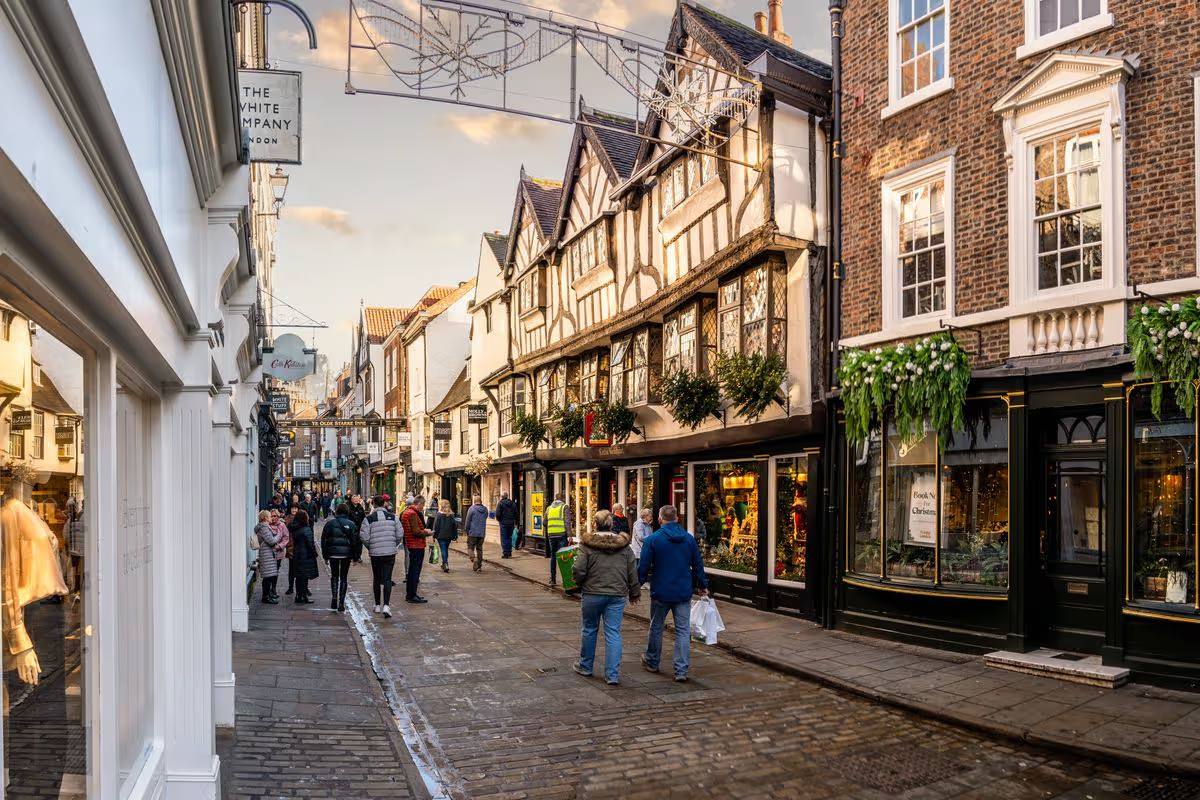
Also in York, you’ll find the Shambles – a medieval preserved street lined with timber-framed buildings and shops that feels like being frozen in time.
If you’re keen to spend some time in nature, Rowntree Park is a must-visit. With play parks for kids, tennis courts, skate parks and a gorgeous lake, it’s the perfect place to relax and soak up the sun this spring.
Taking to Tripadvisor, one fan wrote: “A beautiful well kept Victorian park with lots to do and see. Children’s areas, flower beds, arboretums, statues, and ponds. Lots of local wildlife. Excellent for a picnic.
“Cafe and toilets, all just a stone throw from York city centre and the racecourse. Well worth a visit.”
Brighton secured the second position on the list of walkable cities. Visitors can wander the seaside city’s Lanes before heading for an invigorating stroll along the promenade. Following a lengthy walk, there’s nothing better than a fish and chip supper on the beach with stunning sea views.
Bath claimed third spot on the list and is renowned for its remarkable Roman history and ancient baths. While tourists can’t bathe in the Roman baths, they will be able to unwind at the city’s spa instead.
Bristol was the greenest city on the list whilst London boasted some of the most city-centre attractions. Brighton, Inverness and Cambridge had the lowest levels of air pollution of any of the cities in the rankings.
Matt Fox, CEO and co-founder of LateRooms.com, said: “UK city breaks are as popular as ever and with spring around the corner, impromptu weekends away offer a great way to see and experience somewhere new.
“Getting to see all of the best sights somewhere has to offer in a short space of time can be hard work, but doing it on foot guarantees you’ll see so much more and stay active in the process too.
“All of Britain’s varied and historic cities offer something different and you can pack so much in without needing to set foot in a vehicle in almost all of them.”
Meanwhile Glasgow, Cardiff, Newcastle and Coventry were the least walkable cities in the top 20 rankings.
Though if you want to head to a seaside town without the crowds, the Croatian Tourism Board recommends visiting Komiza on the island, which according to the board is where fishing on the eastern coast of the Adriatic was born.
The town dates back to the 12th century and is surrounded by pretty villages to discover as well.
Stiniva Beach is just an 18 minute drive from the town and is the number one thing to do on the island of Vis, according to TripAdvisor.
The cove has crystal clear waters and pebbles, like many other beaches across the island.
From the road, it is about a 20 minute hike down to the beach, though many visitors note it isn’t easy, so sturdy shoes are recommended.
Boat tours go to the beach too, though, which is probably a better option for the more elderly.
One recent visitor said: “Stiniva Beach is hands down the most beautiful beach I’ve ever seen in my life.
“Tucked away in a secluded cove with crystal-clear water and beautiful high cliffs surrounding you, it feels like stepping into a hidden paradise.
“The atmosphere is peaceful and almost surreal, especially in the early morning when the light is soft and the crowds haven’t arrived yet.”
If you want to head to a more accessible beach, opt for Gusarica Beach which is right by the town centre.
The beach features small pebbles and it is a great spot to go paddleboarding.
The island and Komiža more specifically, was also used as a filming destination for Mamma Mia! Here We Go Again.
The area was also used to film parts of Mamma Mia! Here We Go AgainCredit: Alamy
In the second film, Harry and Bill have dinner in a Greek tavern.
In reality, the tavern is a restaurant called Jastožera and does have the amazing view that you see in the film.
The restaurant is located by a 15th century fortress that connects two cliffs and created an open air sea pool used for lobster breeding.
Since 1883, the restaurant has been owned by the Komizan family Marinkovic-Mestrezane and today you can visit to try fresh lobster dishes.
Komiža is a great base for visiting the Blue Cave on Bisevo island as well, which is an even smaller island.
The “island of peace and purity”, according to BlueCave-Bisevo.com, is known for its Blue Cave, which was revealed by Viennese painter Eugen Baron Ransonnet in 1884.
Since, tourists flock to the cave which has since become protected as a geomorphological natural monument.
What makes the cave so special is that it captures an unusual light phenomenon which gives everything in the cave a blue glow.
In 2019, research revealed that the blue glow is created by morning light hitting the yellow sandy bottom and illuminating the interior of the cave.
Nearby, you can also explore Blue Cave, which ‘glows’Credit: Alamy
Visitors can only head to the cave on an organised trip, which are available between April 1 and November 1.
Tickets to the cove can be purchased in the gift shop in Mezuporat Cove, near the cave entrance.
They cost 75 Croatian kuna (£8.67) per adult and 35 kuna (£4.05) for children, but in the peak season rise to 100 kuna (£11.56) per adult and 50 kuna (£5.78) per child.
If you book a Blue Cave tour from Split, your entrance will be included in your ticket.
The best way to get to Komiža is by flying to Split, with flights usually costing from £24 one-way.
Once in Split, hop on the ferry to Vis which usually costs between €6.50 (£5.66) and €26 (£22.63) per person.
IN CORNWALL is a pretty fishing village that made an appearance on television across 18 years in the hit ITV series Doc Martin.
Now, a pub that starred in the show and overlooks the seafront will reopen after it announced its sudden closure last month.
Sign up for the Travel newsletter
Thank you!
Port Isaac was used as the filming location for Doc Martin 18 yearsCredit: AlamyThe Golden Lion that featured as the Crab and Lobster will reopen on Friday 13 MarchCredit: Refer to Source
The postcard-worthy village of Port Isaac sits on the North coast of Cornwall.
It’s full of white-washed cottages and pubs including The Golden Lion which closed in February when the ‘local company running them ran out of money‘, according to Cornwall Live.
Just a few weeks later, the pub announced it was under new ownership of St Austell Brewery and would reopen on Friday 13 March with the same team.
When the news was revealed on Facebook, one local said: “So pleased to hear it will be reopening. It is the hub of the village. Will be in next week for a meal.”
In fact, lots of Port Isaac was used in the TV show as it doubled as the fictional village of Portwenn.
Fans of the series will recognise the pretty harbour, beaches and the Grade-II Listed Fern Cottage which is perched high above the harbour.
The stone cottage once stood in as the doctor’s surgery and now fans of the show can rent it out as a two-bedroom self-catering holiday cottage.
The cosy cottage sleeps four, it also has a sun terrace, garden and a hot tub.
It’s not cheap though as the booking website estimates the cottage at £443 per night.
The village was used as a filming location for Doc Martin for yearsCredit: Neil GenowerStone Fern Cottage sits high above Port Isaac’s harbourCredit: Alamy
Fans of the show can take guided walking tours exploring locations like the cottage as well as Mrs. Tishell’s pharmacy, and the harbour.
One of the spots where Harry Potter has been filming is in Cadgwith Cove, a small fishing village and Kynance Cove, a tidal beach with white sand, turquoise sea and rock stacks.
The old fishing townfeatures a long, crescent shaped beach with white sand and crystal clear water.
And this is one of the spots in the town where you will find surfers tackling huge waves.
In fact, it is the Nazaré Canyon that is the largest underwater canyon in Europe, that produces the town’s colossal waves.
Away from the water, the town also has a lot of narrow streets to explore with cosy restaurants serving fresh seafood.
For example, you could head to Restaurante Maria do Mar, which is the best-rated restaurant on TripAdvisor in the area, serving ‘Maria do Mar’ fish stew for just €9.50 (£8.20).
Surfers should also head to Ericeira, which is another popular surf town.
It is widely known as the ‘surfing capital of Europe‘ and is home to one of only two World Surfing Reserves in Europe.
If you are not a surfer, then simply enjoy the town’s beautiful beaches such as Praia dos Pescadores (Fisherman’s Beach) or Praia do Norte.
There’s also Obidos, which has a charming, medieval walled town.
In the picturesque town you can walk through Moorish gates and see colourful houses covered in bright pink flowers in summer.
Across the coastline, there are a number of towns and cities to explore including one spot dubbed the ‘Venice of Portugal’Credit: Getty
The medieval walls encircle the entire village, which you can explore.
There’s even a spot that is dubbed the ‘Venice of Portugal’ – Aveiro.
The nickname comes from the colourful boats that sail down canals in the town.
Originally, the boats – called moliceiros – were used to carry seaweed that had been harvested, but now they offer tours to visitors along the canals and past Art Nouveau buildings.
In the Old Town, you’ll find cobblestone streets with small fish and coastal images embedded into the cobbles.
Make sure to visit Ponte dos Laços de Amizade (Bridge of Friendship Ties) where couples tie ribbons on to the bridge.
And definitely grab some Ovos Moles which are sweets from the area.
They are egg yolk and sugar mixed together and then moulded into different shapes, like seashells.
Drop by Confeitaria Peixinho, the oldest Ovos Moles shop in Aveiro, which has been running since 1856 – each Ovos Mole costs about €1.60 (£1.38).
You can also see a village full of striped housesCredit: Getty
Nearby Aveiro there is another spot worth visiting called Costa Nova.
Here you will find rows upon rows of colourful striped beach cottages.
Elsewhere along the Silver Coast, you can visit the coastal village of Foz do Arelho and two beaches created by a saltwater lagoon.
Both feature white sand and are the ideal places to go paddleboarding.
If you want to grab a bite to eat, there are plenty of cafes and restaurants along the promenade.
Several of the pubs and bars along the Silver Coast sell beers for €1.25 (£1.08), like at Marcianus 3.0 in Foz do Arelho, where you can pick up a bottle of Imperial beer for this price.
One of the towns is home to the biggest surfing waves in the worldCredit: Getty
Depending on where you wish to go on the Silver Coast, you can fly into either Lisbon or Porto Airports.
One-way flights from the UK to Lisbon or Porto cost as little as £15 per person in April.
Also, depending on where you want to visit, there are a number of different accommodation options.
The average cost for a night in a four-star hotel in the region costs between £65 and £80.