plants

‘I tried yoga in ‘cathedral of plants’ at Kew Gardens and one moment left me awe-struck’

The iconic Kew Gardens offers a range of activities – many of them out of hours – including sunset and sunrise yoga in the stunning Temperate House

Kew Gardens – the world famous botanic garden in London – attracts millions of visitors every year, with many thronging to the iconic site during the summer months.

However, as a regular to this oasis of calm on the edge of the capital I have to say spring is by far my favourite time to visit the lush landscape.

Yes, in summer the blooms are at their most showy, the trees are all in full leaf. Autumn brings golden leaves, scrunching underfoot, and a raft of bronze colour on the plants and winter is arguably blissfully quiet during the day only to explode in a riot of colour when the incredible Kew at Christmas lights burst into being.

However, there’s something about spring in this stunning place. Crisp days with some sunshine and the first shoots appearing on the trees, letting us all know the cold, dark months of winter are finally over. And that’s before we even get started on the explosion of daffodils, tulips and other spring flowering bulbs bursting into life in immense carpets all over the stunning Kew Gardens.

However, the highlight for me has to be the cherry blossoms. Gracefully coming back to life in pinks and whites, bringing with them a new season, only to shower the lucky visitor with their petals in the breeze.

Nestled close to Kew Gardens’ Temperate House, a gigantic glass house which underwent a huge renovation six years ago and containing more than 3,000 varieties of plants, many of them critically endangered, there is stunning cherry blossom walkway.

An avenue of glorious cherry trees in full bloom, watching over a carpet of proud tulips was the perfect stroll before trying Kew Gardens sunset yoga in the Temperate House. I already felt serene walking into the incredible building but nothing could have prepared me for how I would feel after the season was over and I left.

Inspired by the cherry blossoms just outside, and also the many others around Kew, this yoga experience was centred on lightness and renewal – just like the season itself.

Led by Kew’s resident yoga instructor, Anil Jangi, this sessions are said to “cultivate mindfulness, enhance flexibility and invite a sense of deep calm for both body and mind”.

Held inside one of the most iconic buildings at Kew Gardens – and let’s be honest there’s no shortage to pick from – the sessions are suitable for every level. And believe me when I say if there was a level below beginner, that’s where I’d be, but Anil made sure every ability was catered for as she guided us through the practice.

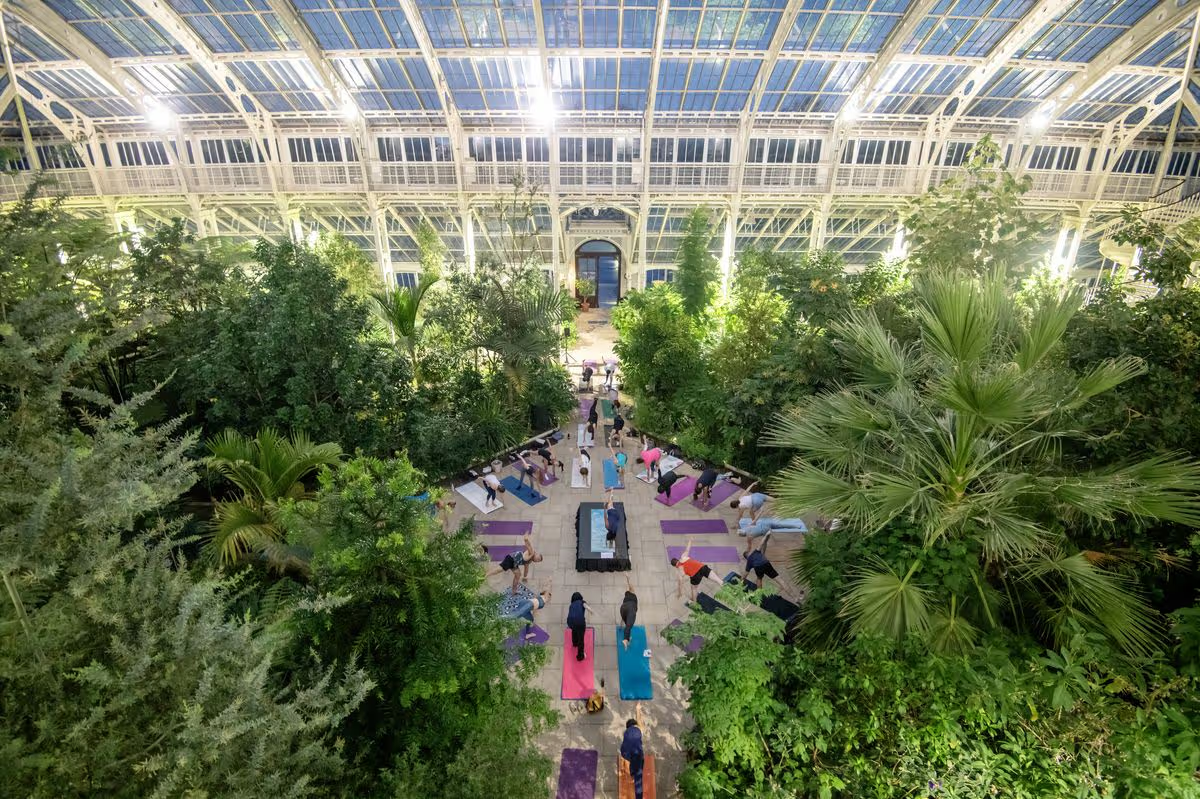
Accompanied by live sound bath music, enhanced by gongs, crystal and Tibetan singing bowls, we began lying on the floor of the Temperate House. Before closing my eyes to start breath work I was struck by a sense of awe in what was described as a “cathedral of plants”.

The soft green of the fronds – some giant, many at risk of extinction – floating above us, the gentle singing of birds and a sense of being somewhere truly special couldn’t help but wash over everyone taking part in this yoga session.

This was a gentle practice, full of stretching, strength poses, balance, restoration and relaxation. I could feel any stress melting into the floor of the Temperate House.

As the sun gradually set, the warm spring light was replaced with gentle candlelight, deepening the sense of calm and closeness to the incredible plants we were surrounded by.

It ended with a blissful sound bath before a warming mug of herbal tea.

As I walked out of the Temperate House almost two hours later, I was filled with such a sense of peace and calm – something we’re all finding increasingly hard to come by in these troubled times.

Kew Gardens is holding both sunset and sunset yoga, all accompanied by live acoustic music, on a variety of dates between now and September.

For more information, visit the website.
Source link

Trump’s threat to strike Iran’s power plants looms | US-Israel war on Iran

NewsFeed

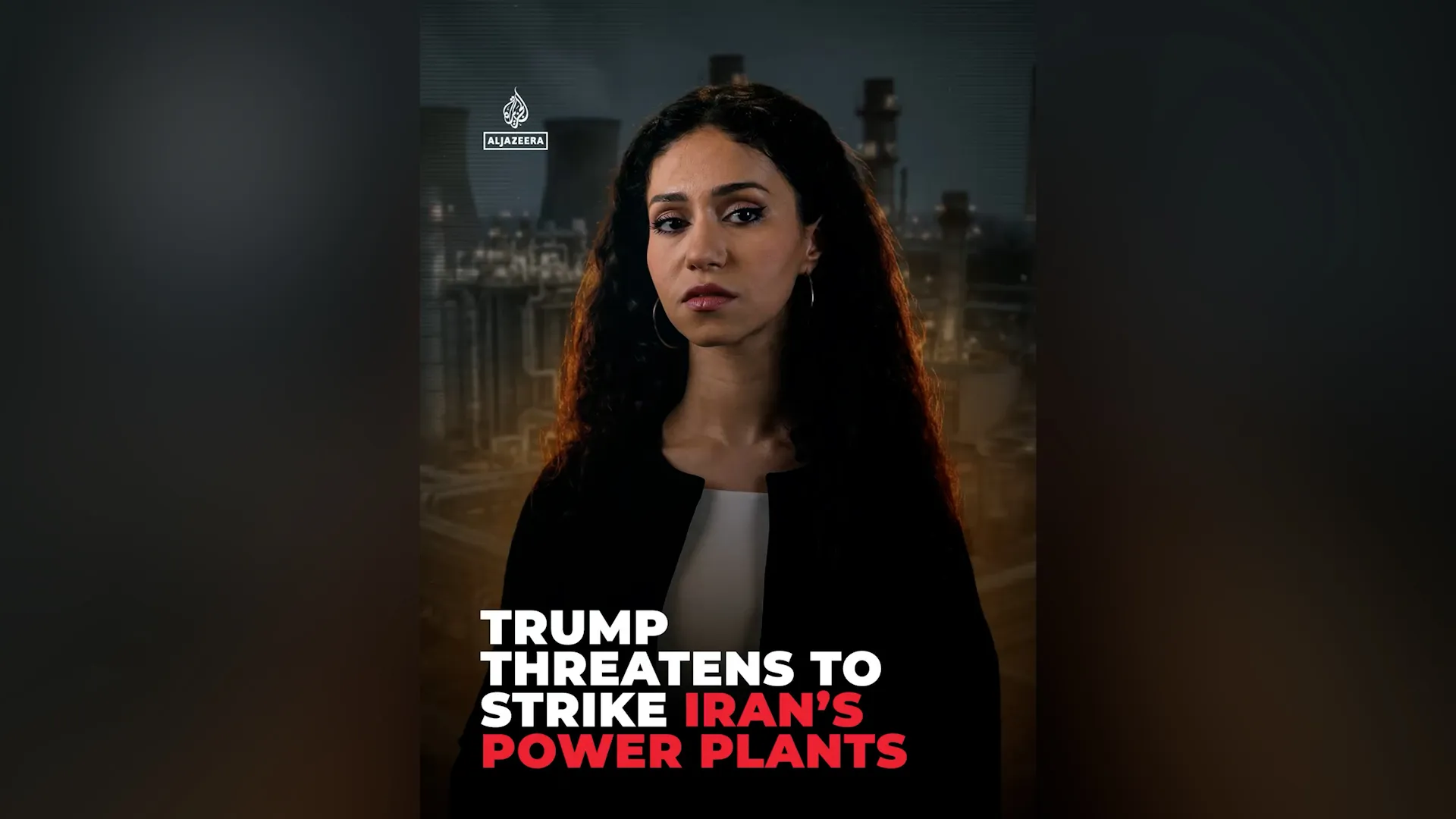
US President Donald Trump said ‘Tuesday will be power plant day’ in a vulgar post on social media. He says the US plans to start bombing electricity infrastructure unless Iran opens the Strait of Hormuz. Al Jazeera’s Hala Al Shami looks at Iran’s power plants and the dangers of potential attacks.

Source link

Trump holds fast to Tuesday deadline, threatening Iran’s bridges and power plants

President Trump said Monday that the United States and Iran are at a “critical point” in negotiating a potential ceasefire agreement, but the chances of reaching a deal by a Trump-imposed deadline on Tuesday evening appeared uncertain.

In a lengthy news briefing at the White House, the president echoed an expletive-laden Easter Sunday warning to strike Iran’s vital infrastructure if Tehran does not agree to open the Strait of Hormuz by 5 p.m. PDT on Tuesday.

“The entire country can be taken out in one night and that night might be tomorrow night,” Trump told reporters.

Mediators from Egypt, Pakistan and Turkey sent the United States and Iran a draft proposal of the 45-day ceasefire on Friday, the Associated Press reported. Its prospects seemed dim amid the president’s threats and a lukewarm response from Iranian leaders, who dismissed the president’s diplomatic overtures as “unrealistic” and denying direct talks with the United States.

Iranian Foreign Ministry spokesman Esmail Baghaei rejected the latest ceasefire proposal, saying Monday that the American demands were “both highly excessive and unusual, as well as illogical.”

Still, Trump continued to assert that Iranian leadership has been negotiating in good faith. He characterized newly installed leaders as an improvement over their predecessors.

“The people that we are negotiating with now on behalf of Iran are much more reasonable,” he said Monday.

Trump declined to comment further on the ceasefire proposal at the news conference, but told reporters that Iran is negotiating ahead of his Tuesday deadline.

“I can tell you they’re negotiating, we think in good faith,” Trump said. “We are going to find out.”

The president did not say whom the United States is negotiating with, but said the most difficult challenge so far has been establishing a reliable channel of communicating with Iranian officials who he said have “no method of communicating.”

Trump also declined to say whether he was prepared to offer Iran assurances to wind down the conflict, or whether he would escalate by following through with his threats to bomb critical Iranian infrastructure, leaving the door open to both diplomacy and military action.

“I can’t tell you — it depends on what they do. This is a critical period,” he said,

Central to the negotiations is Iran’s control of the Strait of Hormuz, a choke point that, if left blockaded, could continue driving oil prices higher and further destabilizing global energy markets.

Trump, in characteristically unorthodox fashion, floated the possibility of the United States seizing operational control of the waterway and charging tolls for passage, a proposal that he provided without much detail.

“Why shouldn’t we?” Trump said. “We have a concept where we’ll charge tolls.”

He also mused openly about seizing Iranian oil, as he has in recent social media posts in which he floated the idea of using the war to claim Iranian energy resources. He acknowledged public pressure was holding him back from that course.

“Unfortunately the American people would like to see us come home,” he said. “If it were up to me, I’d take the oil, keep the oil and make plenty of money.”

In addition to reopening the Strait of Hormuz, Washington is also demanding the permanent decommissioning of Iranian nuclear sites and an end to its uranium enrichment programs. The proposal also requires Iran to halt support for regional proxies and accept strict ballistic missile limits.

In exchange, the United States says it will provide sanctions relief and assistance with civilian energy production, according to media reports.

Speaking at the White House Easter Egg Roll earlier Monday, Trump showed no signs of softening his posture to bring “hell” to Iran if a deal doesn’t materialize.

“We are obliterating their country. And I hate to do it, but we are obliterating. And they just don’t want to say uncle. … And if they don’t, then they’ll have no bridges, they’ll have no power plants, they’ll have nothing,” he said, adding ominously that “there are other things that are worse than those two.”

Iran has warned of “more severe and expansive” retaliations if Trump follows through on the threats.

Also at Monday’s briefing, Trump celebrated the dramatic rescue of the American officer whose fighter jet was downed by Iran last week. He told reporters the operation to retrieve the wounded officer from “one of the toughest areas in Iran” was possible with a mix of “talent” and “luck.”

The president, however, was angered that a news outlet, which he did not name, reported that the weapons system officer had gone missing and was stranded behind enemy lines. Trump vowed to root out the source of that information, including by threatening to jail the journalist who broke the story.

“We have to find that leaker because that is a sick person,” Trump said. “We are going to find out, it is national security. The person who did the story will go to jail if he doesn’t say.”

Also Monday, Israel struck Iran’s largest petrochemical facility in Asaluyeh and killed Gen. Majid Khademi, the head of the Islamic Revolutionary Guard Corps’ intelligence organization.

The Israeli military also hit three Iranian airports, purportedly targeting dozens of helicopters and aircraft it said belonged to the Iranian air force.

Iran responded with missile strikes targeting Haifa, Israel, and energy infrastructure in Kuwait and Bahrain.

Source link

Where are Iran’s power plants that Trump has threatened to destroy? | US-Israel war on Iran News

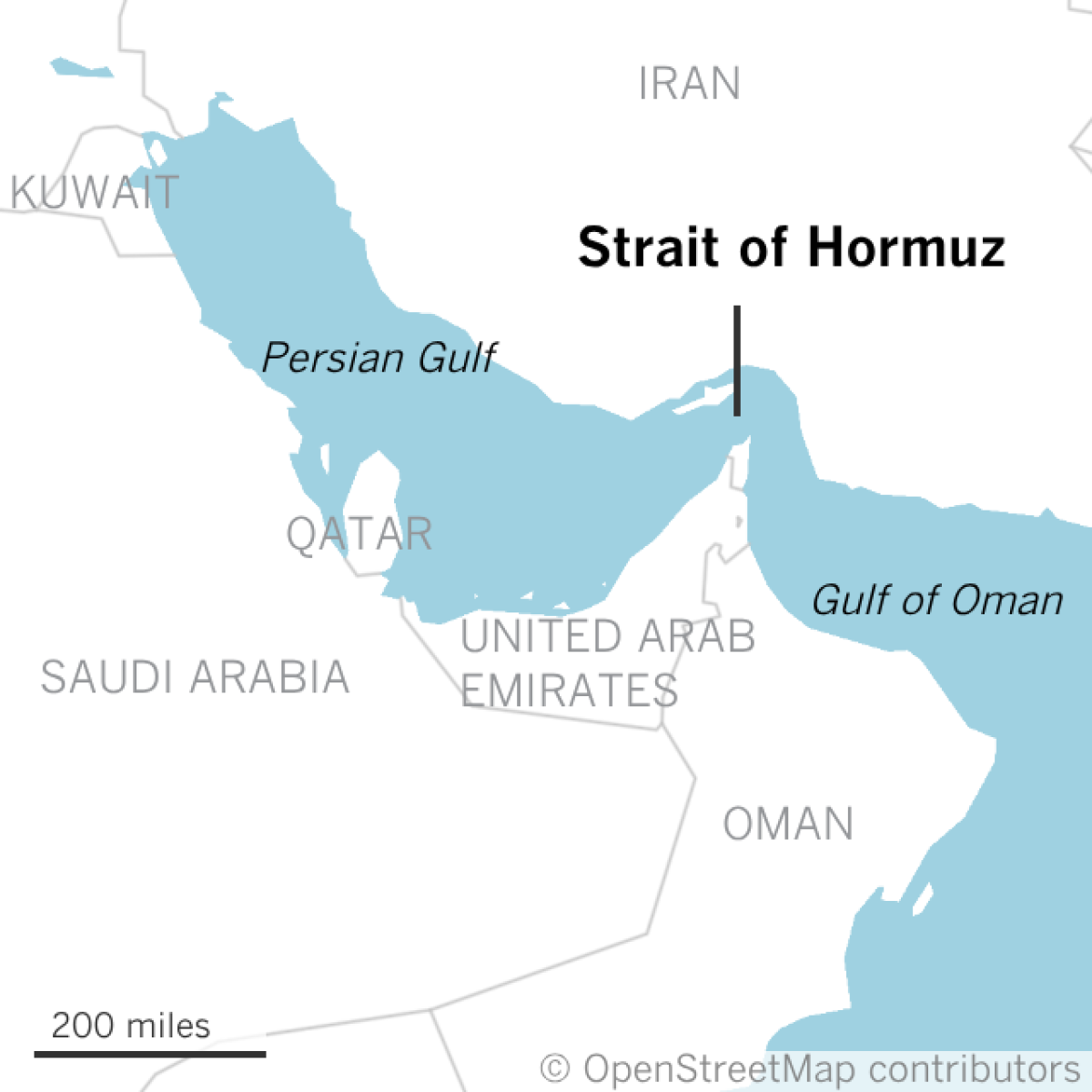
US President Donald Trump has issued a direct ultimatum to Iran: reopen the Strait of Hormuz by 8pm Eastern Time in the United States on Tuesday, April 7 (midnight GMT on April 8), or face the destruction of national power plants and bridges.

This echoes an earlier March 21 ultimatum in which he threatened to attack Iran’s power plants – “the biggest one first” – if the strait was not fully reopened within 48 hours.

President Trump has since extended that deadline several times, citing progress in negotiations he claims the US is having with Iran to end the ongoing war. Iran denies it is holding direct talks with the US.

While Trump has made grand statements such as “they’re going to lose every power plant and every other plant they have in the whole country”, he has not mentioned specific targets.

The US president has also threatened to destroy the country’s bridges. Over the weekend, a US-Israeli strike hit the B1 bridge in the city of Karaj, west of Tehran. The major highway link, described as the tallest bridge in the Middle East, had been scheduled to be inaugurated soon. It sustained significant damage in the strike.

Legal experts say that targeting civilian sites amounts to “collective punishment”, which is prohibited under the laws of war.

Where are Iran’s power plants?

Iran operates hundreds of power plants which, together, form one of the largest electricity systems in the Middle East, supplying energy to 92 million people.

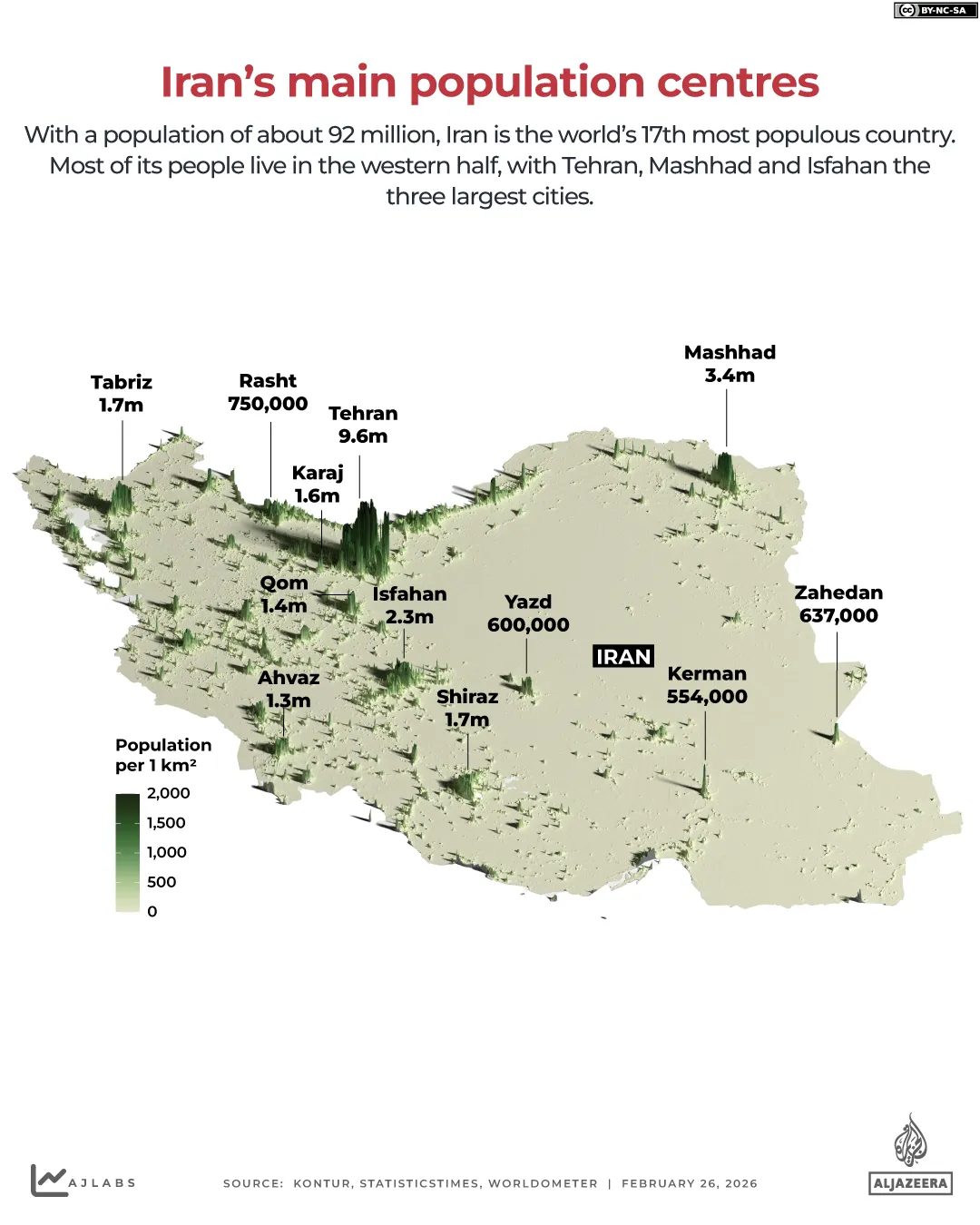
Most of the country’s power plants are close to major population centres and industrial hubs. The majority of Iran’s population lives in the western half of the country, with Tehran, Mashhad and Isfahan the three largest cities.

INTERACTIVE - Iran population density - FEB26, 2026-1772104770
(Al Jazeera)

Iran has a mixture of gas, coal, hydro, nuclear and oil-fired power plants, but most are gas-fired. In the north and centre of the country, clusters of gas-fired plants supply electricity to the country’s largest population centres, including Tehran, Karaj, Isfahan and Mashhad.

Another major concentration of power plants lies along the Gulf coast. These plants sit close to major gasfields and ports, allowing large thermal stations to run on abundant natural gas.

The coast is also home to the Bushehr Nuclear Power Plant, Iran’s only nuclear power facility, which has a capacity of 1,000MW. The US and Israel have repeatedly hit this nuclear power plant, raising risks of radioactive contamination far beyond Iran’s borders, the state-run Atomic Energy Organisation of Iran (AEOI) has warned.

bushehr
A satellite image shows new reactors under construction at the Bushehr site in Iran in this handout image dated January 1, 2025 [Maxar Technologies/Handout via Reuters]

Iran also operates a handful of hydropower dams concentrated along the Karun River, the country’s most important source of hydroelectric generation.

Electricity generated from all these plants is fed into a national transmission network operated by Iran Grid Management Company, which distributes power to cities, industries and homes across the country.

The map below shows all of Iran’s power stations with a capacity of 100MW or more.

A 100MW power plant can typically supply electricity to roughly 75,000 to 100,000 homes, depending on consumption patterns.

Iran’s largest power plant by capacity is the Damavand Power Plant located in the Pakdasht area, roughly 50km (31 miles) southeast of Tehran, with a capacity of some 2,900MW, enough to power more than two million homes.

Which are Iran’s most important power plants?

Iran’s largest power plants include:

  • Damavand (Pakdasht) Power Plant – Near Tehran.
    Fuel: Natural gas (combined-cycle).
    Capacity: 2,868MW.
  • Shahid Salimi Power Plant – Neka, along the Caspian Sea coast.
    Fuel: Natural gas.
    Capacity: 2,215MW.
  • Shahid Rajaee Power Plant – Near Qazvin.
    Fuel: Natural gas.
    Capacity: 2,043MW.
  • Karun-3 Dam – Khuzestan Province.
    Fuel: Hydropower.
    Capacity: 2,000MW.
  • Kerman Power Plant – Kerman.
    Fuel: Natural gas.
    Capacity: 1,912MW.

Other smaller but strategically important power plants include:

  • Ramin Power Plant – Ahvaz, Khuzestan.
    Fuel: Gas.
    Capacity: 1,903MW.
  • Bushehr Nuclear Power Plant – On the Gulf.
    Fuel: Nuclear.
    Capacity: 1,000MW.
  • Bandar Abbas Power Plant – Near the Strait of Hormuz.
    Fuel: Oil.
    Capacity: 1,330MW.

How does Iran generate its electricity?

Iran’s electricity system relies heavily on large thermal power plants fuelled by natural gas. The country has one of the world’s largest natural gas reserves, and this fuel forms the backbone of its power system.

In 2025, 86 percent of Iran’s electricity came from natural gas.

Oil-fired plants provide a smaller share, generating roughly seven percent of electricity. Some power stations switch to diesel or fuel oil when natural gas supplies are tight, especially during winter demand peaks.

INTERACTIVE - How does Iran generate its electricity - April 3, 2026-1775478160
(Al Jazeera)

Hydropower accounts for about five percent of electricity. Large dams on rivers such as the Karun River generate power by using flowing water to spin turbines.

Nuclear energy contributes around two percent of the country’s electricity, mainly from the Bushehr Nuclear Power Plant, Iran’s only operational nuclear reactor.

Renewables such as solar and wind play a very small role, together accounting for less than one percent of electricity generation.

Overall, more than 90 percent of Iran’s electricity comes from fossil fuels, making it one of the most gas-dependent power systems in the world.

Source link

Kuwait’s power, water plants damaged as Iran keeps attacking Gulf states | News

Bahrain and the UAE also reported attacks resulting in fires, which were put out quickly.

Kuwait has said Iranian drone attacks damaged two power and water desalination plants and sparked a fire at an oil complex, without causing injuries.

Gulf countries have borne the brunt of Tehran’s response to the US and Israeli strikes on Iran since February 28.

Recommended Stories

list of 4 itemsend of list

Fatima Abbas Johar Hayat, a spokesperson for Kuwait’s Ministry of Electricity, Water and Renewable Energy, said on Sunday the “criminal aggression” caused “serious material damage” overnight to the two plants and the outage of two electricity-generating units.

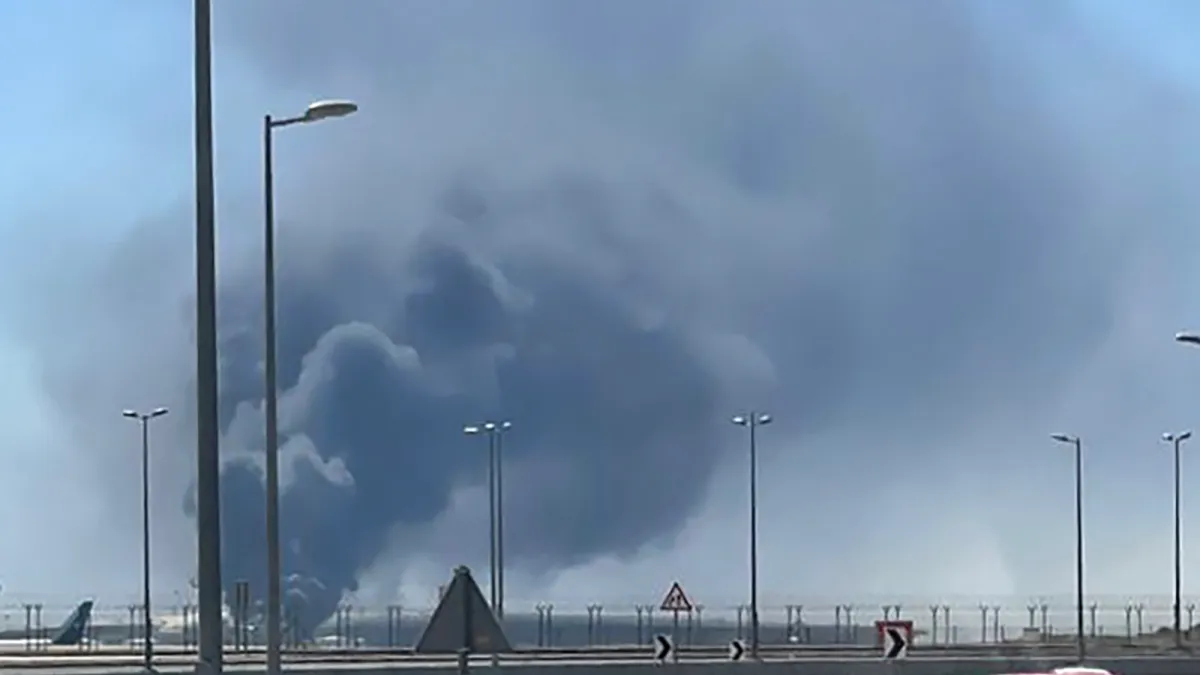
The attack is the latest to target civil infrastructure in Kuwait. Other drone attacks overnight caused a fire at the Shuwaikh Oil Sector Complex and “significant damage” to a government office complex.

Reporting from Kuwait City, Al Jazeera’s Malika Traina referred to the incident as “devastating news” because “water desalination here and across the Gulf is extremely important. In Kuwait, around 90 percent of the country’s drinking water comes from these plants”.

Alongside the United Arab Emirates, Kuwait has been at the “epicentre” of Iranian attacks over the past few days, said Al Jazeera’s Victoria Gatenby, reporting from Doha, Qatar.

“The concern here in the region is that if President [Donald] Trump and the Israeli prime minister, Benjamin Netanyahu, follow through on those threats to escalate attacks on Iran, the result may be that Tehran attacks similar facilities here in the Gulf,” said Gatenby.

Gulf patience is not ‘unlimited’

Bahrain also faced Iranian attacks on Sunday.

Bahrain’s Gulf Petrochemical Industries Co said that several of its operational units were subjected to an attack by Iranian drones, while earlier in the day, the country’s national oil company, Bapco Energies, said an oil tank at one of its storage facilities was hit.

Both attacks caused a fire but were later brought under control and extinguished, Bahraini media reported.

No casualties were reported in either attacks, and damage from both was being assessed.

Earlier, Bahrain’s Ministry of the Interior had reported on the Bapco Energies fire without specifying where the blaze had broken out.

The Interior Ministry has said civil defence crews “extinguished a fire in the facility” that broke out “as a result of the Iranian aggression”.

The announcement came an hour after Bahrain activated air raid sirens.

Authorities in neighbouring Abu Dhabi on Sunday also stated they responded to several fires that broke out at the Borouge petrochemical plant, caused by falling debris from an interception.

“Operations at the plant have been immediately suspended pending a damage assessment,” read a statement issued by Abu Dhabi Media Office.

No injuries have been reported so far, it added.

Saudi Arabia, meanwhile, intercepted missiles early on Sunday, the kingdom said.

“Iran has said that it is only really attacking US military bases and US assets in the region, but we know from what’s been happening over the past five weeks and from what Gulf leaders have been saying that they have very much been targeting civilian infrastructure and critical energy infrastructure in this region as well,” said Gatenby.

While Gulf countries have shown “incredible restraint” in the face of attacks over the past five weeks, it is not because they lack the ability to respond and, increasingly, countries are talking about the fact that their patience is not unlimited, said Gatenby.

Saudi Arabia, in particular, has been talking in the past week about its right to self-defence under Article 51 of the UN Charter, she said.

“The GCC countries continue to say their main priority is de-escalation and dialogue, but some others have been saying this defensive posture may have to change if they continue to be attacked,” said Gatenby.

Source link

Iran says Israeli attacks on plants ‘contradicts’ U.S. 10-day pause

A projectile crosses the sky above the West Bank city of Nablus, on Friday. The Israeli military reported that it had detected missiles launched from Iran toward Israel, several of which struck central Israel. Photo by Alaa Badarneh/EPA

March 27 (UPI) — Iranian Foreign Minister Abbas Araghchi said Friday that his country “will exact [a] heavy price” for Israeli strikes on infrastructure Friday.

In a post on X, he said the strikes hit two of Iran’s largest steel factories, a power plant, civilian nuclear sites and other infrastructure.

“Israel claims it acted in coordination with the U.S.,” Araghchi wrote.

The airstrikes came less than a day after U.S. President Donald Trump extended a pause on U.S. attacks on Iran’s energy sites for 10 days. Trump said he extended the deadline because negotiations between the United States and Iran had been going “well,” and Iran had permitted several oil tankers to transit the Strait of Hormuz.

The “attack contradicts POTUS extended deadline for diplomacy,” Araghchi wrote.

“Iran will exact HEAVY price for Israeli crimes.”

The Guardian reported that the airstrikes hit the Khondab heavy-water plant near Arak and a uranium production facility in Ardakan. They also hit steel plants in Khuzestan and Mobarakeh.

Iran’s state-run Tasnim news agency said Tehran was considering launching attacks on six steel factories in Israel in retaliation for Friday’s attack.

The Israeli military said Friday it had intercepted missiles launched by Iran, NBC News reported.

“A short while ago, the [Israel Defense Forces] identified missiles launched from Iran toward the territory of the State of Israel,” the military said in a statement. “Defensive systems are operating to intercept the treat.”

Speaking Friday evening at the Future Investment Initiative in Miami, Trump said Iran is “on the run,” one month after the United States and Israel jointly began attacking the country. The violence came amid negotiations in which the United States sought to limit Iran’s nuclear program.

“Tonight, we’re closer than ever to the rise of the Middle East that is finally free at least from Iranian terror, aggression and nuclear blackmail,” Trump said.

Iran is “being decimated,” he added.

“We are talking now, they want to make a deal.”

The United States offered a proposed 15-point peace plan to Iran this week, but Araghchi said Iranian officials had no plans to negotiate it “for now.”

“This is Israel’s war, and people of the region and people of the U.S. are paying the price for it,” he said.

Iran’s Red Crescent Society reported Friday that more than 70,000 residential units, 600 schools and 300 health facilities had been damaged since the start of the war.

Source link

U.S. President Donald Trump vows to ‘obliterate’ Iran’s power plants

March 22 (UPI) — U.S. President Donald Trump is threatening to obliterate Iran’s power plants if it doesn’t re-open the Strait of Hormuz and allow oil tankers through.

“If Iran doesn’t FULLY OPEN, WITHOUT THREAT, the Strait of Hormuz, within 48 HOURS from this exact point in time, the United States of America will hit and obliterate their various POWER PLANTS, STARTING WITH THE BIGGEST ONE FIRST!” Trump posted on Truth Social Saturday night.

CNN quoted Iran’s Parliament Speaker Mohammad ⁠Baqer Qalibaf as saying that if Trump carries out this plan, Iran will retaliate by attacking infrastructure and energy facilities throughout the Middle East, driving up the prices for oil even further than they have been for the past three weeks.

The New York Times said about 175 people were injured Sunday morning in Iranian missile attacks on Arad and Dimona, residential neighborhoods in southern Israel.

The locations are near Israel’s biggest nuclear research and reactor center.

Last week, Trump asked members of NATO, whose countries depend on the oil transported through the Strait of Hormuz, to help re-open and police the essential trade route between Iran and Oman.

Britain, Canada, France, Germany, Italy, the Netherlands and Japan responded with a statement of support that said, “We express our readiness to contribute to appropriate efforts to ensure safe passage through the Strait.”

Iran closed the waterway Feb. 28 after the United States and Israel tried to destroy Iran’s nuclear program and long-range missile manufacturing facilities.

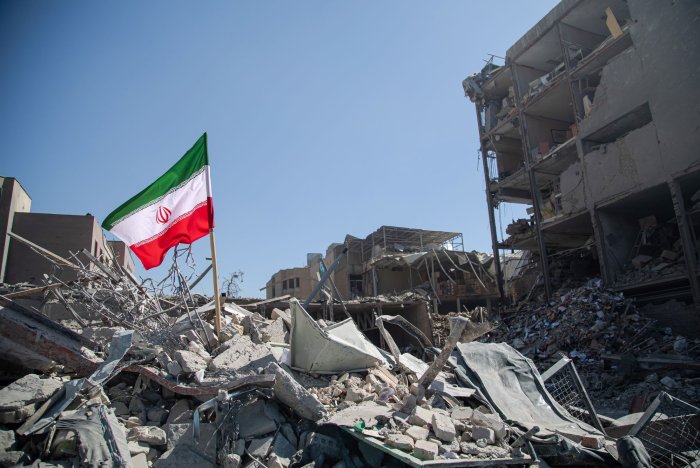
An Iranian flag stands amid the destruction in Enghelab Square following the attacks carried out by the United States and Israel on Tehran, Iran, on March 4, 2026. Photo by Nahal Farzaneh/UPI | License Photo

Source link

Trump threatens to ‘obliterate’ Iran power plants unless Hormuz Strait open | Conflict

NewsFeed

US President Donald Trump has threatened to ‘obliterate’ Iran’s power plants if Tehran fails to open the Strait of Hormuz to all vessels within 48 hours. This major escalation comes as Trump faces pressure over skyrocketing domestic energy prices due to the now three-week-long war.

Source link

Trump issues 48-hour Hormuz Strait ultimatum, threatens Iran power plants | US-Israel war on Iran News

Tehran responds to Trump’s threat by saying all US energy infrastructure in the region will be targeted if Iran is attacked.

United States President Donald Trump has threatened to attack Iran’s power plants if freedom of navigation is not fully restored at the Strait of Hormuz within 48 hours, a dramatic escalation as the US-Israeli war on Iran continues for a fourth week.

The statement on Saturday came as Trump faces increasing pressure to secure the vital waterway that Iran has promised to keep closed to “enemy ships”, leading to soaring oil prices and plunging stock markets.

“If Iran doesn’t FULLY OPEN, WITHOUT THREAT, the Strait of Hormuz, within 48 HOURS from this exact point in time, the United States of America will hit and obliterate their various POWER PLANTS, STARTING WITH THE BIGGEST ONE FIRST,” Trump, who is in his Florida home for the weekend, wrote on Truth Social at 23:44 GMT.

He did not specify which plant he was referring to as the biggest.

Following Trump’s threat, the Iranian army said it would target all energy infrastructure belonging to the US in the region if Iran’s fuel and energy infrastructure were attacked.

Trump’s escalatory comments came barely a day after he talked about “winding down” the war that he launched alongside Israeli Prime Minister Benjamin Netanyahu on February 28, when the US and Iran were engaged in nuclear negotiations.

In a social media post on Friday, Trump said the US was “getting very close to meeting our objectives as we consider winding down our great Military efforts in the Middle East”.

Key waterway

Shipping traffic through the Strait of Hormuz, where a fifth of the world’s oil and gas passes through during peacetime, has virtually ground to a halt since the early days of the war.

Iran has said the Strait of Hormuz is open to all except the US and its allies, with Minister of Foreign Affairs Abbas Araghchi saying last week that he had been “approached by a number of countries” seeking safe passage for their vessels.

“This is up to our military to decide,” he told the US television network CBS, adding that a group of ships from “different countries” had been allowed to pass, without providing details.

The head of US Central Command, Admiral Brad Cooper, asserted on Saturday that Iran’s ability to attack vessels on the strait had been “degraded” after US fighter jets dropped 5,000-pound (about 2,300kg) bombs on an underground Iranian coastal facility storing antiship cruise missiles and mobile launchers earlier this week.

The strike also destroyed “intelligence support sites and missile radar relays” used to monitor ship movements, Cooper said.

Reporting from Washington, DC, Al Jazeera’s Manuel Rapalo said there seemed to be a “gap between what the White House appears to want in the Strait of Hormuz and what the US military says they have already accomplished”.

“It is interesting, to say at the very least, to hear Trump talking about a major escalation, given the fact that we’ve been hearing throughout the course of the day how much damage the US has done, supposedly, to Iran’s ability to target oil tankers and vessels navigating through the strait.”

Source link