United States President Donald Trump said early on Sunday that an American soldier who went missing in Iran after the downing of his F-15E jet has been rescued following what observers called a dramatic firefight between Iranian and US rescue forces.
The US and Iran were racing to find the airman for about two days, with Tehran calling on the public to hand over the soldier to the authorities in what appeared to be attempts to capture an American prisoner of war as the US-Israel war on Iran entered its 37th day.
Recommended Stories
list of 3 itemsend of list
That scenario would have delivered a significant win to Tehran amid the ongoing pummelling of its territory, and for Washington, a stunning blow, analysts say. It could have been the moment that parts of Trump’s support base, which has so far supported the war, started to rethink their stance, they say.
“It was a major test for the American military because they really don’t want to leave any of their servicemen behind enemy lines,” Amin Saikal, a professor of Middle East and Central Asian studies at the Australian National University, told Al Jazeera.
But this rescue “also really frees up President Trump to pursue whatever strategy he has in mind”, Saikal added, referencing Trump’s 48-hour deadline for Iran to make a deal or open the Strait of Hormuz “before all Hell will reign down on them”. Trump has already threatened to bomb energy plants in Iran. Targeting of civilian infrastructure is seen as a violation of the laws of war.
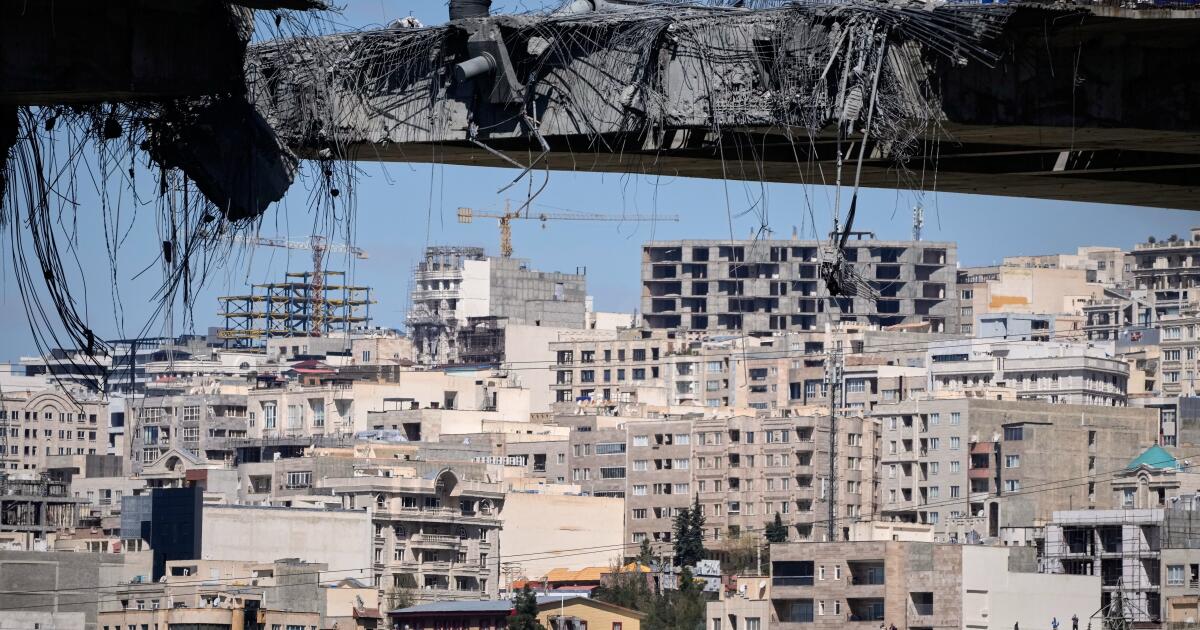
At least 2,076 people have been killed, and 26,500 have been injured in Iran since February 28, when the US and Israel first launched strikes on Iran and killed Supreme Leader Ayatollah Khamenei and several other senior military and political leaders.
The conflict has since escalated into a regional war with Iran retaliating against Gulf countries hosting US military and commercial assets.
What happened to the missing airman?
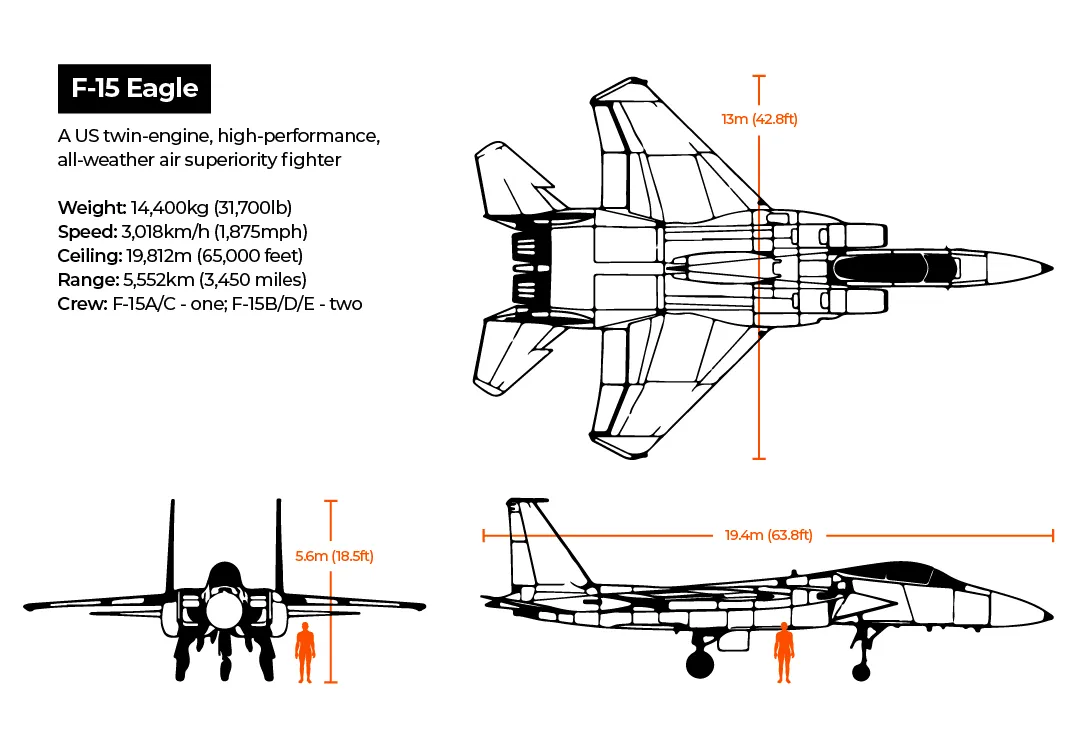
The F-15E jet carrying two members was flying over southern Iran when it was shot down on Friday morning local time.
According to Tehran, the aircraft was shot down by Iran’s “new advanced air defence system”, which it said remained effective despite claims by the US that it had been destroyed.
It was the first time during the war, and the first time since the invasion of Iraq in 2003, that a US aircraft had been shot down.
Washington immediately launched a rescue mission. Although US forces rescued one crew member hours after the crash, the second pilot, believed to be a colonel-rank weapons system officer, was yet to be found.
At least one Black Hawk helicopter was hit in the initial rescue, but US officials said it managed to stay airborne.
Trump suggested that the US appeared to have the location of the airman and was tracking him as the rescue mission unfolded in an area with difficult, mountainous terrain that made physical recovery challenging.
An A-10 Warthog aircraft was also hit near the Strait of Hormuz around the same time as the F-15E, but its pilot was able to eject before the plane crashed and was subsequently rescued. Iranian media reported that this aircraft was also hit by Iran’s defence system.
 How did Iran react?
Following the downing of the F-15E, Iran’s Islamic Revolutionary Guard Corps (IRGC) cordoned off some parts of the mountainous southwestern Kohgiluyeh and Boyer-Ahmad province because they believed the airman went down in the vicinity.
Iranian media also reported that parts of the southern Khuzestan region, an important energy hub, were being scrutinised. That region was the focus of heavy US-Israeli strikes on Saturday that killed at least five people and injured dozens.
Iranian authorities, in a rare move, called on the public on Friday to help find and capture the missing American soldier. State media reported that Tehran offered a $60,000 reward for the airman as clips on state TV repeatedly played footage showing the remnants of the downed US aircraft.
Nomadic tribes in the area, appearing to heed the calls, set about searching for the US airman. Footage from state media showed men carrying rifles and Iranian flags moving in between the mountains of the country’s southwest region.
Some successfully shot at two US Black Hawks that were part of the rescue mission, Iranian officials said. The BBC also verified footage appearing to show Iranian men firing their rifles at US helicopters.
Nomadic groups in Iran, and elsewhere, usually carry rifles to protect their cattle from wildlife and bandits.
The IRGC on Sunday claimed that Iranian forces destroyed two C-130 aircraft and two Black Hawk helicopters during the operation to rescue the US pilot in southern Isfahan.
What did the US do to retrieve the soldier?
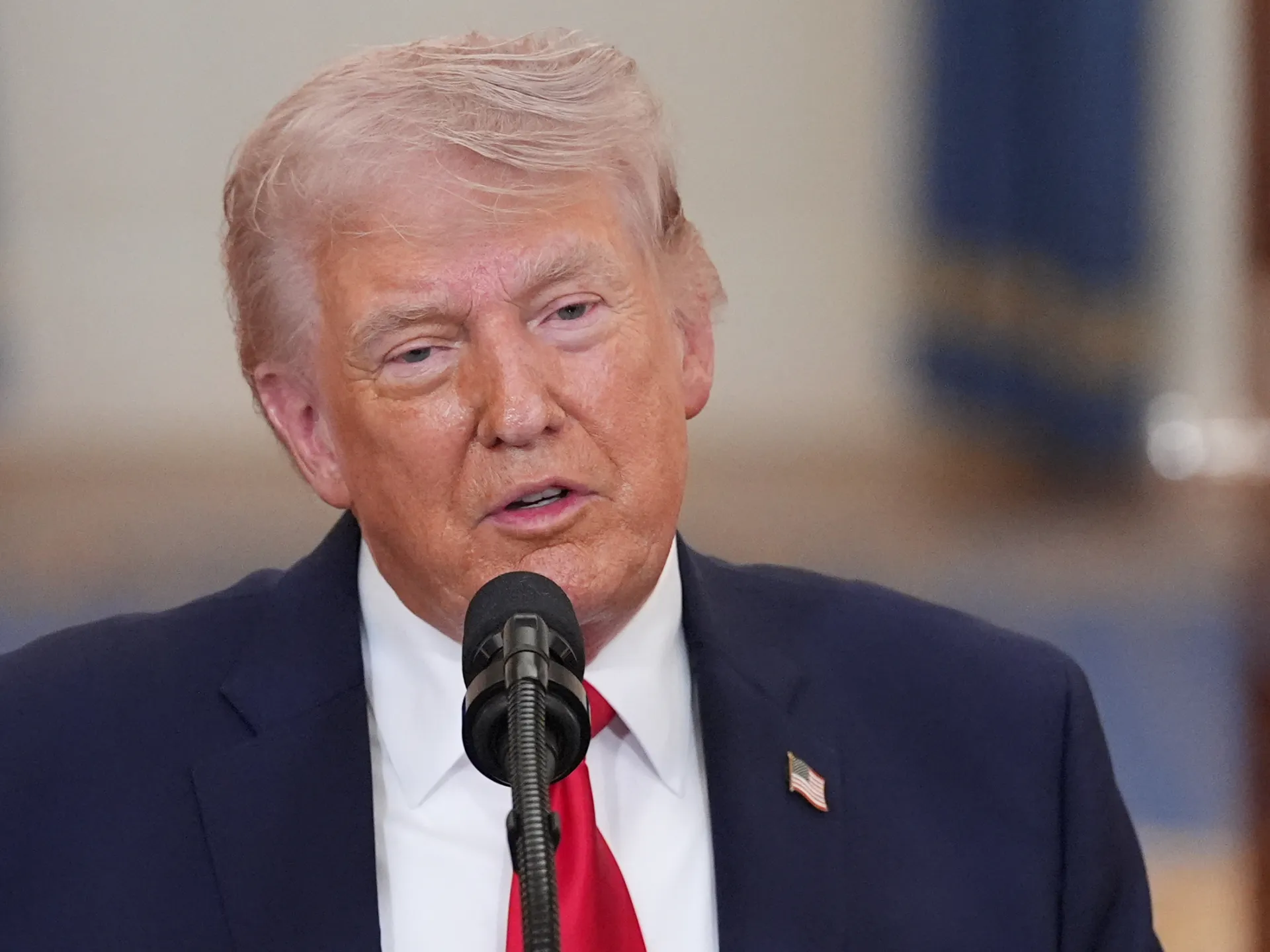
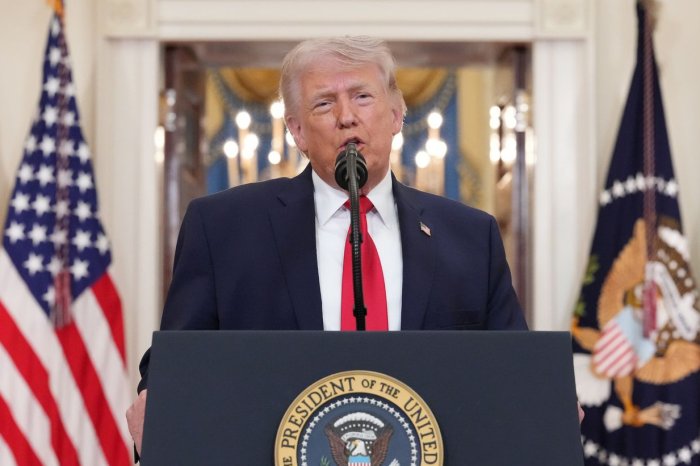
Early on Sunday morning, Trump announced in a post on Truth Social that the missing soldier had been rescued in “one of the most daring Search and Rescue Operations in U.S History”.
“This brave Warrior was behind enemy lines in the treacherous mountains of Iran, being hunted down by our enemies, who were getting closer and closer by the hour, but was never truly alone because his Commander in Chief, Secretary of War, Chairman of the Joint Chiefs of Staff, and fellow Warfighters were monitoring his location 24 hours a day, and diligently planning for his rescue,” Trump said in his message.
The president revealed some details of the high-risk operation. He had ordered that dozens of aircraft carrying “lethal weapons” be sent in to retrieve the airman who had managed to evade Iranian forces for two days. All the while, the US was tracking the airman.
Although Trump did not reveal details of the firefight believed to have ensued when the US closed in on the airman and went to retrieve him, he confirmed that the officer “sustained injuries” and added that “he will be just fine”.
Al Jazeera’s John Hendren gathered that there was a “heavy firefight” as what was meant to be a “get-in and get-out” rescue operation dragged on.
While US forces had aimed to use the cover of night to conduct the rescue mission after closing in on the airman, enemy fire prolonged the mission into daylight, making it more dangerous.
“We’ve heard it described to us as a heavy firefight,” Hendren reported. “In the end, they managed to spirit that airman out of the country … and into safety, but it didn’t come without injuries, including injuries to that airman himself, but in the end, the US was allowed to avoid a situation where they would have a prisoner of war inside of Iran.”
Hendren added that the US had earlier started a disinformation campaign in Iran, according to officials, claiming the airman was already rescued, to jeopardise Iran’s search.
Iran has not yet confirmed the incident. Al Jazeera’s Tohid Asadi, reporting from Tehran, said the firefight appeared to have occurred in the Kohgiluyeh Boyer-Ahmad region, and that nine people have been reported killed in “strikes”, although it is unclear if it was related to the US rescue mission.
Meanwhile, Iranian authorities said on Sunday morning that yet another US aircraft – a Lockheed C-130 Hercules – had been downed.
The US has not responded to those claims. At least one such aircraft was spotted flying low over southwest Iran, along with two smaller refuelling helicopters, during the rescue mission effort of the last 48 hours.