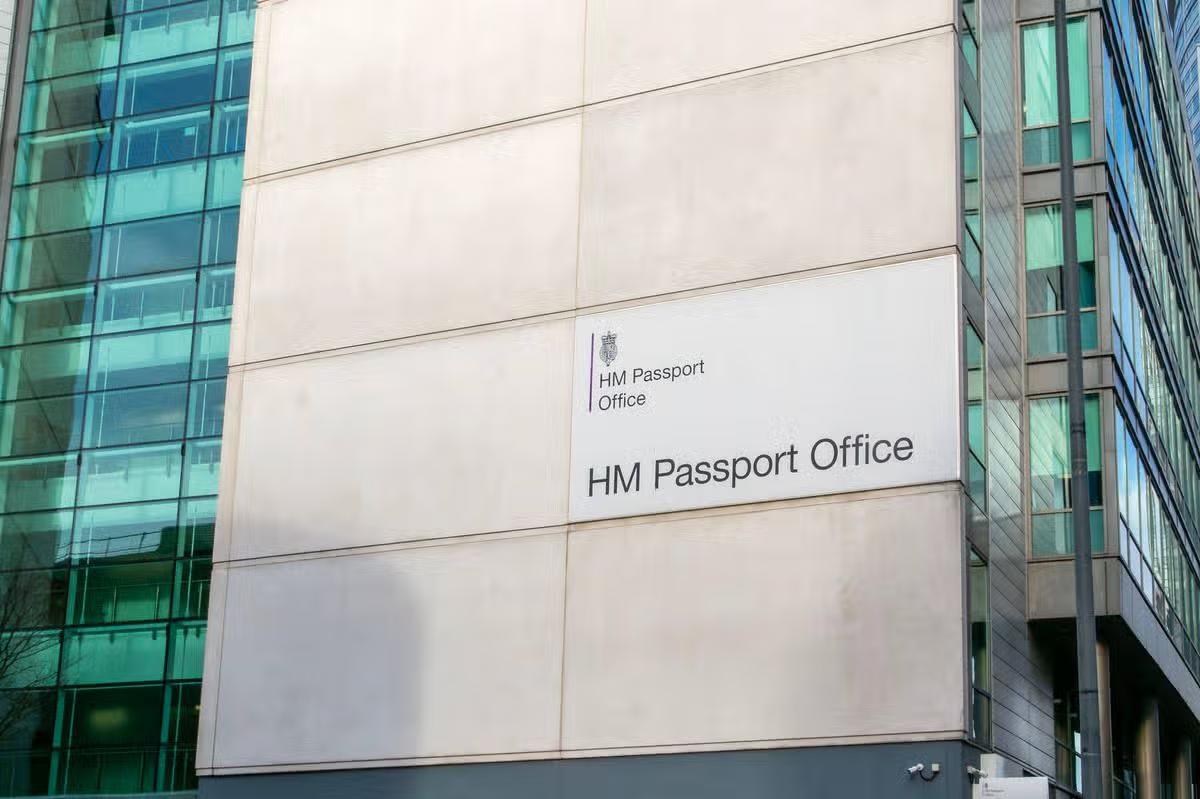
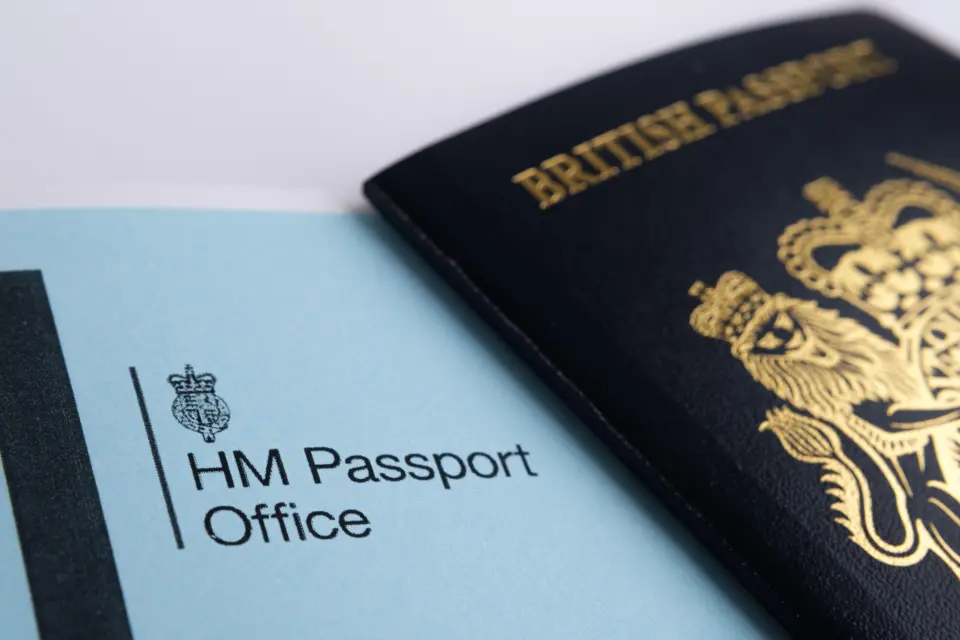
HMPO issued an update on Friday(Image: Geography Photos/Universal Images Group via Getty Images)
HM Passport Office urgent alert to UK passport holders – what you need to know:
HM Passport Office (HMPO) has issued an alert to British passport holders, urging those who have lost their passport to act “as soon as possible”.
HMPO shared the warning on X, formerly Twitter, stating: “Lost your passport? Report it as soon as possible. Doing so helps protect against misuse and allows you to apply for a replacement.” GOV.UK guidance adds that reporting a lost or stolen passport straight away will “reduce the risk of anyone else using your passport or your identity”.
It’s worth knowing that your passport never truly belongs to you. It remains government property and can be revoked or withdrawn at any point. A passport can also be withheld or confiscated if the holder is under suspicion of a serious crime, on bail, or has been repatriated to the UK at the government’s expense without repaying the sum.
For those who urgently need a replacement, a one-day service is available for adult passport renewals at a cost of £239.50, with the new passport ready to collect four hours after your appointment. Note that the earliest you can get an appointment is two days after applying, and you must surrender your old passport at the appointment.
Those who find themselves abroad without valid travel documents can apply for an emergency travel document, which will automatically cancel any existing passport as part of the process.
HM Passport Office has issued an urgent alert to UK passport holders
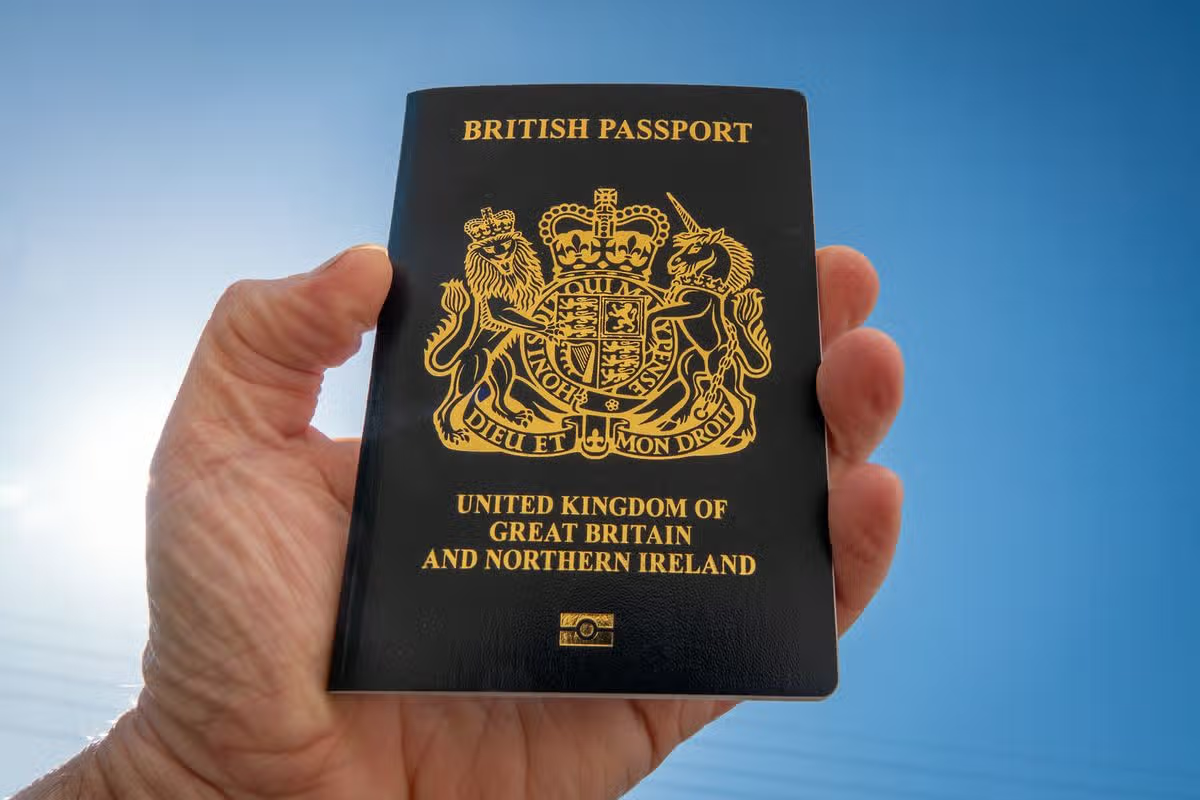
You’ll need a valid passport to travel internationally(Image: Lu ShaoJi via Getty Images)
HM Passport Office (HMPO) has issued an alert to all UK passport holders, urging some to act “as soon as possible”.
Anyone in the UK wishing to travel overseas requires a valid passport to do so, and applicants must hold British nationality to apply for or possess a British passport. That said, having British nationality does not automatically guarantee you a passport. You may not get a new one – or have an existing one confiscated – in a number of circumstances.
These include being under suspicion of a serious crime, being on bail, or having previously been repatriated to the UK at the government’s cost without repaying the sum. Many people may also be unaware that your passport never truly belongs to you – it remains government property and can be revoked or withdrawn at any point.
In a fresh warning on X, formerly Twitter, on Friday, HMPO shared some crucial advice for British passport holders. The post reads: “Lost your passport? Report it as soon as possible. Doing so helps protect against misuse and allows you to apply for a replacement.”
Additional guidance on GOV.UK clarifies that reporting your passport as lost or stolen straight away will “reduce the risk of anyone else using your passport or your identity”. You can report a lost or stolen passport on behalf of someone else if they’re unable to do it themselves.
How can I get a new passport quickly?
For those requiring a new or replacement passport as a matter of urgency, a one-day service is available, although “the earliest you can get an appointment is two days after you apply”. You will be required to surrender your old passport at your appointment.
Your new passport will be ready to collect from the passport office four hours after your appointment. Bear in mind this service is exclusively available for adult passport renewals, and carries a cost of £239.50.
Content cannot be displayed without consent
If you find yourself overseas and in urgent need of travel documents, you may be eligible to apply for an emergency travel document, though a fee will apply. Should you go down this route, there is no need to cancel your existing passport immediately, as it will be cancelled automatically as part of the emergency travel document application process.
BRITS could be in trouble if they plan jetting off for half-term as over 135,000 passports are set to expire before the end of the month.
This could wreak havoc for anyone heading away in October for a half-term break.
Hundreds of thousands of Brits have passports which will expire by the end of the yearCredit: AlamyWizz Air has found that over 135,006 passports are due to expire in OctoberCredit: ALBIT / SplashNews.com
Wizz Air has found that over 360,000 passports are set to expire before the end of the year.
The rule to remember is that British passports must have been issued within the last 10 years.
Lots of Brits fall victim of this rule as sometimes the expiry date can outdate the issue date.
For example, if a passport has July 2016 start date but a December 2026 expiry, it technically expired in July as it’s older than 10 years.
To travel to Europe and Schengen countries, passports must also be valid for at least three months after your planned return date.
Yvonne Moynihan, Managing Director at Wizz Air UK, said: “Nobody wants to arrive at the airport ready for their half term holiday only to discover there’s a problem with their passport.
“With more than 135,000 adult passports expiring this month alone, we’re encouraging anyone planning to travel to dig theirs out now and make sure everything is in order.”
Valid British passports cannot be older than 10 yearsCredit: Alamy
“Check your passport, check the entry requirements for where you’re going and get it sorted early if you need to.”
Yvonne added that if you’re heading on a Christmas getaway, it’s worth looking at your passport now so there’s time to renew it before December if you need to.
IT SEEMS rules on passports are everchanging with one new system currently being rolled out across the country.
Here is everything you need to know about travelling in the next few months.
New ‘contactless’ e-gates is set to be 25 per cent quicker than the already existing onesCredit: AFPBrits should be aware of the expiry date on their passportsCredit: Getty
New ‘contactless’ e-gates
New ‘contactless’ e-gates are being rolled out across 13 UK airports with the system set to be up to 25 per cent faster than current e-gates.
Once in place, passengers will have their photo taken at an e-gate which will be checked by the system, verified against immigration, travel and passport information.
Sign up for the Travel newsletter
Thank you!
Essentially it takes away the need to both have a picture taken and scan the passport.
Once the checks are complete, the e-gates will open automatically.
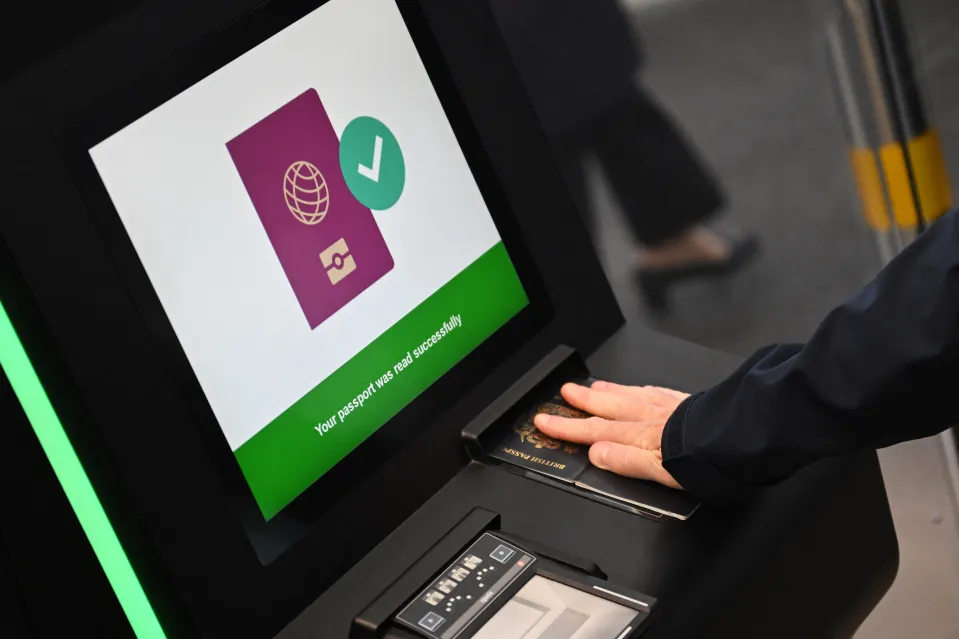
If there is a need for further checks, then passengers will need to place their passport on the reader – or they could be asked to see a Border Force officer.
Passengers are still being told to keep their passport with them at all times.
As of October 6, East Midlands Airport was the first to introduce the new system.
It will then be followed by Birmingham Airport and later, London Gatwick.
At the moment, the contactless system will be for British citizens returning to the UK, but eventually could be used by other nationalities.
The other airports which will have the new e-gate system are Bristol, Cardiff, Edinburgh, Glasgow, Heathrow, London City, Luton, Manchester, Newcastle and Stansted.
One of the first major UK airports to get the new e-gates will be GatwickCredit: Alamy
Expiry date rules
Before heading on holiday, it’s essential to check the expiry date on your passport.
To be valid for travel, British passports must have been issued within the last 10 years.
While the rules have been in place for years, figures have shown up to 100,000 holidaymakers a year face being turned away at airports if their passport is more than a decade old.
So, before you travel, check the start date, not the expiry. For example, if a passport has July 2016 start date but a December 2026 expiry, it has technically expired.
If it has run out then you will need to renew your passport which could take up to three weeks.
Dual national rule
In February 2026, the rules for dual national citizens mean they are no longer able to use their foreign passport to enter the UK.
No British passport can be older than 10 yearsCredit: AlamyDual national citizens must use their British passport to enter the UKCredit: Alamy
When entering the country now, they must use their British passport.
For those without, an alternative is a ‘certificate of entitlement’ which costs £589 and is attached to the passport.
Passengers trying to enter without either could face being banned from their flight and prevented from returning to the UK.
A Home Office spokesperson previously explained: “From February 25, 2026, all dual British citizens will need to present either a valid British passport or certificate of entitlement to avoid delays at the border.”
It is thought as many as 1.2million people across England and Wales currently hold more than one passport which is just over two per cent of the population.
NEW ‘contactless’ e-gates have just been introduced at a major UK airport.
Brits returning to the UK won’t have to scan their passport in a new government scheme to speed up arrivals – and it’s now in place at Gatwick Airport.
The new technology means Brits arriving back into the UK won’t needs to scan their passportCredit: AFP
East Midlands Airport was the first to introduce the new system on October 6, followed by Gatwick – and eventually it will be rolled out at 13 UK airports.
The contactless system is set to be up to 25 per cent faster than current e-gates.
Sign up for the Travel newsletter
Thank you!
When one writer for The Times tested out the new e-gates, she said it took just 12 seconds to get through.
How it works is that passengers will have their photo taken at an e-gate which will be checked by the system, verified against immigration, travel and passport information.
Essentially it takes away the need to both have a picture taken and scan the passport.
Once the checks are complete, the e-gates will open automatically.
If there is a need for further checks, then passengers will need to place their passport on the reader – or they could be asked to see a Border Force officer.
Passengers are still being told to keep their passport with them at all times.
At the moment, the contactless system will be for British citizens only, but eventually could be used by other nationalities.
The other airports which will have the new e-gate system are Birmingham, Bristol, Cardiff, Edinburgh, Gatwick, Glasgow, London Heathrow, London City, London Luton, Manchester, Newcastle and London Stansted.
Gatwick Airport has introduced new ‘contactless’ e-gatesCredit: Alamy
Phil Douglas, director general of Border Force, said: “This is a win for travellers coming to our brilliant country.
“By using state-of-the-art technology, we are making journeys smoother and faster, all while fully maintaining the UK’s robust border security.
“Our digital transformation also builds on our work this summer to extend eGates to children aged eight and above, making life a little easier for families.”
From this month the new rule will start coming in at all UK airports with it fulling in force by early 2027
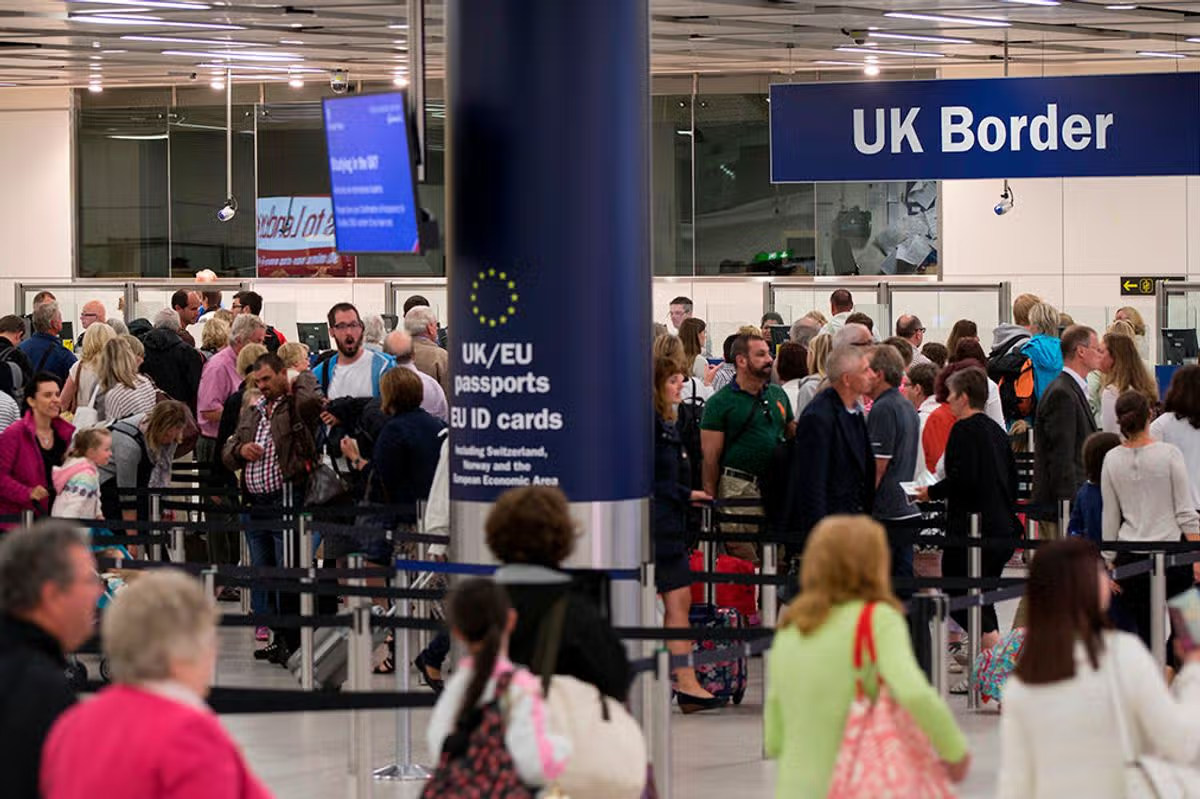
Passengers arriving in the UK will be able to pass through e-gates without showing their passports(Image: Getty Images)
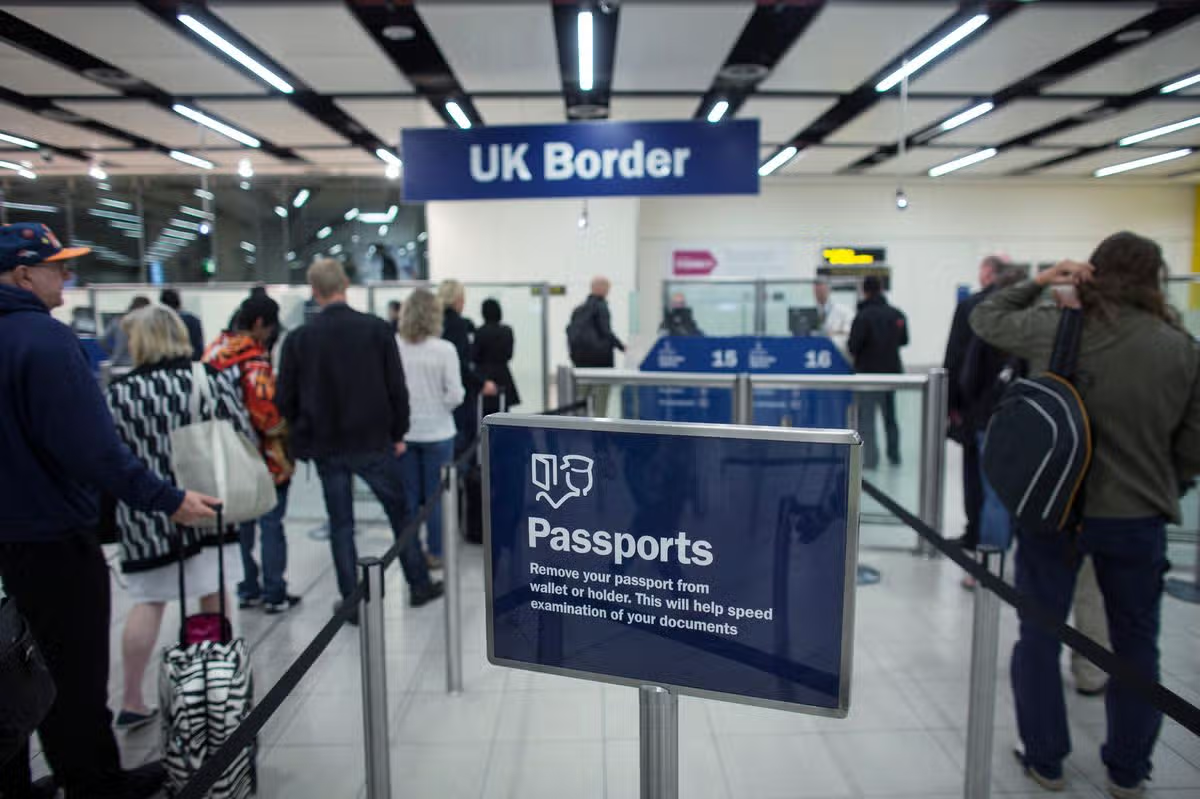
Anyone with a passport has been warned of a major change for all travellers – coming in early 2027. People who may hve been hit by delays getting back into the UK and tryin to use an eGate has been told of the rule change.
From early 2027, passengers arriving in the UK will be able to pass through the gates without showing their passports, according to the Home Office. East Midlands Airport became the first to offer the new system this week, which uses facial technology to scan passengers on approach.
After taking a photo, the system checks the passenger against verified immigration, travel and passport information. The gate then opens automatically once the checks are complete, meaning passengers do not need to place their passport on the e-gate reader.
If further checks are needed, travellers will need to put their passport on the reader or may be directed to a Border Force officer. After opening at the Leicestershire hub, the Home Office said all UK airports will have contactless e-gates by early 2027. Passengers must still carry their passports, though.
Here’s how it works:
passengers approach an eGate and have their photo taken
the system checks this live image against verified immigration, travel and passport information
the eGate opens automatically once these checks are complete
The system uses state-of-the-art facial technology to verify a passenger’s identity before the UK’s robust border security checks are carried out in full. Legitimate travellers can then simply walk through, without needing to place their passport on the eGate reader.
If further checks are needed, passengers will need to place their passport on the reader or may be directed to a Border Force officer, as happens today. Border Force officers will continue to monitor all eGates offering assistance, and passengers should keep their passport with them at all times.
Testing shows the new contactless system is up to 25% faster than using a passport on an eGate.
The phased rollout starts at East Midlands Airport, initially for British citizens, before expanding to more airports and other nationalities already eligible for eGates over the coming months.
Phil Douglas, Director General of Border Force, said: “This is a win for travellers coming to our brilliant country. By using state-of-the-art technology, we are making journeys smoother and faster, all while fully maintaining the UK’s robust border security.
“Our digital transformation also builds on our work this summer to extend eGates to children aged eight and above, making life a little easier for families.
Karen Dee, chief executive of AirportsUK, the trade body for UK airports, said: “This will be excellent news for the passenger and demonstrates how UK airports continue to be at the forefront of new technologies to keep our borders safe, while improving the travelling experience.
“It is vital that we have the fast, efficient borders that arrivals into the UK now expect, and we will work closely with our members and government officials to ensure a smooth rollout.”
Chris Wilson, Head of Terminal & Capacity Planning at Birmingham Airport, said: “We’re pleased to be one of the first airports in the UK to introduce UK Border Force’s contactless eGates.
“Working closely with our industry partners and government agencies, we have actively supported the rollout of the new UK Border Force system here at Birmingham Airport.”
Customers arriving into the UK will benefit from this new speedier and smoother arrival through the border. Millions of people already use eGates every year – the fastest way for legitimate travellers to enter the UK. This marks the latest step in the government’s efforts to modernise the UK border, delivering on the Immigration White Paper.
Earlier this year to e-gates at UK airports were expanded to include younger children allowing, children aged eight and nine returning to the UK to use e-gates.
The gates use facial recognition technology to check passengers’ identities against the photo in their passport, which is generally quicker than manual inspections. Children must be at least 120cm tall so they can be seen by biometric scanners, and accompanied by an adult.
Under previous rules, only passengers aged 10 and above were allowed to use the gates, forcing families with younger children to queue for passport booths.
In addition to the 13 UK airports with e-gates, children aged eight and nine are also now permitted to use them at ports in Brussels and Paris, where juxtaposed checks take place.
A new passport rule will be introduced across 13 airports from this month, and it’s good news for holidaymakers as it could allow for a smoother travel experience
10:29, 09 Oct 2026Updated 12:18, 09 Oct 2026
Going through border control after landing back in the UK is about to get easier for British passport holders (Image: Getty Images)
Airports across the UK are rolling out new contactless technology that will allow Brits to pass through the e-gates without presenting their passports. This is due to an enhanced facial recognition system that will capture the returning passenger’s face at the e-gates and cross-reference it with their passport photograph already stored on file.
The upgraded technology, being introduced at the e-gates of 13 UK airports, will help to speed up security checks and is said to dramatically cut queues by up to 25 per cent, according to the Home Office. It will also provide British passport holders with a smoother journey home, as they no longer need to rummage around for their document or face lengthy border control queues.
Phil Douglas, director general of Border Force, said: “This is a win for travellers coming to our brilliant country. By using state-of-the-art technology, we are making journeys smoother and faster, all while fully maintaining the UK’s robust border security. Our digital transformation also builds on our work this summer to extend eGates to children aged eight and above, making life a little easier for families.”
To make the process more efficient, it’s been reported that airlines would forward passport photos of their British passengers to border control at each airport on the day of arrival, which would then be uploaded onto the e-gates system. Douglas added: “Because we know who’s coming and can load up that gallery of who is arriving, it’s not a one in 60 million check, it’s a one in tens of thousands check [because the system only needs to check against the passports of passengers travelling on that particular day].”
The phased introduction of the revamped system began on Tuesday, 6 October, and will initially launch at Birmingham and East Midlands airports over the coming weeks. By early next year, the new ‘contactless borders’ will be rolled out across other UK airports already equipped with e-gates.
Steve Griffiths, managing director of East Midlands Airport, said: “We’re delighted to be the first UK airport to have contactless eGates introduced by Border Force. As an airport committed to providing an effortless travel experience, we welcome any technological innovation that can help to safely make our customers’ journeys smoother, swifter and simpler. This complements changes that we carried out to our immigration hall recently to help improve the flow of arriving passengers through the area.”
Full list of 13 UK airports impacted
Birmingham Airport
Bristol Airport
Cardiff Airport
East Midlands Airport
Edinburgh Airport
Glasgow Airport
London City Airport
London Gatwick Airport
London Heathrow Airport
London Luton Airport
London Stansted Airport
Manchester Airport
Newcastle International Airport
While the system will initially be introduced for British passport holders using e-gates at UK airports, there are proposals to extend it to other nationalities holding biometric passports, including those from Europe, Australia, Canada, Japan, New Zealand, Singapore, South Korea, and the US. Officials hope it will streamline re-entry into the UK and prevent disruptions at border controls.
Passengers who cannot be identified at the e-gate under the new system would need to revert to the existing method and scan their passports instead. Should this also prove unsuccessful, they will be directed to a staffed border control desk where their passport will be manually verified.
Do you have a travel story to share? Email webtravel@reachplc.com
NEW passport rules are being rolled out across the UK which will make travelling MUCH quicker.
The government recently announced its new scheme where passengers arriving into the UK will be able to pass through e-gates without scanning their passport.
A new contactless passport system is being rolled out in the UKCredit: AlamyBrits returning into the UK will no longer have to scan their passportCredit: AFP
It has now opened up to passengers returning to the UK via East Midlands airport – the first to use the system.
The government has said that in its testing, the new contactless system is up to 25 per cent faster than current e-gates.
Sign up for the Travel newsletter
Thank you!
It will work by passengers having their photo taken at the e-gate – it’s checked by the system, verified against immigration, travel and passport information.
Essentially it takes away the need to both have a picture taken and scan the passport.
Once the checks are complete, the e-gates will open automatically.
If there is a need for further checks, then passengers will need to place their passport on the reader – or they could be asked to see a Border Force officer.
Passengers should still keep their passport with them at all times.
At the moment, the contactless system will be for British citizens only, but will eventually be able to be used by other nationalities.
The new passport system has opened at East Midlands AirportCredit: Alamy
It’s set to be in place at all airports across the UK by early 2027.
Phil Douglas, Director General of Border Force, said: “This is a win for travellers coming to our brilliant country.
“By using state-of-the-art technology, we are making journeys smoother and faster, all while fully maintaining the UK’s robust border security.
“Our digital transformation also builds on our work this summer to extend eGates to children aged eight and above, making life a little easier for families.”
The Syrian embassy in Berlin has returned the passport of a citizen that the former Assad government seized 43 years ago. Adnan Wahoud, a mechanical engineer and inventor residing in Germany, says his passport was confiscated because he refused to cooperate with the former government.
New “contactless borders” are set to reduce queues at Birmingham and East Midlands airports. Bristol, Cardiff, East Midlands, Edinburgh, Gatwick, Glasgow, Heathrow, London City, Luton, Manchester, Newcastle and Stansted, will upgrade soon.
Heathrow among airports hit by delays after ‘cyber attack’ on check-in provider
Britons will no longer need to show their passports when flying back into UK airports – thanks to facial recognition technology at e-gates.
New “contactless borders” are set to reduce queues when introduced at Birmingham and East Midlands airports.
All e-gates, which operate at Birmingham, Bristol, Cardiff, East Midlands, Edinburgh, Gatwick, Glasgow, Heathrow, London City, Luton, Manchester, Newcastle and Stansted airports, will have the upgraded system by early next year.
To see more of the stories you love from The Mirror and to find them easily in Google then make us your preferred source. Free and easy-to-do, just click on the link here to find more from The Mirror at the top of your feed.
Returning passengers who use the e-gates and have their face captured on camera will not have to scan their passport.
Phil Douglas, the director general of Border Force, said: “It will mean we have a more secure border and a much faster transit through the airport.
“It’s quicker, it’s more modern, it’s more secure.”
Passengers must travel with their passport because it will be needed to check in and to board the plane.
The new system, to be introduced in the coming weeks, will work only for British passport holders at first.
But the longer term aim is to extend it to other nationalities allowed to use e-gates.
They currently include those with biometric passports from Europe, Australia, Canada, Japan, New Zealand, Singapore, South Korea and the US.
Mr Douglas told the Sunday Times that contactless gates could speed up border control by up to 25 per cent.
The existing process typically takes 20-25 seconds.
But it can take longer because of problems such as failing to place their passports correctly in the machine, or the chip on their passport being dirty and therefore unreadable.
Under the new system, each airline will transmit a gallery of arriving British passengers’ passport photos to border control at each airport, which will then be collated for the e-gates to reference.
Mr Douglas added: “We know who’s coming and can load up that gallery of who is arriving, it’s not a one in 60 million check, it’s a one in tens of thousands check.”
If the passenger’s face is not recognised by the e-gate they will be asked to scan their passport.
If that fails, they will be directed to a Border Force officer at a manned desk. The technology had a successful three-week trial at Manchester airport last October.
The Home Office said passengers typically passed through the gates faster and had a better experience.
A travel expert has issued a crucial warning about the four key checks holidaymakers should make before jetting off abroad, including during the upcoming October half-term
08:58, 01 Oct 2026Updated 08:59, 01 Oct 2026
There are four crucial passport checks, and one isn’t always obvious (Image: Getty Images)
Jetting off abroad is always an exciting time, but it’s easy to get caught out at the airport by common passport mistakes. The passport’s expiry date is an obvious check, while the 10-year rule is equally crucial when travelling to the Schengen area.
However, holidaymakers must also be aware of blank pages in their passports and the overall condition of their travel document. Even the slightest defect in a passport can render it invalid, leaving the traveller unable to fly and missing their holiday altogether.
To help Brits feel prepared before jetting off abroad, particually ahead of the October half-term, a travel expert has issued a warning and highlighted the four key checks to make. It’ll take just a few minutes and could be the difference between soaking up the sun in Malta during that well-earned winter escape and being stuck indoors in the grizzly British weather, wishing you had just checked your passport sooner.
Four key passport checks
On what other crucial checks are required before jetting off abroad, Rhys Jones, travel insurance expert at Go Compare Travel, said: “It’s important to remember that passport rules are about more than expiry dates.” He advised: “Travellers should check whether their passport was issued within the accepted period for their destination, is valid for long enough after their trip, has enough blank pages where required, and is not too damaged to travel.
Brits travelling to countries in the Schengen area must make sure their passport was issued less than 10 years before the date they enter the country. They must also ensure that their passport is valid for at least three months after the day they plan to leave the country.
Passport damage
Inspecting for passport damage is an easy thing to forget to do, particularly by seasoned travellers, but it’s a crucial part of pre-holiday checks. Rhys warned: “A damaged passport can quickly become a much bigger problem than many travellers realise. Water damage is particularly risky because it can warp pages, blur personal details, affect stamps or visas, and make the passport harder to scan or verify. Even if it looks usable to you, airline staff or border officials may decide it is too damaged for travel.
“If you turn up at the airport with a passport that is visibly damaged, you could be refused boarding before you even reach border control. Airlines have to be confident that passengers will be accepted at their destination, so a passport with water stains, peeling laminate, torn pages, missing pages, unreadable details or a damaged chip can lead to serious disruption.”
He advised: “The key guidance is to check your passport well before departure, keep it dry and protected while travelling, and replace it if there is any doubt about whether it will be accepted.”
The expert added: “If you notice damage while you are still in the UK, the safest option is to replace the passport before you travel. But if you are already abroad and your passport is lost, stolen, damaged, full, recently expired or otherwise unusable, you may need to apply for an Emergency Travel Document (ETD). This is designed to help British nationals travel urgently from abroad when they cannot use their passport.
Can travel insurance help me?
It depends on what your policy says. Rhys said: “Travel insurance can sometimes help here, but it depends on the policy and the circumstances. Some policies include cover for lost or stolen passports abroad and may contribute towards the cost of an ETD, replacement documentation, or reasonable extra travel and accommodation costs if the issue disrupts the trip. However, cover limits, excesses and exclusions vary, and insurers will usually expect travellers to report the issue promptly, keep receipts, and take reasonable care of their documents. If your passport was lost because of your own negligence, it’s likely your insurer won’t pay out.”
Read on below for the latest rules on travel regulations when it comes to using ferry crossings.
Sign up for the Travel newsletter
Thank you!
Do I need a passport to travel to Ireland via ferry from the UK?
Prior to Monday, 28 September, passengers were able to use routes including Dublin to Holyhead and Rosslare to Pembroke without needing to bring their passport.
However, that has now changed, and you must bring your passport, after identification rules were altered by ferry operators.
Stena Line has stated that all passengers travelling on routes from Dublin, Holyhead, Fishguard or Rosslare would be required to present a valid passport when checking inCredit: John Longley
Previously, anyone travelling on the above routes could use alternative forms of identification, such as driving licences and national identity cards.
Popular operators Irish Ferries and Stena Line have notified customers of the changes following their introduction.
For Irish Ferries routes, the necessity of travelling with a passport applies to its Dublin to Holyhead and Rosslare to Pembroke routes, in both directions.
Meanwhile, Stena Line has stated that all passengers travelling on routes from Dublin, Holyhead, Fishguard or Rosslare would be required to present a valid passport when checking in.
Almost 1.5 million people use the Holyhead to Dublin route each year, meaning it sees around 210,000 lorries and 383,000 cars pass through its port annually.
With more than 210,000 lorries and around 383,000 cars using it every year, Holyhead is the second busiest passenger ferry port to Dover.
Both operators will also accept passport cards, while Irish Ferries has added that anyone travelling who is not a British or Irish citizen and is visiting the UK for up to six months may require an Electronic Travel Authorisation (ETA).
NEW rules for Brits travelling from the UK to Ireland via the ferry have come into force today.
For the first time in over 100 years, passengers are required to carry a valid passport or risk being denied boarding.
Anyone travelling between the UK and Ireland will need to carry a valid passportCredit: AlamyPreviously travellers could take the crossing with a drivers license or bus passCredit: Alamy
Prior to today, passengers were not required to show a passport when taking the crossing.
Instead, they were asked to have another form of photo ID with a photograph like a driving licence or a bus pass.
Sign up for the Travel newsletter
Thank you!
Now, travellers have been told to carry a valid passport due to the UK Border Forceis tightening rules on “accuracy and integrity of passenger data before boarding”.
Routes affected will be between Britain and the the Republic of Ireland of which Irish Ferries operates two routes.
These go between Holyhead and Dublin, and Pembroke and Rosslare.
Another ferry enforcing these rules is Stena Line which has crossings between Holyhead and Dublin as well as Fishguard and Rosslare.
Irish Ferries explained: “This is a change to the current ID accepted and means that from 28 September, no other forms of photo ID will be accepted by Irish Ferries for any passengers, including Irish and UK citizens
“This is to ensure compliance with UKBorder Forcerequirements relating to the accuracy and integrity of passenger data before boarding.“
Previously, passengers didn’t have to carry their passports with them because of what’s known as The Common Travel Area (CTA).
The CTA is a passport-free zone involving the UK, Ireland, the Isle of Man and the Channel Islands dating back to 1923.
Operators have warned that no other form of ID will be accepted on the crossingsCredit: Alamy
British and Irish citizens don’t legally need a passport to travel between the two destinations.
But carrying passports has since became a requirement by airlines like Ryanair and Aer Lingus for passengers flying between the two destinations.