THIS may sound strange, but as we finished our first circuit around Yorkshire Wildlife Park, I was pleased we hadn’t seen all the animals who call this place home.
We hadn’t spotted them all because the amazing beasts — including giraffes, rhinos, zebras, lions, tigers, polar bears and wallabies — live in huge, free-roaming enclosures.
Sign up for the Travel newsletter
Thank you!
Visitors at Yorkshire Wildlife Park can see the baby cheetahs that were born on Valentine’s Day this yearCredit: Dominic Lipinski/Yorkshire Wildlife ParkThe attraction is home to amazing beasts including giraffes, rhinos, zebras, lions, tigers, polar bears and wallabiesCredit: supplied
They have areas to play, relax, eat and sleep instead of being squashed in small cages just so humans can instantly peer at them.
The humans on my trip included my son Alex and his friends Jack and Finn, together with their mum Laura. They travelled from London and we went from Manchester, meeting at the park in Auckley, Doncaster.
Even though our visit to the 175- acre adventure park was in February we were lucky with the weather and by the end of our day we were lucky with the animals we saw, too.
It takes about 90 minutes to walk the 3km circular route, and once you’ve done it the first time, you can do it all over again.
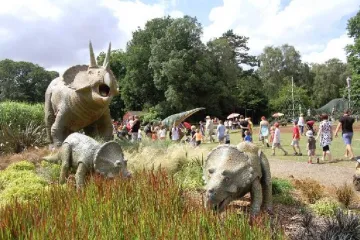
As we passed by the 30 life-size dinosaur models and then watched sea lions, the boys used the park’s app to decide which animals they wanted to see.
For Alex, it was the six polar bears. They live in ten acres, with grassy plains, rocky beaches, water pools and shaded caves, but thankfully seemed to love being near visitors.
One gigantic bear dipped in the pool and had a kickabout with a football right in front of us.
Finn chose the red pandas. Visitors can book 30-minute experiences with several of the animals, including the red panda, and feed them.
But Finn was thrilled just to see the “real-life Kung Fu Panda”. Jack’s wish was to see the tigers.
As we headed there, we first saw monkeys swinging through trees and playing, which the boys loved. Then we stopped at Leopard Heights, which has a large elevated viewing platform plus ground-level glass wall to see the big cats play on their huge wooden climbing frames.
The polar bears live in ten acres, with grassy plains, rocky beaches, water pools and shaded cavesCredit: suppliedVisitor Alex loved the Jungle lookout, climbing through wooden tree forts and over obstacle coursesCredit: Supplied
But as big cats go, they weren’t as majestic as the lions who sprawled out on rocks, seemingly oblivious to everyone gazing at their splendour.
Throughout the park, signs explain each animal’s back story. There is a big focus on environmental projects and it was lovely to read how the lions had been rescued from dangerous situations, including from Ukraine.
The Amur tigers were a highlight. One wandered right past us making moaning noises, which apparently indicated contentment. But as one man behind me rightly commented: “You wouldn’t want to hear that on a dark night, would you?”
There are several picnic spots here, too. One is sensibly inside and next time I visit I’ll shove a sandwich or two in a backpack.
But we weren’t that organised so had lunch at the Safari Cafe. Two very decent coffees for the adults, plus sandwiches and quiche with salad, and three portions of nuggets, chips, beans and apple juices for the kids came to £45 which, for a tourist spot, didn’t seem like bad value.
There are also many play areas and the boys loved the Jungle lookout, climbing through wooden tree forts, over obstacle courses and down slides as us adults had a catch-up.
Finally we returned to the Yorkshire Hive — a hub at the centre of the park with a beauty salon, shops, cafes and fitness centre plus hotel the Hex, where we were staying.
After dumping our bags, we went to Evolution Experience Restaurant where there were more roaring dinosaurs, illuminated dragons, smoke effects, crayons and colouring sheets for the boys.
They each had home-made pizza, apple juice and organic fruit lollies for £10 while we had ribs for £12 with a decent sauvignon blanc and prosecco.
The hotel ticked a lot of boxes — bunk beds and giant bean bags for the boys to sit on and watch Netflix plus black-out blinds, Temple Spa bathroom products, fresh coffee sachets and the cutest packets of mini Jammie Dodgers I’ve ever seen.
But without doubt the best bit of that room was two oblong windows in the walls — one at kids’ level and one at adult height — giving a bird’s eye view over the park.
We watched the wolves prowling and then eating their breakfast. It was the highlight of our trip.
After we had our own breakfast — a full English buffet at the Wilds Cafe Bistro — the boys had a final run around at the large soft play centre, while we relaxed and chatted.
That’s what is so perfect about this place — they catered for the needs of the animals, the kids and us. And for me, that was the real winner.
GO: Yorkshire
STAYING THERE: This summer, you can enjoy a stay at the Hex Hotel, including a one-day pass for the Yorkshire Wildlife Park, from £45pp, based on two adults and two children sharing a standard family room.
Across the parks, kids’ meals will be cheaper and those who purchase a Play Pass as a part of their booking will also get a £7.50 voucher per child which can be use for any of the activities at Haven’s parks.
Simon Palethorpe, CEO of Haven, said: “Summer is a time for making memories, and that’s why we’re giving back up to £5 million to our guests and owners as part of the Government’s Great British Summer Savings initiative.
For example, all 39 Haven holiday parks are participatingCredit: Trip Advisor
“We know household budgets remain under pressure, and we want to help our holidaymakers enjoy more of what matters – whether that’s a hole-in-one on the Crazy Golf, a leap of faith off The Jump tower or another shot to hit the bullseye in the Archery.”
The holiday park is located near Berwick-upon-Tweed in Northumberland and is on a historic estate.
At the park you can head to a large indoor swimming pool with its own waterslide, or outside try out Aerial Adventure.
There’s also a Wetherspoons onsite for cheap tipples.
If you want to head away sooner than this, you could visit Haven Caister-on-Sea Holiday Park, which is Britain’s oldest holiday park.
Away Resorts have also confirmed they are participatingCredit: Trip Advisor
Not too far from Great Yarmouth in Norfolk, the holiday park has direct access to the beach.
You can also head to the family activity hub onsite with off-road 4×4 mini karts.
There’s also both indoor and outdoor pools.
A four-night stay between July 6 and 10 costs from £169 – which equals just £10.57 per person, based on a family of four.
Butlin’s Minehead, Skegness and Bognor Regis will also participate in the scheme.
A Butlin’s spokesperson said: “We’re pleased to support the Great British Summer Savings initiative by passing on the temporary VAT reduction where eligible.
“Families visiting our resorts will enjoy savings on Day Visits and children’s meals across a range of our dining venues during the campaign period.”
Away Resorts has also confirmed to Sun Travel that it will be participating in the scheme – all children’s food at Away Resorts will be reduced, even including kids eat for £1 for now less than £1.
Many of the parks have availability left for this summer with accommodation under £11pppnCredit: Trip Advisor
The resorts are also discounting show tickets.
Away Resorts still has lots of availability for the coming weeks as well as the summer holidays.
For example, you could stay at Tattershall Lakes in the Lincolnshire countryside.
The holiday park has both indoor and outdoor pools and is a great place to cool down in the head as you can head paddleboarding or jet skiing.
There’s also adventure golf, a high ropes course, zip-lining and even axe throwing.
A three-night stay between July 3 and 6 costs from £291 – which works out at £24.25 per person per night, based on a family of four.
Alternatively, if you wanted a holiday park break during the school summer holidays, you could head to Clumber Park in Nottinghamshire.
The holiday park is surrounded by forest and rolling hills and even has hot tubs.
Butlin’s has also confirmed it is participating in the schemeCredit: Darren Fletcher
As for things to do at the site, you can hire bikes and head off on a cycle.
And nearby, you could try out a round of golf at Worksop Golf Club & Clumber Park Lodges.
A three-night stay between August 13 and 16 costs from £420 – which works out at £35 per person per night, based on a family of four.
Center Parcs told Sun Travel: “While we welcome measures to support the hospitality and leisure sector, the majority of the VAT reductions announced are targeted at day attractions and therefore don’t apply to us here at Center Parcs.
“However, throughout the summer we have introduced our ‘Kids eat for £2’ promotion across our village restaurants during the summer holidays, which provides an even greater saving for guests.”
Over the period, Park Holidays are reducing their kids’ menus cost from £7.95 to £7.45.
Parkdean Resorts declined to comment.
Families will also be able to save money on children’s meals, cinema tickets, theatre shows, soft play centres, theme parks, museums and zoos.
There will also be free bus travel for children in England across August.
Sun Travel has contacted Park Holidays UK and Bluestone National Park Resort to see if they are participating.
Unity Holidays has three holiday parks in the UK that have undergone huge transformations – including outdoor lidos, boardwalks and heaps of activities
16:20, 24 Jun 2026Updated 17:05, 24 Jun 2026
This article contains affiliate links, we will receive a commission on any sales we generate from it. Learn more
There are plenty of cheap holiday park deals up for grabs this summer
When it comes to staycations, there’s no shortage of holiday parks to enjoy – but there are some underrated gems that have just had a huge transformation and well worth having on your radar.
Unity Holidays has three parks – Skirlington Coast in Yorkshire, Unity Beach in Somerset and Seven Lakes in Lincolnshire – and when we took a look we found breaks from £299 for a family of four, including the peak school holiday dates.
The three parks have each undergone a multi-million pound makeover too, with heaps of new restaurants, menus and entertainment, bandstands and boardwalks, as well as trampoline parks, and bookable activities ranging from axe throwing to archery.
The huge makeovers also include outdoor lidos, watersports, and aqua parks which will no doubt be a very welcome offering during those brutal UK heatwaves.
Some of the new highlights include:
Unity Beach: a lido and splash park, a trampoline park, a dog agility park and a boardwalk
Skirlington Coast: an outdoor lido, a splash park, a dog agility park, a new playground, and a boardwalk
Seven Lakes: a refurbed bar and restaurant, as well as outdoor seating with firepits
The holiday parks also boast the likes of soft plays (a lifesaver for any parent), and are dog-friendly, including dog agility parks if you want to let your beloved pet run off some energy before flopping down for a well-deserved meal (and a cheeky drink or two for owners).
In fact, Unity Holidays are currently offering a £100 food and drink voucher with every summer break booked between July 3 and September 28, 2026, to be redeemed at any of the venues on site (excluding the grocery stores). You can book at unityholidays.co.uk and use the code UNITY100 at checkout to claim the voucher.
When we took a look, we found plenty of family breaks under £400 on offer, including the peak travel seasons.
For those who aren’t tied to school holiday dates, there are plenty of cheap breaks to be found. For example, Parkdean Resorts has three-night stays from £129 towards the end of June, while Haven has breaks from £79 in early July (before the school holiday dates). Meanwhile Away Resorts offer four-night stays from £259 outside of the school breaks.
We’ve also got plenty more staycation inspiration whether you’re after a new destination to explore, want to find more last-minute deals, or want to read our reviews of the UK’s best holiday parks and hotels, so you can start planning your next trip!
Have a travel story you want to share? Email webtravel@reachplc.com.
For dry activities, you can go climbing or have a spin at the roller disco.
A three-night stay from June 26 to 29 costs from £215, working out at £17.92 per person per night, based on a family of four – book it here.
Appletree Holiday Park has a nine-hole golf course as well as a splash padCredit: Away Resorts
Appletree Holiday Park, Lincolnshire
Found in Boston, Lincolnshire, Appletree Holiday Park sits in the countryside, with a nine-hole golf course and a splash pad for little ones.
While at the park, you can also have a go at the driving range or even explore by hiring a bike.
Little ones needing to burn off steam can also drop by the play area.
Guests can choose to stay in either a lodge or caravan, with the premium lodges boasting hot tubs as well.
A two-night stay from June 26 to 28 costs from £189.60, working out at £23.70 per person per night, based on a family of four – book it here.
Glendale Holiday Park has easy beach accessCredit: Glendale
Glendale Holiday Park, Cumbria
In Cumbria, you could stay at Glendale Holiday Park, which overlooks the Solway Firth – an Area of Outstanding Natural Beauty.
The park has both the countryside and coast to explore.
At the site itself, there is a swimming pool, an entertainment bar and an onsite restaurant as well.
There is also easy beach access.
A three-night stay from June 26 to 29 costs from £139, working out at £11.59 per person per night, based on a family of four – book it here.
At Broadland Sands, you can head to the indoor heated swimming poolCredit: Park Holidays
Broadland Sands, Suffolk
For a Suffolk break, you can head to Broadland Sands Holiday Park, sitting on the East Coast border.
Near Lowestoft, the holiday park is home to a heated indoor swimming pool with its own water flume.
There’s also a dinosaur-themed adventure golf course, as well as more sporty activities including a climbing wall.
For those wanting to spend some time outdoors, you can also head on a nature trail.
Then in the evening, sit back and enjoy some of the entertainment, including cabaret and live bingo.
A three-night stay from June 26 to 29 costs from £179, working out at £14.92 per person per night, based on a family of four – book it here.
Tarka Holiday Park Devon is just a short walk from the beach tooCredit: Tarka
Tarka, Devon
Tarka Holiday Park is less than five miles from the popular Devonshire town of Barnstaple.
The holiday park focuses on being a more peaceful retreat, so instead of pools, you’ll find a paddock and children’s play area.
Ideal for enjoying the warm weather, there is also an onsite picnic spot.
And for adventures outside of the park, you can head to the Tarka Trail, which stretches 180 miles and follows the steps of Henry Williamson’s Tarka the Otter.
A three-night stay from June 26 to 29 costs from £159, working out at £13.25 per person per night, based on a family of four – book it here.
South Bay Holiday Park in Devon is about 10 minutes from the beachCredit: South Bay
South Bay Holiday Park, Devon
Set on the English Riviera in Devon, you can head to South Bay Holiday Park.
The Brixham-based holiday park is home to an indoor pool, an outdoor pool and even a toddler pool.
There’s also a host of entertainment at the park, including a kids’ club and evening shows.
From the park, there is a direct path to the beach, which takes about 10 minutes to walk.
A three-night stay from June 26 to 29 costs from £199, working out at £16.58 per person per night, based on a family of four – book it here.
Summerfields Holiday Park in Great Yarmouth has a soft play area for little onesCredit: Summerfields
Summerfields Holiday Park, Great Yarmouth
Close to Norfolk Broads National Park, you could stay at Summerfields Holiday Park in Great Yarmouth.
The holiday park boasts a heated indoor pool along with a sauna and for a bite to eat, you can head to The Boathouse.
If it gets too hot outside for the little ones, inside you’ll also find a soft play area, as well as arcades.
A three-night stay from June 26 to 29 costs from £160, working out at £13.34 per person per night, based on a family of four – book it here.
Tattershall Lakes in Lincolnshire is a great spot for water sport-loving familiesCredit: Supplied
Tattershall Lakes, Lincolnshire
Set across 360 acres, Tattershall Lakes Country Park features woodlands and lakes.
The holiday park is a great spot for water sport-loving families, with activities including jet-skiing, water-skiing, wakeboarding and even an inflatable Aqua Park.
If that wasn’t enough water-based activities, there is also an indoor and outdoor pool and spa.
In the evening, you can head to the clubhouse as well for entertainment.
A two-night stay from June 26 to 28 costs from £199.20, working out at £24.90 per person per night, based on a family of four – book it here.
Lower Hyde Holiday Park has both an indoor and outdoor poolCredit: Parkdean Resorts
Lower Hyde Holiday Park, Isle of Wight
Lower Hyde Holiday Park in Shanklin on the Isle of Wight is a great spot if you want to feel like you are travelling abroad but without the long-haul flight.
At the Parkdean site, you can head to the outdoor pool, which has its own flume, as well as another pool inside.
For some entertainment, there’s Squires Showbar.
And if that all wasn’t enough, the park is also only a 20-minute walk from Shanklin Beach.
A three-night stay from June 26 to 29 costs from £189, working out at £15.75 per person per night, based on a family of four – book it here.
A LESSER-KNOWN European theme park has announced it is getting a major new ride.
Previously named one of the best amusement parks in Europe by the European Star Awards, Nigloland is about two and a half hours from Paris.
Sign up for the Travel newsletter
Thank you!
Nigloland is about two and a half hours from ParisCredit: Nigloland
And the French theme park will be getting a new £15.5million rollercoaster called ‘Supersonic 1887’.
The ride, which will be the park’s largest investment to date, is a launch shuttle rollercoaster.
At its highest point it will reach 47 metres off of the ground, and it will reach speeds of up to 56.5mph.
Even though the track itself stretches for 355 metres, riders will travel a total of 770 metres thanks to sections where the rollercoaster will travel backwards.
The rollercoaster will also turn the 32 riders upside down at least six times across three inverted parts of the track, including a loop.
Each of the two carriages also include eight ‘wing seats’ that allow riders to dangle their feet in the air.
And the park will soon get a new rollercoasterCredit: NiglolandThe rollercoaster is expected to open in 2027Credit: Nigloland
And what makes the ride even more fun will be the fact that over half the time riders are on it, they will be suspended over water.
The ride is inspired by World Expositions that took place during the 19th century, according to EAP Magazine.
The story of the ride will follow a character called Emilie Delaroche, an engineer who has developed a steam machine that travels at high speeds.
The rollercoaster is expected to open in 2027.
President and Director of the Park, Rodolphe Gelis said: “Nigoland is set to celebrate its 40th anniversary.
“To mark this milestone, we wanted to create a major attraction that reflects our ambitions.
“Supersonic is a project conceived by our creative and technical teams, which we entrusted to a leading manufacturer renowned for the quality of its work and its wealth of innovations.
“It is the most ambitious project Nigoland has ever undertaken.”
The theme park features more than 40 attractions in total, 27 of which are ideal for younger children.
There are four immersive zones in total including The Canadian Village, The Rock ‘n’ Rock Village, The Magical Village and The Swiss Village.
Rides include Krampus Expedition which is a water coaster based on Alpine folklore.
There’s also Spatiale Expérience, which is an indoor rollercoaster that travels through outer space.
Visitors can also stay onsite at the Hotel des Pirates.
From now through July 6, residents and tourists alike can download the California State Parks Historian Passport for free, allowing them access to more than 30 state historic parks across the state through the end of 2026.
Gov. Gavin Newsom announced the initiative Wednesday in honor of both Juneteenth and the the 250th anniversary of the signing of the Declaration of Independence.
“California’s state historic parks preserve some of our nation’s most powerful and meaningful stories, and I’m proud to live in a state that celebrates diversity to connect more people with those stories through this limited-time free pass,” California State Parks director Armando Quintero said in a statement. “I hope the free Historian Passport introduces more Californians to the state’s historic gems and sparks a curiosity and thirst for knowledge that leads to many return visits.”
The pass typically costs $50 and allows unlimited entry for up to four people to state historic parks and museums that charge a per-person admission fee or a vehicle day-use fee.
Historic parks in and around L.A. County that accept the Historian Passport include:
To download a free pass, visit ReserveCalifornia.com and click “Passes” in the upper main menu. From here, you’ll be prompted to either create a new account or log into your existing account. Once logged in, you can use the dropdown menu on the page to select “Special Edition Historian Passport 2026 – $0.00.” You can then check out with your pass and will quickly have it added to your list of passes within your account.
Leaders with the California State Parks Foundation and the California State Railroad Museum Foundation, which helped finance the initiative, said they hope the free Historian pass opens up access to more people to see our public lands.
“California state parks help us understand the history of California, the United States, and the ongoing work of building a more inclusive democracy,” said Rachel Norton, executive director of California State Parks Foundation. “The special edition Historian Passport is a great opportunity to explore state parks for free. We hope access to the Historian Passport encourages more Californians to visit a historic state park and learn about, and reflect on, our shared history.”
FANCY a UK staycation with the family this summer holidays?
We’ve found UK family holiday deals for July and August that won’t break the bank – and will be sure to keep the kids (and grown-ups) smiling.
Sign up for the Travel newsletter
Thank you!
Bag a stay at a popular holiday park in Clacton-on-Sea, Essex for under £25pp this summerCredit: AlamyHaven Littlesea Holiday Park is an AA 5 Gold star-rated holiday park in WeymouthCredit: Getty
With schools across the country breaking up as early as July 17, the countdown to summer is officially on – just make sure to check the term time dates for your area.
You can book a family summer holiday at big-name parks from Haven and Parkdean Resorts from as little as £16.19pp per night.
Here’s our pick of affordable family getaways in the UK you can take during the school summer holidays.
Sunnydale Holiday Park, Saltfleet, Lincolnshire
Sunnydale Holiday Park in Saltfleet is just 15 minutes from Mablethorpe beachCredit: TripAdvisor
This beachfront holiday park has charming coastal villages and a seal sanctuary on your doorstep – and you can stay for around £16pp a night.
This gem of a park in Saltfleet, Lincolnshire, is an ideal choice if you want a peaceful park with direct access to the beach – without the crowds and noisiness of larger resorts.
Despite being a smaller park, it still has plenty to see and do such as a heated indoor pool, an on-site fishing lake, an outdoor adventure playground and evening entertainment shows.
Take a trip to nearby Mablethorpe (15 minutes’ drive) to visit adorable seals at the Seal Sanctuary and Wildlife Centre.
Here you can also meet rescued reptiles, birds, meerkats and even monkeys. Entry costs £15 for adults and £11 for children.
Plus you can chill out on the sands of Mablethorpe Beach, or take a ride on the Mablethorpe Sand Train for £2.
Parkdean Resorts offer a four night stay at Sunnydale Holiday Park from July 20 for £259 total, which works out to £16.19pp per night.
The deal is for a stay in a Bronze caravan, where double-glazed caravans come with a fully-equipped kitchen, bathroom and everything you’d need in a budget-friendly base – plus there’s dog-friendly options, too.
Book a 4 night stay at Sunnydale Holiday Park for a family of 4 in July for £259
Haven Littlesea Holiday Park, Weymouth, Dorset
Haven Littlesea Holiday Park is an award-winning mega resort built for familiesCredit: TripAdvisor
This AA 5 Gold Star-rated holiday park in Weymouth gives you direct access to the vast Jurassic Coast, with famous spots like Chesil Beach on your doorstep.
The holiday park itself is a large seafront site packed with activities for all ages.
There’s a large outdoor pool to cool off from the summer heat, plus a heated indoor option for any rainy days.
Younger kids can hop in a mini 4×4 for an off-road adventure, bounce around on the bungee trampolines or play with slime and make crafts during the Creative Sessions.
Older kids and thrill-seekers of the family can take on the outdoor climbing wall, the NERF gun training camp or scramble their way through the inflatable arena.
We found a Haven Hideaway deal for four guests to stay three nights in a Saver Caravan from July 17 for £259 total, or £21.60pp per night.
Book a 3 night stay at Littlesea Holiday Park for a family of 4 in July for £259
Withernsea Sands Holiday Park, Yorkshire
Parkdean Withernsea Sands Holiday Park is popular among reviewers for its entertainment staffCredit: Parkdean Resorts
This holiday park in Humberside was awarded the Tripadvisor Travellers’ Choice Award last summer, and it’s surprisingly affordable even though it’s one of the most highly-rated parks.
Reviewers have praised its ‘extremely good’ evening entertainment, kind staff and cleanliness of the site and caravans.
There’s also a heated indoor pool, a kids club, sports courts and mini golf – plus a bar, restaurant and Costa Coffee when you need to fuel up on food and drink.
As for evening entertainment, families can meet the Starland Krazy Krew of animal characters, as well as play bingo and watch performances from live singers.
Not only does the site give you direct access to a Blue Flag beach, but it also makes for a great base to explore nearby coastal towns of Hornsea and Bridlington.
We found a deal for a three night stay in a Bronze Caravan from July 17 for £257 total, or £21.50pp per night.
Book a 3 night stay at Withernsea Sands Holiday Park for a family of 4 in July for £257
Orchards Holiday Village, Clacton-on-Sea, Essex
Orchard Holiday Village in Clacton-on-Sea has a pool, splash park and its own golf courseCredit: Breakfree Holidays
It’d be hard to get bored at this action-packed park in Clacton-on-Sea, with a busy activity schedule and Clacton Pavilion on your doorstep.
This expansive park offers unique activities like mini segways for kids, Footgolf and, this summer, a Football Fun Factory where aspiring footballers can put their skills to the test.
There’s plenty more for families to dive into like the FunWorks amusement arcade, an indoor and outdoor swimming pool and a nine-hole golf course.
Plus for something more relaxing you can take in the scenic surroundings by hiring a bike or spending an afternoon set up by the fishing lake.
For food and drink, pick from familiar favourites like Burger King and Papa Johns, or settle down for pub favourites in the Mash and Barrel.
Here you’re only 17 minutes’ drive from Clacton Pavilion Fun Park, where there’s over 20 rides along the seafront, adventure golf and live entertainment shows. An unlimited rides wristband costs £12.99.
We found a Haven Hideaway deal for a three night stay in a Bronze Caravan for four people from 31 July for £295 total, or £24.58pp per night.
Book a 3 night stay at Orchards Holiday Village for a family of 4 in late July for £295
Combe Haven, Sussex
Combe Haven in St Leonards-on-Sea has an outdoor pool with a giant Space Bowl flumeCredit: Haven
This holiday park in St Leonards-on-Sea, Sussex is a lively resort with lots of high-energy activities.
This park is perfect for kids who like to make a splash, with an outdoor pool, lazy river, and a giant Space Bowl flume.
There’s lots of sports on offer, too, such as archery coaching, football and Batfast (a sport like Squash with an interactive screen).
For a bite to eat, grab a meal from Cook’s Fish and Chips and sit on the seafront, and relax with a drink at The Saxon Bar and enjoy the sea views.
Here you’re also around 15 minutes’ drive from historic Hastings, where you can visit Hastings Castle or go undertake the Smuggler’s Adventure in the town’s caves and tunnels.
Haven are offering a three night stay from July 17 in a Saver Caravan for four people for £275 total, or £22.92pp per night.
Book a 3 night stay at Combe Haven for a family of 4 in July for £275
“I’M still the same person as the 15-year-old me,” decides Blur guitarist Graham Coxon.
“Still a romantic idiot, still reasonably innocent — and I think that’s a healthy way to be,” he continues.
Sign up for the Showbiz newsletter
Thank you!
Blur’s Graham Coxon discusses his ‘lost’ solo album Castle Park, recorded in 2011 and named after his Colchester teenage stomping groundCredit: UnknownDamon Albarn and Graham at Wembley in 2023Credit: Getty
“I don’t want to be a cynical old bastard, so I’m lucky I still have a magical outlook on life.”
I’m talking to Coxon, 57, about his “lost” solo album, Castle Park, which is finally set to come blinking into the sunlight.
The product of sessions which took place in the winter of 2011, it is named after his teenage stomping ground in the centre of Colchester — an affirmation of that younger “same person” self.
In a wider sense, it serves as a nod to his Essex hometown — a city since 2022 — where he attended Stanway School, met Damon Albarn and where, in 1988, they formed Blur with Dave Rowntree and Alex James.
It was there, too, that his band leader and clarinet-playing dad introduced him to music, namely, “the Bs — Beethoven and The Beatles”.
The album cover resembles a classic picture postcard, divided into quarters and depicting scenes from the park with its vast Norman castle and an ornate Victorian bandstand.
Coxon says: “There were a few occasions when me and a group of friends would stay in the park rather too long, get locked in and have to climb over the fence.
“I remember being slightly inebriated and dancing around the bandstand — and then, of course, there was the statue.”
Graham is finally releasing his solo album Castle ParkCredit: James KellyThe guitarist performing with Blur at the Norwegian music festival Oyafestivalen 2023Credit: Alamy
He’s referring to the imposing bronze Angel Of Victory which stands atop the Colchester War Memorial at the southern entrance to Castle Park.
“I had some dangerous moments when I climbed up and gave that statue a kiss,” he admits. “I used to do it regularly — she was very beautiful.”
If that fearless act of youthful exuberance was an example of Coxon’s romantic nature, it’s clear that he carried it forward to the album that was shelved until now.
“It comes through,” he agrees, “even though there are songs about getting dumped.
“There’s a lot of processing my own romanticism on that album, but not in a heavy way.
“It’s reasonably light-hearted for the first half at least, even if it takes a tumble down to the most depressing song I’ve ever written [album closer All The Rage]. But that’s life, isn’t it?”
Looking back at ten tracks of “romance, break-ups, heartache and alienation”, he says: “When I was writing them, I was in a very problematic situation emotionally. Somehow, songs have a way of describing your situation more succinctly than whatever is going through your mind.”
In 2026, I’m happy to report that Coxon is in a much better place. It’s 10am when I’m connected via video call to the home he shares with partner and bandmate in The Waeve, Rose Elinor Dougall, and their daughter.
Blur with (L-R) Graham, Alex James, Damon Albarn and Dave Rowntree at the MTV Europe Music Awards in 1995Credit: GettyLooking back on his output, Coxon says: ‘I think it has had a lot to do with my development as a person’Credit: Unknown
“You’ve got me before my brains kick in,” he warns me, but he soon warms to the task of talking about his music outside of Blur.
Aside from the imminent release of Castle Park, this year sees reissues of Coxon’s back catalogue, beginning with his debut album The Sky Is Too High (1998) and its follow-up, The Golden D (2000).
He’s also working on the third Waeve album with Rose, which he describes as “a lot less hard-edged” than 2024’s City Lights.
“It’s more floaty and summery,” he reveals, before reaffirming his romantic credentials.
“Lyrically, there’s a lot more affection. Rose and I go through life together and, sometimes, saying things in lyrics is the nicest way to show affection away from our normal hectic lives.”
But it is his “lost” Castle Park, with lyricism and songcraft as assured as anything in his solo repertoire, that we are focusing on. So, how come the album joined a legendary list that includes The Who’s Lifehouse and The Beach Boys’ Smile by lying dormant for years?
Coxon casts his mind back to 2011 when he headed to The Pool studios in Bermondsey with Ben Hillier, co-producer of Blur’s 2003 album Think Tank (made without Graham except for one track) and engineer on The Golden D.
He says: “It was really odd because I recorded 20 songs and ten of them became A&E [released in 2012], which was based around improvised bass lines.
Aside from the imminent release of Castle Park, this year sees reissues of Coxon’s back catalogue, beginning with his debut album The Sky Is Too High…Credit: SuppliedThe Sky Is Too High follow-up, The Golden D (2000), is also being re-releasedCredit: Supplied
“The other ten were weirdly different — more trad indie, jingle-jangly, with a bit of Sixties influence.”
Those songs, you may have guessed, were earmarked for Castle Park.
Speaking of parks, Coxon had form thanks to Parklife, Blur’s immortal hit with lyrics by Damon Albarn and music by the whole band, not to mention a vocal masterclass from Phil Daniels.
Despite a widely held belief, the song wasn’t inspired by Castle Park but, as Albarn once explained, by London’s Hyde Park where he used “to watch people and pigeons”.
It seems as if the Britpop icons’ 2012 reunion, which included a momentous Hyde Park show to mark the end of the Olympics, is the chief reason why Coxon’s next album didn’t appear.
That rapturously received performance led to Blur’s run of festival shows in 2013 and a new album in 2015, The Magic Whip.
Then Coxon moved on to mastermind soundtracks for Channel Four comedy drama The End Of The F***ing World as well as embarking on a sci-fi music/graphic novel project in 2021 called Superstate.
In other words, while Castle Park gathered dust, Coxon kept himself busy.
He says: “I’m really not sure what happened. Maybe it was lack of confidence. Maybe I thought these songs weren’t fashionable and who would give a s**t?”
Over the years, however, his theory didn’t stand up as fans would repeatedly ask him to release Castle Park. “They even knew the name of the album.”
The clamour heightened when Coxon broke out some of the songs during live shows.
These include opening track Billy Says, a spiky three-minute slice of mod-pop, which finds him channelling his heroes, The Kinks and The Jam.
He says: “Ray Davies is the best songwriter we ever had, followed closely by Paul McCartney, and The Jam was a huge band for me. I thought that being a Jam fan elevated me as a person.”
Other tracks to receive a live airing were Alright, with its pithy putdowns of a love rival, a playful duet with Lucy Parnell called There’s A Little House, and gorgeous acoustic guitar-led Easy.
Of all the Castle Park songs, there’s one which Coxon is most proud of, the poised, richly atmospheric Isn’t It Funny.
“It came to me in the dream,” he says. “I had the chords and half of the chorus, I heard some words — and then I woke up. I thought, ‘My gosh, I need to make a quick note of this.’”
Isn’t It Funny contains the lines: “The sun made black her hair and the river her eyes. She needs no man, no sea, nor heather. She’ll change your mind and slip away.”
By way of explanation, Coxon says: “I realise that there’s always been this elusive feminine spirit or a goddess of nature in my work.
“I don’t write songs about this entity for my own excitement. They just come out.”
Then there’s the sublime Mélodie Pour Christine, a lyric-free classical piece for harp and strings with Lucy Parnell’s vocals serving as another instrument.
“That piece was important to me,” he says. “I devoted it to a French friend of mine — a wonderful person who I loved very much and is no longer with us.”
Another song that hits the mark is bleak All The Rage, which, he says, “communicates one’s despondency around the creative life — and that has got even worse 15 years later!”
If most of Castle Park is filled with distinctly English sensibilities, American influences arrive with a cover of When You Find Out by short-lived Seventies punk-pop trio The Nerves.
“It’s a great song, even Blondie would go, ‘Hey, this is a good one’. I just made it slightly less than perfect,” laughs Coxon.
Then there’s “an attempt at soul” with Forget Today which finds him employing his considerable saxophone skills and Ben Hillier providing Hammond organ. (Worth noting that Coxon played sax on Parklife.)
Dripping Soul ventures into territory occupied by Ennio Morricone’s spaghetti western soundtracks, “so it’s not exclusively weird south-east of England s**t”.
“I love westerns, particularly Sergio Leone films. A Fistful Of Dollars and all that,” says Coxon.
In the song, he is peering “beyond the veil” at the “souls of those cowboys who came from a place where life is cheap and death is taken for granted”.
With its galloping guitars, Coxon realised he couldn’t turn Dripping Soul into “a hanging out in Camden sort of thing”.
But he does believe that the house he shares with Rose in London is populated by the souls of dead people.
“I don’t even believe in ghosts, but I’ve seen them,” he reports. “So that’s a bit of a quandary.”
Coxon says he still likes to talk to dear departed loved ones: His mum, Christine, drummer Graham Fox, the Irish journalist who first wrote about Blur, Leo Finlay, and the head of Food Records, Andy Ross.
“I don’t really see them as gone,” he says. “I can still talk to them — they may have disappeared but they’re still fully alive in my mind.”
With that said, we return to 1998 when all those people were still with us — to the making of Coxon’s debut solo album The Sky Is Too High.
It was an unvarnished, largely acoustic affair featuring his own artwork and, as he explains: “It was recorded through really good gear but approach was quite raw.”
Sandwiched between Blur’s self-titled fifth album and its follow-up, 13, “It was done in a bit of a hurry — I wasn’t f***ing about.”
The project had begun when a neighbour asked Coxon to write a couple of songs for a film about Victorian bare-knuckle fighter Tom Sayers — setting wheels in motion that are still spinning.
He says: “That request turned into an addiction to writing songs and releasing them.”
So, how did his solo endeavours affect his relationship with his Blur bandmates. “They didn’t talk about it,” replies Coxon, “Though I did once catch Damon singing R U Lonely? He said, ‘That’s quite a catchy little tune’.
“Attempting to develop as a songwriter when Damon Albarn is your best mate is hard work. I mean, he’d already written some bloody good songs by then.”
Released in 2000, Coxon’s second effort, The Golden D, is very different — heavier, more abrasive and driven by searing electric guitars.
The mood changes with the funky Oochy Woochy, which tapped into Coxon’s fascination with Nineties’ fusion of hip-hop and jazz — a style developed by American rapper Guru called Jazzmatazz.
He says: “I’ve always liked that skinny beat stuff with James Brown loops or similar. Stuff like Public Enemy and 3rd Bass. Oochy Woochy is not a mickey take but a go at that.”
With physical releases of Coxon’s other albums still to come this year, there’s plenty more scope to revisit his solo journey.
Then, in November, he’s hitting the road for a UK tour, bringing the songs back to life still further.
Looking back on his output, Coxon says: “I think it has had a lot to do with my development as a person.
“You know, that anxiety-ridden creative weirdo who puts all this stuff out there.
“I guess that’s why I like Castle Park coming out — because now there are no secrets. You’ve got it all.”
GRAHAM COXON
Castle Park
4.5 STARS
Castle Park is out 19th JuneCredit: Supplied
Also released: The Sky Is Too High and The Golden D
A POPULAR English seaside theme park has revealed plans to open its own hotel.
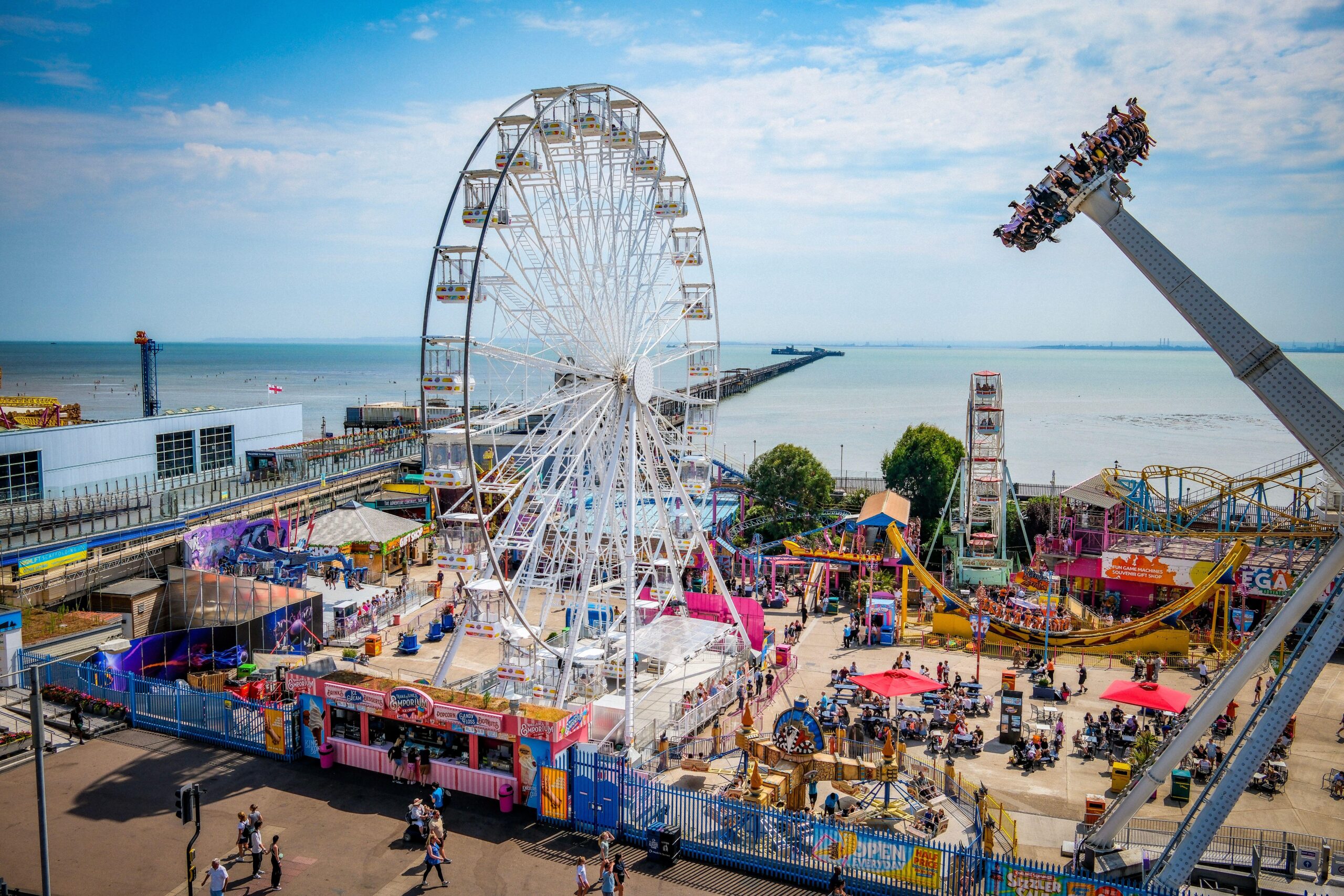
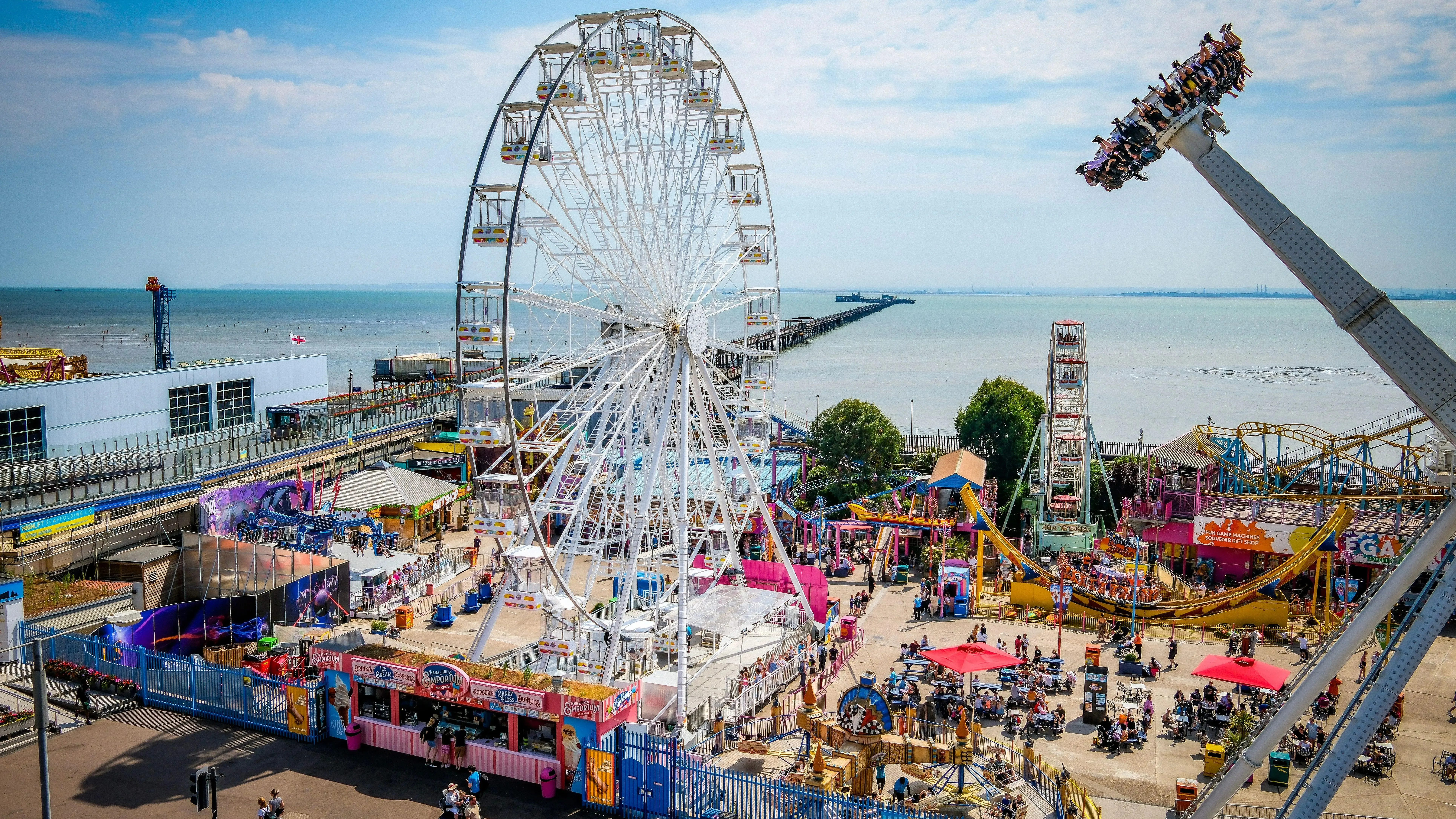
Adventure Island in Southend-on-Sea, Essex – named the best seaside attraction in the south by the UK Theme Park Awards last year – wants to build the accommodation right by its entrance.
Sign up for the Travel newsletter
Thank you!
Adventure Island in Southend-on-Sea, Essex, has revealed plans to build a hotelCredit: Alamy
The hotel would have seven rooms and be above the Sands By The Sea fish and chips restaurant.
Currently, the space above the fish and chips restaurant is an empty office that was previously used by Radio Essex.
Few other details have been revealed about the hotel, but SKArchitects – who are behind the project – shared that the accommodation is a “unique” waterfront spot, with a restaurant below and 24-hour staffing at the theme park.
Guests would also have access to the nearby Three Shells Beach and views of the Thames Estuary.
According to the Southend Echo, Matt Dent, Southend Labour councillor for business, culture, tourism and music, said: “I can certainly see the advantages of providing more tourism accommodation on the seafront, particularly having it basically inside the park.
“That is going to be a huge draw and major selling point to families looking to make the most of the abundant offerings at the seafront.”
Recent data from credit card company Aqua revealed the UK’s top 10 affordable theme parks and named Adventure Island in eighth place.
The park is free to enter, but to go on the rides you’ll need to buy a wristband, which is either £25 online or £28 on the gate.
The hotel would feature seven rooms and be right by the entranceCredit: Alamy
In total, there are 40 rides to explore, including seven rollercoasters such as Rage, which boasts several twists and turns.
If you were to break down the cost of a £25 wristband, each ride would be as little as 63p to go on.
The park also has a couple of waterslides, as well as rides for smaller kids such as a carousel, small land train and a soft play area.
Today, if you wanted to visit Adventure Island and stay close to the theme park, you’d have to book into one of the hotels or B&Bs along the seafront.
Nearby options include The Palace Hotel from £102 a night and just steps away from the entrance of the pier or The Hope Hotel, which sits at the end of Southend Beach and costs from £85 a night.
A number of other hotels around the UK have hotels near the entrance, including Alton Towers, which has the Alton Towers Hotel, Splash Landings Hotel and the CBeebies Land Hotel, all within the entrance plaza.
PAULTONS Park has announced it will open its very first watercoaster next year.
The new attraction will be an addition to Valgard: Realm of the Vikings and it will be one of the biggest rides ever built in the theme park.
Sign up for the Travel newsletter
Thank you!
The new watercoaster will open in Paultons Park next springCredit: Paultons ParkIt will be called Serpent’s Curse and have top speeds of 44mphCredit: Paultons Park
Called Serpent’s Curse, the watercoaster will be 471-metres long, with top speeds of 44mph and will open next spring.
For ride enthusiasts the details say that it will have ‘a lift hill, fast-flowing twists and curves, and a dramatic plunge into a final splashdown.’
Talking about the new ride, Paultons has said it will be one of the ‘biggest rides ever built’ at the park.
This isn’t the only new addition, as another second water ride will open at Valgard too – although it already exists at the park.
Seal Falls, the junior minilog flume water ride will be re-themed and relocated to new land.
The ride will be renamed ‘Little Serpents’.
James Mancey, deputy managing director at the park, said: “We always have a surprise or two up our sleeve, and Serpent’s Curse is potentially our most exciting reveal yet.
“We’re working with the world-renowned MACK rides to bring their fantastic water coaster to the UK.
“The speed and exhilaration of the coaster with such a dramatic finish into the water makes for something really special that works brilliantly within the Viking theme.”
Sun Travel worked out that while the entry cost is steep, children under one-metre-tall go free.
And the cost per rollercoaster, if you ride them all, works out to £4.68.
In May 2026, Paultons Park opened its new world, Valgard: Realm of the Vikings, which cost £12million to build and has its very first inverting rollercoaster.
The ride called Drakon, has been called the ‘crown jewel of Valgard’.
The new land also has a swing ride and Middle Ages themed ‘feast’ dining.
Ask an incoming tourist what the country’s big visitor draws are, and they may well say Buckingham Palace, the Tower of London, Stonehenge, Thorpe Park or even Legoland
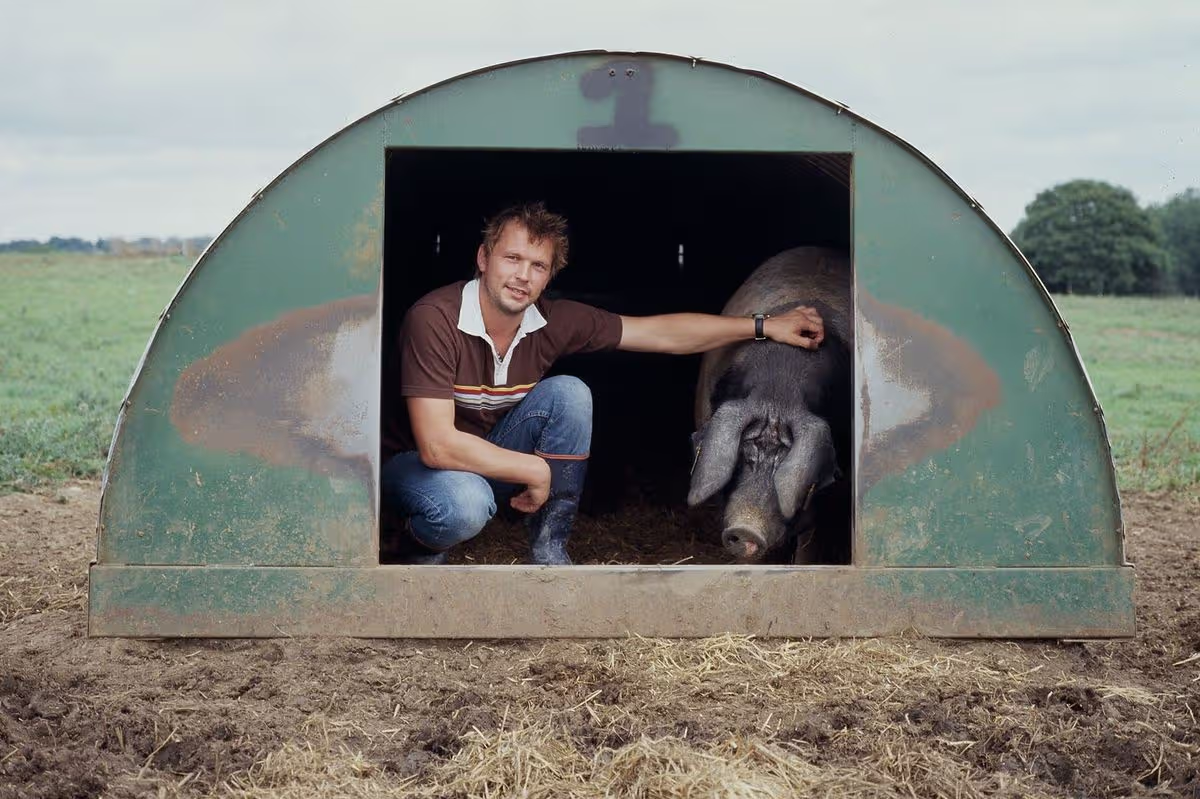
Jimmy Doherty runs England’s best large visitor attraction(Image: BBC)
The best attractions in England this year have been crowned, and the winners may come as something of a surprise.
Ask an incoming tourist what the country’s big visitor draws are, and they may well say Buckingham Palace, the Tower of London, Stonehenge or even Legoland.
The victory comes off the back of a win at the Visitor Attraction of the Year at the 2026 Suffolk and Norfolk Tourism Awards, so Jimmy’s is clearly having a good year.
The wildlife park is owned by TV star and conservationist Jimmy Doherty, who has presented programmes on both Channel 4 and the BBC. He is best known for the show Jimmy’s Farm, which details the operation of the Essex Pig Company that he and his wife Michaela Furney own in Suffolk.
Do you have a travel story to share? Email webtravel@reachplc.com
The park aims to be a centre of excellence for British rare breeds while also housing animals like camels, primates, tapirs and crocodiles. Lions and a tiger were added as recently as October 2025.
The real draw that put the place on the map was the acquisition of polar bears. Jimmy’s Farm built Europe’s largest facility for the species, called “the Lost Lands of the Tundra,” housing rescue polar bears alongside brown bears, Arctic foxes, grey wolves, reindeer and red-breasted geese. The bears are even visible from the train window on the London–Ipswich line.
Getting from London to Ipswich by train takes about an hour from Liverpool Street, but the lack of a bus from Ipswich station to the park is an issue some have confronted. Most visitors end up getting a taxi, which costs around £13 each way. The zoo itself is only part of the site; there are also shops and a restaurant in the farm area, and you can leave and re-enter the zoo with your receipt.
Jimmy’s Farm has 1,800 five star reviews on Tripadvisor, out of 2,400 in total.
“What a great day out, a well thought out place, extremely conducive and focused on giving the animals the best possible environment to flourish and feel comfortable in their habitat,” one happy customer wrote.
“Some beautiful woodland walks, plenty of things to do for children aside from seeing the animals, beautifully situated in the centre of the park, away from the majority of animals. Plenty of choice around the park for eating, whether you want a snack or something more substantial, as well as numerous picnic areas if you bring your own food.”
The winners were announced at the annual event hosted by journalist and broadcaster Sean Fletcher on 3 June at Aerospace Bristol.
Coming in second place in the Large Visitor Attraction of the Year rankings was Bletchley Park in Buckinghamshire, where visitors can learn about the code-breaking geniuses who were instrumental in helping the Allied Forces win WWII.
It is clearly a year for farms. The bronze award was handed to Attwell Farm Park in Worcestershire, a family-run petting farm where Pedigree Aberdeen Angus cattle, sheep, goats, pigs, chickens and ducks are all ready to nibble some feed from your hand.
Gold, Silver and Bronze were awarded in 17 categories selected from 21 local awards. They ranged from ‘Regenerative Tourism Award’ to ‘Accessible and Inclusive Tourism Award’ and from ‘New Tourism Business of the Year’ to ‘Self-Catering Accommodation of the Year’.
Tourism Minister Stephanie Peacock said: “I am delighted to see so many businesses across England being recognised for their outstanding work, helping to make people’s stays as enjoyable and memorable as possible.
“From hotels and pubs to glamping, museums and experiences, these awards are a real testament to those striving to ensure our tourism industry remains outstanding. Our upcoming Visitor Economy Growth Strategy will provide a clear, long-term plan to unlock investment, back businesses and showcase more of our great destinations to the world.”
VisitEngland Director Andrew Stokes added: “The awards are a celebration of England’s outstanding tourism industry and an opportunity to highlight the excellence that makes it world-leading.
“From a hands-on, traditional blacksmith’s visitor experience in the Midlands and a castle hotel and spa set in one of our national parks to accessible and inclusive holidays, these awards showcase the exceptional quality, unparalleled customer service and innovation that drive our industry.
“I congratulate the wonderful range of first-class award recipients, all of whom are so passionate about tourism. They are all deserving winners.”
WITH summer well and truly on its way, you don’t need to empty your wallet to book an unforgettable family holiday.
Some of Haven’s most popular, award-winning UK holiday parks are cheaper to book than you’d think – and offer much more than a standard caravan stay.
Sign up for the Travel newsletter
Thank you!
Haven Craig Tara holiday park sits on Scotland’s Ayrshire coastlineCredit: HavenHaven’s Devon Cliffs holiday park has caravans and lodges looking out to seaCredit: http://www.haven.com
From Scotland’s largest indoor waterpark to coastal Yorkshire parks with private lakes, these parks are set in some seriously stunning locations.
They’re also packed with activities like climbing walls, high-ropes courses and tube slides for kids to burn off energy and make lasting memories.
All of these Haven holiday parks offer 3 or 4 night stays in a saver caravan from £49 – working out to just £12.25 a night for four nights away. Plus, if you’re feeling fancy, there’s also room to upgrade accommodation.
Here’s our pick of affordable, award-winning Haven holiday parks.
Hopton Holiday Village is just steps away from a stretch of Norfolk beachCredit: Haven
This Haven holiday park was recently named the AA Holiday Park of the Year, and for good reason – there’s loads to see and do, and it’s right on the beach.
The holiday park sits in Norfolk‘s Hopton-on-Sea, just down the road from mega seaside resort Great Yarmouth, and just steps away from its own golden beach.
On-site, there’s a heated indoor pool with slides, flumes and a splash zone, a bar and lounge with Seaside Squad entertainment, and activities like crazy golf and segways.
In recent years the holiday park has seen new additions and renovations that have kept it a firm favourite among holidaymakers.
In spring 2026 the park gained its own Wetherspoons pub, The White Clover, as well as renovations to its swimming pool complex, doubling its capacity.
Book a 3 night stay at Hopton Holiday Village from £49
Craig Tara, Scotland
Splashaway Bay at Craig Tara holiday park is Scotland’s largest indoor waterparkCredit: Haven
Craig Tara holiday park in Ayrshire is Haven’s flagship Scottish park, home to the largest indoor waterpark in Scotland, Splashaway Bay.
Perched on the dramatic Ayrshire coast, this is one of the largest Haven resorts in the UK.
This seaside resort is a paradise for families who want non-stop, high-energy action where there is plenty to do no matter the weather.
Splashaway Bay is a giant indoor pool paradise with flumes, multi-lane water slides, a lazy rivers and an interactive splash zone for toddlers.
Beyond the waterpark, you’ll find activity zones like the Airspace sports hall, where you’ll find a climbing wall, soft play, a golf simulator and electronic target walls for sports.
Over in the Lighthouse HarbourAdventure Village, you can take on the six-metre high The Jump, or tackle an aerial ropes course.
Book a 3 night stay at Craig Tara from £49
Devon Cliffs
Grab a drink from the beach bar and enjoy the views at Devon Cliffs holiday parkCredit: Haven
Not only is this one of the largest Haven holiday parks, Devon Cliffs is also home to a private, award-winning beach: Sandy Bay.
The park slopes towards the sea, where you’ll find a Blue Flag beach backed by dramatic red cliffs.
Other than its scenic coastal setting, this holiday park has plenty more to offer for families.
Activities include bungee trampolines, rubber ring tube slides, a high ropes course and mini 4×4 off-roading.
Entertainment here is varied and exciting, with two venues hosting everything from bingo to the nostalgic 90’s Tiger Club Show.
Plus this year a Wetherspoons pub opened up on-site – The Red Rocks – feeding families on a budget.
Book a 4 night stay at Devon Cliffs from £49
Cleethorpes Beach, Lincolnshire
Stay at Haven Cleethorpes Beach to enjoy an outdoor waterslide and splash bowlCredit: TripAdvisor
With 1,827 caravans and lodges, Haven’s Cleethorpes Beach holiday park is a mega resort built for the ideal family seaside holiday.
This AA 5 star-rated holiday park has everything from a peaceful fishing lake and lazy river, to an exciting NERF training camp and huge climbing wall.
Plus there’s lots to do that the family can enjoy all together, such as mini golf and go karts.
When the sun comes out, head to the outdoor splash park to cool off with interactive water features and fountains, or simply walk down to the beach to swim in the sea.
This park has plenty of food and drink options that will please even fussy eaters, like a Slim Chickens fried chicken shack, Papa Johns, Burger King and – you guessed it – its very own Wetherspoons pub.
Book a 4 night stay at Cleethorpes Beach from £49
Thornwick Bay, East Yorkshire
Stay at Haven’s Thornwick Bay for dramatic coastal landscapes a short walk awayCredit: Emma and Gordon Taylor
Haven’s AA 5 Gold Star-awarded Thornwick Bay holiday park is a nature-lover’s paradise, with direct access to a golden beach with a stunning backdrop.
This cliffside resort sits on the dramatic Flamborough Headland, just a short walk from a rugged sand-and-pebble cove that is perfect for rock pooling, fossil hunting, and exploring hidden sea caves.
But you don’t just have to stick to the sea – this park boasts its very own private activity lake where families can hire pedalos and try out paddleboarding.
Indoors, the Activity Barn has plenty to keep kids of all ages occupied. There’s an indoor climbing wall, archery coaching, and creative slime and pottery workshops.
To burn off some energy, head to the heated indoor pool complex with three separate pools and a giant, multi-lane water slide.
Food and drink options include the park’s main Lighthouse Bar & Restaurant – complete with a kids sand pit on the terrace -as well as a Chopstix noodle bar and Papa Johns pizza takeaway.
IF you’ve got any theme park fanatics in the family, you’ll want to read on.
While the UK’s biggest theme parks are home to some world-class rollercoasters and rides, they aren’t always the kindest to your bank balance.
Once you add up entry for the whole family, parking, and a place to stay for the weekend, sometimes you’re looking at spending hundreds.
But we’ve mapped the most affordable theme parks in the UK, plus cheap hotels and holiday parks nearby.
Research from credit card brand Aqua has found the UK’s top 10 most affordable theme parks.
The rankings are based on factors like the price of a peak-season weekend adult ticket, and bang for your buck when it comes to the number of rollercoasters at the park.
10. The Milky Way Adventure Park / Twinlakes Family Theme Park
The Milky Way Adventure Park has unique rides, like a Gravity tubing slideCredit: Milky Way Adventure ParkTwinlakes theme park in Melton Mowbray, Leicestershire, has a splash park perfect for summerCredit: Twinlakes
In joint-10th place for the best-value theme parks are The Milky Way Adventure Park in North Devon and Twinlakes Family Theme Park in Melton Mowbray.
Both parks have an average adult ticket price of £20, with just three rollercoasters in each park; however, they have plenty of other attractions and lots to do for younger children.
All rides at The Milky Way Adventure Park are included with the cost of your entry, and include the Gravity Rider tubing slide, the Cosmic Caterpillar coaster, and the Milky Way Train, which takes you around the scenic countryside grounds.
Twinlakes Family Theme Park is an all-weather option with indoor activities like soft play and the Davy Jones indoor water ride, plus outdoor fun like a splash park and live falconry performances.
Another plus of both attractions is that you can park for free.
However, when it comes to a place to stay, Twinlakes is drastically cheaper.
A hotel stay near Twinlakes averages £172 per night, whereas it averages £260 for a stay near Milky Way.
For an affordable stay just five minutes down the road from The Milky Way Adventure Park, opt for Parkdean Resorts Bideford Bay Holiday Park.
A two-night stay in June in a Bronze caravan, which sleeps up to six, starts from £141.
If you stay as a group of six, that works out to £11.75pp per night.
For an affordable stay near Twinlakes, try their heated pods. You can stay two nights in a lodge that sleeps up to six, with theme park tickets included, for £199 total.
If you fill the lodge, that works out to just over £33pp for two nights’ accommodation, theme park entry and all of your rides already paid for.
9. Paultons Park
Paultons Park in Hampshire is home to Peppa Pig World, and will soon have a new coasterCredit: Alamy
Paultons Park in the New Forest ranks at number nine, with an entry ticket costing a pricey £46.75pp – but there are 10 thrilling rollercoasters here to enjoy, plus plenty more, including a brand new theme park land.
The new £12m Viking-themed land, Valgard – Realm of the Vikings, which opened on May 16, will feature an inverted rollercoaster called Drakon.
The theme park has plenty more to see and do, such as the spooky Ghostly Manor ride and family-friendly, dinosaur-themed coaster Flight of the Pterosaur.
Even though the entry cost is steep, kids under 1m in height go free – plus the cost per coaster, if you ride them all, works out to an affordable £4.68.
When it comes to accommodation, a nearby hotel averages at £234 per night, which brings this theme park down in the rankings.
However, we’ve found an affordable stay at the nearby Sandy Balls holiday village.
A three-night stay in a six-berth luxury caravan from June 29 costs £296 total – working out at £16.44pp per night.
8. Adventure Island
Adventure Island in Southend-on-Sea ranks at number eight, with affordable seafront ridesCredit: Alamy
Southend-on-Sea‘s Adventure Island ranks at number eight, and is a free-admission theme park, meaning it’s free to walk around. But to access the rides, you’ll need a £25 wristband.
There are more than 40 rides and attractions to choose from here, including seven rollercoasters.
Popular rides and attractions include Axis, the huge pendulum swing ride, and Rage, a thrilling, twisting rollercoaster.
The cost per ride averages at an affordable £3.57, according to Aqua, making this seaside theme park a wallet-friendly choice.
As for accommodation nearby, the average hotel would set you back £196 per night.
However, a stay at the Premier Inn Southend On Sea (Eastern Esplanade) starts at just £68 a night.
7. Alton Towers Resort
The price per coaster at Alton Towers works out to an affordable £2Credit: Supplied
Popular theme park Alton Towers in Stoke-on-Trent comes in at number seven, with an average adult ticket price of £38 for 19 rollercoasters – some of which are world-famous.
Younger children will love the new Bluey coaster and Peter Rabbit Hippity Hop ride, while adrenaline junkies can take on The Smiler or Oblivion.
The average cost per coaster here is £2, so it’s fair to say that you get some great bang for your buck at this theme park.
However, it is worth noting that the cheapest parking available is £13, and the average cost of a nearby hotel is £171 a night.
For a budget-friendly base, opt for the Weathervane Hotel by Greene King Inns, where you can bag a double room for two nights for just £125.
6. Drayton Manor Resort
Drayton Manor has over 50 rides and attractions, including the thrilling ‘The Wave’Credit: Drayton Manor
Drayton Manor in Tamworth offers a great-value family day out, with entry tickets averaging at £30, 12 rollercoasters, and over 50 rides and attractions.
Family favourites include Thomas Land, a Thomas the Tank Engine-themed area with 25 rides and attractions of its own, and adrenaline zones, Vikings and Adventure Cove.
Some of the park’s most popular coasters are The Wave, an inverting coaster, and Gold Rush, the wild west-themed ride that opened in 2024.
The average cost per rollercoaster works out to £2.46. Parking costs a reasonable £10, and the average nearby hotel costs £141 per night.
Stay at the nearby Travelodge Tamworth M42 with double rooms from £28.99 a night.
5. Codona’s
Codona’s in Aberdeen has a caterpillar coaster, bumper boats, a Ferris wheel and moreCredit: Not known, clear with picture desk
Codona’s Amusement Park in Aberdeen is a traditional beachfront amusement park with seven exciting rollercoasters.
There are several ticket options to choose from, which include various perks like food and rounds of mini golf, but the average adult ticket costs £25.
Popular rides include the Dead Man’s Drop, a tower ride that launches you into the sky before sending you plummeting back down, and the refreshing White Water Log Flume.
There’s also karting, bumper boats, adventure golf and a Ferris wheel that offers spectacular views of the city skyline. The average cost per rollercoaster based on ticket price works out to £3.57 per coaster.
The average hotel cost nearby is £149 per night, but you can stay in a double room at the Holiday Inn Express Aberdeen City Centre from £51 per night.
4. M&D’s Scotland Theme Park
M&D’s in Strathclyde has a calculated cost per coaster of just £2.49Credit: Alamy
M&D’s in Strathclyde is an all-singing, all-dancing attraction known as Scotland’s Theme Park, and it has an affordable entry cost of £20.
There are both fairground-style rides and thrill coasters here, making M&D’s a fantastic option for a family day out or staycation.
The Runaway Mine Train is a fan-favourite and takes riders through twists and turns through a mining town on an adorable miniature train.
For something more adrenaline-pumping, there’s Freak Out – a spectacular, spinning pendulum ride that can be seen (and heard) from the other side of the park.
The cost per coaster works out to just £2.49, and there’s plenty more weather-proof things to see and do, like 10-pin bowling and exploring one of the largest indoor amusement arcades in Scotland.
The average cost of a hotel in the area is £174 per night, but you can stay 3 minutes away in a double room at the Holiday Inn Express Strathclyde Park from £69 per night.
3. Fantasy Island / Gulliver’s Land
Fantasy Island is a seaside theme park in Ingoldmells, near the resort town of SkegnessCredit: AlamyGulliver’s Land in Milton Keynes has lots of rides suitable for younger childrenCredit: Gulliver’s Land
Coming in joint-third for the UK’s best-value theme parks are Fantasy Island in Ingoldmells near Skegness and Gulliver’s Land in Milton Keynes.
The average adult ticket price for both parks is £26. Fantasy Island has 10 rollercoasters, and Gulliver’s Land has just seven.
Fantasy Island offers colourful and thrilling loop rides right on the beach front of seaside town Ingoldmells, plus classics like water rapids, bumper cars and a log flume.
The big three thrill rides at Fantasy Island are The Odyssey, a looping coaster, Millennium, a high-speed ride and The Volcano, a tower ride that shoots you high into the sky.
Gulliver’s Land, on the other hand, focuses on rides and attractions for primarily younger children.
There are rides like The Wriggler, a caterpillar coaster, and the Rockin’ Tug, a gentle pirate boat ride.
Mini thrill seekers can also enjoy the tall Tree Top Swings, or soar into the skies on the 360° ride Dragon Siege.
There’s also a dinosaur sculpture area, and a farm park where you can meet the animals.
The average cost per rollercoaster at Gulliver’s Land is £3.71, whereas at Fantasy Island it works out to £2.61.
But Gulliver’s Land takes the edge when it comes to parking, as you can park for free, whereas parking at Fantasy Island starts at £8.
The average cost for a hotel near both theme parks is £135.
For a cheap place to stay near Fantasy Island, book a Silver Caravan at Coastfields in Ingoldmells – three nights over a weekend in a six-berth caravan starts from £205 total in June.
And for somewhere to stay near Gulliver’s Land, go for the Holiday Inn Express Milton Keynes, where you can bag a double room with a hot breakfast included from £86 per night.
2. Lightwater Valley Family Adventure Park
Lightwater Valley has unique rides and attractions like a Jeep Safari and Ladybird coasterCredit: Instagram
Lightwater Valley in North Yorkshire ranks as the second best-value UK theme park, with an average adult ticket price of £25.
With a lineup of 11 family-friendly coasters to choose from, riding each works out to just £2.23 per ride.
There are wholesome, family-friendly coasters like the Ladybird and Spin Bug, and fun extras like a Jeep Safari as well as several miniature train rides.
Plus, 2026 brings a new ride, the Spinning Racer, to the park, a colourful, curving rollercoaster that looks like a giant Scalextric track.
While you can park for free, which is a plus, the average cost of a hotel nearby is a hefty £222 a night.
Luckily, we’ve found a much cheaper option. You can book a double room at the Premier Inn Thirsk hotel from £57 per night.
1. Blackpool Pleasure Beach
Blackpool Pleasure Beach came out on top as the most affordable UK theme park, according to AquaCredit: Blackpool Pleasure Beach
The best-value theme park according to the data is family-favourite Blackpool Pleasure Beach.
While the average adult ticket price is £32, there are a whopping 26 coasters to have a go on – that works out to a cost of £1.22 per ride.
Rollercoasters include the Big One, with a 235ft drop, and Launch Pad, which shoots you to speeds of 80mph.
There are also dark rides like the Ghost Train and Valhalla, plus Nickelodeon-themed rides like SpongeBob’s Splash Bash and the toddler-friendly Bikini Bottom Bus Tour.
Plus, there’s a major new ride coming this year – the £8m Aviktas, a record-breaking gyro swing ride, is set to become the tallest in the UK, at 138ft tall, and is set to open this month.
The cheapest available parking nearby is £15, and the average price for a hotel in the area is £121.
For a budget-friendly base for your Blackpool staycation, stay at Haven Marton Mere, where four nights in a saver caravan which sleeps four starts at £49 this June.
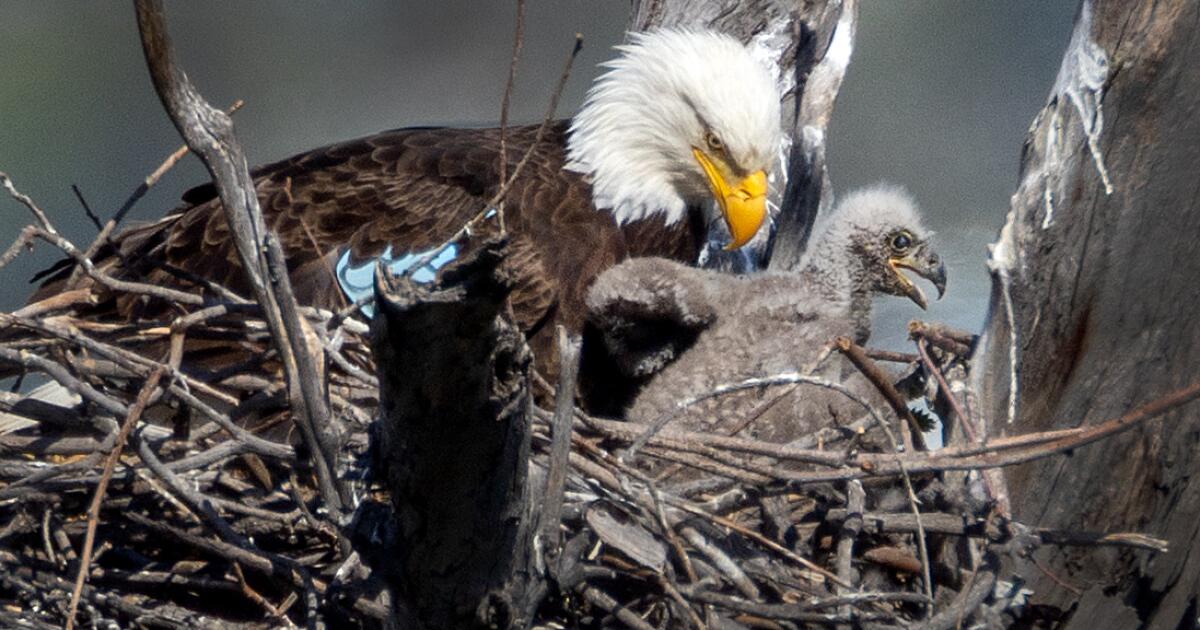
A pair of nesting bald eagles has been spotted in Los Angeles County, according to a recent Instagram post from the L.A. County Department of Parks and Recreation.
In the video posted Friday, the two eagles are perched on a high tree branch in an undisclosed location. Native nesting birds, like bald eagles, are protected under federal law, and disturbing active nests can “disrupt breeding and impact their success,” the department said in the post.
The department did not immediately respond to a request Sunday for comment about where the eagles took up refuge.
Southern California residents should give nesting birds plenty of space and avoid lingering near nest sites, the post said.
If possible, residents should hold off on tree trimming or vegetation clearing during nesting season. Dogs should also remain leashed and under control around trees and shrubs where birds may be nesting, and residents also should not fly drones near wildlife.
If a nestling is in distress, the department said to contact the San Dimas Raptor Rescue Center for advice at (626) 559-5732.
Nowhere on earth parties like they do at Universal Studios. Writer Ali Graves went to discover the biggest fiesta in Florida, and fell in love with theme park celebrations
Alison Graves Lifestyle & Features Editor and Octavia Lillywhite Acting beauty and wellness editor
10:30, 30 May 2026
This article contains affiliate links, we will receive a commission on any sales we generate from it. Learn more
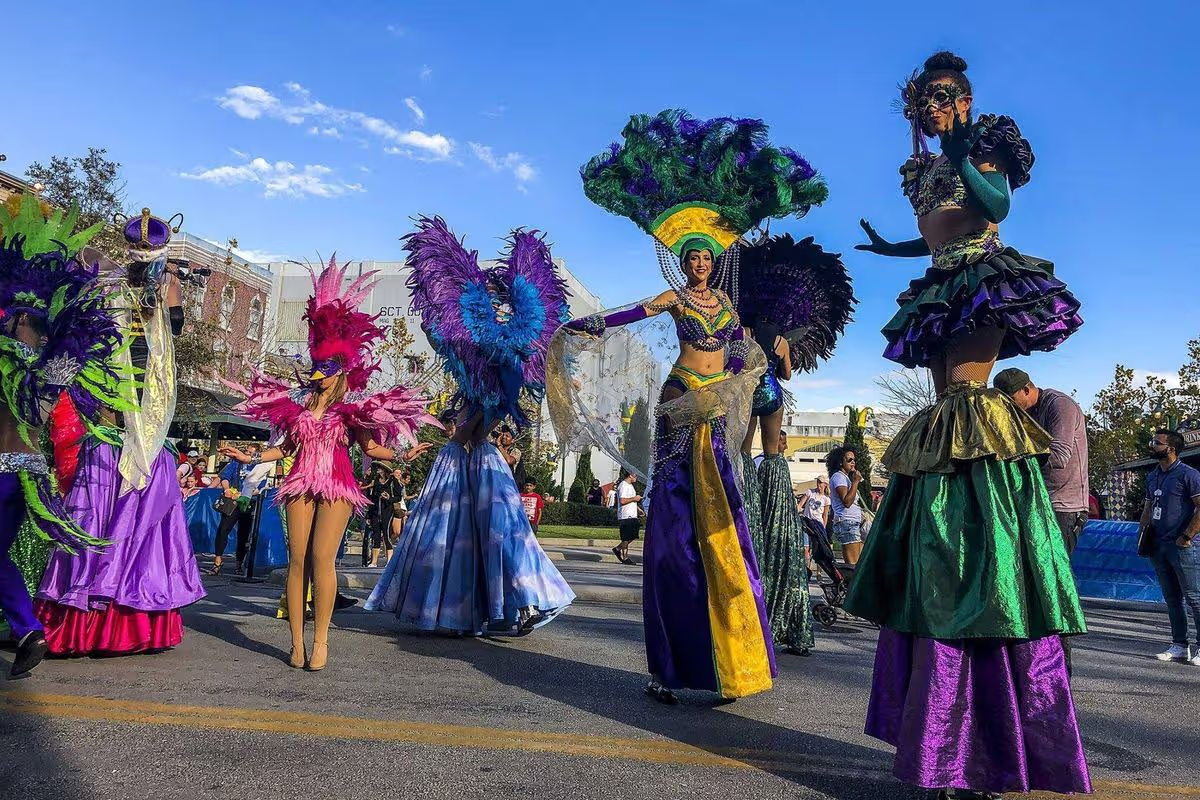
It’s time to party – performers and amazing costumes are everywhere for the parades(Image: Alamy Stock)
If you’re anything like me, theme parks typically conjure up images of drizzle, uninspiring grub and middling attractions that leave you feeling a bit green around the gills… until now.
Enter Universal Studios Florida, which blew away all my preconceptions with their Mardi Gras celebration. Wave goodbye to lacklustre hot dogs and say hello to succulent grilled steaks (yes, actual steaks!), delicious Chinese dishes and sophisticated cocktails… and that’s only scratching the surface.
Universal Studios Florida excels at delivering brilliantly themed seasonal celebrations — from festive cheer at Christmas to their spectacular Halloween Horror Nights — there’s consistently something to get excited about. I experienced their Mardi Gras event first-hand, which takes place each year between February and April (exact dates vary annually, but there’s ample opportunity to organise your visit for next the next one), reports OK!.
This is when the entire venue transforms into a dazzling display of gold, purple and green, with 13 food and beverage stations scattered throughout to help you embrace the carnival spirit in proper style. Additionally, there are numerous other entertainment offerings to suit all tastes, regardless of age. Better still, the majority of these bonus attractions are covered by your standard park admission ticket. And just wait until you discover what else…
Mardi Gras at Universal Studios is Florida’s ‘biggest party’ The dazzling, lively and captivating Mardi Gras parade takes place every evening (weather permitting), showcasing the most stunning New Orleans-style floats, enthusiastic dancers and performers, and the finest bead tosses – thrown by you, the park visitors.
The floats boast remarkable authenticity, having been designed, styled and decorated by Kern Studios, the very same firm responsible for crafting many of the grandest and most iconic floats seen in the New Orleans Mardi Gras parades.
For those wanting to elevate their parade experience, why not ride aboard a float through the park? That’s right – you can actually hop on and throw beads for fellow guests to catch below. It’s a guaranteed way to feel like a celebrity while soaking up the electric atmosphere from high above.
How to get the best views at the Mardi Gras parade
I found myself aboard the Bayou float with Mardi Gras jazz music pumping and swamp-like fog billowing from the sides as I hurled purple and green beads to eager fans below – it’s an absolute must-do if you get the chance.
There are two ways to secure your spot – once you’re inside the park, it demands quick thinking and a bit of luck via the Studios app. Check around 2pm and 5pm, searching for Mardi Gras parade. Virtual queue slots appear randomly and disappear within the hour. If you’ve not managed to bag a place by 5pm, head over to the Animal Actors on Location theatre – occasionally they release unclaimed slots.
The guaranteed route, however, is through the park’s new-for-2026 Float Ride and Dine Experience. It’s a paid option costing $94.99, but it secures your place and includes a three-course meal at a participating Universal restaurant – Lombard’s Seafood Grille, Café La Bamba or selected Citywalk venues.
Bear in mind that experiencing the parade from street level can be equally thrilling. Be amongst those catching armfuls of beads as you groove to the music and soak up the spectacular sights and sounds from the ground. For prime viewing, position yourself outside The Mummy or The Bourne Stuntacular to witness the floats in all their magnificence. Alternatively, if you’ve got youngsters under 10 in tow, settle in front of the Brown Derby Hat Shop – a clear viewing area specifically designated for children which opens an hour before the parade kicks off.
The best food to find when you’re at Universal Studios
Long gone are the days when theme park fare was boring and uninspiring. This event showcases authentic Southern and Cajun flavours, with dining choices to suit every member of the family.
Scattered throughout the park you’ll discover food stalls themed around various countries. The shrimp fried rice and milk boba tea at China, alongside jerk chicken and Rasta Pasta at Jamaica were personal highlights, though you’ll also encounter premium steak cuts in Brazil and wild salmon in Chile. Each food item comes with a price tag, so grab yourself a special dining card for $65, which gives you $75 worth of food and drinks. The added perk is that any leftover credit can be rolled over and spent elsewhere around the park.
Free gigs are included in the tickets
Your entry includes access to live concerts right inside the park. The 2026 line-up was absolutely brilliant, featuring the likes of Kaskade, Joey Fatone and AJ McLean (of noughties groups N Sync and Backstreet Boys) and The All-American Rejects. I spent one evening watching Bebe Rexha and another catching world-acclaimed DJ, Zedd. The atmosphere was absolutely buzzing at both performances, and they play for roughly an hour, so make sure you get yourself a drink beforehand and head over to the Music Plaza Stage.
How to book your trip to Universal Studios Florida
All Parks ticket prices start from £430pp based on June arrivals, for 14 days unlimited park-to-park admission (Universal Studios Florida, Islands of Adventure, Epic Universe and Volcano Bay). Book at floridatix.com or call 0330 100 3130. Fly with Norse Atlantic Airways, from £196 one-way. For Premium Business class flights from £925 return.
MILLIONS of families will be able to enjoy discount meals and days out this summer, the Chancellor announced today.
From June 25 to September 1 the Government is temporarily cutting the VAT on attractions and children’s meals in restaurants from 20% to just 5%.
Sign up for the Travel newsletter
Thank you!
The cut will apply to theme parks, zoos, museums, soft play, fairs and even cinema tickets.
The full list of businesses participating has not yet been announced but several major firms including Merlin Entertainments and Odeon Cinema have confirmed they will be taking part.
If a business chooses to pass on the full benefit then the total saving for a family of two adults and two children could be:
The Government said it expects qualifying businesses to pass these savings on to families by lowering the prices people pay on eligible children’s meals and tickets.
As a result, the VAT cut will be directly reflected at the till.
It added that passing on the full saving should help businesses attract more customers over the summer, which could increase footfall and support local economies.
The plans are part of a package to help households with the cost of living.
Meanwhile, throughout August all children aged between five and 15 in England will be able to travel for free on any local bus service.
Among the attractions taking part are Alton Towers, Legoland Windsor, Warwick Castle and Cadbury World.
Fiona Eastwood, chief executive officer of Merlin Entertainments, said: “Merlin will be applying this VAT cut to both admission tickets and children’s meals, adding more value to days out and short breaks at our 20 UK attractions.”
Meanwhile, Mark Way, president AMC Europe & managing director at Odeon Cinema Groups, said: “We’re excited that our guests will be able to enjoy the big screen for less over this blockbuster summer.”
Which activities will be included?
The following activities and meals will benefit from the VAT cut:
Children’s meals for consumption on the premises are eligible where served from a dedicated children’s menu and marketed, presented and priced as such.
For cinemas, theatres, exhibitions, concerts and shows, the reduced rate applies to children’s and family tickets only.
The reduced rate applies to admission tickets, including adults, for:
Amusement parks and fairs, including water parks and theme parks (excluding pay-per-ride attractions)
Circuses
Adventure parks, including outdoor adventure centres
Museums and similar cultural facilities, including planetariums, heritage sites, nature reserves and botanical gardens.
Zoos, aquariums, wildlife parks and farm visitor attractions.
Soft play centres, indoor bounce parks and indoor play facilities
Observation attractions, including viewing platforms, towers and observation wheels
Season tickets that allow you repeat entry solely within the relief period.
But there are several attractions and popular activities that will not be included in the scheme. They include:
Sports facilities, such as when they are provided by non-profit bodies e.g. swimming at a community swimming pool.
Season or advance purchase tickets that allow repeat entries outside of the 25 June to 1 September dates, unless it is priced the same as a standard single-entry ticket.
For sales that have been made before the legislation is in place, including before the announcement, businesses may opt to apply the reduced rate or refund the VAT saving.
WITH the bank holiday weekend fast approaching and the weather looking warm, you might want to book a last-minute staycation…
Well, the good news is that whether you want to head north or south, seaside destinations across the country still have availability as temperatures are set to reach up to 28C.
Sign up for the Travel newsletter
Thank you!
Follow The Sun’s award-winning travel team on Instagram and Tiktok for top holiday tips and inspiration@thesuntravel.
Stowford Farm Meadows in Devon is just 10 minutes from the beachCredit: Facebook
Stowford Farm Meadows, Devon
Found in Combe Martin in Devon, you could book an electric grass pitch at Stowford Farm Meadows for four people between May 22 and 25 for just £104.
The nearest beach is a short 10 minute drive away and at the park you can enjoy a swimmingpool and bar.
The holiday park also offers entertainment such as daytime kids shows and bingo in the evenings.
Found on the Isle of Wight, you could book a safari tent for four people for £247, staying from Friday May 22 to Sunday May 24.
The Parkdean Resort is just a 15 minute walk downhill to Shanklin Beach and to get back to the resort, instead of walking you can hop on a shuttle.
Then also at the park, there is indoor and outdoor entertainment for guests including an arts and crafts den, new adventure golf and a swimming pool with a water slide.
Pevensey Bay, Sussex
Pevensey Bay Holiday Park near Eastbourne in East Sussex is located right on the beach and over the bank holiday weekend a family of four can stay for £483 between May 22 and May 25.
In Sussex, you could head to Pevensey Bay holiday park which is right on the beachCredit: Facebook
At the holiday park families can also enjoy a pool and golf.
And if you want to explore a little further, then you can head off on a walk on the Seven Sisters cliff top trail, which has panoramic views of the English Channel.
Waxham Sands Holiday Park, Norfolk
Found in Great Yarmouth, dog-friendly Waxham Sands Holiday Park has stays for this weekend between May 22 and 25 for just £390.15 for a family of four.
The holiday park has direct access to the beach, with it being just a two-minute walk away.
The holiday park has a woodland walk as well as a board game library, adventure golf and a playground, too.
Marine Holiday Park, Rhyl
Over in Rhyl, you could head to Marine Holiday Park for three nights between May 22 and 25 for a family of four, costing £432.
The holiday park boasts a bar, nightclub, kid’s club, children’s pool, outdoor play area and even a hot tub.
Plus, if that wasn’t enough Rhyl Beach is less than a 30-minute walk away.
The park is just one mile from the White Cliffs of Dover and is the beach is just a 20-minute walk away.
Naze Marine Holiday Park in Essex is near one of the longest piers in the countryCredit: Facebook
When it comes to things to do at the park, there is a large indoor pool, spa pool, sauna and even a solarium.
Naze Marine Holiday Park, Essex
Another Parkdean Resort close to the seaside is Naze Marine Holiday Park in Walton-on-the-Naze in Essex, where families of four can stay between May 22 and 25 for £373.
The holiday park is just a couple of minutese walk from the beach where there are a couple of cafes to grab a bite to eat and as for the park itself, guests will be able to enjoy an indoor pool, laser quest and evening entertainment.
Up in the North, you could head to Scarborough and stay at The Grand Scarborough Hotel between May 22 and 25 for just £213.
The hotel is in a great location overlooking the Harbour and South Bay.
Inside, the hotel is themed around time including seasons, months, weeks and days – and even has 52 chimneys!
Cavendish Hotel, Eastbourne
Just the two of you? Head to the Cavendish Hotel in Eastbourne for £283, staying between May 22 and 25.
If you prefer a hotel, you could stay at the Cavendish Hotel in Eastbourne for £283 this weekendCredit: Facebook
The hotel is located directly on the beach and features modern swish interiors throughout.
The hotel also has a restaurant and library.
Travelodge Morecambe, Lancashire
For just £271, you could stay at the seaside Travelodge Morecambe between May 22 and 25.
Not only is the hotel located right by the beach, but some rooms have recently been upgraded as well.
The Dolau Inn in Wales is just £124 for a stay this weekendCredit: Facebook
The Dolau Inn, New Quay in Wales
Just a two-minute walk from Dolau Beach, you could stay at The Dolau Inn between May 22 and 25 for £124.
All rooms feature a private shower and boast a cosy interior.
In the surrounding area, guests can explore the town as well as other nearby beaches.
Haven Riviere Sands, Cornwall
If you fancy heading to Cornwall, there is still some availability at Haven’s Riviere Sands in Cornwall for three nights between May 22 and 25 from £249 for a family of four.
The holiday park backs onto Towans Beach, which has previously been named the best beach in the UK.
There are a number of Cornish holiday parks with availability for this weekend as well, such as Perran SandsCredit: Haven Caravan Holidays
At the park there is also an outdoor pool with a waterslide, indoor pool, entertainment for adults and kids and even a new Wetherspoons pub.
Perran Sands Holiday Park, Cornwall
Also in Cornwall, Perran Sands Holiday Park also has availability for this weekend with a stay between May 22 and 25 for four people costing from £259.
The park is right by Perranporth Beach, which is a top spot for surfing and heading for a scenic walk along the coastal path.
The holiday park also features an indoor pool and a number of spots to grab a bite to eat.
The Royal Boston Hotel by Compass Hospitality, Blackpool
If you are wanting to head to Blackpool, then you can opt to stay at The Royal Boston Hotel this weekend between May 22 and 25, costing from £206 for two people.
The hotel can be found directly on Blackpool’s seafront and is just a five-minute drive from the famous Blackpool Tower.
Each room is well-equipped too, with an en suite, TV, tea and coffee making facilities.
Hele Valley Holiday Park, Ilfracombe
Fancy glamping instead? The head to Hele Valley Holiday Park in Ilfracombe where glamping for two people between May 22 and 23 costs from £180.
In Ilfracombe in Devon you could head glamping for £180Credit: Hele Valley Holiday Park
Each glamping pod has a bench outside for enjoying meals as well as heating and lighting on the inside.
And the beach is just a five-minute walk away.
West Point Woods, Barrow in Furness
A glamping pod for up to three people at West Point Woods in Barrow in Furness costs from £375 for a stay between May 22 and 25.
This glamping spot is ideal for wildlife lovers as the site is surrounded by Walney Island Nature Reserve.
Guests can also easily reach Earnse Bay if they fancy a day at the beach.
If you want fun with the family, then Butlins in Bognor Regis is a great optionCredit: Alamy
Butlin’s Bognor Regis
If you want a family break with loads to do, then head to Butlin’s in Bognor Regis, with a stay between May 22 and 25 costing £433 for a family of four.
The resort sits right by the beach, which is expansive and a great swimming spot.
In the resort itself, you can expect tonnes of shows and activities, as well as arcades, crazy golf and a huge swimming complex.
West Bay Holiday Park, Dorset
You could stay in a two-bedroom safari tent sleeping up to six people at West Bay Holiday Park in Dorset between May 22 and 25 for £409.
From the holiday park, you can walk to the harbour and beach, which stretches for miles.
And then, as for things to do when onsite, the park has an indoor pool, bike hire and an adventure playground.
Mercure Paignton Hotel, Devon
Looking out onto a green and then the beach and sea, you could stay at the Mercure Paignton Hotel in Devon this weekend from £396 for two people.
From the hotel you can easily explore the town centre as well as the pier, which boasts games, crazy golf, arcades and fish and chips.
Mercure Paignton Hotel in Devon is just a couple of minutes away from the beachCredit: Mercure
Travelodge Aberdeen Central, Scotland
Located near to Aberdeen train station and the ferry terminal, Travelodge Aberdeen Central has stays left for the weekend from just £102.
The Travelodge has everything you would expect including tea and coffee making facilities.
From the hotel, it takes under 30 minutes to walk to the beach where you will find Codona’s funfair.
MAY half-term is almost here and if you’re looking for a fun way to fill the days, there are a wide range of new theme park rides open across the UK.
Whether your little one is a thrill seeker or a Paw Patrol fan, you won’t be stuck for something to entertain them.
Sign up for the Travel newsletter
Thank you!
A number of new theme park rides and attractions have opened across the UK just in time for May half termCredit: CrealyCBeebies Land recently opened at Alton Towers, offering a range of rides for your little ones to enjoyCredit: Instagram / @altontowers
A number of new rides and attractions will be open across the UK’s biggest theme parks during the school break, including nine new additions.
Some of these exciting worlds and rollercoasters are already open to customers.
And there are even themed rooms available at some of these sites for the full experience.
So get planning now for a thrilling and memorable half term break.
Bluey the Ride: Here Come The Grannies! is the first coaster themed on the popular cartoon in the worldCredit: Alton Towers
The world’s first Bluey rollercoaster, Bluey the Ride: Here Come The Grannies!, opened at Alton Towers’ CBeebies Land at the end of March.
This kid-friendly coaster features Bluey and Bingo dressed as Janet and Rita, a fun call-back to fan-favourite episode, and you can even book a Bluey-themed room at the park’s hotel this half term.
Blackpool Pleasure Beach
Blackpool Pleasure Beach will open its new gyro swing ride later this monthCredit: Supplied
Blackpool Pleasure Beach will open its £8.72 million gyro swing ride Aviktas this Thursday (May 21).
Measuring a whopping 138 feet, the ride will be the tallest of its kind in the UK.
Chessington World of Adventures Resort
Zuma’s Hovercraft Adventure will be the UK’s first ‘Drifter’ rideCredit: Chessington World of Adventures
Chessington recently opened its highly-anticipated PAW Patrol land, which features four exciting new rides, and also has themed rooms available nearby.
Chase’s Mountain Mission is a rollercoaster suitable for young kids, while Skye’s Helicopter Heroes takes kids on a high-flying mission, and Marshall’s Firetruck Rescue lets kids take a ride on a shiny red truck, and Zuma’s Hovercraft Adventure offers the UK’s first “drifter” ride.
Crealy
Pirates’ Plummet opened at Crealy theme park in Devon in AprilCredit: Facebook
The exciting new land will feature new rides, Drakon, the park’s first inverting rollercoaster with a dramatic vertical lift and Vild Swing, which will swing riders 39 feet into the air.