ParamountWarner

Paramount-Warner Bros. antitrust trial is slated for next year

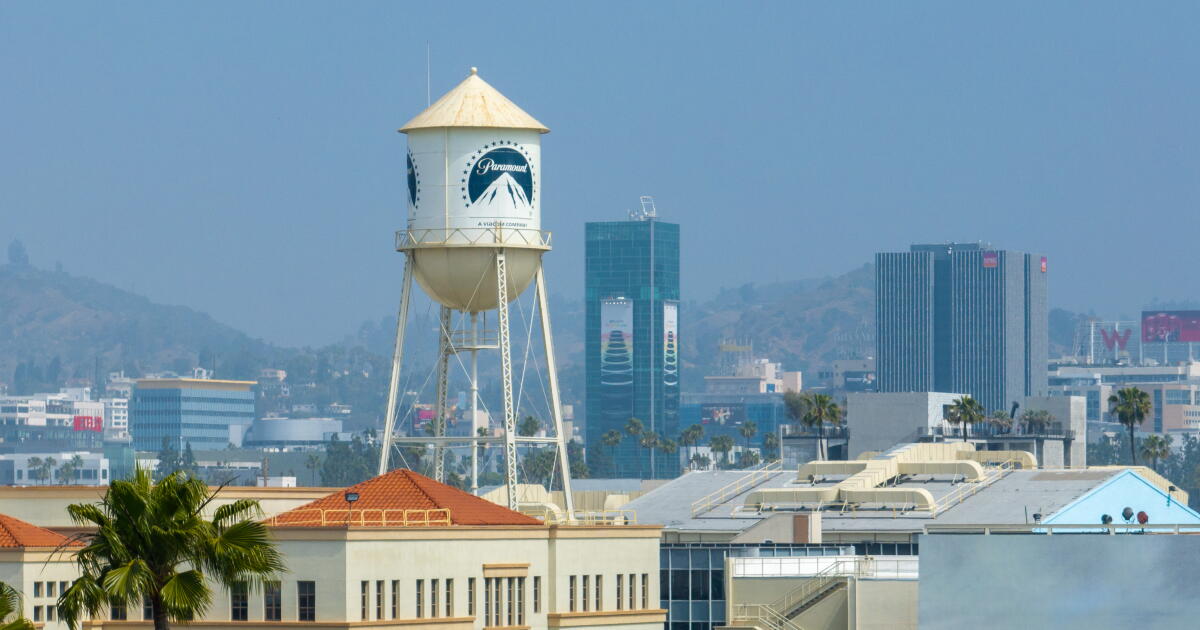
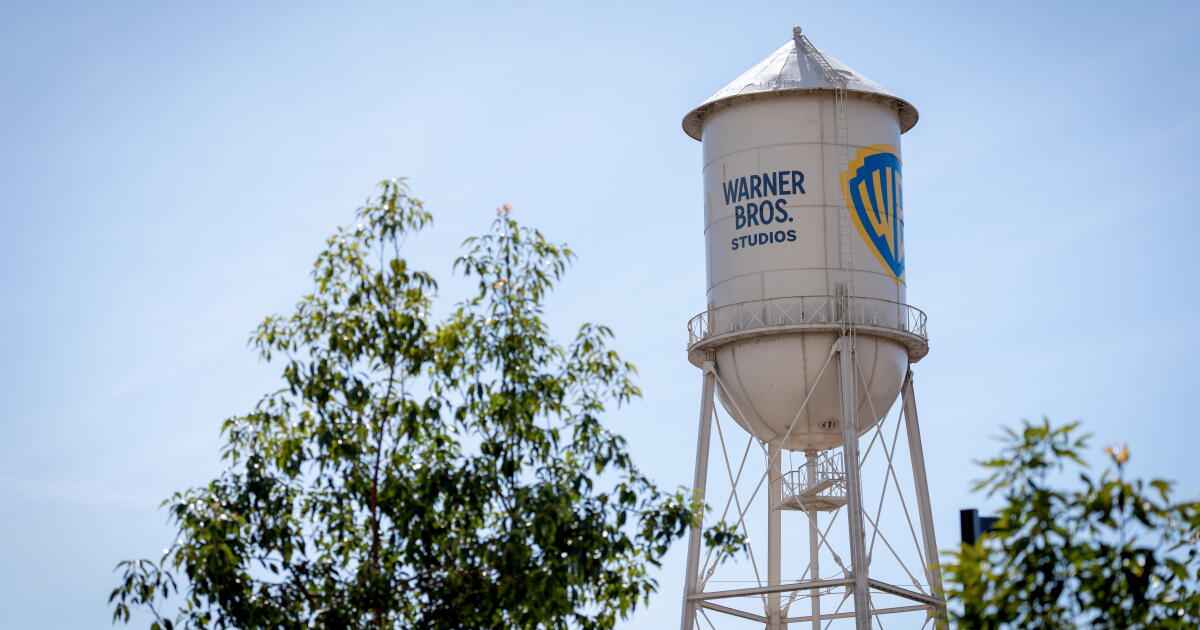
Paramount Skydance must wait until March to defend its proposed $111-billion acquisition of Warner Bros. Discovery — a blockbuster deal that would reshape Hollywood by uniting two storied studios.

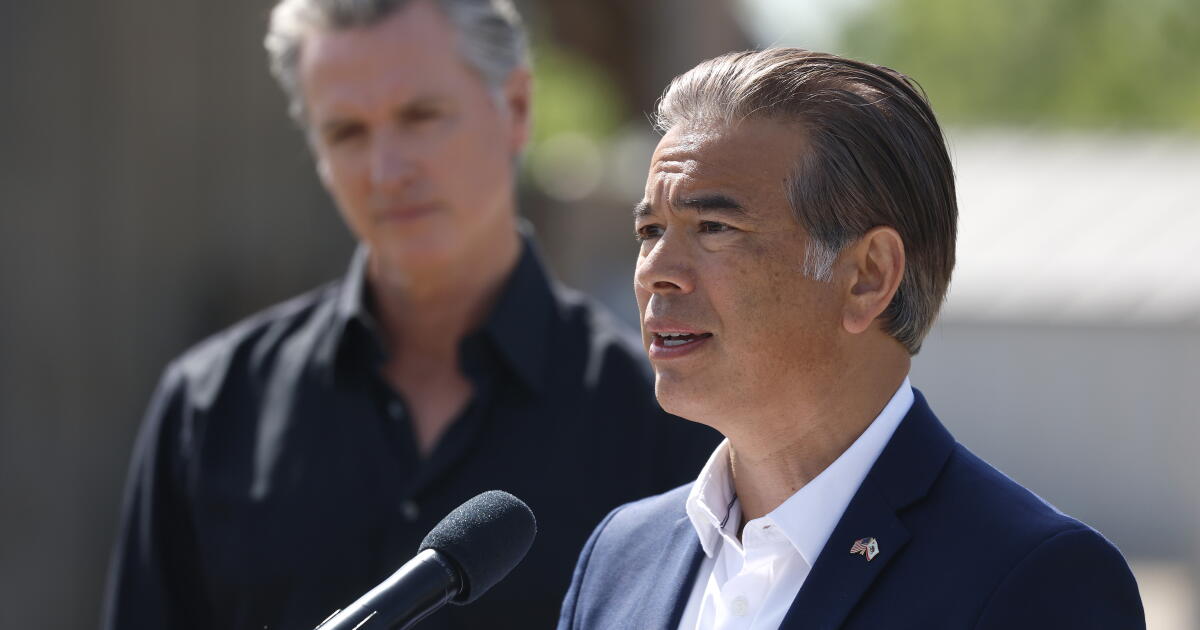
On Tuesday, U.S. District Judge Araceli Martínez-Olguín scheduled a March 2 trial to decide the merits of an antitrust challenge brought by 12 state attorneys general, led by California Atty. Gen. Rob Bonta. The states are teaming up to try to derail Paramount’s merger, and have snared preliminary victories — prompting a concession from Paramount to put the merger on hold until after the trial.

Paramount had asked for a Nov. 4 trial date.

Tech scion David Ellison wants to add HBO, CNN, HGTV, Food Network and the Warner Bros. studio to his smaller stable of Paramount properties. The trial will span 12 days and conclude March 19, the judge wrote in her order.

“We will continue to vigorously defend the transaction and remain committed to closing as soon as possible so its benefits for the creative community and consumers can be realized,” Paramount said in a statement.

The Writers Guild of America has separately sued to block the merger.

Friday marks the one-year anniversary of Ellison’s purchase of Paramount.

“Looking back on the past twelve months, I’m incredibly proud of how our team has turned those priorities into measurable progress, reflecting their talent, hard work, and dedication,” Ellison wrote in a Tuesday letter to shareholders as the company released its second-quarter earnings.

Results were mixed.

Revenue inched up 1% to $6.91 billion compared to the year-ago period, when Paramount was controlled by media heiress Shari Redstone.

The company’s studios and streaming divisions turned in stronger performances but costs, including $153 million in merger-related expenses, weighed on the corporate entity.

Profit declined 28% to $41 million, or 4 cents a share, compared to $57 million in the year-earlier period.

Paramount said it now has 81.6 million streaming customers, an increase of 2 million from the first quarter.

Streaming operations produced $2.5 billion in revenue, a 9% boost from the same quarter a year ago. Paramount+, which boasts the Taylor Sheridan-produced “Landman” and “Dutton Ranch,” also televised President Trump’s birthday extravaganza, the UFC Freedom 250 fights in June from the White House lawn.

Coverage of the FIFA World Cup in some Latin American countries assisted the streaming results. (Fox and Telemundo broadcast the highly rated soccer matches in the U.S.)

Studios revenue increased 16% to $1.3 billion, boosted by Paramount’s television studios and its licensing deals as well as the ability to consolidate revenue from Skydance properties. During the quarter, the Melrose Avenue film studio released “Scary Movie,” which brought in $231 million in global ticket sales, surpassing expectations.

Television media, which includes the CBS network, TV stations and the company’s struggling cable channels, declined 9% to $3.1 billion. Advertising revenue fell 14% and the company felt the loss of South American television operations, Telefe and Chilevision, which it divested after the Ellison takeover.

The company revenue during the current quarter should come in around $7 billion. It also released its full-year guidance, saying it expects $30 billion in revenue, up 4% over 2025.

Paramount released the earnings after markets closed Tuesday. During regular trading, shares gained nearly 2% to close at $8.38.

Source link

Paramount-Warner Bros. deal on hold after court ruling

Hollywood’s biggest deal in decades is on hold.

On Monday, a federal judge temporarily blocked Paramount Skydance’s efforts to complete its purchase of Warner Bros. Discovery, ruling that the proposed $111-billion merger “raises serious questions” about whether the combination violates U.S. antitrust law.

District Judge Araceli Martínez-Olguín, based in Oakland, granted a request for a temporary restraining order from a coalition of 12 state attorneys general, led by California Atty. Gen. Rob Bonta, to freeze the deal while the court delves more closely into its impact on markets.

The order pauses the deal for 14 days. Martínez-Olguín’s ruling sets up a showdown for Aug. 3, when she considers a motion for a preliminary injunction — which, if granted, could tie up the deal for months in advance of a trial.

“This is a critical first win in our case to ensure this megamerger never sees the light of day,” Bonta said in a statement. “History tells the tale of what happens when a few people have great power over markets that are central to Americans’ lives: fewer opportunities for more people, worse products and services for all people.”

Two century-old film studios — with rights to Harry Potter, Batman, Scooby-Doo, “Top Gun,” “Ted Lasso” and “Game of Thrones” — would be combined, and HBO, CNN and HGTV would come under new ownership.

“The judge basically said, ‘Look, let’s not race to the finish line here,’” Eric Talley, a Columbia Law School professor, said in an interview. “At the end of the day, maybe this thing gets signed off on, but I think the AGs are going to be given a fair chance to bring their claims forward.”

The ruling dealt a blow to tech scion David Ellison’s efforts to quickly finalize his massive merger, which has the support of President Trump. Ellison wants to complete the deal by September to avoid a higher payout to Warner Bros. Discovery shareholders.

Paramount, in a statement, said the restraining order simply preserves the status quo, which Paramount had already pledged to do in court papers last week that offered to hold off on finalizing the transaction.

“We are confident the evidence will demonstrate that the State AGs’ antitrust arguments are without merit as their alleged markets and claims of anticompetitive effects are without any basis in modern market realities,” Paramount said in the statement.

Larry Ellison, co-founder of software giant Oracle, is bankrolling his son’s ambitions to acquire a second major entertainment company in less than a year. The Ellison family acquired the smaller Paramount in August.

The Democratic state attorneys general, including from New York, New Mexico, Nevada, Oregon and Washington, filed their lawsuit a week ago.

The 37-page lawsuit alleges that Paramount’s proposed takeover — the largest Hollywood deal in decades — would violate the U.S. Clayton Antitrust Act, a century-old law to prevent mergers that weaken competition and raise costs for consumers.

The lawsuit represents the stiffest challenge to a deal that had been swiftly clearing its various regulatory hurdles. Nearly two dozen regulators from around the globe, including Australia, Austria and Saudi Arabia, have already signed off.

The U.S. Justice Department last month approved the merger, saying the combination would probably bolster competition — not harm it. That decision wasn’t a surprise because Trump has been rooting for a CNN shakeup. The president told the network’s Jake Tapper earlier this month: “We’re trying to have CNN go on a normal path.”

“This merger is lawful, pro-competitive, and will benefit consumers, creators, workers, and the entertainment industry,” Paramount said. “We will continue to vigorously defend the transaction and will look forward to the hearings on the substance of the State AGs’ action.”

Paramount shares slid 2% to $8.57 on Monday. Warner shares tumbled nearly 4% to $25.86 — the stock’s lowest mark this year.

Martínez-Olguín’s order came after a hearing in Oakland on Friday that represented an opening salvo between the two sides in the fight over a merger that would dramatically reshape the entertainment industry.

“In many ways this case is a poster child for a much larger set of questions — some of which are specific to the entertainment industry but many are more specific to our regulatory state in general,” Talley said.

Because of the case’s expedited status, the judge said she looked closely at only one of the three markets where the plaintiff states allege the merger could bring anticompetitive harms — wide-release Hollywood films.

“Plaintiffs present compelling evidence that the combined firm resulting from the transaction will possess substantial market share in the wide-release theatrical distribution market,” Martínez-Olguín wrote in her 10-page order.

If allowed to merge, Paramount-Warner Bros. would control about 27% of the market of films that are initially released into more than 3,000 theaters.

“On this combined firm market share alone, the Court is persuaded that it can presume the proposed merger is likely to violate antitrust laws,” the judge wrote.

The ruling doesn’t signal that the states will win but, Talley said: “This is an important mark in the road that suggests that, in the eyes of the judge, at least one of their allegations has the seeds of a valid case.”

Paramount and Warner Bros. Discovery are “temporarily enjoined and restrained from closing or consummating the transaction or taking any steps, directly or indirectly, to integrate or consolidate their operations pursuant to the transaction,” the judge wrote.

The order extends to all officers, attorneys, and “other persons who are in active concert or participation with Defendants,” Martínez-Olguín wrote.

The merger is far from dead, Emarketer senior analyst Ross Benes said in a statement after the ruling.

“The order is likely to be a speed bump,” Benes wrote. “Thanks to the company’s symbiotic relationship with Trump, most challenges ahead that could stop the deal will be steamrolled.”

Source link

Justice Department approves Paramount-Warner Bros. merger

The Justice Department of Friday approved the proposed Paramount Skydance merger with Warner Bros. Discovery, which will pave the way to the creation of an entertainment monolith. Photo by Allison Dinner/EPA

June 12 (UPI) — The U.S. Department of Justice on Friday said the proposed merger between Paramount Skydance and Warner Bros. Discovery does not harm competition or consumers in the United States.

The Justice Department said that it finds the proposed merger is unlikely to harm competition among similar companies or the ability of American consumers to access video-based media, it said in a press release.

Paramount in January hiked up its offer well beyond what Netflix had offered for the entertainment conglomerate, circumventing the streaming leader from acquiring it, and triggering antitrust investigations in a number of nations both operate in.

At least ten state attorneys general said last week they would sue the federal government to stop the proposed merger, which would create a monolith company comprised of several of the most significant companies in television, film and entertainment.

“This investigation included a review of reams of documentary evidence, hours of deposition testimony of senior-level executives, interviews with third-party witnesses and staff-led meetings with the parties themselves,” the Justice Department said in the release.

“These investigative efforts all led to the same conclusion: The film and television industry is highly dynamic and the proposed transaction is not likely to harm competition or American consumers,” the department said.

The Justice Department said in the release that, among other discoveries that drove its decision, the fact that Warner Bros. has “been a repeated acquisition target in the media and entertainment industry” shows that it is appropriate to approve the merger.

President Donald Trump speaks to reporters about restoring commercial fishing access to areas of the Pacific during a signing ceremony in the Oval Office of the White House on Thursday. Photo by Jim Lo Scalzo/UPI | License Photo

Source link

California, other states may sue to block Paramount-Warner Bros. deal

The state of California is leading an effort to prepare a possible lawsuit that could thwart Paramount Skydance Corp.’s planned acquisition of Warner Bros. Discovery, a potential obstacle for the $111 billion deal.

The lawsuit, which could be filed as early as this month, would likely involve multiple states, according to a source familiar with the deliberations who was not authorized to comment publicly.

The litigation would seek to challenge the proposed merger on antitrust grounds, arguing it would thwart competition, lower wages and lead to widespread job losses.

“The Paramount acquisition of Warner Brothers remains an active investigation, and we do not have any updates to share at this time,” said California Atty. General Rob Bonta’s office in a statement.

In a statement, Paramount said it “will continue to fight against any attempt to derail a deal that plainly benefits consumers, creators and the industry as whole.”

“Opposing this deal means opposing expanded consumer choice, new opportunities for creators and workers, and greater competition throughout the creative ecosystem — the opposite of what antitrust law is meant to achieve,” the company added.

Warner Bros. Discovery shareholders in April approved the sale of the company to Paramount after Netflix dropped out of the auction.

Under Paramount Chairman David Ellison’s proposal, Warner investors would receive $31 a share, nearly four times the price of the company’s stock in April 2025. He also said he will keep both studios’ release schedules of 15 movies a year for a total of 30 films a year.

Nonetheless, Ellison and his team have vowed to make $6 billion in cuts following the merger, which requires regulatory approval. The combined company would have to contend with $79 billion in deal debt.

The prospect of substantial job cuts during a period of downsizing in Hollywood has ignited widespread opposition to the sale.

Thousands of people who work in the TV and film industry, including actor Joaquin Phoenix and director-writer-producer JJ Abrams signed an open letter opposing Paramount’s planned acquisition of WBD, saying it would lead to fewer production jobs and fewer choices for consumers. Others have also raised concerns about the impact it could have on content.

“The consequences would be felt nationwide, from destroying CNN the way that Ellisons have devastated CBS to entertainment industry job losses and consumers losing access to independent voices and a competitive market,” said Norm Eisen, executive chair of Democracy Defenders Fund, one of the groups that organized the open letter. “State attorneys general have both the authority and the responsibility to act when a transaction of this scale directly threatens the public’s interest, and I hope states across the country will join any effort to challenge this deal,” Eisen said in a statement.

The potential lawsuit, first reported by Bloomberg and Reuters, is being considered by other states, including New York and Colorado.

“Paramount and Warner Bros. haven’t cleared regulatory scrutiny,” Bonta told The Times in March. “My office has an open investigation into [the deal] and we intend to be vigorous in our review.”

Despite the potential obstacle, Raymond James equity analysts said in a note on Thursday that they “still believe the deal is likely to close.”

Last month, Paramount hired antitrust attorney Jeffrey Kessler to defend its planned acquisition of Warner Bros. Discovery. Kessler recently led a case for state attorney generals against concert promoter and ticketing firm Live Nation, resulting in a win for states, including California.

“We also think there are win/win solutions to be had particularly in California given exodus of production from CA in recent years and efforts to bring production back to Hollywood,” the analyst said in their note.

Source link