Palestine

Gaza, Iran, Lebanon: If ceasefires are in place, why do strikes continue? | US-Israel war on Iran News

On Wednesday, Israel and Lebanon announced yet another ceasefire – after they had seemingly already agreed to a truce on April 16.

Iran and the United States have formally had a ceasefire in place since April 8. And Israel and Hamas, the Palestinian group, have had a ceasefire in Gaza since October 10, 2025.

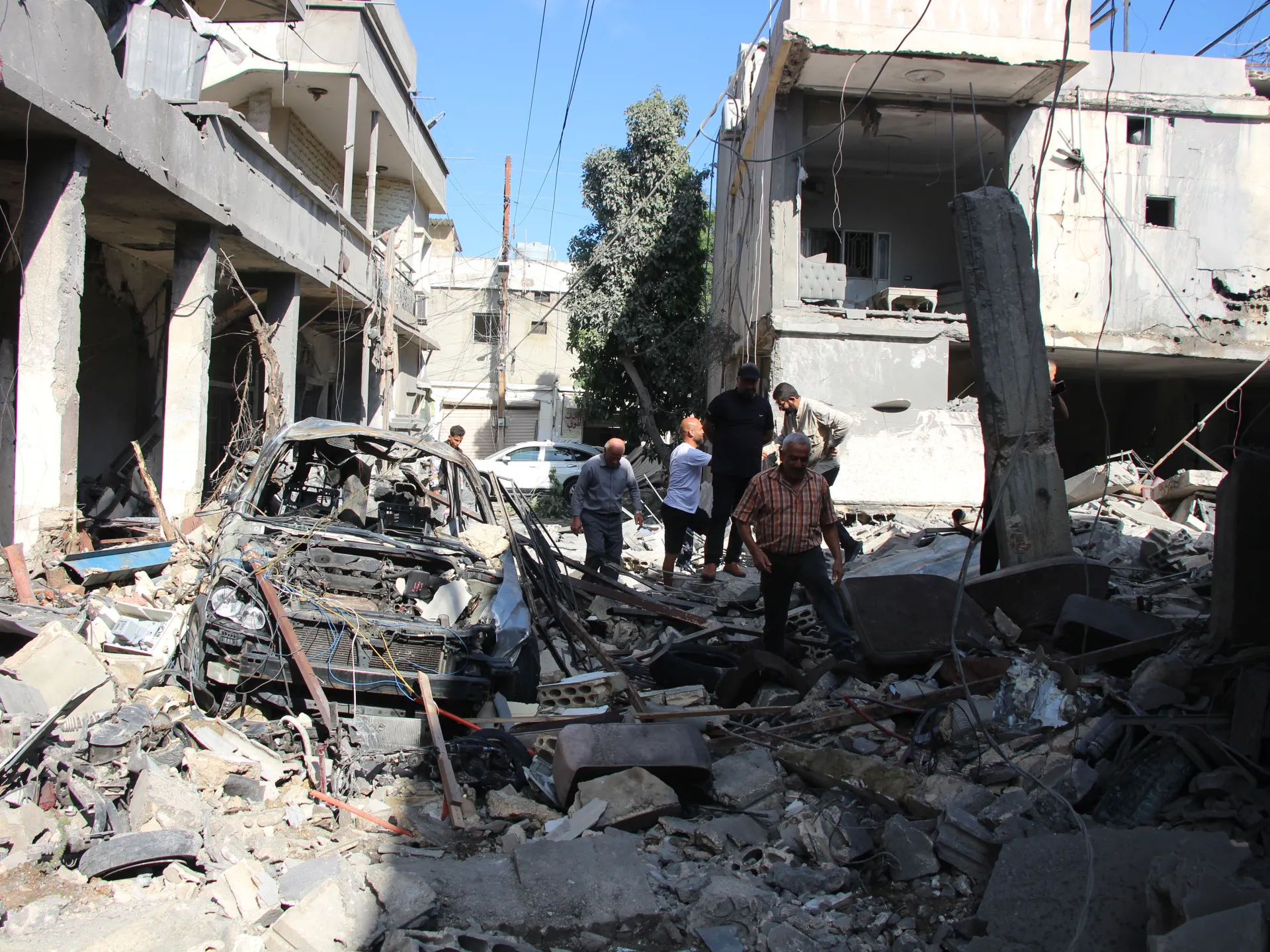
Yet Israel’s attacks on Lebanon continue unchecked, with strikes on the Naqoura and Nabatieh districts of southern Lebanon on Friday, resulting in at least one death. Iran and the US have continued to trade periodic attacks that have picked up in intensity in recent days. The Iranian military has also fired missiles and drones at Gulf nations such as the United Arab Emirates, Kuwait and Bahrain, which it accuses of enabling US attacks on Iran during the ceasefire.

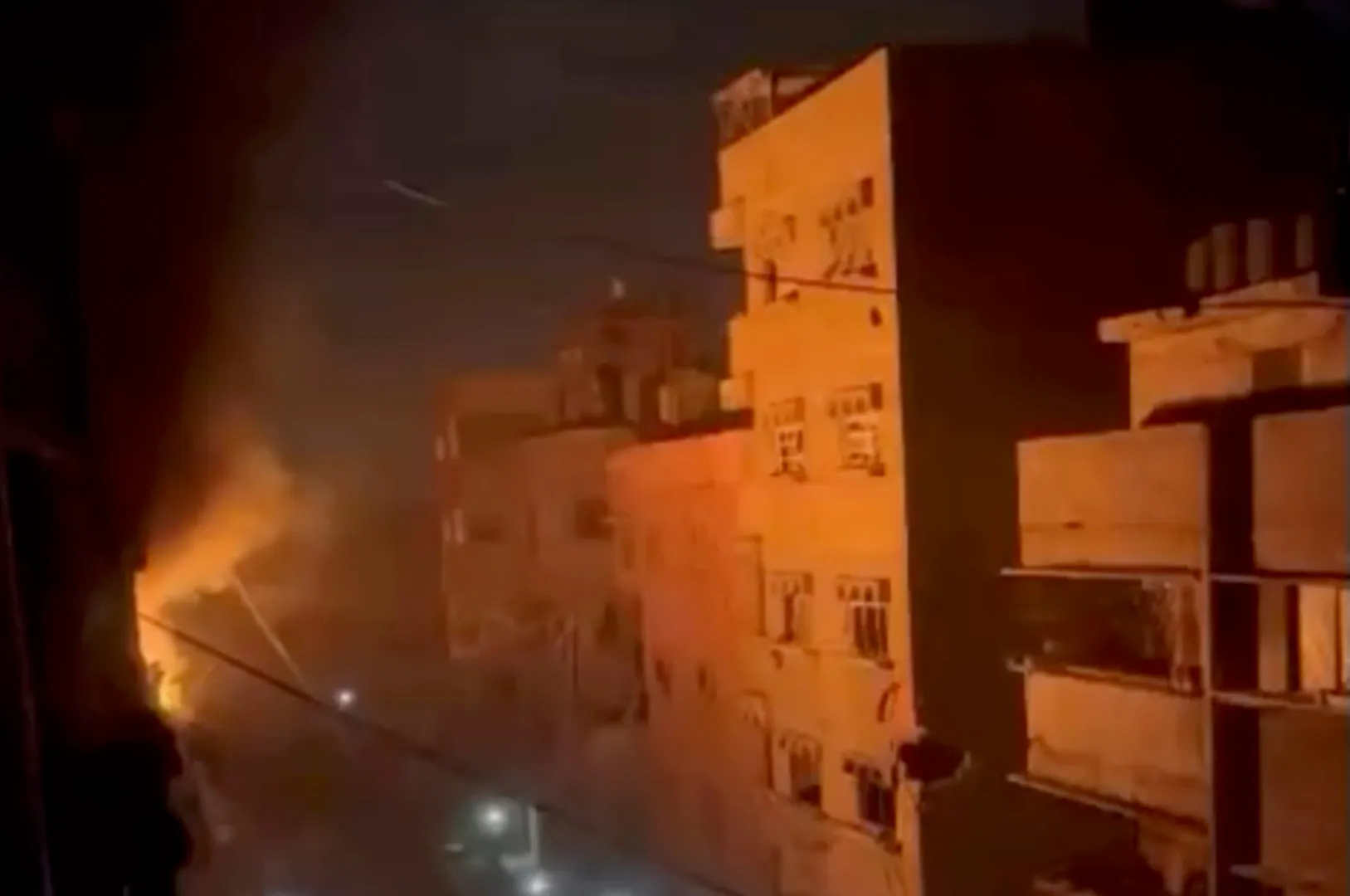
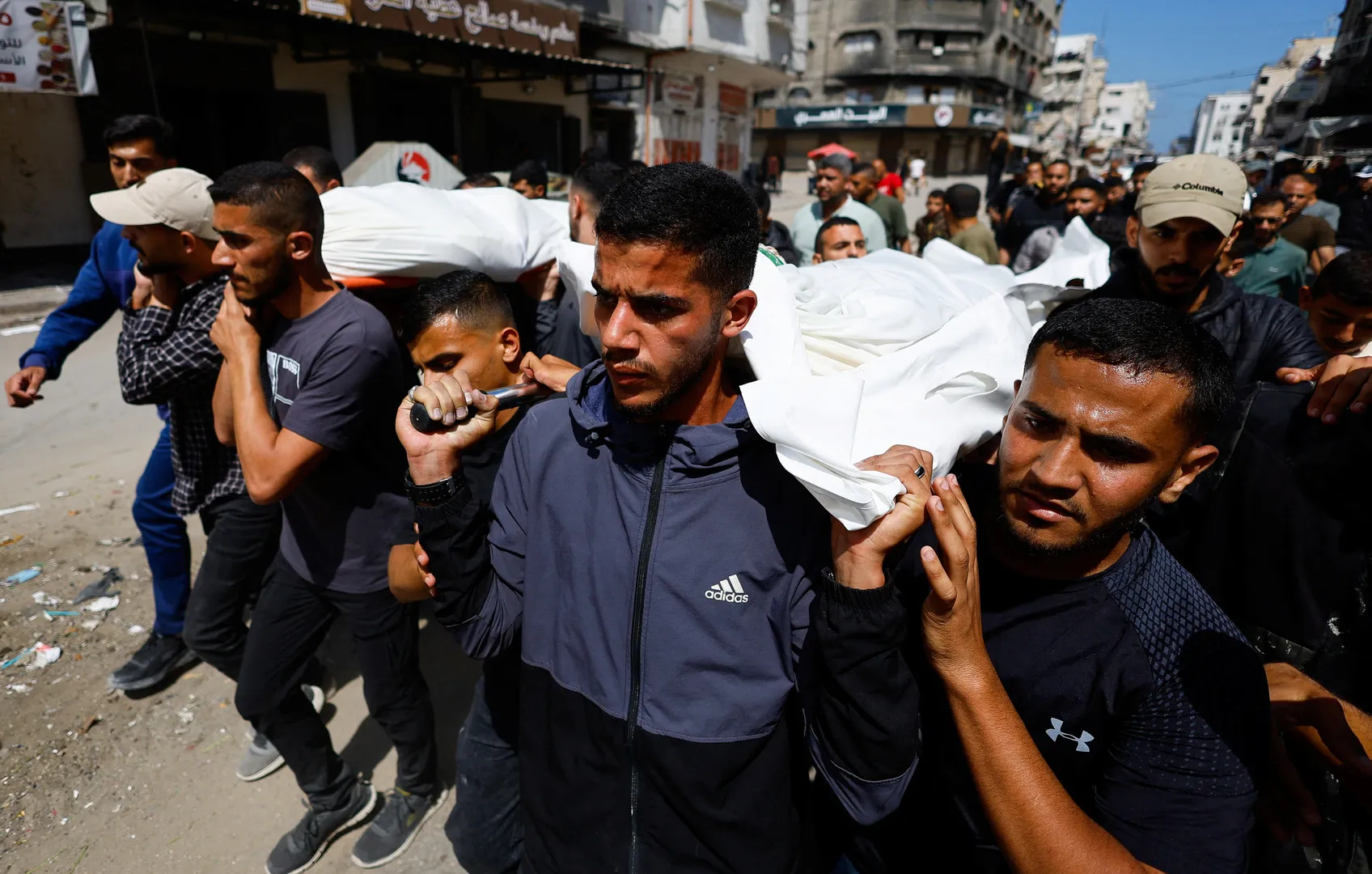
And in Gaza, Israel continues to carry out bombings, including one that killed nine people in a residential building this week, despite a supposed truce aimed at ending its genocidal war on the Palestinian territory.

So what does it mean for a ceasefire to be in place when fighting continues? What does international law say? And why do violations so rarely lead to consequences?

We speak to legal experts to understand:

What is a ceasefire?

Simply put, it’s a pause in fighting designed to create space for negotiations, explained Mark Kersten, assistant professor of criminal justice and criminology at the University of the Fraser Valley.

“A ceasefire is effectively a cessation of hostilities, but typically not understood to be a permanent one,” he told Al Jazeera.

It is also often fundamentally a political agreement rather than a strongly enforceable legal instrument, said Michael Lynk, an emeritus professor at Western University in Canada.

Unlike peace treaties, which often have guarantors responsible for oversight and enforcement, ceasefires can be breached with few immediate legal consequences, Lynk told Al Jazeera.

This is especially true in Gaza and Lebanon, where the United States has acted as the principal broker and overseer. While some countries have criticised Israeli strikes in Lebanon, Lynk says there has been little pressure on Washington for allowing repeated violations.

“A number of Global North countries have criticised the continuing Israeli attacks on Lebanon despite the ceasefire, but they have not called out the US for allowing Israel to repeatedly breach the ceasefires in Gaza and Lebanon.”

So are ceasefires legally binding – or not?

Yes, they are, argues Toby Cadman, a British international human rights lawyer and cofounder of Guernica 37 Chambers.

But, like Kersten and Lynk, Cadman said that ceasefires – which he described as the “temporary, military and diplomatic suspension of military operations” – are inherently fragile. Unlike peace treaties, ceasefires do not resolve the underlying conflict or end the legal state of war.

“It suspends the fighting; it does not end the state of armed conflict,” he said.

Where there is a broader peace agreement, such as in Gaza, the ceasefire too stands – at least in theory – on a stronger footing, said Lynk. The Gaza peace plan that accompanied the ceasefire was endorsed by the UN Security Council through Resolution 2803, which calls for the agreement to be implemented “in its entirety, in good faith and without delay”.

In theory, states could ask the Security Council to sanction parties violating the Gaza agreement. In practice, Lynk explained, the US veto on the body means that neither Israel, nor the US itself, can realistically be censured.

“This is why ceasefires and peace treaties are ultimately political documents because it requires political will to enforce them,” Lynk said.

Who decides when a ceasefire has been violated?

Palestinians have repeatedly pointed to the violation of the Gaza ceasefire by Israel. The US and Iran routinely accuse each other of breaching their truce. And Israel and Lebanon do the same when it comes to their ceasefire.

So who decides whether a ceasefire has been violated – and by whom?

The answer, according to Cadman, is that “there is no neutral arbiter empowered to determine, with binding effect, who has breached.”

Monitoring mechanisms do exist, but they are largely political bodies overseen by the same states that brokered and guaranteed the agreements. In the case of Gaza and Lebanon, that is the United States. But Washington occupies the unusual position of mediator, guarantor and Israel’s closest military and diplomatic ally.

That means allegations of violations are often filtered through political calculations rather than assessed by an independent legal authority, say experts.

What about international law?

For Kersten, Gaza and Lebanon expose a fundamental contradiction within the international legal system. On paper, international law has succeeded in establishing a broad consensus about the legality of what is taking place.

“The vast majority of the world recognises that what is happening in both contexts is not just wrong, but illegal – thanks to international law.”

Yet recognition has done little to halt the violence. “Little is being done to save lives and stop the carnage,” he said.

The result is a widening gap between legal findings and political action. Courts can investigate, collect evidence and issue rulings as the International Criminal Court and the International Court of Justice have both done against Israel, but that does not stop bombs from falling or guarantee compliance on the ground.

For Kersten and Lynk, the problem is not a lack of legal standards; it is the persistent failure of states to enforce them, particularly when powerful actors are involved.

“The lack of effective accountability is the hole in the heart of international law and our modern international political system,” Lynk said.

But Kersten said what was clear was that international humanitarian law, human rights law and international criminal law remain fully applicable during a ceasefire.

“Ceasefire provides no legal cover to commit atrocities against civilians.”

That means allegations of war crimes can still be investigated and prosecuted even while a ceasefire is in effect.

Is ‘self-defence’ a justification for attacks during a ceasefire?

Cadman highlights the legal argument most frequently used to justify continued strikes by Israel on Gaza and Lebanon, and by the US against Iran: self-defence.

These arguments rest on Article 51 of the UN Charter, which carves out the right for states to launch unilateral military action against other nations if they are acting in self-defence.

But Cadman said the interpretation of that clause is heavily contested.

“Article 51 answers an armed attack that has happened or is genuinely imminent; it is not a standing licence for preventive strikes.”

So why do countries feel they can get away with attacks during a ceasefire?

Asked by reporters on Wednesday how he defined a ceasefire, given the continuing – though sporadic – attacks that the US and Iran have exchanged in recent weeks, US President Donald Trump said: “It’s a different part of the world, you know. I’d say in that part of a ceasefire is when you’re shooting in a more moderate manner.”

Trump’s comments underscore what legal experts say is at the heart of the persisting violence in Gaza, Lebanon and the Gulf: The lack of any meaningful enforcement mechanism.

The Security Council is constrained by veto powers. The ICJ can issue binding orders but cannot enforce them. The ICC can issue arrest warrants, but depends on states to carry them out.

“The unifying theme is an enforcement deficit,” Cadman said.

Cadman argued that the problem is not that international law lacks rules. Rather, those rules are often applied selectively. “The law is not formally different for Israel or the US; its application is selective.”
Source link

Hamas says won’t surrender arms but only police will carry weapons in Gaza | Gaza News

Hamas says it will not hand over its weapons right now, resisting ongoing disarmament demands and stating that the ultimate fate of its military arsenal will be decided following comprehensive discussions with other Palestinian factions.

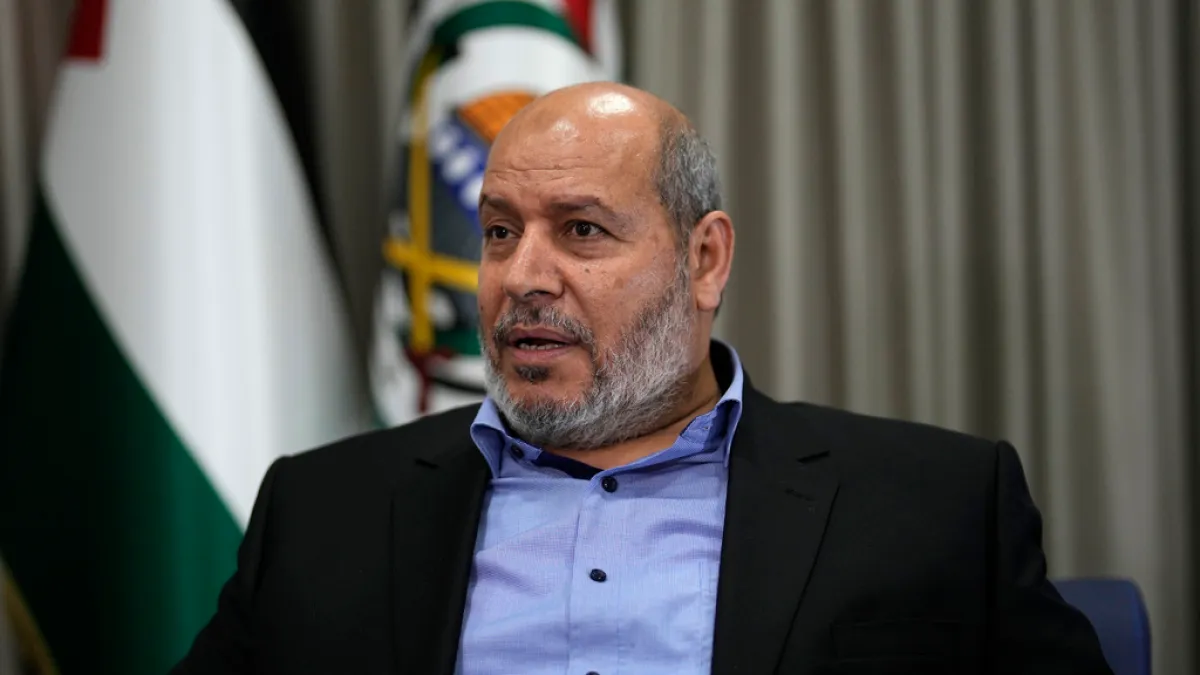
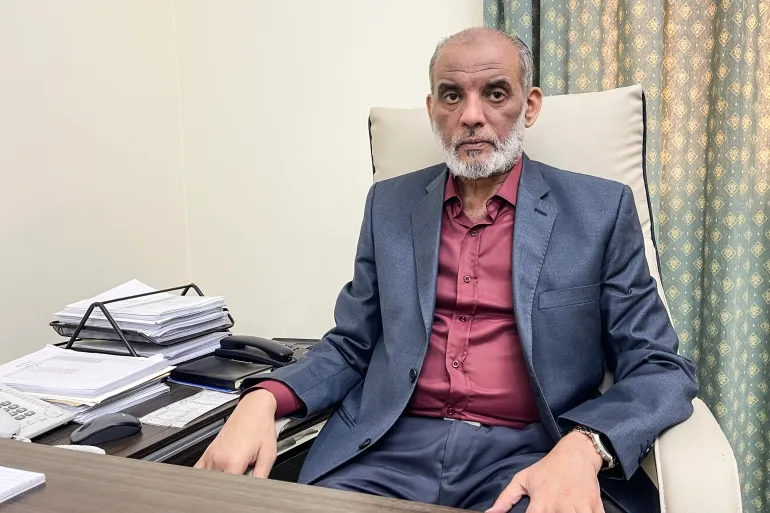
Hossam Badran, a member of the Hamas Political Bureau, spoke exclusively to Al Jazeera about the group's vision for a long-term Hudna in Gaza. [Mohammad Mansour/Al Jazeera]
Husam Badran, a member of the Hamas political bureau, spoke exclusively to Al Jazeera about the group’s vision for a long-term ceasefire in Gaza [Mohammad Mansour/Al Jazeera]

In an exclusive interview with Al Jazeera, Husam Badran, a member of the Hamas political bureau, offered an inside look into the group’s proposed solutions to the stalled negotiations, introducing the concept of a long-term hudna (truce).

“When this Palestinian committee [the National Committee for the Administration of Gaza (NCAG)] comes to take over the Gaza Strip, there will be no visible weapons in the streets and alleys of Gaza except the official weapons belonging to this committee, which is the official Palestinian police, ” Badran told Al Jazeera. “There will be no armed manifestations like the ones we were accustomed to in the Gaza Strip.”

But he clarified that this did not mean a formal surrender of arms.

“We are not talking about handing them over; we are talking about, at least, weapons not being visible except for the official weapons of the Palestinian police,” he said. “The details of this matter will be discussed within a national framework.”

The Hamas stance comes as an informed source told Al Jazeera that the group is preparing to send its delegation to Cairo for renewed talks, which are set to begin this weekend. Hamas had briefly delayed its participation to demand a halt to ongoing Israeli assassinations—such as the recent killings of military commanders Izz al-Din al-Haddad and Mohammed Odeh—to ensure a more favourable negotiating environment.

The disarmament of Hamas and the withdrawal of Israeli troops from Gaza remain the biggest sticking points in the United States-brokered October 2025 ceasefire plan.

Factional consensus in Cairo

The upcoming Cairo meetings will gather eight key Palestinian factions to form a unified national stance. Badran confirmed the attendance of representatives from Hamas, Palestinian Islamic Jihad (PIJ), the Popular Front for the Liberation of Palestine (PFLP), the Democratic Front for the Liberation of Palestine (DFLP), the PFLP-GC, the National Initiative, the Popular Resistance Committees (PRC), and the Democratic Reform Current affiliated with the Fatah movement.

These talks aim to salvage the ceasefire originally proposed by United States President Donald Trump. However, Badran noted that Israel has failed to implement even 30 percent of its phase one obligations, making any transition to subsequent phases impossible.

“We are talking about humanitarian aid … the Rafah crossing mechanism, the infrastructure, and the assassinations,” Badran explained. “The idea was a comprehensive ceasefire, but around 1,000 people have been killed. Saying Israel implemented even 30 percent is an overstatement.”

Only 150 to 250 aid trucks are entering the Gaza Strip daily instead of the agreed-upon 600, while the critical infrastructure for electricity, hospitals and fuel remains completely decimated.

The ‘disarmament’ deadlock

While Palestinian factions demand the fulfilment of these phase one survival metrics, Israeli officials and Nickolay Mladenov, the high representative for Gaza on Trump’s “Board of Peace”, are conditioning the transition to phase two on the disarmament of armed groups.

To break the deadlock, Mladenov recently presented a 15-point “roadmap” built by the ceasefire guarantors. In a May 2026 briefing to the United Nations Security Council, Mladenov defended the plan, emphasising that its architecture rests on a strict principle of reciprocity and verification. Addressing Palestinian concerns, Mladenov clarified that the roadmap explicitly dictates that “no Palestinian armed group will be required to transfer its weapons to Israel”. Instead, the decommissioning of weapons would be gradual, sequenced, and Palestinian-led, with all arms transferred to the NCAG.

Mladenov outlined that this disarmament process is tied directly to an Israeli military pullback. The plan commits Israel to a phased withdrawal of its forces to Gaza’s perimeter on an agreed timetable, conditional upon verified progress on decommissioning and the deployment of an International Stabilization Force (ISF) to act as a buffer.

Mladenov warned the UNSC of the severe consequences of rejecting the roadmap. With 85 percent of Gaza’s buildings damaged or destroyed, he stressed that “reconstruction financing will not follow where weapons have not been laid down”. Without an agreement, he cautioned, Gaza will remain divided, with Hamas holding administrative control over less than half the territory.

‘Negotiation time’ and Israeli expansion

However, Palestinians view this 15-point framework as a stalling tactic designed to extract concessions while Israel deepens its occupation. Palestinian political analyst Wissam Afifa told Al Jazeera that Israel is exploiting “negotiation time” to exhaust the population through continuous escalation.

“They shifted from Trump’s 20 points to a new square, the 15-point square, which revolves entirely around one single clause: disarmament,” Afifa explained. He noted that the Palestinian resistance has been cornered and asked to make major concessions without real guarantees, while the Israeli government uses the talks to advance its territorial goals.

According to Afifa, Prime Minister Benjamin Netanyahu is weaponising the negotiations for domestic electoral gains, expanding Israel’s control from 60 percent of Gaza to 70 percent or more. This expansion is happening while oversight mechanisms, such as the Civil-Military Coordination Center (CMCC), have completely failed and paralysed the monitoring process.

“We are facing a scenario where the occupation has reshaped the ceasefire on its own terms,” Afifa said, adding that Mladenov has in effect adopted the Israeli and American vision by demanding disarmament without offering a clear political horizon for “the day after”.

The National Committee hurdle

This ongoing expansion complicates the transition of power. Amid accusations that Hamas is clinging to power, the group’s spokesperson, Hazem Qassem, reiterated that Hamas is fully prepared to hand over all governance and security responsibilities to the Cairo-based National Committee. Badran confirmed that Hamas has prepared all necessary administrative and security files for the transfer.

However, the NCAG itself faces massive operational barriers and has become, as Afifa described, a “hostage” to Israeli pressure.

A member of the committee, speaking to Al Jazeera on condition of anonymity, firmly denied reports that the body would enter Gaza soon, outlining strict conditions for assuming power. The committee categorically refuses to operate behind the Israeli-controlled “Yellow Line” or to cooperate with Israeli-backed armed militias currently operating in the Strip, the source said.

Furthermore, the source stressed that the committee will not enter Gaza until the International Stabilization Force is deployed in the buffer zones separating Israeli forces from Palestinian areas.

While the political deadlock continues, the human toll mounts. Mladenov acknowledged in his UN briefing that ceasefire violations continue to kill civilians and obstruct humanitarian access.

Since the ceasefire took effect, ongoing Israeli military actions have killed 933 Palestinians and injured 2,868, raising the total death toll since October 2023 to 72,942, with 172,967 people injured.

Source link

How the world failed a mother’s children, killed in Israeli strikes on Gaza | Child Rights News

NewsFeed

Palestinian journalist and mother Aya Shamaa wrote about how an Israeli strike killed her children, newborn Ryan and seven-year-old Yaman. Like countless mothers in Gaza, she saw her children as gleams of hope amid a fragile ceasefire. Narrated by Al Jazeera’s Al Anoud Al Aqeedi.

Source link

Israel must allow ICRC to visit Palestinians in prison, Supreme Court rules | Israel-Palestine conflict News

Israel’s Supreme Court rejects government ban on prisoner visits, affirming Red Cross access under international law.

Israel’s Supreme Court has unanimously rejected a government policy banning representatives of the International Committee of the Red Cross (ICRC) from visiting Palestinian detainees in Israeli prisons.

The court ruled on Wednesday that by preventing the Red Cross from visiting prisoners, the government had contravened Israeli and international law, and therefore the policy must be repealed.

Recommended Stories

list of 3 itemsend of list

It also ruled that the government failed to present a legal foundation for its policy on annulling all visits after the Hamas-led attack on October 2023, in which more than 1,100 people were killed and more than 240 were taken captive.

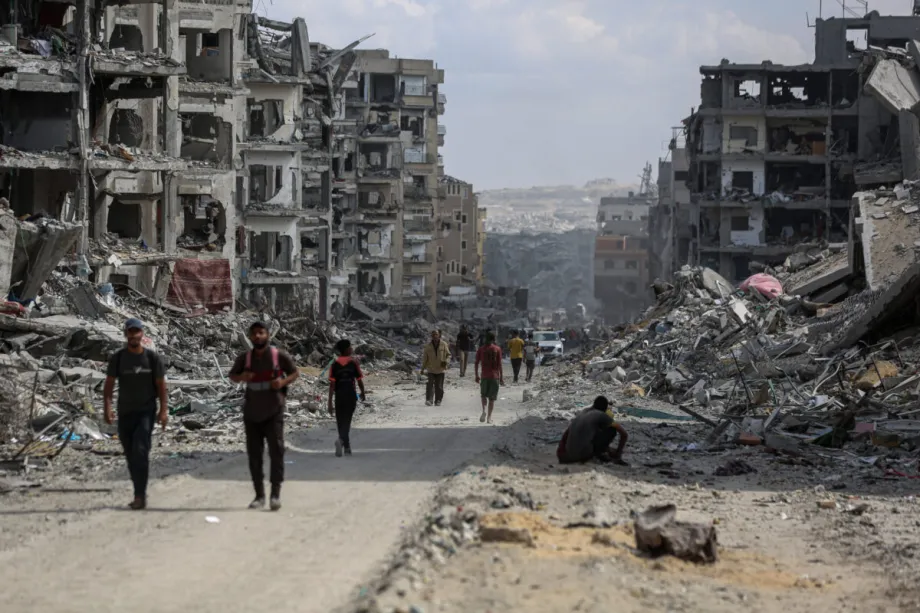
The assault triggered a brutal war in Gaza, which has been defined as a genocide by several prominent scholars and an independent United Nations inquiry. The Israeli army killed more than 72,950 people in the enclave, according to Gaza’s Health Ministry, and reduced most of the besieged territory to rubble, and forced the displacement of nearly 1.9 million Palestinians.

Violence across the occupied West Bank perpetrated by Israeli forces also intensified to unprecedented levels. All visits to prisoners were halted, and information about them was not shared – something that used to be standard practice before the war. Back then, Israeli authorities accused Hamas of failing to secure access to the captives in Gaza.

It was the first time in 50 years that Israel prevented Red Cross visits, according to the Association for Civil Rights in Israel (ACRI), which filed the petition.

“For the first time in nearly three years, the over 9,000 Palestinian security prisoners being held in Israeli prisons and military detention centers will receive Red Cross visits,” ACRI said. The ban remained in place even after a “ceasefire” was agreed last October.

Initial petition

The petition by ACRI, Physicians for Human Rights, Israeli rights group HaMoked and Israeli NGO Gisha against the government policy was first filed in Israel’s High Court in February 2024. But the state of Israel asked for 27 extensions before a hearing was held at the end of October last year.

The ICRC welcomed the decision, saying it was ready to resume its visits. “We are continuing our dialogue with the Israeli authorities to resume our work in detention as soon as possible,” it said in a statement. It added that access to detainees and the ability to meet with them privately are obligations under international law.

Wednesday’s decision comes amid growing concerns over the ill-treatment of Palestinian detainees in Israeli prisons.

Last week, the United Nations released its annual report on conflict-related sexual violence verified in 2025. It cited torture, rape, gang rape, forced nudity and “cavity searches conducted without apparent security justification perpetrated” by Israeli armed forces and security forces primarily during detention and interrogation and across several sites, including the infamous Sde Teiman military camp, among others.

Source link

‘Trapped’: Gaza patients flown to Iraq stuck in administrative limbo | Gaza

More than two years ago, Gaza resident Hanin Muhammad accompanied by her 39-year-old sister Sabreen, a kidney transplant recipient, was flown to the Iraqi capital Baghdad for medical treatment. But Muhammad has since been confined to the Private Nursing Home Hospital inside Baghdad’s Medical City complex, thousands of miles away from her home in Gaza, as her travel documents have been confiscated by Iraqi authorities.

“My six children are in Gaza, and I am entering my third year without seeing them,” 40-year-old Muhammad told Al Jazeera.

Recommended Stories

list of 4 itemsend of list

Her family home in Rafah was destroyed by Israeli forces, forcing her children to be displaced into makeshift tents located between Rafah and Khan Younis.

“I check on them through other people because they lack internet connection. I am begging anyone to intervene so we can get back to Egypt, register, and see our children,” she said. Currently, Palestinians can go in and out of Gaza only using the Rafah crossing, which opens into Egypt.

Samah Abdul Moati, 65, an oncology patient stranded in Baghdad, lost two sons in the war and says she no longer cares about her treatment, wishing only to return to her family. [Courtesy of Samah Abdul Moati]
Samah Abdul Moati, 65, an oncology patient stranded in Baghdad, lost two sons in the war and says she no longer cares about her treatment, wishing only to return to her family [Courtesy of Samah Abdul Moati]

Muhammad, who travelled to Iraq as a medical companion to her sister, is part of a forgotten cohort of 46 Palestinians evacuated to Iraq, comprising 21 patients and 25 family escorts.

According to health authorities tracking the group, the clinical breakdown of the patients highlights the severity of their conditions, which include five oncology patients, four suffering from blood disorders, one cardiac patient, one kidney disease patient, and 10 patients wounded in the ongoing genocidal war that has killed nearly 73,000 Palestinians and wounded more than 172,000.

The group was flown to Baghdad in March 2024 on a military aircraft in coordination with the Iraqi and Egyptian governments, with a symbolic presence from the Palestinian Embassy in Cairo.

These rare evacuations highlight a much broader medical crisis back home. According to Gaza’s Health Ministry, more than 20,000 patients and wounded people are currently waiting to travel abroad for medical treatment.

Zaher al-Waheidi, head of the ministry’s Information Unit, reported that 1,200 children in Gaza now suffer from spinal cord injuries and paralysis directly resulting from Israeli attacks, while some 4,000 children require urgent treatment abroad.

Despite the overwhelming need, official data provided by al-Waheidi shows that only 154 children have been allowed to leave Gaza since the Rafah crossing, the enclave’s only gateway to the outside world, partially reopened in February amid heavy Israeli restrictions.

The crisis is equally dire for newborns: in 2025, more than 4,000 women had premature deliveries, and at least 4,800 babies were born with low birth weights – double the pre-war figure. Last year alone, 457 infants died in their first week of life.

For the handful who made it out, like the group in Iraq, the promised sanctuary quickly devolved into a cage defined by confiscated documents, restricted movements, and systemic neglect.

Confiscated documents and suspended lives

Upon their arrival from Egypt’s Heliopolis Hospital, the promised short-term recovery windows evaporated. Evacuees state that their primary identification and travel documents were immediately seized.

“When we left Egypt for Iraq, the Iraqi authorities took our identification papers from the Egyptians, and we haven’t seen them since,” Muhammad told Al Jazeera.

“When we asked for them, they told us they were held by Iraqi Intelligence and the Ministry of Foreign Affairs. We demand them back, but no one answers us.”

The Palestinian Embassy in Baghdad issued new passports for those lacking them, but according to Muhammad, these documents remain unstamped by the Iraqi government and are functionally useless. She noted that without the official stamps, they cannot travel anywhere.

This administrative vacuum has completely frozen the lives of the companions. Noor Ibrahim, a pseudonym for a young woman who arrived as an escort for her cancer-stricken aunt, is stranded along with four of her aunt’s children.

“I have been engaged for four years, and my fiancé and family are in Gaza,” Ibrahim told Al Jazeera. “We left on the promise that it would be a temporary six-month treatment trip, but now, two years have passed.”

She expressed deep frustration as she is stuck inside the medical complex, emphasising that she just wants to return to Egypt, from where she can travel to Gaza to complete her marriage and start her life.

The stress of the confinement has also severely exacerbated underlying health conditions. Ibrahim noted that while her aunt received the necessary cancer treatment, she has developed various other undisclosed health complications in Iraq, and her psychological state is exhausted from leaving her husband and family behind in war-ravaged Gaza.

Retaliation and dire conditions

For the Palestinians living inside Baghdad’s Medical City complex, daily life has become a grind of material deprivation and psychological distress. The evacuees are completely cut off from any monetary stipends, leaving them entirely dependent on the hospital for basic shelter and local citizens for additional charity.

This picture taken on December 24, 2023 shows a view of the Baghdad Medical City hospital complex overlooking the Tigris river in the centre of Baghdad. Stricken by drought, Iraq's already-dwindling rivers are suffocating under medical waste and sewage contamination. (Photo by AHMAD AL-RUBAYE / AFP)
This picture taken on December 24, 2023, shows a view of the Baghdad Medical City hospital complex overlooking the Tigris river in the centre of Baghdad [File: Ahmad Al-Rubaye/AFP]

Samah Abdul Moati, 65, who battles leukaemia, liver cancer, and an arm injury, is accompanied by her injured 43-year-old son and her daughter-in-law. She painted a grim picture of their daily life.

“The hospital brings food every day, but no one can eat it because it is unfit for consumption,” Abdul Moati told Al Jazeera. “We are surviving on the grace of local well-wishers who don’t fail us. But we don’t care about the treatment any more – we just want to return to our children.”

Abdul Moati’s situation is compounded by unfathomable grief: two of her sons were killed in the war, two others have platinum implants from injuries, her husband is fighting cancer in a Gaza intensive care unit with no one to care for him, and her daughters and orphaned grandchildren are living in tents for displaced people.

“The hardest feeling is that I am trapped between the hospital walls while my heart is outside with my family and my people,” Abdul Moati said. “My husband is in the intensive care unit alone, and my children and grandchildren are in tents under the cold and fear.”

Compounding their alienation, evacuees who have tried to protest or publicise their predicament faced swift administrative blowback. When they demanded their right to travel five months ago and spoke to the media, hospital management retaliated by locking down the ward and banning them from even visiting the hospital garden.

Muhammad revealed that they were only allowed out after journalists wrote about their situation, adding that officials continuously throw them from one department to another without providing any straightforward answers.

Bureaucratic runaround

The spokesperson for the Iraqi Ministry of Health, Saif Albadr, did not answer repeated calls from Al Jazeera.

While the head of public relations at the Health Ministry, Ruba Falah Hassan, told Al Jazeera that the case is “political.”

“Frankly, this is a political issue, not health-related.. I’m not authorised to talk about it,” she stated.

The newly appointed Iraqi government spokesperson, Haidar Al-Aboudi, told Al Jazeera that he “will look into the matter”.

For the Palestinians stranded in the Medical City, they maintain that they lack the financial means to buy commercial airline tickets even if their papers are returned, meaning they desperately need a coordinated effort by a charity or government body to facilitate their travel back to Egypt.

“I am not asking for a luxury or an exception,” Abdul Moati pleaded in her final remarks.

“I am asking for a simple human right: that my family does not remain divided between life and death. Open a safe path, facilitate our family reunification, and let me return to my family before it is too late.”

Source link

Woman assaulted by Dutch police at asylum centre speaks to Al Jazeera | Police

NewsFeed

Malak Mahmoud, the heavily pregnant woman filmed being thrown to the ground by a Dutch police officer as her Palestinian husband from Gaza was detained, has spoken to Al Jazeera.

Police in Zeist issued a statement saying they are reviewing the use of force and have opened an investigation, but have not responded to Al Jazeera’s request for comment.

Source link

Who attended this year’s Israel Day Parade in New York? | Newsfeed

NewsFeed

As Israel faces growing international scrutiny for its actions in Gaza and Lebanon, Al Jazeera’s Ava Warriner takes a look at the Israeli and US officials who joined the annual Israel Day parade in New York – the world’s largest gathering in support of the State of Israel.

Source link

Gaza-bound aid ship begins voyage from Sweden | Military

NewsFeed

A Gaza-bound ship carrying aid has begun its voyage from Sweden, weeks after Israeli forces abducted activists on a similar mission in international waters. The ‘Handala II’ vessel says it is carrying humanitarian supplies for Palestinians to break the Israeli blockade on the enclave.

Source link

Israel airstrike kills at least two Palestinians at Gaza port | Gaza News

NewsFeed

At least two Palestinians were killed and around a dozen wounded when an Israeli air strike hit a crowded cafe at Gaza’s seaport. Witnesses said people had gathered there to escape the heat and enjoy a public holiday, as attacks continue despite an October ceasefire.

Source link

Gaza will not forget, Palestine will remember – Middle East Monitor

Gaza will not forget

The suffocating smoke still hangs over her ruins, thick with the acrid stench of explosives powder and dust carrying the scent of betrayal and the mark of courage. Her streets, once filled with children’s laughter, became Israeli fields of slaughter. Now they echo with the names and memories of martyrs.

The mass graves, the broken concrete, and the twisted steel are not just evidence of Zionist hatred. They are witnesses to those who stood with her, and to those who failed her. Today, Gaza’s rubble holds more memories than all the nation’s libraries.

Palestine will remember

She will remember the selfless sacrifices of doctors and healthcare workers who refused to abandon their sick patients as bombs rained on their hospitals; the journalists who became the news, targeted for daring to expose the truth; the mothers who wrapped their children in the red, black, green, and white flag of a nation Israel is desperate to erase.

These are not tales of despair, but of defiance, insisting on its right to breathe life amid death.

Gaza will not forget

She will not forget the silence of Western democracies. In a tragic inversion, most European nations, shackled by the ghosts of their past, traded morality for absolution. The self-proclaimed champions of human rights offered Palestinians on the altar of yesterday’s victims to atone for Europe’s sins.

Gaza will not forget the Biden administration, which vetoed every U.N. Security Council resolution calling to end the genocide. Nor Donald Trump, who poured fuel on the fire, then demanded recognition for dousing his own flames.

This week, Arab, Muslim, and world leaders gather like moths around the American arsonist-turned-firefighter, “celebrating” the ashes of Gaza.

Palestine will remember

She will remember the people who rose for Gaza, from Yemen to Dublin, from Cape Town to London and Madrid, while Arab capitals from Cairo to Riyadh slept. Ireland and Spain led the boycott, while Arab countries from the Gulf to Jordan opened their ports and highways to provide alternative routes for Israeli goods, even as Yemen imposed a sea blockade in the Red Sea.

Gaza will not forget — nor forgive — the Arab governments that opened their ports when shipyard workers in Italy refused, delivering American weapons used to annihilate her children and destroy her hospitals.

Palestine will remember

She will remember South Africa — not an Arab or Muslim nation — that led her case before the International Court of Justice, charging Israel with genocide. A country once scarred by apartheid became the moral conscience of a world too timid to speak. In that act of solidarity, South Africa rekindled the universal truth that justice knows no borders.

Palestine will remember the Lebanese resistance that gave its leaders for Gaza’s defense; Yemen, poor in wealth but rich in dignity, whose solidarity never wavered; and Iran, steadfast against Israeli hubris. She will remember Ireland and Spain, who did not turn away when Arabs did, proving that true solidarity transcends borders, faith, and kinship, resting only on shared humanity.

She will remember the heroes of the flotillas who braved waves of hatred and siege to carry messages of compassion; the nameless volunteers who left the safety of their countries to heal the wounded and feed the hungry; the American students who turned campuses into encampments of resistance; the artists, actors, and musicians who risked careers for justice; the employees who lost their jobs protesting the complicity of Google, Microsoft, and other tech giants in Israel’s crimes.

Gaza will not forget those who betrayed her

Palestine will forever be grateful to those who dared to speak the truth when it was dangerous, who marched when it was forbidden, who grieved when it was unfashionable.

Palestine will remember. History will remember. Justice will remember.

For nearly two years, Gaza has endured a genocide so relentless it defies descriptive language. Israel’s war machine has turned hospitals into morgues, UN schools into mass graves, and refugee camps into craters. Yet Gaza refuses to die.

Each time she is bombed “back to the Stone Age,” she rises — like the phoenix — to rebuild, not only her structures but her indomitable will. In that defiance lies the occupier’s greatest fear: memory.

Israel can destroy buildings but not erase remembrance. The siege may starve Gaza’s body, but it nourishes Palestine’s collective soul.

Gaza’s children will grow up with memories no child should bear. But they will also inherit something indestructible: dignity. In every demolished home and every shattered family lives a story that refuses burial.

Gaza’s memory will not fade. For the mind, unlike stone, cannot be occupied. It is the eternal archive of a people’s resilience, passed from one generation to the next, weaving the indelible tapestry of Palestine today.

The ruins of Gaza stand not only as testimony to Israel’s genocide but to the moral collapse of those who enabled it.

Gaza will rise again, brick by brick.

But what will never be resurrected is the Israeli lie, which, for eight decades, cloaked the Zionist project in the guise of victimhood, occupying Western narratives and manufacturing consent.

Gaza will rise — and the Israeli myth will remain buried beneath her rubble, forever.

The views expressed in this article belong to the author and do not necessarily reflect the editorial policy of Middle East Monitor.

Source link

Palestinian doctor killed, three people injured in Israeli attack on Gaza | Israel-Palestine conflict News

A Palestinian doctor has been killed and three people injured in an Israeli attack in central Gaza, as Israeli settlers attacked Palestinian homes and property in northern and southern parts of the occupied West Bank.

The attacks across Palestine on Saturday, the fourth day of the Muslim holiday of Eid al-Adha, came amid continued Israeli violations of a United States-backed “ceasefire” implemented in October aimed at halting Israel’s genocidal war on Gaza.

Recommended Stories

list of 3 itemsend of list

Dr Jamal Abu Aboun, the head of anaesthesia at Al-Yafa Medical Hospital in central Gaza’s Deir al-Balah, was killed in an Israeli strike near the Al-Aqsa Martyrs Hospital, also in Deir al-Balah on Saturday.

“The body of Jamal Abu Aoun and three injured people, including a child, had arrived at the hospital following an Israeli drone strike that targeted a group of civilians near the hospital,” a medical source at Al-Aqsa hospital told the Anadolu news agency.

Earlier, Israeli artillery shelling targeted areas east and south of Khan Younis city in southern Gaza. Another artillery strike targeted al-Bureij refugee camp in central Gaza.

At least 922 Palestinians have been killed and 2,786 others injured in Israeli attacks since the October “ceasefire”, according to the Gaza Media Office.

Israel launched its genocidal war on Gaza in October 2023, killing at least 72,000 Palestinians and injuring over 172,000 others, according to Palestinian figures.

In testimonies to The Associated Press news agency, Israeli soldiers described a climate of dehumanisation, permissive rules of engagement and the routine killing of Palestinians during the “ceasefire”.

Reservists who served in Gaza between last October and January said Israeli troops frequently opened fire on Palestinians approaching or crossing the so-called “Yellow Line”, an often poorly marked boundary separating Israeli-occupied areas from the rest of the enclave.

One soldier said that fellow troops celebrated after a strike on a vehicle carrying Palestinians killed everyone inside. “It was a jungle,” the soldier told AP. “After the ceasefire, the order was: If someone crosses the line, you shoot them.”

Another reservist said commanders repeatedly emphasised holding territory at all costs. “There was a general feeling that human lives are not valuable,” he said.

Settler attacks in occupied West Bank

Elsewhere in occupied Palestine, Israeli settlers attacked several homes early on Saturday in the town of Beita, south of the city of Nablus in the northern West Bank, according to Palestinian news agency, Wafa.

They threw stones at houses and smashed several vehicles, Wafa reported.

State-run Voice of Palestine radio reported Israeli forces firing light bombs into the sky over the town.

In the southern West Bank, settlers attacked Palestinian farmland and damaged several trees in Khirbet el-Muraq in Masafer Yatta, activist Osama Makhamra, who follows Israeli violations south of Hebron, told reporters.

Israeli settlers carried out at least 540 attacks in April against Palestinians and their property in the occupied West Bank, including Jerusalem, according to a monthly report by the Palestinian state-run Wall and Settlement Resistance Commission.

The attacks ranged from “direct physical violence, uprooting trees, burning fields, preventing farmers from accessing their land, seizing property, as well as demolishing homes and agricultural structures”.

Israeli army raids, arrests and settler attacks have intensified across the West Bank since the start of the genocidal war in Gaza.

According to Palestinian figures, Israeli forces and settlers have killed 1,168 Palestinians, injured 12,666, displaced about 33,000, and detained nearly 23,000 in the West Bank since October 2023.

Source link

Egypt warns Israel that dangerous Gaza escalations threaten ceasefire | Gaza News

Egypt races to salvage Gaza ceasefire as Israeli attacks and displacement threats push deal to the brink of collapse.

Egypt has launched an urgent diplomatic intervention to rescue a fragile Gaza ceasefire agreement that is on the brink of collapse.

The government warned Israel against expanding its occupation in Gaza, which would undermine efforts to end the war amid of wave of deadly air strikes.

Recommended Stories

list of 3 itemsend of list

According to an Egyptian intelligence official who spoke to Al Jazeera, Egypt has also invited a senior Hamas delegation, led by chief negotiator Khalil al-Hayya, for urgent talks to salvage the peace process.

The source described contacts between the parties as intense, saying Cairo was racing to arrange negotiations before the end of the week in order to prevent all-out war in Gaza.

The diplomatic moves come in the wake of renewed Israeli military attacks on Gaza and statements from top Israeli officials that threaten to unravel months of diplomacy.

At least 141 Palestinians have been killed in the last two weeks in an intensification of Israeli attacks.

Israeli Prime Minister Benjamin Netanyahu on Thursday issued a directive ordering the military to expand the area under its control from 53% to 70%.

This fundamentally violates the US-brokered comprehensive peace plan signed in October 2025 under the Trump administration, mediators say.

Compounding the crisis, Israeli Defence Minister Israel Katz also triggered regional outrage by publicly reviving a blueprint for the “voluntary migration” of Palestinians out of the enclave.

Speaking during an announcement confirming the assassination of Hamas’s newly appointed military chief, Mohammed Odeh, Katz asserted that the forced displacement scheme would be implemented “at the right time and in the right manner”.

Cairo sent a warning to the Israeli government, rejecting any measures designed to push Gaza’s residents towards voluntary emigration or direct Palestinians towards the Rafah crossing with Egypt.

Egypt has been coordinating with mediators in Qatar and Turkiye, as well as US officials, to return the process to a negotiating track, including revisions to the addendum of the original Gaza peace plan, designed to reduce violence.

The source said Egypt and its fellow mediators were aware that Netanyahu’s recent statements on expanding Israel’s occupation of Gaza, as well as attacks that killed Hamas military figures Izz al-Din al-Haddad and Mohammed Odeh, were driven by electoral calculations and compounded by difficulties Netanyahu faces in Lebanon.

Egypt has contacted United States officials to ask President Donald Trump to urgently restrain Netanyahu, given the recent Israeli escalations in Gaza, the source said.

A senior Hamas official abroad told Al Jazeera that Hamas had received Egyptian communications aimed at containing the escalation and preventing talks from collapsing, suggesting a meeting in Cairo was expected within days.

Hamas said the ceasefire was on the brink of collapse due to repeated Israeli violations, and called on the US and guarantor countries to take “serious and urgent” steps to compel Israel to honour its commitments.

Israel and Hamas agreed to a ceasefire in October to end two years of fighting, which had seen more than 72,000 Palestinians killed and the vast majority of Gaza’s population made homeless.

Despite a ceasefire still being in place, at least 929 Palestinians have been killed in Israeli attacks since October.

Source link

Just what are Israel’s long-term plans for Gaza? | Gaza News

After two years of relentless bombardment and ground invasions, Israel’s future in Gaza had appeared to be settled with the signing of United States President Donald Trump’s 20-point peace plan on October 9, 2025.

Under the terms of that agreement, Israeli forces were meant to withdraw behind what planners called the “Yellow Line”, maintaining control of 58 percent of the territory, with their full withdrawal to be set at a date to be determined.

Recommended Stories

list of 4 itemsend of list

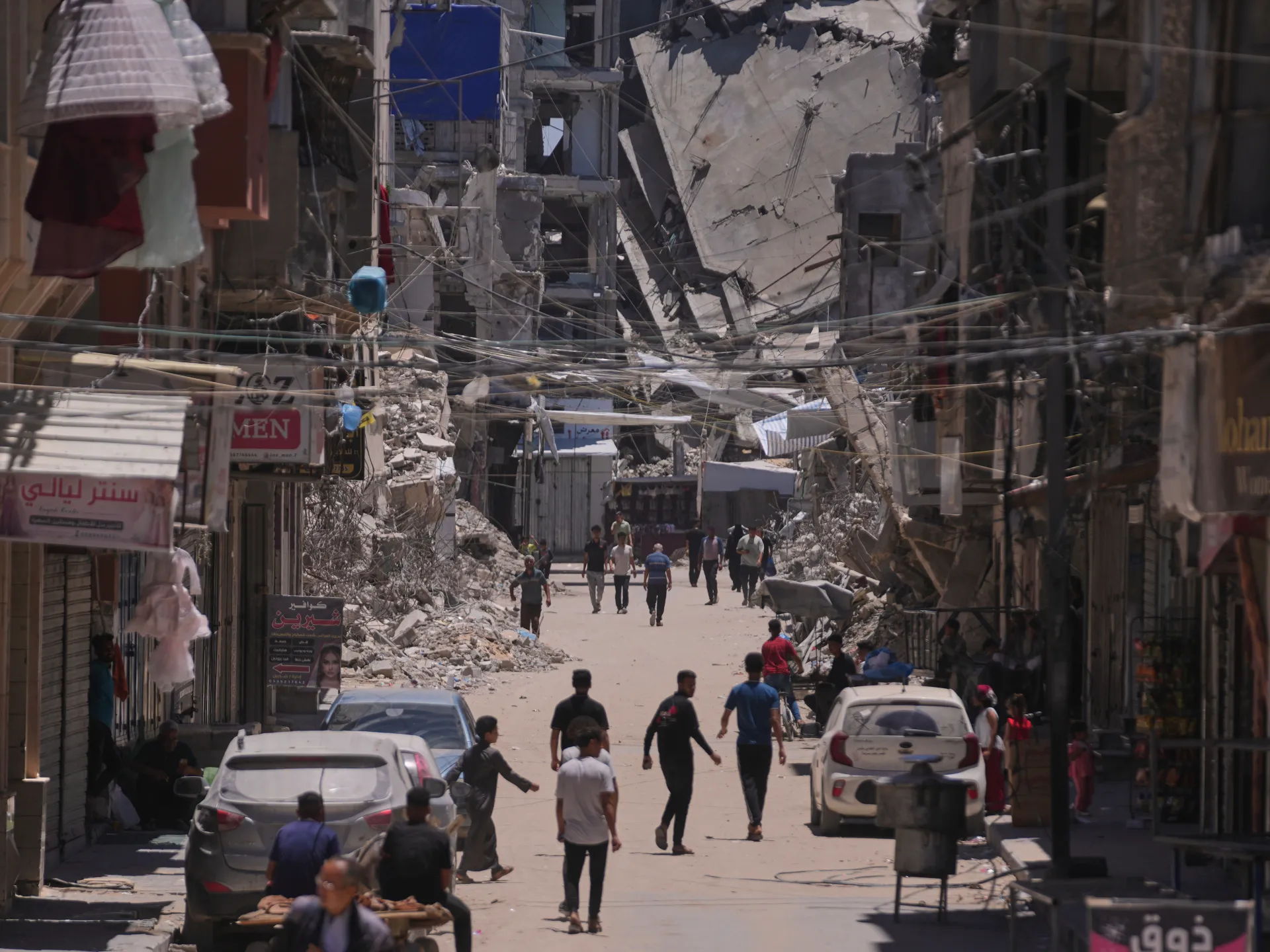
That withdrawal hasn’t happened. In fact, in the months since, as well as killing at least 922 people in near-daily strikes on the enclave during the “ceasefire”, Israel has expanded its territory by about 11 percent.

According to satellite data gathered in March, it has also established at least 32 military outposts, a ground barrier and infrastructure along what was supposed to be a temporary line.

Since October last year, numerous humanitarian agencies, including Oxfam, have accused Israel of compounding the humanitarian crisis in Gaza by restricting deliveries of aid and other essential goods.

Then, on Thursday, Israeli Prime Minister Benjamin Netanyahu announced that Israel will take over yet more territory in Gaza, telling a conference: “We are currently squeezing Hamas; we now control 60 percent of the territory of the Strip – you know this. We were at 50. My directive is to move to …,” he said, pausing briefly as someone in the crowd yelled, “100!”

“Let’s go step by step,” he responded, “First of all, 70. Let’s start with that. We’re pressing them from all sides, we’ll deal with the remnants.”

Al Jazeera contacted the Israeli prime minister’s office for clarification of this, but received no response by the time of publishing.

Can Israel just grab more land in Gaza?

“If Israel’s ultimate plan is to exercise permanent effective control over the entirety of the Gaza Strip, we are talking about unlawful annexation,” Michael Becker, a professor of international human rights law at Trinity College in Dublin, told Al Jazeera.

“As the International Court of Justice reaffirmed in a 2024 advisory opinion, annexation constitutes a violation of the bedrock prohibition of the acquisition of territory by force.”

Nevertheless, to date, since the onset of its war on Gaza in October 2023, Israeli forces have killed at least 72,819 men, women and children in Gaza, with many thousands more missing and presumed dead under the rubble.

By 2025, Israel had caused a confirmed famine in the enclave and has now decimated nearly all infrastructure needed to support life. It has done all this without experiencing any meaningful international sanctions and still takes part in numerous international sporting and entertainment competitions – despite protests.

Hopes that the US might enforce its own conditions on Israel also appear ill-founded. Since announcing a ceasefire in the enclave in October last year, the US has failed to react as Israel has expanded and entrenched its presence in Gaza, choking off access to about two-thirds of the enclave for its inhabitants by April 2026.

Al Jazeera also contacted the US State Department for comment about this, but received no response by the time of publishing.

Can Gaza’s population survive in such a reduced territory?

It’s very hard to tell. Several agencies, including the UN’s Office for the Coordination of Humanitarian Affairs (OCHA), have expressed deep concern about how Gaza’s remaining population can continue to subsist in an ever-shrinking space.

Israel’s answer to this is simple. “The plan for voluntary emigration from Gaza will also be implemented, all at the proper time and in the proper manner,” Defence Minister Israel Katz wrote in a statement marking the killing of Hamas leader Mohammed Odeh on Wednesday this week.

“Voluntary emigration” is a term used by a number of Israel’s government ministers, including National Security Minister Itamar Ben-Gvir and Finance Minister Bezalel Smotrich. Observers typically acknowledge that this means the ethnic cleansing of the enclave.

Israel’s Ministry of Defence did not respond to questions about this from Al Jazeera.

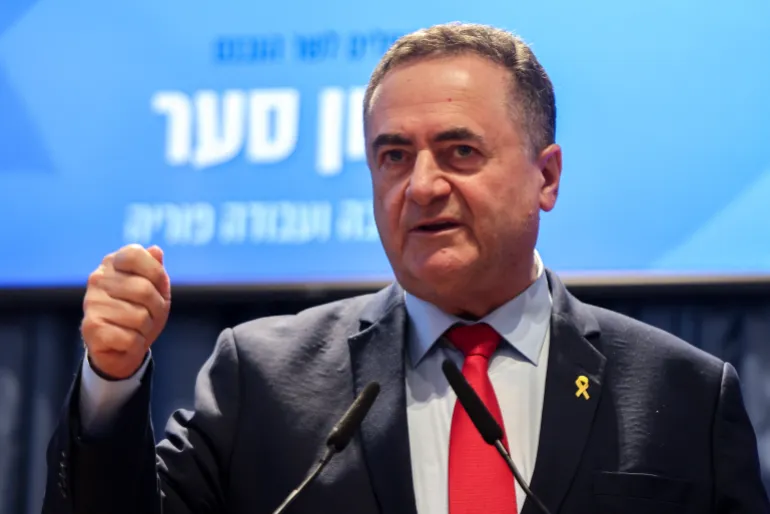
Israel's Defence Minister Israel Katz
Israel’s Defence Minister Israel Katz has referred to the ‘voluntary emigration’ of Gaza’s population, a term generally regarded as referring to its ethnic cleansing [File: Menahem Kahana/ AFP]

No.

“The idea of permanently removing Palestinians from Gaza smacks of forced displacement and would also violate the fundamental right to self-determination of the Palestinian people,” Becker said. The principle of self-determination serves as a “cornerstone” of the UN Charter, he said.

However, Becker said, the spotlight of international attention has now shifted from the crisis in Gaza to the US and Israel’s war on Iran, as well as Israel’s actions in Lebanon, where it has occupied large swaths of the south of the country.

“While the Trump administration may be willing to diverge from Israel’s interests in seeking a resolution to the disastrous and illegal war that the United States started against Iran, the United States seems to have lost interest in Gaza or pushing for restraint on the part of Netanyahu’s government. It is unclear what role the so-called Board of Peace is willing to play in terms of maintaining a future for the Palestinians of Gaza,” he said.

Source link

‘Dangerous colonial occupation’: Israel’s digital West Bank land register | Israel-Palestine conflict News

A digital register of land ownership in the West Bank is seen as an escalation of Israel’s occupation.

Occupied East Jerusalem, Palestine – A controversial Israeli plan to digitally register property ownership in the occupied West Bank is a “dangerous colonial occupation step that represents a direct assault on the historical and legal rights of the Palestinian people to their land and property”, the Palestinian Land Authority has said.

The Palestinian Jerusalem Governorate and the Colonization and Wall Resistance Commission (CRRC) have urged Palestinians in the West Bank not to engage with any Israeli “entities, committees, platforms, or procedures” of lands and property.

Recommended Stories

list of 4 itemsend of list

Israel reportedly launched the online “Land Registry and Settlement of Rights” platform on which it plans to “update” property ownership in the occupied West Bank on Wednesday this week.

The Jerusalem Governorate and the CRRC have called on the international community, the United Nations, the International Criminal Court and all international human rights and legal institutions to “take their urgent responsibilities to stop these illegal procedures and hold the occupying state accountable for its continuous violations against the Palestinian people, their land, and their resources”, they said.

Moayad Shaaban, head of the CRRC, which is part of the Palestine Liberation Organization, said the move reveals “the occupation’s transition from traditional policies of field control to digital and administrative colonial engineering aimed at imposing permanent legal realities on the occupied Palestinian territory”.

‘Annexation’ by land registry

In May 2025, the Israeli Security Cabinet launched a new, aggressive land settlement process throughout the West Bank, with the aim of “completing the legal and administrative annexation of the occupied territories through fully registering the lands under Israeli authority”, the Jerusalem Governorate said.

Then, in July 2025, Israel’s parliament approved a symbolic measure calling for the annexation of the occupied West Bank. The move was first tabled in 2024 by Israel’s far-right Finance Minister Bezalel Smotrich, who himself lives in an illegal Israeli settlement.

On February 15, 2026, the permanent acquisition and registration of approximately 58 percent of Area C – the part of the West Bank over which Israel exerts total control – began.

INTERACTIVE - Occupied West Bank - Area A B C - 5 - Palestine-1726465625
(Al Jazeera)

Under that decision, Palestinian land registration in the Israeli “Tabu” – the land registry extract – began for the first time since the occupation of the West Bank in 1967. It is a final measure that will be difficult to challenge in Israeli courts, the Israel Hayom newspaper reported in February.

With the onset of land settlement, the Israeli Land Registry unit will take over the regulation and registration of land ownership in Area C. It also has the power to issue sales permits and to collect fees. Israel aims to complete the full settlement of 15 percent of the West Bank by the end of 2030.

Some 700,000 Israeli settlers already live in the West Bank and East Jerusalem, as illegal settlement has expanded under the government of Prime Minister Benjamin Netanyahu.

Rights groups say settlement approvals, along with rising settler violence against Palestinian communities, have accelerated since Israel launched its genocidal war on Gaza on October 7, 2023.

INTERACTIVE - Settler attacks across theoccupied West Bank (2024-2025)-west bank - October 14, 2025-1771321248
(Al Jazeera)

Source link

EU sanctions ‘extremist’ Israeli settlers in occupied West Bank | Israel-Palestine conflict News

EU says the sanctioned individuals and groups violated a range of rights, from the right to physical and mental integrity, to the right to education.

The European Union has sanctioned four entities and three individuals it says are “extremist Israeli settlers” responsible for “serious” human rights abuses against Palestinians in the occupied West Bank.

The EU said they had violated a range of rights, including the rights to physical and mental integrity, privacy and family life, freedom of religion and education.

Recommended Stories

list of 4 itemsend of list

The announcement on Thursday is part of an EU sanctions package agreed earlier this month to punish Israeli settlers and Hamas leaders.

The sanctions include the Nachala Settlement Movement and its director, Daniella Weiss. The EU says the group “encourages and facilitates coercive acts that lead to the forced displacement of Palestinians”.

Israeli NGO Regavim and its director, Meir Deutsch, are also on the sanctions list for lobbying “for the demolition of Palestinian property” in order to expand Israel’s control over the entirety of the West Bank, plus the demolition of an EU-funded Palestinian primary school.

Also sanctioned is the Hashomer Yosh NGO and its president, Avichai Suissa for supporting “at least 28 violent outposts and settlements”. It also recruits armed volunteers and provides guards who engage in violent attacks, the EU added.

The Amana cooperative association of the settler movement Gush Emunim was also sanctioned, the EU stating it had likewise “played a key role in initiating, financing, and facilitating at least 30 violent outposts and settlements”.

Long-awaited sanctions

With Thursday’s additions, the EU said it now sanctions 136 persons and 41 entities from a range of countries under its Global Human Rights Sanctions Regime.

The regime was created in 2020, and applies to acts such as genocide, crimes against humanity and other serious human rights violations or abuses.

The measures targeting Israeli settlers because of violence against Palestinians were long-awaited, having been blocked by the self-styled illiberal government of Hungary’s former premier Viktor Orban.

However, the appointment of new Prime Minister Peter Magyar saw the veto quickly lifted earlier this month.

Israel earlier condemned the sanctions, asserting that Jews have the right to settle in the occupied West Bank, despite that being in violation of international law.

In 2025, the expansion of Israeli settlements reached its highest level since at least 2017, when the United Nations began tracking data.

Since the start of Israel’s genocidal war on Gaza, the West Bank has been gripped by almost daily violence involving Israeli troops and settlers. More than 1,000 Palestinians have been killed in the territory, according to the UN.

Source link

Israel’s Netanyahu directs army to seize 70 percent of Gaza Strip | Israel-Palestine conflict News

The Israeli army has already expanded its control of Gaza by 11 percent over the ‘Yellow Line’, beyond the terms of the ‘ceasefire’.

Prime Minister Benjamin Netanyahu has instructed the Israeli army to expand its control of the Gaza Strip to 70 percent, according to remarks aired by Israeli media.

“At this point, we are fully in control of 60 percent of the territory of the Gaza Strip … and my directive is to get to … 70 percent,” Netanyahu said in footage recorded by Channel 12 and aired on Thursday.

Recommended Stories

list of 3 itemsend of list

When someone in the audience shouted that Israel should take the entire besieged enclave, the prime minister said “we are going in order”, according to The Times of Israel. “First 70 percent,” he said without disputing that a complete takeover could take place. “We’ll start with that.”

The Israeli army had in mid-March quietly sent maps to aid organisations showing it had already expanded its control to about 11 percent beyond the so-called “Yellow Line” demarcating areas of the enclave occupied by Israeli troops. That line was agreed in a United States-brokered “ceasefire” in October 2025. That meant it controlled 64 percent of the Palestinian territory, instead of 53 percent.

Due to the Israeli army occupation, Palestinians cannot access about two-thirds of Gaza. A further seizure of the territory would force two million of them, already living in disastrous conditions, into an even smaller territory after enduring two years of genocidal war.

Despite the nominal truce reached last year, Israeli bombing in Gaza continues with near-daily attacks. An Al Jazeera tally from October to April counted at least 2,400 Israeli violations. Earlier on Thursday, health authorities said an Israeli air raid killed at least 10 people, including four children, and wounded 20 others.

According to the United Nations Office for Humanitarian Affairs’ (OCHA) latest report, the humanitarian situation for civilians in Gaza remains critical, with displaced families living in overcrowded tents, schools or damaged structures. Clean water is scarce, and poor waste collection is increasing health risks, including the spread of rats and insects. Many neighbourhoods across Gaza are also still dangerous, with frequent air strikes, shelling and shootings happening in or near residential areas, the report said.

Last week, the high representative overseeing the US-founded Board of Peace for Gaza, Nickolay Mladenov, warned that the deteriorating status quo in the enclave risks becoming “permanent”.  Speaking to the UN Security Council, he urged the international body to use “every means at its disposal” to press Hamas to disarm and to push Israel to uphold its commitment under the October ceasefire, pointing to its continued killings and restrictions on humanitarian flow.

The war that Israel launched following the October 7, 2023, attacks on southern Israel by Hamas and other armed Palestinian groups has killed more than 72,775 Palestinians. The Israeli military continues to maintain a strict security regime, and many hundreds more have been killed in the past seven months. Conflict monitors warn that since the US-Israel war on Iran started in February, Israeli bombardment of Gaza has accelerated.

Source link

UN ‘adds Israel to blacklist’ for conflict-related sexual violence | Israel-Palestine conflict News

Israeli ambassador to the UN says Tel Aviv will cut ties with UN chief Antonio Guterres over the upcoming report.

The United Nations has “added Israel to the blacklist of sexual violence in conflict zones”, prompting Israel to cut ties with UN chief Antonio Guterres, the country’s ambassador to the UN says.

“We are done with this secretary-general,” Israeli ambassador Danny Danon added in a video posted on X on Thursday, denouncing the upcoming report from Guterres’s office.

Recommended Stories

list of 3 itemsend of list

The UN secretary-general’s annual report on conflict-related sexual violence is customarily presented to relevant states before publication. Last August, the report warned that Israel could be added to the list of parties suspected of, or responsible for, sexual violence in situations of armed conflict.

“The decision to blacklist Israel and accuse us of using sexual violence as a weapon of war is an outrageous decision,” Danon said.

“The secretary-general and his team continue to spread lies against Israel. To put us and Hamas terrorists on the same list, that’s unacceptable.”

The Israeli mission to the UN said in a statement that it will have no contact with the secretary-general’s office as long as Guterres serves as head of the organisation.

The country’s foreign ministry also expressed anger over the upcoming report.

“The shameful and absurd UN decision to include Israeli entities in the annex to the CRSV (conflict-related sexual violence) report is further proof of the UN’s true nature: a politicised and corrupt organisation that has abandoned its founding principles and systematically targets Israel as its primary mission,” Oren Marmorstein, a spokesperson for the Israeli foreign ministry, said on X.

Guterres’s spokesperson said they were aware of Danon’s remarks.

“For our part, the secretary-general’s door remains open,” Stephane Dujarric said.

Systematic pattern of abuse

Last August, the UN cited “credible information” regarding sexual violence committed by Israeli security forces against Palestinian detainees in prisons and other detention centres, and said UN inspectors had been denied access to the facilities.

“We invited the representative of the UN to come to Israel to check those ridiculous allegations. They chose not to come,” Danon said.

Palestinians detained in Israeli prisons, especially those taken from Gaza during Israel’s brutal war since 2023, have long revealed how they suffer dehumanising treatment by guards and soldiers, including torture and sexual violence. According to international human rights organisations, these testimonies are part of a broader and systematic pattern.

Furthermore, a report from the West Bank Protection Consortium last month found that sexual violence and other forms of gender-based abuse committed by Israeli settlers and soldiers are spurring Palestinians to leave the occupied West Bank.

Even foreigners, namely those on board a recent Gaza-bound aid flotilla, say that freed activists who were abducted from international waters faced abuse while in Israeli detention, including at least 15 separate cases of sexual assault or rape.

Earlier this month, Israel also rejected accusations of rape by its forces, which were detailed in a column by longtime New York Times journalist Nicholas Kristof. The Israeli government had responded to the report by stating that it would take the extraordinary step of suing the paper. Kristof’s reporting was based on the accounts of 14 male and female Palestinian victims.

Relations between the UN and Israel are fraught and have reached an all-time low since October 7, 2023, when Hamas launched an attack that preceded Israel’s genocidal war on Gaza, which has killed more than 72,000 Palestinians.

Israeli authorities have criticised Guterres and other UN officials for their condemnation of its brutal conduct in Gaza. The UN chief was declared “persona non grata” in Israel in 2024.

Source link

Gaza will not forget, Palestine will remember – Middle East Monitor

Gaza will not forget

The suffocating smoke still hangs over her ruins, thick with the acrid stench of explosives powder and dust carrying the scent of betrayal and the mark of courage. Her streets, once filled with children’s laughter, became Israeli fields of slaughter. Now they echo with the names and memories of martyrs.

The mass graves, the broken concrete, and the twisted steel are not just evidence of Zionist hatred. They are witnesses to those who stood with her, and to those who failed her. Today, Gaza’s rubble holds more memories than all the nation’s libraries.

Palestine will remember

She will remember the selfless sacrifices of doctors and healthcare workers who refused to abandon their sick patients as bombs rained on their hospitals; the journalists who became the news, targeted for daring to expose the truth; the mothers who wrapped their children in the red, black, green, and white flag of a nation Israel is desperate to erase.

These are not tales of despair, but of defiance, insisting on its right to breathe life amid death.

Gaza will not forget

She will not forget the silence of Western democracies. In a tragic inversion, most European nations, shackled by the ghosts of their past, traded morality for absolution. The self-proclaimed champions of human rights offered Palestinians on the altar of yesterday’s victims to atone for Europe’s sins.

Gaza will not forget the Biden administration, which vetoed every U.N. Security Council resolution calling to end the genocide. Nor Donald Trump, who poured fuel on the fire, then demanded recognition for dousing his own flames.

This week, Arab, Muslim, and world leaders gather like moths around the American arsonist-turned-firefighter, “celebrating” the ashes of Gaza.

Palestine will remember

She will remember the people who rose for Gaza, from Yemen to Dublin, from Cape Town to London and Madrid, while Arab capitals from Cairo to Riyadh slept. Ireland and Spain led the boycott, while Arab countries from the Gulf to Jordan opened their ports and highways to provide alternative routes for Israeli goods, even as Yemen imposed a sea blockade in the Red Sea.

Gaza will not forget — nor forgive — the Arab governments that opened their ports when shipyard workers in Italy refused, delivering American weapons used to annihilate her children and destroy her hospitals.

Palestine will remember

She will remember South Africa — not an Arab or Muslim nation — that led her case before the International Court of Justice, charging Israel with genocide. A country once scarred by apartheid became the moral conscience of a world too timid to speak. In that act of solidarity, South Africa rekindled the universal truth that justice knows no borders.

Palestine will remember the Lebanese resistance that gave its leaders for Gaza’s defense; Yemen, poor in wealth but rich in dignity, whose solidarity never wavered; and Iran, steadfast against Israeli hubris. She will remember Ireland and Spain, who did not turn away when Arabs did, proving that true solidarity transcends borders, faith, and kinship, resting only on shared humanity.

She will remember the heroes of the flotillas who braved waves of hatred and siege to carry messages of compassion; the nameless volunteers who left the safety of their countries to heal the wounded and feed the hungry; the American students who turned campuses into encampments of resistance; the artists, actors, and musicians who risked careers for justice; the employees who lost their jobs protesting the complicity of Google, Microsoft, and other tech giants in Israel’s crimes.

Gaza will not forget those who betrayed her

Palestine will forever be grateful to those who dared to speak the truth when it was dangerous, who marched when it was forbidden, who grieved when it was unfashionable.

Palestine will remember. History will remember. Justice will remember.

For nearly two years, Gaza has endured a genocide so relentless it defies descriptive language. Israel’s war machine has turned hospitals into morgues, UN schools into mass graves, and refugee camps into craters. Yet Gaza refuses to die.

Each time she is bombed “back to the Stone Age,” she rises — like the phoenix — to rebuild, not only her structures but her indomitable will. In that defiance lies the occupier’s greatest fear: memory.

Israel can destroy buildings but not erase remembrance. The siege may starve Gaza’s body, but it nourishes Palestine’s collective soul.

Gaza’s children will grow up with memories no child should bear. But they will also inherit something indestructible: dignity. In every demolished home and every shattered family lives a story that refuses burial.

Gaza’s memory will not fade. For the mind, unlike stone, cannot be occupied. It is the eternal archive of a people’s resilience, passed from one generation to the next, weaving the indelible tapestry of Palestine today.

The ruins of Gaza stand not only as testimony to Israel’s genocide but to the moral collapse of those who enabled it.

Gaza will rise again, brick by brick.

But what will never be resurrected is the Israeli lie, which, for eight decades, cloaked the Zionist project in the guise of victimhood, occupying Western narratives and manufacturing consent.

Gaza will rise — and the Israeli myth will remain buried beneath her rubble, forever.

The views expressed in this article belong to the author and do not necessarily reflect the editorial policy of Middle East Monitor.

Source link

Family mourn ‘Hamas leader’ killed in Israeli attack | Hamas

NewsFeed

A funeral has been held for Mohammed Odeh, believed to be the leader of Hamas’s military wing, who Israel said was killed in a strike on a busy area in Gaza City on Tuesday. Odeh’s family has reportedly confirmed his death, despite no official comment from Hamas.

Source link

Gaza will not forget, Palestine will remember – Middle East Monitor

Gaza will not forget

The suffocating smoke still hangs over her ruins, thick with the acrid stench of explosives powder and dust carrying the scent of betrayal and the mark of courage. Her streets, once filled with children’s laughter, became Israeli fields of slaughter. Now they echo with the names and memories of martyrs.

The mass graves, the broken concrete, and the twisted steel are not just evidence of Zionist hatred. They are witnesses to those who stood with her, and to those who failed her. Today, Gaza’s rubble holds more memories than all the nation’s libraries.

Palestine will remember

She will remember the selfless sacrifices of doctors and healthcare workers who refused to abandon their sick patients as bombs rained on their hospitals; the journalists who became the news, targeted for daring to expose the truth; the mothers who wrapped their children in the red, black, green, and white flag of a nation Israel is desperate to erase.

These are not tales of despair, but of defiance, insisting on its right to breathe life amid death.

Gaza will not forget

She will not forget the silence of Western democracies. In a tragic inversion, most European nations, shackled by the ghosts of their past, traded morality for absolution. The self-proclaimed champions of human rights offered Palestinians on the altar of yesterday’s victims to atone for Europe’s sins.

Gaza will not forget the Biden administration, which vetoed every U.N. Security Council resolution calling to end the genocide. Nor Donald Trump, who poured fuel on the fire, then demanded recognition for dousing his own flames.

This week, Arab, Muslim, and world leaders gather like moths around the American arsonist-turned-firefighter, “celebrating” the ashes of Gaza.

Palestine will remember

She will remember the people who rose for Gaza, from Yemen to Dublin, from Cape Town to London and Madrid, while Arab capitals from Cairo to Riyadh slept. Ireland and Spain led the boycott, while Arab countries from the Gulf to Jordan opened their ports and highways to provide alternative routes for Israeli goods, even as Yemen imposed a sea blockade in the Red Sea.

Gaza will not forget — nor forgive — the Arab governments that opened their ports when shipyard workers in Italy refused, delivering American weapons used to annihilate her children and destroy her hospitals.

Palestine will remember

She will remember South Africa — not an Arab or Muslim nation — that led her case before the International Court of Justice, charging Israel with genocide. A country once scarred by apartheid became the moral conscience of a world too timid to speak. In that act of solidarity, South Africa rekindled the universal truth that justice knows no borders.

Palestine will remember the Lebanese resistance that gave its leaders for Gaza’s defense; Yemen, poor in wealth but rich in dignity, whose solidarity never wavered; and Iran, steadfast against Israeli hubris. She will remember Ireland and Spain, who did not turn away when Arabs did, proving that true solidarity transcends borders, faith, and kinship, resting only on shared humanity.

She will remember the heroes of the flotillas who braved waves of hatred and siege to carry messages of compassion; the nameless volunteers who left the safety of their countries to heal the wounded and feed the hungry; the American students who turned campuses into encampments of resistance; the artists, actors, and musicians who risked careers for justice; the employees who lost their jobs protesting the complicity of Google, Microsoft, and other tech giants in Israel’s crimes.

Gaza will not forget those who betrayed her

Palestine will forever be grateful to those who dared to speak the truth when it was dangerous, who marched when it was forbidden, who grieved when it was unfashionable.

Palestine will remember. History will remember. Justice will remember.

For nearly two years, Gaza has endured a genocide so relentless it defies descriptive language. Israel’s war machine has turned hospitals into morgues, UN schools into mass graves, and refugee camps into craters. Yet Gaza refuses to die.

Each time she is bombed “back to the Stone Age,” she rises — like the phoenix — to rebuild, not only her structures but her indomitable will. In that defiance lies the occupier’s greatest fear: memory.

Israel can destroy buildings but not erase remembrance. The siege may starve Gaza’s body, but it nourishes Palestine’s collective soul.

Gaza’s children will grow up with memories no child should bear. But they will also inherit something indestructible: dignity. In every demolished home and every shattered family lives a story that refuses burial.

Gaza’s memory will not fade. For the mind, unlike stone, cannot be occupied. It is the eternal archive of a people’s resilience, passed from one generation to the next, weaving the indelible tapestry of Palestine today.

The ruins of Gaza stand not only as testimony to Israel’s genocide but to the moral collapse of those who enabled it.

Gaza will rise again, brick by brick.

But what will never be resurrected is the Israeli lie, which, for eight decades, cloaked the Zionist project in the guise of victimhood, occupying Western narratives and manufacturing consent.

Gaza will rise — and the Israeli myth will remain buried beneath her rubble, forever.

The views expressed in this article belong to the author and do not necessarily reflect the editorial policy of Middle East Monitor.

Source link

Could Israel sabotage US-Iran deal? | Gaza

NewsFeed

As the US and Iran move closer to a peace deal, Israel says it reserves the right to keep attacking regional ‘threats’, including in Lebanon, despite any US‑brokered ceasefire. Meanwhile, criticism within Israel is growing over Netanyahu’s handling of the war.

Source link