“Grey’s Anatomy” and “One Tree Hill” actor Sophia Bush reveals in her new memoir, “And I Will Tell You Mine: Notes From a Life in Progress,” that she married former professional soccer player Ashlyn Harris in summer 2025.
The private ceremony took place in upstate New York with Harris’ children, Sloane and Ocean, attending, Bush and Harris revealed in a Vogue exclusive published Wednesday. The couple said they later made the rounds, visiting friends and family to divulge their secret nuptials.
Sophia Bush, in a 2025 episode of “Grey’s Anatomy,” told Vogue she married Ashlyn Harris in a private ceremony with Harris’ children in attendance.
(Anne Marie Fox / Disney)
“We got to have personal experiences with everyone we love, and once we got through all of those, how do we put it out? Because I don’t want to keep sitting on panels or in interviews and being like, ‘My partner,’” Bush told Vogue over Zoom, then turning to Harris. “You’re not my partner, you know? You’re my wife. And it feels so amazing to say that.”
After Harris described her kids running around, picking flowers and generally having fun, stepmom Bush recalled the family roasting marshmallows on their wedding night: “It was so precious, and zero pressure. I will never forget it.”
The newlyweds also explained that, though they value privacy, optics are important for at least one very important reason.
“We understand how sacred and how pure our love is. But the visibility piece matters,” Harris said, “because there are still kids hiding who don’t feel seen, and if we make room and space for one person, that’s worth maybe costing us a little bit of peace in the public eye.”
“WHO sang Bat Out Of Hell? Was it: A, Meatballs; B, Tom Jones; C . . . ?”
“A!” shouts my partner Sophie, and I duly push the button.
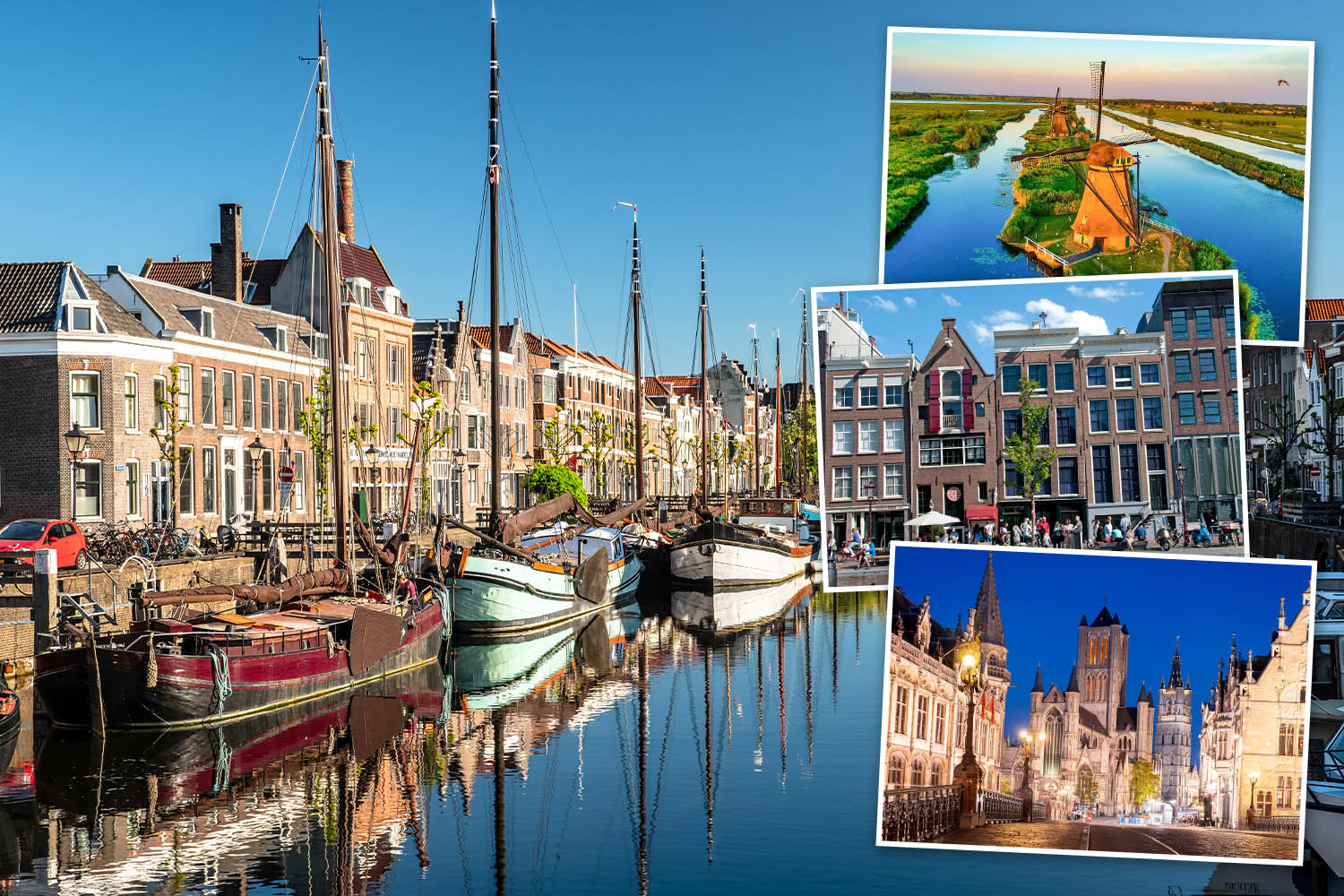
Glide through the waterways and canals of the Netherlands and BelgiumCredit: Achim ThomaeTui’s super-long Aria has enough room for 200 passengers and feels spacious throughoutCredit: Tui
Speed, you see, is key to this quiz.
But, then again, so is the right answer.
Sign up for the Travel newsletter
Thank you!
We are aboard Tui’s Aria for its Dutch Delta Discovery sailing, taking in the waterways and canals of the Netherlands and Belgium.
And the quiz we are playing, where each team has a handset to record and time their answers, is just a small part of the nightly entertainment.
Other fun includes cabaret, themed dance nights and musical bingo. And one of the joys is how laid-back it all is compared to the more glitzy shows of the huge ocean-going liners.
But while Aria, one of Tui’s quaint ships designed specially for river waterways, was significantly smaller than any ocean liner, it wasn’t less comfy.
With 96 cabins and enough room for 200 passengers, it feels spacious throughout.
There are two main communal areas: the bright Observatory Bar & Lounge on deck three, with floor-to-ceiling windows, and Verdastro restaurant below for plentiful breakfasts, lunches and dinners.
Kinderdijk is home to 19 historic windmills from the 1700sCredit: TuiMake it to Belgium and walk across the cobbled streets of medieval GhentCredit: Getty
There is also a pool, covered at night to become the Reflections Italian restaurant.
The main package is Full Board Plus, which includes three meals a day and selected drinks, including wine and beer, with lunch and dinner.
And although you may not have a choice of restaurant every night, the changing menu covered all tastes, with elegant dishes of beef wellington, artichoke souffle and a fresh catch of the day.
Our cabin was large, with plenty of storage and huge glass doors from which to watch the river banks pass by. A daily joy was throwing back the curtains to see what port we had woken up in.
We began our six-night journey in Amsterdam then stopped in Rotterdam, Veere, Ghent and Antwerp before circling back to our starting point. Our favourite was perhaps Rotterdam, the Netherlands’ second city.
It’s built along the river and 99 per cent of the buildings on the north bank were flattened in 15 minutes during a World War Two bombing raid.
It was rebuilt from the Fifties onward and is known for its unusual architecture.
One example is the Cube House development, an eccentric array of 38 bright yellow, cube-shaped houses connected together at stark angles in the sky.
They look like they would be awkward to live in. But don’t just ponder on it from the outside. If you want to find out what it’s like inside, you can tour one for 3.50 euro — and it’s great value.
Aside from the architecture, a major reason Rotterdam delighted Sophie and me was because it was one of the two times we took advantage of the daily guided trips put on by Tui.
The trip was actually a 20-minute taxi boat ride away in Kinderdijk, home to 19 historic windmills from the 1700s.
Now, I knew the Netherlands was famous for windmills, but I was surprised to learn their purpose was not for grinding wheat — but as an ingenious water-management system.
Visit the Anne Frank Museum are recommended to book weeks in advanceCredit: AlamyVisit Cube House in Rotterdam, where 38 houses are connected together at stark angles in the sky
With much of the country reclaimed from marshland, and below sea level, it is prone to flooding when heavy rains swell rivers and overwhelm drainage ditches.
To get round this, the windmills had huge wheels with paddles to scoop out the water from ditches and chuck it into a storage reservoir, which could then be let out into the rivers and sea.
But this aside, they are easy on the eye and it all feels so very Dutch.
If outdoor time is a big selling point for you, then you’ll love Veere in Zeeland (the next call on our trip), which is the region of islands and peninsulas that make up the west of the Netherlands.
If you feel energetic, I’d recommend hiring bikes for a scoot around the very flat landscape. There are lots of cycle lanes, which take you through gorgeous nature reserves and past vast lakes.
You can reward your efforts at the next port of call, Ghent in Belgium, as you sample beer, sausage and cheese on another Tui tour.
Ghent is a medieval gem with cobbled streets lined by fascinating, old-world buildings. It was so easy to immerse ourselves that we almost missed the boat before it set sail.
There’s no need to panic if you struggle to remember those daily timings, though. Tui’s own Navigate app will keep you up to date with the schedule and you can also use it to check menus or book trips.
With our cruise nearing an end, it was back to Amsterdam, a city renowned for its canals and laidback cafes.
You can’t run out of things to do but, in our short time, we opted to visit the Anne Frank Museum. Make sure you book it as soon as you pay for the cruise as you have to reserve weeks in advance.
The secret annex that hid Anne and her family from the Nazis is accessed through a doorway concealed by a movable bookcase. It is a sombre experience climbing into the hideout but a powerful reminder of one of history’s greatest terrors.
It left us feeling even more grateful for the evening feast we were about to tuck into back on board Aria.
A cheeseboard was a definite — I just wonder if they have any Meatloaf.
GO: DUTCH DELTA DISCOVERY CRUISE
SAILING/STAYING THERE: A seven-night Dutch Delta Discovery sailing on board Tui Aria is from £1,638pp based on two people sharing a cabin and including flights from Manchester.
Cruise departs Amsterdam on July 19, 2027, and calls at Zaandam, Rotterdam and Veere in the Netherlands and Ghent and Antwerp in Belgium. See tui.co.uk/rivercruises.
Today is the last day of CLIA Cruise Week, to snap yourself up a great deal head to thesun.co.uk/cruiseweek.
At age 14, Glen Walsh started surfing because of a crush. He was a boogie boarder until the object of his adoration told him, “What are you riding that for? You should be surfing. Get a surfboard.” So, he did. “I was terrible at it, but I kept going. I was super persistent.”
That resilience proved useful. As a gay teenager in Santa Monica, Walsh was often called slurs on the Venice Pier. “You think you’re like a unicorn — a weirdo,” he says. He felt at odds with the local surf community. To Walsh, surfing was “super straight, very hypermasculine, very intimidating.” Yet his love of the ocean — and sure, crush-worthy surfers — kept him returning to the water. “I wanted to be around them, and surf with them,” he says.
When Instagram launched in 2010, Walsh began posting one of his early loves — only this time, it was morning surf conditions. Every morning, before surfers paddled out, the longtime Venice resident described swells, winds and surf conditions to his followers, becoming for some the town’s trusted surf chronicler.
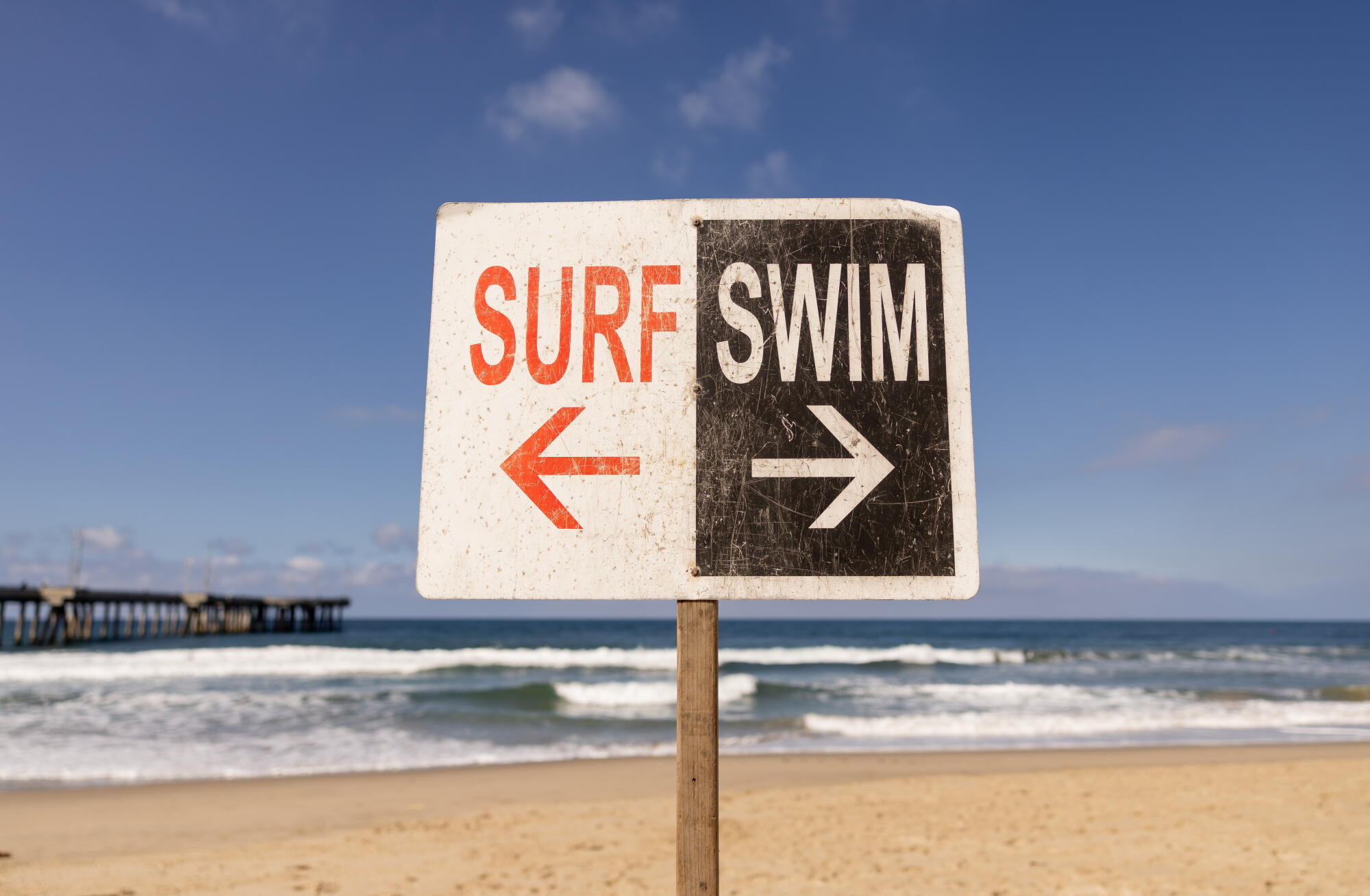
A “Surf Swim” sign greets beachgoers at Venice Beach — a stretch of coast where daily surf reports and grassroots organizing have helped break down traditional surf stereotypes.
(Christina House / Los Angeles Times)
His videos combined informative dispatches with the laid-back vibe of surfer ASMR. “Light offshore wind. Clean, glassy barrels,” he declares softly to the camera as gray waves break behind him. “Lumpy close-out with hollow barrels with low tide, fam.”
At first, the account functioned like a group chat for local surfers. “Friends were asking me how the waves were, and I was texting them. I figured I’d jump on Instagram and start doing it for them,” says Walsh, who has been a Venice resident for 15 years.
What began as a practical update for a handful of friends eventually attracted followers in London, Berlin and Tokyo — people who checked in daily to see whether the surf was firing in Venice Beach. The account has amassed over 10,000 followers, inspiring imitator accounts. “Now it’s just for everybody,” says Walsh. “I built a community around the surf reports. It really blew me away. I didn’t realize that people were so interested.”
His surf reports have made him an unofficial mayor of Venice surf culture, getting recognized at the beach town’s local hangouts like Hinano Cafe and the Cow’s End. “People stop me and tell me they love my surf reports. They don’t even surf, but they see it every day,” says Walsh. “I always tell people I’m very popular between Washington Boulevard, Lincoln Boulevard and Rose Avenue.” His nickname around town is Glenice Venice.
However, the real triumph wasn’t becoming recognizable around Venice — it was finding other queer surfers, something that felt elusive in Walsh’s youth in Southern California. “I had met a lot of other surfers from all over the world and built a queer community of surfers here in L.A.,” says Walsh. “It was pretty awesome.”
Walsh saw an opportunity to use his surf report to not only report on the condition of the ocean — which is especially unpredictable during our current El Niño cycles — but to also create a burgeoning queer space in the Venice surf scene. “I could set up a community-based surf report for everybody, and the fact that I happen to be queer made it a little more unique,” he says. He began to connect with gay surfers, organizing trips with them and building lasting friendships. “It was just a lot of fun, building a little team.”
Later, Walsh became a co-producer and music supervisor of a movie about homophobia in surfing titled “Out in the Line-Up” that premiered at film festivals across the world in cities such as New York, San Francisco and Sydney, Australia. “The movie kind of spoke for itself. It was a worldwide issue — homophobia in surfing.” Since then, Walsh has served on panels about queer people in the surf world. Last June, the film had a 10th anniversary screening in Venice, hosted by the Venice Surfing Assn. “At some point, I brought some diversity to this culture. I put my name on it,” he says.
In recent years, others have joined Walsh’s efforts to create a burgeoning queer surf scene at Venice Beach. In 2020, Shelly Guidera relocated to Venice and noticed that there wasn’t a strong queer presence in surfing. “My friend and I were maybe the only queer people some of these surfers had ever seen,” she says. Shortly after, Guidera started Dream Team Surf, a collective for queer surfers to meet up and build camaraderie.
Its mission is simple. “It’s all of us looking out for each other,” Guidera says. “ Having a team of people makes the experience that much more enriching and safe.”
Surfers ride the waves near the Venice Pier, where Glen Walsh does his daily surf reports.
(Eric Thayer / Los Angeles Times)
Early on, Guidera was inspired by Walsh’s uplifting presence in the Venice surf scene. “This person is respected in the community for what he brings, which is knowledge and insight and fun and flair,” says Guidera. In turn, Walsh has championed Dream Team Surf.
In January 2025, Dream Team Surf hosted a Pride beach party with a banner that read: “Trans bodies belong on the beach.” In some San Diego area beaches, Guidera says, queer representation can still feel like an anomaly. “It’s so funny because it’s like these people have maybe never seen a woman in a bathing suit with hairy legs,” she says. “I’m like, ‘Oh my God, it’s not that deep.’”
Guidera is certified in surf therapy, taking courses through Groundswell Community Project, a surf therapy program that uses surf to promote holistic healing. The mental health benefits of surfing are lifelong, Guidera explains. “Growing up as a swimmer, surfing was a form of play and wellness,” she says. “It eased the brakes on competition and the structure within competitive swimming.”
Group photo of Dream Team Surf, which hosted a Pride beach party.
(Sara Werner)
Even if you don’t shred waves, being in the ocean can promote healing. “To give people access to the ocean that is in and of itself a form of wellness,” she says. “There’s a level of surrender and humility that comes with surfing and that comes with being in nature. … You have to be so present in such a way that makes you a stronger person.”
Like Guidera, Walsh also works as a surf instructor with a similar goal to instill confidence in his students. “I was teaching a lot of people to surf, mostly women who didn’t want a straight man to teach them how to surf because it feels vulnerable enough,” says Walsh. “I try to break down the stereotypes and have a little fun with them and let them become a kid again.”
When done correctly, he argues, surfing can invite expansiveness. “I love seeing people out there. Feel the fear and do it anyway,” says Walsh. “And creating a lifestyle around it — going to different beaches — and meeting friends.”
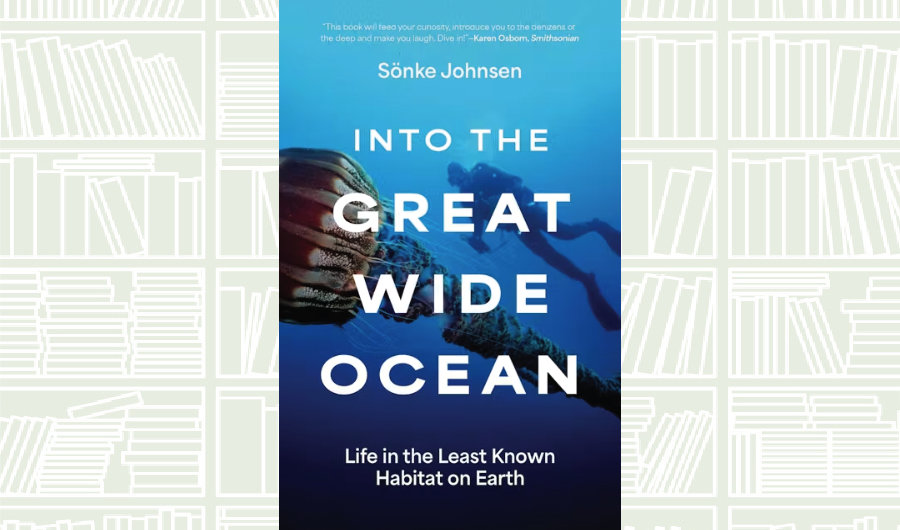
The open ocean, far from the shore and miles above the seafloor, is a vast and formidable habitat that is home to the most abundant life on our planet, from giant squid and jellyfish to anglerfish with bioluminescent lures that draw prey into their toothy mouths.
“Into the Great Wide Ocean” takes readers inside the peculiar world of the seagoing scientists who are providing tantalizing new insights into how the animals of the open ocean solve the problems of their existence.
The beach has claimed another first-time music festival this year.
Ocean Way, the beachfront Santa Monica music fest, has been canceled just two weeks before debuting. The two-day event was set for Sept. 26-27.
Goldenvoice, the promoter behind Ocean Way as well as the Coachella Valley Music and Arts Festival, announced the news Friday in an email from its ticketing platform AXS.
“Due to the impacts of Hurricane Marie, the City of Santa Monica has canceled the inaugural Ocean Way festival,” organizers said in a statement. “Storm surf and runoff [have] caused significant beach erosion and the festival can no longer be safely held as planned. Plans are already underway to bring the festival back to Santa Monica in 2027.”
Tickets, which ran from $249 to $2,250, will be refunded within five to seven business days, the promoter said.
Hurricane Marie, spurred by the “Super El Niño” weather pattern resulting from warming waters in the eastern Pacific Ocean, severely damaged coastal areas from Malibu to Long Beach and Dana Point
“I am deeply saddened that severe weather and beach conditions have forced the City and Goldenvoice to make this difficult decision. However, the safety of festival-goers, our residents and the Pier must remain our priority,” Santa Monica City Council member Dan Hall said in a statement to The Times. “With Hurricane Marie also causing sinkholes in Malibu and triggering home evacuations in Long Beach due to rising surf, the rapid erosion of the beach near the Sandbox event space over the past few days is deeply concerning. The City is working rapidly to keep the Pico storm drain and shoreline repaired and ready for upcoming weather.”
“While we are all disappointed,” Hall said, “I remain optimistic about bringing Ocean Way back next summer.”
The fest was slated to have headline sets by the Killers and Olivia Dean, along with Khruangbin, Sublime, Jack White and many others.
Goldenvoice announced the festival in July, with high hopes that it would open up the waterfront to more public events and concerts in Santa Monica and establish a new marquee festival on the west side of Los Angeles. Santa Monica’s retail and nightlife scenes have struggled in the wake of the COVID-19 pandemic, and the festival, which promoters touted as car-free, would have set a precedent for transit-oriented concertgoing.
“We’ve got to take a chance on new things,” Goldenvoice concert producer Nic Adler told The Times in August. ”There is pressure. I think the city wants it, but that takes a little bit of risk and trying something new.”
“We really cannot keep doing the same things that we’ve always done and expect for Santa Monica to shine,” Santa Monica Mayor Caroline Torosis said in an earlier interview. “We have to invite people back to our city. We have been yearning to get back a big music festival on our beach to showcase the city, because the beach is our best asset.”
The festival is the second major beachside concert to go down this year. The inaugural LA Jazz Festival on Dockweiler Beach was canceled on what would have been its opening day, after its finances and permitting fell through.
Climate change and weather damage have become a major concern for festivals. Bonnaroo, in Tennessee, announced last month that the festival would take 2027 off to repair the grounds, after heavy storms canceled sets and prompted evacuations this year. Stagecoach, the country music festival on the same site as Coachella, also temporarily shut down this year due to strong winds.