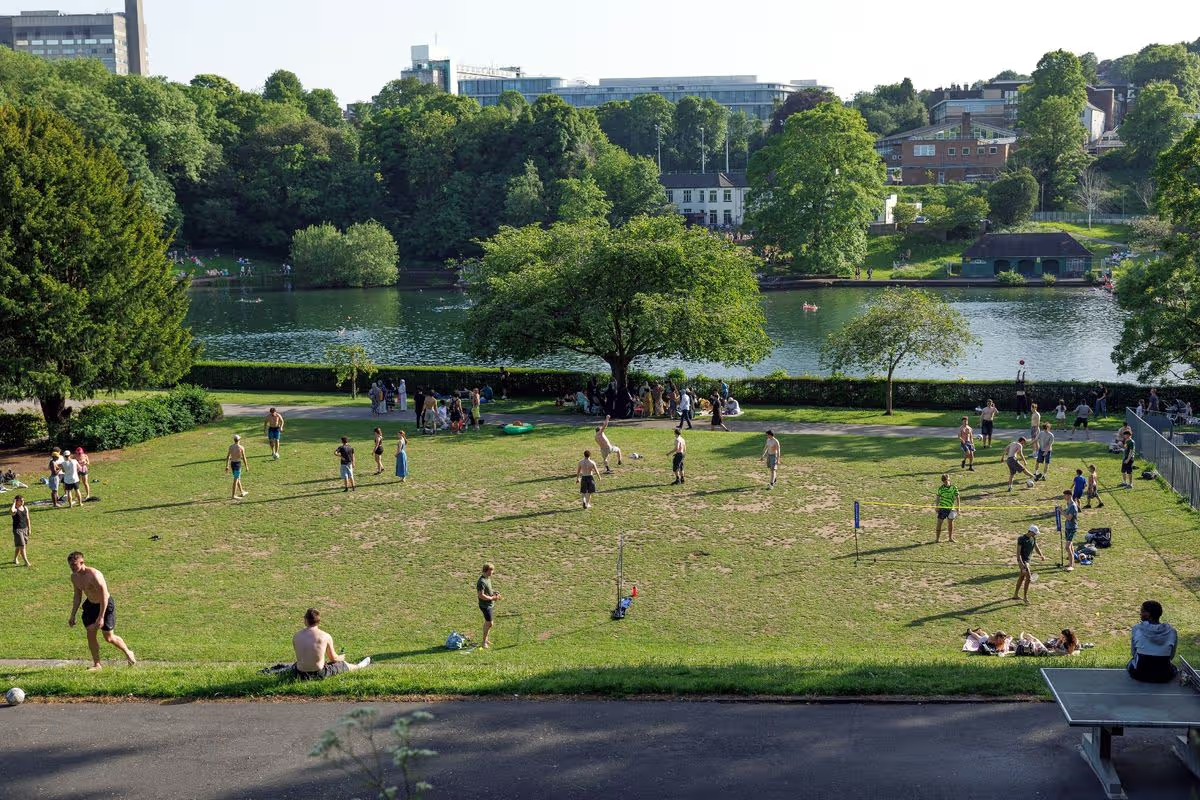
Research has named the best place in the UK to raise a child, thanks to a number of factors from the variety of countryside spaces to lower than average house prices

The city was praised for its large outdoor green spaces(Image: Katy Blackwood/NurPhoto/Shutterstock)
Raising a child in the modern world is a demanding task, and there are lots of big decisions parents-to-be need to make to give their offspring the best chance in life.
One of the most important factors is where to live, and parents will be seeking somewhere with a balance between safety, education quality, childcare costs, plus outdoor spaces to raise free-range kids.
To give parents a hand when making this life-changing choice, Outdoor Toys has created an index of the best places to raise a child in the UK for 2026, and its research looked at a huge number of factors. These included the number of child-friendly attractions, crime rates, and the percentage of schools with a good or outstanding OFSTED rating. This gave each town and city a child raise-ability score out of ten, and the overall winner scored an impressive 7.32.
Sheffield in South Yorkshire took the top spot thanks to offering double the average amount of green space per person . It also has relatively affordable childcare costs of £918.33 per month, which is below the UK average of £1,128 per child without government support.
Housing is also a major factor for growing families, and according to the Office of National Statistics (ONS), the average house price in Sheffield stands at £222,000. This is below the UK wide average of £270,080, and far below areas such as the south east at £379,000.
Green spaces that can be enjoyed around the city include the Sheffield Botanical Gardens, which includes colourful flowers and plants from around the world, some of them kept in huge Victorian greenhouses. Outside, kids can wander the endless trails, spotting statues, fountains, and other pretty features.
Graves Park is another spot that’s much-loved by families. It has two playgrounds, woodlands, lakes, and much more to explore, while Kelham Island Museum is a fun day out where kids can learn all about the area’s industrial heritage in an interactive environment.
Second place in the rankings was Milton Keynes, its score boosted by the fact it offered the widest range of child-friendly attractions. MK residents enjoy 31 kid-friendly attractions per 100,000 people, 11 more than the study’s average, meaning families who live in the city certainly won’t get bored.
While Milton Keynes lost some ground due to its costly childcare – an average of £1,416 per month – it offered large amounts of green space per person as well as a high percentage of schools OFSTED graded as good or outstanding.
Swindon came in third place, in part due to having the lowest crime rate in the study at 68 per 1,000 people. It also offered average childcare costs of £900, below the UK average, while two-thirds of its schools had good or higher OFSTED ratings.
Have a story you want to share? Email us at webtravel@reachplc.com