Norways

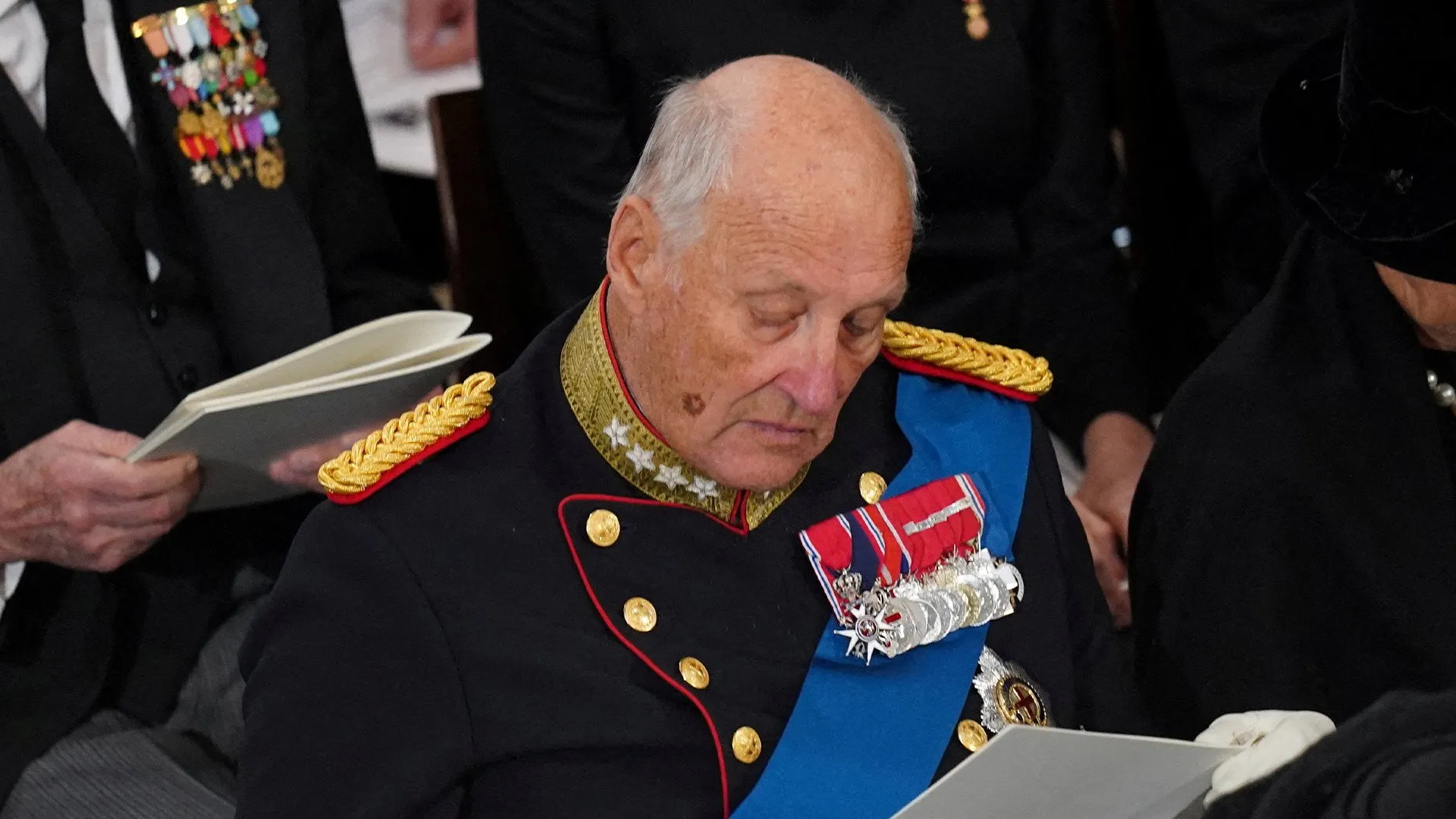
‘The whole country’s grandfather:’ Norway’s King Harald V dies aged 89 | Obituaries

Norwegians are saying goodbye to King Harald V, Europe’s oldest reigning monarch. The 89-year-old king died on Friday, after days in hospital. He is succeeded immediately by his son, now known as King Haakon VIII.

Source link

Norway’s King Harald in an ‘extremely serious’ condition, Palace confirms

Aug. 27 (UPI) — The family of King Harald V of Norway gathered at his bedside in an Oslo hospital on Thursday with the Royal Household saying the 89-year-old’s condition was “extremely serious.”

Royal family members were seen arriving by car at Oslo University Hospital, including daughter-in-law Crown Princess Mette-Marit, with Queen Sonja and Crown Prince Haakon canceling all royal engagements.

Norwegian media reported that Princess Astrid, Harald’s sister, was also in attendance.

NRK, the state-owned broadcast network, said the people of Norway should brace for “the worst.”

“The whole nation is with us as we send warm thoughts to the king and the rest of the royal family,” Norwegian Prime Minister Jonas Gahr Støre said in a statement.

The king has been hospitalized for the past 10 days due to complications related to haemolytic anaemia, a rare blood condition where red blood cell attrition exceeds the rate at which they can be replaced, causing fatigue and breathing difficulties.

His condition unexpectedly worsened on Monday and deteriorated still further overnight.

The king has been hit by succession of health issues dating back to 2024 when he had a pacemaker fitted after being taken ill in Malaysia during a holiday, leading to him partially stepping back from royal duties in line with his advanced agee, including a “permanent reduction” in his public engagements.”

He was hospitalized for an infection and dehydration in February during a private visit to Tenerife with Queen Sonja, who is also 89.

His son, Prince Haakon, 53, is next in line in the succession.

There has never been any hint Harald might abdicate to allow Prince Haakon to take over, having long argued that the oath he took before the Norwegian Parliament when he ascended the throne in 1991 was for life.

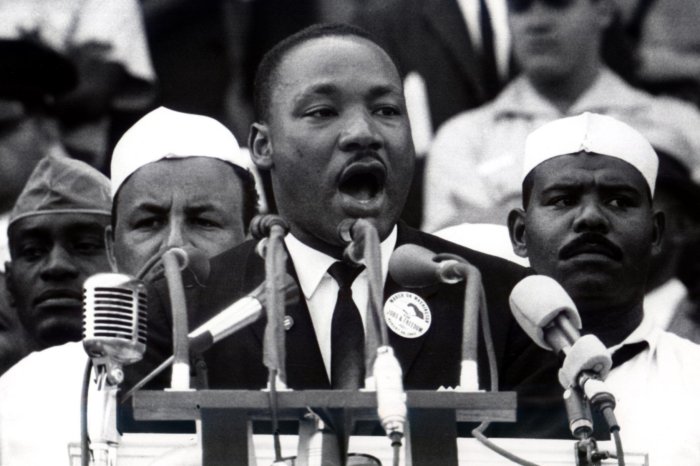
Martin Luther King Jr. delivers his famed “I Have a Dream” speech from the steps of the Lincoln Memorial in Washington on August 28, 1963. The speech galvanized the nation’s civil rights movements and led to the passage of the 1964 Civil Rights Act, the 1965 Voting Rights Act and the 1968 Fair Housing Act. File photo by UPI | License Photo

Source link

‘The only way is up’: cycling Norway’s mountainous ‘Milky Way’ | Norway holidays

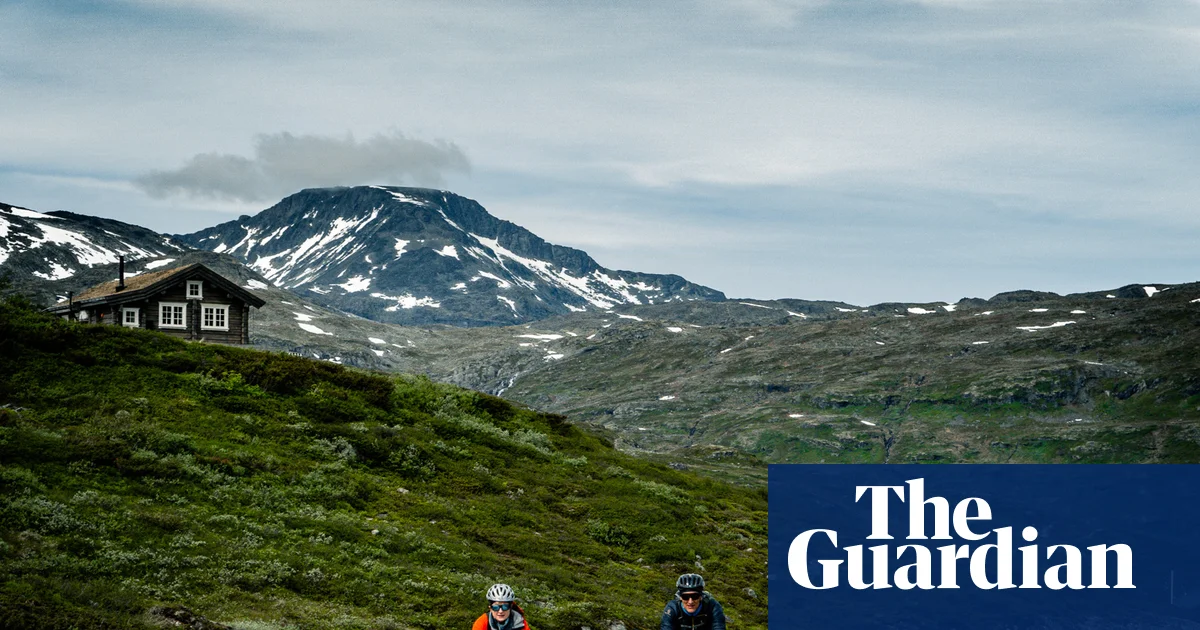
‘Norway is a hilly country,” shrugs Glenn Roar Berge. He’s not wrong, though he is fond of an understatement. I’m in Valdres in southern Norway to explore the cycle routes that skirt the edges of Jotunheimen national park. Glenn from Jotunheimen Travel is our guide, a born-and-bred local of these mountains.

For most of our three-day ride, we’ll be following the Mjølkevegen, or Milky Way, a 155-mile (250km) route from Vinstra in the north to Gol in the south. It was developed after the second world war, when increased demand for fresh milk meant connecting the mountain farms with the towns below. While farming continues, the road has been embraced in recent years by gravel cyclists, (typically riders on drop-bar bikes favouring unpaved roads and trails), looking for a multi-day adventure far from towns and cities.

Ruten Fjellstue is a traditional inn, set up for cross-country skiing in winter, hiking and biking in summer. My trip starts here and it’s where I’ll meet my guide and group, and pick up my hired bike. It’s set high above the valley and painted falun red – the iron-oxide agricultural paint typical across Nordic countries. Berit and Arthur are the third-generation owners. I arrive late, so Arthur picks me up from Vinstra train station (about three hours north-west of Oslo) and Berit has kept a home-cooked meal warm: a generous plate of fish with potatoes, vegetables and cream sauce, followed by apple crumble.

The route passes along Lake Vangsmjøse near the village of Øye. Photograph: Markus Stitz

These small inns are part of what makes cycling through the region work. At breakfast, there’s an expectation that you’ll make your own sandwiches from the buffet, with provisions laid out ready. We’re even given a reusable beeswax wrap. Cycling here is powered by sandwiches, waffles with sour cream and berry jam, and plenty of cinnamon buns – and that’s just to keep you going between meals.

Our first morning begins with a cruisy downhill run before the road turns into a rough track. A temporary road closure has sent us on to a mountainous diversion. I’ve never used drop handlebars before and it takes me a while to figure out the gears.

Silje Wilson, who works to promote the mountain hotels in the area, is also joining our group of 12 riders from across Europe. She tells me she has never ridden a gravel bike either, so I’m hopeful I’ll have company at the back, but she leads every climb and is often miles ahead. That night she reveals she has spent her summer mountain biking and lifts a large rock in her garden to build strength. “A typical Norwegian girl,” says Glenn.

While you don’t have to be a “typical” Norwegian to enjoy these trails, a certain tolerance for hills helps. As we descend towards Lake Vinstre, the Jotunheimen mountains, northern Europe’s highest range, appear ahead. There’s just a tiny road stretching into the distance; beyond it, mountains in every direction. The lake is a deep turquoise-blue, and the shores are dotted with tiny wooden farmhouses painted red or yellow, many with grass roofs for extra protection when the snow arrives.

At Lake Bygdin we stop to stretch and eat burgers at Bygdin Høifieldshotel before catching the M/B Bitihorn passenger ferry, where bikes and luggage join us on deck. The boat has been in regular service on the lake for more than a century. We sail past the peaks of Øystre Torfinnstinden and Galdebergtinden, with waterfalls tracking down the steep mountainsides to the inland fjord.

Jotunheimvegen, a gravel road passing along Lake Vinstre. Photograph: Markus Stitz

At Eidsbugarden, at the far end of the lake, we climb back on to our bikes and follow Lake Tyin towards Filefjellstuene hotel. We pedal past summer mountain dairy farms but barely see a soul. The roads are almost entirely traffic free, but the sheep are worth being wary of: twice I have to swerve at speed when one runs into the road.

We’re cycling for long days, averaging about 45 miles (75km) a day, with 1,500 metres (4,900ft) ascent, but there are gentler ways to experience the Mjølkevegen: shorter stages mean more time to explore the cosy family hotels or add in hikes, while some riders hire an ebike. Self-guiding on the main route is straightforward and well signposted; for diversions, or extra challenges, hiring a guide is advisable. I decide to lean in to taking it slowly, drinking in the spaciousness and letting the miles roll by.

At Øye, on day two, we stop to admire the steep tiered roof of the stave church, one of only 28 still standing across the country. Many Norwegian churches, including medieval stave churches, were destroyed in a wave of more than 50 arson attacks in the 90s by anti-Christian black metal bands. Øye was built towards the end of the 11th century, then replaced in 1747. During renovations in the 1930s, the old church was discovered dismantled under the floorboards for reasons lost to time, and rebuilt here by the lake.

Further along the valley, Glenn points out a steep triangular cave up high. We’re into troll territory. “Up there a big rock is starting to move,” Glenn says. “It’s being surveyed, and it will fall sometime in the next 200 years. It’s because of lang bane, the troll ‘long bones’. Trolls sleep for hundreds of years. He’s starting to wake up now. Newspapers don’t report it, but local people know that it’s the troll.”

Time to get back into the hills then, and Glenn has planned a detour from the main route. It includes what he calls “the mother of all climbs”: a long incline with dozens of switchbacks, requiring all the cinnamon-bun fuel I can muster. On the Smådalen plateau we rest among the wildflowers framed by steep peaks rising above the snow line. There are moose in this area, but our whoops on the downhills probably keep them well hidden.

Lunch at Bygdin Høifieldshotel on the shores of Lake Bygdin. Photograph: Markus Stitz

On my last day, the weather turns. The Mjølkevegen sits about 800–1,300 metres above sea level, and the weather can shift quickly. We reach the bottom of the Slettefjell mountain pass in driving rain. There’s a small cafe here, so we stop for waffles and refill our water bottles. Then the only way is up, and up, and up. It’s 600 metres of elevation in just 6km. All I can do is concentrate on the next bend.

At the top, it’s flat and exposed, and the clouds have transformed the mountains again. Distances are hard to measure, and the craggy rocks? Petrified trolls. I give them a wave, and freewheel downhill for miles.

In this part of Norway, hotels are never built at the bottom of the valley. “Everyone prefers to have a view,” says Glenn. For a cyclist, this means that every day there is a final few kilometres up to the hotel. It’s tough, but it makes the arrival all the sweeter. And the best views are those you’ve earned.

The trip was provided by Jotunheimen Travel, Mountains of Norway, Innlandet Fylkeskommune and Visit Valdres. Jotunheimen Travel offers three-day self-guided cycling trips on the Mjølkevegen from NOK7,800612) based on two sharing, including hotel accommodation, all meals, luggage transport, boat tickets on M/B Bitihorn, an app with directions and maps, backup support and CO2 compensation, with bike hire for an additional cost

Source link

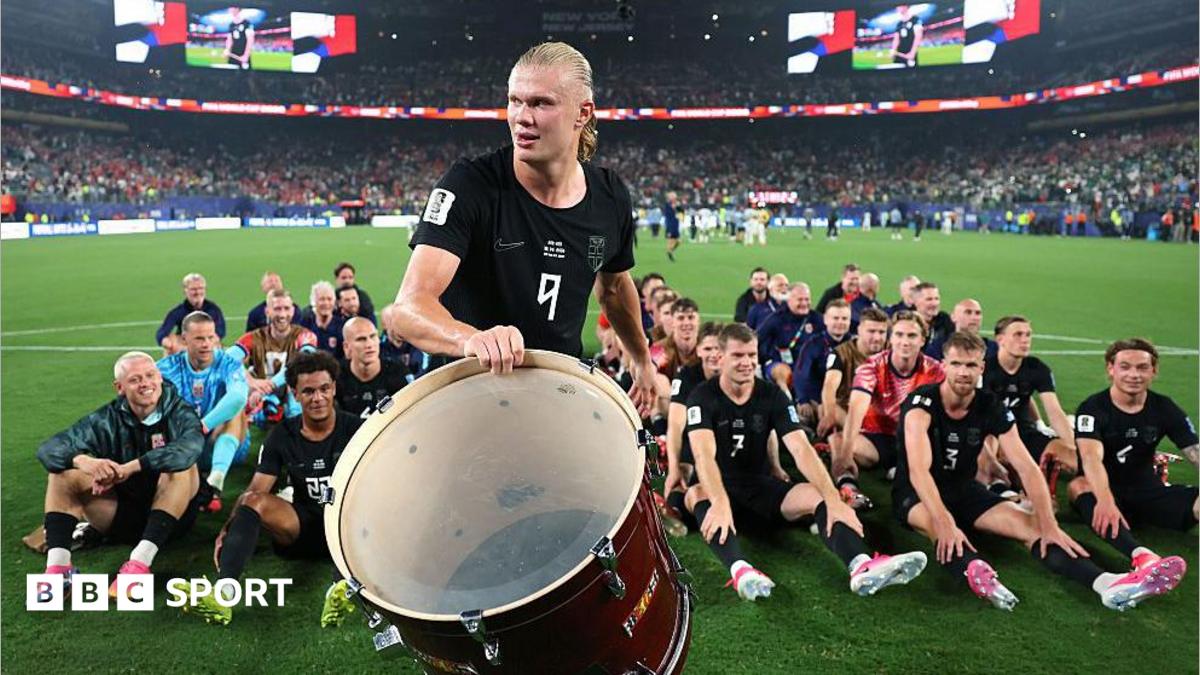
Norway’s Erling Haaland left World Cup with 7 goals, taxidermy raccoon

Erling Haaland is a character.

Hardcore soccer fans already knew that about the Premier League’s top scorer. Casual fans certainly found out during Norway’s run to the World Cup quarterfinal round, where they lost 2-1 to England on Saturday.

Case in point: After the team’s plane landed at Oslo Airport on Monday, the 6-foot-5 striker with flowing blond hair stepped out with a rather unusual carry-on tucked under his left arm.

It was a taxidermy raccoon clutching an empty liquor bottle.

“It followed me home,” Haaland wrote in an Instagram post that also included a photo of himself carrying his new prized possession.

The stuffed creature was one of many purchases Haaland made during his team’s stay in Dallas for its round of 32 game against Ivory Coast on June 30. Following the 2-1 victory at AT&T Stadium, Norway’s all-time leading scorer decided he wanted to add a little Texas style to his look before departing for East Rutherford, N.J., for the next round.

“I want just a cowboy hat,” Haaland said at the time, as seen in a video posted on his YouTube channel. “That’s all I want.”

He ended up getting much more during what ended up being a 90-minute visit to Wild Bill’s Western Store with some team staff members just hours after the game.

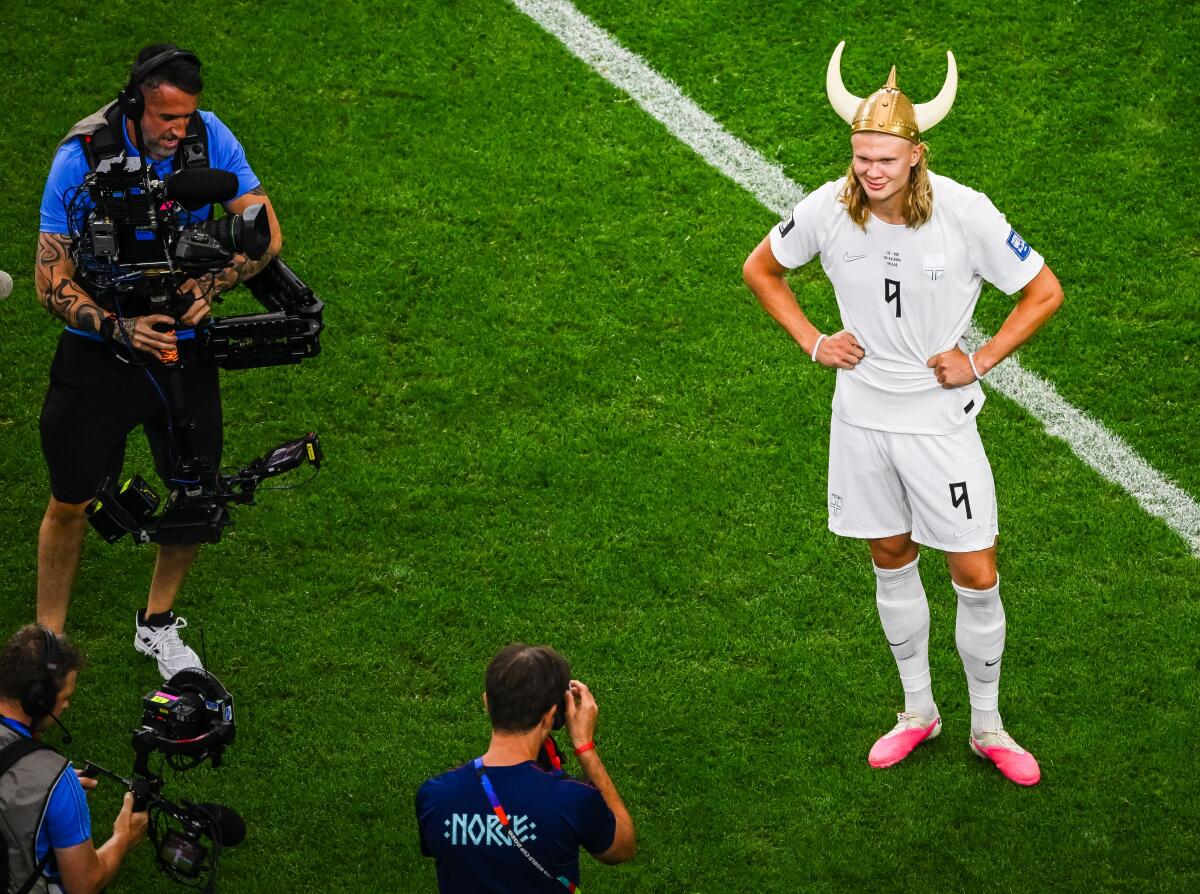
Erling Haaland wears a Viking helmet and a white uni as he poses on the pitch for photographers

Norway’s Erling Haaland wears a viking helmet after his team’s World Cup round of 32 game against Ivory Coast on June 30 in Arlington, Texas.

(Jessica Tobias / AP Photo)

“Just every department: boots, hats, belt, buckles, T-shirts, Western shirts,” store co-owner Julie Newport told The Times of Haaland’s purchases. “It was such a fun time for all of us because they were all chill and relaxed, and our team was just doing their job, you know, getting in the right sizing and having some fun with them.”

At some point while roaming the store, Haaland noticed the hard-partying raccoon and had to have it. His haul ended up including two taxidermy squirrels as well — one dressed as a sheriff and the other posed to look like it is drinking out of a Budweiser can.

The so-called Whiskey Raccoon sells for $750, and the squirrels go for $450 each. Because of their price tags, the taxidermy items weren’t typically huge sellers. Instead, Newport said, folks mainly liked coming by and posing for pictures with them.

Now, however, they are sold out and in high demand. Newport said three of the raccoons are on order and should be in-store by next week. After that, she said, the availability depends on whether they can talk the man who makes them out of retirement.

Other items that Haaland purchased and featured on his YouTube video have also been flying off the shelves. Those include a gray Stetson Brenham cowboy hat, Dan Post python boots and a T-shirt that proclaims “Y’all Can Kiss My Dallas.”

“We opened up international shipping for the first time ever, and so we started shipping to Norway, to Germany, to the UK,” Newport said. “I added Brazil and Australia this morning, and luckily our supplier is able to keep us with it.”

She added: “We’re so grateful because we’re one store. We’re locally owned, you know? So this is an incredibly exciting time for us, and we’re learning how to pivot and handle this kind of exposure and traction with sales. It’s just been a really wild ride.”

Born to Norwegian parents in Leeds, England, Haaland moved with his parents to their hometown of Byrne at age 3. He has played for Manchester City since 2022 and has won the Premier League’s golden boot for most goals scored in three of the last four seasons, including his 27-goal effort in 2025-2026.

During the World Cup, Haaland garnered a stateside fan base with his seven goals in five matches, as well as his quirky social media posts and fun personality. Few were likely surprised when Haaland asked on his Instagram Story for help naming “my new buddy” (a.k.a. the Whiskey Raccoon). The choices were Cowboy, Ranger, Tex or R.O.W. (Raccoon On Wheels).

“I think it’s a good thing because I like the Americans,” Haaland said of his newfound U.S. popularity during a team news conference last week. “I think they are kind of hilarious as well. They are funny. I like the way they are.”


Source link

World Cup 2026: England & Norway’s football rivalry

England and Norway renew a rivalry better known for one famous piece of commentary rather than football when they meet in the World Cup quarter-finals in Miami on Saturday.

It was 45 years before Jude Bellingham and Erling Haaland were illuminating the current tournament that a Norwegian by the name of Bjorge Lillelien delivered the speech that has assumed legendary status.

Norway, nowhere near the dangerous force they are now in September 1981, had just beaten an England side boasting players of the class of Bryan Robson, Glenn Hoddle, Kevin Keegan and Trevor Francis 2-1 in a World Cup qualifier.

The win was a seismic shock, regarded as a national embarrassment for England and Norway’s greatest triumph at Ullevaal Stadium in Oslo.

Lillelien was not going to let the opportunity to pile on the agony for England pass him by as he directed a message aimed at the country’s political and sporting figures – especially then Prime Minister Margaret Thatcher.

A reserved man in private, he warmed up by accusing Polish referee Jerzy Kacprzak of being “close to receiving English citizenship” by playing what he felt was too much added time as Norway protected their lead.

When Kacprzak finally blew the whistle, Lillelien was ready to let rip on the airwaves as the main radio commentator for the Norwegian Broadcasting Corporation, known as NRK.

A slightly edited version of his wonderfully excitable commentary is: “Lord Nelson. Lord Beaverbrook. Sir Winston Churchill. Sir Anthony Eden. Clement Atlee. Henry Cooper. Lady Diana. We have beaten all of them.”

And then came Lillelien’s most famous words.

“Maggie Thatcher. Can you hear me? We have a message for you. We have knocked your boys out of the World Cup. Maggie Thatcher. As they say in your language, in the boxing bars around Madison Square Garden New York, your boys took a hell of a beating.”

He then repeated for good measure: “Your boys took a hell of a beating.”

The last line, in particular, has been repeated – and altered to suit the occasion – ever since Lillelien delivered it.

England did, contrary to Lillellen’s claim, qualify for the 1982 World Cup in Spain, but no matter.

Social media did not exist in 1981. The impact and traction of his commentary, had it happened now, would be mind-boggling.

Lillelien, who was a hugely popular figure, died six years later aged 60, but has been immortalised by those words, which he always insisted were spontaneous, not prepared.

The emotional speech has been preserved forever by the wonders of YouTube, helped by Lillelien, fluent in English, switching from his native tongue when he said: “Maggie Thatcher. Can you hear me?” and “your boys took one hell of a beating.”

England’s defeat was one of the biggest shocks in their history, having won the first qualifier 4-0 at Wembley a year previously.

In Norway’s moment of triumph, Lillelien’s colourful commentary meant those who represented England in that defeat will never be allowed to forget it.

Every time England meet Norway, Lillelien will be remembered with affection by everyone except those who still have to suffer those painful recollections.

Source link

I stayed in a treetop cabin in Norway’s fairytale forest and learned the Nordic art of slowing down

Less than two hours from Oslo airport, PAN’s sky-high forest cabins offer hot tubs, canoe trips, wildlife spotting and a lesson in slowing down.

What is the lure of a treehouse? Is it the memory of climbing trees, higher and higher into the secret world of pinecones and canopy? Or something more primordial – not just admiring nature from a distance, but becoming part of it?

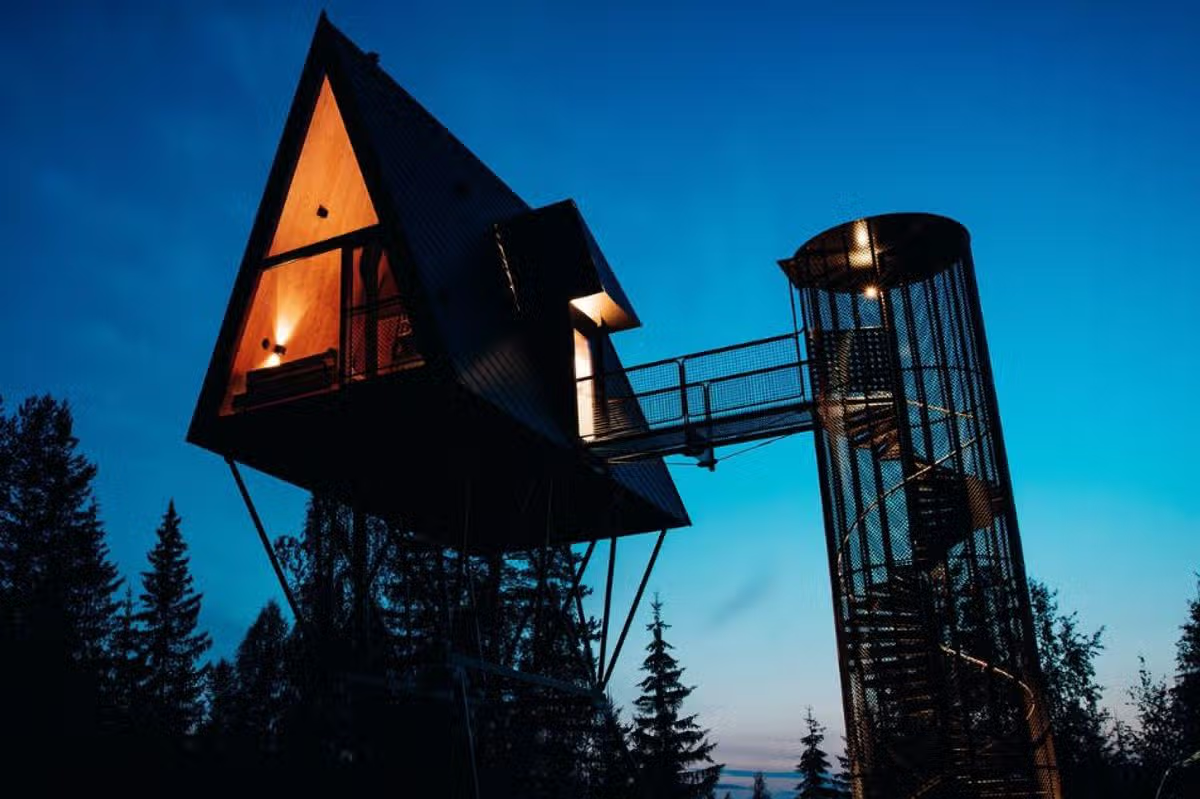
In the depths of the Norwegian forests, there are many places to escape into wilderness, but few are as beguiling as PAN’s Treetop Cabins. Three futuristic prisms, eight metres up on metal frames. Up here, you’re level with the treetops, and the world falls away. They have an otherworldly, science-fiction feel, yet they’re discreet. You come upon them suddenly, before they merge secretively back among the pines.

READ MORE:

I discovered the the cabin life in Kent – the ideal mix of simple and luxurious

READ MORE:

World’s biggest rodeo and space exploration – here’s why to need visit Houston

Less than two hours drive from Oslo airport, they stand on a hillside of Finnskogen, a vast forest nudging up against the Swedish border. These woods have an ancient feel – silent and still. It’s easy to understand Norway’s guiding philosophy of friluftsliv here – that wellbeing is found outdoors.

Sleeping in the sky

Inside, each lodge is the perfect tiny house – a pocketsize kitchen and living area at the front, the bathroom in the centre section with a spacious shower. The walls are pine-clad and it all has that Scandinavian sleekness: everything you need, nothing you don’t. On the upper platform, the double bed overlooks the triangular view.

Oh, that view. Pan is the kind of place where you can feel happy filling your time with very little. You can while away a whole afternoon curled up on the sofa, watching the birds flit between branches, and the sun peel out over the lake below. It’s fascinating in any weather. We had blue-sky sunshine, sunsets and a storm that rolled in over the horizon like slate sheets. It hit the lake and we watched from afar, cosy in our sky-high retreat. I put my phone down, opened the floor-to-ceiling window, listened to the hush of the forest and read a whole book in one sitting.

Embracing the cabin life

Meals can be as hands-on or hands-off as you choose. The cabins are stocked with essentials, but PAN can also arrange breakfast hampers and catering from local producers. We woke to a basket of fresh bread, pancakes, local cheeses and honey, and in the evening I made elk stew with juniper berries, to their neatly measured recipe.

In the simple, pared-back cabin life, cooking and eating together felt celebratory, with the panorama of forest and lake beneath us. As evening settled over the trees, we lingered over dinner by the window, watching the changing light on the water long after the plates were empty.

At ground level, we found a table dotted with tall candles in glass lanterns, to light up al fresco suppers. Off-season, you can barbecue here (not in summer, to prevent wildfires), but any time of year you can lie out on the fur-clad seats, pull up a blanket and watch a billion stars overhead.

Exploring Norway’s ancient forest

There is much to pack quiet days with. Bicycles await to pedal the wooded paths, but we loved just walking. This forest is special. Centuries ago, Finnish refugees were drawn here, bringing myths and folklore with them. The silence is immense, the lichen underfoot puffs green dust, and sometimes a strange mist hangs in the distance, as though a forest spirit has shifted its form, just as you came upon it.

There are still wolves, bears and lynx, moose, foxes and arctic hares. We saw the latter two – not the rest to my chagrin. Our host explained we wouldn’t – “They know how to disappear when they hear you coming,” she commiserated.

But the highlight for me was the ‘Room with Three Walls’ – the outdoor, wood-fired hot tub. The fourth wall is the forest, the ceiling is the sky, and sitting in the steaming water as the forest turns gold in the sunset, with a glass of something sparkling in my hand (which, heads up, I bought at the duty free in London because booze is mighty spenny over in Norway), was holiday perfection.

A river safari through the wilderness

We signed up for an evening canoe down the Fløgåa River, sharing a boat with our guide, Amund. We pushed off into the dark waters and floated quietly downstream. Along the journey, signs of beavers were everywhere – dams of muddled twigs and neat points on felled tree trunks you’d need a Black & Decker to be able to recreate, though the elusive creatures refused to materialise.

By now, we were used to the silent stillness of the Finnskogen, but on the river, with the gentle lap of the oar and the forested bank reflected in the depths, it felt closer than ever. As we approached the final bend, Amund hissed, “There. On the left,” and a fat beaver trundled down his slipway and submerged into the current with barely a ripple.

On the journey home: Norway’s famous buns and Europe’s only emerald mine

A final tip if you’re driving the route back to the airport, along the shores of Norway’s largest lake, Mjosa. There are two stops enroute, both bizarre… and unmissable.

For a sweet treat, pull into the service station at Espa (suspend your disbelief) for Norway’s most famous bakery, Bolleland. It’s packed with neon ‘I [heart] Bolleland’ merch that lends it a crazed vibe, but the chocolate and caramel buns are legendary.

Don’t scoff them in the car, head to the emerald mines – Ole Jørgen Bjørnstad Smaragdgruvene, where you can eat them on the stony lakeshore while you sift for small – yet genuine – emeralds. It’s the only such mine in Europe where you can keep anything you find. A viridescent souvenir of the forestlands.

How to book PAN’s treetop cabins

PAN’s Cabins are available from £480 per night. Breakfast and meals available at an extra cost. Book your river kayak (and other nature experiences) through Pan.
Source link

Marius Borg Hoiby, son of Norway’s crown princess, found guilty, sentenced for rape

Marius Borg Hoiby has been found guilty of two counts of rape and other charges and sentenced to four years in prison. Hoiby is the son of Norway’s Crown Princess Mette-Marit but is not a member of the royal family. File Photo by Lise Aserud/EPA

June 15 (UPI) — Marius Borg Hoiby has been found guilty of two counts of rape and other charges and sentenced to four years in prison.

Hoiby, the son of Norway’s Crown Princess Mette-Marit, has also been convicted for domestic violence, violent threats and filming people without their consent. He pleaded guilty to assault, harassment and malicious damage to property but denied four counts of rape.

While Hoiby is the eldest son of the crown princess and stepson to Norway’s heir, he is not a member of the royal family.

Hoiby faced two more counts of rape but the three judges at the Oslo District Court acquitted him on those counts. However, he is ordered to pay damages to the four women who accused him of rape in the amount of nearly $61,000.

Hoiby’s attorneys have pleaded for his release from prison so he can be with his mother who has been diagnosed with pulmonary fibrosis and is seeking a lung transplant. The Oslo District Court granted his release last week but the decision was overturned on appeal.

Earlier this year, it was revealed in a tranche of files released by the U.S. Department of Justice that Mette-Mait had a three-year friendship with convicted sex offender Jeffrey Epstein.

Prosecutors in the case sought a sentence of seven years in prison for the 39 charges Hoiby faced. They also wanted Hoiby banned from communicating with one of the alleged victims and to have several of his devices confiscated, including three iPhones and a MacBook.

In the case of all four rape charges, the victims were either asleep or incapacitated.

The allegations against Hoiby involved six women. One of them testified that she was incapacitated or asleep when Hoiby raped her in March 2024.

Hoiby also admitted to transporting marijuana.

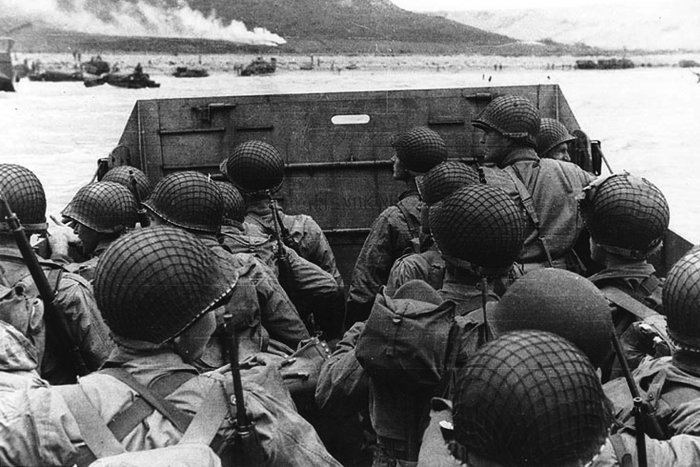
Troops in landing craft approach Omaha Beach on D-Day in Normandy, France, on June 6, 1944. D-Day was the largest seaborne invasion in history and turned the tide of World War II. Photo by UPI | License Photo

Source link