Top Democrats join California immigrant, Nevada group to sue over federal election probes
Top Democrats in Congress have joined a California immigrant and the Nevada State Democratic Party in suing the Trump administration over its unprecedented voter fraud probes in both states and broader efforts to meddle in state-run elections nationwide — alleging they are a “pretext to seize control over elections.”
The lawsuit, filed in federal court in Washington, D.C., late Tuesday, accuses President Trump, Homeland Security Secretary Markwayne Mullin, Atty. Gen. Todd Blanche and the agencies they lead of using “shoddily compiled lists of supposed noncitizens” and “coercive threats of legal retaliation against state officials” to assert federal control over the Nov. 3 midterms.
In addition to Senate Minority Leader Chuck Schumer, House Minority Leader Hakeem Jeffries and several national Democratic groups, the plaintiffs include Erick Jose Jimenez, an “active California voter” and naturalized U.S. citizen since 2006 who now “fears that he will be unlawfully targeted for voting and disenfranchised (or worse)” given the Trump administration’s track record of misidentifying naturalized citizens as noncitizens.
Lauren Bis, a White House spokesperson, said in a statement that while “Democrats and the media continue to dismiss concerns about voter fraud, the Trump Administration is taking decisive lawful action to protect our elections,” including by “prosecuting election crimes, strengthening election infrastructure security, and protecting vulnerable voters from fraud and coercion.”
“Anyone who illegally votes in our elections will be held accountable,” Bis said.
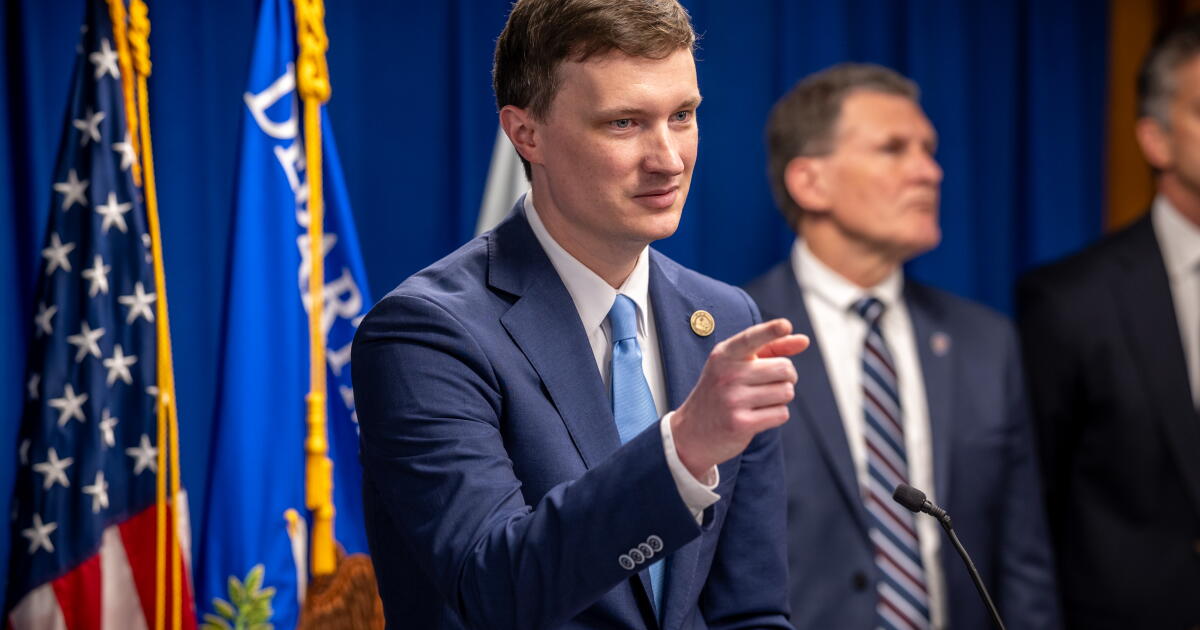
A Justice Department spokesperson said “election integrity is a top priority” and that the department’s actions are “grounded in the law and being litigated in open court.” A Homeland Security spokesperson said it is “laser focused on prosecuting and removing aliens who vote and preventing the dilution of the votes of U.S. citizens.”
Officials from both agencies have asserted that California and other states have ineffective policies for ensuring noncitizens do not vote — relying in part on voters attesting to being citizens — and staunchly defended their own processes for identifying noncitizens on state rolls.
Democrats and leading elections experts say isolated voter fraud does occur and should be taken seriously, but that there is no evidence of widespread fraud.
Tuesday’s lawsuit cites Trump administration claims of thousands of potential noncitizens on Nevada voter rolls crumbling amid state scrutiny. It also cites an administration list of 20,000 “likely noncitizens” allegedly on California rolls being “proven remarkably slapdash” and inaccurate in recent litigation between the administration and California.
The lawsuit alleges a coordinated effort between Trump and other administration officials — in violation of the 10th Amendment and other federal law — to intimidate state and local elections officials nationwide into removing voters from rolls, denying ballots to legally registered voters and segregating the ballots of others “based on spurious and unreliable claims that they are not citizens.”
It says the president is pushing the above efforts not “in a vacuum,” but in the face of repeated steps by Congress and the courts to block his election agenda.
The lawsuit, backed by prominent Democratic elections attorney Marc Elias, follows another filed in the same court last month by attorneys with the UCLA Voting Rights Project, on behalf of the Coalition for Humane Immigrant Rights, or CHIRLA, and a California voter named Pedro Trujillo.
That ongoing lawsuit challenges the Trump administration’s use of unproven federal databases to allege registered California voters are not citizens, which it says risks misidentifying eligible voters and has left naturalized citizens frightened — the same argument made by Jimenez.
Jimenez, who could not be reached for comment, has “eagerly and consistently exercised his right to vote” since becoming a citizen two decades ago, and plans to vote in the Nov. 3 election but fears being misidentified as a noncitizen and targeted, Tuesday’s lawsuit says.
Administration officials have defended the accuracy of their lists, including in the lawsuit the Justice Department filed against California last week. In that case, the Trump administration has asked the court to force California to set aside the ballots of the 20,000 “likely noncitizens” it flagged until their citizenship is confirmed.
First Assistant U.S. Atty. Bill Essayli, the lead federal prosecutor in L.A., has said that list was compiled using public California voter registration records and third-party and law enforcement data, and that federal authorities have “overwhelming evidence” that those voters are ineligible.
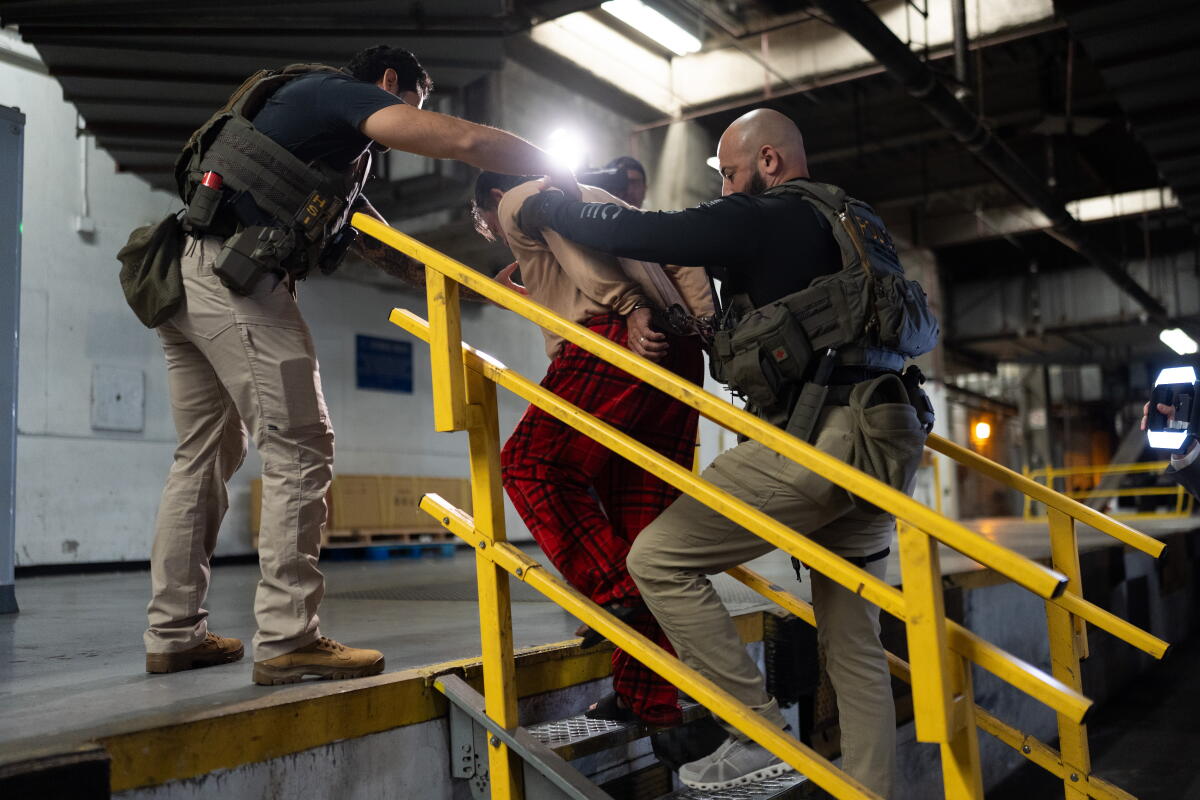
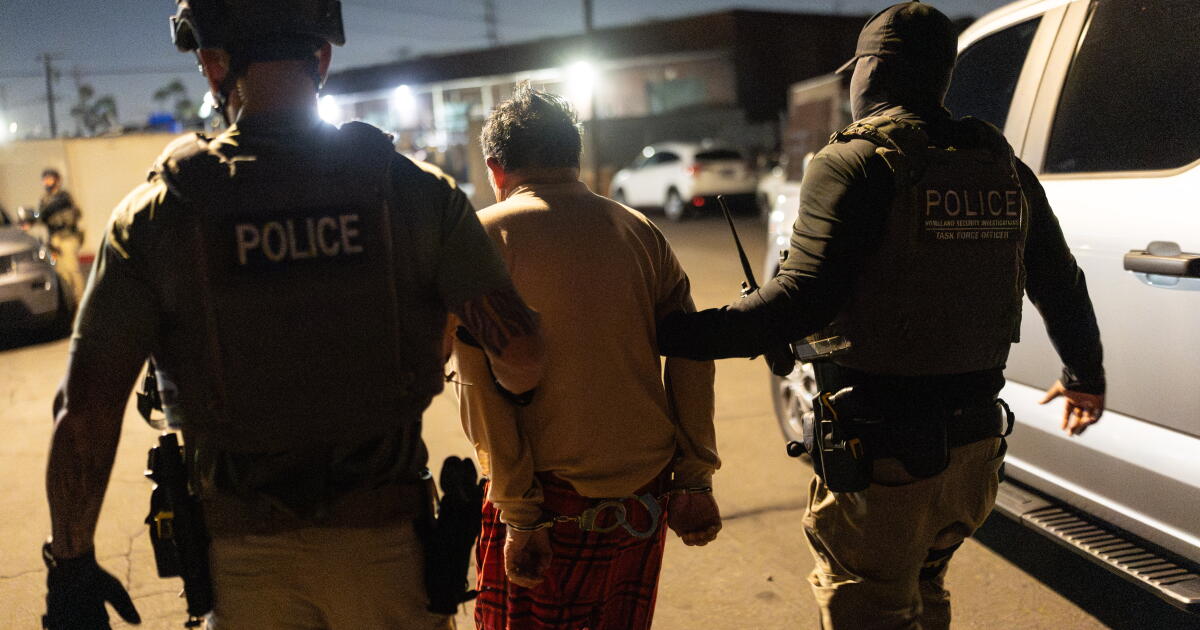
On Monday, federal authorities filed fraudulent registration and other election-related charges against 28 lawful permanent residents in California, which Essayli said “prove our list is accurate and that noncitizens are actually voting.”
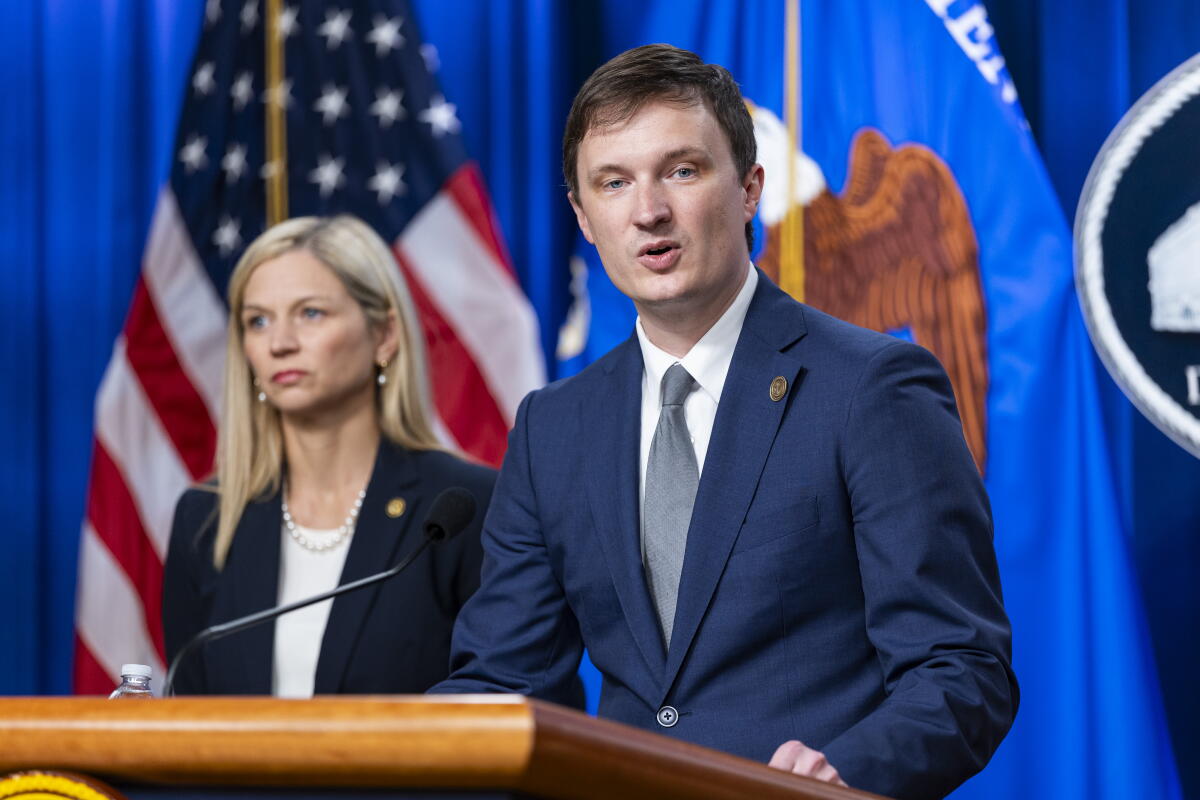
However, other administration officials have acknowledged the lists may not be entirely accurate. Acting Deputy Atty. Gen. Trent McCotter said Monday that “there may be some names on there who, it turns out, ultimately are citizens.” A Homeland Security official said in a court filing Monday that “discrepancies” have been found in about 189 of the records.
California Secretary of State Shirley Weber and Dean Logan, head of the Los Angeles County Registrar-Recorder/County Clerk’s office — both named defendants in the California case — have accused the Trump administration of illegally interfering in state elections and trying to purge voters in the immediate lead up to an election in violation of federal law using inaccurate data.
Logan’s office said Tuesday that a preliminary analysis of a subset of the administration’s list found many were born in the U.S., weren’t registered or had never voted.