More than a third of British holidaymakers have experienced ‘travel tummy’ in the past 12 months

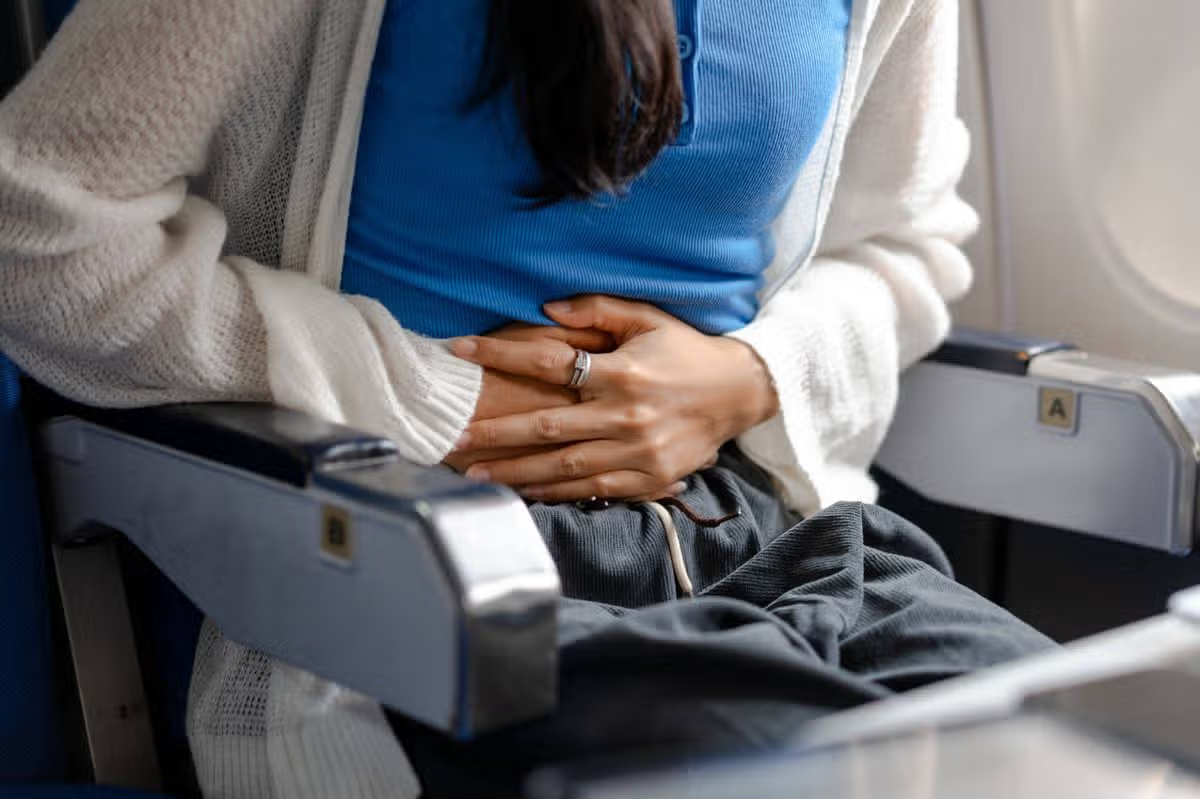
If you’ve ever felt bloated or sick on a plane, you’re not alone(Image: Nansan Houn via Getty Images)
More than a third of British holidaymakers (36%) have suffered from ‘travel tummy’ over the past year, new research has revealed. The term describes stomach upset or illness experienced while on holiday.
Safa noted the findings indicated that digestive problems were a widespread concern amongst travellers, often having a detrimental effect on overseas trips. The Saga Travel Insurance study, which surveyed 500 UK holidaymakers, discovered that half (49%) had endured diarrhoea while away, with nearly one in 10 (8%) battling gut troubles on every single trip.
Those with pre-existing conditions, such as IBS, may face a heightened risk of digestive complications when abroad, as travel can worsen symptoms. Local chemists are the first stop for most holidaymakers grappling with travel tummy overseas (35%), while almost a third (30%) resort to Google and one in 12 (8%) consult AI to assess their symptoms before seeking professional advice.
Saga Travel Insurance consulted Dr Nick Burr, a gastroenterologist at healthcare provider LivingCare, to explore why travel tummy happens and what holidaymakers can do to prevent problems on future getaways.
Bacteria often the cause of travel tummy
Travellers’ diarrhoea is a frequent problem among holidaymakers, especially when heading to destinations where food hygiene standards differ.
Dr Burr said: “Traveller’s diarrhoea is usually caused by bacteria, most commonly E. coli, picked up from contaminated food or water, particularly in parts of Asia, Africa, the Middle East and Central or South America. Symptoms can include loose stools, cramping, bloating and nausea, often within the first week of travel.”
Tap water standards differ significantly from one country to another. Numerous countries have updated plumbing infrastructure, which typically means tap water is safe for consumption.
In other nations, it may be wiser to opt for bottled water, as unsafe drinking water can harbour dangerous bacteria, parasites and chemicals.
According to the NHS, boiling water is the most dependable method to purify it and eliminate any bacteria or viruses. Chemical disinfectants, such as iodine or chlorine, can also be employed, but may prove less effective than thoroughly boiling water and allowing it to cool in a sterile container.
Water filters ranging from 0.2 to 1 micron can also be utilised to remove dirt or parasites from water before applying chemical disinfection.
Two-fifths of Brits reckon their symptoms were triggered by local food
Local cuisine emerged as one of the most frequently mentioned causes of travel tummy amongst holidaymakers in Saga Travel Insurance’s survey, with 44% of respondents blaming their holiday stomach troubles on this. Dr Burr explained: “Common sources [of infection] include untreated water, ice cubes, buffets, shellfish, undercooked meat and food left sitting in the heat. Exploring local food is one of the joys of travel and most people can do so safely as long as they apply common sense. For example, freshly cooked, piping hot food in a busy restaurant is usually OK.”
Dehydration poses one of the greatest threats to your wellbeing while travelling
Diarrhoea was the most frequently reported symptom of holiday tummy among UK travellers, with more than a quarter (28%) of individuals suffering from it while abroad over the past 12 months, according to Saga Travel Insurance’s survey. Loose and watery stools can lead to dehydration as your body is losing more fluids and electrolytes than you’re capable of replenishing.
Dr Burr said: “Dehydration [can be serious], especially in hot climates. Alcohol and caffeine can both worsen dehydration and have a laxative effect, so it’s best to limit these while symptoms are severe. Intense exercise while dehydrated or unwell may also slow recovery, so it’s usually best to rest, drink fluids, and stick to simple foods until symptoms improve.”
Rehydration solutions are an effective method to prevent dehydration and support recovery. If you’re unable to obtain rehydration sachets, Dr Burr points out that you can prepare your own from scratch.
He said: “If oral rehydration sachets are unavailable, a homemade solution can be made using six level teaspoons of sugar and half a teaspoon of salt in one litre of clean water.”
Routine disruption
While bacteria and infection remain the most frequent culprits behind traveller’s diarrhoea and stomach complaints, there may be more environmental factors at play when holidaymakers feel under the weather.
Dr Burr explained: “[In other cases], symptoms are not due to infection, but are related to changes in routine. Prolonged disruption to normal routines, including sleep patterns, hydration, alcohol intake, stress and diet, can make the digestive system more sensitive, particularly in people prone to irritable bowel syndrome (IBS) or functional gut symptoms.”
The survey by Saga Travel Insurance revealed that a third of holidaymakers (34%) said travel-related stress played a part in their travel tummy, while over a quarter (27%) pointed to long journeys as a contributing factor.
Dr Burr said: “For those who experience an upset tummy when flying, this is often linked to cabin pressure changes, dehydration, reduced movement, disrupted sleep, stress and unfamiliar foods. Staying hydrated, moving around during flights and eating lighter meals can help reduce discomfort.”
Michelle Cooper, director of Saga Travel Insurance, added: “If you’re on a longer flight, try to walk up and down the aisle every two hours to help with your circulation and digestion.”
Travellers with pre-existing conditions could be at greater risk
‘Travel tummy’ can present heightened dangers for those with underlying health conditions.
Dr Burr said: “People with diabetes, kidney disease, inflammatory bowel disease, or weakened immune systems may become unwell more quickly.”
For individuals with pre-existing conditions, advance preparation is particularly crucial – not only regarding health matters, but also in making certain adequate travel insurance protection is arranged.
Michelle explained: “Many insurers offer cover for pre-existing medical conditions, however, it’s essential to declare them when taking out your policy. If you have an underlying health condition, becoming unwell abroad can be more serious and may require quicker access to medical care or more specialised treatment. Making sure you have the right cover in place means you can get the support you need without facing unexpected costs while you’re away.”
Most travel tummy is mild, but severe cases need treatment
While a dodgy stomach abroad might amount to little more than mild discomfort, it can occasionally prove more serious and necessitate a trip to a local doctor – or a call to your insurer’s 24-hour travel GP, if it provides one.
Michelle said: “Getting sick abroad is never ideal and you may be tempted to wait until you’ve returned to the UK to get checked by your doctor. However, it’s important that you seek out medical attention as soon as possible if you think you might be ill.
“Treatment costs abroad can add up quickly, particularly in countries where healthcare is private. Call your insurance provider’s 24-hour emergency number to check if they cover everything you need, including medical translation services. Travel insurance can help provide both financial protection and peace of mind if the unexpected happens.
“Having the right cover in place means you can get the care you need without worrying about the cost, so you can focus on recovering and enjoying the rest of your trip with confidence. Taking simple precautions before and during your trip could be the difference between a disrupted holiday and a smooth, stress-free getaway.”
Should you fall ill while overseas, the Foreign, Commonwealth and Development Office holds a comprehensive list of English-speaking doctors, medical facilities and practitioners across the globe. In an emergency situation, don’t hesitate to contact the local emergency services in the country you’re visiting.