Newsom signs bills pushing back on Trump’s immigration agenda
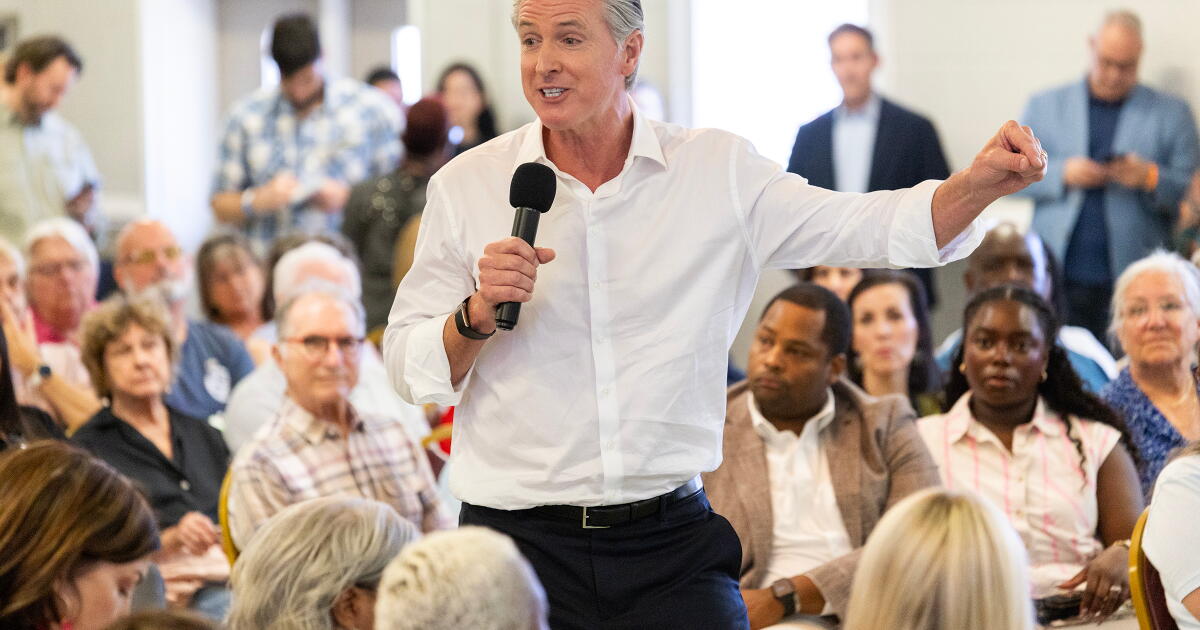
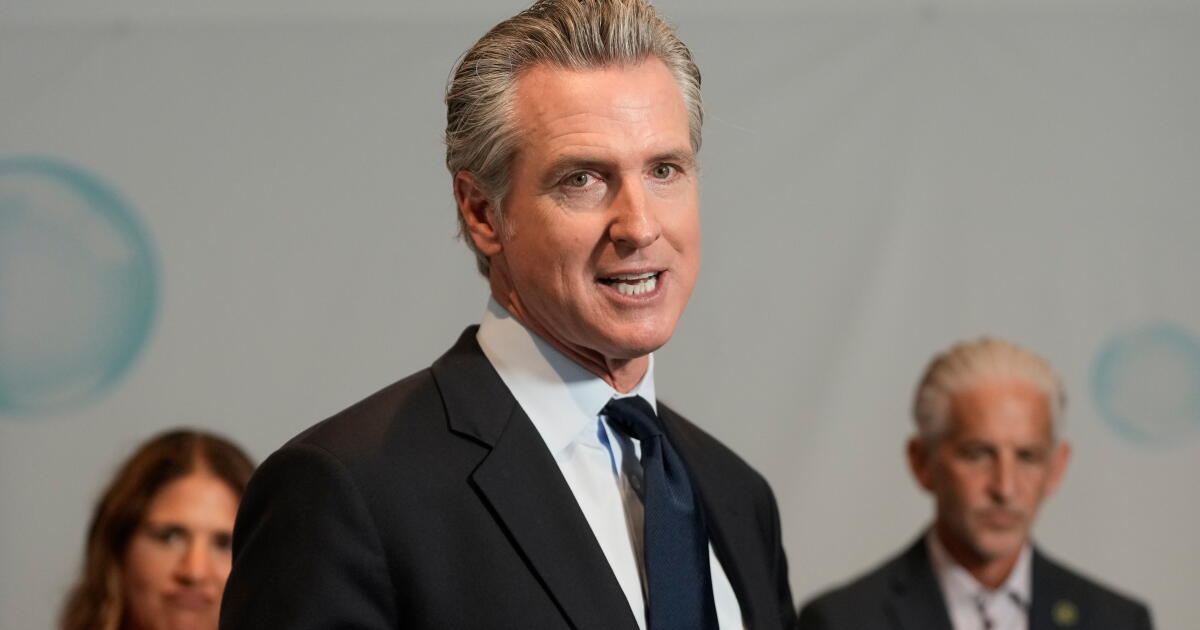
Gov. Gavin Newsom signed a raft of bills designed to push back on the Trump administration’s immigration enforcement in California, including bans on electric shock gloves and a revamped ban on law enforcement face coverings after a previous law was blocked by a federal judge.
The more than 20 bills approved by the governor Tuesday were crafted to thwart tactics used by Immigration and Customs Enforcement agents, including the use of facial coverings and making arrests outside immigration hearings. Other bills are meant to boost state oversight of federal detention centers in the state.
“Trump has put his political interests above the health, safety and livelihood of American families. California is taking action to strengthen transparency, accountability, and oversight around immigration enforcement in our state,” Newsom said in a statement. “This is about stepping up where the federal government has failed our communities. We will continue protecting our people, upholding the rule of law, and making clear that if the federal government operates in California, we will hold them accountable.”
The governor signed legislation to ban the use of electric shock gloves by any law enforcement in the state, which was hastily written and passed after reports that the Department of Homeland Security planned to spend $20 million to outfit agents with the gloves.
One bill, dubbed the “No Kings Act,” makes it easier for residents to sue federal agents for alleged civil rights violations, such as racial profiling, unlawful searches or interfering with the right to free speech.
Its author, Sen. Scott Wiener (D-San Francisco) said the law already applies to state and local officials and that his bill, SB 747, closes a loophole that exempts federal officials.
Newsom signed another bill by Wiener that bans ICE agents and other law enforcement from wearing face coverings or masks while on duty. After a federal judge blocked his prior bill, which applied to federal agents but not state police, Wiener passed legislation that applies to both.
Many of the bills Newsom signed Tuesday aim to improve state oversight at immigration detention centers within the state and slowroll the development of new facilities.
Among them is AB 1801, which requires municipalities to wait at least 180 days and hold public hearings before approving any plans to build or convert facilities into immigration detention centers.
Newsom signed a 25% tax on companies that operate immigration detention centers in the state. Most of the detention centers in California are run by the private prison companies GEO Group and CoreCivic, under contracts with the federal government. AB 1633 by Assemblymember Matt Haney (D-San Francisco) would raise an estimated $177 million, according to a fiscal analysis of the bill.
Another new law requires local agencies to disclose 911 calls made from immigration detention centers. It stems from a CalMatters investigation which found alleged sexual assaults at Otay Mesa, a detention center in San Diego, were being investigated by CoreCivic, the company that operates the facility, rather than local law enforcement.
“Our communities deserve safety, and no person in detention should have to resort to throwing notes over the walls of a detention facility to have their needs met and their voice heard,” Sen. Lena Gonzalez (D-Long Beach), chair of the Legislative Latino Caucus and the bill’s author, said in a statement after lawmakers passed her legislation.
Activists and Democratic lawmakers have raised alarms about the rising number of in-custody deaths and poor conditions inside ICE detention facilities. The federal government has reported 57 in-custody deaths during Trump’s second term, up from the 26 deaths reported during the previous four years.
During reviews of detention centers around the state last year, Atty. Gen. Rob Bonta’s office found substandard conditions including overcrowding, delays in medical care and poor quality food and drinking water. At one center, detainees were not given clothing warm enough to protect against extremely low temperatures in the facility, Justice Department staff reported.
Newsom signed legislation indefinitely extending the attorney general’s duty to review private detention centers, which had been set to expire next year.