The announcement comes less than week after Amazon laid off 14,000 people.
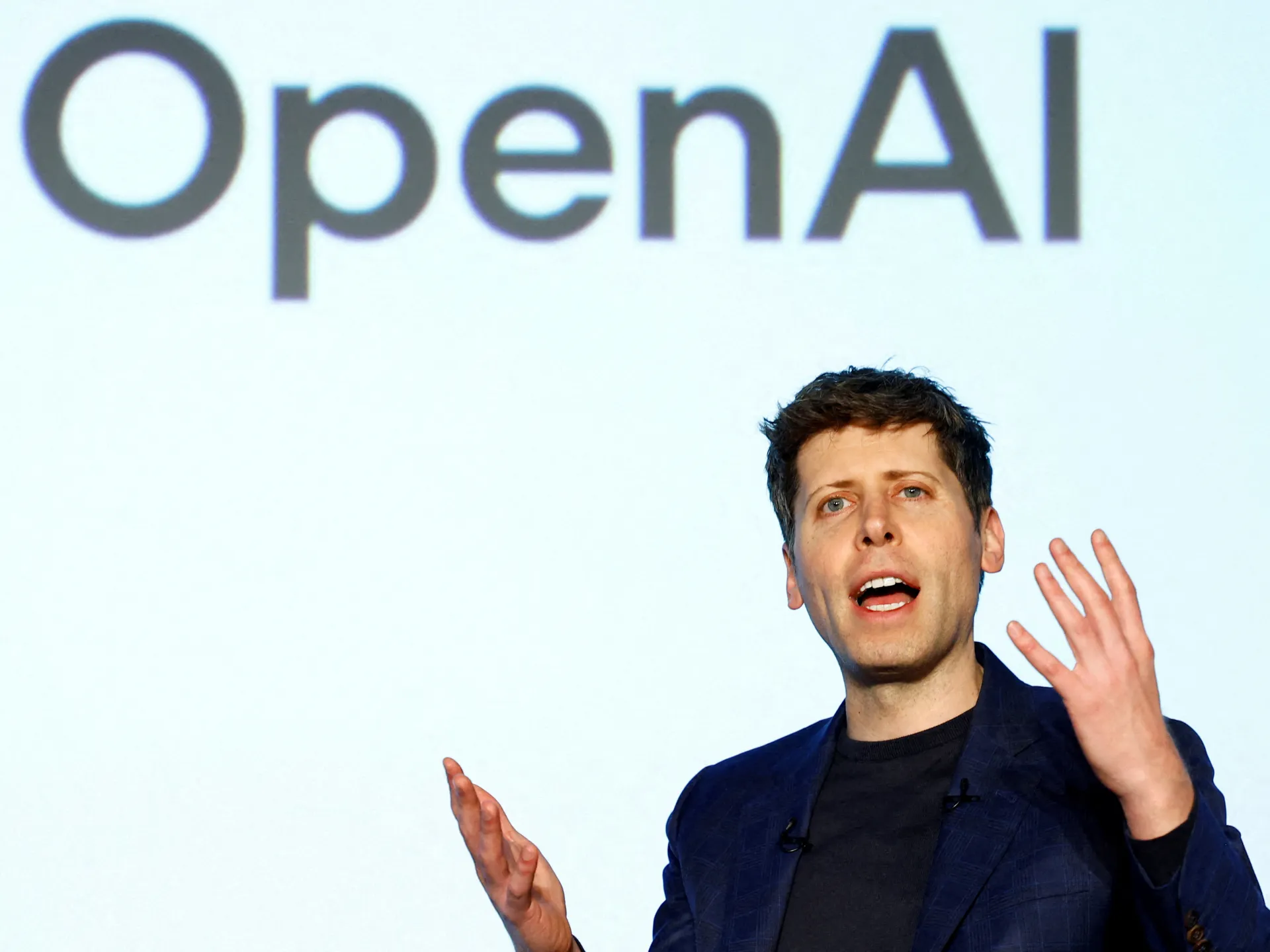
OpenAI has signed a new deal valued at $38bn with Amazon that will allow the artificial intelligence giant to run AI workloads across Amazon Web Services (AWS) cloud infrastructure.
The seven-year deal announced on Monday is the first big AI push for the e-commerce giant after a restructuring last week.
Recommended Stories
list of 4 itemsend of list
The new deal will give the ChatGPT maker access to thousands of Nvidia graphics processors to train and run its artificial intelligence models.
Experts say this does not mean that it will allow OpenAI to train its model on websites hosted by AWS – which includes the websites of The New York Times, Reddit and United Airlines.
“Running OpenAI training inside AWS doesn’t change their ability to scrape content from AWS-hosted websites [which they could already do for anything publicly readable]. This is strictly speaking about the economics of rent vs buy for GPU [graphics processing unit] capacity,” Joshua McKenty, CEO of the AI detection company PolyguardAI, told Al Jazeera.
The deal is also a major vote of confidence for the e-commerce giant’s cloud unit, AWS, which some investors feared had fallen behind rivals Microsoft and Google in the artificial intelligence (AI) race. Those fears were somewhat eased by the strong growth the business reported in the September quarter.
OpenAI will begin using AWS immediately, with all planned capacity set to come online by the end of 2026 and room to expand further in 2027 and beyond.
Amazon plans to roll out hundreds of thousands of chips, including Nvidia’s GB200 and GB300 AI accelerators, in data clusters built to power ChatGPT’s responses and train OpenAI’s next wave of models, the companies said.
Amazon already offers OpenAI models on Amazon Bedrock, which offers multiple AI models for businesses using AWS.
OpenAI’s sweeping restructuring last week moved it further away from its non-profit roots and also removed Microsoft’s first right to refusal to supply services in the new arrangement.
Image hurdles
Amazon’s announcement about an investment in AI comes only days after the company laid off 14,000 people despite CEO Andy Jassy’s comment in an earnings call on Thursday saying the layoffs were not driven by AI.
“The announcement that we made a few days ago was not really financially driven, and it’s not even really AI-driven, not right now at least,” Jassy said.
OpenAI CEO Sam Altman has said the startup is committed to spending $1.4 trillion to develop 30 gigawatts of computing resources – enough to roughly power 25 million United States homes.
“Scaling frontier AI requires massive, reliable compute,” said Altman. “Our partnership with AWS strengthens the broad compute ecosystem that will power this next era and bring advanced AI to everyone.”
This comes amid growing concerns about the sheer amount of energy demand that AI data centres need to operate. The Lawrence Berkeley National Laboratory estimates that AI data centres will use up to 12 percent of US electricity by 2028.
An AP/NORC poll from October found that 41 percent of Americans are extremely concerned about AI’s impact on the environment, while another 30 percent say they are somewhat concerned as the industry increases its data centre footprint around the US.
Signs of a bubble
Surging valuations of AI companies and their massive spending commitments, which total more than $1 trillion for OpenAI, have raised fears that the AI boom may be turning into a bubble.
OpenAI has already tapped Alphabet’s Google to supply it with cloud services, as Reuters reported in June. It also reportedly struck a deal to buy $300bn in computing power for about five years.
While OpenAI’s relationship with Microsoft, which the two forged in 2019, has helped push Microsoft to the top spot among its Big Tech peers in the AI race, both companies have been making moves recently to reduce reliance on each other.
Neither OpenAI nor Amazon were immediately available for comment.
On Wall Street, Amazon’s stock is surging on the news of the new deal. As of 11:15am in New York (16:15 GMT), it is up by 4.7 percent.
Nov. 3 (UPI) — Two men face federal charges for allegedly plotting a terror attack in Michigan over Halloween weekend, according to a criminal complaint unsealed.
On Friday, FBI Director Kash Patel stated the bureau “thwarted a potential terrorist attack.” Patel added that FBI agents arrested “multiple subjects in Michigan who were allegedly plotting a violent attack over Halloween weekend.”
Five suspects were arrested, two of whom — Mohmed Ali and Majed Mahmoud — were charged with multiple felonies in a 73-page criminal complaint in Michigan’s eastern federal judicial district.
Ali and Mahmoud were charged with receiving, transferring, attempting and conspiring to transfer firearms and ammunition.
In addition, the two suspects were charged with knowing and having reasonable cause to believe that the firearms and ammunition would be used to commit a federal terror crime.
The two allegedly purchased three AR-15-style rifles in August and September along with thousands of ammunition rounds and other firearm accessories, according to court documents.
Suspects referred to an attack by “brothers” in private WhatsApp messages on behalf of an Islamic extremist terror group.
FBI officials said the two “traveled together to scout potential target locations in Ferndale, Michigan” that included a number of known LGBTQ+ bars and clubs.
On Saturday, Ali was described as a 20-year-old U.S. citizen “with a lawful interest in recreational firearms.”
“There is no evidence whatsoever of a planned terror or ‘mass casualty’ plot,” said attorney Amir Makled, who represents Ali.
Two of the five arrested were released from custody.
Meanwhile, Ali and Mahmoud were due in court Monday.
The government has asked the media regulator to revisit its rules on phone companies raising their prices in the middle of a contract, after O2 unexpectedly announced it was raising prices by £2.50 a month.
Technology Secretary Liz Kendall said O2’s higher than expected price increase is “disappointing given the current pressures on consumers”.
“I believe we need to go further, faster. I am keen that we look at in-contract price rises again,” she wrote in a letter to the media regulator.
Ofcom said it shared the government’s concern “customers who face price rises must be treated fairly by mobile providers”.
O2 said in a statement: “We appreciate that price changes are never welcome, but we have been fully transparent with our customers about this change, writing directly to them and providing the right to exit without penalty if they wish.”
Ofcom has been given until 7 November to respond to Ms Kendall’s letter, and said it would respond to her specific questions shortly.
In January, new rules came in which cracked down on phone and broadband providers increasing prices in the middle of a contract without warning.
It was able to do this because the increase was not linked to inflation, and it has given customers 30 days to leave without penalty – so long as they pay off the cost of their device in full.
The company said it has not gone against the regulation and Ofcom’s rules do not stop providers from raising prices.
“A price increase equivalent to 8p per day is greatly outweighed by the £700m we invest each year into our mobile network, with UK consumers benefitting from an extremely competitive market and some of the lowest prices compared to international peers,” it said.
Ms Kendall said O2 went “against the spirit” of the rules in her letter to Ofcom’s chief executive Dame Melanie Dawes.
She has asked Ofcom to look into whether the 30-day switching period makes it easy enough for consumers to move to another provider.
“I would welcome your undertaking a rapid review on how easy it is for customers to switch providers,” she said.
“If companies are determined to increase pricing, it is beholden on us to make sure that customers are able to go elsewhere as easily as possible.”
She has also asked for an assessment into whether the January rules give consumers enough transparency into price rises during their contracts.
Ofcom’s rules require companies to tell customers how much their bills will rise by in pounds and pence before their contract starts.
O2 initially said its monthly prices would increase by £1.80 a month in April 2026 for current customers.
But the firm now says they will go up by £2.50 instead.
Ms Kendall said she wants phone providers to inform all their customers – including those whose contracts started before the new rules – how much their monthly prices will go up by.
“We’ve always said fixed should mean fixed,” said Tom MacInnes, director of policy at the Citizens Advice charity, and added the current rule “hasn’t gone far enough to protect customers”.
“If one company is able to get away with this, other providers could follow suit,” he said.
“The time has come for the regulator to banish mid-contract price rises for good.”
Meanwhile, telecoms analyst Paolo Pescatore of PP Foresight said UK network operators are “cash-strapped as margins are being squeezed”.
He added: “Striking the right balance between raising much-needed funds and investing in next-generation networks is never easy.”
But he said while other providers would have usually followed in announcing similar prices rises, “it seems highly unlikely that rivals will follow suit, given the consumer backlash and awareness generated thus far”.
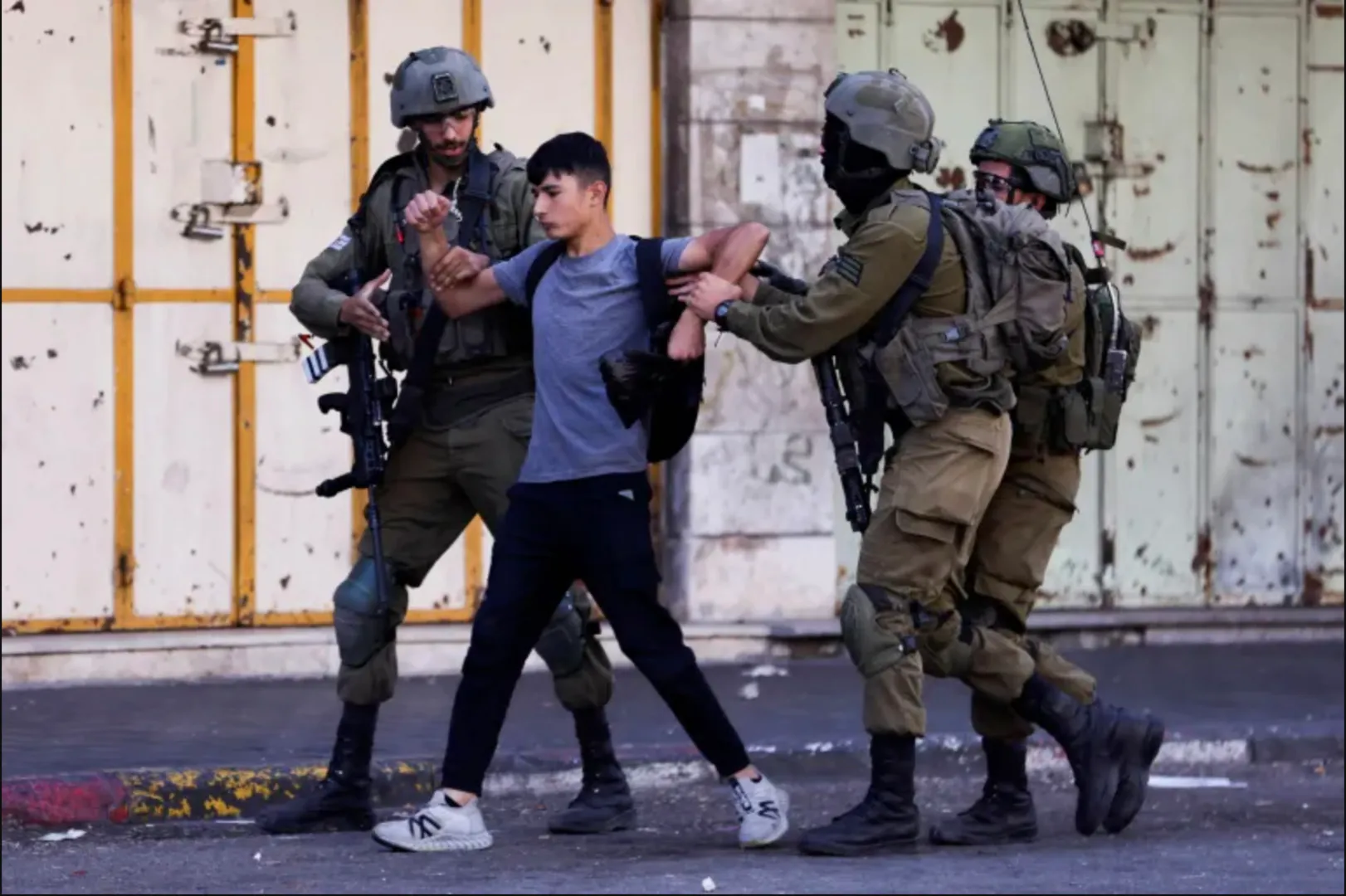
Israel is holding a record 360 Palestinian children from the occupied West Bank in its prisons, many without charge or trial, in what rights groups call a system of control and abuse. Families say the detentions, marked by torture and neglect, are meant to crush Palestinians.
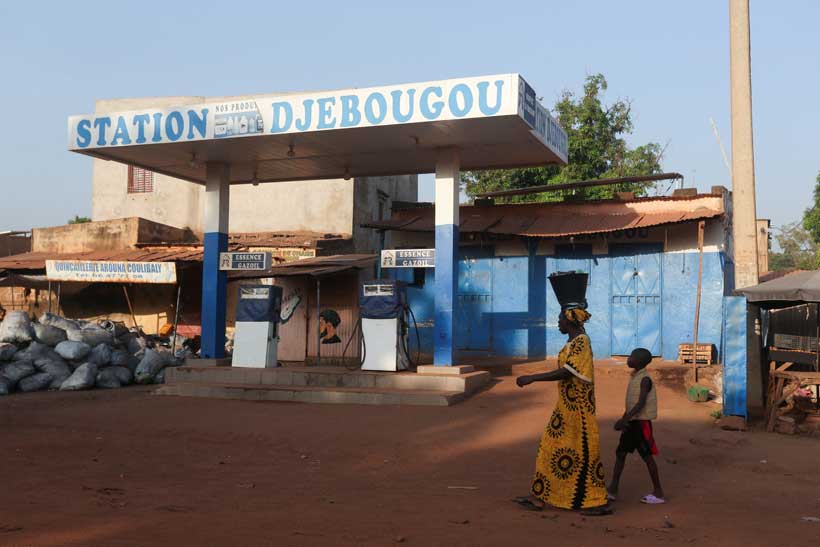
A fuel blockade by al Qaeda-linked militants has severely impacted the capital of Mali, raising concerns that the jihadist group, Jama’at Nusrat al-Islam wal-Muslimin (JNIM), might attempt to impose its rule in the country. While analysts believe that JNIM currently lacks the resources to seize control of Bamako, they view the blockade as a strategy to weaken the government by cutting off fuel supplies, which has led to school closures and affected local businesses.
The blockade aims to pressure the military government, which took power in 2021 after promising to combat the Islamist threat. Analysts speculate that JNIM seeks to provoke another coup in Mali, potentially the third since 2020, which could destabilize the nation further and provide JNIM with more opportunities to gain power and resources. A recent report warned that the government’s stability is at high risk in the coming weeks due to the increasing pressure from JNIM.
JNIM announced the blockade was aimed at the ruling authorities, accusing them of oppressing citizens, particularly outside the capital. The group has been advancing from northern Mali into central areas and neighboring countries, increasing its attacks on military posts and acquiring more weapons. Recently, JNIM reportedly received a large ransom for hosting Emirati hostages and has begun extending its operations in southern Mali, intensifying its focus on Bamako.
The blockade is viewed as both an economic tactic and a means of instilling fear among Bamako’s leadership and its residents. Although there haven’t been significant protests despite the fuel crisis, tensions among military leaders and the arrest of several generals could threaten the current regime’s stability. Observers caution that the potential collapse of Mali’s government could have a domino effect on neighboring Burkina Faso and Niger, where military-led governments are in place, thus destabilizing the Sahel region.
Malians have remained relatively quiet about the fuel shortage due to fear of government reprisals. One resident explained the struggles of finding fuel, while the military continues to deal with internal challenges. Analysts believe that the situation may make the current military leaders vulnerable to being ousted, given the growing pressures from both political factions and armed groups.
If JNIM were to gain control of Bamako, it could lead to significant restrictions on daily life, as seen in areas previously occupied by the group. Recent warnings from foreign embassies have urged citizens to leave Mali, yet there hasn’t been a significant exodus or an increase in flight bookings at this time. The future remains uncertain, with risks of JNIM attempting to advance into the city still possible, according to diplomats.
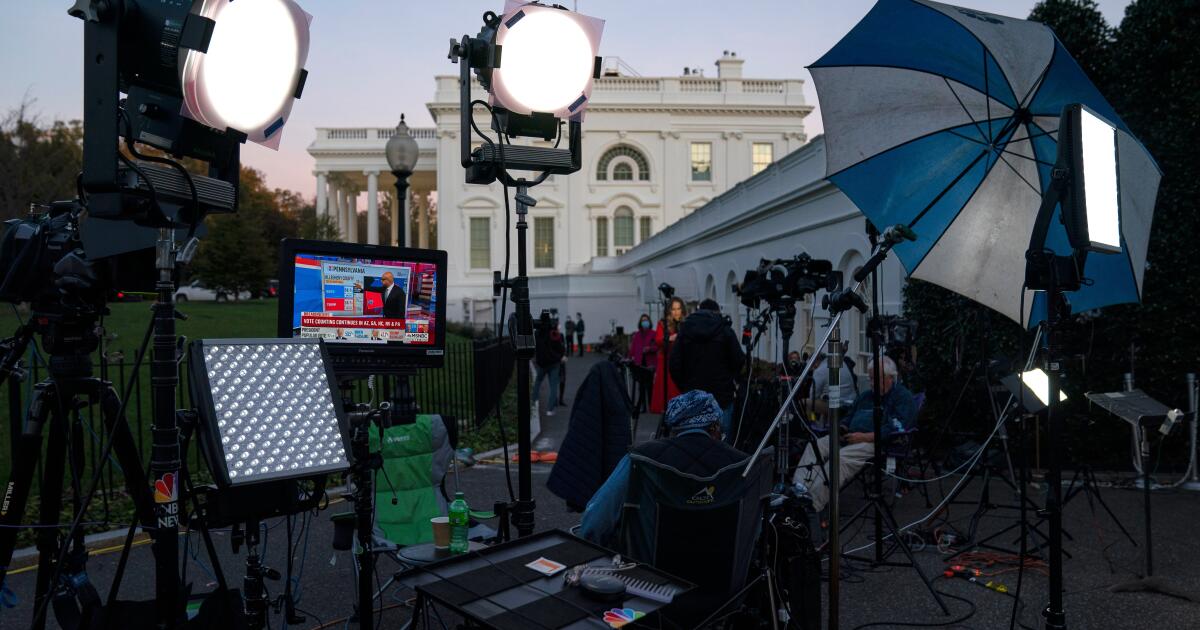
President Donald Trump’s razing of the White House’s East Wing to build a ballroom has put some news organizations following the story in an awkward position, with corporate owners among the contributors to the project — and their reporters covering it vigorously.
Comcast, which owns NBC News and MSNBC, has faced on-air criticism from some of the liberal cable channel’s personalities for its donation. Amazon, whose founder Jeff Bezos owns The Washington Post, is another donor. The newspaper editorialized in favor of Trump’s project, pointing out the Bezos connection a day later after critics noted its omission.
It’s not the first time since Trump regained the presidency that interests of journalists at outlets that are a small part of a corporate titan’s portfolio have clashed with owners. Both the Walt Disney Co. and Paramount have settled lawsuits with Trump rather than defend ABC News and CBS News in court.
“This is Trump’s Washington,” said Chuck Todd, former NBC “Meet the Press” host. “None of this helps the reputations of the news organizations that these companies own, because it compromises everybody.”
Companies haven’t said how much they donated, or why
None of the individuals and corporations identified by the White House as donors has publicly said how much was given, although a $22 million Google donation was revealed in a court filing. Comcast would not say Friday why it gave, although some MSNBC commentators have sought to fill in the blanks.
MSNBC’s Stephanie Ruhle said the donations should be a concern to Americans, “because there ain’t no company out there writing a check just for good will.”
“Those public-facing companies should know that there’s a cost in terms of their reputations with the American people,” Rachel Maddow said on her show this week, specifically citing Comcast. “There may be a cost to their bottom line when they do things against American values, against the public interest because they want to please Trump or buy him off or profit somehow from his authoritarian overthrow of our democracy.”
NBC’s “Nightly News” led its Oct. 22 broadcast with a story on the East Wing demolition, which reporter Gabe Gutierrez said was paid for by private donors, “among them Comcast, NBC’s parent company.”
“Nightly News” spent a total of five minutes on the story that week, half the time of ABC’s “World News Tonight,” though NBC pre-empted its Tuesday newscast for NBA coverage, said Andrew Tyndall, head of ADT Research. There’s no evidence that Comcast tried to influence NBC’s coverage in any way; Todd said the corporation’s leaders have no history of doing that. A Comcast spokeswoman had no comment.
Todd spoke out against his bosses at NBC News in the past, but said he doubted he would have done so in this case, in part because Comcast hasn’t said why the contribution was made. “You could make the defense that it is contributing to the United States” by renovating the White House, he said.
More troubling, he said, is the perception that Comcast CEO Brian Roberts had to do it to curry favor with the Trump administration. Trump, in a Truth Social post in April, called Comcast and Roberts “a disgrace to the integrity of Broadcasting!!!” The president cited the company’s ownership of MSNBC and NBC News.
Roberts may need their help. Stories this week suggested Comcast might be interested in buying all or part of Warner Bros. Discovery, a deal that would require government approval.
White House cannot be ‘a museum to the past’
The Post’s editorial last weekend was eye-opening, even for a section that has taken a conservative turn following Bezos’ direction that it concentrate on defending personal liberties and the free market. The Oct. 25 editorial was unsigned, which indicates that it is the newspaper’s official position, and was titled “In Defense of the White House ballroom.”
The Post said the ballroom is a necessary addition and although Trump is pursuing it “in the most jarring manner possible,” it would not have gotten done in his term if he went through a traditional approval process.
“The White House cannot simply be a museum to the past,” the Post wrote. “Like America, it must evolve with the times to maintain its greatness. Strong leaders reject calcification. In that way, Trump’s undertaking is a shot across the bow at NIMBYs everywhere.”
In sharing a copy of the editorial on social media, White House press secretary Karoline Leavitt wrote that it was the “first dose of common sense I’ve seen from the legacy media on this story.”
The New York Times, by contrast, has not taken an editorial stand either for or against the project. It has run a handful of opinion columns: Ross Douthat called Trump’s move necessary considering potential red tape, while Maureen Dowd said it was an “unsanctioned, ahistoric, abominable destruction of the East Wing.”
In a social media post later Saturday, Columbia University journalism professor Bill Grueskin noted the absence of any mention of Bezos in the Post editorial” and said he wrote to a Post spokeswoman about it. In a “stealth edit” that Grueskin said didn’t include any explanation, a paragraph was added the next day about the private donors, including Amazon. “Amazon founder Jeff Bezos owns The Post,” the newspaper said.
The Post had no comment on the issue, spokeswoman Olivia Petersen said on Sunday.
In a story this past week, NPR reported that the ballroom editorial was one of three that the Post had written in the previous two weeks on a matter in which Bezos had a financial or corporate interest without noting his personal stakes.
In a public appearance last December, Bezos acknowledged that he was a “terrible owner” for the Post from the point of view of appearances of conflict. “A pure newspaper owner who only owned a newspaper and did nothing else would probably be, from that point of view, a much better owner,” the Amazon founder said.
Grueskin, in an interview, said Bezos had every right as an owner to influence the Post’s editorial policy. But he said it was important for readers to know his involvement in the East Wing story. They may reject the editorial because of the conflict, he said, or conclude that “the editorial is so well-argued, I put a lot of credibility into what I just read.”
Nov. 3 (UPI) — The Texas-based Kimberly-Clark Corporation announced Monday it reached a deal to purchase Kenvue — the maker of Band-Aid and Tylenol products — for $48.7 billion.
The combination cash and stock transaction will see Kimberly-Clark acquire all outstanding shares of Kenvue common stock. A news release from Kimberly-Clark said the sale will put 10 billion-dollar brands together under the same company.
Kimberly-Clark’s brands include Kleenex, Cottonelle, Huggies, Poise, Pull-Ups, Scott, Viva and Kotex.
“We are excited to bring together two iconic companies to create a global health and wellness leader,” CEO Mike Hsu said.
“With a shared commitment to developing science and technology to provide extraordinary care, we will serve billions of consumers across every stage of life.”
Kimberly-Clark said the sale is expected to close in the second half of 2026 upon approval by shareholders of both companies. Upon completion, Hsu will serve as chairman of the board and CEO of the combined company. Meanwhile, three board members from Kenue will join Kimberly-Clark’s board.
In the wake of the news, Kenvue’s shares increased 20% in premarket trading, and Kimberly-Clark’s decreased by 14% Monday, CNBC reported.
Less than a week before the announcement, Texas Attorney General Ken Paxton announced he was suing Kenvue and its parent company, Johnson & Johnson, for “deceptively marketing” Tylenol as a safe pain reliever.
The Trump administration announced in September that there was a link between Tylenol and an increased risk of autism, though, on Thursday, Health and Human Services Secretary Robert F. Kennedy said there wasn’t sufficient evidence to explicitly claim that Tylenol causes autism.
US President Donald Trump has appeared on the CBS News programme 60 Minutes just months after he won a $16m settlement from the broadcaster for alleged “deceptive editing”.
In the interview with CBS host Norah O’Donnell, which was filmed last Friday at his Mar-a-Lago residence and aired on Sunday, Trump touched on several topics, including the ongoing government shutdown, his administration’s unprecedented crackdowns on undocumented migrants, the US’s decision to restart nuclear testing, and the trade war with China.
Recommended Stories
list of 4 itemsend of list
Trump, who regularly appears on Fox News, a right-wing media outlet, has an uneasy relationship with CBS, which is considered centrist.
In October 2020, the president walked out of a 60 Minutes interview in the lead-up to the 2020 election he lost, claiming that the host, Lesley Stahl, was “biased”.
Here are some key takeaways from the interview:
The interview took place one year to the day after Trump sued CBS
The president’s lawyers sued CBS owner Paramount in October 2024 for “mental anguish” over a pre-election interview with rival candidate Kamala Harris that Trump claimed had been deceptively edited to favour Democrats and thus affected his campaign.
CBS had aired two different versions of an answer Harris gave to a question on Israel’s war on Gaza, posed by host Bill Whitaker. One version aired on 60 Minutes while the other appeared on the programme Face the Nation.
Asked whether Israel’s prime minister, Benjamin Netanyahu, listened to US advice, Harris answered: “We are not going to stop pursuing what is necessary for the United States – to be clear about where we stand on the need for this war to end.”
In an alternative edit, featured in earlier pre-broadcast promotions, Harris had given a longer, more rambling response that did not sound as concise.
The network argued the answer was edited differently for the two shows due to time restrictions, but Trump’s team claimed CBS “distorted” its broadcasts and “helped” Harris, thereby affecting his campaign. Trump asked for an initial $10bn in damages before upping it to $20bn in February 2025.
Paramount, in July 2025, chose to settle with Trump’s team to the tune of $16m in the form of a donation to a planned Trump presidential library. That move angered journalist unions and rights groups, which argued it set a bad precedent for press freedom.
Paramount executives said the company would not apologise for the editing of its programmes, but had decided to settle to put the matter to rest.
The company was at the time trying to secure federal approval from Trump’s government for a proposed merger with Skydance, owned by Trump ally Larry Ellison. The Federal Communications Commission has since approved the merger that gives Ellison’s Skydance controlling rights.
On October 19, Trump’s son-in-law, Jared Kushner, and Steve Witkoff, US special envoy to the Middle East, were interviewed on 60 Minutes regarding the Israel-Gaza war.
President Donald Trump, left, and Chinese President Xi Jinping, right, shake hands before their meeting at Gimhae International Airport in Busan, South Korea, October 30, 2025 [Mark Schiefelbein/AP]
He solved rare-earth metals issue with China
After meeting with Chinese President Xi Jinping in South Korea last Thursday, Trump praised his counterpart as a “strong man, a very powerful leader” and said their relationship was on an even keel despite the trade war. However, he blamed China for “ripping off” the US through its dominance of crucial rare earth materials.
Trump told 60 Minutes he had cut a favourable trade agreement with China and that “we got – no rare-earth threat. That’s gone, completely gone”, referring to Chinese export restrictions on critical rare-earth metals needed to manufacture a wide range of items including defence equipment, smartphones and electric vehicles.
However, Beijing actually only said it would delay introducing export controls for five rare-earth metals it announced in October, and did not mention restrictions on a further seven it announced in April this year. Those restrictions remain in place.
Xi ‘knows what will happen’ if China attacks Taiwan
Trump said President Xi did not say anything about whether Beijing planned to attack autonomous Taiwan.
However, he referred to past assurances from Xi, saying: “He [Xi] has openly said, and his people have openly said at meetings, ‘We would never do anything while President Trump is president’, because they know the consequences.”
Asked whether he would order US forces to action if China moved militarily on Taiwan, Trump demurred, saying: “You’ll find out if it happens, and he understands the answer to that … I can’t give away my secrets. The other side knows.”
There are mounting fears in the US that China could attack Taiwan. Washington’s stance of “strategic ambiguity” has always kept observers speculating about whether the US would defend Taiwan against Beijing. Ahead of the last elections, Trump said Taiwan should “pay” for protection.
He doesn’t know who the crypto boss he pardoned is
When asked why he pardoned cryptocurrency multibillionaire and Binance founder Changpeng Zhao last month, Trump said: “I don’t know who he is.”
The president said he had never met Zhao, but had been told he was the victim of a “witch hunt” by the administration of former US President Joe Biden.
Zhao pleaded guilty to enabling money laundering in connection with child sex abuse and “terrorism” on his crypto platform in 2023. He served four months in prison until September 2024, and stepped down as chief executive of Binance.
Binance has been linked to the Trump family’s cryptocurrency company World Liberty Financial, and many have questioned if the case is a conflict of interest.
In March 2025, World Liberty Financial launched its own dollar-pegged cryptocoin, USD1, on Binance’s blockchain and the company promoted it to its 275 million users. The coin was also supported by an investment fund in the United Arab Emirates, MGX Fund Management Limited, which used $2bn worth of the World Liberty stablecoin to buy a stake in Binance.
This part of the interview appeared in a full transcript of the 90-minute interview, but does not appear in either the 28-minute televised version or the 73-minute extended online video version. CBS said in a note on the YouTube version that it was “condensed for clarity”.
Other countries ‘are testing nuclear weapons’
Trump justified last week’s decision by his government to resume nuclear testing for the first time in 33 years, saying that other countries – besides North Korea – are already doing it.
“Russia’s testing, and China’s testing, but they don’t talk about it,” Trump said, also mentioning Pakistan. “You know, we’re an open society. We’re different. We talk about it. We have to talk about it, because otherwise you people are gonna report – they don’t have reporters that gonna be writing about it. We do.”
Russia, China, and Pakistan have not openly conducted tests in recent years. Analyst Georgia Cole of UK think tank Chatham House told Al Jazeera that “there is no indication” the three countries have resumed testing.
He’s not worried about Hamas disarming
The president claimed the US-negotiated ceasefire and peace plan between Israel and Hamas was “very solid” despite Israeli strikes killing 236 Gazans since the ceasefire went into effect. It is also unclear whether or when the Palestinian armed group, Hamas, has agreed it will disarm.
However, Trump said he was not worried about Hamas disarming as the US would force the armed group to do so. “Hamas could be taken out immediately if they don’t behave,” he said.
Venezuela’s Maduro’s ‘days are numbered’
Trump denied the US was going to war with Venezuela despite a US military build-up off the country’s coast and deadly air strikes targeting alleged drug-trafficking ships in the country’s waters. The United Nations has said the strikes are a violation of international law.
Responding to a question about whether the strikes were really about unseating Venezuela’s President Nicolas Maduro, Trump said they weren’t. However, when asked if Maduro’s days in office were numbered, the president answered: “I would say, yeah.”
A closed sign is displayed outside the National Gallery of Art nearly a week into a partial government shutdown in Washington, DC, the US, October 7, 2025 [Annabelle Gordon/Reuters]
US government shutdown is all the Democrats’ fault
Trump, a member of the Republican Party, blamed Democrats for what is now close to the longest government shutdown in US history, which has been ongoing since October 1.
Senators from the Democratic Party have refused to approve a new budget unless it extends expiring tax credits that make health insurance cheaper for millions of Americans and unless Trump reverses healthcare cuts made in his tax-and-spending bill, passed earlier this year.
The US president made it clear that he would not negotiate with Democrats, and did not give clear plans for ending the shutdown affecting 1.4 million governent employees.
US will become ‘third-world nation’ if tariffs disallowed
Referring to a US Supreme Court hearing brought by businesses arguing that the Trump government’s tariff war on other countries is illegal and has caused domestic inflation, Trump said the US “would go to hell” and be a “third world nation” if the court ordered tariffs to be removed.
He said the tariffs are necessary for “national security” and that they have increased respect from other countries for the US.
ICE raids ‘don’t go far enough’
Trump defended his government’s unprecedented Immigration and Customs Enforcement (ICE) raids and surveillance on people perceived to be undocumented migrants.
When asked if the raids had gone too far, he responded: “No. I think they haven’t gone far enough because we’ve been held back by the judges, by the liberal judges that were put in by [former US Presidents Joe] Biden and [Barack] Obama.”
Zohran Mamdani is a ‘communist’
Regarding the New York City mayoral race scheduled for November 4, Trump said he would not back democratic socialist Zohran Mamdani, and called him a “communist”. He said if Mamdani wins, it will be hard for him to “give a lot of money to New York”.
Yifat Tomer-Yerushalmi has reportedly acknowledged that her office released a video of troops abusing a Palestinian detainee.
Published On 3 Nov 20253 Nov 2025
Share
Israeli police have arrested a former military prosecutor after she leaked a video appearing to show soldiers abusing a Palestinian detainee.
Major General Yifat Tomer-Yerushalmi was detained overnight on Monday, according to the country’s national security minister, following a scandal that erupted after she leaked a video, resigned and then disappeared.
Recommended Stories
list of 4 itemsend of list
Israeli Prime Minister Benjamin Netanyahu has called the leaking of the video perhaps the most “severe public relations attack” on Israel since its founding.
Tomer-Yerushalmi disappeared for several hours on Sunday after she announced her resignation, sparking speculation of a possible suicide attempt.
According to a copy of her resignation letter published by Israeli media on Friday, Tomer-Yerushalmi acknowledged that her office had released the video to the media last year. Five reservists were later charged with mistreating prisoners.
National Security Minister Itamar Ben-Gvir said on Monday on Telegram: “It was agreed that in light of last night’s events, the prison service would act with extra vigilance to ensure the detainee’s safety in the detention centre where she has been placed in custody.”
The statement did not indicate what charges she faced.
According to Israeli media, a Tel Aviv court ordered Tomer-Yerushalmi’s remand in custody until noon on Wednesday.
Public broadcaster Kan reported that she was suspected of “fraud and breach of trust, abuse of office, obstruction of justice and disclosure of information by a public servant”.
Former chief military prosecutor Colonel Matan Solomesh was also arrested overnight in connection with the case and was appearing in court Monday, reported Israeli Army Radio.
‘Severe violence’
On Friday, the Israeli military announced that Tomer-Yerushalmi had resigned from her post pending an investigation into leaked footage taken at the Sde Teiman military base in southern Israel last year.
The case began in August 2024 when Israel’s Channel 12 broadcast footage from Sde Teiman, which has been used to hold Palestinians taken during the war in Gaza.
The surveillance camera footage indicated that soldiers had committed illicit acts, without explicitly showing it, as it appeared to take place behind troops holding up shields.
The video was picked up by several media outlets, triggering international outrage and protests within Israel.
The Israeli military said in February that it had filed charges against five reservist soldiers connected with mistreatment at Sde Teiman.
They were charged with “acting against the detainee with severe violence, including stabbing the detainee’s bottom with a sharp object, which had penetrated near the detainee’s rectum”.
It added “the acts of violence have caused severe physical injury to the detainee, including cracked ribs, a punctured lung and an inner rectal tear”.
The indictment said that the abuse took place on July 5, 2024 during a search of the detainee.
Speaking after a cabinet meeting on Sunday, Netanyahu blasted the leak of the video, labelling it as perhaps the most “severe public relations attack” on Israel in the country’s history.
More than 70,000 people ordered to leave their homes as forecasters warn of torrential rains, strong winds and storm surges.
Published On 3 Nov 20253 Nov 2025
Share
Thousands of people have been ordered to evacuate from coastal areas in the eastern Philippines before Typhoon Kalmaegi’s expected landfall.
Forecasters have warned of torrential rains, storm surges of up to 3 metres (10ft) and wind gusts of up to 150km/h (93mph) as the centre of the storm was expected to come ashore on Monday.
Recommended Stories
list of 3 itemsend of list
More than 70,000 people in the coastal towns of Guiuan and Salcedo on Samar Island and Mercedes in Camarines Norte province were ordered to move to evacuation centres or buildings certified as sturdy enough to withstand the impact of the typhoon. Authorities also prohibited fishermen from venturing out to sea in the east-central region.
The storm is predicted to make landfall in either Guiuan or nearby municipalities.
Guiuan is no stranger to typhoons. It was badly hit in November 2013 when one of the most powerful tropical cyclones on record smashed into the Philippines. The storm left more than 7,300 people dead or missing and displaced over four million people.
Human-driven climate change
Kalmaegi is forecast to travel westwards overnight before hitting central island provinces on Tuesday. This includes Cebu, which is still recovering from a magnitude 6.9 earthquake in September.
The Philippines is battered by about 20 typhoons and storms annually, and scientists are warning that they are becoming more powerful due to human-driven climate change.
The archipelago was hit by two major storms in September, including Super Typhoon Ragasa, which toppled trees, tore the roofs off buildings and killed 14 people in neighbouring Taiwan.
The Philippines is also regularly shaken by earthquakes and has more than a dozen active volcanoes, making it one of the world’s most disaster-prone countries.
The Chevrolet Trax Crossover manufactured by General Motors Korea. The automaker suffered a downturn last month amid high U.S. tariffs. Photo courtesy of GM Korea
SEOUL, Nov. 3 (UPI) — General Motors Korea saw its sales plunge more than 20% in October from a year earlier due to a slump at home and abroad amid high tariffs under the United States’ Trump administration.
GM Korea, based west of Seoul, said Monday that it sold 50,021 vehicles last month, down 20.8% year-on-year. The company’s domestic sales dropped 39.5%, while exports declined 20%.
Citing statistics from the Korea Automobile & Mobility Association, GM Korea Vice President Gustavo Colossi offered an optimistic view about its performance this year.
“Despite the production losses in the third quarter, demand for Chevrolet vehicles remains strong both domestically and globally, as evidenced by the Chevrolet Trax Crossover ranking No. 1 in domestic passenger car exports from January to September this year,” he said in a statement.
However, some observers remain worried about the future of GM Korea.
“Most of GM Korea’s turnover comes from exports to the United States. But the 25% tariffs have weighed on the company this year. Even if the duties go down to 15%, the struggle is feared to continue,” Daelim University automotive professor Kim Pil-soo told UPI.
“Worse, its domestic sales accounted for only about 3% in October, with just over 1,000 units sold. If the situation continues, speculation about GM’s withdrawal from Korea is unlikely to fade,” he added.
Originally, South Korean automakers did not pay any tariffs when exporting their cars to the United States, thanks to the bilateral free trade agreement that went into effect in early 2012.
The Trump administration imposed tariffs of up to 25% on Korean-made automobiles earlier this year, although Washington agreed to reduce the rate to 15% late last month in return for Seoul’s promise to make major investments in the United States.
GM Korea has denied rumors that it plans to leave South Korea.
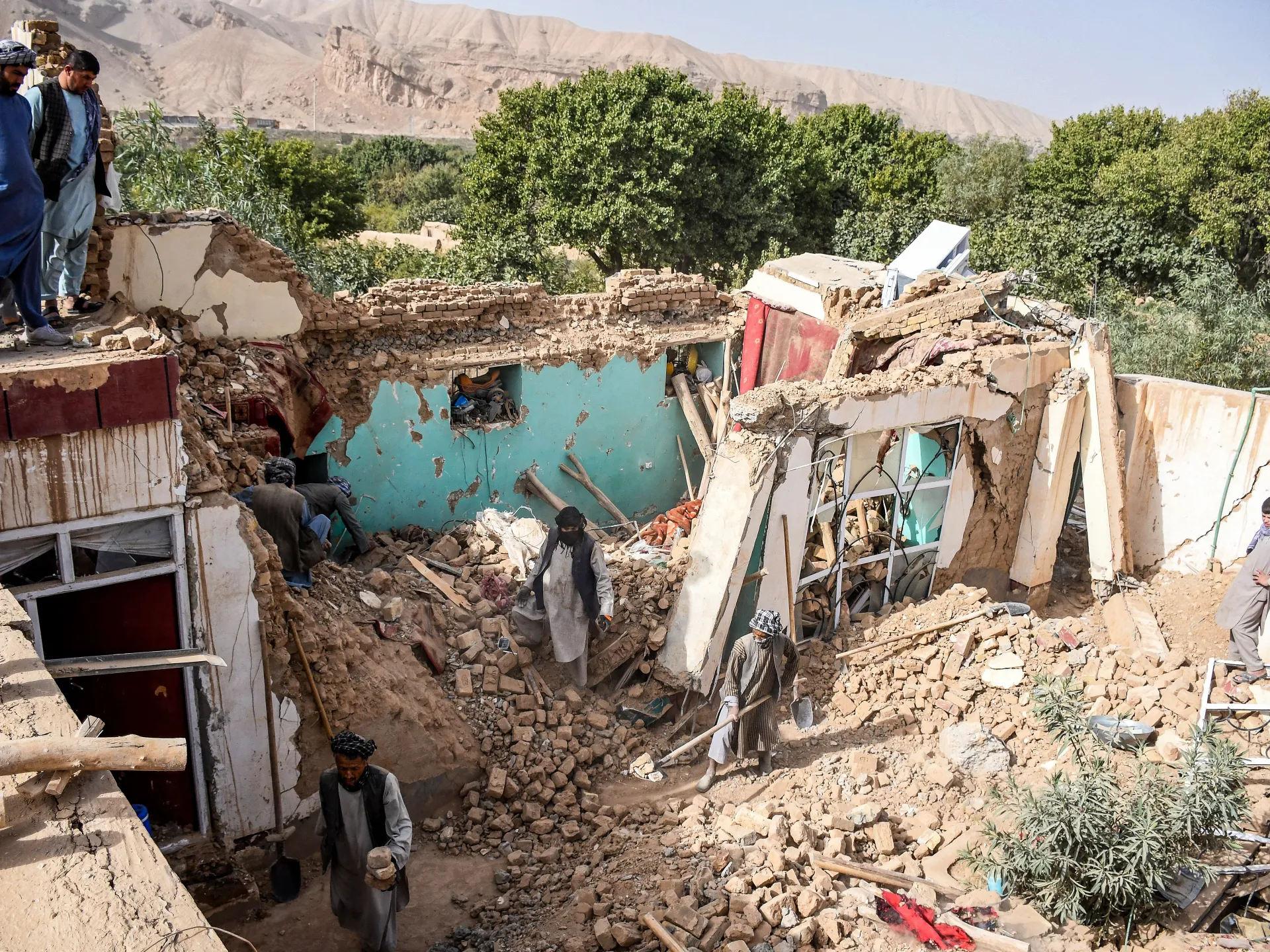
A magnitude 6.3 earthquake has shaken northern Afghanistan, killing at least 20 people and injuring more than 500, a health official says, adding that the numbers could increase.
The quake’s epicentre on Monday was located 22km (14 miles) west-southwest of the town of Khulm, and it struck at 12:59am (20:29 GMT on Sunday) at a depth of 28km (17 miles), the United States Geological Survey said.
Sharafat Zaman, a spokesperson for the Ministry of Public Health, said 534 injured people and 20 bodies had been brought to hospitals in Balkh and Samangan provinces. Rescuers were on the scene and the figures were changing, he added.
In the nearby province of Badakhshan, the quake damaged or destroyed 800 houses in one village in the Shahr-e-Bozorg district, said Ihsanullah Kamgar, spokesperson for the provincial police headquarters.
However, due to a lack of internet service in the remote area, there were still no accurate casualty figures, he added.
Yousaf Hammad, a spokesperson for the Afghanistan National Disaster Management Authority, said most of the injured suffered minor wounds and were discharged after treatment.
In the Afghan capital, Kabul, the Ministry of Defence announced that rescue and emergency teams had reached the quake-affected areas in Balkh and Samangan, which suffered the most damage, and were transporting the injured and assisting others.
The Defence Ministry said a rockslide briefly blocked a main mountain highway linking Kabul with Mazar-i-Sharif but the road was later reopened. It said some people who had been injured and trapped along the highway were transported to hospital.
Nov. 2 (UPI) — Nine people were wounded Sunday in a shooting that erupted at a party being held at a large Airbnb in northern Ohio, authorities said.
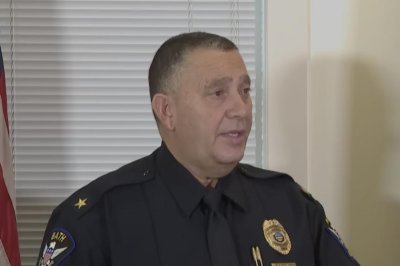
Vito Sinopoli, chief of police for Bath Township, located about 26 miles due south of Cleveland, told reporters during a press conference that officers were working to identify the victims.
He said they were a “mix” of adults and youth. At least one suffered a leg injury in a fall, he said, stating they were unsure of how many suffered gunshot wounds.
Their conditions were unknown.
“This kind of violence is unacceptable in our community, and we’re committed to applying all available resources to this investigation,” he said.
Police were notified of the shooting at a residence in the 900 block of Top O Hill Drive at about midnight Saturday.
Officers arrived to find what Sinopoli described as a “chaotic scene” and began administering life-saving aid to the victims, who were then transported to area hospitals.
The shooting disrupted a “large party” at the residence that Sinopoli said had been advertised on social media as a birthday party that was to begin at 9:30 p.m.
Attendees fled when the shots were fired, he said, adding that preliminary information indicates that the majority of the shots were fired on the ground floor.
No arrests have been made. The number of shooters, if more than one, was unknown.
“We don’t have a clear indication yet of the number of individuals who may have been responsible,” he said.
Evidence was being gathered, surveillance was being reviewed and witnesses were being interviewed, he said, while calling on members of the public with information about the shooting, no matter how seemingly insignificant, to contact the authorities.
Police are in contact with Airbnb and the property owner.
There is a zoning prohibition on short-term rentals, such as those offered by Airbnb, Sinopoli said.
“Typically in a situation like this, there’d be a compliance letter issued to the property owner,” he said.
In July 2017, a shooting was reported at an Airbnb in Bath township, resulting in one person sustaining a leg wound.
On Monday, Airbnb announced an “anti-party system” to be in effect for the Halloween weekend.
It said the system uses “machine learning” on bookings to identify potential party risks. Employed last year, the system “deterred” 38,000 people in the United States and 6,300 people in Canada from booking listings over Halloween.
In a statement to ABC News, Airbnb said it was “heartbroken by this senseless act of gun violence.”
“Unauthorized and disruptive gatherings are strictly prohibited on Airbnb and our Safety team acted immediately to remove the account of the individual who deliberately broke rules by booking this stay,” the company said.
According to The Gun Violence Archive, which tallies gun violence across the United States, there have been at least 358 mass shootings involving four or more victims in the country so far this year.
There will be increased visible patrols at mainline stations over the coming days, the Transport Secretary said
There will be a review of rail security in the UK following a mass stabbing on a train, Transport Secretary Heidi Alexander has said.
A man has been charged with 10 counts of attempted murder after the knife attack on a Doncaster to London service on Saturday night.
Alexander told the BBC the government would “review security arrangements” and respond “swiftly and in a proportionate way”.
But she did not think airport scanning technology “is the right solution for stations in the UK”.
Home Secretary Shabana Mahmood is expected to make a statement about the attack to MPs in the House of Commons on Monday afternoon.
Questions about passenger safety on the UK’s rail network have been raised after a a black British national, who boarded a train at Peterborough station, attacked passengers with a knife.
Eleven people were treated in hospital including a member of train staff who is said to be in a “critical but stable condition”.
Anthony Williams, 32, from Peterborough has been charged with 10 counts of attempted murder, one count of actual bodily harm and one count of possession of a bladed article, British Transport Police (BTP) said on Monday morning.
Alexander told BBC Breakfast that BTP officers would increase visible patrols at mainline stations over the coming days “because I do understand that people will want to feel reassured following what happened”.
“Thankfully incidents like this on the public transport network are very, very rare,” she added.
She said the rail network in the UK was a “low crime environment” and for every one million passenger journeys only 27 crimes were committed.
Asked what steps the government would take to improve security on trains, she said: “We are investing in improved CCTV in stations and the Home Office will soon be launching a consultation on more facial recognition technology which could be deployed in stations as well.”
Asked about luggage scanners similar to those used in some major train stations abroad she said: “At the moment that type of airport scanning technology I don’t think is the right solution for stations in the UK.”
‘Real concerns’
Andy Trotter, former British Transport Police Chief Constable told BBC Breakfast Saturday’s attack illustrates “people’s real concerns about being trapped with an offender or with someone causing disorder”.
“I hope this results in a broader review of security, the need for more British Transport Police, the need for more security from the rail companies themselves.”
Asked about reports that BTP had carried out a training exercise a few months ago based on a scenario similar to what happened he said: “I know they did have a very similar exercise, as in the few weeks before 7/7 we had an exercise similar to the outcome on that day as well.
“It does make it work a lot better on the day, you learn from experience from those exercises what went well what didn’t go well.
“The police and the other emergency services also look at every event immediately afterwards to make sure you do learn lessons.”
Shadow home secretary Chris Philp told BBC Radio 4’s Today programme he was calling for “a dramatic increase in the use of stop and search to take knives off the streets and potentially prevent attacks like the one was saw on the train”.
When asked for what reason the suspect in Saturday’s stabbing should have been stopped and searched before boarding the train when only his age, gender and ethnicity was known, he said “it would depend if there was an indication of suspicion”.
“But in high crime hot-spot areas there should actually be stop and search undertaken without suspicion,” he added.
Asked if he was suggesting the man should have been stopped and searched purely based on the colour of his skin he said “categorically not I am absolutely not saying that”.
The Conservative government in 2024 described laws on knife crime in England and Wales as “already among the toughest in the world”.
Challenged on why these same laws were no longer good enough, he said: “We need to go further with tougher knife crime laws, with more stop and search, and the use of technology like live facial recognition to identify wanted criminals and dangerous people so they can be arrested.”
Senior Reform UK politician Zia Yusuf on Sunday said he would not like to see increased security at train stations.
He told the BBC’s Sunday With Laura Kuenssberg programme it would impose “enormous friction” on the lives of law-abiding people “as a result of the actions of a tiny minority”.
He argued for a significant increase in the use of stop-and-search powers “to saturation”, saying this would remove deadly weapons from circulation.
There is no single knife crime statistics publication in the UK but as far as England and Wales goes, police recorded 51,527 offences across both nations in the year to June 2025, according to the latest figures, published by the Office for National Statistics (ONS).
However, these figures show knife crime is falling by 5% compared with the same period last year and 7% compared with five years ago. Homicides involving a knife also fell by nearly a fifth in the latest year to 196 offences, compared with 239 the year before.
In France, Caroline Darian faces her father in court for horrific crimes he committed against her mother, Gisele Pelicot.
Caroline Darian, the daughter of Dominique and Gisele Pelicot, emerges as a fearless whistleblower exposing the hidden epidemic of drug-facilitated sexual assault in France. This award-winning and sensitively-told documentary follows Caroline during the shocking trial of her father, which made international news headlines in late 2024.
Caroline’s father was found guilty of drugging her mother and raping her with dozens of other men over 10 years. After Gisele bravely broke her silence, Caroline took up the fight – demanding justice, political action, and a shift in shame from the victims to the perpetrators.
No More Shame is a documentary film by Linda Bendali, Andrea Rawlins Gaston, Patrice Lorton, Luc Golfin, and Thomas Dappelo.
In December 2014, an incumbent president lost a re-election bid for the first time in Nigeria’s history.
It was a time characterised by widespread anguish and anger at how insecure the Nigerian life had become. Boko Haram, the extremist insurgent group fighting to establish what it calls an Islamic State, had intensified its violence, killing hundreds of thousands, displacing millions more, and abducting hundreds of teenage girls from school. Bombs were also being detonated in major cities at an alarming rate. For Nigerians, the incumbent President Goodluck Jonathan simply had to go. And so Muhammadu Buhari was voted in with unflinching hope that things would get better. That hope quickly turned into disillusionment and, in some cases, anger as things began to take a different turn than was hoped for.
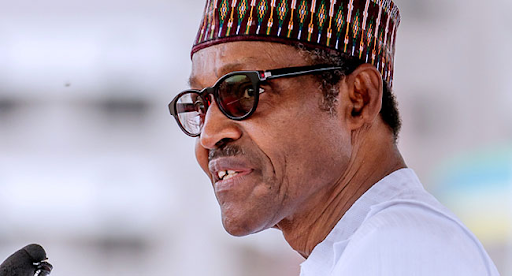
Today, July 13, the former president, Muhammadu Buhari, passed away at 82, signalling the conclusion of a significant political chapter. As tributes from dignitaries continue to emerge and headlines reflect on his ascent and legacy, HumAngle analyses the impact of his presidency on the lives of Nigerians beyond the halls of power, in displacement camps, remote villages, and troubled areas.
An examination of the security legacy
During his time in office from 2015 to 2023, Nigeria faced increasing violence on various fronts: the Boko Haram insurgency in the North East, a resurgence of militants in the Niger Delta, and the rising threat of terrorism and conflicts between farmers and herders in the North West and Middle Belt.
Buhari’s administration initiated multiple military operations, including Operation Lafiya Dole, Operation Python Dance, Operation Safe Corridor, etc., yielding mixed outcomes and levels of responsibility. While some campaigns succeeded in pushing back armed groups, others faced criticism due to evidence of excessive force, extrajudicial killings, and displacements within communities. Non-kinetic counter-insurgency operations such as the Operation Safe Corridor, which was launched in 2016, also came under heavy criticism. Though the programme was designed for Boko Haram members or members of similar insurgent groups in the northeastern region to safely defect from the terror groups and return to society, HumAngle found that civilians were finding their way into these programmes, due to mass arbitrary arrests prompted by profiling and unfounded allegations. The International Crisis Group also found that, beyond innocent civilians being forced to undergo the programme, other kinds of irregularities were going on.
“The program has also been something of a catch-all for a wide range of other individuals, including minors suspected of being child soldiers, a few high-level jihadists and alleged insurgents whom the government tried and failed to prosecute and who say they have been moved into the program against their will,” the group said in a 2021 report. At the time, more than 800 people had graduated from the programme.
The programme also did not – and still does not – have space for women, and HumAngle reported the repercussions of this.
During Buhari’s reign, terrorists were also forced out of major towns but became more entrenched in rural communities. The former president launched aggressive military campaigns against them, reclaiming villages and cities. Boko Haram retreated into hard-to-reach areas with weaker government presence, operating in remote parts of Borno, Yobe, and Adamawa States. In these areas, the group imposed strict rules, conscripted fighters, and punished dissenters, often with brutal force.
A HumAngle geospatial investigation also showed how insurgency wrecked hundreds of towns and villages in Borno state. Many of the rural settlements were overrun after Boko Haram lost urban ground under Buhari’s watch.
Even with significant investment in security, a large portion of rural Nigeria remains ungoverned to date. As the former president failed to curb the forest exploits of Boko Haram, the terror group expanded control over ungoverned spaces, particularly in the North Central and North East regions. In Niger State alone, terrorists took over communities in Shiroro, Rafi, Paikoro, and Munya LGAs, uprooting thousands and launching multiple attacks. The lack of accessible roads and communication infrastructure made rapid response nearly impossible, allowing the terrorists to operate with impunity.
HumAngle found that, under Buhari, Nigeria lost many forest areas to terrorists, especially in Niger state. In areas like Galadima Kogo, terrorists imposed taxes, enforced laws, and ran parallel administrations. The withdrawal of soldiers from key bases emboldened the terrorists. This shift from urban insurgency to rural domination underscores the failure to secure Nigeria’s vast ungoverned spaces. Analysts who conducted a study on alternative sovereignties in Nigeria confirmed that Boko Haram and other non-state actors exploited the governance gaps under Buhari’s administration to expand their influence, threatening national security.
Perspectives from areas affected by conflict
For individuals beyond Abuja and Lagos, Buhari’s governance was characterised more by the state’s tangible influence than by formal policy declarations.
In Borno and Yobe, civilians faced military checkpoints and insurgent violence. School abductions like the Dapchi abduction and many others were recorded..
In Zamfara and Katsina, the president’s silence on mass abductions often resounded more than his condemnations. In Rivers and Bayelsa, the Amnesty Programme faltered, and pipeline protection frequently took precedence over human security.
What remained unaddressed
While some lauded his stance against corruption, numerous victims of violence and injustice during Buhari’s time in office did not receive restitution or formal acknowledgement of the wrongdoing. The former President remained silent during his tenure, as significant human rights violations were recorded. The investigations into military abuses, massacres, forced disappearances, and electoral violence either progressed slowly or ultimately came to an end.
Police brutality was a major problem during his tenure, leading to the EndSARS protests that swept through the entire nation in October 2020, with Lagos and Abuja being the major sites. The peaceful protests sought to demand an end to extrajudicial killings and extortion inflicted by the now-defunct Special Anti-Robbery Squad (SARS). For two weeks, Nigerians trooped into the streets with placards and speakers, memorialising the victims of police brutality and demanding an end to the menace. The protests came to a painful end on the night of October 20, when the Nigerian military arrived at the Lekki Toll Gate in Lagos and fired live rounds into the crowd of unarmed civilians as they sat on the floor, singing the national anthem. It is now known as the Lekki Massacre. Though the government denied that there was any violence, much less a massacre, a judicial panel of inquiry set up to investigate the incident confirmed that there had, in fact, been a massacre.
No arrests were made, and activitsts believe some protesters arrested then may still be in detention to date.
Five years before this, on December 13 and 14, the Nigerian military opened fire on a religious procession in Zaria, containing members of the Islamic Movement of Nigeria (IMN), killing many and leaving others wounded. The incident is now known as the Zaria Massacre. HumAngle spoke to families of some of the people who were killed and children who were brutalised during this time.
Though these massacres have all been well documented, there has been little to no accountability for the aggressors or compensation for victims and their families.
“My life became useless, losing three children and my husband to soldiers for committing no offence…I have never gone three days without my husband and all my children. This has affected my last-born, who is now in a psychiatric facility,” Sherifat Yakubu, 60, told HumAngle.
“I feel a great wrench of sadness anytime I remember the injustice against my people, and I don’t think the authorities are ready to dispense justice,” another victim told HumAngle in 2022, highlighting the gap and lack of trust in the system created by the absence of any accountability after the incident.
Key achievements
Beyond the headlines, Buhari played a crucial role in establishing a framework for centralised security authority. Choices regarding law enforcement, military presence, and national security circumvented local leaders and established institutions, exacerbating conflicts between the central government and regional entities. This centralisation continues to influence Nigeria’s democratic journey, disconnecting many experiences from those who are supposed to safeguard them.
Buhari rode into power on a widely hailed anti-corruption campaign, a promise honoured with the swift implementation of the already-proposed Single Treasury Account (TSA). By 2017, the programme, which consolidated up to 17,000 accounts, had saved the country up to ₦5.244 trillion. Buhari’s Presidential Initiative on Continuous Audit (PICA) eliminated over ₦54,000 ghost jobs, and Nigeria reclaimed ₦32 billion in assets in 2019. Under the same administration, Nigeria got back $300 million in Swiss-held Abacha loot.
From 2.5 million MT in 2015, rice production rose to four million MT in 2017. In an effort to deter rice, poultry and fertiliser smuggling, the former president closed Nigeria’s land borders on August 20, 2019, a move believed to have bolstered local food production significantly. His government’s Presidential Fertiliser Initiative also produced over 60 million 50 kg bags, saving about $200 million in forex and ₦60 million yearly.
Infrastructural achievements under the late president include the completion of the Abuja-Kaduna, Itakpe-Warri and Lagos-Ibadan railway projects, as well as the extension of the Lagos-Ibadan-Port Harcourt rail line. Notably, his government completed the Second Niger Bridge and the Lekki Deep Seaport.
Fatalities from Boko Haram reduced by 92 per cent, from 2,131 deaths in 2015 to 178 in 2021. Under the same administration, over a million Internally Displaced Persons (IDPs) were resettled, and 13,000+ hostages, including some Chibok and Dapchi schoolgirls, regained freedom. The same government acquired 38 new aircraft and Nigeria’s first military satellite (Delsat-1).
In 2021, the Buhari government signed the Petroleum Industry Act (PIA), restructuring the Nigerian National Petroleum Commission (NNPC) into a commercial entity and setting the stage for significant transformation in the country’s oil and gas sector.
Confronting the past may be the path forward
The passing of a president demands more than mere remembrance or the crafting of political narratives. It should create an opportunity for national reflection. As Nigeria faces fresh challenges of insecurity, displacement, and regional strife, Buhari’s legacy presents both insights and cautions.
As official tributes accumulate, Nigerians reflect not only on what Buhari accomplished but also on what remains incomplete.
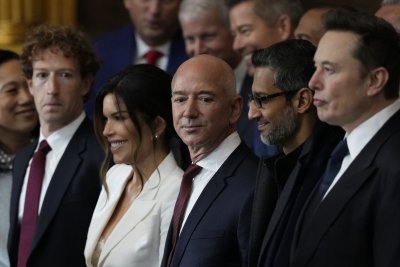
Mark Zuckerberg, Lauren Sanchez, Jeff Bezos, Sundar Pichai and Elon Musk, attend the presidential inauguration of President Donald Trump on Monday, January 20, 2025. File Pool Photo by Julia Demaree Nikhinson/UPI | License Photo
Nov. 3 (UPI) — The United States’ 10 richest billionaires saw their wealth grow last year by nearly $700 billion, according to a new report published Monday by Oxfam, which warns the Trump administration is worsening U.S. inequality.
The report states that in the past year, the wealth of U.S. billionaires grew by $698 billion.
Oxfam, the British-founded confederation of nearly two dozen non-governmental organizations, citing Federal Reserve data, found that between 1989 and 2022, a household in the top 0.1% gained $39.5 million, while a household in the top 1% gained about $8.3 million. Meanwhile, a bottom 20% household saw its wealth only grow by $8,465.
This equals to the poorest household in the top 1% having gained 987 times more wealth than the richest household in the bottom 20%, according to the report.
It continues by stating that while the wealth of working- and middle-class families have barely grown in more than three decades, America’s richest have seen their purses overflow.
As evidence, Oxfam said the share of national income going to the top 1% doubled from 1980 to 2022, while the share going to the bottom 50% decreased by one-third.
It also pointed to the top 1% owning half of the entire stock market, while the bottom half of Americans only hold 1.1%.
“The data confirms what people across our nation already know instinctively: the new American oligarchy is here,” Abby Maxman, Oxfam America’s president and CEO, said in a statement accompanying the publication of the report.
“Billionaires and mega-corporations are booming while working families struggle to afford housing, healthcare and groceries.”
The report warns that the Trump administration is taking actions that threaten to worsen inequality in the United States.
According to Oxfam, the Trump administration, backed by a Republican-controlled Congress, “has moved with staggering speed and scale to carry out a relentless attack on working class families, and use the power of the office to enrich the wealthy and well-connected.”
Maxman said the Trump administration and congressional Republicans “risk turbocharging” this inequality, while adding that what they are doing isn’t new, but what is different “is how much undemocratic power they’ve now amassed.”
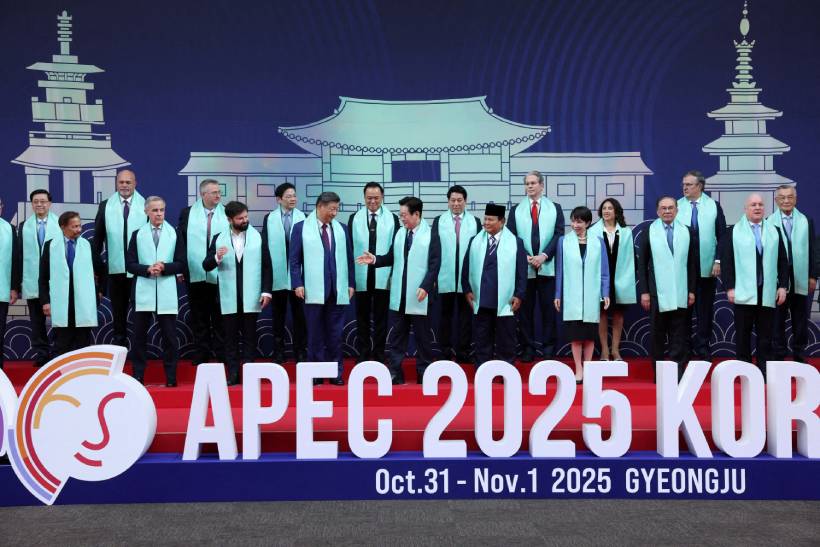
Taiwan has brushed off China’s protest over a meeting between its representative and Japanese Prime Minister Sanae Takaichi at last weekend’s APEC summit, calling the encounter “very normal.” Beijing lodged a formal complaint with Tokyo after Takaichi met Taiwan’s APEC representative Lin Hsin-i on the sidelines of the summit in South Korea.
Takaichi had posted about the meeting on her X account, describing Lin as a senior adviser to the presidential office a remark that drew Beijing’s ire, as China claims Taiwan as part of its territory. Lin, a former economy minister, told reporters in Taipei that all APEC delegations “participated on an equal footing” and that such meetings were routine.
Why It Matters
The exchange underscores Taiwan’s determination to engage internationally despite China’s diplomatic pressure. APEC is one of the few global platforms where Taiwan participates, though its presidents are barred from attending. The meeting also signals Japan’s willingness to maintain contact with Taiwan amid growing regional tensions.
Taiwan: Reiterates its right to equal participation and rejects Beijing’s sovereignty claims.
China: Continues to oppose any official or symbolic recognition of Taiwan by other governments.
Japan: Balances unofficial ties with Taiwan while seeking stable relations with Beijing.
United States: Watches closely as Tokyo and Taipei deepen cooperation, given its own security interests in the region.
What’s Next
Beijing’s protest is unlikely to derail Japan-Taiwan engagement, but it could add friction to China-Japan ties already strained over regional security. With Prime Minister Takaichi’s past remarks about forming a “quasi-security alliance” with Taiwan, any future interactions between Tokyo and Taipei at multilateral events will be closely monitored by both Beijing and Washington.
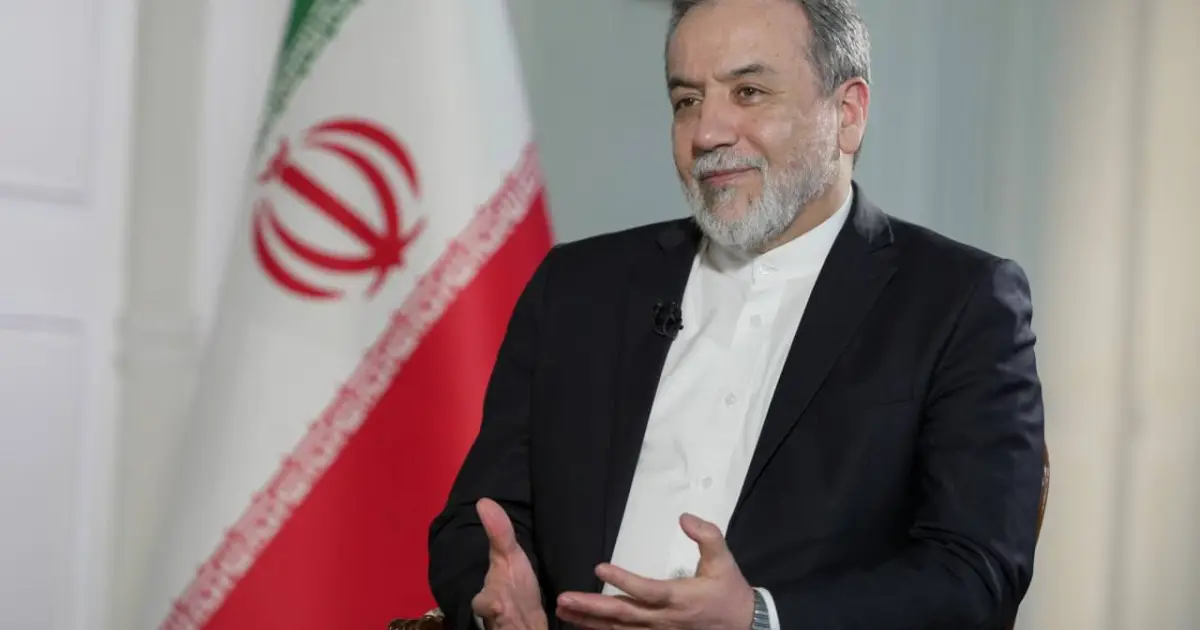
Tehran, Iran – Iran is “not in a hurry” to resume talks with the United States over its nuclear programme, Tehran’s foreign minister has told Al Jazeera.
Iran remains prepared to engage in indirect negotiations with Washington if the US chooses to talk “from an equal position based on mutual interest”, Foreign Minister Abbas Araghchi told Al Jazeera Arabic in an interview at his office in Tehran that was broadcast on Sunday.
Recommended Stories
list of 3 itemsend of list
The official also asserted that a critical “shared understanding” regarding Israel is developing across the region.
Tehran’s top diplomat said conditions set by the US for talks to resume – which reportedly include an emphasis on direct negotiations, zero uranium enrichment, and limits on Iran’s missile stocks and its support for regional allies – are “illogical and unfair”.
That makes talks untenable, he suggested.
“It appears they are not in a hurry,” he remarked. “We are not in a hurry, either.”
Rather, the foreign minister said he believes regional dynamics are turning against Israel, the US’s closest ally in the Middle East.
“I sometimes tell my friends that Mr Netanyahu is a war criminal who has committed every atrocity, but did something positive in proving to the entire region that Israel is the main enemy, not Iran, and not any other country,” Araghchi said in reference to the Israeli prime minister.
The comments came two days after Oman’s chief diplomat, for the first time, publicly joined the chorus of disapproval aimed at Netanyahu and his hardline government.
“We have long known that Israel, not Iran, is the primary source of insecurity in the region,” Foreign Minister Badr bin Hamad al-Busaidi told the audience at the IISS Manama Dialogue 2025 regional forum.
He said over the years, the Gulf Cooperation Council (GCC) has “at best sat back and permitted the isolation of Iran”, a stance that he believes “needs to change”.
In the past 48 hours, the heinous lie that the unlawful Israeli and U.S. bombing of Iran was motivated by an imminent nuclear threat has been thoroughly debunked by
– The International Atomic Energy Agency Chief, who has explicitly stated that Iran “is not and was not”… pic.twitter.com/C2uBzBLOHD
Oman has for years acted as a mediator between Iran and the US in nuclear, financial, prisoner exchange and other regional issues.
Tehran and Washington were slated to sit down for a sixth round of talks in mid-June, when Israel attacked Iran’s nuclear facilities. That launched a 12-day war that killed more than 1,000 people in Iran and inflicted billions of dollars in infrastructure damage.
After media reports last week said the administration of US President Donald Trump had sent a new message to Tehran via Oman, Iran’s government spokeswoman Fatemeh Mohajerani confirmed that messages had been received.
But she did not elaborate on the content or Iran’s potential response. The White House has not publicly confirmed sending the missive.
During his interview, Araghchi said “almost all” of the about 400kg (880lb) of 60-percent enriched uranium possessed by Iran is “buried under the rubble” of nuclear facilities bombed by the US and Israel.
“We have no intention of removing them from under the rubble until conditions are ready. We have no information on how much of the 400kg is untouched and how much is destroyed, and we will have no information until we dig them out,” he said.
The Iranian foreign minister pointed out that China and Russia have formally announced they do not recognise the UN sanctions recently reimposed against Iran by the European signatories to its 2015 nuclear deal with world powers.
France, the United Kingdom and Germany have signalled they want to restart talks with Tehran. However, no substantial progress has been made.
In the meantime, they have imposed sanctions and restrictions, both in relation to Iran’s alleged drone exports to Russia and its nuclear programme.
The three European powers in September announced they were suspending their bilateral air services agreements with Iran, affecting Iranian carriers like Iran Air.
Some of the flights appear to be gradually coming back, though, with Iranian state television airing footage of an Austrian Airlines flight landing in Tehran’s Imam Khomeini International Airport on Sunday night.
Germany’s Lufthansa is also scheduled to resume flights to Tehran, but the precise restart date has not been publicly announced.